Starbucks Feels the Heat as Trump’s Tariffs Bite, While Global Markets Climb

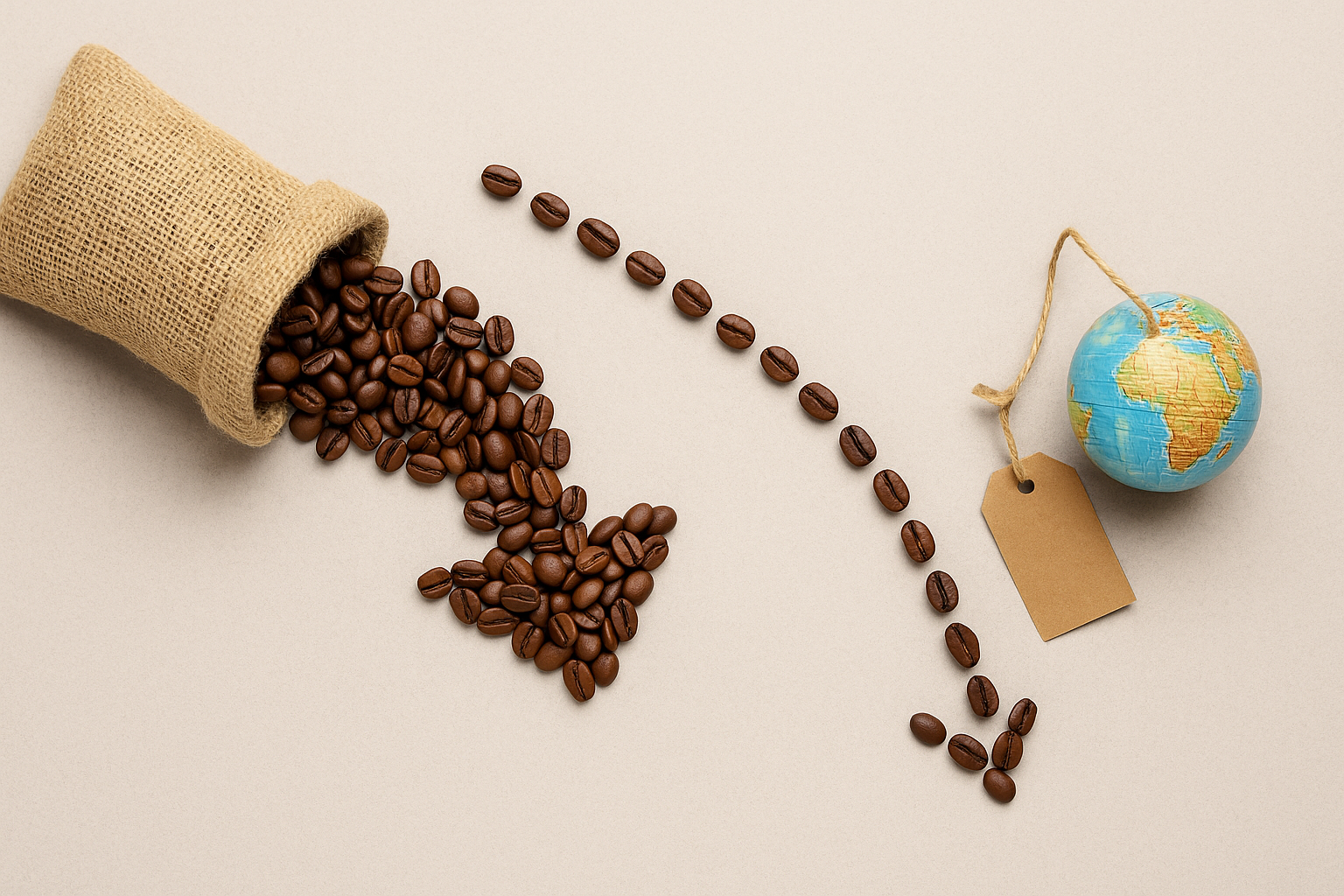
Dubai, August 7, 2025 – (Qahwa World) – As global markets open to positive momentum, Starbucks finds itself out of step. The coffee giant is under pressure following a newly implemented 50% U.S. tariff on Brazilian coffee, a move that analysts say will significantly impact its cost structure and investor sentiment.

While S&P 500 futures rose by 0.23% Wednesday morning—bouncing back from a 0.49% dip the previous day—Starbucks shares continue to slide, with a 1.15% year-to-date drop and a further 8% decline over the past five trading sessions.

Rising Costs and Shrinking Margins

Analyst Andrew Charles from TD Cowen estimates that the tariff could lead to a 3.5% annual increase in Starbucks’ operating costs, cutting into profits by about $0.02 per share.

The company’s recent Q2 results already reflect early signs of strain, with a 2% decline in same-store sales, even as average spend per customer ticked up by 1%—a sign that price increases are quietly making their way to consumers.

Given that the U.S. produces almost no coffee domestically, the full burden of the tariff will fall on importers and consumers, with no substantial economic blow to Brazil expected in return.

Brazil Holds Steady as Others Gain

Despite the trade tension, Goldman Sachs forecasts a 2.3% GDP growth for Brazil in 2025, suggesting limited impact from the U.S. tariffs.

Meanwhile, global markets may actually benefit. With the U.S. demand potentially weakening, surplus supply could shift to international buyers, applying downward pressure on global prices. In fact, Arabica coffee futures have dropped 30% this year, now sitting around $2.96 per tonne.

Global Market Snapshot Ahead of Wall Street Opening:

  • S&P 500 Futures: ▲ 0.23%

  • STOXX Europe 600: Flat

  • FTSE 100 (UK): ▲ 0.18%

  • Nikkei 225 (Japan): ▲ 0.6%

  • CSI 300 (China): ▲ 0.24%

  • KOSPI (South Korea): Flat

  • Nifty 50 (India): ▼ 0.23%

  • Bitcoin: ▼ to $113,900

China Promotes Brazilian Coffee as Trump’s Tariffs Take Effect — CNN

Dubai, August 7, 2025 – (Qahwa World) – U.S. network CNN has reported that China is seizing the opportunity to promote what it called “beloved Brazilian coffee” following the imposition of new tariffs by former U.S. President Donald Trump.

According to CNN, as the new tariffs imposed by Trump on Brazilian goods come into effect, China has swiftly moved to deepen its ties with the world’s largest coffee producer, capitalizing on escalating trade tensions to expand Brazilian coffee’s access to its domestic market.

The 50% tariffs, which took effect on Wednesday, target a wide range of Brazilian products, including coffee. China has viewed this as a chance to strengthen its partnership with Brazil in this vital sector.

The Chinese embassy in Brasília recently announced the arrival of new Chinese companies in the Brazilian market, including food delivery giant Meituan. In a post, the embassy stated: “The bridge is bidirectional—Brazil is also reinforcing its presence in China with its beloved Brazilian coffee.”

A few days earlier, the embassy revealed that China had granted five-year export permits to 183 Brazilian coffee companies. In another message, it noted the growing popularity of coffee in China, stating that the beverage “is becoming part of everyday life for the Chinese people.”

Despite the United States remaining the world’s largest coffee importer—buying 30.7% of its total 1.5 million metric tons of imports from Brazil in 2024—China’s recent moves may reshape the global coffee trade landscape.

Rising Tensions Between Washington and Brasília

These developments come amid rising tensions between the United States and Brazil. Brazilian President Luiz Inácio Lula da Silva criticized the U.S. decisions, saying, “Trump was not elected to be emperor of the world.”

While the U.S. enjoys a trade surplus with Brazil, the White House justified the tariff hike on political grounds. A recent executive order signed by Trump accused the Brazilian government of committing “serious human rights abuses,” referring to the trial of former President Jair Bolsonaro over his alleged attempt to orchestrate a coup against President Lula. Bolsonaro, a close ally of Trump, denies the accusations.

In a controversial move, Trump sent a letter to Brazilian authorities demanding the immediate suspension of Bolsonaro’s trial, describing it as a “political witch hunt.” Lula responded by affirming the independence of Brazil’s judiciary, stating, “The president does not interfere with the judiciary. Bolsonaro is not being judged personally, but for the acts he carried out in attempting a coup d’état.”

China Steps In

Amid these tensions, Brazil may find itself turning to alternative international partners. On Wednesday, Chinese Foreign Ministry spokesman Guo Jiakun stated that cooperation between Beijing and Brasília “has benefited both peoples,” and expressed China’s willingness to enhance relations with Brazil “across various sectors and add new strategic dimensions.”

So far, the Brazilian government has not issued an official response to the new U.S. tariffs. However, President Lula da Silva stressed that Brazil must be treated “as an equal partner” in any future trade negotiations, warning that “there is a limit to dialogue” with the Trump administration.

Coffee Prices Plunge as Trade Flows Shift and Surpluses Loom: ICO’s July 2025 Market Report Signals Industry Reset

Dubia, August 6, 2025 (Qahwa World) – Global coffee prices posted a sharp decline in July 2025, with all major coffee groups experiencing double-digit contractions, according to the latest Coffee Market Report from the International Coffee Organization (ICO). The downturn, which reflects both improving supply fundamentals and mounting global economic uncertainty, comes as the market adjusts to a predicted surplus in the 2024/25 coffee year and ongoing disruptions in international trade policy.

Market Overview: Prices Fall Across the Board

The ICO Composite Indicator Price (I-CIP) averaged 259.31 US cents/lb in July — an 11.8% drop from the previous month. While the year-on-year average remains 9.6% higher than July 2024, the downward trajectory is evident, with the price trending between 252.46 and 269.57 US cents/lb throughout the month.

Breaking down the group averages:

  • Colombian Milds fell to 322.37 US cents/lb (−10.5%)

  • Other Milds dropped to 325.50 US cents/lb (−10.4%)

  • Brazilian Naturals declined to 297.04 US cents/lb (−12.3%)

  • Robustas saw the steepest fall, tumbling to 167.19 US cents/lb (−14.8%)

The declines were echoed in the futures markets. New York ICE prices dropped 12.3% to 289.17 US cents/lb, a nine-month low, while London ICE fell 16.3% to 153.43 US cents/lb.

Key Market Pressures: Supply Surplus and Tariff Tensions

Several converging factors contributed to the bearish price movement:

  • Surplus Expectations: The 2024/25 coffee year is projected to be in surplus, with improved output from major producers.

  • Brazil’s Accelerated Harvest: As of July 23, Brazil’s harvest was 84% complete, ahead of last year’s pace.

  • Tariff Anxiety: New U.S. import tariffs have cast a shadow over trade flows. The UK-based National Institute of Economic and Social Research (NIESR) forecasts a potential 1.1% reduction in global GDP by 2030 if the current tariff regime persists.

  • Inventory Buildup: Certified stocks of Robusta coffee in London surged by 35.8%, reaching 1.18 million bags, while Arabica stocks in New York fell 8.1% to 0.83 million bags.

Volatility and Differentials: A Market in Flux

Volatility in the I-CIP eased slightly to 10.2%, but Robusta volatility jumped from 10.3% to 13.1%. Futures market volatility also increased, particularly in London (up 6.1 points to 16.6%).

Price differentials shifted notably:

  • Colombian Milds vs. Other Milds: Widened slightly to –3.13 US cents/lb

  • Colombian Milds vs. Brazilian Naturals: Up 17.5% to 25.32 US cents/lb

  • Colombian Milds vs. Robustas: Narrowed by 5.3%, averaging 155.17 US cents/lb

  • Brazilian Naturals vs. Robustas: Also tightened by 8.8% to 129.85 US cents/lb

  • The London–New York arbitrage narrowed 7.2% to 135.74 US cents/lb

Export Performance: Trade Rebounds, But Regional Divergence Grows

Despite price weakness, global green coffee exports grew 3.3% year-on-year in June 2025 to reach 10.23 million bags, marking the second consecutive month of positive growth. However, year-to-date green bean exports remain down 3.0%, at 91.68 million bags compared to 94.52 million over the same period last year.

By coffee group:

  • Other Milds: +14.8% (2.71 million bags)

  • Colombian Milds: +9.0% (1.1 million bags)

  • Robustas: +16.9% (3.92 million bags)

  • Brazilian Naturals: –21.3% (2.51 million bags), with Brazil’s own exports plummeting 28.9%

Arabica’s share of total green bean exports increased to 62.9%, up from 61.4% a year earlier.

Regional Export Trends: Asia and Africa Rise as South America Retreats

Exports of all coffee forms totaled 11.69 million bags in June, up 7.3% year-on-year.

  • Asia & Oceania: Surged 38.6% to 3.34 million bags, led by Vietnam (+64.6%) and Indonesia (+63.2%)

  • Africa: Grew 28.1% to 2.19 million bags, driven by Uganda (+51.4%) and Ethiopia (+15.0%)

  • Mexico & Central America: Rose 18.0% to 2.0 million bags, with Nicaragua leading (+50.6%)

  • South America: Slumped 18.1% to 4.16 million bags, with Brazil falling 31.4% — the eighth straight month of contraction

Soluble and Roasted Coffee Exports Surge

  • Soluble coffee exports rose 47.2% in June to 1.35 million bags, making up 11.5% of total exports so far this coffee year.

    • Brazil led with 0.30 million bags

  • Roasted coffee exports increased 58.1% to 0.08 million bags

ICE Launches New Arabica Contract

Starting 8 September 2025, ICE Futures US will introduce a new 10-tonne Arabica Coffee “C” Metric Contract (symbol AC). Eligible origins include Brazil, Vietnam, Colombia, Ethiopia, India, and 16 other countries, reflecting broader global integration into futures markets.

Outlook: A Market Redefining Itself

The ICO’s July 2025 report paints a picture of a coffee market at a pivotal juncture — caught between the weight of geopolitical volatility and the promise of supply-driven price moderation. With Brazil’s exceptional 2023/24 season behind us, and rising output from Vietnam, Uganda, Indonesia, and Ethiopia taking center stage, traditional trade hierarchies are shifting.

The sharp rise in soluble and Robusta exports suggests an evolving demand curve, possibly shaped by cost sensitivity and changing consumption habits. Meanwhile, the new ICE Arabica contract points toward a reconfiguration of how coffee is hedged, traded, and delivered across borders.

As the 2024/25 coffee year nears its conclusion, stakeholders are watching closely: Will the surplus soften volatility, or will new macroeconomic shocks redraw the market map once again?

Matcha 16: A New Ritual-Centric Café Set to Open at Mileo The Palm

Dubai, August 6, 2025 (Qahwa World) — As Dubai’s café culture continues to diversify beyond espresso and pastries, a new venue is set to open this September on Palm West Beach that aims to offer something different: a café dedicated entirely to matcha and mindful routines.

Matcha 16 Café, part of the soon-to-open Mileo The Palm, positions itself as a quiet, design-led retreat within the broader hospitality and residential project. Unlike traditional hotel cafés designed for convenience, Matcha 16 is built around the idea of slowing down, offering a curated menu of high-grade matcha, ceremonial drinks, and light bites served in a minimal, calming space.

The café’s aesthetic aligns with global trends that prioritize intentional design, natural materials, and wellness-focused menus. Its arrival in Dubai signals a further shift in consumer demand toward cafés that serve not only as social spaces, but also as places for daily rituals, reflection, and routine.

“Matcha 16 was conceived as a space for modern rituals — a place where guests can start their day with calm and focus,” said Hossam Nabil, General Manager of Mileo The Palm. “We’re seeing a shift in how people consume caffeine; it’s no longer just about energy, it’s about experience and presence.”

Matcha 16 joins a growing list of specialty cafés in Dubai that explore single-ingredient menus, from specialty coffee and cacao to tea-focused bars. Its location inside a beachfront property adds another layer of contrast — blending the city’s dynamic luxury scene with a quieter, almost meditative atmosphere.

While part of Mileo’s wider food and beverage program — which includes seven outlets ranging from rooftop lounges to caviar bars — Matcha 16 is distinct in its tone and target. It is expected to attract both hotel guests and external visitors looking for alternatives to the fast-paced café environment common in urban districts.

Its launch reflects a broader movement in Dubai’s café scene: wellness, minimalism, and intentional consumption are no longer niche—they’re increasingly shaping mainstream offerings.

As the city continues to redefine what a café can be, Matcha 16 offers a glimpse into the future — one cup, one ritual at a time.

Coffee’s Global Journey: From Traditional Heartlands to New Frontiers

By Dr. Steffen Schwarz (Coffee Consulate) & Qahwa World Editorial Team
Published: August 6, 2025

In the cool pre-dawn of Ethiopia’s highlands, a smallholder farmer tends ancient arabica coffee trees – the same species first brewed by monks centuries ago. Halfway around the world in Vietnam’s Central Highlands, rows of robusta plants line the red soil, a landscape transformed over the past few decades. These scenes underscore coffee’s truly global journey: cultivated in over 80 countries across the Coffee Belt and increasingly consumed everywhere from São Paulo to Shanghai.

This article explores the development of coffee production in both traditional powerhouses and emerging upstarts, while examining how climate change, supply chain turmoil, financial speculation, and evolving consumer trends are reshaping the industry’s future. We delve into how the world’s most beloved bean is grown, traded, and savoured – all through a scientifically grounded lens aimed at coffee professionals and curious journalists alike.

Roots in the Coffee Heartlands

(Original contribution by Dr. Steffen Schwarz)

The story of coffee as a global crop begins in the misty forests of southwestern Ethiopia, where arabica coffee evolved and still grows wild. Local legend speaks of Kaldi, the goatherd who discovered his animals prancing after nibbling the red cherries. Whether myth or fact, Ethiopian monks were likely brewing coffee by the 15th century. From Ethiopia, coffee’s cultivation spread to Yemen, where Sufi mystics drank it to fuel midnight devotions.

By the 1600s, coffee had reached Europe’s ports, and colonial powers raced to plant it in suitable tropical colonies. The Dutch established coffee in Java (giving us “java” as slang), the French in the Caribbean, and the Portuguese in Brazil. Thus began a global coffee empire that would shift over the centuries to follow climate and commerce.

Brazil, blessed with vast land and ideal climates, came to dominate coffee like no other country. By the late 19th century, Brazil was the undisputed coffee superpower, producing more than half the world’s supply – a status it maintains to this day. Generations of Brazilian growers mastered coffee farming across the states of Rio de Janeiro, São Paulo, and Minas Gerais, weathering boom-and-bust cycles known as cafés com leite politics in the early 20th century.

Even now, Brazil alone accounts for roughly 30–40% of global coffee production (around 65 million 60-kg bags annually in recent years). Historically renowned for mass volumes of arabica, Brazil has in recent years also cultivated huge crops of canephora (C. canephora var. conillon) – often misnamed as robusta. In fact, Brazil’s canephora output hit a record 21 million bags in 2024/25, and is forecast to reach 24.1 million bags in 2025/26 – an all-time high. This diversification helps Brazil adapt to climate stresses, as canephora can handle heat and lower elevations better than delicate arabica, though it remains highly susceptible to drought.

Following Brazil’s rise, other traditional coffee heartlands have left their mark. Colombia, with its verdant Andean slopes, became synonymous with high-quality mild arabica in the 20th century – personified by the marketing icon Juan Valdez. After a devastating coffee leaf rust outbreak in the 2010s, Colombia rebounded with rust-resistant varieties, though production has fluctuated with weather.

The latest USDA projections paint a pessimistic near-term picture: Colombian output may slip 5.3% to 12.5 million bags in 2025/26 (from 13.2 million bags the year before) due to unusually heavy rains disrupting flowering. Excessive rainfall from a persistent La Niña pattern dented Colombia’s crop, illustrating how even tropical highlands are not immune to climate variability. There is a silver lining – as La Niña fades, conditions are expected to normalise and monthly production should recover to average levels by late 2025.

But the episode underscores Colombia’s ongoing challenge: maintaining steady harvests amid erratic weather and aging trees. The National Federation of Colombian Coffee Growers (Fedecafé) continues to promote replanting with improved varieties, yet record-high prices in recent years perversely discouraged some farmers from renovating their farms (as many preferred to cash in on the current crop). Still, Colombia remains the world’s third-largest producer and a byword for quality in specialty coffee circles.

New Frontiers: Asia, Africa, and the Rise of Unlikely Producers

Expanded analysis by Qahwa World Editorial Team

While Brazil and Colombia still dominate global headlines, new frontiers of coffee production are quietly emerging across Asia, Africa, and even parts of Europe. These regions are not only reshaping the coffee supply map but also contributing to the diversification and resilience of the global coffee economy.

Vietnam, for example, has become the world’s second-largest coffee producer by volume—largely due to its high-yielding robusta cultivation in the Central Highlands. Introduced by French colonialists in the 19th century, coffee in Vietnam was industrialized in the 1990s, with state support and a focus on export markets. Today, Vietnam produces more than 27.5 million 60-kg bags annually and is gaining recognition for its experimental arabica lots from regions like Cau Dat and Son La.

India currently produces around 5.8 million 60-kg bags of coffee per year, grown across more than 400,000 small and medium-sized farms, mainly in the states of Karnataka, Kerala, and Tamil Nadu. Roughly 70% of this is robusta and 30% arabica. Regions like Chikmagalur and Wayanad are leading efforts to produce high-quality washed, natural, and monsooned coffees that appeal to the growing specialty market.

China, meanwhile, has emerged as one of the fastest-growing coffee producers over the past two decades, particularly in Yunnan Province. For the 2024/25 season, China’s total output reached around 2.3 million 60-kg bags, with strong potential for future growth. Backed by rising domestic demand—especially in cities like Shanghai and Beijing—the government is supporting the expansion of local arabica farms and promoting quality-focused production aimed at both domestic and international specialty markets.

In Africa, countries like Rwanda, Burundi, and Uganda are redefining the continent’s role beyond Ethiopia. Uganda, traditionally known for robusta, has made strategic investments in arabica production in Mount Elgon and Rwenzori regions. Rwanda’s government has partnered with international NGOs to implement rigorous washing station protocols and traceability systems that have elevated its status among specialty buyers.

Even non-traditional regions are entering the coffee landscape. In southern Europe, small experimental plots in Spain, Italy, and Portugal are producing limited batches of arabica under controlled microclimates—raising questions about whether climate change could shift coffee zones northward.

Climate Change and Financial Volatility

As new frontiers open, climate uncertainty looms large over both old and emerging regions. Arabica is particularly vulnerable to erratic weather patterns, higher temperatures, and shifting rainfall. While higher elevations in Colombia or Ethiopia may offer temporary buffers, many producers are already being forced to migrate to higher altitudes, change varieties, or invest in costly adaptation measures.

Robusta, being more heat-tolerant, has become a strategic hedge for many countries. Yet even robusta is susceptible to prolonged droughts, as witnessed in Brazil’s Espírito Santo in recent years. As the ICO Coffee Development Report 2023 noted, adaptation costs are steep and disproportionately affect smallholders—particularly in countries without robust agronomic support.

The climate-linked production volatility has turned coffee into a favorite target for financial speculation. Hedge funds and commodity traders, watching weather patterns and export data, often amplify price swings through futures contracts. The result: producers face whiplash from global prices that may bear little relation to their actual cost of production. While some cooperatives and large estates can hedge or use fixed contracts, smallholders remain vulnerable to market shocks—particularly in emerging producer countries lacking access to finance.

The Consumer’s Role: From Commodity to Craft

Parallel to these production shifts is a transformation in consumer behavior—arguably the most influential force in today’s coffee industry.

A new generation of drinkers, especially in urban centers across Asia, the Middle East, and Africa, is demanding traceable, sustainably grown, and ethically traded coffee. From Seoul to Nairobi, consumers are asking not just how their coffee tastes, but who grew it, how it was processed, and whether it benefits the environment and the farmer.

In response, origin stories, varietals, and post-harvest methods now play a central role in marketing. Microlots, natural and anaerobic fermentation, and experimental drying techniques have become signatures of high-end cafés and roasters. Specialty-focused roasters from the UAE to Japan are forging direct relationships with producers in both traditional and emerging origins, bypassing legacy supply chains in favor of transparency and quality control.

This consumer-driven evolution is also accelerating digital traceability platforms, blockchain pilots, and sustainability scoring systems. While promising, these systems risk excluding producers without the technical or financial means to participate—creating new forms of inequality within the coffee world.

Looking Ahead: A Polycentric Coffee Future

As we look to the next decade, the coffee map will likely become more polycentric: no longer dominated solely by Brazil or Colombia, but enriched by contributions from Vietnam, China, Uganda, and beyond. Climate resilience, supply chain innovation, and consumer activism will shape which origins thrive and which falter.

Coffee’s future lies not in the past glories of empire or monoculture, but in adaptation, collaboration, and shared value. From the highlands of Ethiopia to the foothills of Yunnan, and from São Paulo’s cafés to Kigali’s washing stations, the journey of coffee is far from over. It is evolving—one origin, one cup, one choice at a time.

Editor’s Note

The first half of this article was written by Dr. Steffen Schwarz of Coffee Consulate. The latter sections were expanded by Qahwa World’s editorial team to include recent data, market developments, and expert analysis.

Drinking Coffee at Night May Make You More Reckless… A Study Reveals an Unexpected Effect

Dubai, August 6, 2025 – (Qahwa World) – Coffee may be a late-night ally for millions worldwide, but new research suggests it could come at a cost to our behavioral control—especially when consumed at night.

A groundbreaking study from the University of Texas at El Paso (UTEP), published in iScience, reveals that nighttime caffeine intake increases impulsivity in fruit flies (Drosophila melanogaster), disrupting their natural ability to suppress risky behavior. Though the findings are drawn from insects, the implications ripple across the broader conversation about how we, as humans, consume coffee—particularly in professions where mental control is crucial.

A Window Into the Brain—Through the Wings of a Fly

The UTEP team, led by neuroscientists Dr. Erick Saldes, Dr. Paul Sabandal, and Dr. Kyung-An Han, turned to fruit flies for answers—not out of simplicity, but precision. Despite their size, Drosophila shares striking genetic and neurological parallels with humans. And when it comes to studying behavioral control, they offer a surprisingly accurate model.

Their experiments involved introducing caffeine into the diets of the flies under controlled conditions. The results were clear: flies consuming caffeine at night became more impulsive, failing to suppress movement even when exposed to a strong, aversive airflow stimulus—something they would normally avoid. In simple terms, they began “flying recklessly,” ignoring their natural instinct to stop.

Daytime caffeine, by contrast, had no such effect.

The Caffeine Curve: Timing Matters

“We often think of caffeine as a straightforward stimulant,” said Dr. Sabandal in a UTEP release. “But timing is everything. At night, it seems to interfere with deeper behavioral mechanisms, including those related to self-restraint.”

The researchers also observed a pronounced sex-based difference. Female flies exhibited a stronger impulsive response than males, despite having similar caffeine levels in their system. This finding opens the door to deeper questions about physiological sensitivity and whether women might be more susceptible to certain caffeine-related effects—though more research in humans is needed.

The Dopamine Connection

The impulsivity wasn’t just a behavioral quirk—it had a neurological fingerprint. The researchers found that caffeine’s effects were tightly linked to dopamine signaling, a key pathway in the brain associated with motivation, reward, and control. Mutant flies that couldn’t synthesize or release dopamine did not show impulsive behavior, even after caffeine consumption.

Additionally, a specific cluster of neurons—known as the PAM cluster—was identified as the control center for this caffeine-triggered wakefulness and impulsivity. In a fascinating twist, when these neurons were artificially activated, the flies lost sleep even without caffeine.

Implications for Human Coffee Habits

Although fruit flies are not humans, the study raises provocative questions. What happens when shift workers, nurses, pilots, or security officers regularly consume coffee during the night? Could there be subtle effects on decision-making, judgment, or reaction to stress?

“The findings highlight a possible trade-off between staying awake and staying in control,” noted Dr. Han, emphasizing the need for further research in mammals.

For coffee lovers—especially those who sip through long nights—this study is a reminder that caffeine is not just about alertness. It interacts deeply with our neurobiology, and its effects may vary depending on when and how we consume it.

Final Sip

At Qahwa World, we’ve long championed coffee as a cultural, sensory, and even scientific marvel. But science also reminds us that every sip tells a more complex story. This research from UTEP adds a fascinating chapter—one that invites us to rethink not just how much coffee we drink, but when we drink it.

After all, even the perfect cup may have its hour.

Key Takeaways:

  • Nighttime caffeine increases impulsivity in fruit flies.

  • The effect is tied to dopamine circuits and specific brain regions.

  • Females are more sensitive than males.

  • Implications extend to humans, especially shift workers.

  • Timing—not just quantity—matters when it comes to coffee

Why Finns Drink More Coffee Than Anyone Else: Inside a Quiet National Ritual

Dubai, August 6, 2025 – (Qahwa World) – Coffee isn’t just a drink in Finland — it’s a daily rhythm, a social contract, and a quiet force that powers one of the world’s most resilient societies through dark winters and silent mornings.

With a population of just 5.6 million, Finland leads the world in per-capita coffee consumption. According to the International Coffee Organization and multiple independent studies, the average Finn drinks around 4 to 5 cups of coffee per day, translating to nearly 12 kilograms of coffee per person annually — more than any other country on Earth.

But this astonishing statistic is only the surface. To truly understand why coffee holds such sway in Finnish life, we must look beyond numbers — and into a culture that treats coffee not as a luxury or trend, but as a shared necessity.

Kahvitauko: The Sacred Coffee Pause

In many Finnish workplaces, coffee breaks — or kahvitauko — are part of the cultural DNA. While not mandated by law, these breaks are often embedded into union agreements and workplace routines. In practice, employees in Finland often take two dedicated coffee breaks per day, usually mid-morning and mid-afternoon.

But these aren’t the hurried, chatty breaks you might find elsewhere. Kahvitauko is quiet. Introspective. Sometimes shared in silence with colleagues. It’s less about socializing and more about co-existing peacefully in a moment of rest — a unique ritual of presence and pause that reflects the values of Finnish society itself.

The Role of Coffee in Finnish Winter Life

Finland’s winters are long, dark, and cold. In the northernmost regions, the sun may not rise at all for weeks. In this setting, coffee is not just caffeine — it’s a kind of psychological warmth.

The Finns often say, “There’s no problem that can’t be softened by a cup of coffee.” And while the phrase “kylmä kahvi kaunistaa” — “cold coffee makes you beautiful” — is more playful than proven, it captures the national mindset: coffee isn’t about perfection, it’s about presence.

It’s a comfort during isolation, a reason to pause in silence, and a way to bridge the emotional gaps that might otherwise grow in a quiet society.

What Do Finns Actually Drink?

In a world increasingly obsessed with specialty coffees and third-wave espresso culture, Finns remain loyal to simplicity.

  • Light-roast, drip-brewed coffee — often made in large automatic filter machines — is the national standard.

  • Robusta is rare; nearly all beans consumed are 100% Arabica, sourced mainly from Latin America and East Africa.

  • Milk is optional, though more common among older generations.

  • Espresso is growing in urban areas, but for most Finns, the ritual cup is still brewed at home, work, or school.

Interestingly, the clarity of flavor in Finnish coffee owes much to the country’s tap water, which ranks among the cleanest and softest in the world — ideal for brewing filter coffee without mineral interference.

Even Moomins Drink Coffee

Tove Jansson’s iconic Moomin characters — beloved across Finland and beyond — frequently gather over coffee in her stories. In the Moomin world, coffee is a mark of calm, celebration, and reflection.

This has translated into real life, too: Moomin-themed cafés exist in Helsinki and other cities, offering nostalgic locals and tourists alike a taste of the country’s most whimsical coffee tradition.

Where to Experience Finnish Coffee Culture

If you’re visiting Helsinki or looking to dive deeper into Finland’s rich coffee heritage, here are some not-to-miss spots:

  • Kaffa Roastery – A pioneer of Finland’s specialty coffee scene, beloved for its light roasts and Nordic brewing style.

  • Fazer Café – A heritage institution blending pastry perfection with classic Finnish coffee service.

  • Andante – A minimalist space that reflects the quiet, elegant ritual of kahvitauko in modern form.

How to Drink Coffee Like a Finn

If you want to blend in with Finnish coffee culture — quietly, of course — here are three golden rules:

  1. Drink coffee slowly, preferably with a slice of rye bread and cheese or a pulla (cardamom bun).

  2. Respect the silence. Coffee breaks are not for small talk — they’re for peaceful coexistence.

  3. Take your kahvitauko seriously. Even 10 minutes twice a day can reset your rhythm and mindset.

Final Sip

In a world of busy cafés, loud grinders, and Instagrammable flat whites, Finnish coffee culture offers something refreshingly different: a return to calm. It’s a culture where coffee is not spectacle, but sanctuary. Not just a source of energy, but of emotional equilibrium.

And that may explain why, even as trends rise and fall globally, Finland quietly — and contentedly — remains the world’s most devoted coffee nation.

Starbucks Faces Pressure as U.S. Tariffs on Brazilian Coffee Drive Up Costs

Dubai, August 5, 2025 – (Qahwa World) – Starbucks is bracing for rising costs as the U.S. imposes a 50% tariff on Brazilian coffee imports starting August 6. As Brazil remains the largest coffee supplier to the U.S., the new tariff could significantly impact Starbucks’ supply chain—especially for its ready-to-drink beverages and packaged beans.

According to TD Cowen analyst Andrew Charles, these increased costs could raise annual expenses in Starbucks’ packaged division by 3.5%, leading to a projected $0.02 dip in earnings per share.

The timing couldn’t be worse. Starbucks’ operating margin dropped to 13.3% in the latest quarter, down from 21% a year earlier. Meanwhile, U.S. same-store sales have declined for six consecutive quarters. Though quarterly revenue rose 4% year-over-year to $9.5 billion—beating Wall Street’s estimate of $9.3 billion—adjusted earnings per share came in at $0.50, falling short of the expected $0.65.

Starbucks stock has declined slightly since the earnings release. As of now, shares are down 1% year-to-date, compared to the S&P 500’s 8% gain.

Despite these challenges, Starbucks CEO Brian Niccol stated that prices will remain unchanged through fiscal 2025. However, he left the door open to future increases:
“We’ll be smart about how we go about increasing any of those prices,” Niccol said in an interview with Yahoo Finance’s Opening Bid.

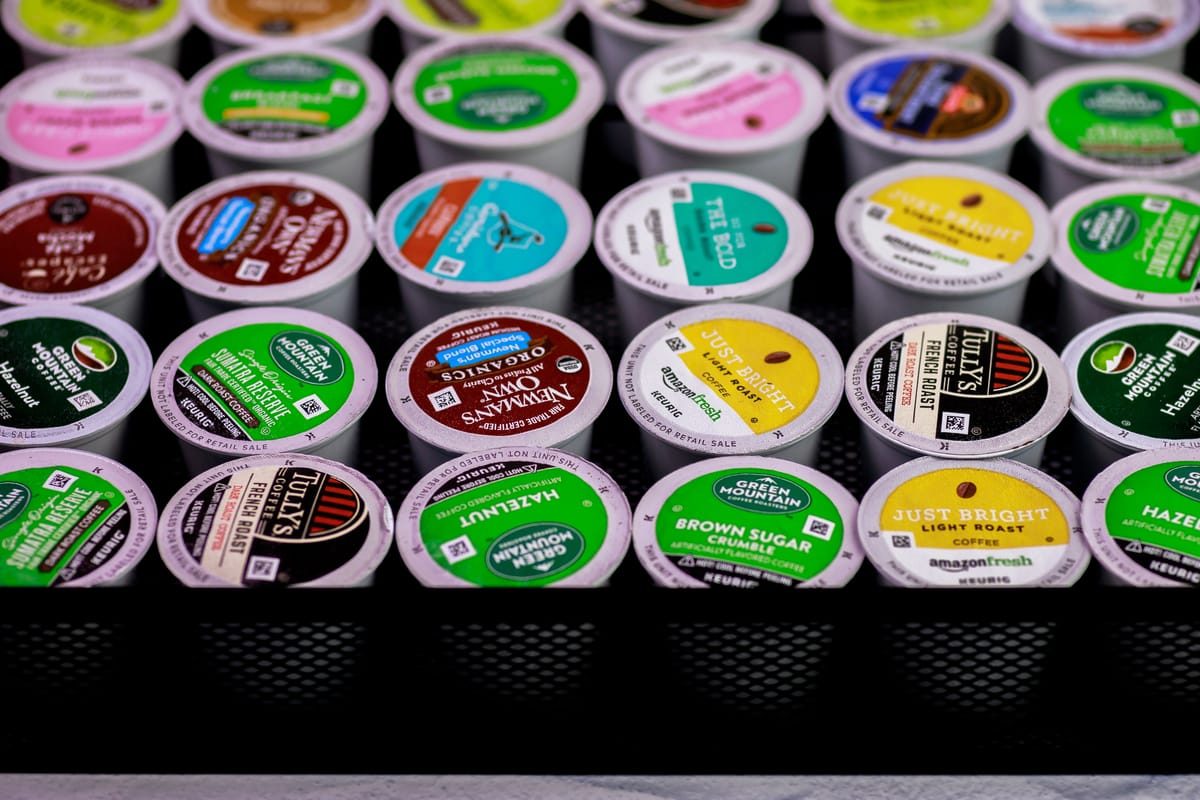
Other major players like Keurig Dr Pepper and J.M. Smucker have already raised prices in response to rising coffee costs. Starbucks may soon have no choice but to follow, especially as it faces stiff competition from fast-growing rivals like Luckin Coffee.

Michael Gunther, head of research at Consumer Edge, warned that Starbucks risks alienating younger customers if prices rise. The 18–34-year-old demographic, which is highly price-sensitive, has already shown signs of shifting loyalty.

To reduce dependence on Brazil, Starbucks has been diversifying its sourcing and investing more in Central American coffee farms—a strategy it began implementing last year. A company spokesperson confirmed that Starbucks currently sources arabica coffee from 30 countries. Still, TD Cowen estimates that Brazilian beans account for 22% of its coffee costs in North America.

Bernstein analyst Danilo Gargiulo projected that the broader U.S. coffee market could see a 15%–20% retail price hike as a result of the tariffs. However, Starbucks’ hedging strategies may help offset some of the impact by locking in coffee prices in advance.

The industry is already pivoting to alternative sources such as Vietnam and Colombia. But Duane Stanford, editor at Beverage Digest, noted that shifting supply chains is not easy:
“There is zero doubt that they [Starbucks] are working hard to figure out how much supply they can shift, but it’s a challenging task,” he said.

Complicating matters further is policy uncertainty. While Vietnam faces lower tariffs than Brazil, it’s unclear how long any of these duties will remain in place.
“The company has to decide how much effort to put into these alternatives without knowing whether the tariffs will remain in place,” Stanford added.

With tariffs looming and costs climbing, Starbucks’ ability to balance margins, maintain pricing, and retain younger customers will be critical in the months ahead.

Turkey’s First Coffee Museum Opens in Ankara: A Journey Through Time, One Cup at a Time

Ankara – August 5, 2025 (Qahwa World) – In the heart of Turkey’s capital, within the historic walls of Ankara Castle, the country’s first-ever museum dedicated entirely to Turkish coffee has opened its doors. The initiative comes from Mücahid Çelebi, a 29-year-old coffee enthusiast and café owner, who spent five years collecting rare and historic artifacts to preserve and share the cultural heritage of Turkish coffee with future generations.

A Treasure Trove From Across Turkey

Çelebi travelled extensively across dozens of Turkish cities to curate a remarkable collection of over 100 unique items, including coffee grinders from the 16th and 17th centuries, 150 historical coffee cups, and traditional brewing tools used during the Ottoman period and early Republican era.

Among the most notable pieces on display are a replica of the coffee set once used by Sultan Abdul Hamid II, and a custom-designed set by Ülkü Adatepe, the spiritual daughter of Mustafa Kemal Atatürk. The museum also showcases ornate silver cups from the reign of Sultan Abdulmejid I, along with a wide variety of coffee pots (cezve) and hand-operated grinders from different time periods and regions.

Coffee, Culture, and Controversy

The museum is more than just a collection of objects—it tells a rich story of Turkish coffee culture, including religious fatwas that once banned coffee, leading to coffeehouse closures under Ottoman rule. Visitors can also explore how coffee reading (tasseography) was practiced in both everyday life and imperial palaces.

Interactive Experiences: Music, Grinding, and More

One of the museum’s unique features is a music room where visitors can listen to traditional Turkish folk songs and ballads about coffee on a vintage record player, adding a sensory layer to the historical journey.

Another highlight is the “Tahmishane” (Roasting Room), where guests are invited to grind roasted coffee beans manually using large mortar-and-pestle setups—an immersive experience designed to replicate the practices of earlier generations.

The Final Stop: “Our Roots” Lounge

The tour concludes in a special lounge named “Our Roots”, a serene space where visitors can relax and enjoy a cup of authentic Turkish coffee served in a traditional setting. It serves not only as a waiting area during busy hours but as a moment of reflection—an invitation to connect with the deep cultural roots behind each cup.

Çelebi explains:
“In every museum I visited in Ankara or Istanbul, I would find a coffee grinder or cup tucked away in a corner. But I never saw a space that told the full story of Turkish coffee. So I decided to create one. With this museum, we’ve laid the foundation for preserving a tradition that spans centuries.”

Top Cafés in Istanbul 2025

Istanbul, August 5, 2025 – (Qahwa World) – On Monday, Condé Nast Traveler magazine released its curated list of the 12 best cafés in Istanbul for 2025, authored by editor Amelia Dhuga. Given the value and richness of the selection, we at Qahwa World have decided to republish it for our readers.

Istanbul is a city where coffee isn’t just a drink—it’s a cultural ritual rooted in centuries of tradition. While many visitors rush between mosques, palaces, and bazaars, one of the most rewarding experiences is to pause and enjoy a cup of coffee. Introduced in the 16th century, Turkish coffee quickly became central to social life. Coffeehouses, or kıraathane, served as hubs for conversation, poetry, and politics—from the reign of Sultan Suleiman the Magnificent to the streets of modern-day Istanbul.

Turkish coffee is brewed slowly in a small pot called a cezve, with the grounds left to settle in the cup—unfiltered, rich, and meant to be savored. Whether you’re drawn to history, community, or flavor, here are 12 of the best cafés in Istanbul to explore.

1. Le Oba, Beyoğlu

Nestled on the charming Oba Sk Street in Beyoğlu, Le Oba is a standout among the area’s vibrant cafes. Its sage green metal chairs line the sidewalk, inviting regulars to linger for hours. The house blend is nutty and full-bodied, best enjoyed with one of their homemade sweet treats—especially the decadent homemade Snickers bar topped with sea salt.

2. Petra Roasting Co.

With multiple locations across the city, Petra Roasting Co. is a pioneer of Istanbul’s specialty coffee movement. Each branch has its own vibe: plush leather booths in Topağacı, a lush outdoor garden in Bebek, and sleek steel minimalism in Şişhane. The Şişhane location, with its shimmering silver details, is ideal for takeaway—just a short walk from Şişhane Park, which offers tiered city views.

3. Härman

A favorite among Istanbul’s creative crowd, Härman is known for its matcha lattes in blush pink and seafoam green. With chic interiors featuring steel, faux-fur walls, and ambient lighting, Härman doubles as an event space for DJ sets, fashion pop-ups, and community runs. It’s more than a café—it’s a lifestyle hub.

4. Pierre Loti Café, Eyüp

Perched atop the Eyüp gondola, this iconic café offers sweeping views of the Golden Horn. Named after French novelist Pierre Loti, who frequented the spot for writing, it’s a serene escape. Pair the coffee with a traditional Turkish breakfast of cheeses, olives, eggs, and cured meats.

5. Şark Kahvesi, Grand Bazaar

Hidden within the alleys of the historic Grand Bazaar, Şark Kahvesi invites you to enjoy coffee surrounded by stone archways and ornate facades. It’s a welcome pause amid the hustle of one of the world’s oldest and busiest markets.

6. Fahriye Café, Moda, Kadıköy

Fahriye is a haven for creatives in Kadıköy. Artists, writers, and musicians gather here to talk ideas over coffee, browse books and vinyl, and pet the café’s beloved cat, İnci. Don’t miss their signature chocolate brownies.

7. İhsan Kurukahvecioğlu, Near the Spice Bazaar

Operating since 1871, this historic coffee shop is owned by sixth-generation roaster Aslı Tapucu. It still uses a century-old cast-iron Probat machine to roast beans, resulting in a distinct maple-flavored brew. The aroma alone—cinnamon, vanilla, caramel—is worth the visit.

8. Benazio, Kadıköy

Popular among students and digital nomads, Benazio offers outdoor seating and a lively atmosphere. Open until midnight, it transforms from co-working space to social hub as the day fades. Coffee is a constant companion to late-night debates and laughter.

9. Gülhane Sur Café, Fatih

Located near the Hagia Sophia, this hidden gem is perfect for unwinding after a long day of sightseeing. With traditional alcove seating and a welcoming local crowd, it’s also a great place to try salep, a creamy Ottoman-era drink made from milk, cinnamon, and orchid root.

10. Çorlulu Ali Paşa Medresesi, Fatih

This historic courtyard café near Beyazıt draws locals for shisha, tea, and afternoon coffee. Plumes of smoke, clinking teaspoons, and slow conversations create a timeless atmosphere. Stay for a few hours—you’ll understand why it’s beloved by so many.

11. Hafız Mustafa 1864

While technically a chain, Hafız Mustafa is a local institution dating back to the Ottoman era. Famous for its indulgent Turkish sweets—pistachio baklava, rosewater delights—it’s the perfect place to pair coffee with traditional desserts. With 12 locations in Istanbul, you’re never far from a taste.

12. Karabatak, Karaköy

Located in a former metal workshop, Karabatak has transformed into a rustic café full of energy. Named after the karabatak (cormorant), the café blends character, history, and a welcoming vibe. Expect to chat with baristas, meet locals, and leave feeling part of the neighborhood.

From historic landmarks to modern design havens, Istanbul’s café scene reflects its unique blend of past and present. Each spot on this list offers more than coffee—it offers a chance to experience the heart of the city, one cup at a time.

The Mountain That Coffee Brought Back to Life

By Yang Feiyue

A caffeine enthusiast returns to his rural roots to use his passion for coffee to bring prosperity and help restore an ecosystem.

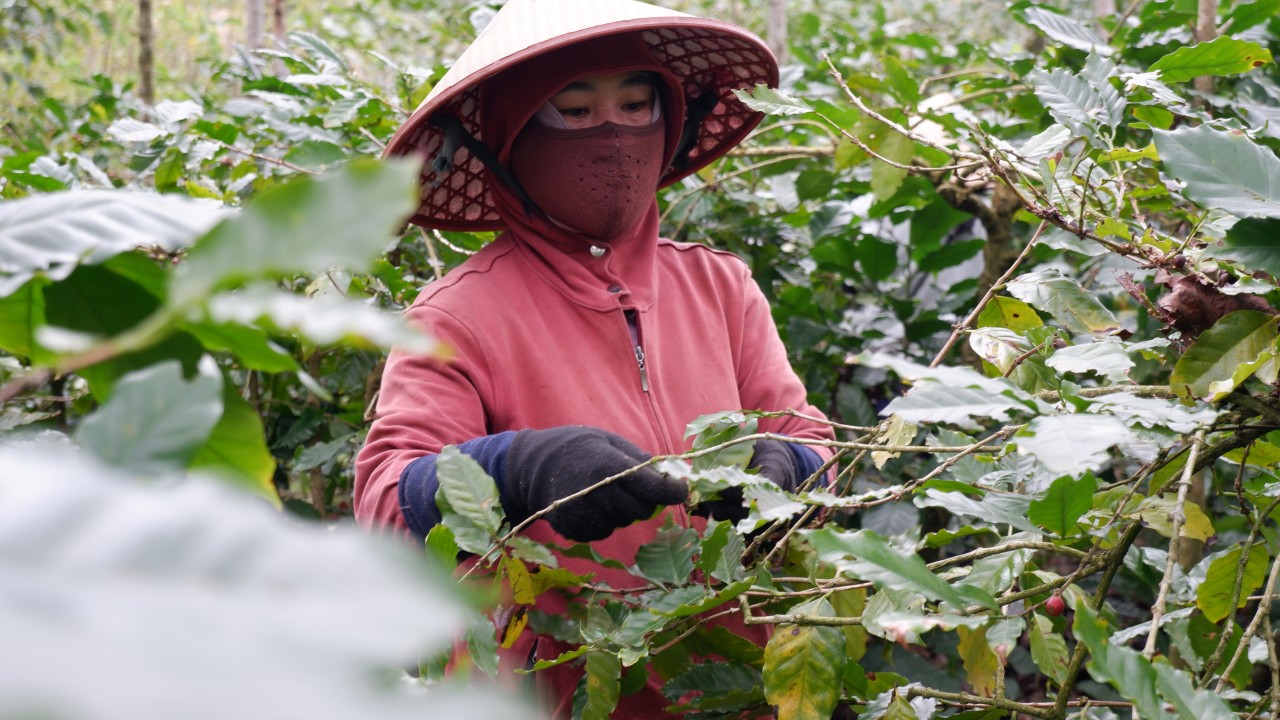
In 2017, Wang Dayong flew a drone over Shitizhai, a remote village on the eastern slopes of the Gaoligong Mountains in Baoshan, Yunnan. What he saw was devastating — vast swathes of barren land, scarred by years of overuse.

“There were barren stretches of land that had been overworked and abused,” recalls Wang, now in his 50s.

But over the years, that same scarred landscape has undergone a remarkable transformation. Today, lush rows of coffee trees line the mountainside, interspersed with native species that provide shade and biodiversity — the perfect ecosystem for cultivating high-quality Arabica beans.

This regeneration effort was inspired by Wang’s discovery of the region’s forgotten coffee history. A former TV cameraman, he had left his job in 2013 to open a documentary studio in Shenzhen, producing films on urban development, fading traditions, and social change.

During a business trip to Yunnan, Wang engaged with locals and uncovered a rich coffee heritage that dated back to the 1920s. “I love coffee and was intrigued to delve deeper,” he says.

He learned that coffee had been introduced to Yunnan in the early 20th century. By the 1990s, it had become a major crop, with beans from the Gaoligong region winning international awards — including the Eureka Gold Medal at an expo in Brussels in 1993. Today, Yunnan accounts for 99% of China’s coffee production.

But commercial pressures had taken a toll. In pursuit of higher yields, farmers crowded trees into tight plots — increasing the density from 60 trees per tenth of a hectare to over 330. Quality suffered. Entire harvests were picked at once, regardless of ripeness. When the market crashed, many farmers cut down their prized Arabica trees in favor of fruits and vegetables.

Wang, born in a rural village in Henan province, felt a natural connection to the land. With China’s coffee consumption surging since 2018, he saw a chance to make a difference.

His documentary on Yunnan coffee attracted attention from local authorities, who supported his proposal to revive Shitizhai through sustainable coffee farming. Wang brought his family and team to the village — initially living in tents — and set three main goals: restore the land, improve coffee quality, and revitalize rural life.

The first step was ecological. Native trees were planted to provide shade and balance the ecosystem. No pesticides or chemical fertilizers were used. They replaced old hybrid varieties like Catimor with premium Arabica beans better suited for the altitude and cool climate.

“Arabica beans are special,” Wang says. “They need the right altitude, the right shade, and the right ecosystem.”

Farmers were trained to pick only ripe cherries by hand, preserving the quality. As a result, yield value per mu (0.067 hectares) rose from 3,000 yuan (approx. $417) to nearly 5,000 yuan.

Wang also emphasized education. At annual harvest festivals, farmers tasted their own coffee, learning to appreciate its quality. “Only by understanding the difference between good and bad coffee can they stop planting low-grade, disease-resistant varieties,” he says.

By 2024, Wang’s plantation had its first harvest of high-quality Arabica beans. They were roasted and sold directly to coffee enthusiasts, becoming a key source of income for villagers. Shitizhai began attracting attention from both the coffee industry and eco-tourism circles.

Professor Wu Hua from Shanghai University, who visited the village several times, called the project a model for rural revitalization. “You have a once-abandoned village brought back to life, farmers returning from the cities, and a coffee industry regaining its footing,” she said. “It’s a harmony between people and nature.”

Wang now spends his days in Shitizhai with his team, most of whom followed him from Shenzhen. “It takes 40 minutes to go down the mountain,” he says. “Unless we’re sending coffee or welcoming guests, we don’t leave.”

At 1,800 meters above sea level, visitors to the estate can enjoy the clean air, panoramic views, and freshly brewed coffee from locally grown beans.

Wang’s team manages the full coffee process — from cultivation and breeding to roasting and extraction. He’s also opened two cafés in Shenzhen (in 2021 and 2024) that serve only black coffee, with no milk-based drinks or takeout options.

“A coffee shop should be a space for people to connect and exchange ideas,” he explains. “It’s not just about selling coffee.”

To Wang, moving back to the countryside wasn’t retreat — it was a purposeful choice.

“I don’t see the countryside as the opposite of the city. It’s a place where your talents and dreams can fully unfold.”

Coffee Rivalry Intensifies: Starbucks Confronts Luckin’s U.S. Expansion

Dubai, August 5, 2025 – (Qahwa World) – A new chapter in the global coffee rivalry is unfolding in New York City as China’s Luckin Coffee takes bold steps into the American market—prompting an assertive response from longtime industry leader Starbucks.

In a symbolic move, Starbucks has transformed the windows of a vacant storefront at 757 Broadway—directly across from a newly opened Luckin location—into a massive ad space. The branding blitz includes vibrant visuals and the message “Hello Summer,” while digital screens near the subway exit continue the campaign just steps from Luckin’s entrance at 755 Broadway.

This marketing standoff marks the start of Luckin’s U.S. push, following its meteoric rise in China. The company, founded in Xiamen, surpassed Starbucks in China two years ago in terms of both store numbers and revenue. It now operates more than 26,000 outlets, nearly all within China. Starbucks, in contrast, boasts over 41,000 global stores, including about 7,800 in China alone.

Luckin’s entry into Manhattan began with two shops in June, and more are expected soon. The company’s strategy is built around a mobile-first approach: customers must order through the Luckin app, which tracks preferences and offers promotions for bulk orders. Unlike Starbucks’ traditional café model, most Luckin outlets—including those in Manhattan—offer minimal seating and focus on takeaway service.

Starbucks is feeling the pressure. Although it remains the dominant global brand, the company is undergoing significant changes under CEO Brian Niccol. With customer footfall shifting, Starbucks is investing approximately $150,000 per store to upgrade interiors and bring back the “coffeehouse feel” that once defined its brand. This includes more seating, refreshed design, and a focus on hospitality.

Last week, the company announced plans to shut down 80 to 90 mobile-order-only locations, citing a lack of the social experience customers expect from the brand.

“We realized that purely transactional stores lack the human connection that defines our identity,” Niccol stated in an earnings call.

Data from Advan Research suggests the strategy may be paying off: visits lasting 30 minutes or more increased 5% year-over-year in the second quarter.

Meanwhile, Luckin is leveraging affordability and speed to win over New Yorkers. Promotional signs outside its locations advertise $1.99 drinks for first-time app users—a tactic aimed at a fast-paced, deal-hungry urban market.

“I come here for the discounts,” said Henry Barklam, a local software developer, as he left a Luckin outlet. “Starbucks used to be my go-to for working, but it doesn’t feel the same anymore.”

Nearby, student Rachel Maxwell, in the city for a summer internship, said she appreciates Luckin’s efficiency. “New York moves fast, and so do I. It’s nice to grab a coffee and go without waiting in line or making small talk.”

Others, however, see value in the grab-and-go model Starbucks is phasing out. Police officer Julio Guadalupe, standing near one of Starbucks’ soon-to-close mobile-only outlets, said the convenience can’t be overstated.

“For people in uniform or on tight schedules, mobile pickup is a game-changer,” he said. “I think this is where the future of coffee service is headed.”

Despite the competition, Starbucks maintains that its core strengths lie in ambiance, quality, and service.

“We remain committed to what makes us special—welcoming spaces and handcrafted beverages made by skilled baristas,” a company spokesperson said.

Luckin Coffee has yet to issue a statement regarding its U.S. operations.

As the world’s two largest coffee chains face off on American soil, the outcome could shape the future of global coffee culture—one cup at a time.

Follow us on WhatsApp