Skipping Coffee Is the Latest Humblebrag: The New Power Move for A-Listers and Executives

In an unexpected shift, skipping coffee has emerged as the latest humblebrag among high-powered professionals and celebrities. What was once considered an essential fuel for the day is now being consciously avoided by A-listers and top executives, who claim they achieve greater productivity without their daily caffeine fix. This new trend emphasizes holistic well-being and natural energy over reliance on stimulants.

Celebrities and CEOs are increasingly sharing their coffee-free routines on social media, turning it into a badge of honor. This shift is seen as a testament to self-discipline and mastery over one’s natural rhythms. Instead of coffee, these individuals are turning to rigorous morning workouts, meditation, strict sleep schedules, and proper hydration to maintain their energy levels throughout the day.

The trend has been highlighted by various sources, indicating a growing movement towards mindful and balanced approaches to productivity. According to Coffee Affection, health-conscious trends in coffee consumption are evolving, with a significant focus on wellness and sustainability. This aligns with the new coffee-free movement where the emphasis is on overall health rather than just a quick energy boost.

Proponents of skipping coffee argue that reducing caffeine intake can lead to better long-term health outcomes. Caffeine, while providing a temporary boost, can also lead to dependency, sleep disturbances, and increased anxiety. By avoiding coffee, individuals report more stable energy levels, improved sleep quality, and reduced anxiety.

This perspective is supported by various health experts who suggest that natural methods of maintaining energy, such as proper nutrition and regular exercise, are more beneficial in the long run. Moreover, the trend ties into broader health-conscious movements where individuals seek to optimize their lifestyles for better physical and mental well-being.

However, this trend is not without its critics. Some argue that it represents a form of elitism, as not everyone has the luxury to perfect their sleep hygiene or incorporate extensive wellness routines into their daily lives. For many, coffee is a practical and necessary part of their day, providing a quick and effective way to boost energy and focus.

Additionally, there are economic implications to consider. The coffee industry is a significant economic engine, supporting millions of jobs worldwide, from farmers to baristas. A widespread shift away from coffee consumption could have economic repercussions, particularly in coffee-producing regions.

Coffee has long been more than just a beverage; it is a cultural and social experience. From morning rituals to social gatherings, coffee plays a central role in daily life for many people. Skipping coffee as a status symbol could potentially change these cultural dynamics, influencing how social interactions and daily routines are structured.

Economically, the coffee industry is vast, with a global market value expected to reach $155.64 billion by 2026. Major coffee-producing countries like Brazil, Vietnam, and Colombia rely heavily on coffee exports. A decline in coffee consumption among influential demographics could impact global demand, potentially affecting these economies.

Whether this trend will catch on with the general public remains to be seen. For now, skipping coffee has become a new power move among the elite, signaling a shift towards more mindful and balanced approaches to productivity. As more celebrities and executives adopt coffee-free lifestyles, the trend could inspire a broader reevaluation of how we approach our daily energy needs.

For more detailed insights into this trend and its implications, you can read the full articles on Coffee Affection and Morningstar​ (Coffee Affection)​​ (Morningstar)​.

Mokha 1450 and Tonique Collective’s Exciting New Pop-Up

I had the pleasure of attending the launch of Mokha 1450’s exclusive pop-up at Tonique Collective in Alserkal Avenue, Dubai, on May 08, 2024. As a coffee aficionado, I was thrilled to witness the synergy between two brands dedicated to elevating the coffee experience.

A Unique Blend of Coffee and Artistry

This pop-up, set to run until the end of 2024, is a haven for coffee lovers. Mokha 1450, known for its luxury specialty coffees, has teamed up with Tonique Collective, Dubai’s first non-alcoholic drink boutique. The collaboration offers a unique blend of Mokha 1450’s expertly crafted coffees with Tonique’s art of creating perfect 0% cocktails.

Exclusive Offerings

Visitors can indulge in a variety of specialty coffees and innovative 0% coffee cocktails. Some standout offerings from the menu include:

  • Mokha Martini: A luxurious blend of VIBE espresso, cold brew, cacao, and tonka.
  • Salted Old Fashioned: Featuring cold brew, salted caramel, aromatic bitters, and orange.
  • Café Americano and Café Nogroni: Refreshing coffee-based cocktails with a twist of luxurious ingredients and cold brew.

Traditional coffee options like Espressos, Flat Whites, and Cappuccinos are also available, alongside expertly brewed coffees using methods such as Chemex, V60, and Aeropress, ensuring a flavor profile that caters to every preference.

Commitment to Sustainability and Community

One of the highlights of this collaboration is the shared commitment to sustainability and community engagement. Mokha 1450 continues to empower women in the coffee industry through its direct trade practices. This partnership with Tonique Collective is a testament to both brands’ dedication to quality, innovation, and ethical business practices.

Visit the Pop-Up

  • Opening times: 8 A.M. – 9 P.M., Seven Days a Week
  • Location: Al Serkal Avenue, Warehouse 30 – Al Quoz – Dubai
  • Social Media: Instagram

For coffee enthusiasts in Dubai, this pop-up is a must-visit. The combination of Mokha 1450’s rich heritage and Tonique’s innovative approach to non-alcoholic beverages offers an unparalleled coffee experience.

About Mokha 1450

Established in Dubai in 2015, Mokha 1450 is at the forefront of coffee innovation, offering unparalleled quality and showcasing the rich heritage of coffee sourced almost exclusively from female farmers and producers worldwide. Known for its commitment to sustainability and exclusive coffee offerings, Mokha 1450 has become a beloved brand among coffee connoisseurs and novices alike.

About Tonique Collective and Artisan Ice Company

Tonique Collective, through its Artisan Ice Company division, specializes in crafting premium hand-cut ice, serving a high-end clientele across the beverage industry. Located in Alserkal Avenue, Tonique is committed to innovation and quality in every beverage experience.

This unique pop-up is more than just a place to enjoy coffee—it’s a celebration of the craft, sustainability, and community. Don’t miss out on this extraordinary coffee experience!

Australian Study Reveals Potential to Enhance Concrete by 30% Using Coffee Waste

In an innovative move that combines environmental sustainability and construction technology, Australian scientists have discovered a way to use charred coffee grounds to enhance concrete strength by up to 30%. This study, published in the journal “Cleaner Production” and reported by “Science Alert,” provides an effective solution to the problem of coffee waste accumulation and contributes to improving the environmental performance of building materials.

Organic Waste: A Global Environmental Problem

The world produces approximately 10 billion kilograms of coffee waste annually. These wastes often end up in landfills, where they decompose and release greenhouse gases like methane and carbon dioxide, significantly contributing to climate change.

Innovation in Waste Utilization

Engineer Rajeev Rouweyha from the Royal Melbourne Institute of Technology (RMIT) explained that disposing of organic waste poses a major environmental challenge due to the harmful gas emissions. With the global construction market booming, the demand for resource-intensive concrete is increasing, causing additional environmental challenges.

Sustainability in the Construction Industry

The construction industry requires massive amounts of natural sand, typically extracted from riverbeds and banks. This continuous extraction causes significant environmental damage, including erosion of natural habitats. Researcher Ji Li from RMIT pointed out that maintaining a sustainable supply of sand is a long-term challenge due to the limited nature of resources and the environmental impacts of sand extraction.

Pyrolysis: Turning Waste into Resources

Organic products like ground coffee cannot be directly added to concrete because they leach chemicals that weaken building materials. Therefore, the RMIT research team used a process called pyrolysis, heating coffee waste to over 350 degrees Celsius while depriving it of oxygen. This process produces a carbon-rich biochar that can be integrated with cement to enhance its strength.

Promising Results and Future Challenges

The study found that treating coffee at 500 degrees Celsius was not as effective, highlighting the importance of precise conditions in the pyrolysis process. Despite the promising results, researchers emphasized the need to assess the long-term durability of the hybrid coffee cement under various conditions such as freeze/thaw cycles and water absorption. The team is also working on producing biochar from other organic waste sources like wood, food waste, and agricultural residues.

Toward a Circular Economy

Shannon Kilmartin-Lynch, a co-researcher in the study from RMIT, stated that “these exciting results offer an innovative way to significantly reduce the amount of organic waste going to landfill.” Researchers assert that shifting to a circular economy approach can greatly contribute to preserving natural resources and improving environmental sustainability. The circular approach relies on reusing resources and reducing waste, thus contributing to achieving a sustainable environmental balance.

Sustainability of the Future

While the research is still in its early stages, these results hold great promise for improving environmental sustainability in the future. Using coffee waste to enhance concrete is not only a solution to the problem of waste accumulation but also represents a step towards developing more sustainable and environmentally friendly building materials.

Additional Benefits

The biochar produced from the pyrolysis of coffee waste can improve the properties of concrete, such as increasing its resistance to erosion and damage. This means that buildings and structures using this type of concrete may be more durable and require less maintenance, reducing long-term costs and contributing to a more sustainable future.

Conclusion

The Australian study on using coffee waste to enhance concrete provides an excellent example of how an environmental problem can be transformed into an innovative and sustainable solution. Thanks to this research, we may witness a shift in how we manage organic waste and utilize it to develop stronger and more sustainable building materials. This approach enhances our ability to address major environmental challenges and underscores the importance of innovation in achieving environmental sustainability.

Specialty Coffee Association Unveils New SCA Skills Diplomas Recognizing Job Readiness in the Specialty Coffee Industry

The Specialty Coffee Association (SCA) has announced the launch of a groundbreaking initiative aimed at enhancing job readiness and expertise within the specialty coffee industry: the SCA Skills Diploma program. This new set of diplomas provides in-depth knowledge and practical experience that professionals can immediately apply in various industry settings.

Each diploma in the program requires a combination of advanced-level learning and foundational coursework, designed to equip learners with the skills necessary to excel in specific areas of the coffee industry. The diplomas focus on different aspects of the coffee supply chain, ensuring a comprehensive understanding and the ability to contribute meaningfully to the industry’s growth and sustainability.

SCA Café Diploma

The SCA Café Diploma is tailored for those aspiring to lead in the creation, preparation, and promotion of specialty coffee experiences. It emphasizes effective communication with customers and colleagues about the retailer’s role in fostering a sustainable coffee industry.

Courses Required:

  • Coffee Skills Program:
    • Barista Skills (Foundation, Intermediate, Professional)
    • Brewing (Foundation, Intermediate, Professional)
    • Roasting (Foundation)
    • Sensory Skills (Foundation)
  • Coffee Sustainability Program:
    • Foundation
  • Coffee Technicians Program:
    • Water and Preventive Maintenance (Foundation)

SCA Roastery Diploma

The SCA Roastery Diploma is designed for those who aim to lead in the development, production, and quality assurance of roasted coffee. This diploma also focuses on the roaster’s role in promoting sustainability within the industry.

Courses Required:

  • Coffee Skills Program:
    • Brewing (Foundation)
    • Green Coffee (Foundation)
    • Roasting (Foundation, Intermediate, Professional)
    • Sensory Skills (Foundation, Intermediate, Professional)
  • Coffee Sustainability Program:
    • Foundation
  • Coffee Technicians Program:
    • Water and Preventive Maintenance (Foundation)

SCA Coffee Trade Diploma

The SCA Coffee Trade Diploma prepares learners for leadership in handling, evaluating, and trading green coffee. It includes courses that emphasize the importance of sustainability in the coffee trade.

Courses Required:

  • Coffee Skills Program:
    • Brewing (Foundation)
    • Green Coffee (Foundation, Intermediate, Professional)
    • Roasting (Foundation)
    • Sensory Skills (Foundation, Intermediate, Professional)
  • Coffee Sustainability Program:
    • Foundation
  • Coffee Technicians Program:
    • Water and Preventive Maintenance (Foundation)

SCA Sustainable Coffee Diploma

The SCA Sustainable Coffee Diploma focuses on leadership in developing and implementing best practices and projects that promote sustainability across the coffee industry. This diploma covers a broad range of skills applicable in various sectors of the coffee supply chain.

Courses Required:

  • Coffee Skills Program:
    • Barista Skills (Foundation)
    • Green Coffee (Foundation, Intermediate, Professional)
    • Roasting (Foundation)
    • Sensory Skills (Foundation)
  • Coffee Sustainability Program:
    • Foundation, Intermediate, Professional
  • Coffee Technicians Program:
    • Water and Preventive Maintenance (Foundation)

Transition from the Retired SCA Coffee Diploma

The introduction of these new diplomas marks the retirement of the former SCA Coffee Diploma, which was a 100-point system. The new diplomas provide a more structured and focused approach to learning, ensuring that graduates are well-prepared for the demands of the modern specialty coffee industry.

Application and Enrollment

Professionals who have completed the required courses for any of the new diplomas can apply for certification through the SCA. This certification not only recognizes their expertise but also enhances their employability and readiness to contribute to a sustainable and thriving coffee industry.


The Art of Brewing the Perfect Healthy Cup of Coffee

As dawn breaks and the sky is painted in hues of orange and pink, coffee takes its place as more than just a beverage—it becomes a cherished ritual. Preparing a cup that balances rich flavor and health benefits is a pursuit embraced by coffee enthusiasts around the world.

The Path to Healthy Coffee

Brewing healthy coffee starts with intentional choices—from the method of preparation to the quality of ingredients. Research has shown that, when consumed in moderation, coffee can offer a wide range of health benefits thanks to its antioxidants and bioactive compounds.

Understanding Coffee’s Health Benefits

Coffee is packed with antioxidants that help neutralize free radicals—unstable molecules that can damage cells and contribute to aging, cancer, and cardiovascular disease. Regular consumption has been linked to a reduced risk of type 2 diabetes, Alzheimer’s, Parkinson’s, and certain cancers. It may also enhance cognitive function, elevate mood, and improve physical performance.

Exploring Different Brewing Methods

  • Espresso: A concentrated form of coffee brewed by forcing hot water through finely ground beans. It’s rich in flavor and antioxidants.

  • Pour-Over: This manual brewing method involves pouring hot water over ground coffee in a filter, allowing for precision and clarity in flavor.

  • Cold Brew: Made by steeping coffee grounds in cold water for 12–24 hours, it results in a smoother, less acidic brew.

  • French Press: Coarse coffee grounds are steeped in hot water, then separated with a plunger. This method retains natural oils and delivers a fuller taste.

The Magic of Spiced Arabic Coffee

Among the many traditions, Arabic coffee stands out with its signature cardamom infusion. This ancient practice offers both flavor and function:

  • Digestive Aid: Cardamom soothes the digestive system and reduces bloating.

  • Antioxidant Boost: It enhances coffee’s antioxidant levels.

  • Blood Sugar Regulation: May help in stabilizing blood glucose.

  • Anti-inflammatory Effects: Eases symptoms of conditions like arthritis.

  • Oral Health: Fights bacteria in the mouth and supports gum health.

  • Mood Enhancement: The aroma of cardamom can uplift and relieve stress.

  • Respiratory Support: Helps clear respiratory congestion.

  • Weight Management: Stimulates metabolism and aids fat breakdown.

Mastering the Art of Healthy Coffee

To prepare a coffee that nurtures both body and mind, the following principles are key:

  1. Choosing the Right Beans

    • Opt for organic, fair-trade beans—preferably Arabica, known for its lower caffeine and smoother flavor.

    • Single-origin vs. blends: Single-origin beans offer unique regional profiles, while blends create balanced, consistent flavors.

  2. Mindful Brewing Techniques

    • Manual and cold brew methods preserve antioxidants and reduce harmful compounds.

    • Filtered water enhances purity and flavor.

  3. Healthy Additions

    • Add spices like cardamom, cinnamon, ginger, or cocoa for both taste and added health benefits.

    • Choose natural sweeteners such as honey, maple syrup, or stevia instead of processed sugars.

    • Use plant-based milk (almond, oat, coconut) for a creamy texture without dairy.

  4. Moderation and Sustainability

    • Limit intake to a few cups a day and avoid caffeine in the afternoon to protect sleep quality.

    • Support sustainable practices and coffee producers who prioritize fair labor and organic farming.

  5. Prioritizing Freshness

    • Whole beans stay fresh longer than pre-ground coffee. Grinding beans just before brewing ensures maximum flavor and nutrients.

    • Store beans in an airtight container in a cool, dark place.

Exploring the Global Diversity of Coffee

Discovering the world through coffee offers a rich sensory journey:

  • Single-Origin Coffees: Experience distinct profiles from Ethiopia, Colombia, Costa Rica, and more.

  • Blends: Appreciate the harmony achieved by combining beans from different regions.

Mindfulness in the Coffee Ritual

Drinking coffee can become a mindful practice. Taking a moment to inhale the aroma, savor the taste, and be fully present with each sip fosters inner calm and connection. This simple ritual cultivates well-being and enhances enjoyment of the everyday.

Conclusion: The Art of Healthy Coffee

Healthy coffee is more than just a blend of ingredients—it’s an intentional experience. By embracing traditional wisdom, thoughtful preparation, and mindful enjoyment, each cup becomes a nourishing ritual that enriches both body and spirit. This is the true art of healthy coffee—and the joy it brings to daily life.

Fuel Your Week with these Irresistible Offers at The Coffee Club

The Coffee Club, known for its good food, great service, and excellent coffee, has introduced exciting new weekday specials at excellent prices to help you power through the week. Whether you’re looking for a hearty breakfast boost, a satisfying lunchtime special, or a mid-afternoon caffeine fix to shake off those Monday blues, The Coffee Club has you covered.

Monday Mates – Buy One Get One on Coffee

Beat the Monday Blues! Every Monday, across all The Coffee Club’s outlets, customers can purchase their favourite coffees (and teas!) whether it be a Cappuccino, Espresso or Iced Latte, and receive a complimentary second beverage. Bring a friend!

Lunch Combo (AED 59) – Available Monday – Thursday

From 12pm to 3pm, Mondays through Thursdays, diners can enjoy The Coffee Club’s special Lunch Combo for AED 59 which includes a choice of a main dish, a drink, and a complimentary cookie. Options for the mains include delicious Crispy Chicken Burger, Chicken Katsu Curry, Halloumi Wrap, Keto Bowl, Chicken Kale Soup, and more.  For the beverages, select from one of The Coffee Club’s signature coffee drinks, tea, or soft drinks.

This offer is available for dine-in and takeaway at selected outlets including Deira City Centre, Dubai Hills Mall and Springs Souk in Dubai, and Al Forsan Village, United Square and Mushref Coop in Abu Dhabi.


Earlie Birdie Brekkie (AED 39) Available Monday – Friday

 Start your day right with the best breakfast deal in town. Enjoy a delicious breakfast served with coffee, tea, still water or juice for only AED 39. The Coffee Club’s revamped Earlie Birdie Brekkie menu features classic favourites such as Salmon & Cream Cheese Toast and Halloumi & Pesto Toast, together with exciting new options to satisfy all taste buds, including options for vegans and vegetarians such as the Mushroom & Tofu Stack. The offer is available Monday through Friday before 11 AM at selected outlets for dine-in and takeaway.

Download The Coffee Club ME app the Apple and Android stores to enjoy these savings and more.

For more information about The Coffee Club and its offerings, visit the website http://thecoffeeclubme.com/ and follow @TheCoffeeClubME on Instagram, Facebook, and TikTok.

About The Coffee Club:

From humble beginnings in Brisbane, Australia to New Zealand, Thailand, the Middle East, and more international markets worldwide, The Coffee Club delivered moments of happiness to millions of customers. From the feeling of your first sip of coffee in the morning to the joy of sharing a laugh over a meal with best friends, to a moment of pure indulgence as you take that first bite of heavenly chocolate cake, it all starts with a feeling. It is your happy place, and it all takes place at The Coffee Club. The brand’s mission and philosophy are simple, The Coffee Club wants to provide good food, great service, and excellent coffee, in welcoming and relaxing surroundings. A place to enrich contemporary lifestyles, and most of all, to be the natural response to “Where will I meet you?”

 About Liwa Minor:

Liwa Minor is a strategic joint venture between Al Nasser Holdings (UAE) and Minor Food Group (Thailand).

Al Nasser Holdings has an impressive portfolio of more than 70 companies across a multitude of sectors, including retail, steel manufacturing, power, polymers and structural steel, oilfield supplies, product storage, dredging, cathodic protection, real estate, construction, hotels, and many more.

Complementing the alliance is Minor Food, a major restaurant company in Asia, backed by the esteemed Minor International, one of the largest hospitality and leisure companies in the world, with over 500 hotels, resorts, and services suites under Anantara, AVANI, Oaks, Tivoli, Elewana, NH, Marriott, Four Season, St. Regis and Radisson Blu. Minor Food operates and franchises a range of highly recognized food & beverages brands including Burger King, The Pizza Company, Dairy Queen, Coffee Journey, Bread Talk, Swensen’s, Sizzler, Thai Express Riverside and Benihana.

Liwa Minor introduced its first The Coffee Club café in the Middle East in December 2014. Since then, it has experienced robust growth in the region and has ambitious plans to open more outlets in the UAE. Additionally, the brand aims to expand through franchising in the rest of the region and beyond.


Arabic Coffee: An Ancient Tradition with Global Influence

Arabic coffee, known as “Qahwa” or “Gahwa” in Arabic, is much more than a drink; it is a symbol of Arabian hospitality, culture, and tradition that has captivated the world. This aromatic brew, steeped in history, has transcended its regional roots to gain international acclaim, illustrating its profound cultural significance and enduring appeal.

From Ethiopia to Yemen: The Birthplace of Coffee Culture

The story of coffee begins in the ancient coffee forests of Ethiopia. According to legend, a goat herder named Kaldi discovered the invigorating effects of coffee beans when he noticed his goats became energetic after eating them. Intrigued, Kaldi shared his findings with monks at a local monastery, who brewed a drink from the berries that helped them stay awake during long prayers.

It was in Yemen, however, that coffee truly found its cultural home. By the 15th century, Sufi monasteries in Yemen were cultivating coffee and using it to aid in meditation and prayer. The port city of Mocha became a major hub for coffee trade, and the term “Mocha” soon became synonymous with high-quality coffee. This marked the beginning of a coffee tradition that would spread far and wide.

The Spread Across the Arabian Peninsula

As coffee’s popularity grew, it spread quickly across the Arabian Peninsula. The holy cities of Mecca and Medina embraced coffee, integrating it into social and religious life. Pilgrims visiting these cities for the Hajj encountered coffee, helping to spread its popularity further.

From Mecca and Medina, coffee traveled to major cultural and intellectual centers such as Cairo, Baghdad, and Istanbul. Each city added its own unique flavor to the coffee culture, incorporating local spices and customs, making the drink a symbol of both local identity and shared tradition.

The Symbol of Hospitality

In Middle Eastern culture, serving Arabic coffee is a gesture of hospitality and respect. The preparation involves roasting the coffee beans, grinding them, and brewing them in a traditional pot called a “dallah.” The coffee is then served in small cups known as “finjan,” often with the addition of spices like cardamom, which gives it a distinctive aroma.

Serving coffee to guests is a ritual filled with meaning. It is a gesture of welcome, a sign of respect, and a way to forge bonds over shared cups and conversations. In Bedouin culture, the process of preparing and serving coffee can be an elaborate ceremony, reflecting the importance of making guests feel honored and valued.

Coffee Houses: Hubs of Social Life

The tradition of Arabic coffee extends beyond the home into the vibrant coffee houses, or “qahveh khaneh,” that dot the Arabian Peninsula. These establishments are more than just places to drink coffee—they are hubs of community life. Here, people gather to share stories, ideas, and laughter over steaming cups of coffee.

Historically, these coffee houses played a crucial role in the cultural and intellectual life of the Middle East. They were places where scholars, poets, and merchants could meet and exchange ideas, significantly contributing to the social and intellectual dynamism of the region.

Modern-Day Relevance and Global Recognition

While traditional methods of preparing Arabic coffee have remained largely unchanged, modern technology has also found its way into coffee cultivation and trade. Precision agriculture, using tools such as drones and soil sensors, helps farmers optimize their yields and reduce environmental impact. Blockchain technology ensures transparency and fairness in the coffee supply chain, allowing consumers to trace the journey of their coffee from farm to cup.

Arabic coffee continues to be a symbol of hospitality and a cherished tradition in the Middle East. It is served during family gatherings, social events, and religious celebrations. The ritual of sharing coffee fosters a sense of community and connection, bridging generations and cultural divides.

In recent years, Arabic coffee has gained international recognition. It has been featured in global culinary events and has even been inscribed on UNESCO’s Representative List of the Intangible Cultural Heritage of Humanity. This recognition highlights the cultural significance of Arabic coffee and its enduring legacy.

An Ancient Tradition with Global Influence

Arabic coffee’s rich history and cultural significance underscore its role as a cornerstone of Middle Eastern heritage. From its origins in Yemen to its spread across the Arabian Peninsula and beyond, Arabic coffee has transcended its humble beginnings to become a symbol of hospitality, tradition, and community. Its enduring presence in homes and coffeehouses alike is a testament to its timeless appeal and the values it embodies.

As the world continues to embrace new trends and technologies, the tradition of Arabic coffee remains a beloved constant, reminding us of the warmth and hospitality that define our cultural identity. Whether you are a long-time enthusiast or a newcomer to the world of Arabic coffee, each sip offers a taste of history and a moment of connection to a rich and vibrant heritage.

Center for Circular Economy in Coffee (C4CEC)

The Center for Circular Economy in Coffee (C4CEC) is revolutionizing the coffee industry by promoting sustainability through circular economy practices. As the first precompetitive platform of its kind, C4CEC brings together international partners to implement innovative solutions, pilot projects, and share valuable knowledge across the coffee value chain—from farming to consumption and disposal.

Who Are C4CEC ?

The Center for Circular Economy in Coffee (C4CEC) is the first precompetitive platform dedicated to enhancing the circular economy within the coffee sector. Located in Turin, Italy, and supported by international partners, its mission is to implement circular economy practices, pilot innovations, advance research, and disseminate best practices, solutions, case studies, and practical information across the entire coffee value chain—from farming to consumption and disposal.

The Scientific Board leverages cutting-edge research from universities and academic centers, building on transformative approaches from Slow Food and the Sys-Systemic Design Lab. The ITC’s Coffee Guide Network Circular Economy Working Group, in close partnership with ICO and UNIDO, serves as a multi-stakeholder forum to shape the direction of circular economy in the coffee sector. Their work and findings are shared through C4CEC, inviting interested individuals to participate and contribute.

What C4CEC Do?

C4CEC aims to make circularity know-how accessible to a diverse group of stakeholders, including companies, associations, universities, institutions, small and medium enterprises, local communities, and other coffee stakeholders. Through a collaborative approach, they enhance the environmental, social, cultural, and economic sustainability of the coffee value circle. They support stakeholders through knowledge transfer and resource mobilization for adapting and implementing circular solutions, while promoting the acceleration of circular economy practices in the coffee sector.

C4CEC Initiatives

  • Improve and Promote Circular Economy Culture: C4CEC organizes courses, provides resources, and creates learning pathways to share best practices, research, studies, and practical information on circular economy in the coffee value chain.
  • Project Platform: C4CEC convenes a multi-stakeholder knowledge-sharing network to develop and disseminate evidence-based best practices in the coffee sector. Initiatives are approved by the Scientific Board.
  • Pilot Projects and Research: C4CEC offers customized member support for developing ideas, pilot projects, and know-how related to circularity. They assist entities in developing ideas or sharing knowledge about sustainability projects in the coffee sector.
  • Marketplace Platform (In Development): An online tool to connect entities involved in the circular economy of coffee, facilitating matchmaking between companies that produce waste, those that recover it, those that transport it, and those that reintroduce it into new production cycles.

Founders

  • Lavazza Foundation: Founded in 2004 to promote and implement economic, social, and environmental sustainability projects, supporting coffee-producing communities worldwide through partnerships with public and private bodies, international organizations, and NGOs.
  • Politecnico di Torino: Established in 1859, it is Italy’s first engineering school and a leading institution for training engineers, architects, designers, and urban planners with rigorous standards.
  • University of Gastronomic Sciences: Founded in 2004 by Slow Food and Italian regions, this private non-profit institution focuses on renewing farming methods, protecting biodiversity, and creating a relationship between gastronomy and agricultural science.

Strategic Partners

  • International Coffee Organization (ICO): Established in 1963, ICO is the only intergovernmental organization for coffee, representing 93% of world coffee production and 63% of world consumption.
  • International Trade Centre (ITC): A joint agency of the World Trade Organization and the United Nations, dedicated to supporting the internationalization of micro, small, and medium-sized enterprises through partnerships for sustainable food systems.
  • UNIDO: A specialized agency of the United Nations that promotes inclusive and sustainable industrial development, contributing to all the Sustainable Development Goals (SDGs) through technical cooperation, research, policy-advisory services, and fostering partnerships for knowledge and technology transfer.

For more information or to participate in their initiatives, contact [email protected].

Global Coffee Industry Advances Sustainability with Circular Economy Initiatives

In a significant step towards sustainability and economic resilience, the global coffee industry is increasingly adopting the principles of a circular economy. A newly released document titled “Making a Case for a Circular Economy in the Coffee Sector” provides comprehensive insights from a multi-stakeholder working group on how this transformative approach can reshape the coffee sector. The report emphasizes the urgent need to address the challenges of waste generation and environmental impact through circular economy practices.

The International Trade Centre (ITC), in collaboration with other key organizations such as the International Coffee Organization (ICO), Global Coffee Platform, Technoserve, World Coffee Research, IDH Sustainable Trade Initiative, Enveritas, and the Rainforest Alliance, has been instrumental in driving this initiative. These organizations have come together to launch the Coffee Guide Network to promote sustainable and ethical practices within the coffee industry. This global community of coffee experts aims to bridge information gaps, foster collaboration, and provide practical resources for coffee professionals, policymakers, academics, and consumers. Available in multiple languages, the Coffee Guide Network serves as a central reference for coffee knowledge, encouraging responsible trade, production, and consumption systems.

Key Insights from the Report

The circular economy model being adopted by the coffee industry focuses on adding value to resources, reducing waste, and keeping materials in use for as long as possible. The document highlights several key opportunities and challenges in implementing this model.

Opportunities within a Circular Coffee Economy

  1. Valorization of By-products: Coffee cherries, pulp, husks, and parchment can be transformed into a variety of products such as teas, flours, snack foods, biofoliars, compost, mulch, animal feed, and even building materials. The silverskin, a thin layer around green coffee beans, can be utilized in cosmetics, paper, vegan leather, and food products. Spent coffee grounds, which constitute a significant portion of coffee waste, can be repurposed for mushroom cultivation, biofuels, biochar, and other applications.
  2. Economic Benefits: By reimagining waste streams and finding new uses for by-products, the industry can create additional environmental value and new economic opportunities for farmers and small to medium-sized enterprises (MSMEs). This approach is expected to lead to job creation, income diversification, and enhanced resilience in coffee-growing communities.
  3. Sustainability and Environmental Impact: The adoption of a circular economy can significantly reduce the environmental footprint of the coffee industry by minimizing waste and promoting the reuse of materials. This contributes to more sustainable production and consumption patterns, aligning with global environmental goals.

Challenges in Implementing a Circular Economy

Despite the potential benefits, the report identifies several challenges in implementing a circular economy at scale in the coffee sector:

  1. Policy and Regulatory Adaptations: There is a need for supportive policies and regulatory frameworks that facilitate the transition to a circular economy. This includes regulations that encourage recycling, waste management, and the use of sustainable materials.
  2. Mobilization of Financial Resources: Securing the necessary funding for circular economy initiatives can be challenging. Innovative financial mechanisms and investment in research and development are crucial to support the transition.
  3. Market Development and Consumer Awareness: Developing markets for circular products and increasing consumer awareness about the benefits of a circular economy are essential. This requires effective communication strategies and educational campaigns to shift consumer behavior towards sustainable practices.
  4. Standardized Guidelines and Best Practices: Establishing standardized guidelines and best practices for circular economy initiatives is vital for consistency and scalability. This includes creating benchmarks and metrics to measure progress and impact.

Recommendations for Driving the Transition

To drive the transition towards a circular economy in the coffee sector, the document provides several key recommendations:

  1. Fostering Regenerative Agriculture: Promoting agricultural practices that restore and enhance ecosystems, improve soil health, and increase biodiversity.
  2. Supporting Research and Development: Investing in research and development for value-added products and innovations that utilize coffee by-products.
  3. Establishing Standardized Guidelines: Developing and implementing standardized guidelines for circular economy practices within the coffee industry.
  4. Developing New Financial Mechanisms: Creating innovative financial mechanisms to support circular economy initiatives and attract investment.
  5. Promoting Consumer Awareness: Educating consumers about the benefits of a circular economy and encouraging sustainable consumption patterns.
  6. Building Global Knowledge Networks: Strengthening global networks to share knowledge, resources, and best practices among stakeholders in the coffee industry.

Collaborative Efforts for a Sustainable Future

The launch of the Coffee Guide Network and the Circular Economy Working Group marks a significant milestone towards a more sustainable and ethical coffee industry. By bringing together experts and stakeholders from various backgrounds, the initiative fosters collaboration and collective action to address the pressing challenges faced by the coffee sector. The resources and knowledge provided by the Coffee Guide Network will empower coffee professionals, policymakers, and consumers to make informed decisions and contribute to a more sustainable and responsible coffee industry.

As global demand for coffee continues to rise, ensuring the industry operates sustainably and ethically is imperative. The Coffee Guide Network’s launch is a significant step in promoting responsible trade, production, and consumption systems in the coffee sector. Through partnerships and collaboration, this initiative aims to create a more resilient and inclusive coffee industry, benefiting farmers, MSMEs, and consumers alike.

The collective efforts of the ITC, ICO, Global Coffee Platform, Technoserve, World Coffee Research, IDH Sustainable Trade Initiative, Enveritas, and the Rainforest Alliance underscore a unified commitment to transforming the coffee sector. By implementing the recommendations outlined in the report, the coffee industry can move towards a circular economy that fosters sustainability, economic growth, and ethical practices across the entire value chain.

Launch of Global Platform for Coffee Industry to Transform 40 Million Tons of Biowaste into Business Opportunities

The global coffee industry generates nearly 40 million tons of biowaste annually – equivalent to approximately seven times the weight of the Great Pyramid of Giza. Instead of ending up in landfills, these coffee by-products can be upcycled into a diverse array of products, ranging from cosmetics to health foods, and even bricks and packaging.

In light of these findings, detailed in a new report by the International Trade Centre (ITC), the International Coffee Organization (ICO), and the Center for Circular Economy in Coffee (C4CEC), the C4CEC has issued a global call for membership. The goal is to unite coffee sector stakeholders in employing circular economy approaches, thereby creating new income streams and job opportunities while addressing critical environmental challenges.

This initiative aims to bring together producers, small businesses, traders, roasters, and consumer-facing companies, particularly from coffee-producing countries, to unlock economic opportunities and tackle environmental issues. The platform also welcomes research partners, civil society members, impact investors, and international organizations.

The report, “Making a Case for Circular Economy in the Coffee Sector: Insights from the Multi-Stakeholders Working Group on Circular Economy in Coffee,” presents the results of a global survey conducted by the ITC Coffee Guide Network’s Working Group on Circular Economy. Key challenges identified include the lack of actionable knowledge, inadequate regulatory frameworks, and insufficient investment and public-private collaboration in implementing circular economy practices on a large scale.

To delve deeper into these findings and explore case studies, the upcoming webinar series, “(Re)Generating Value Through Circular Economy in Coffee,” will commence on 22 May.

The C4CEC aims to fill existing gaps by providing technical knowledge and fostering a collaborative platform with a scientific approach. This pre-competitive platform, designed to enhance the circular economy within the coffee sector, is supported by a global network of partners, including the Giuseppe e Pericle Lavazza Foundation, Politecnico di Torino, the University of Gastronomic Sciences in Pollenzo, the United Nations Industrial Development Organization (UNIDO), ICO, and ITC.

This collaborative effort, which integrates the public and private sectors, academia, and international organizations, originates from ITC’s Coffee Guide Network Circular Economy Working Group, the ICO Coffee Public Private Task Force, and academic methodologies from Slow Foods and Systemic Design. Interested parties are invited to apply for the first membership round by 31 May to gain access to this global network and its circular solutions.

Quotes:

Ashish Shah, Director, Division of Country Programmes, International Trade Centre: “Small businesses in coffee-producing countries stand to gain significantly from the circular economy model. It fosters bottom-up innovation and knowledge sharing, along with sustainable and inclusive value chains, market access, and responsible business practices. We invite all coffee stakeholders to join this platform.”

Vanusia Nogueira, Executive Director, International Coffee Organization: “Our planet has been calling for help for many years. We must seek solutions to our environmental and economic challenges to secure a better future for the next generations. The circular economy offers an innovative solution that can help farmers, governments, businesses, and consumers collaborate to create better jobs and income, reduce pollution, and combat climate change. The Center for Circular Economy in Coffee was launched as a pre-competitive platform to share experiences, lessons learned, and knowledge. The International Coffee Organization is proud to be a founding member of the C4CEC, aligning perfectly with our mission.”

Coffee Market Report: May 2024 Global Coffee Prices Witness Volatility Amid Dynamic Market Forces

The coffee market in May 2024 experienced notable fluctuations influenced by a confluence of economic, environmental, and logistical factors. The latest report from DRWakefield, a renowned independent coffee trader, provides an in-depth analysis of these developments, offering insights for traders, producers, and coffee enthusiasts.

Founded in London in 1970 by Derrick Wakefield, DRWakefield has built a reputation for supplying both specialist and regular grade coffees to a diverse range of clients, from small private roasters to large multinational companies. The company continues to operate under the ownership of Simon Wakefield, maintaining its philosophy of building strong relationships and understanding customer needs. With offices in London and Vilnius, and European warehouses, DRWakefield remains committed to providing the right coffee for its global clientele.

Market Movements and Speculation

May saw mixed sentiment in the coffee market, characterized by alternating bullish and bearish trends. Early in the month, a bullish outlook prevailed as traders anticipated potential supply shortages due to various global factors. However, this optimism was tempered by bearish signals as the month progressed:

  • Bullish Sentiments: Initial market enthusiasm was driven by concerns over reduced supply from major coffee-producing regions, exacerbated by environmental challenges and logistical bottlenecks. This led to a surge in coffee futures prices.
  • Bearish Trends: As pending grading stocks began to pile up, market sentiment shifted. The increase in pending grading stocks, which are not yet certified, suggested a potential influx of supply, driving prices down and indicating a bearish market outlook.

Certified Stocks and Supply Dynamics

Certified stocks of coffee, which are essential for maintaining market stability, saw significant fluctuations:

  • Decrease in Certified Stocks: There was a notable reduction in certified stocks, reflecting high demand and substantial drawdowns from global warehouses. This decrease often signals market confidence in current supply levels but raises concerns about future availability.
  • Supply Concerns: The decrease in certified stocks coupled with high spot demand led to backwardation in the market, where the front month’s prices were higher than those of future months. This condition highlights immediate supply concerns and market tightness.

Impact of Biennial Production Cycles

Biennial production cycles in key coffee-growing regions significantly influenced market stability:

  • Higher Yields and Market Adjustment: Coffee trees typically produce higher yields in alternating years. The higher yields from the previous year led to expectations of lower production this year, contributing to price volatility as traders adjusted their forecasts accordingly.

Technical Indicators and Market Sentiment

Several technical indicators provided insights into market trends and trader behavior:

  • Relative Strength Index (RSI): The RSI indicated an overbought market early in the month, suggesting that prices had risen too quickly. This was later confirmed as prices adjusted downward, indicating a market correction.
  • Commitment of Traders (COT) Reports: The COT reports revealed mixed sentiments among market participants. Speculators, often referred to as “the funds,” increased their short positions, anticipating a price drop, while commercial traders hedged against potential risks by maintaining their positions.

Economic Factors and Global Impacts

Economic conditions played a crucial role in shaping the coffee market dynamics:

  • Consumer Price Index (CPI): Rising inflation, as reflected in the CPI, drove up costs across the coffee supply chain. This inflationary pressure affected everything from production costs to shipping fees, influencing overall coffee prices.
  • Hawkish Monetary Policies: Major central banks, aiming to curb inflation, adopted hawkish monetary policies, increasing interest rates. These policies impacted currency values, particularly the US dollar (referred to as the “greenback”), which in turn affected coffee prices internationally.

Logistics and Shipping Challenges

Global logistics and shipping issues continued to complicate the coffee trade:

  • Container Shortages and Port Congestion: Ongoing shortages of shipping containers and congestion at major ports created delays and increased costs. These logistical challenges disrupted the supply chain, contributing to market volatility.
  • Impact on Coffee Trade: Delays in shipping and increased transportation costs affected the timely delivery of coffee, influencing both spot prices and futures contracts.

Future Outlook

Looking ahead, the coffee market is expected to remain dynamic, with various factors influencing price movements and market stability:

  • Monitoring Certified Stocks: The level of certified stocks will be a critical indicator of market health. Traders and stakeholders need to watch for changes in these stocks to gauge supply conditions.
  • Production and Environmental Factors: Biennial production cycles and environmental conditions in key coffee-growing regions will continue to play a significant role in shaping market dynamics.
  • Economic and Policy Developments: Global economic conditions and monetary policies will influence market sentiment and pricing strategies. Traders should remain vigilant about changes in interest rates and inflation trends.

In conclusion, May 2024 was a month of significant volatility in the coffee market, driven by a complex interplay of supply and demand dynamics, economic factors, and logistical challenges. Traders and stakeholders will need to navigate these complexities carefully, balancing short-term market movements with long-term considerations to make informed decisions in the ever-evolving coffee market.

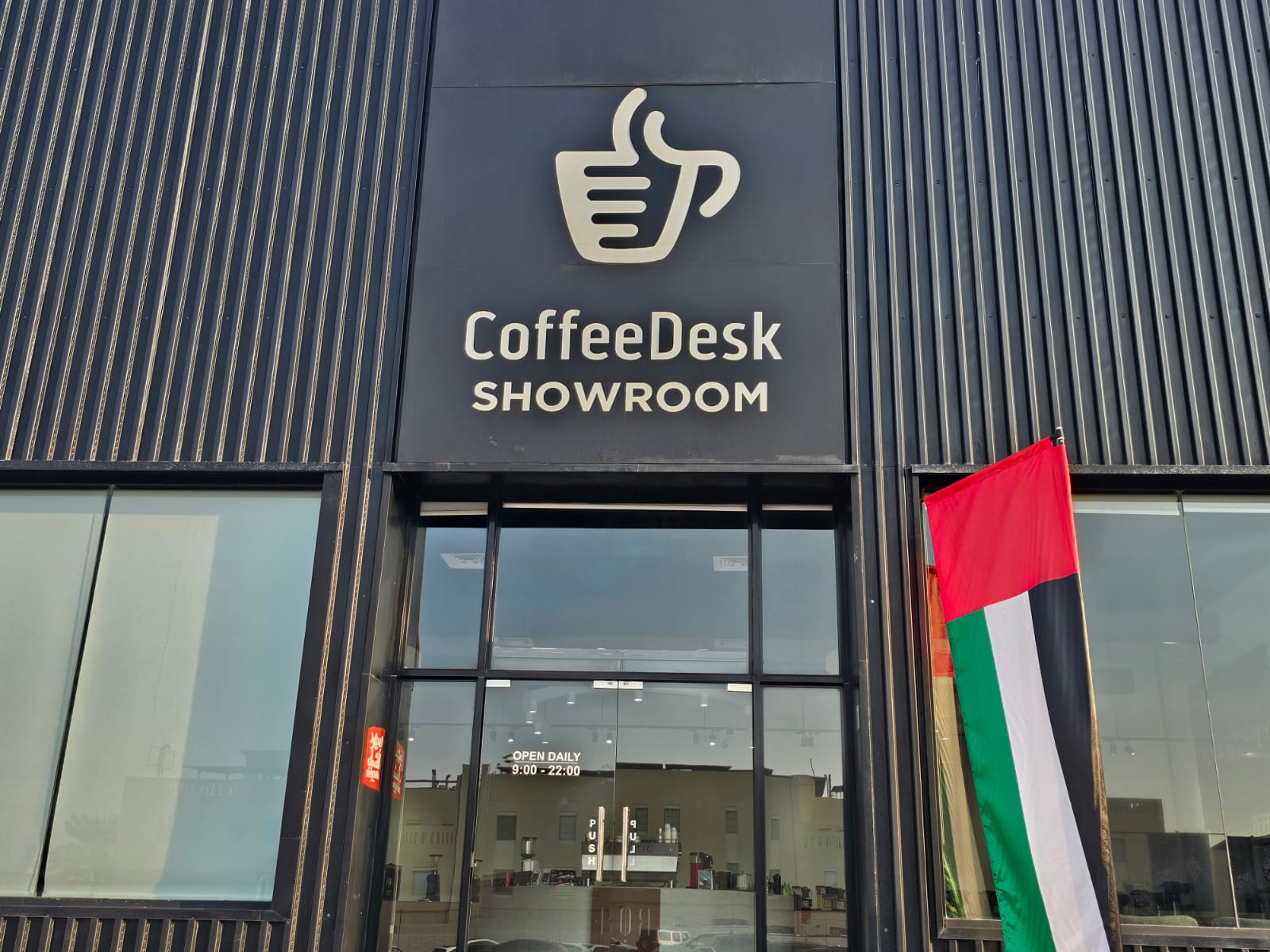
Coffeedesk Elevates Coffee Experience with Exclusive MHW-3BOMBER Partnership

Coffeedesk, renowned for its commitment to providing top-tier coffee equipment solutions, proudly unveils its latest venture: a strategic collaboration with MHW-3BOMBER, a revered name in the coffee equipment industry.

Since its inception in 2016, MHW-3BOMBER has earned accolades for its mastery in crafting, producing, and delivering high-caliber commercial and household coffee equipment and machines. Focused on drip coffee tools fashioned from premium materials, MHW-3BOMBER’s offerings are celebrated for their versatility and forward-thinking design.

The addition of MHW-3BOMBER to Coffeedesk’s prestigious equipment repertoire marks a significant milestone, constituting the 10th official distribution brand in the UAE and across the GCC region. This collaboration underscores Coffeedesk’s unwavering dedication to curating an unparalleled selection of coffee-related equipment, ensuring an unmatched coffee journey for enthusiasts at every level.

“We are delighted to extend a warm welcome to MHW-3BOMBER into the Coffeedesk family,” remarked Saud Al Nuaimi, CEO, and Co-founder of Coffeedesk. “Their steadfast commitment to excellence and unwavering pursuit of quality seamlessly align with our ethos, and we are confident that this partnership will enrich the experience of our valued customers.”

By forging this alliance, Coffeedesk reaffirms its position as the premier distributor of elite coffee equipment, catering comprehensively to the discerning tastes of coffee aficionados and industry professionals throughout the region.