Eagle Tempo: Official Sponsor of 2024 Oman Barista Championship

In an exciting development for coffee enthusiasts and professionals, Eagle Tempo, the cutting-edge coffee machine by Victoria Arduino, will be the official sponsor of the 2024 Oman Barista Championship. The championship will be held during the Horeca Oman expo from June 4-6, featuring a comprehensive exhibition of products, services, equipment, and technologies vital to Oman’s hospitality and food and beverage service sectors.

Victoria Arduino, an iconic Italian brand known for its high-performance espresso machines and distinctive design, will showcase the Eagle Tempo coffee machine at the event. This partnership highlights the brand’s commitment to supporting the barista community and enhancing the quality of coffee preparation at competitive levels.

HORECA Oman is an international event that serves as an educational, entertainment, and business platform. It aims to deliver key buyers to Oman’s hospitality sector through various culinary, bar, and hospitality competitions, live cooking demonstrations, B2B meetings, networking sessions, and panel discussions with industry leaders and specialists. The event is set to be a hub for showcasing young talent and fostering industry growth.

The Eagle Tempo by Victoria Arduino will be instrumental in assisting barista competitors as they vie for the title of 2025 Oman Barista Champion. The winner will earn the honor of representing Oman at the World Barista Championship. Known for its elegant design and high productivity, the Eagle Tempo machine combines the brand’s iconic aesthetics with advanced technology, ensuring energy efficiency and reduced waste.

Victoria Arduino continues to strengthen its range with products that embody recognisable design and high productive capacity. To stay up-to-date with Victoria Arduino’s events and news, visit their website at www.victoriaarduino.com and follow their Instagram pages @victoriaarduinoofficial and @victoriaarduino_middleeast.

Stay tuned for more updates and join us at the Horeca Oman expo to witness the excellence of coffee making and the passion of barista competitors!

Harvesting Sustainability: A Colombian Coffee Experience

Victoria Arduino Expertise Center, in collaboration with the Juan Valdez Colombian coffee chain, organized an event titled “Harvesting Sustainability: A Colombian Coffee Experience” to discuss the sustainability of coffee cultivation in Colombia and the challenges facing this sector.

The event aimed to spark real change by highlighting the crucial role Colombian farmers, roasters, and cafes play in advancing sustainability within the coffee industry. It featured a tasting session of different sustainable Colombian coffee varieties, processed and prepared in various ways.

Coffee Production in Colombia

In 2023, Colombia’s green coffee production reached approximately 11.35 million 60-kg bags, with projections to increase to 12.4 million bags in the 2024/2025 marketing year​ (USDA Foreign Agricultural Service)​​ (Coffee Geography Magazine)​. Despite this growth, farmers face significant challenges such as climate change, pests, and high production costs​ (USDA Foreign Agricultural Service)​.

Colombian coffee farms cover about 840,000 hectares, involving around 540,000 families. This includes 685,000 hectares planted with modern techniques and 130,000 hectares of non-productive farms being replanted as part of renewal programs​ (Coffee Geography Magazine)​.

Sector Challenges

The Colombian coffee sector faces multiple challenges, including:

  1. Climate Change: Variable weather conditions, such as increased temperatures and altered rainfall patterns, negatively impact productivity and increase pest risks.
  2. Production Costs: Rising costs for fertilizers, pesticides, and labor wages limit profitability.
  3. Logistics: Despite improvements in logistics chains, some areas still experience distribution and transportation difficulties.
  4. Volcanoes: Activity from the Nevado del Ruiz volcano could affect 110,000 hectares of coffee crops if a major eruption occurs​ (Comunicaffe International)​.

Importance of Sustainability

Colombia is striving to enhance the sustainability of coffee production by cultivating disease-resistant varieties and improving farming practices to reduce environmental impact and increase productivity. Additionally, campaigns like “Look for the Colombian Coffee Quality Triangle” promote the consumption of Colombian coffee both locally and globally​ (USDA Foreign Agricultural Service)​.

The “Harvesting Sustainability” event embodied these efforts by providing a platform for discussion and exchange of experiences among various stakeholders, thereby raising awareness about the importance of sustainability and encouraging the adoption of more sustainable agricultural practices

Specialty Coffee Association Announces World of Coffee Geneva 2025

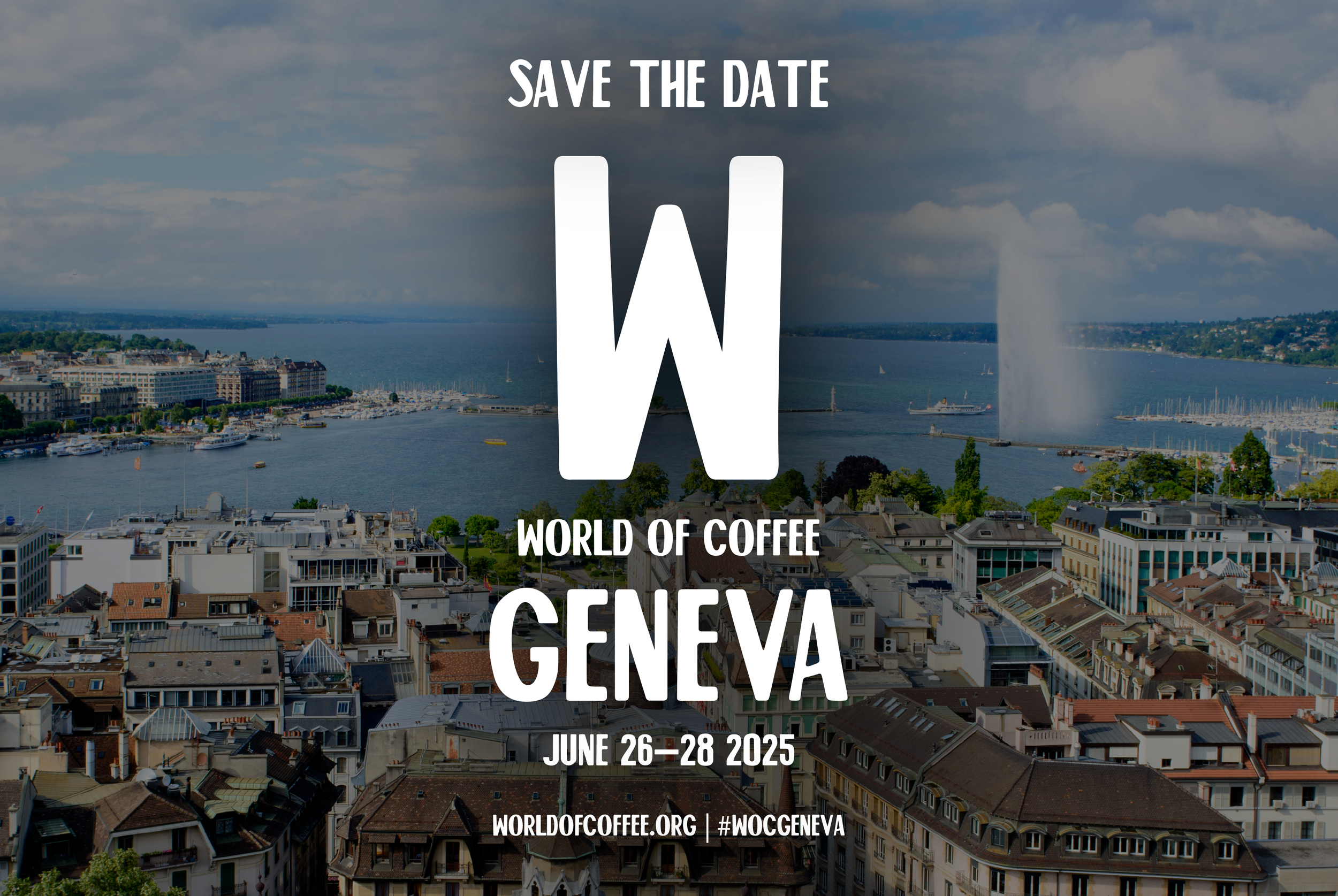
The Specialty Coffee Association is thrilled to announce World of Coffee Geneva, taking place at Palexpo Exhibition and Convention Center, June 26 to 28, 2025. This is the first time a World of Coffee will take place in Geneva, Switzerland as part of SCA’s annual World of Coffee trade shows also scheduled to take place next year in Dubai, United Arab Emirates and Jakarta, Indonesia.

Situated on the shores of Europe’s largest alpine lake, Geneva stands as the ideal location for hosting not only for its beauty but also for its strategic position at the heart of Europe. With excellent transportation infrastructure, world-class convention facilities and its role as an international hub, Geneva offers exceptional accessibility for attendees from all corners of the globe. Moreover, Geneva has historical ties to the coffee trade, being a key player in the global coffee market with the presence of major trading companies as well as espresso machine manufacturers. This connection not only underscores the city’s vibrant commercial ecosystem but also provides a unique opportunity to highlight the coffee industry’s significance within the tradeshow’s diverse array of exhibits and discussions.

With a long history of cafe culture dating back to the 17th century, Switzerland’s blend of European cultures combined with Geneva’s international population make for a diverse cafe scene supporting innovation, trade and travelers.  Palexpo is one of Switzerland’s largest international conference and exhibition centers and an ideal venue given its proximity to Geneva International Airport and for its reputation as a meeting place for economic, sporting and cultural events. From June 26 to 28, Palexpo will be the setting for exclusive World of Coffee show features and learning opportunities including Roaster Villages, SCA Lecture Series, Workshops, an expanded exhibition space, the Best New Product and Coffee Design Awards, an extensive calendar of community and social events, the SCA Community Lounge, and so much more. A full schedule and program of show features and events will be confirmed and announced over the coming year. . Palexpo is an ideal venue given its proximity to Geneva International Airport and as a reputable meeting place where economic, sporting and cultural events are organized.

“Geneva is the perfect host for World of Coffee 2025, offering a vibrant, forward-thinking environment,” said Yannis Apostolopoulos, CEO of the Specialty Coffee Association. “Switzerland’s relationship with coffee began with the grand European coffee houses of the 17th century and continues today with thriving food and beverage, hospitality, and technology industries shaping the entire coffee value chain. As a city known for its innovation and global connectivity, Geneva provides an ideal platform for driving advancements in the specialty coffee industry. World of Coffee Geneva will harness the city’s rich resources and strategic position to foster groundbreaking ideas and collaborations, ultimately making coffee better for everyone involved.”

 Designed to be the coffee professional’s one stop shop for everything they need to succeed in the coffee industry, World of Coffee is a coffee value chain all-inclusive event. Prospective exhibitors and sponsors are encouraged to register their interest in exhibiting at World of Coffee 2025 early by contacting our team on  worldofcoffee.org/contact.

World of Coffee Geneva 2025 is proudly supported by returning Host Sponsor BWT water+more.

Dr Frank Neuhausen, General Manager of long-time Host Sponsor and exhibitor, BWT water+more states “BWT water+more, water partner of the barista community, is delighted to once again join the event as Host Sponsor at World of Coffee 2025 in Geneva. We are looking forward to meeting all partners along the coffee chain, supporting all exhibitors on site with our water solutions for coffee and showing all visitors how our professional water optimization supports their efforts to make the perfect cup of coffee. Coffee is our passion, and truly great coffee needs the best water.”

 Also returning to support World of Coffee Geneva is Platinum Sponsor Barista Attitude.

Attendees, media, and prospective volunteers  are encouraged to learn more and stay up to date by signing up for the World of Coffee newsletter on worldofcoffee.org

What Happens to Your Body Minute by Minute After Drinking a Cup of Coffee?

Drinking a cup of coffee in the morning is an essential part of the daily routine for many people, but have you ever wondered what exactly happens inside your body after the first sip, minute by minute?

After 10 Minutes

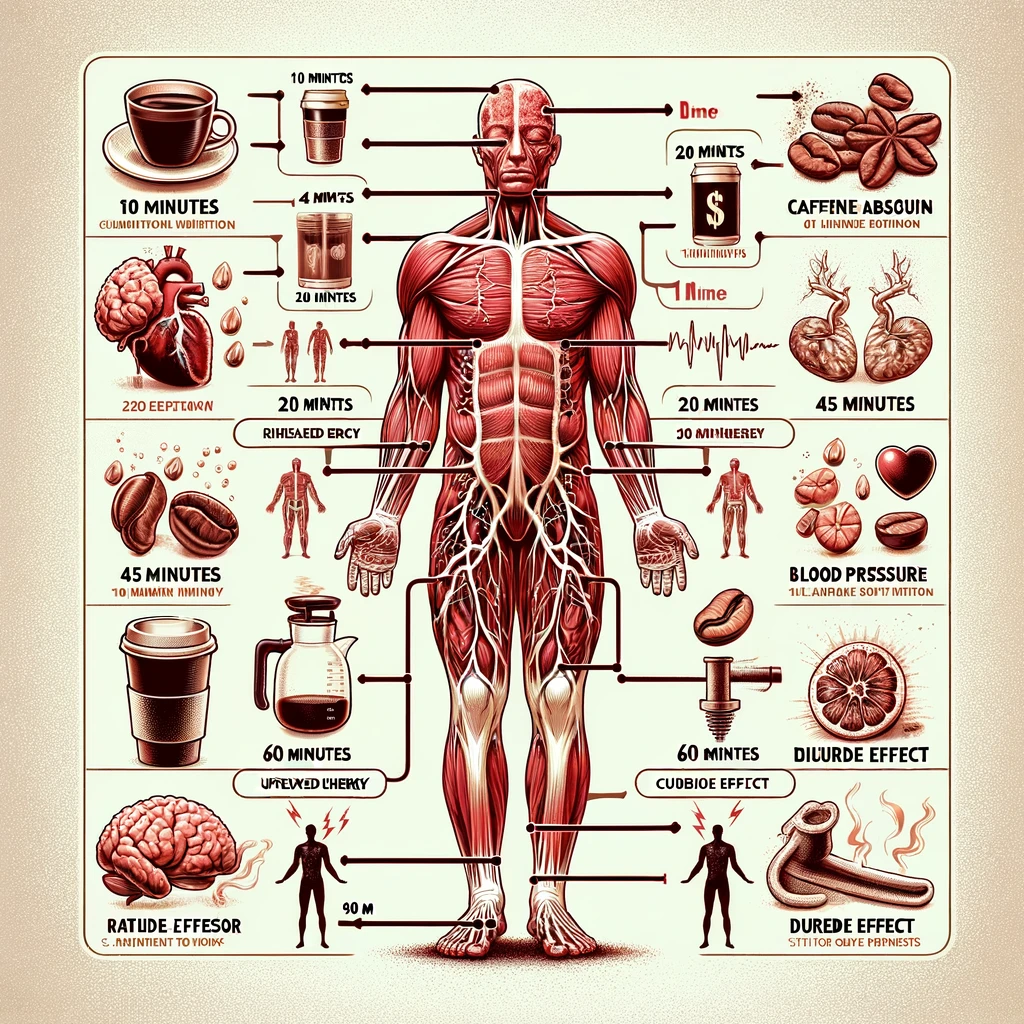
Dr. Duane Mellor from the British Dietetic Association states that caffeine begins to appear in the blood about 10 minutes after drinking coffee, reflecting the speed at which caffeine is absorbed into the bloodstream through the digestive system. Some caffeine can be absorbed in the mouth and stomach, but most of it is absorbed in the small intestine. According to the British “Daily Mail” website, one feels an increase in energy because caffeine prevents the body from reacting to adenosine, a chemical that causes feelings of tiredness.

After 20 Minutes

Dr. Mellor explains that caffeine blocking adenosine receptors not only enhances alertness but also leads to a rise in blood pressure 20 minutes after drinking coffee, due to the constriction of blood vessels and increased heart rate. He warns that drinking more than four cups of coffee daily may lead to long-term increases in blood pressure.

After 45 Minutes

The effects of caffeine peak 45 minutes after drinking coffee, enhancing concentration and memory, but excessive coffee consumption can lead to feelings of tension and anxiety. The National Health Service (NHS) guidelines state that 400 mg of caffeine per day is safe for adults, equivalent to four regular cups, and pregnant women and teenagers are advised to reduce their intake.

After 60 Minutes

Dr. Mellor notes that caffeine causes a diuretic effect, as it inhibits the production of the anti-diuretic hormone (ADH), increasing the amount of urine without causing dehydration if consumed in moderate amounts. A 2014 study showed that moderate coffee consumption does not cause dehydration but can help hydrate the body.

After 90 Minutes

The time it takes to metabolize caffeine varies from person to person, but for most people, the stimulating effect of caffeine starts to fade after one to two hours of consumption, and about 50% of the caffeine remains in the body six hours after consumption. It is advisable to avoid drinking coffee at least eight hours before bedtime to avoid its effects on sleep.

JDE Peet’s Annual Report 2023: A Comprehensive Overview

JDE Peet’s, the world’s leading pure-play coffee and tea company, celebrated significant milestones in 2023. With origins dating back to 1753, the company operates in over 100 markets with a portfolio of more than 50 brands, including household names like L’OR, Peet’s, Jacobs, and Senseo. The annual report for 2023 highlights the company’s performance, strategic initiatives, and sustainability efforts.

Key Highlights:

  1. Financial Performance:
    • Total sales reached €8.2 billion, with a 3.9% organic sales growth.
    • Sales distribution: €6.6 billion from In-Home and €1.6 billion from Away-from-Home segments.
    • Notable sales figures from different regions:
      • Europe: €4,719 million (4.0% organic growth)
      • LARMEA (Latin America, Russia, Middle East, Africa): €1,498 million (4.7% organic growth)
      • Peet’s (USA): €1,153 million (3.9% organic growth)
      • APAC (Asia-Pacific): €791 million (2.1% organic growth)
  2. Strategic Developments:
    • Launch of new products like Ginger Goodness tea and Senseo sustainability campaign.
    • Introduction of fully compostable capsules contributing to a circular economy.
    • Expansion in emerging markets, including the acquisition of Maratá’s coffee and tea business in Brazil.
    • Structural reorganization in Europe to enhance omnichannel capabilities.
  3. Sustainability and ESG Efforts:
    • 83.8% of coffee sourced responsibly.
    • Initiated 63 projects with smallholder farmers, reaching 108,000 new farmers.
    • Reduced Scope 1 & 2 emissions by 21% and Scope 3 emissions by 9% from the base year 2020.
    • Upgraded ESG rating to “Prime Status” by ISS and inclusion in the Dow Jones Sustainability Europe Index.
    • Commitment to the UN Sustainable Development Goals (SDGs) with a strong focus on sustainability across the value chain.
  4. Innovation and Product Development:
    • Introduction of recyclable paper packs for soluble coffee, aiming for the lowest carbon footprint.
    • New product launches like SUPER Espresso in Thailand and L’OR Masterbrand’s “Awaken your senses” campaign.
    • Focus on premiumisation and expanding the range of sustainable products.
  5. Governance and Risk Management:
    • Strengthened corporate governance with a focus on ethics, compliance, and risk management.
    • Enhanced stakeholder engagement policies to align with sustainability and financial goals.

Outlook for 2024: JDE Peet’s anticipates continued complexity in the operating environment but enters 2024 with optimism. The company aims to leverage its strengths and strategic initiatives to create lasting value for stakeholders. Key focus areas include further reducing environmental impact, expanding in emerging markets, and continuing innovation in product offerings.

JDE Peet’s 2023 performance underscores its resilience and commitment to sustainability, innovation, and growth. The company’s strategic initiatives and robust financial health position it well for future challenges and opportunities in the global coffee and tea market.

Nouran Al-Bannai: From Architecture to Leading the Coffee Industry in the UAE

In the world of business, we find stories that inspire us and light our path to success. One such story is the journey of Mrs. Nouran Al-Bannai, the Emirati architect who transformed into a successful entrepreneur in the coffee industry. With a blend of passion and determination, Nouran has created a unique coffee experience that reflects the heritage of the UAE while introducing modern innovations. In this interview, Nouran reveals the secrets of her journey, the challenges she faced, and how she became an icon in the coffee industry in the UAE.

– Tell us about your journey from architecture to becoming a successful entrepreneur in the coffee industry. What inspired you to make this transition?

My passion for coffee started in childhood, as my grandmother, may she rest in peace, used to prepare Arabic coffee at home. I used to smell the coffee before going to school. After her death, I felt that something was missing at home. So, I decided to learn and study coffee and its secrets, and I opened the “Coffee Architecture” café to revive those memories.

– How did your personal and spiritual journey lead you to open your own café (Coffee Architecture)?

I studied at a barista school in America and learned how to prepare specialty coffee and the science behind it. Watching the world barista championships inspired me to become a professional Emirati barista. In 2016, there were no Emirati women working behind an espresso machine, but I decided to open “Coffee Architecture” to change this perspective in the UAE. Thank God, we continue to succeed, and now I see many Emiratis entering this field, which makes me proud.

– What motivated you to focus on offering distinctive Arabic coffee?

Offering Emirati coffee for free at “Coffee Architecture” was a charity act for the soul of my grandmother. Coffee holds a special place in every Emirati family and tribe. I want to pass on this heritage and traditions from the ancestors to the youth.

– As the first Emirati woman to make significant strides in the coffee industry, what unique contributions have you brought to the coffee world?

I strive to create new opportunities in the Emirati economy and showcase our country’s vision on the global stage. Excellence is my goal, and this is what I always work towards.

– How did you combine innovation and tradition to create a truly unique coffee experience?

I maintain religious, ethical, and traditional values in preparing coffee and serve it to customers with professionalism. I also introduce Emirati customs to foreigners to showcase Emirati hospitality.

– Can you explain the precise process behind preparing your creative coffee?

The secret of the process lies in the barista’s passion and deep love for coffee. It requires extracting the right flavor for each type of coffee and roasting it in the best way to suit the taste of coffee lovers.

– What challenges did you face when starting Coffee Architecture, and how did you overcome them?

As a woman, there were doubts about my ability to prepare coffee professionally. Initially, customers did not want me to make their coffee. But with persistence and effort, I became beloved by customers who now prefer my coffee.

– How did COVID-19 affect your business, and what adjustments did you make to keep your business standing?

COVID-19 was a challenge for all of us, but it made us stronger. I took the opportunity to educate people online about how to prepare coffee at home. I also updated the brand and marketed it better.

– Can you share some moments of success that made all the hard work worthwhile?

When customers say they feel at home when visiting the café or praise the quality of the coffee and the positive energy of the place, I feel immense pride. The most significant moment was when His Highness Sheikh Mohammed bin Zayed said to me, “This work may seem small, but its impact on people and the UAE is great.” I will never forget these words.

– How can a person stay passionate and motivated to achieve their goals, in your opinion?

A person should always remember why they entered this field. They should be surrounded by loved ones who inspire and support them. For me, the memories of my grandmother give me the strength to rise again when facing difficulties.

– What advice do you have for aspiring entrepreneurs who want to follow their passion and create something meaningful?

Focus on the goal and understand the reason behind your work; this is the key to success. Do not fear failure, as failure and the word “no” are the strength to rise again with the help of God and trust in Him.

– What are the prospects of the coffee industry in general, and in the UAE and the rest of the GCC in particular?

Arab and international championships in specialty coffee are now taking their place in every new café that opens. Also, roasting has become an essential part of every café, adding a unique flavor to each place.

– Do you have any future plans or projects you can share with us?

My dream is to win first place in the barista championship in the UAE and raise my country’s flag high in the top positions globally. I started this journey in 2018, and I got the third place in 2023 and 2024. I will continue this journey, God willing.

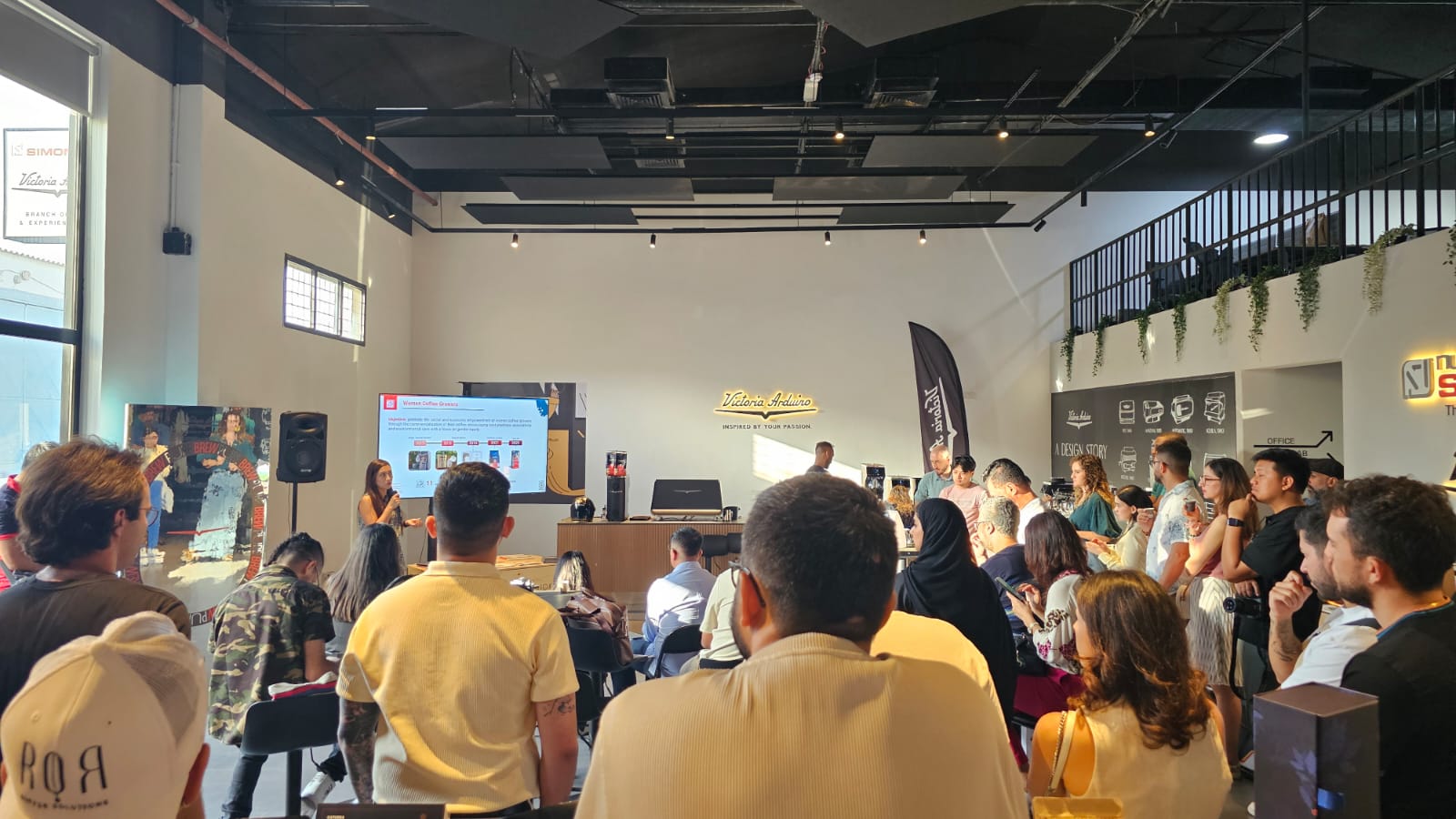
Coffee Planet and Victoria Arduino Host the Summer Latte Art Throwdown 2024 in Dubai

Coffee Planet and Victoria Arduino hosted the Summer Latte Art Throwdown on May 8th, celebrating the artistry and skill of baristas while fostering community ties within the coffee industry.

The event, held at the Victoria Arduino Experience Lab, consisted of two phases. The first phase saw baristas of all levels competing in head-to-head matchups, judged on clarity and precision of their latte art. In the second phase, acclaimed “all-star” baristas displayed their expertise and innovation, adding a thrilling dimension to the competition.

Judges included Federico Ortile from Victoria Arduino, Cris John Signey Benavente from Blacksmith Coffee Company, Goutham K.S. from Brewing Gadgets, Frederick Bejo from Archers, and Mon Alpas from Gold Box Roastery. The event was hosted by dynamic MCs Kiah Parangue from Gold Box Roastery and Romeo Perello from Coffee Planet, whose engaging presence heightened the excitement.

With over 170 participants from cafes and roasteries across the UAE, the event highlighted the region’s vibrant coffee culture. All coffee prepared using Coffee Planet’s 100% Arabica specialty blend was transformed into iced coffee and distributed to delivery riders in the surrounding area, ensuring sustainability and community support.

Coffee Planet announced plans for another Latte Art Throwdown in Abu Dhabi this summer. Additionally, their new state-of-the-art location at Etihad Plaza features a corporate office, showroom, café, and an SCA-accredited training facility, aiming to serve as a hub for coffee enthusiasts and aspiring baristas.

“By co-hosting this event with Victoria Arduino, we aim to deepen our partnership and demonstrate our commitment to the coffee industry,” said Jamie Brown, CEO of Ludlow Coffee Group. “This competition highlighted the incredible talent within our community and reinforced our dedication to barista education and excellence.”

Coffee Planet was born in the UAE in 2005. Over the years, their loyal customers and partners have benefited from their expanding product and service offerings. Today, their coffee is served at leading 5-star hotels, airlines, offices, restaurants, and more.

It can also be purchased in over 700 retail outlets and through numerous online channels. Providing everything to support their products, Coffee Planet distributes a range of market-leading coffee equipment and coffee-related consumables.

They keep their clients and consumers caffeinated through their various products via a dedicated team of qualified coffee professionals on hand, 24/7, for full service and maintenance.

Above all, their commitment to creating a sustainable world is realised at each step of production and by providing a range of sustainable coffee products to waste management as well as initiatives and programs that are developed to reduce the impact of their actions on the environment. Coffee Planet – Everyone’s Cup of Specialty .

Victoria Arduino Victoria Arduino is a leading manufacturer of professional espresso machines, known for their quality, innovation, and design.

With a history of excellence dating back to 1905, Victoria Arduino continues to set the standard in the coffee industry.

Their recently opened experience lab in Dubai serves as a springboard for future endeavours.

With a focus on knowledge sharing and skill development, it has the potential to elevate coffee culture not only in the UAE but across the entire region.

This collaborative spirit promises to inspire future experience labs, fostering a global network of coffee excellence.

Everything You Need to Know About the Coffee Sustainability Reference Code

The Coffee Sustainability Reference Code (CSRC) is a comprehensive, globally-recognized framework designed to guide the coffee sector towards more sustainable practices. Developed and managed by the Global Coffee Platform (GCP), the CSRC addresses critical challenges in the coffee industry, including economic viability, social equity, and environmental responsibility. Here’s an in-depth exploration of what the CSRC entails and its significance for various stakeholders.

Background and Purpose

Coffee is a critical driver of economic and social development for over 50 coffee-exporting countries. It supports the livelihoods of more than 25 million families and involves around 12.5 million farms, most of which are smallholder operations. However, the coffee sector faces significant challenges, including fluctuating market prices, climate change impacts, and socio-economic inequalities. The CSRC aims to provide a common framework to address these issues, promoting sustainability and prosperity across the coffee supply chain.

Core Dimensions of Sustainability

The CSRC is structured around three main dimensions: economic, social, and environmental sustainability. Each dimension includes specific principles, practices, and expected results that serve as a roadmap for achieving sustainable coffee production.

  1. Economic Sustainability:
    • Business Management: Encourages producers to implement good agricultural practices (GAP), maintain records for planning, support diversity and inclusion, and engage in continuous improvement.
    • Agricultural Services: Ensures producers have access to extension services, inputs, finance, and market information to improve productivity and quality.
    • Business Integrity: Promotes ethical business practices, legal compliance, and transparency in operations.
  2. Social Well-being:
    • Right to Childhood: Prohibits child labor and ensures children have access to education.
    • Human Rights: Protects workers from discrimination and harassment, ensures voluntary employment, and supports freedom of association and collective bargaining.
    • Working Conditions: Ensures safe and decent working conditions, fair wages, and access to necessary facilities and information.
    • Community: Upholds community rights, including free, prior, and informed consent (FPIC) for land and water use.
  3. Environmental Responsibility:
    • Biodiversity: Promotes practices that protect and enhance biodiversity, prevent deforestation, and support conservation.
    • Pest & Weed Management: Encourages integrated pest management (IPM) strategies to minimize pesticide use and reduce health and environmental risks.
    • Resource Conservation: Focuses on maintaining soil quality and conserving water resources through sustainable practices.
    • Pollution Prevention: Aims to reduce pollution from agricultural activities and promote safe waste disposal.
    • Climate: Supports climate change adaptation and mitigation measures, including carbon sequestration and renewable energy use.

Key Features and Mechanisms

  • Principles, Practices, and Expected Results: The CSRC outlines specific principles and associated practices that producers need to implement. These are linked to expected results, which are measurable outcomes used to assess the effectiveness of the practices.
  • Equivalence Mechanism: This mechanism allows different sustainability standards and schemes to be compared with the CSRC. It ensures that various programs align with the CSRC’s baseline principles, promoting a unified approach to sustainability. The Equivalence Mechanism also evaluates how these principles are implemented, considering elements like data, assurance, traceability, and claims.
  • Continuous Improvement: The CSRC is designed to drive continuous improvement. It recognizes that not all producers may initially meet the baseline sustainability practices and encourages them to develop and implement time-bound action plans to achieve and surpass these practices.

Applications for Stakeholders

The CSRC is a versatile tool that can be used by various stakeholders in the coffee sector:

  • Coffee Producers: Use the CSRC to assess their practices, identify areas for improvement, and enhance their sustainability journey. It helps them increase productivity, quality, and profitability while adhering to sustainable practices.
  • Traders, Roasters, and Retailers: Integrate the CSRC into their corporate sustainability strategies, responsible sourcing, and origin programs. It helps them commit to sustainable and equitable trading practices.
  • Governments and Regional Authorities: Employ the CSRC as a baseline to define and implement sustainable coffee production at national and regional levels. It supports the development of National Sustainability Curricula and extension services programs.
  • Financial Institutions and Donors: Reference the CSRC to set criteria for investments and support programs in the coffee sector. It ensures that funding is directed towards sustainable and ethical coffee production.
  • Sustainability Standards and NGOs: Align their standards and programs with the CSRC to enhance their credibility and effectiveness. The CSRC serves as a common language for sustainability, facilitating better collaboration and alignment across different initiatives.

Historical Development and Future Outlook

The CSRC has evolved over the years, with significant milestones including:

  • 2004: Launch of the Common Code for the Coffee Community (4C).
  • 2015: Full revision and publication of version 2.0 of the 4C Code.
  • 2021: Renaming to the Coffee Sustainability Reference Code and publication of version 3.0.

The CSRC is subject to regular revisions to stay relevant and up-to-date with emerging challenges and advancements in the coffee sector. The next scheduled review is set for 2026, following the ISEAL Code of Good Practice for Setting Social and Environmental Standards.

Conclusion

The Coffee Sustainability Reference Code is a pivotal framework that unites the coffee sector under a common goal of sustainability. By providing clear principles, practices, and expected results, it guides stakeholders towards more sustainable and equitable coffee production. As the coffee industry continues to navigate economic, social, and environmental challenges, the CSRC offers a roadmap for collective action and shared responsibility, ensuring a thriving and sustainable future for coffee.

For more information on the Coffee Sustainability Reference Code, visit the Global Coffee Platform website.

World of Coffee Dubai exhibition returns in February 2025

The highly anticipated World of Coffee Dubai is set to return for its fourth edition from February 10-12, 2025, at the Dubai World Trade Centre. This premier coffee trade show brings together regional and international coffee professionals for three days of networking, competitions, educational sessions, and a celebration of specialty coffee.

World of Coffee Dubai 2025 promises an array of exciting features designed to cater to the burgeoning coffee industry in the UAE and the Middle East. Attendees can look forward to the popular Roaster Village, where artisanal roasters will showcase their latest blends and innovations. The Lectures segment will offer insights from industry experts on a variety of topics, while the Cupping Room will provide an opportunity for attendees to sample and evaluate different coffee profiles.

The UAE National Championships will be a focal point, with baristas, brewers, and roasters competing for national titles. The Brew Bar will feature hands-on brewing demonstrations, and the SCA Community Lounge will serve as a hub for networking and collaboration. The bustling trade show floor will facilitate new business connections and reinforce existing ones, making it an essential event for buyers and sellers alike.

The Specialty Coffee Association (SCA) plays a pivotal role in World of Coffee Dubai. As a trade association rooted in openness and inclusivity, the SCA encompasses every element of the coffee value chain, from farmers to baristas and roasters. The organization is dedicated to raising global coffee standards through a collaborative and progressive approach. By fostering a fair, sustainable, and nurturing industry, the SCA continues to drive the specialty coffee movement forward.

DXB Live, the experiential agency of Dubai World Trade Centre, is the force behind the seamless execution of World of Coffee Dubai 2025. Offering turnkey solutions for all types of events, DXB Live ensures a unique and engaging experience for all participants. Their comprehensive in-house production facilities and technical capabilities enable them to deliver exceptional event management, exhibition experiences, and live events.

Why Attend?

Dubai has rapidly transformed into a coffee hub, with a growing market and a vibrant coffee culture. This event presents a unique opportunity for coffee enthusiasts, professionals, and businesses to connect and explore the latest trends, innovations, and sustainable practices in the coffee industry. With its historical significance in the coffee world, the Middle East, particularly the UAE, stands to benefit immensely from such gatherings.

World of Coffee Dubai 2025 is not just an exhibition; it’s a platform for the global coffee community to connect, learn, and grow. The event is poised to highlight the latest trends, innovations, and sustainable practices in the coffee industry. For those interested in the coffee sector, this event promises to deliver a rich and rewarding experience.

Organic Coffee Poised for Significant Growth in the Coming Years

Organic coffee is making a notable comeback on roasters’ menus, with recent market observations showing a significant increase in sales. Despite a period of lagging behind other certified coffee categories, organic coffee is now demonstrating steady growth and a compelling value proposition.

In 2021, the global organic market was valued at $133 billion, with the highest demand for organic coffee in North America, Germany, and France. Notably, between 2020 and 2021, while the minimum certified coffee area decreased by 2.5%, organic coffee saw a remarkable 24.6% increase. This surge in demand is attributed to growing consumer awareness of global climate issues and the increasing environmental consciousness among new generations.

Organic, regenerative, and other sustainable agricultural production systems are trending due to a combination of consumer demand and new corporate sustainable due diligence regulations. These regulations pressure companies and producers to invest in more sustainable value chains and production systems. Coffee grown and processed without synthetic fertilizers, pesticides, or other chemicals offers reassurance to both consumers and regulators, contributing to greener practices that allow nature to regenerate.

Despite the premium price attached to organic coffee, consumers remain largely undeterred, and the segment continues to expand. The simplicity and recognizability of the “organic-certified” label play a significant role in this trend. With a plethora of sustainability-oriented certifications such as Fairtrade, Rainforest Alliance, Bird Friendly, and 4C, consumers often experience label fatigue. The continuous emergence of new labels and certifications can be confusing and exhausting, leading to disengagement on sustainability issues. However, organic stands out due to its straightforward concept and established reputation.

Martin Mayorga, Founder and CEO of Mayorga Coffee, the largest exclusively organic coffee roastery in the US, highlights the appeal of the organic label. He states, “The organic label is easier to understand – it will always succeed because it ensures verified practices linked to soil protection, farmer health, and consumer health. There are few grey areas, and you can ultimately test products for pesticides.”

However, not everyone is convinced. Some argue that the higher production costs cannot be justified as consumers may be unwilling to pay prices that reflect the increased overheads. Additionally, the certification process is seen as overly cumbersome and expensive for small-scale farmers to achieve. Martin Mayorga acknowledges these challenges, stating, “The certification process requires effort, organization, and a commitment to sound organic practices. That’s why roasters should work in partnership with farmers and assume some of the overheads. At Mayorga, we’ve supported producers with costs and provided agronomists to support the process.”

The proliferation of different certifications and labels points to the growing trend that “just” coffee no longer suffices. Among young consumers, there is a demand for coffee that provides something more than just a beverage. Organic coffee delivers on both health and sustainability benefits, aligning with the values of these consumers. As Martin Mayorga puts it, “Fortunately, consumers these days want to be part of something that goes beyond high quality and good value – something that also creates a positive impact.”

The association of organic products with healthy living is strong among consumers, even though there is ongoing debate about the proven health benefits of drinking organic coffee. The rising interest in health-based coffee marketing and products, such as coffee for runners or natural energy boosters, reflects this trend. Despite economic downturns and cost-of-living crises, younger demographics continue to prioritize health in their purchasing choices. This indicates that coffee brands investing in the organic segment are likely to see long-term benefits if younger consumers remain loyal.

Beyond consumer preferences, the health and wellness of coffee’s production environment, including its growers, are paramount. Long-term commitment to organic coffee will solidify if all parties in the coffee sector understand its holistic value across the supply chain and commit to it beyond the bottom line. Martin Mayorga emphasizes the importance of this understanding, saying, “Industry players need to genuinely understand and care about the impact of harsh chemicals on the soil, surrounding bodies of water, and the people who live on and near the farm. Very few roasters are aware of how incredibly damaging conventional farming is to communities and coffee farmers. Those of us who understand that, understand that organic is a commitment to our future. It needs to stop being a movement and go back to being how nature intended our food and communities to be.”

The return to popularity of organic coffee comes as no surprise in a time when concerns about the health of both people and the planet are at the forefront. Consumers are gravitating towards greener, healthier options, and the demand for organic coffee is growing. Producers and roasters are responding to this demand, and it will be interesting to see what other value propositions arise to cater to these trends in the industry. Regardless, the organic label seems to have a secure place in the future of the coffee industry.

Jane Aldridge from Nestlé Elected Chair of the British Coffee Association

The British Coffee Association (BCA) has confirmed the election of Jane Aldridge, Managing Director (Coffee) at Nestle UK&I, as the Association’s new Chair.

Jane brings extensive expertise in the coffee industry focused on the manufacturing sector.

She has spent more than twenty-five years at Nestlé where she now leads the in-home coffee business for the UK & Ireland.

Jane’s experience in marketing and sales includes notable achievements, such as the launch of NESCAFÉ Azera and the co-development of the NESCAFÉ PLAN, which was one of the first
initiatives to deliver responsibly sourced coffee.

Jane’s professional journey has also taken her to the Czech Republic, where she gained valuable international experience.

As BCA’s Chair Jane will use her experience to support the UK coffee industry at a critical juncture as we deal with new regulatory requirements – including on deforestation, packaging and labelling – and work for improvements to the sustainability and
environmental footprint of the industry.
The UK Government continues to develop its approach to international trade, tariffs, and labour movement post-Brexit, and BCA will represent our sector as these areas evolve.

Research published by the BCA shows that the UK has a flourishing coffee industry – the nation drinks approximately 98 million cups of coffee every day, with the industry creating over 210,000 UK jobs. The BCA is the voice of the UK coffee industry.

Jane Aldridge, Chair of the British Coffee Association, said:
“I am truly delighted to be elected Chair of the British Coffee Association and I’m keen to support the Association’s mission – to represent, promote and support all aspects of the UK coffee trade and industry.

“I have had the privilege to work in this industry for over twenty-five years, and so this appointment is a proud moment for me. Directly and indirectly, I have been involved with the BCA since the 1990s, when of course our UK coffee industry looked very different and it is truly satisfying to see us in good shape today.


2025 World Barista Championship Heads to HostMilano

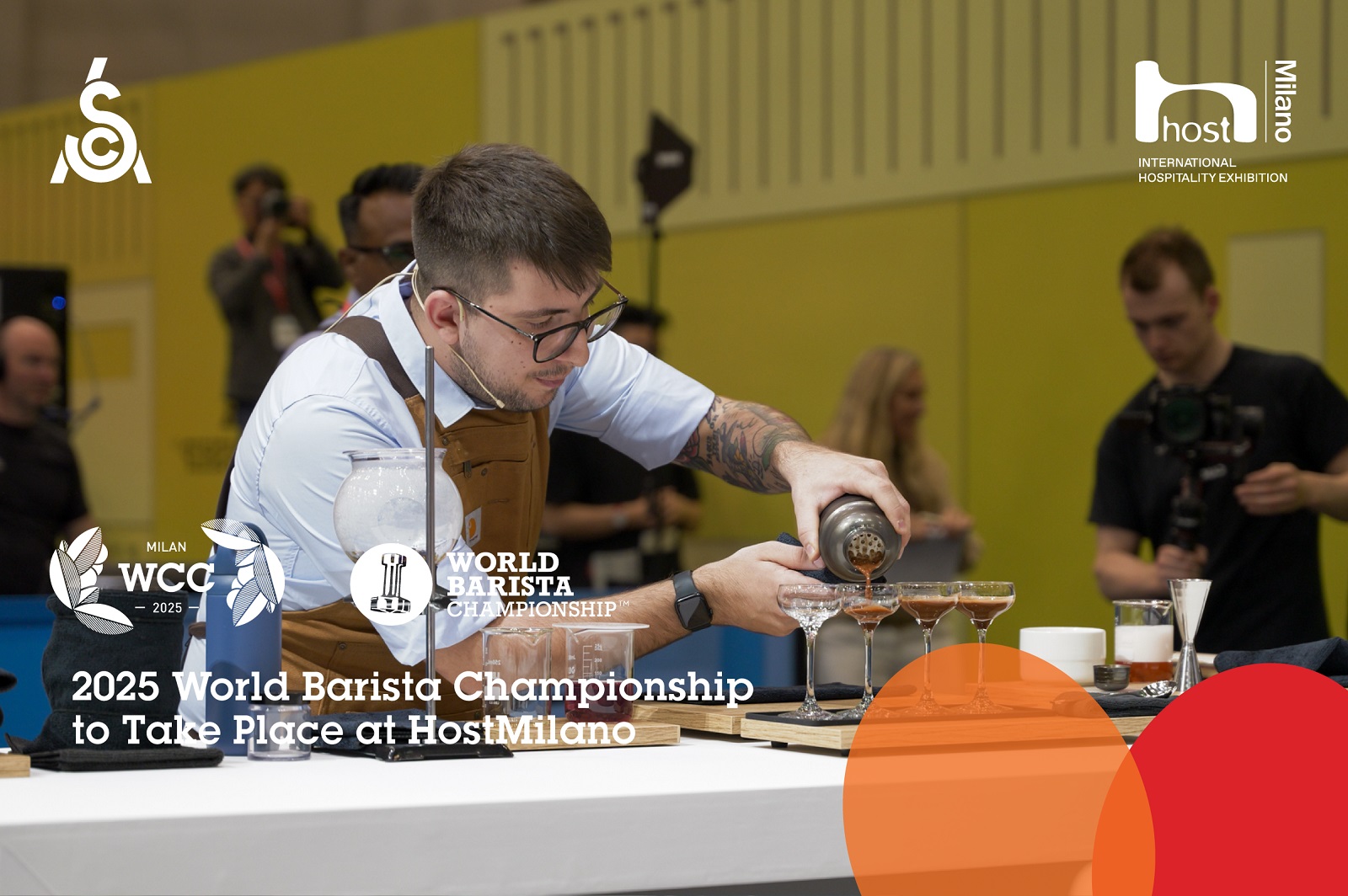
The world’s premier competitive coffee event, the World Barista Championship (WBC), is set to make a grand return to Milan, Italy, from October 17-21, 2025. This prestigious event will take place at HostMilano, held at Fiera Milano (Rho), which is recognized as the global epicenter for the Horeca and Food Service industry. HostMilano provides an unparalleled platform for innovation, networking, and showcasing the latest trends in hospitality.

The World Barista Championship, which last graced Milan in 2021, is dedicated to promoting excellence in coffee and advancing the barista profession. The event features baristas demonstrating their expertise in crafting innovative espresso-based drinks across three categories: espresso, milk, and signature beverage courses. Each 15-minute performance is evaluated by Certified Judges on a range of technical and sensory attributes, and the cutting-edge approaches and tools used on the WBC stage have a lasting impact on the coffee industry.

This highly competitive championship attracts the finest baristas from more than 50 Competition Bodies worldwide. These skilled professionals will present their creativity and coffee mastery in a bid to claim the coveted title of World Barista Champion. The WBC is one of seven World Coffee Championships—annual skills-based competitions produced by the Specialty Coffee Association (SCA) and hosted at some of the most significant global coffee trade shows.

“We are proud and delighted to welcome the SCA to Host 2025,” said Simona Greco, Fiera Milano SpA Owned Exhibitions Director. “This important partnership consolidates HostMilano as a global reference for the entire coffee world and testifies to Milan’s role as one of the great coffee capitals of the world. The World Barista Championship, the most prestigious among the World Coffee Championships, will bring many of the world’s top baristas to the exhibition, attracting new target audiences of coffee lovers among hospitality professionals, and providing an opportunity to preview the most exciting new trends. We look forward to working with the SCA to outline a calendar of events that is sure to be unparalleled.”

Yannis Apostolopoulos, CEO of the SCA, added, “Given its scale and importance, HostMilano is the perfect location to hold the World Barista Championship. The Fiera Milano team’s commitment to excellence aligns perfectly with our mission to elevate the barista profession and showcase the finest talents on a global stage. As we gather in this iconic city, we not only celebrate the art of coffee-making but also pay homage to the timeless tradition that continues to inspire coffee lovers worldwide.”

Since the groundbreaking introduction of caffè espresso at the 1906 Milan International World’s Fair, the city has remained a beacon of coffee craftsmanship and innovation, earning its status as the Espresso Capital of the world. Embracing Milan’s storied coffee culture, the 2025 World Barista Championship will serve as a grand celebration of the beverage that unites coffee enthusiasts globally. The WBC is supported by 2022-2025 Qualified Sponsors: Espresso Machine Sponsor, Barista Attitude; Grinder Sponsor, Victoria Arduino; and Water Filtration Sponsor, BWT water+more.

For more information about the World Barista Championship and HOSTMilano 2025, visit wcc.coffee and host.fieramilano.it.