Discover the World of Cupping: SCA Launches Introductory Workshops for Beginners

The Specialty Coffee Association (SCA) is introducing an exciting new experience for coffee lovers and professionals alike. For the first time, the SCA is launching the “Intro to Cupping” workshops, designed to be inclusive and beginner-friendly. These workshops aim to open the doors to coffee evaluation for everyone, regardless of prior experience. Whether you’re a barista, coffee roaster, coffee enthusiast, or simply curious about the art of tasting coffee, these workshops are your gateway to mastering the basics of cupping and sensory analysis.

What is Cupping?

Cupping is the standardized method used by coffee professionals to evaluate the aroma, flavor, and overall quality of coffee. It’s a sensory journey that combines science and art, allowing participants to explore and appreciate the intricate details of coffee. From identifying fruity notes to discovering subtle floral undertones, cupping is an essential skill for anyone looking to deepen their understanding of coffee.

What Makes the “Intro to Cupping” Workshops Special?

These workshops are part of the SCA’s global cupping education program, set to fully launch in 2025. Grounded in the Coffee Value Assessment and informed by modern sensory science, the program equips participants with the foundational skills needed by cupping professionals.

The workshops offer a hands-on and engaging experience, where participants will:

  • Learn the basics of cupping: From grinding and smelling to slurping and evaluating, discover techniques used to assess coffee’s sensory attributes.
  • Bridge theory with practice: Gain a deeper understanding of how sensory science applies to coffee evaluation.
  • Build a strong foundation for growth: Whether you’re a beginner or looking to refine your skills, these workshops lay the groundwork for mastering cupping practices.

What Will You Gain?

By attending one of the upcoming workshops, you’ll benefit from:

  • An inclusive learning experience: Designed for all experience levels to ensure everyone feels welcome and supported.
  • Practical skills: Develop the tools and techniques to confidently evaluate and describe coffee’s sensory qualities.
  • A foundation for growth: Take the first step in mastering cupping practices and building your sensory knowledge.

Upcoming Dates

The SCA is kicking off the “Intro to Cupping” workshops with three exciting dates in February:

  • February 11 & 12, 10:30 AM to 1:30 PM
    World of Coffee Dubai, United Arab Emirates
    (Registration opens soon)
  • February 19, 10:00 AM to 1:00 PM
    Escuela del Café Tueste Café, Coatepec, Veracruz, Mexico

More dates will be announced soon, so stay tuned!

Why Attend?

These workshops aren’t just for coffee professionals—they’re for anyone who loves coffee and wants to dive deeper into its sensory world. Whether you’re looking to boost your career, impress your friends with your coffee knowledge, or simply satisfy your curiosity, the “Intro to Cupping” workshops offer something for everyone.

Coffee Prices Reach Record High as Brazil Farmers Hesitate to Sell

Global Arabica Coffee Prices Soar Amid Farmer Reluctance and Crop Uncertainty

Global arabica coffee prices reached record highs on Monday, fueled by Brazilian farmers’ reluctance to sell due to concerns over the upcoming crop and optimism for even higher prices.

Forward sales for Brazil’s 2025/26 coffee crop are significantly behind schedule, with only 12% sold to date compared to 19% by this time last year, according to industry data released Friday. The longer-term average for this period stands at 21%.

As the world’s largest producer of arabica beans — a premium variety primarily used in roast and ground blends — Brazil accounts for nearly half of global arabica production. However, the country experienced one of its worst droughts in history last year, raising concerns about the health and productivity of coffee trees.

“The market has been drawing support from expectations that the severe drought last year has left coffee trees lacking the vitality to produce a strong crop,” stated ADMISI, the brokerage division of Archer Daniels Midland, an agricultural trading giant.

Mixed Crop Expectations in Brazil

Despite these concerns, some traders have reported a more optimistic outlook following recent tours of Brazil’s coffee regions. They noted that improved rains over the past several months have boosted crop conditions, with expectations that favorable weather will continue.

Nonetheless, arabica coffee futures on the ICE exchange — a benchmark for physical coffee pricing globally — climbed to a record high of $3.5555 per pound earlier on Monday, marking a year-to-date increase of nearly 10%. Futures closed at $3.492 per pound, up 0.5% for the day. Meanwhile, robusta coffee futures, often used for instant coffee, dropped 1.5% to $5,460 per metric ton.

Stock Declines and Currency Impact

ICE data further revealed a significant drop in certified arabica stocks, with a decrease of 19,814 bags on Friday, totaling 53,442 bags lost for the week. This leaves global certified stocks at under 1 million bags, a factor underpinning price increases.

Adding to the situation, the Brazilian real has recently strengthened against the U.S. dollar. This currency movement discourages Brazilian farmers from exporting dollar-denominated coffee, as it lowers their returns in local currency terms.

Broader Commodity Movements

In other soft commodities:

  • Raw sugar rose 0.8% to 19.17 cents per pound.
  • White sugar climbed 1.8% to $507.00 per ton.
  • London cocoa prices fell 1.4% to £9,055 per ton.
  • New York cocoa prices declined 1.7% to $11,219 per ton.


Top 10 Cafés in Dubai for 2024

In a city that narrates its story through its towering skyscrapers and captivating charm, the aroma of coffee rises, transforming Dubai from a global metropolis into a vibrant hub for the art of coffee making. At the heart of this city, embodying boldness and innovation, emerges a new passion that captivates coffee lovers from all corners of the world. It’s a quiet revolution, but one filled with creativity and enthusiasm, encapsulated in this exclusive list of the top 10 cafés for 2024.

Cafes and coffee roasteries are an integral part of the thriving coffee culture in Dubai, combining unique flavors with exceptional experiences to cater to coffee enthusiasts.

A Journey to Perfection in Every Cup

When “Qahwa World” decided to compile this list through a survey of industry experts and coffee enthusiasts, the goal was not just to create a ranking. Instead, it was an exploratory journey into the depth of Dubai’s coffee culture, searching for places that tell their stories with every sip. This initiative attracted a wide range of participants, from passionate coffee lovers to industry specialists, whose insights came together to paint a vivid picture of the city’s diverse and unique coffee scene.

Evaluation Criteria

The assessment was based on five key dimensions that define excellence:

  • Coffee Quality: Where preparation becomes an art, reflecting the craftsperson’s creativity and the depth of flavors.
  • Ambiance: The environment that surrounds you, immersing you in a full sensory coffee experience.
  • Service: The human touch that makes every coffee encounter unforgettable.
  • Menu Variety: Innovation that opens the door to unconventional flavors and styles.
  • Location: The seamless blend of accessibility and beauty that completes the experience.

Experts’ Opinions

The results of this survey were brought to life through inspiring conversations with prominent figures in Dubai’s coffee community, those who have witnessed and shaped this quiet revolution.

Sonam Sherpa, UAE AeroPress Championship winner for 2024, remarked: “This project is not just about ranking cafés. It’s a celebration of Dubai’s coffee culture, mapping excellence and motivating us all to raise our standards.”

Enea Mosca, coffee entrepreneur, emphasized: “Constructive feedback is the true foundation for improvement. This survey provided us with clear insights into strengths and areas for enhancement.”

Federico Ortili, Managing Director of Simonelli Group Middle East, reflected: “What sets this initiative apart is how it tells the stories of cafés that go beyond just serving coffee—they build communities and inspire creativity.”

Top 10 Cafés for 2024

This list reflects the diversity and excellence of Dubai’s coffee scene. Each café tells a unique story, yet they all share a passion for creativity and distinction.

Coffee Quality Leaders

  1. RAW
  2. Espresso Lab
  3. The Coffee Lab
  4. Three Coffee
  5. Brew
  6. Grandmother Roastery
  7. Falcon Roasters
  8. Flat 12
  9. Hoof
  10. Roasters Specialty Coffee House

Masters of Ambiance

  1. RAW
  2. Espresso Lab
  3. Brew
  4. Café Rider
  5. Roasters Specialty Coffee House
  6. Mokha 1450
  7. Alchemy
  8. Flat 12
  9. Hoof
  10. The Coffee Lab

Service Experts

  1. RAW
  2. Espresso Lab
  3. Brew
  4. Café Rider
  5. Hoof
  6. Roasters Specialty Coffee House
  7. Grandmother Roastery
  8. Mokha 1450
  9. Flat 12
  10. Alchemy

Menu Innovators

  1. RAW
  2. Espresso Lab
  3. Roasters Specialty Coffee House
  4. Brew
  5. Alchemy
  6. Café Rider
  7. Grandmother Roastery
  8. Mokha 1450
  9. Flat 12
  10. The Coffee Lab

Exceptional Locations

  1. RAW
  2. Espresso Lab
  3. Roasters Specialty Coffee House
  4. Grandmother Roastery
  5. Brew
  6. Alchemy
  7. Mokha 1450
  8. Flat 12
  9. Nightjar
  10. The Coffee Lab

A Vision Beyond Coffee

What sets this list apart is that it’s not just about ranking. It’s a celebration of a journey of passion, reflecting the effort and creativity that each café embodies. It stands as proof that coffee is not just a drink—it’s a complete experience that enriches the senses and creates lasting memories.

The Future in Every Cup

Dubai’s coffee scene is a living testament to the harmony between tradition and modernity, where stories are told, and connections are forged with every cup. These cafés are not merely places to enjoy coffee; they are windows into a world of creativity and narratives waiting to be discovered.

Whether you are a seasoned coffee connoisseur or a newcomer to this world, Dubai invites you to explore this unique experience. Begin your journey, one cup at a time, and discover why coffee is an art that touches the soul.

From Russia to Dubai: Albina Khamidullina’s Journey into the World of Coffee

In the ever-evolving world of coffee, where tradition intertwines with innovation, we meet Albina Khamidullina—a dynamic force bridging the art of marketing with the soulful essence of coffee. As the Head of Marketing at Drinkit Dubai, part of the renowned DODO Brands, Albina brings a fresh perspective to an industry steeped in culture and complexity. Her journey from the bustling world of FMCG and retail to the intricate, aromatic realm of coffee is nothing short of inspiring.

Through this dialogue, Albina invites us into her world—a world where technology enhances the coffee experience, sustainability is more than a buzzword, and specialty coffee becomes accessible to all. Let’s embark on a captivating journey with a professional who is not only reshaping the coffee industry but also redefining what it means to savor every cup.

You’ve transitioned from industries like FMCG and retail to the coffee world. What inspired you to explore the coffee industry, and how has this journey been so far?
Before entering FMCG and retail, I worked in the second-largest telecom company in Russia, managing the creation of new online sales channels. When I moved to Dubai, Drinkit (DODO Brands) reached out. Initially, I hadn’t considered the coffee industry but was drawn to DODO Brands for their corporate culture and innovation. Joining the Drinkit team revealed a rich and multifaceted coffee world I hadn’t imagined. Over the past 1.5 years, I’ve experienced a journey of constant learning, from understanding the complexities of coffee to appreciating how service plays an equally vital role.

Working with Drinkit, a digital coffee company, must be a unique experience. How has this role deepened your understanding of coffee and its industry dynamics?
At Drinkit, I oversee marketing, branding, and customer experience. Customer experience encompasses everything our guests interact with—from the ambiance and barista uniforms to the warmth of a coffee cup and the quality of the drink. The complexity of delivering excellent coffee alongside an exceptional experience has taught me the importance of staying attuned to industry trends and guest expectations, which are ever-evolving.

Drinkit operates at the intersection of coffee and technology. How does the company aim to redefine the coffee experience for its customers?
Our goal is to make the coffee experience seamless, so guests can focus on enjoying their drinks. Using technology like self-service kiosks, a dedicated app, and barista tracking systems, we eliminate order errors and reduce waiting times. These innovations allow guests to customize their drinks and preorder effortlessly while also lowering labor costs—enabling us to provide affordable, high-quality coffee.

What insights have you gained about customer preferences through Drinkit’s digital approach, and how do they reflect broader coffee industry trends?
Our app offers incredible insights into customer preferences. For example, over 45% of our drinks are customized, and healthier options are gaining popularity. Yet, classic drinks like cappuccinos remain the top choice, highlighting that while people enjoy creative options, quality classics are irreplaceable—a trend mirrored across the specialty coffee industry.

Specialty coffee has gained significant momentum worldwide. How do you see its growth evolving globally in the coming years?
I believe consumers are increasingly seeking quality coffee, and specialty coffee is becoming more accessible. To grow, specialty coffee shops need to appeal to a broader audience while maintaining high standards—something Drinkit embodies by offering premium coffee at affordable prices. As specialty coffee becomes more mainstream, commercial chains will also have to adapt, elevating their quality to stay competitive.

The UAE and GCC countries have become hubs for specialty coffee. What do you think makes this region so receptive to premium coffee experiences?
The GCC region values hospitality and a slower, more mindful way of living. This lifestyle aligns perfectly with the appreciation of high-quality coffee, enjoyed in moments shared with loved ones. The region’s culture fosters a deep respect for traditions, such as the ritualistic serving of Arabic coffee, which emphasizes quality and connection.

Russia, your home country, has been emerging as a player in the specialty coffee scene. How would you compare Russia’s coffee culture to what you’ve observed in the GCC or other regions?
In Russia’s major cities, specialty coffee has become the norm, replacing global chains with local specialty coffee brands. Consumers are highly educated about coffee, and I foresee a similar shift in the GCC, where accessible specialty coffee will gradually replace commercial alternatives.

Technology is transforming the coffee industry, from digital platforms to supply chain innovations. How do you think these advancements are shaping the future of coffee?
Technology simplifies coffee shop operations, enabling baristas to focus on crafting drinks and connecting with guests. At Drinkit, our systems optimize stock management, predict peak hours, and track preparation times, ultimately benefiting the guest with better quality and pricing. These innovations will make high-quality coffee more accessible, fueling competition and driving up industry standards.

How can companies like Drinkit and others use digital tools to strengthen the connection between producers and consumers, promoting sustainability and transparency?
Transparency is crucial, and our app communicates not only product descriptions but also details about ingredient sourcing and preparation. While we’ve taken steps like using recycled packaging and offering eco-friendly options, there’s much more to be done. Initiatives like Dubai’s plastic ban inspire us to contribute further to sustainability.

Coffee production is increasingly affected by climate change and other challenges. How do you think the industry can work together to address these issues?
Supporting small, ethical producers is key. While this may come at a higher cost, a collective industry shift toward ethical sourcing could significantly impact sustainability.

How important is it for companies in the coffee space—like Drinkit and others—to promote ethical sourcing and sustainability practices?
Education is pivotal. We inform guests about coffee quality, origins, and sustainable practices, earning their trust and loyalty. Normalizing sustainability within the industry and among consumers is essential for lasting change.

Coffee has become more than just a drink—it’s now part of people’s lifestyle. How do you see consumer trends shaping the coffee industry’s future?
Coffee’s versatility allows it to adapt to various lifestyles. Consumers increasingly seek personalized experiences, whether through drink customization or the ambiance of coffee shops. The industry is evolving to accommodate these preferences while remaining inclusive for all.

In regions like Dubai and Moscow, coffee culture is thriving. What unique trends or consumer preferences have you noticed in these markets?
Both markets show a growing preference for specialty coffee and customization. Coffee has become a form of self-expression, with trends like “coffee raves” illustrating its integration into diverse lifestyles.

As someone deeply involved in the coffee industry now, what excites you the most about its future?
The sense of community in the coffee industry is unparalleled. In Dubai, I’ve experienced immense support from peers, and I’m thrilled to contribute to its rapid growth and evolution.

If you could change one thing about how the global coffee industry operates, what would it be and why?
I wish ethical sourcing and sustainable practices were industry standards rather than marketing strategies. Fair labor conditions and environmentally friendly methods should be universal practices.


CAPP: Loyalty App for Coffee Lovers Coming Soon from Dubai!

Entrepreneurs and coffee experts, Sara Wertvoll and Enea Muskaj, are set to revolutionize the thriving coffee community in Dubai and the UAE with an innovative app named CAPP.

The app, expected to launch soon, promises an exceptional experience for coffee lovers in the UAE, allowing them to celebrate their passion for coffee with a simple and catchy motto: Sip. Collect. Redeem.

What sets CAPP apart is that it will operate on blockchain technology, offering a secure and transparent platform for its users. This innovative feature makes CAPP a groundbreaking addition to the coffee community and loyalty programs.

Once launched, CAPP will enable coffee enthusiasts to earn Coffee Points with every cup they purchase. These points can then be redeemed for their favorite coffee, coffee beans, or other exclusive products. Additionally, the app offers the chance to discover coffee events and connect with the vibrant coffee community.

No more waiting for traditional loyalty cards – with CAPP, every cup you enjoy brings you closer to your reward, effortlessly and seamlessly. This app is designed to cater to coffee lovers of all levels.

Stay tuned for updates and get ready to join this innovation redefining the coffee experience in the UAE!

Coffee Loophole Diet: A Trendy Shortcut or a Health Risk?

Social media is buzzing with the latest diet craze: the Coffee Loophole Diet. Promising rapid weight loss and unlimited coffee consumption, this trend has captured the attention of many. But is it effective, and more importantly, is it safe?

In a Living Strong report, registered dietitian Sophie Lauver explains, “The Coffee Loophole Diet is promoted as a way to hack hunger signals.” The premise revolves around drinking black coffee mixed with specific supplements within seven seconds of feeling hungry, aiming to suppress appetite and reduce calorie intake.

What Is the Coffee Loophole Diet?

This diet emphasizes coffee’s metabolism-boosting and appetite-suppressing properties while adding ingredients like capsaicin, cinnamon, chromium, cayenne pepper, green tea extract, and honey. Proponents claim these additions enhance weight loss.

While some studies suggest these ingredients may have minor benefits for weight management, their effectiveness is often overstated. According to Lauver, the diet simplifies weight loss into a single habit, ignoring the broader context of balanced nutrition and physical activity.

Does It Work?

The short answer: unlikely.

Coffee, as a calorie-free beverage, does offer some benefits. Research shows caffeine may temporarily boost metabolism and suppress appetite. For instance, a 2020 study in the American Journal of Clinical Nutrition revealed that participants who drank four cups of coffee daily reduced body fat by 4% over six months.

However, the strict timing and focus on hunger cues make this diet impractical. Lauver warns, “Weight loss requires consistent, sustainable habits, not quick fixes.”

Risks of the Coffee Loophole Diet

While coffee and certain supplements can be part of a healthy diet, this trend carries risks:

  1. Disrupting Natural Hunger Signals: By forcing individuals to suppress hunger quickly, the diet may create an unhealthy relationship with food.
  2. Nutritional Deficiency: Replacing meals with coffee can lead to a lack of essential nutrients.
  3. Health Risks: High caffeine intake and supplements may harm people with chronic conditions like diabetes or heart disease.
  4. Stress and Burnout: Strict adherence to timing and repetition may cause unnecessary stress and lead to unsustainable habits.

Better Weight Loss Strategies

Instead of relying on trends like the Coffee Loophole Diet, consider these healthier approaches:

  • Stay Hydrated: Drinking water helps distinguish hunger from thirst and supports metabolism.
  • Incorporate Spices in Meals: Add cinnamon or cayenne pepper to your meals for flavor and potential health benefits.
  • Eat Balanced Meals: Regular, nutrient-rich meals help maintain metabolism and energy.
  • Strength Training: Building muscle through resistance exercises increases calorie burn throughout the day.

Conclusion

The Coffee Loophole Diet is an intriguing trend but ultimately unrealistic and potentially harmful. Sustainable weight loss requires a balanced approach that includes healthy eating, regular exercise, and mindfulness. Quick fixes may grab attention, but long-term wellness comes from consistent effort.

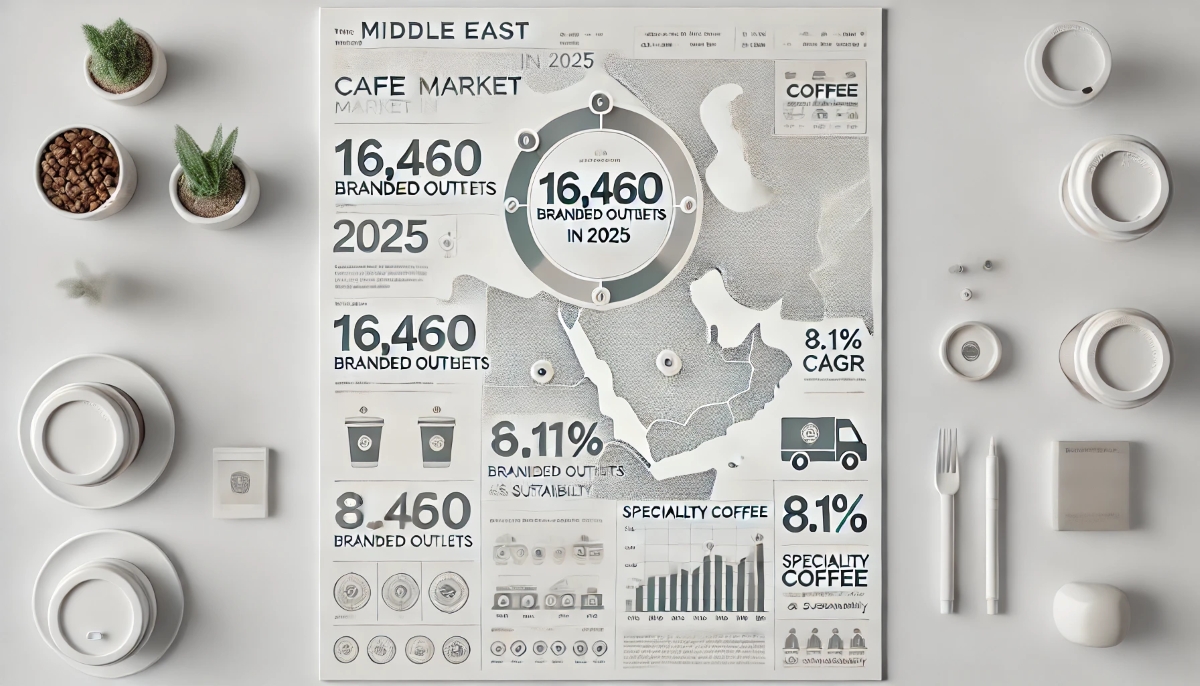
Middle East Café Market: A Surge in Specialty Coffee and Sustainability

The Middle East café market is witnessing remarkable growth, with branded coffee shop outlets expanding at an impressive compound annual growth rate (CAGR) of 8.1% through 2029. The findings, revealed in World Coffee Portal’s latest Project Café Middle East 2025 report, highlight key trends, consumer behavior, and the evolving landscape of the region’s coffee culture.

Market Expansion and Key Players

The report estimates the total number of branded coffee shop outlets across the region at 16,460, driven by strong demand in markets such as Saudi Arabia, the UAE, and Egypt. Saudi Arabia and the UAE are particularly influential, accounting for the majority of the region’s café market activity. Morocco, Saudi Arabia, and Egypt have emerged as the fastest-growing markets in the past 12 months, with growth rates of 19%, 16.5%, and 13.3%, respectively.

The region’s largest café chains are leading this expansion, focusing on specialty coffee and innovative offerings. The increasing preference for home-grown brands reflects a shift toward local flavors, with 74% of surveyed consumers favoring locally established chains.

Specialty Coffee and Consumer Trends

Specialty coffee continues to gain prominence across the region. Consumer preferences have evolved significantly, with 29% of surveyed individuals reporting a cappuccino as their beverage of choice during their last café visit. This is accompanied by rising demand for high-quality coffee experiences and an emphasis on sustainable practices, with 54% of industry leaders acknowledging sustainability as a priority in their markets.

Social media is a key driver of this growth, influencing consumer preferences and shaping café trends. Price consciousness also plays an essential role, especially given the competitive nature of the industry.

Food Pairings and Café Visits

The café experience is often accompanied by popular food items. Doughnuts, croissants, and cookies dominate consumer choices, reflecting the complementary relationship between coffee and pastries. Notably, 25% of consumers reported visiting coffee shops daily, with 67% drinking hot coffee daily.

Challenges and Opportunities

While trading conditions remain favorable—reported by 74% of industry respondents—operators face challenges such as pricing pressures and the need for continuous innovation. The report indicates that the average price of a 12oz cappuccino in the region is $3.70, which requires balancing affordability with premium offerings.

Future Outlook

The Middle East is poised to remain a critical growth area for the global café market, with specialty coffee and sustainability at the forefront. Investments in innovative concepts and a focus on local culture will likely shape the next wave of development.

Russia Sets Record for Coffee Imports from Brazil in 2024

In 2024, Russia achieved a new record by importing 62,000 tons of coffee from Brazil, marking a 1.6-fold increase compared to the previous year. According to data provided by Brazil’s statistical agency and analyzed by RIA Novosti, this is the highest volume of imports since 1997, as earlier data is not publicly available.

The value of coffee imports from Brazil to Russia also saw a significant surge, with Russian companies spending $266.2 million—double the amount spent in 2023, which stood at $130.9 million. This increase is largely attributed to the rise in global coffee prices, where Arabica prices grew by 69%, and Robusta prices rose by approximately 62%.

Russia ranked as the tenth-largest importer of Brazilian coffee, reflecting its growing demand for the product. Leading the list were the United States, with imports worth $1.9 billion, followed by Germany ($1.8 billion) and Belgium ($1.1 billion).

Russia Leads the World in Coffee Consumption Growth

Russia emerged as a global leader in coffee consumption growth, recording a 7.1% increase in 2022-2023, bringing total consumption to 5.1 million bags or approximately 306,000 tons. These figures are based on a report by the International Coffee Organization (ICO) for the 2022-2023 harvest season.

Among the world’s largest coffee consumers that do not produce the beverage locally, only Russia and France showed growth, with France recording a modest 1.6% increase. Other major consuming nations experienced declines, including the United States (-5.9%), Germany (-5.5%), Japan (-7.1%), Italy (-2.7%), and the United Kingdom (-6.9%).

Meanwhile, major coffee-producing countries continued to increase domestic consumption. For instance, Brazil’s coffee consumption grew by 1.5%, Vietnam by 5.5%, India by 6.3%, and Colombia by 4.4%.

Despite these individual successes, global coffee consumption declined by 1.9% during the 2022-2023 season, totaling 10.38 million tons. This marks a reversal from the previous season’s growth of 3.8%.

In conclusion, Russia has solidified its position as one of the top importers of Brazilian coffee while also leading the way in coffee consumption growth, defying the global trend of declining coffee demand.

Colombian Coffee Futures Face Uncertainty Amid Rising Concerns

Colombian coffee futures are under scrutiny due to challenges in the coffee market and heightened concerns about potential risks to coffee growers’ cooperatives, the National Coffee Fund (FoNC), and the systems ensuring coffee purchase guarantees.

According to the Petro administration, the National Federation of Coffee Growers (FNC) has failed to meet some of its commitments, creating risks to the financial stability of key institutions in the coffee sector.

Significant Price Increases

External market conditions have driven a dramatic increase in Colombian coffee prices. At the beginning of 2024, the price per load was approximately COP 1.4 million, but by January 6, 2025, the price of dry parchment coffee had soared to COP 2.674 million. Meanwhile, the New York C-contract closed at USD 318.60 per pound.

A joint statement from the Ministry of Finance, the Ministry of Trade, Industry and Tourism, the Ministry of Agriculture and Rural Development, and the National Planning Department (DNP) noted that while these rising prices benefit coffee-growing families, they also introduce market challenges, particularly for the futures contracts program initiated in 2017 by the FNC.

Challenges with Futures Contracts

The FNC, which administers the FoNC, has faced delays in fulfilling its futures delivery commitments due to improved coffee prices. These delays pose a significant risk to the financial stability of coffee cooperatives, the FoNC, and the coffee purchasing guarantees.

The government has emphasized its commitment to monitoring the situation closely. Representatives from the Ministry of Finance, the Ministry of Agriculture and Rural Development, the Ministry of Trade, and the DNP are working through the National Coffee Committee to assess the evolving challenges.

Government Demands

The government has called on the FNC to take immediate measures to:

  • Strengthen the cooperative coffee system.
  • Ensure compliance with futures delivery contracts.
  • Maintain purchase guarantees for coffee growers.
  • Protect the FoNC’s financial stability against potential losses.

In a recent National Coffee Committee meeting, the government urged the FNC to convene an extraordinary session to evaluate the financial costs, potential losses, and overall health of the FoNC. A detailed action plan was requested to safeguard the cooperative coffee system and the fund’s financial stability.

Global Coffee Market Complexities

Germán Bahamón Jaramillo, the FNC’s General Manager, highlighted the global complexities facing the coffee industry in a recent statement on social media. He pointed to the economic, climatic, and logistical challenges that have created significant pressures on both producing and consuming nations.

According to Bahamón, the COVID-19 pandemic marked a turning point for the global coffee industry. Disruptions in global economies led to unusually high interest rates, prompting exporters to adopt new models, including spot sales (“coffee on sight”), which reduced inventory levels to historic lows in both producing and consuming countries.

While global coffee consumption has remained robust over the past five years, the slow normalization of interest rates has not yet reversed these trends. Additionally, adverse climatic conditions have severely impacted key coffee-producing regions.

Climatic Challenges

Brazil, the world’s largest Arabica producer, has faced extreme weather events such as frost and prolonged droughts, significantly reducing yields and potentially leading to deficits in the next two years. Similarly, Vietnam, the leading Robusta producer, has experienced severe drought, adding pressure to global supply chains.

Although Colombia has been less affected by climatic conditions, the country faces indirect challenges from global supply and demand fluctuations. In 2023, Colombia managed to stabilize its coffee production, and 2024 saw a 21% increase in output. However, the sharp 80% rise in New York coffee prices over the past year has created financial strain on the purchasing system, which now requires substantial economic resources.

Reassurance from the FNC

Despite these challenges, Bahamón assured stakeholders that the FNC, as administrators of the FoNC, is managing the fund responsibly. “We remain committed to safeguarding the fund’s resources and upholding the most important public good: the coffee purchase guarantee,” he stated.

Moving Forward

As the Colombian coffee industry navigates this period of uncertainty, the government and the FNC are under pressure to implement solutions that protect the financial health of the sector, ensure the stability of purchase guarantees, and maintain the livelihoods of coffee-growing families across the country.

Peruvian Coffee Conquers the World: Exports Grew Over 30% in 2024

Peruvian coffee has expanded its reach to 58 international markets, solidifying its position as a leader in organic coffee exports and establishing a strong presence in key markets like the United States and Germany. Despite this global success, domestic coffee consumption remains among the lowest in the region.

A Record Year for Peruvian Coffee Exports

In 2024, Peruvian coffee strengthened its position as one of the country’s most important agricultural exports. According to the Ministry of Agricultural Development and Irrigation (Midagri), international sales of coffee reached approximately $1.1 billion, marking a 30% increase from 2023’s $827.3 million. This makes 2024 the second-best year in the past decade, trailing only 2022’s record $1.224 billion.

Peruvian coffee is now exported to 58 countries, with the United States, Germany, Belgium, Canada, and Sweden being key markets. Renowned for its quality and diverse flavor profiles, Peruvian coffee has earned a prestigious spot in global gastronomy. Peru is also recognized as the world’s leading exporter of organic coffee, alongside Ethiopia, and ranks 10th globally in conventional coffee exports, behind industry giants like Brazil, Vietnam, and Colombia.

Rising Prices and Global Demand

The surge in coffee exports was fueled by higher international coffee prices. The International Coffee Organization (ICO) reported a 70.4% increase in its composite indicator price during the 2023/2024 coffee year, rising from 151.94 cents per pound in October 2023 to 258.90 cents in September 2024.

This price hike was driven by several factors, including weather irregularities that disrupted production in other coffee-producing nations and growing global demand, particularly in non-producing markets such as Japan and China. Peruvian green coffee exports, the country’s primary commercial format, met these demands, further consolidating Peru’s role as a key player in the international market.

The Wealth of Peruvian Coffee

Peru produces coffee across 16 regions, spanning 427,000 hectares. Major coffee-growing areas include San Martín, Cajamarca, Junín, Cusco, Amazonas, Huánuco, and Pasco, with additional contributions from northern regions like Piura, La Libertad, and Lambayeque. Coffee in these areas is cultivated at elevations between 800 and 1,950 meters above sea level, contributing to its unique characteristics.

Peruvian coffee varieties such as Caturra, Typica, Bourbon, Catimor, Pache, and Geisha are internationally acclaimed for their quality. Notably, the Tunki coffee from Puno was recognized as the world’s best specialty coffee at the 2010 Specialty Coffee Association of America (SCAA) Expo.

Beyond being a major source of foreign currency, the coffee sector is vital for Peru’s rural economy. Over 85% of coffee producers are small-scale farmers working on plots ranging from one to five hectares. The industry provides direct and indirect employment to more than two million people, from cultivation to exportation.

Challenges and Goals for the Sector

Despite thriving exports, Peru’s domestic coffee consumption remains low compared to other countries in the region. According to Midagri, the annual per capita coffee consumption is just 1.2 kilograms, significantly lower than Colombia’s 2.5 kilograms and Brazil’s 6 kilograms. To address this, the ministry aims to increase domestic consumption to 1.5 kilograms per person by 2025 through promotional campaigns, including fairs and competitions.

Additionally, Midagri has identified the need to strengthen cooperatives among coffee farmers. Currently, only 30% of producers are part of cooperatives, which limits their ability to negotiate better terms and access financing. Addressing this gap is crucial for improving the industry’s overall resilience and profitability.

With its rich coffee heritage, expanding global reputation, and targeted domestic initiatives, Peru is poised to further solidify its standing as a powerhouse in the coffee industry.

Taiwan: Coffee Sales Exceed NT$40 Billion for the Second Consecutive Year

Taiwan’s coffee service industry is on track to surpass NT$40 billion (US$1.22 billion) in sales for the second consecutive year in 2024, highlighting the growing popularity of coffee and its lifestyle appeal across the island.

According to a report released by Taiwan’s Ministry of Finance (MOF), the coffee service industry, which encompasses coffee shops, wholesalers, and retailers, generated NT$37.67 billion in sales in the first 11 months of 2024. The MOF projects that the year-end sales figure will exceed NT$40 billion, sustaining the momentum achieved in 2023 when the industry reached a record NT$42.99 billion.

The industry’s growth reflects a long-term trend that began in 2018, with annual sales increasing by 36% from NT$31.65 billion in that year. Over the same period, the number of coffee shops has surged by 42.5%, or 1,438 new shops, bringing the total to 4,824 as of November 2024. This growth translates to an average annual increase of 6%, with coffee shops now making up more than half of the industry’s revenue.

A Thriving Coffee Market

The proliferation of independent coffee shops and large chains, along with convenience stores, supermarkets, and gas stations offering freshly brewed coffee, has driven the “black gold” boom. Coffee wholesalers and retailers have also expanded rapidly, with the number of outlets rising to 693 and 1,261, respectively, by November 2024.

Coffee shops alone accounted for NT$24.59 billion of the industry’s revenue in 2023 and generated NT$21.83 billion in the first 11 months of 2024. Despite the pandemic’s impact in 2021, when sales dipped by 2.5%, the coffee service industry has otherwise demonstrated consistent growth.

Rising Coffee Imports and Domestic Production

Taiwan’s growing coffee culture has fueled demand for imports, with the country bringing in a record 52,600 metric tons of coffee in 2024. Raw coffee beans accounted for 71% of imports, followed by other coffee products (16.3%) and roasted coffee (12.6%).

Domestic coffee production has also remained stable, averaging over 950 metric tons annually since peaking at 1,109 metric tons in 2018. Pingtung, Nantou, Taitung, and Chiayi counties remain the main coffee-growing regions, collectively contributing over 60% of the total domestic output. However, Taitung County’s production has declined in recent years due to reduced cultivation areas.

A Promising Future

The steady rise in coffee shop numbers, alongside the expansion of specialty coffee markets and higher consumer demand for quality coffee, underscores Taiwan’s robust coffee culture. As the industry approaches another milestone in 2024, it cements its place as a key component of the nation’s lifestyle and economy.

India Brewing Big at World of Coffee Dubai 2025!

The enchanting aroma of India’s finest coffee is ready to captivate the world at World of Coffee Dubai 2025. From the 10th to the 12th of February, the Coffees of India Pavilion will showcase the country’s rich coffee heritage and sustainable practices. This year, the pavilion will host an impressive 43 industry partners, setting up the largest exhibition space at the event with a magnificent 200 sqm display.

📍 Location: Za’abeel Plaza, Dubai World Trade Centre (DWTC), Hall No. 6, Stand D3/A & D3/B
🗓 Dates: 10-12 February 2025

The Coffees of India Pavilion, organized by the Coffee Board of India, invites visitors to explore India’s unique coffee culture, blending rich traditions with modern innovations. From the lush plantations of India’s Western and Eastern Ghats to a global stage, the pavilion will feature the country’s finest specialty coffee varieties, sustainable cultivation practices, and diverse coffee flavors.

This immersive experience celebrates India’s coffee journey, highlighting its flavorful legacy, sustainability efforts, and the cultural depth behind every brew. Don’t miss this opportunity to sip, savor, and celebrate the best of Coffees of India at one of the largest global coffee platforms.

For more details, visit www.coffeeboard.gov.in.