Melbourne International Coffee Expo Partners with Restaurant & Catering Australia to Expand Reach in 2025

The Melbourne International Coffee Expo (MICE) has announced an exciting new partnership with the Restaurant & Catering Association of Australia, the peak industry body representing over 57,000 restaurants, cafes, and catering businesses across the country.

MICE Show Director Lauren Chartres expressed enthusiasm for the collaboration, stating, “We are thrilled to be working with Restaurant & Catering Australia, to provide their members with access to MICE. We have been working hard to widen our audience in 2025 for our exhibitors, and this partnership allows us to reach all 57,000 Restaurant & Catering Australia members.”

This partnership will grant Restaurant & Catering Australia members complimentary industry passes to attend MICE, scheduled from 20 to 22 March 2025 at the Melbourne Convention and Exhibition Centre.

Coffee’s importance to the hospitality industry was highlighted by Lauren, who added, “We know that coffee is critical to café operations, and increasingly important to restaurants looking to ensure that their offering is top tier. MICE is the only event in Australia that is dedicated to coffee, which means it’s the best place to find your new roaster, equipment supplier, or food pairing option.”

Restaurant & Catering Australia members can redeem their complimentary passes by contacting the association directly through their official website: www.rca.asn.au.

With this strategic partnership, MICE 2025 promises to connect more industry professionals, making it an unmissable event for coffee enthusiasts and hospitality businesses alike.

Switzerland Hosts the Inaugural Coffee Science and Education Summit 2025

The Specialty Coffee Association (SCA) has announced its groundbreaking partnership with ZHAW Zurich University of Applied Sciences to host the first-ever Coffee Science and Education Summit, set to take place on February 6–7, 2025, in Wädenswil, Switzerland. This landmark event will bring together top researchers, educators, and industry professionals to bridge the gap between science and coffee craftsmanship.

With a theme of “Bridging Science and Education along the Coffee Value Chain”, the summit promises two days of in-depth exploration into cutting-edge research, hands-on workshops, and curated tasting sessions, offering insights across the coffee value chain. Attendees will gain a deeper understanding of topics ranging from plant breeding to packaging innovation and sensory science.

A Line-Up of Thought Leaders

The summit features a stellar lineup of keynote speakers and experts, including:

  • Dr. Sabine Parrish (University of Aberdeen): Exploring the intersection of social sciences and coffee research, Dr. Parrish will highlight the importance of socio-economic and cultural factors in shaping equitable and sustainable coffee systems.
  • André Eiermann: Taking attendees on a global journey of modern espresso evolution, Eiermann combines scientific findings with practical applications to address consistency and quality in coffee preparation.

Other notable contributors include Dr. Veronica Belchior of World Coffee Research, who will delve into advancements in coffee breeding, and Prof. Dr. Selçuk Yildirim of ZHAW, offering insights into sustainable packaging aligned with emerging EU regulations.

Workshops and Interactive Sessions

Interactive workshops are among the event’s highlights, offering hands-on opportunities to deepen understanding of key scientific and technical aspects of coffee. Topics include:

  • Customizing water for coffee brewing, led by Dr. Marco Wellinger of ZHAW.
  • Understanding the SCA’s Coffee Value Assessment system, presented by Peter Giuliano, the association’s Chief Research Officer.
  • Exploring the chemistry behind coffee aroma, guided by Dr. Samo Smrke and Prof. Dr. Irene Chetschik.

These workshops aim to equip coffee professionals with actionable knowledge to implement innovative techniques and tools in their respective fields.

Key Objectives and Opportunities

The summit sets ambitious goals to foster interdisciplinary collaboration, bridge academia and industry, and promote innovation across the coffee value chain. It also provides a platform for young scientists and industry experts to present their findings through short “flash talks,” offering fresh perspectives on critical topics such as climate change, sustainability, and emerging technologies in coffee.

The event also includes unique experiences, such as a tour of ZHAW’s Coffee Excellence Center and an evening reception in Zurich, providing networking opportunities in a relaxed setting.

Event Details

  • Date: February 6–7, 2025
  • Location: ZHAW Zurich University of Applied Sciences, Wädenswil, Switzerland
  • Tickets: Limited to 140 seats, priced at CHF 650 for a two-day pass

Shaping the Future of Coffee

The Coffee Science and Education Summit marks a significant step forward in uniting science, education, and coffee craftsmanship. As the industry faces challenges from climate change to consumer demands for sustainability, this event promises to deliver solutions through collaboration and innovation.

Tickets are limited, and coffee professionals are encouraged to secure their spot for this one-of-a-kind event. For more details on the program and registration, visit the official event page.

Exclusive- No Normal Coffee: Transforming Coffee Enjoyment for Adventurers

Born out of a hiking adventure in Switzerland  and brought to life in Switzerland, No Normal Coffee is revolutionizing the way coffee enthusiasts savor their brew in the great outdoors. Co-founders Alexander Häberlin and Philipp Greinacher created a game-changing product: coffee paste in a tube. Combining innovation, sustainability, and Swiss expertise, this product offers a simple, high-quality, and practical coffee solution for adventurers.

The Idea Behind No Normal Coffee

The concept was inspired by the challenges Häberlin and Greinacher faced during a hiking trip. Häberlin carried heavy, cumbersome coffee-making equipment, while Greinacher relied on instant coffee sachets that failed to meet his taste expectations. Back in Switzerland, the duo reimagined their coffee experience, drawing from the country’s tradition of packaging food in tubes, and developed a unique product designed for convenience without compromising on flavor.

The Product: Coffee in a Tube

No Normal Coffee is made from 100% Fairtrade Colombian Arabica beans and comes in a concentrated paste form. To brew a cup, users only need 5 grams of paste mixed with 100 ml of hot water. Each compact tube yields up to 20 servings and has a shelf life of up to one year without refrigeration, making it perfect for outdoor enthusiasts. The result is a flavorful cup of coffee with rich notes of chocolate, caramel, and nuts.

Exclusive Interview with Alexander Häberlin

In this exclusive interview with Alexander Häberlin, co-founder and CMO of No Normal Coffee, we take you on a journey through this innovative product that promises to rewrite many rules and challenge taboos surrounding the traditions and rituals associated with our beloved beverage while adapting to diverse tastes.

What sets No Normal Coffee’s coffee paste apart from other portable coffee solutions?
“Unlike other portable coffee solutions such as the AeroPress, Cafflano, or Wacaco, No Normal Coffee uses a coffee concentrate in the form of a paste, so there’s no need to grind beans or carry any gear. A teaspoon of the paste, poured over hot water or milk, and the coffee is ready. You don’t need coffee beans or a grinder, making No Normal Coffee a very simple option for portable coffee. Thanks to the aluminum tube, the concentrate can also be kept unrefrigerated and easily taken on any trip.”

How do you ensure the taste and quality of the coffee paste remain consistent with traditional brewing methods?
“We attach great importance to the quality of our coffee and use 100% Fairtrade Arabica beans from Colombia. Our coffee concentrate is produced in Switzerland, where leading experts ensure that the coffee’s valuable flavors are optimally preserved. Our aim is not to replace the flavor or ritual of traditionally brewed coffee. Rather, we offer an alternative that creates a new understanding of coffee enjoyment, especially in the outdoor setting. Therefore, we do not see ourselves as a competitor to traditional brewing methods or more elaborate preparation methods. Rather, when using coffee concentrate, other values take center stage for the individuals whose needs No Normal Coffee serves.”

Are there plans to expand the product line with additional flavors, coffee origins, or formats?
“We are planning to launch more flavors on the market, as we have noticed that there is a need to easily create personalized and individual coffee variations for yourself. For more flexibility, we are considering smaller tube formats. We are constantly taking feedback from our customers in order to adapt the product and our range to our customers and their needs in the best possible way.”

How does the eco-friendly and compact packaging align with the company’s vision for sustainability?
“Today, sustainability is a key aspect that every company must take seriously—and the coffee industry is no exception. For us too, it is an important part of our values and decisions. The choice to package our coffee concentrate in aluminum tubes has some clear advantages: aluminum offers great potential for systematic recycling and is easier to recycle than a lot of other materials. In addition, no waste is produced during the preparation of the coffee—a further step towards environmentally friendly consumption. At the same time, the aluminum tube ensures that our coffee concentrate has a long shelf life without the need for additional cooling.

However, we are constantly working to make our production processes more sustainable and to make environmentally conscious decisions. Sustainability is not an end goal for us, but a path that we are consistently pursuing.”

What feedback have you received from customers, and how has it influenced your product development?
“The response to our product was huge—we were definitely a hot topic of discussion on social media and in the press. Our unconventional packaging, which is more reminiscent of toothpaste or paint, attracted just as much attention as the fact that our coffee paste is edible. Opinions on this are divided: some love No Normal Coffee, while others prefer other coffee alternatives over it, but it definitely gets people engaged, and that is what you want as a young brand.

But as with so many things, it’s ultimately a matter of taste. What we are particularly pleased about, however, is the growing recognition among outdoor enthusiasts who appreciate the practical benefits of coffee from a tube. This encourages us that we are on the right track—and motivates us to continue developing in this direction.”

Do you have plans to expand the distribution of No Normal Coffee beyond outdoor enthusiasts, perhaps into urban or office markets?
“Our product is designed for outdoor usage and therefore can perform in the most extreme environments. That, however, doesn’t mean it cannot be used in more urban or office environments. We always like to use the Patagonia jacket as an analogy—designed for the outdoors but used and loved in any environment.”

Are there any new innovations or products in development that you’re excited to share?
“We are working on an unsweetened version of our current dark roast, and all signs are showing that it’s going to be amazing!”

What are your long-term goals for No Normal Coffee in terms of market growth and brand recognition?
“Our long-term vision for No Normal Coffee is to establish a strong global presence and be the outdoor coffee. While we already have a diverse international customer base, we aim to simplify availability in different countries by addressing logistical challenges and potentially expanding with localized hubs. Additionally, we aspire to be recognized in Switzerland—and beyond—as a high-quality, go-to option for outdoor coffee enthusiasts. By continuously building trust, maintaining quality, and staying true to our innovative approach and values, we hope to secure a permanent place in the market and further define what makes No Normal Coffee unique as a brand.”

Redefining Coffee Culture

No Normal Coffee is more than a convenient product; it’s a bold reimagination of coffee culture, bringing sustainability and innovation to the forefront. From adventurers seeking practicality to coffee enthusiasts eager for quality, the brand offers a new way to enjoy coffee—one that reflects the evolving needs of a modern, on-the-go lifestyle. As Häberlin and his team continue to innovate, No Normal Coffee is poised to become the ultimate choice for outdoor coffee enthusiasts and beyond.


The International Café & Beverage Show Returns in 2025 with Exciting Expansions

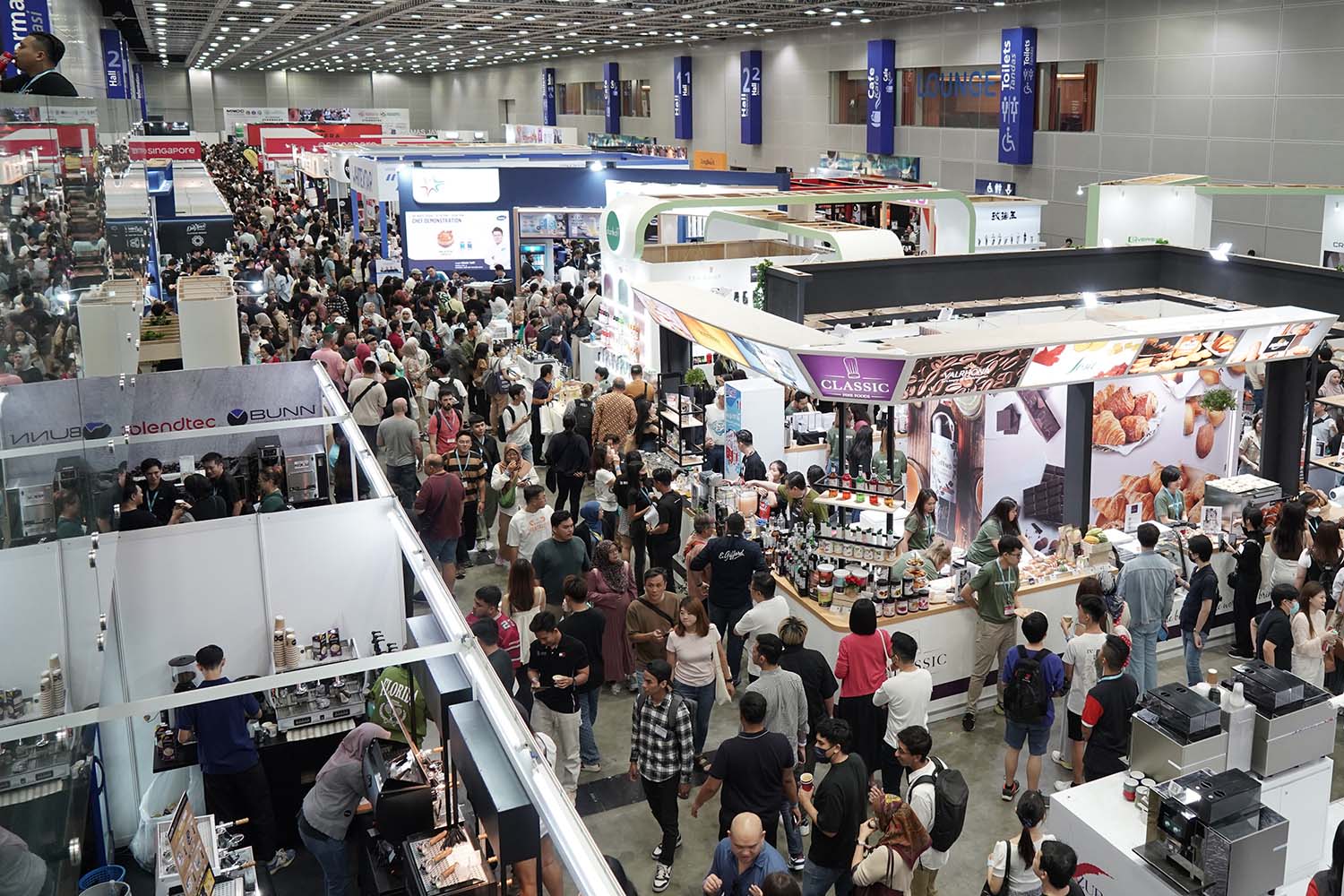
The International Café & Beverage Show (ICBS), a premier event dedicated to the café and beverage industry, is set to return to the Kuala Lumpur Convention Centre from 24 to 26 April 2025. Organized by Montgomery Asia, ICBS promises to showcase a diverse range of products, from artisan food and beverages to cutting-edge café solutions, offering an unparalleled platform for industry professionals and enthusiasts.

A Growing Industry in Southeast Asia

Southeast Asia’s café and beverage market has experienced significant growth, with branded coffee shop outlets expanding rapidly. Malaysia, in particular, recorded a 28% growth last year, generating over $1 billion USD (approximately RM4.46 billion) in revenue. This robust development underscores the importance of events like ICBS, which serve as a hub for industry innovation and collaboration.

Highlights of ICBS 2025

Building on the success of its 2024 edition, which attracted over 15,000 attendees, ICBS 2025 is poised for an even larger turnout. The upcoming event will feature:

  • 600 participating brands and an expected 18,000 attendees from 55 countries.
  • A wide array of products, including coffee, tea, juices, pastries, desserts, café design solutions, and POS payment systems, representing the entire café ecosystem.
  • A dedicated Roasters Village, providing boutique coffee roasters an opportunity to connect directly with buyers.
  • The Malaysia Open Championships, comprising the Malaysia Open Barista Championship (MOBC), Malaysia Open Latte Art Championship (MOLAC), and Malaysia Open Brewers Cup (MOBrC), spotlighting the region’s top talent in coffee craft.

Additionally, ICBS 2025 will expand its scope by co-locating with MY Food Expo 2025, a platform aimed at promoting sustainability and local food production in line with Malaysia’s National Agrofood Policy 2.0.

A Platform for Innovation and Growth

Alun Jones, Project Director of Montgomery Asia, highlights the significance of the event:
“ICBS is more than just an event – it’s a gateway to opportunity for businesses in Malaysia and across the region. By co-locating with MY Food Expo this year, ICBS 2025 underscores the synergy between the café and food industries, offering exhibitors a unique platform to broaden their reach and maximise their impact.”

With 98% of visitors rating ICBS 2024 as a success and 99.5% of exhibitors stating the event met their business objectives, ICBS 2025 aims to raise the bar even higher.

“ICBS 2025 is dedicated to connecting and inspiring the café and food sectors, offering a stage for businesses to innovate, collaborate, and expand,” Jones added. “We are excited to host a platform that bridges creativity and commerce in this vibrant industry again.”

Whether you’re a business owner, coffee professional, or café enthusiast, ICBS 2025 is set to be a must-attend event, reflecting the dynamic evolution of the café and beverage industry in Southeast Asia.

Yemen and Coffee: Does the Birthplace of Coffee Hold the Solution to Climate Challenges?

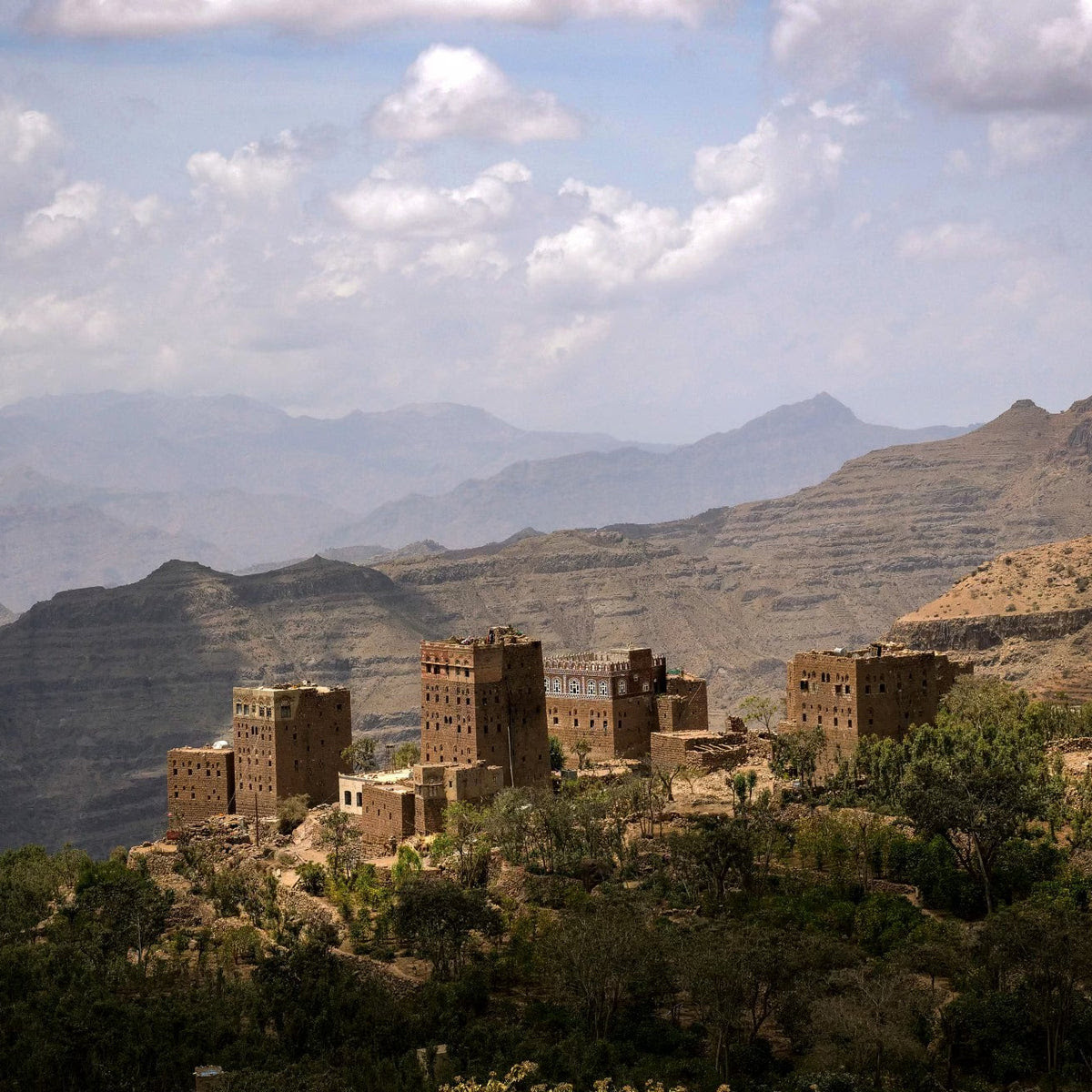
Global Coffee Report recently published a fascinating story under the title: “Does Yemen hold coffee’s climate solution?”. The story explores Yemen’s unique position as the birthplace of coffee and its potential to address the global climate challenges threatening the coffee industry. It highlights how Yemeni coffee thrives in one of the most arid environments on Earth, with extreme temperatures and annual rainfall of only 200–350 millimeters—far below the 1,000 millimeters coffee typically requires to grow.

Despite these harsh conditions, Yemen’s coffee trees continue to flourish, raising questions about the secret behind their resilience. Faris Sheibani, the CEO and founder of Qima Coffee, believes Yemen’s historical and genetic treasures can play a critical role in securing the future of coffee globally.

“Yemen was the first country to commercialize coffee, pioneering coffee trading and the coffee culture as a drink,” Sheibani says. “Today, Yemen remains a pioneer in many ways.”

Realizing the untapped potential of Yemeni coffee, Sheibani founded Qima Coffee in 2016 with a mission to restore Yemen’s coffee to its rightful place in global markets. However, he faced numerous challenges, including Yemen’s weak infrastructure, where transporting coffee from farms to markets can take up to six hours to cover just 100 kilometers. Additionally, issues of transparency, quality, and illegal blending with other coffee varieties had undermined the reputation of Yemeni coffee.

To address these issues, Qima Coffee rebuilt the coffee supply chain from the ground up, working directly with farmers to ensure only the finest cherries were harvested and processed under strict quality standards. The company also invested in critical infrastructure, such as drying stations, mills, and collection centers, while educating farmers on specialty coffee practices to improve quality and traceability.

The report also underscores Yemen’s genetic diversity as a potential solution to the global coffee industry’s climate challenges. Yemen is home to some of the most genetically diverse coffee varieties in the world. In collaboration with geneticist Dr. Christophe Montagnon, Qima Coffee discovered a unique genetic cluster in Yemeni coffee named Yemenia. This discovery represents a breakthrough that could help coffee plants worldwide combat climate stress, pests, and diseases.

Beyond genetics, Yemen’s traditional farming practices offer valuable lessons for other regions. Yemeni farmers, for instance, plant coffee trees in holes as deep as one meter to ensure roots can access stable water sources during prolonged droughts, a technique that has enabled coffee to survive in Yemen’s harsh climate for over 600 years.

The story also highlights the critical role of women in Yemen’s coffee sector, where they contribute 60–80% of the labor. Qima Coffee has worked since 2019 to empower women farmers, culminating in a landmark achievement last year when a women’s farming group won the top prize at Qima’s Best of Yemen auction.

Yemeni coffee is also celebrated for its unique flavor profiles, ranging from bold and wine-like to fruity and floral, offering an unparalleled diversity of tastes. During a cupping session, Yemeni coffee samples from 10 regions were so distinct that tasters thought they were from 10 different countries.

In conclusion, Sheibani emphasizes the need for the world to acknowledge Yemen’s contributions to coffee. “These communities have preserved Arabica’s genetic diversity for 600 years. It’s time for them to be rewarded for their efforts and for Yemen’s unique coffee culture to be fully recognized.

Specialty Coffee Expo 2025: Join as a Volunteer and Make a Difference

The Specialty Coffee Expo 2025, set to take place in Houston, is calling on passionate coffee enthusiasts to become part of its vibrant volunteer team. Each year, this iconic event relies on over 500 volunteers and contractors contributing thousands of hours to bring the coffee industry’s premier showcase to life.

Whether you’re a seasoned professional or simply eager to immerse yourself in the coffee community, there are multiple ways to get involved:

  • Volunteer for 3-4 general shifts.
  • Apply to be a station instructor.
  • Explore contracted event worker roles.
  • Judge the Best New Product Competition or the Coffee Design Awards.

Why Volunteer?

Volunteering at the Specialty Coffee Expo is more than just supporting an event—it’s a chance to connect with like-minded individuals, deepen your knowledge, and give back to the industry you’re passionate about. Volunteers can enjoy unique networking opportunities, contribute to the growth of the global coffee community, and earn a complimentary 3-Day Expo Volunteer badge in exchange for their time.

How to Qualify for a Volunteer Badge

To earn a free badge, volunteers must commit to the following:

  • SCA Members: A minimum of three shifts.
  • Non-Members: A minimum of four shifts.

Each shift is approximately four hours long, making it an accessible way to contribute while enjoying the event. Volunteers are responsible for their own travel and accommodation expenses.

Station Instructors: Sharing Expertise

Station instructors play a crucial role in delivering hands-on workshops. These sessions, lasting about three hours, provide an interactive deep dive into various coffee-related topics. Responsibilities include reviewing lesson plans, participating in pre-workshop calls, and assisting lead instructors with small group sessions.

Instructors earn:

  • A 1-Day Expo badge for instructing one class.
  • A 3-Day Expo badge for instructing two classes.

Applications for station instructors close on February 14, 2025.

Contracted Event Worker Roles

Coffee professionals aged 18 and older are invited to apply for contracted event worker positions. These roles offer a behind-the-scenes look at Expo operations and require a greater time commitment. Event workers assist with workshops, coffee service, lectures, and more from April 20–27, 2025.

Applications for event worker roles open in mid-January 2025.

Judging the Best New Product Competition

Experienced industry professionals can apply to judge the Best New Product Competition, which recognizes innovation across multiple categories. Judges must have at least 10 years of industry experience, no conflicts of interest with entrants, and availability for online and in-person evaluations.

Key judging dates:

  • Friday, April 25, 2025: 11 a.m.–1 p.m.
  • Saturday, April 26, 2025: 11 a.m.–1 p.m.

Applications close on March 1, 2025.

Be Part of the Specialty Coffee Community

By volunteering, you’ll not only gain insight into the coffee industry but also play a vital role in the success of the world’s largest coffee event.

Interested in joining the team? Sign up now to volunteer, apply as a station instructor, or explore contracted roles and judging opportunities.

For more details and to register, visit the Specialty Coffee Expo website.

Starbucks Highlights Ethiopia’s Coffee Heritage with New Single-Origin Offering

This winter, Starbucks introduced a new addition to its coffee lineup: Single-Origin Ethiopia whole bean coffee, now available across North America. The coffee, sourced from Ethiopia’s Sidama region, offers a unique taste experience with its floral aromas and notes of tangerine and lemon balm. For the first time, Starbucks has presented an Ethiopian coffee in its blonde roast profile, designed to emphasize the bright, fruity flavors for which Ethiopian coffee is renowned.

Ethiopia: The Birthplace of Coffee

Ethiopia, widely recognized as the birthplace of coffee, holds a deep cultural and economic connection to the beverage. According to legend, coffee was discovered around 800 A.D. by a goat herder who noticed his flock gaining energy after eating coffee cherries. Today, Ethiopia remains Africa’s largest coffee producer, with the crop playing a critical role in the country’s economy and livelihood. According to the U.S. Department of Agriculture, one in four Ethiopians relies on coffee for their income.

Honoring Tradition

Central to Ethiopian coffee culture is the traditional coffee ceremony, a custom rooted in hospitality and connection. Families and friends gather to roast, brew, and share coffee, accompanied by stories and camaraderie. The ceremony symbolizes warmth and community, often taking place three times a day in rural areas.

Behailu Gebremariam, General Manager of Starbucks Farmer Support Center in Addis Ababa, emphasized the cultural significance of coffee in Ethiopia. “In the streets of Addis Ababa all the way to the rural countryside, you have people drinking coffee,” he said. For Gebremariam, coffee represents more than a beverage; it is a way of life.

To pay homage to Ethiopia’s rich coffee traditions, the Starbucks Single-Origin Ethiopia packaging features a depiction of the Jebena, a traditional Ethiopian coffee pot used in the ceremony.

Single-Origin Coffee

Unlike blends that combine beans from multiple regions, single-origin coffee highlights the unique flavors of a specific location. Leslie Wolford, a coffee developer at Starbucks, described the Single-Origin Ethiopia coffee as a celebration of the distinct flavors unique to Ethiopian coffee. “It’s a coffee that you learn with and fall in love with immediately,” she said.

The coffee’s light roast enhances its signature notes, offering a window into the vibrant flavors that have made Ethiopian coffee beloved worldwide.

A Celebration of Ethiopian Heritage

For Gebremariam, the launch of Starbucks Single-Origin Ethiopia is a significant milestone. “Coffee is everything to me,” he said, reflecting on his personal and professional journey in Ethiopia’s coffee sector.

With the introduction of this coffee, Starbucks not only brings a piece of Ethiopia’s rich coffee heritage to consumers but also underscores the country’s pivotal role in shaping the global coffee industry.

JDE Peet’s announces changes to its Executive Committee

  • CFO Scott Gray to step down to join family in the US; Board appoints new CFO
  • Ricard Barri Valentines appointed as Chief Marketing Officer

JDE Peet’s (EURONEXT: JDEP), the world’s leading pure-play coffee and tea company by revenue, today announced changes to its Executive Committee. Scott Gray has decided to step down as CFO to be reunited with his family in the United States. After evaluating both internal and external candidates, the company has appointed a new external CFO, who will start in the course of Q2 2025. As aligned with the incoming CFO’s current employer, further details regarding the incoming CFO will be announced on February 26, 2025 when JDE Peet’s publishes its FY 2024 results. Scott will work closely with Rafa Oliveira, CEO, and the incoming CFO to ensure a smooth leadership transition.

Scott played a pivotal role in JDE Peet’s’ successful transition from a private to a public company in 2020, leading critical initiatives in risk management, financial reporting, and capital structure optimisation. He also guided the organisation through unprecedented coffee inflation and macroeconomic and geopolitical challenges in recent years. In addition to leading the company’s Finance and IT functions, Scott assumed the role of interim CEO prior to the appointment of Rafa Oliveira as CEO in November 2024.
Rafa Oliveira: “On behalf of the Board and the Executive Committee, I thank Scott for his leadership and commitment to JDE Peet’s. His focus on excellence has shaped a lasting legacy, leaving behind a company with a robust financial foundation, strong performance and a talented team. As interim CEO, Scott provided critical leadership continuity. We are grateful for his leadership, partnership and collaboration and his commitment to a solid handover. We wish Scott all the very best for the future.”

Scott Gray: “Resigning was a very difficult decision for me. I am deeply committed to JDE Peet’s and have truly enjoyed leading such a talented team. My wife and I have decided to relocate to the US where our children will soon be starting their higher education. JDE Peet’s is a unique company operating with fantastic people in a great sector. The company is set up for future success and I thank my team and colleagues for the unforgettable journey.”


Appointment of Ricard Barri Valentines as Chief Marketing Officer 

JDE Peet’s is pleased to announce the appointment of Ricard Barri Valentines as Chief Marketing Officer (CMO) and member of the Executive Committee, reporting to Rafa Oliveira. Ricard, currently Global Category Director Instant & Liquid Coffee has an impressive record of transforming brands, driving sustainable growth, and fostering high-performing teams. He succeeds Fiona Hughes, who has accepted to take on the role of General Manager Australia. Fiona’s entrepreneurial mindset, disciplined approach and proven ability to develop and lead strong teams, together with her familiarity with the Australian market, make her the perfect fit to steer the highly competitive Australian business toward greater success.

Rafa Oliveira: “I welcome Ricard to the Executive Committee and thank Fiona for her outstanding leadership in introducing a marketing philosophy to the company and bringing life to our portfolio of brands.”

How Drought and Fires Are Driving Up Global Coffee Prices in Brazil

Brazilian coffee producer Moacir Donizetti first smelled the smoke, and then watched in desperation as a blaze consumed his family coffee plantation last year.

The 54-year-old was one of hundreds of farmers hit by a brutal forest fire in Sao Paulo state, where years of soaring heat and erratic rains are set to drive up the cost of an espresso or latte far afield in Paris, New York or Tokyo.

Brazil, the world’s largest coffee producer and exporter, experienced its hottest year on record in 2024 and a record number of forest fires.

Locals in the municipality of Caconde believe the fire broke out due to uncontrolled burning of garbage, but experts attribute its scale to drought conditions exacerbated by climate change.

“It was desperate: seeing the flames advance, destroying our plantation, coming within twenty meters of my house,” said Donizetti.
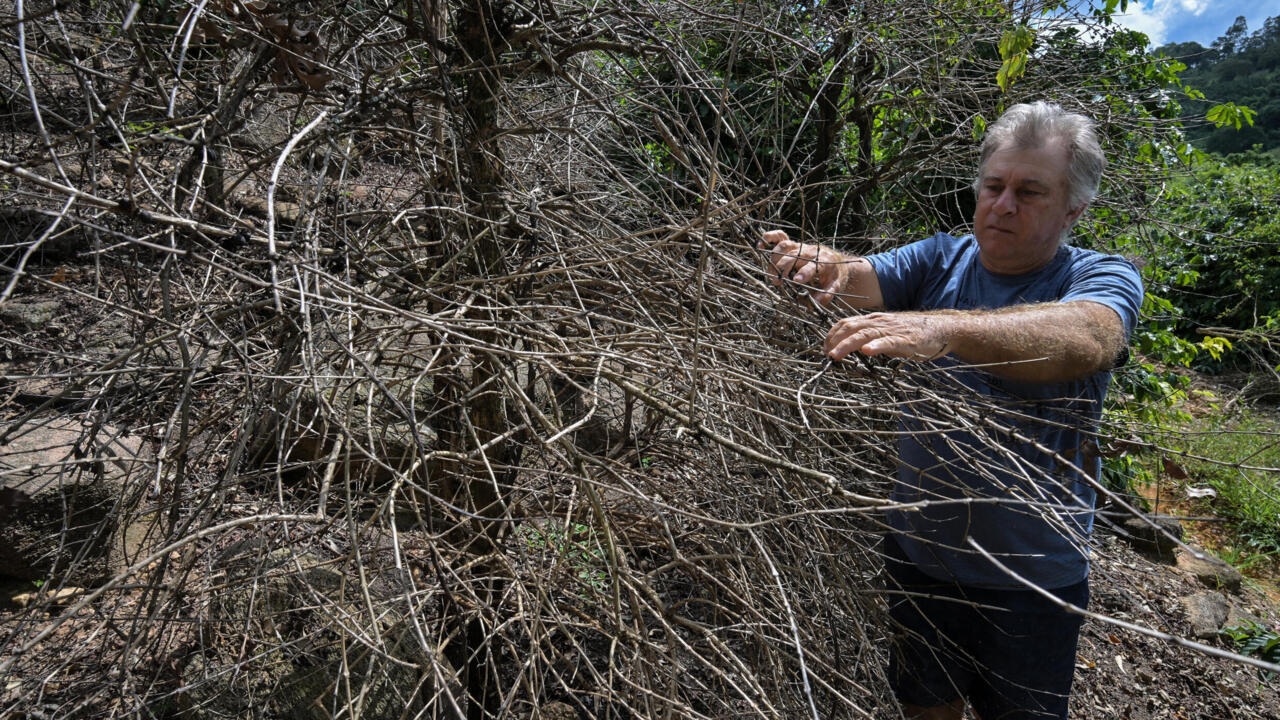
His family fought the fire for four days on the remote farm in the mountains of the Atlantic Forest, losing five hectares (12 acres) of coffee — a third of the family’s production area.

Standing alongside scorched and blackened coffee crops, he estimates his land will take three or four years to produce again.

The loss is compounded by several years of unpredictable weather and disappointing harvests in Brazil.

“For about five years it has been too dry, sometimes it doesn’t rain for months,” said Donizetti. “It has also gotten a lot hotter, it is unbearable.”

Invest more to produce less
In 2024, Brazil was responsible for more than a third of global coffee production.

A poor harvest in the Latin American giant significantly impacts international prices.

Arabica coffee, the most popular variety, in December reached its highest price since 1977, listed at $3.48 per pound on the New York Stock Exchange.

“I have been working in coffee for 35 years and I have never seen a situation as difficult as the current one,” said Brazilian coffee grower and consultant Guy Carvalho.

“High temperatures and irregular rainfall force us to invest more to produce the same, or even less, than we did in the past,” he added.

“After the last big harvest, in 2020, we have always had some weather problem.”

Carvalho said that the high prices were largely explained by “frustration” over disappointing harvests between 2021 and 2024, and bleak forecasts for 2025.

Geopolitical factors such as potential US tariffs and future European Union regulation on deforestation also contributed to the higher prices.

Adapting to changing climate
Some Brazilian coffee producers are adopting new strategies to adapt to the increasingly unpredictable climate.

In Divinolandia, another small coffee-growing town in Sao Paulo state, producer Sergio Lange has turned to shade-grown coffee — an ancient technique used in places like Ethiopia, the birthplace of coffee.
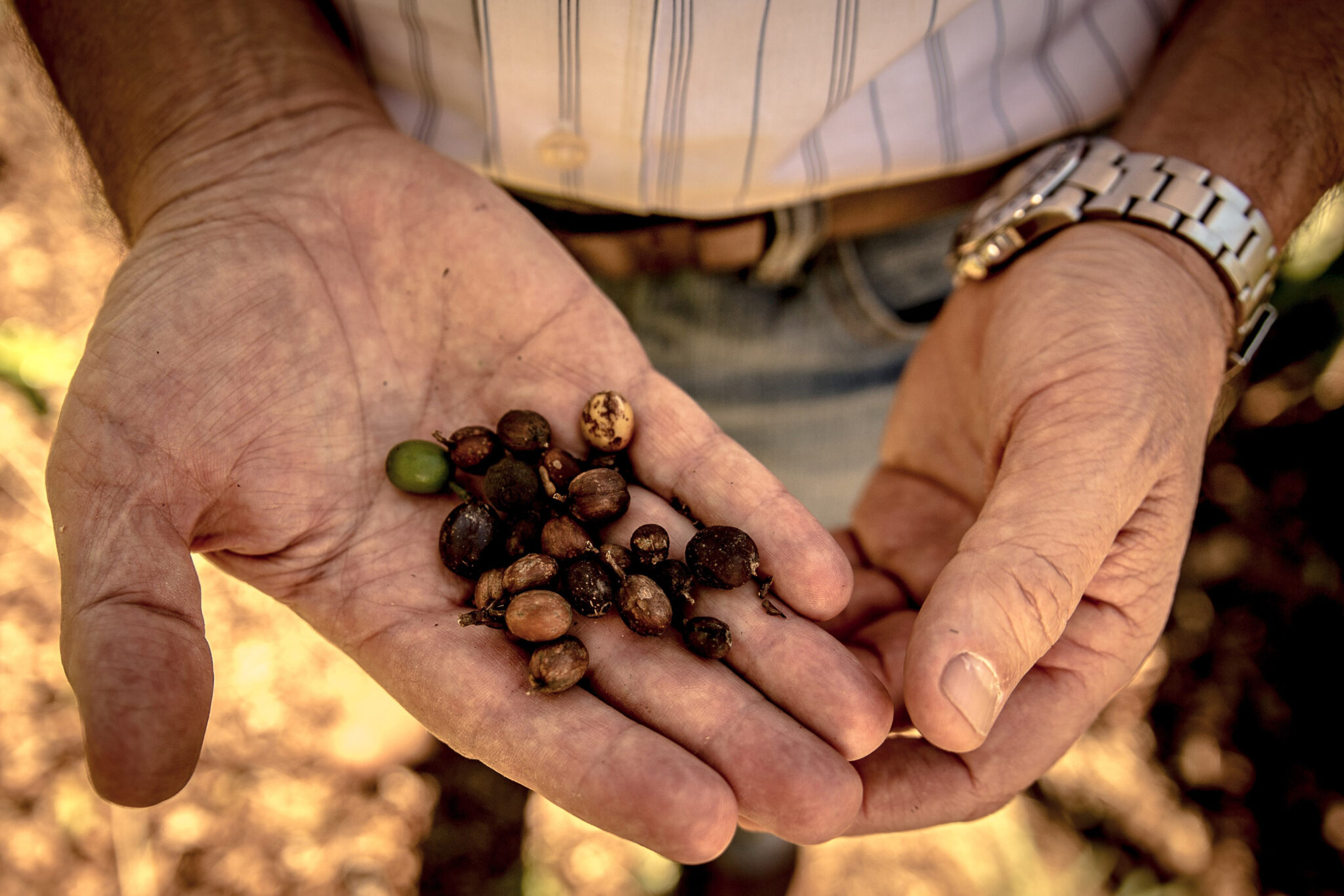
Planting coffee shrubs under the shade of trees protects the plants from excessive heat and allows them to ripen more slowly, producing a larger, sweeter bean with a higher market value.

Lange and 50 other colleagues have been applying a “regenerative coffee growing model” since 2022, in which the crop is planted alongside other species, grown without pesticides, and relies on a natural water source from the mountains.

“At first, productivity falls, but we expect fantastic results in four or five years,” he said.

He pointed to climate change as having a “severe” impact on coffee production.

“Producers who fail to adapt will struggle to stay in business,” he warned.

Unprecedented Fires Threaten Coffee Production in Brazil and Drive Prices Up

Coffee prices are expected to rise further in Brazil, the world’s largest producer and exporter of this commodity, after hundreds of farms in São Paulo state, southeastern Brazil, were hit by massive fires. The city of Caconde, renowned for being the largest coffee producer in the region, suffered the most from what has been described as the worst fires in its history.

The fires were initially sparked by a resident burning a pile of trash. However, their widespread and uncontrollable nature was mainly due to the severe drought Brazil has experienced in recent years, according to news reports. Data shows that the country has faced five consecutive years of drought, significantly impacting coffee blossoms and reducing their productivity.

2024: A Year of Record Heat and Devastating Fires
The year 2024 recorded unprecedented temperatures in Brazil, with the number of forest fires reaching its highest in 14 years. Experts attribute the exacerbation of these fires to extreme weather conditions linked to climate change, with human activities playing a major role in igniting them.

Brazil accounts for more than one-third of the world’s coffee production, making any decline in its output a critical factor for global prices. Indeed, Arabica coffee prices surged by 90% over the past year, reaching a record $3.48 per pound in December.

Climate Challenges and the Search for New Solutions
Experts, such as Brazilian coffee consultant Guy Carvalho, note that the industry has been facing unprecedented challenges since the last major harvest in 2020, including drought, rising temperatures, and geopolitical issues like new European regulations related to deforestation.

Despite these challenges, farmers are striving to adapt to climate change through innovative agricultural methods, such as cultivating coffee under the shade of trees, a practice reminiscent of traditional methods in Africa. This approach not only protects the plants from heat but also enhances the quality of the beans, allowing them to ripen more slowly, which increases their size, sweetness, and market value.

Hannelore Beerlandt Appointed as Head of Operations at the International Coffee Organization

The International Coffee Organization (ICO) has announced the appointment of Ms. Hannelore Beerlandt as the incoming Head of Operations (HOO). With her extensive expertise in international cooperation and agricultural value chains, Ms. Beerlandt will bring a fresh perspective and strategic leadership to the organization.

Transition Plan and Responsibilities

Ms. Beerlandt will collaborate closely with the outgoing HOO, Mr. Gerardo Patacconi, ensuring a seamless transition. This period of collaboration will continue until the conclusion of the 139th Session of the International Coffee Council, scheduled for March 2025. Following the session, she will officially assume her responsibilities.

The ICO’s Executive Director has expressed enthusiasm for working with Ms. Beerlandt, emphasizing her ability to strengthen the organization’s advocacy for the coffee sector on a global scale.

A Rich Professional Background

Ms. Beerlandt’s distinguished career includes a wealth of experience in sustainable agriculture, international development, and trade in global commodities. Key highlights of her career include:

  • Senior Advisor, European Commission’s Directorate-General for International Partnerships, focusing on sustainable agriculture and global commodity trade.
  • Senior Advisor, FAO Investment Center, where she contributed to agricultural investment projects.
  • CEO of AgriCord, a network of agri-agencies supporting farmers in developing countries.
  • President of ENABEL, Belgium’s Development Agency.
  • Board Member of Kampani, an investment fund empowering agricultural SMEs.

Academic Credentials

Ms. Beerlandt holds a Master’s degree in Agricultural Engineering with a specialization in Agricultural Economics and another Master’s in Development Economics, both from the Catholic University of Leuven. Her multidisciplinary expertise is complemented by fluency in Dutch, English, and French, along with proficiency in German, Spanish, and Kiswahili.

Vision for the ICO

Ms. Beerlandt’s leadership is expected to bolster the ICO’s efforts in promoting sustainability and innovation within the coffee industry. Her extensive background in agricultural value chains and her commitment to inclusive development make her uniquely positioned to tackle the challenges and opportunities facing the global coffee sector today.

The ICO team eagerly anticipates the positive contributions Ms. Beerlandt will bring to advancing its mission and supporting coffee-producing regions worldwide.

Coffee Market in 2025: Price and Export Forecasts

The coffee market continues to captivate traders and industry stakeholders, with this week’s movements reflecting a dynamic interplay of supply, demand, and global market forces. From Brazil’s record-breaking exports to Ethiopia’s promising forecasts, here’s what you need to know.

Market Overview

The NY market opened the week with a surge in trading volume, reaching a striking 11.75 range within the first few hours. The critical level of 330c/lb was tested early, only to see the market close lower the next day, driven by light trading volume. Following the completion of index fund rebalancing, prices steadied just above the 20-day moving average at 320.56.

The week ended with prices at 328.35c/lb, reflecting a $1.4 rise. The tightening Bollinger bands highlight a battle between buyers and sellers around the 20-day moving average. Origin sellers seized opportunities above the 330 mark, adding to the volatility.

Net short traders are now closely monitoring the Mar-25 vs May-25 spread as we approach First Notice Day (FND).

Key Highlights

Commitments of Traders (COT) & Certified Stocks

  • Non-commercials increased their long positions by 7,301 lots.
  • Commercials boosted their long positions by 1,240 lots.

Global Origin Updates

  • Brazil: Cecafe reported December exports at 3.8 million bags, with arabica contributing 3.4 million. Despite an 8.1% drop compared to December 2023, Brazil set a record high in 2024 with exports surging 28.5% to 50.44 million bags. However, infrastructure challenges and container shortages left over 1 million bags stuck in ports.
  • Colombia: The FNC announced an impressive annual production of 13.9 million bags, marking the best harvest in five years. Favorable climate conditions and the adoption of resistant coffee varietals were key contributors. Yet, Colombian ports faced logistical bottlenecks similar to Brazil, hampering export efficiency.
  • Tanzania: In a significant development, the Tanzanian government secured $1.2 billion to fund its Standard Gauge Railway, expected to enhance inland haulage for Congo, Burundi, Rwanda, and Uganda, improving coffee logistics to Dar es Salaam.

Production Forecasts for 2024/2025

  • Ethiopia: 8.8 million bags (up from 8.7m in 23/24)
  • Kenya: 790k bags (unchanged)
  • Tanzania: 560k arabica bags (up from 470k in 23/24)