World of Coffee Dubai 20205 Attracts 17,000 Visitors With 30% YoY Growth

World of Coffee Dubai 2025 saw attendance figures break 17,000, up on the 13,000 specialized visitors in 2024.

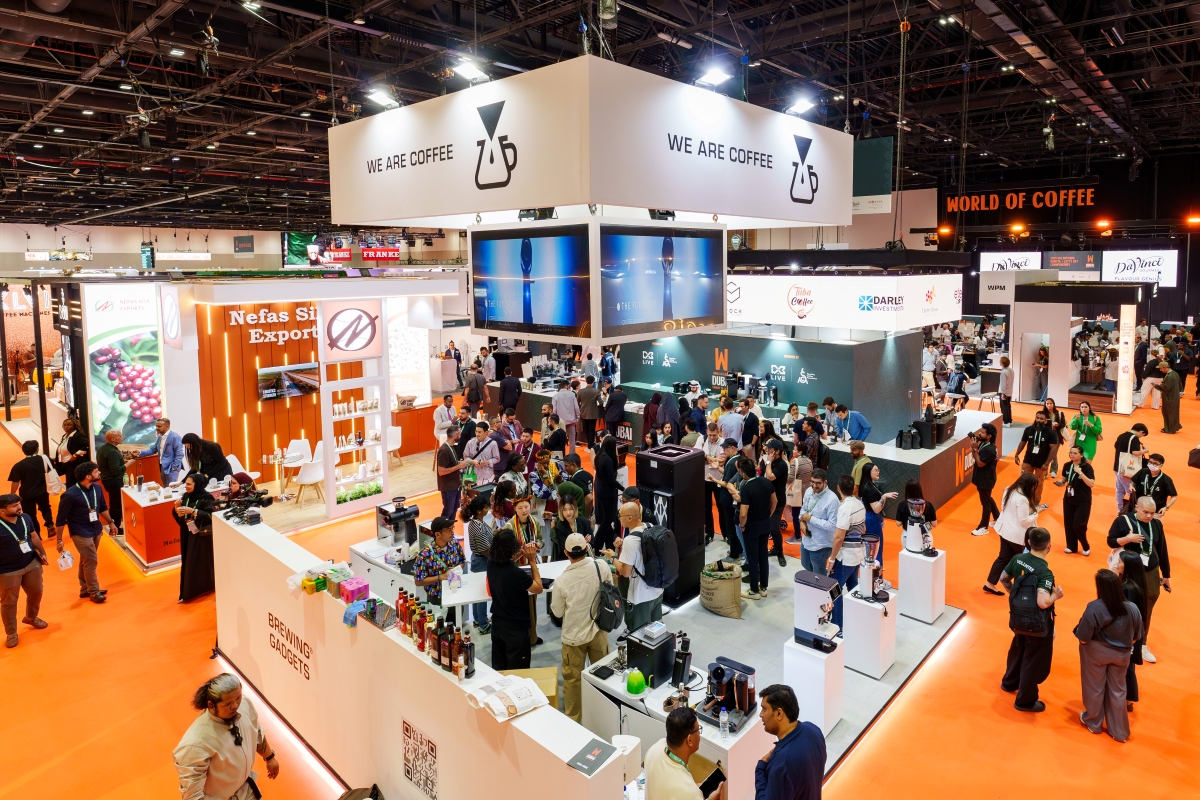
The three-day even concluded Wednesday having returned for its fourth edition at the Dubai World Trade Centre. The record-breaking event welcomed almost 2,000 participating companies including over 130 new ones.

The exhibition space increased by a third to accommodate over 250 international exhibiting companies and trade visitors from 78 countries, including 10 national pavilions, with Morocco and Mexico make debut appearances.

Khalid Al Hammadi, Executive Vice President at DXB Live, commented: “This huge year-on-year increase is testament to the ever-growing importance of World of Coffee Dubai, which is now one of the most influential events in the global coffee industry.

The event has provided an unparalleled platform for more brands and countries than ever to showcase products, exchange insights, and build lasting partnerships that drive the specialty coffee sector forward.”

A range of awards were also handed out on the final day celebrating the best, brightest and most innovative in the industry.

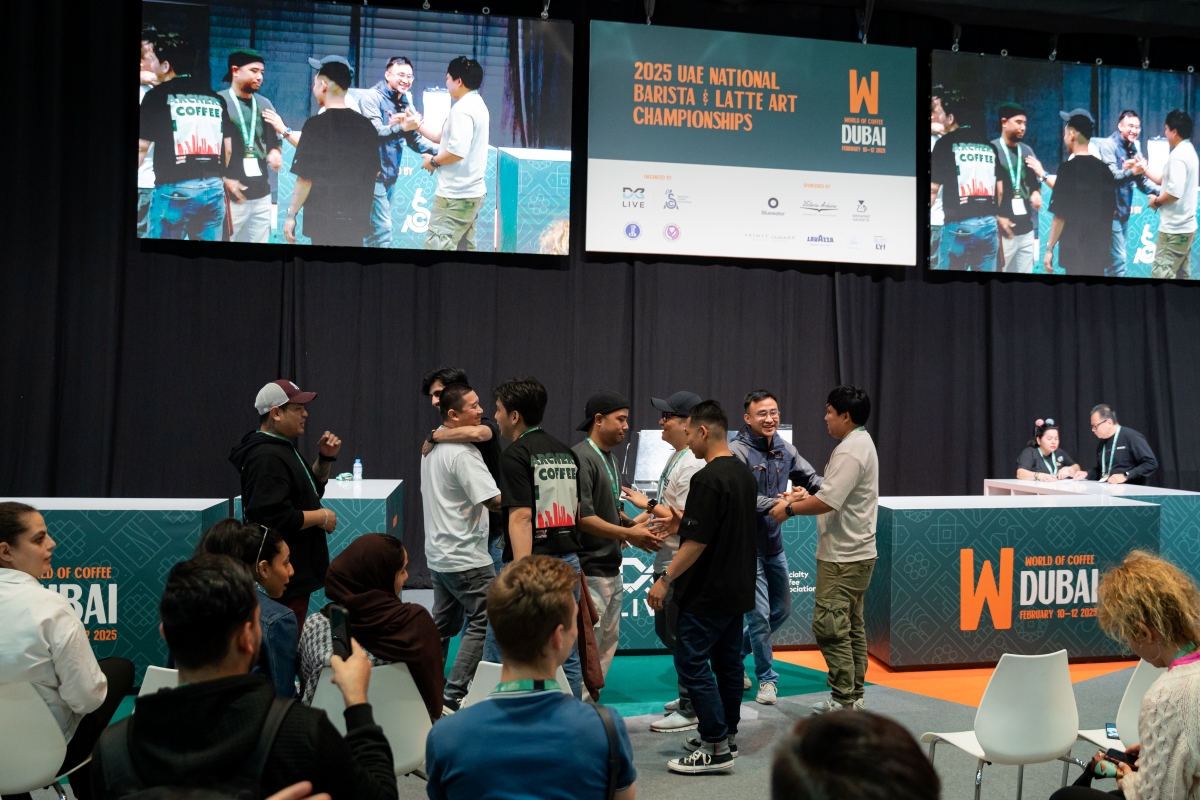
At the UAE National Barista Championships, Aldy Nugroho from The Espresso Lab was named barista of the year, with Lablilell Bajarias from Heirloom in second place and Hootan Salemi from The QC coming third.

The UAE National Barista Championship showcased the art and skill of coffee craftsmanship, highlighting excellence in the profession. Each competitor had 15 minutes to prepare and present four espressos, four milk-based drinks, and four unique signature drinks, all set to music. Judges assessed their performances based on flavor, creativity, technical precision, cleanliness, and overall presentation.

Mondrick Alpas from Goldbox x Heirloom won the UAE National Latte Art Championship. Second was Jhomar Moralas from Benchmark and Kerwin Alcoriza from Univest National Food placed third.

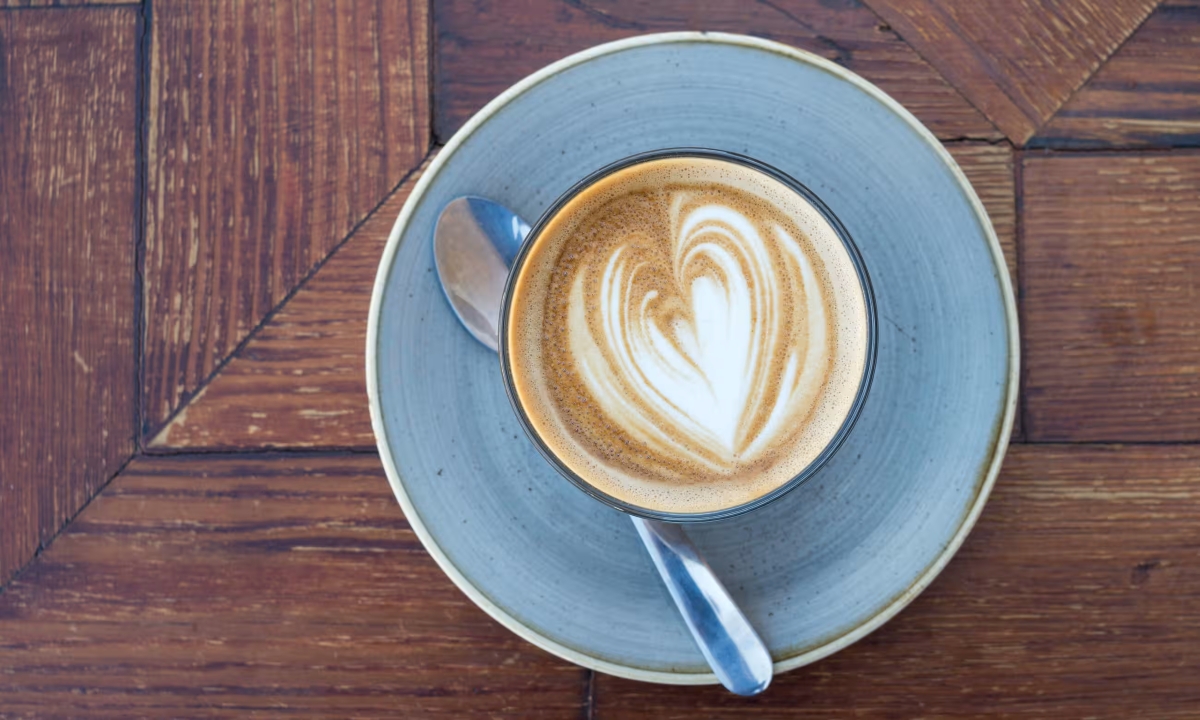
Latte art is the practice of creating intricate designs and patterns on the surface of a latte by skillfully pouring steamed milk into espresso. It requires a combination of technical precision, artistic creativity, and an understanding of milk texture and espresso extraction.

Baristas must master the microfoam technique, ensuring the milk has a smooth, velvety consistency that allows for detailed designs. Common techniques include free pouring, where the barista manipulates the milk flow to form patterns and etching, which involves using tools such as toothpicks or stencils to draw more intricate images.

The inaugural UAE National Roasting Championship saw Raha Shahsavar win the first competition of its kind in the MENA region. The championship celebrated the skill and precision of coffee roasting, bringing roasters from across the UAE together to compete on a national stage.

Recognizing outstanding examples of innovation and creativity, shaping the future of the coffee industry, the Coffee Design Awards went to Rahul Reddy in the packaging category for Subko, and Ana Marquez in the branding category for El Boske.

Best New Product was received by Maximillian Lundin from Bluewater Group for its water purification system.

Khalid Al Mulla CEO of SCA UAE Chapter said, “The Coffee Design Award and Best New Product Award highlight the exceptional talent and innovation shaping the future of the coffee industry. These awards not only celebrate creativity but also foster collaboration between industry leaders and emerging innovators. We are proud to recognize the groundbreaking contributions of this year’s winners, whose work will undoubtedly influence the next chapter of specialty coffee.”
 

Dubai Coffee Auction Sets New Record Prices with Panamanian Geisha sold for US $10,000 per kilo

  • DMCC Specialty Coffee Auction sets record prices for specialty coffees

  • New highest auction prices set for coffee from Bolivia, Ethiopia and the USA

  • First auction of its kind at World of Coffee Dubai with all lots held onsite in Dubai

The inaugural Dubai Multi Commodities Centre (DMCC) Specialty Coffee Auction saw record prices set in an afternoon of frantic global bidding.

The event saw 16 lots from 11 different producers across nine countries, featuring six different coffee varieties. Out of these, 11 lots were Geisha coffee, making it a truly global showcase of some of the best coffee producers in the world. Bidders were both in the room and remote via a digital auction platform.

The highest-selling coffee came from Finca Sophia, a farm in Panama, and sold for $10,020 per kilo. Meanwhile, a lot of Kona SL 34 from Hawaii set a new record for American coffee, going for $910 per kg, eight-times the previous highest price paid for Kona.

La Llama beans from the Los Rodriguez producer became the most expensive Bolivian coffee ever sold, fetching $350 per kg, while a new record was set for Ethiopian coffee with $1,100 per kg paid for Gesha Village Oma Natural. Overall, the top three bids were from the Geisha variety with another lot of Finca Sophia selling for $8,614 and Finca La Mula selling for $2,620.

Khalid Al Hammadi, Executive Vice President, DXB Live said: “The inaugural Dubai Coffee Auction by DMCC in 2025 has reinforced Dubai’s position as a global hub for the coffee trade. By bringing together producers, traders, and enthusiasts from around the world, the auction showcased some of the rarest and finest coffees, achieving remarkable results and setting new records for specialty coffee. This auction has not only highlighted the growing demand for exceptional coffee but also strengthened our commitment to driving growth, sustainability, and excellence within the industry.”

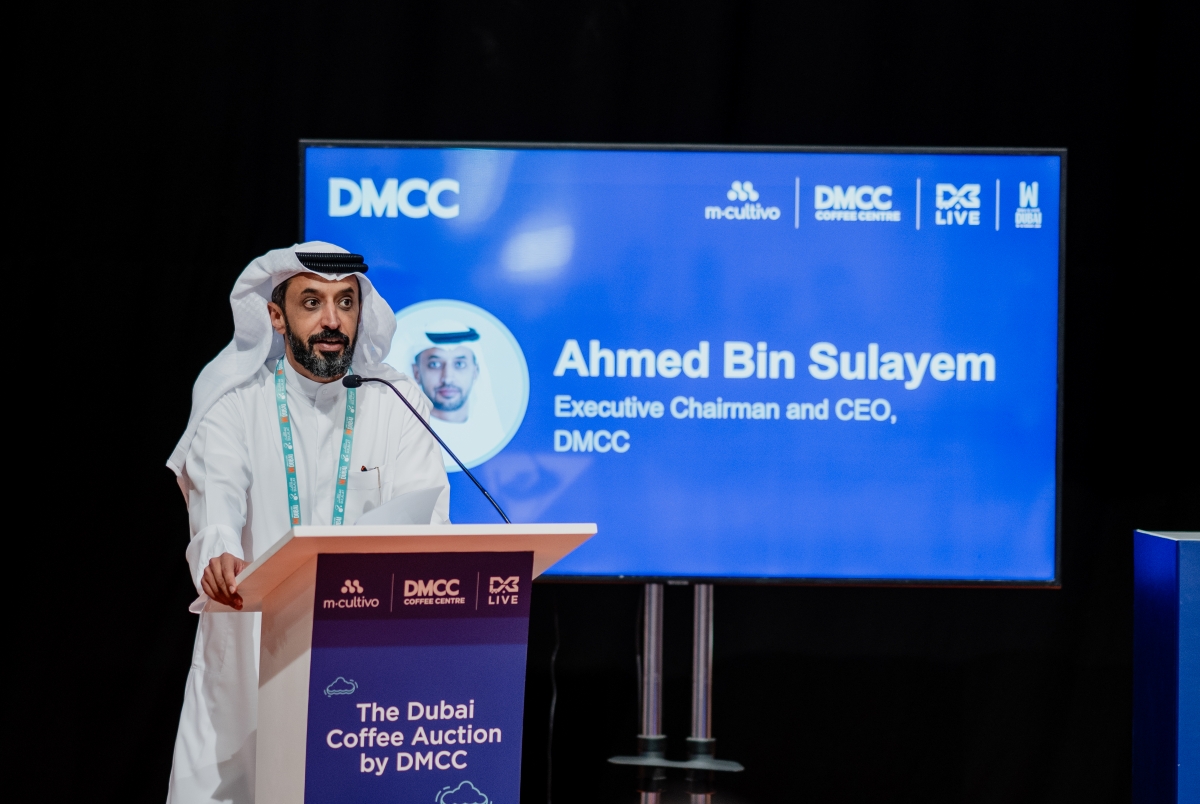
Ahmed Bin Sulayem, Executive Chairman and Chief Executive Officer of DMCC, added: “DMCC’s inaugural Dubai Coffee Auction showcased some of the rarest and finest coffees, setting new record prices for some specialty coffees that have reinforced Dubai’s position as a leading hub in the global coffee trade. Through a transparent and competitive bidding platform, we have enhanced price discovery in the specialty coffee segment and brought coffee producers, traders, and enthusiasts together from around the world – testament to DMCC’s central role in shaping the future of one of the world’s most traded commodities.”

David Paparelli, the auctioneer, CEO and co-founder of M-Cultivo said, “These specialty coffee auctions operate independently of commodity market prices and buyers aren’t comparing these coffees to commercial-grade beans—they view them as luxury goods. It’s like comparing a Patek Philippe to a Timex—both are watches, but one operates in an entirely different class.”

Specialty coffee is classed as coffee scoring 80 points or above on the 100-point scale used on the Specialty Coffee Association Cupping form and those auctioned all scored 92 and above.

“These auctions are more than just transactions,” Paparelli added. “They push the boundaries of coffee quality and innovation while providing producers with global exposure and financial incentives to keep refining their craft.”

High prices are determined by three main factors. The coffee must be among the best in the world, typically scoring 90+ on cupping evaluations. Limited availability increases demand, with unique growing conditions and small-batch production add to the exclusivity. Thirdly, the producer’s reputation and story play a significant role as buyers look for consistency in quality and a compelling backstory that enhances the coffee’s prestige.

Buyers in auctions such as this are often private collectors and coffee enthusiasts, with some curating rare coffee collections for their clientele, similar to luxury private shopping experiences. Others were roasters and cafés who often buy in small quantities to sell as limited-edition offerings. Paparelli explained, “A few cafes may brew and sell these coffees for as much as $1,000 per cup, offering an exclusive tasting experience for customers.”

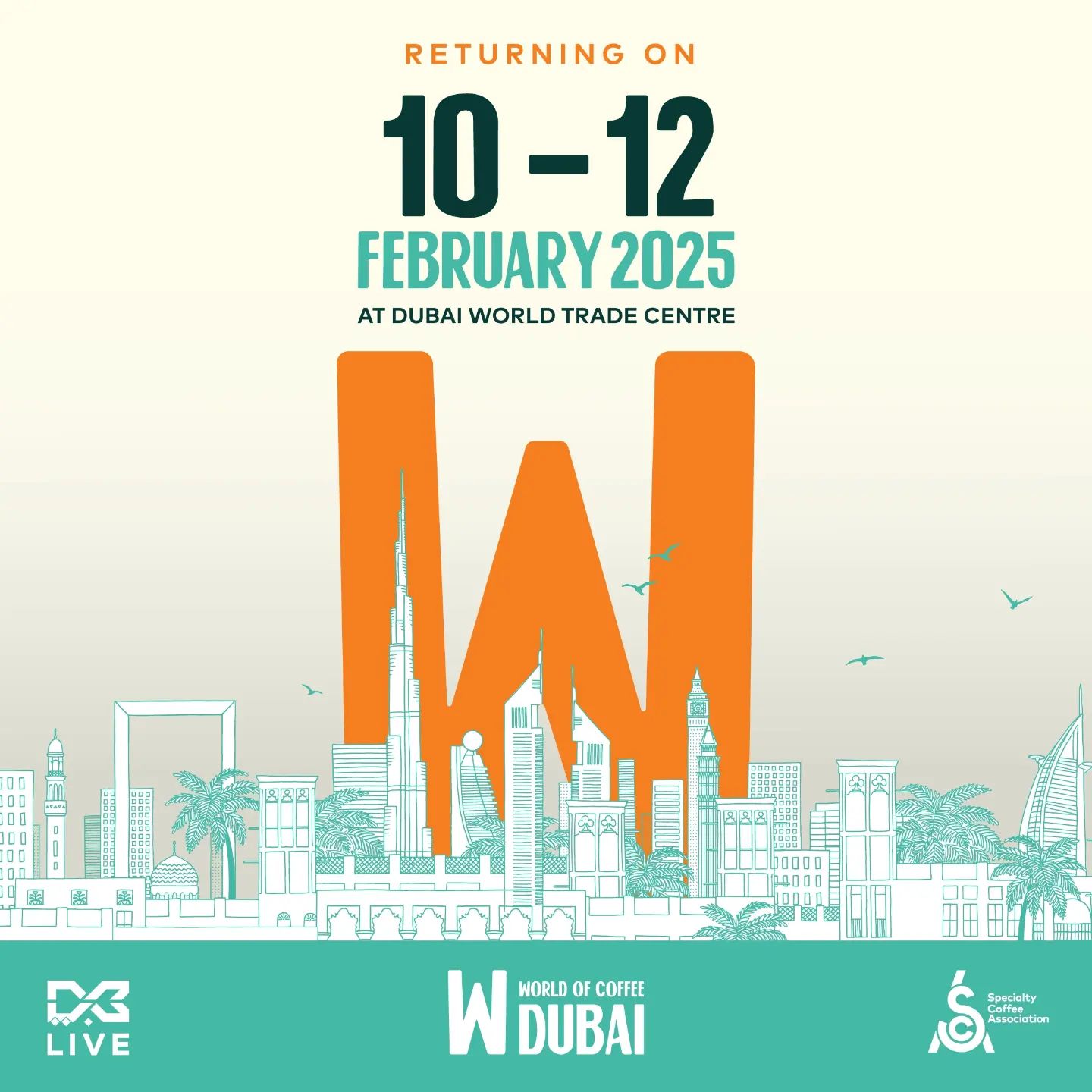
The auction has been one of the highlights of the World of Coffee Dubai 2025 event, the Middle East’s largest coffee trade show. Returning for its fourth edition from February 10-12, at the Dubai World Trade Centre, with more than 250 international exhibiting companies and trade visitors from 78 countries.

Responsible Practice in Coffee Takes Center Stage at World of Coffee Dubai 2025

The coffee industry is undergoing a transformation, with responsible sourcing, sustainability, and fair trade becoming more than just buzzwords—they’re now central to the future of coffee.

At this year’s World of Coffee, industry experts are tackling key issues such as fair value for farmers, sustainable sourcing, and environmental responsibility. With discussions, innovations, and commitments to change, the event underscores a new era for the coffee world.

“The coffee industry is evolving, and with it, our commitment to ethical sourcing and sustainability,” said Shouq Bin Redha, Exhibition Director, World of Coffee Dubai. “World of Coffee is more than an industry gathering—it’s a platform for meaningful dialogue and actionable change. By bringing together producers, owners, and industry leaders, we’re shaping a future where responsible practices are not just encouraged but expected.”

Khalid Al Mulla, CEO of the Specialty Coffee Association (SCA) UAE Chapter added, “Sustainability and responsible sourcing are no longer optional in the coffee industry—they are essential, World of Coffee is a testament to the industry’s commitment to these values, bringing together innovators and experts who are shaping a more responsible future for coffee. For example we have tied up with The Waste Lab by using coffee grounds leftover as fertilizer. Through collaboration and knowledge-sharing, we can create lasting impact from farm to cup.”

Fair Trade

Mohammed Essa Al Ghurair, Vice Chairman, Essa Al-Ghurair Investment and Karam, an Emirati-owned and locally produced coffee brand was critical of the fair trade route. “We work directly with the farmers instead of the traders because what is the best thing we can do for farmers? Pay them fairly” he said. “We also have to reconsider if Fair Trade works for everyone in today’s environment.”

Al Ghurair also highlighted the need to ensure a balance between sustainability and commercial viability.

Fahad Althubyani, Key Account Manager at the Saudi Coffee Company part of the PIF (Public Investment Fund) said: “While we respect the concept of Fair Trade, our focus is on promoting the right practices and supporting local and international farmers,” he said, adding “we work closely with small-scale farmers from around the world, empowering them through direct connections with suppliers – our emphasis is on sustainable, responsible sourcing rather than a Fair Trade certification.”

Working alongside coffee farmers

Kamal Al Rohani, CEO of Black Knight works as closely with farmers as possible. He said, “Our focus has evolved from being just a coffee roastery to collaborating with farmers at processing plants, overseeing the entire journey from harvesting the beans to their treatment and ongoing improvements – this holistic approach ensures that the coffee we produce is of the highest quality, and we’re committed to continually refining this process.”

Packaging

Forward Focused, a company specializing in packaging solutions for the specialty coffee sector, is one company tackling these challenges. Reona Pinto, Business Development Manager, explained: “Sustainable packaging can significantly enhance the coffee experience while making a substantial positive impact on the environment.”

Julian Peride, COO from The Bag Broker said, “When it comes to convenience, there’s actually very little difference in the performance of sustainable packaging versus traditional packaging.”

Sustainability

Aaron Marshall, the GM of CoffeeDesk, a coffee provider in the GCC and Europe, pointed out that the UAE has become a central hub for the Middle East, playing a pivotal role in shaping regional coffee trends.

“Countries like Saudi Arabia and the UAE are now producing their own coffee, which will help foster sustainability,” he said. “This shift will create jobs in local agriculture, reduce shipping emissions, and strengthen the region’s coffee industry – as we produce more locally, we’ll be able to promote sustainability through job creation and reducing the carbon footprint associated with importing coffee.”

Again, supporting and forming long-term partnerships with farms is central to this. “We don’t take coffee from multiple farms; we commit to a full lot, whether it’s 100kg or 1000kg, because by offering fair value to the farms, we establish trust and ensure that our partners can thrive,” he added.

The evolving role of multinational brands

For global megabrands, ethical practices and transparency play a crucial role in shaping the future of the industry. Due to sheer volume of trade, their impact is huge. Starbucks, for instance, has implemented its Coffee and Farmer Equity (C.A.F.E.) Practices program. Francis Howard, Quality Assurance Specialist at Starbucks, explained: “C.A.F.E. ensures that all coffee we purchase scores above 80 points—qualifying it as specialty coffee”

About World of Coffee Dubai

World of Coffee Dubai (WOC Dubai) is the premier coffee trade show for exhibitors and visitors looking to break into the Middle East’s burgeoning coffee industry. The event showcases popular features like the Roaster Village, engaging lectures, the Cupping Room, the SCA UAE National Championships, the Coffee Design Awards, the Best New Display Product Competition, Brew Bar, and the SCA Community Lounge, where buyers and sellers come together to reconnect and establish new business relationships. The exhibition welcomes local, regional, and global professionals in the coffee industry including producers, manufacturers, traders, farmers, international experts, distributors, small and medium companies, coffee shops, roasters, hotels, and coffee enthusiasts from around the world.

About DXB LIVE

DXB LIVE, the premier event management and experiential agency of Dubai World Trade Centre (DWTC) offers a comprehensive range of services, providing innovative solutions for all types of events and experiences both within the UAE and internationally. Over the years, DXB LIVE has successfully created a fully integrated and globally recognized experiential environment, driven by its state-of-the-art in-house production facilities and advanced technical expertise. The team covers strategic concept planning, design, and marketing that blends perfectly into a holistic experience for businesses and consumers from around the globe. DXB LIVE, with its global vision, has emerged as a transformative force in Dubai’s event landscape.


Mohammed bin Rashid visits World of Coffee 2025 Dubai exhibition

  • Fourth edition of the exhibition features 1,980 companies from 78 countries, cementing its status as the region’s leading coffee industry exhibition

  • Exhibition sees a 50% increase in exhibitor numbers and a 33% expansion in exhibition space

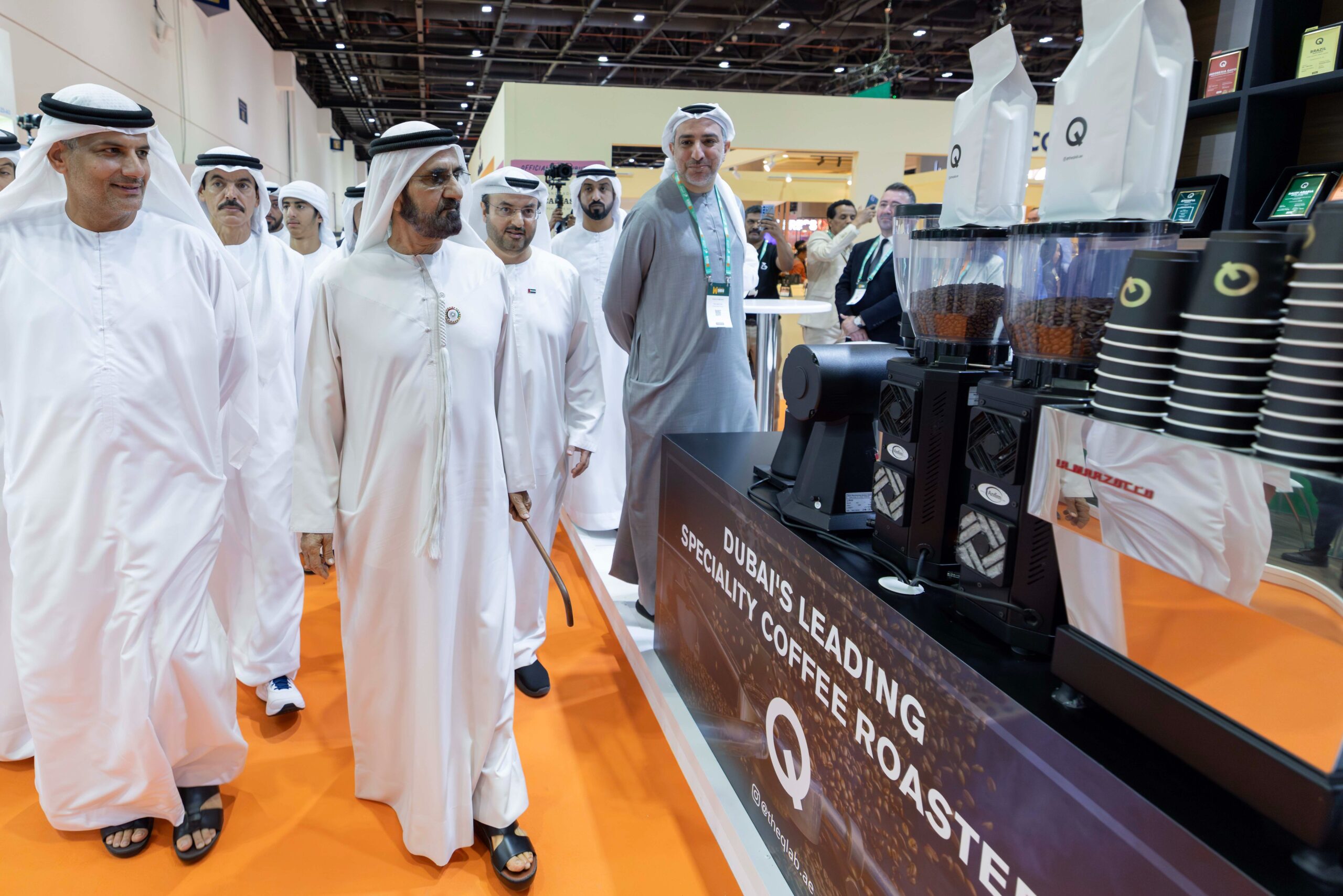
His Highness Sheikh Mohammed bin Rashid Al Maktoum, Vice President and Prime Minister of the UAE and Ruler of Dubai, today visited the fourth edition of World of Coffee 2025 Dubai exhibition being held at the Dubai World Trade Centre until 12 February.

Organised by DXB Live, the experiential agency of Dubai World Trade Centre, in collaboration with the Speciality Coffee Association (SCA), World of Coffee 2025 Dubai features exhibitors from 78 countries, making it the largest coffee industry exhibition in the region.

His Highness highlighted the exhibition’s role in creating significant opportunities for farmers, traders, and coffee producers from the region and around the world to forge business deals and establish strategic partnerships.

With coffee being one of the most widely traded and valued commodities globally, HH Sheikh Mohammed highlighted the industry’s significant potential to drive growth for entrepreneurs and owners of small and micro enterprises, reaffirming Dubai’s pivotal role in advancing the development and prosperity of diverse economic sectors worldwide.

During his visit, His Highness was accompanied by His Excellency Helal Saeed Al Marri, Director General of Dubai’s Department of Economy and Tourism, and Director General of the Dubai World Trade Centre Authority. His Highness toured several pavilions at the exhibition, where he viewed a variety of exhibits showcasing coffee processing and preparation equipment, covering all stages from cultivation to distribution among consumers.

His Highness was briefed by Khalid Al Hammadi, Executive Vice President of DXB Live, on the exhibition’s growth over the years, with the fourth edition featuring 1,980 exhibiting companies and brands —representing a 50% increase compared to the previous edition. To accommodate the rising interest in participation, the exhibition space has been expanded by 33%, attracting exhibitors and trade visitors from 78 countries and further solidifying Dubai’s status as a leading hub for the global coffee industry.

World of Coffee 2025 Dubai exhibition features 10 national pavilions, with Morocco and Mexico participating for the first time, alongside returning countries Saudi Arabia, Brazil, Rwanda, Panama, El Salvador, Guatemala, Ethiopia, and India which has tripled its pavilion’s size. The event brings together leading coffee producers, manufacturers, and traders, with significant participation from coffee production and distribution companies in the UAE.

With Dubai’s rising status as a key player in global trade and a preferred international tourism destination—driven by a substantial increase in hospitality facilities, cafes, and restaurants—the emirate’s coffee trade is poised for significant growth in the coming period. This aligns with the broader growth of the coffee market in the region, supported by global projections indicating a compound annual growth rate of 4.84% through 2030.

Flat Whites or Long Blacks? What Our Changing Coffee Tastes Say About Us

From a 13th-century Yemeni brew to today’s pursuit of the perfect caffeine hit, coffee culture continues to evolve.

Adapted from The Guardian | Sun 9 Feb 2025

When Jacob opened what is believed to be Britain’s first coffee house in Oxford in 1650, he likely had no idea what he was setting in motion. At the time, coffee was already fashionable in Europe. In France, where the drink arrived earlier, the Turkish ambassador dazzled guests, including Isaac D’Israeli—father of Benjamin—by serving the finest Mocha coffee in delicate porcelain cups. Perhaps Jacob hoped to capture some of this allure at the Angel Coaching Inn, where entry cost just a penny.

Back then, coffee was simple—fragrant yet intensely bitter. There were no elaborate choices, no caramel syrups, and certainly no milk-based confections. The only real social misstep was grimacing too much at the first sip, an error that grand ladies were adept at disguising behind their fans.

Fast forward to 2025, and coffee is everywhere, thanks to the dominance of high-street chains. But for those who care about personal branding, it has also become something of a social minefield.

The Rise of the Flat White (and Its Decline?)

Not long ago, it was perfectly acceptable to order a cappuccino or a latte in the afternoon—unless you were Italian, in which case you knew that milk-based coffee is strictly for breakfast.

Then, in the mid-2000s, the flat white arrived in Britain, brought over from either Australia or New Zealand (no one seems entirely sure). Stronger than a latte but less frothy than a cappuccino, it quickly became the go-to choice for discerning coffee drinkers. Even major chains like Starbucks and Costa took notice, though true aficionados likely prefer to overlook this.

Yet, every coffee trend has its moment, and at the higher end of the market, the flat white’s reign may be waning.

Enter the Long Black

The latest trend? The long black, another coffee with roots in Australia or New Zealand. In 2023, it was London’s fifth most popular order, accounting for 9% of sales, and has since gained traction in cities like Bristol, Edinburgh, and Leeds. By 2026, expect to see it in local independent cafés across the country—and not long after, on the menus of high-street chains. With a bit of luck, it will be available in canned form in supermarkets by 2028.

So, what is a long black? Despite its name, it’s actually shorter than an americano. Made by pouring an espresso over hot water in a small cup (typically 120ml), it preserves the crema—the rich foam on top that coffee purists revere. While an americano can be mild and unremarkable, the long black promises a bolder, more intense coffee experience. But is it truly special? That’s up for debate. Like the eternal search for the perfect lipstick, the pursuit of the perfect coffee is never-ending.

Coffee Trends: Back to the Future

Coffee trends often have a way of circling back. Many people grew up with pour-over coffee, watching hot water slowly drip through a filter into a cup. Today, this slow-brew method has made a comeback in specialty cafés, where patience is part of the ritual. The result? A superior taste compared to an americano or a long black. However, in the rush of the morning commute, or when faced with a long queue, the convenience of a quick espresso still wins out.

The Evolution of Coffee Culture

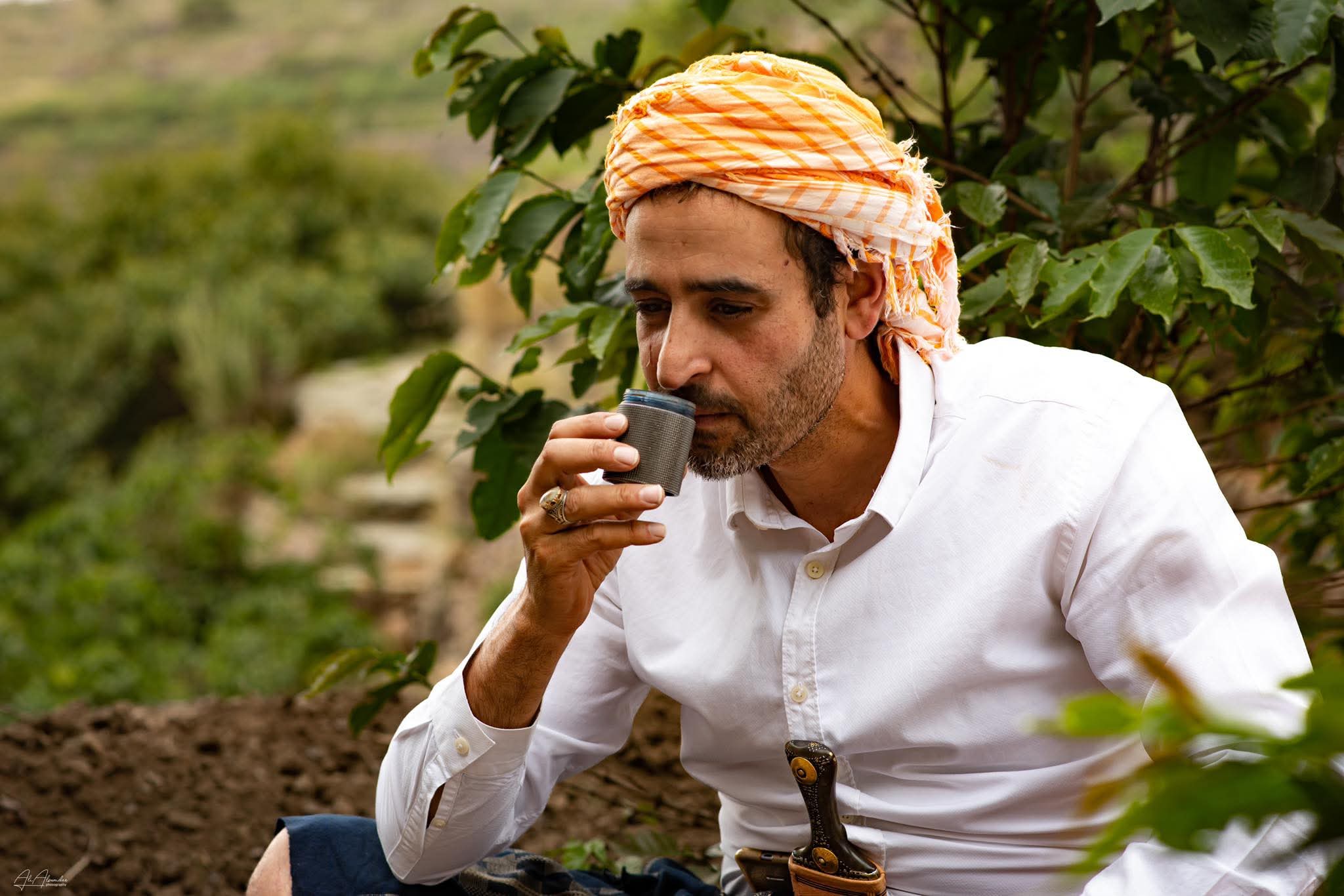
Despite our obsession with the latest coffee trends, the drink itself is no longer the subversive force it once was. In its early days, coffee was shrouded in myth—dancing goats, sleepy monks, and, as Alan Davidson notes in The Oxford Companion to Food, the 13th-century Yemeni tradition of roasting beans, where coffee was known as Qahwah, a poetic term for wine. At times, it was even viewed as a threat to religious life, feared for its ability to keep worshippers awake through the night.

Today, coffee has lost much of its revolutionary edge. Some might boycott big chains, independent cafés may push for sustainability, and ethical consumers are willing to pay more for fair-trade beans. But ultimately, coffee has become as comforting and mainstream as English breakfast tea.

Still, whether it’s a flat white, a long black, or whatever comes next, one thing remains constant: our relentless pursuit of the perfect cup.

Abdul Latif Al-Jaradi: From a Childhood Dream to Reviving Yemeni Coffee on the Global Stage

In the historic streets of Old Sana’a, where the aroma of roasted coffee beans mingles with the early morning breeze, Abdul Latif Al-Jaradi grew up in an environment steeped in history and perseverance. His childhood was filled with tales of a thriving Yemen, bustling markets, and morning gatherings that were incomplete without a cup of authentic Yemeni coffee.

Unlike other children who dreamed of traditional office jobs, Abdul Latif was always searching for his identity in books and historical narratives. Coffee was an integral part of Yemen’s story, yet it had not received the recognition it deserved. Despite studying English literature at university, the call of Yemeni coffee was too strong to ignore, leading him to develop a deep passion for its history and unique characteristics that had made it one of Yemen’s most valuable exports.

Family Values

From a young age, Abdul Latif learned that hard work was the gateway to independence. His father—may he rest in peace—instilled these values in his children, rewarding them for completing daily tasks. This experience helped him realize that effort and perseverance were essential for success.

He regularly assisted his family in their daily business activities, viewing it as an opportunity to refine his skills and gain hands-on experience. Being surrounded by commerce, witnessing transactions firsthand, and understanding market dynamics all contributed to his economic awareness long before he embarked on his professional journey.

A Turning Point 

In 2016, Abdul Latif delved deeper into the coffee industry, joining the SMEPS organization’s programs. Through these initiatives, he gained valuable insights into coffee cultivation, processing, and trade. This experience was a pivotal moment in his career, providing him with a more profound understanding of coffee quality and the importance of supporting Yemeni farmers to preserve this rich heritage.

In 2017, an unexpected event changed his course—he lost his job as a school employee. Rather than seeing it as a setback, he embraced it as an opportunity. He decided to fully dedicate himself to the coffee industry and founded “Mocha Root,” a name that would later become synonymous with premium Yemeni coffee exports.

With the enthusiasm of an adventurer, he gathered $3,500 and invested in 60 kilograms of the finest Yemeni coffee beans, sending them abroad with the help of his friend Dr. Nader, with whom he co-founded the first company specializing in Yemeni coffee exports.

However, the initial shipment did not sell as expected. This was a harsh realization—success in the coffee industry required more than just high-quality beans. Packaging, marketing, and international trade standards were just as crucial. Instead of letting this discourage him, he treated it as a learning experience, refining his approach to entering global markets.

Abdul Latif refused to give up. The following season, he secured his first customer in the United States. When he sent them a sample, the feedback was astonishing: “We have received many samples from Yemen, but yours is the best in terms of quality and moisture retention.” That was the moment he knew that persistence and patience were the true keys to success.

Determined to improve, he studied various processing and fermentation techniques and refined his roasting methods. His goal was not just to export coffee but to tell Yemen’s story through every cup brewed with his beans.

Yemeni Coffee: More Than Just a Commodity

Today, Abdul Latif sees his business as more than just a trade—it is a mission to restore Yemen’s rightful place in the global coffee industry. He recognizes that Yemen’s historic Mocha port was the gateway through which coffee was introduced to the world. Reviving this legacy is a responsibility he takes seriously.

To achieve this, he has built partnerships with local farmers, ensuring they receive the knowledge and resources needed to enhance their production while preserving traditional methods that give Yemeni coffee its unique flavor. He also established coffee tasting laboratories and participated in international auctions to present Yemeni coffee as a premium product capable of competing in global markets.

Bigger Dreams for the Future of Yemeni Coffee

But Abdul Latif’s aspirations go beyond coffee. He envisions contributing to sustainable development projects that restore Yemen’s vibrancy. Inspired by cities like Alexandria, he dreams of similar advancements in his homeland.

He understands that supporting Yemeni coffee is not just about production and export—it involves fostering a local coffee culture that appreciates its quality and heritage. To this end, he has organized training workshops for coffee enthusiasts and helped establish specialty coffee roasteries within Yemen, creating a vital link between farmers and international markets.

Final Words

“Success requires perseverance. Do not stop at the first obstacle, and do not fear failure—it is merely a stepping stone toward success. Keep striving and working hard because sincere efforts always bear fruit.” With these words, Abdul Latif concludes his story, knowing that his journey with coffee is far from over—it is just beginning.

Every time a cup of Yemeni coffee is poured anywhere in the world, it stands as a testament to a long journey of perseverance, led by individuals like Abdul Latif Al-Jaradi, who believe that coffee is more than just a beverage—it is an identity and a heritage that must be preserved and passed on to future generations.

World of Coffee Dubai 2025 Kicks Off Tomorrow!

Dubai is set to become the global hub for coffee enthusiasts as World of Coffee Dubai 2025 opens its doors tomorrow at the Dubai World Trade Centre. Running from February 10 to 12, this highly anticipated event will bring together industry leaders, roasters, baristas, and coffee lovers from around the world.

With a 33% expansion in exhibition space and participation from 1,980 exhibitors across 78 countries, this year’s edition is expected to be the biggest yet. From live brewing demonstrations to expert-led seminars, attendees will experience the latest in specialty coffee, sustainable innovations, and business trends.

What to Expect at World of Coffee Dubai 2025

  • Roasters Village & Brew Bar: Discover exclusive micro-roasted coffees and expert brewing techniques.
  • Cupping Rooms: Taste rare and exceptional coffees from around the world.
  • UAE National Coffee Championships: Watch top baristas and brewers compete for national titles.
  • Dubai Coffee Auction by DMCC: Bid on 15 premium coffee lots from elite producers.
  • Coffee Design Awards & Best New Product Showcase: Explore the latest trends in branding, packaging, and coffee innovations.

Stay Connected with the Official Event App

To enhance the experience, the event has launched its official mobile app, now available for iOS and Android. The app provides real-time updates, networking tools, matchmaking features, and agenda management, ensuring a seamless and interactive experience for attendees.

Dubai’s Rising Influence in the Coffee Industry

With a 50% increase in exhibitor participation and a sixfold rise in Saudi companies, this year’s event underscores Dubai’s growing role as a key player in the global coffee trade. As specialty coffee continues to thrive in the region, World of Coffee Dubai 2025 is set to shape the future of the industry.


Meet Victoria Arduino at World of Coffee Dubai 2025

From February 10 to 12, Victoria Arduino will be at World of Coffee Dubai 2025, the Middle East’s premier coffee trade show. As a leading Italian brand in professional espresso machines, Victoria Arduino will showcase its latest innovations at Hall Z6, Stand G5, featuring cutting-edge coffee technology and immersive tasting experiences.

Discover the Latest from Victoria Arduino at WOC Dubai

Victoria Arduino is set to play a key role at WOC Dubai, sponsoring the Barista Competition with its Eagle One espresso machine and Mythos grinder, the official grinder of the World Barista Championship. Visitors will have the chance to explore:

  • Black Eagle Maverick: A high-end espresso machine offering precision control over temperature, infusion, and steam for unparalleled coffee quality.
  • Eagle Tempo: A professional-grade machine designed for high production capacity while promoting energy efficiency and sustainability.
  • PureBrew+: A revolutionary single brewer capable of automatically preparing PureBrew Coffee, delivering a unique filter coffee experience with an enhanced flavor profile.
  • E1 Prima PRO: A compact, single-group espresso machine integrating Victoria Arduino’s most advanced technologies (T3 Genius, PBtech, and V.I.S) in a sleek design.

Exclusive Tasting & Workshops

At Stand Z6-G5, visitors will engage in specialty coffee tastings and experience how Eagle Tempo and PureBrew+ can expand a café’s menu offerings. Various international roasters will collaborate with Victoria Arduino to highlight their coffees through expertly crafted beverages.

Additionally, Victoria Arduino will host a series of expert-led workshops, including:

  • “E1 Prima PRO: Extracting from Fresh Coffee Beans” – A session by Antonio Orria (Coffee Beverage Community of Simonelli Group Middle East), diving into the nuances of fresh coffee extraction.
  • “Everyday Hospitality” – A lecture by Andrew Tolley (Coffee Knowledge Hub and Special Projects), focusing on enhancing customer experience in coffee service.

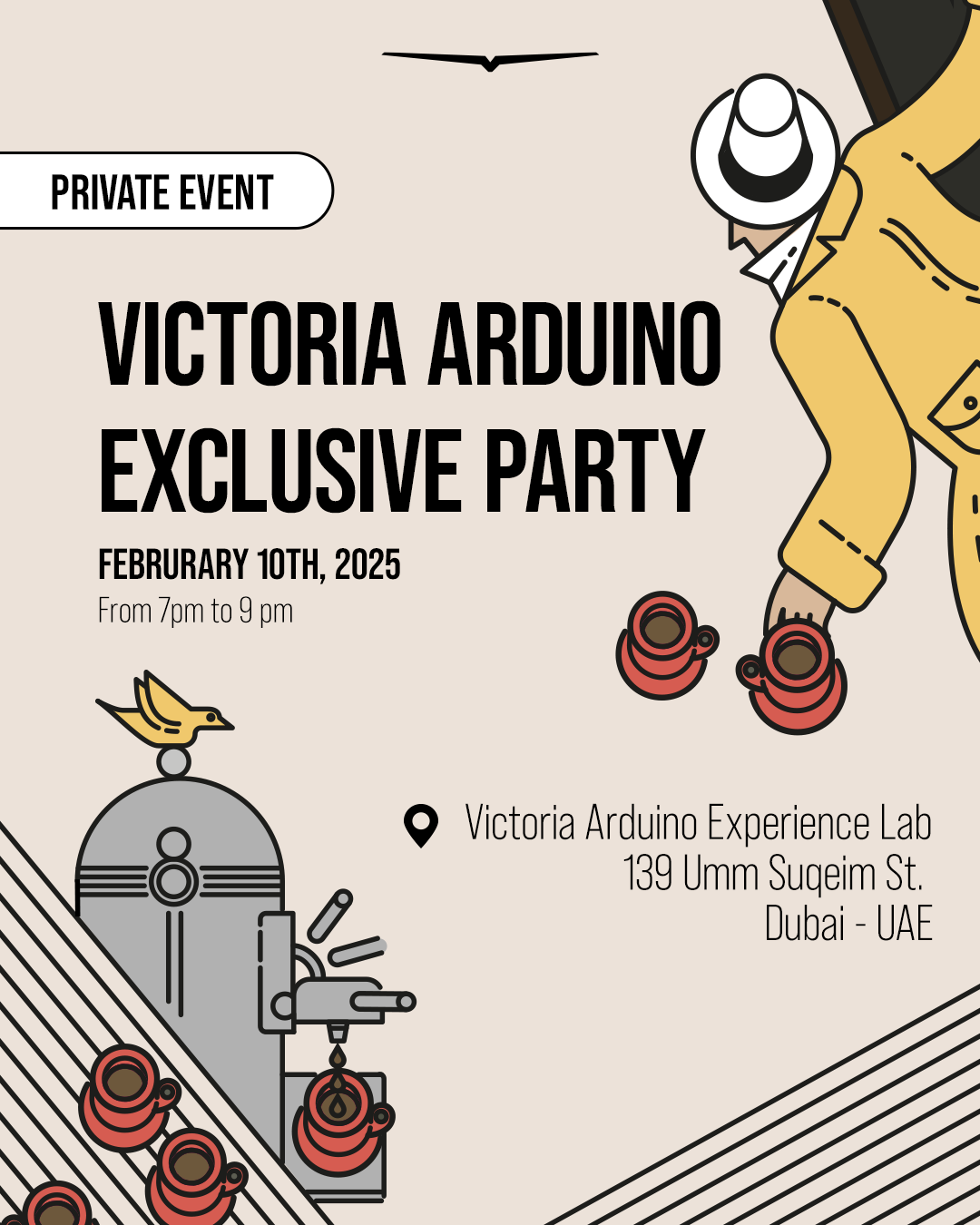
Join the Victoria Arduino Exclusive Party

An invitation-only event, the Victoria Arduino Exclusive Party will take place on February 10th from 7 PM to 9 PM at the Victoria Arduino Experience Lab, 139 Umm Suqeim St., Dubai, UAE. This gathering will bring together industry leaders, coffee professionals, and enthusiasts for an evening of networking and exceptional coffee experiences.

Jabal Bun Farm… Coffee Above the Clouds

Haraz – Qahwa World is closely connected to Jabal Bun Farm, a renowned coffee destination.

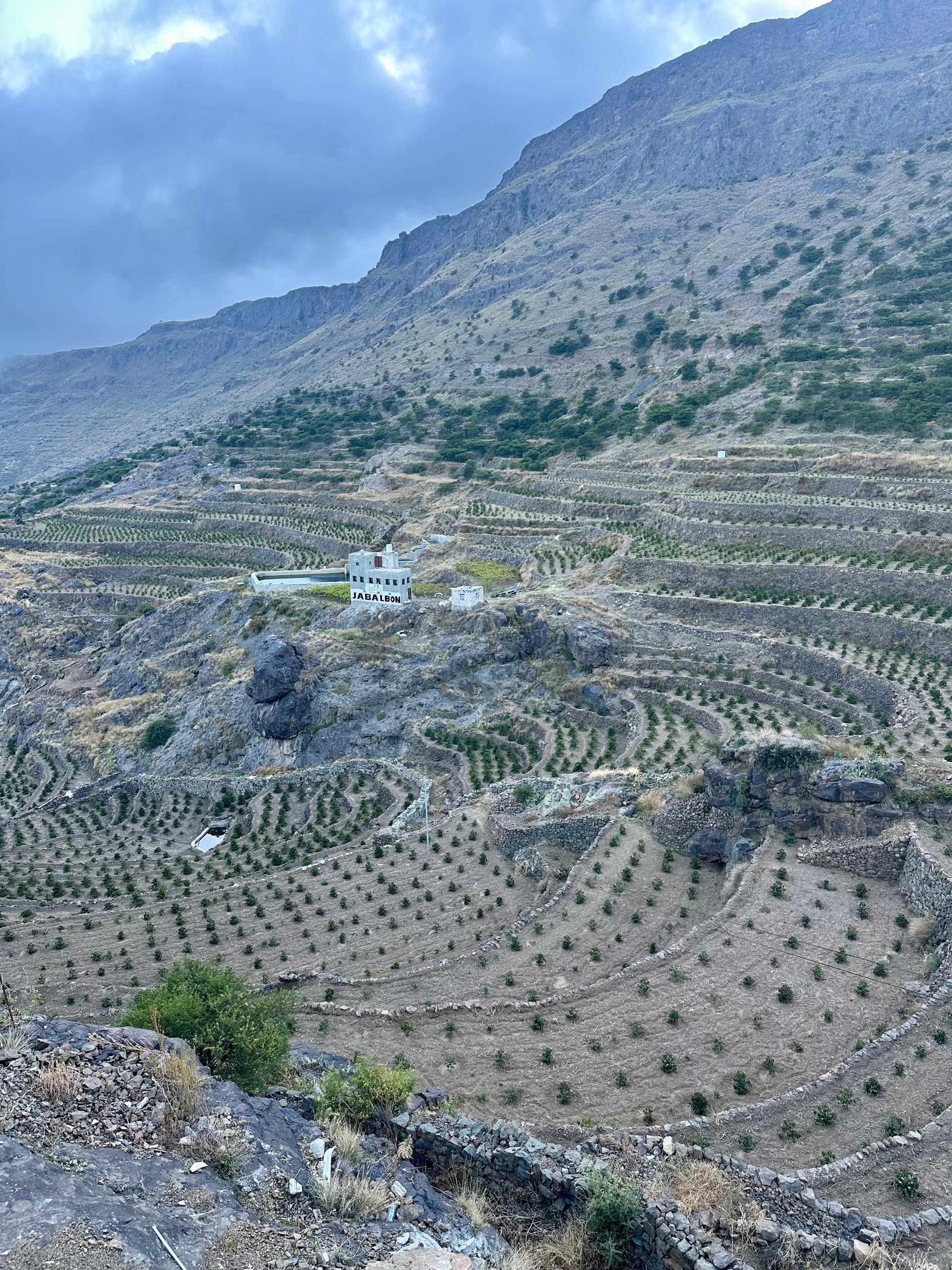
In the high mountains of Haraz, where the air is pure and the clouds kiss the peaks, Jabal Bun Farm was born—a bold project founded in 2020 by three men from the Al-Jabal family: Zakaria, Mustafa, and Qusay Al-Jabal. They defied all studies suggesting that coffee trees cannot survive or bear fruit at altitudes exceeding 2,500 meters above sea level. Today, after years of effort, the farm stands as a testament to human determination in reviving Yemeni coffee once again.

Starting from Scratch

At the beginning of the project, the land required comprehensive rehabilitation, which took an entire year. The process involved plowing the soil, preparing agricultural terraces, and enhancing soil quality to create an ideal environment for coffee trees. The area had been neglected for decades due to the migration of villagers to the capital, Sana’a, and the Gulf region, leading to the disappearance of agricultural lands and their transformation into wilderness inhabited by wild animals. Restoring the land was a huge challenge, as costs exceeded all expectations.

In 2021, the first 4,000 coffee trees were planted, and expansion efforts continued until they reached 8,000 trees by 2023. However, the greatest challenge was not just land rehabilitation, but also testing the feasibility of growing coffee at such an extreme altitude. Many believed that the harsh climate conditions would make the project impossible.

The Biggest Challenge

Growing coffee at high altitudes has always been considered a major challenge. While some reports claim that coffee is cultivated at altitudes up to 3,000 meters in Ethiopia, Colombia, and Peru, scientific evidence supporting these claims remains uncertain. In Jabal Bun, however, the evidence is clear. Satellite data, Google Earth images, and smartphone sensors confirm that the farm is located at an altitude ranging between 2,540 and 2,600 meters, making it one of the highest coffee farms in the world.

This was not mere speculation. The founders discovered an old coffee farm in nearby villages at an altitude of 2,560 meters, but its production was weak due to cold weather and roaming animals. Samples were collected and cultivated for testing. After evaluation and refinement, it became clear that coffee grown at this altitude exhibited a unique variety of flavors and a distinguished body, unlike any other coffee in the region. This discovery gave the project great hope for success.

Yemeni Coffee… A Renewed Heritage

Yemeni coffee has been cultivated for more than 500 years using entirely natural methods. The ripe red coffee cherries are traditionally sun-dried for up to a month before their outer husk is removed to extract the green beans. In Jabal Bun, these traditional methods are applied, but with improvements to ensure the highest possible quality. The cherries are meticulously hand-picked and then dried on special raised beds, ensuring even drying that preserves the coffee’s flavor and unique characteristics.

To ensure the success of coffee cultivation in this unusual environment, innovative solutions were implemented, such as supplying trees with the necessary nutrients to withstand frost, rugged terrain, and high humidity. Large amounts of animal waste were used to create 100% organic compost through a natural fermentation process, which helped the trees adapt and produce high-quality yields.

Harvest Season

As the harvest season begins, the coffee cherries gradually change color from green to yellow to deep red, reaching their peak natural sweetness. At this stage, only the ripest cherries are carefully selected and transported to drying facilities, where they are naturally dried without any chemical additives, preserving the rich flavors of the coffee beans.

The farm has started producing its first limited batch, which has been sent to international clients for testing and evaluation. The farm is still awaiting feedback from roasters and experts on the quality of this new product.

Sustainability and Leadership

These young people’s vision was not limited to coffee cultivation alone. He also sought to support local farmers, launching an initiative to purchase coffee from local growers at the best prices, encouraging them to continue growing coffee instead of switching to qat cultivation. This shift is already transforming the agricultural landscape of Haraz. Additionally, the farm constructed a water reservoir with a capacity of one million liters, ensuring a sustainable water supply for irrigation during dry seasons, helping to secure the future of coffee farming in the region.

Towards Global Recognition

Today, after years of hard work, Jabal Bun Farm stands as one of the most promising projects in the world of specialty coffee. The coffee cultivated at this extraordinary altitude is now being exported to global markets, offering a unique experience for coffee enthusiasts worldwide.

What Makes Jabal Bun Coffee Special?

  • The farm’s high altitude, which gives the coffee distinctive flavor characteristics.
  • A blend of traditional and modern agricultural practices to ensure exceptional quality.
  • 100% natural organic fertilization, making the coffee fully organic.

As the 2025 harvest season approaches, all eyes are on this farm, which serves as a living model of the Yemenis’ ability to revive their agricultural heritage and present it to the world at the highest standards.

Drinking coffee reduces the risk of diabetes, but on one condition!

A new study from the Harvard T.H. Chan School of Public Health has revealed that drinking coffee may significantly reduce the risk of developing type 2 diabetes—but only if it’s consumed without added sugar or artificial sweeteners.

The research, published in the American Journal of Clinical Nutrition, found that each cup of coffee consumed daily lowers the risk of type 2 diabetes by 10%. Scientists attribute this benefit to coffee’s bioactive compounds, including caffeine and antioxidants, which may help reduce inflammation and support metabolic health.

Previous studies have suggested that regular coffee drinkers tend to gain less weight over time, another factor that may contribute to a reduced diabetes risk.

However, adding sugar to coffee cuts this benefit in half, reducing the risk reduction to just 5% per cup. The study also found that artificial sweeteners, often used as a sugar substitute, diminish the protective effect as well, with a 7% risk reduction per cup—slightly better than sugar, but still significantly less than black coffee.

Dr. Matthias Hein, the lead researcher, emphasized the importance of drinking coffee without additives, stating:
“Our findings suggest that drinking coffee may help reduce diabetes risk, but adding sugar or artificial sweeteners weakens its protective effects.”

With type 2 diabetes becoming a growing global health concern, these findings suggest a simple yet effective way to reduce risk—drink your coffee black or with milk, but skip the sugar and sweeteners.

This research adds to the growing body of evidence supporting coffee’s role in promoting health, but it also highlights the importance of mindful consumption. If you’re looking to maximize the benefits of your daily brew, the best option is to keep it pure.

Mokha 1450 Unveils a Unique Coffee Experience at World of Coffee Dubai 2025

Coffee lovers, industry professionals, and enthusiasts are in for a treat at World of Coffee Dubai 2025 as Mokha 1450 prepares to showcase a series of exclusive events, innovative brewing techniques, and an exciting community run.

A Fusion of Art and Innovation in Coffee

Mokha 1450 is redefining the coffee-drinking experience by blending traditional and cutting-edge methods. Attendees can witness and taste the magic of specialty coffee through the following techniques:

☕ Smoke & Diamond: A coffee mixology experience where aromatic smoke is infused into the drink, enriching its complexity and depth.
☕ Syphon Brewing: A visually captivating method where water is heated, rises through a vacuum, and infuses with coffee grounds before filtering back down, producing an exceptionally clean and refined cup.
☕ Cold Brew: A slow extraction process in room-temperature water, delivering a smooth, balanced, and naturally sweet flavor without bitterness.

These innovative techniques will be available for exploration at Mokha 1450’s booth at World of Coffee Dubai 2025.

Exclusive Cupping & Workshop Event with Lohas Beans

In collaboration with Lohas Beans, Mokha 1450 will host a specialty coffee cupping and workshop event, offering visitors a taste of championship-winning Colombian coffees and insights from some of the most innovative farmers and producers in the industry.

📅 Date: 9 February 2025
🕔 Time: 5:00 PM – 8:00 PM
📍 Location: Mokha 1450 Coffee Lounge – Golden Mile Galleria 8, Palm Jumeirah, Dubai

This session will be an extraordinary opportunity to explore some of the world’s finest coffees while engaging with renowned coffee professionals.

World of Coffee Runners 5K – Powered by Brewing Gadgets & Mokha 1450

For those who love both coffee and movement, the World of Coffee Runners 5K is set to bring together the global coffee community for a morning run through Dubai’s scenic Palm Jumeirah.

📅 Date: Tuesday, February 11, 2025
📍 Starting Point: Mokha 1450 Coffee Lounge – Golden Mile Galleria 8, Palm Jumeirah
⏰ Meet: 6:30 AM | Run Starts: 7:15 AM

🏃‍♂️ Whether you’re a coffee professional, a seasoned runner, or simply looking to explore Dubai, this energizing event is the perfect way to start the day!

🎽 Important:
All registered runners must collect their official running vests at the Brewing Gadgets booth (Z5-C4) on Day 1 of World of Coffee Dubai.

✨ Special thanks to the event sponsors:
@brewing_gadgets | @jnpcoffee | @mokha1450 | @victoriaarduinoofficial

A Celebration of Coffee and Community

Mokha 1450 continues to be at the forefront of specialty coffee innovation, offering a platform where coffee meets culture, craftsmanship, and connection.

☕ Don’t miss these incredible experiences at World of Coffee Dubai 2025! Tag your coffee crew and be part of something special.

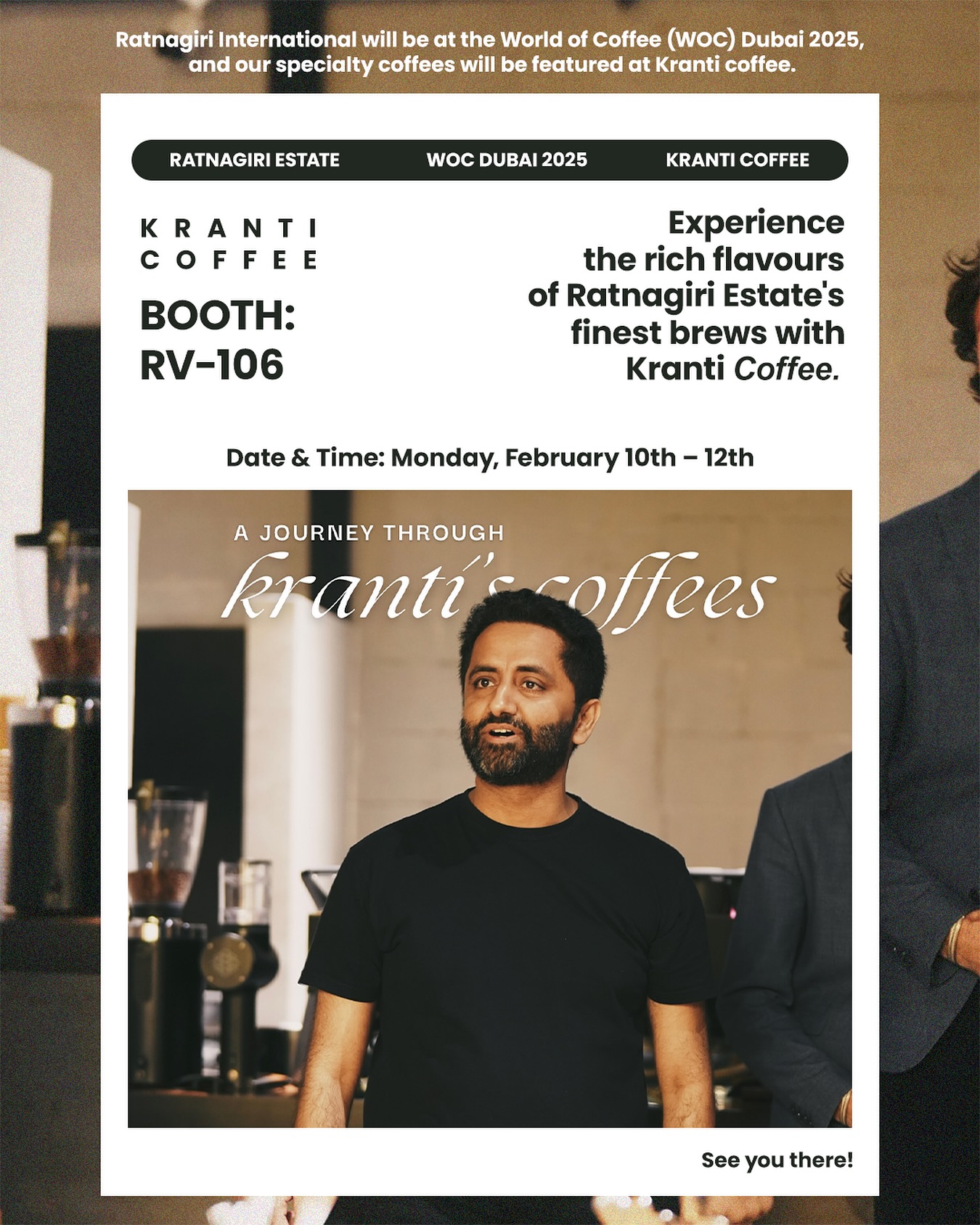
Ratnagiri Estate x Kranti Coffee to Showcase Indian Specialty Coffee at World of Coffee Dubai 2025

Dubai is set to welcome some of India’s finest specialty coffees as Ratnagiri Estate partners with Kranti Coffee at World of Coffee (WOC) Dubai 2025, offering visitors a unique opportunity to experience the rich flavors of Ratnagiri’s premium brews.

Experience Ratnagiri Estate’s Finest Brews

As part of the much-anticipated event, Kranti Coffee will feature Ratnagiri Estate’s specialty coffees at Booth RV-106. Attendees will have the chance to immerse themselves in a journey through India’s specialty coffee scene, known for its distinct flavor profiles and high-quality cultivation.

Cupping and Brewing Sessions

Coffee enthusiasts and industry professionals will have the opportunity to explore Ratnagiri Estate’s offerings through exclusive sessions at WOC Dubai 2025:

  • Cupping Session
    • 📅 Date: 10 February 2025
    • 🕓 Time: 16:00–17:00 (Asia/Dubai)
    • 📍 Location: Za’abeel Hall 4, Booth D-310
  • Brewing Session
    • 📅 Date: 12 February 2025
    • 🕑 Time: 14:00–17:00 (Asia/Dubai)
    • 📍 Location: Za’abeel Hall 5, Booth D-310

These sessions will highlight the complexity and depth of Indian specialty coffee, crafted with expertise and innovation.

A Journey Through Kranti’s Coffees

Led by Kranti Coffee, visitors will get a closer look at India’s progressive specialty coffee movement. With a commitment to sourcing and brewing the best coffees from Ratnagiri Estate, Kranti Coffee aims to redefine perceptions of Indian coffee on the global stage.

Don’t miss this opportunity to discover India’s specialty coffee excellence at WOC Dubai 2025! See you there!