Masra Coffee: A Bold Journey Blending Tradition and Innovation in Specialty Coffee

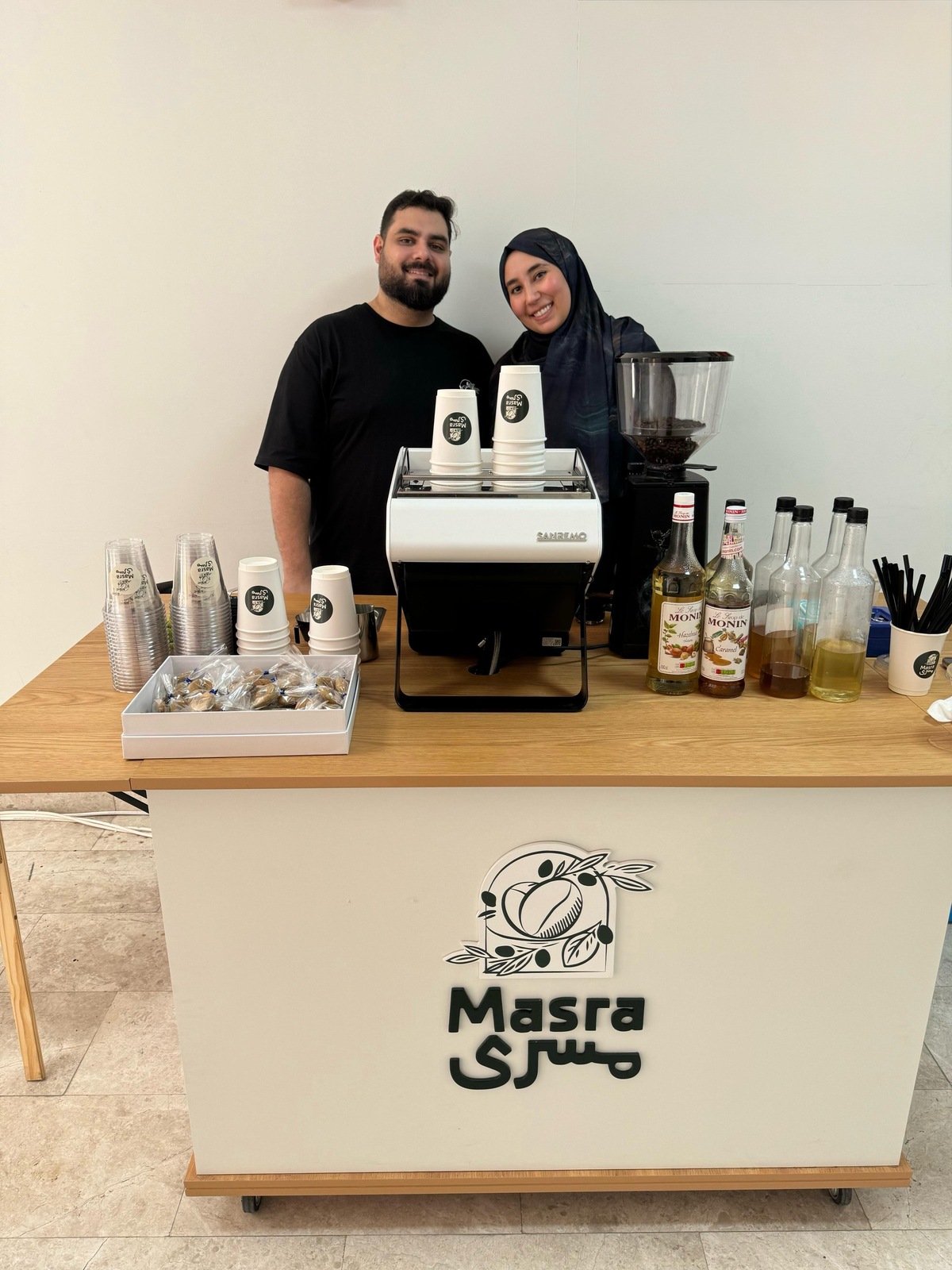
In a landscape where specialty coffee is thriving, Masra Coffee emerges as a brand that blends cultural heritage with innovation. Founded by husband and wife Khalid Dweik (Palestinian American) and Tasnim AlGergawi (Emirati Palestinian), Masra Coffee is more than just a coffee brand—it’s a journey inspired by tradition, a deep-rooted passion for coffee, and a vision to create something truly unique.

The UAE’s bustling coffee scene is no stranger to specialty offerings, but Masra Coffee stands out by infusing Palestinian flavors with high-quality beans, creating an experience that resonates with coffee lovers seeking something extraordinary.

In this exclusive interview, Khalid Dweik, the CEO and founder of Masra Coffee, shares his inspiring journey—from his early days of experimenting with coffee to launching a brand that merges Arab flavors with specialty brews. He also opens up about the challenges of balancing entrepreneurship with parenthood, his vision for the future, and what makes Masra Coffee a brand to watch in the evolving coffee industry.

The Birth of Masra Coffee

How did your journey into specialty coffee begin, and what inspired you to launch Masra Coffee?

My love for specialty coffee started in 2018 when I became obsessed with the craft—from pulling the perfect espresso shot to precisely timing my beans during roasting. But it wasn’t until I got married in 2022 that my wife encouraged me to turn my passion into a business. She asked, “What’s the worst that can happen?” That simple question changed everything.

Masra is deeply personal to me. The name originates from “Israa,” symbolizing the Prophet Mohamed’s (PBUH) night journey from Mecca to Jerusalem. It not only holds a sacred connection to Palestine but also represents the bright journey Masra Coffee is on—to bring exceptional coffee to people while staying true to our cultural roots.

Heritage and Innovation

In a saturated coffee market, what makes Masra Coffee unique?

The UAE is filled with incredible specialty coffee shops, but Masra brings something different. We merge the essence of high-quality specialty coffee with unique, house-made syrups inspired by traditional Arab flavors. Our syrups—such as Za’atar, Sage (Merimeyah), Cardamom, and Mint—offer a new experience to coffee lovers. They don’t overpower the coffee but instead complement the flavors in a way that surprises and delights.

We also take pride in roasting our beans in-house, ensuring every batch meets our meticulous quality standards. But beyond the coffee itself, Masra represents an identity—a brand deeply connected to its roots yet constantly innovating. We want to create an experience that makes customers feel entertained, curious, and excited for their next cup.

Signature Flavors

Can you share some of your most unique coffee flavors and their inspirations?

Our Za’atar latte is our biggest hit! It catches people off guard at first, but once they try it, they’re hooked. The Merimeyah (Sage) and Cardamom Honey Cinnamon flavors also have a strong following. Even black coffee purists have been surprised by how well flavors like Mint and Za’atar complement their brews.

How do you source your coffee beans, and what makes your selection process special?

Right now, we source our green beans through local distributors that work with ethically certified farms. But in the future, we aim to establish direct relationships with coffee farmers to ensure the highest quality and ethical sourcing practices. Sustainability and ethical farming are at the core of our long-term vision.

Challenges, Growth, and Parenthood

What were the biggest challenges in launching Masra Coffee?

Juggling a full-time job, starting a business, and raising a newborn has been one of the most challenging yet rewarding experiences. We launched Masra while learning how to be first-time parents—talk about timing! Managing orders, roasting beans, and building our brand, all while caring for a five-month-old, has been exhausting but fulfilling.

How did you navigate the UAE’s business landscape?

As an Emirati Palestinian, I’ve always known about the UAE’s incredible support for entrepreneurs,” says Tasnim AlGergawi. “From business resources to government initiatives, the opportunities are endless. We did our research, sought advice from friends who launched businesses, and ultimately took a leap of faith. There’s never a ‘perfect’ time to start—you just have to go for it.

What key lessons have you learned since launching Masra?

Exposure, branding, and social media are crucial. Pop-ups have been game-changers for us, allowing us to engage with customers, introduce them to Palestinian and Arab flavors, and stand out in the specialty coffee market. Social media also plays a major role. Thanks to Tasnim’s communications background, she’s made sure Masra’s online presence is relatable, fun, and engaging. We don’t just post “order now” content—we build a community of coffee lovers.

What are your expansion plans? Are new locations or collaborations in the works?

Right now, we’re focused on establishing ourselves and growing our community. Eventually, we’d love to open a physical coffee shop—a space that feels like a second home. Expansion to different locations and international markets is also on our radar. I grew up in Dallas, and my friends there are already begging me to bring Masra to the U.S.! We’ll take it one step at a time and expand when the time feels right.

What’s your long-term vision for Masra Coffee?

We want Masra to be people’s go-to coffee—something they crave, whether hot or iced. We’re also committed to expanding our syrup lineup, experimenting with new flavors, and making Masra a household name in specialty coffee.

What are your thoughts on the coffee culture and trends in the UAE?

The UAE’s coffee culture is massive. Specialty coffee shops are thriving, and trends like minimalism and aesthetics dominate the industry. Interestingly, matcha is becoming a new favorite among non-coffee drinkers, but at Masra, we also cater to them with babyccinos in various flavors. Our goal is to create a space where customers feel at home—a “third place” where they can relax, work, and connect.

What advice would you give to young entrepreneurs wanting to start a coffee business?

Do your research, find your niche, and be ready for long nights. Passion is essential, but so is commitment. And maybe don’t start a business with a newborn—it’s an adventure, but it’s not for the faint of heart!

 If you could change one thing in the coffee industry, what would it be?

I wish people were more open to experimenting. Specialty coffee is incredible on its own, but why not add a twist? A touch of mint or Za’atar might just change the way you experience coffee forever.

Conclusion

Masra Coffee is not just another specialty coffee brand—it’s a story of passion, heritage, and innovation. With a commitment to unique flavors, ethical sourcing, and a strong community-driven approach, Masra is set to leave a lasting impact on the UAE’s coffee scene and beyond. As Khalid and his team continue their journey, one thing is clear—Masra Coffee is more than a drink; it’s an experience worth savoring.
The Alchemy of Coffee: Brewing Moments of Magic, Creativity, and Resilience

Ah, coffee—the magical elixir that transforms groggy “ughs” into triumphant “ahhs” with every sip.

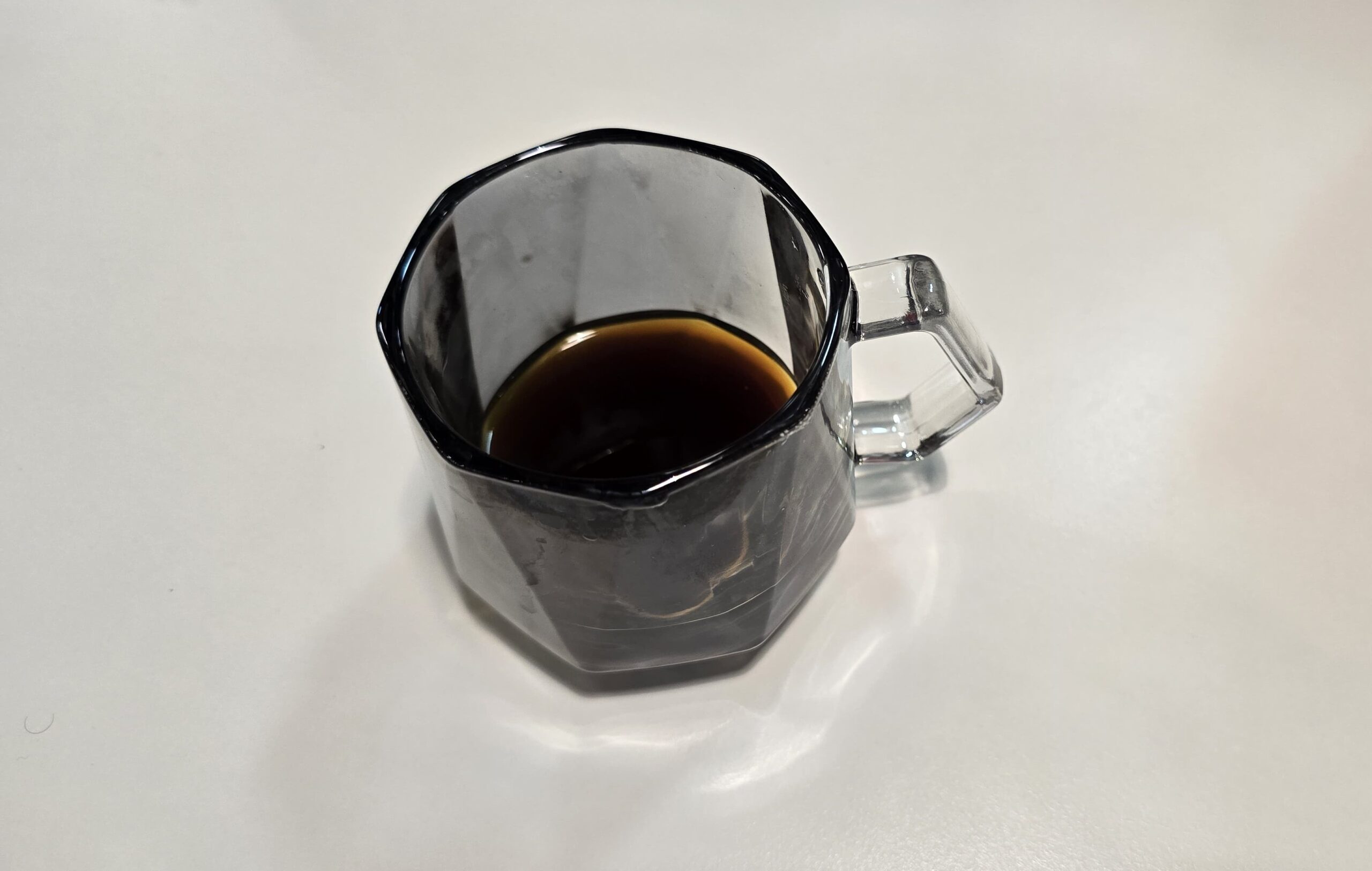
Coffee It’s not just a beverage; it’s a lifeline, a ritual, and a universal language of comfort and connection. From the first whiff of its intoxicating aroma to the final drop that lingers on your tongue, coffee is a symphony of sensations that awakens the mind, soothes the soul, and fuels the spirit.

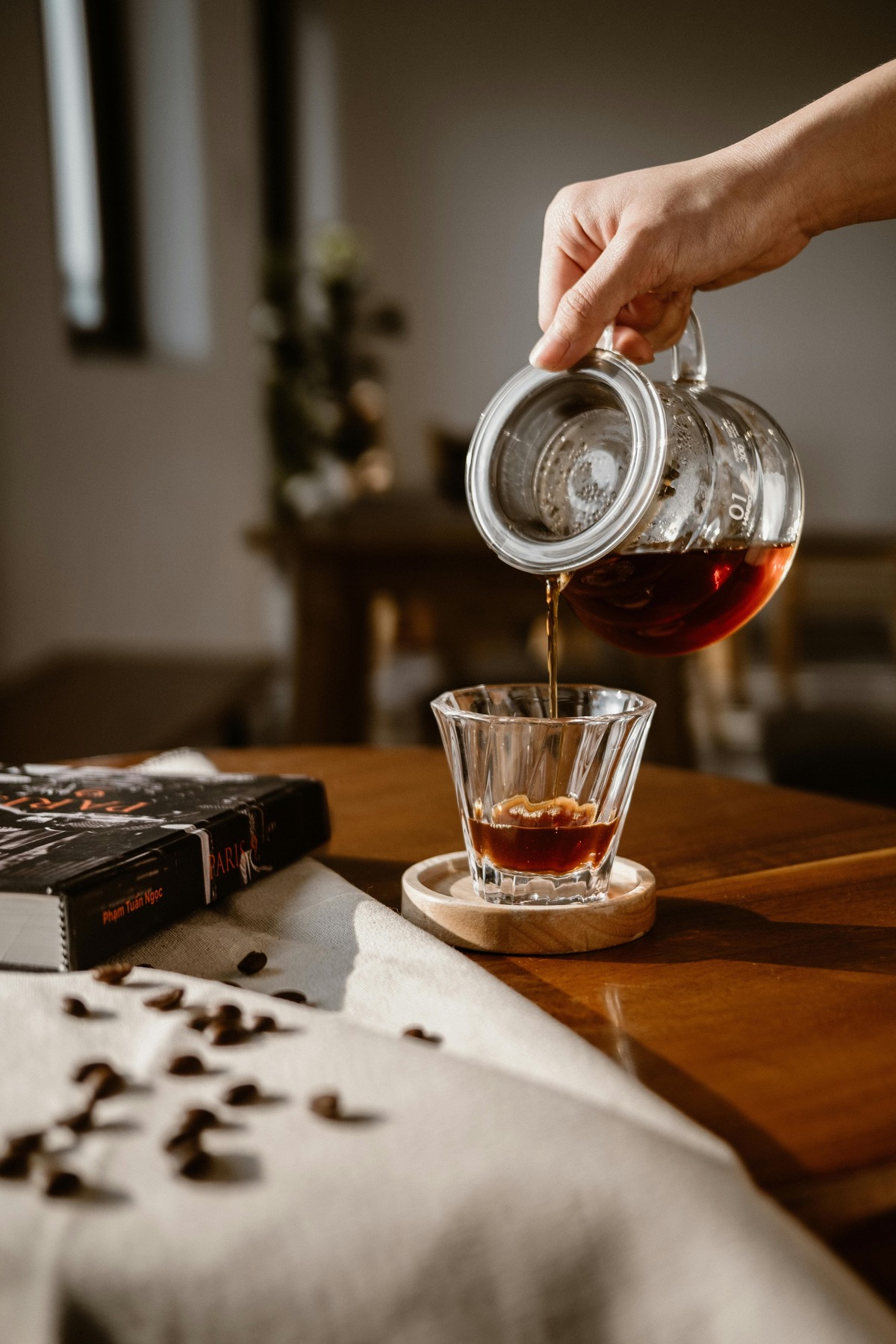
In a world that never stops moving, coffee offers a rare moment of stillness. It’s the quiet companion to your morning thoughts, the gentle nudge that says, “Take a breath. You’ve got this.” Whether you’re savoring a meticulously crafted pour-over or gulping down a quick espresso shot, coffee is more than caffeine—it’s a ritual that grounds you. It’s the act of brewing, the sound of beans grinding, the steam rising from your cup, and the warmth that spreads through your hands. These small, deliberate moments remind us to slow down and appreciate the present.

For writers, artists, thinkers, and dreamers, coffee is the ultimate muse. It’s the spark that ignites creativity, the silent partner in brainstorming sessions, and the steady hand that guides you through late-night projects. There’s something about the combination of caffeine and comfort that unlocks ideas and fuels innovation. It’s no wonder that some of history’s greatest minds—Voltaire, Beethoven, and Balzac, to name a few—were devout coffee enthusiasts. Coffee doesn’t just wake you up; it wakes up your imagination.

Life is unpredictable, but coffee is a constant. It’s there for you during early mornings, long commutes, and late-night deadlines. It’s the fuel that propels you forward when the world feels heavy. Each sip is a reminder that even the smallest moments can hold immense power. Coffee doesn’t just energize your body; it fortifies your spirit. It’s a warm embrace in a cup, a reminder that you’re capable of overcoming whatever challenges the day throws your way.

Coffee is more than a personal ritual—it’s a shared experience. It’s the centerpiece of conversations, the catalyst for friendships, and the glue that binds communities. From coffee dates to office coffee breaks, it’s a drink that brings people together. It transcends cultures, languages, and borders, uniting us in our love for its rich, complex flavors. Coffee is a reminder that, no matter how different we may seem, we’re all connected by the simple joys of life.

So, as you cradle your cup and take that first sip, remember this: coffee is more than a drink. It’s a celebration of the present, a catalyst for creativity, and a source of strength. Let its aroma awaken your senses, its warmth comfort your soul, and its caffeine energize your spirit. Today is yours to brew—make it bold, make it rich, and make it unforgettable.

Now go conquer your day, one sip at a time.

Hario V60: The History, Philosophy, and Secrets of Brewing the Perfect Coffee

Coffee culture is full of innovations, but few devices have made as significant an impact as the Hario V60 dripper. Today, it is an essential tool for filter coffee lovers worldwide, but its journey to recognition was long and challenging.

From Concept to Iconic Device: The History of Hario V60

In the 1980s, coffee brewing was dominated by immersion methods such as the French press. During this period, designers at the Japanese company Hario wondered: could a device be created that would provide a clean and rich coffee flavor while remaining easy to use?

The first version of the dripper appeared back then—a cone-shaped holder with a metal wire to secure the paper filter. However, it failed to gain popularity, as consumers were increasingly leaning toward the convenience of instant coffee. The project was shelved for nearly 20 years.

But in 2004, Hario released the dripper we know today. Its unique feature—a 60-degree cone angle—gave it the name V60. The secret to its success? Ease of use, accessibility, and the ability to highlight the complex flavor notes of coffee.

Meditation in a Cup: Why the Hario V60 Became a Symbol of Mindful Coffee Consumption

Brewing coffee with the Hario V60 is not just about making a drink—it is a philosophy. Slow living, minimalism, and the pleasure of the process are what modern pour-over enthusiasts appreciate. Bloggers and coffee lovers claim that the slow ritual of morning brewing replaces meditation and helps set the tone for a productive day.

The V60 is especially popular among black coffee, filter coffee, and even Americano lovers. It allows for experimentation with grind size, water temperature, brewing ratios, and extraction time, enabling coffee drinkers to craft a beverage tailored to their precise preferences.

How to Brew the Perfect Coffee with a Hario V60: A Step-by-Step Guide

If you want to master brewing coffee with a Hario V60, here is a simple yet effective recipe.

What You Need:

  • 15.5g freshly ground coffee (medium grind);
  • Hario V60 dripper;
  • Paper filter;
  • 250ml hot water (93–95°C);
  • Gooseneck kettle (preferably);
  • Scale for precise control.

Brewing Process:

  1. Place the filter in the dripper and rinse it with 100–200ml of hot water to remove any paper taste and preheat the vessel.
  2. Add the ground coffee to the filter and gently shake to distribute it evenly.
  3. Begin with pre-wetting: pour 45–50ml of water over 10 seconds, allowing the coffee to “bloom.”
  4. Continue pouring water in stages, monitoring the process with scales:
    • At 25 seconds, add another 50ml of water.
    • Repeat this process three more times, each time adding 50ml.
  5. The total brewing time should be between 2:30 and 3:30 minutes.

Which Coffee to Choose?

We recommend trying beans from Guatemala Santa Rosa or Colombia Supremo—they work exceptionally well in pour-over brewing. Experiment with different origins, brewing parameters, and enjoy the rich diversity of flavors!

Hario V60 is not just a brewing device; it is a symbol of the third wave coffee movement, combining aesthetics, precision, and a passion for high-quality coffee. What will your perfect recipe be?

Buon Ma Thuot Prepares for 9th Coffee Festival, Cementing Vietnam’s Status as the Global Robusta Capital

As March approaches, the Central Highlands city of Buon Ma Thuot is gearing up to welcome thousands of coffee professionals, enthusiasts, and global industry leaders for the 9th Buon Ma Thuot Coffee Festival. Scheduled from March 9 to March 13, this year’s festival carries the theme “Buon Ma Thuot – Destination of World Coffee,” reaffirming Vietnam’s standing as the world’s top producer of Robusta coffee.

The festival marks a historic milestone as the International Coffee Organization (ICO) officially recognizes Vietnam as the “Land of Robusta Coffee.” Speaking at a press conference in Hanoi, Mr. Nguyen Tuan Ha, Vice Chairman of the Dak Lak Provincial People’s Committee, confirmed that ICO Executive Director General Vanusia Nogueira will attend the opening ceremony to acknowledge Vietnam’s dominance in Robusta production and trade.

“Vietnam has long been the powerhouse of Robusta coffee, and this recognition from the International Coffee Organization is a testament to the hard work of our farmers, businesses, and communities,” Mr. Ha stated.

A Growing Festival with Global Influence

Over the years, the Buon Ma Thuot Coffee Festival has evolved into a flagship event for Vietnam’s coffee sector, attracting international attention and investment. The 9th edition will feature 15 official activities, alongside a series of local events that showcase the economic and cultural significance of coffee in Vietnam.

Among the festival’s new highlights:

  • A Digital Content Creation Contest, encouraging participants to promote Vietnamese coffee culture online.
  • The groundbreaking ceremony for the Trung Nguyen Legend Energy Coffee Factory, a major development for Vietnam’s coffee industry.
  • A coffee camp at the historic CADA Plantation, offering visitors a chance to engage with the region’s coffee heritage.

Visitors can also explore:

  • A specialized exhibition fair, featuring Vietnamese coffee brands and OCOP-certified products.
  • A coffee brewing competition and hands-on experience zones.
  • An international trade conference, bringing together coffee industry experts from around the world.
  • A scientific seminar, delving into the future of coffee production and sustainability.
  • A street festival, where coffee will be celebrated through art, music, and local traditions.

Beyond the core coffee-related events, the festival will also feature a Light Festival, a Rock Band Festival, and an International Off-Road Car Racing Competition titled “Challenge of the Great Forest – Buon Don 2025.”

A Celebration of Coffee and Culture

One of the festival’s signature elements is its free coffee initiative, allowing visitors to experience the best of Vietnamese Robusta at over 500 participating cafés across Dak Lak province. The festival will also introduce curated travel experiences, including:

  • The Coffee Journey – an exploration of Vietnam’s coffee origins, processing methods, and brewing techniques.
  • The Heritage Journey – an immersive tour into the traditions of Dak Lak’s ethnic minority communities.
  • Eco-tours and cultural excursions, offering a glimpse into sustainable coffee farming practices.

During the press conference, Mr. Lai Duc Dai, Deputy Director of the Dak Lak Department of Culture, Sports, and Tourism, addressed recent speculation about an Elephant Racing Festival. He clarified that there will be no races, but instead, an Elephant Festival focusing on cultural preservation and animal welfare. Activities will include:

  • Traditional ceremonies to honor elephants, including water wharf worship rituals.
  • Elephant bathing and dressing traditions, allowing visitors to learn about the animals’ role in local culture.
  • An elephant buffet, where the animals will be treated to a feast as part of conservation awareness efforts.

Vietnam’s Coffee Industry on the World Stage

Vietnam is the world’s second-largest coffee producer and the largest exporter of Robusta beans, a variety known for its bold flavor, high caffeine content, and key role in instant coffee and espresso blends. The Buon Ma Thuot Coffee Festival aims to strengthen Vietnam’s global coffee footprint, attracting new investments, trade partnerships, and cultural exchanges.

A major highlight of the festival is the return of Miss Universe Vietnam 2017 and Top 5 Miss Universe World 2018, H’Hen Niê, as the festival’s Media Ambassador. Born and raised in Dak Lak, H’Hen Niê has been an outspoken advocate for Vietnamese coffee on the international stage.

“I grew up surrounded by coffee plantations, and my mornings were filled with the rich aroma of freshly roasted beans prepared by my mother,” she shared. “As an ambassador, I want to share this love for Vietnamese coffee with the world.”

She also revealed that she personally brings Vietnamese coffee on her international travels, using every opportunity to introduce its unique qualities to global audiences.

The Rise of Vietnam’s “Black Gold”

One of the most anticipated moments of the festival is the grand opening event on March 10, set to take place at March 10 Square. The ceremony will feature a storytelling performance about Dak Lak’s journey from a coffee-growing region to the global leader in Robusta production.

Vice Chairman Nguyen Tuan Ha underscored the economic transformation that coffee has brought to the region:

“Coffee has played a major role in reducing poverty in Dak Lak. Decades ago, 80% of households in our province were living in poverty. Today, that number has dropped to just 6%. Notably, 80% of our coffee production comes from families that were once struggling financially.”

Buon Ma Thuot: The Heart of Vietnam’s Coffee Industry

This year’s festival also commemorates the 50th anniversary of Buon Ma Thuot Victory Day and the liberation of Dak Lak province (March 10, 1975 – March 10, 2025).

As Vietnam’s coffee capital, Buon Ma Thuot boasts:

  • 210,000 hectares of coffee plantations.
  • Over 520,000 tons of annual coffee production, contributing more than 30% of Vietnam’s total coffee output.
  • Exports reaching hundreds of countries worldwide.

With the festival continuing to attract international recognition, Buon Ma Thuot is strengthening its reputation as the “Coffee City of the World.”

A Landmark Event for the Coffee Industry

As coffee farmers, traders, and enthusiasts gather in Buon Ma Thuot, the festival will serve as both a celebration and a strategic platform for Vietnam’s coffee industry. With ICO’s official recognition of Vietnam as the Land of Robusta Coffee, the country is poised to expand its influence in the global coffee market like never before.

For visitors, it’s an opportunity to experience coffee at its source, discover new flavors, and immerse themselves in the vibrant coffee culture of the Central Highlands.

As the festival approaches, one thing is clear: Vietnamese coffee is more than a commodity—it’s a legacy, a culture, and a driving force behind the nation’s economic success.

How Political Upheaval in the U.S. Could Reshape the Coffee Industry

Recent developments in U.S. politics are sending shockwaves across multiple industries, including coffee. As the country undergoes drastic policy shifts and economic uncertainties, coffee producers, exporters, and retailers worldwide are facing potential disruptions that could redefine the industry’s future.

Since the start of the new administration, sweeping executive orders and policy overhauls have unsettled international trade relations, labor protections, and federal aid programs. These changes have had immediate ripple effects on global coffee markets, threatening funding for sustainability initiatives, disrupting supply chains, and creating price volatility.

One of the most immediate consequences of the administration’s policies is the abrupt termination of multiple international aid programs, including those supporting coffee farmers in developing regions. The U.S. Agency for International Development (USAID), a critical player in funding coffee sustainability and agricultural development projects, has seen its budget slashed.

Historically, USAID has been instrumental in supporting coffee-growing communities by funding programs that combat coffee leaf rust, improve climate resilience, and encourage sustainable farming practices. Notable past initiatives include investments in Ethiopia’s Cup of Excellence program, Colombia’s shift from coca to coffee farming, and agroforestry projects in Indonesia. With funding for such programs frozen or eliminated, many farmers are left vulnerable, potentially leading to lower yields and reduced coffee quality worldwide.

Climate action, another key area where USAID has played a role, is also at risk. Experts warn that without consistent funding, ongoing sustainability projects that help mitigate the effects of climate change on coffee production may come to a halt. This could have long-term repercussions, as coffee crops are particularly sensitive to shifting weather patterns and extreme climate events.

Trade Wars and Tariffs: The Cost of Uncertainty

Alongside aid cuts, escalating trade tensions are adding to the industry’s instability. Recent threats to impose tariffs on coffee imports from major producers like Colombia and Mexico have already contributed to price surges in the global coffee market. Colombia, which supplies approximately 30% of the U.S.’s imported coffee, was briefly targeted by a proposed 25% tariff before the decision was reversed. However, the mere possibility of such measures has caused fluctuations in coffee futures markets, with traders and roasters scrambling to adjust to the uncertainty.

Mexico, another significant supplier of high-quality coffee, also faces the prospect of increased trade barriers. If tariffs are imposed, import costs will rise, potentially leading to higher prices for consumers. Industry leaders warn that the uncertainty alone is enough to disrupt supply chains, as companies reassess sourcing strategies and explore alternative markets.

Challenges for Coffee Labor and Unionization Efforts

Domestic labor policies are also shifting, with regulatory changes that could significantly impact coffee workers across the U.S. and beyond. The rollback of federal labor protections and a weakened National Labor Relations Board (NLRB) have made unionization efforts more challenging for workers in the coffee sector. The coffee industry has seen a growing movement toward unionization in recent years, particularly among baristas and workers at major chains and specialty coffee shops. However, with recent changes in labor law enforcement, many ongoing unionization drives could be stalled or dismissed.

Additionally, coffee processing and roasting facilities that rely on labor protections for fair wages and safe working conditions may now face increased challenges. Without proper enforcement of labor laws, concerns about fair compensation and worker treatment in the industry could intensify, affecting both production efficiency and employee well-being.

The Future of Coffee in an Uncertain Market

With shifting economic policies, trade restrictions, and funding uncertainties, the global coffee industry is bracing for a turbulent period. Coffee businesses, from small specialty roasters to multinational corporations, will need to adapt swiftly to the changing landscape. Potential solutions include diversifying supply chains, increasing private investment in sustainability initiatives, and strengthening collaborations within the industry to mitigate risks.

Industry stakeholders are also calling for greater engagement in policy discussions to advocate for fair trade agreements and continued support for coffee-growing communities. While multinational coffee corporations often emphasize their social responsibility efforts, experts argue that now is the time for them to take concrete actions to support struggling farmers and ensure the long-term stability of the industry.

As the political landscape continues to evolve, the coffee sector must remain vigilant and proactive. The coming months will be crucial in determining how deeply these disruptions will impact coffee production, pricing, and global trade. One thing remains clear: the industry’s resilience will be tested as it navigates an era of uncertainty and transformation.

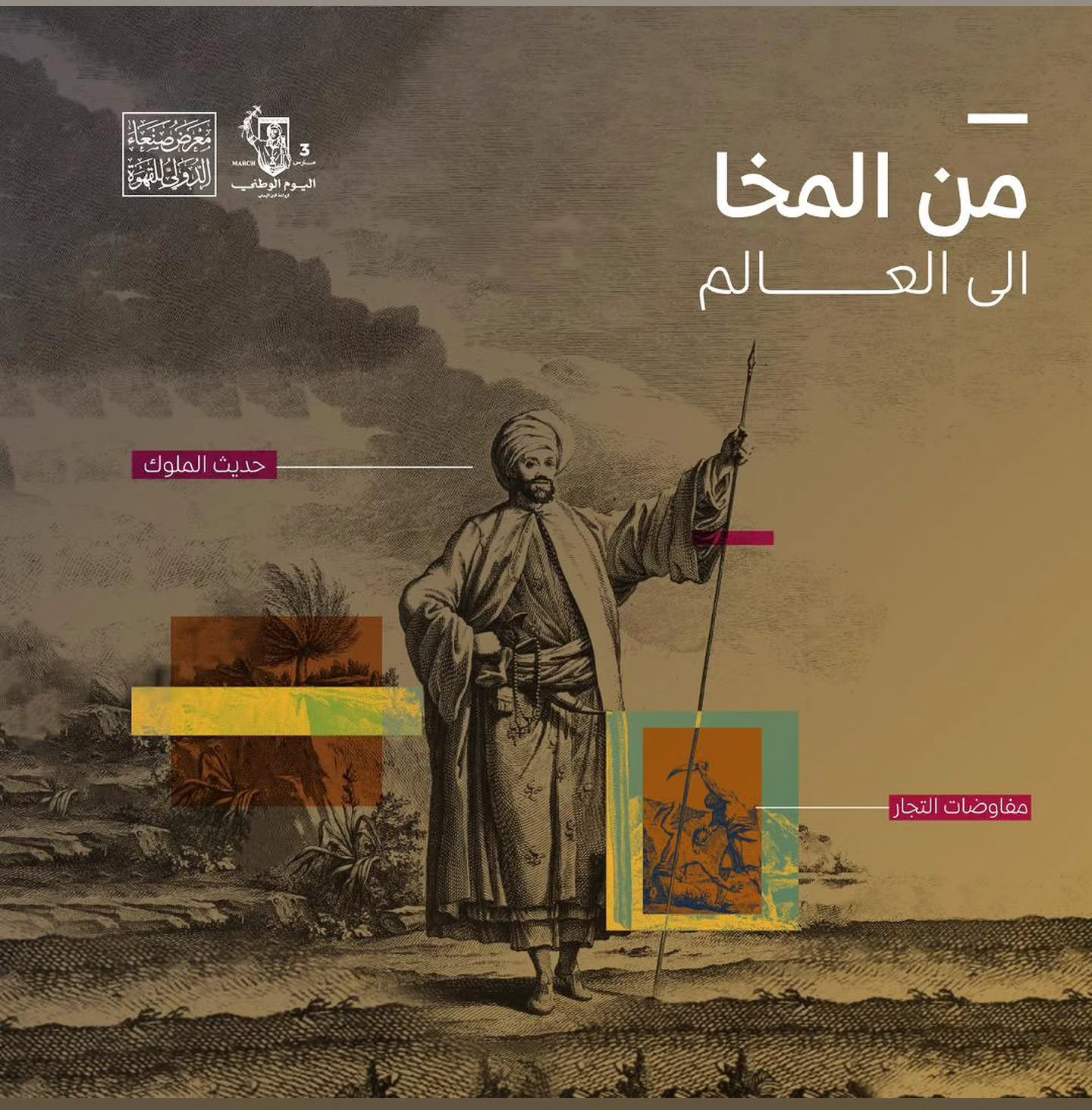
Sana’a International Coffee Exhibition 2025: A Celebration of Yemen’s Rich Heritage

The Yemeni capital, Sana’a, is hosting the Sana’a International Coffee Exhibition 2025 from February 16 to 20, held at Al-Sabeen Park – South Gate. The event brings together leading farmers, producers, exporters, coffee experts, and enthusiasts to celebrate this unique product, which has long been a symbol of Yemeni identity and a pillar of the local economy.

This exhibition presents a unique opportunity to highlight Yemeni coffee, from its cultivation in the highlands to its journey into cups worldwide. The event will feature a wide participation from companies specializing in coffee farming, production, and export, along with international experts sharing insights on the future of the industry.

Key Exhibition Events:

Specialized Workshops on coffee farming, processing techniques, and advanced brewing methods.
Live Brewing Demonstrations by industry experts showcasing the latest coffee brewing innovations.
“Coffee Business Clinic”, an advisory platform supporting farmers and entrepreneurs in developing their businesses.
Business Networking & International Partnerships aimed at boosting Yemeni coffee exports and opening new markets.

The event is expected to strengthen the global standing of Yemeni coffee, especially amid increasing demand for its exceptional quality and rich heritage. Projections indicate that the exhibition will provide a strategic platform for expanding trade partnerships between Yemeni coffee farmers and international buyers, further enhancing the competitiveness of Yemen’s coffee sector.

Protein Coffee: A Healthy and Energizing Start to Your Day

Protein coffee, commonly known as “proffee,” is gaining traction among health-conscious individuals seeking a convenient way to combine the benefits of caffeine and protein. Whether you’re looking for a morning energy boost, a pre-workout drink, or a satisfying option to keep you full longer, proffee offers a unique and beneficial alternative to traditional coffee. But is it truly worth adding to your routine?

What Is Protein Coffee?

Protein coffee is a combination of brewed coffee and protein powder or a pre-made protein shake. Many people enjoy it as a simple and nutritious way to kickstart their mornings.

According to certified sports nutritionist Beth Linder-Moss, just one scoop of protein powder can provide 25 to 30 grams of protein, making it an efficient way to meet daily protein needs. However, registered dietitian Valerie Agyeman emphasizes that while protein coffee can be beneficial, whole food sources like eggs, yogurt, and oats should also be part of a balanced diet.

Key Benefits of Protein Coffee

1. Boosts Energy and Workout Performance

Proffee serves as an excellent pre-workout drink. “It combines the stimulating effects of caffeine with muscle-supporting protein,” explains Linder-Moss. Even those who prefer decaf can still benefit from the added protein.

2. Enhances Coffee Flavor Naturally

Adding flavored protein powder to coffee can replace sugary creamers while providing additional nutrients. “Traditional creamers often have little to no nutritional value, but protein powder enhances flavor while supporting metabolism,” notes fitness expert Cara Carmichael.

3. May Help Reduce Anxiety

Black coffee can sometimes trigger anxiety or digestive discomfort. Linder-Moss explains that adding protein, along with milk or plant-based alternatives, can help balance caffeine’s effects, making it easier on the digestive system.

4. Supports Weight Management

A high-protein breakfast helps maintain stable blood sugar levels and reduces cravings throughout the day. “Proffee can boost metabolism and help manage hunger, making it a useful tool for weight control,” says Agyeman.

Are There Any Downsides?

While protein coffee offers several benefits, it’s not ideal for everyone. Depending on the type of protein powder used, it may alter the texture of your drink. Some formulations contain artificial sweeteners like stevia or erythritol, which can cause bloating or digestive issues in sensitive individuals.

Pregnant individuals should also monitor their caffeine intake. Health experts recommend limiting caffeine consumption to 200 mg per day during pregnancy, which equates to roughly two small cups of coffee.

How to Make Protein Coffee at Home

For a smooth and creamy consistency, experts suggest using a frother, blender, or shaker bottle. Here are some simple methods:

  • Frothing: Add protein powder and milk to a frother and blend until smooth.
  • Blending: Use a Nutribullet or traditional blender to mix coffee with protein powder for a frothy texture.
  • Shaking: A blender bottle with a mixing ball helps break up clumps when mixing protein powder with coffee.

Protein coffee can be enjoyed hot or iced, though protein powder tends to blend more easily in cold coffee.

Pre-Made Protein Coffee Options

For those who prefer a ready-to-drink option, several brands offer pre-made protein coffee. However, dietitians advise checking ingredient labels for added sugars and artificial additives. Popular choices include:

  • Premier Protein Café Latte Shake
  • Evolve Protein Shake
  • Owyn Cold Brew Protein Shake

For a cleaner option without artificial sweeteners, Super Coffee is a recommended choice that provides protein without added sugars.

Final Thoughts

Protein coffee is a practical and nutritious way to combine protein and caffeine, particularly for those who tend to skip breakfast. While it offers several benefits, including enhanced energy, appetite control, and flavor variety, it should be used as a supplement rather than a complete meal replacement. Experimenting with different flavors and preparation methods can help you find the perfect balance that suits your taste and nutritional needs.


How Much Coffee Is Too Much? A Doctor Weighs In

Coffee is a daily ritual for millions worldwide, but how much is too much? A recent CNN interview with Dr. Leana Wen, an emergency physician and adjunct associate professor at George Washington University, sheds light on the health benefits and potential risks of coffee consumption.

Coffee and Health: The Evidence

Decades of research have shown that moderate coffee consumption is linked to reduced risks of several major health conditions, including heart disease, diabetes, certain cancers, and even dementia. A UK study published in September 2024 found that drinking coffee or tea lowered the risk of developing multiple cardiometabolic diseases, while another study in January suggested that morning coffee specifically reduced cardiovascular disease and premature death.

While the exact physiological mechanisms remain unclear, experts suggest that coffee contains antioxidants and anti-inflammatory compounds that may contribute to its health benefits. Certain compounds in coffee also assist in blood sugar control and cholesterol processing, potentially offering protective effects against metabolic disorders.

How Much Coffee Is Beneficial?

According to Dr. Wen, most studies indicate that consuming between two and four cups of coffee per day is associated with positive health outcomes. The UK study found that drinking three cups daily reduced the risk of cardiometabolic diseases by over 48% compared to those who consumed less than one cup.

Additionally, a 2022 study reported that those who drank two to three cups daily had the lowest risk of premature death, with ground coffee showing the most significant benefits (reducing early mortality by 27%), followed by instant coffee (11%).

When Does Coffee Consumption Become Excessive?

While coffee offers several health benefits, overconsumption can lead to negative side effects such as heart palpitations, anxiety, restlessness, and insomnia. The U.S. Food and Drug Administration (FDA) states that 400 milligrams of caffeine per day—equivalent to four 8-ounce cups of brewed coffee—is safe for most adults. However, individual tolerance varies, and those experiencing sleep disturbances or heightened anxiety should monitor their intake.

Caffeine in Different Beverages

Not all caffeinated drinks are created equal. According to Dr. Wen:

  • Espresso: One shot (1 ounce) contains 60–70 mg of caffeine.
  • Black tea: Typically contains 40–50 mg per cup, but can reach 90 mg.
  • Green and white teas: Generally have lower caffeine levels.
  • Sodas: Caffeine content varies widely, ranging from 3 mg to 70 mg per 12-ounce serving.
  • Energy drinks: Some can contain up to 300 mg per serving, making them a significant source of caffeine that may pose health risks.

Who Should Be Cautious About Coffee?

Certain groups should limit or avoid caffeine consumption, including:

  • Children under 12: The American Academy of Pediatrics advises against caffeine for young children, and teenagers (12–18) should not exceed 100 mg per day.
  • Pregnant women: The American College of Obstetricians and Gynecologists recommends consuming less than 200 mg daily to avoid risks like miscarriage or preterm birth.
  • Breastfeeding women: Less than 300 mg per day is considered safe for the infant.
  • Individuals with heart conditions: Those with arrhythmias or other cardiovascular issues should consult their doctor before consuming caffeine.
  • People on certain medications: Some antidepressants and thyroid medications can increase caffeine sensitivity.

Is Tea a Good Alternative?

For non-coffee drinkers, tea may offer similar benefits. Some studies suggest that tea consumption is associated with lower mortality rates and reduced disease risks. However, energy drinks and sodas do not provide these benefits, as their high sugar and chemical content may negate any positive effects of caffeine.

The Bottom Line

While coffee can be a healthy addition to an adult’s diet, moderation is key. Two to four cups per day appear to offer the most benefits, while exceeding 400 mg of caffeine may lead to adverse effects. Special populations, including pregnant women, children, and individuals with heart conditions, should be particularly cautious.

Ultimately, coffee consumption is a personal choice that should be tailored to individual health conditions and lifestyle. Consulting a healthcare provider can help determine the best approach for each person’s needs.

illycaffè Named Official Coffee Partner of the 63rd Salone del Mobile.Milano

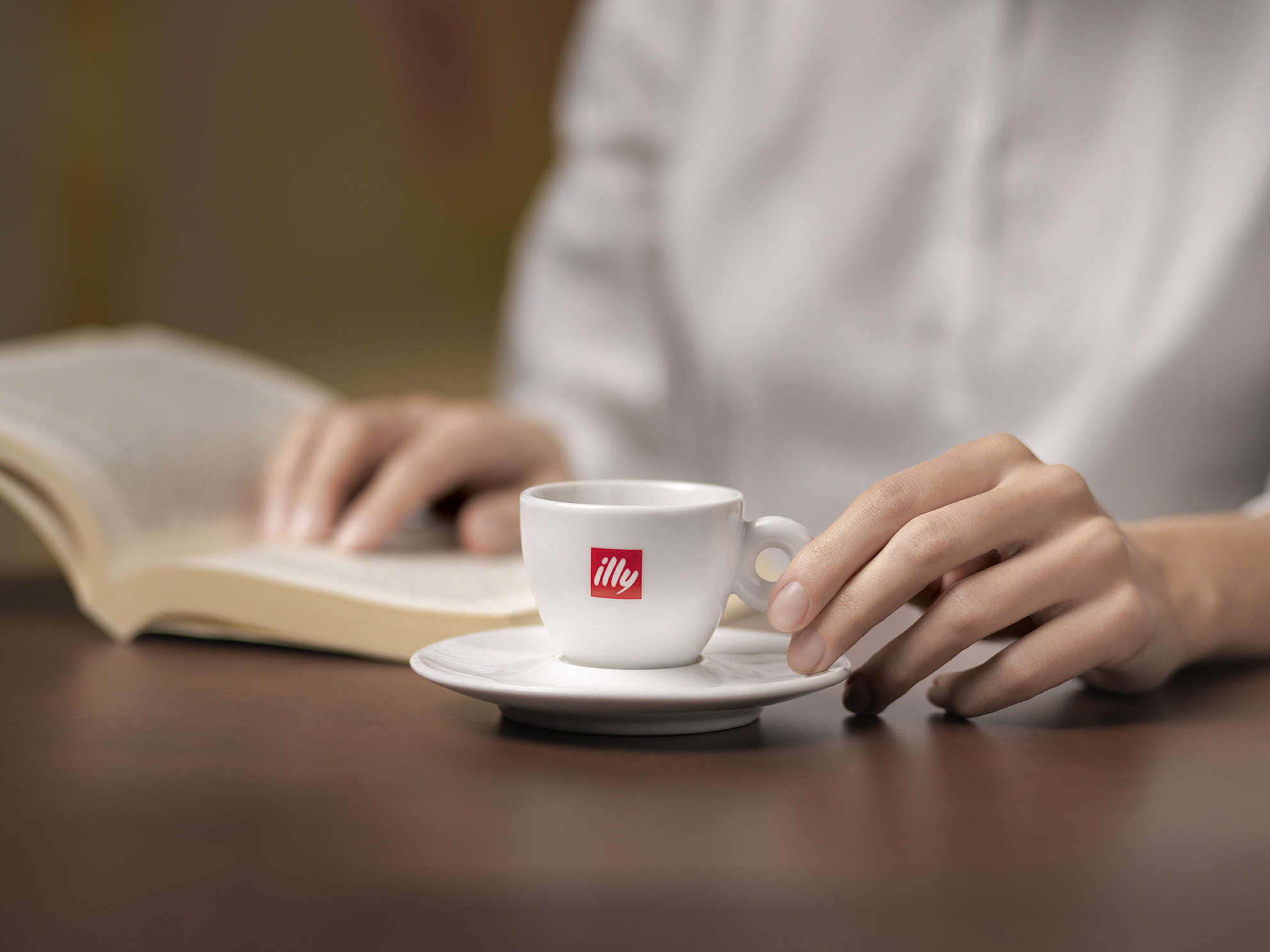
illycaffè, a global leader in high-quality sustainable coffee, has reaffirmed its partnership as the official coffee of the 63rd edition of Salone del Mobile.Milano, set to take place from April 8 to 13, 2025. The internationally acclaimed design event will feature illycaffè not only at the fair but also at exclusive side events across Milan, offering visitors an opportunity to savor the brand’s signature 100% Arabica blend in dedicated spaces.

“We are excited to renew our partnership with the Salone del Mobile.Milano for its 63rd edition—an event that, like illycaffè, embodies values of quality, innovation, and sustainability,” said Cristina Scocchia, CEO of illycaffè. “Being part of this global platform allows us to merge our dedication to excellence with the world of furniture and design, celebrating taste as a form of creativity and beauty.”

As the premier international event for the design industry, Salone del Mobile.Milano will once again transform the Fiera Milano Rho district into a dynamic hub, exploring the deep connections between humanity, design, light, and materials. illycaffè will enhance the visitor experience at key locations, including the Red Lounge, the International Business Lounge, and the Caffè della Stampa, where industry professionals, including designers, architects, and journalists, can enjoy expertly crafted coffee.

About illycaffè

Founded in Trieste in 1933, illycaffè is an Italian family-owned company dedicated to delivering the highest-quality coffee. The brand produces a unique 100% Arabica blend composed of nine carefully selected ingredients, sourcing only the top 1% of Arabica beans globally. Every day, over 8 million cups of illy coffee are enjoyed in more than 140 countries across cafes, restaurants, hotels, retail outlets, homes, and offices.

illycaffè has long championed a sustainable business model, solidifying its commitment by becoming a Benefit Company in 2019 and achieving B Corp certification in 2021—the first Italian coffee company to do so. The brand integrates art and beauty into its identity, from its iconic logo designed by James Rosenquist to its illy Art Collection cups, adorned by over 130 international artists. The company also fosters a culture of coffee excellence through its Università del Caffè, which operates in 23 countries worldwide.

In 2023, illycaffè reported a turnover of €595.1 million. Its single-brand network includes 159 points of sale across 30 countries, reinforcing its global presence as a benchmark for premium coffee culture.

RAW Coffee Company Unveils Exclusive Discovery Tins for Coffee Enthusiasts

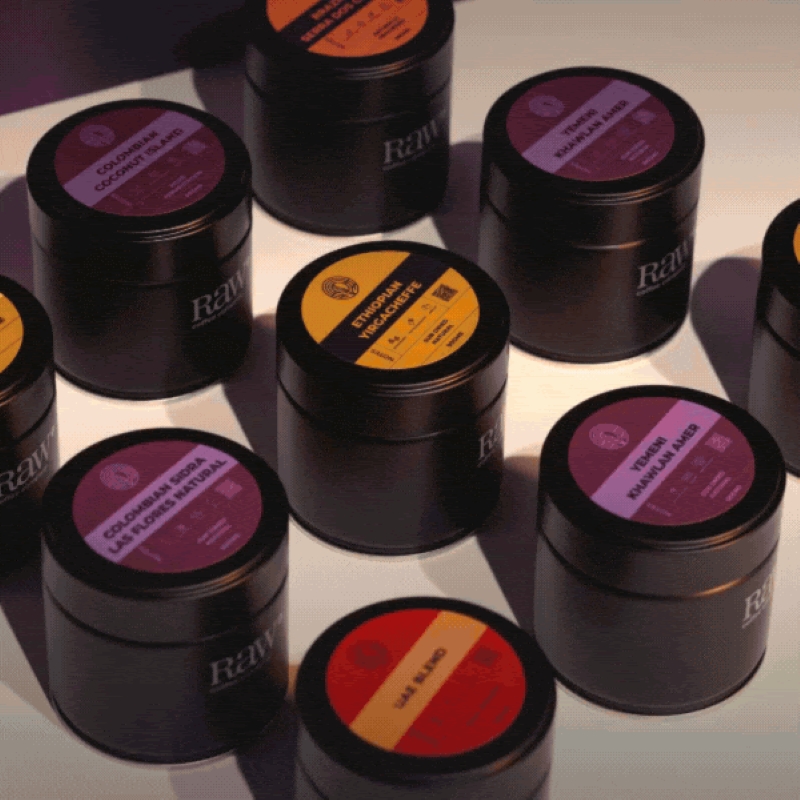
Dubai’s specialty coffee pioneer, RAW Coffee Company, has launched a new experience for coffee lovers—Coffee Discovery Tins—offering a curated selection of exceptional beans from around the world. Designed to elevate the coffee journey, these beautifully crafted tins present a sensory adventure through three distinct collections, each celebrating the art and diversity of coffee.

The Ethiopia collection takes coffee drinkers back to the birthplace of coffee with exquisite selections like Ethiopian Washed Limu, Ethiopian Natural Yirgacheffe, and Ethiopian Sidamo Bensa Segera, known for their floral and fruity profiles. Meanwhile, the Flavours of the World collection explores global coffee excellence with a rich mix of Brazilian Serra Dos Ciganos, Ethiopian Limu, and the UAE Blend, bringing together unique terroirs in a single set. For those with a taste for the rare and experimental, the Rare & Experimental collection features groundbreaking coffees such as Colombian Coconut Island, Yemeni Kawlan Amer, and Colombian Sidra Las Flores, showcasing innovation and exclusivity in coffee processing.

RAW’s Discovery Tins provide a deeper appreciation of coffee craftsmanship, allowing enthusiasts to explore different origins, processing methods, and flavor profiles—all in one set.

Now available at RAW Coffee Company. Start discovering your perfect brew today!

Louvre Abu Dhabi to Host an Unmissable Coffee Festival Featuring Medina Coffee

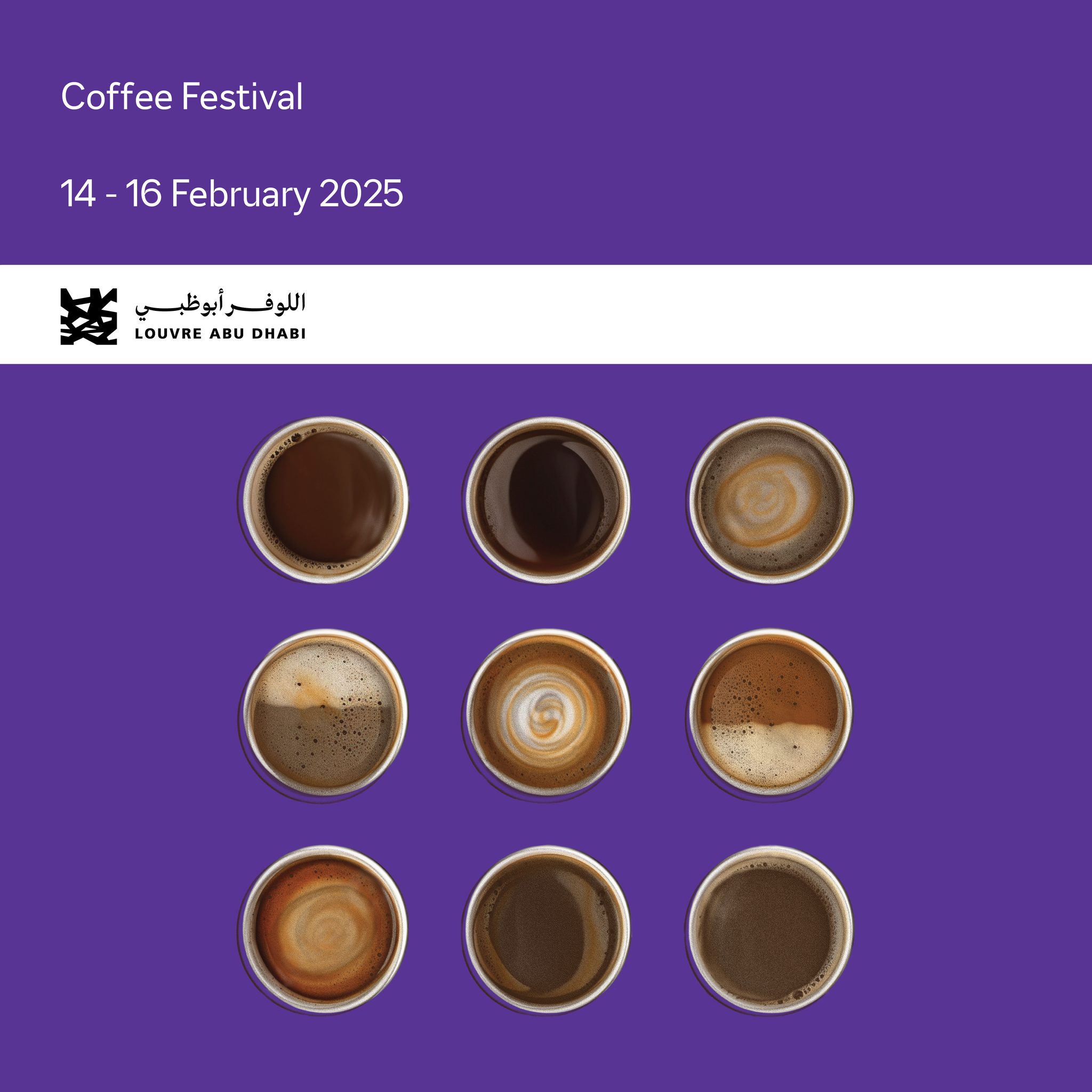
The world of coffee and culture will converge at the Louvre Abu Dhabi Coffee Festival from February 14–16, 2025, offering an extraordinary experience for coffee aficionados and cultural enthusiasts alike.

Among the standout participants is Medina Coffee, renowned for its commitment to tradition and excellence. At the Coffee Majlis, visitors will have the chance to enjoy finely crafted traditional Arabic coffee, alongside an exclusive introduction to Qishr—a unique Yemeni coffee infusion making its festival debut.

A Celebration of Heritage and Innovation

This three-day event promises a rich, multisensory journey through the world of coffee, where attendees can:

  • Savor Exclusive Blends – Indulge in expertly roasted coffee selections that highlight the depth of flavors and craftsmanship behind Medina Coffee.
  • Immerse in Arabian Coffee Culture – Explore the tradition, rituals, and heritage that have shaped coffee’s journey through time.
  • Experience the Fusion of Art & Flavor – Engage with a unique blend of coffee, culture, and artistry, set against the architectural marvel of Louvre Abu Dhabi.
  • Discover the Debut of Qishr – For the first time at the festival, taste this distinctive Yemeni coffee infusion, crafted from coffee husks and infused with delicate spices.

A Unique Coffee Experience in a World-Class Setting

Held in one of the region’s most prestigious cultural landmarks, the Louvre Abu Dhabi Coffee Festival is more than just a gathering for coffee lovers—it is an immersive encounter where history, tradition, and innovation meet in every cup.

With live pop-up performances, expert-led discussions, and interactive workshops, visitors can expect a festival that celebrates coffee not just as a beverage but as an art form, a cultural heritage, and a symbol of community.

Mark Your Calendars & Join Us!

Don’t miss this exceptional opportunity to experience the best of coffee and culture at Louvre Abu Dhabi.

📅 Dates: February 14–16, 2025
📍 Location: Louvre Abu Dhabi

☕ Visit the Coffee Majlis—where tradition and innovation blend in every cup.

The Youngest Coffee Enthusiast: Two-Month-Old Mila Visits World of Coffee Dubai 2025!

As the curtains closed on the grand spectacle of World of Coffee Dubai 2025, an unexpected and heartwarming story emerged from the bustling corridors of the event. Amidst the aroma of freshly brewed specialty coffee and the hum of industry conversations, a tender and unprecedented moment unfolded—two-month-old baby Mila, securely nestled in her father’s arms, became the youngest recorded visitor in the history of the event.

Clad in an elegant cream-colored knit outfit and a delicate white headband, Mila gazed curiously at the dazzling lights and lively atmosphere of the international coffee stage. Her father, Jeremy, a devoted coffee enthusiast and industry professional, beamed with joy as he introduced his newborn to the world he holds dear. With his World of Coffee Dubai 2025 lanyard draped around his neck, Jeremy carried Mila through the exhibition halls, turning heads and warming hearts along the way.

The final day of the event, already marked by incredible achievements, groundbreaking innovations, and global collaborations, found an unexpected symbol in Mila—a beautiful reminder of coffee’s ability to connect generations. As baristas showcased their exceptional craft, roasters discussed the latest trends, and coffee lovers shared stories over steaming cups, baby Mila’s presence became a poignant moment, embodying the very essence of community and legacy that the coffee industry thrives upon.

Attendees and exhibitors alike couldn’t help but smile at the sight of the young coffee explorer, with some remarking that she might just be the future of specialty coffee. From the grand espresso machines gleaming under the event’s lighting to the vibrant green initiatives championed by sustainability pioneers, every corner of World of Coffee Dubai 2025 became part of Mila’s earliest experiences—perhaps foreshadowing a lifelong journey intertwined with the world’s most beloved beverage.

For Jeremy, this moment was more than just an adorable milestone—it was a statement. “Coffee is more than just a drink; it’s a culture, a legacy, and for many of us, a way of life,” he shared. “To be able to share this world with my daughter, even at such a young age, means everything to me.”

As the event concluded with resounding success, baby Mila’s visit will be remembered as a touching highlight of World of Coffee Dubai 2025—a symbol of continuity, passion, and the enduring power of coffee to bring people together, from one generation to the next. The world of coffee is constantly evolving, but on this day, the industry welcomed its youngest and perhaps most promising new member.

And who knows? Maybe one day, we’ll see Mila on stage, competing at the highest levels, holding a cup in the same hands that once reached out to the world of coffee for the very first time.