Experience the Essence of Mexico: Two Exclusive Coffee Events in Dubai

Dubai is set to witness an extraordinary showcase of Mexican coffee culture with two immersive events celebrating the country’s rich coffee heritage, traditional flavors, and vibrant atmosphere. Organized by Mexico to the World, these exclusive experiences will introduce UAE coffee lovers to the unique essence of Mexican beans, mariachi music, and more.

A Taste of Mexico at World of Coffee Dubai 2025

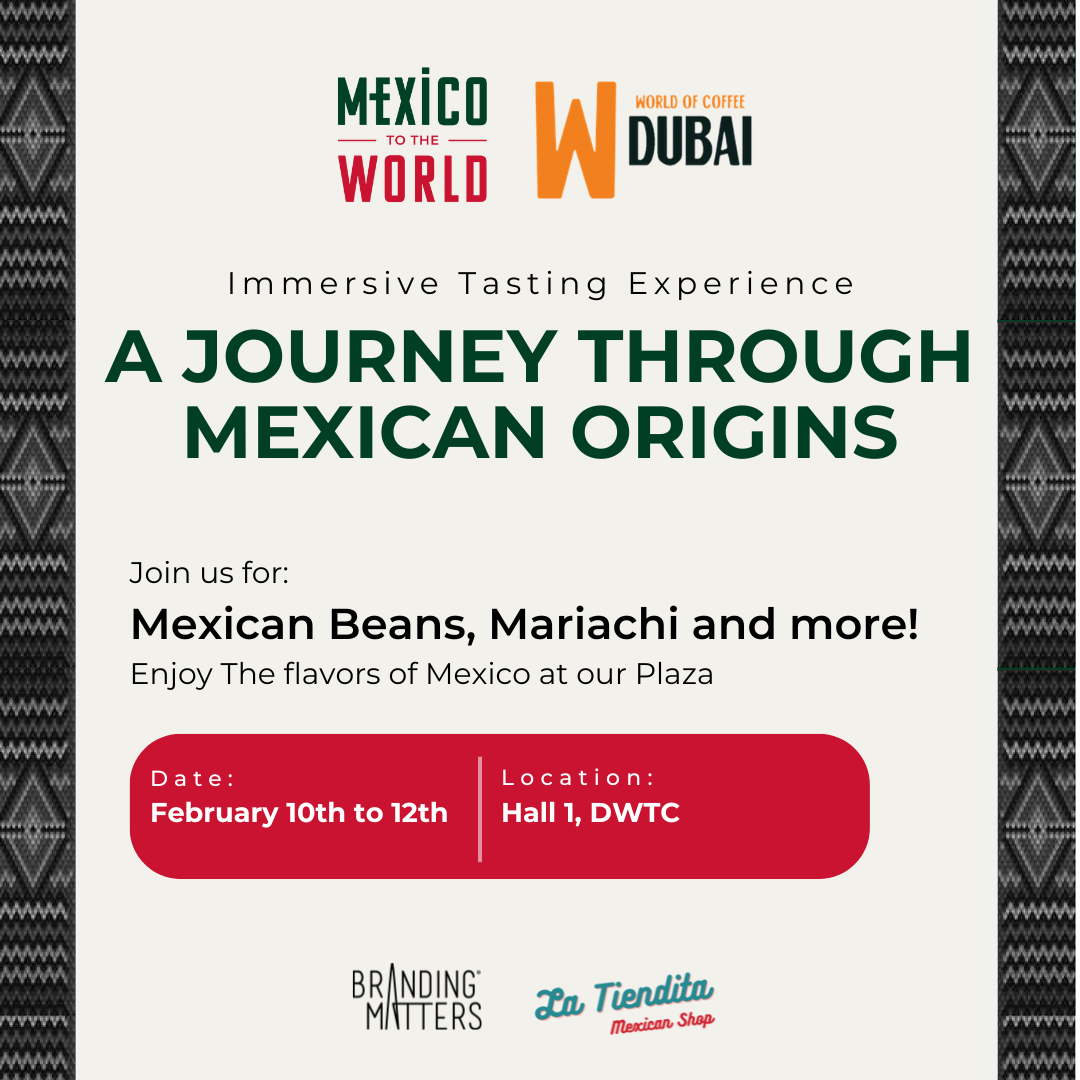
For the first time ever, Mexico’s coffee heritage will be presented in a traditional Plaza setting at World of Coffee Dubai 2025, one of the world’s most prestigious coffee events. Visitors will have the opportunity to experience the flavors of Mexico through an immersive tasting journey, featuring specialty Mexican coffee, authentic cuisine, and the sounds of mariachi music.

📅 Date: February 10th – 12th
📍 Location: Hall 1, Dubai World Trade Centre (DWTC)

Mexican Night at Roasteria – A Celebration of Coffee and Culture

In addition to the World of Coffee showcase, an exclusive Mexican Night will take place at Roasteria, bringing together coffee lovers for an unforgettable evening of Mexican flavors, music, and cultural celebration. This lively event will offer attendees the chance to experience premium Mexican beans, traditional food, and a festive mariachi performance.

📅 Date: February 10th @ 7:00 PM
📍 Location: Roasteria – F1 and F2, Warehouse Number – Street 13, Al Quoz, Al Quoz Industrial Area 1, Dubai

Join the Experience & Meet the Organizers

Attendees can register for the Mexican Night event through the official website:
🔗 Register Here

Additionally, the event organizers are open to interviews to share insights into their mission, the inspiration behind these unique showcases, and the impact they aim to create in the UAE’s growing specialty coffee scene.

For those interested in an exclusive interview opportunity, please reach out to arrange a time.

Don’t miss this chance to explore Mexico’s deep-rooted coffee traditions and vibrant culture in the heart of Dubai!

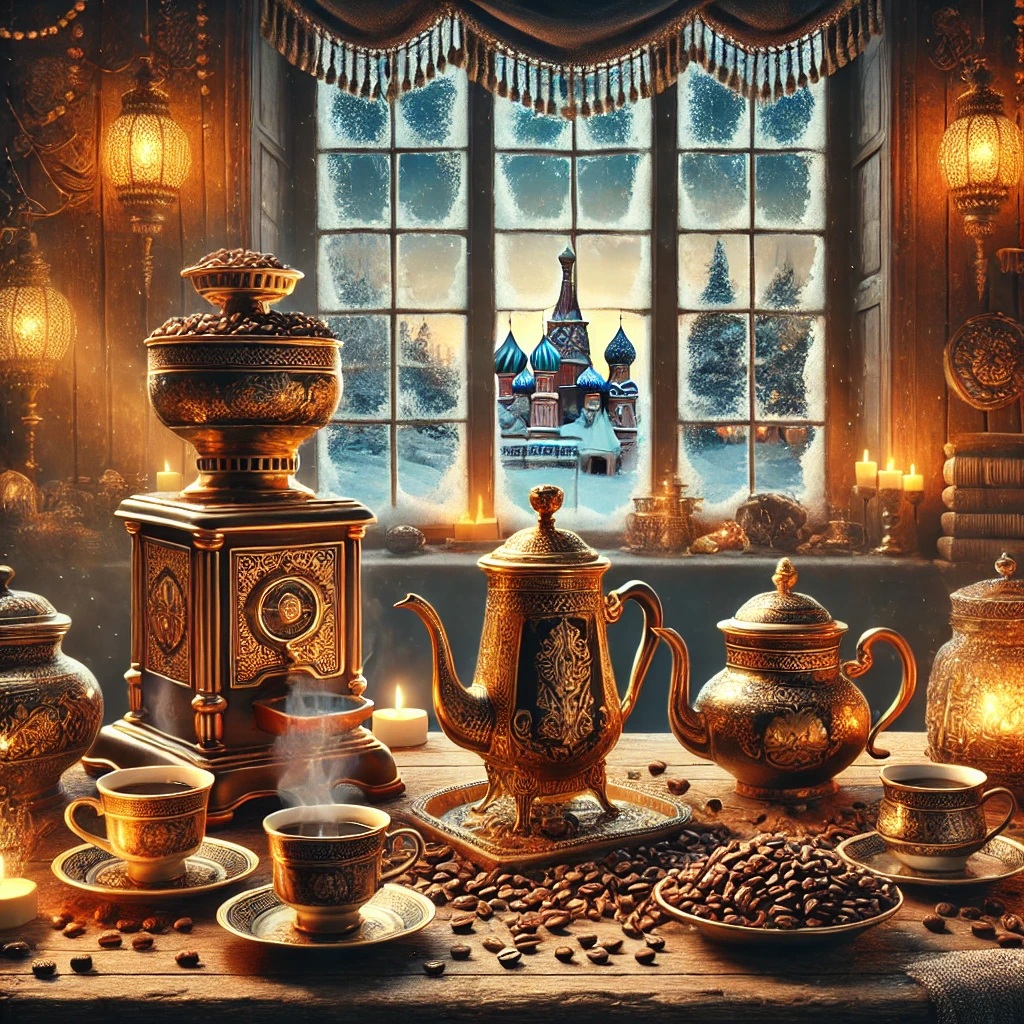
15 Best Coffees of 2025 in Russia

Coffee is more than just a way to wake up in the morning—it’s a ritual that brings pleasure to the day. Choosing the perfect cup requires considering not just the type and roast but also the subtle nuances of flavor and aroma.

The Russian publication vc.ru, known for its “Best Ratings” section that features rankings and recommendations in various categories, has compiled its list of the best coffees of 2025 in Russia. This ranking reflects the editorial team’s opinion and provides useful tips for choosing the ideal coffee.

How to Choose a Good Coffee?

Coffee has a long history and plays a significant role in cultures worldwide. Today, with so many varieties and brewing methods available, everyone can find their perfect coffee.

Why Does Coffee Taste Better in Cafés Than at Home?

It’s all in the details—from selecting the right beans to the brewing technique. To enjoy café-quality coffee at home, keep in mind a few key factors:

  • Bean Type and Origin:
    • Arabica – Smooth, complex flavor with fruity and chocolatey notes.
    • Robusta – Strong, bold taste with a characteristic bitterness.
    • Geography also matters: Ethiopian coffee has berry and floral notes, while Brazilian coffee is known for its nutty and chocolatey flavors.
  • Roast Level:
    • Light Roast – Preserves bright acidity and original flavor notes (citrus, floral).
    • Medium Roast – A balance of sweetness and richness, making it a versatile choice.
    • Dark Roast – Intense, full-bodied taste with chocolate and nutty undertones.
  • Grind Size and Brewing Method:
    • Fine grind for Turkish coffee, coarse grind for French press, and medium grind for espresso machines.
    • The wrong grind size can ruin the flavor—too fine makes coffee overly bitter, while too coarse results in a weak taste.
  • Storage:
    • Store coffee beans in an airtight container, away from moisture, heat, and light.
    • Grind beans right before brewing to preserve their aroma.

Best Coffees of 2025 in Russia: Editorial Ranking

This list was compiled by vc.ru’s editorial team and reflects their subjective opinion.

Best Whole Bean Coffee

  1. Lavazza Qualità Oro – 100% Arabica from Central and South America, medium roast, fruity and honey notes.
  2. Paulig Classic – A blend of Arabica and Robusta, rich flavor with a long-lasting aftertaste.
  3. Julius Meinl Espresso Premium Collection – 80% Arabica, 20% Robusta, chocolatey-nutty finish.

Best Ground Coffee

  1. Illy Classico – A blend of nine Arabica varieties, smooth taste with floral and caramel notes.
  2. Kimbo Espresso Napoletano – 70% Arabica, 30% Robusta, vibrant chocolatey notes.
  3. Tchibo Exclusive – Smooth taste with chocolate and fruity undertones.

Best Instant Coffee

  1. Bushido Red Katana – Rich flavor with a pronounced bitterness.
  2. Egoiste Noir – A blend of Arabica and Robusta, dense taste with a lasting aroma.
  3. Jacobs Monarch – Mild flavor with moderate strength, a universal choice for home and office.

Best Coffee Capsules

  1. Nespresso Ristretto – Intense flavor with chocolate and fruity notes.
  2. Dolce Gusto Espresso Intenso – Bright, bold taste, quick and easy to prepare.
  3. Tassimo Morning Café – Light and aromatic, ideal for a morning ritual.

Best Flavored Coffee

  1. Monarch Hazelnut – Smooth hazelnut aroma, perfect for pairing with desserts.
  2. Bushido Black Katana – Woody and nutty notes, deep and memorable taste.
  3. Cafe Esmeralda “Bavarian Chocolate” – Rich chocolate notes, ideal for dessert coffee lovers.

Conclusion

Coffee is more than just a beverage—it’s a companion throughout the day that reflects personal taste and creates a sense of comfort.

This ranking by vc.ru includes a variety of options, from strong espresso to smooth flavored coffee. The editorial team’s favorites are:

☕ Lavazza Qualità Oro – A universal choice with a rich taste.
☕ Illy Classico – A refined balance of smoothness and elegance.
☕ Nespresso Ristretto – A bold and intense flavor for a perfect morning start.

This ranking is not an absolute truth but rather a recommendation based on the opinion of vc.ru’s editorial team. Choose coffee based on your preferences and don’t be afraid to experiment—every cup can be a new discovery!

World of Coffee Dubai 2025 Launches Official Mobile App to Enhance Visitor Experience

The highly anticipated World of Coffee Dubai 2025 has unveiled its official mobile app, designed to optimize the event experience for exhibitors, attendees, and coffee professionals. The app is now available for download on the iOS App Store and Google Play Market, offering seamless navigation, real-time updates, and interactive networking opportunities.

A Smart Guide for a Premium Event Experience

The official World of Coffee Dubai 2025 app serves as a comprehensive digital guide, helping participants stay organized and maximize their engagement. Whether you are an exhibitor, buyer, or coffee enthusiast, the app provides an easy way to plan your schedule, connect with industry leaders, and explore the latest innovations in the coffee sector.

Features and Benefits of the App

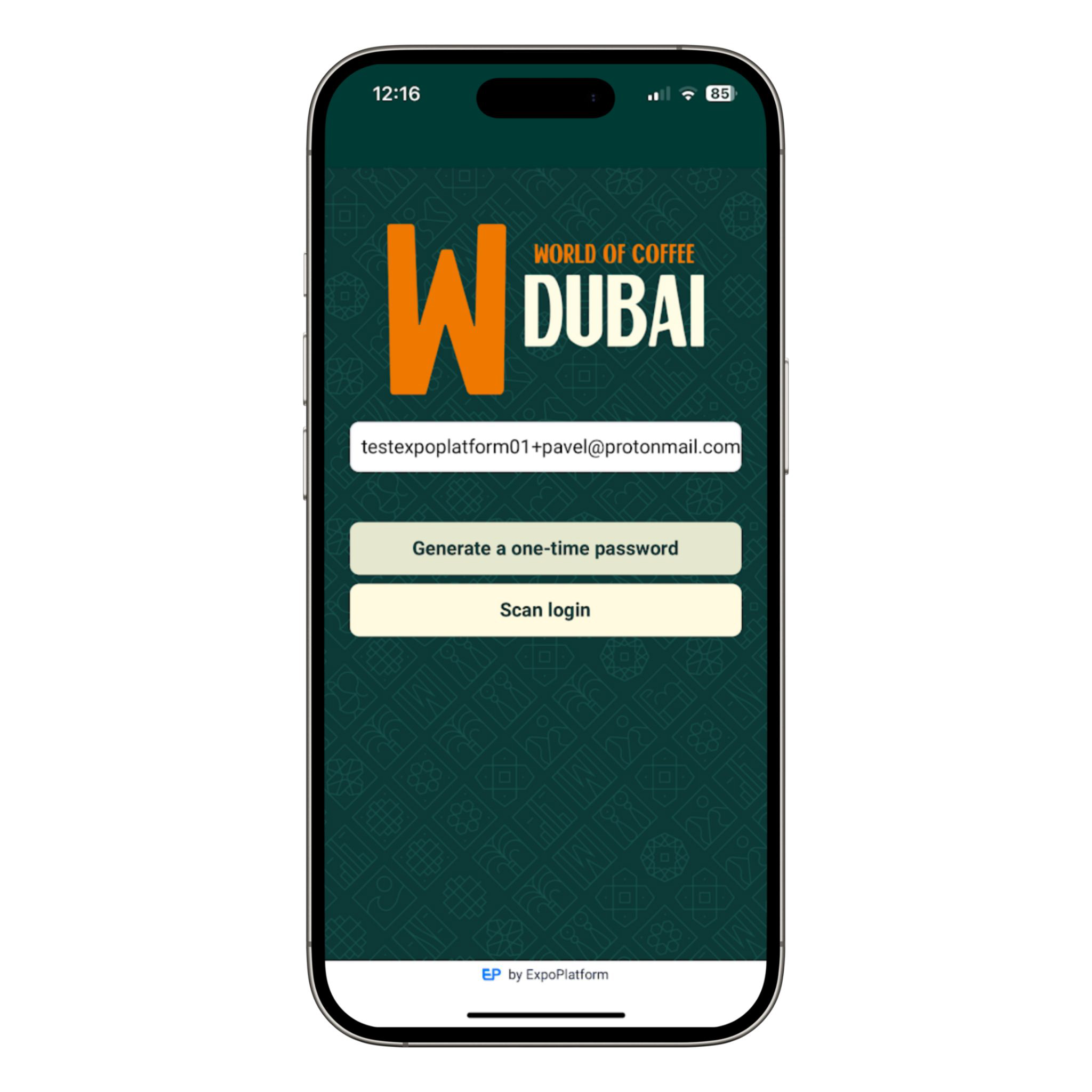
1. Easy Log-in and User Access

  • Registered exhibitors and attendees can log in using their registered email addresses.
  • Company administrators can access their accounts using the username provided in the welcome email.
  • Users receive a one-time password (OTP) via email for secure authentication.
  • A mobile phone number can be added for receiving OTPs via WhatsApp or SMS.

2. Matchmaking & Networking

  • The app’s Matchmaking tab connects attendees based on selected industry interests.
  • Users can send messages, schedule meetings, and mark profiles as relevant or irrelevant.
  • The swipe function allows for quick engagement with potential business partners.
  • Meetings can be requested by specifying the topic, duration, and location.
  • Confirmed meetings appear in the Agenda tab, where users can manage, reschedule, or cancel them.

3. Smart Scheduling & Agenda Management

  • Users can access their full schedule under the Schedule tab.
  • Meetings can be categorized into All (requests), Diary (confirmed), and Optional (pending status).
  • Meeting initiators and recipients can confirm, reschedule, or cancel meetings as needed.
  • The agenda can be synced with calendars or downloaded as a PDF file for better planning.

4. Lead Scanning & Contact Management

  • The Lead Scanner tab allows exhibitors and attendees to scan badges for quick contact exchange.
  • Attendees can send messages or meeting requests directly to scanned contacts.
  • Exhibitors can generate and download a consolidated lead report for their team’s reference.
  • Individual users can export their scanned contacts from the web version.

Why Download the App?

With thousands of attendees expected at World of Coffee Dubai 2025, the mobile app ensures smooth navigation through the event’s bustling exhibition halls, speaker sessions, and networking zones. From real-time event updates to seamless communication, this digital companion is a must-have for anyone looking to make the most out of their World of Coffee experience.

How to Download the App?

The World of Coffee Dubai 2025 app is now available for download on:

Stay connected, stay organized, and experience World of Coffee Dubai 2025 like never before with the power of this mobile app!

For any questions or feedback, attendees can reach out through the official World of Coffee Dubai website.

Kicking Horse Coffee Promotes ‘Canadiano’ as Alternative to Americano

Kicking Horse Coffee, a British Columbia-based coffee company, is encouraging cafés across Canada to replace the term “Americano” with “Canadiano,” a move framed as a symbol of national pride amid ongoing trade tensions with the United States.

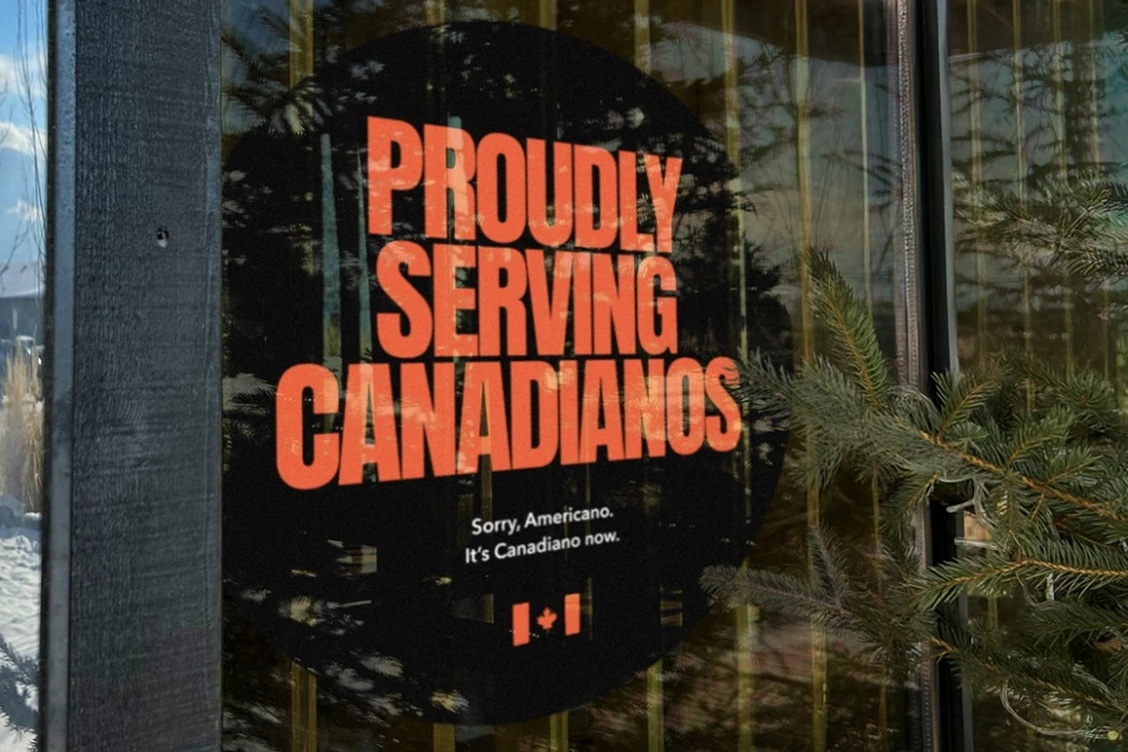
The company has used “Canadiano” on its café menu in Invermere since 2008 and is now inviting coffee shops nationwide to adopt the term. Participating cafés can download a window display logo reading, “Proudly Serving Canadianos: Sorry Americano, it’s Canadiano now,” featuring a red-on-black maple leaf emblem.

“We need to stick together and wear our Canadian pride on our (coffee) sleeves,” said Lori Hatcher-Hillier, Chief Marketing Officer of Kicking Horse Coffee, in a press release.

A Symbol of Canadian Identity

An Americano, traditionally made by adding hot water to an espresso shot, is a popular coffee choice for its balanced strength and flavor. Kicking Horse Coffee believes renaming it the “Canadiano” is a small yet meaningful gesture in embracing Canadian identity.

Several cafés, including Toronto’s Café Belem and Le Petit Pain, have already made the switch. “It’s a simple change, but it puts a little extra Canadian pride in every cup,” said Ryan Silverstein, owner of Le Petit Pain.

This initiative aligns with other recent efforts by Canadian businesses to emphasize local identity. For instance, Montreal’s Fairmount Bagels introduced a “Canada Strong” bagel, and some grocery chains have opted for Mexican alternatives over U.S. products in response to trade concerns.

Kicking Horse Coffee: A Canadian Brand with Global Ties

Founded in 1996 by Elana Rosenfeld and Leo Johnson, Kicking Horse Coffee started as a small roastery in Invermere and has grown into one of Canada’s leading coffee brands, known for sourcing organic and fair-trade beans.

While the company maintains its roasting operations in the Canadian Rockies, its ownership has shifted over the years. In 2012, Rosenfeld entered a partnership with U.S.-based Swander Pace Capital, and in 2017, Italian coffee giant Lavazza acquired an 80% stake for $215 million. Rosenfeld remained as CEO until 2023, when leadership transitioned to Cédric Malaga, a former Lavazza executive.

Cafés interested in participating in the “Canadiano” movement are encouraged to share their support by tagging Kicking Horse Coffee on social media with the hashtag #ItsCanadianoNow.

Global Coffee Market Sees Mixed Trends as Robusta Exports Decline Sharply

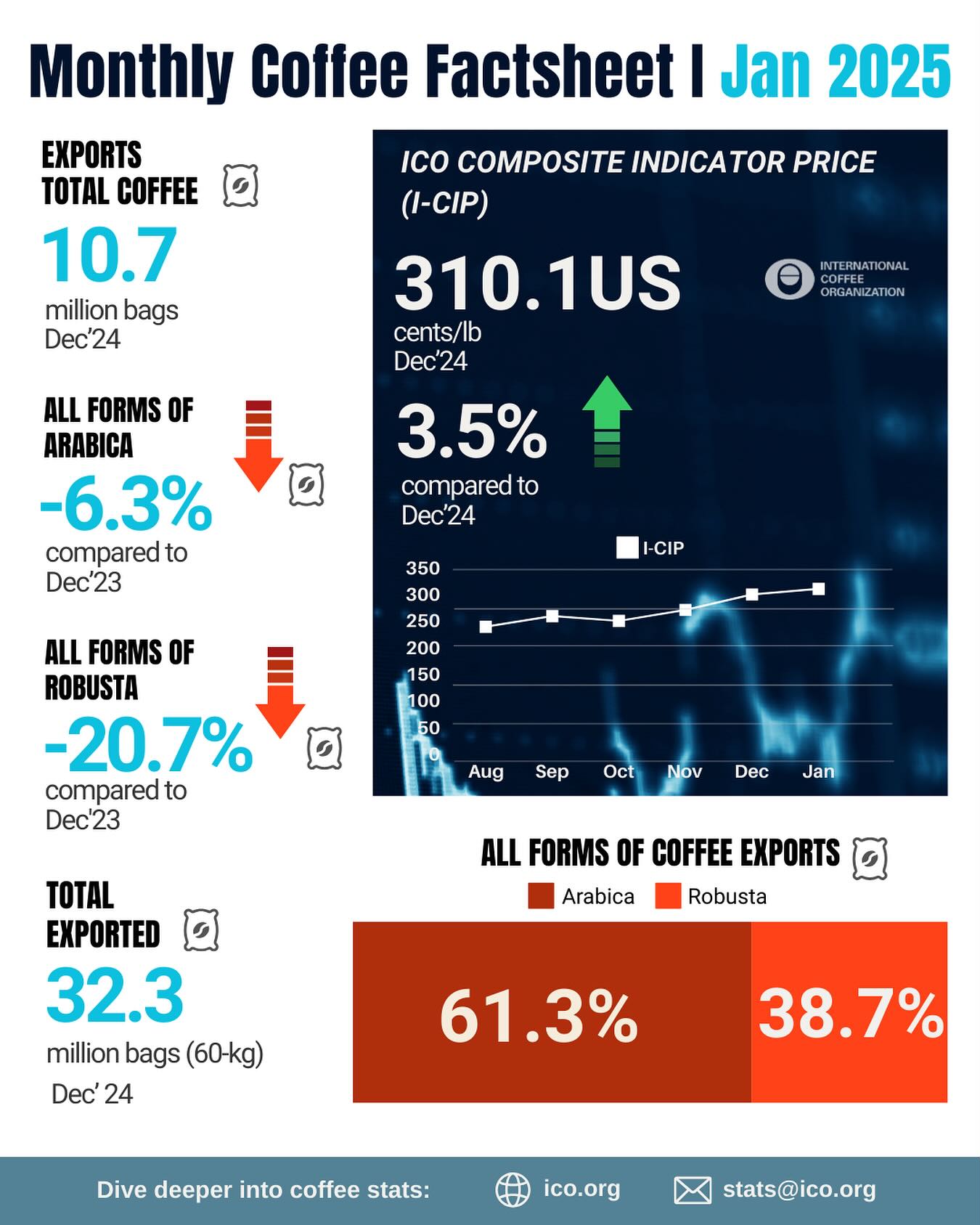
The latest January 2025 Monthly Coffee Factsheet, released by the International Coffee Organization (ICO), presents a mixed picture for the global coffee industry. While the ICO Composite Indicator Price (I-CIP) has risen by 3.5% in December 2024 compared to the previous month, reaching 310.1 US cents per pound, the industry is witnessing a significant shift in exports, particularly in the Robusta segment.

According to the ICO report, exports of all forms of Robusta coffee have dropped by 20.7% compared to December 2023, marking one of the steepest declines in recent years. This drop is attributed to poor weather conditions in Vietnam and Indonesia, the world’s top Robusta producers, as well as logistical challenges and stricter EU deforestation laws that are reshaping the export landscape. The Robusta segment, widely used in instant coffee and espresso blends, is now facing increasing cost pressures and supply chain disruptions, which could drive up global prices for Robusta-heavy products.

Arabica coffee, which dominates the specialty coffee market, saw a more moderate decline of 6.3% compared to December 2023. Despite this drop, Brazil and Colombia—two of the largest Arabica-producing nations—have maintained relatively stable output, helping to cushion the market from sharper downturns. Experts suggest that fluctuations in the Brazilian real and Colombian peso against the US dollar have played a role in price adjustments, while climate unpredictability remains a looming concern.

Despite the challenges, total global coffee exports for December 2024 reached 32.3 million 60-kg bags, with Arabica accounting for 61.3% of all coffee exports, while Robusta made up 38.7%. This distribution underscores the continued global preference for Arabica, despite higher costs, as consumer trends lean towards premium quality and sustainability certifications.

The increase in the ICO Composite Indicator Price suggests a tightening market, with supply constraints, increased freight costs, and currency fluctuations contributing to the upward trend. Analysts also point to hedging strategies by major coffee traders, who are responding to uncertain production forecasts for 2025.

The report also highlights a growing demand for soluble coffee, particularly in emerging markets across Asia and Africa, where instant coffee remains a staple due to its affordability and convenience. However, with Robusta supplies shrinking, soluble coffee producers may shift towards blends with lower Robusta ratios, potentially impacting taste profiles and pricing strategies in key consumer markets.

As 2025 unfolds, industry analysts will be closely monitoring weather patterns in coffee-producing regions, geopolitical factors affecting trade, and the evolving landscape of sustainability regulations. Will Brazil’s upcoming harvest stabilize Arabica supplies? How will Vietnam and Indonesia respond to Robusta shortages? Will global prices continue their upward trajectory in the coming months?

With these uncertainties, coffee market players—including producers, traders, and retailers—must remain adaptable to navigate the shifting dynamics of the global coffee economy.

The full report and additional insights can be accessed on the International Coffee Organization’s official platform.

Ethiopian Coffee Set to Enter the Russian Market: Prospects and Expectations

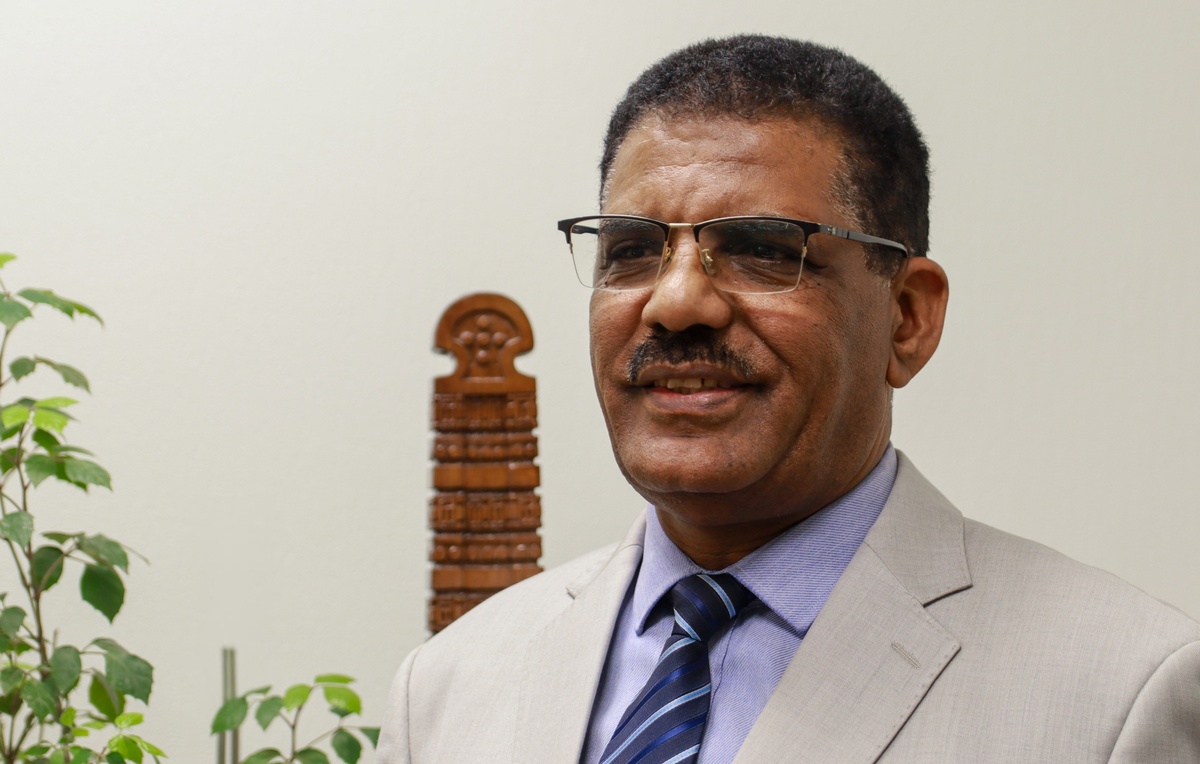
The Russian market will soon welcome authentic Ethiopian coffee. This was announced by Ethiopia’s Ambassador to Moscow, Genet Teshome Jirru, in an interview with TASS, emphasizing that negotiations between Russian companies and Ethiopian producers are already actively underway. In the coming months, Ethiopian coffee brands are expected to appear on the shelves of Russian stores.

According to the diplomat, the promotion of Ethiopian coffee in Russia is being supported by Ethiopia’s Ministry of Trade and Regional Integration in cooperation with Russia’s Ministry of Economic Development. The primary objective is to increase coffee export volumes and establish direct supply chains without intermediaries.

“We have already started engaging with Russian companies interested in purchasing Ethiopian coffee. Some of them have already visited our country, are negotiating with producers, and analyzing the market,” said Jirru. He expressed confidence that the process will be successful and that Russian consumers will soon be able to enjoy high-quality Ethiopian coffee.

Ethiopia is renowned for its unique coffee varieties, considered benchmarks in the world of specialty coffee. The ambassador particularly highlighted famous varieties such as Harar and Sidamo, known for their rich aroma and flavor. “I am confident that Russian consumers will appreciate our coffee. Given the growing interest in specialty coffee in Russia, these varieties will secure a significant position in the market,” he noted.

As of 2024, Ethiopia remains Africa’s largest coffee exporter and one of the world’s leading suppliers of Arabica. Entering the Russian market presents new opportunities for diversifying exports, especially amid shifts in global trade and supply chain realignments.

Last year, the Russian coffee market demonstrated strong growth, particularly in the premium coffee segment. Industry research indicates that demand for specialty coffee in Russia is increasing annually, making Ethiopian coffee’s entry a timely and strategic move.

Despite promising prospects, the entry of Ethiopian coffee into the Russian market comes with challenges, including logistical and customs hurdles, product certification, and pricing adaptation to meet local market requirements. However, the diplomat expressed confidence that these issues will be resolved promptly through collaboration between Ethiopian and Russian authorities.

The expansion of Ethiopian coffee into Russia is a significant development for the market, bringing both new flavors and stronger trade relations between the two nations. Consumers will soon have the opportunity to experience authentic Ethiopian coffee varieties, while producers gain access to a dynamic and growing market. In the coming months, Ethiopian coffee brands are expected to make their debut in Russian stores, marking a crucial step in fostering economic cooperation between Ethiopia and Russia.


How Boram Um & Ben Put Are Redefining Coffee Roasting with Stronghold

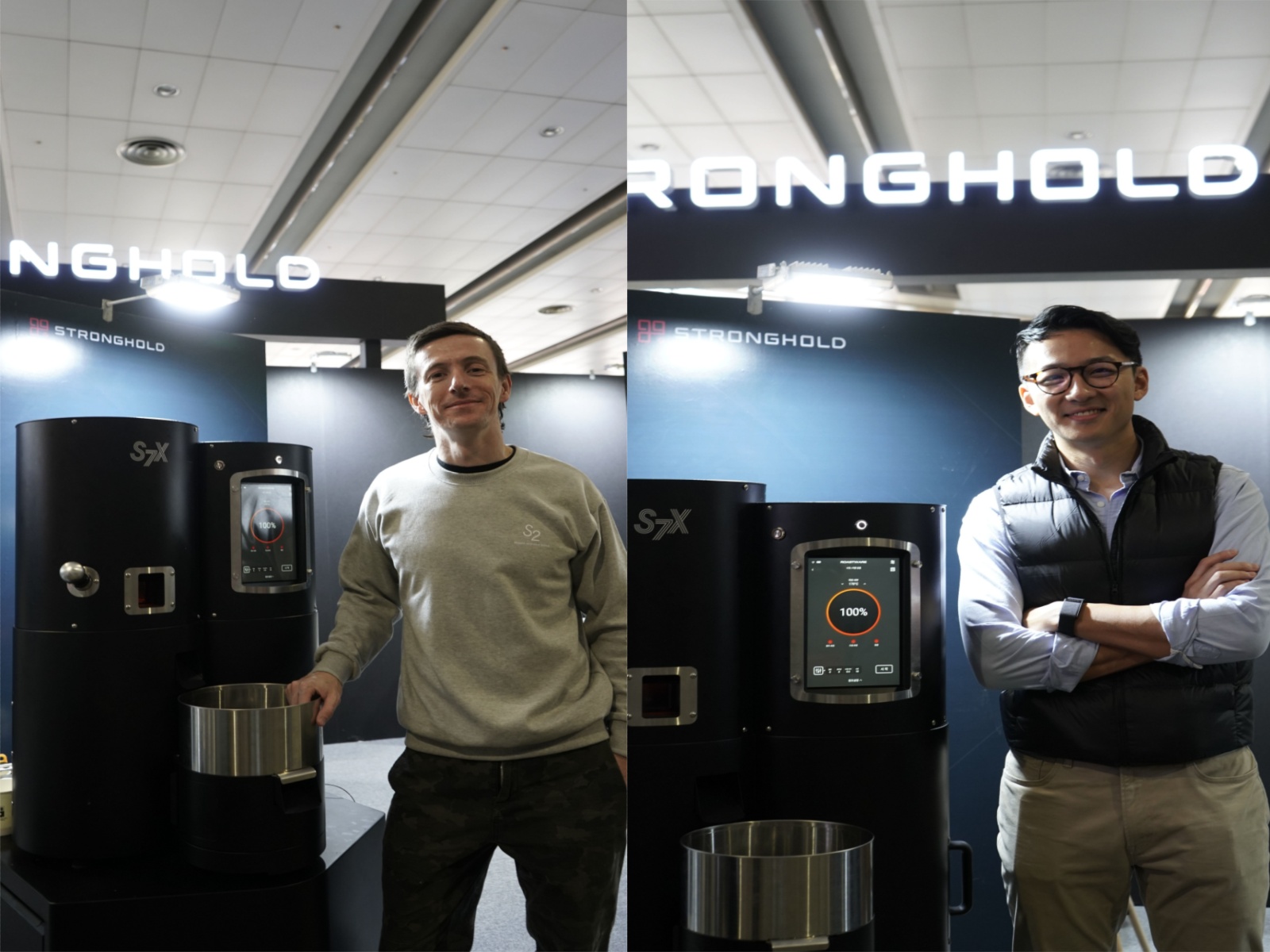
Coffee roasting is evolving rapidly, with technology playing a crucial role in refining precision and consistency. Two leading coffee professionals, Boram Um and Ben Put, are at the forefront of this transformation. As Global Ambassadors for Stronghold, they bring their expertise and vision to the global coffee community, setting new standards for innovation and efficiency in coffee roasting.

Innovation and Precision in Roasting

Boram Um, known for his expertise in competition-level coffee, highlights Stronghold’s role in shaping the future of roasting. He believes Stronghold’s precise heat control and automation allow roasters to extract more complex flavors with greater consistency.

“Stronghold is synonymous with innovation. Their technology-driven approach ensures every roast meets the highest standards,” Boram states. He emphasizes that features like auto-replication and data-driven roasting enable roasters to achieve uniformity across different locations, whether in Brazil or Japan.

Ben Put, another highly respected figure in the coffee industry, echoes these sentiments. He describes Stronghold’s electric roasting technology as a game-changer, providing deeper control over flavor development.

“With Stronghold, we are no longer limited by traditional roasting constraints. The ability to fine-tune heat sources independently unlocks new flavor possibilities,” says Ben.

Automation and the Future of Roasting

Both experts agree that automation and AI-driven roasting will shape the future of the industry. According to Boram, automated systems will reduce human error and optimize roast profiles, allowing professionals to focus more on sensory development and quality control.

Ben adds that electric roasting technology will dominate the industry, making sustainability and efficiency key factors. He believes Stronghold’s commitment to data-driven precision positions it as a leader in this transition.

Stronghold’s Role in Competitive Coffee

Stronghold’s impact extends beyond commercial roasting into coffee competitions, where precision is crucial. Recent World Barista Championship winners have leveraged Stronghold’s technology to achieve clarity and balance in their brews.

“In any competition, balance, clarity, and quality matter most. Stronghold provides an edge by delivering consistency in every batch,” says Ben.

Scaling Roasting Operations: The Journey from S7X to S9X

Renowned coffee roaster Matt Winton shares his experience with Stronghold’s roasting systems. Having started with the S7X, an 800g-capacity electric roaster, he highlights how its automation and user-friendly interface changed his approach to roasting.

“The S7X allowed us to maintain high-quality consistency while simplifying training for new roasters,” he explains.

Now, after two years, his operation is expanding to the S9X, an 8kg-capacity roaster. Despite the increase in batch size and airflow control, he finds the transition seamless, thanks to Stronghold’s standardized interface and precise control features.

Looking ahead, Matt is excited to see how Stronghold’s latest addition, the S2, will complement the lineup, offering a scalable solution for small and large batch roasting alike.

The Future of Coffee Roasting

With automation, AI-driven roasting, and data-backed precision shaping the industry, Stronghold continues to redefine roasting standards worldwide. For professionals like Boram Um, Ben Put, and Matt Winton, the brand represents the future of coffee roasting—where innovation meets consistency.

Global Coffee Prices Soar as ICO Composite Indicator Breaches 310 US Cents/lb in January 2025

January 2025 marks a milestone in the coffee industry as global prices continue their upward trajectory, reaching levels not seen since the late 1970s.

According to the International Coffee Organization (ICO) January 2025 Coffee Market Report, the ICO Composite Indicator Price (I-CIP) averaged 310.12 US cents per pound, reflecting a 3.5% increase from December 2024. This surge has been driven by a combination of tightening supply, rising domestic prices in key producing regions, and growing concerns over global economic uncertainty.

Arabica and Robusta Prices Continue Upward Trend

The report highlights that both Colombian Milds and Other Milds rose by 3.2%, reaching 351.93 and 354.47 US cents/lb, respectively. The Brazilian Naturals also saw an increase of 3.7% to 339.18 US cents/lb, while Robusta prices climbed 3.6% to 245.29 US cents/lb.

A significant driver of this trend has been the price escalation in Brazil, the world’s largest coffee producer. The Brazilian Ministry of Agriculture, Livestock, and Food Supply (Conab) revised its 2024/25 coffee supply estimates downward by 600,000 bags, adding further pressure to the market.

Exports Face Declines Across Key Regions

The global coffee supply chain is experiencing notable disruptions, with green coffee exports declining by 10.5% in December 2024, totaling 9.73 million bags, compared to 10.87 million bags in December 2023.

  • Robusta exports suffered the largest decline, dropping 19.0% to 3.71 million bags.
  • Brazilian Naturals exports declined by 11.3%, amounting to 3.34 million bags.
  • Other Milds shipments fell by 12.3%, down to 1.28 million bags.

In contrast, Colombian Milds exports saw a significant increase of 32.0%, rising to 1.39 million bags. The surge was supported by stronger production in Colombia, Kenya, and Tanzania, with Tanzania’s exports witnessing a 170.6% increase.

Regional Trade Fluctuations Reflect Market Struggles

Export data for December 2024 underscores a divergence in performance across coffee-producing regions:

  • Asia & Oceania recorded the sharpest decline, with exports plummeting by 31.2% to 3.31 million bags. Vietnam, the largest Robusta producer, faced a 39.5% drop in exports to 2.0 million bags, its lowest level since December 2014.
  • South America’s exports declined by 2.1%, totaling 5.6 million bags, with Brazil witnessing its first negative growth in 16 months.
  • Africa was the only major region to register growth, expanding by 8.0% to 1.21 million bags. Ethiopia, Kenya, and Tanzania were the primary contributors to this increase.
  • Mexico & Central America saw a slight 0.9% increase, driven by Guatemala, Costa Rica, Mexico, and Nicaragua, despite a 59.5% decline in Honduras’ shipments.

Market Volatility and Futures Trading Trends

Despite the price increases, the intra-day volatility of the I-CIP decreased by 2.8 percentage points to 11.3% in January 2025. The arbitrage between the New York and London futures markets widened by 4.3%, reaching 94.60 US cents/lb, its highest level since October 2022.

The futures markets in New York and London reflected the ongoing bullish sentiment, with the New York ICE market rising by 3.8% to 328.94 US cents/lb, while the London ICE market climbed 3.6% to 234.33 US cents/lb.

Outlook for 2025: Supply Challenges and Economic Factors

The coffee industry faces mounting supply challenges, with declining stock levels and climate-related disruptions affecting key producing regions. The certified stocks of Arabica coffee dropped by 11.7%, reaching 0.91 million 60-kg bags, while Robusta stocks in London increased by 3.8% to 0.76 million bags.

Adding to market uncertainty, global economic policies and trade regulations could impact demand dynamics. The European Central Bank’s potential interest rate cuts and the U.S. administration’s ongoing trade reviews may influence coffee trade flows in the coming months.

As coffee prices continue their ascent, industry stakeholders remain cautious, monitoring production forecasts, export trends, and macroeconomic shifts that will shape the global coffee market in 2025.

Generation Z’s Coffee Revolution: Personalization Brews a New Culture

Dubai – Qahwa World

In recent years, Generation Z has emerged as a formidable force in reshaping the coffee industry. Born into a digital age, this cohort values individuality, convenience, and ethical consumption, leading to a surge in demand for personalized coffee experiences. This shift is not merely a trend but a cultural movement that is redefining how coffee is consumed and appreciated.

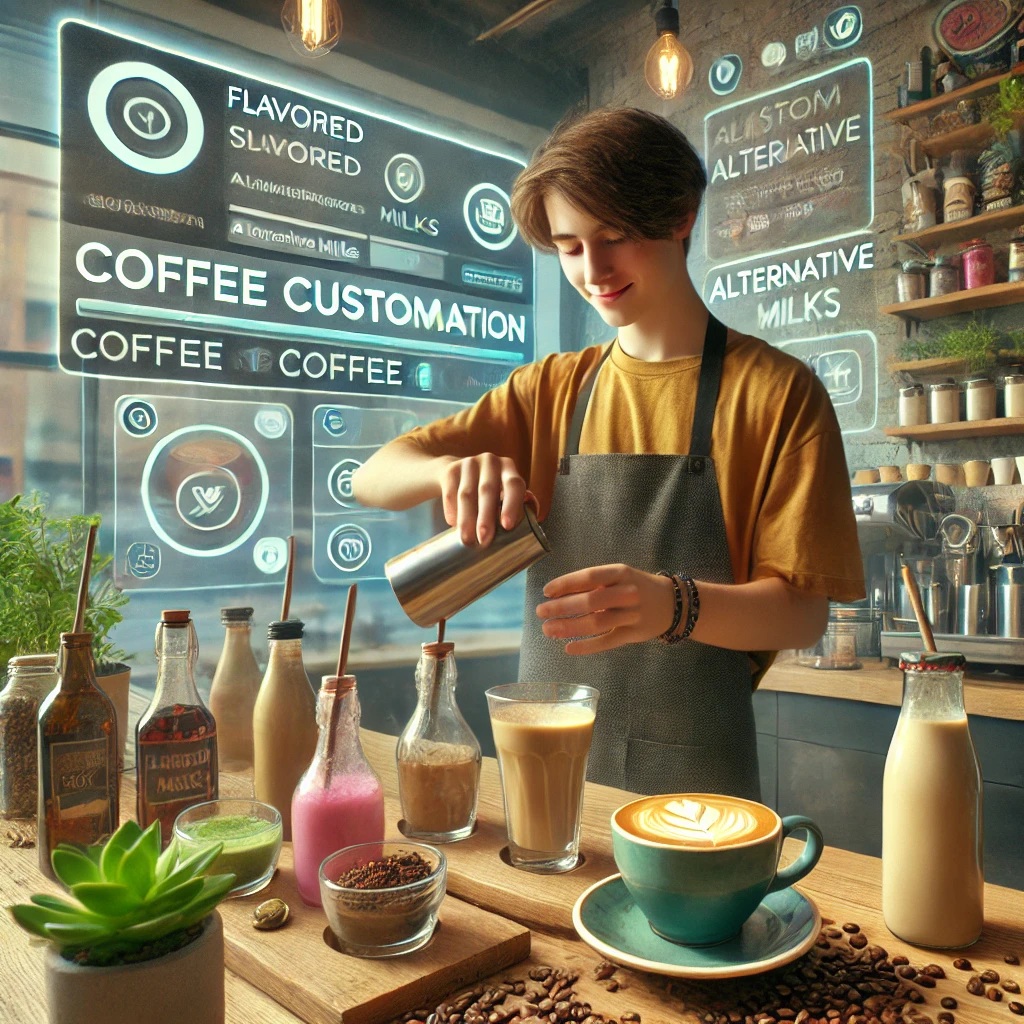
For Gen Z, coffee is more than a beverage; it’s a canvas for self-expression. A study by Lincoln & York revealed that nearly 40% of individuals aged 18 to 34 are drinking more coffee out of home than in previous years and are more likely to customize their drinks to suit their tastes.

This includes opting for flavored syrups, alternative milks, and unique toppings, allowing them to craft a beverage that reflects their personal preferences.

Social media platforms like Instagram and TikTok play a pivotal role in popularizing customized coffee creations. Visually appealing drinks, such as layered iced coffees or vibrant ube lattes, become viral sensations, encouraging others to experiment and share their own concoctions.

This digital sharing fosters a community of coffee enthusiasts eager to explore and showcase their personalized beverages.

Gen Z’s focus on health and sustainability also influences their coffee choices. Many prefer plant-based milk alternatives and are mindful of sugar intake, leading to customized orders that cater to dietary preferences.

Additionally, this generation values ethical sourcing and environmental responsibility, often choosing brands that prioritize transparency and sustainability in their supply chains.

Embracing technology, Gen Z utilizes mobile apps and online platforms to customize and order their coffee. This tech-savvy approach not only streamlines the ordering process but also offers opportunities for loyalty programs and personalized recommendations, enhancing the overall coffee experience.

As Gen Z continues to influence the market, coffee brands are adapting by offering more customizable options and emphasizing ethical practices. The emphasis on personalization, coupled with a desire for quality and sustainability, is driving the industry toward a more inclusive and innovative future.

In conclusion, Generation Z’s demand for customized coffee experiences is not just a passing fad but a significant shift in consumer behavior. By valuing personalization, ethical consumption, and technological integration, Gen Z is brewing a new coffee culture that is likely to shape the industry for years to come.

Kelachandra Coffee: Leading Sustainability with Shade-Grown Coffee

Kelachandra Coffee, India’s largest privately held coffee plantation company, continues to set the benchmark for sustainable coffee cultivation through its signature shade-grown coffee. Spanning over 6,300 acres in the ecologically rich Western Ghats, Kelachandra seamlessly integrates centuries-old agricultural heritage with modern innovation to produce premium, ethically sourced coffee for global markets.

The company will showcase its sustainable coffee practices at World of Coffee Dubai 2025 from February 10–12 at Z6 – H6, Za’abeel Hall, Dubai World Trade Centre.

In recent years, Indian coffee has witnessed remarkable growth, gaining global recognition for its high-quality green beans, including specialty coffee. Neleema Rana George, Head of Coffee Works and Technology at Kelachandra Coffee, emphasizes India’s growing prominence in the specialty coffee sector:

“India is no longer just a coffee-growing nation—it’s emerging as a specialty coffee powerhouse. Our shade-grown, ethically cultivated coffee is increasingly sought after in global markets, including the MENA region, where demand for sustainability and traceability is at an all-time high. As consumer preferences shift toward eco-conscious choices, Kelachandra Coffee is committed to leading this transformation by blending tradition with innovation to deliver exceptional coffee that resonates worldwide.”

Kelachandra Coffee’s shade-grown cultivation is central to its sustainability strategy, ensuring agricultural excellence while preserving the environment. Rishina Kuruvilla, Head of CSR and Sustainability at Kelachandra Coffee, highlights the company’s dedication to eco-conscious farming:

“Sustainability is more than responsible farming—it’s about creating an ecosystem that flourishes for generations. Across our fifteen Rainforest Alliance Certified estates, we actively nurture biodiversity, reduce soil erosion, conserve water, improve soil health, and enhance carbon sequestration. By integrating agroforestry and ethical sourcing, we ensure sustainability remains at the core of our operations, benefiting both the environment and the coffee-growing communities.”

As the coffee industry continues to expand, Kelachandra Coffee is creating diverse career opportunities across the value chain, from cultivation and processing to research, sustainability, and marketing. Ryana Kuruvilla, Head of People and Culture at Kelachandra Coffee, underscores the dynamic career potential within the industry:

“The coffee industry extends far beyond plantations and brewing—it’s a vibrant ecosystem offering diverse career paths. At Kelachandra, we are committed to nurturing talent, fostering inclusivity, and providing growth opportunities that empower professionals to thrive in this evolving sector. Whether in agronomy, research, roasting, or specialty coffee entrepreneurship, there has never been a more exciting time to be part of the coffee world.”

Key Sustainability Highlights:

  • Rainforest Alliance Certified Coffee: Produced without deforestation, conserving biodiversity while safeguarding the rights and well-being of coffee workers.
  • Shade-Grown Coffee: Reduces soil erosion by 30%, naturally enriches soil, and minimizes reliance on artificial fertilizers.
  • Carbon Sequestration: Kelachandra Coffee estates capture up to 20% more carbon than conventional farms, mitigating climate impact.
  • Agroforestry & Crop Diversification: The estates cultivate crops such as pepper, cardamom, bananas, and avocado while harvesting honey, ensuring ecological balance and additional income for farmers.

About Kelachandra Coffee

Kelachandra Coffee is a distinguished division of the Kelachandra Group, a diversified business house with roots dating back to 1786. As India’s largest privately held coffee plantation company, Kelachandra cultivates high-altitude, shade-grown, hand-harvested specialty Arabica and Robusta coffee across 6,300 acres in 15 estates in Chikmagalur, Karnataka, and parts of Kerala. Producing 2,000 metric tons of premium coffee annually, including 30 metric tons of specialty varieties, the company leverages advanced agricultural practices and cutting-edge technology to ensure exceptional quality and consistency.

Kelachandra Coffee has established strong export partnerships with Japan, Denmark, Norway, and Australia, while also serving as a preferred supplier for leading domestic brands such as Blue Tokai and Third Wave. Committed to sustainability and ethical sourcing, all Kelachandra estates hold Rainforest Alliance Certification and adhere to EDUR (Ethical & Directly Uplifting Relationships) principles.

Visit Kelachandra Coffee at World of Coffee Dubai 2025

📍 Z6 – H6, Za’abeel Hall, Dubai World Trade Centre
📅 February 10–12, 2025
World of Coffee Dubai 2025: Foodics to Present Cutting-Edge Solutions for Café Operations

Dubai – Qahwa World

As the coffee industry in the Middle East continues its upward trajectory, the intersection of technology and specialty coffee is becoming increasingly crucial. Foodics, a leading food tech company in the MENA region, is set to showcase its latest innovations at World of Coffee Dubai 2025, an internationally recognized event bringing together key players in the global coffee sector. The event, taking place from February 10-12, 2025, at the Dubai World Trade Centre, will serve as a platform for businesses to explore emerging trends, build strategic partnerships, and leverage advanced solutions tailored to the evolving needs of the café industry.

With the specialty coffee market expanding at an unprecedented rate, café operators are increasingly turning to smart technology to enhance service quality, optimize workflow, and meet the rising expectations of a discerning customer base. Foodics’ participation in World of Coffee Dubai 2025 underscores its commitment to empowering coffee entrepreneurs by providing seamless, data-driven solutions that enhance operational efficiency.

From inventory management systems to integrated point-of-sale (POS) solutions, Foodics is addressing the challenges faced by independent cafés and large-scale coffee businesses alike. The company’s presence at the event highlights the growing role of automation and digital transformation in ensuring business sustainability amid shifting consumer preferences and rising competition in the UAE’s coffee market.

World of Coffee Dubai has cemented its status as a premier event for industry professionals, attracting exhibitors, traders, and retailers from around the world. The event will feature hallmark attractions such as the Roaster Village, Brew Bar, Cupping Room, UAE National Championships, Best New Product Competition, and the SCA Community Lounge—all designed to foster knowledge exchange and industry growth.

With the Middle East emerging as a significant hub for specialty coffee, World of Coffee Dubai serves as a gateway for businesses looking to expand their footprint in the region. As café owners seek scalable and innovative solutions to enhance their customer experience, Foodics aims to bridge the gap between traditional coffee craftsmanship and modern technological advancements.

As a trailblazer in F&B technology, Foodics continues to redefine the operational landscape for coffee businesses by offering a comprehensive suite of digital solutions. Among the key technologies expected to be highlighted at World of Coffee Dubai 2025 are:

  • Foodics Cashier and Sub-Cashier App – Streamlining order-taking and reservations, particularly during peak hours.
  • Foodics Pay – A secure and efficient payment system that accelerates transaction processing and enhances customer convenience.
  • Customer Display Screen – A solution designed to reduce order errors and improve transparency between baristas and customers.
  • Mobile Ordering Integration – Seamlessly connecting cafés with digital ordering platforms to streamline customer engagement and operational efficiency.

In an era where digitization is shaping the future of F&B businesses, Foodics’ presence at World of Coffee Dubai 2025 reaffirms its mission to support local coffee businesses in embracing tech-driven efficiencies that drive profitability and customer satisfaction.

As the global coffee industry evolves, the integration of technology into café operations is no longer a luxury but a necessity. With Foodics at the forefront of this transformation, World of Coffee Dubai 2025 will offer attendees a first-hand look at the next wave of digital innovations reshaping the coffee business.

World of Coffee Dubai 2025: A Defining Moment in the Global Coffee Revolution

World of Coffee Dubai 2025 is not just another event; it is a testament to the region’s undeniable rise as a global powerhouse in the coffee industry. Set to commence on February 10, this year’s edition marks a defining moment, one that reflects the evolving dynamics of coffee trade, culture, and innovation.

The staggering expansion of the event speaks volumes. A 33% increase in exhibition space, 1,980 exhibiting companies, and a 50% rise in exhibitors indicate an industry that is not merely growing but thriving at an unprecedented pace. The numbers alone are compelling, but what truly sets this edition apart is the depth and diversity of its participation. With representatives from 78 countries, the exhibition is no longer just a regional event—it is a global convergence of expertise, tradition, and business acumen.

Beyond the impressive statistics, the significance of this event lies in the shifting landscape of the coffee world. The participation of 10 national pavilions, including first-time appearances by Morocco and Mexico, underscores how emerging markets are finding their footing on the world stage. Meanwhile, the Arab region’s reinforced presence, led by 137 companies and a sixfold increase in Saudi participation, signals an industry-wide transformation driven by a renewed focus on local production, quality, and economic diversification.

Perhaps the most exciting aspect of this event is the competitive spirit it fosters. The presence of 70 contenders in three national championships is not just a spectacle—it is a validation of the talent and skill shaping modern coffee craftsmanship. The global auction of 15 exclusive coffee collections elevates the event to another level, where rarity, quality, and value converge to define the future of specialty coffee trading.

Yet, amidst all the expansion and ambition, the question remains: What does this mean for the industry at large? The surge in exhibitor numbers and global participation, up by 75%, is not just a sign of interest; it is a statement that Dubai has established itself as an indispensable node in the coffee supply chain. It is no longer merely a consumer hub—it is a key player influencing trade flows, business decisions, and the global coffee agenda.

World of Coffee Dubai 2025 is not just an exhibition; it is a signal of where the industry is headed. It highlights the interplay between tradition and modernity, between heritage and innovation. Those who dismiss it as just another trade event fail to recognize its larger implications. This is a gathering that sets the tone for the future, one where coffee is not just a commodity but a driver of culture, economy, and identity.

As the doors open to this historic edition, one thing is clear: the world of coffee is changing, and Dubai is at its heart. This is not just growth—it is a revolution in the making.