Coffee Prices Drop as Rain Forecasts Ease Supply Concerns in Brazil and Vietnam

Coffee prices continued their decline today, extending Thursday’s sharp losses, as forecasts predict rainfall in Brazil and Vietnam. May arabica coffee (KCK25) dropped by 1.24% (-4.80), while May ICE robusta coffee (RMK25) fell 1.68% (-91).

Weather forecasts indicate that Brazil will experience several days of rainfall next week, alleviating concerns over prolonged dry conditions. Meteorological agency Somar reported that after a period of dry and hot weather, showers will return, improving soil moisture in key coffee-growing areas. This news has put pressure on coffee prices, as traders anticipate better crop conditions.

In Vietnam, the world’s largest robusta coffee producer, prices are also under pressure. The General Statistics Office of Vietnam reported that February coffee exports rose 6.6% year-over-year, reaching 169,000 metric tons. Additionally, forecasts predict a chance of daily rainfall over the next week in Vietnam’s Central Highlands, the country’s primary coffee-growing region, further easing supply concerns.

A rebound in coffee inventories is adding to the bearish sentiment. ICE-monitored robusta coffee inventories climbed to a one-month high of 4,356 lots, signaling increased availability. Meanwhile, arabica inventories had previously fallen to a nine-month low of 758,514 bags on February 18 but have since rebounded to 809,128 bags as of last Thursday.

As the world’s largest arabica producer, Brazil has seen significant shifts in coffee sales. According to Safras & Mercado, as of February 11, 88% of the country’s 2024/25 coffee harvest had already been sold, outpacing last year’s 79% and the five-year average of 82%. However, sales of the 2025/26 crop remain sluggish at 13%, well below the four-year average of 22%, suggesting that farmers are hesitant to sell due to market uncertainties.

Additionally, Brazil’s January green coffee exports fell 1.6% year-over-year to 3.98 million bags, according to Cecafe. The government’s crop forecasting agency, Conab, has revised its 2025/26 coffee production forecast downward by 4.4%, predicting a three-year low of 51.81 million bags. The 2024 estimate was also reduced by 1.1%, now standing at 54.2 million bags.

Weather-related challenges persist across major coffee-producing regions. Brazil has recorded below-average rainfall since April 2024, which has affected coffee trees during the crucial flowering stage. The country is experiencing its driest conditions since 1981, according to Brazil’s natural disaster monitoring agency Cemaden.

Colombia, the world’s second-largest arabica producer, is also facing the aftereffects of last year’s El Niño-induced drought, which had impacted coffee yields.

Vietnam’s robusta production has been affected by drought, with 2023/24 output dropping by 20% to 1.472 million metric tons, marking the smallest crop in four years. However, the USDA Foreign Agricultural Service (FAS) projects a slight decline in Vietnam’s 2024/25 robusta production to 27.9 million bags, compared to 28 million bags in the previous season.

Vietnam’s coffee exports also fell 17.1% year-over-year in early 2024, totaling 1.35 million metric tons, but expectations of improved weather conditions and better harvests in the coming months could ease supply pressures.

Despite some supply concerns, global coffee exports remain high. Brazil’s 2024 coffee exports surged 28.8% year-over-year, reaching a record 50.5 million bags, according to Conab. However, the International Coffee Organization (ICO) reported that global coffee exports fell 12.4% in December and declined 0.8% year-over-year in Q4 2024, signaling fluctuations in global trade.

The USDA’s December 2024 report projected that global coffee production will rise by 4% in the 2024/25 season, reaching 174.855 million bags. Arabica production is expected to increase by 1.5% to 97.845 million bags, while robusta output is set to grow 7.5% to 77.01 million bags. However, ending stocks are forecasted to drop by 6.6%, hitting a 25-year low of 20.867 million bags.

Looking ahead, supply concerns remain. Coffee consultancy Volcafe recently slashed its 2025/26 Brazil arabica coffee production estimate to 34.4 million bags, a downward revision of 11 million bags from its earlier forecast. Volcafe now projects a global arabica deficit of 8.5 million bags for 2025/26, widening from the 5.5 million bag shortfall expected in 2024/25. This would mark the fifth consecutive year of deficits, adding long-term price volatility to the market.

While coffee prices are currently under pressure due to improved rainfall forecasts, long-term supply concerns—especially in Brazil and Vietnam—could drive price fluctuations in the months ahead. The coffee market remains highly sensitive to weather conditions, inventory trends, and global export shifts, making it a space to watch for both producers and traders.

The UK Coffee Market Under Pressure: How Do Climate, Politics, and Economics Impact the Market?

The UK coffee market is expected to undergo significant changes in the coming months, with prices continuing to rise due to climate challenges, geopolitical disruptions, and global inflation. As the UK market heavily relies on coffee imports, any fluctuations in global production or import costs directly affect prices in both the hospitality and retail sectors.

With rising costs, consumption patterns in the UK are changing, as both consumers and businesses face new challenges that require innovative strategies to adapt to current conditions.

Changing Coffee Consumption Patterns:

  • Some consumers are turning to premium brands in search of quality and excellence.
  • Others prefer more economical options to balance their budgets.
  • Interest is growing in sustainable and environmentally responsible products, such as biodegradable coffee pods and ethically sourced coffee.

Business Strategies to Address the Crisis:

  • Expanding promotional offers and loyalty programs to retain customers.
  • Strengthening sustainability efforts through supply chain transparency and highlighting ethical coffee sources.
  • Investing in technology and smart packaging to reduce costs and improve efficiency.

As these shifts continue, rising prices will have a noticeable impact on coffee shops and retail chains, which will need to reassess their pricing and purchasing strategies to maintain competitiveness.

Causes of the Coffee Crisis

Climate Change

Climate change is the most significant factor affecting coffee prices. Droughts, floods, and frost have led to reduced coffee production in Brazil, the world’s largest coffee producer, and Colombia, the third-largest producer. Additionally, the El Niño phenomenon has further intensified climate fluctuations, negatively impacting coffee yields, reducing supply, and driving prices higher.

Geopolitical Tensions

While natural factors have disrupted production, geopolitical tensions have introduced further challenges. Trade disputes between the United States and Colombia have resulted in additional tariffs on imported coffee, increasing import costs and driving global coffee prices higher. Given that the US relies on Colombia for 30% of its coffee supply, any disruption in production or exports has direct consequences for the global market.

Conflicts in the Middle East and disruptions in key maritime trade routes have further complicated coffee transportation from production regions to consumer markets, directly impacting final costs in the UK and across Europe.

Inflation and Supply Chain Disruptions

In addition to climate and geopolitical challenges, the global economy plays a crucial role in the coffee crisis. Global inflation, which worsened after the COVID-19 pandemic, has driven up production and transportation costs, leading to increased coffee prices. Furthermore, the global supply chain crisis, exacerbated by geopolitical tensions in the Middle East, has made it more difficult to transport coffee from farms to markets, causing shipping delays and raising costs.

The Future of the UK Coffee Market

As global coffee prices continue to rise, UK businesses will need to reassess their strategies to ensure stable sales and maintain customer loyalty. Transparency in supply chains and investments in sustainability are expected to be key factors in the success of brands in the coming period. Additionally, purchasing patterns may shift, with consumers either reducing the quantities they buy or seeking more sustainable alternatives.

Aida Batlle: A Trailblazer Brewing a Coffee Revolution and Inspiring Women Worldwide

On International Women’s Day, we celebrate the visionaries who redefine industries, break barriers, and empower communities. In the world of coffee—a space traditionally dominated by men—one woman has reshaped the landscape, proving that resilience, innovation, and passion can transform not only a farm but an entire industry.

On a misty morning in the volcanic highlands of El Salvador, Aida Batlle walks through rows of coffee trees, her hands brushing against ripe cherries. She is not merely tending crops—she is rewriting history. This fifth-generation coffee farmer has not only revived her family’s legacy but has also become a global force in the specialty coffee movement, inspiring women across continents to take ownership of their craft, their businesses, and their futures.

From Ruin to Revival: A Journey Against the Odds

Aida’s story begins with adversity. During El Salvador’s brutal civil war in the 1980s, her family was forced to abandon their farms, losing not just land but generations of hard-earned heritage. For years, she lived away from coffee, disconnected from the very roots that had nourished her ancestors. But fate had other plans.

When she returned to El Salvador as an adult, she found the once-thriving coffee industry in crisis—farms were neglected, yields were low, and farmers were struggling against an unstable market. While many saw decay, Aida saw possibility. With no formal agronomic training but an unshakable determination, she took charge of her family’s neglected land in Santa Ana, driven by an instinct to heal the soil, elevate quality, and reclaim her legacy.

The Artisan of Coffee: A Pioneer in Processing and Quality

Most viewed coffee as a mere commodity, but Aida treated it as an art form. She was among the first in Central America to embrace terroir, studying soil composition, elevation, and microclimates with the precision of a winemaker. Experimenting with natural and honey processing methods, she coaxed out complex, vibrant flavors—notes of florals, red fruit, and chocolate—that had rarely been associated with Salvadoran coffee.

Her gamble paid off. In 2003, she made history by becoming the first woman to win El Salvador’s prestigious Cup of Excellence competition, an achievement that placed Salvadoran coffee on the global map. She didn’t stop there—she won the title four more times, cementing her reputation as a coffee innovator.

Empowering Women, One Bean at a Time

But success wasn’t immediate. In an industry where men made most of the decisions, Aida faced resistance. Many workers hesitated to take orders from a woman. Rather than backing down, she proved herself through knowledge, skill, and leadership—earning respect not just as a boss but as a mentor.

Today, she’s doing for others what no one did for her—mentoring female farmers, teaching them to see coffee not just as a crop, but as a craft. She believes in direct trade, ensuring that farmers—especially women—earn fair wages and gain financial independence.

“When women control income from coffee,” she explains, “they invest in education, health, and community growth. It’s not just about selling beans; it’s about breaking cycles of poverty and rewriting futures.”

Her efforts extend beyond her own farm. She collaborates with smallholder farmers across El Salvador, equipping them with knowledge and connections to specialty roasters like Intelligentsia, Stumptown, and Counter Culture. By doing so, she helps them secure better prices, sustainable growth, and financial stability.

Global Recognition and Lasting Influence

Aida’s influence has spread far beyond El Salvador. She has been profiled in The New York Times, featured in Netflix’s Coffee for All, and invited to speak at global coffee summits. But her true pride lies in the transformations she’s catalyzing in her homeland.

“Coffee is in my blood,” she says. “But seeing a woman farmer stand tall, negotiate her own price, and say, ‘This is my harvest’—that’s my victory.”

A Symbol of Resilience and Change

Aida Batlle’s journey mirrors the complexity of the coffee she cultivates—rich, bold, layered with struggle and triumph. She turned personal loss into a movement, proving that coffee isn’t just about trade—it’s about identity, resilience, and opportunity.

On International Women’s Day, her story reminds us that the most profound revolutions often begin quietly—in the hands of women who refuse to accept limits.

She often says:

“The soil doesn’t care if you’re a man or a woman. It only cares if you’re willing to learn.”

And today, in every cup brewed from her beans, her legacy blooms—not just in El Salvador but in every woman who dares to dream bigger, bolder, and beyond tradition.

The Titans of Coffee: The 20 Most Influential Coffee Companies in the World 2025

The story of coffee is not merely one of a beverage but a saga of power, ambition, and cultural transformation. From the misty highlands of Ethiopia, where legend speaks of Kaldi’s dancing goats, to the grand coffee houses of Vienna, where revolutions were whispered over steaming cups, coffee has shaped civilizations.

Behind this cherished drink stands a constellation of corporate giants—companies that have forged empires, pioneered innovations, and dictated the tides of the global coffee trade. These are the titans who control the plantations, the roasting houses, and the retail empires, ensuring that every morning, in every corner of the world, coffee lovers awaken to the aroma of freshly brewed ambition.

This list of the 20 most influential coffee companies in 2025 is not merely a ranking; it is a testament to history, a reflection of economic might, and an exploration of the forces shaping the future of coffee.

  1. Nestlé S.A. – The Emperor of Instant and Capsule Coffee
  • Annual Revenue: $99.3 billion (total company revenue)
  • Headquarters: Vevey, Switzerland
  • Founded: 1866
  • Key Brands: Nescafé, Nespresso, Blue Bottle Coffee

Nestlé is the undisputed global leader in coffee, with a legacy spanning over 150 years. The introduction of Nescafé in 1938 revolutionized instant coffee, while Nespresso (1986) transformed capsule brewing into an art form. With a presence in over 180 countries, Nestlé’s influence is unparalleled, ensuring that no matter where you are, a cup of its coffee is never too far away.

  1. Starbucks – The Empire That Redefined Café Culture
  • Annual Revenue: $36.18 billion
  • Headquarters: Seattle, Washington, USA
  • Founded: 1971
  • Number of Locations: Over 35,000 stores in 80+ countries

From a single store in Seattle’s Pike Place Market, Starbucks has grown into the largest coffeehouse chain in the world. More than just a brand, Starbucks is a cultural movement, pioneering trends like third-wave coffee, sustainable sourcing, and specialty beverages.

  1. JDE Peet’s – The European Coffee Powerhouse
  • Annual Revenue: $8.7 billion
  • Headquarters: Amsterdam, Netherlands
  • Founded: 2015 (merger of Jacobs Douwe Egberts & Peet’s Coffee)
  • Key Brands: Jacobs, Senseo, Tassimo, L’OR, Peet’s Coffee

With roots tracing back to Douwe Egberts’ founding in 1753, JDE Peet’s commands a rich history in European coffee culture. The company is a leading force in coffee capsules, roasted coffee, and espresso systems, with a strong presence across Europe, North America, and Asia.

  1. Keurig Dr Pepper (KDP) – The King of Single-Serve Coffee
  • Annual Revenue: $14.1 billion
  • Headquarters: Burlington, Massachusetts, USA
  • Founded: 2018 (merger of Keurig Green Mountain & Dr Pepper Snapple Group)
  • Key Innovations: K-Cup single-serve brewing system

Keurig revolutionized single-serve coffee with the launch of K-Cups in 1998, making home brewing faster and more convenient. Despite criticism for its environmental impact, Keurig remains the dominant player in the home coffee market in North America.

  1. Lavazza – Italy’s Espresso Royalty
  • Annual Revenue: €2.24 billion
  • Headquarters: Turin, Italy
  • Founded: 1895
  • Global Presence: Operations in over 90 countries

Lavazza embodies the soul of Italian coffee culture. For over a century, it has perfected espresso blending, making it one of the most revered brands in premium coffee worldwide.

  1. Strauss Coffee
  • Annual Revenue: Part of Strauss Group’s $2.2 billion revenue
  • Headquarters: Petah Tikva, Israel
  • Founded: 1933
  • Key Brands: Elite Coffee, Fort, Pedro’s

Strauss Coffee is one of the largest roasted and instant coffee producers in Eastern Europe, Brazil, and Israel. It has strategically expanded into emerging markets, making high-quality coffee accessible to millions.

  1. Tata Consumer Products – India’s Coffee Mogul
  • Annual Revenue: $1.2 billion
  • Headquarters: Mumbai, India
  • Founded: 2020
  • Key Brands: Tata Coffee, Eight O’Clock Coffee

India, long known for its tea dominance, has rapidly embraced coffee, with Tata leading the charge. The company owns some of the largest coffee plantations in the world, supplying high-quality beans to global markets.

  1. UCC Ueshima Coffee Co. – Japan’s Coffee Authority
  • Annual Revenue: $2.5 billion
  • Headquarters: Kobe, Japan
  • Founded: 1933
  • Key Innovations: Pioneering canned coffee

UCC pioneered canned coffee, a staple of Japanese vending machines. With a legacy of craftsmanship, innovation, and precision roasting, UCC has become a dominant force across Asia and the Pacific.

  1. Massimo Zanetti Beverage Group – The Italian Coffee Conglomerate
  • Annual Revenue: Approximately $1.2 billion
  • Headquarters: Bologna, Italy
  • Founded: 1973
  • Key Brands: Segafredo Zanetti, Chock full o’Nuts, Kauai Coffee

Massimo Zanetti Beverage Group is a global coffee company that owns a diverse portfolio of over 20 consumer brands worldwide. The company operates 11 roasting plants globally and has a distribution network spanning 100 countries.

  1. Dunkin’ – America’s Coffee-on-the-Go Leader
  • Annual Revenue: $1.4 billion
  • Headquarters: Canton, Massachusetts, USA
  • Founded: 1950
  • Number of Locations: Over 12,000 stores in 40+ countries

Dunkin’ has become synonymous with coffee and donuts in the United States. Its focus on speed, convenience, and affordability has made it a staple for millions of daily commuters.

  1. Tim Hortons – Canada’s Coffee Legacy
  • Annual Revenue: $3.8 billion
  • Headquarters: Toronto, Canada
  • Founded: 1964
  • Number of Locations: Over 5,600 stores worldwide

With its legendary double-double coffee, Tim Hortons is deeply ingrained in Canadian culture, serving over 5,600 locations worldwide.

  1. Panera Bread – The Bakery-Café Hybrid
  • Annual Revenue: Approximately $6 billion
  • Headquarters: St. Louis, Missouri, USA
  • Founded: 1987
  • Key Brands: Panera Bread

Panera Bread, originally founded as St. Louis Bread Company, revolutionized the fast-casual dining experience by combining artisanal bakery offerings with specialty coffee. While primarily known for its breads and pastries, Panera’s coffee program emphasizes sustainably sourced beans and seasonal blends. With over 2,000 locations across North America, Panera has integrated digital innovations, such as rapid pick-up and delivery services, enhancing customer convenience and solidifying its position in the competitive café market.

  1. The Coffee Bean & Tea Leaf – The Californian Pioneer
  • Annual Revenue: Approximately $500 million
  • Headquarters: Los Angeles, California, USA
  • Founded: 1963
  • Key Brands: The Coffee Bean & Tea Leaf

Established in Southern California, The Coffee Bean & Tea Leaf is one of the oldest and largest privately-held specialty coffee and tea retailers in the United States. It introduced the concept of “Ice Blended” drinks, a precursor to the now-ubiquitous blended coffee beverages. With a strong presence in Asia and the Middle East, the brand emphasizes sourcing the top 1% of Arabica beans and the finest hand-plucked, whole-leaf teas, ensuring a premium experience for its global clientele.

  1. Gloria Jean’s Coffees – Australia’s Coffee Culture Ambassador
  • Annual Revenue: Approximately $202.9 million
  • Headquarters: Castle Hill, New South Wales, Australia
  • Founded: 1979
  • Key Brands: Gloria Jean’s Coffees

Historical and Geographical Insights:

Originating in Chicago, USA, Gloria Jean’s Coffees found its stride after being introduced to Australia in 1996. The brand played a pivotal role in shaping Australia’s vibrant coffee culture, known for its emphasis on espresso-based beverages. With over 1,000 coffee houses in 39 countries, Gloria Jean’s focuses on flavored coffees and specialty beverages, catering to diverse palates while maintaining a cozy café environment that encourages community gatherings.

  1. Peet’s Coffee – The Artisan’s Legacy
  • Annual Revenue: Approximately $800 million
  • Headquarters: Emeryville, California, USA
  • Founded: 1966
  • Key Brands: Peet’s Coffee

Peet’s Coffee, founded by Alfred Peet, is often credited with kickstarting the specialty coffee movement in the United States. Peet introduced darker, more flavorful roasts, influencing many future coffee entrepreneurs, including the founders of Starbucks. Concentrated primarily on the West Coast, Peet’s has expanded its reach through retail outlets and grocery store distributions. Their commitment to direct trade and meticulous roasting processes ensures a loyal customer base that appreciates high-quality, robust coffee.

  1. Caribou Coffee – The Northwoods Experience
  • Annual Revenue: Approximately $262 million
  • Headquarters: Minneapolis, Minnesota, USA
  • Founded: 1992
  • Key Brands: Caribou Coffee

Inspired by an Alaskan adventure, Caribou Coffee aims to provide an authentic coffeehouse experience reminiscent of the Northwoods. Emphasizing sustainability, Caribou was the first major U.S. coffeehouse to source 100% Rainforest Alliance Certified beans. With over 600 locations, primarily in the Midwest, Caribou offers a cozy atmosphere, complete with cabin-like décor, appealing to those seeking both quality coffee and a comfortable retreat.

  1. Dutch Bros Coffee – The West Coast’s Drive-Thru Darling
  • Annual Revenue: Approximately $739 million
  • Headquarters: Grants Pass, Oregon, USA
  • Founded: 1992
  • Key Brands: Dutch Bros Coffee

Dutch Bros Coffee began as a single pushcart by two brothers, both former dairy farmers, in Oregon. Focusing on drive-thru coffee stands, Dutch Bros has cultivated a cult-like following with its energetic staff, unique beverage names, and sweet concoctions. With over 400 locations across the western United States, the company emphasizes community involvement and philanthropy, hosting annual “Drink One for Dane” events to support ALS research, reflecting its deep-rooted commitment to social responsibility.

  1. Illycaffè – The Epitome of Italian Elegance
  • Annual Revenue: Approximately $650 million
  • Headquarters: Trieste, Italy
  • Founded: 1933
  • Key Brands: Illy

Illycaffè, founded by Francesco Illy, is renowned for its singular blend of nine pure Arabica beans, sourced from four continents. The company introduced the modern espresso machine in 1935 and continues to innovate in coffee preparation and sustainability. With a presence in over 140 countries, Illy maintains a reputation for quality and artistry, often collaborating with contemporary artists to design their iconic espresso cups, merging the worlds of coffee and art seamlessly.

  1. Death Wish Coffee – The Boldest Brew in the World
  • Annual Revenue: Approximately $42.8 million
  • Headquarters: Saratoga Springs, New York, USA
  • Founded: 2012
  • Key Brands: Death Wish Coffee

Death Wish Coffee is a modern disruptor in the coffee industry, setting itself apart with its extreme caffeine content and bold branding. Founded in 2012 by Mike Brown, the company started in a small coffee shop in Saratoga Springs, New York, with a singular goal—to create the strongest coffee in the world.

Final Thoughts

The Top 20 Coffee Companies of 2025 represent a rich tapestry of history, innovation, and global influence. From centuries-old coffee empires like Lavazza and Illy to modern disruptors like Dutch Bros and Death Wish Coffee, these companies shape the way coffee is produced, consumed, and celebrated worldwide.

Each company has left its mark on the industry—whether by pioneering new brewing techniques, expanding coffee culture globally, or championing sustainability and ethical sourcing.

One thing remains certain: coffee is not just a drink—it is a revolution in a cup.

Which of these coffee giants do you rely on for your daily brew? Let us know!


Secrets to Winning Roasting Championships: Common Mistakes to Avoid

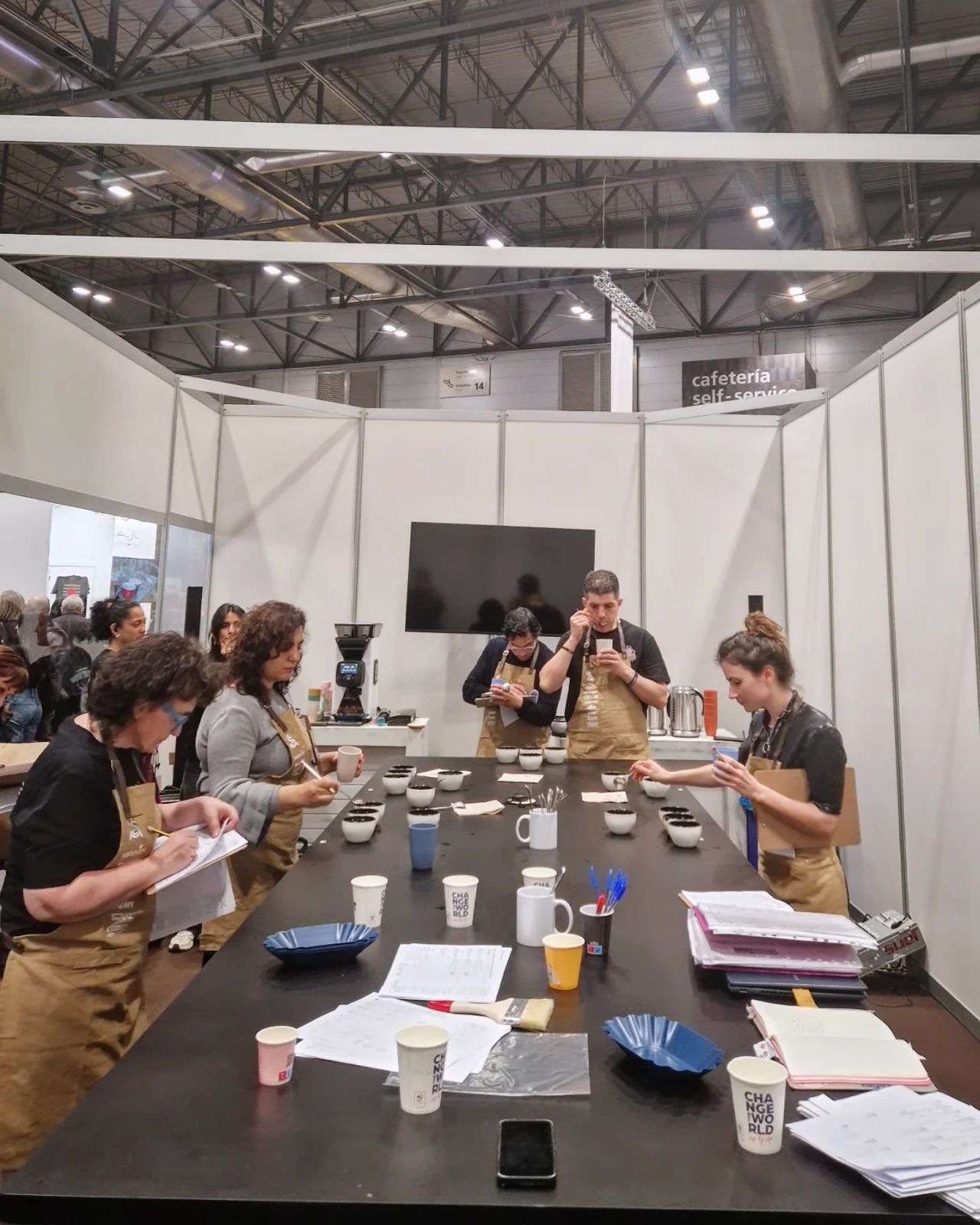
Roasting competitions are a prestigious platform where coffee professionals showcase their skills in precision and consistency. However, even experienced competitors often make critical mistakes that can impact their final scores. As a judge of multiple Roasting Championships worldwide, I have observed several recurring missteps that competitors should avoid.

1. Skipping the Judges’ Debriefing

One of the most surprising missteps is that not all competitors take advantage of the debriefing session after results are announced. This session provides access to scoresheets, allowing competitors to review their performance, seek clarifications, and even challenge potential calculation errors. While misjudgments are rare due to double-blind cuppings and rigorous verification processes, human error is always a possibility. Engaging in this session is crucial for learning and ensuring transparency in scoring.

2. First Place Doesn’t Guarantee the Best-Tasting Cup

A common misconception is that winning the competition means producing the best-tasting coffee. In reality, roasting competitions prioritize accuracy over taste alone. The final score is a combination of multiple factors, with the accuracy of the roast profile and cup description carrying significant weight. The scoring structure includes two columns: one reflecting judges’ evaluation of aroma, flavor, aftertaste, acidity, sweetness, and mouthfeel, and another measuring the competitor’s accuracy in describing these attributes. Accuracy scores are multiplied by three, making them a decisive factor in determining the winner.

3. Overlooking Green Coffee Grading

Despite being one of the more straightforward aspects of the competition, green coffee grading is often poorly executed. As a roaster, having access to green coffee and defect identification resources, such as the Arabica Green Coffee Defect Handbook, provides a solid foundation for preparation. Seeking guidance from Q graders and dedicating time to hands-on practice can significantly improve this portion of the competition.

4. Missing the Organizational Meeting

Each competition includes a mandatory organizational meeting before the event, where key details and rules are explained. This is the only opportunity for competitors to ask questions, as inquiries are not permitted once the competition begins. Attending this meeting fully prepared and engaged can help prevent misunderstandings and missteps during the event.

Final Thoughts

Roasting competitions are as much about precision and preparation as they are about skill. Avoiding these common mistakes can significantly enhance a competitor’s performance and overall experience. Whether it’s taking full advantage of the debriefing, understanding the scoring system, improving green grading skills, or actively participating in pre-competition meetings, attention to these details can make the difference between an average performance and a winning one.

By Julia (Kvitkakavy) Dziadevych
Q Grader, Coffee Sourcing Expert, and Origin Trips Leader

Claudia Pagès Wins XVIII illy SustainArt Award at ARCOmadrid 2024

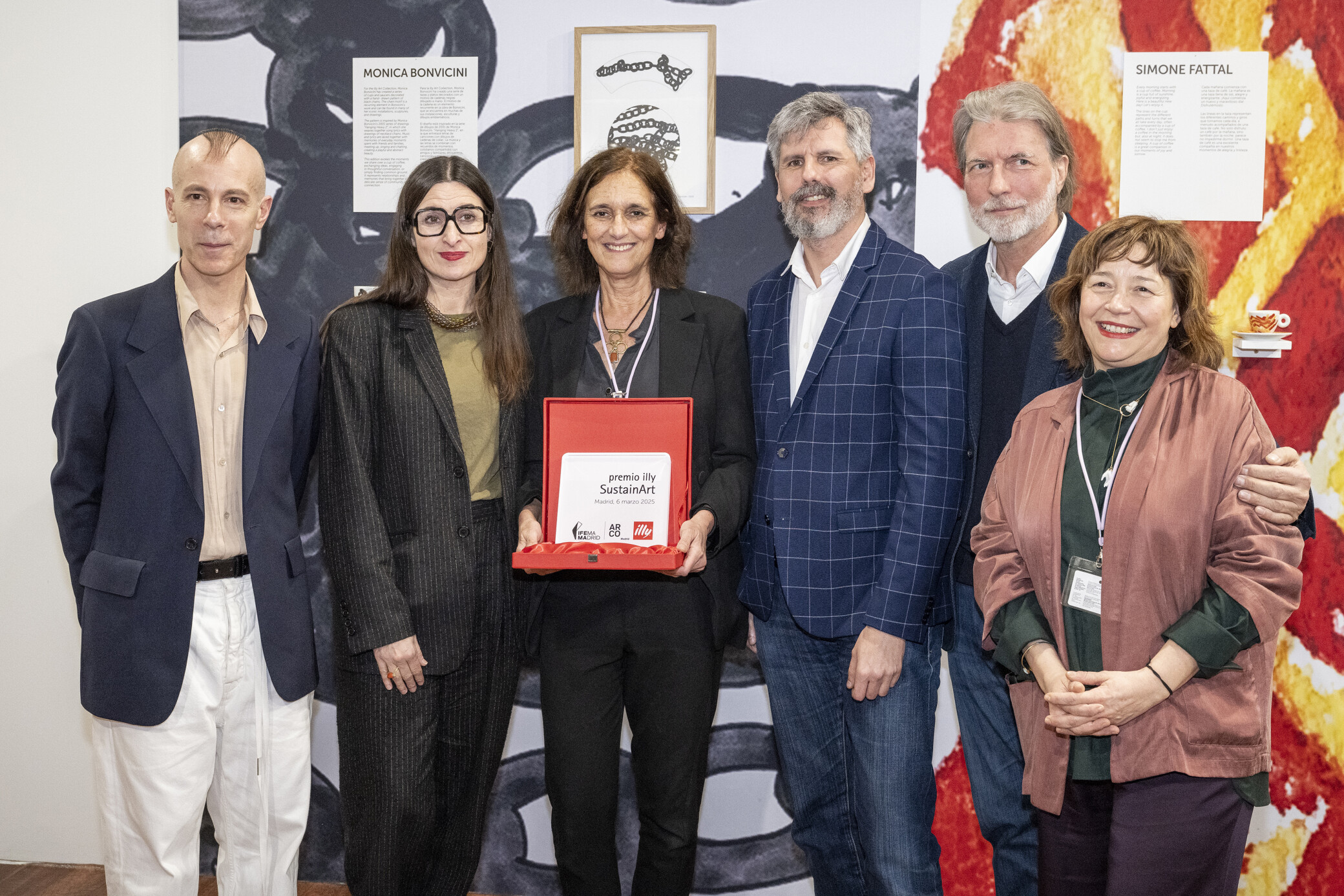
Barcelona-born artist Claudia Pagès has been awarded the XVIII illy SustainArt Prize at the 44th edition of ARCOmadrid, recognizing her innovative approach to contemporary art.

The prestigious award, dedicated to supporting young artists in contemporary art, was decided by a jury of art world experts after an intense deliberation process among 93 submitted works. Represented by Àngels Barcelona Gallery, the 35-year-old Catalan artist captivated the jury with her winning work, consisting of two pieces deeply inspired by history and memory.

Pagès’ creation is built upon the exploration of space, time, and historical inscriptions found on ancient walls. Inspired by the cisterns of Xàtiva, her work intertwines themes of water, memory, and protective structures like walls and castles. Her signature technique involves the use of handmade sheets of paper to form intricate constructions resembling historical filigree labyrinths. The two award-winning pieces, Muro de dos caras and Xàtiva, reflect this approach, utilizing historical references and architectural elements to narrate stories of the past.

Light plays a crucial role in her work, emanating from within a box to reveal hidden layers of memory, emphasizing the delicate balance between remembering and forgetting. Pagès views this interplay as a way to illuminate history and prevent it from fading into obscurity, symbolizing the fragility of both paper and memory itself.

A Rising Voice in Contemporary Art

Claudia Pagès holds a Fine Arts degree from the University of Barcelona and an MFA from the Sandberg Instituut in Amsterdam. Her works have been featured in prominent institutions and exhibitions worldwide, including:

  • Manifesta 15, Barcelona (2024)
  • IVAM, Valencia (2024)
  • Sculpture Center, New York (2024)
  • CA2M, Madrid (2023)
  • Fundació Joan Miró, Barcelona (2023)
  • Tabakalera, Donostia (2022)
  • MACBA, Barcelona (2022)
  • Sharjah Art Foundation, UAE (2018)

Additionally, Pagès has received multiple accolades, including the Ojo Crítico Visual Arts Award in 2022, and has participated in prestigious artist residency programs at Gasworks, London (2017) and Triangle France, Marseille (2020). In March and April 2025, she will embark on a residency at EMPAC in Troy, United States. Her upcoming exhibitions in 2025 will include Chisenhale Gallery (London), INDEX (Stockholm), and Mumok (Vienna), along with a group exhibition at Art Sonje Center in Seoul, curated by Chus Martínez.

The Jury and illy’s Commitment to Art

The illy SustainArt Prize jury included notable art and culture figures: Imma Prieto (Director of the Fundació Tàpies), Javier Díaz-Guardiola (art critic at ABC and coordinator of ABC Cultural‘s art section), and Mariano Mayer (independent art curator), alongside Carlo Bach, artistic director of illycaffè.

With this award, illycaffè reaffirms its commitment to fostering emerging contemporary artists, supporting creativity, and strengthening the link between art and coffee culture.

Coffee and Health: Can It Really Help You Live Longer?

The BBC website recently published an illustrated article titled “Why Drinking Coffee Can Benefit Your Health,” in which presenter and writer Melissa Hogenboom explores the many health benefits of coffee, backed by scientific research.

Hogenboom argues that coffee is no longer just a morning ritual to kickstart the day—it may actually be a key to better health and longevity. She highlights recent studies that have shifted the perception of coffee from being potentially harmful to a beverage with protective effects on the body. Research now suggests that drinking coffee is linked to a reduced risk of several types of cancer, including colon, rectal, and breast cancer.

Citing a large-scale study of half a million people over 16 years, Hogenboom points out that those who consumed coffee regularly had a lower risk of dying from heart disease and cancer. The study found that drinking three cups a day offered the most significant health benefits. While these findings are correlational and do not prove a direct cause-and-effect relationship, researchers believe that bioactive compounds in coffee play a crucial role in improving overall health.

Hogenboom explains that coffee is rich in polyphenols, natural antioxidants that help reduce inflammation and support bodily functions. Among these, chlorogenic acid has been linked to reducing anxiety and depression. Coffee also contains fiber and prebiotic compounds that nourish the gut microbiome, contributing to better digestion and overall well-being.

As for caffeine, Hogenboom acknowledges its well-known benefits in boosting alertness, stimulating metabolism, and enhancing mood. However, she also cautions that excessive consumption may lead to side effects such as dizziness and sleep disturbances. For those who prefer to avoid caffeine, she reassures that decaffeinated coffee still retains its antioxidants, offering similar health benefits.

Hogenboom concludes that coffee is no longer just a simple beverage—it could be an ally for better health and a longer life. So, the next time you sip your morning coffee, know that you might be doing more than just fueling your day—you could be investing in your well-being.


View this post on Instagram


A post shared by عالم القهوة (@qahwaworld)

Coffee Prices Soar Globally as Trade Faces Sharp Slowdown

Reuters has confirmed that the global coffee industry is experiencing a sharp slowdown, as traders and roasters reduce their purchases to the lowest levels due to a significant surge in prices. The agency reported that Arabica coffee futures on the exchange have jumped by 70% since November, making it difficult for suppliers to convince retailers to accept these increases.

The agency quoted Renan Chueiri, General Manager of ELCAFE in Ecuador, as saying that 2025 is the first year in which the instant coffee producer has been unable to sell its entire annual production by March.

“Usually, by this time, we would have sold all our production, but so far, we have only sold 30%,” Chueiri said. “The significant price increase affects clients’ cash flow, as they do not have enough liquidity to buy what they need.”

In the United States, a senior coffee roaster, who requested anonymity, said that some of his clients are unsure whether they will be able to stay in business.

“Some will not be able to survive,” the CEO said. “Retailers are delaying negotiations, and some stores are already facing coffee shortages on their shelves.”

According to Reuters, fears over continued high prices have led traders to adopt a more cautious approach to purchasing.

“No one wants to take risks, and no one is buying for future delivery—everyone is purchasing only the necessary quantities,” said a coffee broker who requested anonymity.

In Brazil, the world’s largest coffee producer, purchasing has become more cautious than ever before.

“Deals are being completed with seven-day payment terms. Buyers go to farms or warehouses, check the quality, and if it meets their standards, they pay immediately and take the coffee with them,” the broker explained.

Reuters confirmed that the impact of reduced trade volumes has started to appear in U.S. warehouses near major ports, where inventory levels have dropped to half their usual levels.

A senior official from one of the largest storage companies revealed that some firms have begun returning silos to their owners and terminating lease contracts early due to decreased demand.

Despite the crisis, Reuters’ latest poll predicts that Arabica coffee prices could drop by up to 30% by the end of the year, as high prices lead to lower demand, while projections indicate a strong harvest in Brazil next year, which could help ease market pressures.

During the Houston conference, Louis Dreyfus presented data showing that coffee cultivation areas are expanding in response to higher prices, particularly in India, Uganda, Ethiopia, and Brazil. If Brazil manages to produce a large crop, it could lead to a sharp decline in prices.

With continued uncertainty, the global coffee industry faces major challenges. With buyers hesitant, retailers resisting price hikes, and financial pressures mounting on all parties, the coming months are expected to be difficult for traders, roasters, and consumers alike.

China’s Changing Appetite for Cup of Excellence Coffees

Coffee Intelligence recently published an article titled “Why China’s Demand for Cup of Excellence Coffees Has Shifted” by Sarah Charles, a digital editor at Coffee Intelligence. She is also the lead co-author of the fourth edition of the International Trade Centre’s Coffee Guide and manages communications for the Sustainable Agribusiness Programme.

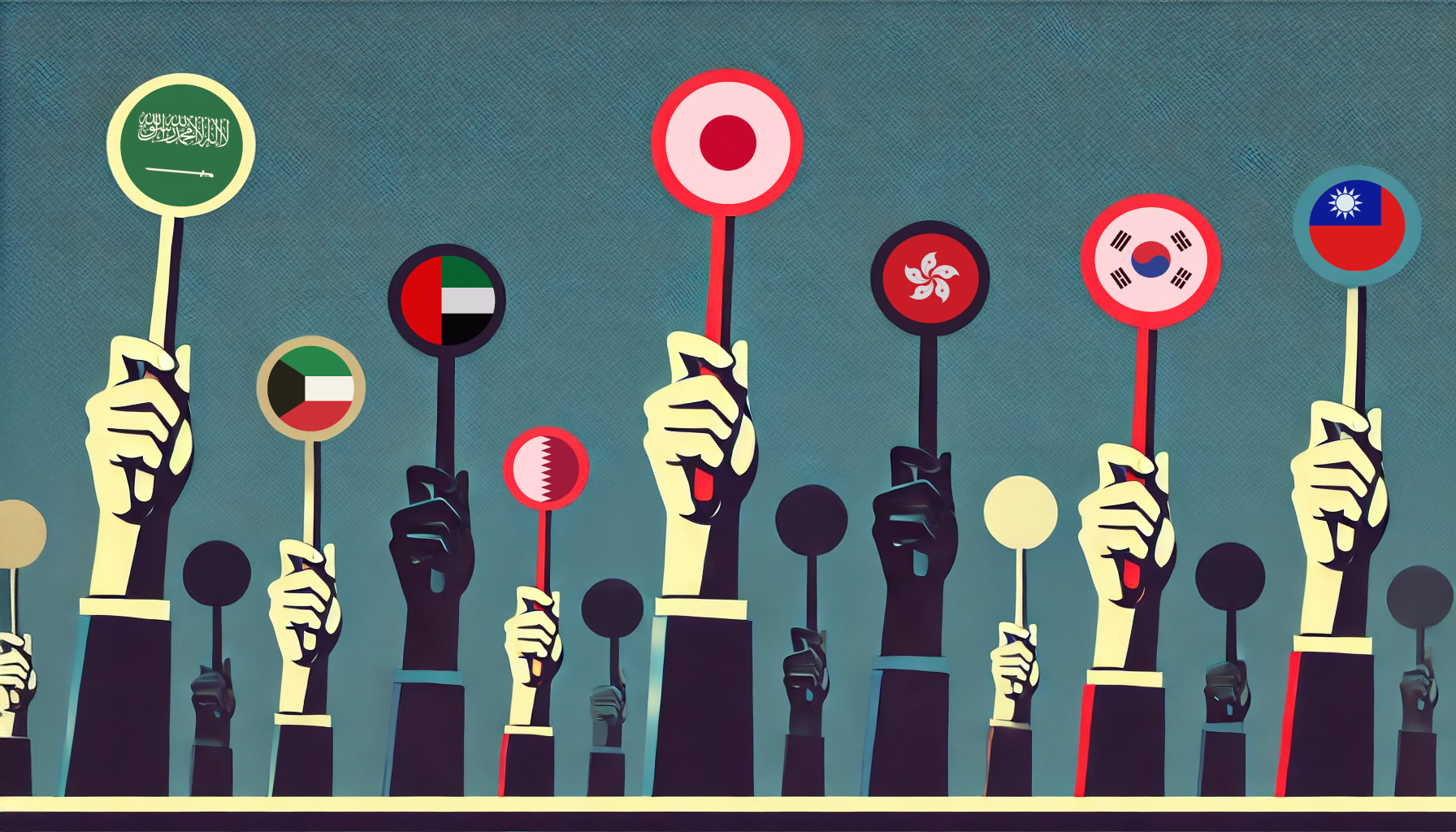
In her in-depth article, Sarah highlights how the rapid expansion of China’s Luckin and Cotti Coffee has fueled mass-market coffee consumption, leaving ultra-premium lots for a niche audience. She also emphasizes that Japan, South Korea, and Taiwan are emerging as dominant buyers of Cup of Excellence (CoE) coffees as China’s market shifts toward hybrid and trend-driven beverages.

Given the significance of the article’s insights, we at Qahwa World are republishing it in full. However, this does not imply endorsement or agreement—whether in whole or in part—with its opinions or conclusions.

For years, China’s coffee market has been hailed as a rising force, with annual consumption growing at an impressive 15%—far exceeding the global average of 2.2%. International coffee chains such as Starbucks and Tim Hortons expanded aggressively into the country, while local brands like Luckin Coffee introduced ambitious strategies to make coffee more accessible to the masses.

During this rapid growth, China emerged as one of the world’s largest buyers of Cup of Excellence coffees, known for their high quality and exclusivity. However, recent trends indicate a shift—if not a decline—in demand for these premium lots. Countries such as Japan, South Korea, and Taiwan are now purchasing more CoE coffees, reflecting broader changes in consumer behavior and market dynamics.

The shift in CoE demand does not necessarily mean Chinese consumers are turning away from specialty coffee. Instead, it reflects a strategic realignment in purchasing habits.

According to Mau Perez, Purchasing Manager at Shanghai Cooway Trading: “What we’re seeing isn’t a retreat but rather a shift toward origins with the strongest consumer appeal—like Panama, Ethiopia, and Colombia. Chinese buyers are still competing for the most expensive lots, as we saw in the 2024 Best of Panama auction.”

Trade barriers have also played a role in reshaping China’s CoE market. Guatemala, for instance, was unable to export coffee to China for a period, while Honduras only regained access at the end of 2023. These restrictions have reduced competition from certain origins, leading Chinese buyers to prioritize coffees with stronger consumer recognition.

As China’s specialty coffee market becomes more saturated, brands are shifting their focus from prestige-driven purchases to innovation and accessibility. Luckin Coffee, for example, has embraced tea-infused coffee drinks, such as jasmine milk tea coffee, catering to a growing demand for fusion beverages. Meanwhile, popular tea chains like HeyTea and Chagee have intensified competition, emphasizing affordability and mass appeal over exclusivity.

Steve Wu, Marketing Manager at Melitta Professional in China, explains: “The coffee market is similar to the wine industry—there’s room for a broad range of products at different price points. As consumers become more educated, high-end coffee will continue to exist, just as premium wines have their niche.”

However, while specialty coffee consumption is not necessarily shrinking, brands must now work harder to differentiate themselves and engage consumers through multiple channels.

China’s growing preference for convenience is influencing demand. Ready-to-drink coffee options are booming, with convenience stores offering pre-packaged iced coffee solutions as a cheaper alternative to high-end café beverages. In response, Cotti Coffee has announced plans to integrate convenience stores into its expansion strategy.

Meanwhile, social media influencers have accelerated the shift away from high-end specialty coffee, promoting at-home brewing methods and cost-effective alternatives instead of expensive single-origin purchases.

Beyond changing preferences, economic factors have played a significant role in China’s declining demand for CoE coffees.

China’s economy, once booming, is now facing structural challenges—including slowing GDP growth, high government debt, demographic shifts, and rising youth unemployment. These pressures have made consumers more price-sensitive and cautious in their spending.

Major coffee chains are already feeling the effects—Starbucks China, for instance, recently reported a 14% drop in comparable store sales due to growing competition and reduced consumer spending.

In this uncertain economic climate, affordability has become a key priority for Chinese consumers. Unlike a decade ago, when young professionals actively sought out high-scoring, traceable single-origin coffees, today’s buyers are more pragmatic, opting for mid-range or budget-friendly options instead.

The Future of Specialty Coffee in China

Does the decline in CoE demand signal a downturn in China’s specialty coffee market? Not necessarily. Instead, it suggests a transformation in what premium coffee means to consumers.

Rather than focusing exclusively on traceability and exclusivity, the market is shifting toward new premium experiences—ones centered on convenience, customization, and hybrid flavors that resonate with evolving tastes.

According to Mau Perez: “China’s specialty coffee industry is constantly evolving. Buyers are always looking for the next big origin or processing method, especially from countries that have already built strong brand recognition in China.”

Even though CoE sales in China have slowed, other markets—such as Japan, South Korea, and Taiwan—continue to show strong demand for these exclusive coffees. This suggests that Chinese roasters specializing in high-end beans may shift their focus toward export markets rather than relying solely on domestic demand.

China’s specialty coffee landscape is evolving, and CoE coffees—once a symbol of status and connoisseurship—are no longer a dominant force in the market.

However, this does not mean that specialty coffee itself is in decline. Instead, the industry is adapting to new realities, where premium coffee experiences come in the form of espresso-based drinks, bottled cold brews, or hybrid beverages that better align with local consumption habits.

Steve Wu sums up the situation: “Striking a balance between affordability and quality is now the main challenge. Consumers are becoming more discerning, but the price gap between everyday coffee and ultra-premium beans has widened—9.9 RMB for Luckin or Cotti versus 60 RMB for a Panama Geisha.”

“As a coffee drinker, I’d be willing to pay twice the price of a regular cup for something exceptional. But with more affordable options available, the price difference feels even greater, making high-end beans seem less accessible—even though their actual prices haven’t skyrocketed. This perception gap is a significant barrier to specialty coffee’s growth, especially in today’s economic climate.”

Rather than black pour-over brews, the future of high-end coffee in China may come in espresso-based drinks, ready-to-drink options, or even tea-infused hybrids that better match consumer habits.

For now, one thing is certain: China’s coffee market is evolving, and Cup of Excellence coffees no longer fit the mainstream narrative.

Coffee Prices Remain Stable in Saudi Arabia Despite Global Surges

Despite record-breaking increases in global coffee prices, data from the General Authority for Statistics in Saudi Arabia indicates relative stability in the local market, supported by steady supply availability and continued imports from major producing countries.

According to official data reported by the Saudi economic magazine “Maal”, the average price of whole bean/hari coffee in Saudi Arabia during January 2025 stood at SAR 45.6 per kilogram, compared to SAR 44.9 at the end of 2023, reflecting a slight increase of only 1.6% over the year. Meanwhile, whole bean/laqmati coffee was priced at SAR 31.9 per kilogram in January 2025, down from SAR 32.3 at the end of 2023, a 1.2% decrease. This local price stability persists despite sharp global price hikes over the past 18 months.

Saudi Arabia imported 188,000 tons of coffee beans in 2024, with Ethiopia as the leading supplier, accounting for 58% of total imports, followed by Brazil at 15% and India at 3%. The diversification of import sources helps ensure a stable coffee supply in the local market.

According to “Maal” magazine, Saudi Arabia’s balanced trade policies and diverse import channels have played a key role in maintaining market stability despite global disruptions. With ongoing government initiatives to support coffee farming in the Kingdom, increased local production is expected to enhance food security and mitigate future price volatility.

On the production front, the Saudi Reef Program – affiliated with the Ministry of Environment, Water, and Agriculture – reported that Saudi Arabia’s coffee production reached 1,485 tons in 2023, marking a 37% increase compared to the previous year. The Kingdom aims to boost production to 7,000 tons by 2026 through support and development programs, with total financial aid to the sector reaching SAR 61 million, benefiting 3,718 farmers to date.

Meanwhile, global coffee prices continue to skyrocket, rising 21% in January and February 2025, bringing the total increase since October 2023 to 168%, according to a report by “Maal” magazine.

Arabica coffee prices – which account for 75% of global production – have surged significantly, with the price per ton increasing from $3,287 in October 2023 to $8,818 in February 2025, a rise of $5,531 or 168%. Robusta coffee prices also climbed from $2,481 per ton to $5,817 per ton during the same period, marking an increase of $3,336 or 134%, setting a new all-time high.

This sharp increase in global coffee prices is largely attributed to climate-related crises affecting Brazil, where Minas Gerais State – responsible for 30% of Brazil’s arabica production – is facing its worst drought since 1981 due to declining rainfall throughout 2024. This situation raises concerns about Brazil’s coffee output, as the country remains the world’s leading supplier of sweet arabica beans, accounting for more than a third of global coffee supply.

At the same time, China’s coffee consumption continues to surge, growing by 150% over the past decade, reaching 6.3 million tons in 2024, while its domestic production remains at just 2 million tons. This supply gap has led to a significant increase in Chinese coffee imports, adding further pressure to global coffee prices in recent months.

Boncafé’s Growth and Future: Aparna Barretto on Leadership and Innovation

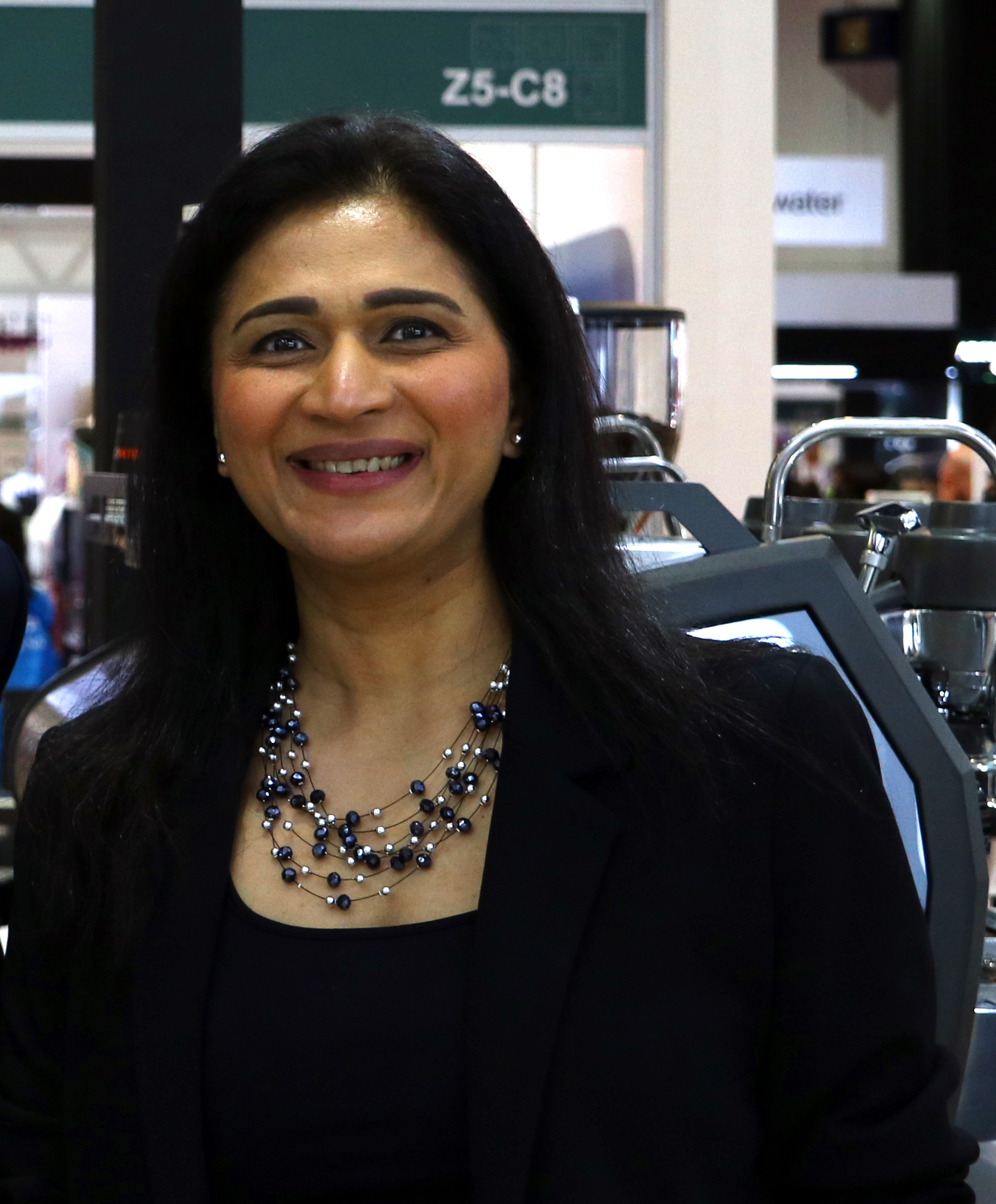
For nearly two decades, Aparna Barretto has been at the helm of Boncafé Middle East, shaping its growth from a modest operation into a key player in the region’s coffee industry. As Managing Director of Boncafé Middle East, part of the globally renowned Massimo Zanetti Beverage Group (MZBG), she has overseen significant transformations in sourcing, sustainability, and consumer engagement. In this interview, Barretto shares insights on the evolving coffee landscape in the MENA region, the company’s commitment to innovation and sustainability, and her vision for the future of the industry.

When I finally visited her office, a visit I had been waiting for for a long time, and during our brief conversation about coffee, business, and community, I realized that I had to interview her to share her inspiring experience. Follow this wonderful conversation.

You have been leading Boncafé Middle East for nearly 20 years. What have been the key milestones in the company’s journey under your leadership?
Boncafé Middle East began its journey in 2003, and I joined the company in a finance role in 2004. We started with just five staff members, and today, we are part of Massimo Zanetti Beverage Group, a global leader that owns brands like Boncafé and Segafredo. The journey has been nothing short of remarkable, fueled by a strong team and invaluable mentorship. Growth, for me, is more than just numbers—it is about people, innovation, and taking bold initiatives.

The coffee industry in MENA has evolved rapidly. How has Boncafé adapted to these changes?

The past decade has witnessed significant shifts in the coffee sector, particularly in MENA. To stay relevant, we continuously reinvent ourselves, adapting to global trends and evolving consumer preferences.

What are the biggest challenges facing the coffee sector in this region today, and how do you navigate them?

Sourcing high-quality coffee has become increasingly challenging due to surging demand, climate change, procurement issues, and rising logistics costs. Navigating these challenges requires agility, innovation, and strong industry partnerships.

How have consumer preferences in the Middle East shifted in recent years? Are you seeing a stronger demand for specialty coffee or traditional blends?

Consumer preferences are evolving rapidly. While traditional blends continue to hold their place, there is a noticeable surge in demand for specialty coffee. People are becoming more discerning, seeking quality, traceability, and unique flavors.

With the rise of home brewing and specialty coffee culture, how is Boncafé positioning itself to cater to this trend?

The home brewing culture has expanded significantly, particularly post-pandemic. Boncafé is aligning itself with this shift by offering a diverse range of products that cater to both casual home brewers and specialty coffee enthusiasts.

What role does sustainability play in Boncafé’s sourcing and product strategy?

Sustainability is at the core of our operations. As part of MZBG, we conduct annual CSR audits and implement sustainable practices at both local and global levels. Our goals range from small-scale sustainable initiatives to measurable long-term environmental strategies.

Boncafé has been actively supporting the coffee community in various ways. Could you share some of the key initiatives you’ve led to uplift the industry?

We actively engage with local coffee communities, collaborating with roasters, manufacturers, and industry peers. We also support young professionals entering the coffee world, fostering knowledge-sharing and collaboration.

On International Women’s Day, Boncafé organizes events to highlight women’s contributions to the coffee sector. Why is this an important cause for the company, and how do you see women shaping the future of coffee?

Women play a crucial role in both the home and the workplace. I have been fortunate to have a strong support system throughout my career, from my father to my husband and mentors who encouraged me to take on leadership roles. I firmly believe in equal opportunities, and I am proud that many managerial positions at Boncafé are occupied by deserving women. Gender should never define capability.

What strategies have been most effective in expanding Boncafé’s footprint across MENA?

Expanding in MENA requires a balance between innovation and maintaining brand heritage. We focus on quality, consistency, and understanding local market dynamics while continuously introducing new offerings to meet evolving consumer expectations.

How do you balance innovation while maintaining the brand’s heritage and consistency in quality?

It’s a delicate balance, but we achieve it by staying true to our core values while integrating cutting-edge advancements. We embrace modern trends without compromising on our legacy of quality.

What new product developments or trends do you see shaping the future of the coffee industry?

he MENA coffee scene is evolving rapidly, with more local entrepreneurs and roasters entering the market. In the next five years, we expect increased competition, greater consumer choices, and a stronger emphasis on price, quality, and specialization.

How do you see the MENA coffee market evolving in the next five years?

The market is expanding, and competition is becoming more intense. Companies that focus on quality, sustainability, and innovation will thrive. Consumers will have more options tailored to their preferences, making it an exciting time for the industry.

What are your future goals for Boncafé in this region? Are there any expansion plans or new markets you’re eyeing?

Yes, something is definitely brewing! Stay tuned for exciting announcements in the near future.

If you could change one thing about the coffee industry today, what would it be?

I would advocate for more fair and transparent pricing, stronger sustainability practices, increased climate resilience efforts, and greater support for coffee farmers. Additionally, I would encourage more unity and collaboration among industry players to create a stronger and more sustainable coffee ecosystem.

Pu’er: China’s Coffee Capital Blends Agriculture and Tourism into a Unique Experience

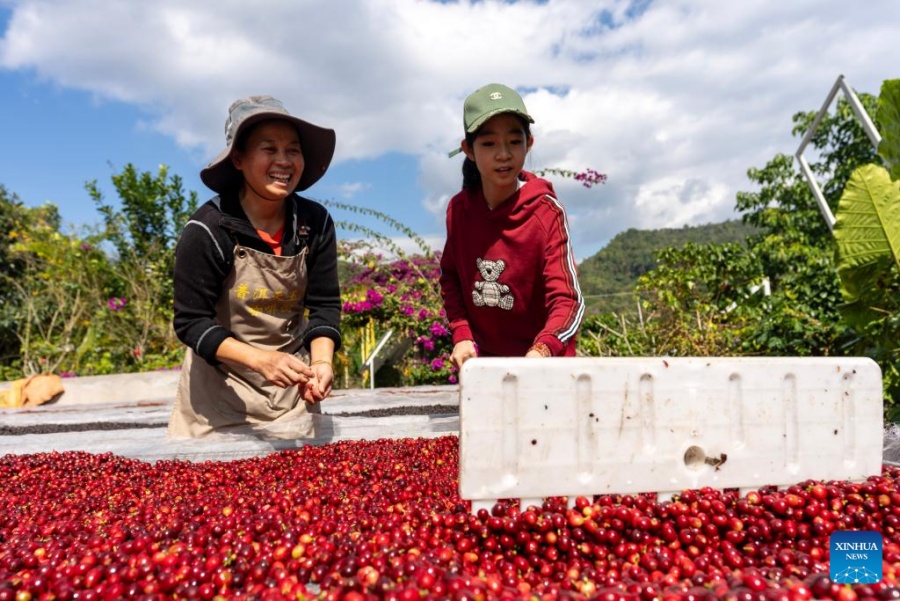
As the coffee harvest season begins, Pu’er City in Yunnan Province, known as China’s coffee capital, comes alive with the aroma of freshly brewed coffee. With its growing coffee farms, cultural exhibitions, and specialty cafés, the city has become a hotspot for both coffee enthusiasts and tourists.

According to China’s “Central Document No. 1” for 2025, released in late February, the country aims to enhance the integration of rural culture and tourism, launching pilot projects to revitalize rural areas through cultural industries.

Pu’er: Leading Coffee Production in China

Located along the Tropic of Cancer, a key coffee-growing belt, Pu’er is China’s top coffee-producing region, with a harvest of 58,000 tons of raw coffee beans in the 2023-2024 season. The city is actively expanding its coffee industry by blending it with tourism and cultural experiences, helping shape China’s growing coffee market.

Elephant Coffee Farm: A Unique Experience in Nature

Amid Pu’er’s lush green hills, “Elephant Coffee Farm” stands out as a remarkable attraction, offering visitors the rare opportunity to enjoy their coffee while watching wild Asian elephants roam freely in their natural habitat.

Huang Da Xiang, an investor and coffee lover, describes the experience:
“It’s amazing to sit here with a cup of coffee and see elephants foraging on the hillside. It’s truly unforgettable.”

The farm also provides interactive activities such as coffee picking, learning about the roasting process, making handcrafted coffee products, and even crafting coffee soap, offering visitors a deeper dive into coffee culture.

Coffee Tourism & Events: A New Dimension for Pu’er’s Coffee Industry

Pu’er is home to over 20 high-end coffee farms, including five officially recognized provincial-level coffee farms, where coffee culture is intertwined with tourism to create immersive visitor experiences. The city also hosts coffee-themed exhibitions and events, showcasing both local and national coffee brands while providing a platform for coffee enthusiasts worldwide to connect.

Tourist Zhang Xuan Yu attended a coffee exhibition held alongside an international coffee brewing competition in Menglian Dai, Lahu, and Wa Autonomous County.
“I got to taste different coffee flavors and meet coffee lovers from around the world. It was a fantastic educational experience,” he said.

The Rise of Coffee Tourism in Pu’er

During the 2025 Spring Festival holiday (January 28 – February 4), Pu’er welcomed 3.25 million tourists, marking a 13.71% year-on-year increase. The city’s tourism revenue also surged by 13.21%, reaching 3.44 billion yuan (approximately USD 480 million).

According to Zhang Qi Ying, Deputy Director of the City’s Culture and Tourism Office,
“The integration of coffee and tourism has become a defining feature of Pu’er’s tourism industry, making it an essential destination for coffee enthusiasts and experience-seekers alike.”

Pu’er: The Ultimate Destination for Coffee Lovers

As China’s coffee industry continues to evolve, Pu’er solidifies its status as a premier hub for coffee innovation and tourism, offering visitors an extraordinary blend of premium coffee, breathtaking nature, and rich cultural heritage.


4o