Qahwa World Celebrates Top 30 Ranking Among Global Coffee Blogs

Qahwa World, a dedicated platform for coffee enthusiasts, is proud to announce its inclusion in Feedspot’s “100 Best Coffee Blogs and Websites in 2025,” securing the 28th position. ​bloggers.feedspot.com

This recognition is particularly significant for Qahwa World, given its relatively recent entry into the coffee blogging scene. Established to explore the rich tapestry of coffee’s history, culture, and industry insights, the platform has rapidly gained traction among readers worldwide.​

Feedspot’s annual list evaluates blogs based on relevancy, authority, social media followers, and content freshness. Qahwa World’s commitment to delivering in-depth news, historical perspectives, and engaging content has resonated with a global audience, reflecting its dedication to quality and authenticity.​bloggers.feedspot.com

The journey of coffee, from its origins with a Yemeni hermit in 1450 to its status as a global cultural icon, mirrors Qahwa World’s mission to connect and inform the coffee community. This accolade not only acknowledges the platform’s efforts but also inspires continued exploration and celebration of the coffee world.​

For more insights and stories about the multifaceted world of coffee, visit Qahwa World.

“Candiano”: From a Simple Joke to a National Debate on Identity and More

On February 6, 2025, Kicking Horse Coffee in British Columbia called for renaming the popular Americano coffee to Candiano. While some initially dismissed it as a joke, others saw it as an expression of national pride in response to new U.S. policies.

However, what started as a lighthearted suggestion soon gained momentum, and cafés across Canada began replacing “Americano” with “Candiano.” According to Forbes, this was not just a seasonal menu update or a marketing stunt—it was cultural. What began as an inside joke at one café quickly turned into a national conversation about identity.

From Idea to a Growing Movement

For 16 years, Kicking Horse Coffee had been quietly referring to Americanos as “Candianos”. But now, the brand has made it official, calling on cafés across Canada to adopt the name change, stating:

“Today, we’re making it official and asking cafés across the country to make the change. Join us. Call them Candianos.”

At first, it was a playful nod to national branding. But after Kicking Horse Coffee’s post, the term “Candiano” began trending online, sparking discussions about identity, food culture, and how something as simple as ordering a coffee can carry deeper meaning. Some cafés embraced the idea, while others saw it as a tongue-in-cheek critique of food trends.

Coffee as a Symbol of Identity and History

Renaming the Americano to Candiano is more than just a menu change—it fits into a long history of renaming foods during political tensions.

  • During World War I, the U.S. renamed sauerkraut to “liberty cabbage” to distance the dish from its German origins, according to a study published in PLoS One.
  • More recently, in 2003, some American restaurants rebranded French fries as “freedom fries” to protest France’s opposition to the Iraq War.

Now, Canada is flipping the script. By renaming the Americano—which originally got its name from American soldiers in Italy during World War II—Canadian cafés are transforming an everyday menu item into a quiet symbol of national identity.

“Candiano” in a Broader Context

What makes this change interesting is that it’s not just a marketing move—it reflects a larger cultural and political pattern:

  1. A national branding act – A small yet symbolic way to assert Canadian identity.
  2. Playful but pointed – Unlike economic retaliation, it’s a subtle, everyday gesture.
  3. Sparking conversation – Whether people see it as meaningful or just clever food marketing, it’s getting them talking.

Politics in a Coffee Cup

This phenomenon emerged amid rising tensions between the U.S. and Canada, particularly after a proposed 25% tariff on Canadian imports and renewed debates over economic relations. While the name change started as a lighthearted move, it soon became a reflection of a moment when national branding—and even a simple cup of coffee—became part of a broader conversation.

A Trend or a Quiet Protest?

Kicking Horse Coffee likely didn’t anticipate how quickly this would spread, as the original post has since been deleted. Some cafés have embraced the change, while others remain neutral. But one thing is clear: renaming the drink has turned into a national discussion about identity and culture.

Will people actually start ordering “Candiano”, or is this just another short-lived food trend?

Whether this is a genuine protest or a passing fad, one thing is certain: coffee is now political.

National Coffee Association Recognizes Industry Leaders and Organizations at 2025 Awards

The National Coffee Association (NCA) has announced the recipients of its prestigious annual awards, set to be presented during its upcoming convention in Houston on March 7, 2025. These awards honor individuals and organizations making significant contributions to the coffee industry.

Allan Colley, a key figure in the coffee warehousing and logistics sector, will receive the 2025 NCA Distinguished Leadership Award. With a career spanning over five decades, Colley played a crucial role in shaping modern coffee storage solutions. Under his leadership, Dupuy Group introduced the first U.S. green coffee silo in 1992, among other innovations that advanced warehousing and logistics in the coffee industry. His dedication to the sector, including past leadership roles with the Southern Coffee Association and the Green Coffee Association, has left a lasting impact.

Kyle Bawot, senior director at Ofi, has been named Volunteer of the Year. His contributions to the NCA’s Next Gen Council, where he has served since 2019 and chaired for the past two years, have helped strengthen initiatives aimed at supporting the next generation of coffee professionals. Bawot also played a key role in launching the NCA Mentorship Program, fostering leadership development within the coffee sector.

Additionally, Root Capital, an organization dedicated to financing and supporting agricultural enterprises, has been honored as the NCA Origin Charity of the Year. Root Capital has provided over $2 billion in loans to more than 800 agricultural businesses, many of which are tied to coffee farming. Their work focuses on empowering farming communities through financial services that promote gender equity, climate resilience, and economic opportunities.

NCA President and CEO Bill Murray emphasized the importance of these contributions, stating, “These awards celebrate leaders and organizations that are making a real difference in the coffee industry, whether through innovation, mentorship, or sustainable development. Their work continues to shape a better future for coffee professionals and producers worldwide.”

The NCA’s annual convention will bring together key players from across the coffee supply chain to discuss trends, challenges, and the future of the industry, making it an ideal setting to recognize these outstanding contributions.

Tracon Coffee : Preserving Ethiopia’s Legacy in the Global Coffee Market

For over 35 years, Tracon Coffee Export has been at the forefront of Ethiopia’s coffee industry, championing the country’s rich heritage while innovating to meet the evolving demands of the global market. As a third-generation coffee trading business, Tracon Coffee has not only set export records but has also remained deeply committed to sustainability, quality, and fair trade practices. In this exclusive interview, Iman Elias Oumer, Third Generation Coffee Trader and Marketing Manager at Tracon Coffee, shares insights into the company’s journey, its role in showcasing Ethiopian coffee on the world stage, and its vision for the future.

Can you introduce Tracon Coffee Export to our readers? What is the story behind the company?

Tracon Coffee Export has been in the green bean trading business for over 35 years, achieving several local export records. As a third-generation coffee trading business, my brother and I continue the family legacy of promoting Ethiopia’s exceptional coffee culture.

Based in Ethiopia—the birthplace of coffee—our mission has always been to deliver the finest Ethiopian beans to the global market. We work closely with local farmers, ensuring they receive fair compensation and support, while maintaining the highest quality standards. Over the years, we have built strong partnerships with coffee trading houses and roasteries of various sizes worldwide. Our role goes beyond exporting coffee; we take pride in preserving and promoting Ethiopia’s rich coffee heritage.

Tracon Trading P.L.C was founded more than three decades ago by Omer Ali Shifaw and Leila Mohammed Hussen. Since then, the company has experienced rapid growth and expanded its operations into coffee trading, farming, real estate, construction, import and merchandising, aluminum assembly, and food manufacturing.

Ethiopia is known as the birthplace of coffee. How does Tracon Coffee uphold and showcase Ethiopia’s rich coffee heritage?

Ethiopia’s coffee culture is an integral part of our identity, and we are committed to maintaining this legacy. At Tracon Coffee Export, we source beans from over 30 washing stations that we own and operate, as well as from vertically integrated partners we finance. These washing stations are located in well-known coffee-growing regions such as Sidamo, Yirgacheffe, and Guji.

To ensure the highest quality, we invest in our own washing stations and employ modern processing methods that highlight the distinct flavors of Ethiopian coffee. Our commitment to quality allows us to showcase the diverse and rich profiles that have made Ethiopian coffee famous worldwide.

What are the key values and mission of Tracon Coffee in the global coffee industry?

Our mission at Tracon Coffee is to connect the world to the finest Ethiopian coffee while emphasizing sustainability, quality, and community. Our core values include:

  • Commitment to Quality: We prioritize offering premium beans that reflect Ethiopia’s coffee heritage.
  • Sustainability: We integrate environmentally and socially responsible practices at every level.
  • Innovation: We continuously seek improvements in processing techniques and quality control.
  • Integrity: We believe in transparency and fostering long-term relationships with farmers and clients.

How do you ensure quality and sustainability in your sourcing and processing methods?

We have a specialized Farmers Direct Traceability (FDT) program where we collect red cherries directly from farmers and process them individually. Each batch is traceable from the farm to the buyer via unique codes. These micro-lots often score above 87, highlighting their superior quality.

Additionally, our sensory analysis department, equipped with certified cuppers and the latest roasting technology, rigorously evaluates every batch to ensure quality consistency. Our processing methods combine traditional Ethiopian techniques with innovative approaches, enabling us to preserve the unique characteristics of Ethiopian coffee while maintaining sustainability.

What did Tracon Coffee present at World of Coffee Dubai 2025?

At World of Coffee Dubai 2025, we showcased a range of premium Ethiopian coffees, including selections from renowned regions such as Yirgacheffe and Sidamo. Additionally, we introduced experimental lots processed using innovative methods, which highlighted unique and complex flavor profiles. Visitors particularly appreciated the intricate aromas, diverse taste notes, and high quality of our offerings.

How was the response from visitors and coffee professionals?

The response was overwhelmingly positive! We had meaningful conversations with coffee professionals, buyers, and producers from Colombia to Vietnam who appreciated our coffee’s quality and rich history. Our experimental lots, in particular, generated excitement due to their distinctive flavors. The feedback we received at the event will help us refine our offerings and continue innovating.

What are your expectations from participating in this event?

Our main goal was to establish new partnerships and expand into new markets. World of Coffee Dubai provided the perfect platform to connect with buyers who value high-quality, sustainable coffee. We also engaged with industry professionals who share our vision for promoting Ethiopian coffee on the global stage.

What are your expectations from participating in this event?

Our main goal is to establish new partnerships and expand into new markets. World of Coffee Dubai provides the perfect platform to connect with buyers who value high-quality, sustainable coffee. We also look forward to engaging with industry professionals who share our vision for promoting Ethiopian coffee on the global stage.

How does Tracon Coffee contribute to promoting Ethiopian coffee internationally?

We position Ethiopian coffee as a premium product in the specialty coffee market by emphasizing quality, sustainability, and traceability. By showcasing Ethiopia’s diverse coffee regions and their unique flavor profiles, we help raise awareness and demand for Ethiopian coffee globally.

What makes your experimental lots unique?

Our experimental lots feature innovative processing methods such as anaerobic fermentation, resulting in complex flavor profiles with fruity, floral, and spicy notes. These coffees push the boundaries of what Ethiopian coffee can offer while preserving its traditional essence.

What challenges do Ethiopian coffee exporters face today, and how do you overcome them?

Ethiopian coffee exporters encounter challenges such as fluctuating market prices, climate change, and logistical hurdles. We address these issues by maintaining strong relationships with farmers, offering fair prices, and implementing sustainable farming practices that help mitigate environmental impacts.

What is the future of Ethiopian coffee in the international market?

The future is promising. As demand for specialty coffee continues to grow, Ethiopian coffee’s unique heritage and flavor diversity will ensure its position as a leader in the industry. By prioritizing quality, sustainability, and innovation, Ethiopia will remain at the forefront of global coffee trends.

What sustainability initiatives does Tracon Coffee implement?

We are committed to ethical sourcing and environmental responsibility. Many of our wet and dry mills are Rainforest Alliance (RA) and Organic Certified, and we are working to obtain more certifications. These certifications ensure that our coffee farms follow sustainable practices that protect the environment and support fair labor conditions.

What can we expect from Tracon Coffee in the coming years?

We plan to continue experimenting with innovative coffee processing methods and expanding our sustainability initiatives. Our focus is on enhancing traceability technology to provide greater transparency in the supply chain. We are also committed to empowering farmers through training and improved working conditions.

Any final message for coffee lovers and industry professionals?

We invite coffee lovers and professionals to explore the unique flavors of Ethiopia through Tracon Coffee Export. Our commitment to quality and sustainability ensures that every cup tells a story of tradition, dedication, and excellence. When you choose Ethiopian coffee, you support a rich heritage and a community of passionate farmers.

 

Coffee Faces an Innovation Crisis… World Coffee Research Takes Action

As agricultural innovation accelerates globally, data from the International Union for the Protection of New Varieties of Plants (UPOV) reveals a significant gap in coffee variety development compared to other crops. While the number of registered apple varieties stands at 5,342, coffee lags far behind with only 121 registered varieties, reflecting a 48-fold delay in coffee breeding progress.

The coffee sector faces increasing challenges, including climate change, pests, and agricultural diseases, all of which threaten global production sustainability. Unlike crops such as apples, which have benefited from continuous breeding programs, coffee production still relies on a limited number of traditional varieties, making it more vulnerable to environmental and economic risks.

In response to this stagnation, World Coffee Research (WCR) has announced a strategic plan to double the number of coffee varieties over the next decade by adopting modern breeding techniques to develop more resilient and efficient varieties. These efforts aim to produce new coffee varieties with enhanced traits, including greater climate resilience, higher yields, improved resistance to diseases and pests, and superior cup quality.

As part of this initiative, pre-commercial field trials for first-generation hybrid (F1) coffee varieties will be launched in 2024 in Costa Rica, Guatemala, and Peru, in collaboration with specialized partners to evaluate their real-world performance.

To further accelerate innovation in the coffee sector, World Coffee Research has partnered with Cornell University, backed by $5 million in funding from the United States Agency for International Development (USAID). This collaboration, under the “Coffee Improvement Program,” aims to speed up the development of new climate-resilient coffee varieties, ensuring the sustainability of coffee production and helping farmers adapt to increasing challenges.

With growing environmental and economic pressures on the coffee industry, developing new, more adaptable coffee varieties has become an urgent necessity. Through the efforts led by World Coffee Research, the industry may witness a transformative shift in coffee farming that enhances productivity, improves quality, and secures the future of coffee as one of the world’s most significant agricultural commodities.

Brazil’s Coffee Stockpiles Plummet as Prices Reach Record Highs

Brazil’s coffee reserves have hit historic lows as farmers sell off nearly all of their 2024 crop amid soaring global prices and prolonged drought. The depletion of stockpiles is raising concerns for roasters, who are struggling to secure supply while coffee prices continue to surge.

The coffee warehouses of Brazil, once packed with millions of bags of beans, are now largely empty. In what experts describe as an unprecedented situation, farmers have already sold most of their 2024 crop, months before the next harvest, as coffee prices skyrocket to all-time highs.

A severe drought and high international demand have driven prices to historic levels, nearly doubling over the past 14 months. Arabica coffee, the dominant variety used in ground-roasted blends, surged by 70% in 2024 and another 20% in early 2025, reaching $4.30 per pound in mid-February. Robusta, often used in instant coffee, climbed 72% last year and peaked at $5,847 per metric ton in February.

With global coffee consumption expected to exceed production for the fourth time in six years, the market remains under pressure.

Supply Crisis Looms as Stockpiles Run Dry

In Brazil, the world’s largest coffee producer, the impact of tight supplies is being felt across the industry. Many of the country’s top cooperatives report record-low stock levels.

“We have never seen inventories this low at this time of the year,” said Willian Cesar Freiria, sales manager at Cocapec, one of Brazil’s largest coffee cooperatives. The organization, based in Franca, São Paulo state, received only 1.1 million bags from associated farmers in 2024, down from 1.5 million bags in 2023. “Until the next harvest begins, there won’t be much coffee left to sell—and it’s the same situation everywhere,” Freiria added.

Even at Cooxupe, Brazil’s largest coffee cooperative, where warehouses still appear full, nearly all the stored coffee has already been sold. “Most of the beans in storage are awaiting shipment,” said Andre Silva Pinto, Cooxupe’s storage coordinator.

According to Cooxupe sales superintendent Luiz Fernando dos Reis, coffee farmers have already sold 90% of their 2024 crop, leaving the lowest inventory levels on record. Industry data supports this claim, with consultancy Safras & Mercado estimating that 88% of the crop has been sold, while brokerage firm Pine Agronegocios reports only 8% remains.

Market Uncertainty as New Harvest Approaches

With exports reducing stockpiles, warehouses are expected to be nearly empty by May, while the next harvest is not expected to begin until late May or June. The first shipments of new-crop coffee will likely not be available until July, further straining the supply chain.

Some farmers, however, have chosen to hold onto part of their 2024 harvest as a precaution. Paulo Armelin, a grower in the Cerrado Mineiro region, kept 40% of his crop as a reserve. “I anticipate a smaller yield this year, so I decided to hold on to some of last year’s beans,” he said.

Meanwhile, negotiations between farmers and international buyers reflect the impact of rising prices. Armelin is currently in talks with a San Francisco-based roaster, seeking $4.50 per pound for his beans—significantly higher than the $3.05 he charged last year.

However, some industry leaders caution that maintaining such high prices may prove challenging. Luis Norberto Pascoal, owner of Daterra Coffees, a prominent arabica producer, believes many roasters will struggle to afford current rates. “Many will be forced to cut costs, which could ultimately impact quality,” he said.

With global demand remaining strong and supply constraints intensifying, the coffee market faces a period of continued volatility.

A Rare Coffee Resisting Climate Change Gains Attention

In a recent video report, the Associated Press highlighted Excelsa coffee, a rare and resilient coffee species with unique drought-resistant properties. Given the significance of this discovery, we at Qahwa World are sharing this report to explore the future potential of Excelsa in the specialty coffee industry.

A Coffee That Could Withstand the Future

As global warming increasingly threatens coffee crops worldwide, researchers and farmers are turning their attention to alternative species that can survive in extreme conditions. Excelsa, native to South Sudan and a few other African nations, has emerged as a promising solution. With deep roots, thick leaves, and natural resistance to pests, this variety has the potential to thrive where traditional Arabica and Robusta struggle.

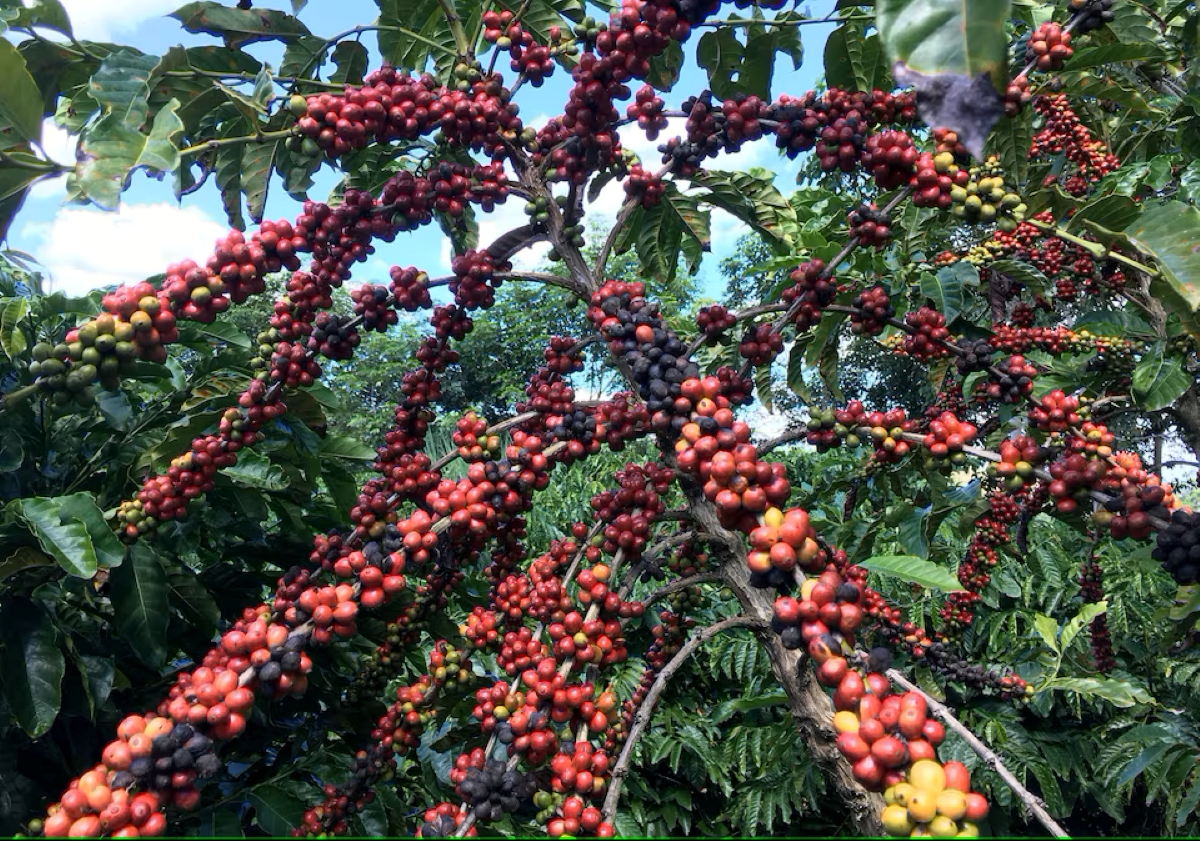
In the lush fields of Nzara County, South Sudan, farmer Catherine Bashiama carefully inspects the branches of her Excelsa coffee trees, eagerly searching for the first signs of fruit. Three years after planting the seedlings, her efforts are finally paying off. “This coffee gives me hope,” she says, smiling as she examines the ripening cherries. “I want to provide a better future for my children.”

The Global Coffee Industry Eyes Excelsa

Discovered over a century ago, Excelsa remained largely overlooked due to the dominance of Arabica and Robusta. However, with climate change driving coffee prices to record highs and threatening traditional growing regions, Excelsa is now drawing international attention. Experts estimate that Brazil, the world’s top coffee producer, could see a 12% drop in its harvest this year due to droughts.

“Farmers worldwide are facing tough choices,” says Aaron Davis, head of coffee research at the Royal Botanic Gardens, Kew. “Excelsa might be a key part of the solution.”

A New Chapter for South Sudan’s Coffee Industry

Unlike Ethiopia or Uganda, South Sudan has not been known as a coffee-producing nation. Historical coffee cultivation declined due to decades of conflict, forcing farmers to abandon their crops. Now, companies such as Equatoria Teak are working to revive the coffee industry, distributing Excelsa seedlings to local farmers and training them in sustainable cultivation practices.

“We have been testing Excelsa for years, and it is showing strong resilience to heat,” says Ian Paterson, managing director of Equatoria Teak. “We hope to scale up production and introduce this coffee to specialty markets.”

The first commercial batches are expected to be exported to Europe this year, with major buyers expressing interest. Industry experts predict that by 2027, Excelsa could contribute millions of dollars to the local economy. However, challenges remain, including poor infrastructure and high transportation costs.

Overcoming Challenges for a Sustainable Future

Despite its potential, South Sudan’s coffee industry faces logistical hurdles. Transporting coffee to international markets requires long and expensive journeys, with shipment costs significantly higher than in neighboring countries. Additionally, political instability and a lack of investor confidence pose barriers to large-scale growth.

Nonetheless, local farmers see Excelsa as an opportunity to break free from economic hardship. “With coffee, we can be independent,” says farmer Taban John. “I want to use my earnings to buy a bicycle and send my children to school.”

Excelsa represents more than just a coffee crop—it is a chance for South Sudanese farmers to rebuild their livelihoods and for the global coffee industry to adapt to a changing climate.


View this post on Instagram


A post shared by عالم القهوة (@qahwaworld)

JDE Peet’s Launches €250 Million Share Buyback Programme

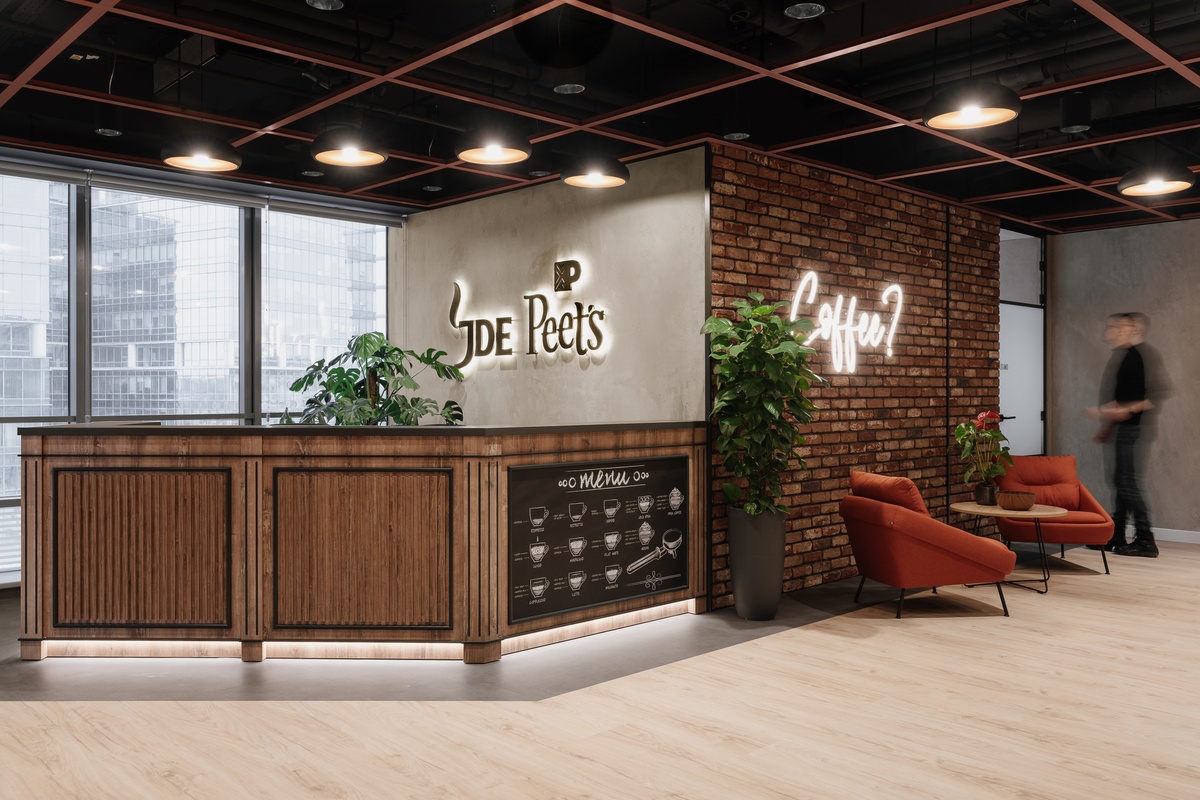
JDE Peet’s (EURONEXT: JDEP), the world’s leading pure-play coffee and tea company by revenue, has initiated a share buyback programme worth up to €250 million in 2025. The programme, announced on February 26, 2025, begins on March 3, 2025, and will run until the end of the year, barring unforeseen circumstances.

The primary objective is to reduce JDE Peet’s capital by cancelling nearly all the repurchased ordinary shares. A small portion of the shares will be allocated to cover share-based remuneration obligations. At the current share price, the buyback could involve approximately 13.9 million shares, representing 2.8% of the company’s total outstanding shares.

The programme will be carried out within the framework of relevant laws and regulations, as well as the authorization granted at JDE Peet’s 2024 Annual General Meeting (AGM) on May 30, 2024, and the authority (if granted) by the AGM on June 19, 2025. An intermediary will oversee the execution of the buyback, ensuring compliance with the EU Market Abuse Regulation and predefined execution parameters.

JDE Peet’s will provide regular updates on the programme’s progress through press releases and a dedicated section on its website.

Kazakhstan’s Coffee Preferences: What They Drink and How Much They Pay

The cafe and restaurant automation company Poster conducted a study to determine which coffee beverages are most popular in Kazakhstan.

Top 7 Most Popular Coffee Beverages

In 2024, latte became the most popular coffee beverage in Kazakh establishments. For every cup of espresso sold, there were 68 cups of latte and 66 cups of cappuccino. Americano ranked third. Interestingly, in 2023, cappuccino held the top position, but latte has now overtaken it.

Espresso Index: Growth in Sales and Prices

Over the past year, the cost of a cup of espresso in Kazakhstan increased by 16%, while its consumption grew by 10%. In 2024, the average price of espresso was 800 tenge, which is 110 tenge more than in 2023, when it was 690 tenge.

How Much Do the Most Popular Coffee Drinks Cost?

The price of a latte increased by 13.3% over the year, with its average price in 2024 reaching 1,190 tenge. Other drinks also saw price hikes: Americano by 11.3%, flat white by 8.9%, mocha by 7.2%, cappuccino by 5%, and espresso saw the highest increase at 15.9%.

Top 3 Alternative Coffee Brewing Methods

The most popular alternative coffee brewing method in Kazakhstan in 2024 was pour-over. The average price for this manual brewing method reached 1,900 tenge. In comparison, it was 1,500 tenge in 2023.

Aeropress ranked second in popularity. However, in 2024, it was sold half as much as pour-over in coffee shops. The average price for an Aeropress coffee in 2024 was also 1,900 tenge. Over the year, coffee brewed using pour-over or Aeropress increased in price by nearly 30%.

Chemex ranked third, with an average price of 2,000 tenge.

“Coffee consumption in Kazakhstan is growing actively. Coffee is becoming not just a beverage but a part of culture and daily life, especially among the youth. Milk-based drinks like cappuccino and latte remain a priority. However, Kazakhstanis are rediscovering classic coffee options as well,” says Poster CEO and co-owner Rodion Eroshek.

How and Why the Study Was Conducted

The study is based on aggregated, non-personalized sales data from a sample of 150 establishments across the country that operated continuously from 2023 to 2024.

“Alternative” brewing methods refer to manual coffee preparation techniques, such as Chemex, Aeropress, pour-over, siphon, V60, and others.

The goal of the study is to provide a general understanding of the market situation and help business owners make more informed management decisions.


Elody Yimon: The Barista Who Paints with Coffee—A Journey of Art, Passion, and Espresso

Few baristas blur the lines between coffee and art as beautifully as Elody Yimon. More than just a skilled barista, she transforms her love for coffee into stunning works of art—using espresso as her paint. With a deep appreciation for Middle Eastern coffee culture and a unique approach to creativity, Elody’s journey is an inspiring blend of passion, skill, and dedication. In this exclusive interview, she shares how her artistic journey began, how she balances introversion and extroversion behind the bar, and her dreams of creating large-scale coffee art.

You describe yourself as an ambivert barista—someone who balances between introversion and extroversion. How does that influence your work behind the bar?

Making coffee for people is an absolute pleasure. As an ambivert, I can easily adapt—switching to an extroverted mode when discussing coffee. I love sharing knowledge about the best coffees we offer, and when it comes to telling the story of Mokha1450, I’m always eager to engage.

What first inspired you to start drawing with coffee? Was it an artistic passion or a spontaneous discovery?

I grew up surrounded by my cousin sisters, who are professional artists, and their talent inspired me. I always had a desire to sketch, and although I experimented with acrylic painting, I never pursued it professionally. I’ve always been drawn to handmade crafts, from crochet to beanies, so when I discovered I could paint with coffee, it felt like a natural extension of my creativity.

Being a barista is an art in itself. Do you see a connection between preparing coffee and creating your artwork?

Absolutely. I love art, I love drawing, and I love coffee. Being a barista allows me to merge all these passions into one—creating a perfect harmony between craft and creativity.

How do you choose what to paint with coffee? Do you take inspiration from café culture, emotions, or personal experiences?

My inspiration comes from my experiences as a barista. Whenever I visit a café and have an espresso, I want to remember it. So, I sketch the coffee shop or the bar and use the same espresso I drank that day as the background color. Even after it dries, I can still smell the aroma of the coffee, and every time I look back at my drawings, I remember the flavors and experiences tied to them. One of my favorites is a sketch of the Mokha1450 bar, painted with Colombia Geisha espresso.

Your energy and positivity are contagious! What keeps you motivated in both your barista work and your artistic journey?

Moving to the Middle East as a barista was one of the best decisions I’ve made. The coffee culture here is incredible, and the community is welcoming and inspiring. Every day brings new learning opportunities, and that constant growth keeps me motivated to improve both my barista skills and my coffee art.

What has been your most memorable experience as a barista so far?

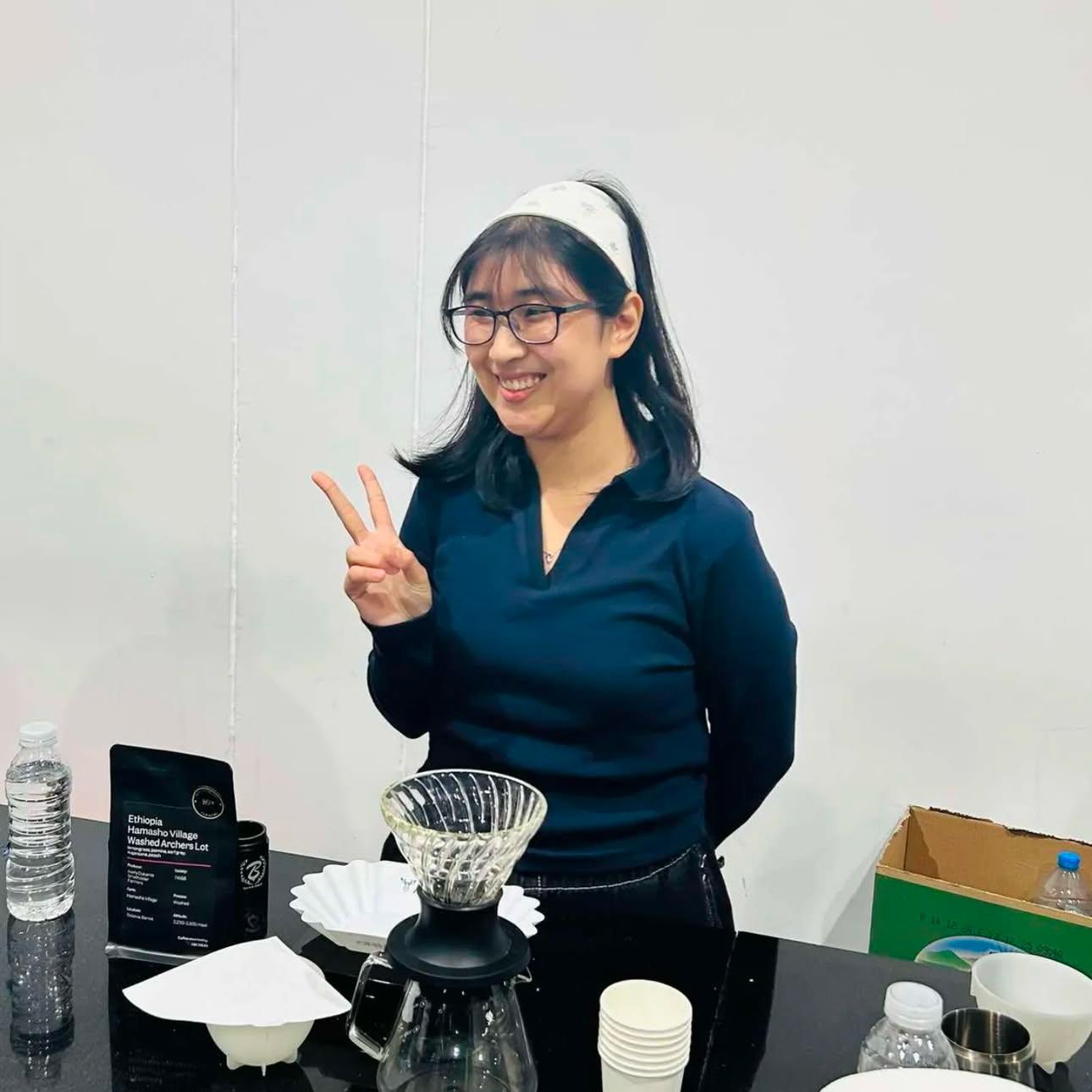
Recently, the cupping event hosted by Mokha1450 and Lohas Coffee was an unforgettable experience. I tasted some of the most remarkable coffees in my career, and the Pacamara variety stood out—it was truly amazing.

Where do you see your coffee art going in the future? Any exciting projects or dreams you’d love to achieve?

My dream is to create large-scale coffee art on canvas, showcasing it at an event like World of Coffee. Right now, I’m still refining my ability to draw portraits, but once I master that, bringing my vision to life on a grand scale will be my next big goal.

If you could have coffee with anyone in the world, who would it be and why?

Without a doubt, my mom. She loves coffee, but in our home country, specialty coffee isn’t widely known. I want to brew a great cup for her and share my passion when I visit home again.

Elody Yimon’s journey is a testament to the endless possibilities of creativity in coffee. Whether she’s pulling the perfect shot of espresso or painting with it, she brings a level of artistry that transcends the everyday café experience. Keep an eye on her work—you might just see her coffee-painted masterpieces displayed at the world’s biggest coffee events one day.


CQI Skills at Work: Assessing Lot Ripeness in Coffee Production

This year, the Coffee Quality Institute (CQI) is shining a light on the essential skills that drive coffee quality. Whether in Quality Evaluation or Post-Harvest Processing, expertise and hands-on techniques play a crucial role in ensuring that coffee meets the highest standards. One of the most critical competencies in this field is Assessing Lot Ripeness—a skill that goes far beyond simple visual inspections.

The Importance of Lot Ripeness

Assessing Lot Ripeness is a crucial step in post-harvest processing, where producers must make informed decisions about their coffee harvest. This process is far from straightforward, as it requires the integration of multiple assessment techniques to determine the optimal condition of the cherries. Proper ripeness assessment directly impacts the quality of the final coffee product, influencing taste, consistency, and market value.

How It Works: Key Assessment Techniques

Determining lot ripeness involves a combination of observational and scientific methods. Some of the most widely used techniques include:

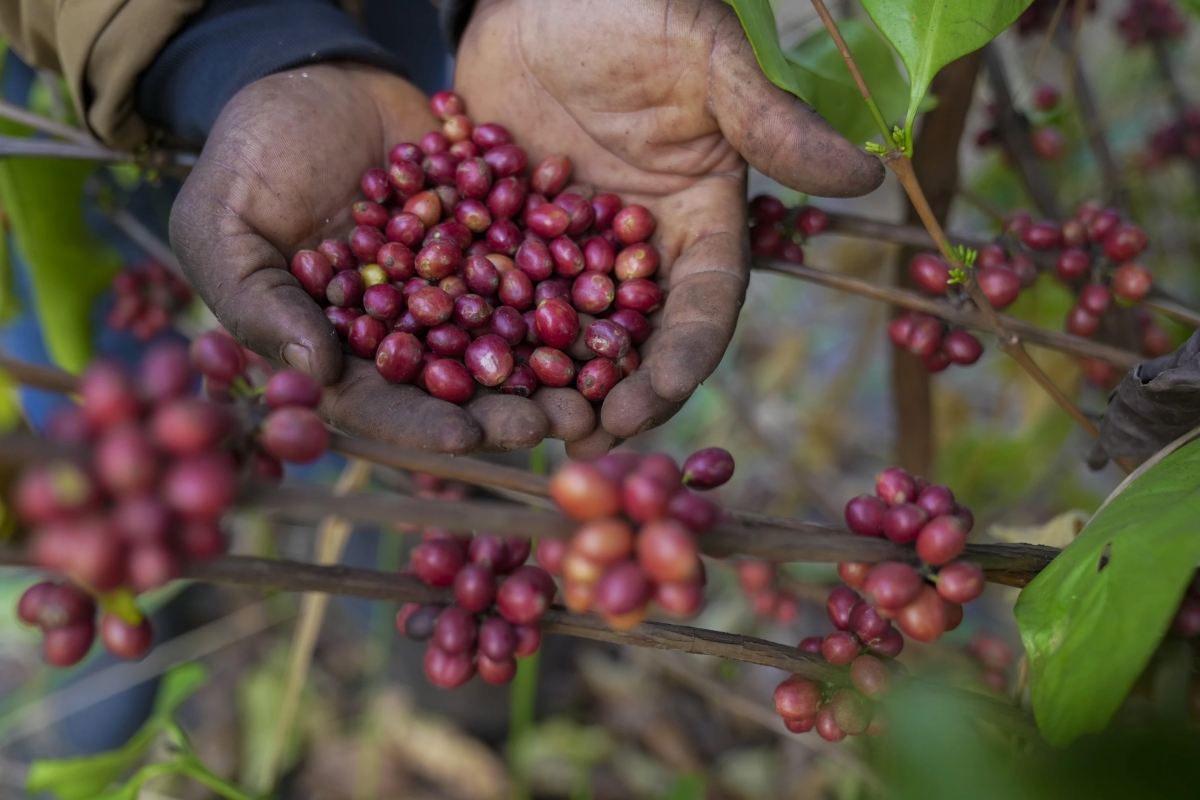
  • Visual Cues: Producers assess the color and uniformity of cherries to distinguish ripe from underripe or overripe fruit.
  • Texture and Firmness: A gentle squeeze test helps determine the maturity of cherries, ensuring they have reached the right stage for processing.
  • Floating Tests: This method involves submerging cherries in water to separate underdeveloped, low-density cherries from the fully mature ones.
  • Brix Measurements: The sugar content of the cherry mucilage is measured using a refractometer to gauge the ripeness level accurately.

CQI in Action: A Field Perspective

CQI Q Processing Professional and Robusta Instructor Sunil Pinto from India takes this skill beyond the classroom into the field. By applying these techniques, farmers and processors can optimize their harvest, ensuring that only the best cherries make it to the next stages of production. This hands-on approach leads to higher-quality coffee and better financial returns for producers.

CQI Education Pathways: Building Expertise

CQI offers two structured education programs designed to develop and validate coffee professionals’ skills:

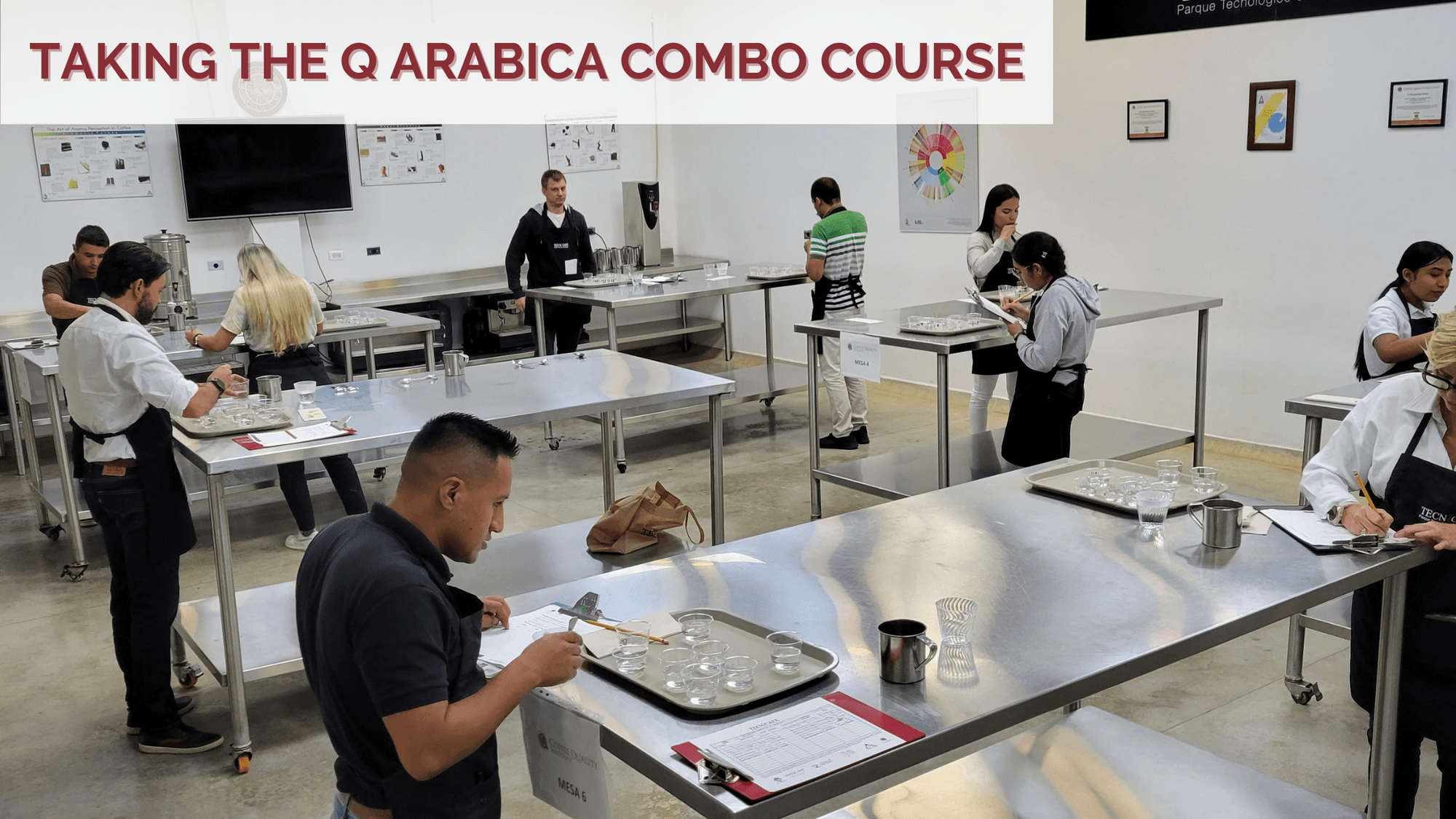
  1. Quality Evaluation: This program enhances the ability to assess coffee quality at every stage of the supply chain. Through a shared language of quality, specialty coffee producers gain better access to premium markets and higher financial rewards.
  2. Post-Harvest Processing (PHP): PHP focuses on transforming the coffee fruit into a dry seed ready for roasting. This program equips coffee professionals with critical knowledge to improve processing techniques and enhance overall coffee quality.

Certification and Skill Progression

CQI education follows a structured progression, allowing learners to advance through different levels of expertise:

  • 100 Level – Novice
  • 200 Level – Practitioner
  • 300 Level – Experienced
  • 400 Level – Advanced

Both Quality Evaluation and Post-Harvest Processing programs offer internationally recognized certifications, ensuring that coffee professionals gain valuable, verifiable skills applicable from farm to consumer.

The Future of Coffee Quality

As the coffee industry evolves, skills like Assessing Lot Ripeness continue to play a pivotal role in maintaining quality and consistency. By equipping professionals with practical, data-driven methods, CQI is empowering producers to maximize the potential of every coffee harvest. With proper education and application, coffee professionals worldwide can enhance their processes, improve quality outcomes, and create a sustainable and profitable future for coffee production.

To learn more about CQI education and certification programs, visit CQI’s official website.


The coffee market, the f-word, and the future of quality

Like just about everyone else in the coffee world, I have been watching the market lately with more than a casual interest. I find my thoughts returning again and again to the f-word and its implications for the future of coffee quality.

No, not that f-word, although the market’s historic rally has undoubtedly wrangled that word from the lips of traders and buyers more than once in recent days. The f-word I am thinking of is less florid, not shocking on its own, but only when attached to other words like “dollar” and “market,” as in four-dollar market.

The first time I heard this term was just after the New Year in a conversation with someone very senior in the trading community who told me his team’s preparations for 2025 included scenario-planning for a four-dollar market.

I was impressed they had the vision to consider that the market’s historic rally in late 2024 – it had never gone that high for that long – could go even higher. I found myself thinking that it might be something to watch for in Q3 or Q4, and I could never have imagined that we would hit four-dollar mark less than a month later.

This extraordinary rally makes me wonder whether we will be using a different four-letter word by the end of the year: five. More importantly, it makes me worry about commitment to coffee quality at both ends of the coffee supply stream.

I have had the very good fortune in my career to work on both the buying and selling sides of the coffee trade. In both roles, I have experienced lesser rallies: I was working with growers during the market rally of 2011, the last time it broke the $3 mark, and I was sourcing green coffee during its more modest move into the $2.50s in 2022 against the backdrop of a pandemic-related logistics crisis. In both cases, high prices put coffee quality at risk. Or perhaps more precisely, they spelled trouble for commitment to trading relationships anchored in a mutual embrace of coffee quality among buyers and sellers.

For growers, high prices can lead to neglect of quality on the farm, picking indiscriminately and processing sloppily in a rush to bring coffee to market before prices fall. More importantly, it can lead producers to neglect relationships in the market, side-selling their coffee to intermediaries at today’s rates rather than delivering them against agreements with exporters or cooperatives fixed at lower rates weeks or months before. When side-selling happens at scale, it leads to contract defaults.

For buyers who have contracts with customers on the selling side but may not have formal commitments to their regular suppliers on the buying side, there is a similar temptation to move away from traditional suppliers in the search for lower prices, even if it means lower quality grades.

These behaviors are understandable on both sides, driven by uncertainty and need: sellers who see too few good markets and fear the rally won’t last rush to cash in before it ends; buyers who have commitments to customers and fear this rally will last seek ways to minimize the impact of historically high prices on their margins.

But these behaviors are also destructive: they undermine the trust that is built over time and undermine commitment to quality at a time when retail prices are likely to rise, meaning consumers may be paying more for less.

The literature on international development uses the term “negative coping strategies” to describe short-term approaches taken by poor families to survive shocks that undermine their long-term livelihoods. When negative coping strategies are adopted, it makes recovery from shocks that much harder since families must rebuild the assets depleted in the process just to get back to where they were before the shock. This conceptual framework may be relevant to this moment in coffee, as the current market has the potential to lure buyers and sellers of coffee into coping strategies that help them weather today’s storm but leave them more exposed to tomorrow’s.

This is the first significant market rally I have experienced in more than 20 years in which I am not working for an organization involved in the buying or selling of coffee, but that doesn’t mean I don’t have a professional stake in how things play out.

CQI has spent more than 20 years enabling the trade in quality-differentiated coffee: working to improve the quality of coffee, foster a common language of quality, and help producers develop trading relationships that allow them to turn improvements in coffee quality into better outcomes for themselves and their families. During that time, we have helped to develop — then support through ongoing training, testing, and certification in cupping and post-harvest processing — many of the relationships that underpin the trade in quality coffee. A resort to negative coping strategies by buyers, sellers, or both, puts the work we have done together with so many of you at risk in ways that would be a setback for the entire sector.

By privileging the relationships that have helped all of us deliver so much value and hedge so much risk over the years, we can minimize the disruption of this moment and the amount of work we need to do together to rebuild the systems that create quality and bring it to market.

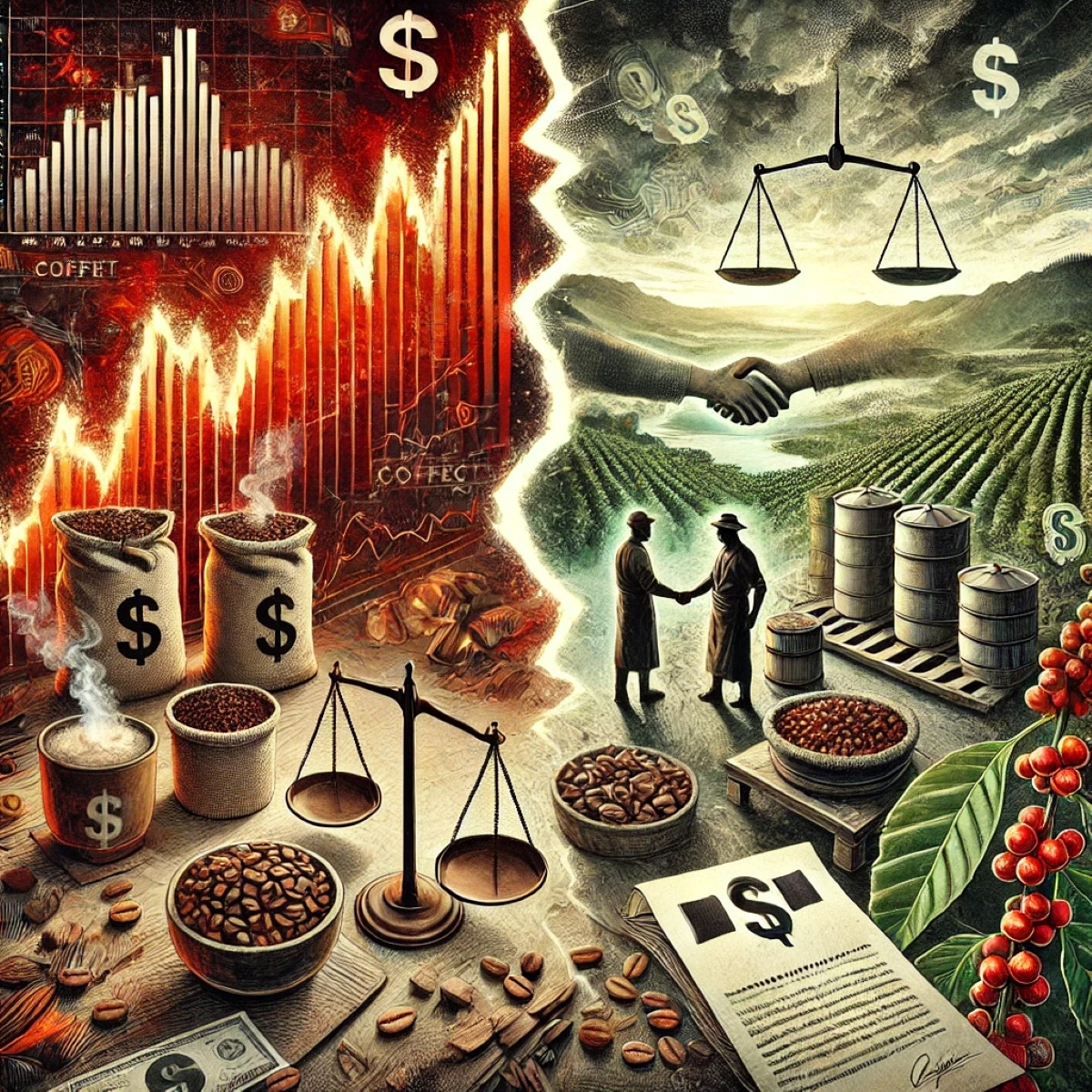
If we don’t, there is a chance we will be using a that f-word when we look back on how we handled this market.

By: Michael Sheridan, CEO Coffee Quality Institute (CQI)