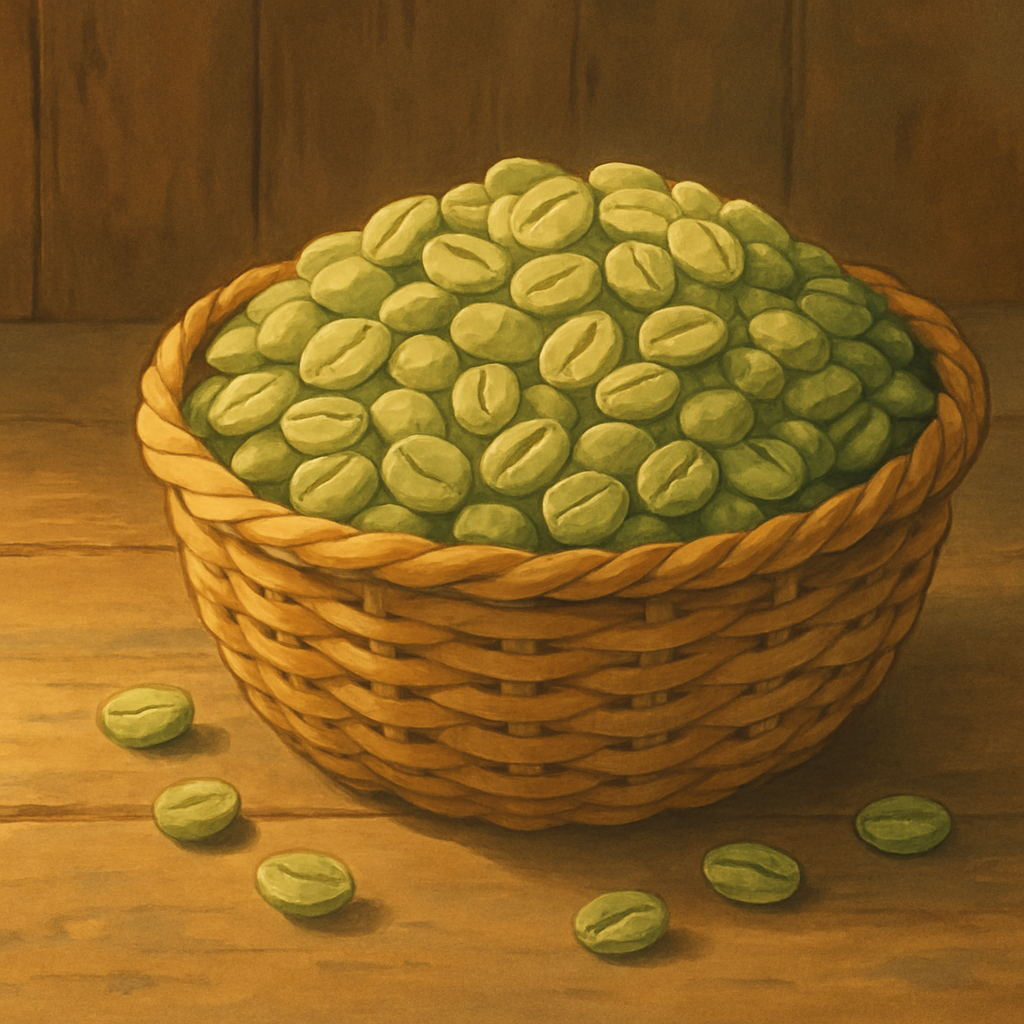
Lower Brazil Coffee Crop Estimates Push Prices Higher Amid Global Supply Concerns

Coffee prices edged higher on Wednesday, supported by renewed concerns over supply constraints in Brazil, the world’s largest coffee producer. The July arabica futures contract (KCN25) rose by 0.24% to close at +0.95 cents, while July robusta (RMN25) climbed 1.34% (+71), continuing a price rally triggered by worsening crop forecasts and tight inventories.

The upward momentum in coffee markets follows a 2.5-month high for arabica and a one-month peak for robusta on Tuesday, driven largely by Rabobank’s latest projections for Brazil’s 2025/26 harvest. The bank estimates arabica production will fall by 13.6% year-on-year to 38.1 million bags due to prolonged dry weather, which severely impacted flowering in key arabica-growing regions.

In contrast, Rabobank expects robusta output in Brazil to increase by 7.3% year-on-year to a record 24.7 million bags, adding some balance to the overall supply outlook. Nonetheless, concerns remain heightened, particularly for arabica, which underpins much of the specialty coffee market.

The Brazilian coffee export picture is also compounding bullish sentiment. According to Cecafe, March 2025 exports of green coffee plunged by 26% compared to the same month last year, totaling just 2.95 million bags. This comes after Brazil’s crop agency Conab lowered its estimate for the current 2024 crop to 54.2 million bags, down 1.1% from its earlier forecast. It also projects a further 4.4% drop in the upcoming 2025/26 season, marking a three-year low at 51.81 million bags.

While recent rains in Minas Gerais, Brazil’s top arabica-producing region, have increased soil moisture — 38.7 mm reported in one week alone, or 490% above the historical average — this may be too late to reverse the damage caused by a year of unusually dry conditions. The country’s natural disaster monitoring agency, Cemaden, reports that Brazil has faced its driest weather since 1981.

ICE-monitored inventories are sending mixed signals. While robusta stockpiles fell to a four-month low of 4,225 lots on Wednesday, arabica inventories climbed to a 2.5-month high of 826,304 bags earlier in the week. The global outlook adds further complexity: the USDA’s December report forecasts a 4.0% increase in global coffee production for the 2024/25 season, reaching 174.85 million bags. However, global ending stocks are projected to fall to a 25-year low of 20.87 million bags — a 6.6% decline year-on-year.

Specifically, arabica production is expected to rise modestly by 1.5% to 97.84 million bags, while robusta is projected to grow 7.5% to 77 million bags. Yet rising global demand and consecutive years of deficits continue to weigh on long-term balance sheets.

Beyond Brazil, other major producers are also grappling with weather-induced challenges. In Vietnam — the world’s largest robusta exporter — production for the 2023/24 cycle dropped 20% to 1.47 million metric tons, marking the smallest harvest in four years. Export volumes fell 17.1% year-on-year to 1.35 million metric tons, according to the Vietnam General Statistics Office. The Vietnam Coffee and Cocoa Association has since lowered its production forecast for 2024/25 to 26.5 million bags, down from 28 million.

Meanwhile, Colombia, the second-largest producer of arabica coffee globally, is still recovering from the effects of last year’s El Niño-driven drought, which hampered yields and affected flowering patterns.

Adding to concerns, commodity trader Volcafe recently slashed its forecast for Brazil’s 2025/26 arabica crop to 34.4 million bags — a significant downgrade of 11 million bags from its earlier estimate. The firm now predicts a global arabica deficit of 8.5 million bags in 2025/26, deeper than the 5.5 million-bag shortfall in 2024/25. If realized, this would mark the fifth consecutive year of arabica deficits.

While recent rainfall in Brazil may offer some short-term relief, long-term concerns over production capacity and weather volatility continue to support coffee prices. With arabica inventories tightening and robusta under pressure from lower Vietnamese exports, the global coffee market remains on edge, with buyers and traders closely watching upcoming harvest data and export trends.

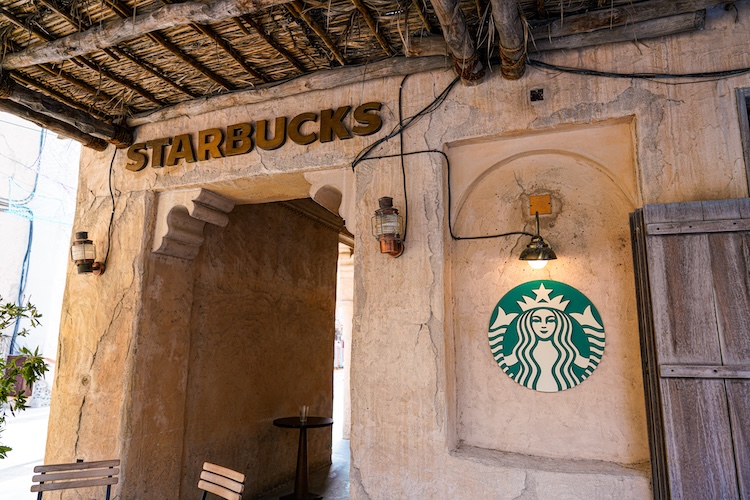
New Dutch Study Links Coffee Consumption to Lower Risk of Frailty in Older Adults

Can your daily cup of coffee help you age better? A new study from the Netherlands suggests that drinking more than four cups a day may significantly reduce the risk of physical frailty in later life. Here’s what the researchers discovered.

A new study published in the European Journal of Nutrition in 2025 has uncovered a compelling link between regular coffee consumption and a reduced risk of frailty among older adults. Conducted as part of the Longitudinal Aging Study Amsterdam (LASA), the research followed more than 1,100 Dutch individuals aged 55 and older, analyzing their coffee consumption patterns and physical health indicators over time.

The study found that people who habitually consumed more than four cups of coffee per day — equivalent to at least 500 to 750 ml — were significantly less likely to develop frailty compared to those who drank only one to two cups daily. In fact, drinking 4–6 cups a day was associated with a 64% lower chance of frailty, while drinking more than six cups correlated with a 63% reduction.

Frailty is a clinical condition characterized by a decline in multiple physiological systems, often leading to reduced mobility, higher risk of falls, dependence on care, and increased mortality. It is typically measured using the “Fried frailty phenotype,” which includes five components: unintentional weight loss, low grip strength, exhaustion, slow walking speed, and low physical activity.

The researchers observed that those who drank more coffee had significantly better outcomes in terms of muscle strength and weight maintenance — two core components of frailty. The protective effect of coffee was evident not only in the short term but also over a 7-year follow-up period, during which those who consumed between two and four cups per day had a 59% lower risk of developing frailty.

What makes this study especially noteworthy is that it examined both current coffee habits and retrospective reports of midlife coffee consumption (ages 40–65). While the most significant effects were observed with current consumption, individuals who reported drinking coffee regularly during midlife also showed a trend toward lower frailty rates in older age.

Interestingly, the type of coffee — caffeinated or decaffeinated — also played a role. The data showed that high consumption of decaf coffee was associated with a lower incidence of frailty or pre-frailty over three years, suggesting that caffeine may not be the only beneficial compound in coffee. The researchers suggest that other bioactive compounds, such as polyphenols and antioxidants, may contribute to this protective effect by reducing inflammation and oxidative stress, two factors known to accelerate physical decline with age.

However, the study did not find a strong association between coffee intake and the earlier stage of frailty known as “pre-frailty,” nor did it show consistent results for all subgroups. For example, the effects varied slightly between men and women and among those drinking different types of coffee, though the overall trends were clear.

Lead researcher Mette van der Linden noted that while the results are promising, more research is needed to confirm the findings and to understand the underlying biological mechanisms. “Coffee is one of the most widely consumed beverages in the world,” she said. “If our findings are confirmed, it could become part of the conversation around healthy aging strategies.”

The LASA project is one of Europe’s most respected long-term aging studies, with data going back to 1992. Its findings have previously shaped policy discussions around aging and public health in the Netherlands and beyond.

Conclusion:
This latest research adds to the growing body of evidence that coffee may offer more than just a mental boost or morning ritual — it could play a role in physical resilience as we age. While more studies are needed to establish a causal relationship, the idea that coffee might help preserve strength and mobility later in life is one more reason to savor that cup.

Starbucks Q2 2025 Earnings: Revenue Up, Profits Down

Starbucks Corporation (NASDAQ: SBUX) reported its financial results for the second quarter of fiscal year 2025, posting a 2% increase in revenue to $8.8 billion, even as profitability dropped sharply due to rising costs and restructuring tied to its ongoing “Back to Starbucks” strategy.

The quarter, which ended on March 30, 2025, saw GAAP earnings per share fall 50% to $0.34, while non-GAAP EPS declined 40% to $0.41. Operating margin also compressed significantly amid investments in labor, technology, and corporate restructuring.

Key Q2 2025 Financial Highlights

  • Revenue: $8.8 billion (up 2% YoY, or 3% in constant currency)

  • GAAP EPS: $0.34 (down 50%)

  • Non-GAAP EPS: $0.41 (down 40%)

  • GAAP Operating Margin: 6.9%

  • Non-GAAP Operating Margin: 8.2%

  • Global Comparable Store Sales: Down 1%

  • Net New Stores: 213

  • Total Global Stores: 40,789

Starbucks CEO Brian Niccol expressed confidence in the company’s transformation strategy, saying, “My optimism has turned into confidence that our ‘Back to Starbucks’ plan is the right strategy to turn the business around and unlock opportunities ahead.”

North America: Higher Ticket Size, Fewer Transactions

Starbucks’ North America segment, which includes its core U.S. market, saw revenue increase just 1% to $6.47 billion. Comparable store sales declined 1%, with a 4% drop in transactions partially offset by a 3% rise in average ticket size.

Operating income fell 35% year-over-year to $748 million, as labor investments and lower transaction volume weighed on margins, which dropped from 18.0% to 11.6%.

International Markets: Growth with Pressure

The International segment performed better, with revenue rising 6% to $1.87 billion and 2% growth in comparable sales, driven by increased customer visits. However, average ticket dropped by 1%.

China, the company’s second-largest market, saw flat same-store sales as 4% more transactions were fully offset by a 4% decline in average ticket. China now accounts for 19% of Starbucks’ store count with 7,758 locations.

Operating income for the international segment decreased 7% to $217 million, and operating margin fell to 11.6%, impacted by increased promotions and organizational restructuring.

Channel Development and Consumer Packaged Goods

Starbucks’ Channel Development segment, which includes ready-to-drink and retail packaged coffee sold through grocery and convenience channels, saw a 2% decline in revenue to $409 million. Operating income fell 11% to $193.5 million, affected by higher product costs and lower contributions from partnerships.

Global Expansion and Store Footprint

Starbucks added 213 net new stores in the quarter, bringing the total to 40,789 locations across more than 80 countries. The U.S. and China together now represent 61% of the company’s global presence, with 17,122 stores in the U.S. and 7,758 in China.

Leadership and Organizational Updates

In March, Starbucks appointed Cathy Smith as Chief Financial Officer, replacing Rachel Ruggeri. The company also reduced 1,100 corporate support roles earlier in the quarter to streamline operations as part of its turnaround plan.

At its 33rd Annual Meeting of Shareholders, Starbucks recognized the retirement of long-time board member Mellody Hobson, with Jørgen Vig Knudstorp taking over as lead independent director.

Commitment to Shareholders

Despite profitability challenges, Starbucks continues its dividend streak, declaring a cash dividend of $0.61 per share payable on May 30, 2025. This marks the company’s 60th consecutive quarterly dividend, reflecting long-term shareholder value commitment.

Outlook: Recovery in Progress

Commenting on the results, CFO Cathy Smith noted: “While our financial results are far from Starbucks’ potential, we are building back a better business. We are developing new capabilities to test, iterate, and scale quickly, in service of long-term, durable growth.”

Coffee Prices Slide on Demand Worries and Supply Optimism

Global coffee prices fell sharply on Tuesday, pressured by concerns over weakening demand and improving supply prospects.

July arabica futures (KCN25) dropped by 2.50% to close down 10.25 cents, while July robusta futures (RMN25) declined 2.12%, down $115. The downturn came despite an early rally, as market sentiment shifted following new data showing that U.S. consumer confidence fell to its lowest level in nearly five years. The sharp decline raised concerns that discretionary spending, including coffee consumption, could soften in the months ahead.

Additional pressure on prices came from Brazil, the world’s largest coffee producer, where above-average rainfall has significantly improved soil moisture levels. Meteorological agency Somar reported that Minas Gerais, Brazil’s main arabica-growing region, received 38.7 mm of rain last week—nearly 490% above historical averages.

Increased stock levels also weighed on the market. ICE-monitored arabica coffee inventories rose to 826,304 bags on Monday, reaching a 2.5-month high.

Geopolitical and trade tensions added further uncertainty. The prospect of increased tariffs has raised fears that higher retail prices could suppress coffee demand in the U.S.

Despite Tuesday’s losses, arabica futures had earlier hit a 2.5-month high, while robusta touched a one-month high. This initial rally was fueled by a revised forecast from Rabobank, which projects Brazil’s 2025/26 arabica harvest will decline by 13.6% year-on-year to 38.1 million bags due to dry weather limiting the flowering phase of coffee trees. However, robusta supply may grow, with the bank estimating a 7.3% year-on-year increase to 24.7 million bags—a record high.

Currency fluctuations also played a role. A stronger Brazilian real reached a 3.5-week high against the U.S. dollar, discouraging exports from Brazilian growers and offering some support to prices.

Meanwhile, Brazil’s coffee export figures continue to show volatility. March exports fell 26% year-on-year to 2.95 million bags, according to Cecafe. In January, Brazil’s crop forecasting agency Conab estimated that the country’s 2025/26 coffee harvest would drop 4.4% to 51.81 million bags, a three-year low.

Last year’s El Niño weather pattern may continue to have lingering effects on crops in South and Central America. Brazil has experienced its driest conditions since 1981, while Colombia, the world’s second-largest arabica producer, is still recovering from a prolonged drought.

Robusta coffee remains underpinned by tight supplies from Vietnam, the world’s largest robusta exporter. Prolonged drought has led to a 20% drop in the 2023/24 crop year to 1.472 million metric tons, the smallest yield in four years. Vietnamese coffee exports fell 17.1% year-on-year to 1.35 million metric tons. The Vietnam Coffee and Cocoa Association also cut its 2024/25 output forecast to 26.5 million bags, down from an earlier estimate of 28 million.

On the supply side, Brazil reported a record 50.5 million bags in 2024 coffee exports—a 28.8% year-on-year increase. However, global figures remain mixed. The International Coffee Organization (ICO) noted a 12.4% year-on-year decline in December exports, with the first quarter showing a 0.8% annual drop.

The USDA’s December biannual report offered mixed signals. Global coffee production is projected to rise 4.0% year-on-year to 174.9 million bags in 2024/25. While arabica output is expected to grow modestly by 1.5%, robusta is forecasted to increase 7.5%. Yet, ending stocks are projected to fall by 6.6% to a 25-year low of 20.87 million bags.

Looking ahead, Volcafe has lowered its 2025/26 Brazilian arabica production estimate to 34.4 million bags, citing severe drought conditions. The firm also expects a widening global arabica deficit of 8.5 million bags, up from a previous estimate of 5.5 million.

Despite short-term volatility, weather conditions, currency trends, and trade policies will continue to shape the coffee market’s outlook in the months ahead.

Rich hotels’ poor coffee policies

By Serkan Oral

I saw Hospitality’s top brands at the iconic Arabian Travel Market Dubai 2025.
However, we witness that many hotels that make huge investments, luxury buildings and offer great tastes do not offer quality speciality coffee.

Well known hotel brands actually consume cheaper coffee beans instead of serving Speciality Coffee.
They often fail to serve quality coffee to customers.
Ok, I ll tell you the difference.
Large equipment is used to roast commercial coffee in bulk while specialty coffee is roasted in small quantities to prevent the burning.
I visited top brands and talked with high level management at ATM Dubai 2025.
Many business meetings, interviews and dates take place in a hotel lobby; the go-to drink is usually coffee.

The lobby of a five-star hotel is a sensory place. Lavish décor highlighted by rich lighting; a myriad of accents mingled with ambient music.

And you can not find specality coffee at these big hotels.

I am in a five-star hotel guy, I am expecting to receive an excellent coffee.

Unfortunately, I didn’t. It was a bitter disappointment.

Nowon I ll judge a hotel by its coffee.

Why hotels do not pay more attention to the type of coffee they serve?
If you have taste you search for the best, even in a hotel.

People should start asking, “How can it be so difficult to find good coffee in a place where everything else is of the highest standard?

Specialty coffee is growing in popularity, and more people are interested in the craftsmanship that transformed the coffee bean into the superb substance that fills their cup.

Mostly hotels have a wine/champagne list with names such as Krug and Dom Pérignon, and some even have a water list, but a coffee list? – A coffee menu? No.

They are away of the world of specialty coffee.

You are expecting high-grade coffee, after all this is a high-class establishment. Your coffee arrives, and it is unexceptional.

Huge investment hotels where I have stayed, served coffee made from Robusta beans, very low-quality Arabica blends

They say some even used coffee in capsules!

Most hotels use low-quality capsule coffee because it is easier for them to manage and cost-effective. While this may work in 3-star hotels, I believe it is unacceptable in a 5-star luxury hotel.

The annual business-to-business exhibition takes place at the Dubai World Trade Centre.
I visited several 5 star hotels places.
And ı have chance to talk on coffee and modern f&b issue.
I m not happy with my hearings.
But they are going to think on for to serve or even keep speciality coffee beans at their lobbies.

Organised in collaboration with Dubai World Trade Centre, ATM 2025’s strategic partners include the Dubai Department of Economy and Tourism (DET) as Destination Partner; Emirates as Official Airline Partner; IHG Hotels & Resorts as Official Hotel Partner.

Arabian Travel Market reflects Dubai’s position as a leading global hub for tourism, travel and hospitality. Jumeirah, Rixos, Marriot, Rotana, Mandarin, Four Seasons, Kempinski, Armani Hotels… etc.

And hope to connect Speciality Coffee and luxury brands in the near future.

Luckin Coffee Reports Strong Q1 2025 Results with Surge in Revenue, Store Growth, and Profitability

Luckin Coffee Inc. has announced robust unaudited financial results for the first quarter ending March 31, 2025, showing significant year-over-year growth across key performance metrics, including revenue, store expansion, and profitability.

Key Financial and Operational Highlights

  • Total net revenue reached RMB 8.87 billion (US$1.22 billion), a 41.2% increase compared to Q1 2024.

  • Same-store sales growth for self-operated stores rebounded to +8.1%, a strong turnaround from -20.3% a year earlier.

  • GAAP operating margin rose to 8.3%, up from a -1.0% margin in Q1 2024.

  • Net income amounted to RMB 525.1 million (US$72.3 million), reversing a net loss of RMB 83.2 million in the prior-year period.

  • New store openings totaled 1,757, pushing the global store count to 24,097, including locations in China, Hong Kong, Singapore, and Malaysia.

  • Monthly active customers reached an average of 74.3 million, up 24% year-over-year.

Dr. Jinyi Guo, co-founder and CEO of Luckin Coffee, commented:
“We delivered strong first-quarter results driven by 41% revenue growth and a return to positive same-store sales performance. Our strategy of scaling rapidly while maintaining operational efficiency continues to show results. As we expand across China and beyond, we remain focused on delivering high-quality coffee at accessible prices.”

Segment Performance

  • Self-operated stores contributed RMB 6.48 billion (US$892.2 million) in revenue, up 41.5% year-over-year.

  • Partnership stores generated RMB 2.08 billion (US$286.5 million), marking a 38% increase.

  • Store-level operating profit for self-operated stores grew 244.8% year-over-year to RMB 1.1 billion, with a margin of 17.1%.

  • Revenue from freshly brewed drinks accounted for nearly 70% of total revenues, rising to RMB 6.16 billion.

  • Operating expenses rose 28.1% to RMB 8.13 billion, mainly due to business expansion, but as a percentage of revenue fell to 91.7% from 101% in Q1 2024.

Leadership Update

In a strategic board transition, Dr. Jinyi Guo stepped down as Chairman while retaining his role as CEO. Hui Li, Chairman and CEO of Centurium Capital and a former Luckin board member, was appointed as the new Chairman.

Mr. Li stated:
“It is a privilege to return to Luckin Coffee at this pivotal time. I look forward to working with Dr. Guo and the management team to guide the company’s next chapter of growth.”

Financial Strength

  • Non-GAAP operating income reached RMB 864.3 million (US$119.0 million), compared to RMB 5.0 million a year ago.

  • Non-GAAP net income jumped to RMB 649.3 million (US$89.4 million), up from a net loss of RMB 13.1 million in Q1 2024.

  • Cash position remains solid at RMB 6.13 billion (US$844.0 million) as of March 31, 2025.

  • Net cash from operating activities totaled RMB 896.6 million (US$123.4 million), reversing a net outflow of RMB 264.4 million in the same quarter last year.

Outlook

Luckin Coffee reaffirmed its commitment to long-term sustainable growth through product innovation, digital integration, and continued store expansion. The company is well-positioned to strengthen its leadership in China’s rapidly evolving coffee market.

A live conference call to discuss the results was scheduled for April 29, 2025. A replay and webcast are available via the company’s investor relations website.

For full financial tables and non-GAAP reconciliations, please refer to the official release on investor.lkcoffee.com.

Westrock Coffee Unveils 2024 Sustainability Report and Outlines Vision for 2030

Westrock Coffee Company (Nasdaq: WEST), North America’s leading producer of private label coffee and tea solutions, has released its 2024 Sustainability Report, highlighting major strides in responsible sourcing, supply chain transparency, and environmental stewardship, while setting an ambitious vision for 2030.

The new report underscores Westrock Coffee’s continued commitment to building a more sustainable and equitable global supply chain, celebrating key milestones that benefit millions of smallholder farmers across its network. Founded on principles of responsible business practices and transparency, the Arkansas-based company supplies coffee, tea, extracts, flavors, and other beverage solutions to some of the world’s top brands in retail, foodservice, hospitality, and consumer packaged goods (CPG) sectors.

“Westrock Coffee was founded to challenge industry norms and create a better future across the coffee supply chain,” said Brooke Cantrell, Vice President of Sustainability at Westrock Coffee. “Our 2024 report reflects the progress we’ve made and charts a clear path toward our 2030 goals.”

Key Highlights from the 2024 Report:

  • A Decade of Raíz Sustainability™:
    Westrock Coffee’s flagship sustainability program marks ten years of impact, promoting sustainable agriculture, fair labor, and equitable supply chains across Latin America. Since its launch in 2015, Raíz has disbursed over $8.5 million in farmer premiums, reached more than 6,800 farmers, and conducted over 67,000 farm visits to provide technical support, demonstrating measurable long-term economic, social, and environmental benefits.

  • Sustainable Manufacturing Leadership:
    In 2024, Westrock Coffee opened the largest roast-to-ready-to-drink (RTD) manufacturing facility in North America. Designed with sustainability at its core, the facility recycles more than one billion gallons of water annually and features energy-efficient roasters that consume 40% less energy while doubling coffee production capacity.

  • Advancing Responsible Sourcing:
    The company made significant progress toward its goal of 100% responsibly sourced coffee and tea by 2025. By the end of 2024, 89% of Westrock Coffee’s coffee and 100% of its tea were responsibly sourced. The company also expanded its Real Roots™ sourcing program and conducted comprehensive audits of strategic suppliers against its Responsible Sourcing Policy.

Looking ahead, the 2024 report outlines Westrock Coffee’s sustainability roadmap through 2030. Strategic priorities include enhancing supply chain transparency, expanding economic development initiatives in coffee-producing regions, and strengthening ecosystem resilience across its operations.

To access the full 2024 Sustainability Report, visit Westrock Coffee – Our Impact.

About Westrock Coffee Company:
Westrock Coffee is a leading integrated provider of coffee, tea, flavors, extracts, and ingredient solutions in the U.S. and globally. With offices in 10 countries and sourcing operations in 35 origin countries, Westrock Coffee delivers comprehensive services across sourcing, product development, roasting, packaging, and distribution to clients in retail, foodservice, hospitality, and other sectors. For more information, visit WestrockCoffee.com.


From Tea Capital to Coffee Hub: China’s Pu’er Shifts Focus as Tastes Evolve

Nestled among the lush green hills of southwestern China, the city of Pu’er — historically renowned for its fermented tea — is undergoing a transformation. With changing consumer preferences, especially among the younger generation, coffee is rapidly gaining ground in a region once defined by centuries of tea tradition.

At his café overlooking steep coffee-covered slopes, 25-year-old barista Liao Shihao brews pour-over coffee for a growing number of curious visitors. “People come here to taste our filtered coffee,” he tells AFP. “They appreciate the variety of flavors. In the past, they mostly drank instant or commercial coffee and were hesitant to try anything new.”

Liao’s family has been cultivating their plot — aptly named Xiaowazi or “Little Valley” — for three generations. The farm sits in a shaded valley where coffee trees form tidy rows on steep terrain, and fresh beans dry on wooden racks. Curious tourists are increasingly making their way to Pu’er’s hillside cafés to sample the region’s emerging specialty coffee.

“It’s excellent,” says 21-year-old visitor Kai Xuen, while sipping on a tasting flight.

According to Chinese government statistics, Pu’er producers now sell tens of thousands of tons of coffee beans annually to major cities across the country.

“No One Knew Coffee Back Then”

While cities like Beijing and Shanghai have embraced a booming café culture driven by urban consumers aged 20 to 40, Pu’er’s journey into coffee is still relatively young.

“Coffee from our region offers a creamy body and a smooth mouthfeel,” explains Liao Shihao.

Widespread cultivation of coffee in Pu’er didn’t begin until the 1980s. For decades, the area remained far more famous for its signature fermented tea, exported throughout East Asia and beyond. Liao’s grandfather, Liao Xiugui, recalls, “No one knew anything about coffee when I first arrived here decades ago.” He was among the few Chinese who studied coffee culture in its early days.

Thanks to the region’s mild climate and high altitude, Pu’er proved to be ideal for coffee cultivation. “Our coffee isn’t overly bitter,” says the 83-year-old, “and it has delicate, fragrant notes and a fruity acidity — all part of its unique character.”

The beans are grown without synthetic pesticides, in biodiverse mixed-crop farms, yielding around 500 tons annually. Xiugui drinks two to three cups a day and credits coffee for his energy and health: “It keeps you young, it improves your health… it slows aging!” he laughs. “And with today’s work pressure, we all need a boost!”

A New Economic Driver

Though China still lags behind coffee giants like Brazil, Vietnam, and Colombia, its domestic coffee production has grown significantly in recent years, with Yunnan Province — bordering Southeast Asia — leading the charge. The Pu’er region is at the heart of this movement.

During a March visit, Chinese President Xi Jinping praised Pu’er coffee as a product that can now “represent China.” In response, local authorities have rolled out policies to support the sector, enhance production, attract investment, and encourage exports.

Officials are also combining coffee with tourism to attract domestic visitors and stimulate local consumption — a key pillar in China’s broader economic recovery strategy.

For farmer Yu Dun, 51, the shift to coffee has changed her life. She diversified her income by organizing guided farm tours, opening a small lodge, and launching a restaurant that serves Dai ethnic dishes paired with her own roasted coffee.

Yu says her income from coffee has increased tenfold since she began roasting beans herself. “People used to say coffee was only for the rich,” she smiles. “Now, everything has changed.”

Arabica Coffee Prices Surge Amid Fears of Smaller Brazilian Crop

Arabica coffee prices soared to a 2.5-month high on Monday, driven by mounting concerns over a potential shortfall in Brazil’s upcoming coffee harvest.

July arabica coffee contracts (KCN25) closed up by 2.55% (+10.20 cents), while July robusta coffee futures (RMN25) edged slightly lower by 0.04% (-2 points). The sharp rise in arabica was primarily fueled by forecasts of a significant decline in Brazil’s 2025/26 arabica coffee crop.

Last week, Rabobank revised its outlook, predicting a 13.6% year-on-year drop in Brazil’s arabica output to 38.1 million bags. The bank cited prolonged dry weather in key coffee-growing regions, which severely hampered the crucial flowering stage of coffee trees. In contrast, robusta coffee prices faced downward pressure after Rabobank projected a 7.3% increase in Brazil’s 2025/26 robusta production, reaching a record 24.7 million bags.

Adding momentum to arabica’s rally was the strengthening of Brazil’s real, which climbed to a three-week high against the US dollar. A stronger real typically discourages Brazilian coffee farmers from exporting, tightening global supply and supporting higher prices.

However, not all weather developments were bullish. Somar Meteorologia reported that Minas Gerais — Brazil’s largest arabica-producing region — received 38.7 mm of rain in the week ending April 19, a staggering 490% above the historical average. Improved soil moisture could alleviate some stress on coffee plants, potentially tempering price gains.

Increased inventories also cast a shadow on the rally. ICE-monitored arabica coffee stockpiles rose to 826,304 bags on Monday, the highest level in 2.5 months, signaling better near-term supply availability.

Meanwhile, broader global trade tensions and fears of higher tariffs on coffee imports threaten to dampen demand, particularly in the U.S., where consumers could face higher retail prices.

Still, underlying supply concerns persist. Brazil’s coffee export agency Cecafe reported a 26% year-on-year decline in March green coffee exports, totaling 2.95 million bags. Earlier this year, Brazil’s crop forecasting agency, Conab, estimated that the 2025/26 coffee crop would shrink by 4.4% year-on-year to a three-year low of 51.81 million bags. Conab also trimmed its 2024 forecast slightly to 54.2 million bags.

The lingering effects of last year’s El Niño-induced drought continue to pose risks across South and Central America. Brazil is enduring its driest conditions since 1981, according to disaster monitoring agency Cemaden, severely impacting coffee tree development. Colombia, the world’s second-largest arabica producer, is also grappling with the aftermath, although recovery efforts are underway.

Robusta coffee markets are likewise feeling the impact of adverse weather. Vietnam, the world’s top robusta producer, reported a 20% decline in coffee output for the 2023/24 season, producing just 1.472 million metric tons — the smallest crop in four years. The country’s coffee exports also tumbled by 17.1% year-on-year to 1.35 million metric tons. The Vietnam Coffee and Cocoa Association recently downgraded its 2024/25 production forecast to 26.5 million bags, from 28 million previously.

Despite these supply challenges, larger export volumes in some regions could weigh on prices. Brazil’s 2024 coffee exports jumped by 28.8% year-on-year to a record 50.5 million bags, according to Conab. Yet, the International Coffee Organization (ICO) noted that December global coffee exports fell by 12.4% year-on-year, suggesting regional variations in trade flows.

The U.S. Department of Agriculture’s (USDA) latest biannual report painted a mixed picture. Global coffee production is projected to rise by 4% to 174.855 million bags in the 2024/25 season, with a 1.5% uptick in arabica output and a 7.5% surge in robusta production. However, global ending stocks are expected to fall by 6.6%, reaching a 25-year low of 20.867 million bags, tightening the overall supply-demand balance.

Looking further ahead, the supply outlook remains precarious. Coffee trader Volcafe recently slashed its forecast for Brazil’s 2025/26 arabica production to 34.4 million bags — 11 million bags lower than its previous estimate. Volcafe also warned of a widening global arabica deficit, predicting a shortfall of 8.5 million bags for the 2025/26 season, compared to a 5.5 million bag deficit in 2024/25. If realized, this would mark the fifth consecutive year of global supply deficits.

% Arabica to Open First Australian Flagship in Bondi

Japanese specialty coffee brand % Arabica has announced the opening of its first Australian flagship store in Bondi, Sydney.

‘Coming Soon’ signage was installed over the weekend at the corner of Hall Street and Campbell Parade, with the store scheduled to open in late 2025. On April 21, % Arabica also launched its official Australia Instagram page, featuring a post about the Bondi location, which is now listed on the brand’s website.

Julie Lanham, COO of Retail Leasing, commented:

“We’re thrilled to announce that our client % Arabica has signed a lease for their first Australian flagship store, opening late 2025 on the most iconic corner in Bondi Beach — Hall Street and Campbell Parade. Once home to the beloved Bates Milk Bar, this landmark site now sits beneath the stunning new Hall & Campbell luxury apartment development.”

Founded by Kenneth Shoji in Kyoto in 2014, % Arabica operates 224 locations worldwide, with new openings planned for Nepal, Spain, Iraq, and Australia. Most of its stores are concentrated in Asia and the Middle East.

“Our dream is to grow % Arabica across unique lands and cultures of the world, so that we can ‘See the World Through Coffee’,” Shoji says on the brand’s website. “We only live once, so let’s explore the world we live in, set goals, and enjoy our time together over an amazing cup of coffee.”

China’s $25 Billion Coffee Market and the Rise of a Global Powerhouse

  • As China rises to become a major player in the world of coffee, this in-depth report explores how the nation built a $25 billion coffee market, blending technology, rural innovation, and cultural transformation. From the misty fields of Yunnan to futuristic metaverse cafés, discover how China is reshaping the global coffee industry.

In the fog-shrouded highlands of Yunnan Province, a quiet agricultural revolution is underway. Once famed for its tea, China has emerged as the world’s eighth-largest coffee producer—and its fastest-growing consumer market.
Valued at $25 billion in 2025, China’s coffee industry is not merely expanding—it is rewriting global trade patterns and challenging traditional coffee culture.

On Yunnan’s terraced farms, 58-year-old farmer Li Wei picks ripe coffee cherries.
“My grandfather grew tea here,” he says, “but now my coffee beans pay for my son’s education.”

Today, Yunnan produces approximately 2.5 million bags of coffee annually, enough to supply nearly half of Luckin Coffee’s 15,000 stores across China.

Yet despite this remarkable growth, smallholder farmers like Li earn just 8 yuan (about $1.10) per kilogram—far less than the retail price of a single Yunnan-sourced latte in cities like Shanghai.

Key Figures:

  • 95% of China’s coffee is grown in Yunnan.

  • Domestic coffee bean usage rose from 20% in 2020 to 40% in 2025.

The App Wars

In Shanghai’s bustling Lujiazui district, coffee battles are fought not over counters, but through smartphone screens.
Luckin Coffee’s app, used by 80 million monthly users, employs AI to predict customers’ next orders.
Meanwhile, Starbucks has launched NFT-based memberships offering exclusive digital perks, while ByteDance—parent company of Douyin—has introduced its Jinri Coffee brand, selling more than 5 million cups daily via livestream flash sales.

Quote:
“Coffee today is no longer just about taste—it’s about mastering the algorithm,” says tech analyst Zhang Lei.

Beyond China’s glittering megacities, a quieter coffee revolution is brewing.
In Anhui Province, local grocer Wang Hua notes rising sales of instant coffee among factory workers.

Meanwhile, vending machines offering 5-yuan ($0.70) oat milk lattes have popped up at rural bus stations, helping boost ready-to-drink (RTD) coffee sales by 200% in tier-4 cities since 2023.

Key Data:

  • Rural coffee penetration reached 10% in 2025, up from 2% in 2020.

  • Plant-based milk now accounts for 45% of coffee orders nationwide.

The Dark Side

Behind Yunnan’s coffee boom lies a troubling environmental cost.
It takes about 120 liters of water to process just one kilogram of coffee here—50% more than the global average.
Severe droughts in 2024 slashed production by 15%, prompting companies like Starbucks to invest in AI-powered irrigation systems.

Still, only 5% of farmers benefit from fair-trade or sustainability premiums.

Quote:
“They talk to us about the future of sustainability,” says Li Wei, “but who pays for it today?”

Genomics, Robots, and Metaverse Cafés

By 2030, China’s coffee market is projected to reach $45 billion. Innovation will be key:

  • Robot baristas are expected to operate in 20% of tier-1 city cafés.

  • Luckin’s DNA Coffee project (launching in 2026) promises genetically personalized coffee blends.

  • Tencent’s Metaverse Café will allow users to sip virtual Yunnan Geisha coffee while collecting NFT art.

China’s coffee story is no longer about catching up—it’s about leading.
From Yunnan’s misty fields to Shenzhen’s neon skyline, coffee has become a symbol of China’s ability to blend deep-rooted tradition with lightning-speed innovation.
As the next great coffee powerhouse, China is not merely joining the global conversation—it is rewriting the rules.

Vanusia Nogueira Highlights Sustainability Challenges in Coffee Sector at Specialty Coffee Expo 2025

During the Specialty Coffee Expo 2025 held in Houston, Vanusia Nogueira, Executive Director of the International Coffee Organization (ICO), addressed key sustainability challenges facing the global coffee sector in an interview conducted by El Mundo del Café La Revista, a Mexican magazine specializing in coffee industry coverage. The interview was published as a video on the magazine’s official Instagram account.

Qahwa World republishes highlights of this conversation, which sheds light on critical issues including climate change, economic sustainability, and innovation in coffee production.

Speaking from the event floor, Nogueira noted the significance of the Specialty Coffee Expo as the largest global gathering for specialty coffee. She participated in the presentation of sustainability awards organized by the Specialty Coffee Association (SCA), an initiative aimed at recognizing leadership in environmental and social responsibility within the coffee industry.

“This is a fair packed with people and ideas, and it’s a pleasure to discuss the future of coffee here,” Nogueira said.

She explained that the sustainability awards, initiated several years ago, currently recognize two categories: businesses operating for profit, and non-profit organizations. This year, a roaster from India won in the for-profit category, though visa issues prevented their attendance. Fairtrade International, a German non-profit organization, received the award for its longstanding contributions to promoting environmental, economic, and social sustainability.

Turning to climate challenges, Nogueira warned of increasingly severe weather patterns disrupting coffee production across major producing countries since 2021.

“We are witnessing extreme climate events — long droughts, unprecedented heat waves — which are directly impacting harvests,” she said.
To adapt, she emphasized the urgent need for investment in developing heat- and drought-resistant coffee varieties, soil regeneration practices, and more efficient irrigation systems.

Nogueira also highlighted the ICO’s collaboration with international bodies, including the G7, the European Union, and the World Bank, to secure support for producers adapting to the new realities of climate change.

On the issue of economic sustainability, Nogueira acknowledged recent improvements in coffee prices but cautioned that affordability concerns among consumers must be balanced with fair compensation for producers.

“Consumers may feel that prices at supermarkets and cafés are rising, but it is crucial to recognize that fairer prices are necessary to ensure dignified livelihoods for coffee farmers,” she said.

In her closing message, Nogueira addressed coffee producers, particularly in Mexico, calling for greater innovation and environmental stewardship.

“We must continue seeking alternatives and innovations that respect the environment while ensuring sustainable production that supports farming families,” she said.


View this post on Instagram


A post shared by عالم القهوة (@qahwaworld)

The interview was conducted and originally published by El Mundo del Café La Revista, a leading Mexican coffee industry magazine, via its Instagram platform.