Lackluster Rainfall in Brazil Lifts Arabica Coffee Prices

Arabica coffee futures settled higher on Monday, supported by renewed supply concerns due to below-normal rainfall in Brazil. July arabica (KCN25) closed up +2.85 cents (+0.74%) after earlier rising as much as +6.20 cents (+1.61%) intraday. July robusta contracts (RMN25) were not traded due to the UK’s May Day holiday.

According to Somar Meteorologia, Brazil’s top arabica-producing region, Minas Gerais, received just 1.5 mm of rain in the week ending April 26—only 21% of the historical average. The insufficient rainfall triggered short covering among traders, lifting prices off recent lows.

Last week, arabica futures hit a 2.5-month high and robusta climbed to a 5-week high amid growing concerns about Brazil’s next crop. Rabobank forecasted that Brazil’s 2025/26 arabica harvest could fall by 13.6% year-over-year to 38.1 million bags due to drought-related impacts on flowering.

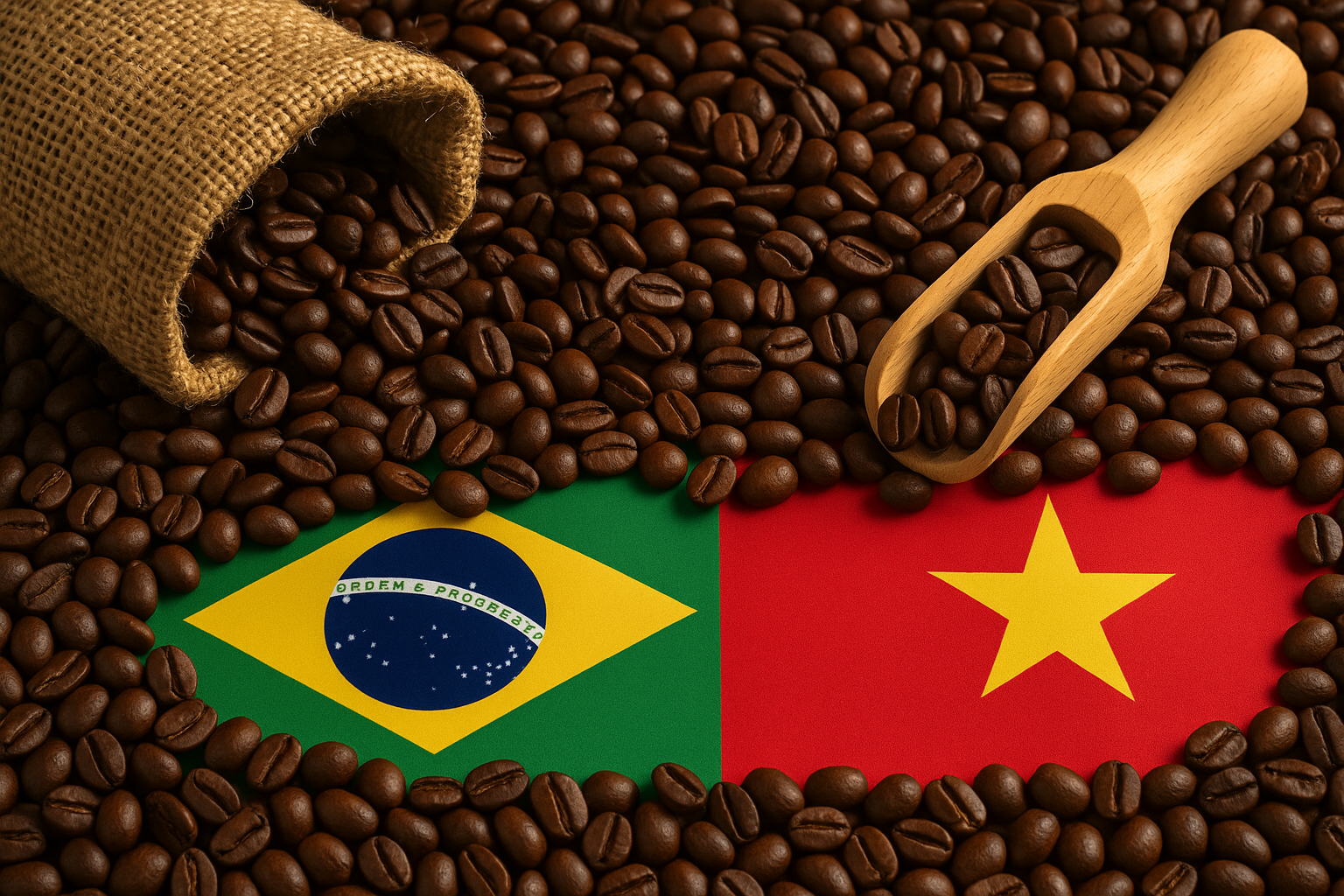
Tight robusta supply is also driving price support. Vietnam, the world’s leading robusta exporter, saw January–March shipments fall 15.3% year-over-year to 495,780 metric tons, according to data from the Vietnam Customs Department.

Supply-side pressures are building across the board. Cecafe reported that Brazil’s green coffee exports in March fell 26% from the previous year to 2.95 million bags. On January 28, Brazil’s crop agency Conab projected a 4.4% decline in the 2025/26 coffee crop to a three-year low of 51.81 million bags. It also revised the 2024 crop estimate down 1.1% to 54.2 million bags from the earlier figure of 54.8 million.

At the same time, demand-side concerns are tempering bullish sentiment. Major global importers—including Starbucks, Hershey, and Mondelez International—warned that the U.S. baseline 10% tariff on imports would likely raise consumer prices and dampen demand.

Inventory signals are mixed. Last Wednesday, ICE-monitored robusta inventories fell to a four-month low of 4,225 lots, while ICE-monitored arabica inventories rose to a 2.5-month high of 832,133 bags as of Monday.

Robusta markets remain supported by production setbacks in Vietnam. The country’s 2023/24 crop fell by 20% to 1.472 million metric tons—its smallest in four years—due to drought. In addition, Vietnam’s 2024 coffee exports dropped 17.1% year-over-year, and its Coffee and Cocoa Association recently cut its 2024/25 output estimate from 28 million to 26.5 million bags.

Meanwhile, Rabobank expects Brazil’s 2025/26 robusta production to increase by 7.3% to a record 24.7 million bags. Despite this, Conab reported in February that Brazil’s total 2024 coffee exports rose by 28.8% year-over-year to a record 50.5 million bags. In contrast, the ICO reported a 12.4% year-over-year decline in global coffee exports in December, with October–December exports down 0.8%.

The USDA’s December biannual report presents a mixed picture: global coffee production in 2024/25 is projected to rise 4.0% to 174.86 million bags, including a 1.5% increase in arabica and a 7.5% jump in robusta. However, ending stocks are forecasted to fall 6.6% to a 25-year low of 20.87 million bags.

Looking further ahead, Volcafe recently cut its forecast for Brazil’s 2025/26 arabica crop to 34.4 million bags, down 11 million from earlier estimates following extensive drought damage. The firm anticipates a global arabica deficit of 8.5 million bags—greater than the 5.5 million bag shortfall forecasted for 2024/25—marking the fifth consecutive year of global deficits.

 Market Close Update – May 5, 2025:
Arabica coffee futures closed Monday at +2.85 cents (+0.74%), moderating after stronger gains earlier in the session. The price movement followed weather-driven buying activity. ICE-monitored arabica stocks increased to 832,133 bags, the highest level in 2.5 months, while robusta trading remained closed for the UK holiday.


Cathy Smith Joins Starbucks as CFO to Help Lead Brand Turnaround with CEO Brian Niccol

Cathy Smith has spent years ducking into Starbucks cafés for quick meetings, moments of reflection, or simply a reliable cup of coffee. Her usual order? An Americano with a splash of 2% milk. The stores, for her, have long served as a personal “third place”—a cozy space between home and work.

“I can’t tell you how many decades Starbucks has been like my personal third place,” Smith says. “I knew I could go into a Starbucks, grab a great cup of coffee, sit down at a table, and do whatever I needed to.”

But in recent years, even Smith noticed a drift from the essence that once made Starbucks so inviting—declining service quality, less welcoming cafés, and an erosion of the brand’s once-iconic atmosphere. Now, as the company’s new Chief Financial Officer, she has a front-row seat—and a leadership role—in bringing that magic back.

Smith joins Starbucks amid a challenging chapter. The coffee giant is in the middle of a turnaround led by CEO Brian Niccol, who joined in late 2024 after a celebrated run at Chipotle. Starbucks has posted four straight quarters of same-store sales declines, and Wall Street is bracing for another. More critically, the brand has struggled to hold on to its emotional connection with customers.

Niccol has been quick to act. Under his leadership, Starbucks has trimmed 30% of its menu—cutting items like doughnuts and certain Frappuccinos—to simplify operations and accelerate service. He has also eliminated 1,100 corporate positions and announced plans to improve the mobile ordering system, which has often created bottlenecks behind the counter.

“We want to be a welcoming coffeehouse where people gather and we serve the finest coffee handcrafted by our skilled baristas,” Niccol recently told analysts.

That’s where Smith comes in.

As CFO, she will guide financial decisions that determine which operational changes and investments make sense—and which can scale effectively. Her résumé includes leading financial strategy during major brand turnarounds at Target and Nordstrom. At Target, she helped steer one of the most impressive retail comebacks in modern history. She joined in 2015, when the brand had lost momentum, and helped it find its footing again. Before accepting the job, she visited 65 Target stores across 10 states with her family to better understand the customer experience.

“All brands drift over time, and I have pattern recognition,” Smith says. “I’ve seen this with a number of brands, and the great ones recapture what made them great.”

At Nordstrom, she helped the company through its transition to private ownership. At other companies—Walmart, GameStop, Express Scripts, Textron—she honed her ability to match operational priorities with smart, scalable financial strategies.

Now, with Starbucks, she plans to apply that same discipline.

Some of the turnaround moves require little money: baristas now write personal messages on customers’ cups, and the dress code has been loosened. But other initiatives carry a higher price tag—such as expanded seating areas, additional power outlets, store renovations, and dedicated shelving for mobile pickup orders.

Smith, an MBA graduate of the University of Southern California, isn’t opposed to risk—but she insists on precision. “All the great retailers test everything,” she says. “It’s not about avoiding risk. It’s about taking calculated, informed steps.”

She brings another valuable asset: credibility with Wall Street. In 2017, when Target CEO Brian Cornell revealed a $7 billion reinvestment strategy to refresh outdated stores and overhaul e-commerce, investors panicked and sent the stock tumbling. But Smith was a calm, clear voice throughout the rough period—and the strategy eventually worked.

At Starbucks, she’s already preparing to take on that communicator role. In her public debut as CFO on the upcoming earnings call, she’ll be tasked with reassuring investors that the strategy is sound—and that performance will follow.

“One data point does not make a trend,” Smith says. “We’ll start to string together two quarters of strong results, then three quarters, and by the time we get to the fifth quarter, Wall Street will say, ‘Okay, I believe you,’ and we’ll start to see a different outcome in our stock.”

Starbucks shares have dropped 34% from their 2021 high. The urgency is real—and Smith feels it personally. Since joining the company, she has toured the roasting plant near Seattle, visited the distribution center, spent time at the headquarters, and plans to work behind the counter as a barista to better understand the frontline experience.

“When you’re in a turnaround, you have to move urgently,” she says.

That sense of urgency is shared by investors and leadership alike—but also by Smith as a loyal customer.

“When the board called and asked me if I was interested, it was an immediate yes,” she says. “Because I see where the brand is today. It should be the Starbucks I remember—and it can be so much more.”

“Mythos Tour” Arrives in the Middle East: A Grinder Revolutionizing Specialty Coffee

Victoria Arduino, the renowned Italian manufacturer of professional espresso machines known for their distinctive design and high performance, is launching a new regional tour across the Middle East — shining a spotlight on its revolutionary grinder, Mythos.

Since its original debut in 2013, Mythos has redefined grinding in the specialty coffee industry. It was the first grinder specifically designed by coffee specialists to shift the industry’s focus from grinding speed to extraction quality. Now, in its latest evolution, Mythos has once again raised the bar — offering unprecedented levels of precision, consistency, and user experience, all wrapped in an elegant and functional design.

To showcase this innovation, Victoria Arduino is organizing a dedicated Mythos Tour in the Middle East. The tour is designed for coffee professionals, baristas, and café owners who want to discover how to maximize their workflow, quality, and customer satisfaction using this industry-leading grinder.

Tour Schedule:

  • May 15 – Point 7 Coffee, Fujairah (UAE), 4:00–7:00 PM

  • May 16 – Baitna Café, Sharjah (UAE), 4:00–7:00 PM

  • May 19 – CMI, Muscat (Oman), 4:00–7:00 PM

During each stop of the tour, participants will take part in a fully interactive workshop led by Antonio Orria, Coffee Beverage & Community Expert at Simonelli Group Middle East. Attendees will get hands-on experience with Mythos, explore its most powerful features, and gain valuable tips to apply directly in their café or roastery setting.

Notably, Mythos is the official grinder of the World Barista Championship, a testament to its advanced technology and unmatched grinding consistency. Its intuitive interface and ergonomic design make it not only highly accurate but also easy and fast to use — a key advantage in high-demand environments.

To stay informed about future events and product updates from Victoria Arduino, visit www.victoriaarduino.com or follow the brand on Instagram at @victoriaarduinoofficial.

Drinkit Announces Franchising Launch Across MENA, Accelerating Coffee Chain Expansion

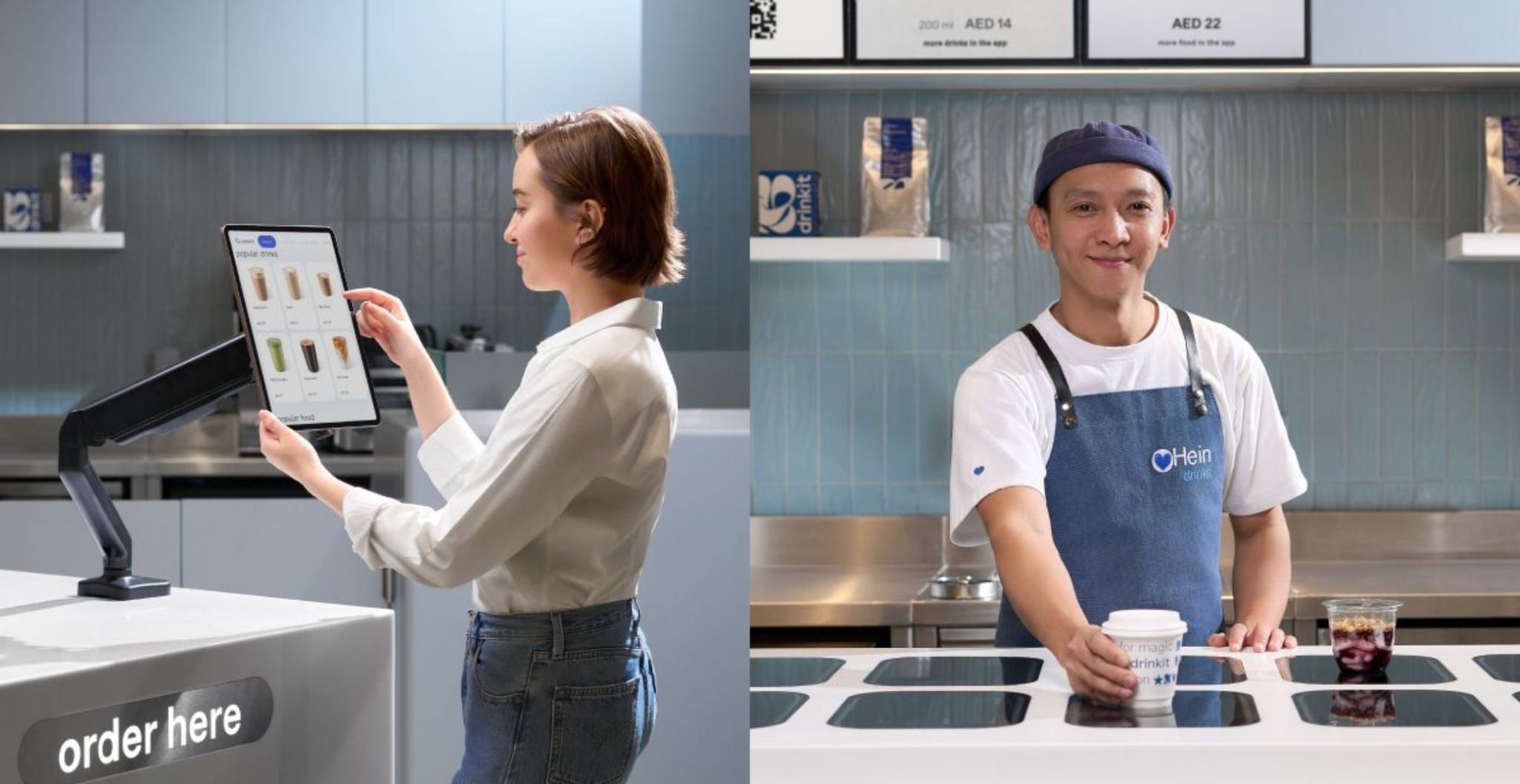
In a bold move to expand its footprint across the Middle East and North Africa, Drinkit—the digital-first coffee chain—has officially announced the launch of its franchising program. The announcement was made by Katerina Borodich, CEO of Drinkit UAE, who has been at the helm of the company’s rapid growth in the region.

She said the decision comes after more than two years of success in Dubai, where Drinkit has already opened seven locations in collaboration with leading developers such as Emaar, Majid Al Futtaim, Wasl Group, and Al-Futtaim. “Our goal is to make high-quality coffee more accessible, using our digital-first model to enhance customer convenience and operational efficiency,” Borodich explained. “We’re looking for ambitious partners—whether seasoned operators or passionate entrepreneurs—who are ready to build something extraordinary with us.”

The franchising model aims to capitalize on Drinkit’s proven concept of smart retail and app-based ordering, which has resonated strongly with consumers in the UAE. As regional demand for specialty and on-the-go coffee continues to grow, Drinkit sees this as the ideal moment to expand into new markets through strategic partnerships.

Interested parties can learn more through the Drinkit website or contact the company directly via email at [email protected]. Katerina Borodich and co-founder Dmitry Lazarenko are personally involved in supporting the franchise journey.

With its unique blend of technology, taste, and entrepreneurial spirit, Drinkit is poised to become one of the region’s most dynamic coffee chains.

Gia Lai Coffee Festival 2025: Basalt Unites Three Regions in Celebration of Vietnam’s Coffee Ecosystem

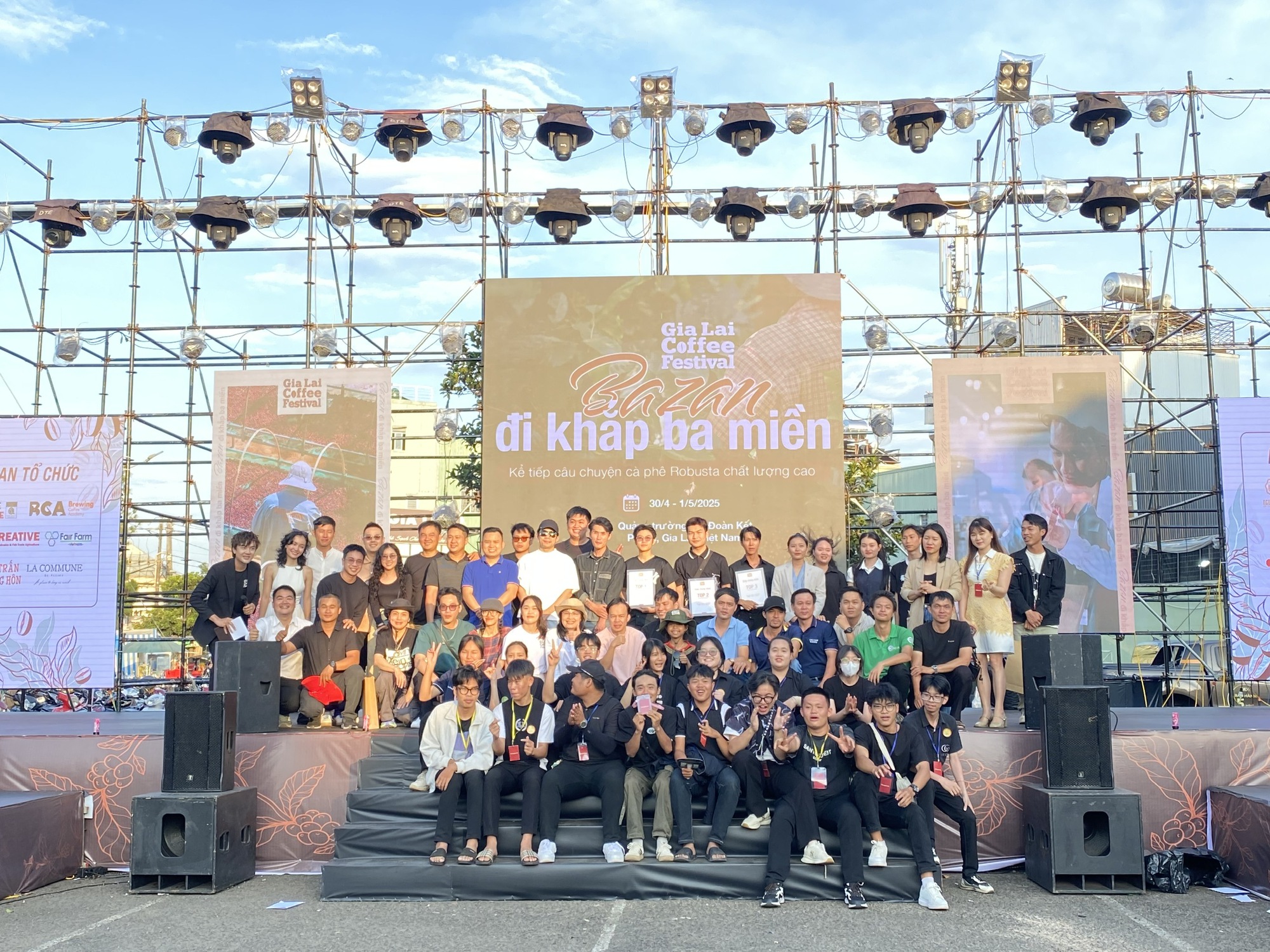
At the beginning of May, the curtains closed on the Gia Lai Coffee Festival 2025, after two consecutive days of rich activities, professional encounters, and sensory experiences held at Dai Doan Ket Square in the heart of Pleiku City. Held under the slogan “Basalt Crosses Three Regions,” the event was more than a metaphor—it was a tangible expression of unity across Vietnam’s north, central, and south, converging through the shared language of coffee.

The festival brought together a wide array of participants from all corners of the coffee world: farmers, roasters, extraction specialists, scientific researchers, and representatives of local and international institutions, along with a passionate audience of coffee lovers from across Vietnam and beyond.

This year’s edition distinguished itself through an immersive lineup of activities that blended technical mastery with cultural expression. Among them were professional cupping sessions to identify top-quality beans; live demonstrations of roasting and brewing techniques grounded in scientific precision; group competitions between barista teams; open forums for dialogue and exchange between local and international experts; and a musical evening inspired by the spirit of Vietnam’s Central Highlands.

More than forty coffee samples were presented throughout the festival, each having undergone rigorous quality assessment by seasoned sensory experts, affirming Gia Lai’s fast-rising status as a hub for high-grade Robusta aligned with specialty standards.

Nguyen Thi Nga, Deputy Director of the Nam Yang Agricultural Service Cooperative in Dak Doa district, remarked:

“Our participation aims to offer pure, high-quality coffee to visitors. This event is not merely promotional—it’s a platform for connection and storytelling, where we can share the journey of Gia Lai coffee with guests from across Vietnam and the world. Through it, we aspire to elevate our coffee to the ranks of the specialty category.”

Nguyen Truong Minh, a resident of Chu Prong district, shared his enthusiasm:

“I was truly impressed by the diversity of flavor profiles among Gia Lai’s coffees. Each variety carries a distinct character, shaped by its roasting and brewing techniques. It was a delightful and inspiring experience.”

From further afield, Swedish visitor Jo-Linn Ryner commented:

“I’m glad to be here. I previously worked on a coffee farm in Gia Lai and saw firsthand how the bean’s journey—from soil to cup—is filled with care and craftsmanship. The people here pour their hearts into what they create, and it shows in the quality of their coffee.”

At the close of the festival, the organizing committee announced the results of the Barista Teamwork Competition:

  • First Prize: Little Snakes Team

  • Second Prize: Sofar Team

  • Third Prize: UR Team

The festival also honored two standout coffee samples:

  • A natural-processed sample from Bien Ho Farm

  • A honey-processed sample from Tamba Farm

Nguyen Thi Thanh Tam, Director of the organizing company and head of the festival’s organizing committee, explained that the event is grounded in the philosophy of “From Farm to Cup.” She added:

“We hope this event helps strengthen the connection between farmers, roasters, and scientific institutions, and showcases the role of young people who have returned to their hometowns to grow clean coffee using modern science and technology, promoting their products through digital trade.”

She emphasized:

“Young people are the cornerstone of the future. They bring with them innovative thinking that fuses traditional agriculture with modern marketing tools—enabling the coffee bean to reach new heights of value.”

Meanwhile, Nguyen Van Hoa, head of the quality assessment lab in Vietnam under the international Coffee Quality Institute, stated:

“We evaluated more than forty samples from Gia Lai producers, and the best among them will be nominated for the upcoming specialty coffee competition. These entries represent a clear shift toward specialization and excellence.”

He noted that this year’s festival marked a significant evolution compared to its inaugural edition in 2023, in terms of activity variety, breadth of participation, and the depth of its message.

There is no doubt that Gia Lai Coffee Festival 2025 has cemented the province’s position as one of the world’s foremost producers of high-quality Robusta. It successfully bridged the full chain of coffee—from the farm to the lab, and from the palate to the market.

Amid the richness of flavors and the depth of dialogue, a new vision of Vietnam’s coffee future emerged—a vision defined by quality, integration, innovation, and identity.

Study: Black Coffee May Reduce Diabetes Risk in Women

A recent study published in the journal Nutrients has found that drinking black coffee may significantly improve insulin sensitivity in women, potentially lowering the risk of developing type 2 diabetes.

Using data from the Korea National Health and Nutrition Examination Survey (2019–2021), researchers analyzed the coffee consumption habits of over 7,000 Korean adults. Participants reported their daily coffee intake, including the type of coffee consumed, over a 24-hour period.

The findings revealed that women who drank two or more cups of black coffee daily had better insulin sensitivity and lower insulin resistance compared to those who drank no coffee or consumed coffee with additives like sugar or cream.

“Consuming two or more cups of black coffee per day is inversely associated with insulin resistance in Korean women,” the study noted. This suggests a potential protective role of black coffee against metabolic disorders.

Insulin sensitivity refers to how effectively the body responds to insulin, the hormone responsible for regulating blood sugar levels. Higher sensitivity means the body can efficiently move sugar from the bloodstream into cells for energy, thereby reducing the risk of high blood sugar and diabetes. Conversely, insulin resistance can lead to elevated blood sugar levels and an increased risk of type 2 diabetes and related health issues.

Researchers point to coffee’s rich content of polyphenols—especially chlorogenic acid—as a likely contributor to these benefits. These natural compounds are known for their anti-inflammatory properties and their role in supporting healthy glucose metabolism.

However, experts caution that moderation is key. While black coffee may offer metabolic benefits, excessive caffeine intake can disrupt sleep and cause unwanted side effects such as restlessness or anxiety. Additionally, to gain the full potential health advantages, it’s best to consume coffee without sugar, flavored syrups, or high-fat creamers.

In summary, your daily cup of black coffee may be doing more than just providing a morning boost—it could be supporting your long-term metabolic health, particularly for women.

China Strengthens Coffee Culture with 12,000 New Cafés

China’s coffee industry is experiencing unprecedented growth, with nearly 12,000 new coffee shops opening nationwide over the past year. This surge reflects a significant shift in consumer behavior, driven by political endorsements, changing lifestyles, and intense market competition.

According to data from food and beverage research platforms, the total number of coffee outlets in mainland China reached approximately 67,000 by the end of 2024. This net increase highlights the growing appeal of coffee not only in major metropolitan areas but also in rapidly developing urban centers known as “new first-tier” cities.

A notable moment came in March 2024 when President Xi Jinping praised coffee produced in Yunnan province, describing it as a product that “represents China.” This endorsement has bolstered the domestic coffee movement, encouraging broader support for local beans and producers.

International brands are feeling the pressure. Starbucks, once dominant in China’s coffee market, has seen its market share drop from 34% in 2019 to just 14% in 2024. The company also reported an 8% decline in same-store sales in China for the last fiscal year, highlighting the growing challenge it faces in maintaining relevance among increasingly price-sensitive consumers.

Much of the recent growth in the coffee industry has been driven by local chains offering affordable prices and efficient business models. Among them, Nowwa Coffee has emerged as a key player, operating more than 2,000 outlets across China. According to the company’s founder and CEO, the new wave of coffee drinkers includes not only office workers but also service employees, delivery drivers, and young shoppers—groups that previously relied on energy drinks for a quick boost.

Nowwa’s approach focuses on compact, highly efficient store formats—often just 30–40 square meters—situated inside convenience stores, hotels, and other high-traffic retail locations. This model reduces costs and allows for rapid national scaling. In March alone, Nowwa opened hundreds of new locations and saw a sharp increase in revenue.

China’s coffee industry reached a value of 624 billion yuan (US$86 billion) in 2024 and is expected to surpass 1 trillion yuan this year, according to iiMedia Research. However, the rapid expansion comes with challenges: growing market saturation and intense price competition.

The average cost of a cup of coffee in China dropped by 14% to 28 yuan in 2024, as local chains engage in pricing wars to win over customers. “Competitive price wars and promotions have resulted in loss of profits and the closure of smaller coffee shops,” said Nathanael Lim, Asia-Pacific beverage research lead at Euromonitor.

To adapt, many chains are diversifying their offerings. Popular strategies include introducing tea drinks, snacks, and culturally themed beverages, or opening shops in tourist attractions like temples and historic sites to generate social media interest.

As local brands continue to innovate and expand, global companies must adjust their strategies, deepen localization efforts, and seek meaningful partnerships within the local ecosystem. In China’s fast-moving coffee market, adaptability and cultural relevance are becoming as important as quality and branding.

Coffee Prices Consolidate Gains as Supply Concerns Persist Despite Demand Pressures

Global coffee markets closed the week with modest gains, supported by ongoing supply concerns in Brazil and Vietnam, although prices remained below the highs recorded earlier in the week.

On Friday, July arabica futures (KCN25) rose by 0.75 cents (+0.19%) while July ICE robusta futures (RMN25) jumped by $165 (+3.22%). The earlier surge in the week was fueled by Rabobank’s forecast of a sharp decline in Brazil’s 2025/26 arabica crop, down 13.6% year-on-year to 38.1 million bags due to prolonged drought in key growing regions.

Robusta prices continued to receive upward support from shrinking supplies in Vietnam, the world’s leading robusta producer. Data from the Vietnam Customs Department revealed a 15.3% year-on-year drop in coffee exports for the first quarter of 2025, totaling 495,780 metric tons.

Similarly, Brazil’s export data from Cecafe showed a 26% year-on-year fall in green coffee shipments for March, totaling 2.95 million bags. Brazil’s national crop agency, Conab, expects the country’s 2025/26 total coffee crop to decline by 4.4% to a three-year low of 51.81 million bags. This follows a downward revision of its 2024 crop forecast to 54.2 million bags.

While drought has constrained output, recent rains have improved soil moisture and could help the next harvest. Somar Meteorologia reported that Minas Gerais—Brazil’s largest arabica-producing region—received 38.7 mm of rain in the week ending April 19, almost five times the historical average.

Vietnam’s 2023/24 robusta crop shrank by 20% to 1.472 million metric tons, the lowest in four years. Its coffee exports in 2024 fell 17.1% to 1.35 million metric tons. The Vietnam Coffee and Cocoa Association also cut its 2024/25 production forecast to 26.5 million bags from an earlier estimate of 28 million.

Conversely, Rabobank expects Brazil’s 2025/26 robusta crop to increase by 7.3% to a record 24.7 million bags, slightly easing global supply tensions.

Despite tight supply, demand-side pressures are weighing on the market. Large importers including Starbucks, Hershey, and Mondelez International have warned that the new 10% U.S. import tariff will increase costs and hurt sales volumes.

Inventory data showed mixed trends. ICE-monitored robusta stocks dropped to a four-month low of 4,225 lots midweek, while arabica stocks climbed to a 2.5-month high of 828,119 bags by Friday.

The USDA’s December 2024 report painted a complex picture. While world coffee production in 2024/25 is expected to rise by 4% to 174.855 million bags, global ending stocks are forecasted to drop by 6.6% to a 25-year low of 20.867 million bags. Arabica output is expected to grow modestly by 1.5% while robusta production could rise by 7.5%.

For Brazil, the USDA revised down its 2024/25 forecast to 66.4 million metric tons, with ending stocks falling by 26% year-on-year to 1.2 million bags.

Looking ahead, Volcafe has downgraded its estimate for Brazil’s 2025/26 arabica crop to 34.4 million bags—down 11 million from earlier projections—after a crop tour confirmed significant drought damage. The firm now expects a global arabica deficit of 8.5 million bags for 2025/26, marking the fifth consecutive year of shortages.

Coffee markets remain on edge, caught between tightening global supplies and looming economic challenges. Weather volatility, production declines, trade dynamics, and tariff impacts are all factors that will continue shaping price trends in the months ahead.

Global Coffee Prices Rise on Brazil and Vietnam Supply Concerns Amid Tariff and Weather Pressures

Coffee prices continued their upward momentum this week, fueled by mounting concerns over shrinking supply from Brazil and Vietnam—two of the world’s leading coffee producers. On Friday, July arabica futures (KCN25) closed up 0.19% at +0.75 cents, while July robusta (RMN25) surged by 3.22% (+165 points), capping a volatile but overall bullish trading week.

Earlier in the week, arabica prices reached a 2.5-month high, and robusta hit a 5-week peak following a sharp downgrade in Brazil’s crop forecast. Rabobank projected that Brazil’s 2025/26 arabica harvest will fall by 13.6% year-over-year to 38.1 million bags, citing prolonged drought that disrupted flowering in key coffee-growing regions.

Meanwhile, robusta prices have been propped up by dwindling exports from Vietnam. The Vietnam Customs Department reported a 15.3% year-over-year drop in Q1 exports, totaling just 495,780 metric tons—tightening supply in a market already under pressure.

Additional bearish signals came from Brazil’s export data. Cecafe announced that green coffee exports fell 26% year-over-year in March to 2.95 million bags. Separately, Brazil’s crop agency Conab lowered its 2025/26 total coffee production forecast by 4.4% to 51.81 million bags, the lowest in three years. It also revised its 2024 estimate downward to 54.2 million bags from 54.8 million.

Despite those figures, recent rainfall in Brazil may ease some production concerns. Weather service Somar Meteorologia reported that Minas Gerais, Brazil’s main arabica region, received 38.7 mm of rain in the week ending April 19—an astonishing 490% of the historical average. This rainfall could improve flowering conditions and potentially stabilize yields.

On the demand side, however, headwinds are growing. Major global brands like Starbucks, Hershey, and Mondelez International warned that new U.S. tariffs on imports—starting at 10%—will likely raise product costs and hurt consumer demand.

Inventory data remains mixed. As of Wednesday, ICE-monitored robusta inventories dropped to a four-month low of 4,225 lots, indicating tight supply. In contrast, arabica inventories rose to a 2.5-month high of 828,119 bags by Friday.

Drought conditions in Vietnam continue to weigh heavily on robusta output. The 2023/24 crop fell by 20% to 1.472 million metric tons—the smallest in four years. Vietnam’s 2024 exports dropped 17.1% year-over-year to 1.35 million metric tons. Furthermore, the Vietnam Coffee and Cocoa Association lowered its 2024/25 production outlook to 26.5 million bags from a prior estimate of 28 million.

Meanwhile, Rabobank projects that Brazil’s 2025/26 robusta output will rise by 7.3% year-over-year to a record 24.7 million bags—offsetting some of Vietnam’s losses.

Global export trends present a mixed picture. While Brazil’s 2024 exports hit a record 50.5 million bags—up 28.8% from the previous year—the International Coffee Organization (ICO) reported a 12.4% decline in global exports for December, totaling 10.73 million bags. Exports for Q4 2024 declined by 0.8% to 32.25 million bags.

According to the USDA’s biannual report, global coffee production in 2024/25 is expected to rise by 4.0% to 174.86 million bags. Arabica output is projected to grow by 1.5%, and robusta by 7.5%. However, ending stocks are forecasted to decline by 6.6%, reaching a 25-year low of 20.87 million bags—down from 22.35 million in 2023/24.

Brazil’s 2024/25 production outlook was also lowered by the USDA to 66.4 million metric tons, down from its earlier forecast of 69.9 MMT. End-of-season inventories are expected to fall 26% year-over-year to just 1.2 million bags.

Looking ahead, Volcafe has revised its Brazil arabica forecast for the 2025/26 season down to 34.4 million bags—11 million bags lower than September projections—following a damaging crop tour. The company anticipates a global arabica deficit of 8.5 million bags for 2025/26, widening from a 5.5 million bag shortfall in 2024/25. If realized, this would mark the fifth consecutive year of arabica supply deficits.

Coffee Quality Institute Launches New Initiatives to Enhance Coffee Quality Worldwide

  • During its annual luncheon in Houston, the CEO of the Coffee Quality Institute, Michael Sheridan, announced major expansions to the Global Coffee Fund, the launch of the “Pennies-per-Pound” program, and a strategic partnership with the Specialty Coffee Association. Discover how CQI plans to make a broader impact in 2025.

At the Coffee Quality Institute’s (CQI) annual luncheon held last Saturday in Houston, CEO Michael Sheridan unveiled three key initiatives that mark a bold step forward in CQI’s mission to improve coffee quality and uplift the lives of coffee producers globally.

While recent headlines have been dominated by broader market challenges, Sheridan reminded the Quality Institute CQI community not to lose sight of the important progress being made — progress that he believes will lay the groundwork for deeper, more sustainable impact in producing countries.

“There have been a lot of headlines over the last week, but I want to make sure that we don’t lose track of some really good news,” Sheridan said.

1. Global Coffee Fund

Originally launched in 2023, the Quality Institute CQI Global Coffee Fund aims to expand access to coffee quality education in origin countries. After supporting 14 initiatives across 11 countries in 2024, CQI is now targeting a $150,000 funding goal for 2025. These funds will provide:

  • Scholarships for individuals seeking post-harvest processing education

  • Fellowships to help build a qualified network of certified trainers

Sheridan emphasized that while the financial scale is still growing, the momentum is real — and Quality Institute CQI is calling on industry stakeholders to co-invest through direct grants to the fund.

2. Pennies-per-Pound

Quality Institute CQI also announced the launch of its Pennies-per-Pound Program, which enables roasters to voluntarily add per-pound contributions to CQI within green coffee contracts — similar to other industry “check-off” models.

Seven green coffee trading companies have already committed to supporting this effort:

  • Atlantic Specialty Coffee

  • Covoya Specialty Coffee

  • Falcon Coffees

  • Royal Coffee

  • RGC Coffee

  • Sustainable Harvest

  • Volcafe Specialty

“This initiative creates a simple and sustainable way for more companies to take part in strengthening quality and supporting producers,” Sheridan noted.

3. Strategic Partnership

In a major development for CQI’s long-term project sustainability, Sheridan announced a new agreement with the Specialty Coffee Association (SCA), which includes annual contributions from SCA to support CQI’s project work. He described the agreement as historic and instrumental in expanding CQI’s global footprint.

A Message from the CEO

“We will be traveling widely in 2025 and look forward to meeting with you to explore ways we can advance this mission together. With kind regards and gratitude for your continued support of CQI and our mission,”
Michael Sheridan, CEO of the Coffee Quality Institute

Call to Action

If you’re a coffee roaster, trader, or industry ally looking to support CQI’s mission, visit [CQI’s Global Coffee Fund page] or reach out to learn how your organization can participate in these new initiatives.

What Is Mushroom Coffee? A Caffeine Alternative with Surprising Health Benefits

Mushroom coffee is gaining popularity as a health-conscious alternative to traditional coffee, offering a range of potential benefits such as improved focus, better sleep, and immune system support.

According to Fox News, the trend is attracting attention not only for its earthy flavor but also for its reported adaptogenic properties. These properties come from medicinal mushrooms like chaga, lion’s mane, reishi, cordyceps, king trumpet, and turkey tail—varieties believed to help the body manage stress and support overall wellness.

While mushroom coffee typically contains caffeine, it often has only about half the amount found in a standard cup of coffee, making it a gentler option for those looking to reduce their intake.

Fox News anchor Dana Perino shared in a recent segment that she drinks mushroom coffee daily. She began using it about a year ago to replace her English breakfast tea. Despite not enjoying the taste of regular coffee, she said she appreciates the aroma of mushroom coffee and enjoys it with a splash of almond milk.

Perino rated the beverage “10 out of 10” during a tasting session with colleagues, though others had mixed reactions. “It kind of grows on you,” one said, while another described it as “mushroom soup.”

In an interview with Fox News Digital, registered dietitian Ilana Muhlstein noted that many of the mushrooms used in these blends are grown in extremely cold climates like Siberia and northern Canada. These harsh conditions stimulate the production of antioxidants, which may explain the mushrooms’ health-supporting qualities.

According to Fox News reporting, adaptogenic mushrooms may help regulate metabolism, improve mood, reduce inflammation, and even slow aging due to their high antioxidant content. While scientific studies continue, early findings and anecdotal experiences suggest promising effects.

For those looking for a new wellness habit, mushroom coffee might just be the earthy, energizing addition to their morning routine.

Note: Always consult with a healthcare professional before making significant changes to your diet or wellness routine.

From Jamaica to Türkiye: How Coffee Became the Common Language at Arabian Travel Market Dubai

At the heart of Dubai World Trade Centre, coffee took center stage at Arabian Travel Market 2025. From Turkish delight to Omani halwa and Emirati dates, global cultures connected through a single cup. This journey through five countries proves coffee isn’t just a drink—it’s a passport to culture.

By Serkan Oral

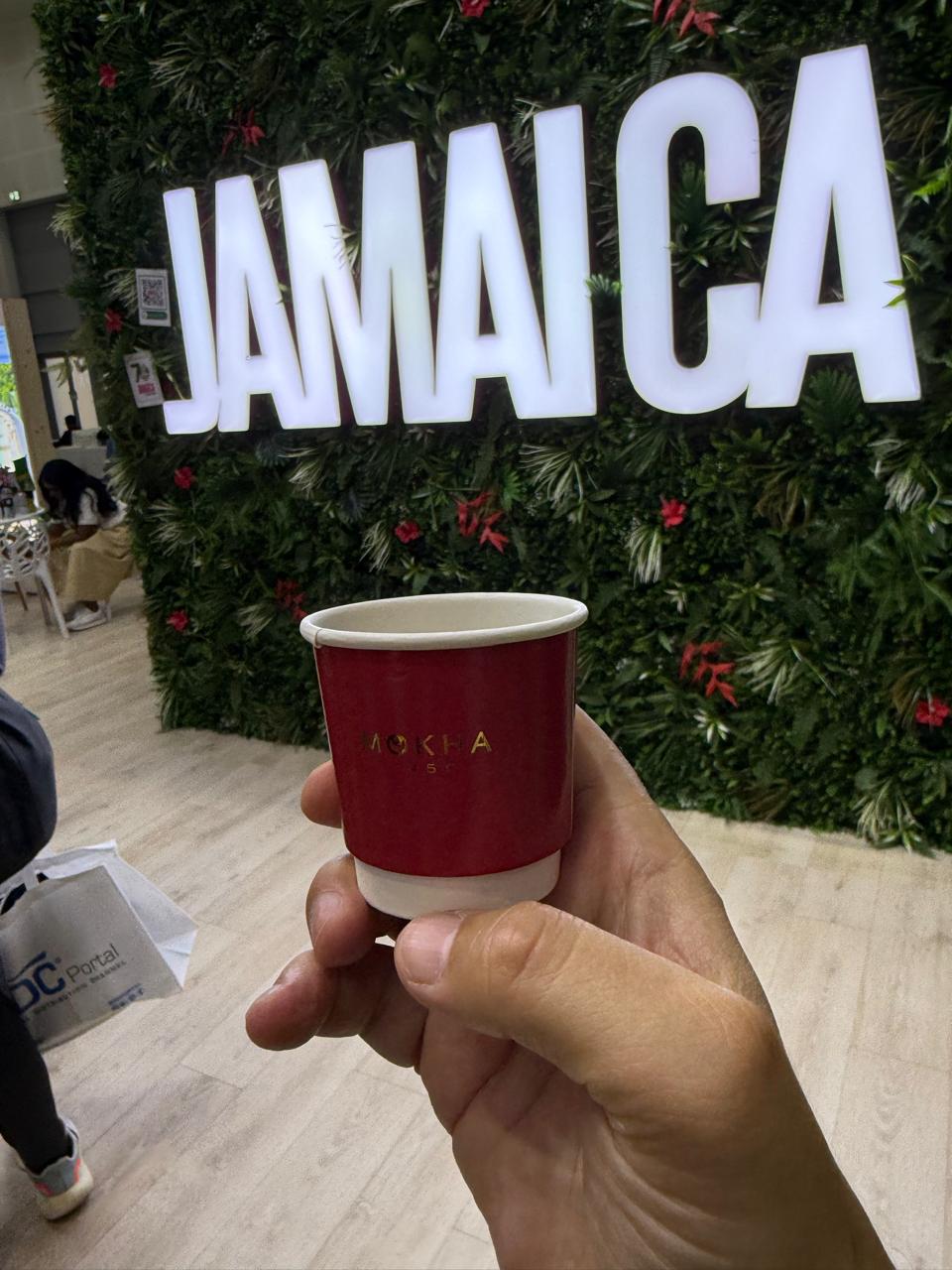
During my visit to Arabian Travel Market (ATM) Dubai 2025, I walked through the pavilions of various countries, where I was warmly welcomed with local coffee and traditional sweets. From Türkiye to Jamaica, from Oman to Italy, every stand offered me a taste of something familiar—coffee—yet served with distinct identity.

At the Turkish stand, it was Turkish coffee with delight. The UAE pavilion offered Emirati qahwa with Dubai dates. Oman served traditional coffee with halwa, while Jamaica showcased its prestigious 100% Grade One Jamaica Blue Mountain coffee, paired with fine chocolate. Saudi Arabia presented qahwa with Madinah dates, and Italy stood out with its classic espresso served alongside natural gums.

Five countries, five flavors, five coffee traditions.

Coffee, it turns out, is not just a beverage. It’s a cultural ambassador. Every country takes pride in its way of brewing, presenting, and sharing coffee. Whether through flavor, preparation, or the history behind the bean, coffee speaks a universal language.

And at the center of this global coffee culture is Dubai.
Mokha 1450 Luxury Specialty Coffee welcomed ATM visitors with a rare offering—Jamaica Blue Mountain coffee.
“Jamaica Blue Mountain coffee has been traded for hundreds of years and is especially popular in Japan, where 80% of its production is pre-purchased years in advance,” said Garfield Kerr, CEO of Mokha 1450 and President of the Specialty Coffee Association (SCA).

Guests lined up for a chance to taste these unique brews. Fortunately, ATM 2025 provided a single venue where the world’s most iconic coffee styles came together under one roof at Dubai World Trade Centre.

Arabic qahwa is typically strong and slightly bitter, served in small cups with dates to balance the flavor.
Turkish coffee—prepared in a small copper pot called a cezve—is known for its intensity and the saying: “One cup of coffee brings forty years of friendship.”
Italian espresso is about simplicity and precision, a hallmark of coffee culture since the 16th century.
Ethiopian coffee ceremonies, meanwhile, involve roasting, brewing, and serving coffee while sharing proverbs and songs, turning coffee into a sacred social ritual.

From my experience at ATM 2025, it’s clear: coffee is no longer just a drink—it’s a global phenomenon.
It connects people, cultures, and stories. It’s part of national identity, hospitality, and—more than ever before—a part of the travel experience.

If you’re a traveler, coffee should be part of your journey.
Exploring different coffee traditions lets you savor the world, one cup at a time.
Events like ATM 2025 remind us that when coffee meets culture, the result is pure joy.