Mamma Mia! The Future of Coffee is Here

Mamma Mia!
There was no need to ask if the coffee is ready anymore!

An Italian coffee machine manufacturer has created a device and software.
Now, you can follow the start of the coffee-making process from your mobile phone with the help of an application.

The ratio of coffee beans and the temperature of the water are all monitored on your mobile phone.

“Inspired by your passion,” he says.
That’s right!
For coffee lovers, Victoria Arduino’s coffee machines and coffee grinders are designed and created with respect for the region and the environment.

Victoria Arduino was born in the early 1900s, during a period of great cultural, social, and industrial transformation, when the main goals were to break tradition and promote progress.

In 2024, design sheds established forms and traditions, embracing a new eclectic environment. It invites you to boldly combine styles and patterns, defying predefined rules.

Victoria Arduino is a professional brand of coffee machines and coffee grinders with more than 100 years of history in the coffee industry.
I met with the Middle East team.
I see the passion for coffee in their eyes.
He’s a CBC expert.
Dear Antonio Orria from Italy told me that this is the future of coffee machines, making life easier by integrating our mobile technology world.

Serkan Oral

Circular Economy: Is the Coffee Industry Ready for a Sustainable Shift?

As the global coffee industry grapples with mounting environmental challenges, the concept of a circular economy has emerged as a beacon of hope for a more sustainable future. This article delves into the coffee sector’s readiness to embrace circular economy principles, based on insights from the Coffee Development Report (CDR) 2022-2023, which included a comprehensive global survey of stakeholders across the coffee value chain.

The Promise of a Circular Economy in Coffee

At its core, a circular economy aims to minimize waste, maximize resource efficiency, and encourage the reuse of materials. For the coffee industry, this could mean transforming what are traditionally considered by-products—such as coffee husks and pulp—into valuable resources. Embracing these practices holds the potential to significantly reduce the industry’s environmental footprint while unlocking new economic opportunities for farmers, producers, and businesses.

Survey Insights: Global Stance on Circular Economy

According to the survey conducted for the Coffee Development Report, over 322 stakeholders—including farmers, roasters, traders, and consumer-facing companies from more than 60 countries—shared their views on circular economy practices. A striking 4.3 out of 5 respondents believe that adopting these principles could improve the environmental, social, and economic sustainability of the coffee industry.

However, despite widespread interest, only 37% of respondents reported actively implementing circular practices. This reveals a considerable gap between the desire for sustainability and concrete action—a gap that needs addressing to move towards a circular future.

Challenges Identified in the Survey

The survey results highlight several key barriers that prevent the widespread adoption of circular practices in the coffee industry:

  • Knowledge Gaps: About 72% of respondents admitted to having limited or moderate knowledge of circular economy principles. Smallholder farming communities, in particular, struggle with understanding how to implement these practices effectively.
  • Financial Constraints: Limited access to funding and investment is a major roadblock. Without financial support, many businesses and farmers are unable to afford the technologies and infrastructure required to adopt circular solutions.
  • Coordination Issues: The lack of collaboration between research centers, private sector organizations, and farmers was another significant challenge. This disjointed approach hampers the scaling of pilot projects and prevents broader adoption of circular solutions.

Current Circular Practices in the Industry

Despite these hurdles, some regions and companies have already started integrating circular practices. Notable strategies include waste reduction, the reuse of coffee by-products, and the implementation of resource-efficient systems. For example, several companies are now repurposing coffee husks and pulp to produce bioenergy or convert them into organic fertilizers, showcasing the potential of circular methods in practice.

Opportunities for Scaling Circular Practices

To overcome the challenges identified, the industry must focus on collaboration, investment, and education:

  • Collaboration and Knowledge Sharing: Establishing platforms like the Center for Circular Economy in Coffee (C4CEC) could facilitate knowledge exchange and promote best practices across the industry.
  • Investment and Funding: Governments, international organizations, and private investors have a crucial role to play in financing circular economy initiatives. Grants, low-interest loans, and subsidies will enable businesses and farmers to implement these solutions at scale.
  • Education and Training: Expanding access to training programs for farmers, processors, and businesses is essential for bridging the knowledge gap. Workshops, digital platforms, and field trials can help disseminate the necessary expertise, especially in remote coffee-growing regions.

Consumer Awareness and Demand

Another key insight from the survey was the need to raise consumer awareness around circular economy products. As demand for sustainable goods grows, companies will face stronger market incentives to adopt circular practices. Additionally, certifications and premium pricing for coffee produced through circular methods could further drive consumer interest and market growth.

Call to Action: Embracing the Circular Economy

The coffee industry stands at the precipice of a sustainable transformation. However, to fully embrace the circular economy, a coordinated global effort is required. By closing knowledge gaps, boosting investment, and raising consumer awareness, the industry can take meaningful steps toward creating a more resilient and sustainable future for all.

The insights from the Coffee Development Report (CDR) 2022-2023 underscore that while the potential for circular economy practices is recognized, concerted action is needed to turn this vision into reality. The time for change is now.

Growing Concern in Italy: Will Our Coffee Become a Luxury?

Italians are increasingly worried about the rising cost of coffee, driven by crop shortages and soaring global coffee bean prices, which threatens the tradition of affordable espresso, a key part of their daily life.

Italy, a country that consumes 6 billion cups of coffee annually, is now facing a significant price hike. Italians, who are used to paying as little as €1.20 for an espresso, are now adjusting to the possibility of paying up to €2 per cup. While such an increase may seem normal in cities like London or New York, it comes as a major shock to the residents of Rome, where coffee has long been a daily affordable staple.

Luigi Murillo, president of the Italian Espresso Institute, noted that “everyone is feeling nervous and anxious about these price increases.” With rising energy costs and raw material prices, Italian cafés—where espresso makes up 30% of sales—are facing major challenges. The AssoUtenti consumer association expressed concerns that continued price increases may drive more people to drink coffee at home instead of in cafés.

The price hikes are largely attributed to global supply chain disruptions, which have been affected by unfavorable climate conditions and Houthi attacks on ships in the Red Sea. Global coffee prices have surged to record highs, prompting many coffee roasting companies to raise their prices.

However, Gabriele Miloso, president of AssoUtenti, believes that the cost of producing a cup of coffee is still significantly lower than its selling price, insisting that cafés are still enjoying strong profit margins. Many cafés, however, disagree, struggling to stay afloat amid economic and social pressures to keep espresso prices low.

In an attempt to maintain customer loyalty, some café owners in regions like Liguria have offered creative solutions, such as one owner who sells espresso at a reduced price on the condition that customers bring their own cups and spoons.

from Bean to Biofuel: How Coffee By-Products are Driving Sustainability in Coffee-Producing Regions

In coffee-producing regions worldwide, by-products like husks, pulp, and spent grounds have long been regarded as waste. However, these discarded materials are now being repurposed to create valuable resources, driving economic growth and sustainability in areas dependent on coffee cultivation. The transformation of coffee by-products into biofuels and other eco-friendly products is offering fresh economic opportunities while addressing pressing environmental challenges.

Coffee By-Products: A Resource Often Overlooked

Each year, the coffee industry generates about 40 million tonnes of biomass, including husks, pulp, mucilage, and silverskin. Traditionally, this by-product waste has been discarded, contributing to pollution and environmental degradation in coffee-growing regions. Today, however, forward-thinking innovators are recognizing the potential these by-products hold across various industries, including bioenergy, agriculture, and even cosmetics.

The Biofuel Revolution: Coffee By-Products as Energy Sources

One of the most exciting developments in this space is the conversion of coffee by-products, particularly husks and pulp, into biofuels. These materials can be processed into biochar or used as feedstock for biofuel production, offering an eco-friendly alternative to fossil fuels. This shift not only addresses waste management challenges but also contributes to reducing greenhouse gas emissions, which are a major concern in coffee-growing regions.

Countries like Brazil and Colombia have begun converting coffee waste into biodiesel and biogas, setting a global example for reducing the environmental impact of coffee production. By turning waste into energy, these regions are not only reducing their carbon footprint but also creating new industries centered around sustainability.

Agricultural and Environmental Benefits

Beyond biofuel production, coffee by-products are playing a pivotal role in promoting sustainable farming practices. Husks and pulp are now being transformed into organic fertilizers and compost, enriching soil health while reducing the need for harmful chemical fertilizers. In agroforestry systems, these organic materials can also boost biodiversity, helping to restore local ecosystems.

By adopting these sustainable approaches, coffee farmers can contribute to long-term environmental health while enhancing the productivity of their land. This shift is especially important as coffee production faces increasing pressure from climate change and soil degradation.

Case Study: Sustainability in Action

In [Country/Region], a remarkable transformation is taking place. Farmers are utilizing coffee husks and pulp to produce biofuels, reducing their reliance on traditional energy sources. This initiative has improved economic conditions for smallholder farmers, who now have an additional revenue stream. At the same time, the region is seeing reduced environmental degradation, as coffee waste is repurposed instead of discarded.

This sustainable model is reshaping the local economy, providing farmers with the tools they need to become more resilient in the face of fluctuating coffee prices and the unpredictability of climate change. By diversifying their income through the use of coffee by-products, these farmers are gaining economic stability and fostering environmental stewardship.

Economic Opportunities for Coffee Farmers

For coffee farmers, the ability to transform waste into wealth is a game-changer. By repurposing coffee by-products into biofuels, fertilizers, or other products, they can reduce their dependence on volatile coffee markets and create new revenue streams. This added stability is essential for smallholder farmers, who are often most vulnerable to the global fluctuations in coffee prices.

By investing in biofuel and other by-product innovations, coffee-producing regions can ensure that their agricultural communities are more economically secure and sustainable for the long term.

The Future of Coffee By-Product Innovation

Ongoing research is uncovering new ways to make use of coffee by-products. Organizations like the Center for Circular Economy in Coffee (C4CEC) are at the forefront of this movement, facilitating innovations that help coffee-producing regions thrive. From bioplastics to natural cosmetics, the potential applications for coffee waste are vast and still growing.

As the world continues to seek out sustainable solutions to both environmental and economic challenges, the coffee industry has the opportunity to lead by example. By turning what was once considered waste into valuable resources, the sector can help drive the shift toward a more sustainable future.

Conclusion: A Call for Action

The journey from bean to biofuel demonstrates that coffee-producing regions are well-positioned to become champions of sustainability. By unlocking the hidden potential of coffee by-products, these areas can reduce waste, foster economic resilience, and lead the way in addressing global environmental challenges. The transformation of coffee waste into biofuels, fertilizers, and other valuable products is a testament to the coffee industry’s critical role in building a greener, more sustainable future for all.

Mokha Coffee is now smokey!

Non-alcoholic whiskey style smokey coffee makes you feel special with its smoky contribution and hard ice.

I have experienced this and I would definitely recommend.

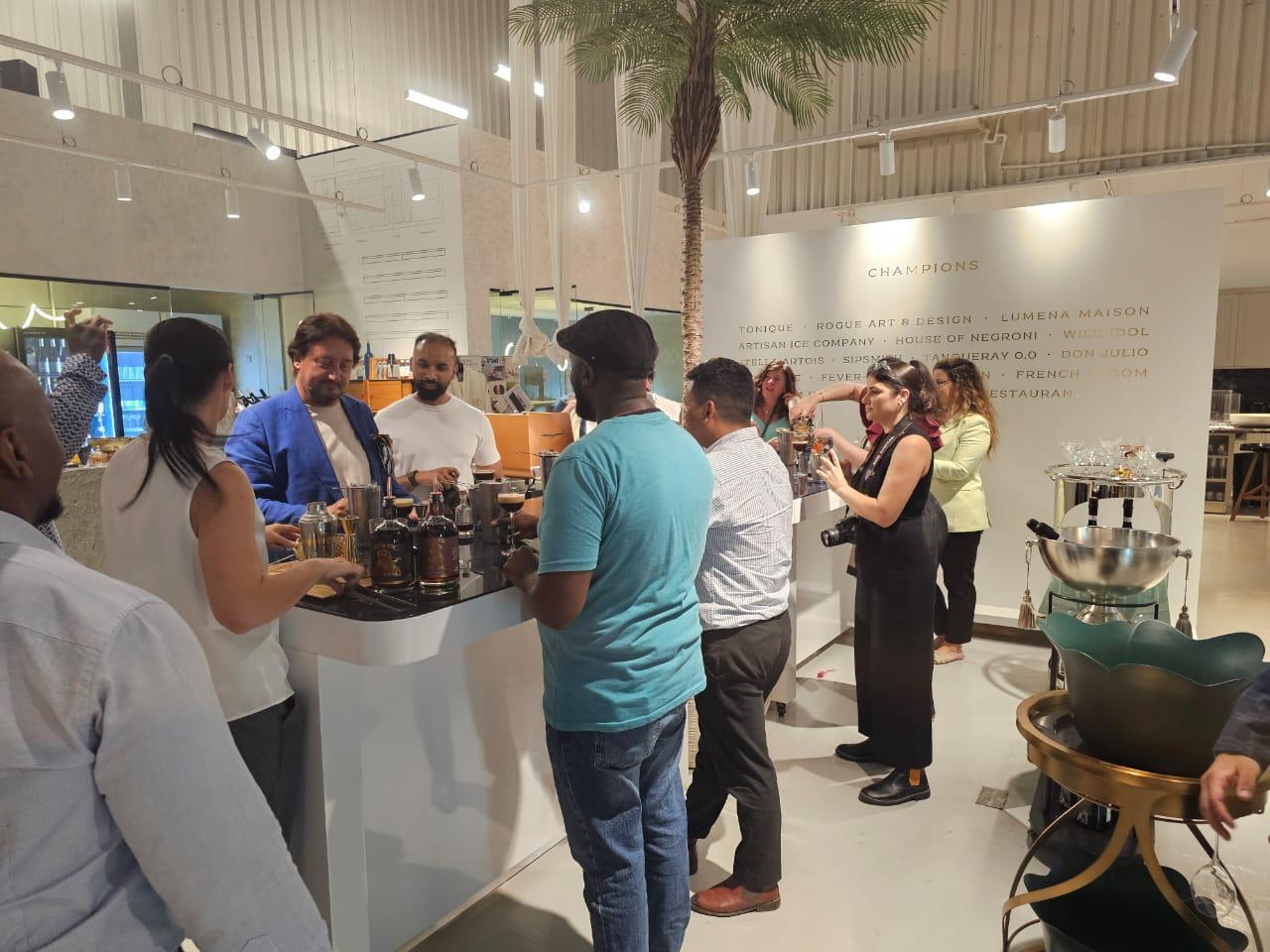
It was an exclusive Alcohol Free Espresso Martini masterclass curated by Victoria Arduino, Mokha 1450, and Tonique at Dubai’s first of its kind destination for curate exceptional non-alcoholic beverages and specialty coffee.

Let’s come to the name who let us know and make us taste these wonderful coffees.

I tell you.

He is a gamechanger at coffee business in Dubai Uae.

Mokha 1450 is highly innovative.

And he has a passion.

Mokha 1450 curates bespoke luxury specialty coffee experiences for novices and connoisseurs. In this exclusive interview, Garfield Kerr , the firm’s boss, elaborates on his journey to coffee and his concept, Mokha 1450.

Mokha 1450 is at the forefront of creating truly unique coffee mocktails and cold beverages.

Mokha 1450: Luxury Speciality Coffee Boutique in UAE

You smell and drink Traditional and contemporary coffees from Yemen but also you feel the Jamaican taste.

Thank you so much Dear Garfield.

For making us happy and smile at Mokha.

Sometimes we forget ourselves in the tasting and feel like having coffee in New York, Usa or Milano, Italy.

Mokha flag is upper now.

I had a talk with Dear Garfield Kerr, CEO of Mokha 1450:

“While Mokha 1450 is highly innovative, we’ve been reserved about most innovations, much to the frustration of our marketing team! Consequently, we plan to engage more with the media to showcase the brand and our innovations. One recent innovation we premiered at World of Coffee was crystal-clear coffee, delving into coffee’s essence by exploring volatile compounds. However, producing this coffee is expensive, so we will focus on lowering the cost to make it accessible to our guests. Additionally, we will highlight partnerships with other luxury brands.”

Serkan Oral

A Comprehensive Review of the Coffee Development Report (CDR) 2022-2023

The Coffee Development Report (CDR) 2022-2023, released by the International Coffee Organization (ICO), presents a timely exploration of the global coffee sector’s shift towards a circular economy. As the fourth edition of the CDR, the report emphasizes reimagining coffee’s value chain, focusing on resource efficiency, waste reduction, and regenerative agricultural practices.

This edition highlights both the challenges and opportunities within the coffee value chain—from cultivation to consumption—making it clear that a circular economy model is crucial for the long-term sustainability of the industry.

Key Themes of the Report

The Need for a Circular Economy in Coffee

The traditional linear production model, characterized by resource extraction, processing, consumption, and waste, no longer meets the coffee sector’s needs. With climate change, biodiversity loss, deforestation, and economic instability increasing, the ICO calls for a transformative approach.

The CDR identifies the circular economy—where waste is minimized, and by-products are repurposed—as the most viable solution for the future of coffee production. This approach not only addresses environmental concerns but also creates new value through waste reduction, job creation, and economic resilience.

Unlocking the Potential of Coffee Biomass

One of the report’s standout findings is the immense potential in the 40 million tonnes of biomass generated annually by the coffee sector. This biomass includes husks, pulp, silverskin, and spent coffee grounds, much of which remains underutilized. The report emphasizes that these by-products can be repurposed in industries such as bioenergy, cosmetics, and agriculture, transforming waste into valuable products and providing new income streams for smallholder farmers.

From a Global Value Chain to a Global Coffee Circle

The CDR introduces the concept of the Coffee Global Circle, which shifts the traditional value chain into a more sustainable circular system. Every stage of coffee production, from cultivation to roasting and brewing, is optimized for sustainability. For instance, spent coffee grounds can be repurposed into fertilizers, biofuels, or even skincare products, reducing waste and enhancing resource efficiency.

However, this circular shift requires more than technological innovations. It calls for policy changes, stronger stakeholder cooperation, and greater investment in research and development.

Challenges to Implementing Circular Practices

Despite the promising vision, significant challenges remain. Smallholder farmers in developing countries often lack the resources and infrastructure to adopt circular economy practices. Additionally, inconsistent regulations around by-products and sustainability standards create hurdles for global implementation. Varying food safety and environmental standards across countries make it difficult to standardize circular practices.

Strategic Recommendations and Actions

The CDR offers several strategic recommendations to overcome these barriers:

  • Funding and Investment: Governments and financial institutions should prioritize investments in circular economy projects, particularly for smallholder farmers. Public-private partnerships can help scale up innovations in waste reduction and resource efficiency.
  • Global Standards and Policies: Standardized guidelines for circular economy principles in coffee are essential. Harmonizing regulations across borders will facilitate the adoption of sustainable practices.
  • Education and Training: Bridging knowledge gaps is crucial. Training programs should be developed to educate farmers, processors, and businesses on circular economy practices.
  • Consumer Awareness: Raising consumer awareness about the benefits of a circular coffee economy will encourage more sustainable choices and drive companies to adopt greener practices.

The Role of Technology and Innovation

Innovation is at the heart of the circular coffee economy. Key technologies highlighted in the report include:

  • Water-saving Technologies: Post-harvest coffee processing is water-intensive. Implementing water treatment and recycling systems can significantly reduce water usage.
  • Compostable Packaging: The coffee industry relies heavily on single-use plastics. Developing compostable or fully recyclable packaging materials will help reduce waste.
  • Bioenergy Solutions: Coffee by-products like husks and spent grounds can be used for bioenergy production, reducing reliance on non-renewable energy sources.

Circular Practices in Roasting and Consumption

Coffee roasting generates waste, particularly silverskin, which is rich in fiber and antioxidants. The report suggests repurposing silverskin into industries like textiles and cosmetics.

On the consumer side, single-serve coffee capsules pose environmental challenges. The report encourages the development of more sustainable, compostable capsule solutions to address the growing plastic waste problem.

A Call to Action

The CDR concludes with a call for all stakeholders—from farmers to consumers—to actively participate in the shift towards a circular economy. The Center for Circular Economy in Coffee (C4CEC) serves as a platform for innovation and knowledge sharing, providing resources for those looking to adopt circular practices.

This transformation is essential not only for combating climate change and resource depletion but also for creating economic opportunities in the coffee industry.

Conclusion: A Path Towards Sustainability and Resilience

The ICO Coffee Development Report 2022-2023 outlines a comprehensive vision for the future of the coffee industry. Advocating for a circular economy, it provides a clear roadmap for reducing waste, creating new economic opportunities, and addressing environmental challenges.

For industry experts, stakeholders, and journalists, the report serves as an invaluable resource, highlighting that the transition from a linear to a circular economy is not only necessary but imperative for the sustainability and resilience of the global coffee sector.
Embracing a Circular Future: A Transformative Shift in the Global Coffee Sector

A transformative shift is brewing in the coffee sector – one that embraces the principles of the circular economy in a way that works for all and leaves no one behind. This concept has been at the forefront of the International Coffee Organization’s (ICO) efforts throughout 2022-23, culminating in the celebration of International Coffee Day on October 1, 2022. This global event was a call to action for all stakeholders to reimagine coffee sector ‘waste’ as a valuable resource. By repurposing ‘waste’ into new products and alternative energy sources, we can unlock significant income possibilities and job opportunities while simultaneously lowering production costs.

The 5th World Coffee Conference, held in Bangalore, India, in September 2023, further amplified this message with its theme: “Sustainability through Circular Economy and Regenerative Agriculture.” This gathering brought together hundreds of experts and practitioners from diverse sectors – coffee farmers, industry leaders, government representatives, academics, and development partners – for a collaborative exploration of innovative solutions.

Pivotal contributions from the International Trade Centre (ITC), the ITC Coffee Guide Network’s Circular Economy Working Group, and the Center for Circular Economy in Coffee (C4CEC) have laid the groundwork for the 4th edition of the Coffee Development Report (CDR), titled “Beyond Coffee: Towards a Circular Coffee Economy.” This report builds on the insights from the ITC paper, “Making a Case for a Circular Economy in the Coffee Sector” (2024), and The Coffee Guide, 4th Edition (2021). I am proud to present this report, the culmination of over two years of dedicated research and collaboration.

Remarkably, the coffee industry generates over 40 million tonnes of biomass annually. This is an underutilized resource brimming with potential for sustainable exploitation and ‘waste’ reduction. We aim to challenge the outdated perception that coffee producers gain value solely from the coffee bean itself. The true wealth of coffee lies beyond the finite number of beans consumed daily; by enhancing resource efficiency through a circular economy approach, we can cultivate new products, create jobs, combat climate change, and protect our environment.

Our shared responsibility for the planet transcends borders, extending from global leaders to local communities. I firmly believe that everyone in the coffee sector – coffee farmers, workers, industry stakeholders, and consumers – can play a crucial role in driving the shift toward a more sustainable and resilient industry.

By embracing circular economy principles and implementing cost-effective, regenerative solutions, we can align coffee production with Climate Smart Agriculture (CSA) strategies, fostering meaningful change. The traditional linear model – characterized by inputs, transformation, outputs, consumption, and disposal – is becoming increasingly outdated and costly. Real progress in the coffee sector necessitates sustainable solutions that span the entire value chain.

The CDR 2022-23 introduces several impactful circular solutions in the coffee sector, proving that they are both accessible and economically viable. With the right policies and commitment from all stakeholders, these solutions can be scaled up, promoting sustainability, resilience, and prosperity for coffee farmers and everyone involved in the coffee journey, from production to consumption. This report aspires to demonstrate that the future of the coffee industry is not just a distant vision; it is within our grasp. By rethinking our supply chains in circular terms and fostering collaboration among the ICO and our partners, we can implement systemic and technological innovations across the entire value chain – not merely in isolated farms or cafés, but throughout the whole industry.

This report is designed to provide in-depth knowledge on the potential of circular economy in the coffee sector and to ignite action among coffee stakeholders, policymakers, international development agencies, NGOs, and bilateral and multilateral institutions. By leveraging circularity to address the challenges facing our sector, we can collectively shape the coffee industry we envision and lay a foundation for future generations to thrive. Transitioning to a circular coffee economy and adopting regenerative agricultural practices is not merely an innovative strategy; it is essential for increasing income while minimizing environmental impact, complementing traditional methods aimed at enhancing productivity.

In conclusion, I want to express my heartfelt gratitude to the ICO team and our external collaborators who have poured their efforts into this report over the past two years. Special thanks to Hernan Manson from ITC, Mario Cerutti of Lavazza and its Foundation, and Gerardo Patacconi from the ICO, whose leadership, technical knowledge and mobilization of partnerships and resources have been instrumental in bringing this vision to life. Together, let us cultivate a sustainable future for coffee.

Vanúsia Nogueira
Executive Director
The International Coffee Organization

Cuba Signs International Coffee Agreement 2022, Reinforcing Commitment to Global Coffee Sector

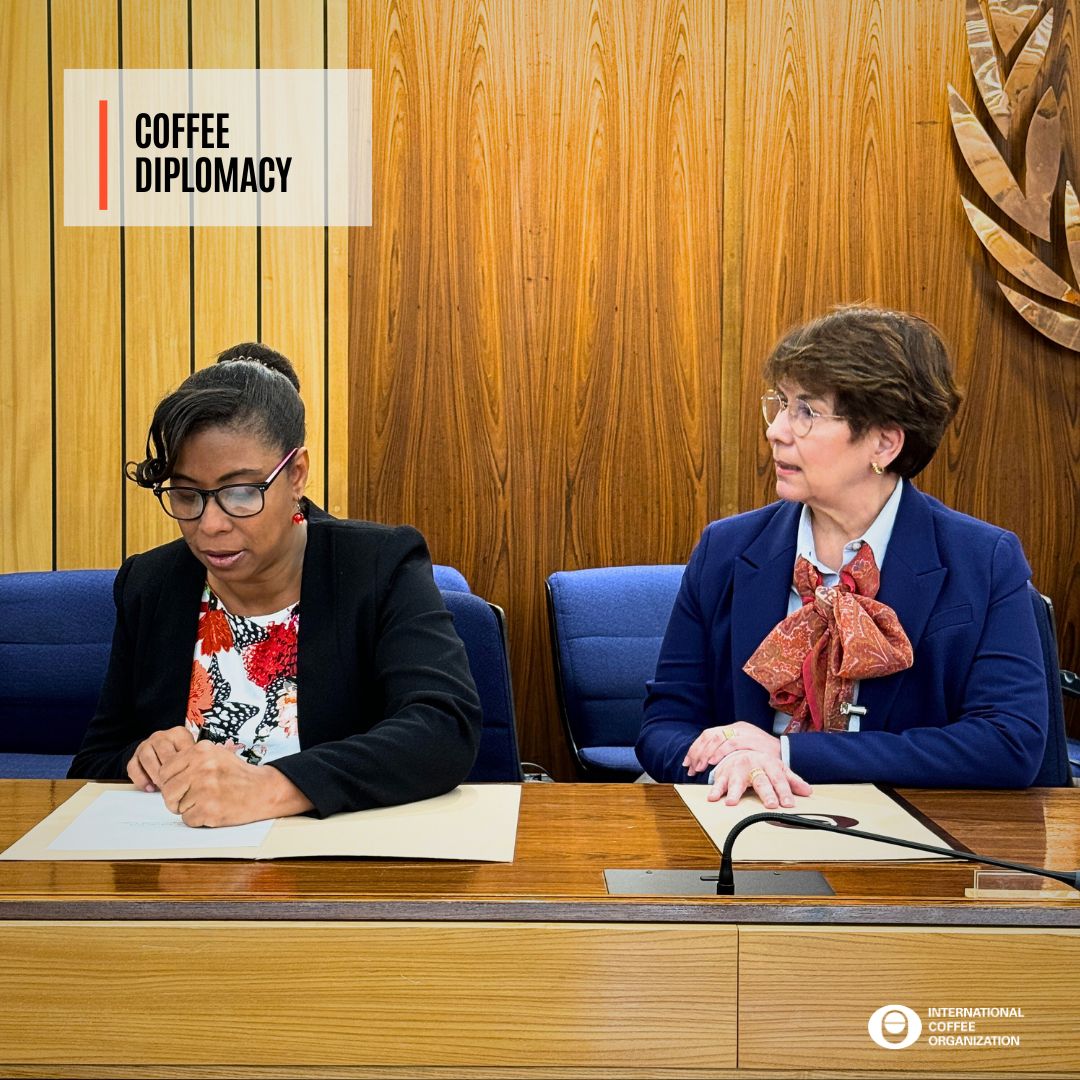
The Republic of Cuba signed the International Coffee Agreement 2022 (ICA) yesterday, Thursday, 12 September, as announced by the International Coffee Organization (ICO) through its official Instagram account.

According to the ICO, Ismara M. Vargas Walter, Cuban Ambassador to the United Kingdom, signed the ICA 2022 during the 138th session of the International Coffee Council in London. This signature reflects Cuba’s commitment to maintaining ongoing dialogue with the international coffee community and contributing to the development of the global coffee sector.

The International Coffee Agreement 2022 is the latest version in a long series of agreements aimed at enhancing cooperation in the global coffee sector. It is overseen by the ICO and is designed to address key challenges facing the coffee industry, promoting sustainability, development, and fair trade practices.

Among the main objectives of the International Coffee Agreement 2022 are:

  • Sustainability and Development: Promoting sustainable practices in coffee-producing countries to ensure that production benefits the environment and local communities.
  • Market Transparency: Improving transparency in the global coffee market by gathering and analyzing data that help stakeholders make informed decisions.
  • Fair Trade Practices: Supporting the fair distribution of value across the coffee supply chain, with a focus on benefiting smallholder farmers.
  • Partnership and Collaboration: Strengthening ties between coffee-producing and consuming countries to create a more balanced and equitable market.
  • Resilience to Climate Change: Emphasizing the importance of building resilience within the coffee sector to cope with climate change, which poses a significant threat to production.

The ICA 2022 builds on the legacy of previous agreements, adapting to contemporary challenges such as price volatility, social responsibility, and environmental sustainability. By joining this agreement, Cuba joins other coffee-producing and consuming countries in committing to a more sustainable and equitable coffee industry, further enhancing international cooperation in this vital sector.

This move underscores the crucial role of cooperative efforts in addressing the challenges faced by the coffee sector today, with Cuba emerging as a key supporter in this ongoing dialogue.

Drinkit Announces Five New Branches in Dubai

The leading digital coffee café in the UAE, Drinkit, has announced its readiness to open five new branches across Dubai by the end of 2024. This expansion plan aims to strengthen the digital café’s presence and ensure that Drinkit’s expertly crafted beverages reach both residents and visitors. The café will be the ideal place for a luxurious coffee experience just steps away from home and work.

The new locations are set to open in Jumeirah Lakes Towers (Cluster T), Golden Mile Galleria 1 on Palm Jumeirah, and Mirdif City Centre Mall, along with two other important locations yet to be announced. Each new location will add something unique to Drinkit, featuring a modern design with stylish, comfortable seating areas, providing customers with the perfect atmosphere to enjoy their coffee.

Drinkit offers a diverse menu with over 60 beverages, making it the perfect destination for coffee and drink enthusiasts. The menu ranges from signature drinks to specialty coffee, along with refreshing and unique options like matcha and iced cocoa. Every drink is prepared using locally sourced ingredients to ensure the highest quality.

Moreover, Drinkit leads the coffee shop experience with cutting-edge technology that makes getting coffee easier than ever. With the Drinkit mobile app, customers can order in advance and have their favorite coffee ready in just three minutes. The smart pick-up area, equipped with a digital board, allows for fast order collection, minimizing waiting times.

The app also allows coffee lovers to customize their drinks, from choosing the type of coffee beans to selecting the type of milk, temperature, and sweetness levels. Guests can enjoy a variety of specially crafted drinks like “Hazelnut & Berry Latte” or “Blueberry Latte with Thyme Cream,” as well as classic beverages and innovative drink combinations. The app saves customer preferences and recommends beverages based on previous choices, a feature used by more than 45% of customers, reflecting their appreciation for personalized touches. This customization ensures that every customer gets exactly the drink they want through a seamless and convenient experience.

Commenting on the opening of the new locations, Drinkit’s CEO, Katrina Bordich, said: “The opening of these five new locations marks a milestone in our expansion within the UAE and reflects the growing demand for fast, high-quality coffee options across the Emirates. We are excited to extend our exceptional beverage range and advanced technologies to more neighborhoods, revolutionizing coffee culture in the UAE by enhancing the coffee experience through convenience and quality, while enriching the daily lives of UAE residents and making their routines easier.”

About Drinkit:

Originally founded in 2016, Drinkit expanded after being acquired by the food service group Dodo Brands in 2020, launching over 30 coffee shops across three countries and five cities, including Dubai, Moscow, and Astana. The company operates physical coffee shops where traditional checkout counters have been replaced with a self-ordering system developed in-house, functioning through in-store kiosks and a mobile app. Currently, 90% of the chain’s orders are placed online.

Dodo Brands also owns and franchises the fast-food chain Dodo Pizza across 22 countries, with Dodo Brands’ system sales reaching $990 million in 2023.

Arabic Coffee Etiquette: A Tradition of Hospitality and Generosity

Arabic coffee is a deeply-rooted symbol of hospitality and generosity in Arab societies, particularly in the Gulf region. The preparation, serving, and drinking of coffee carry profound social meanings, reflecting respect and appreciation between host and guest.

The Art of Coffee Preparation

The process begins with selecting coffee beans, which are gently roasted over a slow fire, typically with a light to medium roast. Spices such as cardamom and sometimes saffron are added to the coffee, giving it a unique flavor that balances the boldness of the coffee with the aromatic richness of the spices.

Traditions of Serving Coffee

Traditionally served in a dallah (coffee pot), the coffee is poured into small cups, with the amount kept minimal, meant for tasting rather than full consumption—a practice known as “Sabba Al-Qahwa.” The coffee service starts with the eldest or most distinguished guest, then proceeds in order of social importance, reflecting awareness of each guest’s status.

The Proper Way to Offer Cups

When serving coffee, the cup is presented with the right hand, while the dallah is held in the left. The guest receives the cup with their right hand, and the cup is offered without using the handle, with the server’s left hand placed behind their back as a gesture of respect and consideration.

Drinking Coffee and Signaling Completion

After finishing the coffee, the guest should gently shake the cup to signal they have had enough and do not wish for more. This customary gesture maintains smooth communication between host and guest, sparing the guest from the need to request that no more coffee be served. If the cup is not shaken, it is assumed the guest desires more.

Number of Cups and Modesty in Serving

Traditionally, no more than three cups are served to a guest, with each cup symbolizing honor and respect. The small amount of coffee in the cup is not due to scarcity but rather an expression of modesty and appreciation. Offering a full cup may be seen as a lack of understanding of customs or a sign of inattentiveness.

Respecting the Occasion and the Host

In formal gatherings, serving coffee is often accompanied by welcoming phrases such as “Hayyakum Allah” (May God bless you) or “Bil Hana’ wal Shifa'” (For your health and well-being), enhancing the warmth and respect conveyed. Refusing coffee, in some cultures, may be interpreted as a sign of dissatisfaction unless there is a valid reason, such as fasting or a health condition.

Overall, Arabic coffee etiquette is more than a set of simple rituals; it is an art that reflects the societal values of generosity, respect, and honoring guests.

Sustainable Coffee Challenge Returns with Key Initiatives and Global Events

After a Busy Summer, the Focus Turns to New Sessions and Global Coffee Industry Collaboration

The Sustainable Coffee Challenge, led by Conservation International, has returned from a productive summer to announce a series of upcoming initiatives aimed at driving collective investment in sustainable coffee practices. The Challenge team is preparing for a busy few months, packed with learning and working sessions designed to support landscape-level efforts and industry-wide collaboration.

One of the key events kicking off the season is the Coffee Public Private Task Force (CPPTF) Forum, which takes place in London from September 9th-13th. The forum is set to gather leading voices in coffee sustainability to discuss public-private partnerships, with a focus on innovation and landscape-level impact. The Challenge team will be attending and encourages any partners in the area to connect for face-to-face meetings.

As the coffee industry gears up for the United Nations Biodiversity Conference (COP) in Cali, Colombia, next month, the Challenge is offering an exclusive opportunity for its partners. A field visit to Huila, Colombia, will take place from October 23rd-24th, providing hands-on learning about ecological restoration approaches on coffee farms. This visit will also offer insights into biodiversity monitoring efforts in the Trans Andean-Amazon corridor, a crucial region for sustainable coffee farming.

Key Upcoming Sessions

Several virtual sessions are planned for the coming months, starting with Optimizing Agroforestry Outcomes: New Research for Colombia and Beyond, scheduled for Thursday, September 12th. The session will showcase research from the Smithsonian Bird Friendly Coffee team, exploring how specific shade tree species can support coffee farming, diversify income streams, and contribute to ecosystem services.

Another notable session is Grounds for Action: 2025 Targets Progress, set for October 1st, which will review the industry’s progress toward the Sustainable Coffee Challenge’s ambitious 2025 goals. The session will outline steps for doubling down on efforts to bridge existing gaps and accelerate progress.

Additionally, the Double the Impact: Combining Living Income and Environmental Efforts session on October 10th will highlight how investments in environmental stewardship can also address social issues, such as closing living income gaps for coffee farmers. This discussion will feature case studies from key industry players and will update the community on global living income dialogues, including work from the International Coffee Organization (ICO).

Looking Forward

The Sustainable Coffee Challenge is committed to maintaining momentum in its goal of achieving a fully sustainable coffee sector. The various forums and working groups, including the Cool Farm Coffee Working Group and Landscapes Lab, will continue to offer stakeholders opportunities to collaborate, learn, and take meaningful action.

As the year comes to a close, the Challenge team will host an End-of-Year Webinar in December, summarizing the accomplishments of 2024 and outlining strategies for the year ahead. Participants will also have the chance to engage in a Landscapes Showcase, featuring virtual visits to coffee-producing regions to explore landscape-level initiatives and cross-cutting investment opportunities.

The Sustainable Coffee Challenge remains a pivotal platform for uniting coffee stakeholders worldwide and fostering innovative solutions to the industry’s pressing sustainability challenges.

For more information on upcoming events and to sign up for future sessions, visit the Sustainable Coffee Challenge website.

Map It Forward Launches Online Mastermind Groups for Coffee Industry Business Growth

Map It Forward is now offering three exclusive online mastermind groups for coffee business professionals, designed to foster growth, strategic planning, and increased coffee sales. Starting the week of October 7, 2024, these groups will provide participants with valuable tools and insights to navigate the complexities of the coffee industry, especially during times of market challenges.

1. Coffee Business Growth Mastermind Group

This group is aimed at coffee producers, roasters, consultants, and café owners who are focused on expanding their businesses. Participants will engage in live sessions, exchange ideas, and tackle challenges in a supportive group setting, led by Lee Safar.

Key topics include:

  • Defining and reassessing business fundamentals
  • Understanding financials
  • Risk management
  • Realistic goal setting
  • Using ChatGPT to grow your business

Sessions will be held every two weeks via Zoom, lasting two hours each, for three months. Participants will also receive recordings, transcripts, and coursework to deepen their learning experience.

  • Cost: $189 per month for 3 months or $169 per month if paid in advance.

2. Strategic Business Planning Mastermind Group

For business owners looking to create and execute strategic plans for 2025, this mastermind group provides targeted support. Whether you’re planning for the upcoming year or working on specific goals, this group will help you navigate the coffee industry’s evolving landscape.

Key topics include:

  • Defining your 2025 business strategy
  • Identifying earning potential
  • Navigating the impacts of the coffee crisis
  • Developing strategic plans
  • Creative uses of ChatGPT for business planning

Like the Coffee Business Growth Group, sessions will be held biweekly for three months and include resources such as video and audio recordings, transcripts, and coursework.

  • Cost: $189 per month for 3 months or $169 per month if paid in advance.

3. Sell More Coffee Mastermind Group

Designed for those selling green, roasted, or brewed coffee, this group focuses on helping participants increase their sales through strategic planning and customer acquisition. Whether you’re working in B2B or B2C, this mastermind group will offer actionable insights to help you boost your coffee sales.

Key topics include:

  • Customer acquisition and retargeting
  • Product pricing strategies
  • Messaging for customer engagement
  • Adapting to market changes
  • Using ChatGPT to improve sales

Sessions will run for three months, with biweekly two-hour Zoom meetings.

  • Cost: $189 per month for 3 months or $169 per month if paid in advance.

Why Join a Map It Forward Mastermind Group?

Participants will benefit from the collective knowledge of like-minded business owners, while receiving personalized coaching from Lee Safar. All mastermind groups come with a money-back guarantee if participants aren’t fully satisfied.

Testimonials:

  • “This has not only benefited my business decisions but also the way I now approach my personal life.” – Matteo Giordano, Pane e Latte, Australia
  • “I’ve met incredible entrepreneurs and visionaries, and the mastermind has helped me become an independent entrepreneur with a problem-solving mindset.” – Sara Al Ali, THAT Boutique Cafe, Saudi Arabia

Don’t miss this opportunity to grow your coffee business and navigate the current coffee crisis. Register for a group before spots fill up, and join a community of passionate professionals committed to excellence in the coffee industry.

For inquiries, email Lee Safar or visit the Map It Forward website for more information.