Global Coffee Beauty Products Market to Reach USD 969.3 Million by 2033 with a CAGR of 5.69%

According to a recent report by Spherical Insights & Consulting, the global coffee beauty products market is expected to grow from USD 557.5 million in 2023 to USD 969.3 million by 2033, registering a compound annual growth rate (CAGR) of 5.69% over the forecast period. The market’s expansion is driven by increasing consumer demand for natural and organic skincare products, particularly those utilizing the antioxidant and anti-inflammatory properties of coffee.

Market Drivers

Coffee-based beauty products, including oils, balms, lotions, and creams, are gaining traction for their ability to protect and rejuvenate the skin. The active ingredient in coffee, caffeine, is known for its antibacterial and anti-aging benefits, making it a popular choice for skincare and haircare products. The growing consumer awareness of the harmful effects of synthetic compounds has further spurred interest in natural and sustainable beauty solutions, contributing to the rise of coffee-based beauty products.

However, the availability of coffee beans is increasingly impacted by climate-related factors, which could pose a challenge to market growth.

Market Segmentation

By Product Type:

  • Skincare: Expected to hold the largest market share during the forecast period due to rising demand for natural and personalized skincare products.
  • Haircare
  • Perfumes & Fragrances
  • Color Cosmetics

By Distribution Channel:

  • Supermarkets/Hypermarkets: Projected to dominate the distribution channel segment, driven by high foot traffic, accessibility, and attractive discounts.
  • Specialty Stores
  • Convenience Stores
  • Online

Regional Insights

North America is anticipated to hold the largest market share due to heightened consumer awareness of natural ingredients and the growing popularity of coffee-based beauty products for their skin-protecting properties.

The Asia Pacific region is expected to experience the highest CAGR growth, fueled by increasing knowledge of organic components in skincare products. Europe is also set to witness significant growth as consumers become more environmentally conscious and shift toward natural skincare alternatives.

Key Players

Major companies in the coffee beauty products market include L’Oréal Paris, Ogx Vogue International LLC, mcaffeine, The Estée Lauder Companies Inc., Avon Products, The Beauty Co. India, Java Skin Care, Bean Body, BioCare Ltd, Laura Mercier US Buyer LLC, Mr. Bean Body Care, Sephora USA, Inc., and more. These key players are focusing on innovations, partnerships, and strategic alliances to maintain their market presence and meet evolving consumer needs.

In 2023, L’Oréal announced plans to launch a coffee-infused skincare serum under its La Roche-Posay brand, further highlighting the growing trend of coffee-based beauty products.

For detailed insights, including market data tables, figures, and an in-depth analysis of COVID-19’s impact on the market, refer to the full report by Spherical Insights & Consulting.

illycaffè Celebrates 25 Years of Coffee Excellence with Università del Caffè

illycaffè proudly celebrates the 25th anniversary of its Università del Caffè, a global hub dedicated to promoting the culture of quality coffee. Since its founding in 1999, the Università del Caffè has been a key player in coffee education, reaching 23 countries and training over 350,000 people, including coffee producers, baristas, restaurateurs, and enthusiasts.

With its headquarters in Trieste, the Università del Caffè offers comprehensive educational programs that span the entire coffee supply chain, from cultivation to preparation. Its mission is to elevate every aspect of the coffee experience through rigorous and innovative education, led by a team of 50 highly qualified instructors certified by ACS Italia, a skills certification authority.

“Training is a strategic lever for the success of a company, an industry, and for the development of individuals,” said Cristina Scocchia, CEO of illycaffè. “It embodies passion, curiosity, and a desire to expand one’s knowledge. The Università del Caffè demonstrates how a commitment to quality and sustainability can be shared through engaging, top-tier education.”

The institution offers specialized courses across three core areas:

  • For Coffee Producers: In-depth agronomic training tailored to different growing regions, helping farmers optimize production and maintain high-quality standards.
  • For Hospitality Professionals: Baristas and restaurateurs receive expert guidance on coffee preparation, business management, and marketing strategies to enhance their operations.
  • For Coffee Enthusiasts: Informational courses and tasting sessions allow participants to explore coffee’s rich flavors and aromas, fostering a deeper appreciation of coffee as both an art and a science.

As it marks this milestone, the Università del Caffè remains committed to spreading the culture of quality coffee, ensuring that everyone in the coffee community, from producers to consumers, can benefit from its wealth of expertise.

Exciting Week of Coffee Diplomacy Begins with the 138th Session of the International Coffee Council

The global coffee industry is abuzz as the 138th Session of the International Coffee Council (ICC) and the 6th CEOs & Global Leaders Forum kick off this week. For the first time since the pandemic, exporting and importing members of the International Coffee Organization (ICO) have gathered in London to address pivotal issues shaping the future of the coffee sector.

Starting from September 9, 2024, through September 12, ICO members, industry leaders, and key stakeholders will engage in a series of important discussions and decision-making sessions aimed at fostering sustainability, enhancing market access, and supporting the livelihoods of coffee farmers worldwide. This gathering offers a unique opportunity to shape the trajectory of the coffee sector amidst ongoing economic, environmental, and social challenges.

Key Highlights of the Week:

  • 9th Meeting of the Working Group on ICA 2022: A crucial session focused on the implementation of the International Coffee Agreement (ICA) 2022, laying the foundation for enhanced international collaboration within the coffee sector.
  • 61st Finance and Administration Committee Meeting: Held online, this session will review the financial health and operational structure of the ICO, ensuring transparency and accountability within the organization.
  • Coffee Sustainability Event (Side Event): Taking place on September 10 at the Swiss Embassy in London, this gathering will spotlight initiatives that aim to make coffee farming more sustainable, with invited participants from leading sustainability-focused organizations.
  • 6th CEOs & Global Leaders Forum (CGLF): Set for September 11, the forum will bring together top executives and key decision-makers from across the global coffee industry to discuss pressing issues such as climate change, innovation, and equitable practices. This year’s CGLF promises to delve deep into strategies for aligning the coffee sector with international sustainability goals.
  • Living and Prosperous Income Sessions: As part of the week’s activities, the ICO will host in-depth discussions on income improvement for coffee farmers, aimed at securing a living and prosperous wage for those working at the heart of the industry.
  • International Coffee Council Plenary: The core of the week’s events, running from September 12, will focus on global coffee policies, with discussions ranging from trade regulations to strategies for boosting global consumption.

The ICO has made the full agenda and details of the events available on their website. These meetings, held in hybrid formats and closed sessions, demonstrate the organization’s dedication to fostering collaboration between exporting and importing countries, ensuring a sustainable future for coffee.

For more information about the programme, visit the ICO website. The global coffee community eagerly awaits the outcomes of these high-level meetings as they are set to influence the coffee sector for years to come.

Announcement of Finalists for the 2024 UAE National Coffee in Good Spirits Championship

The Specialty Coffee Association in the UAE has announced the names of the finalists for the 2024 UAE National Coffee in Good Spirits Championship, which will take place from September 18 to 20 at Salon du Chocolat & Sweets in Madinat Jumeirah, Dubai.

The six finalists for the 2024 UAE National Coffee in Good Spirits Championship, are:

  1. Jane Cabusas Espante – Behind the Cup
  2. Jason Rey Galinea – UBEC Coffee Roasters
  3. Shait Hingmang – Mokha 1450
  4. Gibson Abdiel Theodorus – Benchmark Coffee
  5. Romario Syahri Yunior – Charlie & Friends
  6. Wilden Dean Pretorius – Archers Coffee

According to the Specialty Coffee Association in the UAE, this year’s championship will showcase the talents of six finalists, each competing for the championship title by demonstrating exceptional coffee brewing skills combined with creative additions.

It is worth noting that the finalists were selected after rigorous preliminary rounds, representing the best of the thriving coffee community in the United Arab Emirates.

The Specialty Coffee Association in the UAE extended its heartfelt thanks to the sponsors, whose generous support made this event possible. This year’s list of sponsors includes prominent names in the coffee industry such as Diageo Middle East & North Africa, Alpro, Giffard Arabia, Andros Chef, Victoria Arduino Middle East, Gadgets Coffee, BWT International, and Flava Coffee UAE.

Additionally, the Specialty Coffee Association in the UAE has called on volunteers to register and contribute to the success of this prestigious event, highlighting that it offers an excellent opportunity for coffee enthusiasts to engage with the community and gain valuable experience.

The association also encouraged the UAE’s growing coffee community to participate and attend the event, noting that interested individuals can register and obtain their badges through the Salon du Chocolat & Sweets Dubai website.

Further details and updates can be found by following the association’s official social media channels.

For more information, inquiries can be sent via email to: [email protected].

Don’t miss this exciting opportunity to witness the art of coffee in good spirits at one of Dubai’s most iconic venues!

Armenian Coffee: A Traditional Ritual and Cultural Experience


Coffee is not just a daily beverage; it represents a key part of many cultures around the world. In Armenia, coffee goes beyond being a drink to become a rich experience deeply rooted in history and tradition. Armenian coffee, known as soorj, is prepared in a special way passed down through generations. It stands out for its unique flavor and the traditional method of preparation that gives it cultural depth.

What Makes Armenian Coffee Unique?

Armenian coffee differs from other types of coffee due to its distinctive preparation process. The coffee beans are ground to a very fine consistency, then brewed in a long-necked metal pot called a jazzve, over low heat. The mixture is stirred constantly until it begins to bubble. This process results in a rich, concentrated coffee with a thick texture. The coffee is then poured into small cups, similar to espresso cups, and served hot for a flavorful experience in every sip.

The Traditional Preparation of Armenian Coffee

Preparing Armenian coffee involves simple yet precise steps to ensure the perfect flavor. First, finely ground coffee beans are used. A specific amount of water is placed in the jazzve, and coffee and sugar are added according to taste. The mixture is slowly brought to a boil over medium heat, stirring constantly until it begins to bubble. The jazzve is then removed from the heat and returned two or three more times to boil, ensuring a rich flavor and desired thickness.

When and Where Can You Enjoy Armenian Coffee?

Armenian coffee is not tied to a specific time of day. It can be enjoyed in the morning or after a hearty lunch, as its balanced flavor makes it suitable for any time. Unlike some stronger types of coffee, like espresso, Armenian coffee is lighter, making it an ideal choice to enjoy at any time without worrying about the jittery effects of caffeine.

What Goes Well with Armenian Coffee?

Armenian coffee is often served with traditional sweets, such as pistachio-filled baklava or other pastries. The balance between the sweetness of the dessert and the concentrated flavor of the coffee creates a complete experience that satisfies both coffee and dessert lovers alike.

Why Should You Try Armenian Coffee?

Armenian coffee is not just a drink; it’s a cultural experience in itself. Its preparation and serving methods reflect a rich heritage passed down through generations, making it an integral part of daily life in Armenia. Whether you’re a coffee enthusiast or looking to explore a new flavor, Armenian coffee offers a journey into a world of distinct tastes and traditions.

Specialty Coffee Trends in America: A Review of the 2024 Report

The 2024 National Coffee Data Trends (NCDT) Specialty Coffee Report by the National Coffee Association (NCA) provides an in-depth look at the evolving landscape of coffee consumption in the United States, with a particular focus on specialty coffee. The report sheds light on significant trends, consumer demographics, and coffee consumption behaviors, providing a snapshot of how specialty coffee has continued to gain prominence despite economic challenges.

Rising Specialty Coffee Consumption

In January 2024, 45% of American adults reported consuming a specialty coffee in the past day—an all-time high. This represents a 4 percentage point (pp) increase compared to 2023 and an 80% surge since 2011​(SRC_2024)​(2024 SCR Highlights). This growth is largely driven by the increasing popularity of espresso-based beverages (26%) and non-espresso beverages such as cold brews and frozen blended coffee, which continue to appeal to younger consumers even in winter months​(SRC_2024).

Key Consumer Demographics

The report highlights that the strongest penetration of specialty coffee consumption is among individuals aged 25-39, with 66% of this age group consuming specialty coffee in the past week. This demographic is less affected by financial concerns, allowing them to continue indulging in premium coffee beverages​(SRC_2024). The next highest consumption rate is seen in the 18-24 age group, with frozen blended coffee being particularly popular with 25% of individuals in this cohort choosing it as their preferred drink​(SRC_2024).

Hispanic-Americans stand out as a key ethnic group driving specialty coffee consumption. In January 2024, 69% of Hispanic-American adults consumed specialty coffee in the past week, with a particular preference for espresso-based beverages like café mocha and Caffè Americano​(SRC_2024).

The Role of Cultural Trends

The report underscores the influence of cultural and social factors on the rising popularity of specialty coffee, especially among younger consumers. Approximately 75% of past-week specialty coffee drinkers agree that drinking cold brew is perceived as “cool or trendy,” highlighting the role of coffee in contemporary social trends​(SRC_2024)​(2024 SCR Highlights).

Preparation Methods and In-Home Brewing

In-home coffee preparation remains the dominant method of consumption for most Americans, with 75% of specialty coffee drinkers preparing at least one cup of coffee at home in the past day​(SRC_2024). While drip coffee makers (32%) and single-cup brewers (25%) remain the most popular methods, there has been a notable increase in the use of ready-to-drink (RTD) options, which grew by 10 percentage points compared to 2023​(SRC_2024).

Interestingly, specialty coffee drinkers are more likely to engage with out-of-home coffee preparation than traditional coffee drinkers. In the past week, 55% of specialty coffee drinkers enjoyed a coffee made outside the home, whether from coffee shops, restaurants, or cafes​(SRC_2024).

Specialty Coffee Versus Traditional Coffee

Specialty coffee drinkers, on average, consume more coffee per day than traditional coffee drinkers. In January 2024, past-day specialty coffee drinkers consumed an average of 2.8 cups per day compared to the 1.8 cups per day consumed by traditional coffee drinkers​(SRC_2024). This trend points to the stronger engagement of specialty coffee drinkers with premium coffee experiences, even in times of rising inflation​(2024 SCR Highlights).

Moreover, 83% of the coffee consumed by specialty coffee drinkers is specialty coffee, reinforcing their loyalty to high-quality, premium beverages​(SRC_2024).

Challenges and Resilience Amid Financial Pressures

Despite heightened financial anxieties due to inflation, specialty coffee consumption has remained resilient. Many consumers have shifted their coffee habits to more cost-effective in-home brewing solutions, using espresso machines and slow-drip cold brew makers. However, the increasing demand for premium coffee experiences suggests that consumers are finding ways to balance financial challenges with their passion for coffee​(SRC_2024)​(2024 SCR Highlights).

Global Influence and Beverage Preferences

The report also touches on Americans’ experiences with global coffee beverages. Specialty coffee drinkers show more adventurous tendencies compared to traditional coffee drinkers, trying a wide range of global coffee drinks such as Arabic coffee, Turkish coffee, and Vietnamese coffee. However, about 40% of specialty coffee drinkers have not yet tried these global options, suggesting an opportunity for further exploration of international coffee culture in the U.S.​(SRC_2024)​(2024 SCR Highlights).

Conclusion

The 2024 NCDT Specialty Coffee Report provides a comprehensive overview of the growing specialty coffee segment in the United States. The data illustrates how cultural and social factors, driven largely by younger demographics, are shaping the coffee industry. As specialty coffee continues to gain traction, its influence on consumer habits, preparation methods, and beverage choices is poised to keep evolving, solidifying its place as a key driver in the broader coffee market.

Despite the financial challenges many Americans face, the continued demand for specialty coffee signals a deep-rooted connection to the premium coffee experience, making this segment one to watch in the years ahead.

Coffee Prices Hit 47-Year Highs as Global Exports Surge

The International Coffee Organization (ICO) has released its latest Coffee Market Report for August 2024, revealing significant developments in coffee prices and exports. For the second consecutive month, Robusta prices have reached a 47-year high, a notable trend driven by constrained supply and ongoing geopolitical challenges.

Green Coffee Prices Surge

In August 2024, the ICO Composite Indicator Price (I-CIP) averaged 238.92 US cents/lb, reflecting a 1.0% increase from July and a staggering 54.6% rise year-on-year. The continued upward pressure on prices has been attributed to tight global supply chains and heightened demand.

All major coffee types saw price increases:

  • Colombian Milds rose by 2.3% to 263.76 US cents/lb.
  • Other Milds increased by 1.7% to 261.44 US cents/lb.
  • Brazilian Naturals edged up by 1.0% to 242.19 US cents/lb.
  • Robustas remained stable at 214.68 US cents/lb, maintaining their elevated levels.

The report highlights that tight supply conditions, combined with geopolitical tensions, continue to disrupt shipping logistics, pushing prices higher. Shipping routes have been diverted due to Middle East instability, further complicating supply chain operations.

Global Exports Increase

Coffee exports showed robust growth, with total green coffee exports reaching 10.03 million bags in July 2024, a 9.6% increase compared to July 2023. The coffee year-to-date total for 2023/24 has now reached 103.08 million bags, up 10.6% from the previous year.

Key growth drivers in exports were:

  • Colombian Milds surged by 17.7%, reaching 1.05 million bags, with Colombia leading the way.
  • Brazilian Naturals increased by 18.0%, thanks to strong contributions from Brazil and Ethiopia, recovering from logistical challenges earlier in the year.
  • Robustas saw modest growth of 3.3%, with gains in Uganda and Brazil offsetting a sharp decline in Vietnam, the world’s largest Robusta exporter.

Regional Export Trends

The report highlighted diverse regional trends:

  • Asia & Oceania experienced an 8.1% decline in exports due to tight supplies in Vietnam, awaiting the next harvest. However, Indonesia’s exports grew by 57.3%, partly balancing the region’s overall downturn.
  • Africa emerged as a strong performer, with exports rising by 34.7%, driven by significant growth in Ethiopia and Uganda. Ethiopia’s exports jumped by 63.6%, while Uganda’s were up 27.2%, boosted by a larger Robusta crop.
  • South America saw a substantial 26.0% increase in exports, with Brazil contributing to this surge with its 26.2% growth in shipments.

Soluble Coffee Leads Growth in Forms of Coffee

Soluble coffee exports saw the most dramatic rise, increasing by 38.8% in July 2024, reaching 1.2 million bags compared to 0.86 million bags the previous year. Brazil continued to dominate as the largest exporter of soluble coffee. Additionally, roasted bean exports were up 13.0%, totaling 60,651 bags.

Supply and Demand Outlook

Looking ahead, the ICO report forecasts global coffee production for the 2023/24 coffee year at 178.0 million bags, a 5.8% increase from the previous year. Arabica production is expected to rise by 8.8%, while Robusta production will see a more modest 2.1% increase.

On the demand side, global coffee consumption is projected to grow by 2.2%, reaching 177.0 million bags. This reflects continued strong demand in both exporting and importing countries, particularly in regions such as Asia & Oceania and North America, where consumption is expected to rise by 2.7% and 3.8%, respectively.

Market Dynamics and Future Outlook

The ICO report also touches on broader economic factors influencing the coffee market. Rising interest rates have constrained stockholding, making large-scale purchases financially unfeasible. However, recent signals from central bankers, particularly at the Jackson Hole symposium, suggest a potential shift toward lower interest rates. This could alleviate financing constraints and reduce reliance on just-in-time buying, potentially softening price pressures in the near future.

Certified coffee stocks saw modest increases, with Robusta stocks in London growing by 2.3%, reaching 1.01 million bags, and Arabica stocks in New York rising by 4.5% to 0.91 million bags.

Conclusion

The August 2024 Coffee Market Report presents a dynamic picture of the global coffee industry, with prices continuing to rise due to supply chain disruptions and strong demand. While some regions, such as Africa and South America, have seen robust export growth, others, like Asia & Oceania, face challenges, particularly Vietnam.

As the coffee industry navigates these evolving conditions, potential monetary policy shifts and improved logistics could offer relief to a market currently under strain from elevated prices and supply limitations.

This report underscores the complexity and volatility of the coffee market, with geopolitical factors, economic policies, and supply-demand balances all playing pivotal roles in shaping the future of global coffee trade.

International Coffee Day 2024: A Celebration of Collaboration for Collective Action in the Global Coffee Sector

  • ICO Unveils the Theme and Message for This Year’s Celebration: “Coffee: Your Daily Ritual, Our Shared Journey”

As International Coffee Day (ICD) approaches on 1 October 2024, the International Coffee Organization (ICO) invites the global coffee community to unite in celebrating this cherished beverage and the collaboration behind every cup. This year’s theme, “Collaboration,” underscores the essential role of collective action in achieving sustainability within the coffee industry. Under the campaign message, “Coffee: your daily ritual, our shared journey,” the ICO aims to highlight the often unseen partnerships that shape the global coffee value chain, from farm to cup.

With 2025 designated by the United Nations as the International Year of Cooperatives, the ICO’s campaign draws inspiration from this milestone, emphasizing collaboration as the key to a more sustainable and equitable coffee sector. The ICD 2024 campaign will showcase how collaboration drives progress in the coffee industry, utilizing diverse media assets—videos, posters, and postcards, available in multiple languages—that visually portray the power of partnerships within the coffee value chain.

The Story Behind International Coffee Day

Launched on 1 October 2015 by the ICO, International Coffee Day highlights coffee as one of the most consumed beverages globally. It serves as a tribute to the millions of people who make the coffee industry possible—from farmers to consumers—while raising awareness about the challenges facing the coffee sector, such as economic inequalities, environmental concerns, and sustainability.

The day also provides a platform for celebrating coffee’s diverse traditions and varieties from around the world, exploring the intricacies of cultivation, roasting, and tasting. Through global events and discussions, International Coffee Day advocates for sustainable agricultural practices and fair trade, promoting the long-term health of the coffee industry.

Objectives of International Coffee Day

Over the years, International Coffee Day has centered around several key objectives, each aimed at fostering a stronger, more resilient coffee sector:

  • Supporting Coffee Farmers: Many coffee farmers continue to face economic challenges due to fluctuating global market prices. International Coffee Day seeks to shine a light on these issues and mobilize support for farmers through various sustainability campaigns.
  • Promoting Sustainability: The celebration emphasizes sustainable agricultural practices, encouraging the coffee industry to adopt methods that protect the environment and ensure the long-term viability of coffee production.
  • Raising Awareness of High-Quality Coffee: ICD serves as an opportunity to highlight the importance of high-quality coffee, encouraging a culture of coffee appreciation, tasting, and education.

The 2024 Campaign: Collaboration for the Future

The 2024 International Coffee Day campaign embraces the theme of Collaboration. As the world prepares for 2025’s International Year of Cooperatives, the ICO is placing a spotlight on the importance of collective action across the coffee value chain. Whether at the farming, roasting, or retail level, collaboration is seen as critical to addressing the challenges that face the coffee sector and to driving meaningful progress.

Vanúsia Nogueira, Executive Director of the ICO, shared her thoughts on this year’s theme, saying, “The ICO’s campaign for ICD 2024 advocates for a united approach to fostering a more sustainable and equitable coffee sector. From farm to cup, collaboration is essential in promoting sustainability, supporting coffee farmers, nurturing a balanced market, and ensuring the satisfaction of conscientious consumers.”

The campaign message, “Coffee: your daily ritual, our shared journey,” encapsulates the role of partnerships in delivering that perfect cup of coffee enjoyed by millions each day. The ICO invites stakeholders from across the coffee sector—farmers, traders, roasters, and consumers—to participate in this collective effort by sharing the campaign’s resources, using the hashtags #ICD2024 and #EmbraceCollaboration, and participating in local and global activities.

Engaging the Global Community

To make this year’s celebration even more interactive, the ICD 2024 campaign offers a wide range of resources to inspire participation. Fourteen unique posters, available in multiple languages, depict examples of collaboration in the coffee sector. Participants can personalize these materials through the campaign’s redesigned website and share their stories of collaboration on social media. By doing so, the ICO hopes to spark a wider conversation about how partnerships are essential for building a more sustainable coffee industry.

In addition to digital assets, the ICO encourages the organization of local events, such as coffee tastings, community activities, and educational seminars. The ICD 2024 website features an interactive map highlighting coffee-related events around the world, and a dedicated section allows event organizers to submit their activities, which will be shared with a global network of coffee enthusiasts.

A Call to Action for All Coffee Lovers

The ICO calls on everyone involved in the coffee sector—from coffee growers to casual consumers—to embrace the spirit of collaboration this International Coffee Day. By sharing the campaign’s resources, participating in events, and spreading the message of #ICD2024 and #EmbraceCollaboration, individuals and organizations can help strengthen the global coffee sector.

In doing so, you are contributing to a larger, collective effort that supports sustainability, improves the livelihoods of coffee farmers, and promotes a fairer and more equitable coffee market. Whether you’re hosting an event, joining a community coffee tasting, or simply enjoying your daily brew, your participation in ICD 2024 helps to celebrate the shared journey that coffee represents.

For more information, event registration, and campaign assets, visit the ICO’s website at www.icocoffee.org.

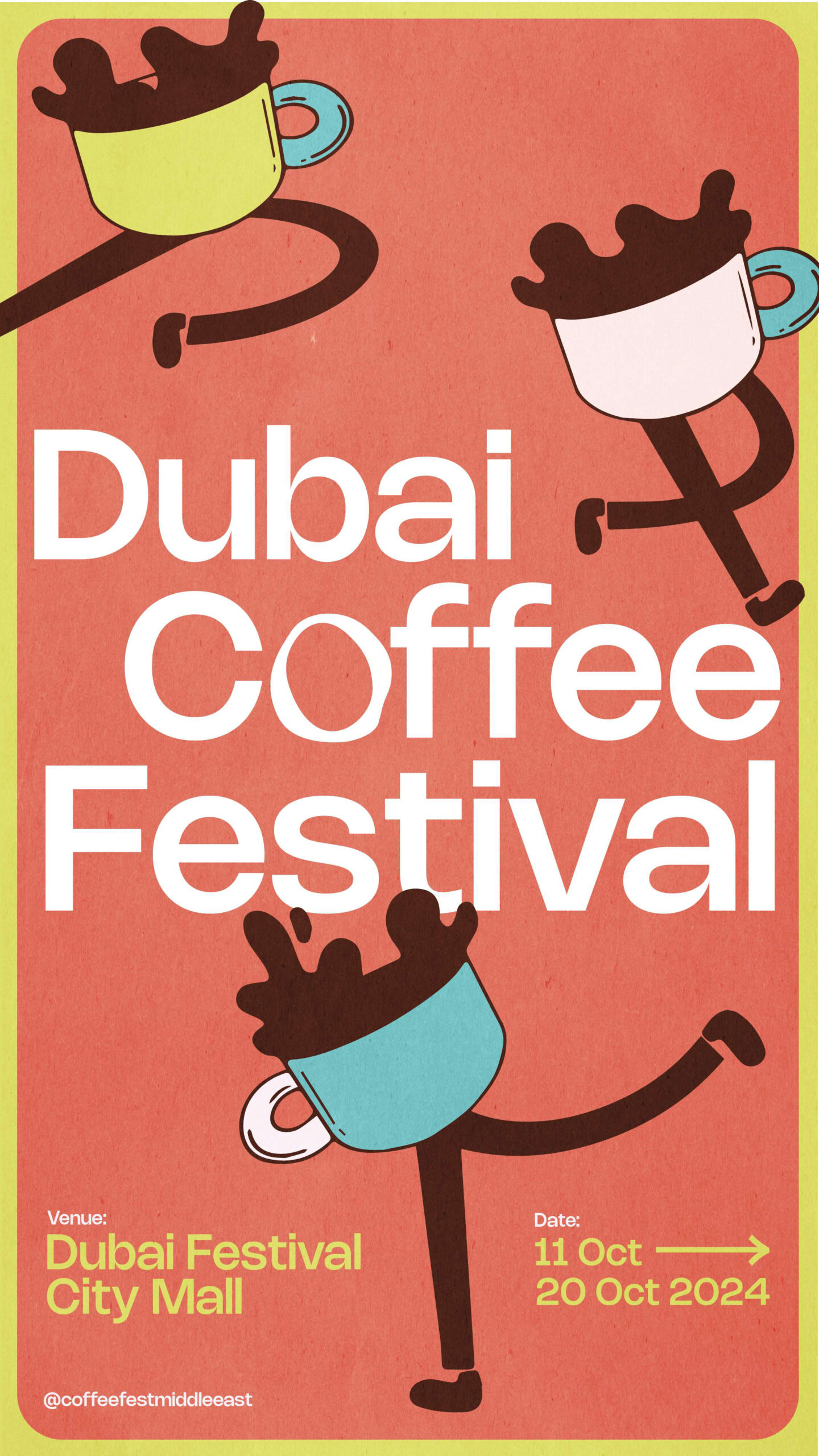
Under the slogan “A Salute to the Coffee Scene,” “DXB Live” organizes the Dubai Coffee Festival

Coffee lovers in Dubai are gearing up for an extraordinary experience in the world of coffee through the Dubai Coffee Festival, organized by “DXB Live” under the slogan “A Salute to the Coffee Scene,” which will take place at Festival City Mall over ten days.

The festival, combining the passion for specialty coffee and cultural creativity, is a unique platform that attracts all ages and interests.

Immersive events at the heart of the festival range from workshops and coffee tasting in the “Roasters Circle” to exciting barista competitions. The festival offers visitors a chance to dive into the ever-evolving world of coffee through innovative, educational, and interactive experiences, with a stamp system encouraging participants to collect points and receive special rewards.

A spokesperson for “DXB Live” confirmed that the festival strengthens connections between consumers and specialty coffee through an interactive experience that embodies both learning and enjoyment.

More than just coffee: A comprehensive experience

The festival’s activities extend beyond coffee; it includes a wide variety of food and beverage offerings and Instagram-worthy moments. Highlights include experiences like “DIY” tea blends, along with specially curated food menus that showcase creativity and innovation in the worlds of coffee and cuisine.

Special experiences for coffee enthusiasts

For experts and enthusiasts, the “Roasters Circle” will offer workshops led by global baristas, with exclusive tasting sessions featuring single-origin coffee, in addition to coffee competitions that allow baristas to showcase their unique skills in front of an audience.

Participation and partnership opportunities

The festival opens its doors to companies and brands wishing to participate in this anticipated coffee scene event. Various sponsorship packages are available, from primary sponsorships to more flexible options.

These partnerships offer an ideal opportunity for brands to connect with coffee lovers and showcase their presence at the largest coffee gathering in the region.

Opportunities to book booth spaces and food trucks are also available for participants, with early booking encouraged due to limited space availability.

Event details

The festival will be held at multiple locations across Dubai over ten days and is expected to attract local and international coffee lovers, offering them an exploratory journey into the rich world of coffee while celebrating its deep-rooted culture.

illycaffè announces the finalists for the Ernesto Illy International Coffee Award 2024

  • 27 producers from 9 countries compete in New York to win the award for the best sustainable coffee of the year


illycaffè is proud to announce the 27 finalists for the ninth edition of the Ernesto Illy International Coffee Award. This award, named in memory of Ernesto Illy, the son of the company’s founder, celebrates over three decades of virtuous collaboration with coffee producers. Two awards will be presented on November 12 in New York: the ‘Best of the Best,’ chosen by a jury of nine coffee experts, and the ‘Coffee Lovers’ Choice,’ selected by consumers who participate in a week-long blind tasting in illy stores around the world.

Throughout the year, illycaffè’s quality laboratories analyzed samples from the 2023/2024 harvest, selecting the best batches and producers based on both qualitative and sustainability criteria. The finalists for this edition come from Brazil, Costa Rica, El Salvador, Ethiopia, Guatemala, Honduras, India, Nicaragua, and Rwanda.

“Sustainable quality is the result of a process that begins in the coffee plantations and requires constant innovation, research, and training. It means producing high-quality coffee with respect for the environment, biodiversity, human rights, and social well-being. The Ernesto Illy International Coffee Award has become an annual appointment with our best producers worldwide, with whom we have worked hand in hand for decades to ensure a prosperous future for people and the planet,” comments Andrea Illy, Chairman of illycaffè.

The 27 finalists for the Ernesto Illy International Award 2024, listed alphabetically by country, are:

Brazil:

  • Fazenda São João – Décio Bruxel e Outros
  • Fazenda Serra do Boné – Matheus Lopes Sanglard
  • Fazenda Vila Oscarlina – Flávio da Costa Figueredo

Costa Rica:

  • Coopelibertad R.L.
  • CoopeSabalito R.L.
  • Finca San Carlos de Marespi S.A.

El Salvador:

  • Finca Agua Caliente – J.J. Borja Nathan S.A.
  • Finca Bolívar – Matorral de S.A. de C.V.
  • Finca San Rafael – Comercial Larin S.A. DE C.V.

Ethiopia:

  • Darimo Washing Station Plc – Asma International Business Pvt Ltd
  • Gera Tracon Washing Station Plc – Tracon Trading P.L.C.
  • Jemila Amdela Washing Station Plc – Legesse Sherefa Pvt Ltd Co.

Guatemala:

  • Finca Danilandia – Luis Arimany Monzón
  • Finca Santa Leonarda – Plantaciones Agropecuarias S.A.
  • Pequeños Productores Santa Cruz Naranjo

Honduras:

  • Finca Diego Paz – Diego Paz Paz
  • Finca Don Miguel – Miguel Angel Pérez Guevara
  • Finca El Carmen – Jorge Aníbal Peña Maldonado

India:

  • Coovercolly Estate – Tata Consumer Products Ltd.
  • Kajjehally Estate – S. Vasudevan
  • Margolly Estate – Tata Consumer Products Ltd.

Nicaragua:

  • Finca Santa Ana – Aida Lila Zeledón Palacios
  • Grupo productores – Olam Nicaragua
  • SMS Cluster ECOM Nicaragua

Rwanda:

  • Karenge Coffee Washing Station
  • Kibirizi Coffee Washing Station
  • Rwinyoni Coffee Washing Station

The ranking of each of the nine finalist countries will be announced on November 12th at the United Nations in New York during an event where coffee producers will learn who has won the Ernesto Illy International Coffee Award 2024.

The previous edition of the Ernesto Illy International Coffee Award was won for the first time by Brazil, with the São Mateus Agropecuaria farm. This achievement is particularly significant as the coffee was produced using regenerative agricultural practices, which benefit the environment and health while producing exceptionally high-quality coffee.

Bacha Coffee Announces €20 Million Flagship on Champs-Élysées, Marking European Debut

Bacha Coffee, the iconic Moroccan coffee brand established in Marrakech in 1910, is set to open its flagship store on the legendary Champs-Élysées in Paris by Q4 2024. This highly anticipated launch represents a pivotal moment in the brand’s global expansion as it boldly enters the European market, where it already ships to 17 countries.

Following its international debut in Singapore in late 2019, Bacha Coffee has rapidly extended its presence across Asia, establishing key locations in Hong Kong, Malaysia, Indonesia, Taiwan, and South Korea. The brand has also made significant inroads into the Gulf Cooperation Council (GCC) region, with stores in Dubai, Abu Dhabi, Doha, and Kuwait City. With 24 locations across 12 cities worldwide and a global team of over 2,000 employees, Bacha Coffee continues to grow its prestigious legacy.

“Bacha Coffee has experienced remarkable growth since our first international outpost in Singapore in 2019. We’ve become a household name across Asia and the Middle East, and now, we are excited to turn our focus towards Europe,” says Taha Bouqdib, President and CEO of V3 Gourmet, the parent company of Bacha Coffee. “Europe is a cornerstone in our global expansion strategy, and the opening of our flagship store in Paris is just the beginning, with additional openings planned for 2025 and beyond.”

Expanding Global Footprint

The Bacha Coffee Champs-Élysées flagship represents a €20 million investment and marks a new chapter for the brand. It continues its strategy of establishing a presence at iconic landmarks in major cities around the world and will span three floors, covering 1,500 square meters. The space will feature a boutique, a takeaway counter, and a coffee room. To commemorate the launch, exclusive special edition serialized products will be available only at the Paris Champs-Élysées store.

To support Bacha Coffee’s international expansion, new facilities have been established in strategic locations like Marrakech and Singapore, expanding the brand’s capacity for state-of-the-art R&D, production, and coffee roasting. These facilities ensure a consistent supply of freshly roasted coffee, strategically located near Bacha Coffee locations worldwide. Plans are also underway to open additional R&D and roasting facilities in the Middle East and Europe to strengthen its supply chain.

Buoyed by strong year-on-year growth across the GCC states, East Asia, and Southeast Asia, Bacha Coffee achieved profitability in 2023 with a revenue of $95.5 million and a Profit After Tax (PAT) of $2.2 million, as accredited by ACRA. By the end of 2024, the brand will have added new locations in Hong Kong, Jakarta, Kuala Lumpur, Singapore, Seoul (Cheongdam-dong), and Paris.

The brand is poised for even greater growth in 2025, with locations set to open in new markets, including Tokyo (Ginza), Macau, and Saudi Arabia. By 2030, Bacha Coffee aims to have a presence in all the major capitals of the world.

“As we continue our journey of growth and expansion, Bacha Coffee remains committed to delivering an unparalleled coffee experience that honors our rich heritage while embracing the future,” says Bouqdib. “Our brand is synonymous with exceptional and consistent 100% Arabica coffees, which our customers love and have come to depend upon. Our new flagship in Paris is just the beginning of an exciting chapter, as we bring the world of Bacha Coffee to more cities and coffee lovers around the globe.”

About Bacha Coffee

Bacha Coffee was founded in Marrakech, Morocco, in 1910 in the spectacular Dar el Bacha palace, where the greatest cultural and political minds of the century gathered over glittering pots of freshly brewed Arabica coffee. The original Marrakech location reopened in 2019 and launched its first international outpost in Singapore in the same year. With unique and exclusive Coffee Rooms & Boutiques, Coffee Bars, Travel Retail, and Takeaway concepts, Bacha Coffee has since expanded exponentially across Asia, the Middle East, and Europe. Today, Bacha Coffee serves customers in over 40 countries, including online at https://BachaCoffee.com.

Renowned for its legendary 100% Arabica coffees, gifts, and coffee accessories, the Bacha Coffee concept also incorporates international distribution and wholesale to professionals.

Specialty Coffee Association Announces Slate of Candidates for 2024 Board of Directors Election

The Specialty Coffee Association (SCA) has officially announced the candidates for its 2024 Board of Directors election. The list, curated by the Nominating Committee and led by SCA Board President Pamela Chng, features prominent figures from the global coffee industry, highlighting the association’s commitment to diverse leadership and expertise.

Key Candidates:
The slate of candidates presented by the SCA includes:

  • Jon Allen, Founder of Onyx Coffee Lab and 2nd Street Creative Studio
  • Federico Gallia, CEO of RYOMA MC SPA
  • Hide Izaki, CEO of Izaki Coffee Holdings Inc.
  • Sunalini N. Menon, President of Coffeelab Limited
  • Luiz Roberto Saldanha, Director of Fazenda California, Capricornio Coffees, and Synapses Coffee Education
  • Jessica Worden, Head of Coffee at GAIL’s Bakery
  • Yi-Ling Wu, Manager of Beverage Research Institute at King Car Food Industrial Company and Vice Chairman of Taiwan Coffee Association

2nd Vice President Announcement:
In addition to the candidate slate, the SCA Board of Directors has elected Nadine Rasch, CEO of Primavera Coffee, to serve as the 2nd Vice President. This position is crucial for ensuring continuity in the SCA’s leadership, as it involves a three-year term designed to facilitate presidential succession.

For further details and the complete announcement, members are encouraged to visit the SCA website at sca.coffee/board/elections.