International Coffee Day: Emirates customers relax and revive with 170,000 kilograms of coffee each year

Celebrating International Coffee Day on 1 October, Emirates highlights more than 170,000 kilograms annual consumption of the beverage by coffee-loving customers, celebrating the wide array of artisan coffee served in Emirates lounges and onboard flights to 140 destinations around the world, including Emirates’ own signature blend of traditional Arabic coffee.

Inflight Delight: 130,000 kilograms of coffee served by Emirates each year

Emirates serves more than 130,000 kilograms of coffee onboard every year, and even commissions its own signature blend of Arabic Coffee in collaboration with artisan local producer, Mattina.

Mattina’s Arabic Coffee blend for Emirates uses the finest quality Arabica beans, complemented by natural cardamom and saffron, in line with the traditional recipes passed down through generations and replicating the ceremonial coffee experience that has been central to Arabian hospitality for centuries. The blend features Arabica beans from the Cerrado de Minas region of Brazil, known for their smooth, mild, and aromatic character. These beans are lightly roasted to create the light brownish colour that is characteristic of the Arabic Emirati Qahwa. The Emirates Arabic Coffee is blended with cardamom from the highlands of Guatemala famous for its rich and intense flavours, a spice that gives Qahwa its distinctive, aromatic taste, while also featuring subtle hints of world’s finest saffron, adding to the authenticity of the Qahwa tradition. Emirates signature blend of Arabic coffee is served inflight to First Class customers globally and is also available to order in the First and Business Class Lounges.

Across the Emirates network, a myriad of coffee types and producers are offered to customers inflight including Lavazza, Coffee Planet, the Nairobi Coffee and Tea Company, and a host of independent suppliers globally. As part of the meal service, Economy and Premium Economy customers are offered coffee once or twice during their flight, while Business and First Class customers can order from a Lavazza Italian coffee menu on demand, including options like decaffeinated coffee, cappuccino, iced Americano, espresso, macchiato and affogato al café. Emirates also works with Coffee Planet to create bespoke drinks for special occasions like Christmas and Valentine’s Day, such as the rose-kissed mocha or orange crush latte.

Lounges for Coffee Connoisseurs: 40,000 kilograms of coffee served by Emirates each year

The 5.1 million customers that relax in the 7 luxurious Emirates Lounges in Dubai each year consume an average of 26,000 kilograms of coffee beans. In the First Class lounge in Concourse B, Dubai International Airport, Emirates has a dedicated coffee counter where customers can choose between a variety of three single blend origin coffees freshly prepared by a barista. Each coffee presents a variety of aromas, acidity and bitterness and the Emirates team have been specially trained to suggest the best coffee for the customer’s preferences. The selection changes every three months so that regular travellers can sample beans from all around the world. For example, Colombia Huila Buenavista is juicy and silky bodied coffee with a sweet cacao nib like finish and floral notes as well as hints of apricot, grapes, blackberry and grapefruit. Burundi Nyagishiru has a mild fruity aroma, a smooth finish of milk chocolate, brown spice, caramel and stone fruit, with a tart acidity and velvety texture. Brazil Sao Vale Do Sol is a medium bodied coffee with a mild fruity aroma, citrus acidity, aromas and notes of grapefruit, vanilla, almond, chocolate with clean finish. The First and Business Class Lounges also feature Costa Coffee, an Emirates Leisure Retail company, where a wide range of coffees and complementary food are served.

In the 34 Emirates Lounges in cities across the world, 2.1 million customers access the luxury lounges each year with an annual consumption of 14,000 kilograms of coffee beans.

Curated Coffee Training for Emirates Cabin Crew

Emirates Cabin Crew receive specialised coffee training, where they learn about the origins of coffee, different blends and how to make the perfect cup for every customer. In practical training sessions, cabin crew learn how to serve and present each coffee type and are assessed on the preparation and delivery of Emirates signature Arabic coffee. First Class passengers can enjoy their coffee in a choice of Royal Doulton fine bone mug or cup, and Business Class passengers in the fine bone china mug. The quality of the water used to make the coffee is also considered and regularly monitored, and Emirates ensures that the water tanks, equipment used for transportation and supply lines provide perfectly potable water, through regular disinfection, maintenance, and audits.

Top 100 Coffee and Hospitality Brands in Europe

As COHO celebrates its 15th anniversary, they have introduced the highly anticipated COHO’s Top 100 – a revamped awards format spotlighting Europe’s top 100 most influential brands in coffee and hospitality. Curated across 10 categories, each featuring 10 exceptional nominees, this prestigious list recognizes brands and individuals who have set new benchmarks in innovation, quality, and leadership within the industry.

As a news portal, we are excited to share that voting for the European Coffee & Hospitality Awards 2024 will officially open on 1st October 2024, allowing industry professionals across Europe to vote for the brands that have shaped the sector. The voting period will remain open until 25th October 2024, and the winners will be revealed at the much-anticipated gala dinner on 12th November 2024, held at the InterContinental Hotel, Berlin, as part of the European Coffee Symposium and Coffee & Hospitality Expo 2024.

A New Chapter in European Hospitality Recognition

This year marks a significant transformation for the awards, as Allegra’s European Coffee Awards evolves into the European Coffee & Hospitality Awards, in partnership with 5thwave. This evolution reflects the growing importance of coffee within the wider hospitality sector and aims to celebrate excellence across a broader range of operators and suppliers across Europe.

The COHO’s Top 100 shortlist is composed of nominees selected by over 3,000 industry peers. These brands and individuals have been recognized for their contributions to the coffee and hospitality industries, where they have demonstrated leadership, quality, and innovation.

The COHO’s Top 100 Categories and Nominees

1. Europe’s Best Coffee Shop Chain

  • 200 Degrees, % Arabica, Blank Street, Caffè Nero, Coffee Island, Costa Coffee, Espresso House, Joe & The Juice, Starbucks, WatchHouse
    (Recognizing café chains that have set benchmarks in quality, service, and brand innovation.)

2. Europe’s Best Bakery/Food Chain

  • Cornish Bakery, Emmerys, GAIL’s, Greggs, Kamps, Lagekagehuset / Ole & Steen, PAUL, Paris Baguette, Pret A Manger, Zeit Für Brot
    (Celebrating food chains excelling in taste, quality, and customer experience.)

3. Europe’s Best Coffee Experience – Hotel Operator

  • Accor, CitizenM, Dorchester Collection, Firmdale Hotels, Four Seasons, Hilton, Hoxton, Marriott International, Soho House, Van der Valk
    (Recognizing hotels offering exceptional coffee experiences that elevate the guest journey.)

4. Europe’s Best Independent Coffee Shop

  • 3fe Coffee (Dublin), Bonanza Coffee (Berlin), Colonna & Small’s (Bath), Coutume (Paris), Kawa Coffee (Paris), La Cabra (Denmark), Nostos Coffee (London), Ozone Coffee (London), Rosslyn (London), Single Estate (The Hague)
    (Celebrating independent cafés that provide unique and memorable coffee experiences.)

5. Europe’s Best Commercial Coffee Roaster

  • Caffè Vergnano, Illy, JDE Peet’s, Lavazza, Lincoln & York, Löfbergs, Matthew Algie, Segafredo Zanetti, Tchibo, UCC Coffee
    (Recognizing the best commercial roasters excelling in consistency and global reach.)

6. Europe’s Best Specialty Coffee Roaster

  • Caravan Coffee Roasters, Kawa Coffee, L’Arbre à Café, Mabo Coffee Roasters, Manhattan Coffee Roasters, Origin Coffee, Ozone Coffee Roasters, Square Mile Coffee Roasters, The Barn, Tim Wendelboe
    (Highlighting specialty roasters leading in innovation, quality, and sustainability.)

7. Europe’s Best Espresso Equipment Manufacturer – Traditional

  • Astoria, Cimbali, Dalla Corte, Faema, La Marzocco, Rancilio, Sanremo, Slayer, Synesso, Victoria Arduino
    (Recognizing craftsmanship and innovation in traditional espresso machines.)

8. Europe’s Best Espresso Equipment Manufacturer – Fully Automatic

  • Cimbali, Cup & Cino, Egro, Eversys, Franke Coffee Systems, Melitta, Schaerer, Scanomat, Thermoplan, WMF
    (Celebrating fully automatic machine manufacturers for innovation and quality.)

9. Europe’s Best Food/Beverage Supplier

  • Alpro, Beyond The Bean, Bakerman, Chalo, DaVinci Gourmet, Easyfoods, Market Grounds, Monin, Oatly, Sproud
    (Recognizing innovative suppliers enhancing the coffee and hospitality experience.)

10. Europe’s Most Sustainable Brand

  • Anne&Max, Change Please, Decent Packaging, Löfbergs, Origin Coffee, Ozone Coffee, Project Waterfall, Union Hand-Roasted Coffee, Vegware, Well Grounded
    (Celebrating brands leading the way in sustainability and ethical practices.)

Attend the Awards and Celebrate Excellence

The European Coffee & Hospitality Expo, taking place from 13-14 November 2024, will bring together 2,500 key decision-makers from across Europe. This influential event will showcase cutting-edge innovations and pioneering products that are reshaping the coffee and hospitality industry.


Top Tips for Better Coffee at Home

In celebration of World Coffee Day on October 1st, it’s the perfect time to improve your home coffee brewing skills. Whether you’re a beginner or looking to refine your techniques, these expert tips will help you make better coffee at home.

1. Keep it Fresh

Freshly roasted coffee delivers the best flavor. Ideally, you should use coffee roasted one to two weeks before brewing, allowing it to properly degas, which releases the carbon dioxide produced during roasting. To maintain freshness, store your beans in a vacuum-sealed, airtight container to limit exposure to oxygen and moisture.

2. Grind Your Own Beans

Always opt for whole beans and grind them just before brewing. Grinding on-demand helps preserve the coffee’s freshness and flavor by preventing oxidation. Use the right grind size for your brewing method: a coarser grind for methods like French press or cold brew, and a finer grind for espresso. Too fine a grind can cause over-extraction and bitterness, while too coarse can lead to under-extracted, weak coffee.

3. Get the Ratio Right

The strength and flavor of your coffee depend on the coffee-to-water ratio. Using a scale to measure your coffee grounds ensures consistency, avoiding the guesswork of scoops or eyeballing. If your coffee tastes off, try adjusting variables like the amount of coffee, grind size, or water temperature until you find the right balance. For espresso lovers, a scale with a timer can help ensure the perfect shot, making your home-brewed espresso taste professional.

4. Mind the Water Quality

Since coffee is mostly water, using high-quality water is essential. Filtered water is usually the best option, as it removes impurities that can negatively impact flavor. Avoid distilled water, as it lacks the necessary minerals to bring out the best in your coffee. Aim for water with balanced mineral content for a better-tasting cup.

5. Control the Water Temperature

The temperature of the water during brewing plays a critical role in extraction. Ideally, use water that is between 195°F and 205°F (90°C to 96°C) for most brewing methods. If the water is too hot, it will over-extract the coffee, resulting in bitterness. Too cold, and it will under-extract, leaving your coffee flat and underwhelming.

6. Clean Your Equipment Regularly

Cleanliness is key to maintaining a great-tasting coffee. Coffee oils and particles build up in your grinder, coffee maker, and brewing devices over time, leading to bitter or rancid flavors. Regularly clean your equipment, including your grinder’s burrs and brewing devices, to ensure that every cup tastes fresh and pure.

7. Experiment with Different Brewing Methods

If you’re looking to explore new flavors, try experimenting with various brewing methods, such as pour-over, French press, AeroPress, or espresso. Each method brings out different aspects of the coffee, giving you the chance to discover what suits your taste best. By trying new techniques, you can refine your preferences and improve your brewing skills.

8. Pre-Infusion or Bloom

For brewing methods like pour-over or French press, pre-infusing the coffee grounds (also called blooming) is a simple yet effective technique. Wet the grounds with a small amount of water and let it sit for about 30 seconds before brewing. This allows the coffee to release trapped gases and leads to a more even extraction and fuller flavor.

9. Use Fresh, Filtered Air in Grinders

When using electric grinders, a pro tip is to wipe the grinder’s hopper with a damp cloth or give the beans a quick blast of filtered air. This helps reduce static electricity that can cause grounds to stick to the grinder, ensuring consistent particle size and an even extraction.

Korea’s Coffee Craze: The Rise of an Unstoppable Trend

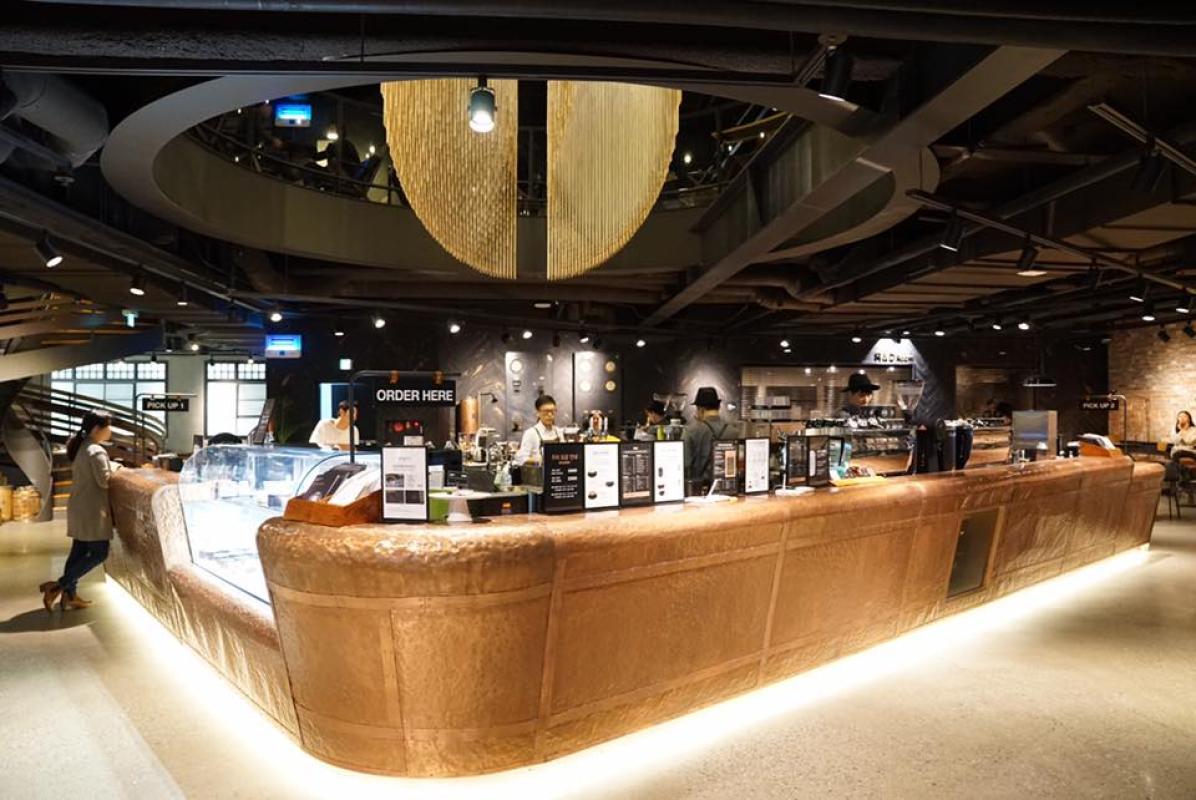
South Korea boasts one of the most dynamic and trend-setting coffee cultures in the world. With an expansive network of coffee shops, both independent and branded, the country has embraced coffee as more than just a beverage – it’s become a cultural and social staple. But what fuels this widespread coffee obsession, and how can operators sustain this rapid growth in such a competitive market?

According to government reports, by the end of 2023, South Korea had over 100,000 coffee shops generating an impressive ₩15.5 trillion ($11.2 billion) in sales and employing 270,000 people. With a population of 52 million, that’s approximately one coffee shop for every 520 people. One-third of these shops belong to branded chains like Ediya Coffee, Mega Coffee, and Compose Coffee, all of which have rapidly expanded in recent years. Starbucks, with 1,900 stores in Korea, ranks as the country’s third-largest market worldwide.

The roots of this coffee obsession trace back to 1976 when Dongsuh Foods introduced instant ‘mixed coffee’ sachets, which combined coffee, sugar, and milk powder. This product became a staple for many, helping cement coffee as a daily habit. The fascination with coffee evolved alongside South Korea’s economic boom, with the café culture becoming a beloved part of daily life.

Not only are coffee shops ubiquitous, but the country is also home to a thriving specialty coffee market. Homegrown brands like Coffee Libre, Terarosa, and Bean Brothers coexist with international names such as Blue Bottle Coffee and Japan’s % Arabica. Despite the competitive nature of the market, South Korea has developed a reputation for excellence in the coffee world, driven by a deep-seated cultural ethos of competition and achievement.

In the post-war years, South Korea’s industrious nature saw it rise from being one of the world’s poorest nations to a global economic powerhouse. This relentless drive for success is mirrored in the coffee industry, with consumers seeking out quality and prestige in every cup. Koreans’ long working hours have also contributed to the booming coffee culture, as cafés serve as essential spaces for relaxation, socializing, and even conducting business.

Coffee education plays a significant role in maintaining the country’s high standards. The Specialty Coffee Association (SCA) has a strong presence in Korea, where coffee enthusiasts and professionals alike strive to perfect their craft. With around 400 authorized SCA trainers in the country, Korea has become a leader in coffee education, consistently producing world-class baristas and coffee experts.

One of the most unique aspects of Korea’s coffee industry is its fusion with popular culture. The influence of Western trends, particularly from the US, has shaped the café scene. Blue Bottle Coffee, for instance, became an instant hit when it opened its first Korean store in 2019. K-pop culture also plays a major role, with coffee chains collaborating with major K-pop groups, further driving the coffee craze among younger generations.

The appeal of coffee in Korea extends beyond trends. Historically, Koreans haven’t had as many public spaces to gather, making cafés the perfect “third place” for meetings, socializing, or simply taking a break from daily life. As a result, coffee consumption has become a routine part of life for many.

Even in the face of economic challenges, the coffee industry continues to thrive. The rise of budget-friendly coffee chains like Mega Coffee and Compose Coffee ensures that everyone can enjoy a good cup of coffee, regardless of their budget. These chains have expanded rapidly, with thousands of new stores opening in the last few years.

The future of Korea’s coffee industry looks bright, as innovation continues to drive growth. From unique beverage offerings like infused coffee to the ever-popular iced drinks, the country’s coffee scene is constantly evolving to meet the demands of its discerning customers. While the market may seem saturated, the pursuit of better quality and new experiences keeps the industry booming.

In conclusion, Korea’s coffee obsession reflects its broader cultural values of hard work, innovation, and a desire for excellence. From specialty coffee shops to global chains, the coffee industry has become an integral part of Korean society, creating a thriving market that shows no signs of slowing down. Whether it’s a simple americano or a trendy latte, coffee in Korea is more than just a drink – it’s a way of life.

Coffee Prices in Russia to Increase by 20-30% by Year-End

Coffee prices in Russia are expected to rise by 20-30% by the end of the year due to lower crop yields caused by droughts in Brazil and Vietnam. This was reported by “Kommersant” citing market participants.

“Coffee plantations in Vietnam, a major producer of robusta, suffered from typhoons and a lack of rainfall, while Brazil, the key player in the arabica market, is struggling with drought,” said Andrey Sizov, the director of SovEcon.

According to data from the Brazilian agricultural agency Conab, coffee production in Brazil is expected to decrease by over 7% during the 2023/2024 agricultural year, totaling 54.8 million bags. Meanwhile, the Vietnam Coffee and Cocoa Association (Vicofa) forecasts that coffee exports from Vietnam could fall by 20% to 1.336 million tons during the same period due to unfavorable weather conditions.

The report highlights that global exchange prices for major types of coffee have nearly doubled over the past year and surged by 42% in the past six months, hitting a 13-year high. Sergey Rumyantsev, the founder of One Price Coffee, confirmed that purchase prices have risen by 30-35% over the past two to three months. Coffee Like also reported a 10% increase in prices in recent months and a 35% increase over the year.

Rumyantsev added that green (unroasted) coffee is virtually unavailable for free sale in the Russian market. Major roasting companies are signing long-term contracts, but these do not always guarantee timely deliveries due to logistical challenges, noted Philip Leitis, the founder of “Truth Coffee.” Yana Alkhutova, the director of Cofix, added that the complex political situation in the Middle East is affecting delivery times and shipping costs.

Nikolai Markin, a representative of the May production company, emphasized that raw material prices are rising much faster than finished products to prevent price shock. Dmitry Gushchin, CEO of Lalibela Coffee, concluded that consumers can expect price increases of 20-30%.

It is worth noting that record-high coffee prices were reported in mid-September. A similar situation occurred in Brazil several years ago when crops were affected by frost and drought, as well as unfavorable epidemiological conditions in Vietnam. This led to coffee prices hitting a 10-year high by the end of 2021.

Coffee Prices Reach 13Year High

The price of green (unroasted) coffee has risen significantly in recent months, as reported by major coffee chains in Russia. Sergey Rumyantsev, the founder of One Price Coffee, stated that purchase prices have increased by 30–35% over the past two to three months, depending on the bean variety. Coffee Like noted a 10% price rise in recent months and a 35% increase over the past year.

Philip Leitis, founder of the Pravda Coffee chain, also observed a substantial price hike: “Wholesale coffee prices have recently reached a long-term high.” Andrey Sizov, director of SovEcon, confirmed that coffee exchange prices for key varieties have doubled in the past year, with Arabica prices reaching a 13-year high. According to Investing, the futures contract signed on September 16, 2024, for December delivery hit a high not seen since September 2011, reaching $2.7 per pound (0.45 kg).

Andrey Sizov explained that coffee in Vietnam, the primary producer of Robusta, was affected by a typhoon and a lack of rainfall, while Brazil, a key player in the Arabica market, suffered from drought.

Sergey Rumyantsev pointed out an unprecedented event in the 2024 coffee market: Robusta prices at times surpassed Arabica, which is highly unusual for the industry. Normally, Arabica costs twice as much as Robusta. During this period, coffee sellers attempted to blend Robusta and Arabica beans to keep the final product cost at an optimal level, said Dmitry Pletnev, executive director of the Coffee Like franchise chain. The high Arabica prices forced importers to switch to Robusta, significantly boosting demand for it, according to a source among major coffee producers.

Mohammed Bin Rashid Library Celebrates International Coffee Day with a Series of Artistic and Creative Events

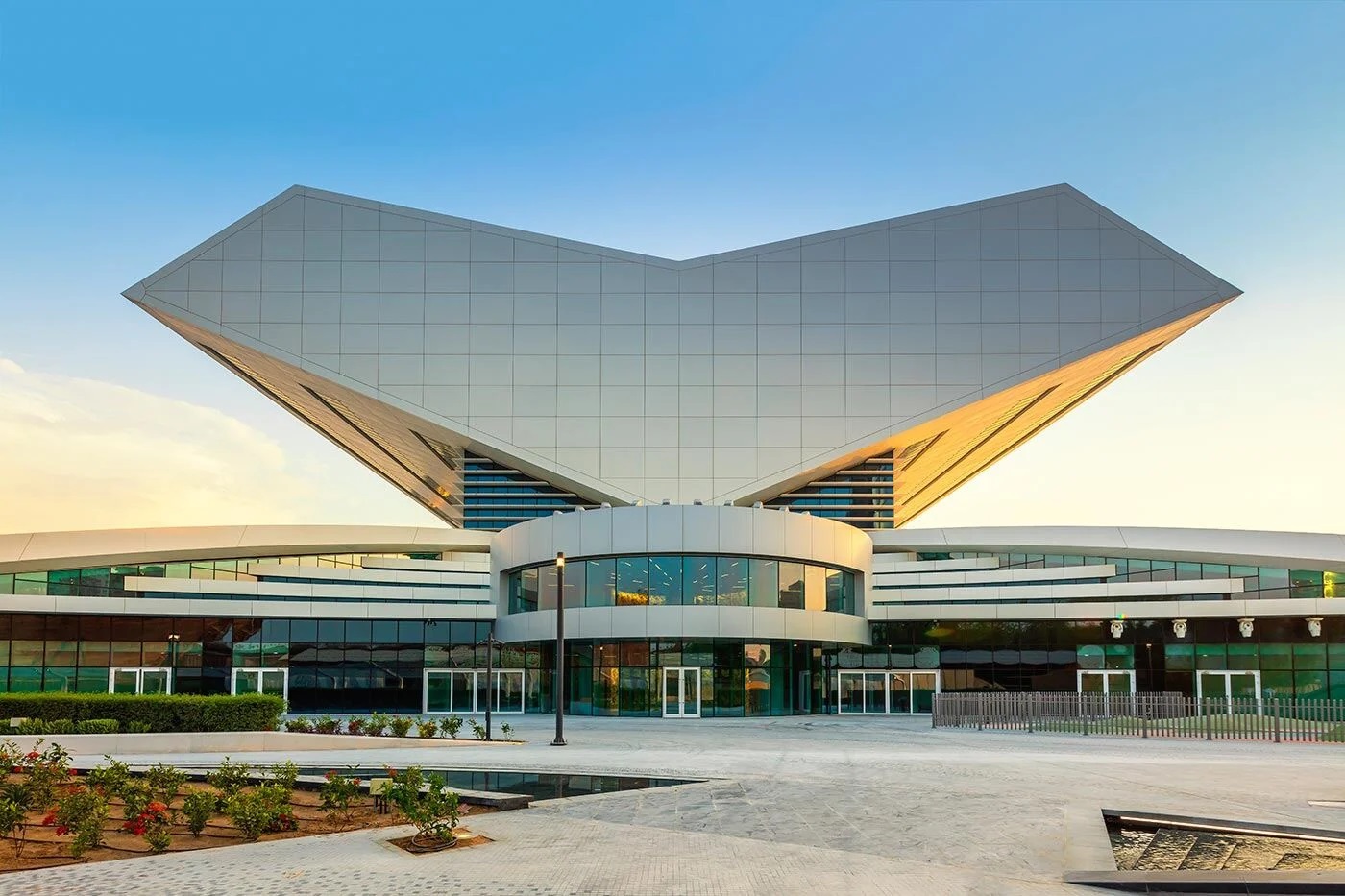
In celebration of International Coffee Day, the Mohammed Bin Rashid Library has announced a unique event on Tuesday, October 1, 2024, that combines art, creativity, and the special ambiance of coffee. The event will take place in the library’s atrium located in Al Jaddaf.

The event will feature a variety of activities, including interactive workshops and specialized art exhibitions. It will kick off at 4:00 PM with an exhibition on coffee-making tools, in collaboration with the Coffee Museum, highlighting the evolution of coffee preparation tools from the past to the present. Following this, there will be workshops, starting with the “How to Become a Barista” workshop, teaching the art of coffee preparation at 4:00 PM, and then the “Coffee Bean Art” workshop, led by artist George Sobhi, at 6:00 PM.

For art enthusiasts, the event will also include a workshop on “Liquid Coffee Painting” with artist Majida Nasr Al-Din at 5:00 PM, along with the opening of an art exhibition showcasing works entirely made from coffee, starting at 7:00 PM.

To add more enjoyment to the event, attendees will be treated to exceptional coffee sessions accompanied by live piano and flute performances, creating a warm and creative atmosphere. Visitors can also enjoy a special 10% discount on food and drinks at Tendin Café, in addition to receiving a free copy of a book on coffee as part of the “A World That Reads” initiative.

The event will continue until 9:00 PM and is expected to attract a large audience of coffee and art lovers alike.

Mikael Jasin Becomes the New Victoria Arduino Global Ambassador

The 2024 World Barista Champion, Mikael Jasin, has been announced as the new Global Ambassador for Victoria Arduino. This long-standing partnership between Victoria Arduino and Jasin, owner of So So Good Coffee Company, Catur Coffee Company, Berlian Biotech, and Omakafé, is far more than just a commercial collaboration.

The connection between Mikael Jasin and Victoria Arduino began in 2018 when the renowned espresso machine brand offered him a specialized course to deepen his knowledge of the VA388 Black Eagle, the official machine for the World Barista Championship (WBC), in preparation for his first global competition. He went on to place among the top 6 competitors worldwide.

Over the years, this partnership has only grown stronger. In 2021, Jasin became one of the key faces of the Black Eagle Maverick launch. This machine, the most powerful in Victoria Arduino’s range, was designed to introduce technological innovations that inspire passionate coffee professionals like Jasin, who constantly push boundaries and seek to evolve every day.

In 2023, Victoria Arduino supported Jasin with the opening of Omakafé, a unique coffee-tasting venue in Serpong Tangerang, Indonesia. The same year, Jasin was crowned the 2024 World Barista Champion in Busan, South Korea.

As the new Global Ambassador, Mikael Jasin will play a pivotal role in promoting Victoria Arduino’s espresso machines and grinders. More importantly, he will share his knowledge and expertise to further develop technologies that enhance the coffee experience and produce machines with unique designs.

The partnership also involves a packed schedule of events. Mikael Jasin will be present at the SCAJ show in Japan, and from November 6-9, he will feature at Victoria Arduino’s booth at the Korea Café Show. He will officially unveil the new products E1 Prima PRO, Eagle Tempo, and PureBrew+ in Vietnam on November 14 and in Malaysia from December 3-4.

A European Law Threatens Coffee Exports and Puts Global Markets at Risk

Coffee-producing countries may face the risk of having their exports banned from the European market if Brussels does not delay its decision to prohibit products coming from regions affected by deforestation, according to one of the world’s largest coffee and tea companies.

JDE Peet’s, a global coffee and tea supplier, stated that some countries might be temporarily excluded from its supply chain due to uncertainty about their compliance with the new rules unless the European Union postpones its new deforestation law for at least a year.

Christopher Beth, the global coffee and tea supply lead at JDE Peet’s, emphasized the need for clarity from the EU, saying, “The sector has invested significantly based on its interpretation of the new regulations, but companies may struggle to comply with the deadline if their understanding proves incorrect.”

The EU’s deforestation law, which targets commodities such as cocoa, palm oil, rubber, and coffee, is set to take effect on December 30th, yet the European Commission has not published guidelines on how to comply with it, sparking criticism from national governments, including Germany, as well as industry bodies and the head of the World Trade Organization.

EU officials involved in preparations for the law have indicated that an online compliance system is expected to be unveiled soon. However, amid growing criticism, the officials said that Brussels might announce a delay in implementing the system, which will define different levels of scrutiny for products from various countries.

The law has been met with significant backlash from exporting countries, with Brazil calling it “unilateral and punitive.” Meanwhile, legislators from the European Parliament’s center-right political group, to which European Commission President Ursula von der Leyen belongs, have voiced their opinions on the matter last week.

Herbert Dorfmann and Peter Liese, both members of the European Parliament from Germany, warned that “the bureaucratic monster threatens animal feed supplies and the trade of many consumer goods.” They added, “The Commission must take enough time to address the many flaws in the legislation.”

The European Cocoa Association recently called on the Commission to extend the transition period for six more months before the new rules come into effect, to “avoid enforcement failures.” The industry body, which represents European cocoa processors and chocolate manufacturers, argued that “the lack of clarity on critical elements makes it legally uncertain to prepare for the new rules.”

The coffee industry, in particular, has expressed concern that the mapping system used by the non-profit organization Enveritas may not comply with the new EU regulations. Enveritas uses high-resolution satellite imagery to identify coffee-growing areas affected by deforestation and works with governments and farmers to reforest the land, allowing entire countries or regions to be declared deforestation-free.

However, the new EU law requires the tracking of each coffee shipment back to specific “polygons” or land plots where it was grown. The coffee quantities in each shipment must match the reasonable production capacity of the identified polygons to avoid mixing deforestation-affected coffee with compliant beans. This excludes the broader approach of mapping entire countries or regions.

Beth explained that Enveritas’ approach has been successful in combating deforestation but warned that “compliance with the EU deforestation law is another matter.”

He also indicated that JDE Peet’s is preparing for all scenarios but cautioned that deeming Enveritas’ mapping system non-compliant with Brussels’ rules would prevent some producers from selling their products in EU markets as of December 30th.

Enveritas has adapted its model accordingly, splitting data to reflect cooperatives and communities instead of taking a national-level approach. However, environmental groups have warned that this might lead to loopholes in compliance.

Julia Christian, a lawyer with the non-profit organization Fern, which monitors the EU’s involvement in forests, warned that the system could fail if it is not determined “whether the coffee really came from the specified polygons.”

She added, “Companies have known about this legislation for several years,” noting that some chose the risk of not adequately preparing. She emphasized that it is unacceptable for companies to use this to pressure politicians into changing the law after it has already been passed, especially when other companies have invested to comply in a timely manner.

New Study: Coffee Reduces the Risk of Cardiometabolic Diseases

A recent study has revealed that drinking a cup of coffee in the morning may offer health benefits beyond just waking you up. Dr. Chaofu Qi, Associate Professor of Epidemiology and Biostatistics at Suzhou University in China, explained that moderate caffeine consumption—approximately three cups of coffee or tea per day—is associated with a reduced risk of cardiometabolic diseases. These diseases include the coexistence of two or more conditions such as coronary heart disease, stroke, and type 2 diabetes.

Dr. Qi noted that caffeine consumption may play a protective role at various stages of cardiometabolic disease development. In the study, which was published in “The Journal of Clinical Endocrinology and Metabolism,” researchers analyzed data from approximately 180,000 participants in the UK Biobank, a large biomedical database that tracks individuals over the long term. At the start of the study, none of the participants had cardiometabolic diseases.

The study collected information on participants’ caffeine intake from sources like coffee, black tea, or green tea, in addition to tracking the cardiometabolic diseases they developed through primary care data, hospital records, and death certificates.

The results showed that participants who consumed moderate amounts of caffeine had a lower risk of developing cardiometabolic diseases. The risk decreased by 48.1% if they drank three cups daily, and by 40.7% if they consumed 200 to 300 milligrams of caffeine daily, compared to those who drank no coffee or consumed less than one cup.

Commenting on the study, Dr. Gregory Marcus, Associate Chief of Cardiology for Research and Professor of Medicine at the University of California, said the study’s large sample size and use of various biomarkers make its findings robust. He highlighted that caffeine, and caffeine-containing beverages like tea and coffee, may promote cardiovascular health.

However, Marcus emphasized that the study is observational, meaning it cannot conclusively prove a causal link between caffeine consumption and heart health. He pointed out that other factors, such as following a healthier diet or being more physically active, may be contributing to the positive results. Additionally, the study did not assess the impact of caffeine found in soft drinks or energy drinks, leaving the potential effects of these beverages unclear.

Although the study’s findings may reassure regular coffee and tea drinkers, Marcus warned against excessive caffeine consumption. He cautioned that high doses of caffeine, especially when included in artificial beverages like energy drinks, could lead to serious heart rhythm problems.

Coffee Biomass: Promising Opportunities for Sustainability

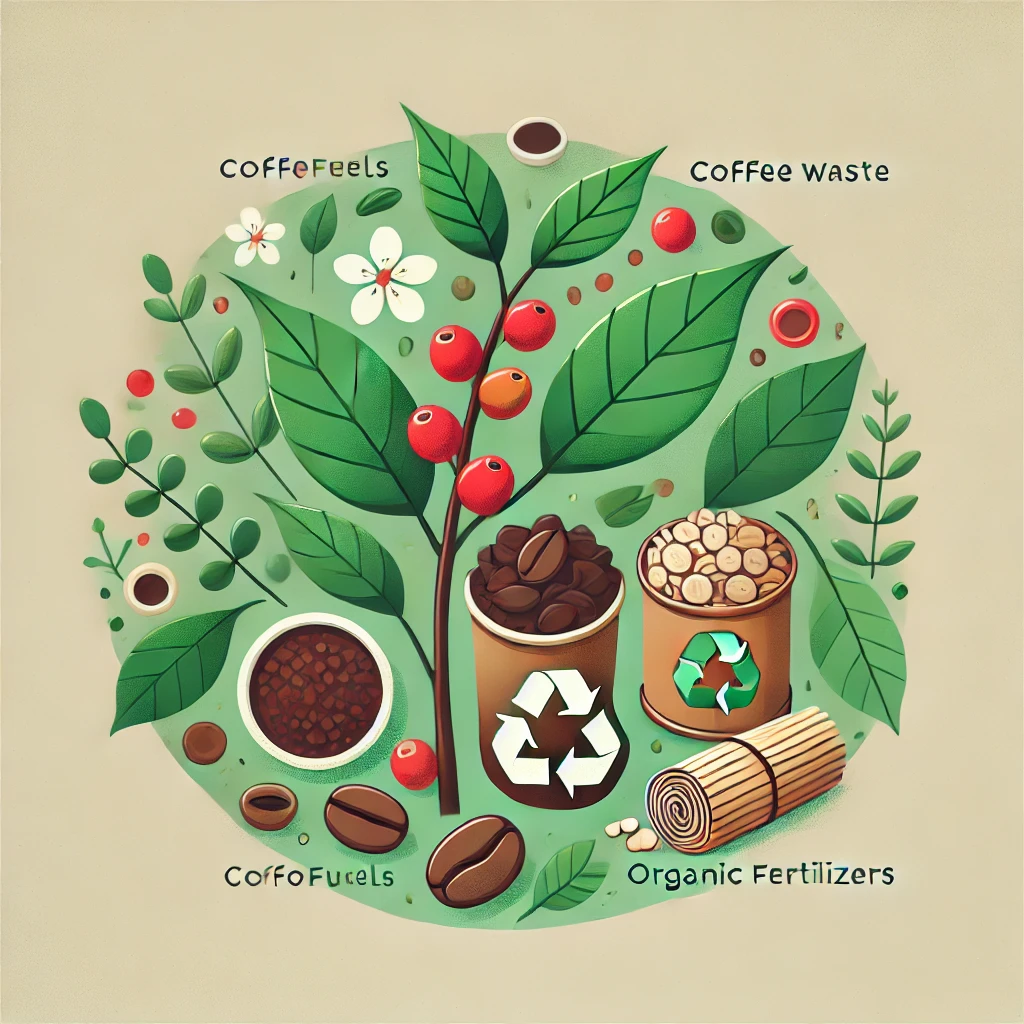
Coffee is more than just a beloved beverage; it also has the potential to drive sustainability through the repurposing of its by-products. Each year, the coffee industry generates an estimated 40 million tonnes of biomass, which includes materials such as coffee cherry pulp, husks, silverskin, and spent coffee grounds. Traditionally discarded as waste, this biomass can be transformed into valuable resources, offering a promising pathway toward reducing the industry’s environmental impact and fostering economic growth. This potential was explored extensively in the Coffee Development Report (CDR) 2022-2023, which highlighted how unlocking the potential of coffee biomass could revolutionize the industry’s sustainability efforts.

What is Coffee Biomass?

Coffee biomass refers to the waste materials generated throughout the coffee production process, including coffee cherry pulp, husks, silverskin, and spent coffee grounds. Traditionally discarded, these materials hold valuable chemical compounds that can be repurposed for various uses, ranging from agriculture to energy production. As highlighted in the CDR 2022-2023, this untapped potential can significantly contribute to sustainability initiatives within the coffee sector.

Environmental Impact of Coffee Biomass

Currently, coffee biomass is often disposed of through open burning or landfilling, methods that contribute to air pollution, greenhouse gas emissions, and soil degradation. However, by treating biomass as a resource rather than waste, the coffee industry has the potential to greatly reduce its environmental footprint.

According to the CDR 2022-2023, repurposing coffee biomass into products such as biochar or bioplastics can help sequester carbon and reduce pollution levels in coffee-growing regions. This not only mitigates the harmful effects of waste disposal but also creates cleaner and more sustainable environments for local communities.

Innovative Uses for Coffee Biomass

There are various innovative ways to repurpose coffee biomass, driving both environmental and economic benefits:

  • Bioenergy: Coffee pulp and husks can be converted into biofuels like biogas, which can power local coffee farms or nearby communities. By using bioenergy solutions, coffee-growing regions can reduce their reliance on non-renewable energy sources.
  • Organic Fertilizers: Coffee by-products can be transformed into organic fertilizers, which improve soil health and reduce the need for chemical inputs on farms, as explored in the CDR 2022-2023.
  • Cosmetics and Nutraceuticals: Spent coffee grounds and silverskin are rich in antioxidants, making them suitable for use in skincare products and dietary supplements. These by-products offer a natural and sustainable alternative to synthetic ingredients.
  • Building Materials: Recent research, as discussed in the CDR 2022-2023, has shown that coffee biomass can be used to produce bio-based building materials, offering sustainable alternatives in the construction industry.

Economic Opportunities for Farmers

In addition to environmental benefits, repurposing coffee biomass presents new revenue streams for farmers, particularly smallholder farmers who often face the challenge of price volatility. By adopting a circular approach to biomass utilization, farmers can sell coffee by-products to various industries, including bioenergy, agriculture, and cosmetics.

One such example mentioned in the CDR 2022-2023 is the sale of coffee pulp to local businesses that produce cascara, a tea-like beverage made from coffee cherry husks. This not only adds value to the coffee supply chain but also helps smallholder farmers earn additional income, stabilizing their livelihoods in an unpredictable market.

The Role of Technology in Biomass Utilization

Technological advancements are playing a crucial role in making coffee biomass more accessible and usable. Innovations such as bioreactors for bioenergy production and efficient composting systems for turning pulp and husks into fertilizer are becoming more prevalent, as noted in the CDR 2022-2023.

Organizations like the Center for Circular Economy in Coffee (C4CEC) are investing in research to scale up these innovations, aiming to make them accessible to smallholder farmers and coffee-producing communities around the world.

Global Impact of Repurposing Coffee Biomass

The global coffee industry has the potential to lead the charge in biomass repurposing, setting a standard for sustainability across multiple sectors. By utilizing coffee biomass, the industry can not only drive sustainability but also contribute to global climate goals by reducing carbon emissions and promoting resource efficiency.

As outlined in the CDR 2022-2023, repurposing coffee biomass is a key opportunity for the industry to contribute to global sustainability initiatives while supporting the livelihoods of millions of farmers worldwide.

A Call to Action for the Coffee Industry

The coffee industry stands at the threshold of a significant opportunity. Coffee biomass is a largely untapped resource that could revolutionize the sector’s approach to sustainability. By turning waste into valuable products, the industry can reduce its environmental impact, create new economic opportunities for farmers, and lead the way in global sustainability efforts.

This article draws upon the findings of the Coffee Development Report (CDR) 2022-2023, which sheds light on the immense potential of coffee biomass to shape a more sustainable future for the industry.

RAW Coffee Celebrates International Coffee Day 2024: Honoring Farmers, Flavors, and Collaboration

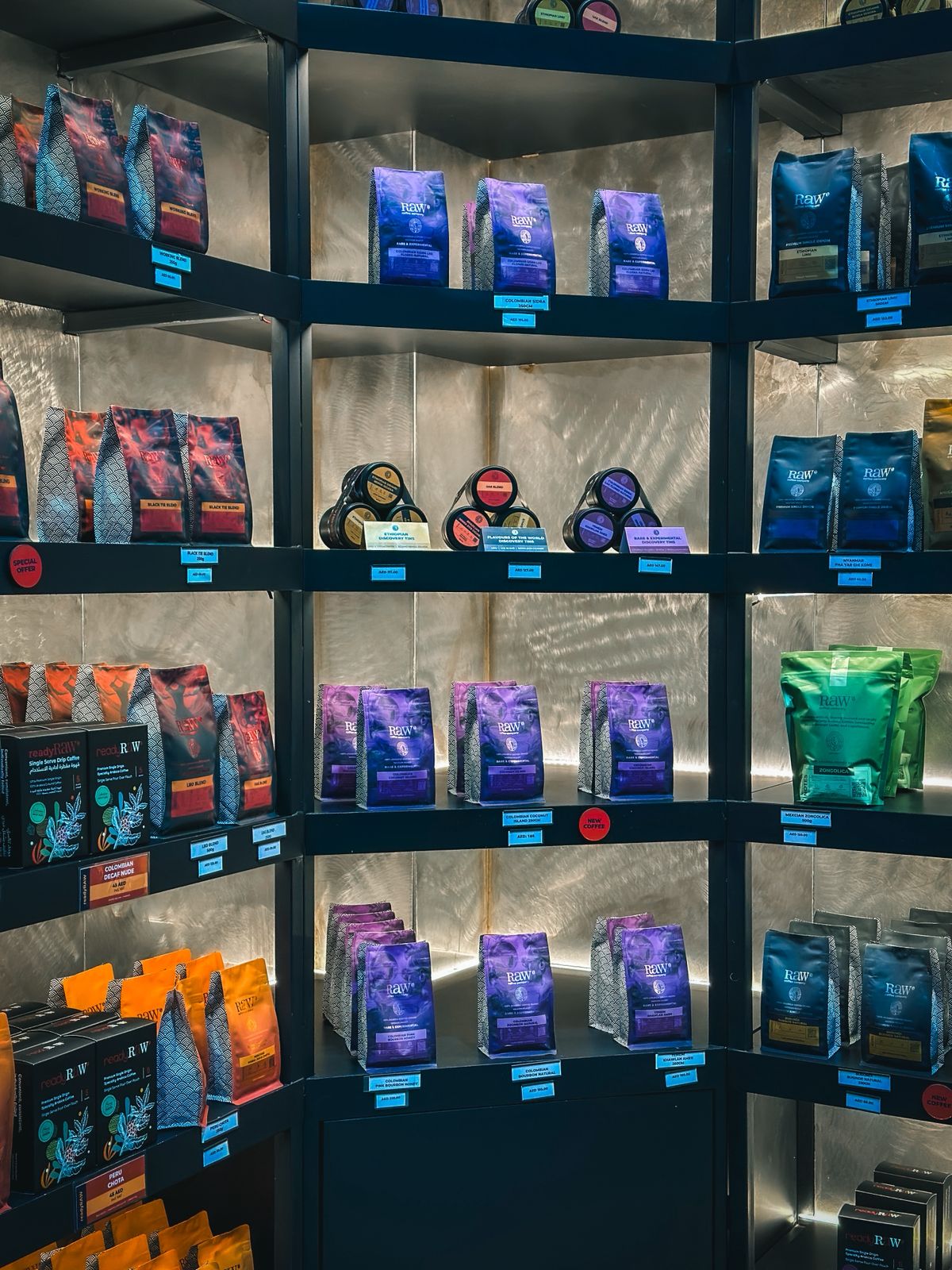
As the global community prepares to celebrate International Coffee Day on October 1, 2024, RAW Coffee, under the leadership of Mrs. Kim Thompson, joins the event in a way that goes beyond just enjoying a cup of coffee. This year, RAW Coffee seizes the opportunity to honor the farmers and producers who put in tremendous efforts to produce the rich and diverse flavors of coffee.

In a statement received by “Qahwa World,” RAW Coffee confirmed that International Coffee Day is not just a day to appreciate the beverage, but also a day to recognize the significant efforts made by coffee farmers. These individuals invest great passion in growing every coffee bean, with their efforts directly influencing the quality of coffee that reaches cups worldwide.

According to the statement, the success of RAW Coffee is closely linked to the commitment of these farmers to sustainable and high-quality production.

RAW Coffee stated, “We are grateful for the hands that carefully nurture each coffee bean, and we are excited to present this year’s new season crops.” This year promises exciting new flavors for RAW Coffee’s collection, including unique origins the company has never carried before, reflecting the spirit of discovery and innovation that defines their approach.

It is worth mentioning that the International Coffee Organization (ICO) has dedicated International Coffee Day 2024 to celebrating wide-scale collaboration across the coffee industry, from farmers and roasters to baristas and coffee enthusiasts. This year’s ICO theme, “Coffee: Your Daily Ritual, Our Shared Journey,” strongly resonates with RAW Coffee’s philosophy. The global coffee value chain operates through partnerships, and RAW Coffee’s participation in this shared journey reflects the spirit of unity in celebrating every link that contributes to delivering the perfect cup.

Mrs. Thompson and her team at RAW Coffee are not only excited about the new crops but are also inviting coffee lovers to join them in this celebration. Through social media updates, RAW Coffee will be sharing exclusive insights about their new products, ensuring that the community feels connected to the process and the people behind every sip.

As RAW Coffee celebrates International Coffee Day, their message of collaboration, sustainability, and fair trade perfectly aligns with the broader goals of the International Coffee Organization (ICO). International Coffee Day, launched by the ICO in 2015, serves as a reminder of the important role the coffee industry plays in communities worldwide, both economically and culturally. This year’s theme, “Collaboration,” emphasizes the need for collective action to ensure that coffee remains a sustainable and fair industry.

RAW Coffee’s celebration is a local representation of this global movement, demonstrating how individual businesses can contribute to a shared goal of promoting a more sustainable and fair coffee industry. As part of their celebration, RAW Coffee presents their customers with new crops, reinforcing the idea that every cup has a story—a journey from the farm to the consumer, made possible by the hands that nurtured every bean.

Join RAW Coffee in the Celebration

As International Coffee Day approaches, RAW Coffee encourages coffee enthusiasts to raise their cups in honor of the farmers, roasters, baristas, and coffee lovers who brighten every day. The message they conveyed in their statement is simple but powerful: “Cheers to coffee that connects us all!”

With the arrival of new crops, RAW Coffee is preparing to unveil unique flavors and origins, inviting the community to be part of this journey. From their physical store to their digital platforms, the celebration will continue with exciting updates and content, ensuring that coffee lovers stay informed and connected to the process.

International Coffee Day 2024 is expected to be a significant event for RAW Coffee and the global coffee industry, as they embrace together the themes of collaboration and sustainability, paving the way for a future where coffee continues to be a symbol of unity, tradition, and innovation.

For more information, follow RAW Coffee’s social media for updates and exclusive content, and be part of the celebration that honors coffee’s shared journey.