Category: Coffee Community

Arabian Coffee Institute: Pioneering Coffee Knowledge and Innovation

Arabian Coffee Institute (ACI)
It is an institute, with a Team of experts, educators, and researchers that cover all aspect of the coffee value chain.
Vision
Be the coffee center of excellence leader in the Middle East.
Objectives
1. Provide internationally accredited solutions in the coffee industry.
2. Establish a research division specialized in providing professional programs and scientific research (R&D).
3. Develop internationally recognized curricula in Arabic and English.
4. Create strategic partnerships with global coffee communities.
5. Build local and regional coffee communities and chapters.
Partner with the Saudi Standard Classification of Professions, to develop the barista and roaster professions.
Coffee is more than a bean. If coffee beans are properly processed and brewed, they will become an amazing drink with deep flavors that will make your day a wonderful one.
(AIC) offer high-quality consultations and training programs. Furthermore, we at the Arab Coffee Institute understand the importance of taking care of coffee through the different stages in the process from cultivation and harvesting all the way through proper processing and roasting. We ensure a premium flavors final cup without an unpleasant aftertaste.
The Arabian Coffee Institute, offer you a variety of courses, consultations, and experiences in the coffee field.
You will have an amazing opportunity to become a professional in the various areas of coffee. We will prepare you to advance in your career and acquire new skills by providing you with the best training and courses.
The training programs at the Arab Coffee Institute are of high quality and are based on academic researches to ensure continuous development.
In addition, AIC courses go through rigorous auditing by our quality control department in accordance with the international and local standards to measure the trainees learning outcomes.
ACI training programs are continuously evaluated to ensure the application of theoretical knowledge to practice.
To start advancing your career, you can now apply to benefit from one of our training or advisory programs in the various areas of coffee.
This will allow you to gain valuable knowledge, acquire new skills, and view the latest research and discoveries related to coffee by the best trainers and experts in the field through the Arab Coffee Institute, the most complete coffee institute in the Arab World.
Sustainability Awards 2022
The Sustainability Awards celebrate innovative individuals, projects, and businesses supporting sustainability in the coffee industry through collaborative partnerships that pursue equity, prioritize mutual benefits, and result in positive impact throughout the coffee value chain. The deadline to submit an application is January 7, 2022. There are three categories in the 2022 Sustainability Awards: Business Model, Individual, and Project.⠀
Sustainability Awards
The Sustainability Awards recognize individuals, businesses, and organizations that have created innovative projects or business models shown to expand and promote sustainability within the coffee world while inspiring others to initiate similar endeavors.
Since 2004, the SCA has recognized outstanding work in the field of sustainability with its annual Sustainability Awards.
The projects, business models, and people receiving these awards are not only dedicated to confronting the enormous challenges facing the specialty coffee industry—from climate change to gender inequality—but also to collaborating across geographies, cultures, and value chain roles, and to sharing the lessons they have learned for the benefit of the entire coffee sector.
Nominations for the 2022 Sustainability Awards are open November 15, 2021 through January 7, 2022.
Categories
BUSINESS MODEL
This award recognizes the role that for-profit companies play in the sustainability of the coffee sector. In addition to recognizing the individuals involved in creating the business, the award also aims to inspire others to build sustainable business models. Please note that this award is for businesses that have been operating for at least three years. Products, projects, and ideas do not qualify for the award.
Judging Criteria
Exceptional approach. Business models will pursue equity, prioritize mutual benefits, and address intertwined social, economic, and environmental challenges facing coffee value chains.
Adaptability. Business practices will be relevant to companies of various sizes and across diverse cultures and geographies.
Impact. Businesses will clearly articulate how their models have achieved measurable results.
Global inspiration. Business models will exemplify the contributions that specialty coffee makes to the accomplishment of the United Nations’ Sustainable Development Goals (SDGs).
Equitable Value Distribution. The SCA seeks to drive a sustainable specialty coffee agenda, motivated by the belief that specialty coffee must challenge mindsets – including those of industry leaders – and redetermine how value is created, measured, and distributed in coffee value chains. Businesses will be evaluated on their efforts towards equitable value distribution in this way.
Please note: Value does not refer solely to money, but rather to a combination of different types of reward in relation to the cost or investment made. Value is created by every activity in the coffee system, whether that activity consists of turning roasted coffee and water into a beverage or turning soil, rain, and seeds into coffee plants. The recognition of and reward for these many different varieties of value is influenced by many factors including cultural and political beliefs.
Equitable distribution refers to how the total value – monetary and non-monetary – created by all actors in the coffee system is distributed among them. Equitable distribution does not result in everyone receiving the same reward, but rather the right return for the value they add, the risks they take, and the costs they bear.
Eligibility and Process
This annual award is open to SCA members. Applications must be submitted by, or on behalf of, a business in operation for a minimum of three years. Individuals, organizations, businesses, farms, and cooperatives may submit applications for multiple business models.
For 2022, there will be two rounds of review: first, a team of SCA staff will review all submissions that meet the requirements listed in the form below, considering a wide range of applications that reflect the depth and breadth of sustainable work being done in all areas across the specialty coffee industry.
A second round of applicants will be selected as finalists and may be asked to provide additional information.
Prize
SCA Sustainability Award Winner Plaque
SCA Sustainability Award Winner logo for promotional use
Recognition on sca.coffee, in SCA News article and in press release
One five-minute speaking slot during the Sustainability Awards Session at the Re:co Symposium in Boston, USA on April 6-7, 2022
One complimentary ticket to the 2022 Re:co Symposium, which includes a three-day pass to the 2022 Specialty Coffee Expo immediately following Re:co in Boston, USA
A US $1,000 travel stipend to attend the 2022 Re:co and Expo events
PROJECT
This award celebrates innovative projects that advance the coffee sector’s pursuit of sustainability. In addition to recognizing the work of the individuals, businesses, and organizations involved in the project, the award also aims to inspire other sector actors to take action in their own contexts. Please note that this award is only for projects that have been implemented for at least three years. Products, companies, business models, and ideas do not qualify for the award.
Judging Criteria
Exceptional approach. Projects will pursue equity, prioritize mutual benefits, and contribute to the sustainability of the coffee industry by addressing intertwined social, economic, and environmental challenges facing the coffee sector.
Adaptability. Project learnings will be relevant to projects of various sizes and across diverse cultures and geographies.
Impact. Projects will clearly articulate how their models have achieved measurable results.
Global inspiration. Projects will exemplify the contributions that specialty coffee makes to the accomplishment of the United Nations’ Sustainable Development Goals (SDGs)
Equitable Value Distribution. The SCA seeks to drive a sustainable specialty coffee agenda, motivated by the belief that specialty coffee must challenge mindsets – including those of industry leaders – and redetermine how value is created, measured, and distributed in coffee value chains. Businesses will be evaluated on their efforts towards equitable value distribution in this way.
Please note: Value does not refer solely to money, but rather to a combination of different types of reward in relation to the cost or investment made. Value is created by every activity in the coffee system, whether that activity consists of turning roasted coffee and water into a beverage or turning soil, rain, and seeds into coffee plants. The recognition of and reward for these many different varieties of value is influenced by many factors including cultural and political beliefs.
Equitable distribution refers to how the total value – monetary and non-monetary – created by all actors in the coffee system is distributed among them. Equitable distribution does not result in everyone receiving the same reward, but rather the right return for the value they add, the risks they take, and the costs they bear.
Eligibility and Process
This annual award is open to SCA members. Applications must be submitted on behalf of a project implemented for a minimum of three years. Individuals, organizations, businesses, farms and cooperatives may submit applications for multiple projects or programs.
For 2022, there will be two rounds of nomination review. A team of SCA staff will review all submissions that meet the requirements listed in the form below, considering a wide range of applications that reflect the depth and breadth of sustainable work being done in all areas across the specialty coffee industry.
A second round of applicants will be selected as finalists and may be asked to provide additional information.
Prize
SCA Sustainability Award Winner Plaque
SCA Sustainability Award Winner logo for promotional use
Recognition on sca.coffee, in SCA News article and in press release
One five-minute speaking slot during the Sustainability Awards Session at the Re:co Symposium in Boston, USA on April 6-7, 2022
One complimentary ticket to the 2022 Re:co Symposium, which includes a three-day pass to the 2022 Specialty Coffee Expo immediately following Re:co in Boston, USA
A US $1,000 travel stipend to attend the 2022 Re:co and Expo events
INDIVIDUAL
This award celebrates individuals who have significantly contributed to advancing sustainability in the coffee industry, for example by raising awareness of key issues or developing a project or business model that generates positive social and environmental impacts. In addition to recognizing the achievements of the winner, the award also aims to inspire others to initiate similar endeavors. Please note that individuals must have spent at least three years working in coffee to be eligible for this award and that products, companies, business models, and ideas do not qualify for the award.
Judging Criteria
Exceptional approach. Individuals will pursue equity, prioritize mutual benefits, and contribute to the sustainability of the coffee industry by addressing intertwined social, economic, and environmental challenges facing the coffee sector.
Adaptability. Individuals will demonstrate the ability to bridge diverse cultures and geographies.
Impact. Individuals will clearly articulate how they have achieved measurable results.
Global inspiration. Individuals will exemplify the contributions that specialty coffee makes to the accomplishment of the United Nations’ Sustainable Development Goals (SDGs).
Equitable Value Distribution. The SCA seeks to drive a sustainable specialty coffee agenda, motivated by the belief that specialty coffee must challenge mindsets – including those of industry leaders – and redetermine how value is created, measured, and distributed in coffee value chains. Businesses will be evaluated on their efforts towards equitable value distribution in this way.
Please note: Value does not refer solely to money, but rather to a combination of different types of reward in relation to the cost or investment made. Value is created by every activity in the coffee system, whether that activity consists of turning roasted coffee and water into a beverage or turning soil, rain, and seeds into coffee plants. The recognition of and reward for these many different varieties of value is influenced by many factors including cultural and political beliefs.
Equitable distribution refers to how the total value – monetary and non-monetary – created by all actors in the coffee system is distributed among them. Equitable distribution does not result in everyone receiving the same reward, but rather the right return for the value they add, the risks they take, and the costs they bear.
Eligibility and Process
This annual award is open to SCA members with at least three years of experience in the coffee industry (applicants do not need to have been association members for three years). Individuals may self-nominate or apply on behalf of someone else. SCA staff and members of its Board of Directors, Advisory Councils, and Guild Leadership Councils are not eligible for this award.
For 2022, there will be two rounds of review: first, a team of SCA staff will review all submissions that meet the requirements listed in the form below, considering a wide range of applications that reflect the depth and breadth of sustainable work being done in all areas across the specialty coffee industry.
A second round of applicants will be selected as finalists and may be asked to provide additional information.
Prize
SCA Sustainability Award Winner Plaque
SCA Sustainability Award Winner logo for promotional use
Recognition on sca.coffee, in SCA News article and in press release
One five-minute speaking slot during the Sustainability Awards Session at the Re:co Symposium in Boston, USA on April 6-7, 2022
One complimentary ticket to the 2022 Re:co Symposium, which includes a three-day pass to the 2022 Specialty Coffee Expo immediately following Re:co in Boston, USA
A US $1,000 travel stipend to attend the 2022 Re:co and Expo events
Coffee Quality Institute

Coffee Quality Institute (CQI) is a non-profit organization working internationally to improve the quality of coffee and the lives of people who produce it.
Since 1996, we have worked to improve the quality of coffee and the lives of people who produce it. Quality is one of the most important variables that influence a coffee’s value. However, many producers do not have access to the tools and support they need to evaluate the quality of their coffee, improve that quality, access markets that reward that quality, ultimately enabling them to make more informed business choices. That’s where we come in.
At CQI we bring diverse stakeholders together to solve local challenges. Our customized solutions, shaped by coffee experts and decades of experience, result in long-term solutions that emphasize self-sufficiency. With deep roots in the coffee trade, we aim to facilitate market connections that build healthier supply chains and thriving coffee communities.
Coffee Q VENUE PROGRAM
What is a Q Venue?
Coffee Quality Institute’s mission, to improve the quality of coffee and the lives of people who produce it, is achieved through our education programs and training initiatives. The Q Venue Program creates a global, verified network of quality facilities for cupping, sensory and processing education designed to meet the specific instructional needs of all CQI courses.
CQI Q Venues can be used in many ways; from instructors hosting courses, to development project trainings, and as a lab for coffee quality assessment. CQI will work with you to assess which Q Venue certification is the right fit for your needs.
CQI provides three types of certification for Q Venues: Q Venue, Q Venue Processing and Q Venue Professional.
What are the benefits of becoming a Q Venue?
Q Venue certification provides a verified space so that instructors and students recognize the facility as safe, accessible, and hygienic while also operating in accordance with industry standards and protocols. The infrastructure of Q Venues meets the needs of our market with specific professional equipment, supplies, and environment. CQI requires venues to obtain Q Venue approval and certification to host CQI courses.
Benefits include the ability to host CQI courses, the right to use the Q Venue Program logo, official certificate issued by CQI, promotion of certified Q Venues on our global website and to our instructors, and international recognition.
How does a lab or facility become a Q Venue?
If you are interested, and have questions about the requirements and different certification levels, please contact Kim Ta at [email protected]
Coffee boutique MOKHA 1450

With an innovative menu serving coffee from crop to cup, Mokha 1450 offers the finest coffee in a boutique experience format unlike any other. While combining classic ingredients with the ancient origins of coffee, this concept ensures exemplary practices as everything done here lies at the ‘Heart of Coffee’. It’s located at three different venues, including Khawaneej which is open from 10am to 12am, Al Wasl which is open from 7am to 10pm and to 11pm on weekends and Palm Jumeirah which is open from 7am to 10pm and 11pm on weekends.
ABOUT MOKHA 1450
THE NAME OF MOKHA 1450 IS BORN FROM THE EARLIEST APPEARANCE OF COFFEE CULTURE
Yemen and Ethiopia have long contended for the distinction of being the source of coffee. The first written text referring to coffee is believed to have come from Sufi monks in Yemen in southern Arabia but in Africa, the oral storytelling of Kaldi the Ethiopian goat herder, who fed his flock coffee and watched as they reacted to the beans before deciding to try it himself, long pre-dates the written text of Yemen. We believe Ethiopia to be the source of coffee; however, Yemen is recognized as being instrumental in bringing coffee to the World from their port of Mokha in the middle of the fifteenth century.
Mokha 1450 is the ‘Heart of Coffee’
MOKHA 1450 goes back to the source focusing heavily on the twin origins of coffee; Ethiopia and Yemen to emphasize where all coffee comes from and where coffee begins its journey to its drinkers across the World. We provide our connoisseurs with unique experience by sourcing coffees that limited in quantity and are exclusive to us that can be found only at Mokha 1450 and nowhere else in the world, hence the “Boutique” in our name. Most importantly, we also provide our connoisseurs with a strong link to the forgotten people; the coffee farmer; primarily women, living sometimes in poverty and doing the exceptionally hard and thankless work of providing coffee; one of the most globally consumed products in history
Our philosophy is an attempt to do coffee the right way in providing a model where the end user and the farmer share more equitably in the burdens and rewards in producing an amazing cup of coffee. As most people are unaware of Yemen’s historical significance in bringing coffee to the world, so too are the present day drinkers of coffee unaware of the contribution from female farmers all over the world in producing coffee for global consumption. Women, who generally do most of the labor, represent and create 90% of the coffee value chain but constitute a woeful 5% ownership and management within the coffee supply industry.
We at Mokha 1450 aim to radically change this statistic. We have discovered that, to secure exceptional coffees ethically on a consistent basis is to pay a fair price that equitably compensates the famers for their hard work or embarking on a collaborative approach with the female farmers as the situation dictates to help them overcome some of the country specific burdens that have held them back in the past. We have started from the heart of coffee, ethically sourcing from women’s cooperatives such as our exceptionally driven female coffee farmer Fatimah Khabeer in Yemen.
In working with Fatimah Khabeer in Yemen we have establish exemplary standards and a level of consistency that is generally elusive to Yemeni coffee through training and working with our in country partners to assist with quality control as well as through providing investments where needed. The result of this collaboration is that we have secured tremendous high quality coffee that we have closely monitored from harvest to export.
Specialty Coffee Association (SCA)
The Specialty Coffee Association (SCA) is a trade association built on foundations of openness, inclusivity, and the power of shared knowledge.
SCA’s purpose is to foster global coffee communities to support activities to make coffee a more sustainable, equitable, and thriving activity for the whole value chain.
From coffee farmers to baristas and roasters, our membership spans the globe, encompassing every element of the coffee value chain.
The SCA acts as a unifying force within the specialty coffee industry and works to make coffee better by raising standards worldwide through a collaborative and progressive approach. Dedicated to building an industry that is fair, sustainable, and nurturing for all, the SCA draws on years of insights and inspiration from the specialty coffee community.
Specialty Coffee Association Purpose
The SCA will foster a global coffee community and support activity to make specialty coffee a thriving, equitable, and sustainable activity for the entire value chain.
Specialty Coffee Association Vision
To create an effective, authentic and dynamic organization to give voice and substance to the possibilities for specialty coffee worldwide.
Specialty Coffee Association Mission
Engage, inspire, and expand a sustainable global specialty coffee community through leadership in events, education, and research.
Specialty Coffee Association Strategic Objectives
Make the specialty coffee industry more sustainable with an agenda focused on partnerships, education, research, and advocacy.
Create opportunities for professional engagement and individual growth through our network and programs.
Expand our global network and enhance the experience of our stakeholders by working with local communities.
Deliver outstanding service to members of the global specialty coffee community in everything we do.
Specialty Coffee Association Core Values
1 Relevant Member Value
We serve our members as a nonprofit global platform that: 1) provides world-class events, education, research, and standards; 2) promotes best practices and professionalism that are inclusive of and adaptive to context; and 3) amplifies voices within the specialty coffee value chain.
2 Sustainable Coffee Industry
We advocate for the sustainable growth of the coffee industry through collaborative partnerships that pursue equity, prioritize mutual benefits, and result in positive impact throughout the coffee supply chain. We work to improve understanding of critical social issues and inequities through proactive efforts, focused attention, education, and dedicated resources.
3 Community of Communities
We value diverse perspectives by listening, centering, and adapting to unique local characteristics while encouraging a sense of global community for cultural and economic exchange. We recognize local communities and facilitate development of infrastructure, communication, and sharing within and among coffee communities.
4 Best People
We recognize that diverse perspectives are needed to have a well-balanced and dynamic representation of and for membership. This includes (but is not exclusive to) race, gender, age, nationality, sexual orientation, member category and career, as well as in intersections of these identities. We develop, empower, and retain the best volunteer leaders and staff to engage our membership and external audiences by fostering an informative, inclusive, rewarding, and mutually-supportive environment.
5 Ethical Operation
We demonstrate integrity of business practice and nonprofit governance. We comply with local regulatory requirements and act with unyielding dedication to our self-defined commitments. We inspire trust through transparent communication and acknowledgement of accountability, and improve performance through aspiration, self-monitoring and member engagement.
6 Respect for the Individual
We create, produce, and support discrimination-free and harassment-free safe spaces for personal and professional collaboration, growth, and learning. We recognize that membership benefits and participation in activities differ depending on identity, background, privilege and access to resources, and we acknowledge that every member has a voice.
The Specialty Coffee Association Policy on Indirect Overhead Costs in Research
It is the policy of the Specialty Coffee Association, a non-profit based in the state of California, that no indirect overhead costs are to be paid when sponsoring research.
History of the Specialty Coffee Association
Established in January 2017 as a result of the unification of the Specialty Coffee Association of America and the Speciality Coffee Association of Europe, the SCA combines rich histories on both sides of the Atlantic and around the world.
The former Specialty Coffee Association of America (SCAA) was established in 1982 by a small group of coffee professionals seeking a common forum to discuss issues and set quality standards for the specialty coffee trade.
The former Speciality Coffee Association of Europe (SCAE) was formed at a meeting of representatives of the European coffee community in London in 1998.
By 2016, both organizations had close to 10,000 members combined and supported a thriving network of volunteer-led chapters across Europe.
List of the 15 largest coffee companies in the world in 2021

In this article we will take a look at the 15 largest coffee companies in the world in 2021. You can skip our detailed analysis of these companies’ outlook for 2021 and some of the major growth catalysts for coffee stocks and go directly to the 5 Largest Coffee Companies in the World in 2021.
Coffee is undoubtedly one of the most popular beverages in the world today. Produced from two main types of beans, Arabica and Robusta, coffee is becoming more of a lifestyle rather than an average drink. Whether it’s an early morning work call, inviting guests over, or conducting a small meeting, coffee has always been a go-to drink for every situation. Not only that, but coffee is also responsible for the livelihoods of over 125 million people. According to Fairtrade Foundation, coffee is one of the most widely traded tropical agricultural products, and 80% of the coffee is produced by 25 million smallholders. The largest coffee companies in the world also cater to the needs of their customers by constantly evolving their menus. The U.S. is the world’s leading consumer of coffee with the consumption of 400 million cups per day.
The onset of the novel Covid-19 has affected the coffee market as well. From daily consumption to exports, the pandemic has created a significant difference in numbers compared to the previous years. The report by World Coffee Portal showed that the U.S. branded café segment suffered a $11.5 billion sales decline in the past 12 months and is valued at $36 billion. Even though the production of coffee is estimated to rise by 0.5% to 169.6 million bags, world consumption is projected to remain 2% below the total production in the coffee year 2020/21. Moreover, coffee exports also fell by 5.3% in 2020.
To overcome this loss, coffee shops are already planning to bounce back with drive-thrus, digital integration, and new trading formats. Some of the largest coffee companies in the world like Starbucks Corporation (NASDAQ: SBUX) and Dunkin Brands Group, Inc. (NASDAQ: DNKN) are focusing more on the drive-thru or ‘pickup’ facilities, shifting from the usual sit-in restaurants. Coffee was already a leading ecommerce grocery product even before 2020 and the closure of restaurants around the world also boosted online sales at various restaurants. Starbucks Corporation (NASDAQ: SBUX) is encouraging the customers to order through the app and reported that its mobile orders reached a record 22% of transactions in 2020. These trends have certainly increased coffee sales at some of the largest coffee companies in the world.
The trend of making coffee at home also increased during this time. Various social media platforms offered tutorials of making ‘Dalgona Coffee’ at home without having to visit the coffee shop. Various stores like Amazon.com, Inc. (NASDAQ: AMZN) and Walmart Inc. (NYSE: WMT) are selling coffee pods of the biggest coffee companies in the world like Keurig Dr Pepper Inc. (NASDAQ: KDP). The coffee pod maker Nespresso announced to expand the production due to this rising trend of at-home coffee. According to the World Coffee Portal, the swiss company announced a $170.5 million expansion of the production facility in Switzerland.
The Global Coffee Market was valued at $465.9 billion in 2020 and is growing in 2021 as well. According to Coffee Market Report by International Coffee Organization ICO, world consumption for coffee is projected at 166.3 million bags in 2021, an increase of 1.3% compared to 164.2 million bags in 2020. Brazil, being the largest producer of coffee, had the best year on record with an output of 67.9 million bags of coffee. Also, in Italy, coffee grocery sales increased by 23% in 2020.
Due to this increased coffee consumption around the world, we have made the list of the 15 biggest coffee companies in the world. The list is based on the number of locations and revenues generated by the companies.
With this context and industry outlook in mind, let’s start our list of the 15 largest coffee companies in the world in 2021.
Largest Coffee Companies in the World in 2021
15. Tully’s Coffee; Owned by Keurig Dr Pepper Inc. (NASDAQ: KDP)

Tully’s Coffee is an American specialty coffee manufacturing brand, founded in 1992. The main focus of this company was to serve hand-crafted coffee in its local Seattle area retail coffee shops. Along with specialty coffee, Keurig Dr Pepper Inc. (NASDAQ: KDP)’s Tully’s also serves baked goods, pastries, and coffee-related supplies. It is one of the largest coffee companies in the world with franchises and grocery stores in the U.S. and Asia.
14. The Coffee Bean & Tea Leaf

The Coffee Bean & Tea Leaf is an American coffee chain founded in 1963 and owned by Jollibee Foods Corporation. It is one of the largest coffee companies in the world with 1,200 stores located in Malaysia, Singapore, Arizona, and California. The coffee served at the stores is made from the top 1% of Arabica beans from the world’s best growing regions in East Africa, Latin America, and the Pacific.
The company also has a roasting facility in Camarillo, CA. Just like its coffee, the company’s tea is also sourced by cultivating the best tea leaves from Sri Lanka, China, Thailand, Japan, and India, which is later on hand-blended locally for maximum taste and freshness.
13. Caffe Ritazza, Owned by SSP Group

Caffe Ritazza is a British multinational coffee chain located in over 21 countries which makes it one of the largest coffee companies in the world. The company was mainly established to cater to the travel market as the outlets are found in airports, railways, etc. It is famous for its four blends; Sorrento, Napoli, Capri, and Firenze. It also serves Buonissimo, the bespoke blend from Segafredo which is Italy’s favorite coffee. Caffe Ritazza suffered the adverse effects of the pandemic as the chain had to cut 5,000 jobs across its chain as a part of restructuring the company. But it, along with other companies like Starbucks Corporation (NASDAQ: SBUX), Keurig Dr Pepper Inc. (NASDAQ: KDP), Amazon.com, Inc. (NASDAQ: AMZN), Walmart Inc. (NYSE: WMT) and Dunkin Brands Group, Inc. (NASDAQ: DNKN), is expected to see a huge recovery in the coming months.
12. Coffee Beanery

Coffee Beanery was first opened in the U.S. in 1976 and now has over 100 locations across the country and 20 locations internationally. The company is recognized as an industry leader for its unique family business approach and commitment to quality. The coffee chain is known for its flavorful coffee, tea, and smoothies, and offers high-quality coffee beans roasted at the right temperature. This Michigan-based coffee company has coffee shops operating in the U.S., Europe, and Asia, which makes it one of the largest coffee companies in the world.
11. Caffe Nero

Caffe Nero is next on our list of the most famous coffee companies in the world. The company has over 700 outlets located in the U.S., Ireland, Poland, Cyprus, Sweden, the UK, etc. with headquarters in London, England. The company was founded in 1997 with the original idea of selling Italian-styled British coffee to its customers.
It opened its own coffee roastery in 2009, which supplies the coffee to all its coffeehouses worldwide. Though Caffe Nero is Italian for black coffee, the company also serves various drinks such as tea, espresso, frappe, etc. The chain generated over $518 million in revenues in 2020.
As coffee consumption increases, Nero is expected to see a growth in sales, just like Starbucks Corporation (NASDAQ: SBUX), Keurig Dr Pepper Inc. (NASDAQ: KDP), Amazon.com, Inc. (NASDAQ: AMZN), Walmart Inc. (NYSE: WMT) and Dunkin Brands Group, Inc. (NASDAQ: DNKN).
10. Caribou Coffee

Caribou Coffee was founded in 1992 in Edina, Minnesota. The coffee company is one of the fastest-growing companies in the world, with over 600 outlets located worldwide. The brand specializes in offering lightly roasted coffees and fruity flavors to its customers.
Caribou Coffee is owned by JAB Holding Company at the moment, which is one of the biggest German companies. The company generated over $480 million in revenue in 2020 which saves its spot as one of the largest coffee companies in the world among the likes of Starbucks Corporation (NASDAQ: SBUX), Keurig Dr Pepper Inc. (NASDAQ: KDP), Amazon.com, Inc. (NASDAQ: AMZN), Walmart Inc. (NYSE: WMT) and Dunkin Brands Group, Inc. (NASDAQ: DNKN).
9. Dutch Bros. Coffee

Dutch Bros. Coffee is one of the largest drive-thru coffee chains, mainly located in the U.S. The company was founded in 1992 and has over 421 locations across the country. The coffee chain serves a variety of coffees, tea, energy drinks, hot cocoa, etc. Dutch Bros. Coffee is widely expanding on the western side of the country, especially California, Arizona, and Washington. Even during the pandemic, the company managed to open over 85 new outlets in 2021.
Though the chain has some sit-down coffee houses, its quick expansion was due to the strong reliance on drive-thru sales, which are 97% of its business. From the very beginning, the company has not targeted metropolitan areas, but the suburban locations where people tend to move towards drive-thru coffee. It generated over $567 million in revenues in 2020.
8. Peet’s Coffee

Peet’s Coffee was founded in 1966 which makes it one of the oldest coffee companies in the world. For the first time in the United States, the company introduced its Arabica coffee in blends and offers freshly roasted beans, brewed coffee, and espresso to its customers.
The coffee chain has over 240 outlets and is sold in around 14,000 stores across the U.S. In 2020, a Dutch company called Jacobs Douwe Egberts (JDE) raised $2.5 billion and explored an initial public offering IPO. This deal valued the company at $17.3 billion, making it the largest IPO in Europe in the first five months of 2020. Its revenue was $933 million in 2020. The company is growing amid a strong recovery which is also expected to boost the stock prices of food and retail companies like Starbucks Corporation (NASDAQ: SBUX), Keurig Dr Pepper Inc. (NASDAQ: KDP), Amazon.com, Inc. (NASDAQ: AMZN), Walmart Inc. (NYSE: WMT) and Dunkin Brands Group, Inc. (NASDAQ: DNKN) in the coming months.
7. Lavazza

Lavazza is a family-owned Italian manufacturer of coffee products. It is one of the major coffee companies in the world with offices and outlets in over 140 countries. Moreover, its industrial system is divided into six manufacturing plants based in Italy, France, India, and Brazil.
The company was founded in 1895 and used to operate from a small grocery store initially. Due to the pandemic, its sales dropped by 13% at $2.5 billion, compared to $2.68 billion in 2019. However, the Lavazza family expects the revenue to rebound this year, reaching the previous levels. The company has also allocated the amount of 50 million euros to reduce the carbon footprint and achieve carbon neutrality by 2050. It generated over $2.54 billion in revenues in 2020.
6. Gloria Jean’s Coffees

Founded in 1979 in Australia, Gloria Jean’s Coffees is one of the biggest coffee companies in the world. It was purchased by Retail Food Group Limited (RFG) in 2014 for AU$163.5 million. The company has over 1,000 stores located worldwide with some 460 operating in Australia. The quality cup of coffee at Gloria Jean’s started with the purchase of the hand-picked Arabica beans, which are then hand-roasted at the company’s own roasting facility.
According to the annual report of RFG, the coffee company generated $31.5 million in the U.S. only, with 21.8 million cups sold annually in 2020. In Europe, it opened over 137 new outlets and generated $38.8 million in net sales. The company is set to thrive amid an economic recovery that is also helping major companies like Starbucks Corporation (NASDAQ: SBUX), Keurig Dr Pepper Inc. (NASDAQ: KDP), Amazon.com, Inc. (NASDAQ: AMZN), Walmart Inc. (NYSE: WMT) and Dunkin Brands Group, Inc. (NASDAQ: DNKN).
5. McCafe; Owned by McDonald’s Corporation (NYSE: MCD)

McCafe was founded in 1993 in Melbourne, Australia, and is a coffeehouse-style food and beverage chain. The company reflects a consumer trend towards espresso coffee. It saves its spot as one of the largest coffee companies in the world with over 15,000 stores located worldwide. McCafe became famous soon after its inception, as in 2003, the company generated 15% more revenue than its parent company McDonald’s Corporation (NYSE: MCD). McCafe uses coffee beans supplied by Rainforest Alliance Farms to brew and blend the coffee. It is widely loved across the world due to its affordable prices and favorable taste.
4. Costa Coffee; Owned by The Coca-Cola Company (NYSE: KO)

Costa coffee is a British coffee company with headquarters in Dunstable, England. It was founded in 1971 by two brothers, who initially wanted to sell roasted coffee to caterers and specialist Italian coffee shops. The coffeehouse is located in 31 countries, with over 3,100 stores. In 2019, Costa Coffee became the subsidiary of The Coca-Cola Company (NYSE: KO) after being sold for worth 3.9 billion euros. According to World Coffee Portal, the company managed to open around 56 stores in the UK in 2020 and retained a 29% share of the UK’s total branded coffee chain market. Recently, Costa Coffee has introduced its signature-flavored canned coffee sold in several stores across the UK, including Sainsbury’s and Asda. Its revenue of $2.07 billion in 2020 makes it one of the largest coffee companies in the world.
3. Tim Hortons; Owned by Restaurant Brands International Inc. (NYSE: QSR)

This Canadian coffee company was founded in 1964 and has over 4,949 outlets spread over 14 countries. Though the company started with just coffee and doughnuts, it now has expanded its menu to a wide range of beverages, soups, sandwiches, etc. Tim Hortons is the customers’ first choice as a more affordable company than Starbucks Corporation (NASDAQ: SBUX). The company also suffered the adverse effects of the pandemic. The official reports stated weaker Q1 results, with its comparable-store sales declining by 2.3% due to Covid-19 restrictions. However, it is clawing back by modernizing its drive-thru experience and improving the core menu to win over the customers. In 2020, its revenue stood at $2.81 billion. The coffee chain is the subsidiary of Restaurant Brands International Inc. (NYSE: QSR).
2. Dunkin’ Donuts; Owned by Inspire Brands

Dunkin’ Donuts was founded in 1948 as ‘Open Kettle’ and is run by Dunkin Brands Group, Inc. (NASDAQ: DNKN). It is one of the largest coffee companies in the world with over 11,300 outlets located in 36 countries. The U.S. remains its biggest market with 8,500 stores. The company originally started with coffee and doughnuts on its menu, but later expanded to a number of items, including bagels, sandwiches, and salads. Dunkin’ Donuts saw a decline in sales due to the pandemic and generated $1.3 billion in revenues. To overcome the loss, the company modernized its menu and introduced ‘Charli drink’ which resulted in a 57% increase in its app downloads. Dunkin’ Donuts is the largest drive-thru operator in the U.S. with over 6,300 sites and control 65% of the U.S. market along with Starbucks Corporation (NASDAQ: SBUX).
1. Starbucks Corporation (NASDAQ: SBUX)

Starbucks Corporation is one of the largest coffee companies in the world with over 32,943 outlets. The company is known for selling hot and cold beverages and coffee in personalized coffee mugs. Apart from operating retail stores throughout the world, the company also sells at-home coffee pods through various channels including Walmart Inc. (NYSE: WMT) and Amazon.com. Inc, (NASDAQ: AMZN). In 2020, the annual revenue of Starbucks Corporation (NASDAQ: SBUX) dropped 27.7% owing to the pandemic-induced lockdown.
However, the Q2 reports show the growth in global store sales by 15% as well as the opening of 5 new stores. According to the official reports, 70% of its revenue comes from America, while the international stores account for 22%. In 2020, it generated a revenue of $19.16 billion. The company has headquarters in Seattle, Washington.
https://finance.yahoo.com/news/15-largest-coffee-companies-world-122455780.html
World’s Most Famous Coffee Museums to Visit
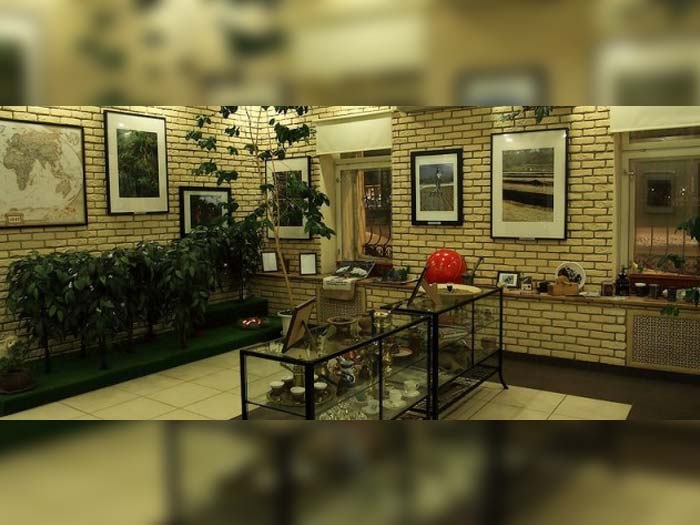
Coffee is not just a drink. This is the history, culture and tradition of many different peoples. Coffee museums help to understand them.
Dubai Coffee Museum

Here you will learn how drinks prepared according to national recipes differ. You will see the first devices for sorting, grinding, roasting and grinding.
In addition to specific utensils, the museum has an impressive library. A valuable treasure is the world’s oldest book about coffee. You can taste an unforgettable drink in a truly oriental cafe.
Kaffee Museum – in Vienna, Austria

Founded by Edmund Mayr in 2003 from a personal collection. Now it presents more than a thousand exhibits related to coffee and Viennese coffee traditions:
* Serving dishes;
* Roasters for roasting grains;
* Manual coffee grinders;
* Coffee makers of various types;
* Advertising leaflets and posters.
You will be shown an old English coffee maker, which was used by Ludwig Van Beethoven himself. It still works!
Bramach Tea and Coffee Museum in London

It was founded in 1992 by the merchant and collector E. Bramakh. The exhibition tells about the coffee and tea history in the UK, the origin of national rituals. In the cafe-pastry shop you can enjoy great samples of drinks.
Jens Burg Coffee Museum, Hamburg, Germany

3000 exhibits are able to satisfy the curiosity of the most demanding visitors. These are old coffee grinders, unusual varieties of the drink, a unique bagging machine, the first coffee filters that appeared in 1920. And also accompanying spices, sweets, jams. Guided tours and seminars are held.
Coffee Museum in St. Petersburg

It was opened in 2008 and became the first such institution in Russia. The complex has an exhibition exposition, a tasting room, a demonstration area and a coffee terrace with a view of the Neva River. You will be introduced to the history of the drink, the subtleties of cultivation, the peculiarities of varieties from different regions of the planet. Master classes, fairs, festivals are held here.
If you love coffee, visit one of these museums. And everything is better!
Coffee Museum, São Paulo, Brazil

Bolsa de Café, or Palácio da Bolsa Oficial do Café, is a museum located at Rua XV de Novembro, in the historic center of the municipality of Santos, state of São Paulo, Brazil. After a restoration in 1998, the palace was reopened as the Coffee Museum.
First installed in a rented hall in the city center, Bolsa do Café moved in 1922 to the palace, built especially for its activities, which operated until the late 1970s, when it was abandoned.
Created by federal decree, it began its activities in 1917 in a small office on Rua XV de Novembro with Rua do Comércio, in the city center. The place had functional rooms that differed little from the internal environment of Commissioners or Exporters of the time.
With the increase in the volume of negotiations, the construction of its own headquarters became a priority issue. And, from a small office to a palace, the story of the new headquarters of the Official Coffee Exchange architecturally reflects the symbolic construction of the space to be occupied by coffee in Brazil and abroad.
Overview
Museu do Café, in addition of being one of main institutions responsible for preservation of coffee history in Brazil, is a reference of quality in commercializing this product by its coffee shop. With daily flow of 600 people and sales of about 450 cups of coffee per day, Cafeteria do Museu is awarded by Associação Brasileira da Indústria de Café (Abic) with Premium status, in national scope program Quality Coffee Circle. It also received by sequential seven years (2007 – 2013) the title of best Coffee Shop in Santos by Veja magazine.
For these and many other reasons, Cafeteria do Museu is a mandatory stop for tourists and residents who pass at Centro Historic Center of Santos. Place in downstairs of Bolsa Oficial de Café building, Cafeteria do Museu offers a pleasant and comfortable environment, perfect to taste a good coffee. Its menu goes beyond than the traditional espresso. There’re several options of hot and cold drinks, beverages and coffee sweets, sandwiches and salty dishes in addition to most variable producing regions of coffee to taste for here or to go it.
Bolsa Oficial de Café, space where Museu do Café is installed, is an exclusive architecture building. Richness of details inside and outside of palace reflects power of coffee economy to the time of its construction.
Museu do Café is reference to relate grain course in Brazil and in the world. Its expositions approach details from plantation to cup, passing by market and curiosities about product.
History
In April 1986, São Paulo State government, by decree 24,961, took actions for extinction of Bolsa Oficial de Café, which had been ceased its activities in 1960’s. All furniture, workers and own building, from that moment on, was Department of Finance’s responsibility. But, occupied only partly and without due conditions for its preservation, the building went through by degradation process, which resulted in threat of tower falling in 1996. A committee was created to analyze this situation and was found that such damages are not restricted only for tower, and a huge intervention in the building was required.
This situation was taken to governor and, by decree # 40,822, in May, 10th 1996, a work group was established, made by public bodies and private companies to study the availability of creation of a Museu do Café in Bolsa Oficial de Café building.
At first instance, and emergency feature, the group aimed to “save” Bolsa tower. Associação Comercial de Santos President, José Moreira da Silva, and Associação Centro Vivo President, Eduardo Carvalhaes Filho, highlighted the need of structure recovering of building by State Government and creation of a Museu do Café with support from private initiative.
The restoration was approved and project chosen was from Oficina R, by architect Samuel Kruschin, begun in 1997. In the next year, in March 12th, was created the Associação dos Amigos do Museu do Café Brasileiro.
In the beginning, the Museum offered visits only at a room named Auction Room, in addition to receiving temporary exhibitions and events. In 1999, Centro de Preparação do Café (CPC) was created with technical support by Sindicato da Indústria do Café no Estado de São Paulo (Sindicafe). CPC still have a great importance for education of baristas and recognition of this job.For economic availability of Museum and to contribute for disclosure of Brazilian coffee to visitors, mainly gourmet coffee, Museum Coffee Shop was opened in the following year.Which offers coffee from different Brazilian regions, in addition to sophisticated drinks. Its implementation was only possible with Funcafe budget and with support from Sindicafe and Abic.
Other mark for Museum was in 2005, where long-term exhibition A trajetória do café no Brasil was opened. Assembled with own collection from Museum, acquired in a campaign for collection poll, and some lent pieces, it occupied part of downstairs and first floor of building.In 2008, the Association qualified as Social Culture Organization, assigning an agreement with State Secretariat of Culture in Sao Paulo. This transformation enabled a growth to Coffee Museum, extending its technical staff and his activities, reinforcing as reference among museums in the State and in Brazil.
Architecture
The construction of the Palace, in an eclectic style, is considered the most important work of the period, having been the first building of the style to be listed by the National Historical and Artistic Heritage Institute (IPHAN), in 2009. With copper domes, large sculptures, stained glass, marbles, the work of foreign craftsmen and works of art built the discourse that related the coffee elite to the first pioneers as pioneer builders of a nation captained by São Paulo.
The panels and stained glass by Benedito Calixto, in the portentous trading room, are of fundamental importance in the visual translation of this speech: in the triptych, the painter imagines the scene of the reading of the Vila de Santos charter by Braz Cubas; on the side panels, the representation of Vila de Santos in 1822 compared to the city in 1922; and, finally, the stained glass window that creates – with pennants, agriculture, the port, and coffee – a mythology of the nation.
This complex and dense set of information, combined with several Masonic symbols – such as the six-pointed star on the floor of the trading floor, the organization of the chair and the columns – send a clear message of the strength of the presence of coffee in the wealth of Brazil.
The building
Bolsa Oficial de Café building is known by its eclectic architect, resulting from combination of different architectonic movements in a single work without producing new stile. Neoclassic and Baroque stiles are predominated at building.
Stained Glass Entry
In entry of Museum, a small stained glass above the doors with symbol of “United States of Brazil”, name of the country in the opening this building, was observed and it remained there until 1967. Brazil Coat of Arms was also observed, composed by two branches: one of coffee and another of smoke, which represented two most important crops for Brazil in Proclamation of Republic in 1889.
Auction Room
Place where deals were performed which determined daily quotes of coffee bags. Tradings were performed in 1922 Auction Room by the end of 1950’s. Composed by 81 chairs (including the president one), Auction Room also has one stained glass and three paintings from Sao Paulo-Benedicto Calixto painter. Currently, due to stateliness and beauty, it’s one of main attractions of Museum.
Clocktower
Located in the corner of Tuiuti Street, Clocktower has about 40 meters, i.e., double of height of Bolsa Oficial de Café. At the top, four sculptures are placed, which represent agriculture, commerce, industry and Sailor.
Previously, notion of time was made by church bells. It’s believed that when clocks arrived, a meaningful change in population routine was observed, and Bolsa was used as reference of time in people everyday.
Jacinto
There’s few information about this coffee baggage man. Jacinto was a coffee baggage man who piled up to 5 bags of 132.28lb each, summarizing about 661lb in this back: then, he became a legend. Some of them said he was from Portugal; others said he participated in strength contest at pier and he received the nickname “Samson of pier”.
The only real information received was postcards dated in the first decade of 20th century, where his picture appears. Today dockworkers and baggers agree that the maximum weight supported by a person is about 264lb (two bags): due to this fact, some of them doubt if that bag weighted, indeed, about 132lb.
Old placements
This space where today is Preservation, Research, and Reference Center, in downstairs floor, was Cash Settlement, where securities negotiated in trading were realized and then paid.
Coffee barons watched trading sessions in mezzanine. The remaining floor was divided into rooms where Cash Settlement, Union Camber of Public Funds, and headquarters of companies were located.
The large rating room at old Bolsa Oficial de Café was placed in an insulator place on second floor and it was linked to secretariat by special elevator for coffee samples. The remaining floor was particularly designated to headquarters of exporter companies.
The third floor was specially projected for intermediator offices. More than 30 compartments were available.
In current exhibition room “Coffee and Work”, in the past, was “Secretariat of Bolsa”, whose communication for exterior was done by entrance under tower, where deliveries of coffee samples to be classified in rating offices were performed on second floor.
The third floor was used until 1970s as Clube da Bolsa. This place had library, play rooms and a restaurant, which was opened for partners and their visitors.
Coffee Museum
One of the main tourist spots in the city of Santos, the Coffee Museum was created in 1998 with the aim of preserving and disseminating the historic relationship between coffee and the country. Among objects and documents that make up its collection, it is possible to see how the evolution of coffee growing and the political, economic and cultural development of the country are closely linked.
The close relationship between coffee growing and the development of Brazil is recorded in the long-term exhibition “The trajectory of coffee in Brazil”. Divided into three modules – Coffee and work, Coffee and new routes and Santos and the port – the exhibition allows visitors a real journey through time. The tour through history begins with the arrival of the first seedlings of the plant in the country, goes through the professionalization of plantations and labor, the arrival of Japanese and European immigrants to work in the fields and helps to contextualize, through panels and models, wealth and progress driven by coffee, such as the expansion of the railway network in the State of São Paulo and the development of the port of Santos, for example.
The Coffee Museum also regularly holds temporary exhibitions that contemplate periods and specific aspects of the history of coffee in Brazil. In its facilities, the Coffee Museum also has an Information and Documentation Center – which has in its collection several publications and documents about coffee and its history and is open to the public for free visitation – and the Coffee Preparation Center, which offers courses related to knowledge and preparation of the drink.
More than the main responsible for preserving the history of coffee, the Coffee Museum is also a reference in the commercialization of the product through its cafeteria. Inaugurated in 2000, the Cafeteria do Museu has on its menu several beverage options that have coffee as their main ingredient. It also has a wide variety of grains, produced in different regions of Brazil, available to visitors to enjoy on the spot or take home. Currently the Museum Cafeteria works with Cerrado de Minas, Sul de Minas, Alta Mogiana, Chapadão do Ferro, Cafeteria Blend, Orgânico, Vale da Grama, and Jacu Bird Coffee. The latter is the most expensive and rare coffee in Brazil, obtained from the beans expelled by the bird Jacu, which feeds on the fruits of coffee.
Education of Museu do Café is the dialog connection of institution with visitors, going beyond offering exhibitions. The main objective is to transmit the rich history of coffee in simple and ludic way for public, perform an excellent service and make the Museum as an acknowledged reference place in learning propagation.
The sector prepares activities which develop perception and stimulate public to deepen even more in coffee history in Brazil and in the world. Different options of programs of attending are offered, contemplating guided and thematic visits, in addition to interactive dynamics for school public and other visitors of Museum.
International Coffee Organization (ICO)
The International Coffee Organization was established in 1963 when the first International Coffee Agreement (ICA) entered into force in 1962 for a period of five years, and it has continued to operate under successive Agreements negotiated since then. These include the ICA 1968 (and its two extensions), the ICA 1976 (with one extension), 1983 (and its four extensions), the 1994 Agreement (with one extension) and the 2001 Agreement (with three extensions). The latest Agreement, the ICA 2007, was adopted by the Council in September 2007 and entered into force definitively on 2 February 2011.
Mission
The International Coffee Organization (ICO) is the main intergovernmental organization for coffee, bringing together exporting and importing Governments to tackle the challenges facing the world coffee sector through international cooperation. Its Member Governments represent 98% of world coffee production and 67% of world consumption.
The ICO’s mission is to strengthen the global coffee sector and promote its sustainable expansion in a market-based environment for the betterment of all participants in the coffee sector.
It makes a practical contribution to the development of a sustainable world coffee sector and to reducing poverty in developing countries by:
enabling governments and the private sector to exchange views on coffee matters, market conditions and trends, and coordinate policies at high-level meetings
developing and seeking finance for projects that benefit the world coffee economy
promoting coffee quality through a Coffee Quality-Improvement Programme
promoting market transparency by providing a wide range of statistics on the world coffee sector
developing coffee consumption and markets for coffee through innovative market development activities
encouraging the development of strategies to enhance the capacity of local communities and small-scale farmers
promoting training and information programmes to assist the transfer of technology relevant to coffee
facilitating information on financial tools and services to assist producers
providing objective and comprehensive economic, technical and scientific information on the world coffee sector.
The ICO was set up in London in 1963 under the auspices of the United Nations because of the great economic importance of coffee. It administers the International Coffee Agreement (ICA), an important instrument for development cooperation. The latest Agreement, the ICA 2007, entered into force on 2 February 2011.
Members:
| Exporting Member Countries | Importing Member Countries |
|
Angola |
European Union: |


