European Coffee Federation (ECF): Shaping the Future of Coffee Trade and Sustainability in Europe

The European Coffee Federation (ECF) is the single voice of the European coffee trade and industry, facilitating the development of an environment in which the industry can meet the needs of consumers and society, while competing effectively to ensure the resilience and long-term sustainability of the coffee supply chain, from farm to cup. Established in 1981, ECF represents the interests of the European green coffee traders, roasted and soluble coffee manufacturers, decaffeinators, coffeehouses and warehousekeepers.

The European Coffee Federation counts 16 national associations and 37 company members across Europe, and speaks for over 700 companies, ranging from SMEs to internationally operating companies, representing an estimated total import volume of 40 million coffee bags, or approximately 35% of the world coffee trade volume.

ECF PRIORITIES

ECF offers a forum for exchange, identifying industry-wide issues of common interest in the areas of food safety, sustainability and international trade. The European Coffee Federation is engaged in an open dialogue with the European authorities and relevant stakeholders. We do recognise the need for an effective EU regulatory framework guaranteeing a high level of consumer protection and a level playing field for industry across Europe.

The European Coffee Federation represents the interests of its members towards the European institutions, industry and consumer associations, as well as consumers.

The European Coffee Federation is registered in the EU Transparency Register (no. 958482431512-92), a database of special interest groups whose goal is to influence the law-making and policy implementation process of the EU institutions. The European Coffee Federation complies with their Code of Conduct in all its relations with the EU institutions and their representatives.

The European Coffee Federation, as the voice of the European coffee industry, is engaged in an open dialogue with the European authorities and relevant stakeholders. We do recognise the need for an effective EU regulatory framework guaranteeing a high level of consumer protection and a level playing field for industry across Europe.

Food safety is paramount to the coffee industry. ECF works closely with regulators, scientists and stakeholders to collect and analyse data and achieve the highest compliance possible. We do anticipate emerging risks or changes in the regulatory framework, as well as advocate for a favourable regulatory environment so that our members’ products meet the highest food safety standards, the latest legal requirements and other established international safety standards.

We work closely with our Members to gather sectorial expertise and science-based evidence to support our sector’s engagement towards EU decision-makers. We do raise awareness and share expertise in the appropriate regulatory fora by providing scientific data and knowledge. We collaborate and engage with the European Food Safety Authority (EFSA) and EU authorities – by providing sectorial data and contributing to public consultations – in order to ensure that science-based decisions are adopted.

Coffee is a sought-after commodity, as it is estimated that 500 billion cups of coffee are consumed every year across the globe. Europe accounts for around 30% of global coffee consumption, making it a large and attractive coffee market. Europe has also the highest yearly consumption per capita in the world, even if consumption differs from one country to the other.

As ECF, we advocate for sustainable and resilient food systems that will develop and enhance the lives of coffee growing communities and encourage increasing consumers ethical, economic and environmental aspirations in order to embrace social responsibility and reduce their environmental footprint.

ECF and its members offer all their knowledge and experience from existing private sustainability initiatives in view of contributing to the consolidation of a global level playing field for the coffee sector.

AT ORIGIN

We support and encourage dialogue and engagement with the international coffee community to ensure that conditions are in place to improve the wellbeing, livelihoods and economic success of coffee farming communities.

The coffee sector is involved in numerous private projects, certification and verification schemes and industry-wide voluntary initiatives. The European Coffee Federation and its members strongly believe that sustainability is a shared responsibility and are therefore active in the sector-wide dialogue launched to build consensus and find actionable solutions to drive long-term sustainability in the coffee sector.

We work together and in partnership with other stakeholders in the coffee chain to ensure that coffee is sourced and products are manufactured in a responsible manner. We act as facilitators between the different sustainability initiatives, fostering mutual learning from our actions and experiences, as well as contributing to Public-Private partnerships that are so valuable to ensure sustainability programmes’ effectiveness and efficiency.

Take a look at the various sustainability initiatives in the coffee sector.

AT DESTINATION

We encourage continuous improvement of the environmental performance of coffee products, including by promoting the use of more sustainable packaging throughout the product’s life cycle.

Together with our members, we collaborate with a wide range of stakeholders, from those that source the raw materials to those that dispose of post-consumer waste to gather qualitative information to understand the sector’s performance and to minimise its footprint.

We seek new ways of improving resource efficiency and strive to reduce the environmental footprint of our products through research and innovation. We promote waste reduction in the food chain and a circular economy for coffee. We are committed to identifying efficient, responsible and sustainable solutions for the collection and recycling of coffee single serve units extracted by beverage systems.

We maintain regular discussions to ensure an evidence-based dialogue with EU and national decision-makers on policies targeting packaging and related items used to serve food & drink.

Coffee is produced in over 60 countries, in the area known as the “Coffee belt” which is located between the Tropics of Capricorn and Cancer. Each year, the EU imports over 3 million tons of green coffee from the different coffee origins.

Most of the coffee imported in 2019 originated from Brazil (980 262 tonnes) and Vietnam (725 525 tonnes). They were followed by Honduras (235 088 tonnes), Colombia (180 227 tonnes, Uganda (146 009 tonnes), India (139 688 tonnes), Peru (119 799 tonnes) and Ethiopia (83 722 tonnes).

The five main EU importers of coffee in 2019 were Germany (1.1 million tonnes) and Italy (603 983 tonnes), followed by Belgium (301 454 tonnes), Spain (270 108 tonnes), and France (233 600 tonnes).

PROMOTING COFFEE TRADE

The European Coffee Federation promotes the value of the coffee trade to the EU policy- and decision-makers and ensures that appropriate EU policies are adopted to increase the EU import capabilities, especially considering that coffee cannot be grown in the EU. ECF also informs origin countries about the latest EU policy developments and establishes solid links with them in order to coordinate the efforts towards guaranteeing sustainable imports of coffee into the European Union.

GREEN COFFEE STOCKS IN EUROPE

ECF has built ties with major coffee carrying shipping lines and European ports in order to ensure smooth logistics operations and minimize speculations in the coffee trade.

Green coffee stocks in the major coffee ports of Europe

ECF BEST SHIPPING LINE OF THE YEAR AWARD

Since 2018, ECF has been evaluating shipping line performance and awarding the best performer with the ECF Best Shipping Line of the Year award.

The award is granted based on the results of the ECF survey for shipping line performance that is distributed amongst the members of the ECF Logistics Committee.  Amongst others, the following aspects are taken into consideration: schedule, frequency, transit time performance, availability of suitable containers and vessel space, booking acceptance, timely release of container at destination or customer service.

For two consecutive years, ECF members have recognized Hapag-Lloyd as the best shipping line of the year.

EUROPEAN STANDARD CONTRACT FOR COFFEE

The trade in green coffee is facilitated if a shipment is bought and sold under the same conditions of sale. ECF provides a common contract – that is well established in the sector – to simplify the procedure and avoid misunderstandings. The ECF European Standard Contract for Coffee (ESCC) facilitates a common framework to enable an agreement between two parties, creating a legal obligation for both to perform specific acts.


What we know about Innovea Global Coffee Breeding Network?

In the realm of coffee agriculture, a groundbreaking initiative is set to revolutionize the global coffee breeding landscape—the Innovea Global Coffee Breeding Network,The network of the World Coffee Research (WCR). This collaborative effort seeks to address the challenges posed by climate change and propel coffee genetic improvement to new heights through international cooperation.

Challenges in Traditional Approaches

Traditional coffee breeding programs face a dilemma in the wake of climate change. These programs, conducted by individual national coffee institutes, often work in isolation due to the competitive nature of breeding activities. Aging scientists, outdated approaches, and limited funding have hindered progress over the past 50 years, leading to a crisis in innovation that jeopardizes the sustainability, quality, and supply assurance goals of the coffee industry.

Innovative Solutions

The Innovea Global Coffee Breeding Network stands as a beacon of hope, bringing together countries in a unified effort to transform global coffee breeding. This unique collaboration aims to accelerate genetic improvement, ensuring the development of superior coffee varieties tailored to the specific needs of farmers and markets.

The network’s design allows participating countries to pool resources, share knowledge, and collectively face the challenges posed by climate change. Utilizing modern breeding tools becomes imperative in the face of climate realities, and the Innovea network provides the necessary platform for countries to address these challenges collectively. This collaborative approach harnesses a diverse range of genetic material, enabling extensive evaluations across various environments and achieving results beyond the reach of traditional, single-country programs.

Driving Genetic Gains

The key strategy of the Innovea network is to harness the collective capacities of participating countries to accelerate the pace of coffee genetic improvement. By fostering collaboration, the network enhances competitiveness among coffee-producing partners, ensuring that breeding efforts align with the needs of both farmers and consumers.

Modern coffee breeding, facilitated by the Innovea network, holds the potential to address multiple challenges simultaneously. From developing varieties resistant to pests and diseases, to enhancing coffee quality at lower elevations and increasing yield stability across diverse environments, the network aims to usher in a new era of sustainable coffee agriculture.

Anticipated Impact

Powered by the latest technologies for crop improvement, the Innovea Global Coffee Breeding Network anticipates transforming the global coffee supply. Adopting a demand-led breeding approach, the industry and farmers will collaboratively design the coffee of the future. Over the next two decades, countries involved in the network are expected to boast a portfolio of improved varieties that are more productive, climate-resilient, and diverse than today’s offerings.

Key Features of the Innovea Network

The Innovea Global Coffee Breeding Network involves nine global partners, including Costa Rica, USA, India, Indonesia, Kenya, Mexico, Peru, Rwanda, and Uganda, collectively responsible for approximately 23% of the world’s arabica coffee exports. The network focuses on developing genetically diverse breeding populations, with finished varieties tailored to local conditions and market demand. Through a coopetition model—combining collaboration and competition—the network aims to lower costs for individual countries while allowing them control over finished variety selection and release.

Coopetition Model: A New Paradigm

The Innovea model proposes a “coopetition” framework, recognizing that collaboration on a global scale is essential for addressing challenges posed by climate change. While fostering collaboration, the model also acknowledges the competitive nature of national breeding efforts, offering a unique approach where deeper collaboration enhances competitiveness among participating national programs.

In conclusion, the Innovea Global Coffee Breeding Network emerges as a beacon of hope for the future of coffee agriculture. Through collaboration, innovation, and a commitment to addressing the challenges of our time, this initiative paves the way for a more sustainable, resilient, and diverse coffee industry.

British Coffee Association: Shaping the Future of Coffee in the UK

The British Coffee Association (BCA) is the representative organization for the coffee industry and the voice of UK coffee.

The BCA represents, promotes and supports all aspects of the UK coffee trade and industry. We foster a favourable environment for all aspects of the industry and its culture to thrive, both now and in the future.

Members’ views and concerns are the drivers behind the work we do. We actively encourage members to influence the direction and policy of the BCA to ensure we continue to steer government legislation and promote a balanced view of coffee amongst consumers and policy makers to secure the future of your business and our industry.

•  Members work and grow together.
• Towards achieving shared sustainability goals
• To mitigate and manage key issues
• To ensure the long-term resilience of coffee

The BCA operates at all time under the Competition Law Compliance Rules for Food and Drink Federation Members.

By joining the British Coffee Association, you will unlock the ability to network, collaborate, and meet with colleagues across the UK coffee industry.

BCA bring together companies and individuals from across the UK supply chain.

Quarterly BCA Committee Meetings

  • Network with industry colleagues through joining one of our active committees:
    • Communications Committee
    • Sustainability Committee
    • Technical and Regulatory Committee
    • Trade and Logistics Committee
    • Member Services Committee
    • Arbitrations and Contracts Committee

Social Events

  • BCA organises yearly social events to give members an opportunity to build their network, meet new contacts, and develop relationships:
    • Annual Industry Dinner – the only UK coffee industry and trade dinner held each year in November
    • Opportunities to meet and network with industry colleagues

For further details on membership, please contact: [email protected]

What BCA do?

COMMUNICATIONS, PUBLIC AFFAIRS AND LOBBYING

• BCA is involved in all forms of policy and legislation affecting the coffee industry and provides guidance to regulatory authorities
• Assuring compliance with those regulations and guiding our members
•  BCA is a trade advisor to DEFRA
• BCA actively follow future issues and put the industry strongly forward in the media via our BCA Press Office

NETWORKING AND EVENTS

• BCA provide thought leadership and education through webinars
• Provision of networking platforms through educational and social events
• Annual Industry Dinner

SPECIALIST SERVICES

• An Arbitration service with Arbitrators training courses and workshops
• BCA work closely with key global coffee organisations to ensure
connectivity across key issues and a global approach is undertaken

The Sustainable Coffee Challenge

The Sustainable Coffee Challenge as a Transformative Organization

Introduction:

In the dynamic realm of global sustainability initiatives, the Sustainable Coffee Challenge stands out as a pioneering organization committed to revolutionizing the coffee sector. Founded during the 2015 Paris climate meetings by Conservation International and Starbucks, this collaborative effort has evolved into a formidable force, comprising companies, governments, NGOs, research institutions, and over 155 international partners. This narrative delves into the core principles, initiatives, and impact of the Sustainable Coffee Challenge as an organization at the forefront of sustainable coffee production.

Founding Principles and Mission:

Conceived with a vision to intertwine the prosperity of coffee, communities, and ecosystems, the Sustainable Coffee Challenge seeks to be a catalyst for change. At its heart, the organization aims to transition the entire coffee sector into a fully sustainable entity, fostering transparency, collaboration, and a shared commitment to responsible practices.

Leadership and Governance:

Facilitated by Conservation International, the Sustainable Coffee Challenge operates as a dynamic entity where partners play a pivotal role in shaping the agenda and driving actionable solutions. This collaborative governance structure ensures that diverse perspectives contribute to the development and implementation of strategies, guided by a collective commitment to sustainability.

Defining Sustainability in the Coffee Sector:

One of the significant contributions of the Sustainable Coffee Challenge as an organization is the establishment of a clear and comprehensive definition of success in the coffee sector. This definition, part of a broader sustainability framework, acts as a guiding compass, providing a roadmap for individual initiatives to collectively transform the sector.

Commitments and Transparency:

Central to the organization’s ethos is the belief in the power of transparency. The Sustainable Coffee Challenge provides a platform for stakeholders to publicly declare their commitments to sustainability and track progress over time. By fostering this transparency, the organization aims to inspire new collaborations and ensure accountability throughout the coffee sector.

Catalyzing Action and Collaboration:

As an organization, the Sustainable Coffee Challenge understands that achieving its ambitious goals requires collective action. It actively fosters collaboration across the sector, bringing together industry players, governments, nonprofits, and other stakeholders. Through the identification and implementation of innovative solutions, the organization strives to define leadership on sustainability and scale the impact of efforts to ensure a sustainable future for coffee production.

Call to Action:

The Sustainable Coffee Challenge invites all stakeholders to join its transformative journey. By uniting industry players, governments, nonprofit organizations, and individuals, the organization envisions a future where sustainable practices permeate every aspect of the coffee sector. Through its multifaceted approach, the Sustainable Coffee Challenge emerges as a beacon of change, illustrating how collaborative efforts within an organization can shape a more sustainable and equitable coffee industry.


The Coffee Public-Private Task Force

The Coffee Public-Private Task Force was established by the International Coffee Organization in 2019, following the signature of the “London Declaration” by 12 private sector companies, and upon the request of the International Coffee Council at its 125th Session. The Task Force is designed to build common ground for a global partnership between the coffee industry and governments, guided by the overriding vision of the sustainability of the sector and prosperity for grower communities.

OBJECTIVES

The overall objective of the Task Force is to build consensus between public and the private actors on priority issues and actions to be implemented in order to ensure a sustainable and fair global coffee sector at the local and global levels. To this end, collaborative public-private partnerships aim to achieve complementary specific objectives:

1. Designing methodologies and strategies to close the income gap for farmers towards prosperity.

2. Enhancing sector-wide transparency on a common understanding of the actual production and the relative efficiency of value transmission.

3. Promoting enabling policies in exporting and importing countries, facilitating national public-private platforms.

4. Driving the resilience of coffee communities by using a landscape approach.

5. Coordinating interventions at the sector level and ensuring full integration of the gender and youth agenda.

ACHIEVEMENTS

The technical workstreams have been activated and started providing the expertise required to close key knowledge gaps, elevate existing research and begin interventions in selected ICO exporting countries on:

1. Defining Living income benchmarks and closing the gap strategies; 2. Establishing cost of production and efficiency gap data; 3. Setting up national dialogue platforms and ensuring viability of regulatory policies.

4. Carrying out landscape assessments to inform strategies on territorial, not exclusively at farm level.

5. Increasing membership from private sector and active participation of public and private sector and observers (coffee stakeholders and development partners).

6. Increasing financial / in-kind contributions from Members, observers and international development cooperation.

7. Linking development with EU, UN agencies and institutions.

8. Building consensus model of Task Force so that it proves relevant, important and recognized by actors of the coffee sector.

MEMBERS

Since its inception in 2019, the CPPTF has started to attract increased interest from the private sector, with three additional companies having joined. Moreover, in order to maintain the overall balance of public-private participants, more ICO Members have also been incorporated.

  • Private Sector

ECOM Trading

Illycaffè S.p.A.

JDE Peet’s N.V.

Lavazza S.p.A.

Louis Dreyfus Company

Mercon Coffee Group

Nestlé S.A.

Neumann Kaffee Gruppe

Ofi

Starbucks Coffee Company

Sucafina

Sucden

Tchibo

Volcafe

Indian Coffee Trust

National Coffee Association

Global Coffee Platform

Sustainable Coffee Challenge

Public Sector:

Brazil

Colombia

Côte d’Ivoire

Ethiopia

European Union

Honduras

India

Indonesia

Kenya

Mexico

Nicaragua

Papua New Guinea

Peru

Rwanda

Switzerland

Togo

Vietnam

Rwanda

Switzerland

Togo

DMCC Coffee Centre

  • Coffee goes global

Developing major new supply chains from Dubai
The Middle East’s love of coffee has long been central to its history and culture of warm hospitality. Today, DMCC is driving a major initiative to position Dubai at the heart of the world’s leading coffee supply chains. Building on the region’s historic trade links, we have launched a series of ambitious developments to expand Dubai’s resources, expertise and influence in the world of coffee.
Download our fact sheet where you can find all the information you need in one place.

  • DMCC Coffee Centre

Our state-of-the-art DMCC Coffee Centre offers world-class infrastructure and services for green bean storage, processing, roasting, packing and delivery of coffee to precise specifications. Bringing a fully dedicated, temperature-controlled coffee storage to the Middle East region for the first time, will benefit a wide range of stakeholders including coffee farmers, exporters, traders, roasters and retailers.

  • Creating new trade routes

By connecting growers and exporters with global markets, the DMCC Coffee Centre has created new trading opportunities for all stakeholders in the coffee value chain. To date, the Centre has enabled the trade of 100+ coffee varieties from major growing regions such as Central and South America, Africa and Asia. This large global coffee sourcing footprint has made the Centre an attractive hub for businesses.

  • Become a member

DMCC Coffee Centre members enjoy the following benefits

AT THE HEART OF IT ALL
Located within the Jebel Ali Free Zone and near the Jebel Ali port, you have easy access to purpose-built infrastructure and international coffee producers and buyers in growing consumer markets.

FULL CONTROL OVER YOUR BUSINESS
You will take advantage of 100% business ownership (sole shareholders are permissible), 0% personal income tax, low corporate tax rates, and 100% capital repatriation.

CONNECT AND GROW
DMCC Coffee Centre serves to benefit the entire coffee value chain – connecting farmers to exporters, traders to roasters, and you to global trade opportunities.

LEARNING HUB
Our Specialty Coffee Association (SCA) certified Premier Training Campus with a 24-person classroom offers the complete SCA Coffee Skills Program, CQI Q Grader certificate courses and others. All your training needs will be guaranteed with best-in-class equipment and tools.

A COMPLETE SPACE
Access private furnished offices, fully equipped meeting rooms with advanced connectivity and video conference capabilities, as well as a functional demonstration café and brew bar.

FULLY EQUIPPED

Our state-of-the-art 15,000m² temperature-controlled facility has a coffee quality laboratory, cupping labs, a training campus and range of commercial office spaces. Core services include warehousing, logistics, green coffee cleaning, roasting, packing and distribution, as well as more specialised offerings for re-bagging of green coffee, sample evaluation and training.

Products and services

Discover what DMCC Coffee Centre can offer

Warehousing for green coffee

Our temperature and humidity controlled warehouse will ensure your coffee stays in perfect condition at all times.

Green coffee processing

Our facilities can assist you with green coffee processing equipment for cleaning, de-stoning, blending, and re-bagging of coffee

Specialty and commercial roasting

Our roasting and packing facility currently houses 2 Brambati production roasters and 2 fully automatic Opem packaging lines to accommodate specialty and commercial coffee roasting for both whole bean and ground coffee.

Sample & small batch roasters

Coffee Members have access to sample and small batch roasters to roast samples and create profiles of coffees in small batches of 50 grams, 100 grams, 1 kilogram and 5 kilograms. Integrated with Cropster software.

Instant coffee repacking

Fully automatic instant coffee re-packing machine with full nitrogen flushing capabilities that can re-pack bulk volumes into retail sized jars ranging from 25g to 500g.

Certified Barista Training

Our Premier Training Campus is Specialty Coffee Association (SCA) certified and offers professional courses in the following areas:

– Barista Skills

– Brewing

– Green (Q)

– Sensory Skills

– Roasting

Coffee Member commercial office space

Members have access to facilities that include fully equipped meeting rooms with advanced connectivity and video conference capabilities.

Freight forwarding and logistics

We can assist with both inbound and outbound shipping of coffee along with all import and export documentation services to and from United Arab Emirates.

Q Grading cupping facilities

Our facilities include 3 cupping rooms with water filtration system, fully outfitted to Specialty Coffee Association (SCA) and Coffee Quality Institute standards for Q Grading.

Training & demo suite

Our facilities include a fully equipped barista and brewing suite for training and demonstration purposes. The suite features 4 La Marzocco, 2 group espresso machines, 2 batch brewers, and all necessary brewing equipment.

Institute for Scientific Information on Coffee (ISIC)

The Institute for Scientific Information on Coffee (ISIC) is a not-for-profit organisation founded in 1990. ISIC is devoted to the study and disclosure of science related to coffee and health, including:

Study of scientific matters related to coffee and health.
Evaluation of studies and scientific information about coffee and health.
Support of independent scientific research on coffee and health

Dissemination of balanced coffee and health scientific evidence and knowledge to a broad range of stakeholders

ISIC’s expert panel

Institute for Scientific Information on Coffee (ISIC) work with a range of experts, many of whom are recognised leaders in their fields of research, to support independent scientific research on coffee and health.

This drives thiyr mission to inform medical and healthcare professionals, as well as media, about the current scientific knowledge and understanding on coffee consumption and health.

ISIC researchers, doctors and scientists are available for media interviews and to provide expert commentary on the latest coffee and health research. They can cover a range of topics, from cardiovascular health, to G.I. disorders and sports performance. If you would like to speak with them.

ISIC research

ISIC respects scientific research ethics in all its activities. All of our communications are based on sound science and on evidence and scientific studies derived from peer-reviewed scientific journals and publications.

In supporting independent scientific research, ISIC adheres to the following principles:

Publish all results

‍supports and encourages researchers to publish all obtained results, regardless of the outcome.

Academic freedom ‍

Encouraging academic freedom and therefore not controlling the content of publications

Support ‍of independent scientific research on coffee and health

Dissemination ‍of active dissemination of balanced coffee and health scientific evidence and knowledge to a broad range of stakeholders

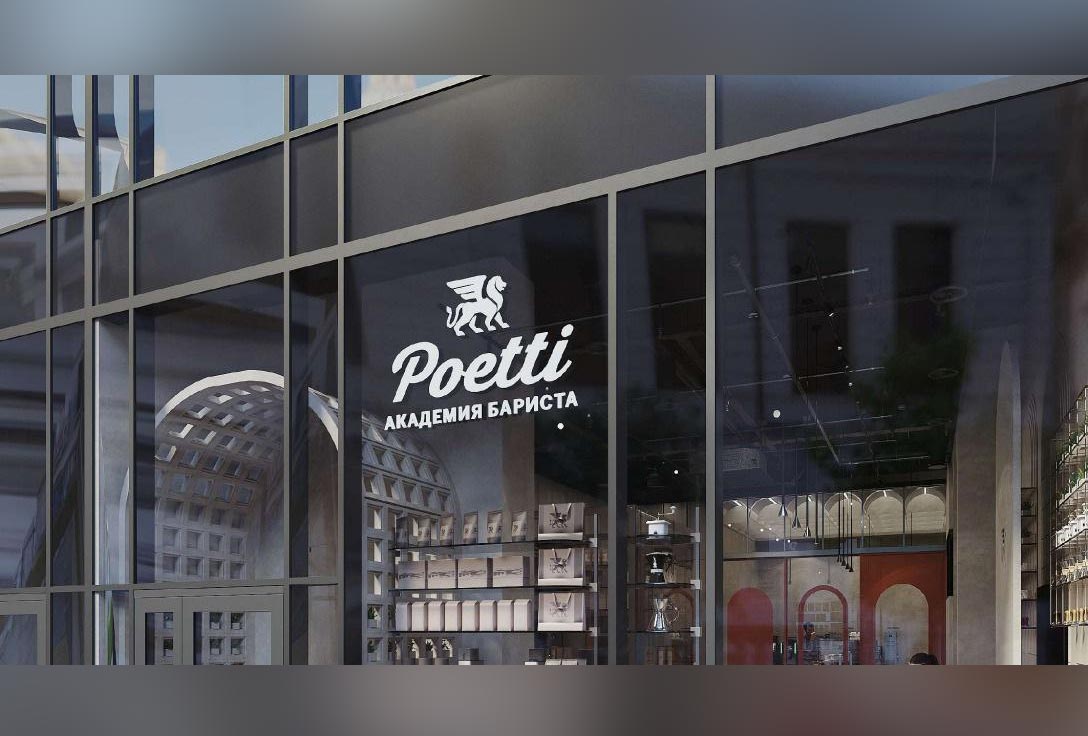
Poetti Coffee Opens “Barista Academy” in Moscow

Poetti, the Russian coffee brand, has inaugurated its own “Barista Academy” located in the “Oasis” business center in Moscow. In 2022, the brand underwent a significant transformation when the MilFoods company acquired a major coffee roasting plant in the Tver region. After the departure of a foreign manufacturer from the Russian market, MilFoods introduced its own coffee brand, Poetti, and swiftly commenced commercial coffee production, unveiling plans for expansion into new coffee categories.

The newly launched “Barista Academy” in Moscow serves as a multifunctional training center catering to coffee enthusiasts and industry professionals. The total investment in the project reached approximately 50 million rubles. Situated on the ground floor of the “Oasis” business center at 5 Koroviy Val Street, the academy spans 109.8 square meters. It features a lecture hall for 15 people, cupping tables (used in the professional coffee tasting process), and a training room equipped with professional coffee equipment, including automatic, super-automatic, and espresso machines. Students can learn both traditional and alternative coffee brewing methods.

The academy’s instructors include certified barista trainer from the Specialty Coffee Association (SCA), Daria Soboleva, brand barista group leader at MilFoods, and Tatyana Bursye, senior product development manager at MilFoods. The academy will also host a highly qualified team of Poetti brand baristas. The consulting company NF Group facilitated the deal.

The “Barista Academy Poetti” aims to be an educational platform promoting coffee culture in Russia. The academy, designed in an elegant Italian style, offers training in various areas. Students can participate in professional coffee roasting and traditional or alternative beverage preparation. Initially, international coffee industry specialists, certified SCA trainers Daria Soboleva and Tatyana Bursye, will lead the training and master classes in the “Introduction to Coffee,” “Barista Skills,” and “Brewing” modules. The academy is equipped with a lecture hall, cupping table, and a training room with professional coffee equipment for these educational activities.

Tatyana Bursye will teach students in the “Green Coffee” module about the evaluation of coffee raw materials, while the “Roasting” module will cover the roasting process. The academy features a laboratory-type roaster with a maximum capacity of 1.5 kg of beans. In the near future, the “Barista Academy Poetti” will be open for educational events for other coffee professionals. The training costs range from 1,500 to 24,000 rubles, depending on the level and educational module.

The director of marketing at MilFoods, Mikhail Glukhov, expressed excitement about the opening of the academy, stating that it marks a strategic development for the Poetti brand, providing a direct platform for consumer interaction. He believes the academy will strengthen Poetti’s position in the Russian market and enhance consumer trust in the brand.

Saudi Coffee Company Academy: A Brewing Beacon of Excellence in the Coffee Industry

Saudi Coffee Company (SCC), a wholly owned subsidiary of Public Investment Company proudly announces the launch of its specialized Academy aimed at empowering Saudi farmers, entrepreneurs, and coffee enthusiasts by providing them with unparalleled knowledge and expertise in coffee cultivating, roasting, and preparation. This comes as a stride to help in diversifying the economy and nurturing local talents in line with Saudi Arabia’s Vision 2030.

Saudi Coffee Company Academy is committed to elevating the industry standards and equipping Saudi farmers and entrepreneurs with the proper tools and knowledge necessary to establish and manage successful coffee-related projects, businesses, and farms in the kingdom, starting with the Southern Region. To better achieve this, Saudi Coffee Company has established this academy, dedicated to training, qualifying, and investing in talented Saudi coffee workers to equip them with the necessary knowledge across various roles throughout the entire value chain of the coffee industry; including coffee cultivation, roasting, coffee shop management, and entrepreneurship. Through using the latest sustainable agricultural practices, Saudi Coffee Company is set out to produce higher quality beans, while introducing the local coffee industry and talents to greener practices.

In its first phase, the academy will be mainly focusing on farmers, with the aim of ensuring the adoption of the best agricultural practices for sustainable and high-quality coffee bean production. Meanwhile its second phase will open its doors to all coffee enthusiasts, offering training by top experts in the field – making it a community-focused approach that will help raise the industry standards and knowledge.

The academy aims to train more than 400 individuals annually in various aspects of the coffee industry and introduce the local talents to the latest sustainable best practices, techniques, and equipment necessary for elevating the local coffee industry standards.

Courses offered by the academy include Best Agriculture Practices, Best Processing Practices, Barista, Brewing, Sensory, Roasting and Green Beans. These courses cater to individuals with varying levels of experience, from beginners to those seeking advanced skills.

According to Khalid Abu Theab, Chief Executive Officer at Saudi Coffee Company, “At Saudi Coffee Company, we are working towards not only raising the bar for excellence in the local coffee industry but also towards nurturing the talents and aspirations of our community. Launching the Saudi Coffee Company Academy marks a milestone in our commitment to elevate the local coffee industry to the global standards and to ensure the boom of the coffee industry in the Kingdom to increase its share of revenue for the country. Our inspiration comes from the Kingdom’s Vision 2030 aiming to diversify our economy and empower our people.”

Global Coffee Platform (GCP)

Global Coffee Platform (GCP) is a multi-stakeholder membership association dedicated to advance coffee sustainability towards the vision of a thriving, sustainable coffee sector for generations to come. GCP enables coffee producers, traders, roasters, governments and NGOs to align and multiply their efforts and investments, collectively act on local priorities and critical issues, scale local sustainability programs and grow the global market for sustainable coffee across the coffee world. United in the belief that coffee sustainability is a shared responsibility, GCP Members and GCP’s Network of Country Platforms work together to achieve transformational change on prosperity for one million coffee farmers by 2030.

GCP Vision

A thriving and sustainable coffee sector for generations to come.

GCP Mission

Promote farmers’ prosperity, improved well-being and conservation of nature.

GCP Goal 2030

Transformational change on prosperity for more than one million smallholder farmers

GCP History

The Global Coffee Platform was born out of a need for the coffee sector to continue its pioneering role and to take a more collaborative, holistic and aligned approach to coffee sustainability with a farmer-oriented agenda. To achieve transformational change in the coffee sector, the clear need was seen for new forms of public-private collaboration and co-investments in coffee producing countries, along with gearing the different programs and initiatives towards a unified vision.

Additionally, learnings from competitive supply chain investments as well as various projects have shown a huge opportunity to achieve more impact by preventing duplication of efforts and by supporting local ownership for an enabling environment for sustainable coffee production in origin.

By combining and building on the achievements of the 4C Association’s expansive membership and the Sustainable Coffee Program’s programmatic activities, and the rich connections of the International Coffee Organization (ICO) representing its producing and consuming country government members, the Global Coffee Platform was formed in March 2016 ushering in a new era where sustainability is a shared responsibility.

Members of the Global Coffee Platform today include farmers and farmer organizations, coffee trade roasters and retailers, other supply chain actors, civil society, sustainability standards, donor agencies, financial institutions and individuals.

Supported by the GCP Team, together we address overarching and deeper sustainability challenges facing the sector including threats related to climate change, pests and disease outbreak, ageing trees and farmers.

Brazil Specialty Coffee Association

The Brazil Specialty Coffee Association is a non-profit member association created to elevate the standards of excellence and enhance value in the production and marketing of Brazilian coffees.

Although recognized widely as the world’s largest coffee producing origin, little is known about the country’s highest quality specialty coffees. Coffee Strategies was selected to help the Brazil Specialty Coffee Association to better position the coffee origin — specifically within the North American market and conduct market promotions for the period of one coffee growing season.

During the engagement, Coffee Strategies conducted brand image market research, developed an annual marketing communication plan for Brazil within North America, assisted with in-country events for green coffee buyers, wrote English language promotional materials and conducted coffee tasting events across the USA in conjunction with Cup of Excellence competitions, a centerpiece of the BSCA promotional strategy.

As a result of these efforts and an aggressive social media campaign, BSCA measured record results at the 2013 Cup of Excellence Early Harvest auction, doubling the top lot price over its prior year and increasing total revenues by more than 30%.

Coffee Value Chain Consulting for Agriculture and Economic Development

Improve productivity and value of trade for farmers

Policy Guidance

Assistance designing national agriculture policy and enabling business environments that improve income from coffee production as a sustainable, high-value specialty crop.

Market Access

Connecting exporters to suitable international market players who have the incentive, and ability to influence a change in the market system for coffee. Design and execution of programs that create sustainable trade linkages between buyers and coffee producers through public-private partnerships and direct trade activity

SME Consulting

Small and medium enterprise management consulting, including business planning, marketing and brand creation, communication, risk analysis, inventory and personnel management training and best practices to improve smallholder or SME performance

Trade Associatons

Industry trade association facilitation, organization, and capacity building. Working with industry stakeholders to create functional producer/exporter organizations to manage domestic and international issues

Technical Reports and Studies

Coffee industry technical research reports and custom studies that identify quantitative and qualitative opportunities for improvement

Market Research

Market analysis reports showing coffee trends, consumption data and other indicators to identify or evaluate strategic market opportunities for trade

Standards and Evaluation

Coffee quality assessment and creating new quality grading standards or defining best practices in agriculture, harvesting, processing, sorting, and storage

Equity and Diversity

Advice on how to make the a coffee sector more inclusive (gender, youth, disabled and disadvantaged) through identification of relevant market actors who have the right incentive to make it happen in a sustainable way

Certification Assistance

Sustainability standards and certifications, evaluating certification options and guidance to following program criteria for certification brand marks including Rainforest Alliance, Fair Trade (US and International), certified organic, Kosher and more

Coffee Operations and Product Consulting

Management Consulting

Management consulting, including business strategy, marketing and brand creation, communication, risk analysis, inventory and personnel training

Facility Design and Engineering

Coffee consultants to design and engineer green storage facilities, roasting plants, quality control laboratory and all necessary equipment and tools that will be best suited to meet quality goals and production forecasts

Green Coffee Buying

Green coffee purchasing strategy to meet the quality of any product line from shelf blends through rare and distinctive specialty lots.

Review and evaluate company procurement of green coffee, compare to best industry practices (origins and qualities, suppliers, contracts, pricing, buying plan (forward, spot), substitutions for market/quality fluctuation, sourcing alternatives, management of integrated logistics, examination of forecast demand allocations vs actual results).

Staffing and job functions

Specify the job functions of employees that will work at the facilities and, as appropriate, assist with candidate evaluation and hiring. Develop and document daily procedures performed by each job role.

Brand Development

Develop consumer and wholesale B2B brands and branded products in all coffee categories

Product Development

Product development for coffee beverages, roast and ground coffee, single serve, and ready-to-drink products. Develop or evaluate coffee blending practices and sourcing for product mix (origins, blend compositions, component substitutions, coffee for flavoring, certified coffees), as well as, manufacturing procedures related to pre- and post-roast blending.

Risk Management and Financial Controls

Develop or review risk management procedures and financial controls, compare to best industry practices (internal communication, payment terms, inventory levels, derivatives and hedging, ethical sourcing, pre-approvals, sampling, liquidity risk, reporting)

RFP Specifications and Administration

Issue and evaluate requests for proposals, evaluate and / or locate best suppliers of coffee-related capital equipment (e.g. roaster, packaging machines), services and supplies.

Quality Assessment

Coffee consulting to assess and grade coffee samples for quality and taste, evaluate and approve samples for purchase and continue to provide those services on a long-term basis to ensure consistency.

Coffee Market Consulting and Subject Matter Expertise

Learn more about the global market for coffee and how to reach it better

Coffee Subject Matter Expertise

Subject matter expertise in coffee production and trade at every point across the value chain to aid business decision making, investments, due diligence in mergers and acquisitions, or as an expert witness in coffee-related litigation

Market Research

Custom market analysis reports showing coffee trends, consumption data and other indicators to identify or evaluate opportunities for trade. Producer analysis reports evaluating production quantities, quality, export markets for trade, and other requested factors by geography or market segment

Company Research

Analysis of public and private industry stakeholders, position, financial performance, market share and outlook

B2B Coffee Marketing

Coffee marketing that communicates an origin brand message to the global coffee trade. We work with coffee industry trade media, perform public relations activities, organize field events and missions or national coffee festivals.

ASEAN Coffee Federation (ACF)

ASEAN Coffee Federation (ACF) was first conceived by a group of passionate ASEAN coffee industry players who are in constant pursuit of improving and developing the quality of ASEAN’s coffee beans, so as to compete in the world stage.

The inaugural meeting was held at Pattaya, Thailand in early 2010 where the members held their first brainstorming session on what they could do together in order to promote ASEAN coffee via a common vehicle, ACF. A subsequent meeting was held in Pakse, Laos on the 5th August 2010 where member country from Singapore, Thailand, Laos, Indonesia and Malaysia signed the historical Memorandum of Understanding (MOU) inking the pro temp formation of the Federation.

The following year, ACF welcomed its 6th member country, the Philippines, making ACF a stronger voice representing the ASEAN coffee scene.

On the 14th March 2013, Singapore, the formal formation of the ASEAN Coffee Federation was completed with its adoption of the Federation’s Constitution by the Board which had also held its inaugural constitutional election of coffee bearers with the President of Singapore Coffee Association (SCA), Mr Victor Mah, elected as the Founding President of ACF.

Vision

To be the Key Industry Representative of ASEAN’s Coffee Industry

Objectives & Mission

To establish a platform for common dialogue through regular meetings
To educate farmers in productivity improvements
To share market information about coffee on a global scale
To share the best farms practices through implementation & certification through GAP for coffee
To promote ASEAN coffee to the world