150% Growth in Coffee Consumption in China Over the Past Decade


The annual report released by the United States Department of Agriculture on global coffee markets revealed a significant increase in coffee consumption in China, which grew by 150% over the past decade. Consumption is expected to reach 6.3 million bags (weighing 60 kilograms each) in the 2024/2025 season.

The report noted that domestic coffee production in China is estimated at only 1.9 million bags during the same season, making the country heavily reliant on imports to meet the growing demand. High-quality green coffee now accounts for more than 60% of total imports.

This shift reflects a major change in consumption patterns among young professionals in major cities such as Beijing, Shanghai, Guangzhou, and Shenzhen. Additionally, markets have expanded into smaller cities like Chengdu, Hangzhou, Suzhou, and Chongqing, supported by local companies offering online shopping and delivery services.

Globally, the report projected that production will rise to 174.9 million bags in the 2024/2025 season, an increase of 6.9 million bags compared to the previous season, driven by production recovery in Vietnam and Indonesia. Global consumption is expected to reach 168.1 million bags, with the highest growth rates recorded in the European Union, the United States, and China.

Regarding coffee-producing countries, the report highlighted that Brazil remains the largest producer and exporter of coffee, with an expected production of 66.4 million bags, followed by Vietnam at 30.1 million bags as it recovers from drought impacts over the past two seasons.

Despite the growth in production, the report pointed to a decline in global coffee stocks by 1.5 million bags, reducing total stocks to 20.9 million bags, reflecting continued strong demand.

China stands out as an example of integrating coffee into a new consumption culture in a country historically associated with tea as the primary beverage. Coffee is cultivated in China, primarily the Arabica variety, in Yunnan Province at altitudes ranging between 1,000 and 2,000 meters above sea level, with growing interest in planting varieties like Bourbon and Typica to enhance the quality of local production.

China’s coffee imports have risen significantly over the past decade, reaching 5.5 million bags in the current season, with expectations of an increase to 5.6 million bags in the 2024/2025 season. This growth is largely driven by the rise in green coffee imports, which surged from 900,000 bags in the 2014/2015 season to a projected 3.6 million bags. While Vietnam and Indonesia were initially the main suppliers, Brazil and Colombia have since taken the lead.

Although demand for instant coffee has remained relatively stable at around 1.8 million bags, overall consumption is expected to continue its upward trajectory, solidifying China’s position as a key driver of global coffee demand.

Hassan Al-Solool: Guardian of Yemen’s Coffee Heritage in the Heart of Haraz


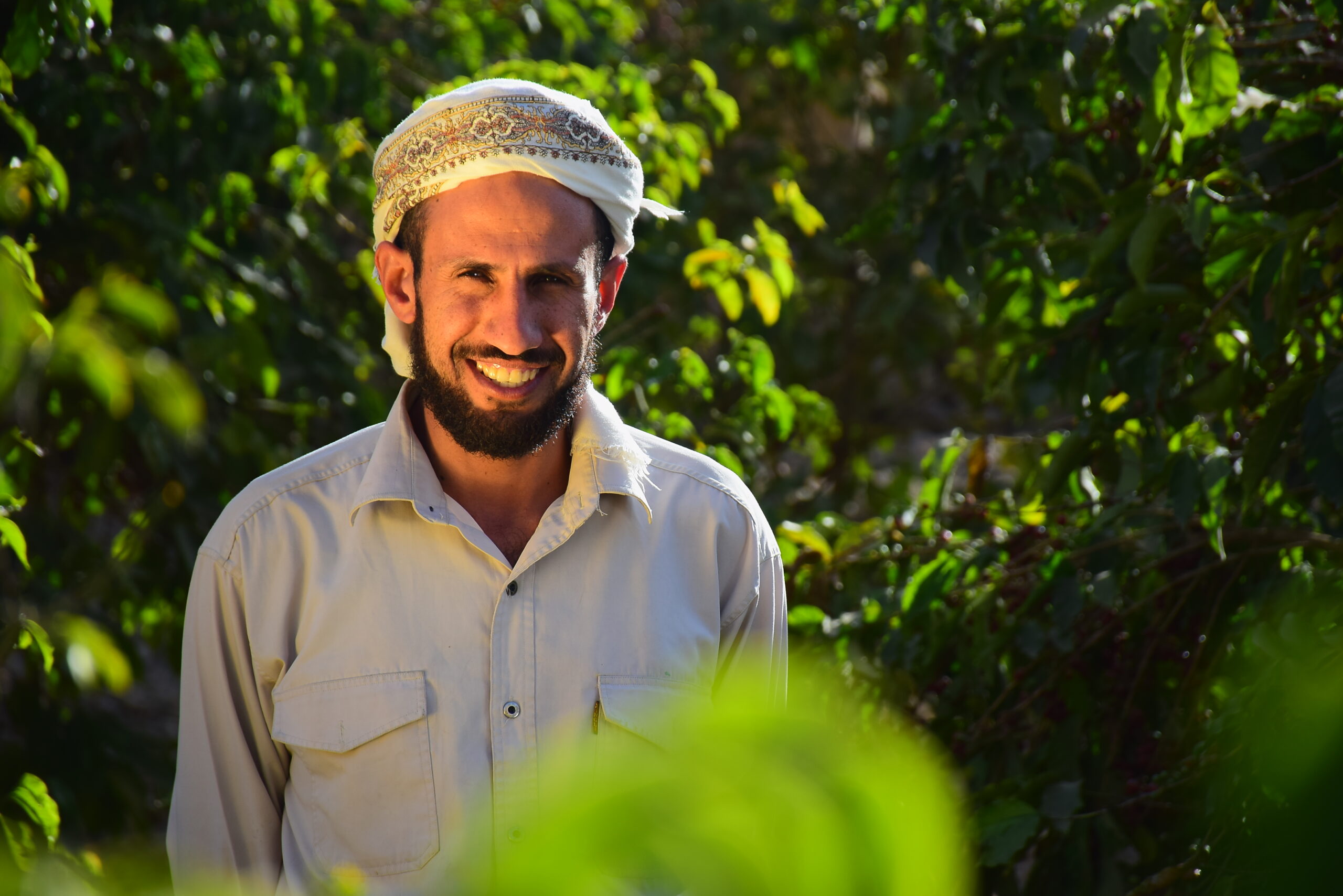
Nestled in the majestic mountains of Haraz lies the village of Al-Sharjah, one of Yemen’s most picturesque and fertile regions for coffee cultivation. In this enchanting location, Hassan Al-Solool dedicates his life to preserving a rich heritage that has made Yemeni coffee a name synonymous with quality and authenticity across the globe.

Four years ago, Hassan began realizing his dream by establishing “Al-Sharjah Farm” to expand the production of exceptional coffee that complements his well-known and celebrated harvests in East Haraz. Taking advantage of the fertile soil and ideal climate, his farm now nurtures 70 trees of the premium Jaadi variety, renowned for its exceptional quality, producing between 100 and 120 kilograms of high-grade coffee annually.

Hassan aspires to double his farm’s output by planting 140 additional trees of the Jaadi and Shibriqi varieties. While the Jaadi is distinguished for its high yield and quality beans, the Shibriqi stands out with its larger beans and unique flavor, despite its limited production. This expansion is not merely about increasing output but is an investment in safeguarding the distinctive identity of Yemeni coffee.

Despite water scarcity and other challenges, Hassan tackles these issues with innovative solutions, such as collecting rainwater in reservoirs and building water barriers, reflecting his unwavering determination to succeed under harsh climatic conditions.

A Rich Heritage

Yemen has long served as coffee’s gateway to the world through its historic ports, especially the renowned port of Mocha. Today, Haraz coffee is reclaiming its global prominence with a unique flavor that captures the essence of Yemen’s land and climate.

Hassan emphasizes that coffee cultivation is not an ordinary profession but a long-term investment. Coffee trees begin commercial production after five years and can continue yielding for decades if properly cared for.

Yemeni farmers and investors are working diligently to regain their leadership in the global coffee market by focusing on quality and increasing production. This approach creates new job opportunities, bolsters the rural economy, and enhances national exports.

Hassan Al-Solool’s story and his farm’s journey represent more than just personal success; they are the story of Yemen’s relationship with coffee—a small bean that has become a symbol of authenticity and excellence. In Haraz, this story continues, proving that coffee is not just a beverage but a living heritage, pulsating with history and tradition.

Baitna Café: A New Destination for Coffee Lovers in the Skies of Sharjah


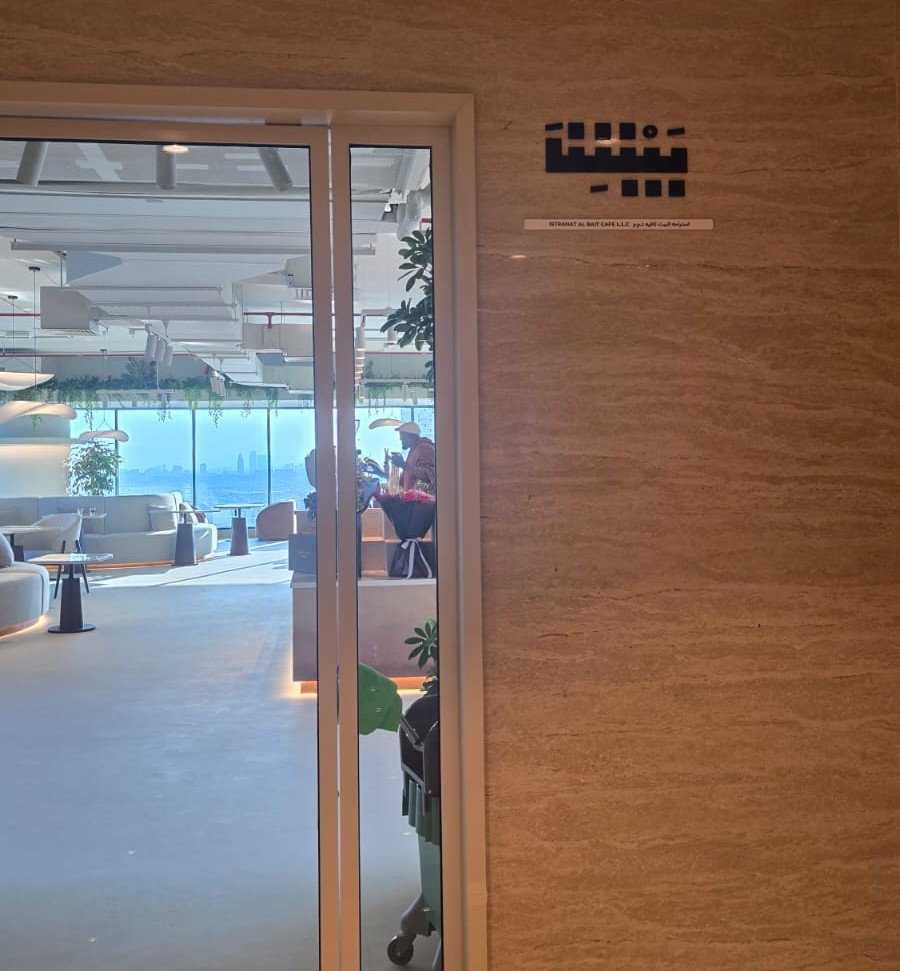
In a remarkable event showcasing creativity and innovation, young entrepreneurs Hanan Al Haddad and Abduljawad Al Qaisi have inaugurated “Baitna Café,” the highest specialty coffee café in Sharjah. Located on the 30th floor of Tabarak Tower in the Al Mamzar area, the café offers visitors a unique experience blending breathtaking views with the charm of exceptional coffee.

Baitna Café stands out for its exceptional location and stunning vistas, allowing visitors to enjoy a panoramic view of Dubai’s skyline, including iconic landmarks such as the Burj Khalifa and Burj Al Arab, as well as the beauty of Sharjah. These captivating views make the café a perfect destination for coffee enthusiasts and those seeking relaxation, adding a distinctive touch to business meetings and casual gatherings.

The café also provides an unparalleled opportunity to watch the sunset from a towering height, offering guests serene moments of reflection and tranquility away from the hustle and bustle of daily life.

Baitna Café is not just a café; it is a journey into the finest realms of specialty coffee. It offers a carefully curated selection of premium Colombian and Ethiopian coffee beans, along with innovative beverages designed to delight coffee lovers of all tastes.

The team is led by the renowned barista and coffee expert Samson Kiabonga, who brings his magical touch to the café experience. “Our goal is to deliver an unforgettable coffee journey where every visitor feels that ‘Baitna’ truly is their second home,” says Samson.

From the moment visitors step into Baitna Café, they are embraced by a warm and welcoming atmosphere that reflects the café’s name, meaning “Our Home.” Co-founder Abduljawad Al Qaisi affirms, “What sets us apart is being the highest specialty coffee café in Sharjah. We’re here to create a space where everyone can enjoy coffee and beautiful surroundings. We invite coffee lovers to visit their ‘new home’.”

The opening of Baitna Café comes at a perfect time as the New Year’s celebrations approach, offering guests a unique opportunity to savor their favorite drinks while watching spectacular fireworks displays lighting up the skies of Dubai and Sharjah.

Hanan Al Haddad, the co-founder, invited coffee enthusiasts to visit Baitna Café, stating, “We aim to provide a complete and exceptional coffee experience that combines the quality of our drinks with the beauty of the venue. We are here to create unforgettable memories for our guests.”

Baitna Café is more than just a place to enjoy coffee; it is a window into a world of creativity and renewal. Offering an extraordinary experience that blends the elegance of coffee with the magic of heights, it has become a distinctive and beloved destination for coffee lovers in the UAE.

World Coffee Research CEO Highlights the Organization’s Achievements for 2024

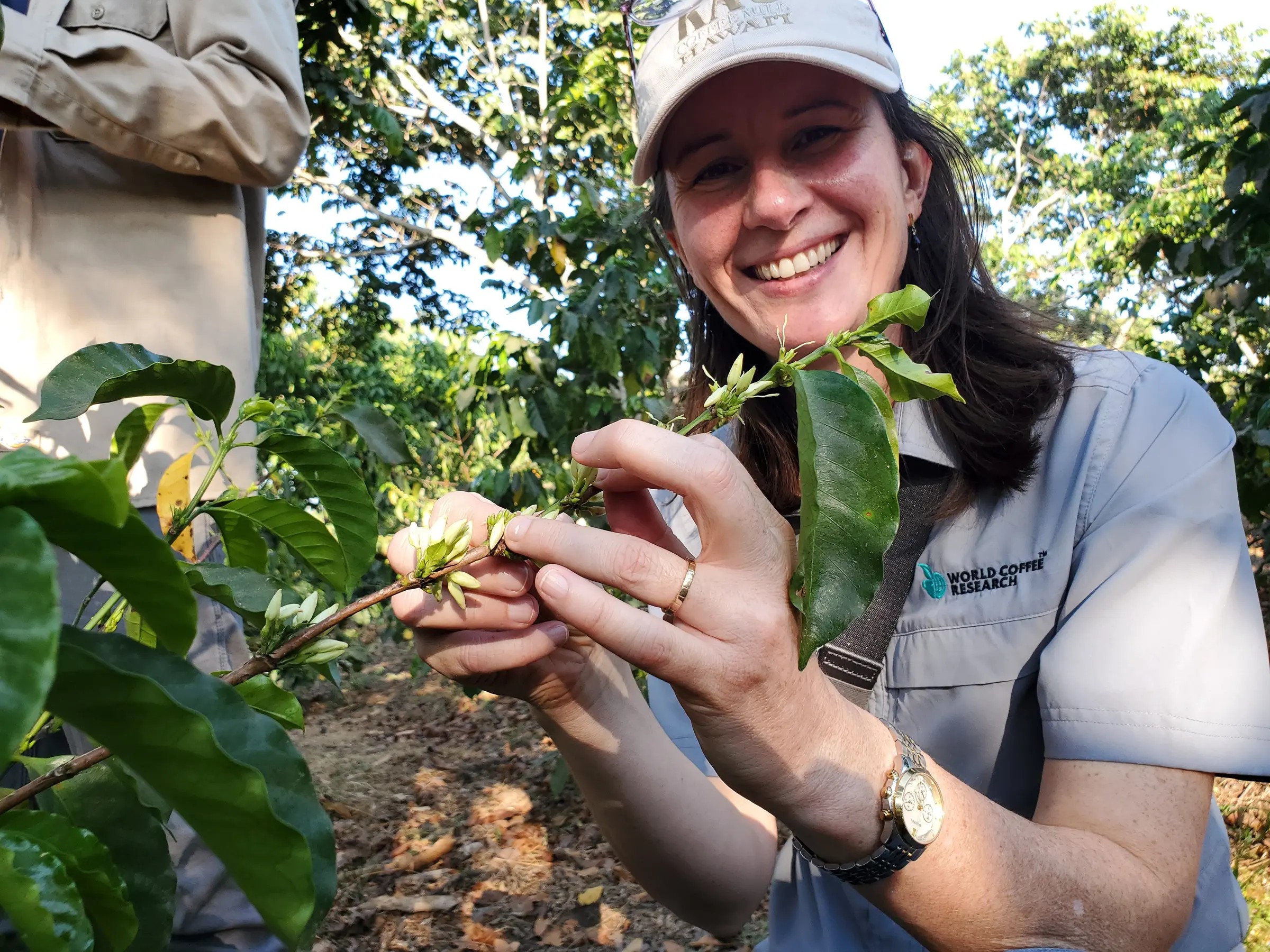
Dr. Jennifer Vern Long, CEO of World Coffee Research (WCR), confirmed that the organization concluded 2024 with remarkable achievements in coffee variety development, partnership strengthening, and farmer-focused solutions. She pointed out that these successes came in a year filled with global agricultural challenges, underscoring the organization’s role as a leader in enhancing coffee’s resilience and ensuring its sustainability for the future.

In her annual update, Dr. Vern Long reviewed the progress made in addressing pressing challenges faced by coffee farming communities worldwide, stating:
“At a time when unprecedented challenges to coffee cultivation are accelerating, it is inspiring to see what we can achieve through collaboration to develop science-based solutions that enhance resilience and create opportunities for farmers worldwide.”

Dr. Vern Long outlined the key achievements of World Coffee Research for 2024 as follows:

Launch of the Innovea Global Arabica Breeding Network

World Coffee Research accomplished a major milestone by establishing field trials for the Innovea Global Arabica Breeding Network. After two years of development, the program introduced 5,000 genetically diverse and high-performing coffee trees across multiple regions. These trials aim to tackle specific climate challenges and provide farmers with innovative solutions to protect their crops.

Strengthening Partnerships for Robusta Variety Development

World Coffee Research expanded its impact to robusta-producing countries by formalizing partnerships with Vietnam, Uganda, and Ghana—key robusta-producing nations. These partnerships are part of the organization’s broader strategy to advance robusta variety development, with further expansion expected ahead of the network’s official launch in 2025.

Multi-Million Dollar Investments in Research and Development

The organization launched a groundbreaking program in collaboration with Cornell University, backed by $5 million in funding from the United States Agency for International Development (USAID). The program focuses on enhancing the resilience and productivity of coffee farmers through partnerships with global institutions, including Colombia’s CENICAFÉ, Kenya’s KALRO, and Rwanda’s RAB. Additionally, a pilot project in Peru aims to improve farmers’ access to high-quality planting materials.

Improved Access to High-Performing Coffee Varieties

In Peru, World Coffee Research worked closely with partners to establish 10 new seed production sites capable of producing 4 million improved coffee trees annually. In Uganda, the organization distributed 100,000 disease-resistant seedlings and provided training to over 100 nursery operators and seed producers, significantly enhancing seed sector capacity in the region.

Dr. Vern Long emphasized that these achievements represent the beginning of a transformative journey for the coffee industry. She highlighted that through innovation, collaboration, and targeted investments, the organization is addressing fundamental challenges while paving the way for long-term stability and growth.

She stated: “The progress achieved this year is evidence of the powerful change we can create by working together. This journey is certainly the path that will lead us to where we need to be as a global coffee community.”

World Coffee Research remains committed to advancing coffee agriculture through science, partnerships, and innovation. For more information about the organization’s programs and achievements, visit their official website.

Drinkit Team Elevates Service Standards Through Calibration

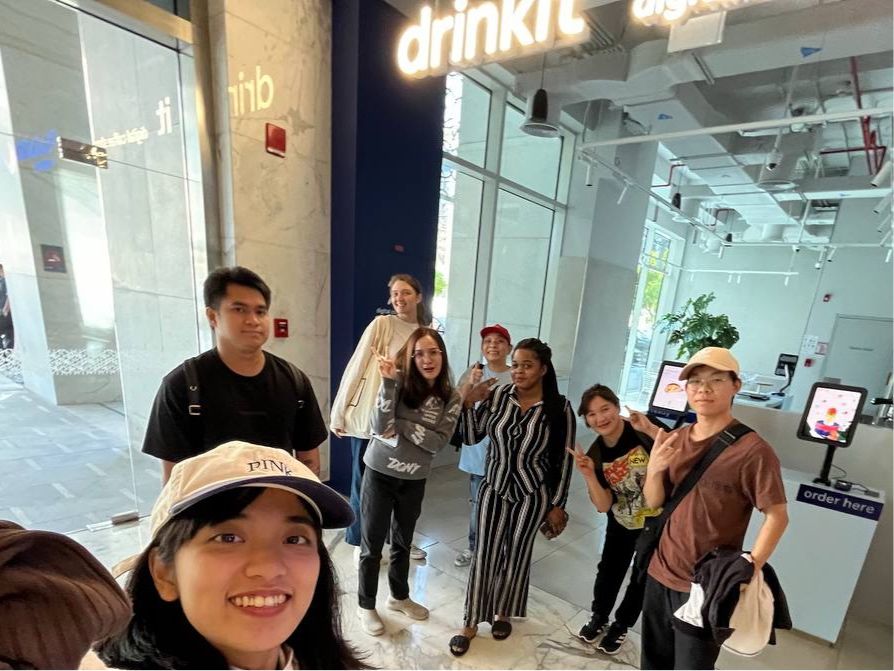
In a strategic move to enhance customer experience and elevate operational standards, the Drinkit training team, led by Learning and Development Manager Elena Gess, visited several coffee shops across Dubai. This service calibration initiative provided valuable insights into industry practices while fostering team development and growth.

The Key Goals of Service Calibration

1. Strengthening Team Bonds
The initiative offered team members the chance to step outside their daily work environment and engage in collaborative learning. “Exploring new spaces together allowed us to bond and gain fresh perspectives,” said Elena Gess.

2. Enhancing Observational Skills
Using a structured checklist, the team evaluated critical elements such as cleanliness, barista behavior, and guest interactions. This process sharpened their attention to detail, enabling them to identify the small yet impactful factors that influence guest satisfaction.

3. Competitor Analysis in a Competitive Market
Dubai’s dynamic coffee industry demands continuous adaptability. Observing the operations of other coffee shops allowed the team to analyze emerging trends and best practices, helping Drinkit remain competitive and innovative.

4. Highlighting Standards of Excellence
The visits underscored the importance of consistency and quality. From bar organization to drink presentation, the initiative reaffirmed Drinkit’s commitment to delivering exceptional service.

Core Evaluation Focus Areas

During their visits, the team assessed the following aspects:

  • Cleanliness: In guest areas and behind-the-bar operations.
  • Bar Equipment: Organization, maintenance, and functionality.
  • Team Dynamics: Speed, interaction, and friendliness of staff.
  • Hygiene Standards: Compliance with safety and cleanliness protocols.
  • Drink Quality: Balance of flavors, milk texture, and artistic presentation.
  • Guest Farewell: Ensuring a positive and lasting impression.

Valuable Insights and Next Steps

Following the visits, team discussions focused on standout practices, areas of inspiration, and opportunities for improvement within Drinkit. Gess emphasized the importance of these sessions in aligning the team with Drinkit’s service philosophy.

“Stepping into the guest’s shoes and learning from others helps us stay competitive and adaptable in a fast-evolving industry,” said Gess. “This process will remain a cornerstone of our strategy moving forward.”

Raising the Bar in Dubai’s Coffee Scene

As the hospitality sector evolves, initiatives like service calibration are essential to maintaining a competitive edge. By analyzing competitor practices and reconnecting with the guest perspective, Drinkit continues to set the standard for exceptional coffee experiences in Dubai.

A Cup of Coffee Propels a Qatari Student to Entrepreneurship

The official website of Georgetown University in Qatar (GU-Q) recently highlighted a success story in the world of coffee, featuring Khalid Al-Kawari, a Qatari student from the Class of 2024. Khalid exemplifies the entrepreneurial spirit of the university through his innovative journey. Faced with the closure of a popular campus café, he seized the opportunity to unite students, faculty, and staff with the launch of his own coffee venture, Casual Coffee.

Khalid opened the café in 2023 during his third year of study. “I knew I’d have the support of the university community, which made the decision much easier,” he said. The name Casual Coffee was not a random choice. Khalid explained, “The name was originally my father’s idea for a café he had planned to open. When I decided to start my own venture, he suggested I use it. It felt like I was continuing a family legacy.”

Overcoming Challenges

Launching a business on campus was not without its challenges. With the support of Dean Safwan Masri, Khalid successfully secured permission to open Casual Coffee at GU-Q.

Another hurdle was balancing quality with affordability. Khalid, who is studying international politics, said: “As a small business, managing high operational costs while maintaining high-quality coffee was a significant challenge.” He added, “Fortunately, the university has a variety of coffee suppliers, which allows us to offer options that cater to different segments of the community.”

Building a Team and a Thriving Business

From sourcing suppliers to building a loyal customer base, Khalid attributes the success of Casual Coffee to his dedicated team.

“The experience of our baristas, Karyl Pasco and Haldane Alfonso, has been crucial in maintaining the high standards of the café,” he said. Additionally, Mohammed Ashraf and Jomaa Mohammed manage logistics and procurement. “Their expertise has been essential to ensuring the quality that defines Casual Coffee.”

Feedback from friends and students has also played a pivotal role. “Their input helped us refine our services and create a welcoming environment for everyone,” Khalid noted. To foster a sense of community, Khalid even introduced special drinks named after faculty members and students who requested them.

Balancing Studies and Business

Balancing academics with running a business has been a challenging yet rewarding experience for Khalid. “I follow a strict schedule that allocates time for my studies and business tasks. I also use digital tools to stay organized,” he explained. “Trusting my team with daily operations allows me to focus on my studies when necessary.” Khalid revealed that he is also working on launching new ventures in the real estate and food and beverage sectors, applying the same principles of time management.

“The biggest lesson I’ve learned is resilience,” Khalid shared. “From rejections to operational challenges, every obstacle has been a learning experience. It’s all about adaptability and finding creative solutions.”

Advice for Aspiring Entrepreneurs

For students considering entrepreneurship, Khalid offers the following advice:

  • Focus on effective time management and remain flexible, understanding that every business has its unique nature.
  • Create a structured schedule that balances academic commitments with business operations, starting with a simple, scalable concept.
  • Leverage university resources by connecting with professors, peers, and mentors for valuable guidance and support.
  • Listen to customer feedback to improve your services and ensure they meet market needs.
  • Stay resilient in the face of challenges, as every obstacle provides valuable lessons.
  • Don’t forget to prioritize self-care and allocate time for relaxation to maintain balance.

Future Plans

With plans to expand Casual Coffee beyond its current locations at GU-Q and Sidra Hospital, Khalid envisions the brand becoming a prominent name in Qatar. But his ambitions don’t stop there. Khalid shared, “I’m working on two other businesses in different sectors to build a diverse portfolio. It’s important for me to keep Casual Coffee at Georgetown as a source of inspiration for any student looking to start their own business. I want to show them that with determination and the right support, they can turn their entrepreneurial dreams into reality.”

“QahwaWorld” Launches Exclusive Survey to Crown Dubai’s Top 10 Cafés


In the heart of the bustling city of Dubai, renowned for its dynamic lifestyle and thriving business scene, “QahwaWorld” is embarking on a mission to unveil the list of the ten best cafes in the city. Recognizing Dubai’s position as a global hub, our quest for the finest coffee establishments took us on a journey that involved collaboration with industry experts and discerning coffee enthusiasts from across Dubai and the Emirates.

While some local café owners initially hesitated to participate, we received valuable insights from a select group of experts and connoisseurs who shared their lists of the top ten cafes in Dubai based on carefully defined criteria. In an effort to ensure a comprehensive and unbiased evaluation, our team decided to involve the public through a unique and inclusive approach.

To make this survey a true reflection of the public’s sentiments, we have opened the floor for nominations from residents and coffee enthusiasts alike. By allowing participants to suggest any café they believe deserves a spot among the top ten, we aim to capture the diverse and authentic opinions of Dubai’s vibrant community.

Criteria for Nominations:

Quality of Coffee: Participants are encouraged to consider the taste, aroma, and overall quality of the coffee served at their favorite cafes.

Ambiance: The survey takes into account the atmosphere, decor, and overall vibe of the coffee shops, providing a holistic view of the customer experience.

Service: Participants are asked to evaluate the friendliness and efficiency of the staff, as well as the staff’s knowledge about coffee, adding a crucial element to the assessment.

Menu Variety: The diversity of coffee options and other beverages available will be a key factor in determining the top cafes.

Location: Accessibility and the surrounding area are considered, recognizing the impact of location on the overall café experience.

This survey marks a significant milestone as the first list compiled on sound professional foundations

“We invite the public to actively participate in shaping this prestigious list and celebrating the rich coffee culture that Dubai has to offer.”

Join us in this exciting journey to identify and crown Dubai’s top 10 cafes. Your opinion matters, and together, we’ll create a list that truly reflects the best of the city’s coffee scene. Cast your votes and stay tuned as we unveil the final results, setting the standard for excellence in Dubai’s coffee culture.

Barn’s Announces Entry into the Qatari Market with a Strategic Partnership

Barn’s, a leading name in the coffee industry since 1992, has announced the signing of a strategic partnership agreement with Royal Taste, a subsidiary of Family Holdings, as part of its plans to enter the Qatari market. This step aligns with Barn’s strategy to expand its regional presence and strengthen its position as a prominent local brand in the coffee sector.

Family Holdings, known for its long-standing expertise in retail, hospitality, and food and beverages, brings a strong market presence and innovative approach to the partnership. Through this collaboration, Barn’s aims to deliver a unique coffee experience to the Qatari audience, drawing on its decades-long history of excellence.

Established as Saudi Arabia’s first drive-thru coffee shop, Barn’s has grown to operate over 800 branches across and beyond the Kingdom. The brand is celebrated for its high-quality coffee, sourced from premium coffee farms and roasted with precision using cutting-edge techniques.

This move is a milestone in Barn’s vision to enhance coffee culture in the region, combining quality and customer engagement. By entering Qatar, the company aims to provide products that meet customer expectations and introduce a new dimension to the coffee experience in the market.

The launch is expected to take place soon, marking a significant chapter in Barn’s journey to regional and global leadership in the coffee industry.

Brewing Innovation: Simonelli Group Acquires a Stake in a Swedish Company to Transform the Coffee Experience

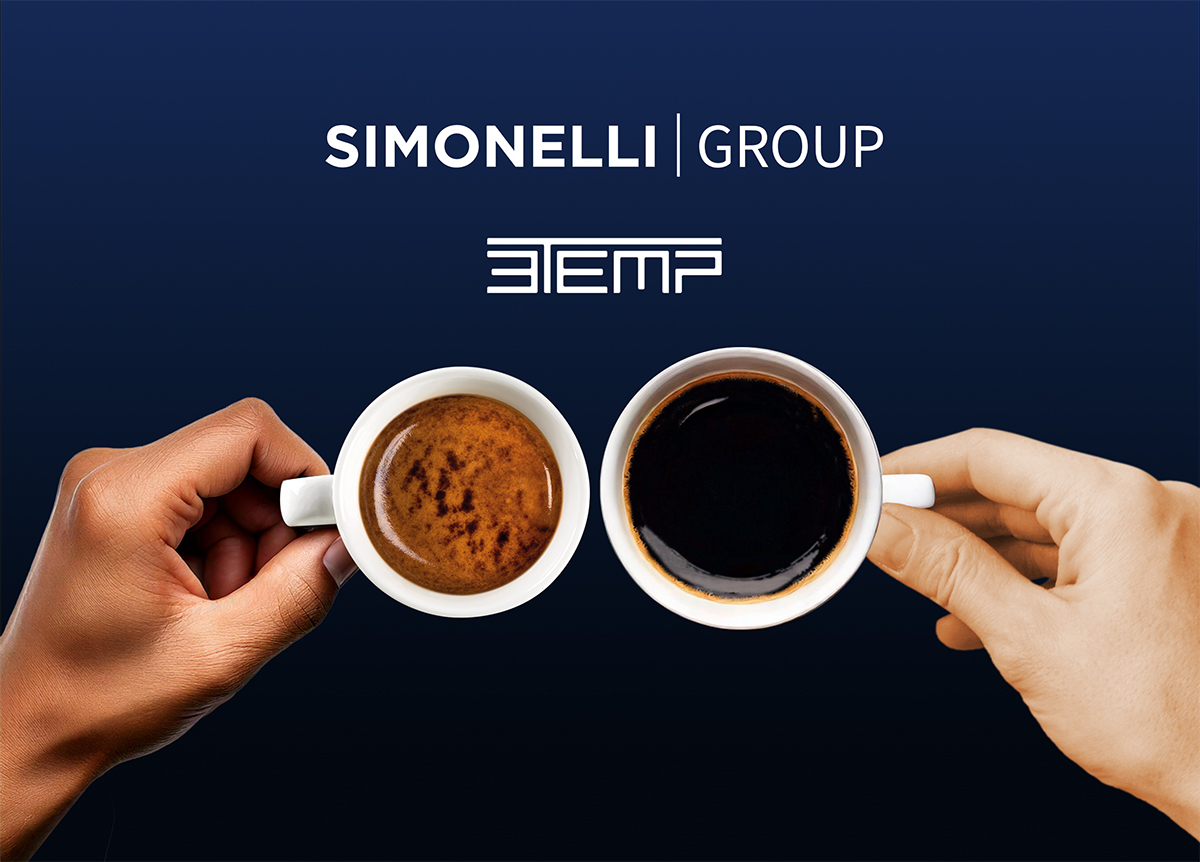
Simonelli Group, a global leader in professional coffee machines manufacturing, announces the acquisition of a stake in 3TEMP, a Swedish company renowned for its cutting-edge filter coffee machines.

Since Simonelli Group’s coffee machines first revolutionized the global market with their innovative technology and focus on sustainability, the coffee landscape has undergone a transformation. New players have emerged, fresh technologies have been introduced, and, most notably, a new coffee culture has given rise to an increasing demand for specialty and premium drip coffee.

3TEMP, hailing from Sweden – a country deeply rooted in coffee culture where the appreciation for quality beans and extraction techniques is paramount – stands out as a beacon of technological and innovative excellence. Specializing in the design and production of filter coffee machines, 3TEMP has built a reputation as one of the industry’s “best kept secrets.”

With this investment, Simonelli Group is not just expanding its portfolio but also strengthening its position in a rapidly growing market segment while reinforcing its commitment to providing comprehensive, tailored coffee solutions for consumers and professionals alike.

3TEMP’s drip coffee machines, featuring a state-of-the-art tankless brewing system, ensure each cup is brewed with fresh water, preserving the natural essence of the coffee. With customizable recipes and precise temperature control, hot and cold, 3TEMP’s advanced brewing technology meets the needs of coffee shops, baristas, and discerning coffee enthusiasts around the world.

“Our search for the right partner to accelerate our ambitious growth plans has always been focused on finding a company that shares our relentless drive for quality and innovation,” said Marco Feliziani, CEO of Simonelli Group. “When I first met the team, I was immediately struck by their unwavering commitment to excellence and their passion for crafting the perfect coffee cup. Their innovative approach to brewing technology, coupled with a deep understanding of the intricacies of coffee extraction, truly impressed me. Today, together, we have the opportunity to fully meet the market’s demands, delivering exceptional experiences to coffee lovers around the world.”

The investment in 3TEMP allows Simonelli Group to access new customers and deepen its presence in key international markets. As part of its ambitious growth strategy, Simonelli Group is positioning itself as a leader in a fast-evolving industry, armed with an integrated ecosystem that can respond quickly to emerging market trends, new consumer preferences, as well as strengthen its ability to navigate potential market disruptions.

“We are thrilled to join forces with Simonelli Group,” said Anders Eriksson, CEO of 3TEMP. “Their ability to scale innovative solutions globally will enable us to continue focusing on what we do best: creating leading-edge coffee machines. More than just a partnership, this is a collaboration rooted in a shared passion for exceptional coffee and sustainability. This is an incredibly exciting next step, and we’re eager to begin this journey together.”.

With the acquisition of 3TEMP, Simonelli Group is embarking on an exciting new phase of growth, expanding its global presence, and reinforcing its leadership in the coffee sector. This strategic move underlines Simonelli Group’s ability to offer tailored, sustainable solutions that meet the diverse requirements of consumers and coffee professionals around the world.


ABOUT 3TEMP:

Founded in 2014 in Arvika, Sweden, 3TEMP embarked on a mission to revolutionize batch brewing. Their vision was clear: to create the world’s best batch brewers—machines that not only deliver exceptional black coffee but also minimize environmental impact, adapt to user needs, and offer effortless operation.

With over 100 years of combined expertise in coffee equipment, the 3TEMP team developed a game-changing temperature control system, leading to the launch of the acclaimed HIPSTER brewer series.

3TEMP doesn’t just build brewers—they create solutions that redefine coffee quality. Their relentless commitment to innovation has led to groundbreaking products like the 3TEMP HIPSTER Family witch include 3TEMP KOBRA, 3TEMP PULS, 3TEMP WALL and the Coffee Particle Analyzer (CPA). They’ve also introduced Brewer as a Service (BaaS), offering a complete coffee brewing package at a fixed monthly cost, ensuring top-tier performance, lifetime support, and ultimate convenience.

In 2022, 3TEMP was crowned Best All-Round Filter Brewer at the London Coffee Festival, a testament to their dedication to perfection. But they aren’t stopping there. Every 3TEMP brewer delivers “Quality in Cup” with precision, efficiency, and sustainability—setting a new standard in coffee brewing for businesses that demand the very best.


ABOUT SIMONELLI GROUP

Simonelli Group, founded in 1936, is a leading company in the coffee sector that produces professional and home espresso coffee machines and coffee grinders through two brand names: Nuova Simonelli and Victoria Arduino. Nuova Simonelli machines are technically perfect, which makes them reliable and easy to use. From 1905 Victoria Arduino has been chosen by those who love great coffee made with a superb coffee machine, unique in its design, with high Performance.

Simonelli Group is an SME with about 160 employees and a turnover of over 110M euros. It is one of the five main producers of coffee machines.

The company, based in Italy, operates a global business comprising partnerships with the most important chains and roasters in the world. Over 95% of the entire production is exported abroad to more than 130 countries thanks to a dense sales and technical network coordinated by the Italian head office and by branch offices in Australia, China, France, Germany, Singapore, United Arab Emirates, United Kingdom and the United States and by the Experience Labs in Chicago, Barcelona, Dubai, London, Jakarta, Melbourne, Shanghai and Singapore.

Simonelli Group’s vocation for innovation is expressed in projects regarding research, coffee knowledge, design and digitalization. As the owner of 33 international patents, Simonelli Group created the Research and Innovation Coffee Hub, a separate research centre where six PhD researchers work who collaborate with several universities. The objective is to consider a range of very broad themes and to study solutions that reduce the energy consumption of the machines.
The Coffee Knowledge Hub platform is focused on coffee culture: Simonelli Group selects and welcomes the best coffee trainers with online and in-person courses, in the Experience Labs around the world, that address the theory and practice of the art of preparing coffee and the use of Nuova Simonelli and Victoria Arduino coffee machines.



Anna Possi: My Bar, My Family, My Health – A Recipe for Longevity

On a crisp morning in Nebbiuno, Italy, the scent of espresso wafted through Bar Centrale as its centenarian owner, Anna Possi, celebrated her 100th birthday in the best way she knew—behind the espresso machine, greeting familiar faces with her radiant smile. Her secret to a long and fulfilling life? “I don’t want anything; I already have everything: my bar, my family, my health, and my clear mind. What counts is being among people. Loneliness hurts,” she declared.

Anna’s message resonated far beyond the cozy walls of her café. As the heart of her community, she exemplifies resilience, purpose, and the beauty of simplicity. Her life philosophy is a blend of three essential elements: passion, connection, and well-being.

My Bar

For Anna, her bar is more than just a business—it’s her lifeline and passion. Bar Centrale has been her second home for decades, a place where she pours not only coffee but also warmth and joy into her patrons’ lives. Turning passion into work isn’t just about financial success; it’s about finding purpose in daily routines.

Her dedication to her bar raises an important question: can loving your job or turning your passion into a career truly lead to a longer, happier life? For Anna, the answer is a resounding yes.

Family

The second pillar of Anna’s philosophy is family—a concept she embraces in its widest sense. Family is the thread that ties her life together, providing her with strength and belonging. As Louisa May Alcott beautifully put it, “I do think that families are the most beautiful things in all the world!”

For Anna, family extends beyond blood relations to include the community she serves every day. Her customers, colleagues, and neighbors are as much her family as her loved ones at home. This sense of shared connection enriches her life and reaffirms her belief in the power of togetherness.

Health

Anna credits her remarkable longevity to her simple approach to health: moderation. “Eat little,” she advises—a straightforward tip that science has often linked to improved well-being and longevity. But how many of us truly practice moderation in our lives? Anna’s discipline and focus on balance offer an inspiring reminder of how small choices can yield big results.

The Power of Being Among People

At the heart of Anna’s philosophy is the importance of connection. Loneliness, she warns, can be more detrimental than we often realize. Her active role at Bar Centrale keeps her surrounded by people, laughter, and conversations—a testament to the healing power of social interactions.

A Legacy Worth Sharing

Anna’s story is more than just a celebration of her 100th birthday; it’s a celebration of life itself. Her words, “What counts is being among people,” echo a universal truth: we are social beings who thrive in connection, love, and shared experiences.

So, do you agree with Anna? Is being among people the ultimate key to happiness? Or do you find joy in solitude? Anna’s life offers a beautiful reminder that passion, family, health, and human connection are timeless ingredients for a life well-lived.

As we raise our cups to toast Anna’s milestone, let’s take a moment to reflect: what is your recipe for a fulfilling life?

Farmwashing in Specialty Coffee: A Deceptive Brew or a Call for Accountability?

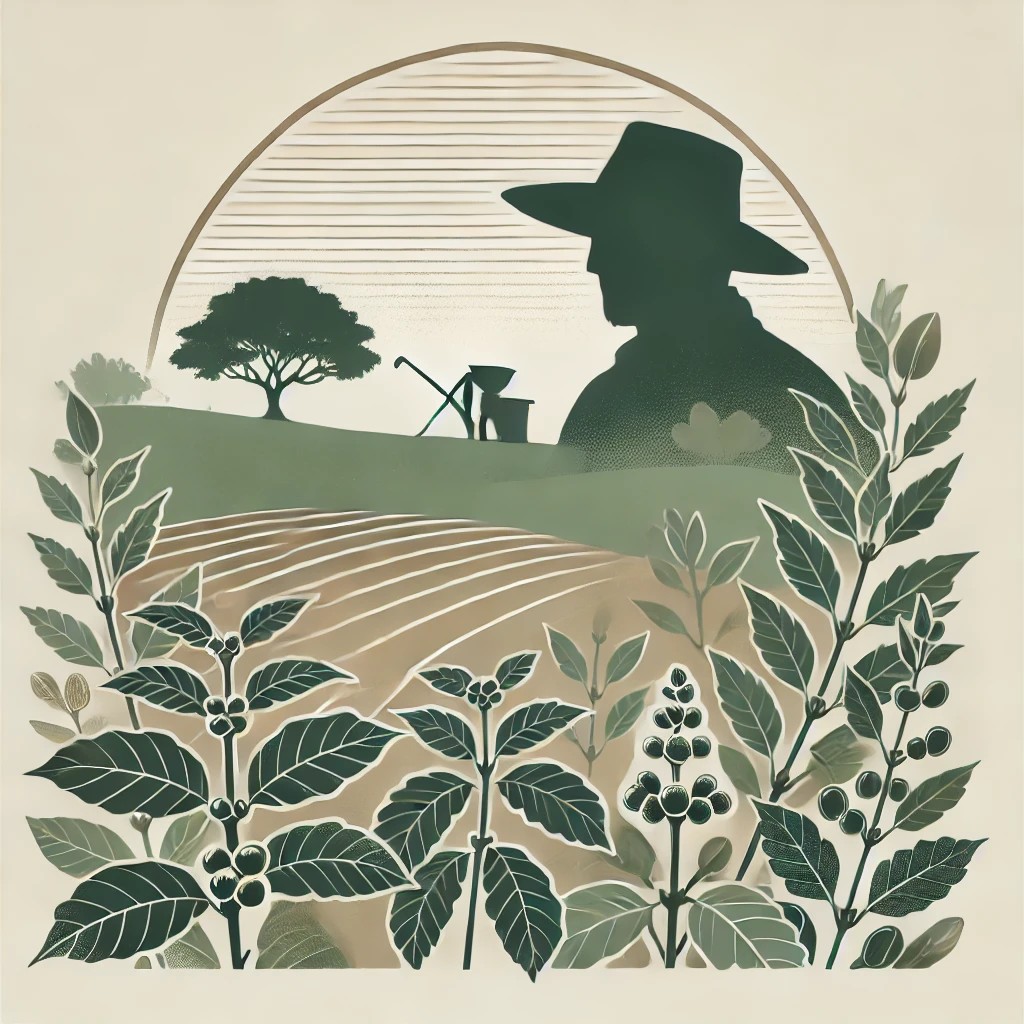
In the age of conscious consumption, where buyers increasingly value transparency and ethics, the specialty coffee industry has witnessed a surge in the marketing of “farm-to-cup” narratives. These stories evoke the charm of rural landscapes, hardworking farmers, and the journey of coffee beans from exotic farms to your cup. However, behind this romanticized imagery lies a growing concern: farmwashing.

What is Farmwashing?

Farmwashing refers to marketing strategies that falsely suggest a close, ethical connection between coffee brands and the farmers who produce their beans. This term critiques the exploitation of farmer narratives, imagery, and identity to attract socially conscious consumers—often without ensuring fair compensation or meaningful support for the farmers themselves.

Much like its counterpart in the supermarket industry, where claims of “farm-fresh” products are often debunked, farmwashing in coffee cheapens the authenticity of the specialty coffee movement.

How Farmwashing Works in Coffee

Farmwashing tactics in coffee often include:

  • Misrepresentation of Direct Trade: Some brands claim to have direct relationships with farmers but purchase most of their coffee through commodity markets with no real connection to producers.
  • Romanticized Marketing: Photos of smiling farmers and lush plantations are displayed prominently, even if the farmers featured have little or no involvement in the coffee being sold.
  • Selective Storytelling: Highlighting small microlots or partnerships while downplaying reliance on mass-produced coffee.

The issue resonates across the coffee supply chain, raising questions about fairness, transparency, and accountability.

The Coffee Paradox: Stories vs. Realities

The specialty coffee movement has long championed traceability, sustainability, and quality. With the rise of microlots and direct trade, companies like Intelligentsia and Counter Culture Coffee set standards for ethical sourcing. Yet, as the demand for “origin stories” has grown, so too have opportunities for manipulation.

Dr. Janina Grabs, Assistant Professor of Business and Society, explains:
“Farmwashing not only distorts consumer perceptions but also devalues the work of farmers who genuinely participate in direct trade relationships.”

Coffee companies capitalize on symbolic associations with famous origins, such as “Kilimanjaro” or “Colombian Gold.” However, many farmers do not share in the financial benefits of this branding. Economist Stefano Ponte highlights this in his study of symbolic value in global trade:
“While brands reap the rewards of regional associations, producers are left struggling unless robust systems like Geographical Indications (GIs) are in place.”

The Human Cost of Farmwashing

The impact of farmwashing extends beyond misleading consumers. It threatens the livelihood of farmers by:

  1. Suppressing Prices: By creating an illusion of support, brands avoid paying premiums that truly sustainable practices require.
  2. Eroding Trust: Consumers lose faith in the entire specialty coffee industry when exposed to deceptive practices.
  3. Exploiting Vulnerability: Farmers often lack the means to challenge how their stories and images are used.

A 2024 survey revealed that 74% of consumers demand greater transparency in coffee supply chains, while 67% lose trust in brands upon discovering misleading marketing practices. Young buyers, especially Gen Z, are particularly attuned to these issues, with 80% reconsidering purchases after encountering negative information online.

Farmwashing’s Impact on Specialty Coffee

Despite its ethical image, the specialty coffee industry is not immune to criticism. Many companies walk a fine line between authentic storytelling and exploitation. Stories of specific farms are sometimes used as a marketing tool to create a sense of authenticity, even when the majority of coffee sold has no connection to those farms.

For instance, some brands use the name of a famous farm to promote their coffee while sourcing beans from unrelated origins. This undermines the very ethos of the specialty coffee movement, which values transparency and relationships.

“Such practices harm farmers, consumers, and the industry itself,” says Paulo Vischi, Founder of Be Consulting.
“When stories are misused, it devalues the genuine efforts of those who work to create a transparent and equitable coffee system.”

Solutions for Transparency

As farmwashing continues to draw scrutiny, both consumers and industry leaders are advocating for change. The following measures can help combat this issue:

  1. Geographical Indications (GIs): GIs protect the integrity of origin-linked branding. For example, Brazil’s Cerrado Mineiro coffee carries a GI designation, ensuring that only beans grown in that region can use the name. QR codes on packaging provide consumers with detailed information about the coffee’s origin.
  2. Blockchain Technology: Digital traceability tools enable farmers and consumers to verify every step of the supply chain. Blockchain records could ensure that farmers’ contributions are recognized and rewarded.
  3. Ethical Storytelling Standards: Industry-wide guidelines could ensure that farmers retain ownership of their narratives and are compensated fairly for their use.
  4. Cooperatives and Alliances: By forming cooperatives, farmers can amplify their voices, negotiate fairer terms, and protect their intellectual property. Collaborative efforts between farmers and brands can also foster mutual trust and benefit.

The Role of Consumers

Consumers play a pivotal role in addressing farmwashing. By supporting brands with transparent practices and questioning vague or overly romanticized claims, buyers can encourage accountability. Gen Z, in particular, wields significant influence as they prioritize ethics and transparency in their purchasing decisions.

The Path Forward

The specialty coffee industry has built its reputation on quality, sustainability, and direct relationships. To maintain this trust, it must address the challenges posed by farmwashing. Transparency, accountability, and collaboration between farmers, roasters, and consumers are essential.

As Janina Grabs aptly concludes:
“Traceability alone is not enough. The industry must prioritize fairness and authenticity, ensuring that the farmers who grow the coffee we cherish are truly supported.”

For brands, this is more than an ethical imperative—it’s a strategic one. The future of coffee depends on the industry’s ability to embrace integrity, rebuild trust, and create a system where everyone benefits from the stories we love to hear.

The Unsung Hero of Every Cup: The Story of Coffee Filters

Dubai – Qahwa World

The coffee filter—a simple, unassuming piece of material—is the unsung hero in the art of brewing. While we often praise the beans, roasters, and brewing methods, the story of the coffee filter is one of quiet ingenuity and a vision for a better cup. Behind its creation lies a tale of innovation, perseverance, and a quest for perfection that revolutionized how the world enjoys coffee.

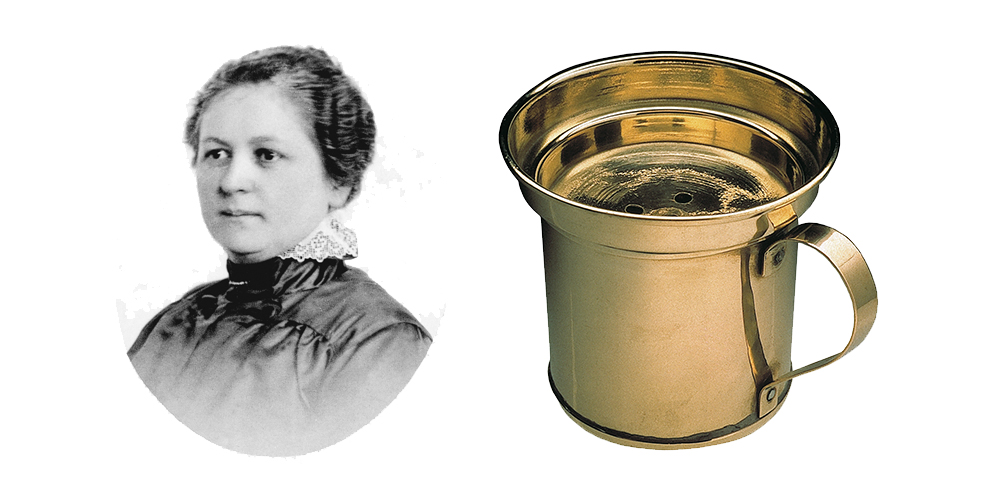
In 1908, in the bustling city of Dresden, Germany, a woman named Melitta Bentz was grappling with a common frustration: gritty, bitter coffee. At the time, coffee grounds were brewed directly in boiling water, leaving behind an unpleasant residue and an over-extracted flavor. Melitta wasn’t an inventor by trade; she was a housewife who loved a clean cup of coffee. Yet her dissatisfaction became the catalyst for change.

One day, as she prepared coffee in her kitchen, inspiration struck. She took a piece of blotting paper from her son’s school notebook, punctured a brass pot with holes, and used the paper as a makeshift filter. The result? A smooth, grit-free coffee that tasted pure and bright. Melitta had not just solved her problem—she had laid the foundation for a brewing revolution.

A Patent and a Family Dream

Recognizing the potential of her invention, Melitta patented her coffee filter on July 8, 1908. What followed was a story of determination. Together with her husband Hugo and their two sons, Melitta began producing and selling her filters from their home. They established the Melitta Company, a small family business that would grow into one of the most respected names in coffee history.

The coffee filter’s popularity soared as households and cafes adopted the innovation, appreciating its ability to transform brewing into an art. It wasn’t just a tool—it was a symbol of progress, of the pursuit of excellence in the everyday.

The Evolution of Coffee Filters: White and Brown

As coffee filters gained traction, their production evolved. The early filters were unbleached, naturally brown, and minimally processed. Over time, white filters were introduced, chemically bleached or oxygen-treated to remove the natural color. These white filters appealed to those who valued a neutral taste profile, as the process removed any residual papery flavor.

But the brown filters remained beloved among environmentally conscious coffee lovers, who appreciated their eco-friendly manufacturing process. Today, the debate between white and brown filters persists—one of taste versus sustainability, preference versus principle.

Beyond Paper: Innovations in Brewing

While paper filters remain a staple, innovation in coffee brewing has led to alternatives. Metal filters, made of stainless steel, preserve the natural oils of coffee, offering a fuller-bodied brew. Cloth filters, though requiring care, provide an eco-friendly and reusable option. These innovations underscore the enduring influence of Melitta’s original invention—a solution designed to perfect the brewing process.

The Legacy of a Visionary

Melitta Bentz’s story is more than an account of invention; it is a testament to how one person’s desire for a better experience can change an entire industry. Today, over a century later, her company remains family-owned, continuing her legacy of quality and innovation. The coffee filter is a reminder that even the simplest ideas, born in the humblest of settings, can shape the way we live.

What Lies Ahead

The coffee filter’s journey isn’t over. With sustainability at the forefront of global concerns, brands are reimagining filters to reduce waste and embrace renewable materials. Specialty coffee enthusiasts demand filters tailored to highlight the unique characteristics of their beans, driving producers to innovate further.

Why the Coffee Filter Matters

In an era of high-tech coffee machines and exotic brewing gadgets, the coffee filter is a grounding force—a humble yet indispensable component of the perfect cup. It reminds us that the pursuit of quality begins with the basics and that even a small improvement can ripple across the world, elevating the everyday into something extraordinary.

The next time you brew your coffee, take a moment to appreciate the filter. Behind that thin sheet of paper lies a history of ingenuity, a dedication to craft, and a legacy of excellence. The coffee filter may not sing its praises loudly, but its quiet contribution is one of the most significant in the world of coffee.

This is the story of the coffee filter: a tale of simplicity, innovation, and timeless brilliance.