Doha Prepares to Host Qatar World Coffee Expo 2025

The Qatari capital, Doha, is gearing up to host the Qatar World Coffee Expo 2025, scheduled to take place from January 23 to 25 at the Qatar National Convention Centre (QNCC). The Expo, organized by the Qatar Specialty Coffee Association (QATSCA), is a key event that brings together coffee professionals and enthusiasts alike.

Following the great success of the first edition in Doha, the Expo is set to welcome an international audience of more than 12,000 visitors and 340 exhibitors.

According to the organizers, the second edition has rapidly grown in both size and importance, establishing itself as a leading platform for the global specialty coffee community. The event will feature a dynamic display of innovation, education, and coffee commerce, including prominent areas like the “Roasters Village,” the “Brew & Espresso Bar,” and “Cupping Rooms.”

Attendees will have the opportunity to explore the latest trends in coffee sourcing, roasting, brewing, and distribution, with a particular focus on premium and artisanal coffee. The Expo will also feature educational lectures, training programs, and competitions such as the Qatar Coffee Championships under the Specialty Coffee Association (SCA), which aim to inspire and elevate the expertise of coffee professionals.

The Qatari coffee market is expected to grow at a compound annual growth rate (CAGR) of 7.5% between 2024 and 2030, driven by changing consumer preferences, increased competition from global brands, and the rise of café culture among affluent youth. With the global coffee industry’s attention focused on Qatar, this event is set to further boost the country’s position as an emerging coffee hub in the Middle East.

For exhibitors, the Expo offers a variety of packages, including spaces in the “Roasters Village” and “Cupping Rooms,” along with sponsorship opportunities. As the number of cafés, specialty coffee shops, and roasters continues to grow in Qatar, the Qatar World Coffee Expo 2025 will be a vital platform for networking and learning for industry professionals looking to engage in this thriving market.

Gahwatna: A Cultural Experience Blending Tradition and Modernity

Coffee enthusiasts in Dubai are in for an exciting and inspiring weekend, as Gahwatna, the unique Emirati coffee concept boutique, prepares to collaborate with the French Cultural Center “Alliance Française Dubai” to host an immersive workshop that redefines the coffee experience.

The workshop, scheduled for Sunday, October 27 at the French Cultural Center in Dubai, will take participants on a cultural journey that seamlessly blends tradition with modern innovation. With its authentic blends crafted from globally sourced Arabica beans and carefully grown local ingredients, Gahwatna offers a distinguished selection that caters to the modern era while preserving the traditional flavors of coffee.

The workshop will last 45 minutes (from 10:30 AM to 12:00 PM) and will offer participants the opportunity to delve into the rich heritage of coffee. They will learn everything about harvesting and roasting methods, in addition to the art of brewing and serving coffee. Participants will also discover the cultural significance of Emirati coffee, including traditional cups (finyals), and will have the chance to participate in a challenge with coffee-related prizes.

Gahwatna is committed to fostering community interaction, transforming coffee from a simple beverage into a profound cultural experience. The organizers state: “Gahwatna is not just a place to grab a quick coffee; it is a comprehensive experience that honors the ancient traditions of Emirati coffee while modernizing them. As part of its mission to engage the community, Gahwatna organizes workshops and initiatives that invite individuals to explore the culture of coffee. Each workshop not only educates but also immerses participants in the deeper meanings of coffee, highlighting its role in both local and global contexts.”

The French Cultural Center, a renowned French cultural institution in Dubai, expressed its delight in collaborating with Gahwatna for this event, viewing it as an additional step towards promoting cultural exchange. As the official French language and cultural center in Dubai, the French Cultural Center promotes French language and culture while strengthening ties between local traditions and the Francophone community.

Qahwa World, a leading platform dedicated to promoting coffee culture, expressed its pride in being the event’s media partner. They emphasized that they would leverage their deep expertise and knowledge of coffee’s history and culture to support this exceptional event, offering a unique perspective that highlights coffee’s global and regional influence.

Score Store, the exclusive sponsor of the workshop, underscored the importance of the event and participation in it, recognizing itself as a key player in Dubai’s specialty coffee scene. As a provider of high-quality brewing tools and equipment, Score Store supports the local coffee community by offering products and expertise to both coffee enthusiasts and professionals. Their commitment to quality and customer experience aligns perfectly with Gahwatna’s mission to blend tradition with innovation.

By attending this workshop, participants can expect not only to learn about the timeless traditions of coffee but also to explore its modern applications and cultural significance across different communities. The partnership between Gahwatna, the French Cultural Center, Qahwa World, and Score Store guarantees a well-rounded and enriching experience for all.

Shamal Adds Award-Winning Coffee Brand, The Espresso Lab, to Its F&B Portfolio

Shamal, a diversified investment firm based in Dubai, has acquired a majority stake in the renowned specialty coffee brand, The Espresso Lab. Founded by Emirati entrepreneur Ibrahim Al Mallouhi, The Espresso Lab has established itself as a leader in the specialty coffee industry, celebrated for its exceptional sourcing, roasting, and delivery of premium coffee.

Since its inception in 2015, The Espresso Lab has built a reputation for offering rare, hand-picked coffee lots from the world’s finest farmers and producers. Known for its meticulous approach to coffee craftsmanship, the brand serves both direct customers through its physical and online stores, as well as wholesale clients. The Espresso Lab operates retail outlets at its roastery in Al Quoz, Dubai Design District, and Qasr Al Hosn in Abu Dhabi, becoming a favorite destination for coffee connoisseurs in the UAE.

Shamal’s strategic investment is set to boost The Espresso Lab’s expansion plans, enhancing its retail presence across the UAE and increasing its production capacity. This partnership reflects Shamal’s commitment to supporting and growing exceptional local brands.

Commenting on the acquisition, Abdulla Binhabtoor, CEO of Shamal, said, “We invest in brands that embody Dubai’s entrepreneurial spirit and dedication to excellence. The Espresso Lab perfectly aligns with these values, and we are confident that this partnership will lead to significant growth and a stronger market position.”

Ibrahim Al Mallouhi will continue to lead the brand through its next phase of growth. “This partnership with Shamal is a testament to our success and reputation,” said Al Mallouhi. “We are thrilled to expand our offerings and bring the world’s finest coffee experiences to more coffee enthusiasts.”

The investment by Shamal signals an exciting future for The Espresso Lab, positioning it for further success in the specialty coffee market across the UAE and beyond.

Over 120 Countries Participate in the Fourth Edition of World of Coffee Dubai 2025

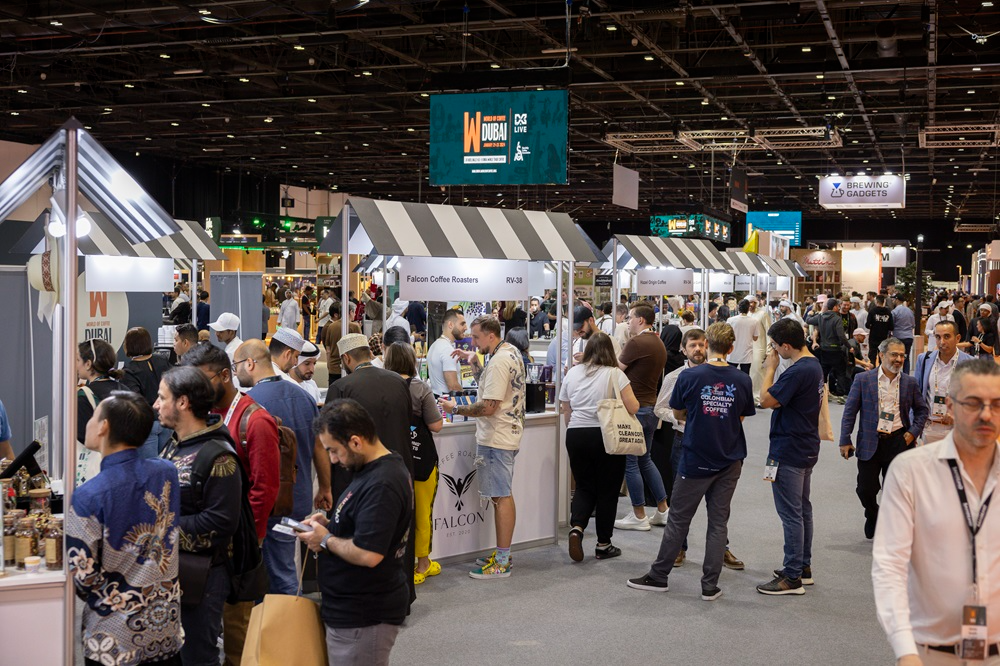
Dubai is preparing to host the fourth edition of the “World of Coffee – Dubai” exhibition from February 10 to 12, 2025, organized by “DXB Live,” the specialized event organizing arm at the Dubai World Trade Centre. This event, the largest of its kind in the region, will feature participants from over 120 countries to exchange knowledge and innovations in the coffee industry.

In collaboration with the Specialty Coffee Association, the exhibition will be held across a 20,000-square-meter space, a 33% increase from last year, allowing more exhibitors to showcase the latest technologies and trends in the world of coffee. The exhibition aims to provide a comprehensive platform that brings together farmers, traders, manufacturers, distributors, café owners, coffee experts, and coffee enthusiasts from around the world.

In this context, Yiannis Apostolopoulos, CEO of the Specialty Coffee Association, highlighted that Dubai’s unique strategic location strengthens its position as a global trading hub, making it the ideal environment for coffee business growth. He added, “We are excited to see the fourth edition, which will be the largest and most impactful so far.”

Khaled Al Hammadi, Senior Vice President of “DXB Live,” stated that the exhibition plays a significant role in supporting Dubai’s growth as a key center for the specialty coffee industry. He also emphasized the thriving future of this sector in the emirate, which offers great opportunities for both local and international companies looking to expand their coffee businesses.

The exhibition will feature a series of specialized workshops and lectures, along with competitions and championships that award the most creative participants in design and innovation. Highlighted events include the “Roasters Village,” the “Cupping Room,” and the “Brew Bar.”

This edition comes as the value of the coffee market in the Middle East and North Africa is expected to reach $11.5 billion by 2025, further underscoring the importance of coffee as a strategic global commodity.

Is Coffee Production at Risk? Experts Weigh in on a Reader’s Key Questions

At QahwaWorld, we take pride in engaging with our readers, and when thought-provoking questions come our way, we seek answers from experts to provide the most valuable insights. Recently, one of our most dedicated readers raised important concerns about the future of coffee production in response to a news story we published.

The questions touched on the potential risks to coffee production sources, the possibility of a return to regional monopolies in coffee, and the global impact of climate change on the coffee industry. We turned to industry experts, economists, and researchers to explore these topics in depth, and the results are eye-opening.

Coffee Production at Risk

Experts confirm that the future of coffee production is under significant threat due to climate change. According to research from the International Center for Tropical Agriculture (CIAT), up to 50% of the current coffee-growing regions may become unsuitable by 2050, especially for Arabica coffee, which accounts for 60-70% of global production. The effects of rising temperatures, unpredictable rainfall, and increased pests have already been felt in major coffee-producing countries such as Brazil, Ethiopia, and Central America.

The International Coffee Organization (ICO) estimates that coffee production in 2023 reached around 170 million 60-kg bags. However, with continued climate disruptions, these numbers are at risk of significant reduction in the coming decades.

Could We See a Return to a Regional Coffee Monopoly?

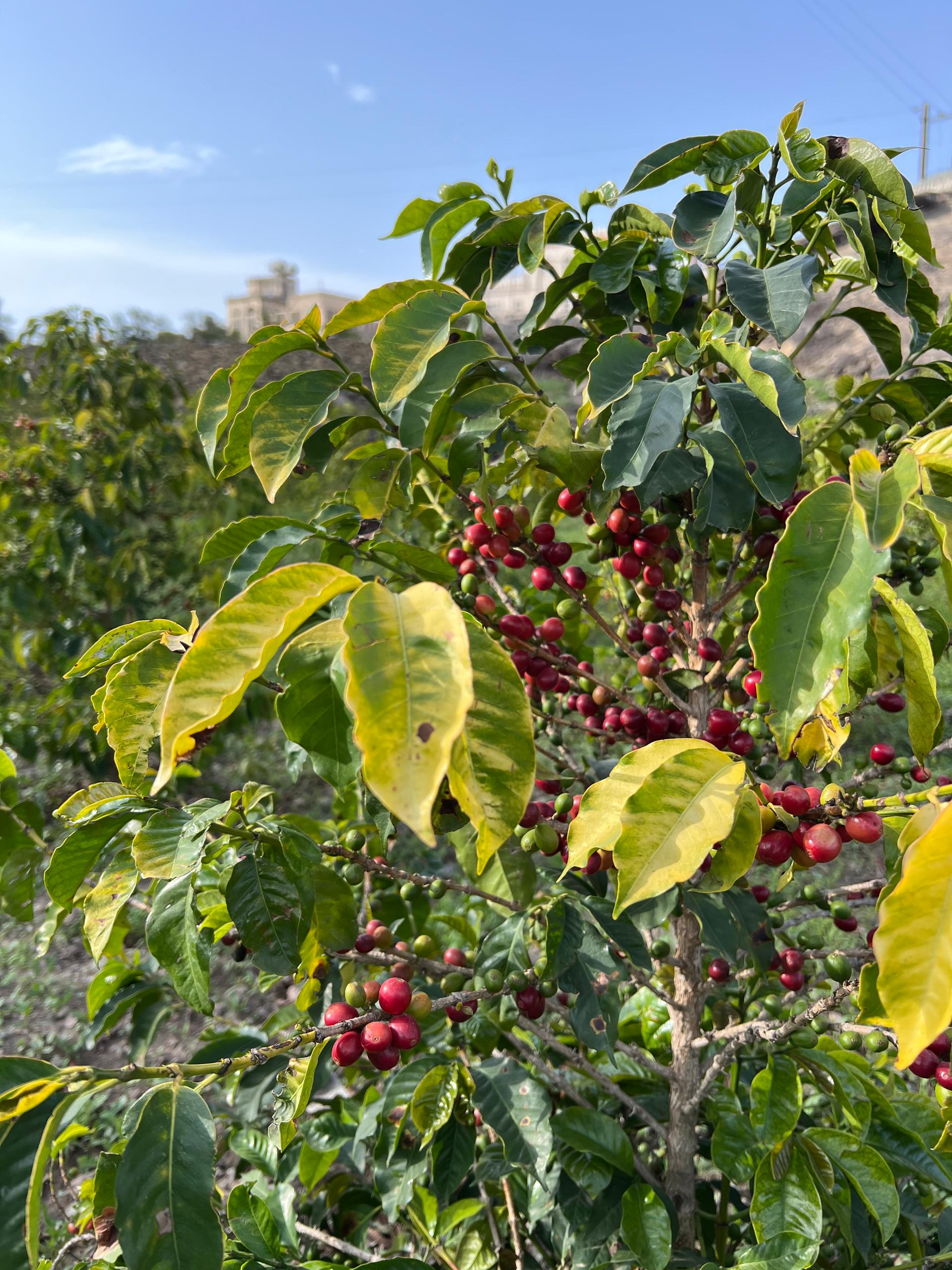
Historically, Yemen held a near-monopoly on coffee production between the 15th and 17th centuries. While the idea of such a monopoly returning may seem far-fetched today, experts suggest that regional dominance could still occur—especially in the specialty coffee sector. Yemen is seeing a resurgence in its coffee industry, with the unique flavors of its heirloom varieties making waves in international markets.

However, given the current global landscape—where Brazil alone produces 37% of the world’s coffee, and countries like Vietnam and Colombia are also major players—experts agree that a full return to a coffee monopoly like Yemen’s historical dominance is highly unlikely. Coffee production has become too diversified, with multiple regions now playing key roles in the global supply chain.

Climate Change: The Biggest Threat to Coffee’s Future

Perhaps the most concerning issue raised by our reader is the impact of climate change on coffee production. Studies indicate that rising temperatures could reduce the number of suitable coffee-growing areas by as much as 88% by 2050. The effects are already being felt: In Colombia, coffee farmers are moving to higher altitudes to avoid the increasing heat, while Central America has seen devastating losses due to coffee leaf rust.

The economic and social implications of these changes are massive. Coffee farming supports the livelihoods of over 125 million people worldwide, many of whom are smallholder farmers in developing nations. As climate change threatens production, these communities face increased poverty and instability. In 2021, the effects of a severe drought in Brazil caused Arabica coffee prices to surge by nearly 60%, illustrating the volatility that climate disruptions can bring to the market.

The Path Forward

Experts emphasize the need for urgent action to mitigate the risks facing coffee production. From developing climate-resilient coffee varieties to adopting new farming practices, the coffee industry must adapt to a rapidly changing world. With billions of dollars and millions of livelihoods at stake, international collaboration is essential to ensure the sustainability of coffee production for future generations.

At QahwaWorld, we are committed to providing our readers with the most accurate, data-driven insights into the coffee industry. We thank our reader for raising these critical questions, and we will continue to bring expert perspectives to the forefront of coffee-related news.

International Coffee Convention: A Turning Point for Coffee’s Future

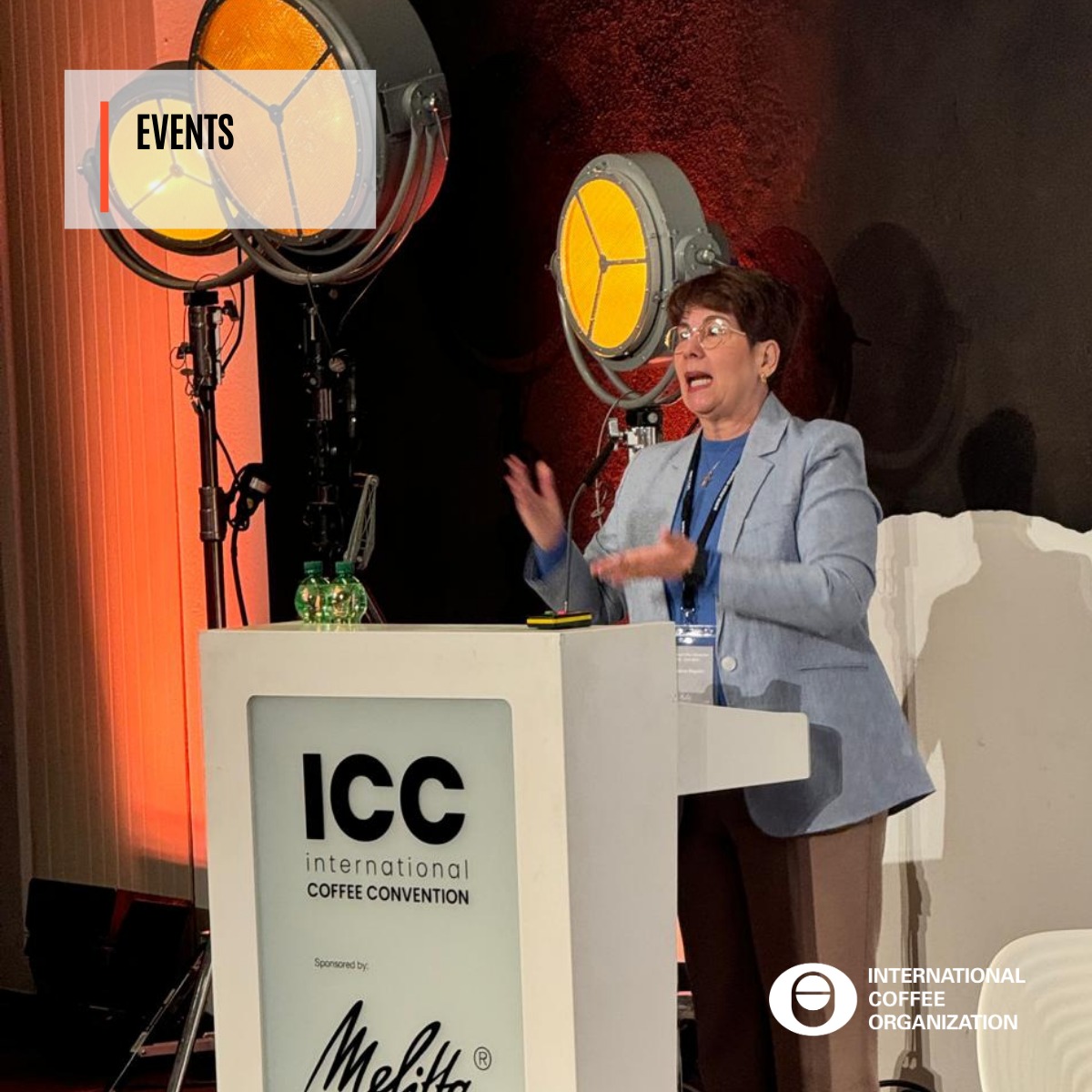
The International Coffee Convention (ICC) kicked off today in Mannheim, Germany, under the theme “Coffee in Transition,” bringing together some of the brightest minds in the global coffee industry. The two-day event, running from October 17–18, 2024, is set to explore critical trends shaping the future of coffee, addressing sustainability, technological advancements, and the ever-present challenges posed by climate change.

In her opening speech, Dr. Vanúsia Nogueira, Executive Director of the International Coffee Organization (ICO), emphasized the importance of collaboration within the coffee sector. She highlighted that the ICC aims to bring stakeholders from all corners of the coffee world—farmers, roasters, traders, and coffee machine manufacturers—together to find real, science-based solutions to the industry’s most pressing challenges.

Coffee in Transition: A Deep Dive Into the Industry’s Future

The convention features a dynamic program, touching on a wide range of topics that are central to coffee’s future. Discussions include the cultivation of lesser-known coffee species, such as Robusta, Stenophylla, and Racemosa, and how these species can be integrated within the framework of the Nagoya Protocol to ensure sustainable use of genetic resources.

Another key focus is on innovations in coffee farming systems, where experts are examining policies to prevent deforestation and exploring cutting-edge fermentation and processing technologies.

The Role of Science in Coffee Sustainability

One of the most anticipated sessions is the satellite workshop co-hosted by the ICO, the Global Crop Diversity Trust, the Coffee Consulate, and Dr. Christophe Montagnon of RD2Vision. This exclusive, invitation-only session will dive deep into the application of the Nagoya Protocol in coffee, with particular focus on the conservation and sustainable use of coffee genetic resources.

Discussions during the workshop aim to address the ambiguity in the current rules and to develop guidelines that will help governments and industry players safeguard the future of coffee.

Exploring Health Benefits and Sustainable Business Practices

Another key session at the convention will focus on coffee and health, where leading scientists will present research on coffee’s nutritional benefits and its role in promoting health. Additionally, participants will explore the business side of coffee, delving into innovations in roasting, preparation, and the evolving café culture.

The event will also shed light on the sustainable utilization of coffee by-products, a topic that has gained significant momentum in recent years. Experts will address both the challenges and opportunities in turning coffee waste into valuable resources, paving the way for a greener, more circular coffee economy.

Shaping the Future of Coffee

With the world rapidly changing, the coffee industry must adapt to the effects of climate change, shifting consumer habits, and advances in digitalization. The ICC provides a platform for researchers, practitioners, and industry leaders to present the latest findings and offer practical solutions that can be implemented across the coffee value chain.

As the convention progresses, participants and attendees are encouraged to submit abstracts for the chance to publish their research in a special issue of the MDPI Biology and Life Sciences Forum and compete for the prestigious Kaldi Awards.

This gathering in Mannheim is more than just an event—it’s a pivotal moment for the global coffee industry as it grapples with the challenges and opportunities of an uncertain future. By fostering collaboration and driving innovation, the ICC is shaping a sustainable path forward for coffee lovers worldwide.

More than 100 Exhibitors and Top Coffee Brands Present at Dubai’s Inaugural Coffee Celebration

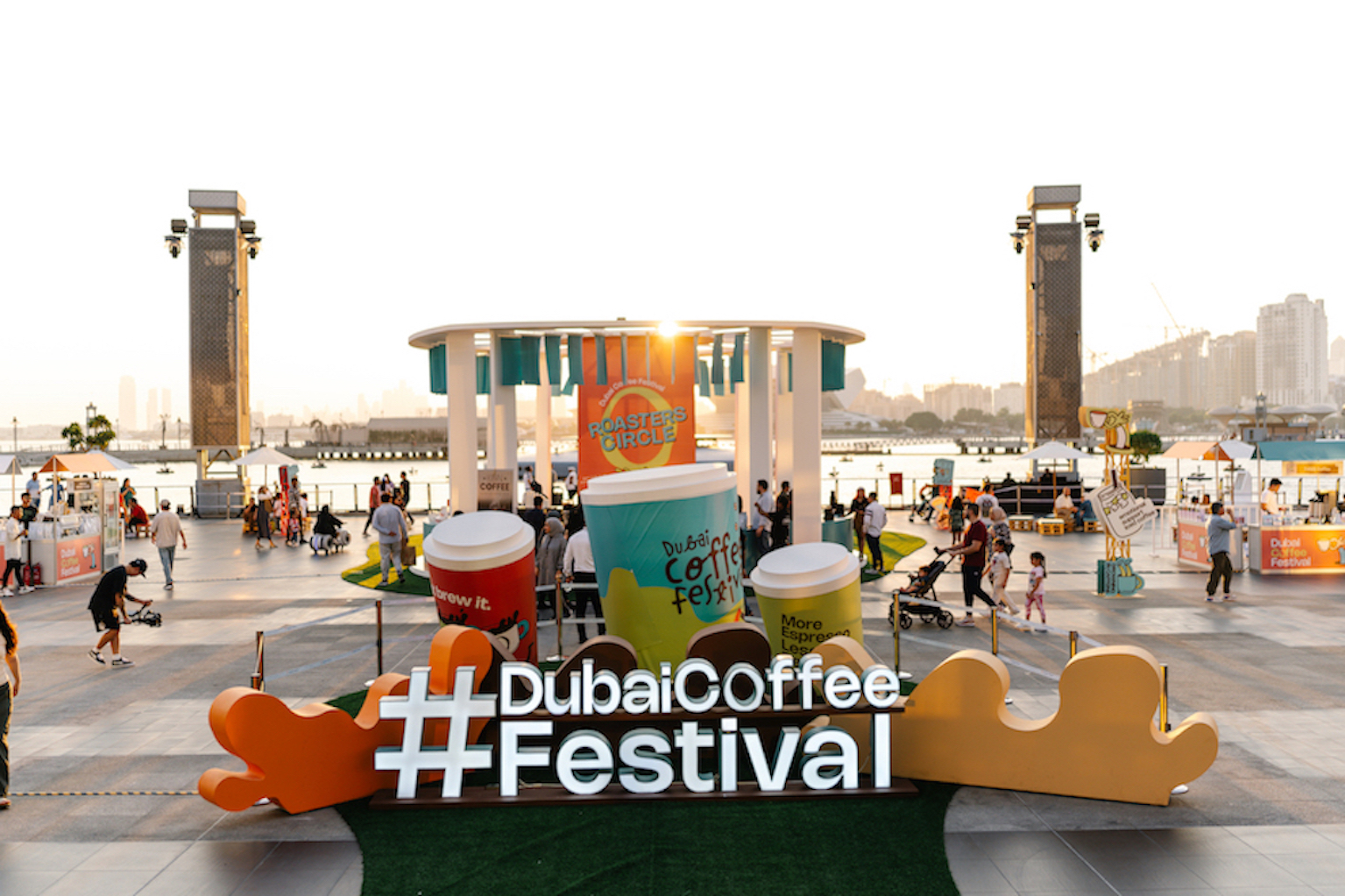
The first-ever Dubai Coffee Festival is in full swing, welcoming more than 10,000 visitors in its first week since opening on 11 October. A blend of exciting entertainment, interactive workshops, and intense competitions, the festival has quickly established itself as the ultimate gathering place for coffee enthusiasts, families, and food lovers. With more to come, the event promises something for everyone—and with the cooler evening weather, it’s the perfect time to enjoy an outdoor experience at Dubai Festival City.


Speaking about the festival’s success, Mr Khalid Al Hammadi Senior Vice President of DXB LIVE, said: “The Dubai Coffee Festival represents more than just an event—it’s a celebration of coffee culture in all its forms. From showcasing the artistry behind a perfect brew to offering a space for coffee lovers to connect, this festival has quickly become a landmark event for our city. With an impressive lineup of competitions, workshops, and activities, we are excited to see the festival grow in the years to come and continue bringing coffee enthusiasts together from all over the world.”


Visitors can expect a wide variety of attractions. For the competitive crowd, the Latte Art Throwdown on 14 and 15 October, sponsored by Earth Roastery, invites professionals and enthusiasts alike to show off their artistic skills for a chance to win AED 3,000 gift card from Al-Futtaim and a AED 1,000 gift card from Earth Roastery.


On 18 October, the stakes get even higher with the Coffee Desk Fellow Championship, sponsored by Marzocco and Oatly, where the city’s top baristas will compete for the ultimate brewing title. The grand prize includes AED 10,000 in cash and a AED 3,000 gift card from Al-Futtaim.


Adding even more excitement, Blue Rewards offers visitors a chance to win part of a million Blue Rewards points by participating in an interactive game projected onto one of Festival City’s skyscrapers. Every day, ten winners will walk away with 10,000 points, worth AED 100 each. It’s a fun and unique way to engage with the festival.


From 5 pm daily, attendees can explore a host of interactive workshops featuring Arabic Coffee, Jabana Coffee, and artistic showcases. Activities such as Coffee Painting, Coffee Bean Mosaics, DIY Coffee Jewelry, Coffee-Scented Candle Making, and Coffee Cup Doodling are sure to captivate visitors of all ages. And if you’re lucky, you might even spot an influencer or two grabbing their favorite brew!


Stroll through the Artists’ Corner, where coffee-inspired photography and artwork are on display, capturing the essence of coffee culture through various creative expressions.

For those looking to dive deeper into coffee’s history, the Dubai Coffee Museum offers a daily exhibit that provides an immersive journey into the global significance of coffee throughout the ages. This educational experience highlights coffee’s evolution across different cultures, although it’s just one of the many experiences on offer at the festival.

The Dubai Coffee Festival is free to attend, making it the perfect event for families, coffee lovers, and those just looking for a fun day out. With pleasant evening temperatures, it’s an ideal opportunity to enjoy an outdoor event while exploring the world of coffee.

To find out more and to book a space, please visit: https://www.instagram.com/coffeefestmiddleeast/

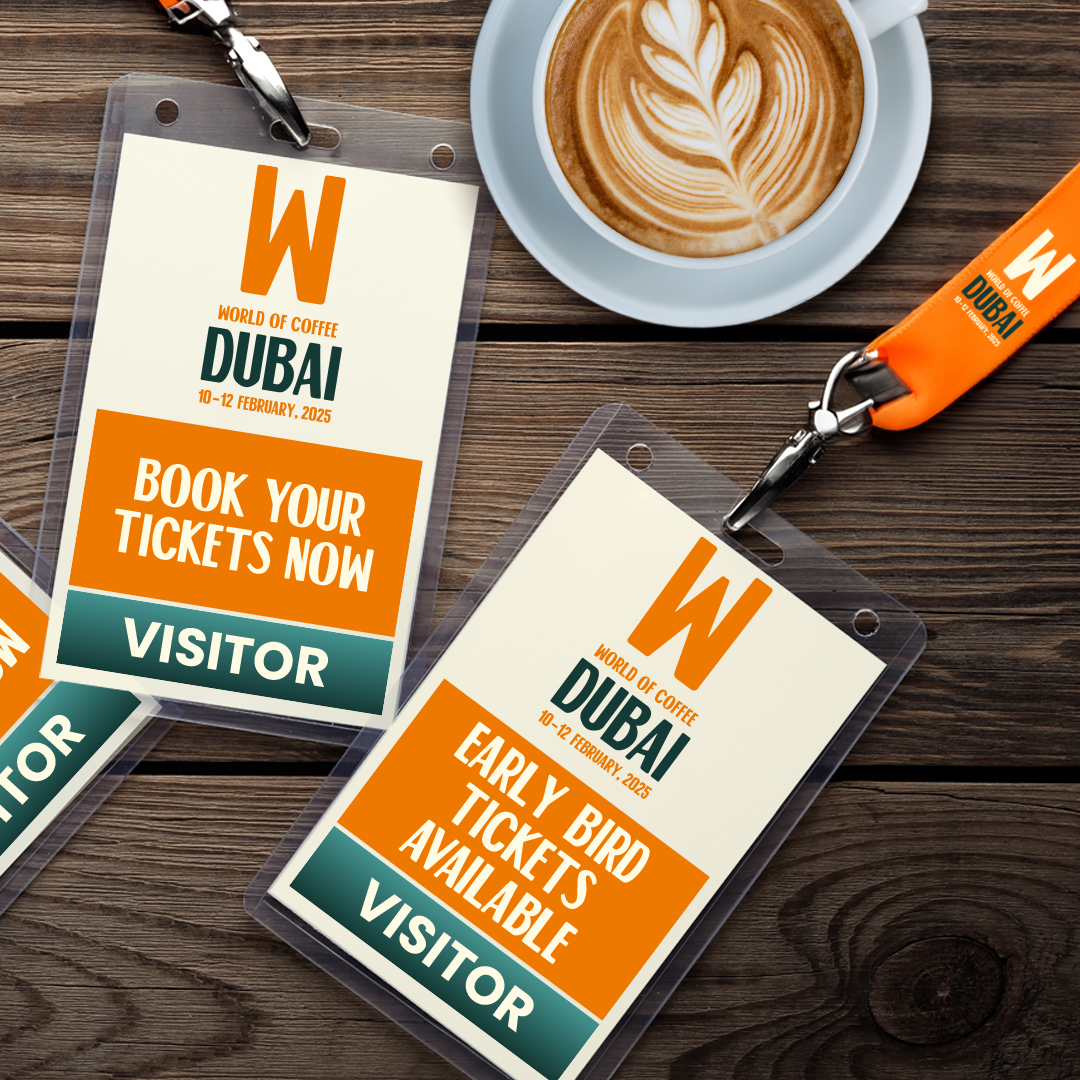
World of Coffee Dubai 2025: Early Bird Tickets Now Available!

Coffee enthusiasts and industry professionals, get ready for the largest coffee trade show in the Middle East! Early bird tickets for the highly anticipated World of Coffee 2025 in Dubai are officially available. The event is scheduled to take place from February 10 to 12, 2025, at the Dubai World Trade Centre.

The event promises to be a premier gathering for coffee lovers, industry experts, and businesses looking to showcase their brands. Visitors will have the opportunity to connect with exhibitors, make new business connections, and explore the latest innovations in the coffee industry.

Ticket Options and Pricing:

  • Single Day Pass:
    • Early Bird Package (valid until January 19, 2025):
      • SCA Member: AED 75
      • Visitor: AED 80
    • Normal Package (valid until February 09, 2025):
      • SCA Member & Visitor: AED 100
    • Onsite Package (valid from February 10 to 12, 2025):
      • SCA Member & Visitor: AED 125
  • 3-Day Pass:
    • Early Bird Package (valid until January 19, 2025):
      • SCA Member: AED 200
      • Visitor: AED 220
    • Normal Package (valid until February 09, 2025):
      • SCA Member & Visitor: AED 255
    • Onsite Package (valid from February 10 to 12, 2025):
      • SCA Member & Visitor: AED 300

All prices are inclusive of VAT.

For exhibitors, this is the perfect opportunity to put your brand in the spotlight, make new connections, and close deals. For more details and to secure your spot, head to the official World of Coffee Dubai website.

Don’t miss your chance to be part of this extraordinary event! Secure your tickets today and mark your calendars for an unforgettable coffee experience in Dubai.

The Leading European Countries in Coffee Production and Imports in 2024

In 2024, European Union (EU) countries continue to solidify their role in the global coffee industry, with both production and imports showing significant activity. According to the latest Eurostat data, coffee production in the EU has increased by 15% over the past decade, reflecting the growing demand and cultural significance of coffee across the continent.

Top Coffee Producers in the EU

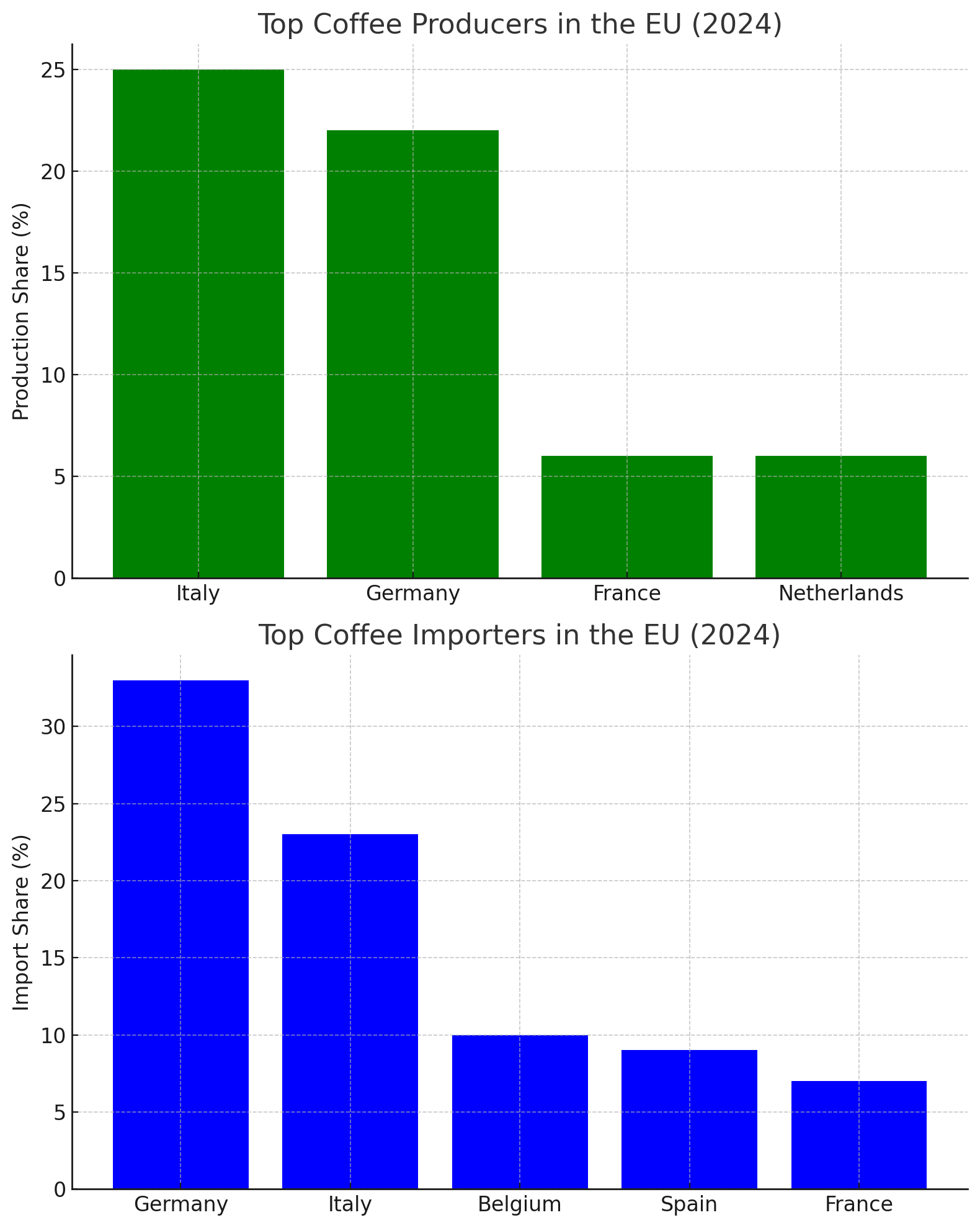
Italy stands as the top coffee producer within the EU, contributing 25% of the total production. Following Italy is Germany, which accounts for 22%, while France and the Netherlands each contribute 6%. Together, these countries lead Europe’s coffee production, which surpassed 2 million tonnes in 2023, including roasted, decaffeinated, and substitute coffee products. This output is valued at approximately €13 billion.

Major Coffee Importers in the EU

In addition to robust production, the EU also plays a dominant role in coffee imports, with nearly 2.7 million tonnes entering the bloc annually, valued at €10.6 billion. Germany leads in coffee imports, purchasing 33% of the EU’s total coffee supply. Italy follows with 23%, while Belgium (10%), Spain (9%), and France (7%) also represent key importers.

Brazil remains the EU’s largest coffee supplier, responsible for 34% of the total coffee imports into the EU, equating to around 921,900 tonnes in 2023. Vietnam and Uganda follow, supplying 24% and 8% of the imports, respectively.

New Challenges on the Horizon: Sustainability Regulations

The EU’s coffee industry, however, faces significant changes with a new law set to take effect in 2025. This legislation will require coffee companies to ensure their supply chains do not contribute to deforestation. This move follows reports indicating that the EU, as the world’s largest coffee importer, is responsible for 44% of coffee-related deforestation globally.

The French government’s data confirms that coffee is a crop with a high deforestation potential, and the new law is seen as a crucial step towards addressing the environmental impact of coffee production and consumption. Coffee-producing countries and companies will need to adapt to these new regulations, which could potentially reshape the landscape of the industry.

Global Coffee Trends and Market Overview

Globally, Brazil continues to dominate coffee production, producing an average of 3 million tonnes annually. Vietnam and Colombia follow as the next largest producers. Despite the massive scale of the industry, it is primarily driven by small family farms, which make up 70% of global coffee production.

With over 2 billion coffee consumers worldwide and 25 million people working in the industry, coffee remains one of the world’s most valuable agricultural commodities. However, the share of value reaching coffee-producing countries has diminished over the past two decades, with profits increasingly captured by large industry players in consumer markets.

Sustainability in the Coffee Sector

The issue of sustainability has become central to the future of coffee production and trade. About 55% of the world’s coffee production is now covered by certifications such as Fairtrade, Rainforest Alliance, and organic standards, which aim to promote fairer and more sustainable coffee supply chains.

In Europe, organizations such as the European Coffee Federation and global initiatives like the Sustainable Coffee Challenge are working to ensure that the coffee industry becomes more transparent and sustainable, addressing both environmental and social issues specific to coffee-growing regions.

Conclusion: The Future of Coffee in Europe

As we move through 2024, European countries remain at the forefront of global coffee production and imports. However, the introduction of new sustainability regulations in the coming years may reshape how coffee is sourced and sold in the EU. The balance between maintaining the EU’s leading position in the coffee market and addressing environmental concerns will be critical for the industry’s future.

Europe’s love for coffee remains as strong as ever, but how the industry adapts to these changes will define its path in the years to come.

Is Starbucks Looking to Own Its Coffee Farms Like Others?

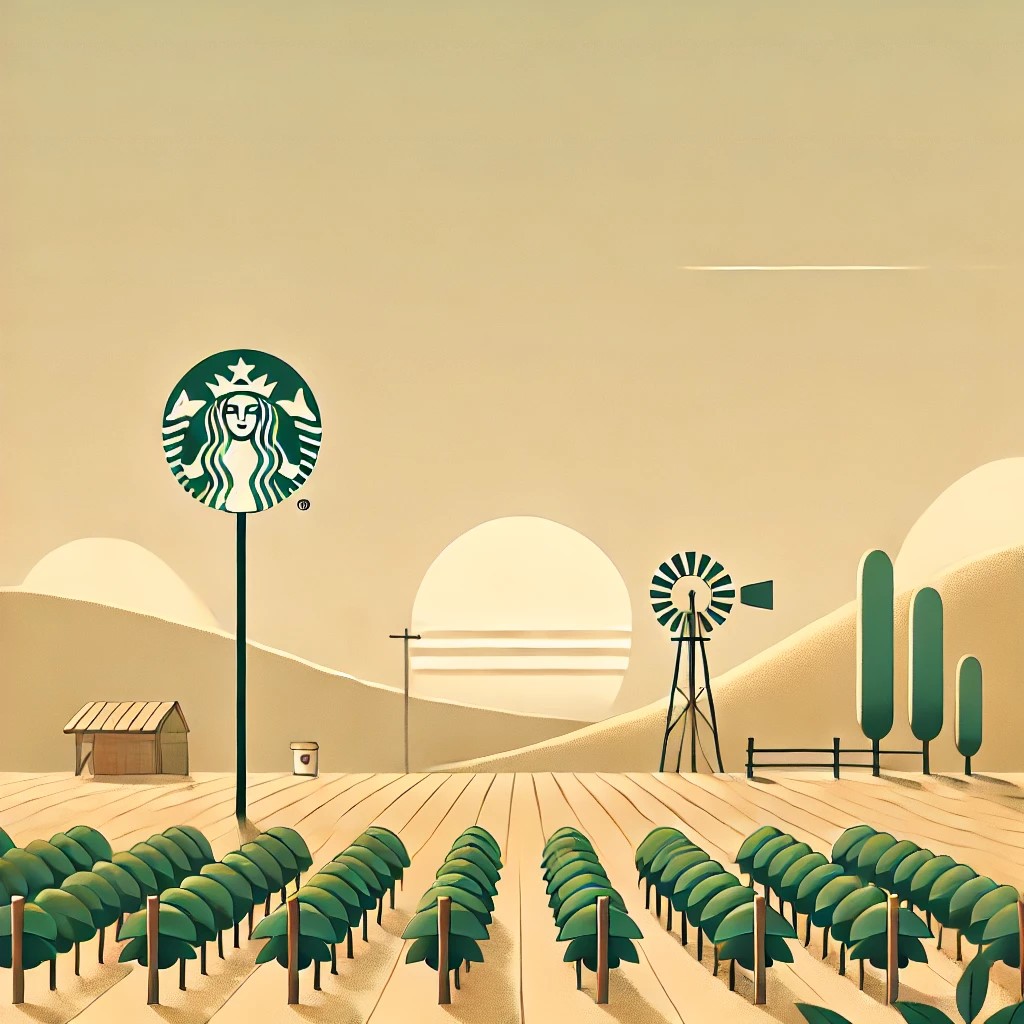
Starbucks, the renowned coffee chain, has only owned one coffee farm in Costa Rica since 2013. However, it is now expanding in this direction, recently acquiring farms in Guatemala and Costa Rica, while also investing in other regions within the “coffee belt” across Africa and Asia.

Vertical integration, particularly regarding raw materials, has experienced waves of interest over the past century. For instance, Henry Ford, the automotive giant and one of the early advocates of this approach, owned a sheep farm to provide wool for car seat covers. However, globalization and free trade dampened enthusiasm for integration between suppliers and manufacturers.

There were many failures in this regard, and breaking up integrations often proved costly and chaotic. One example is Bumar, once the world’s largest calculator manufacturer at the height of the industry in the early 1970s. The company bought a factory to produce its own integrated circuits as prices for its devices fell, only to collapse a year later.

Another example is DuPont, which partly played the role of rescuer by purchasing Conoco in 1979 to secure stable raw material supplies, but the two sides later parted ways after decades.

Geopolitical factors in specific sectors may create a new form of vertical integration. In the chip industry, the rise of “fabless” chipmakers and the enormous cost of building semiconductor factories have discouraged tech companies from securing their own supplies. However, China’s tech giant Alibaba and its peers have begun delving into developing advanced chips, especially after tensions between Washington and Beijing restricted semiconductor exports.

At the same time, technical requirements have driven major companies to return to designing what they need in-house, if not also manufacturing it. In 2020, Apple began phasing out Intel chips in favor of those made in-house. In this context, Apple’s CEO Tim Cook stated, “The integration between hardware and software is essential to everything we do.”

The rise of generative AI technology has pushed Meta and Google towards silicon-based specialized chips, with Google relying on ARM-manufactured CPUs.

Investors’ appetite for vertical integration has fluctuated over time, but this type of control is not the same as Ford’s approach in the past. The same applies to Starbucks, whose farms cannot meet the demand of its 38,000 branches, as it buys nearly 3% of the world’s coffee supply.

Nevertheless, Starbucks’ ownership of these farms allows the company to experiment while achieving beneficial goals related to responsible farming and farmer empowerment. Similarly, Ingka Group, the largest franchisee of IKEA, owns 320,000 hectares of forests across seven countries, equivalent to four New York-sized cities.

Once again, it’s about reforestation rather than integration, as only around 5% of the harvested wood goes to IKEA products via the open market. This benefits everyone. Agriculture—whether sheep farming, coffee beans, or trees—is a completely different business from retail, whether it’s selling flat-pack furniture or serving a daily dose of caffeine.

Best of Yemen Auction 2024 Breaks Record for Yemeni Coffee

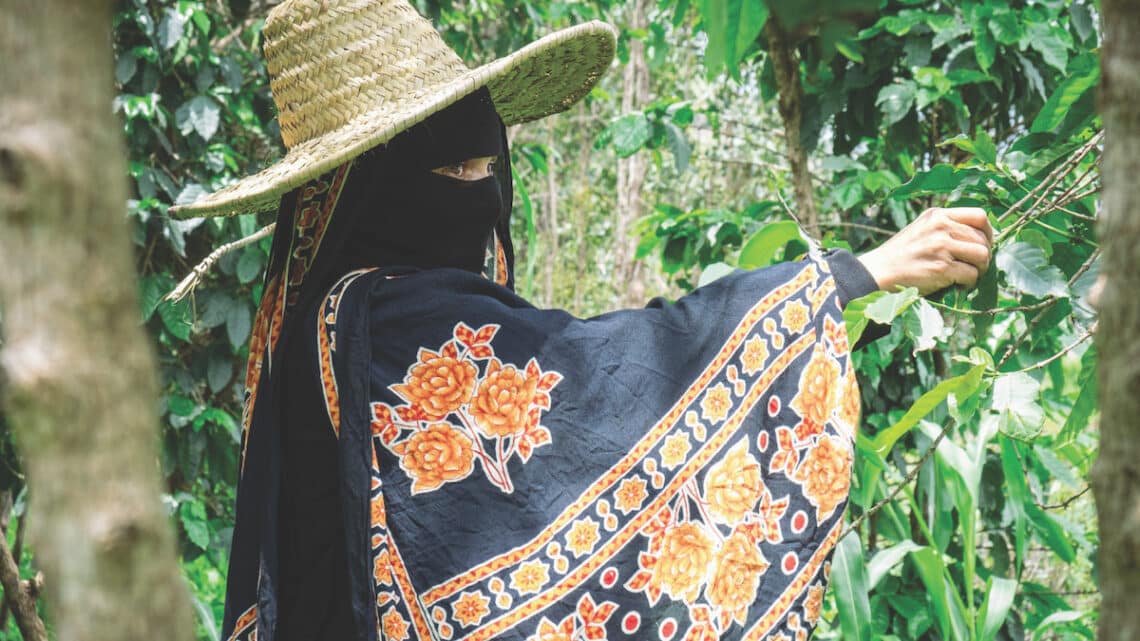
The Best of Yemen Auction 2024 has set a remarkable new standard for Yemeni coffee, with prices reaching a historic high of $1,159 per kilogram. This achievement showcases not only the exceptional quality of Yemeni coffee but also the growing impact of Yemen’s female coffee farmers, who played a key role in this year’s success.

A significant milestone was achieved this year, with 36% of the lots cultivated by women and the introduction of honey-processed coffees that highlight innovation in Yemen’s coffee industry. The auction celebrated the resilience of Yemen’s coffee growers and their adaptability to harsh environmental conditions, proving that coffee can indeed thrive even in challenging climates.

Despite Yemen receiving only 244 to 379 millimeters of rainfall annually – much lower than the global average of 1,400 millimeters for coffee-growing regions – Yemeni coffee stands out for its unique quality. This resilience makes Yemeni coffee a potential key player in ensuring coffee sustainability in the face of climate change.

This year, 13 out of 36 lots in the auction were produced by Yemeni women farmers, marking a historic moment for female empowerment in the sector. The top lot, which fetched a record-breaking price of $1,159 per kilogram, came from a women’s farming group based in Al Hayma Al Dakhiliya, Sanaa. This achievement underscores the increasing recognition of the vital role that Yemeni women play in the coffee community.

“I feel an overwhelming sense of joy,” shared Katibah, a farmer from Hayme Dakhliya. “I never imagined our coffee would be recognized and appreciated beyond Yemen, let alone fetch such a high price.”

The auction also saw the involvement of Middle Eastern buyers, with ORO Roasters from Saudi Arabia placing the winning bid for the highest-scoring lot, which received over 90 points. The average price across all lots was $369 per kilogram, indicating growing global interest in Yemeni coffee.

For the first time, honey-processed coffees were featured in the auction. This method, which does not require water usage and incorporates carbonic maceration, is perfectly suited to Yemen’s limited water resources and adds a distinct dimension to the coffee’s flavor profiles.

“These achievements reflect the dedication of Yemen’s coffee farmers, who continue to produce exceptional coffee despite the challenges they face,” said Faris Sheibani, Founder of Qima Coffee. “Yemen has always been a pioneer in the coffee world, and this auction reaffirms its place as a leader on the global stage.”

The Best of Yemen Auction 2024 was organized by Qima Coffee in collaboration with the Alliance for Coffee Excellence (ACE). This annual auction aims to highlight the unique qualities of Yemeni coffee and support the livelihoods of local farmers by connecting them with global buyers. The event has become a key platform for showcasing Yemen’s diverse coffee varieties, ranging from naturally processed to honey-processed beans, each offering distinctive flavor profiles that are gaining international acclaim.

In addition to breaking price records, the auction has contributed significantly to raising awareness about the challenges faced by Yemeni coffee farmers, including limited access to resources, political instability, and climate change. By spotlighting these issues, the auction aims to garner support for initiatives that improve the livelihoods of farmers and promote sustainable coffee production practices in Yemen.

The auction featured 36 lots in total, each carefully evaluated by an international panel of coffee experts. The top-scoring lot, produced by the women’s farming group in Al Hayma Al Dakhiliya, was praised for its complex flavor notes, which included hints of tropical fruit, floral undertones, and a rich, syrupy body. Such high-quality coffee has not only placed Yemen on the global coffee map but has also provided a source of pride and inspiration for the local farming communities.

With increasing interest from international buyers, the Best of Yemen Auction continues to play a crucial role in reviving Yemen’s coffee industry and ensuring that Yemeni coffee farmers receive fair compensation for their efforts. The involvement of Middle Eastern roasters, such as ORO Roasters, underscores the growing appreciation for Yemeni coffee within the region and highlights the potential for further market expansion.

Looking ahead, Qima Coffee and ACE are committed to expanding the reach of the Best of Yemen Auction and exploring new opportunities to support Yemen’s coffee-growing communities. By promoting transparency, sustainability, and gender equality, the auction is setting a new benchmark for what the global coffee industry can achieve.

Tealive, Malaysia’s Popular Bubble Tea Brand, to Enter UAE in 2025

Tealive, the well-known Malaysian bubble tea chain, is set to make its debut in the United Arab Emirates. The company has signed a master franchise agreement with Dubai-based Eureka Restaurant & Café, paving the way for its first expansion into the Middle East.

The partnership will see Tealive opening five outlets across major UAE cities in 2025, beginning with a flagship store in Dubai set to launch early in the year. This venture aims to capitalize on the growing demand for bubble tea and lifestyle beverages in the region, with plans for further expansion throughout the Middle East.

Bryan Loo, CEO of Loob Holding—the parent company of Tealive—expressed excitement about the move: “The UAE’s dynamic food and beverage market is perfect for Tealive’s innovative offerings. Partnering with Eureka Restaurant & Café will allow us to blend our unique flavors with local tastes and traditions, opening new opportunities in the region.”

Founded in 2017, Tealive has rapidly grown its presence, now boasting over 1,000 locations across East Asia, including international branches in Mauritius and Canada. The UAE launch marks the chain’s strategic move to establish itself in the Middle East, where bubble tea is gaining popularity.

The expansion comes shortly after Taiwanese competitor Gong cha entered the Middle Eastern market by opening a store in Riyadh, Saudi Arabia, as part of its plan to launch over 300 outlets across the region.

Eureka Restaurant & Café, the UAE partner for Tealive, is a part of the Galadari Brothers Group, which has diverse interests spanning food & beverage, technology, trading, and investments. Led by Abdulwahab Ilyas Galadari, Eureka is well-positioned to help Tealive navigate the competitive UAE market.

With the bubble tea craze continuing to grow, Tealive’s UAE expansion signals a new chapter for the brand as it aims to reach more customers and spread its vibrant lifestyle drinks across the Middle East.