How Much Do Baristas Earn? Latest Figures Shed Light on Hospitality Incomes

In an industry known for its diverse working arrangements and beloved café culture, the Australian Tax Office (ATO) has released new data revealing the average taxable incomes of baristas, café workers, and hospitality managers across the country. These insights, sourced from the 2021-22 tax year, offer a snapshot of wages in Australia’s bustling café and restaurant sectors, where job types vary widely from casual shifts to full-time roles.

The ATO’s latest figures indicate that baristas in Australia earned an average taxable income of $30,465, while café workers averaged $26,367. It’s important to note, however, that these figures do not specify whether individuals were employed on a full-time, part-time, or casual basis—common distinctions in the hospitality industry that significantly impact annual earnings.

At the management level, café and restaurant managers reported an average taxable income of $54,449, suggesting a more stable, higher-income role in the industry. By contrast, the national average taxable income for Australians across all sectors stood at $72,327, with a median of $53,041—a useful context that highlights hospitality incomes are generally below the national average.

Income Disparities: Gender, Roles, and Hours Worked

Australia’s café sector appears to have a predominantly female workforce, with ATO data revealing that nearly three-quarters of baristas (28,512 out of 38,734) are women. Female baristas earned an average taxable income of $29,543, slightly lower than their male counterparts, who averaged $33,036. Similarly, among café workers, the average taxable income for women was $26,261, close to the $26,760 reported by male workers.

In café and restaurant management roles, a significant wage gap exists. Female managers averaged a taxable income of $49,067, whereas male managers earned $61,709 on average—a difference likely influenced by a range of factors, including hours worked, seniority, and regional variances in pay scales.

Hospitality Roles: Average Earnings by Position

The data highlights the diverse earning potential across roles in the hospitality industry. Bar attendants, for example, earned an average of $35,770—nearly $10,000 more than the average for drinks waiters, who brought in $26,934. These earnings reflect the various duties and potential hourly rates tied to each position, as well as possible tips and overtime.

The ATO’s statistics underline that while both genders are equally represented among Australia’s 66,161 bar attendants, men typically earned more ($37,070) than women ($34,513), mirroring a common trend of income disparity observed across the hospitality sector. Drinks waiters, on the other hand, are predominantly female (102,585 women to 35,562 men), with women averaging $26,442 compared to $28,351 for men.

Missing Data: Café Owners’ Incomes

One detail notably absent from the report is the average taxable income of café owners, whose earnings vary widely based on factors such as business scale, location, and operational costs. Given the variability in revenue and expenses, the income of café owners is likely more complex and could fall outside the scope of ATO’s general data reporting.

How Complete is the Data?

The ATO compiled these statistics based on individual income tax returns processed by October 31, 2023. While this dataset provides a strong indication of hospitality earnings, it may not capture the full spectrum, as not all tax returns may have been filed or processed by the cutoff date.

This insight into Australia’s café and hospitality sector illuminates the varied earnings potential within the industry, offering a window into the financial realities of roles ranging from barista to café manager. As café culture remains a key part of the Australian lifestyle, this latest data offers valuable perspective for industry professionals, job seekers, and policymakers alike, sparking further discussion on wages, gender gaps, and the overall economic standing of the hospitality workforce.
Uganda’s 2023/24 Coffee Season: Record Exports and Shifting Fortunes for Robusta and Arabica

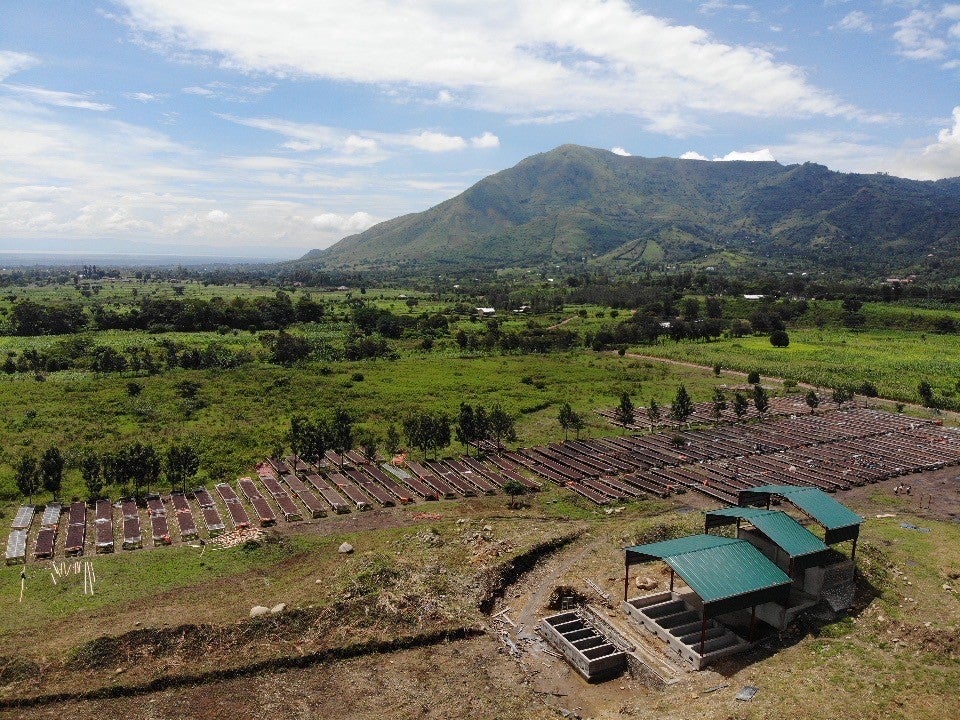
Uganda closed its 2023/24 coffee season on a high note with 6.3 million bags exported, marking the second-highest export level in history and a 3% rise over the previous year. Despite these promising results, the season reflected a mixed performance between Robusta and Arabica coffee varieties, as reported by Commercial Supervisor Thomas Pitault. Robust Robusta exports surged by 8% to 5.5 million bags, driven by favorable weather. However, Arabica faced a sharp drop in yield, resulting in a 20% decline, with exports falling to 800,000 bags.

Robusta’s Strong Season and Upcoming Challenges

The Robusta crop thrived during the May-August 2024 harvest, attributed to favorable weather from late 2023 to early 2024. This allowed for rapid cherry maturation and a higher-than-usual yield, with 5.5 million bags shipped to market. Increased exports were further stimulated by high interest rates and upcoming European Union Deforestation Regulation (EUDR) requirements, leading companies to expedite shipments.

However, the outlook for the next harvest season is less optimistic. Observations indicate that 70% of Robusta trees show signs of strain, largely due to last season’s abundance, which limited the development of new flowers. Additionally, expected dry conditions, possibly linked to a return of the La Niña climate pattern in November, could hinder bean growth, with production anticipated to fall by 11% to approximately 5.3 million bags.

Arabica’s Struggles and Prospects for Recovery

Arabica production in Uganda dropped significantly this year, with total yield falling by 15% to an estimated 850,000 bags. Several factors contributed to this decline, including an off-cycle following drought-affected seasons and the challenges faced by aging coffee plants. A reduction in fruit during the April-May fly crop, attributed to dry spells in 2023, further limited output.

Despite these setbacks, the 2024/25 crop season shows potential for slight recovery. The February 2025 secondary harvest is expected to bring yields up to 900,000 bags, representing a 6% improvement over this year’s output, though still 10% shy of Uganda’s optimal yield potential.

Strengthening Sustainability and Farmer Support in Uganda

To counter the impact of climate change and regulatory demands like the EUDR, Ugacof has intensified efforts to support farmers through a robust direct sourcing network. This year, Ugacof expanded its coffee processing infrastructure with the establishment of its sixth washing station in Western Uganda, aiming to connect farmers directly to premium markets and offer quality-based incentives for their beans.

In the Robusta regions, additional hulling stations and buying centers now offer farmers stable, traceable outlets for their coffee, supporting the adoption of improved farming practices. Through the IMPACT program, which now includes over 12,500 farmers, Ugacof is enhancing its Rainforest Alliance-certified supply chain, promoting quality coffee production, and bolstering local incomes.

Ugacof’s recent collaboration with a regional tech startup for polygon mapping strengthens its EUDR compliance, ensuring traceability across thousands of coffee farms. With over 60% of Uganda’s coffee exports destined for Europe, this commitment underscores the country’s proactive approach to meeting stringent export standards and supporting a sustainable future for Ugandan coffee.

New 2025 World Coffee Roasting Championship Rules Released by SCA

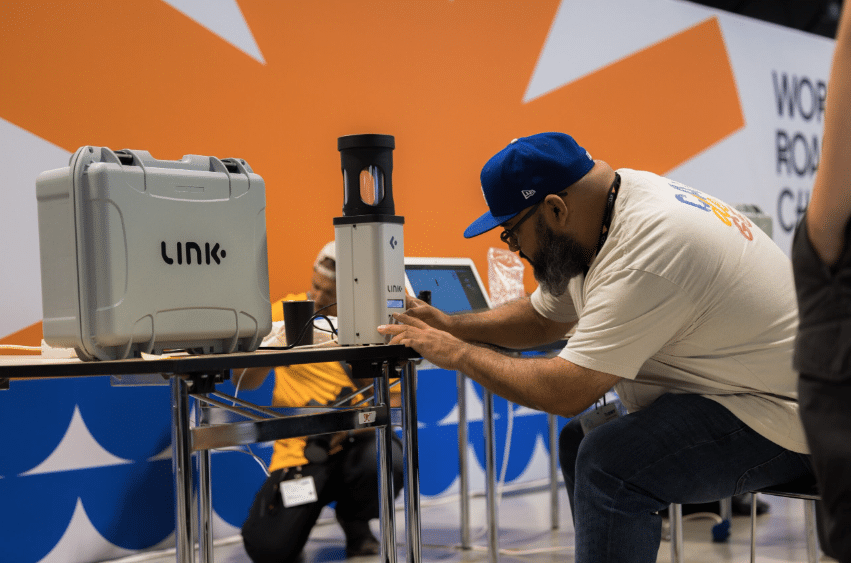
The Specialty Coffee Association (SCA) has announced the revised rules and guidelines for the upcoming 2025 World Coffee Roasting Championship, set to be held from April 25 to 27 at the Specialty Coffee Expo in Texas, USA. This first release of the 2025 World Coffee Championships (WCC) season introduces key updates aimed at refining competition standards.

This year’s updates focus on enhancing clarity and formalizing established practices, especially regarding competitor registration and the selection of provided green coffee. Competitors must now specify blend ratios and quantities, with penalties imposed for late or incomplete submissions, underscoring the importance of precise coffee evaluation.

Notable adjustments include standardized processes for measuring coffee color, using personal notes and hearing protection, and grinding protocols. Additionally, competitors can now include over five descriptors for specific attributes, with refined categorization of these descriptors.

The appeals and complaints process has also been streamlined to allow for online form submissions, ensuring a more efficient system for handling competitor concerns at both national and global levels. All changes are managed by the WCC Competitions Strategic Committee, with rule documents, change summaries, scoresheets, and the appeals form now accessible on the World Coffee Championships’ official website.

Key Dates and Locations for the 2025 World Coffee Championships

  • Houston, USA – Specialty Coffee Expo (April 25-27)
    Featuring the World Coffee Roasting Championship
  • Jakarta, Indonesia – World of Coffee (May 15-17)
    Featuring the World Brewers Cup
  • Geneva, Switzerland – World of Coffee (June 26-28)
    Featuring World Latte Art, World Coffee in Good Spirits, World Cup Tasters, and Cezve/Ibrik Championships
  • Milan, Italy – HostMilano (October 17-21)
    Celebrating the 25th World Barista Championship

Dance the Winter Nights Away with Bacha Coffee’s Samba Nights Collection

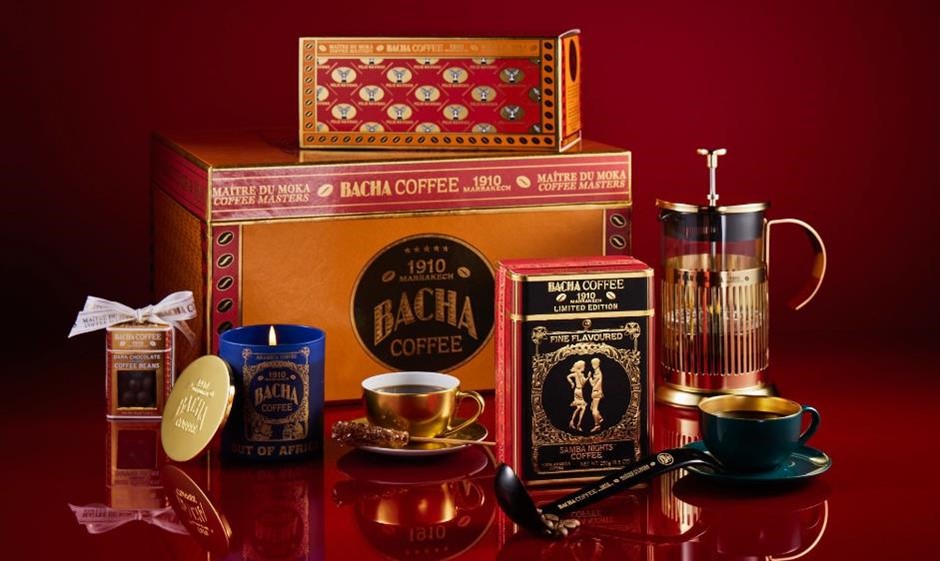
Renowned for its rich Moroccan heritage, Bacha Coffee celebrates the festive season with its latest limited-edition Samba Nights Coffee™, crafted to infuse warmth and joy into winter nights. This exclusive blend, a 100% Arabica medium-dark roast, bursts with flavors of cacao nibs and cinnamon—capturing the spirit of Brazil’s coffee tradition.

The launch also includes the lavish Samba Nights Gift Box, a luxurious selection designed for coffee aficionados. Complete with a Parisian Press Coffee Pot in gold, stylish Desire Coffee Cups, a coffee-scented candle, and an assortment of dark chocolate coffee beans, this gift box promises to be the ultimate festive treat.

Samba Nights Coffee: A Limited-Edition Brew

  • Flavour Profile: Chocolate, Spices
  • Roast: Medium Dark
  • Strength: 2/5
  • Process: Semi-Washed
  • Packaging: 250g box (S$50.00)

Beautifully presented in a red and gold design by Taha Bouqdib, Bacha Coffee’s global head of design, Samba Nights Coffee is available in whole beans or a universal grind to suit every preparation method.

Gifts for Every Taste and Budget

  1. Under $50:
    • Dark Chocolate Covered Coffee Beans: 80g for S$13.00
    • Buffalo Horn Coffee Scoop: Natural elegance in a 12g handcrafted scoop for S$27.00
  2. Under $100:
    • Assorted Coffee Bag Gift Box: 25 single-serve drip bags for S$60.00
    • Out of Africa Coffee Scented Candle: A unique blend of African and South American coffee notes in Majorelle blue glass for S$96.00
  3. Under $200:
    • Large Parisian Press Coffee Pot in Gold: 800ml with a gold stainless steel holder for S$115.00
    • Desire Coffee Cup and Saucer: Available in green and gold or full gold, priced from S$128.00 to S$173.00

Revel in Bacha Coffee’s festive offerings this season, where every gift carries the provenance and passion for coffee. Let the spirit of Samba Nights fill your home with warmth, flavor, and joyous celebration.

Gahwatna: Our Emirati Coffee Soars to the World through Dubai

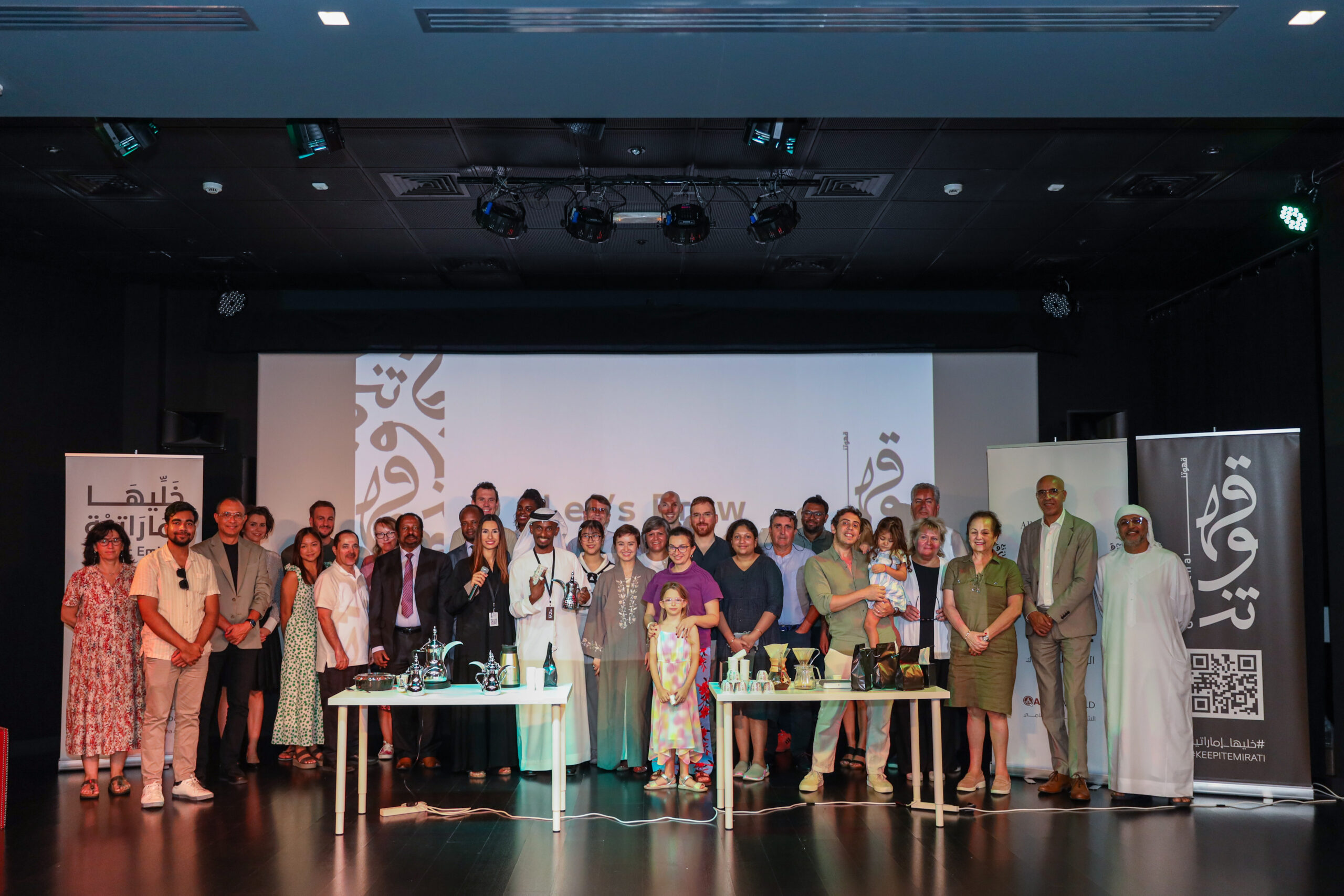
On a bright Sunday, I was invited to a special workshop titled “Gahwatna – From Local to Global” under the slogan “Keep it Emirati.” Held at the French Cultural Association in Dubai, this experience from the very first moment was a cultural masterpiece that blended authenticity with modernity, weaving together the story of the UAE and its deep love for coffee.

This workshop brought together the authentic Emirati spirit with a warm, friendly atmosphere, transporting attendees into a world of coffee rich with cultural significance and values. People of various nationalities filled the room, forming a vibrant tapestry of cultural exchange. Coffee lovers from all corners of the world gathered to uncover the hidden stories within each coffee bean.

The Origin of Coffee

During the workshop, guests delved into the storied history of coffee, a legacy spanning centuries. The spotlight shone on Yemen and Ethiopia as the original homelands of coffee, where coffee cultivation flourished and traditions evolved, and where people first discovered its energizing power. Yemen played a pivotal role in introducing coffee to the world, with the renowned Mocha port marking the beginning of coffee exports in 1450.

From there, coffee made its way to the Arabian Peninsula and beyond, embedding itself into the lives and cultures of people around the globe.

Emirati Traditions in Coffee Service and the Symbolism of Cups

Guests were also introduced to the Emirati heritage of coffee service, where it’s not just a beverage but a tradition steeped in deep meaning, with unique names for each cup that reflect its purpose:

  • Finyal Al Haif: The first cup offered by the host for the guest to sample and acknowledge the coffee’s taste.
  • Finyal Al Dhaif: The second cup served to the guest as a symbol of hospitality and respect, regarded as the most honored and welcoming gesture.
  • Finyal Al Kaif: The third cup, representing relaxation and enjoyment, indicates that the guest has settled in and savored the coffee’s flavor.
  • Finyal Al Saif: The fourth cup, symbolizing readiness for support and defense, has roots in the chivalrous spirit, signifying sacrifice and loyalty to family or tribe.

These rich details greatly enhanced the guests’ experience, immersing them in an authentic Emirati atmosphere that fused the fragrance of the past with the innovations of the present. Through this cultural gathering, they deepened their understanding of the coffee traditions passed down through generations, taking part in an experience that elevates Emirati coffee to new global heights.

A Cultural Bridge between the UAE and France

The “Gahwatna” workshop, in partnership with the French Cultural Association, is more than just an event; it is a newly-built bridge to strengthen cultural dialogue between the UAE and France. This occasion creates a convergence point where Emirati traditions meet Francophone culture, positioning Dubai as a pivotal destination on the world coffee map.

The Authenticity, Innovation, and Global Reach

Commenting on the organization of the “Gahwatna” workshop series aimed at sharing Emirati coffee culture with the world, Ali Mansour, owner of “Gahwatna,” said, “The spirit of innovation that defines the UAE in every aspect of life is a fundamental pillar of the ‘Gahwatna’ project, which presents Emirati coffee in unique and creative ways.”

The “Gahwatna” series also celebrates the UAE National Days, with more workshops planned throughout the month, to be announced progressively.

Gahwatna is more than a coffee business; it is the story of a distinguished Emirati coffee journey that has grown into a global brand. Inspired by the visions of Zayed and Rashid, we in the UAE strive to reach the world stage in all that we create.

Gahwatna aspires to become a global brand, with stores worldwide offering Emirati coffee in diverse flavor profiles. We have innovatively developed our products so that our coffee can be prepared within two minutes using various brewing tools, while highlighting the etiquette and rituals of coffee service.

“Gahwatna is an innovative project, born from the heritage of our ancestors and carried forward by our youth today.”

Registration Now Open for World of Coffee Dubai 2025 – Book Early for Special Rates!

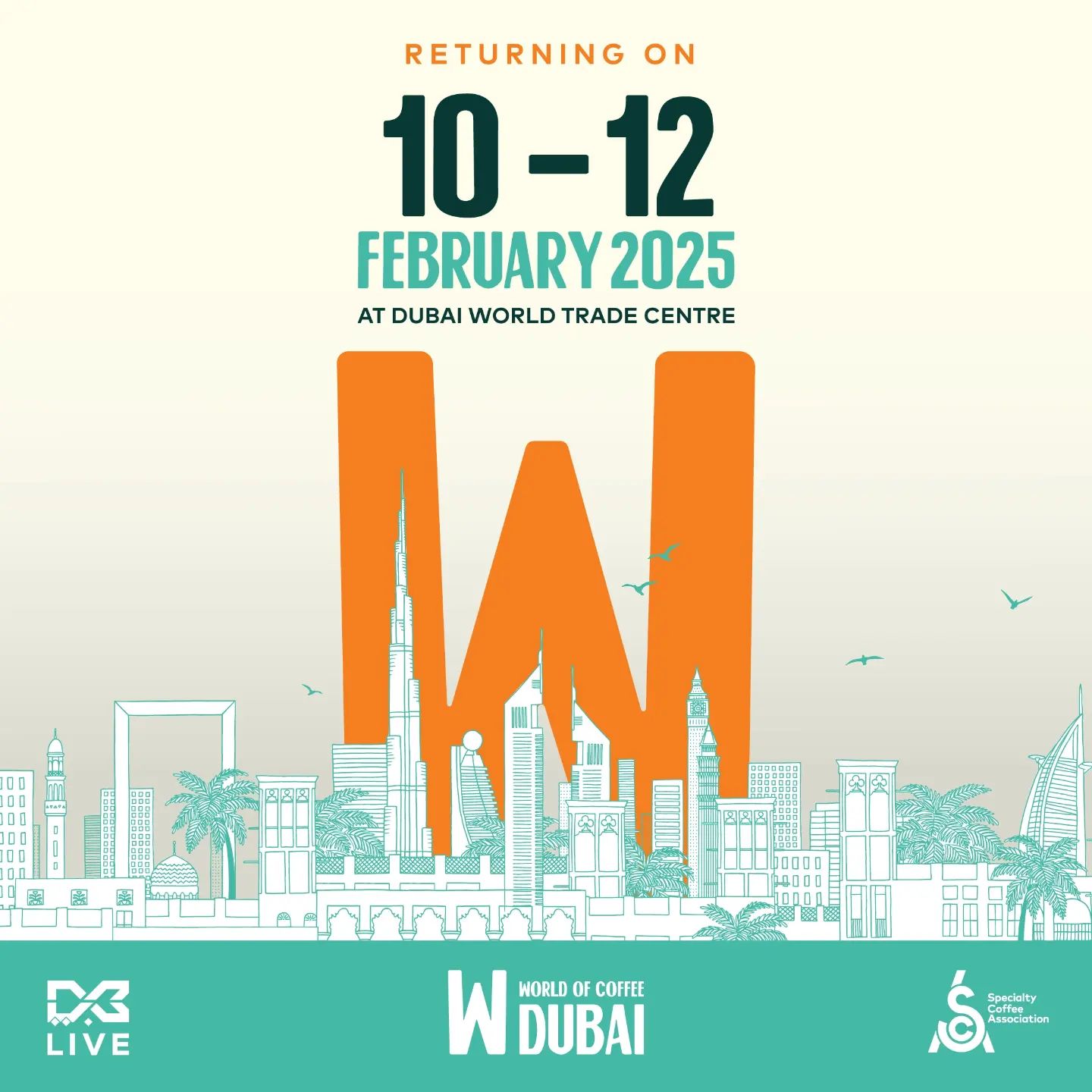
Dubai has officially opened registration for the fourth edition of the “World of Coffee – Dubai” exhibition, taking place from February 10-12, 2025. Organized by DXB Live, the event will be held at the Dubai World Trade Centre and promises to be the region’s largest coffee industry gathering to date, welcoming participants from over 120 countries.

This year’s exhibition is set to be the biggest yet, expanding by 33% to cover 20,000 square meters, allowing more exhibitors to showcase the latest in coffee technology, innovations, and trends. In partnership with the Specialty Coffee Association, #WOCDubai 2025 will provide a unique platform for coffee producers, manufacturers, retailers, and coffee lovers alike to connect and engage in one of the world’s fastest-growing coffee markets.

Yiannis Apostolopoulos, CEO of the Specialty Coffee Association, emphasized the value of Dubai’s strategic location as a hub for coffee trade and innovation, making it the ideal setting for the event’s largest edition so far. Khaled Al Hammadi, Senior Vice President of DXB Live, noted the importance of the event for both local and international coffee businesses, providing a valuable opportunity to explore the growing coffee market in the UAE.

Event highlights will include the Roasters Village, Cupping Room, Brew Bar, UAE National Championships, and the Best New Product Competition. Specialized workshops, lectures, and hands-on sessions will cater to professionals looking to expand their knowledge and skills in the coffee sector.

Event Details:

  • Dates: February 10-12, 2025
  • Location: Za’abeel Halls 1, 4, 5, and 6, Dubai World Trade Centre, Dubai, UAE

Don’t miss out on early bird rates! For registration and more details, visit dubai.worldofcoffee.org.

Cotti Coffee Expands to 10,000 Locations, Launches New Outlet in Doha

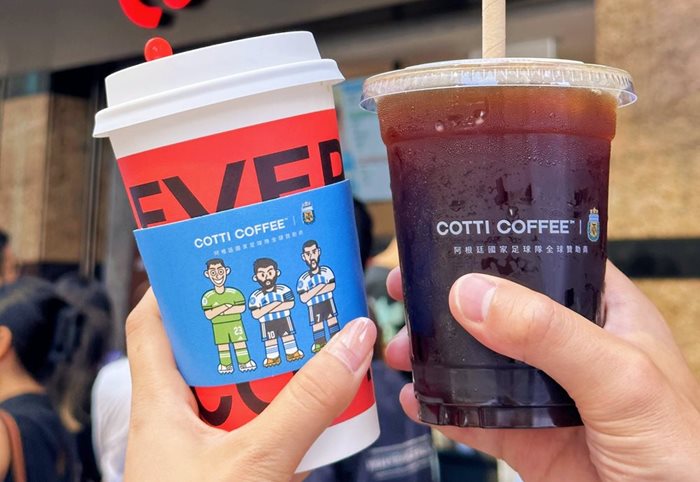
Cotti Coffee, founded by former Luckin Coffee executives Charles Lu and Jenny Qian, has reached a significant milestone with the opening of its 10,000th store in Doha, Qatar. Since its first location in Fuzhou, China, in October 2022, the Beijing-based coffee chain has swiftly expanded across China and into 28 global markets. This rapid growth places Cotti Coffee as the fourth largest coffee chain worldwide, following giants like Starbucks, Luckin Coffee, and Dunkin’.

Cotti Coffee’s expansion strategy combines a digital-first approach, with customers able to order, pay, and track promotions through the app, with competitive pricing and frequent discounts. Additionally, Cotti’s stores emphasize accessibility, often opening in high-traffic areas to attract office workers and younger consumers, particularly in China where it competes closely with Luckin Coffee.

To support this extensive growth, Cotti Coffee is establishing coffee and raw material supply bases in South America, Ethiopia, and Vietnam. This supply chain initiative, along with their large roasting facility in Dangtu, China, which processes 45,000 tons annually, ensures quality control and a consistent product across all locations. Cotti Coffee has also introduced an innovative partnership model in which franchisees avoid initial fees and operate on a profit-sharing basis, which has helped the brand grow swiftly both domestically and internationally​

With a focus on younger demographics, Cotti Coffee has created a menu with diverse offerings, including trendy beverages like coconut and rice milk lattes and specialty drinks developed in collaboration with popular brands and games. This localized, customizable approach has helped it attract loyal customers in new markets, such as Australia and Canada, where Cotti Coffee recently launched its “youth-oriented” and compact takeaway locations​

As Cotti Coffee continues its expansion, it aims to redefine the global coffee landscape with a blend of Chinese innovation, affordability, and quality, setting new standards in international coffee chains.

Matcha: A Passing Trend or a Drink Worth Exploring?

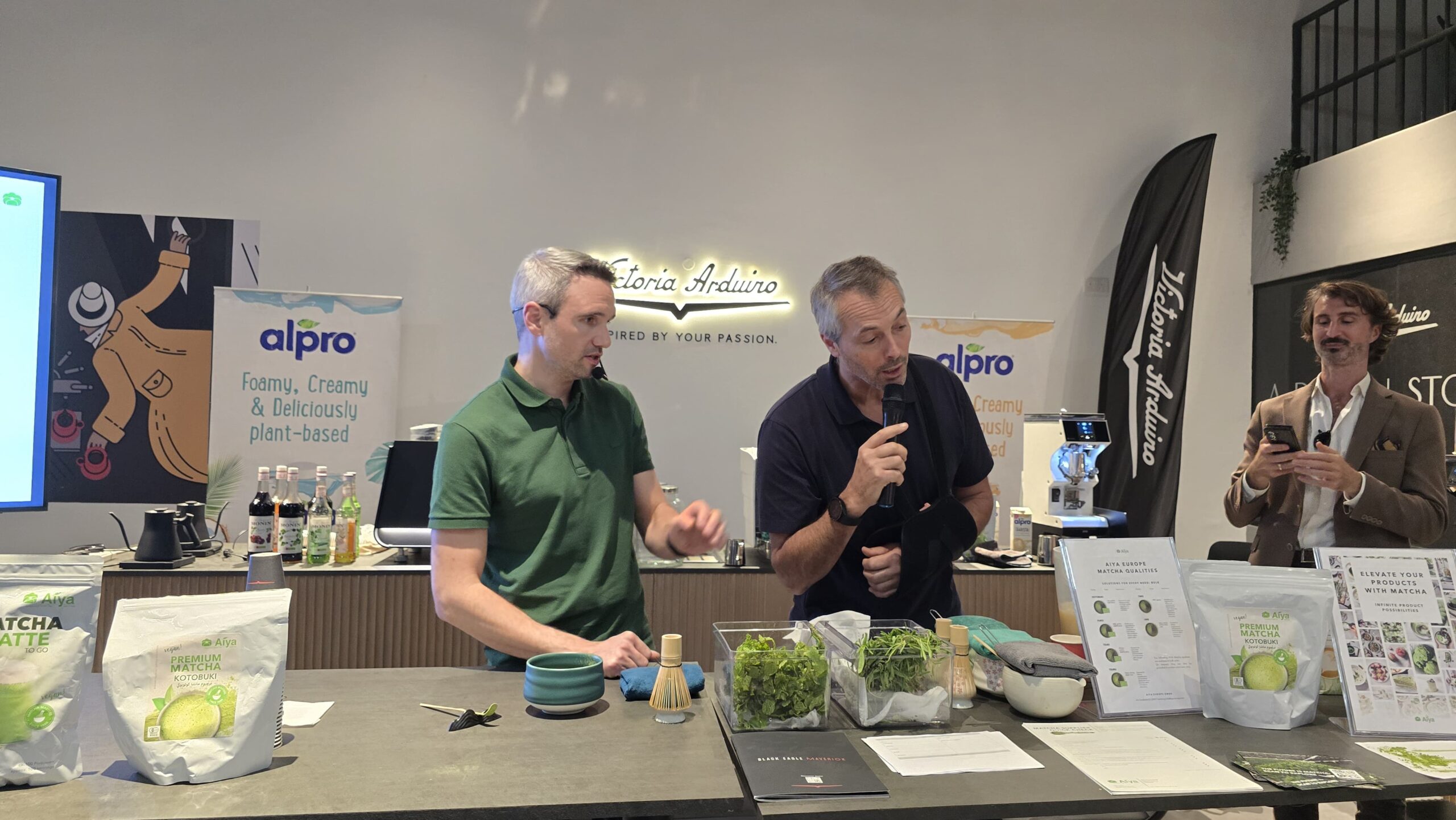
A couple of days ago, I received a special invitation from the renowned Italian barista Antonio Uria, coffee expert at Victoria Arduino Middle East, to attend an exclusive Matcha Masterclass in collaboration with AIYA Europe, Europe’s largest matcha supplier, along with Alpro and Victoria Arduino Middle East, at the Victoria Arduino Experience Lab in Al Quoz, Dubai.

The class, hosted by Antonio Uria, Damian Burgess, and Merijn Gijsbers, was an exciting opportunity to delve into this intriguing green drink that has captured the curiosity of many.

First Encounter… With Little Impression
Upon my arrival, Mr. Merijn Gijsbers, Brand Ambassador for Alpro, greeted me with an unexpected question: “Have you tried matcha before?” My response was candid and swift: yes, I had tried it once but felt nothing remarkable about it; it left no impression on me, neither positive nor negative. Our conversation paused as we shifted our focus to a presentation on the history of matcha, complete with videos showing its journey from China to Japan, where it was reimagined and refined into the form we know today.

The Origins of Coffee… and Matcha?
I grew up in a culture proud to be the birthplace of coffee, where Yemen introduced this drink to the world with its unique flavor and its impact on mood and health. For me, coffee is more than just a beverage; it is a symbol of profound cultural and social significance. Matcha never really piqued my interest until I read a rich article by my dear colleague, Sayed Naveed, a coffee expert. Alongside the exceptional workshop I attended and the immersive experience it offered, this article gave me a fresh perspective on this fascinating drink.

So, I share his article with you here in full, hoping it will enrich your understanding and answer the question: Is matcha merely a fleeting trend, or does it deserve a special place of its own?

Sayed Naveed on Matcha’s Transformative World
Naveed shared that, much like coffee, matcha can initially seem polarizing. For newcomers, matcha may come across as earthy, bitter, and even with a faint marine aroma. Adding milk can soften these intense flavors, but finding high-quality matcha can completely transform the experience.

What Exactly is Matcha, and Is It Beneficial?
Matcha’s vibrant green color is more than aesthetic—it signals quality. Made from carefully cultivated tea leaves, ceremonial-grade matcha offers a rich, smooth taste and health benefits that surpass those of regular tea. Unlike traditional teas, where leaves are steeped and discarded, matcha allows you to consume the entire leaf, amplifying its nutritional value.

Packed with antioxidants, matcha helps combat free radicals, supports heart health, and has even been linked to cancer prevention. As a natural detoxifier rich in chlorophyll, it helps flush out toxins. For those seeking a steady energy boost, matcha’s blend of caffeine and L-theanine provides calm, focused energy without the crash often associated with coffee.

Ceremonial-Grade Matcha: A Class Apart
Not all matcha is created equal. Ceremonial-grade matcha, made from the youngest tea leaves, boasts a vibrant green hue, smooth texture, and a naturally sweet taste. Certified by Japanese Agricultural Standards (JAS), it meets strict quality and farming standards, offering a purity best enjoyed on its own, akin to espresso for coffee enthusiasts.

By contrast, culinary-grade matcha is slightly more bitter and ideal for recipes and lattes. A quick milling test can reveal quality: the greener and creamier the powder, the higher the grade.

Matcha vs. Coffee: More Than Just Taste
While both matcha and coffee contain caffeine, matcha’s slow-release caffeine, aided by L-theanine, provides a balanced focus and a gentle energy boost without the spikes common with coffee. Additionally, matcha is less acidic, making it easier on the stomach.

Matcha’s Rise in the GCC
In recent years, matcha has surged in popularity across the GCC, appealing to health-conscious and younger consumers who enjoy its wellness benefits and unique flavor. This demand has led to the arrival of premium brands like AIYA, Japan’s premier matcha producer, which now offers high-quality ceremonial-grade matcha in the region. AIYA’s commitment to quality, established since 1888, is setting new standards, making it an exciting time for matcha enthusiasts to explore its benefits.

With brands like AIYA redefining the matcha experience, there’s no better time to immerse oneself in this vibrant, healthful world of tea—perhaps as deeply as with specialty coffee.

Specialty Coffee Association Announces Educator Summit 2024 Series in Asia, Empowering Coffee Trainers Worldwide

Following a successful 2023 run, the Specialty Coffee Association (SCA) has unveiled the much-anticipated Educator Summit 2024 Series with an impressive lineup of events across Asia. Set to take place this December, these events will be hosted in Jeungpyeong, South Korea; Bangkok, Thailand; and Yilan, Taiwan, and will focus on providing coffee educators with an enriched learning experience that explores innovative teaching, coffee science, and the coffee value chain.

This global series, tailored for coffee educators and professionals, combines lectures, workshops, and collaborative learning to support educators in refining their training techniques. Each summit is a day-long experience that brings together esteemed industry professionals who will share their insights through hands-on activities and discussions, allowing participants to acquire actionable knowledge for enhancing their coffee education programs.

Event Details

  • Jeungpyeong, Korea
    • Date: December 3, 2024
    • Host: Purple Land
    • Registration: Now Open
  • Bangkok, Thailand
    • Date: December 8, 2024
    • Host: Barista Association of Thailand, Srinakharinwirot University
    • Registration: Now Open
  • Yilan, Taiwan
    • Date: December 10, 2024
    • Host: Mr. Brown, Kavalan Single Malt Whisky Distilleries
    • Registration: Opening Soon

These Asia-based summits follow the recent USA editions in Philadelphia and Houston, marking SCA’s commitment to advancing coffee education globally.

Program Highlights

Participants can expect sessions on a range of key topics tailored to equip educators with advanced tools and strategies for effective coffee training. Some of the highlights include:

  • Water Chemistry in Coffee
    Speaker: Brady Butler
    Understanding water chemistry is fundamental to coffee brewing. Butler will offer practical approaches to teach this complex subject, emphasizing sensory-based activities that simplify water composition analysis for learners.
  • Coffee Value Assessment
    Speaker: Shaun Ong
    Trainers will explore the SCA’s Coffee Value Assessment tool with Ong, delving into the Affective Assessment—a segment that adds an emotional dimension to coffee tasting. Educators will learn strategies to help students approach this subjective aspect with confidence.
  • Complex History of Coffee
    Speaker: Laurel Carmichael
    This session invites educators to critically examine the history of coffee, moving beyond myths and into verified historical accounts. Carmichael will guide participants in dissecting coffee’s global journey and its socio-economic impact through the ages, inspiring a fact-based and inclusive teaching approach.
  • Effective Use of Training Materials
    Speaker: Ben Helt
    In this interactive segment, Helt will showcase techniques for using visual aids and interactive materials, enhancing educators’ connection with their students and optimizing the learning process.

A Community of Knowledge

The Educator Summit is not merely an educational experience; it is a platform for coffee educators from different regions to connect, collaborate, and inspire each other. By attending, participants join a community of professionals dedicated to elevating coffee education standards and fostering a deep understanding of coffee’s intricacies.

Registration is currently open for the Korea and Thailand events, with the Taiwan registration expected shortly.

G7 Endorses Global Coffee Sustainability and Resilience Fund, Paving the Way for a Sustainable Coffee Industry

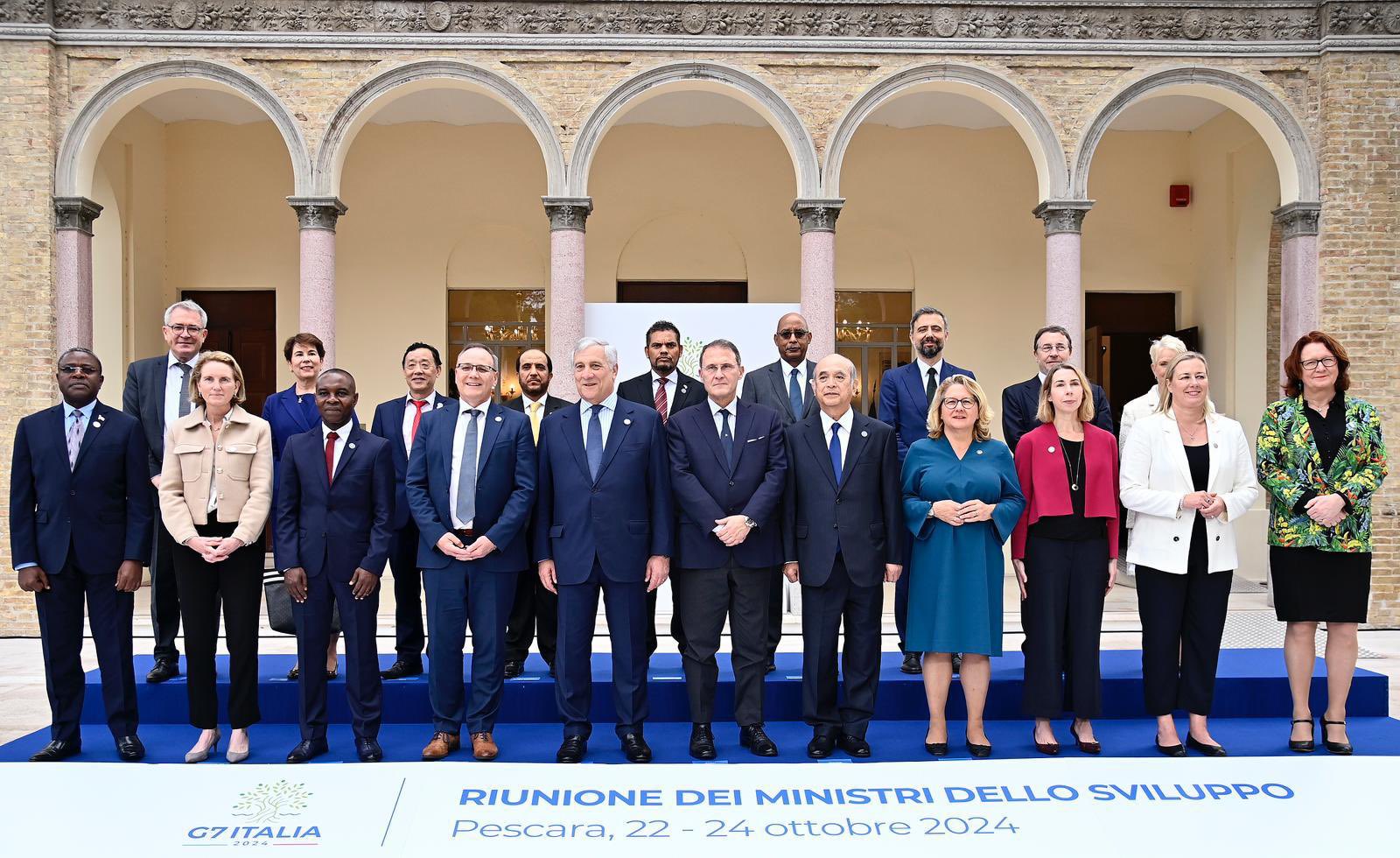
The International Coffee Organization (ICO) marked a historic milestone at the G7 Development Ministers’ Meeting in Pescara, Italy, from October 22-24, where global leaders endorsed the new Global Coffee Sustainability and Resilience Fund. This public-private initiative aims to drive sustainable growth and resilience across the coffee value chain through innovative finance solutions and strategic investment, catering specifically to the diverse needs of coffee-producing nations.

Hosted at Pescara’s Aurum center, the meeting featured a dedicated session on coffee chaired by Italy’s Foreign Affairs Minister, Antonio Tajani, and attended by G7 leaders, partner countries, and key private sector representatives. ICO Executive Director Dr. Vanúsia Nogueira emphasized coffee’s crucial role in global social and economic development, highlighting the Fund’s focus on addressing climate change, deforestation, and value distribution challenges within the coffee industry.

The Global Coffee Sustainability and Resilience Fund, a collaborative effort between the ICO, Italian G7 Presidency, and industry stakeholders, is designed to support smallholder farmers, women, and youth, particularly across Africa and vulnerable regions. Dr. Nogueira noted that this initiative aligns with the need for investment in research, technology, and infrastructure to enhance productivity, quality, and sustainability in coffee-producing countries.

In a promising step for the Fund’s future, ICO representatives also held bilateral meetings with international organizations, including FAO and UNIDO, to discuss shared goals for the coffee sector and potential areas of collaboration.

With Canada taking on the G7 Presidency in 2025, the ICO remains committed to maintaining progress in establishing this transformative fund, which sets the foundation for a resilient, sustainable coffee future.

For more details, refer to the official communiqué from the G7 Development Ministers’ Meeting.

About the ICO:
The International Coffee Organization (ICO) is a leading intergovernmental body dedicated to advancing sustainability in the coffee sector, offering vital industry statistics, fostering partnerships, and supporting technical projects. For further information, visit icocoffee.org.

Coffee Industry Experts to Gather at GulfHost 2024 for Immersive Coffee Experience

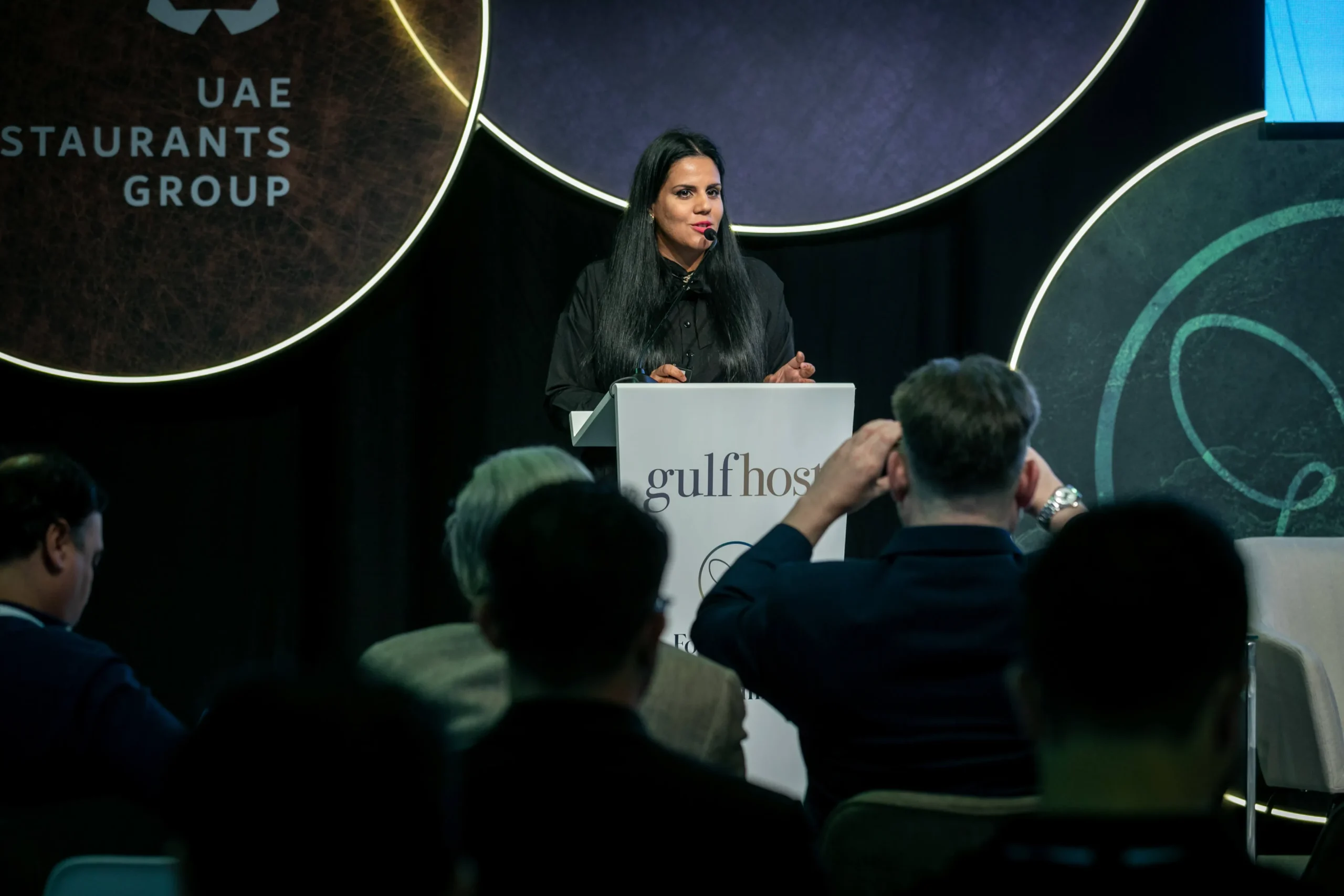
Dubai is set to host a major event for coffee aficionados, professionals, and industry pioneers as GulfHost 2024 gears up to offer a truly immersive experience through its Coffee Experience Lab. Running from November 5th to 7th at the Dubai World Trade Centre’s Za’abeel Hall, this event will bring together some of the most influential figures in the coffee world, providing an unrivaled platform for learning, networking, and exploring the latest trends in coffee production, brewing, and business.

The Coffee Experience Lab, a key highlight of the GulfHost exhibition, aims to deepen participants’ understanding of coffee’s rich heritage and future prospects. The event will feature a diverse program that promises to take attendees on a journey through the vibrant and evolving world of coffee across regions such as Ethiopia, Vietnam, Italy, Türkiye, and Mexico.

A Star-Studded Lineup of Coffee Experts

A host of renowned coffee professionals will lead the sessions, including Sarah Aradi, owner of Al Habasha Restaurant & Café, and Medina Ilyassova, founder of Medina Coffee. Industry stalwarts like Matt Toogood, co-founder and CEO of RAW Coffee, and Antonio Nurri, CEO of Nurri Espresso, will also contribute their insights. This star-studded lineup of coffee specialists and business leaders is expected to offer attendees a deep dive into both the technical and cultural aspects of coffee.

Among the highlights will be the participation of Rasam Adabi, Head of Training & Quality Control at Coffee Market Innovations, who will provide invaluable tips on quality control and trends in coffee extraction methods. Other industry figures, such as Jerry Flores, Beverage Manager at Café Bateel, and David Barraza, Commercial Manager at Juan Valdez, will lead live demonstrations and workshops, ensuring that attendees walk away with actionable insights to enhance their craft and operations.

Exploring the Culture Behind Every Brew

This three-day event will be packed with masterclasses and interactive demonstrations that emphasize the importance of understanding the traditions behind each coffee cup. From espresso-making sessions inspired by Italy’s Neapolitan coffee culture to discussions on the significance of Arabic coffee, participants will uncover the hidden stories that shape coffee cultures worldwide.

Greek and Turkish coffee traditions will also be in the spotlight, with workshops designed to educate participants on the preparation, history, and significance of these cultural staples. The diversity of coffee cultures represented promises a rich experience for attendees, with each session delivering insights into different brewing techniques, coffee-making philosophies, and regional flavors.

Practical Skills and Future Trends

Coffee enthusiasts and professionals will have the chance to perfect their technical skills in workshops that cover a wide range of topics, including latte art, milk frothing, roasting techniques, and espresso machine mastery. Participants will also be updated on the latest technologies in the coffee industry, learning how innovations such as freeze-dried coffee production and sustainable practices are reshaping the market.

Experts like Matteo D’Ottavio, Coffee Consultant, and Cenk Girginol, Coffee Consultant & Gastronomy Author, will offer live demonstrations on advanced brewing techniques, while Ginny Tan, Category Manager at ADNOC Distribution, will highlight the importance of operational strategies that enhance both efficiency and quality in coffee businesses.

A Growing Coffee Industry

With coffee consumption on the rise and the Middle East and North Africa (MENA) coffee industry projected to be worth over USD 15.26 billion by 2030, GulfHost 2024’s Coffee Experience Lab arrives at a critical time for the region’s coffee professionals. As the industry booms, this event offers a timely opportunity for café owners, baristas, and coffee business leaders to expand their knowledge and refine their skills, ensuring they remain at the forefront of the coffee revolution.

By attending, participants will also gain insights from key industry players such as Sitaram Napit, Co-Founder and CEO of The Ore Coffee, and Stavros Lamprinidis, a renowned barista and bartending consultant, who will demonstrate the importance of sustainability and innovation in today’s competitive coffee market.

GulfHost 2024’s Coffee Experience Lab promises to be a landmark event for coffee professionals looking to enrich their expertise and stay ahead in an ever-changing industry. Through workshops, live demonstrations, and masterclasses led by coffee legends, attendees will have the opportunity to elevate their craft and build valuable connections within the global coffee community.

For those passionate about coffee, this is a must-attend event that goes beyond the beans—delving into the stories, techniques, and trends that make coffee one of the world’s most beloved beverages.

G7 Launches Initiative to Support Coffee Sustainability, Starting in Africa

The G7 announced the launch of a global innovative initiative aimed at ensuring the sustainability and resilience of the coffee supply chain, starting with five leading countries in Africa: Ethiopia, Uganda, Tanzania, Kenya, and Malawi, with plans to expand the initiative to Central America and Asia in the future.

This announcement was made by Gerardo Pataconi, Head of Operations at the International Coffee Organization (ICO), during a press conference on the sidelines of the G7 Development Meeting in Pescara.

Pataconi noted that this initiative is the first of its kind where the G7 countries and their partners focus on a specific sector, namely coffee. He explained that the initiative has been thoroughly studied during previous G7 meetings, including the G7 Leaders Summit in Borgo Egnazia, reflecting the growing recognition of the importance of investing in this vital sector to ensure its sustainability.

Pataconi expressed concern about the increasing impact of climate change on coffee production, warning that the price of a cup of coffee could reach $100 if immediate action is not taken to protect coffee farms. He added: “About 5 to 6 million coffee producers live below the poverty line, and this initiative aims to coordinate efforts between the G7 countries to support the sector through the creation of a global public-private funding fund.”

Pataconi also emphasized that this initiative has received significant support from leading companies in Italy, noting that the Italian financing plan, which is part of the “Mattei Plan,” will initially focus on Africa, with ambitions to expand investments globally. He concluded by stating that the final phase of the initiative will involve cooperation with UN agencies and other international organizations to implement sustainable solutions in the targeted countries.