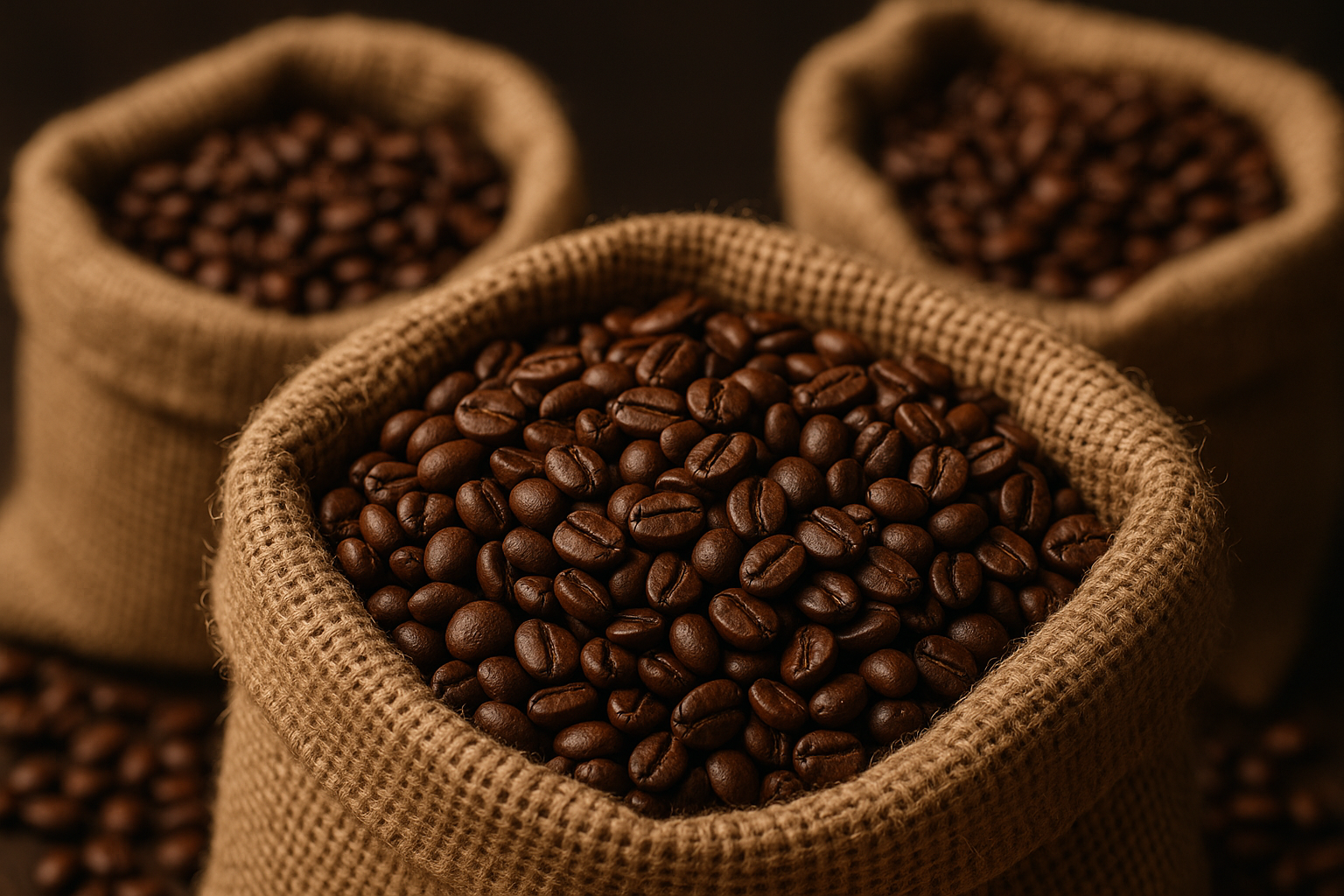
Impact at Origin: The Story Behind Your Cup of RAW

By Kim Thompson 

Dubai,July 30, 2025 (Qahwa World)— When we talk about coffee, we’re not just talking about quality or tasting notes—we’re talking about people. Our coffees are grown by exceptional producers in some of the most beautiful and, at times, most vulnerable parts of the world. Every bag we roast is the result of real relationships, fair partnerships, and a whole lot of respect for the land and the people who care for it. We believe in doing things the right way—even when it’s not the easiest, it’s the most meaningful.

From the volcanic slopes of Mexico to the highlands of southern Ethiopia, our green coffee comes directly from producers—currently in 10 different countries—with whom we’ve built long-term relationships. These are not names on a spreadsheet. These are people we know. We’ve walked their farms, shared meals with their families, and listened to their stories. And now, we have the privilege of sharing those stories with you.

We don’t deal in commodity pricing. We don’t buy blindly. And we never negotiate someone out of a living wage. Instead, we agree on prices directly with our producers—always above the C-market rate—and we work to strengthen commitments that are mutually beneficial and enduring.

Great coffee begins with healthy soil, clean water, and biodiversity. Most of our producers are already working in harmony with nature—not against it. We actively source from farms that avoid chemicals, use natural trace minerals, invest in water conservation and soil regeneration, and commit to farming practices that look toward a sustainable and resilient future.

We also seek out partnerships that uplift and empower women in coffee. One of many is Maria Lopez in Mexico, a next-generation farmer producing all three processing styles—washed, honey, and natural—with exceptional care at every stage. Her coffees will launch with us in early September 2025.

Over 18 years in this industry, I’ve seen time and again that when women are given opportunities, entire communities benefit. Coffee is often grown in rural areas that face serious challenges—from climate change to limited access to education and healthcare. I believe that buying coffee should improve lives, not just profit margins.

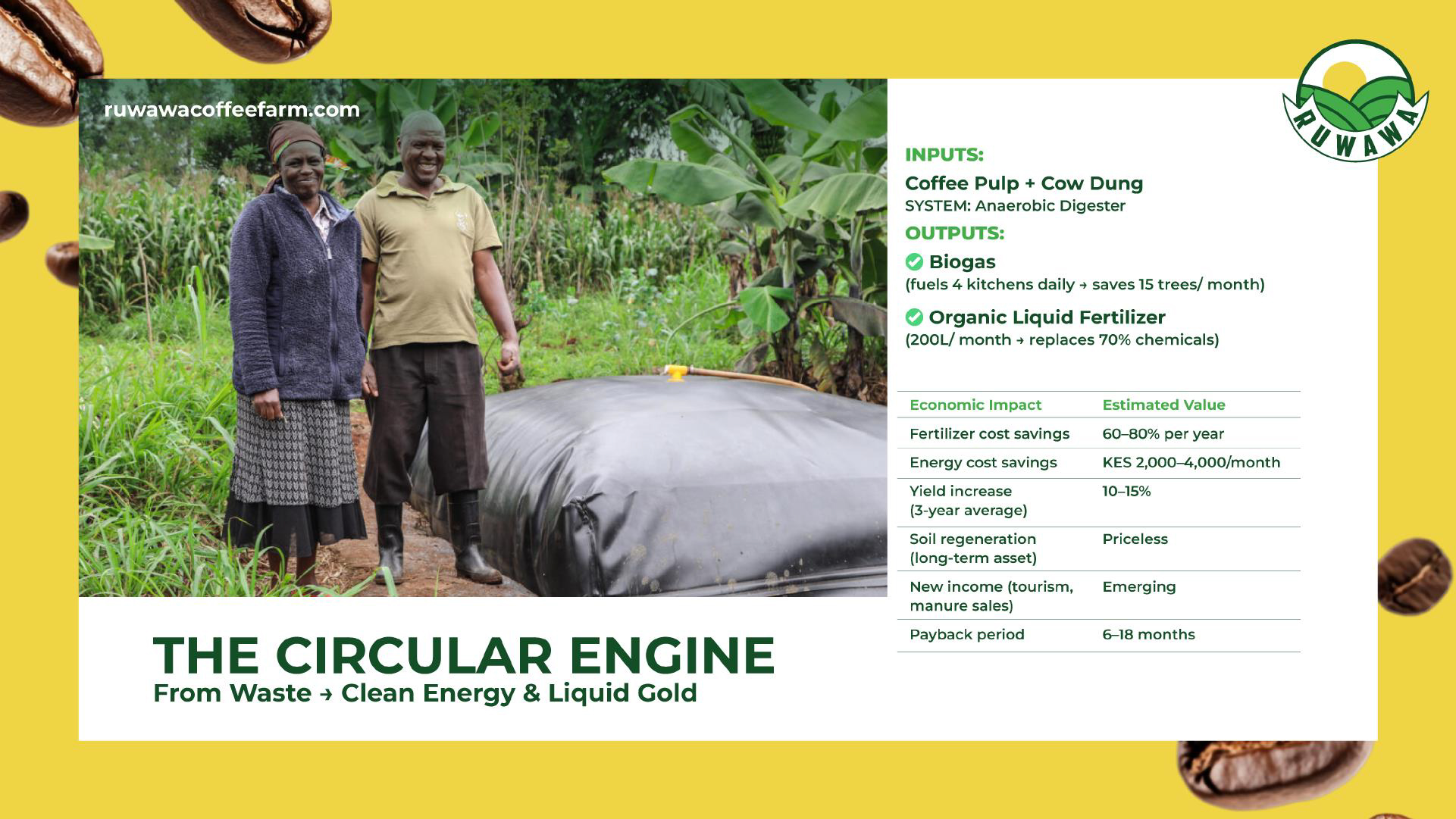
Through our direct relationships and your support, we’ve been able to fund real and meaningful needs for some of our producers: new drying beds and fermentation tanks, school uniforms and supplies, new access roads, electricity, and water treatment systems to manage the byproducts of coffee processing.

We track every coffee we purchase—from the farm to export, to roast, and finally, into your cup. We’re working toward full transparency with every lot, and you can trust that we don’t do greenwashing.

Some of you are content simply enjoying the cup. Others want to know more. You can scan the QR code on your coffee bag to discover the producer’s name, farm details, and processing method—or visit our website to dive deeper into each story and the person behind the coffee.

Choosing RAW means choosing better. Not just better coffee—but better outcomes for the people who grow it. You are part of a movement proving that business can be ethical, human, and delicious.

Thank you for supporting us. Stay curious. Stay RAW.

JDE Peet’s Reports Strong Half-Year Results for 2025

Amsterdam, July 30, 2025 (Qahwa World) – JDE Peet’s, one of the world’s largest coffee and tea companies, has announced its financial results for the first half of 2025, showcasing robust growth across key performance indicators. The company recorded strong organic sales, solid profitability, and healthy free cash flow—despite continued volatility in green coffee prices.

🔹 Highlights for H1 2025

  • Organic Sales Growth: +22.5% (driven by +21.5% price and +1.0% volume/mix)

  • Reported Sales: €5,045 million (up 19.8%)

  • Organic Adjusted Gross Profit: +2.2% to €1,665 million

  • Reported Gross Profit: €1,537 million (down 8.7%)

  • Organic Adjusted EBIT: €709 million (up 2.0%)

  • Operating Profit: €402 million (down 40.2%)

  • Free Cash Flow: €565 million

  • Net Leverage: 2.5x

  • Underlying EPS: €1.33 (up 75.0%)

  • Reported EPS: €0.86 (up 16.2%)

  • Share Buyback: 38% of €250 million program completed

🔹 CEO Statement: Relevance Amidst Volatility

Rafa Oliveira, CEO of JDE Peet’s, expressed satisfaction with the company’s performance:

“We are very pleased with our business and financial results in the first half of 2025. Our performance was broad-based and strong across top-line, profitability, and cash flow, despite operating in a challenging environment marked by persistently high green coffee prices.”

Oliveira highlighted recent product innovations—including Peet’s Popping Pearls, L’OR Coconut Iced Espresso, Jacobs Dubai Chocolate, and Moccona Liquid Espresso sachets—as key drivers for consumer engagement and market expansion.

🔹 Operational Restructuring and Strategic Progress

In line with its 2025 transformation goals, JDE Peet’s initiated several strategic changes:

  • Divested its tea business in Turkey to Efor Holding.

  • Halted the rollout of the L’OR Barista machine in the U.S.

  • Transferred the U.S. L’OR capsules business to Peet’s.

  • Announced the planned closure of the Banbury factory in the U.K.

  • Simplified its European model by reducing country clusters and centralizing finance operations under a Global Business Services framework.

These changes are part of the company’s focus on streamlining operations, enhancing resource allocation, and unlocking future growth.

🔹 New Strategy: “Reignite the Amazing”

Unveiled on July 1 at its Capital Markets Day, JDE Peet’s launched a bold new strategy—“Reignite the Amazing.” This brand-led framework focuses on three pillars:

  1. Peet’s (North American specialty leader)

  2. L’OR (global premium espresso brand)

  3. Ten local icons, with Jacobs at the forefront

The company aims to:

  • Simplify its portfolio and operational model

  • Drive €500 million in cost savings by end-2027

  • Reinvest 50% of these savings into growth and innovation

  • Expand global reach via high-potential opportunities

🔹 Green Coffee Price Inflation

Green coffee prices surged by over 60% year-on-year during the first half of 2025, with easing in the final two months. JDE Peet’s continues to mitigate these cost pressures through efficiency improvements and selective price adjustments—while maintaining affordability for consumers and supporting sustainability among coffee farmers.

🔹 Share Buyback Update

As of July 25, 2025, the company has completed 38% of its €250 million share repurchase program, on track for full execution by year-end.

🔹 Upgraded 2025 Outlook

Based on first-half performance and expectations for the remainder of the year, JDE Peet’s has raised its full-year 2025 guidance:

  • Organic Sales Growth: high-teens (upgraded)

  • Adjusted EBIT: at least stable (upgraded)

  • Free Cash Flow: ~€1 billion (unchanged)

Starbucks Reports Q3 2025 Results, Signals Strong Momentum and Innovation Wave Ahead

Seattle, July 30, 2025 (Qahwa World) – Starbucks Corporation (Nasdaq: SBUX) yesterday reported its financial results for the third quarter of fiscal year 2025, ending June 29. The results reflect steady progress under the company’s “Back to Starbucks” strategy and mark a pivotal step in what leadership says is a foundation for transformative innovation in 2026.

“We’ve fixed a lot and done the hard work on the hard things to build a strong operating foundation, and based on my experience of turnarounds, we are ahead of schedule,” said Brian Niccol, chairman and chief executive officer.
“In 2026, we’ll unleash a wave of innovation that fuels growth, elevates customer service, and ensures everyone experiences the very best of Starbucks.”

While Starbucks acknowledged that the full financial impact of these improvements is not yet fully reflected in Q3 performance, Niccol said momentum is building — especially in the U.S. market, where partner (employee) engagement is increasing, customer connection scores are rising, and non-Rewards customer transactions have returned to growth.

The company also noted that more U.S. stores are now delivering positive comparable transactions, and shift completion rates reached record highs — evidence, Niccol said, of growing operational strength.

Green Apron Service Model and Store Transformation

A central component of this operational turnaround is Starbucks’ new Green Apron Service model, described as the company’s largest investment ever in customer experience. The model is designed to bring greater speed, craftsmanship, and human connection to every coffeehouse.

It includes:

  • Smarter staffing strategies

  • Advanced order sequencing systems

  • Defined service standards

According to Niccol, the model is already showing results in terms of faster service, stronger sales, and improved customer satisfaction — and will roll out nationwide next month.

Starbucks is also reinvesting in its physical spaces. Niccol said the company is “uplifting coffeehouses” with more seating, warmth, and texture, and building new stores with a 30% lower cost to build, while enhancing the customer experience.

Innovation Plans for 2026

With this new operating foundation in place, Starbucks is preparing to launch a wave of innovation in 2026. The company unveiled several upcoming initiatives, including:

  • Protein Cold Foam: A first-of-its-kind modifier delivering 15 grams of protein.

  • A bold new 1971 Dark Roast and reimagined artisanal bakery offerings

  • Test beverages featuring coconut water, along with gluten-free, high-protein food and customizable energy drinks

  • A new Starbucks mobile app, improved Mobile Order & Pay, and an updated Rewards program designed to increase engagement and deepen loyalty.

Over $2 Billion in International Revenue

Starbucks also highlighted international growth as a key contributor to its momentum. For the first time, international revenue exceeded $2 billion in the quarter. Notably, comparable sales in China — a vital growth market — turned positive, while expansion efforts are continuing in Canada, the U.K., Mexico, Türkiye, and other global markets.

Financial Notes and EPS Impact

Chief Financial Officer Cathy Smith confirmed that Starbucks made a one-time investment in its Leadership Experience 2025 initiative and recorded a discrete tax expense during the quarter, which collectively reduced earnings per share (EPS) by $0.11.

“We are making tangible progress in our ‘Back to Starbucks’ strategy,” Smith said.
“We are focused on growing back better and delivering durable, sustainable long-term growth.”

Full GAAP and non-GAAP reconciliations are available on the Starbucks Investor Relations site.

Conclusion: A Better Starbucks Ahead

Niccol closed the Q3 earnings presentation by affirming the company’s broader mission:

“We aren’t just getting back to Starbucks — we’re building the best Starbucks yet.”

With foundational improvements in place, a strong pipeline of innovations on the horizon, and global momentum accelerating, Starbucks is positioning itself not just for a recovery — but for a reimagined future.

Brewing a Rural Revolution: How China’s Countryside Is Blending Coffee, Culture, and Community

Beijing, July 29, 2025 (Qahwa World | Xinhua) – Across China’s scenic countryside, a quiet revolution is brewing—one cup at a time. From the Tibetan highlands of Sichuan to the tropical plantations of Hainan, rural cafés are rapidly transforming into vibrant hubs of cultural, economic, and social renewal.

In Daofu County, nestled in southwest China’s Sichuan Province, traditional Tibetan homes have been reimagined as stylish cafés. These spaces don’t just serve drinks—they serve stories. Alongside lattes and cappuccinos, visitors can savor butter tea, highland barley, and centuries-old Tibetan traditions.

“Sipping a highland latte while listening to folk songs and learning Thangka painting—what a perfect way to unwind,” said tourist Xu Xiaomei, charmed by the unique blend of flavors and heritage.

Even the serving ware is rooted in local identity. “Our coffee cups are handmade from Daofu’s black pottery,” said Gao Yaojun, a hotel manager in the area.

This café-led transformation is not isolated. As of 2024, China has seen the emergence of more than 44,000 countryside coffee shops, many adopting a “coffee+” model that pairs café culture with immersive experiences—ranging from cliffside hikes and elephant watching to craft workshops and plantation tours.

In Guizhou Province, a café perched atop a 200-meter-high cliff has gone viral. Visitors trek through forests and climb the cliffside to reach it, with the entire adrenaline-fueled experience costing around 400 yuan (US$55.70) per person. Similar thrill-seeking café experiences are emerging in Zhejiang and Fujian.

In Yunnan Province, home to China’s largest wild elephant population and its top coffee-growing region, cafés in Pu’er let visitors sip fresh brews while observing elephants roam the forest. Others offer plantation tours and roasting sessions, connecting drinkers directly to the origin of their cup.

In Hainan’s Wanning area, island-based coffee farms invite guests to roast their own beans. Even the grounds are repurposed—turned into eco-friendly crafts such as sand paintings, scented accessories, and decorative murals.

This boom is driven by a powerful urban desire to reconnect with nature. In the first quarter of 2025, rural tourism in China attracted 707 million visitors, an 8.9% increase year-on-year, generating 412 billion yuan in revenue—a 5.6% rise from the previous year.

It’s also reviving rural economies. In Zhejiang’s Anji County, with a population under 600,000, over 300 rural cafés have opened in recent years. Many follow a community co-op model: villagers contribute land or resources, while entrepreneurial teams manage operations. Profits are shared through rent, wages, and dividends.

One notable example is Deep Blue, a café that returns nearly half of its coffee revenue to local shareholders. “You’ve got to admire how brilliantly resourceful these young people are,” a local villager remarked.

The café trend is reversing the tide of urban migration. Young people are returning home to start businesses and build futures. One such example is Wang Han, 27, who left Shenzhen and Kunming to return to his native Xinzhai Village in Yunnan. There, he opened a café and launched an online coffee brand. “There’s something worth coming back for,” Wang said. “Now, visitors from across China come to tour our fields and taste our brews.”

At Deep Blue, the team of 127 staff averages 25 years old, with backgrounds as diverse as medicine and shipbuilding. The café was launched in 2022 by local entrepreneur Cheng Shuoqin and six partners, all from Anji.

Cheng remains optimistic about the sector’s future: “The more well-educated, passionate young people return to the countryside, the brighter its future will be.”

China’s rural café movement is proving that coffee isn’t just a drink—it’s a bridge between tradition and innovation, between economic revival and cultural expression. And in every village cup, there’s a taste of something far greater: a renewed sense of place and purpose.

Russia Sets Record for Coffee Imports from Indonesia

Moscow, July 30, 2025 (Qahwa World) — Coffee imports from Indonesia to Russia surged nearly tenfold in the first five months of 2025, marking a new all-time high, according to data from Indonesia’s national statistics agency reported by RIA Novosti.

Between January and May, Indonesian companies exported $33.4 million worth of coffee to Russia — a dramatic increase from just $3.4 million during the same period in 2024. This surpassed the previous record set in 2017, when shipments totaled $27 million.

The bulk of the imports consisted of robusta coffee, which accounted for $33 million, while arabica coffee made up only $423,000.

Russia is now among the top 10 importers of Indonesian coffee, ranking ninth. The top three destinations were:

  • United States — $159.8 million

  • Belgium — $126.9 million

  • Egypt — $67.5 million

Meanwhile, arabica prices have been rising sharply. In July, futures jumped over 3.5%, reaching around $3 per pound, following reports that the U.S. is planning to impose 50% tariffs on all Brazilian imports — a move that has raised global supply concerns.

The global coffee market is still recovering from last year’s downturn caused by extreme weather conditions in major producing countries. According to David Oxley, Chief Climate and Commodities Economist at Capital Economics, a return to previous price levels could take several years due to the severe damage inflicted by prolonged droughts in key coffee-growing regions.

U.S. Tariff on Brazilian Coffee Threatens Middle East Coffee Market

By: Lee Safar, host of The Daily Coffee Pro Podcast and founder of Map It Forward

The looming 50% U.S. tariff on Brazilian coffee has traders in the U.S. racing to land shipments before the August 1 deadline. Market observers expect Brazilian beans to be redirected toward Europe, Asia, and the Middle East.

Even though the tariff does not directly affect Middle Eastern import duties, it could raise global prices as U.S. buyers compete for non-Brazilian coffee and as supply chains adjust. The Middle East’s specialty coffee scene, which relies heavily on imported green beans, is therefore facing potential disruptions in pricing, availability, and quality.

What does this mean for buyers and roasters in the Middle East?

  • Higher Costs: With U.S. demand shifting to African and Central American origins, Middle Eastern roasters may face increased competition for those coffees and higher freight rates. It may become more economical to secure contracts for Brazilian beans destined for non-U.S. markets.

  • Quality Considerations: Brazil is a key origin for blends used in milk-based drinks popular in the Gulf and traditional styles of Arabic coffee. Changing supply patterns (e.g. the shift away from specialty coffee) could affect flavour profiles and consistency.

  • Cash-Flow Planning: Buyers should consider locking in prices or increasing inventory ahead of expected volatility.

Additionally, although Middle Eastern roasters do not export large volumes to Europe, the EU’s new deforestation rule is still relevant. Several importers are already reducing purchases from Ethiopian smallholders because they fear those beans will not be EUDR-compliant. In the medium term, this could make Ethiopian coffee more available and possibly cheaper in non-EU markets. However, the policy could push smaller farmers out of the global supply chain, reducing diversity and putting long-term supply at risk.

Middle Eastern coffee businesses should monitor global policy developments carefully. Diversifying origin portfolios and investing in direct relationships with producers may help mitigate supply-chain disruptions and support farmers facing new regulatory burdens.

“Taste of China” Coffee Competition Reveals Chinese Flavor Trends

Dubai, July 29, 2025 (Qahwa World) – The second edition of the “Taste of China” Global Specialty Green Coffee Bean Competition concluded on Sunday in Shanghai, offering the world a deeper look into the unique and evolving coffee flavor preferences of Chinese consumers.

Organized by Hongqiao International Coffee Harbor, the two-day event featured 82 premium green coffee samples from 16 countries, including established coffee powerhouses like Brazil, Ethiopia, Colombia, and Vietnam, as well as rising origins such as Thailand, El Salvador, Ecuador, and Burundi. China’s domestic producers were also strongly represented, particularly from Yunnan and Hainan.

As China’s coffee industry expands, consumers are developing flavor preferences that differ significantly from those in Western and Southeast Asian markets. While coffee imports have surged, many international producers are still unfamiliar with the specific taste profiles favored in China—a gap this competition seeks to close.

The competition has received ongoing support from embassies, consulates, and specialty coffee associations of major producing nations based in Shanghai. The judging panel included industry leaders from top coffee chains such as Luckin Coffee, Starbucks, and Cotti Coffee, as well as national champions in brewing and cupping, and coffee professionals from across the country.

In a first for the event, the top 10 coffees were auctioned both online and offline, drawing strong interest from roasters, café owners, and buyers across China. Furthermore, the top 30 winning coffees will go on a nationwide cupping tour, visiting major cities and engaging directly with local consumers. The tour will culminate in the announcement of the “Most Popular Coffee Award”, based on public feedback.

The results of the competition offer valuable insight into Chinese consumer trends, providing data that roasters and producers can use to adapt their offerings for better alignment with the domestic market.

Hongqiao International Coffee Harbor has emerged as a leading platform in China’s growing coffee trade. It currently partners with over 200 international coffee enterprises, sources beans from more than 60 countries, and manages trade volumes exceeding 3 billion yuan annually.

With its blend of global collaboration and local insight, the “Taste of China” competition is becoming a key force in shaping the country’s specialty coffee landscape.

Brazil’s Coffee Harvest 2025/26: Progress, Pressures, and Price Surges Amid Global Uncertainty

Dubai, July 29, 2025 (Qahwa World) – Coffee prices surged this week amid ongoing weather disruptions, geopolitical tensions, and mounting concerns over global supply. As Brazil— the world’s largest coffee producer—progresses steadily with its 2025/26 harvest, the global market is showing signs of volatility that could influence prices in the coming months.

On Monday, September Arabica coffee futures (KCU25) rose by +1.39% (+4.15), while September Robusta futures (RMU25) jumped +4.03% (+130). The price rally was triggered by reports of a severe hailstorm in Minas Gerais, a key Arabica-producing region in Brazil, which may have caused crop damage. This development added to fears about supply disruptions from Brazil at a time when tariff risks are also weighing on sentiment.

According to Sucden Financial Ltd, the possibility of a 50% tariff on Brazilian goods, should no trade agreement be reached with the United States by this Friday, is raising alarms across the commodity markets. Coffee, as a critical Brazilian export, is especially vulnerable.

Adding fuel to the rally is speculative pressure in the Robusta market. ICE Futures Europe data shows funds increased their net-short positions by 3,334 contracts to a total of 4,628 as of July 22 — the highest in two years. Any short-covering could spark additional upward pressure on prices.

Steady Harvest Progress with High Quality

Despite the external pressures, Brazil’s coffee harvest is advancing smoothly. As of July 23, 84% of the overall 2025/26 crop had been harvested, including 96% of Robusta and 76% of Arabica, according to data from Safras & Mercado. The country’s largest cooperative, Cooxupé, reported 59% completion among its members by July 18.

Industry updates confirm that Robusta harvesting is nearly complete, with most volumes collected by the end of July, while Arabica harvesting is expected to conclude by late August. Even with this being one of the wettest harvests in recent memory, logistics have remained efficient, and bean quality is notably high.

Rain, Frost—and Resilience

Although rainfall reached 50mm in some Arabica regions and 30mm in Robusta zones, producers have reported no significant quality loss. In fact, bean size has improved over last year, and the average screen size is trending upward. Furthermore, light frosts in late June caused only minor localized impact, and early assessments suggest no long-term damage to trees.

Sustainability and Farmer Engagement

The 2025/26 season is also seeing increased attention to sustainable agriculture. Audits for Sucafina’s IMPACT sustainability program are ongoing across key regions including Cerrado, South Minas, Matas de Minas, Bahia, and Rondônia. IMPACT-verified coffees are expected to become available starting September/October 2025.

Meanwhile, over 200 farmers in Minas Gerais participated in the “Building Soil Health” training with EMATER-MG, focusing on regenerative practices. The strong turnout reflects growing farmer interest in sustainable methods and long-term soil health.

Exports, Inventories, and Global Forecasts

Recent export figures show a sharp decline, supporting bullish price sentiment. According to Cecafé, Brazil’s total green coffee exports in June fell -31% year-over-year to 2.3 million bags, with Arabica down -27% and Robusta down -42%.

On the inventory side, ICE-monitored Arabica stocks fell to a 3.25-month low of 800,326 bags, while Robusta inventories rose to a 1-year high of 7,029 lots, creating mixed signals across the two major varieties.

Globally, the USDA’s biannual report, released June 25, forecasts record global coffee production in 2025/26 at 178.68 million bags. This includes a -1.7% drop in Arabica output (to 97.02 million bags) and a +7.9% surge in Robusta production (to 81.65 million bags). Ending stocks are expected to grow by +4.9% to 22.82 million bags.

Despite this, Volcafe projects a global Arabica deficit of 8.5 million bags—wider than last season’s 5.5 million bag shortfall, marking the fifth consecutive annual deficit. These supply concerns continue to support firm prices, especially in the premium Arabica market.

Looking Ahead: Optimism for the 2026 Cycle

Looking beyond the current harvest, Brazil’s post-harvest vegetation is strong, signaling high production potential for the next crop cycle. Seedling demand has spiked, with nurseries reporting full sell-outs, a clear indicator of farmer confidence and investment in coffee expansion.

As the 2025/26 cycle nears completion, Brazil’s coffee sector appears resilient, innovative, and well-prepared to meet future demand—despite the turbulence of global markets.

Ankara: Brewing a 40-Year Coffee Legacy

From Ottoman hearths to third-wave cafés, discover how Ankara became Turkey’s rising coffee capital


By: Serkan Oral

While walking through the lively streets of Turkey’s capital, one can’t help but notice the growing number of specialty coffee shops. From tucked-away roasteries to bustling third-wave cafés, Ankara is undergoing a quiet revolution—one brewed in tradition and steeped in transformation. The love for coffee here is unmistakable.

In the mornings, it’s still possible to find coffee brewed over coal fires in the city’s older neighborhoods—a living tradition that reaches back to the Ottoman era and the early days of the Turkish Republic. Cooking coffee on a barbecue fire was once a household ritual, cherished not only by men but also by women, who would gather for fortune-telling and storytelling over a freshly prepared pot.

Coffeehouses in Ottoman times were more than social spaces; they were institutions. A man visiting a coffeehouse, sometimes with a hookah in hand, was enjoying one of life’s refined pleasures. But the journey of coffee to Anatolia was long—originating in Yemen, transported through Egyptian ports, crossing the Mediterranean, and finally reaching Istanbul. The old folk song wasn’t lying when it sang, “Coffee comes from Yemen.”

In those days, the process of preparing coffee was intensive and community-based. Grinding was carried out in primitive mortars called dibek, requiring two people to pound the beans with heavy hammers. The artisans were taxed a “dibek fee” for their services. Once ground, the coffee would be delivered to shopkeepers—called Tahmisan—for roasting, often in the same place where it was milled.

Ankara’s relationship with coffee, which dates back to the 1500s, has blossomed into something remarkable by 2025. Today, the capital is quickly becoming the unofficial coffee capital of Turkey. Coffee shops have multiplied along its busiest avenues, from Kızılay to Bahçelievler, often bearing both Turkish and international names. Their signs are among the most recognizable in the urban landscape.

According to Yavuz Labor, during earlier decades, each coffeehouse processed an average of 1,221 ounces of coffee per day—that’s roughly 1.565 kilograms. At an estimated 6 grams per cup, that translates to about 261 cups sold daily per shop. Today, with modern tools and diversified menus, those numbers have likely soared.

The annual Ankara Coffee Festival, recently held under the theme “Open Your Eyes to Coffee,” has helped fuel this upward trend. The city’s coffee consumption has quadrupled over the past 10 years, with per capita intake reaching 1.5 kilograms annually, according to official figures.

Conversations with local coffee lovers reflect the personal and emotional nature of this evolution. One café-goer says, “Every time I go, I fully absorb the magic of that delightful store that I don’t want to leave. Plum cheesecake season is over, but you should definitely try the classic brownie.”

Equally inspiring are the stories of passionate entrepreneurs—individuals who began their coffee journeys in 2019 and have since immersed themselves in the craft, from barista work to roasting and education. These modest cafés, fueled by body and soul, have become safe havens of inspiration and culture.

“Should I kill myself or drink a cup of coffee?” the philosopher Albert Camus once asked. To that, Ankara replies: Drink coffee, and keep drinking. After all, coffee and love always taste better when shared.

And in Ankara, where a cup of coffee is said to carry a 40-year memory, the city is ready to brew new memories with you—one cup at a time.

Change These 5 Coffee Habits to Burn Fat and Rejuvenate Your Body

Dubai, July 28, 2025 (Qahwa World) – Coffee isn’t just a morning pick-me-up — when consumed correctly, it can help reduce body fat and slow down the aging process. According to Eating Well, a 2025 study involving over 45,000 people found that those who drank coffee (an average of 1.7 cups per day) had significantly lower levels of visceral fat compared to non-coffee drinkers.

Experts have long believed that caffeine’s ability to boost metabolism plays a central role in this effect. Several studies confirm that coffee can increase metabolic rate by 5% to 20% for up to three hours after consumption.

However, to fully reap these benefits, it’s essential to avoid common coffee-drinking mistakes. Here are five habits you should change to maximize coffee’s fat-burning and rejuvenating power:

1. Drinking Coffee Too Late in the Day

Consuming caffeine too late can disrupt your sleep cycle, making it difficult to fall asleep or reducing sleep quality. Since caffeine stimulates the nervous system and can stay in your system for hours, it may delay the onset of deep, restful sleep.

Poor sleep not only affects mood and concentration but also disrupts hormone balance, increasing the body’s tendency to store fat and overeat during the day.

Tip: Stop drinking coffee at least 6 hours before bedtime.
Expert advice: Melissa Prest, a registered dietitian, recommends switching to decaf after 2:00 PM if you need a boost later in the day.

2. Choosing Unfiltered Coffee

Brewing methods like French press, Turkish coffee (Ibrik), or espresso do not filter out coffee oils, which contain diterpenes like cafestol and kahweol — compounds known to raise LDL (bad) cholesterol and triglyceride levels when consumed in excess.

Better choice: Use paper filters or drip coffee makers to reduce these oils and lower the risk of increased cholesterol.

3. Adding Too Much Sugar and Milk

Sweetened condensed milk, sugary creamers, or large amounts of dairy can significantly increase the sugar and calorie content of your coffee. Over time, this habit may contribute to weight gain, fat accumulation, and chronic inflammation.

Healthier options:

  • Drink black coffee or an Americano.

  • Use plant-based milks or natural sweeteners like honey or coconut nectar in moderation.

Excess sugar also disrupts gut microbiota and can worsen symptoms in people with metabolic conditions.

4. Drinking Coffee Immediately After Waking Up

While many reach for coffee first thing in the morning, doing so may interfere with adenosine, a neurotransmitter that helps regulate your sleep-wake cycle. Drinking caffeine too early can reduce its long-term effectiveness and disturb natural energy rhythms.

Expert advice: Debbie Petitpain, spokesperson for the Academy of Nutrition and Dietetics, recommends waiting 60 to 90 minutes after waking before having your first cup.

In the meantime, hydrate with water, get some natural light, and do light movement to awaken your body naturally.

5. Replacing Meals with Coffee

Drinking coffee instead of eating — whether for weight loss or convenience — is not recommended. While caffeine does stimulate thermogenesis and boosts metabolism, coffee lacks essential nutrients and is not a substitute for balanced meals.

Drinking coffee on an empty stomach may cause rapid caffeine absorption, leading to increased alertness but also acid reflux or nausea, since coffee is naturally acidic (pH 4.8–5.1).

Healthy habit: Have a protein-rich breakfast or light snack before drinking coffee to support metabolism and better manage blood sugar.

Final Note

Coffee can be a powerful ally for fat loss and longevity, but only when consumed mindfully. By avoiding these five common mistakes and aligning your coffee habits with your body’s natural rhythms and nutritional needs, you’ll enjoy not just energy — but improved health as well.

High Prices and Government Strategy Double Uganda’s Coffee Export Revenue

Kampala, July 28, 2025 (Qahwa World) — Uganda’s coffee export revenues have more than doubled over the past 12 months, driven by soaring global prices and the long-term results of a national coffee development program. According to the country’s Ministry of Agriculture, Uganda has solidified its position as Africa’s largest coffee exporter, setting new records in both volume and earnings.

Between July 2024 and June 2025, Uganda exported 7.77 million 60-kg bags of coffee, representing a 27% increase compared to the previous year. During the same period, export revenues surged from $1.14 billion to $2.22 billion.

Recent months have shown especially strong performance. In January 2025, the country earned $156.5 million from coffee exports — an 83% increase year-on-year. February saw shipments of more than 555,000 bags, generating $167.7 million, while May exports reached 793,000 bags, with income totaling $244 million, reflecting a 92% jump compared to May 2024.

The most impressive milestone came in June 2025, when Uganda exported 1.01 million bags, earning $289.6 million — the highest monthly revenue in the nation’s coffee trade history.

“High global prices have encouraged farmers to increase their production and expand coffee cultivation areas,” said Martin Maraka, Executive Director of the Uganda Coffee Federation. “This growth trend is now irreversible — we’re just getting started.”

 Long-Term Investment Paying Off

The current momentum is the result of a national program launched more than a decade ago, aimed at scaling up coffee production to 20 million bags annually. As part of this initiative, the government distributed free coffee seedlings to farmers, invested in soil improvement and the rehabilitation of aging trees, and provided training in modern agricultural practices.

Uganda primarily grows Robusta, a variety known for its high yields and climate resilience. With domestic consumption at around 330,000 bags per year, the vast majority of Uganda’s coffee is exported, especially to markets in Europe and Asia.

Global Market Trends Favor Uganda

Uganda’s rise comes at a time when traditional coffee giants like Brazil and Vietnam are grappling with drought and climate disruptions that have slashed their output. This supply gap has driven up global prices and created space for emerging suppliers — and Uganda has stepped up.

With sustained demand and continued government support, experts believe Uganda is on track to meet its export target of 9 million bags during the current marketing season. Maintaining this trajectory will depend on further investment in processing capacity, export infrastructure, quality control, and climate resilience.

For now, Uganda’s coffee sector stands as a leading example of how long-term vision and favorable market conditions can transform an agricultural economy.

Cleia Junqueira: A Journey from São Paulo to Dubai—Crafting Legacy One Bean at a Time

Dubai – Ali Alzakary

In a world where coffee has become a powerful expression of culture, identity, and community, Cleia Junqueira stands out as a voice of depth, empathy, and expertise. Her journey began in São Paulo with the launch of a small café, but soon evolved into a lifelong mission that took her across continents — training baristas, judging global competitions, sourcing green coffee, and advocating for quality, inclusion, and sustainability.

With nearly two decades of hands-on experience across Brazil and the UAE, Cleia brings a rare combination of technical mastery and human connection. Her background in journalism helped her elevate producer voices, while her dual certification in Q-Arabica and Q-Robusta Grading positioned her as a bridge between tradition and innovation.

What did she learn from working in such contrasting coffee cultures? How does she view the evolution of Robusta in the specialty world? And why does she believe that coffee must always remain rooted in humanity?

Join us for this inspiring and thoughtful conversation with Cleia Junqueira.

Cleia, for readers of Qahwa World who may be discovering you for the first time — how would you introduce yourself? What’s the story behind your journey in coffee?

I’m a Brazilian coffee professional who’s been in love with this beverage—and its people—since 2005. My journey started with a small café in São Paulo, but it quickly became much more than a business. It became a life calling. Over the years, I’ve worked as a barista trainer, roaster, green coffee specialist, Q-Grader, Q-Robusta Grader, and competition judge. I also consult for roasters and green coffee suppliers. Coffee has taken me from the heart of São Paulo to the Middle East, and it still inspires me every day.

You opened your first café in São Paulo back in 2005. What was that chapter like, and what was it about coffee that captured your heart so deeply?

The café was called Capheteria, and it was where I truly fell in love with coffee. It was a cozy space filled with passionate baristas and curious customers—and every cup told a story. That’s when I started giving barista training courses. I was drawn to the way coffee connects people—the farmers, the baristas, the drinkers. It builds community. A curious story from that time: two girls worked with me to save money for their trousseau before becoming nuns. One of them is now a Discalced Carmelite Sister living in Italy—we still talk to this day.

Early in your career, you partnered with an NGO to train young people who couldn’t afford formal education. Looking back, what impact did those experiences have on you both professionally and personally?

That time shaped my values. Helping underprivileged youth become baristas gave me purpose. Many of them built great careers in coffee. It reminded me that coffee isn’t just a drink—it can be a tool for empowerment and social change. It grounded me in empathy and gave me a strong sense of responsibility to support others through this industry.

You also hold a degree in journalism. Has your background in media influenced the way you approach coffee education, communication, or even consulting?

Absolutely. Journalism taught me how to tell stories and how to make complex topics accessible. Whether I’m training staff or advising a brand, I always try to communicate clearly and with purpose. It also helped me give voice to producers—especially when they don’t always get heard. I even produced my own DVD back in 2007 in Portuguese: Como apreciar um bom café com Cleia Junqueira (How to Appreciate a Good Coffee).

You’re a certified Q-Grader and Q-Robusta Grader — a rare combination. What draws you to working with both species, and how do you think perceptions of Robusta are changing in the specialty world?

I actually started working with both Arabica and Canephora mainly for cost purposes—creating more affordable blends. But over time, I realized both species have incredible potential. We shouldn’t let bias limit our view. Canephora—often misunderstood—is improving a lot in quality. With better processing and more transparency, it’s finally finding its place in specialty, especially in espresso and traditional brewing cultures. I’m proud to be part of that shift and help show what this species can really offer.

You’ve created blends for everything from espresso and filter to Arabic and Turkish coffee. Can you walk us through your creative process when developing a new blend for a specific market?

I always start by understanding the cultural context—what flavors people connect with, what rituals they follow, and what they expect from the coffee experience. Then I explore origins, processes, and roast profiles that can match or surprise in a good way. I cup with intention, test different options, and always aim for balance. My goal is to respect both the coffee and the client’s expectations.

Cleia Junqueira evaluating a specialty coffee brew, showcasing her expertise as a certified Q-Grader and coffee consultant with nearly two decades of experience.

From your years in quality control, what’s something you think more roasters or café owners should pay attention to — but often overlook?

Water quality and grinder calibration. These can make or break the cup, yet they’re often overlooked. And let’s not forget staff training—consistency doesn’t come from machines alone. It comes from people.

You’ve judged world-level coffee competitions and spent years at the cupping table. Do you think great coffee evaluation is more about training or intuition?

It’s both. Training builds the structure—discipline, vocabulary, and method. But intuition comes from experience and emotional connection. The best cuppers I’ve worked with are both technical and intuitive. They don’t just score coffee—they feel it.

You’ve worked deeply in two very different coffee cultures — Brazil and the UAE. What have those two worlds taught you about how coffee is consumed, valued, and celebrated?

Brazil taught me about the roots—production, quality, and pride at origin. The UAE showed me hospitality, tradition, and how coffee brings people together across cultures. Both places value connection, just in different ways. And those contrasts made me a better professional.

While serving on the SCA-UAE board and leading quality at Coffee Planet, you witnessed the regional market grow fast. In your view, what makes the UAE coffee scene so dynamic?

The UAE is this amazing mix of innovation and tradition. You have global influences and deep local rituals all in one space. That opens up creativity. And people here are curious—they want to learn and improve their coffee experience, whether they’re home brewers or café owners.

For someone launching a coffee business in the Middle East, what would you say are the top three things they absolutely need to get right from day one?

1. Staff training — your team is your brand’s voice.
2. Cultural understanding — respect and adapt to local preferences.
3. Quality consistency — it builds long-term trust.

You’ve spent over a decade immersed in the region. From your perspective, what’s the next big wave or transformation we might see in the Gulf’s coffee industry?

I think we’ll see more consumers wanting to understand origin stories and how their coffee is grown and processed. Traceability and sustainability will become bigger priorities—especially with the younger generation demanding it.

After nearly two decades in the coffee world, what do you think is missing in our global conversation about coffee right now?

We talk a lot about quality and sustainability, but not enough about inclusion—especially gender equity. Across the supply chain, women still earn less than men for the same roles. That needs to change. Inclusion should be at the center of our industry’s future.

We’re seeing more technology in coffee — from AI-assisted roasting to capsule innovations. Which developments excite you most? And are there any trends that you’re cautious about?

I’m excited by tools that improve consistency—like roast profiling software or AI-based quality analyzers such as ProfilePrint. But I’m cautious about over-automation. When machines replace too much of the human touch, we risk losing connection with the product—and with the farmer. Coffee is about human beans. Let’s not forget that.

You’ve worked in nearly every area of the supply chain—roasting, sourcing, training, judging. If you had to choose just one area to focus on for the next ten years, what would it be — and why?

Consulting for small roasters who are scaling up. They usually need support to grow with proper quality control, cost-efficient blends, and sourcing strategies. I want to keep helping them find the right green coffees, adopt smart tools, and connect with coffee scientists—like Dr. Fabiana Carvalho—to bring deeper education into their business.