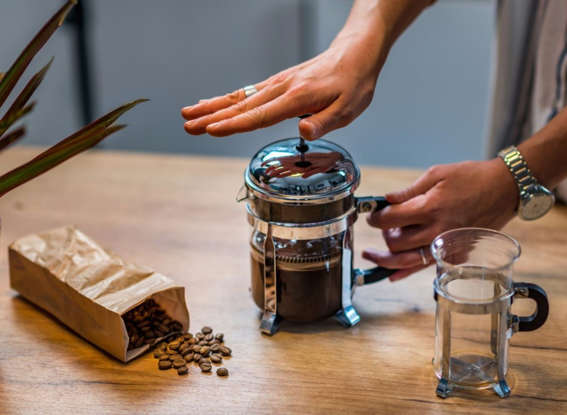
Mistakes in coffee consumption can be harmful to your health

Are you a coffee lover who can’t do without it? Well, you are not alone. Millions of people around the world wake up to the smell of coffee that stimulates them for their day ahead. Even health experts say that coffee has great benefits for the brain, apart from improving alertness, focus, and mood. Coffee also has antioxidant and anti-inflammatory effects, and reduces the risk of neurodegenerative disorders such as Alzheimer’s and Parkinson’s disease.

However, you can reap all these benefits as long as you drink coffee in the right way. Yes, there is a right and wrong way to do it, and the latter can be a serious health risk, especially to your brain.

Take a look at some coffee drinking mistakes that can reduce your cognitive abilities, and what to do instead to keep your mind in great shape, according to “thehealthsite.”

Coffee drinking mistakes:

Drinking too much coffee

Coffee, whether black or cappuccino, is beneficial to health as long as you drink it in moderation, according to health experts. Excessive consumption of anything can be more harmful than helpful. According to a study published in the Nutritional Neuroscience Journal, drinking more than six cups of coffee a day is associated with smaller overall brain volumes and a 53% increase in the risk of dementia and other neurodegenerative diseases. So, what is the amount of coffee that you should drink in a day? Around 400 milligrams of caffeine, which makes about 4 cups in a day, is considered safe.

Drinking coffee after sunset

Although coffee helps you wake up from lethargy or drowsiness after lunch, consuming it later in the day may make you feel tense and anxious when it’s time to sleep. Caffeine, the stimulant that remains in the bloodstream for a long time after the last sip, causes sleep problems. The long-term effects increase the accumulation of beta-amyloid, a protein in the brain associated with cognitive decline and Alzheimer’s disease.

It is advisable to avoid consuming coffee after sunset or at least six hours before bedtime to ensure a good night’s sleep.

Coffee protects against liver disease

The Journal of Clinical and Experimental Liver Diseases published a report on researchers at Indraprastha Apollo Hospital in India, who said they highlighted the health benefits of coffee. The authors noted in 2016 that “coffee consumption is beneficial for health in general, and liver health in particular.”

“Coffee consumption is associated with improved liver enzymes, particularly in individuals at risk of developing liver disease,” they said. Participants with previous liver disease appeared to benefit from coffee consumption. Participants who drank more than two cups of coffee per day were less likely to develop cirrhosis and cirrhosis.

“The incidence of advanced fibrosis and liver cirrhosis is lower among coffee drinkers,” the researchers explained. The British Liver Trust warned: “Although drinking coffee may protect you against liver disease, there are other underlying factors.” Although drinking coffee can be beneficial for those “who already have some degree of liver damage, it is only one preventive measure.” Good liver health still depends on eating a good diet, drinking plenty of water, and getting regular exercise.”

Announcing the 2023 Athens WCC Rules & Regulations

Announcing the 2023 Athens WCC Rules & Regulations

The Specialty Coffee Association (SCA) has just released updated Rules & Regulations for the 2023 World Barista Championship (WBC), World Brewers Cup (WBrC), World Cup Tasters Championship, and Cezve/Ibrik Championship. These updates represent the most significant changes to the competitions since before the pandemic and offer new service possibilities for competitors and significant changes in how judges score and evaluate performances.

The SCA’s Competitions Strategic Committee (CSC), a volunteer leadership group focused on evolving the World Coffee Championships (WCCs) in line with strategic goals, oversees all WCCs rules & regulations updates. Many of these changes were planned or in progress prior to the COVID-19 pandemic. Learn more about the CSC’s work here.

The WBrC criteria for evaluation have undergone significant changes to refocus the competition on evaluating a competitor’s coffee brewing skills. These changes include expanded categories for barista evaluation as well as the decoupling of the competition’s structure from the existing SCA Cupping Form and Protocol. The introduction of a new coffee evaluation scale is more clearly aligned with the SCA’s ongoing work to evolve the existing cupping protocol and form into a coffee value assessment system, informed by research and sensory science best practice.

In 2023, the WBrC competition format will have major updates, including the introduction of a Semi-Finals round. Competitors will give their open service presentation in Round One (with no compulsory). From there, 12 competitors will progress to Semi-Finals to present a provided coffee through compulsory service. Six competitors will then present open service in Finals, with compulsory scores carrying through from Semi-Finals.

The 2023 WBC updates introduce two new types of scoring scales, alongside the traditional 6-point scores. These scores will help our competitions better align with where our coffee value assessment systems are headed. There have also been efforts to adjust the weighting of different categories, to better reflect the skills and areas of focus for the competitions. In addition, two exciting new updates are being introduced to the WBC. The milk beverage course can now be prepared using plant-based or other animals’ milk. Additionally, world competitors will have the option of brewing their espresso using a range of group head temperatures. Details on the WBC Teams Competition and WBC Team Bar have been memorialized in the rules document, and the nine station layout options return in 2023.

Scoresheets for both the WBC and WBrC have been re-designed for clarity and ease of use. The World Cup Tasters & Cezve/Ibrik Championships updates focus on small language changes for clarity and consistency across the WCCs.

The SCA is also expanding the espresso machine sponsorship criteria to include allowing fully-automatic machines to bid for the 2024 World Latte Art & World Coffee in Good Spirits Championships, alongside traditional machines.

“We are delighted to see the competitions changing with the release of the rules & regulations for the Athens World Coffee Championships,” said Bart Deprez, Competitions Strategic Committee Chair. “These updates are rooted in the strategic objectives that the CSC envisioned to keep the competitions moving forward, and have been in place for many years. We look forward to seeing more innovation on stage in Athens and continuing the pace of competitions evolution in the future.”

Full rule sets, summary of change documents, and scoresheets are available at the links below. The SCA recognizes that these are significant changes for the competitions community and will be hosting a number of webinars to support and answer questions. If you have any questions about these changes, please email [email protected].

How to Make your coffee super healthy?

Coffee can be a healthy and nutritious beverage when consumed in moderation and with the right ingredients.

These five methods can help you make your coffee healthier and more nutritious, without sacrificing taste or aroma.

Coffee is one of the most popular beverages in the world, with millions of people starting their day with a cup of joe.

While coffee has many benefits, including increased energy and focus, it can also be unhealthy if consumed in excess or with added sugars and artificial flavours.

There are several ways to make your coffee super healthy, without sacrificing its taste or aroma. Here are the ways to make your coffee healthier and more nutritious.

Choose Quality Coffee Beans: The quality of your coffee beans matters, as cheaper beans can contain more impurities and toxins.

Look for organic, fair-trade, and single-origin coffee beans, as they tend to be of higher quality and more sustainable.

Avoid Artificial Sweeteners: Instead of adding sugar or artificial sweeteners to your coffee, try natural sweeteners such as honey, maple syrup, or stevia. They add sweetness without the harmful effects of sugar and artificial additives.

Use Nut Milk or Coconut Milk: Cow’s milk can be high in saturated fat and cholesterol, which can contribute to heart disease. Instead, try using almond milk, soy milk, or coconut milk, which are lower in fat and calories.

Add Cinnamon: Cinnamon is a natural spice that can help regulate blood sugar levels, reduce inflammation, and improve brain function. Sprinkle some cinnamon on top of your coffee for added flavour and health benefits.

Limit Your Intake: While coffee can be beneficial in moderation, excessive consumption can lead to side effects such as anxiety, insomnia, and digestive issues. Do not drink more than 3-4 cups of coffee a day.

Choose Dark Roast: Dark roast coffee contains more antioxidants than lighter roasts, making it a healthier choice. It also has a richer flavour and aroma, making it a preferred option for many coffee lovers.

Drink it Black: While adding cream and sugar can enhance the taste of your coffee, it can also add unnecessary calories and fat. Drinking your coffee black is the healthiest option, as it contains no added sugars or fats.

Add Collagen Powder: Collagen powder is a popular supplement that can improve skin health, joint function, and gut health. Add a scoop of collagen powder to your coffee for added health benefits.

Healthy alternatives to dairy milk in coffee
Plant-based milk like almond milk, soy milk, and coconut milk are healthier alternatives to cow’s milk are healthy alternatives to dairy milk. They are lower in calories and fat and are free from cholesterol. Coffee contains antioxidants that can reduce inflammation and improve brain function. It also has been linked to a reduced risk of several diseases such as type 2 diabetes and liver disease.

Have you decided to stop drinking coffee? This is what happens to your body

Drinking coffee is a daily habit for millions of people, but if you make a decision to stop drinking your favourite drink, some positive and some negative effects will occur, but they will be temporary.

According to the “inside” website, these will be the most prominent changes that occur in your body, whether healthy or psychological:

  • Weight loss

Research shows that daily consumption of caffeine in coffee, tea, or soft drinks increases participants’ daily sugar levels by approximately 10%, which increases the risk of cardiovascular disease and obesity.

Cutting out a caffeinated, sugary beverage entirely cuts hundreds of calories from your diet in a single day.

  • sleep betterYou can get a better night’s sleep once you start living a caffeine-free lifestyle, especially if you are in the habit of drinking coffee in the afternoon or evening.
  • HeadacheWhen you stop drinking coffee, you deprive your body of adrenaline and dopamine, hormones that act as natural triggers and keep you awake. Instead, an influx of adenosine — a hormone responsible for rest and fatigue — rushes to your head, causing a change in brain chemistry that results in a headache. .
  • feeling sickHeadache is not the only painful symptom of caffeine withdrawal, but there are side effects such as depression, anxiety, dizziness, flu-like symptoms, insomnia, irritability, mood swings and lethargy.

Strong teeth

Coffee is highly acidic, which means it eats away at tooth enamel and cutting out caffeine protects teeth from a lifetime of erosion, resulting in a whiter (and more confident!) smile.

  • constipationCaffeine keeps your bowels moving, but instead eat plenty of fiber (found in whole grains, vegetables, and beans), drink plenty of water, and exercise regularly.
  • CalmSince caffeine is a stimulant, it naturally raises levels of adrenaline and stress hormones in your body. Cutting out caffeine will reduce your feelings of stress and anxiety.

A hidden gem: Last House Coffee in Hyderabad

Since opening, Last House Coffee has become a sensation, gaining immense popularity on social media with millions of views.

Some cafes are good because they offer nice coffee and a fine ambience;some are great because of their scenic location, and some are extraordinary because they boast both beautiful design and a picturesque location and serve homegrown Robusta.

HYDERABAD: Located at the end of a quiet lane in Jubilee Hills, Last House Coffee is a product of a unique blend of culinary and architectural skills. The owner, Naina Polavarapu, is an architect who has skillfully crafted this cafe with interiors as delicious as the freshly baked pastries behind the counter. It only serves Robusta coffee that is grown in-house at their estate.
entering the café, one is immediately struck by the tasteful interiors, including Indian teak chairs, a living room set up, and an outdoor seating area. The lush garden offers a serene view of the Durgam Cheruvu lake, creating a relaxing environment perfect for savouring a cup of coffee.“My dad comes from an agricultural background, he wanted to do something closer to the planet, mud, and soil. We now have 400 acres of Robusta coffee estate. The tagline for us is to normalise Robusta as it is seen as an inferior crop than Arabica,” says Naina Polavarapu.

The café offers a unique experience where customers can select their coffee from a variety of options, and they will be informed about who roasted their coffee and who the farmer is. Naina says, “I ensured that the café remains authentic and that the coffee is the best Robusta in the world.” The café has an extensive menu, including artisanal bakes, savoury dishes, and cakes that come from three different bakers. Naina says, “It’s not a big menu, it has 15 items which are pretty basic continental food.”

Since opening, Last House Coffee has become a sensation, gaining immense popularity on social media with millions of views. Naina Polavarapu is grateful for the attention the café has received, and she is excited about the growth. However, she mentions that managing the food and beverage sector can be challenging. She said, “Reviews start bothering me. Most people are amazing, and some of them are a nightmare to deal with.” Last House Coffee is also pet-friendly and has multiple charging points for people to charge their laptops and work. With such great attention to detail and a commitment to providing a unique experience for coffee lovers, Last House Coffee is sure to become a favourite spot for many. As Naina concludes, “We feel that coffee is best enjoyed at home, and we wanted our guests to feel the same.”

Coffee Has Shot up in Price—Here’s How To Save On Your Morning Brew

Coffee Has Shot up in Price—Here’s How To Save On Your Morning Brew:

  • 1. Grind your own.

We know, there’s a certain level of convenience and time savings that comes with buying coffee grounds over whole beans. But at the end of the day, your wallet will thank you for making the switch. Roasty Coffee contributor Kelsey Waddell says, “Pre-ground coffee is often more expensive than whole-bean coffee, and grinding your own beans can save you money while delivering much better flavor.”

If you’re not willing to splurge on a fancy grinder, you can get the job done with a food processor or a high-power blender such as a Nutribullet. But, if you do choose to step up to the big leagues and invest in a grinder, it will likely pay for itself in no time. As you’re shopping and weighing your options, consider going with a burr grinder, which Hoar suggests. Burr grinders pulverize coffee beans between two revolving burrs (hence the name), typically resulting in more consistent, quality grounds.

  • 2. Pay attention to the amount you’re using.

Do you ever go to make your morning java and end up shamefully pouring out a few sad cups leftover from yesterday’s brew? Well, that’s just money down the drain…literally. Make sure you’re only making what you need on a day-to-day basis. Remember, you can always make a few more cups, but you can’t magically revert that liquid back into grounds!

Waddell also stresses the importance of always using the correct coffee-to-water ratio. She says, “Using too much coffee can be a waste of beans and money while using too little can result in weak or flavorless coffee.” To get the most out of your precious coffee grounds, you’ll want to measure them out meticulously. Put that normal soup spoon back in the drawer and use a coffee scoop with exact measurements instead. If you’re looking to get down to the real nitty gritty, a kitchen scale can also come in handy.

  • 3. Consider a new brewing method.

There are many different ways you can brew your coffee at home, and they are not all created equal in terms of both quality and price. “Some brewing methods require expensive equipment or filters, while others can be more cost-effective,” says Waddell. “For example, a French press or pour-over setup can be affordable and yield great results.” Aeropresses and automatic drip machines are fairly common as well, and are more economical choices. Hoar also specifically warns against pre-made and sealed single cups—such as Keurig K-Cups—which she says cost, on average, around 400% more than other brewing methods.

Middle East Coffee Shop Markets in Focus

The Middle East has become a global hotspot for coffee culture and commerce, with international coffee chains continuing to target significant growth across the region.

Meanwhile up-and-coming domestic operators are innovating local coffee traditions for a new generation of sophisticated coffee consumers. 5THWAVE examines the key market dynamics across five of the region’s largest markets – the UAE, Israel, Kuwait, Egypt and Qatar.

Branded cafés continue to gain significant traction across the Middle East.

World Coffee Portal’s Project Café Middle East report shows the region’s total branded coffee shop market grew 10.5% over the last 12 months to reach 8,874 outlets, and has become a key geography for both major international coffee chains and a new crop of domestic operators raising the bar for quality and service.

Twelve out of 20 Middle East and North Africa markets featured in the report added outlets over the past 12 months, with Morocco (20.8%), Saudi Arabia (18.5%) and Iraq (16.7%) the fastest growing.

Convenience has grown to prominence, with app-enabled pick-up and delivery catering to a new generation of tech-savvy and affluent coffee consumers.

Drive-thru is also gathering pace, with 30% of Middle East industry leaders surveyed identifying the format as a key consumer trend.

However, Middle East operators have not been immune to rising inflation and supply chain challenges arising from Covid-19 and the war in Ukraine – 76% of industry leaders surveyed believe consumers are more price conscious than two years ago.

  • United Arab Emirates

A GATEWAY TO THE MIDDLE EAST FOR INTERNATIONAL COFFEE BRANDS

The UAE is a global travel hub and one of the Middle East’s leading tourist destinations. With a population of 9.9 million, 80% of whom are expats, the nation has one of the most developed coffee shop markets in the region, with the long-established presence of international coffee chains.

US brand Dunkin’ entered the UAE in 1997 with a store in Dubai, with an influx of western chains following suit in the 1990s and early 2000s.

Dubai is the UAE’s coffee innovation centrepoint, home to most branded chains as well as the Middle East’s largest specialty coffee roaster, Coffee Planet.

The city is also home to the Dubai Multi Commodities Centre, a ‘global hub for specialty coffee’, which aspires to place the UAE as the region’s foremost coffee trading location.

The total Emirati branded coffee shop market grew 3.9% over the last 12 months to reach 1,394 outlets.

The UAE is the second largest market across the Middle East, albeit significantly behind Saudi Arabia’s (p20) 3,556 stores.

International coffee chains, led by Starbucks with 251 stores, represent more than 70% of the market and have laid the ground for a thriving market of boutique operators.

Japan’s % Arabica currently operates 13 stores in the UAE, while Germany’s The Barn Coffee Roasters opened its first international store in Dubai in October 2021 and EL&N launched in the city at the start of 2022.

Similarly, domestic chains Slash Coffee, Shot Specialty Café and Joud Coffee emphasise increasing appreciation for specialty coffee.

Underlining the positive synergies between the international and domestic coffee shops, 62% of consumers surveyed by World Coffee Portal believe that western chains have positively influenced UAE coffee culture.

However, industry leaders caution that the market has become increasingly crowded and competitive and some are concerned that this may soon lead to saturation.

The UAE market is projected to expand by just 3.9% over the next five years, one of the lowest rates for advanced markets in the region.

Nevertheless, hospitality brands that can differentiate themselves still stand to make gains in the UAE.

Demonstrating the growth potential for new arrivals, Danish coffee and juice chain Joe & The Juice debuted in the UAE in September 2022, bringing its distinctive healthfocused food and beverage menu to the Middle East.

French-Japanese inspired Café Kitsuné is similarly responding to strong consumer demand for sophisticated, boutique specialty café concepts and will launch in the UAE at the start of 2023.

  • KUWAIT

A MELTING POT OF INTERNATIONAL COFFEE CULTURE

Kuwait’s strong oil and financial sectors mean that expats comprise nearly 70% of the country’s 4.3 million inhabitants.

This dynamic attracted international coffee chains from the late-1990s onwards, meaning Kuwait’s small branded café market is one of the Middle East’s most developed, growing 11.8% in the last 12 months to reach 655 outlets.

Starbucks made its debut in 1999 via licensee Alshaya Group and is now the market leader with 200 outlets and a 31% share of the total branded coffee shop market.

The Seattle-based coffee chain continues to grow in Kuwait, opening a net 32 stores over the last 12 months.

Costa Coffee first entered Kuwait in 1998 and is the second largest chain by outlets at 100.

Alghanim Industries acquired franchise rights to the brand in 2013. The third largest operator is Caribou Coffee which has 69 Kuwaiti stores in partnership with Al-Sayer Franchising Company.

In September 2022, Canada’s Tim Hortons opened its first five outlets in Kuwait, while UK-based Pret A Manger launched its first outlet in the country the following month.

High consumer demand is simultaneously creating opportunities for boutique brands to differentiate in an increasingly competitive market.

UK-based EL&N opened its second Kuwait store last year while Japanese boutique coffee group % Arabica opened three new outlets to reach 12 locations.

Domestic group CAF Café was the only branded coffee shop chain, other than Starbucks, to achieve double-digit outlet growth last year, increasing its footprint by 13 to reach 26 stores.

Just five of the 32 branded coffeefocused chains in the country are domestic brands, but all are specialty operators, highlighting the strong local demand for premium coffee experiences.

Their presence is complemented by influential Kuwaiti independents such as Blank Sphere, Grind Coffee Co. and 50Degrees Espresso House.

World Coffee Portal forecasts the total Kuwaiti branded coffee shop market will exceed 800 outlets by 2027, representing store growth of 4%.

  • EGYPT

VALUE-FOCUSED CAFÉS CALL THE SHOTS

Despite a 67% fall in tourism-related income in 2020, Egypt’s branded coffee shop market achieved 8.1% and 6.5% outlet growth in 2020 and 2021 respectively, only bettered among the Middle East’s largest markets by Saudi Arabia and Qatar.

Project Café Middle East 2023 shows Egypt’s branded coffee shop market grew 9.7% over the last 12 months to reach 579 outlets, making it the fifth largest in the Middle East.

The branded coffee shop market is led by Cilantro Café which added 10 net new outlets last year to reach 82. Formed in 2000, the Egyptian chain holds a 14% total market share.

The overall market increased by 51 net stores over the period, led by double-digit outlet growth for Starbucks and Dunkin’, which focused expansion on Cairo’s greater metropolitan area and its 20.5 million inhabitants.

However, business optimism among Egypt’s non-oil companies is at its lowest in more than a decade, with just 4% of firms holding a positive outlook for the next 12 months, according to S&P Global.
In September 2022 the Coffee Division at Cairo’s Chamber of Commerce warned Egypt only had enough coffee supply for three-anda-half months due to reduced output from Brazil and Vietnam, a situation likely to further frustrate the growth prospects of coffee chains in the country and lead to price rises.

This dynamic could prove problematic for operators in Egypt’s highly value-focused coffee shop market. Some operators, such as Dunkin’, continue to offer many coffee beverages for under $1, but consumer price sensitivity means opportunities for specialty coffee and boutique operators is likely to remain limited.

However, events such as Coffestival, which showcases local specialty coffee brands, cafés and distributors to consumers, indicate an emerging market for specialty coffee in Egypt.

The Egyptian branded coffee shop market is forecast to reach 831 outlets by 2027, led by coffee-focused chains.

  • QATAR

TOURISM SET TO BOOST BOUTIQUE CAFÉS

The 2022 FIFA World Cup, taking place in Qatar from 20 November to 18 December 2022, has contributed to a wave of investment in Qatar’s hospitality and tourism industries.

The event is expected to attract over 1.5 million tourists and is likely to lead to a surge in demand for hospitality operators in the years ahead.

Total investment in tourism is forecast to grow 7.8% annually to reach QR 14.5bn ($4bn) per year by 2028, according to industry trade show Hospitality Qatar. The organisation forecasts tourism spending will reach QR 40bn ($11bn) in 2023 following the World Cup.

Like the UAE to the east and Saudi Arabia to the west, the demand for premium coffee shops across Qatar continues to provide opportunities for international operators.

The total Qatari branded coffee shop market is estimated at 400 outlets, having increased by 51 net new outlets over the last year at a growth rate of 15%.

The market is led by international brands, with Starbucks and McCafé each operating 49 stores, ahead of US chain The Coffee Bean & Tea Leaf’s 29 outlets.

Although collectively holding a smaller market share, boutique coffee groups have also found success in Qatar with operators indicating consumers are willing to spend more for premium coffee.

UK-based EL&N launched its first international outlet in Doha in April 2021, Japan’s % Arabica currently operates two sites in the Qatari capital and Paris-based boutique café group Café Kitsuné also opened in the city in February 2022.

Meanwhile, independent specialty coffee shop NOMAD Coffee and Instagrammable Cue Café, both domestic Qatari brands, exemplify the appetite for boutique experiences.

They follow in the footsteps of Flat White Specialty Coffee, dubbed Qatar’s first ‘hipster-style café’, which operates six sites in Doha.

World Coffee Portal forecasts the total Qatari branded coffee shop market to exceed 540 outlets by 2027, led by food-focused brands.

Qahwa and Coffee : How a drink for Arab mystics went global?

The Arab world has given birth to many thinkers and many inventions – among them the three-course meal, alcohol and coffee. The best coffee bean is still known as Arabica, but it’s come a long way from the Muslim mystics who treasured it centuries ago, to the chains that line our high streets.

Think coffee, and you probably think of an Italian espresso, a French cafe au lait, or an American double grande latte with cinnamon.

Perhaps you learned at school that the USA became a nation of coffee drinkers because of the excise duty King George placed on tea? Today ubiquitous chains like Starbucks, Cafe Nero and Costa grace every international airport, and follow the now much humbler Nescafe as symbols of globalisation.

Coffee is produced in hot climates like Latin America, sub-Saharan Africa, Vietnam and Indonesia, and you could be forgiven if you thought it is a product from the New World like tobacco and chocolate. After all, all three became popular in Europe at more or less the same time, in the 16th and 17th Centuries.
In fact, coffee comes from the highland areas of the countries at the southern end of the Red Sea – Yemen and Ethiopia.
Although a beverage made from the wild coffee plant seems to have been first drunk by a legendary shepherd on the Ethiopian plateau, the earliest cultivation of coffee was in Yemen and Yemenis gave it the Arabic name qahwa, from which our words coffee and cafe both derive.

Qahwa originally meant wine, and Sufi mystics in Yemen used coffee as an aid to concentration and even spiritual intoxication when they chanted the name of God.

By 1414, it was known in Mecca and in the early 1500s was spreading to Egypt from the Yemeni port of Mocha. It was still associated with Sufis, and a cluster of coffee houses grew up in Cairo around the religious university of the Azhar. They also opened in Syria, especially in the cosmopolitan city of Aleppo, and then in Istanbul, the capital of the vast Ottoman Turkish Empire, in 1554.

In Mecca, Cairo and Istanbul attempts were made to ban it by religious authorities. Learned shaykhs discussed whether the effects of coffee were similar to those of alcohol, and some remarked that passing round the coffee pot had something in common with the circulation of a pitcher of wine, a drink forbidden in Islam.

Coffee houses were a new institution in which men met together to talk, listen to poets and play games like chess and backgammon. They became a focus for intellectual life and could be seen as an implicit rival to the mosque as a meeting place.

Some scholars opined that the coffee house was “even worse than the wine room”, and the authorities noted how these places could easily become dens of sedition. However, all attempts at banning coffee failed, even though the death penalty was used during the reign of Murad IV (1623-40). The religious scholars eventually came to a sensible consensus that coffee was, in principle, permissible.

Coffee spread to Europe by two routes – from the Ottoman Empire, and by sea from the original coffee port of Mocha.
Both the English and Dutch East India Companies were major purchasers at Mocha in the early 17th Century, and their cargoes were brought home via the Cape of Good Hope or exported to India and beyond. They seem, however, to have only taken a fraction of Yemeni coffee production – as the rest went north to the rest of the Middle East.

Coffee also arrived in Europe through trade across the Mediterranean and was carried by the Turkish armies as they marched up the Danube. As in the Middle East, the coffee house became a place for men to talk, read, share their opinions on the issues of the day and play games.

Another similarity was that they could harbour gatherings for subversive elements. Charles II denounced them in 1675 as “places where the disaffected met, and spread scandalous reports concerning the conduct of His Majesty and his Ministers”.

A century later Procope, the famous Parisian coffee house, had such habitues as Marat, Danton and Robespierre who conspired together there during the Revolution.

At first, coffee had been viewed with suspicion in Europe as a Muslim drink, but around 1600 Pope Clement VIII is reported to have so enjoyed a cup that he said it would be wrong to permit Muslims to monopolise it, and that it should therefore be baptised.

Austrian coffee drinking is said to have received a big boost when the Turkish siege of Vienna in 1683 was broken, and the European victors captured huge coffee supplies from the vanquished.

Perhaps that is why, to this day, coffee is served in Vienna with a glass of water – just like the tiny cups of powerful Turkish coffee with its heavy sediment in Istanbul, Damascus or Cairo. Is this just a coincidence, or a long forgotten cultural borrowing?
The beverage we call “Turkish coffee” is actually a partial misnomer, as Turkey is just one of the countries where it is drunk. In Greece they call it “Greek coffee”, although Egyptians, Lebanese, Syrians, Palestinians, Jordanians and others do not seem to care overmuch about the name.

But there are other coffee drinking traditions in the Arab world. The coffee which is native to the Gulf is bitter and sometimes flavoured with cardamom or other spices.

It is often served a decent interval after a guest has arrived – to serve it too soon might be an impolite suggestion of haste – and then once again before departure.

It often comes just before or after a small glass cup of black, sweet tea. The order in which the two beverages are served varies, and seems to have no significance. What is remarkable for a Western visitor is the idea that the two very different drinks should be offered in such quick succession.

Sadly, however, while coffee has gone truly global production has declined in Yemen, the victim of cheap imports and rival crops like the narcotic qat.

In 2011, Yemen exported a mere 2,500 tonnes although there are attempts to revive cultivation of the best coffee in its original home. Today, none of the Arab countries is listed among the world’s significant producers.

6 people are forbidden to drink coffee

Coffee is an antioxidant that reduces the risk of cancer and heart failure, and drinking dark coffee contributes greatly to losing excess weight and stimulating fat burning, but there are several groups that are prohibited from drinking coffee.

However, scholars point out that there are people who are forbidden to drink coffee, and they are:

  • Patients with Irritable Bowel Syndrome

If you have irritable bowel disease, you must limit or stay away from drinks that contain large amounts of caffeine, most notably coffee, as the symptoms associated with the condition increase.

  • Patients with glaucoma

The pressure inside the eye increases in everyone who suffers from glaucoma, as is the case when drinking coffee, as the symptoms of this disease increase, so it is necessary to limit its intake.

  • Overactive bladder

If you suffer from frequent urination, frequent caffeine intake increases this symptom, so you must stop or at least limit it.

  • Patients with heart disease

The caffeine in coffee can cause temporary increases in blood pressure and heart rate, so it’s important for anyone with pre-existing heart conditions to talk with their healthcare provider about whether it’s safe to consume coffee.

  • Pregnant women

The American College of Obstetrics and Gynecology recommends that pregnant women limit caffeine to 200 milligrams per day, to reduce the risk of miscarriage, premature labor and low birth weight.

  • Breastfeeding women

Since caffeine is a stimulant and a diuretic, the concern is that a nursing mother may be at risk of dehydration, so caffeine should be avoided as much as possible during pregnancy and breastfeeding.

Zireto targets 100 stores by the end of 2023

Romanian coffee chain Zireto plans to open at least 30 small-format stores across the country this year and exceed 100 outlets.

Founded in Suceava in 2017, Zireto opened 14 new outlets in 2022 to reach 71 nationwide — half of which are franchise-operated.

The company is now the second largest coffee chain in Romania by number of outlets, ahead of Starbucks’ 56 stores but considerably behind fellow Romanian brand 5 to go which operates more than 400 stores across the country.

Zireto predominantly operates to-go kiosks and small-scale cafés but opened its first drive-thru store and launched a new flagship store in the centre of Suceava last year.

Speaking to local media, Marketing Director Marian Moscaliuc said expansion will target Romania’s high footfall cities. She added that Zireto is also seeking to expand internationally, although details are yet to be disclosed.

Moscaliuc said Zireto achieved group sales exceeding BAN 50m ($10.8m) in 2022.

World Coffee Portal research forecasts the total Romanian branded coffee shop market will reach 940 outlets by 2027.

Zireto is managed by Just Seven, a Romanian holding company focused on the hospitality industry. The company operates the Caffe Barbera 1870 and Caffegia packaged coffee brands, alongside the Suceava-based Hotel Bucovina and Kaffehaus restaurant.

Peet’s Coffee continues its Middle East expansion with a new location at the Dubai Hills Mall

Americana Restaurants, the leading F&B platform and one of the largest multi-brand restaurant operators in the Middle East & North Africa region, has announced the opening of its second Peet’s Coffee location in the UAE at the Dubai Hills Mall. This follows the successful opening of the first location at Fashion Avenue in Dubai Mall.

The Peet’s Coffeebar in Dubai Hills Mall will feature a Discovery Bar where guests can take a personalised coffee journey and experience Peet’s signature blend of coffees. This is an integral feature at each Peet’s Coffeebar, inviting patrons to take a personalised coffee journey through custom cups, tasting flights and full sensory experience courses led by their baristas. This new location features an open space concept in the bright atrium of Dubai Hills Mall, allowing guests to enjoy their favourite coffee on the go, or relax for a quick break from their shopping spree.

To ensure peak aroma and flavor, coffee beans are used within 28 days of roasting or not at all. The company is committed to sustainability, ensuring its coffee is 100% responsibly sourced, per Enveritas standards, in a way that honors farmers, the environment, and the coffee communities. When it comes to roasting, experienced Roasters at the Peet’s California Roastery continue to hand-roast small batches of the premium beans leading to bold flavors, unique to each blend and single origin.

With its bright open space and cosy yet sleek architecture, a variety of beans and coffee blend and artisanal pastries and desserts, Peet’s Coffeebar in Dubai Hills Mall promises to be a popular destination for coffee lovers in the southern Dubai area.