The 12 Most Exquisite and Expensive Coffees in the World

Most people prefer to start their day with a cup of hot, aromatic coffee. This non-essential product has become a significant expense. The culture of grabbing coffee to go, inspired by American celebrities, further adds to the cost. Reasonable questions arise: why is coffee so expensive, and which are the most expensive varieties? Let’s delve into this with experts.

Coffee as a Commodity

Coffee is a commodity traded on the stock market, with Arabica setting the tone for trade. Its price has remained relatively low and stable. In 2014, a kilogram of Arabica was priced at $4.4, and in 2023, it maintained the same average price. However, history has seen price spikes, such as in 2022 when it rose to $5.63 per kilogram. Robusta is cheaper, trading at $2.4 per kilogram in 2024. Yet, some varieties command prices exponentially higher than the average market rates. The most expensive can fetch $600, $1000, or even $1500 per pound (about 450 grams). Why is this the case?

“The most expensive varieties are usually the rarest. This is similar to precious gemstones: the more unique the gem, the higher its price. These coffee varieties include Rume Sudan, Laurina, Wush Wush, Purpurascens, Maragogipe, Pacamara, Villa Sarchi, and others. They have vivid and distinguishable descriptors, meaning taste and aroma. Their balanced qualities earn high scores from the Specialty Coffee Association (SCA). Prices for these lots start at $20 per kilogram of green beans and can reach up to $2000.”

Rare varieties are sold at special auctions, making it difficult to predict their prices. Farmers bring their best beans to auctions, usually held near plantations. The most famous auctions are Cup of Excellence (COE) and Best of Panama.

There’s no definitive ranking of the most expensive coffee varieties, as prices fluctuate and new varieties emerge. However, annual statistics can be compiled. Insider Monkey journalists created a consolidated ranking for 2023, featuring the 12 most expensive coffee varieties. The ranking was based on information from major publications (CNBC, Times, Luxe Digital, and Ventured) and official producer websites. Prices are listed per pound (lb), equivalent to 454 grams. Here are the top favorites of 2023, from the least to the most expensive.

  1. Molokai Coffee — $45/lb Named after Molokai (Hawaii), where it is grown and produced. This small island with a population of 7500 has a 150-acre plantation and a mill in the village of Kualapuu. It’s the only place that produces this variety. Molokai Coffee primarily comes from the red Catuai tree, a Brazilian hybrid known for its flavorful beans. Its appeal lies in its rarity and unmatched taste, with a blend of strong nutty notes, blackberry aroma, and dark chocolate.
  2. Greenwell Jeni K Premier Roast Coffee — $65/lb This Kona variety (a type of Arabica) comes from Greenwell Farms. While it’s grown in Kenya and other regions, the Hawaiian variety is the most expensive due to the complexity of harvesting. Plantations are located between two volcanoes, complicating logistics, and only red coffee beans are suitable for picking, which must be done by hand, increasing the cost. Grown at over 2000 feet, these trees are subjected to cooler temperatures, frequent rains, and cloud cover, allowing the beans to develop unique flavors.
  3. Kona Extra Fancy — $65/lb Another Kona variety from Hawaii, known for its complex flavor, rich chocolate notes, and vibrant aroma.
  4. Fazenda Santa Ines Coffee This Brazilian variety is renowned for its sweet taste and rich aroma, grown on a small farm, making it rare and expensive.
  5. El Injerto Mocca — $60/lb This rare Arabica variety from Guatemala is meticulously washed, removing the skin and pulp before drying, enhancing its qualities. It boasts a rich, creamy aroma with a sweet, smooth taste reminiscent of dark chocolate, with notes of tea, rose, tamarind, coconut, and sweet fruits.
  6. Jamaican Blue Mountain Peaberry Coffee — $92/lb Jamaican Blue Mountain is a registered trademark, monitored by the Jamaican Coffee Industry Board. It is celebrated in festivals and special events in Jamaica. Grown in a single location on plantations at varying altitudes, its price ranges from $50 to $120 per pound. Known for its smooth flavor and lack of bitterness.
  7. Hacienda el Roble Coffee — $225/lb One of the rarest coffees in the world, with an annual yield of just 22 kg. Produced in Colombia, the owner originally thought the trees were of the Geisha variety, but they turned out to be different, resulting in a completely unique coffee. It is only available from one roasting company in Australia, and its flavor profile is kept secret. Described as tasting of peach, mango, and cream, with a delicate floral aroma reminiscent of lilies and roses.
  8. Hacienda La Esmeralda Emerald Geisha — $250/lb Made from the Geisha variety of Arabica, this Panamanian coffee sold for $10005 per kilogram at a 2023 auction. Known for its delicate, floral profile with berry or tropical fruit notes, Geisha is challenging to grow, with a small yield, driving up its price. Grown at optimal altitudes of 500 meters above sea level, only a few farms can produce it.

    Tatiana Kramchenkova, an SCA trainer and Q-grader, explains: “Geisha (whether Panamanian, Ethiopian, or Colombian) is expensive primarily because of its outstanding flavor quality. It has a floral, delicate profile, often with berry or tropical fruit notes. It’s a worthy choice for expanding one’s coffee horizons. Geisha is difficult to grow, with a smaller yield compared to other coffee varieties, contributing to its high price.”

  9. Kaya Kopi Luwak Coffee — $300/lb A Guinness World Record holder, this coffee was long among the most expensive. In 2001, Kopi Luwak set a record at $300 per pound of beans. Produced in Indonesia, mainly on Java and Sumatra, its unique fermentation process involves the Asian palm civet, which eats ripe coffee cherries. The beans are partially digested and excreted by the civet, then collected, washed, roasted, and sold as one of the world’s most expensive coffees. This fermentation process is believed to enrich the beans with amino acids, making them less bitter and more aromatic.

    However, there is controversy surrounding this coffee. Animal rights activists argue that civets are subjected to cruelty, being kept in cages and force-fed cherries to increase production.

    Tatiana Kramchenkova comments: “Coffee professionals don’t drink Luwak; you won’t find it at major international exhibitions like World of Coffee. This isn’t due to its rarity but because its flavor doesn’t justify its high price. Fermentation of green coffee beans can now be done more effectively and humanely, using methods like aerobic, anaerobic, lactic, and hot fermentations. Kopi Luwak is a thing of the past, appealing only to tourists in Indonesia. The Specialty Coffee Organization does not support using animals for coffee fermentation.”

  10. Saint Helena Coffee — $330/lb Popularized by Napoleon Bonaparte, this variety has been grown on Saint Helena since the early 18th century. Today, production remains small, making it expensive. For instance, Starbucks sold it for $145 per pound. Annual production is just 660 pounds.
  11. Black Ivory Coffee — $1500/lb Named after its production process, Black Ivory involves elephants eating Arabica beans, which are then collected from their waste, washed, roasted, and sold. The rarity comes from only one sanctuary’s elephants producing these beans. It is sold exclusively through the Golden Triangle Asian Elephant Foundation in Thailand, ensuring ethical production.
  12. Ospina Gran Café — $1700/lb Grown in the high Andes, this coffee benefits from volcanic soil, abundant rainfall, and sunlight, giving it a unique flavor. Handpicked at peak ripeness, the beans undergo special wet milling. Ospina uses the rare Typica variety of Arabica, known as the “Champagne of Coffee” for its refined taste and smoothness. These beans make up less than 1% of global Arabica production, making them extremely valuable. Each batch undergoes over 20 quality checks to meet Ospina’s uncompromising standards.
Brazilian Real’s Decline Drives Coffee Prices Down Amid Global Supply Concerns

In recent developments, the coffee market has experienced a notable decline in prices. September arabica coffee (KCU24) fell by -5.15 (-2.25%), and July ICE robusta coffee (RMN24) decreased by -83 (-1.89%). The primary driver behind this trend is the weakness in the Brazilian real (BRL), which has tumbled to a 19-month low against the US dollar. This devaluation has incentivized Brazilian coffee producers to increase export sales, exerting downward pressure on coffee prices.

Additionally, forecasts predicting rain in Brazil’s coffee-growing regions have eased drought concerns, further weighing on coffee prices. Earlier this week, coffee prices had surged to two-week highs due to fears that prolonged dry conditions would negatively impact Brazil’s coffee crops. Notably, Somar Meteorologia reported that Brazil’s Minas Gerais region, which produces approximately 30% of the country’s arabica coffee, received no rainfall for the third consecutive week.

Global Production and Market Dynamics

Robusta coffee prices remain supported by concerns over excessive dryness in Vietnam, a significant producer of robusta coffee beans. Coffee trader Volcafe recently projected that Vietnam’s 2024/25 robusta coffee crop might drop to 24 million bags, marking a 13-year low due to poor rainfall causing irreversible damage to coffee blossoms. Despite a projected global robusta deficit of 4.6 million bags for 2024/25, this is a reduction from the 9-million-bag deficit seen in 2023/24, marking the fourth consecutive year of robusta shortages.

The USDA’s bi-annual report from last Thursday provided a bearish outlook for coffee prices. The report projected a 4.2% year-on-year increase in global coffee production for 2024/25, totaling 176.235 million bags. This includes a 4.4% rise in arabica production to 99.855 million bags and a 3.9% increase in robusta production to 76.38 million bags. The report also forecasts a 7.7% rise in 2024/25 ending stocks to 25.78 million bags from 23.93 million bags in 2023/24. Specifically, Brazil’s arabica production is expected to grow by 7.3% year-on-year to 48.2 million bags due to higher yields and expanded planted acreage.

The pace of Brazil’s coffee harvest has accelerated, contributing to the bearish sentiment in the market. Safras & Mercado reported that Brazil’s 2024/25 coffee harvest was 44% completed by June 18, surpassing last year’s 39% completion rate and the 5-year average of 40%.

Inventory Levels and Export Trends

Rising inventories of ICE-monitored coffee further add to the downward pressure on prices. ICE-monitored robusta coffee inventories recovered from a record low of 1,958 lots on February 21 to an 11.5-month high of 5,995 lots last Thursday. Similarly, ICE-monitored arabica coffee inventories rebounded from a 24-year low of 224,066 bags on November 30 to a 16-month high of 842,434 bags as of Tuesday.

Vietnam’s tight robusta coffee supplies remain a bullish factor. The Vietnam Coffee Association reported that the country’s coffee production in the 2023/24 crop year would decline by 20% to 1.472 million metric tons (MMT) due to drought conditions. Additionally, Vietnam’s 2023/24 coffee exports are projected to drop by 20% year-on-year to 1.336 MMT. Recent reports from Vietnam’s Customs Department indicated that May coffee exports fell by 47% year-on-year to 79,358 metric tons, the lowest for May since 2009.

Export News and Global Consumption

Recent export data has also influenced market dynamics. Cecafe reported a 90% year-on-year surge in Brazil’s May green coffee exports to 4 million bags. The International Coffee Organization (ICO) reported a 16.8% year-on-year increase in global April coffee exports to 10.24 million bags, with October-April global coffee exports up by 11.1% year-on-year to 80.99 million bags. Brazil’s exporter group Comexim raised its 2023/24 coffee export estimate to 44.9 million bags from 41.5 million bags.

El Nino Impact and ICO Projections

The ongoing El Nino weather event has had a bullish impact on coffee prices by bringing drought conditions to Vietnam’s coffee-growing regions. However, the ICO projected a 5.8% year-on-year increase in 2023/24 global coffee production to 178 million bags due to an exceptional off-biennial crop year. Global coffee consumption is expected to rise by 2.2% year-on-year to 177 million bags, resulting in a 1 million bag surplus.

Conclusion

The interplay of currency fluctuations, weather conditions, production forecasts, and inventory levels continues to shape the coffee market. As the Brazilian real remains weak and weather patterns evolve, stakeholders in the coffee industry must navigate these complexities to optimize their strategies and outcomes.

What is the EU Deforestation Regulation (EUDR)?

The EU Deforestation Regulation (EUDR) is a legislative measure aimed at combating deforestation and land degradation globally by regulating imports into the European Union. This regulation is set to come into force on December 30, 2024, and requires companies importing products into the EU that are considered “main drivers for deforestation” to provide a due diligence statement. This statement must confirm that the imports have not contributed to forest degradation anywhere in the world after December 31, 2020.

Why was EUDR Introduced?

The EUDR initiative is part of the European Union’s efforts to enhance environmental policies and preserve biodiversity. Deforestation is one of the largest threats to the global environment, leading to habitat loss, species extinction, and climate change. EUDR aims to reduce the environmental impact of the EU by ensuring that imported products do not contribute to deforestation.

Targeted Products

The products targeted under EUDR include coffee, cocoa, palm oil, paper, and wood, as these products are major contributors to deforestation. The regulation requires importers to provide evidence that their supply chains are free from deforestation after the specified date.

How Does EUDR Work?

Companies importing the targeted products must submit a due diligence statement to the relevant EU authorities. This statement includes detailed information about the supply chain, including satellite data and environmental reports. The goal is to ensure that imported products have not contributed to deforestation or land degradation.

Challenges Facing EUDR

Despite the noble goals of EUDR, there are several challenges it faces, including:

  1. High Compliance Costs: Companies need significant investment in satellite technology and data systems to verify their supply chains.
  2. Technical Challenges: There are stringent technical requirements that may be difficult to implement, especially for small businesses and developing countries.
  3. Impact on Trade: The regulation could lead to increased costs and reduced competitiveness for exporters outside the EU.

Objections and Calls for Delay

Several stakeholders, including senior US trade officials and industry associations such as the American Forest and Paper Association (AF&PA), have called for a delay in the implementation of EUDR. These opponents argue that the regulation in its current form imposes “unachievable requirements” and “significant technical barriers” that could affect trade between the US and the EU. The European Coffee Federation (ECF) and International Coffee Partners (ICP) have also expressed concerns that EUDR will restrict small coffee-producing nations in Africa and Asia from accessing the EU market, potentially causing significant disruptions in coffee supply chains.

Positive Responses and Support for EUDR

On the other hand, proponents of EUDR argue that the regulation is long overdue and represents a crucial step towards decoupling key commodities from forest degradation. They believe that supporting biodiversity and ensuring the long-term sustainability of agricultural production globally is essential for protecting the environment and promoting sustainable agriculture worldwide.

The Future of EUDR

As the debate over EUDR continues, all stakeholders are closely monitoring how the European Commission will respond to these calls and objections. If the regulation is implemented as scheduled, it could have a significant impact on trade practices and compliance requirements across various sectors, potentially reshaping how many industries operate and enhancing global environmental protection.

US Officials Urge EU to Postpone EUDR Implementation

Senior US trade officials have called on the European Union to delay the implementation of the EU Deforestation Regulation (EUDR), which is set to come into force on December 30, 2024. In a letter to the European Commission, US Secretary of Commerce Gina Raimondo, US Secretary of Agriculture Thomas Vilsack, and US Trade Representative Katherine Tai highlighted the “critical challenges” the regulation poses for US producers, particularly in the timber, paper, and pulp industries.

The EUDR will require businesses importing products into the EU that are considered “main drivers for deforestation” — including coffee, cocoa, palm oil, paper, and wood — to provide a due diligence statement confirming that imports have not contributed to forest degradation anywhere in the world after December 31, 2020.

“We urge the European Commission to delay the implementation of this regulation and subsequent enforcement of penalties until these substantial challenges have been addressed,” the letter stated. The American Forest and Paper Association (AF&PA) also voiced concerns, stating that the current EUDR laws would impose “unachievable requirements” and “significant technical barriers” on producers, thereby putting US-EU trade at risk.

While the US objections to the EUDR are primarily focused on the timber, paper, and pulp industries, the implications of the regulation extend to other sectors, including coffee. The European Coffee Federation (ECF) and International Coffee Partners (ICP), which represent major European coffee companies such as Löfbergs, Lavazza, Tchibo, illycaffè, JDE Peet’s, and Nestlé, have expressed concerns that the EUDR in its current form will restrict smaller coffee-producing nations in Africa and Asia from accessing the EU market. This, they argue, could cause significant disruptions to coffee supply chains.

There are additional concerns within the coffee industry regarding the cost and availability of satellite and data systems needed to comply with the EUDR. Higher administration and import fees are also expected to impact coffee businesses in both producing and consuming countries.

Advocates of the EUDR argue that the regulation is long overdue and represents a vital step towards decoupling key commodities from forest degradation. They assert that supporting biodiversity and ensuring the long-term viability of agricultural production globally is essential.

The calls for a delay are significant given the potential ramifications for various industries. If the EUDR is implemented as scheduled, it could reshape trade practices and compliance requirements for numerous sectors, including the critical coffee industry. As the debate continues, stakeholders on both sides are closely watching to see how the European Commission responds to these latest appeals.

Exploring the Truth About Bulletproof Coffee

ALESSANDRA SIGNORELLI published a story on Vogue saying that if you follow wellness trends, you’ve probably noticed there’s something going on with coffee. No longer is it enough to drink a simple fair trade brew with organic non-dairy milk or sip a single-origin pour-over espresso; these days, it’s all about adding body-benefitting extras. A tablespoon of collagen, for example. Or, adaptogenic mushrooms like lion’s mane or chaga.

In that vein, there’s one coffee concoction that many health enthusiasts (including Shailene Woodley) swear by: “bulletproof coffee,” also known as “butter coffee.” It’s been around for several years and shows no sign of going anywhere soon. For the uninitiated, it’s essentially coffee that’s been mixed with organic, grass-fed butter, ghee, and/or MCT oil instead of your favorite milk. According to devotees—especially followers of ketogenic and paleo diets or intermittent fasting—this intriguing combo boosts energy and concentration. They also say it contributes to maintaining a healthy weight.

What is Bulletproof Coffee?

Bulletproof coffee is coffee enriched with fats such as unsalted, grass-fed butter or ghee and MCT oil (medium chain triglycerides) extracted from coconut oil. These fats are metabolized by the body into ketones, which are said to increase satiety and provide rapid energy to the brain.

Bulletproof coffee is actually a trademarked recipe—it’s the invention of entrepreneur, author, and biohacker Dave Asprey, who is also the creator of the “Bulletproof Diet,” a keto-like diet that is high in protein and fat. Asprey came across this coffee idea during a trip to Tibet, where he tasted a traditional tea enriched with yak butter that locals consume before trekking at high altitudes to experience renewed energy and mental clarity. Asprey’s experience with yak butter-enriched tea inspired him to create his own version. The result? Bulletproof coffee. (Asprey also sells his own brand of toxin-free coffee beans under the brand name Bulletproof; for the purpose of this article, we’ll use the term bulletproof coffee to refer to the general butter-and-MCT-oil concoction Asprey popularized in 2009.)

The Benefits of Bulletproof Coffee

According to fans, fat-infused coffee provides a quick source of energy that does not create glycemic peaks—unlike breakfasts rich in carbohydrates and simple sugars, which can leave us exhausted and longing for a sweet mid-morning snack. It also provides a sense of satiety that makes it easier to skip carb-heavy morning classics (croissants, bagels, granola, etc). While the drink isn’t calorie-free, it is carbohydrate-free and can therefore replace breakfast without taking you out of ketosis (a state in which the body burns fat for energy instead of glucose), so that you can continue intermittent fasting. For these reasons, it’s a go-to for those following a ketogenic or low-carb diet who say it provides plenty of energy to get them through the morning. They also say it increases clarity, focus, and mental performance.

Does Bulletproof Coffee Work?

While it is true that coffee, grass-fed butter, ghee, and MCT oil derived from coconut each have their own health benefits—including vitamins, minerals, and omega-3 fatty acids—there actually isn’t a ton of research that supports the claims surrounding bulletproof coffee. In fact, most of the health claims are anecdotal and the scientific research that does exist is pretty mixed. One recent study that investigated the effects of high-fat coffee beverages containing MCT oil and ghee on cognitive function and satiety found that “there may be no benefit of bulletproof coffee over black coffee for improving cognitive performance,” but did note that bulletproof coffee “does appear to increase feelings of fullness and result in a reduction in perceived prospective food consumption after three hours.”

A scientific review that looked at multiple studies on bulletproof coffee published between 2021-2023 had similar findings: “Although bulletproof coffee remains a popular choice for many, current scientific evidence does not support the claimed benefits…we found no significant improvements in cognition, alertness, or energy levels in studies when bulletproof coffee was compared with regular coffee,” it stated. “The alleged effects of bulletproof coffee on hunger, satiety, resting energy expenditure, and fat oxidation remain equivocal, primarily due to the additional calorie intake associated with the beverage offsetting any potential benefits.”

Does Drinking Bulletproof Coffee Have Any Risks?

While it’s probably fine for healthy individuals to drink bulletproof coffee occasionally, it’s important to note that the drink is pretty high in calories (about 230 per cup) and saturated fat (about 21 grams). Therefore, it’s not a great option for those who are concerned about their cholesterol levels or have other health concerns. This was also noted in the scientific review mentioned above, which stated that there was “some evidence” of possible elevation in serum cholesterol reported following the consumption of bulletproof coffee” as well as “gastrointestinal intolerance.”

In short, it seems that further research is needed to support most of the health claims for bulletproof coffee and to determine if there are any long-term health risks associated with regular consumption. “Exploring the impact of regular bulletproof coffee consumption on hydration status, kidney stones, reflux, gallstones, blood pressure, sleep quality, gastrointestinal motility, and hyperlipidemia is also required. Such research would significantly contribute to our understanding of the impacts of this beverage, informing public health recommendations and individual dietary choices,” the review found.

Regardless, it is also entirely possible to consume too much caffeine—whether it’s enriched with butter or not—and even a little bit of caffeine can have adverse effects on some people.

How Does Bulletproof Coffee Impact Body Weight?

Because this coffee concoction improves satiety and reduces appetite, it might be helpful for those who are looking to maintain their weight. And, because it could keep your body in ketosis (fat-burning instead of glucose-burning), it is a favorite hack among those who are following an intermittent fasting plan.

But keep in mind that this mix is high in calories; something to consider if you’re looking to reduce your overall daily caloric intake.

Should I Drink Bulletproof Coffee?

If you’re following a ketogenic or paleo diet and/or experimenting with intermittent fasting (all of which have their own risks), you might enjoy drinking bulletproof coffee—just make sure you’re well aware of (and feel okay with) the downsides and the lack of scientific research that supports its claims. If you have high cholesterol, are pregnant, or have other health concerns, you should definitely speak to your doctor to determine what’s best for you.

All that said, it might be better to just eat a nutritious, high-protein breakfast instead. A meal such as Greek yogurt with berries, eggs with vegetables, or unsweetened oats with fruit, almonds, seeds, and nuts—allows you to fill up on a variety of vital nutrients and all-important fiber right at the start of the day.

How to Prepare Bulletproof Coffee

Still want to try bulletproof coffee? Here’s the recipe:

  1. Prepare a cup (about 8 oz) of quality coffee, using whichever method you prefer.
  2. Add 1-2 teaspoons of unsalted grass-fed butter or ghee.
  3. Add 1-2 teaspoons of MCT oil, or possibly organic coconut oil.
  4. Mix everything in a blender until you obtain a creamy consistency, or combine the ingredients in a shaker.

You can also replace the coffee with matcha, decaf coffee, or make it vegan by skipping the butter or ghee and sticking to MCT oil only.

If you want to make your bulletproof drink even creamier, mix it with the electric whisk you’d use to froth the milk to obtain a foam similar to that of a cappuccino.

When to Drink Bulletproof Coffee

Fans of bulletproof coffee recommend consuming it in the morning to replenish energy and prevent breaking an intermittent fast, but it can also be enjoyed mid-afternoon to avoid the classic afternoon slump—that is, if you are not too sensitive to caffeine and don’t mind the potential of a sleepless night.

Regardless of the time of day you drink it, keep in mind the risks listed above and make the choice that is right for you.

2025 World Coffee Championships to Span Three Continents

The Specialty Coffee Association (SCA) proudly announces the locations for the 2025 World Coffee Championships (WCC), set to take place in four cities across three continents. These championships celebrate the diverse skillsets within the coffee industry, providing a global platform for thousands of coffee professionals to showcase their expertise, style, and passion for specialty coffee while honoring the many hands involved in its journey.

World Coffee Roasting Championship
Location: Specialty Coffee Expo, Houston, USA
Venue: George R. Brown Convention Center
Dates: April 25-27, 2025

World Brewers Cup
Location: World of Coffee, Jakarta, Indonesia
Venue: Jakarta Convention Center
Dates: May 15-17, 2025
Organizer: Exporum and SCA Indonesia
Note: Jakarta, a renowned coffee-producing city, is home to the current World Barista Champion, Mikael Jasin, crowned in Busan, Korea.

World Latte Art, World Coffee in Good Spirits, Cezve/Ibrik, and World Cup Tasters Championships
Location: World of Coffee, Geneva, Switzerland
Venue: Palexpo Exhibition and Convention Center
Dates: June 26-28, 2025

World Barista Championship
Location: HostMilano, Italy
Venue: Fiera Milano (Rho)
Dates: October 17-21, 2025
Edition: 25th Anniversary

Yannis Apostolopoulos, CEO of the Specialty Coffee Association, expressed his enthusiasm, stating, “We are extremely excited to bring the World Coffee Championships to three continents in 2025. These competitions aim to showcase coffee excellence, craftsmanship, and innovation, reaching more people and enhancing our mission to make coffee better.”

Danny Shin, CEO of Exporum INC, added, “As organizers of World of Coffee Asia, we are honored to host the World Brewers Cup Championship in Jakarta. This prestigious event, held for the first time in Southeast Asia, will unite top brewers from around the globe to compete and display their skills in Indonesia, a region celebrated for its rich coffee heritage. This championship marks a significant milestone for our coffee industry, providing a platform for the world’s best brewers to share their passion for coffee.”

For more information about the World Coffee Championships, visit wcc.coffee.

Orbis Coffee Achieves Prestigious BRC Certification, Announces Exciting Expansion Plans

Orbis Coffee, a leading name in the specialty coffee industry in the Middle East, proudly announces its achievement of the BRCGS (Brand Reputation through Compliance Global Standards) certification. This esteemed certification reflects Orbis Coffee’s steadfast commitment to quality, sustainability, and operational excellence in producing and distributing premium coffee products.

A Milestone in Quality Assurance

The BRCGS certification is a globally recognized benchmark for best practices in food safety, quality, and operational standards. Attaining this certification highlights Orbis Coffee’s dedication to maintaining the highest standards throughout its processes, from sourcing the finest coffee beans to delivering an exceptional cup of coffee to its customers. This achievement reinforces Orbis Coffee’s core values: taste, trust, and sustainability.

Commitment to Excellence

Since its founding in 2007, Orbis Coffee has been on a mission to bring the world’s finest coffee experiences to its customers. This latest achievement is a testament to the company’s relentless pursuit of excellence. By adhering to the rigorous BRCGS standards, Orbis Coffee ensures that every step of its supply chain meets stringent safety and quality criteria.

Enhancing Consumer Trust

“We are incredibly proud to have achieved the BRCGS certification in the Gulf Region,” said Justin Clarke, CEO of Orbis Coffee. “This certification not only validates our commitment to producing the highest quality coffee but also reinforces our dedication to our customers’ safety and satisfaction. It is a significant milestone that sets us apart in the competitive coffee industry and enhances the trust our customers place in us.”

Capability Expansion

Alongside celebrating this significant achievement, Orbis Coffee announces its plans for further expansion. As part of its growth strategy, the company will install its third roaster, a new 300kg batch roaster, at its global headquarters in Dubai Industrial City by the end of 2024. This state-of-the-art equipment will enable Orbis Coffee to increase its production capacity, ensuring it can meet the growing demand for its premium coffee products while maintaining the highest quality standards.

Sustainability and Ethical Sourcing

Orbis Coffee places a strong emphasis on sustainability and ethical sourcing. The company sources green coffee within 4000 km of the UAE and always ships by sea. Orbis Coffee partners with farmers who employ sustainable practices, ensuring their beans are of the highest quality and produced in a manner that respects the environment and supports local communities. The BRCGS certification complements these efforts by ensuring the company’s operations uphold the highest standards of responsibility and transparency.

About Orbis Coffee

Based in Dubai Industrial City, UAE, Orbis Coffee is renowned for its dedication to crafting exceptional coffee experiences. The company sources premium coffee beans from around the world, roasting them to perfection to deliver unique and unforgettable flavor profiles. Orbis Coffee offers a wide range of products, including single-origin beans, expertly blended coffees, and a variety of brewing equipment and accessories.

Looking Ahead

As Orbis Coffee celebrates this significant achievement, the company remains committed to its core values of quality, sustainability, and customer satisfaction. The BRCGS certification marks the beginning of a new chapter in Orbis Coffee’s journey, promising continued excellence and innovation in the coffee industry. The planned installation of the new 300kg batch roaster by the end of 2024 is a testament to Orbis Coffee’s commitment to growth and innovation, ensuring the company continues to lead in delivering exceptional coffee experiences.

Brushing Your Teeth After Drinking Coffee: A Common Mistake, Experts Say

If you’re among those who brush their teeth immediately after enjoying a cup of coffee, you might want to rethink your routine. Dental experts warn that this habit can do more harm than good to your teeth.

The Acidic Impact

Coffee is known for its acidic properties. According to dental health specialists, consuming coffee creates an acidic environment in your mouth, which can temporarily soften the enamel on your teeth. Brushing immediately afterward can lead to erosion of this softened enamel, causing permanent damage and increased sensitivity.

Why Waiting Matters

Experts recommend waiting at least 30 minutes to an hour before brushing your teeth after drinking coffee. This allows time for your saliva to neutralize the acids and for the enamel to re-harden, reducing the risk of erosion. “Rinsing your mouth with water after drinking coffee can help wash away some of the acids and is a good interim measure,” suggests Dr. John Smith, a prominent dentist at the Dubai Dental Clinic.

Protective Measures

  • Use a Straw: To minimize contact between the coffee and your teeth, consider using a straw.
  • Drink Water: Following your coffee with a glass of water can help rinse away acids.
  • Chew Sugar-Free Gum: Chewing gum can stimulate saliva production, aiding in acid neutralization.

Maintaining Oral Health

Regular oral hygiene practices remain crucial. Brush your teeth twice a day with fluoride toothpaste, floss daily, and schedule regular dental check-ups. By following these guidelines, you can enjoy your coffee while protecting your dental health.

This advice is supported by findings from the American Dental Association (ADA), which highlights the risks of brushing teeth immediately after consuming acidic beverages.

For more information on maintaining oral health, visit the ADA website at www.ada.org.

Source: American Dental Association (ADA).

Café Barbera Opens in Riyadh, Saudi Arabia

Café Barbera has proudly opened its first location in Saudi Arabia, marking a significant milestone in the brand’s expansion within the Kingdom. Situated in the bustling Al Rabwa Mall in Riyadh, this new café is set to play a pivotal role in Café Barbera’s growth strategy across the region.

This Riyadh location features the Café Barbera Kiosk format, offering a large seating area to accommodate the mall’s visitors. The format is designed to provide a comfortable and inviting atmosphere for coffee enthusiasts, making it an ideal spot for socializing, working, or simply enjoying a cup of finely brewed coffee.

The opening of Café Barbera in Saudi Arabia aligns with the growing interest in the specialty coffee market within the Gulf Cooperation Council (GCC) countries. The GCC region, particularly Saudi Arabia, has seen a surge in coffee consumption and the popularity of specialty coffee in recent years. This trend is part of a broader movement towards premium and artisanal coffee experiences.

In 2023, Saudi Arabia made headlines by renaming Arabic coffee to Saudi coffee and designating a specific year as the Year of Coffee, highlighting the country’s deep-rooted cultural and historical connection to coffee. The opening of Café Barbera in Riyadh is a testament to the vibrant coffee culture in Saudi Arabia and the increasing demand for high-quality coffee establishments.

For those interested in exploring franchising opportunities with Café Barbera in their respective countries, additional information is available by contacting Elio. The expansion of Café Barbera through franchise models offers a promising avenue for entrepreneurs looking to tap into the lucrative coffee market.

Black Sheep Coffee Announces Its 100th Location at Yas Mall

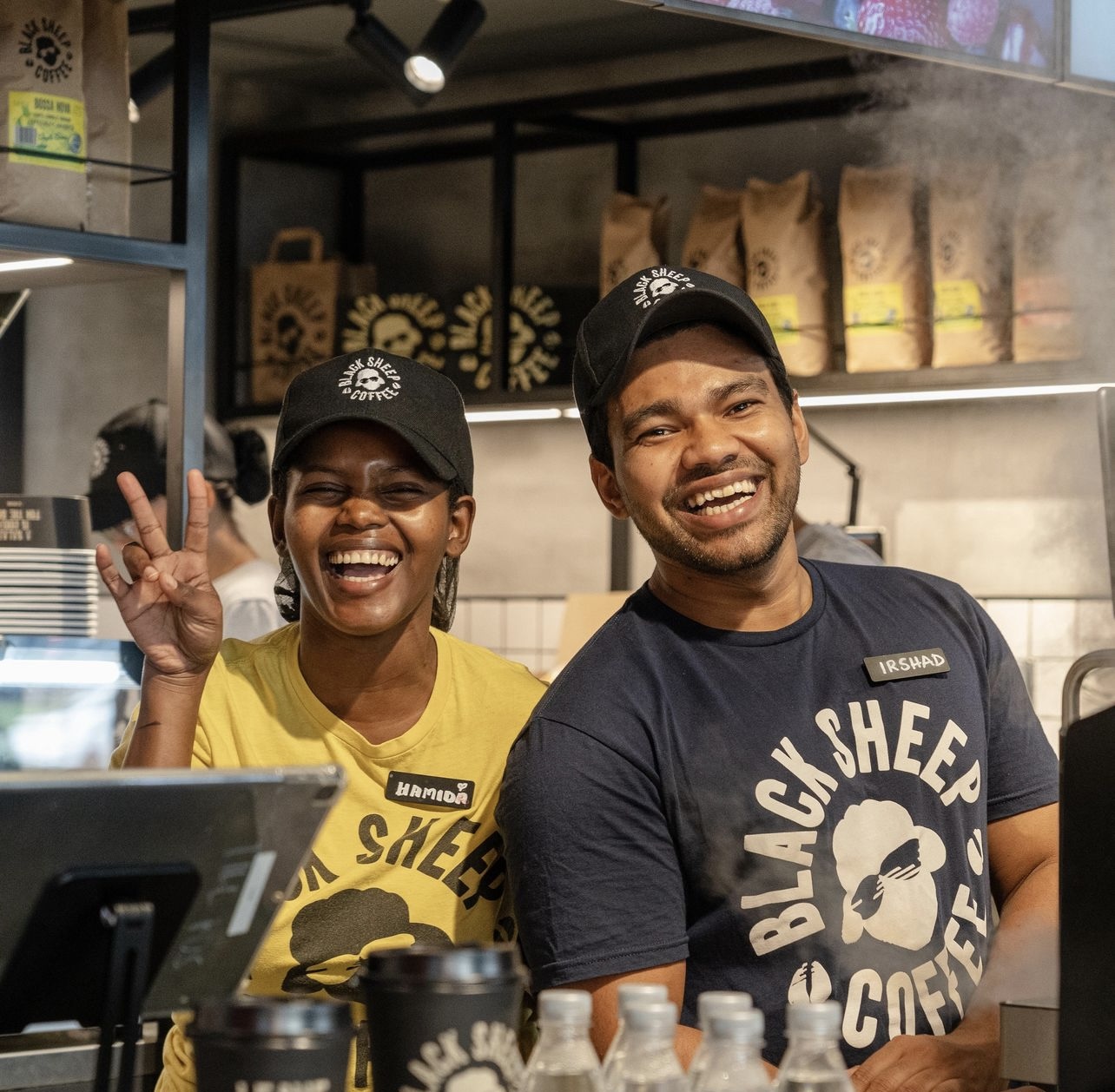
Black Sheep Coffee, the rulers in Robusta, are brewing up a storm in the world of coffee with the opening of their 100th location worldwide at Yas Mall, marking a significant milestone in the brand’s global expansion.

Adding Abu Dhabi to its thriving roster, the brand continues to bring its unique offering to the Middle East and beyond. Black Sheep Coffee stands out as the only coffee chain in the MEA serving 100% Robusta coffee, hand-selected at the source with full traceability. Offering double the caffeine in every cup, it sets itself apart from the competition. To further change the status quo in the Middle East, the regional menu includes exclusive sandwiches and salads made fresh to order with quality ingredients, offering guests a premium experience without the high price tag.

Along with its new location, Black Sheep Coffee proudly announces the launch of its Perfected Matcha range with all-new flavors: Strawberry & Cream, Passion Fruit Lemonade, Blueberry Matcha with Spirulina, Matcha Green Tea, and Vanilla Matcha.

“We’re proud to be launching Black Sheep Coffee’s 100th location worldwide in the capital of the UAE, further expanding our footprint in the UAE on our mission to change the traditional coffee chain experience across the globe,” said Mohamad Al Faran, MEA Developer for Black Sheep Coffee.

Founded by university flatmates Gabriel Shohet and Eirik Holth, Black Sheep Coffee has quickly gained popularity for its rebellious spirit and commitment to quality. With their daring-to-be-different mindset, Shohet and Holth have risen to success on a mission to rid the world of boring, average-tasting coffee. Spearheading the change with their 100% specialty Robusta, the founders still personally visit the farms to source the best beans for all their chains across the globe. They also offer five different types of specialty coffee beans from five different origins.

Inspired by his time studying in the UK and his frequent, unforgettable visits to Black Sheep Coffee, Mohamad Al Faran has spearheaded the brand’s expansion into the Middle East with ambitious plans. The Black Sheep Coffee stores ooze a blend of warm and inviting décor, teamed with a bold and urban atmosphere characterized by graffiti artwork and earthy wooden interiors, designed to evoke a sense of creativity and comfort. Join the movement and “Leave The Herd Behind” with Black Sheep Coffee.

About Black Sheep Coffee

Black Sheep Coffee is a UK-born specialty coffee shop founded by university flatmates Gabriel Shohet and Eirik Holth, who “left the herd behind” to embark on a coffee journey together. Their mission: to “rid the world of boring, average-tasting coffee.” Black Sheep Coffee is famous for its 100% specialty-grade Robusta coffee (currently the only one in the global coffee retail market). The brand expanded to the Middle East under the leadership of Mohamad Al Faran, a 26-year-old Chemical Engineer and Entrepreneur who discovered the brand while studying in the UK. It quickly became his home away from home, and today, Mohamad is heading the brand’s expansion across the MENA region. Step into Black Sheep Coffee’s warm and eclectic atmosphere, with its graffiti artwork and earthy wooden interiors designed to evoke a sense of creativity and home-like comfort. Join the movement and “Leave The Herd Behind” with Black Sheep Coffee.

Locations:

  • Black Sheep Coffee, Yas Mall, Abu Dhabi
    • Operational Hours: Sun – Thurs 8 AM – 11 PM, Fri – Sat 8 AM – 12:30 AM
    • Parking: Green Parking
  • Black Sheep Coffee, Boulevard Plaza Towers, Burj Khalifa District – Downtown Dubai
    • Operational Hours: Mon – Fri 6:30 AM – 11:30 PM
    • Parking: Green Parking
  • Black Sheep Coffee, Act Two Tower, Opera District – Downtown Dubai
    • Operational Hours: Mon – Fri 6:30 AM – 11:30 PM
  • Black Sheep Coffee, Dubai Mall – Downtown Dubai
    • Operational Hours: Mon – Thurs 8 AM – 11 PM, Fri – Sun 8 AM – 1 AM


Inside Burj Al Arab Announces Launch of Gold Cappuccino and Tiramisu Package

  • The tour offers guests an exclusive experience including the tasting of gold cappuccino and tiramisu for the first time in Dubai.

  • The tour lasts between 60-90 minutes, during which guests explore the beauty and splendor of the luxurious Burj Al Arab hotel. The package offers guests the chance to enjoy an exceptional tour and savor cappuccino and tiramisu sprinkled with gold.

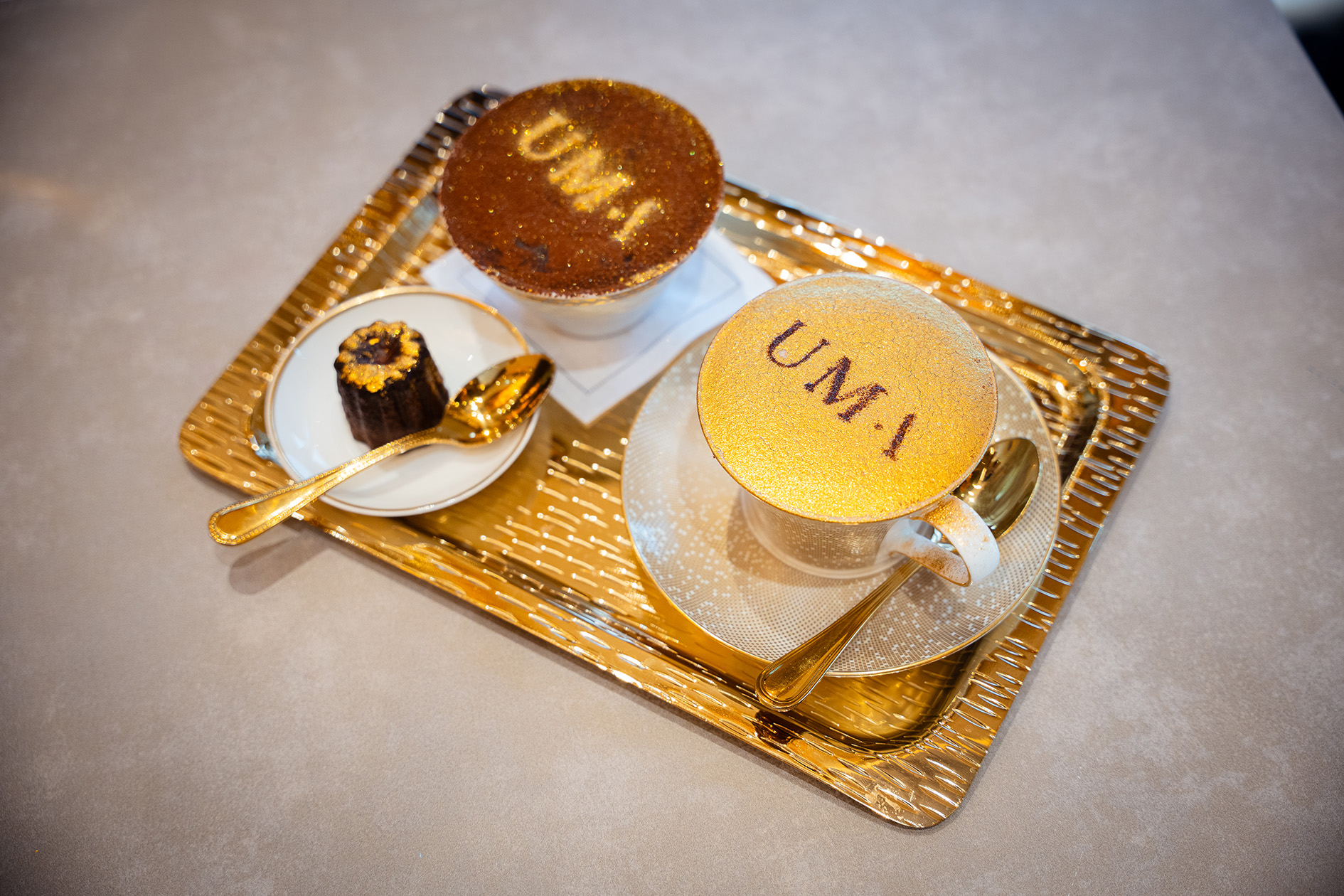
“Inside Burj Al Arab” has announced the launch of the Gold Cappuccino and Tiramisu Package, the newest addition to its Golden Experiences, providing guests with unique opportunities to explore the ultimate luxury destination.

The experience allows guests to enjoy an exclusive tour inside the iconic hotel for a duration of 60 to 90 minutes, starting with a ride in a private tour buggy accompanied by a guide, offering stunning views and photo opportunities in front of Burj Al Arab. Guests then proceed to the distinctive glass elevator, which takes them to the 25th floor to continue the tour. Visitors enjoy the hotel’s amazing interior decor, including the Grand Atrium lobby, the Experience Suite, and the exceptional lounge, where traditional Arabic coffee and a variety of dates await. They also have the opportunity to view the breathtaking scenery of the Arabian Gulf and Dubai skyline.

The experience is available for AED 469 per person. After the tour, guests can indulge in the Italian ambiance and savor the hotel’s famous edible gold-adorned cappuccino alongside the delicious tiramisu covered with cocoa and edible gold. The Gold Cappuccino and Tiramisu Package is the latest addition to the Golden Experiences offered by the Inside Burj Al Arab event, providing guests with a range of luxurious and unique experiences that create unforgettable memories with family and friends.

The hotel invites visitors to enjoy the Gold Cappuccino and Tiramisu Package, adding a touch of elegance and sophistication to the Inside Burj Al Arab experience and elevating the offerings to unprecedented levels.

For more information about the Golden Experience packages offered by Inside Burj Al Arab, please visit

Inside Burj Al Arab Golden Experience Tour Booking

Gold Cappuccino and Tiramisu Package from Inside Burj Al Arab:

  • Offer: Tour and Gold Cappuccino and Tiramisu Experience
  • Details: 60-90 minute tour inside Burj Al Arab
  • Timing: Daily from 10:00 AM to 7:00 PM
  • Location: Tour starts from the ticket lobby at the Conference Center in Jumeirah Beach Hotel.
  • Entry: Valid for one person only.
  • Price: AED 469 per person

About Inside Burj Al Arab:

Inside Burj Al Arab is under the umbrella of Dubai Holding and Jumeirah Group, offering an exclusive 60-90 minute tour that gives guests a chance to explore the famous Burj Al Arab’s interior. The carefully curated experiences range from exploring sea-view interior designs to post-tour indulgences, including enjoying exquisite beverages garnished with 24-carat gold, exclusive dining options, wellness experiences, spa treatments, and outdoor adventures.

Inside Burj Al Arab is open daily from 10:00 AM to 7:00 PM. Tickets are available for purchase online or at the ticket lobby at the Conference Center in Jumeirah Beach Hotel. For more information, please visit Inside Burj Al Arab.

Study Warns Against Drinking Coffee Before Breakfast

A recent study conducted by the University of Bath highlights the potential negative impact of drinking coffee before breakfast on blood sugar control. Published in the British Journal of Nutrition, the study investigated the effects of disrupted sleep and morning coffee consumption on various metabolic markers.

The study involved 29 healthy adults who participated in three different overnight experiments. In one experiment, participants had a normal night’s sleep and consumed a sugary drink upon waking. In another, participants experienced disrupted sleep, being woken every hour for five minutes, and then consumed the same sugary drink upon waking. In the third experiment, participants also experienced disrupted sleep but drank a strong black coffee 30 minutes before consuming the sugary drink.

The findings revealed that a single night of disrupted sleep did not significantly impair blood sugar control compared to a normal night’s sleep. However, consuming strong black coffee before breakfast led to a 50% increase in blood glucose response compared to when coffee was not consumed. This suggests that while coffee might help alleviate morning grogginess after a poor night’s sleep, it could impair the body’s ability to regulate blood sugar levels effectively.

Lead researcher Harry Smith emphasized the importance of consuming coffee after breakfast rather than before to avoid negative metabolic effects. Professor James Betts, co-director of the Centre for Nutrition, Exercise, and Metabolism at the University of Bath, noted that this finding has significant health implications, given the global popularity of coffee.

The researchers highlighted that these results could have far-reaching health implications, especially considering the widespread consumption of coffee worldwide. They suggested that individuals might benefit from adjusting their morning routines by eating breakfast first and then drinking coffee to maintain better blood sugar control and reduce the risk of conditions such as diabetes and heart disease​ (University of Bath)​​ (ScienceDaily)​​ (Neuroscience News)​​ (nutritioninsight.com)​​ (New Atlas)​.