When Cafés Serving Specialty Coffee Can Rely on Prestige Alone and When They Can’t?

Specialty coffee shops often cannot afford to trade on prestige alone due to several key factors such as market dynamics, consumer expectations, and intense competition. According to the 2024 National Coffee Data Trends report by the National Coffee Association, modern consumers demand more than just a prestigious brand; they seek quality, value for money, and a compelling overall experience. However, certain conditions allow coffee shops to leverage their prestige effectively. Here’s a detailed breakdown:

When Specialty Coffee Shops Can’t Afford to Trade on Prestige Alone

  1. Consumer Expectations: Modern consumers are more informed and have higher expectations. They look for quality, consistency, and value for money. The 2024 report by Mintel indicates that 87% of consumers still prefer in-person coffee shop experiences, but they expect exceptional service and quality that justifies the cost.
  2. Price Sensitivity: Not all consumers are willing to pay a premium solely for prestige. Many customers are price-sensitive and seek a balance between quality and cost. The 2024 National Coffee Data Trends report highlights that the financial situation of consumers heavily influences their coffee consumption patterns, with many opting for more affordable alternatives during economic downturns.
  3. Competition: The specialty coffee market is highly competitive. Many coffee shops offer high-quality products, creating a saturated market. Relying on prestige without differentiating through unique offerings, excellent customer service, or a distinctive brand experience can make it difficult to stand out. According to Mintel’s 2024 coffee market analysis, coffee shops face increasing competition from at-home coffee options and cheaper alternatives like McCafé.
  4. Sustainability: Operating a business based solely on prestige can be unsustainable in the long run. Trends and consumer preferences change, and what is considered prestigious today may not be so tomorrow. Specialty coffee shops need to innovate and adapt to remain relevant. Mintel’s Future of Coffee report for 2024 emphasizes the importance of linking sustainability to positive consumer experiences to maintain relevance.
  5. Customer Loyalty: Building a loyal customer base requires more than just a prestigious image. It involves creating a community, offering personalized experiences, and engaging with customers. A coffee shop that focuses solely on prestige might struggle to build genuine connections with its customers. The National Coffee Data Trends report notes that 77% of coffee consumers prefer their coffee with milk or creamer, highlighting the need for customization and personalization.

When Specialty Coffee Shops Can Leverage Prestige Effectively

  1. Niche Market: If a specialty coffee shop caters to a niche market that values exclusivity and is willing to pay a premium for it, trading on prestige can be effective. For instance, a shop offering rare or limited-edition coffee beans can attract connoisseurs who appreciate the uniqueness. The 2024 coffee survey data indicates that specific consumer segments are willing to pay more for unique and high-quality coffee experiences.
  2. High-Quality Experience: When prestige is backed by a consistently high-quality product and experience, it can be a powerful tool. This includes exceptional coffee, skilled baristas, a unique ambiance, and superior customer service. If the overall experience justifies the premium, customers may be willing to pay for the prestige. The 2024 National Coffee Data Trends report suggests that consumers are increasingly looking for a holistic experience when they visit coffee shops.
  3. Brand Story: A compelling brand story can enhance prestige. If a coffee shop has a unique history, supports sustainable practices, or has a strong community impact, it can build a prestigious image that resonates with customers. This narrative can differentiate the shop in a crowded market. Mintel’s 2024 report highlights the importance of social enterprise and sustainability in building a strong brand image.
  4. Exclusive Offerings: Offering exclusive or hard-to-find products can bolster a shop’s prestige. Limited edition coffees, collaborations with renowned roasters, or unique brewing methods can create a sense of exclusivity that appeals to certain customers. The rise in popularity of coffee enhancements and flavored variations, as noted in the 2024 coffee survey, supports the demand for unique offerings.
  5. Location and Demographics: In affluent areas where customers are less price-sensitive and more focused on luxury and status, trading on prestige can be more viable. Understanding the local market and demographics is crucial to determining if this strategy will work. Mintel’s 2024 analysis indicates that premium coffee shops in high-income neighborhoods can effectively leverage their prestige to attract and retain customers.

Conclusion

While prestige can be a valuable asset for specialty coffee shops, relying solely on it is often not sustainable. Balancing prestige with quality, customer experience, innovation, and genuine engagement is key to long-term success. However, in specific markets and contexts, leveraging prestige effectively can set a specialty coffee shop apart and attract a dedicated customer base.

For more detailed insights, you can refer to the 2024 National Coffee Data Trends report by the National Coffee Association and Mintel’s Future of Coffee 2024 report.

We value your opinion! How do you see the future of cafés serving specialty coffee? Do you think relying solely on prestige is enough to attract and retain customers? We would love to hear your thoughts and experiences on this topic.

Please share your ideas and suggestions at the following email: [email protected].

Your input will help enrich the discussion and shed light on various aspects of this important issue. We look forward to your participation!


Snapchill Company Recalls Canned Coffee Products from the US Market Due to Botulinum Toxin Contamination

Snapchill, a Green Bay-based company, has initiated a nationwide recall of all its canned coffee products sold by 148 coffee roasters. The recall comes amid concerns that a deadly toxin, botulinum, may have contaminated the drinks.

Snapchill announced the recall after the U.S. Food and Drug Administration (FDA) notified the company that it had not met the required regulations for filing its process of making beverages. The company is currently working to comply with FDA regulations to ensure the safety of its products.

The recall includes all Snapchill coffee products within their expiration date, which are sold in metal cans ranging from 7oz to 12oz. These cans are labeled with “Produced and distributed by Snapchill LLC” and some also display “Snapchill Coffee” on their labels.

The Snapchill process involves brewing and then rapidly cooling coffee to preserve its flavor without oxidation or dilution. However, this method has raised concerns about potential contamination that can lead to botulism, a rare but serious illness caused by botulinum toxin. Botulism attacks the body’s nerves and can cause difficulty breathing, muscle paralysis, and even death, according to the Centers for Disease Control and Prevention (CDC). The toxin is produced by Clostridium botulinum and related bacteria.

Despite the recall, Snapchill has stated that no illnesses have been reported, and there is no current evidence of products being contaminated with the botulinum toxin. The recall is a precautionary measure to ensure consumer safety.

Consumers are advised to check their coffee products for the recall label and contact the retailer or Snapchill for further instructions. A full list of the affected coffee roasters and products is available on the Snapchill website.

Coffee Tasting Party with Luiz Paulo Pereira of Carmo Coffees at Archers Wholesale & Supply Store

Archers Wholesale & Supply Store is thrilled to announce a special coffee event featuring Luiz Paulo Pereira of Carmo Coffees. On June 25, from 4-6 pm, coffee enthusiasts are invited to join us for an exclusive cupping session and connection opportunity with one of Brazil’s leading specialty coffee producers.

Well, it couldn’t possibly be a coffee-tasting party for our home community, just something that feels a lot like it, right? First of all, we’ll get to taste the rare species – Eugenioides — again, but this time Brazil-grown and Carmo Coffees’ first successful harvest! Last summer, we also tasted Eugenoides together from a different origin’s award-winning and pioneering producer.

Luiz Paulo Pereira will bring rare coffee varieties such as Eugenoides, Sudan Rume, and Geisha, offering attendees a unique chance to explore new flavor profiles emerging from Brazil. This event aims to ignite sensory imaginations and provide insights into the exciting developments in Brazilian coffee.

To make the event even more special, with entrance, you’ll get your own Cup & Connect Kit — two coffees (one espresso and one filter), an Archers cupping spoon, and an Archers cupping tray — and a delectable pastry to sink your teeth into and help anchor the caffeine. Plus, you also get a chance to win an Archers @FIVE Gift Box and a seat to an Archers Home Barista course to use yourself or gift a good coffee friend!

Since we’ve been missing having more of you around, friends, we thought why not turn up the fun factor a little bit when we meet to Cup & Connect with Luiz on Tuesday, June 25, 4-6 pm here at the roastery.

Carmo Coffees has been a cornerstone in Archers’ growth over the past five years, supplying top-quality Brazilian green beans that have become staples in specialty cafes and home brewing setups alike. Known for their full-bodied, nutty, and chocolatey notes, these beans are beloved for their versatility and comforting profiles.

A small fee will be charged for attendance, ensuring that the event is memorable for all participants.

Regulars at the roastery and Archers Academy are familiar with the vibrant and social atmosphere of Archers Community events. These gatherings often extend beyond their agendas, fostering connections among coffee enthusiasts and creating a lively environment.

Newcomers are encouraged to join and experience the unique vibe firsthand. This event is a must-attend for anyone passionate about coffee and eager to learn from one of the industry’s leading figures.

For more information and to sign up, please visit our website or contact us directly.

Exciting Events at WOC Copenhagen: Don’t Miss Out!

The World of Coffee (WOC) Copenhagen is just around the corner, bringing with it a lineup of exciting events that coffee enthusiasts won’t want to miss!

Coffee Knowledge Hub Meet-up

Join the Coffee Knowledge Hub for an in-person meet-up at the Victoria Arduino stand on Saturday, 29th June at 3 PM. Attendees will have the exclusive opportunity to taste a new crop of Excelsa coffee from the Mooleh Manay estate. If you’ve never experienced this unique coffee species, make sure to RSVP here.

Other CKH Events

Panel Discussion on the Coffee Value Assessment (CVA) System

Discover insights from three CVA ambassadors about applying the CVA in various roles. Hosted by Andrew Tolley from the Coffee Knowledge Hub, this panel discussion will take place on the Roasting Competition stage on Thursday, 27th June at 12 PM. The CVA is transitioning from its beta trial phase to become the new standard in coffee assessment, offering valuable knowledge on how to enhance or replace current assessment practices.

Victoria Arduino Stand Highlights

Victoria Arduino is collaborating with some of the most renowned coffee producers, providing a rare opportunity to taste competition-level coffees. Here’s the lineup:

Day 1: Thursday, 27th June

  • 10:30-12:30: Café Granja La Esperanza, Colombia, will serve Mandela XO from Finca La Esperanza, exclusive to their farms.
  • 13:30-15:30: Lost Origin, Panama City, will showcase Lost Origin X Don Benjie Geisha Washed and Lost Origin X Don Benjie Geisha Natural, processed with precision at their innovative mill.

Day 2: Friday, 28th June

  • 10:30-12:30: Los Pirineos, El Salvador, known for their success in the El Salvador Cup of Excellence, will present Pacamara Black Honey and Bourbon Elite Washed.
  • 13:30-15:30: Los Nogales, Colombia, represented by Oscar Hernandez and his sister Angie, will offer coffees from their award-winning farm.

Day 3: Saturday, 29th June

  • 10:30-12:30: Lohas Beans will feature exceptional coffees from a new generation of Colombian producers:
    • TROPICAL FRUIT FORWARD LUSH AJI NATURAL by Nestor Lasso
    • CREAMY CULTURED BRILLIANCE CHIROSO NATURAL by Jhoan Vergara
    • TROPICAL FRUIT FORWARD LUSH PACAMARA NATURAL by Jhonathan Gasca
    • FLORAL SYMPHONY SL28 WASHED by Pao Trujillo

See You at WOC Copenhagen!

In case you missed it, the Coffee Knowledge Hub website has been revamped. Your login for coffeeknowledgehub.com will work on the new site, which now features a community space with events, videos, articles, courses, and more. Sign up and log in for free, and don’t forget to complete your profile to build your network.

CEO of the Coffee Quality Institute Praises Institute’s Community Impact and Announces New Initiatives

In an emotional message to the members and staff of the Coffee Quality Institute (CQI), CEO Michael Sheridan expressed his deep appreciation for their energy, creativity, and commitment. Nearly six months into his tenure, he explained that he had met many institute members at key events such as the African Coffee Week in Addis Ababa, the Specialty Coffee Association Expo in Chicago, and the World of Coffee in Busan, South Korea, highlighting the profound impact and inspiration he drew from these interactions.

Michael Sheridan’s message, shared in the latest CQI newsletter, included numerous updates and future plans for the organization. Sheridan emphasized that the newsletter aims to provide an overview of CQI’s diverse activities worldwide, hoping to inspire the institute’s members as much as his travels inspired him.

Looking ahead, Michael Sheridan outlined the upcoming events in which CQI will participate, including the Global Coffee Platform General Assembly in Amsterdam, World of Coffee in Copenhagen, the Thai Coffee Festival in Bangkok, and the Global Coffee Festival at TECNiCAFE in southern Colombia. He sees these events as additional opportunities for interaction and learning within the institute’s community.

In his message, Sheridan revealed that CQI is actively working on improving its services, explaining that enhancement efforts include building new systems, hiring new staff, and developing innovative approaches to better serve the institute’s members. He noted that one of the significant initiatives is investing in a new and improved website to enhance functionality and user experience, responding to collected feedback on the current registration system for matching learners with teachers.

Additionally, Michael Sheridan mentioned that CQI recently announced the creation of a new position, the Mission Engagement Manager. This role will lead projects that have been a core part of CQI’s work over the past 25 years and develop new ways for stakeholders to engage directly with the institute’s mission.

Expressing his gratitude on behalf of the entire CQI team, Sheridan thanked the institute’s members and staff for their continued dedication to improving coffee quality and the lives of its producers. As CQI advances with these new initiatives, Sheridan’s message underscores the commitment to continuous improvement and deeper engagement with the institute’s community.

G7 Commitment to Coffee Sustainability and Economic Development

At the recent G7 summit in Apulia, world leaders reaffirmed their commitment to sustainable development with a strong focus on coffee. Recognizing the critical role coffee plays in the economies and livelihoods of many countries, the G7 has launched a significant initiative aimed at bolstering the resilience and sustainability of the coffee sector.

G7 Private-Public Initiative on Coffee The G7 leaders announced the formation of a comprehensive private-public initiative designed to enhance the sustainability, productivity, and economic viability of coffee production worldwide. This initiative aims to support smallholders and family farmers, who are the backbone of the coffee industry, by promoting sustainable practices and ensuring fair economic returns.

Key Components of the Initiative:

  1. Policy Advancement: The G7 will work with global partners to develop policies that support sustainable coffee production. This includes addressing environmental challenges, such as deforestation and climate change, which significantly impact coffee-growing regions.
  2. Sustained Investments: The initiative will drive investments into the coffee sector, particularly focusing on research and innovation. This includes exploring new coffee varieties that are more resilient to climate change and pests.
  3. Partnerships and Blended Finance: Leveraging multi-stakeholder partnerships, the initiative will harness both public and private finance to support coffee farmers. This blended finance approach aims to maximize the impact of investments and ensure long-term sustainability.
  4. Circular Economy: Efforts will be made to promote a circular economy within the coffee sector, enhancing value addition and reducing waste throughout the coffee value chain.
  5. Global Private-Public Fund: The feasibility of establishing a global private-public fund on coffee will be examined. This fund would aim to provide financial support for sustainable coffee initiatives, ensuring that resources are available to address both immediate and long-term challenges.

Support for Smallholders and Family Farmers The initiative places a strong emphasis on supporting smallholders and family farmers. By providing access to better resources, education, and financial support, the G7 aims to empower these farmers to adopt sustainable practices, improve productivity, and enhance their economic resilience.

Climate Resilience and Environmental Sustainability Addressing the climate-food systems nexus is a critical component of the initiative. The G7 leaders highlighted the need for coherent policies and investments that not only enhance the sustainability of coffee production but also contribute to broader climate goals. This includes initiatives to improve soil health, promote sustainable farming practices, and support the development of climate-resilient coffee varieties.

Global Cooperation The G7’s commitment to coffee is part of a broader effort to support sustainable development globally. By working with international partners, including the African Union and other global stakeholders, the G7 aims to align this initiative with existing global and regional plans for sustainable agriculture and food security.

Conclusion The G7’s commitment to coffee sustainability marks a significant step towards ensuring the long-term viability of the coffee sector. By supporting smallholders, promoting sustainable practices, and driving investment, the initiative aims to create a more resilient and equitable coffee industry that can thrive in the face of global challenges.

This renewed focus on coffee highlights the importance of this crop not only as a global commodity but also as a vital source of livelihood for millions of people around the world. The G7 leaders’ commitment is expected to drive positive change and foster a more sustainable future for coffee production.

Additional Commitments from the G7 Leaders The G7 leaders also emphasized the importance of addressing the broader issues of sustainable development, food security, and climate resilience. Notable initiatives include:

  • The Apulia Food Systems Initiative (AFSI), which aims to overcome structural barriers to food security and nutrition, building resilient and productive agriculture and food systems globally.
  • Energy for Growth in Africa Initiative, launched alongside several African partners, to drive clean energy investments across the continent, supporting sustainable and inclusive growth.
  • Commitment to Gender Equality, unlocking significant investments to boost women’s empowerment and economic participation.

These initiatives demonstrate the G7’s holistic approach to tackling global challenges and promoting sustainable development, with coffee sustainability as a pivotal focus.

With these comprehensive measures, the G7 aims to ensure that coffee production remains sustainable and profitable, benefiting millions of smallholder farmers and contributing to global economic stability and environmental health.

Historic Achievement: G7 Recognizes Coffee as a Strategic Sector

The International Coffee Organization (ICO) is pleased to announce the outcomes of the 50th G7 Summit held from 13 to 15 June 2024 at the Borgo Egnazia resort in Fasano, Apulia, Italy. The gathering convened leaders from the G7 member states alongside representatives from the European Council and European Commission (EU), focusing on critical global issues including climate change, economic recovery, and international relations.

Prior to the event, in April 2024, the G7 Ministers’ Meeting on Climate, Energy, and Environment, together with the Italian Presidency of the G7, acknowledged the challenges faced by the coffee sector and advocated for a public-private partnership initiative designed to foster sustainable, resilient, circular, and regenerative coffee value chains.

Central to the latest summit was the leaders’ commitment to policies and investments aimed at addressing climate-related food supply disruptions. Of notable significance, they pledged to support multi-stakeholder programmes, including an innovative private-public initiative on coffee, as recommended earlier. This proposal aims to advance policy, investment, research, innovation, partnerships, and blended finance to boost resilience, sustainability, value addition, and the circularity of the coffee global value chain (C-GVC). It will also seek to support smallholders and family farmers in coffee-producing countries and examine the feasibility of establishing a dedicated global fund.

Vanúsia Nogueira, Executive Director of the ICO, commented on this milestone, stating: “The ICO is committed to achieving a diversified global coffee sector and to economic and social development through sound value distribution in the C-GVC and by enhancing income opportunities in producing and consuming countries. We are proud that the ‘coffee diplomacy’ efforts of the ICO and our Coffee Private-Public Task Force have resulted in coffee being recognized as a key strategic sector by the G7 leaders. This is proof that a strong ICO amplifies the voices of farmers and empowers coffee stakeholders, bringing hope to millions worldwide.”

Building on the endorsements made at the summit, the ICO will continue its efforts and collaborate with the Italian presidency of the G7 and other partners to develop a robust and concrete proposal to mobilize funding and resources aimed at fostering the coffee sector’s journey towards sustainability, inclusion and climate change mitigation, as well as achieving a living and prosperous income for producers.

The proposal is expected to be presented at the upcoming G7 Ministers’ Meeting on Development in October, informed by the ICO and partners’ recent report on global coffee funding mechanisms: “Sustainability & Resilience of the Global Value Chain: Towards a Coffee Investment Vehicle.”

For further insights, please refer to the official G7 Leaders’ Communique from the Apulia Summit, available here.

The International Coffee Organization (ICO) is dedicated to supporting exporting and importing countries in improving the sustainability of the coffee sector. It provides a platform for public and private stakeholders, offers official statistics on coffee production, trade, and consumption, and facilitates technical cooperation projects and public-private partnerships.

More information at: http://www.icocoffee.org/

Discover Thailand’s Specialty Coffees at World of Coffee Copenhagen 2024

Coffee enthusiasts and industry professionals will have a unique opportunity to experience Thailand’s finest Arabica and Robusta coffees at a special tasting event hosted by the Coffee Quality Institute (CQI). This exclusive event is part of the World of Coffee Copenhagen 2024, held at the Bella Center Copenhagen.

Event Details:

  • Date: Friday, June 28, 2024
  • Time: 4:00 PM – 5:00 PM CEST
  • Location: Room 2, Bella Center Copenhagen, 5 Center Boulevard, 2300 København, Denmark

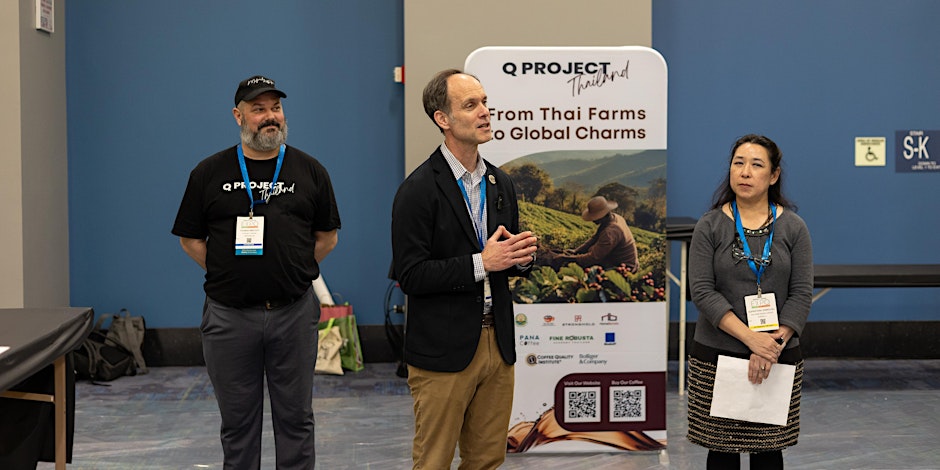
The CQI will host a cupping event to showcase Thailand’s growing specialty coffee sector. Attendees will taste a variety of Arabica and Robusta coffees, each highlighting different processing methods and flavors. The event aims to promote the Q Project Thailand, an initiative designed to elevate the quality and international profile of Thai specialty coffees.

Event Highlights:

  • Exclusive Tasting: Sample a diverse range of specialty Arabica and Robusta coffees from Thailand.
  • Insightful Learning: Understand the impact of CQI’s Post-Harvest Processing and Quality Evaluation training on Thai coffee quality.
  • Networking Opportunities: Engage with Thai trade representatives and other coffee industry professionals.

The featured coffees come from three cohorts of Thai coffee producers who have completed CQI’s comprehensive training programs. These programs, supported by Bolliger & Company (Thailand), various Thai government entities, and local coffee businesses, focus on post-harvest processing best practices and quality standards.

In addition to the cupping event, CQI will brew Thai coffees at their booth (CE 14B) throughout the World of Coffee Copenhagen show, providing further opportunities to explore the unique flavors and quality of Thai specialty coffees.

World of Coffee Copenhagen 2024 is one of the most anticipated events in the global coffee calendar, organized by the Specialty Coffee Association (SCA). This annual event brings together thousands of coffee professionals from around the world to explore the latest trends, innovations, and developments in the coffee industry.

Key Features of World of Coffee Copenhagen 2024:

  • Dates: June 27-29, 2024
  • Location: Bella Center Copenhagen, 5 Center Boulevard, 2300 København, Denmark
  • Entry: Tickets are available for purchase on the official World of Coffee Copenhagen 2024 website.

The event features a vast exhibition floor showcasing cutting-edge products, equipment, and services from leading coffee brands and suppliers. Attendees can interact with exhibitors, discover new products, and learn about the latest innovations in the coffee world. Prestigious coffee competitions, including the World Barista Championship, World Brewers Cup, and World Cup Tasters Championship, will take place, featuring the best baristas, brewers, and coffee tasters from around the globe. Educational sessions will offer a comprehensive program of workshops, lectures, and panel discussions led by industry experts, covering various aspects of coffee production, brewing techniques, sustainability, business strategies, and more. Networking events will provide numerous opportunities for attendees to connect with fellow coffee professionals, industry leaders, and influencers.

The Coffee Quality Institute is committed to improving coffee quality and the lives of coffee producers. Through initiatives like Q Project Thailand, CQI provides essential training and resources to help producers achieve high-quality standards and access new markets.

Don’t miss this opportunity to discover the rich and diverse world of Thai specialty coffee. Mark your calendar for June 28, and join us at World of Coffee Copenhagen 2024 for an unforgettable coffee experience.

For more information and to register, visit the official World of Coffee Copenhagen 2024 website.

Forging a Sustainable Future: Innovations and Milestones in Coffee Research 2023

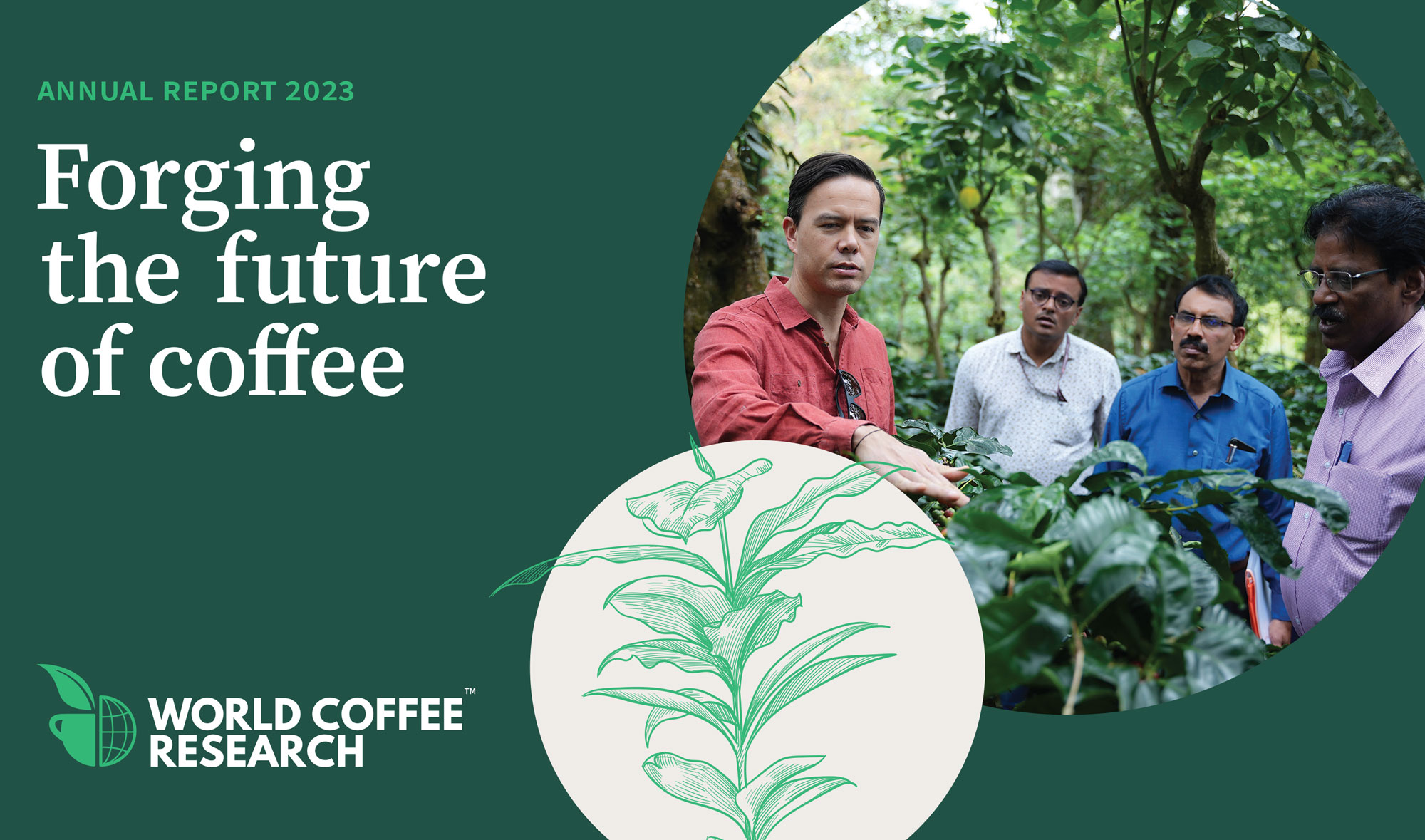
World Coffee Research Releases 2023 Annual Report

The newly released 2023 annual report from World Coffee Research (WCR) provides an insightful overview of the organization’s significant achievements and progress over the past year, highlighting major program areas and global initiatives.

A Brighter Future Through Innovation

In 2023, WCR reinforced its core mission: a brighter future for coffee through innovation. The organization’s team, spread across 17 countries, continued to generate actionable, science-based solutions for farmers and coffee-producing nations. This work is crucial in the face of climate change and the looming investment gap in agricultural research and development (R&D).

“Creating better coffee varieties gives farmers choices, fills consumers’ cups with joy, and creates the foundation for flourishing and sustainable coffee businesses for generations to come,” said Chief Executive Officer Dr. Jennifer “Vern” Long. “In short, innovation allows us to define the world we want to live in and to use science as a tool to get us there. This year, with strong backing from our member companies and national research partners around the world, we’ve forged ahead in this journey, making a brighter future not only possible but probable.”

2023 Global Highlights

This year, WCR made substantial progress across its four major program areas—breeding, trials, nursery, and global leadership:

  1. Breeding and Genetic Improvements
    • Arabica Breeding and the Innovea Network: Launched in 2022, the Innovea Global Coffee Breeding Network continued its work in 2023 by shipping and germinating 5,000 novel and genetically unique arabica seeds to six countries. The network aims to modernize variety improvement systems and provide farmers with more resilient and diverse coffee varieties.
    • Robusta Breeding: WCR laid the groundwork for a global robusta breeding network, conducting a comprehensive study on robusta genetic improvement and establishing a breeding collection at its research farm in El Salvador.
  2. Trials and Testing
    • F1 Hybrids Trial: Four hybrid candidates advanced to pre-commercial testing, with research trials showing up to 30% yield gains. The next phase of trials will begin in 2024.
    • International Multilocation Variety Trial (IMLVT): The world’s largest coffee variety trial, with 31 varieties and 50,000 plantlets across 22 sites in 15 countries, was extended for six years to continue data collection and analysis.
  3. Nursery and Seed Sector Work
    • In Latin America, WCR tested 28,540 tree samples from 81 seed lots for genetic purity and supported 22 seed lots for clean-up.
    • In Uganda, the organization established 10 demonstration robusta nurseries, trained 393 nursery operators, and supplied nearly 50,000 coffee wilt disease-resistant plants to farmers.
  4. Global Leadership and Advocacy
    • WCR expanded its advocacy efforts to include governments in Japan, Australia, Canada, Germany, and the EU. The organization participated in two international coffee development projects, targeting 103,700 farmer beneficiaries and investing $60 million.

Resources and Knowledge Sharing

WCR’s knowledge products, including the Coffee Varieties Catalog and Sensory Lexicon, were accessed over 150,000 times in 99 countries. New resources launched in 2023 include a robusta variety catalog and an open-access DNA fingerprinting database for arabica coffee.

Financial Overview

In 2023, contributions from the coffee industry totaled $4,056,000, supporting WCR’s various programs. The organization’s total expenditures were $5,419,000, with significant investments in breeding, trials, nursery, and global leadership.

Looking Ahead

WCR’s efforts in 2023 have laid a robust foundation for future advancements in coffee research. By addressing critical challenges such as climate change, genetic improvement, and the global investment gap, WCR is driving transformative change in the coffee industry. The collaborative approach involving global partners and member companies ensures a sustainable and prosperous future for coffee farmers and the entire supply chain.

To reflect on this past year’s progress and celebrate what’s to come for the future of coffee, access the full annual report on the World Coffee Research website. Spanish, German, and Japanese versions of the report will be available in the coming weeks.

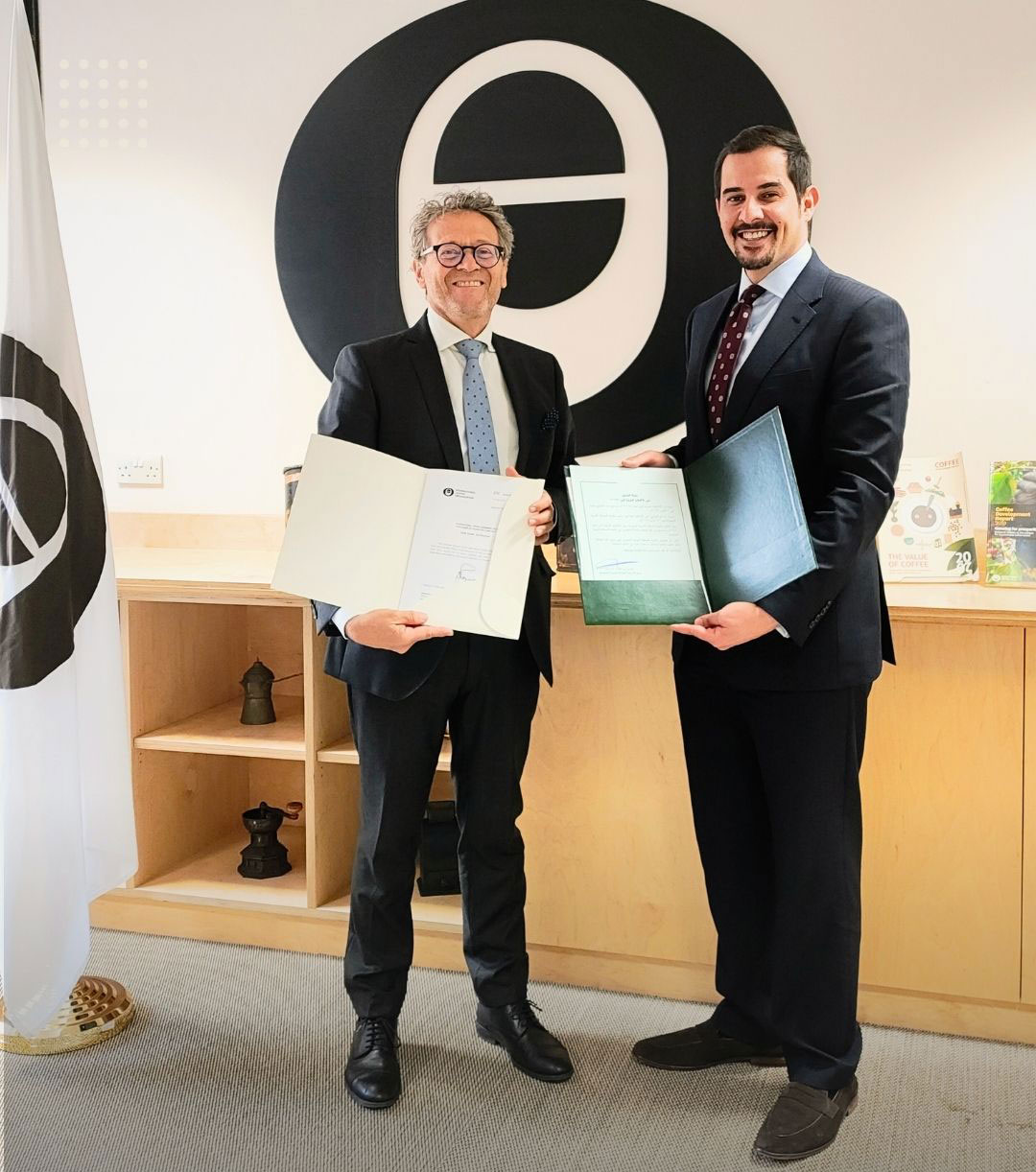
Saudi Arabia Completes Procedures to Join the International Coffee Agreement 2022

In a significant move for the global coffee community, the Kingdom of Saudi Arabia has officially completed the procedures to become a member of the International Coffee Agreement 2022. This membership follows the deposit of an instrument of ratification, marking a major step in Saudi Arabia’s involvement in the international coffee value chain. The International Coffee Organization (ICO) and its members have warmly welcomed Saudi Arabia’s commitment to the coffee industry and look forward to collaborating on enhancing the global coffee sector.

The Kingdom of Saudi Arabia made history by signing the International Coffee Agreement (ICA) 2022 at the ICO headquarters in London. This is the first time the country has formally joined the ICO, an organization with a rich history spanning 60 years. The signing ceremony was attended by representatives from the Saudi Embassy in London, including HRH Prince Khalid Bin Bandar Bin Sultan Bin Abdulaziz Al Saud, Ambassador of Saudi Arabia to the United Kingdom, who signed the trade treaty.

Coffee holds a deep cultural significance in Saudi Arabia. Historically, it was cultivated by the ancient tribes of Khawlan, who lend their name to the prized Khawlani coffee typical of the Jazan region. The cultivation practices of Khawlani coffee are inscribed on the UNESCO Representative List of Intangible Cultural Heritage. Saudi Arabia’s coffee culture blends modernity and tradition, with the buzz of state-of-the-art espresso machines in Riyadh’s coffee outlets intertwining with the comforting echoes of ancestral practices in homes across the nation. The serving of qahwa, often flavored with cardamom and poured into small ornate cups called finjan, is a distinctive cultural ritual and a symbol of the Kingdom’s rich history and hospitality.

The ICO Executive Director, Vanúsia Nogueira, expressed her enthusiasm for Saudi Arabia’s membership, highlighting the potential for enhanced international cooperation and sustainability in the coffee sector. HRH Prince Khalid Bin Bandar Bin Sultan Bin Abdulaziz Al Saud emphasized the importance of this step for the Kingdom, noting the growth and future plans of the Saudi coffee industry.

Public Investment Fund (PIF) launched the Saudi Coffee Company in May 2022, investing $319 million over the next ten years to boost national coffee production from 300 tons per year to 2,500 tons per year, with a focus on sustainability across the production, distribution, and marketing aspects of the coffee supply chain. In recent years, Saudi Arabia’s coffee consumption has seen a substantial increase, with the market growing at an annual rate of 9%. By 2030, the country aims to be a leading producer of high-quality coffee, contributing significantly to the global market.

The ICO, the only intergovernmental organization supporting exporting and importing countries to improve the sustainability of the coffee sector, provides a high-level forum for all public and private stakeholders. It offers official statistics on coffee production, trade, and consumption, and supports the development and funding of technical cooperation projects and public-private partnerships. The ICA 2022, the eighth agreement since the ICO’s establishment, engages exporting and importing governments, the private sector, and civil society to achieve a more sustainable and prosperous coffee sector.

Coffee Prolongs Office Workers’ Lives: A Chinese Study Supported by Global Research

A recent study conducted by scientists at Suzhou University in China has confirmed that drinking 2-3 cups of coffee daily can reduce the risk of death from serious diseases among office workers by up to 33%. The study involved over 10,000 volunteers who were monitored over a period of ten years. Participants provided information about their sitting habits, exercise routines, and the number of cups of coffee they consumed daily.

Health Benefits of Coffee

The study showed that office workers who spent at least 6 hours daily sitting and drank 2-3 cups of coffee daily had a reduced risk of death from sedentary lifestyle-related diseases such as diabetes, heart disease, and cancer. This is attributed to the antioxidant and anti-inflammatory properties of coffee.

Support from Global Research

These findings are supported by numerous other studies conducted in the United States and Europe. For instance, a study involving half a million people in Britain found that coffee consumption was associated with a 14% lower risk of death for those who drank up to eight cups daily​ (Harvard School of Public Health)​. Additionally, research conducted in ten European countries confirmed that coffee improves liver function and helps control blood glucose levels​ (Imperial College London)​.

Expert Recommendations

Renowned Russian physician Dr. Alexander Myasnikov praised the health benefits of coffee, noting that it is part of the cancer chemoprevention program and helps prevent the development of liver cancer. He also highlighted its role in reducing the risks of arthritis, diabetes, and heart rhythm disorders​ (livescience.com)​​ (ScienceDaily)​.

Conclusion

These combined findings suggest that moderate coffee consumption can have significant positive health effects, especially in mitigating the negative impacts of a sedentary lifestyle. However, researchers emphasize the importance of consuming coffee in moderation as part of a balanced diet and healthy lifestyle.

For more details on the study, you can visit the Biomedcentral website.

Home Coffee Brewing Booms in Russia with Specialized Devices

Russians have been turning to home coffee brewing more frequently, aided by various coffee gadgets, according to industry sellers and coffee machine vendors. Over the past year, sales of such devices have grown by one-third. Consumers aim to recreate café-quality coffee at home, driving demand for advanced, multifunctional, yet cost-effective machines.

In 2023, sales of coffee machines and makers in Russia increased by over 30% compared to 2022, reaching 29.4 billion rubles. Around 2 million coffee preparation devices were sold, a record figure. In the first quarter of 2024, sales rose by 37% in units and 50% in value, totaling 613,000 units worth 9 billion rubles. Over the past five years, the coffee electronics market has tripled.

The pandemic has significantly boosted coffee’s popularity, shifting consumption to homes and increasing the demand for functional, automated models, now accessible in the mid-price range. The first quarter of 2024 saw a one-third increase in demand for coffee machines, with a 32% rise in revenue and a 34% increase in orders compared to the previous year. The interest in coffee makers also grew, with a 22% increase in revenue and a 9% rise in orders.

Year after year, there’s a steady increase in the demand for coffee machines and related equipment, a trend likely to continue. The main reasons include a love for coffee among consumers, the still small household penetration of coffee machines, and the gradual shift from basic drip and capsule devices to more advanced automatic machines.

Economic confidence is rising across the country, with people willing to spend on technology and premium food products, noted Svetlana Televnaya from Metro. The trend towards ready-made food solutions has also led to increased sales of coffee capsules and drips, observed in both B2B and B2C segments.

Wildberries reported a 217% increase in coffee machine sales in the first quarter of 2024 compared to the same period in 2023. Ozon saw a 57% increase in units sold and an 89% rise in revenue. Despite a 22% drop in average prices, consumer preference has shifted towards Russian brands, with a notable rise in demand for affordable drip coffee makers.

Retail data indicates steady coffee bean sales growth of 2–4% annually, with higher figures in discount stores. Ground and capsule coffee sales remain stable, while ready-to-go coffee in retail networks grew by over 20% year-on-year. Sales of espresso blends for home use have doubled, with increased interest in filter coffee.

The rising demand for coffee machines is attributed to ongoing coffee consumption growth in Russia, current trends, and consumers’ desire for quality coffee at home. The pandemic popularized hybrid and remote work, with many preferring office-quality coffee at home. Technological advancements in coffee preparation also play a role.

Content-Review’s Sergey Polovnikov noted that coffee machine demand growth is linked to the transition from capsule machines to full-fledged coffee makers due to cost savings and desired taste. Eldar Murtazin from Mobile Research Group highlighted that salary increases have led to first-time purchases of coffee machines, further boosting coffee sales. The anticipated price rise for coffee due to global supply issues also influences consumer behavior.

Pavel Komarov from Avito pointed out that rising grain prices and the desire for customized coffee at home drive the purchase of coffee machines. The cultural development of coffee consumption in Russia continues to grow, supporting this trend.