Top 10 States Paying the Most for Coffee: Is Your State on the List?

Coffee lovers know that a good cup of coffee comes at a price—but just how much depends on where you live. A recent study delved into the cost of cappuccinos across the United States, and the findings reveal which states are spending the most to fuel their caffeine habits.

At the top of the list is Oklahoma, where coffee drinkers are shelling out an average of $6.42 per cappuccino. Following close behind are Hawaii at $6.25 and Massachusetts at $5.71. Not far from the top, Idaho takes the fourth spot with an average of $5.68 per cup, proving that even in quieter corners of the country, coffee can cost a pretty penny.

The Top 10 States Paying the Most for Coffee:

  1. Oklahoma: $6.42
  2. Hawaii: $6.25
  3. Massachusetts: $5.71
  4. Idaho: $5.68
  5. North Carolina: $5.58
  6. Tennessee: $5.55
  7. Pennsylvania: $5.50
  8. Washington: $5.48
  9. California: $5.46
  10. New Hampshire: $5.43

Coffee for a Bargain

For those looking to save on their daily brew, West Virginia takes the crown as the most affordable state for coffee, with cappuccinos costing just $2.50 on average. Other budget-friendly states include Georgia at $3.01 and Alaska at $3.50, proving that great coffee doesn’t always come with a high price tag.

Where Coffee Culture Thrives

Beyond prices, the study also explored where coffee culture is most vibrant, ranking states by the number of coffee shops per 100,000 residents. Unsurprisingly, coffee hotspots like Alaska, Washington, and Oregon topped the list, showcasing their love for coffee in every corner. Meanwhile, states like Hawaii, Mississippi, and Kentucky have fewer coffee shops, making them less saturated with options.

What Does It All Mean?

Whether you’re paying top dollar for your cappuccino or enjoying a budget-friendly brew, coffee remains a beloved staple across the U.S. From the bustling coffee shops of Washington to the quiet cafes of Idaho, one thing is certain: coffee isn’t just a drink—it’s a way of life.

So, next time you take that first sip of your morning coffee, think about the journey it’s taken—not just from bean to cup, but also from coast to coast.

ZWILLING ENFINIGY Drip Coffee Maker Earns SCA Certification Again—What It Means for Coffee Lovers

Coffee lovers, rejoice! The Specialty Coffee Association (SCA) has once again awarded its coveted Home Brewer Certification to the ZWILLING ENFINIGY Drip Coffee Maker. For those passionate about starting their day with a perfectly brewed cup, this news confirms what many already know—ZWILLING is dedicated to making your coffee experience extraordinary.

A Trusted Mark of Quality

In a market flooded with coffee makers, the SCA Certified Home Brewer mark is a beacon of trust. It assures consumers that a product has been rigorously tested to meet the association’s exacting standards, including compliance with the SCA Golden Cup Standard for brewing specialty coffee at home. Simply put, if you see this certification, you know you’re investing in quality.

What Makes the ZWILLING ENFINIGY So Special?

Brewing great coffee is both an art and a science, and the ZWILLING ENFINIGY brings both to your kitchen. Here’s why it continues to impress:

  • Taste Matters: Its unique stainless-steel boiler resists corrosion and won’t alter the water’s flavor—unlike copper or aluminum alternatives.
  • Flavor Optimization: A wide shower head evenly moistens coffee grounds, unlocking every bit of their flavor.
  • Blooming Function: By releasing trapped carbon dioxide before brewing begins, it ensures smoother, less sour coffee.
  • Convenience Built In: With a 12-cup capacity, keep-warm function, and programmable timer, this coffee maker adapts to your schedule and needs.
  • Sleek Design: Available in classic black or silver, it’s a stylish addition to any kitchen.

Recognition for Excellence

Joanna Rosenberg, ZWILLING’s Chief Marketing Officer, shared her pride in the achievement:

“We are so honored to have the SCA Home Brewer Certification. It is rewarding to have our hard work, dedication, and innovative design and engineering recognized.”

This re-certification is more than just a badge—it’s a celebration of the craftsmanship and attention to detail that ZWILLING puts into every product.

What It Means for You

For those who enjoy the ritual of brewing coffee, the ZWILLING ENFINIGY is designed to elevate that experience. Whether you’re hosting a brunch or savoring a quiet morning, it ensures that every cup is as delicious as the last.

Want to know more about this award-winning coffee maker? Visit ZWILLING’s website. Curious about the SCA’s Home Brewer Certification program? Head to the SCA website.

With its thoughtful features and commitment to excellence, the ZWILLING ENFINIGY Drip Coffee Maker isn’t just brewing coffee—it’s brewing joy.

Global Coffee Market Trends for 2024/25: Insights from ICO Weighting Changes

The coffee industry is on the brink of significant transformation as the International Coffee Organization (ICO) updates its market share and group weightings for the 2024/25 and 2025/26 coffee years. These changes, effective from October 1, 2024, provide valuable insights into shifting dynamics within the global coffee trade and its future trajectory.

The updated weightings reflect adjustments to production, consumption, and export trends among key coffee-producing regions and consumer markets. They underline the increasing influence of emerging economies in both production and demand, while established markets continue to adapt to evolving consumer preferences.

One notable highlight is the growing contribution of countries traditionally seen as “non-traditional” coffee markets. These regions are gaining prominence as both exporters and consumers, signaling a diversification in the global coffee ecosystem. This shift challenges traditional trade flows and necessitates innovation and collaboration among industry stakeholders.

The weightings also highlight the growing demand for specialty coffee and sustainable practices, aligning with broader industry efforts to adopt circular economy models and address climate challenges. Producers are under pressure to meet these demands while maintaining competitiveness in a volatile market environment.

For exporters and traders, these changes offer an opportunity to refine strategies. Adapting to the revised weightings can help businesses align with emerging markets, capitalize on growth areas, and mitigate risks associated with traditional markets facing saturation or economic slowdowns.

As the industry navigates these transitions, the ICO’s updated framework provides a roadmap for stakeholders to understand and anticipate the forces shaping the global coffee market. The coming coffee years are set to bring opportunities and challenges that will redefine the landscape for producers, exporters, and consumers alike.

Day-to-Day Price Shifts: Understanding November’s Coffee Market Dynamics

November 2024 presented a fascinating journey for coffee prices, with daily fluctuations offering insights into the intricate dynamics of the global coffee market. The International Coffee Organization’s (ICO) daily price data highlights the volatility and underlying factors shaping the coffee trade.

Throughout the month, the ICO composite indicator price started at 241.49 US cents per pound on November 1 and steadily climbed, peaking at 310.69 US cents per pound on November 28. This near 30% increase reflects heightened global demand and potential supply constraints as the holiday season approaches. Interestingly, the month closed at 304.96 US cents per pound on November 29, showcasing the resilience of coffee prices despite minor dips.

A closer look reveals significant day-to-day changes in specific coffee categories. Colombian Milds, for instance, showed steady gains, starting the month at 270.49 US cents per pound and reaching 347.68 US cents per pound at their peak. Robustas, known for their affordability, displayed more modest but consistent growth, peaking at 260.09 US cents per pound after starting at 206.87 US cents per pound.

These price movements are indicative of broader market forces. Supply chain challenges in major coffee-producing regions, fluctuations in currency exchange rates, and shifts in consumer purchasing behavior all contributed to the dynamic pricing environment. Additionally, speculation in the commodities market, driven by concerns over climate impacts on coffee crops, may have amplified price volatility.

While the upward trend suggests strong demand, it also raises questions about the sustainability of such price levels. Small-scale producers may benefit from higher prices, but consumers and intermediaries could face increased costs, potentially reshaping the market dynamics.

As the coffee industry navigates these complexities, November’s price shifts provide a snapshot of the challenges and opportunities ahead. The data serves as a valuable reference for stakeholders looking to adapt to a rapidly changing market landscape.

Brazilian Natural Coffee Posts Notable Gains in November 2024

November 2024 was a strong month for Brazilian Naturals, as prices for this key coffee category climbed steadily, reflecting robust demand and market dynamics. The latest International Coffee Organization (ICO) report highlights a series of gains that positioned Brazilian Naturals among the standout performers of the month.

The average price for Brazilian Naturals reached 285.59 US cents per pound, showcasing its consistent appeal to global markets. Prices peaked at 347.49 US cents per pound on November 28, driven by seasonal demand and strong performance in international markets. The lowest price recorded was 249.11 US cents per pound, marking a significant range of fluctuation across the month.

Brazilian Naturals have long been celebrated for their unique flavor profiles and versatility, making them a staple for roasters and specialty coffee producers worldwide. The upward trend in November reflects both increased consumer interest and potential supply constraints from key coffee-growing regions in Brazil, where climate challenges and logistical issues may have played a role in influencing prices.

The steady rise in prices also highlights the growing global recognition of Brazilian Naturals’ quality and their significance in premium coffee blends. The demand from specialty coffee markets, coupled with seasonal factors, contributed to a strong end to the month.

As the coffee industry moves toward 2025, the performance of Brazilian Naturals in November serves as a bellwether for how the category might fare in the months ahead. With supply chains stabilizing and consumer preferences continuing to evolve, Brazilian Naturals remain a central focus for both traders and coffee enthusiasts worldwide.

Robustas Show Significant Fluctuations in November 2024

November 2024 proved to be a month of notable price volatility for Robusta coffee, as highlighted in the latest report from the International Coffee Organization (ICO). Known for its affordability and widespread use in instant coffee production, Robusta experienced dynamic shifts, reflecting the complex interplay of supply and demand in the global market.

The average price for Robusta in November stood at 226.11 US cents per pound, a competitive figure that underscores its role as a cost-effective alternative to premium coffee varieties. However, the month’s price range revealed considerable fluctuation. Robustas recorded their highest price at 260.09 US cents per pound on November 28, driven by increased demand during the holiday season and potential supply concerns. Earlier in the month, prices dipped to a low of 206.87 US cents per pound, showcasing the category’s sensitivity to market changes.

This fluctuation points to a variety of factors influencing the market, including weather impacts on production in major Robusta-producing countries, shifts in consumer preferences, and logistical challenges affecting coffee distribution. The end-of-month surge in prices may also be tied to seasonal demand spikes as retailers stock up for the festive period.

While Robustas remain a vital component of the global coffee market, their pricing trends highlight the ongoing challenges faced by producers and traders. Balancing affordability with sustainable production continues to be a key issue, particularly as climate change and global economic uncertainty put additional pressure on the sector.

As the year draws to a close, the performance of Robusta coffee in November raises important questions about its future trajectory. Will the category continue to see such pronounced swings, or will market stabilization take hold in 2025? For now, Robusta remains an essential yet unpredictable player in the coffee industry.

November 2024: Coffee Prices Surge with Notable Trends

November 2024 brought significant activity to the global coffee market, with prices showing dynamic movements across different coffee types. The latest International Coffee Organization (ICO) Indicator Prices report paints a vivid picture of the trends shaping this essential commodity.

Colombian Milds stood out this month, averaging an impressive 306.21 US cents per pound, maintaining their position as a premium choice for coffee consumers. Close on their heels, Other Milds recorded an average of 304.98 US cents per pound, further highlighting their strong market appeal. Brazilian Naturals followed at 285.59 US cents per pound, while Robustas—known for their affordability—averaged 226.11 US cents per pound.

Towards the end of the month, prices surged across all categories, with Colombian Milds peaking at 347.68 US cents per pound on November 28. Similarly, Brazilian Naturals and Other Milds recorded their highest prices during this period, reflecting robust global demand as the holiday season approached. Robustas, despite their price fluctuations, reached their lowest at 206.87 US cents per pound earlier in the month, underscoring their sensitivity to market changes.

This upward momentum highlights a blend of factors influencing the coffee market, from fluctuating production outputs in major coffee-producing regions to growing global demand. As the industry navigates these complexities, the trends observed in November provide a glimpse into the challenges and opportunities that lie ahead.

With December just beginning, the question remains: will this upward trend continue, or will the market adjust to more stabilized levels? For now, November 2024 has set a high benchmark for coffee prices, leaving industry stakeholders and coffee lovers alike eager to see what’s brewing next.

Russians Increasingly Prefer Single-Serve Coffee Bags in 2024

In 2024, Russians are showing a growing preference for single-serve coffee bags, a trend reflected in the significant rise in sales of this product. According to the analytics company “Evotor,” sales of single-serve coffee in traditional retail grew by 10% during the first ten months of the year. In contrast, other types of coffee, such as ground and instant coffee, recorded weaker performance. Instant coffee sales increased by only 1%, while ground coffee sales dropped by 4% compared to the same period in 2023.

The market share of single-serve coffee increased from 26% to 29%, while instant coffee declined from 67% to 65%, and ground coffee dropped from 7% to 6%, according to the report by Prime.

Coffee Prices in 2024: Trends and Insights

Price changes have also influenced consumer preferences. Over the reported period, ground coffee prices in non-chain retail rose by 16%, reaching 1.46 rubles per gram. Instant coffee prices increased by 12% to 2.66 rubles per gram. These price hikes are linked to packaging formats: ground coffee is often sold in larger packs, reducing the cost per unit, while instant coffee is sold in smaller, more expensive packages.

In comparison, single-serve coffee bags saw a price increase of only 8%, making them more accessible to consumers. Their average price reached 1.26 rubles per gram.

Regional Price Variations

Coffee prices vary significantly across Russia. In October 2024, the most expensive ground coffee was found in Kamchatka, Sakhalin, and Yakutia, priced at 2.7 rubles per gram. Meanwhile, regions like Smolensk, Volgograd, and Voronezh reported prices as low as 1.3 rubles per gram. In Moscow and St. Petersburg, the average price of ground coffee was 1.9 and 1.8 rubles per gram, respectively.

Instant coffee exhibited even greater price disparities. In the Magadan region, it reached 4.2 rubles per gram, while the lowest prices were recorded in Vologda (1.4 rubles per gram) and Kabardino-Balkaria (1.1 rubles per gram). The average price in Moscow was 3.2 rubles, and in St. Petersburg, 3.1 rubles.

Single-serve coffee prices also showed regional differences, with the highest price in Karelia at 3.8 rubles per gram, while the lowest was in Orenburg at just 0.9 rubles per gram.

The Growing Market for Single-Serve Coffee

The analysis shows that the single-serve coffee market in Russia is experiencing active growth. Its convenience, affordability, and relatively stable prices are contributing to its increasing popularity. These developments are shaping new trends and preferences among Russian consumers, making single-serve coffee a key player in the beverage market.

Qamaria Yemeni Coffee: A New Step Toward Expansion in Loudoun County

Qamaria Yemeni Coffee Co. is bringing its unique coffee culture to Sterling, Loudoun County, with plans for a new café at the Shoppes at Potomac Corner. This small yet bustling retail hub, located at the intersection of Route 7 and Potomac View Road, will soon welcome Qamaria alongside other popular establishments like SoulakiBar, YamaChen’s Sushi House, TeaDM Street Food Lounge, and Marco’s Pizza.

This expansion marks Qamaria’s second location in Northern Virginia, following the successful launch of its Vienna café earlier this year. Known for its dedication to Yemeni coffee, the brand has already captured the hearts of coffee lovers seeking an authentic and rich coffee experience.

What sets Qamaria apart is its unwavering commitment to sourcing coffee beans directly from Yemen, a nation with a storied history in coffee cultivation. The menu offers a mix of classic espresso drinks and traditional Yemeni beverages. Favorites include the Mufawaar, a medium roast coffee infused with cardamom and cream, and the Sheeba, a spiced drink made from coffee husks, ginger, and cinnamon. Smoothies, baked goods, and other treats complement the menu, ensuring something for everyone.

The opening of Qamaria’s new location comes at a time when Middle Eastern coffee culture is flourishing in Northern Virginia. Similar ventures, such as the Saudi-inspired Shotted Coffee and UAE-based Filli Cafe, are gaining popularity in the region, highlighting a growing appreciation for diverse coffee traditions.

Behind Qamaria Yemeni Coffee Co. are two Yemeni entrepreneurs, Hatem and Munif, whose shared passion for Yemeni coffee inspired them to take on the challenge of building a supply chain for this rare bean. After years of dedication, their dream has become a reality, not just for their cafés but also for reputable roasters and coffee shops across the United States that now source their beans from Qamaria. Their efforts go beyond coffee—they aim to uplift Yemeni farmers and artisans, providing them with a platform to share their craft with the world.

As Qamaria prepares to open its doors in Sterling, it’s more than just another café—it’s a celebration of Yemeni heritage, a testament to perseverance, and an invitation for the local community to savor the rich traditions of Yemeni coffee culture.

Global Coffee Markets Face Supply Strains and Volatility as Harvests Progress

Coffee-producing regions around the globe are navigating a challenging season marked by delayed harvests, logistical bottlenecks, and fluctuating prices, according to reports from Week 48. As farmers and exporters contend with these hurdles, the market’s volatility continues to create uncertainty.

In Brazil, local coffee prices have surged, closely tracking movements in the New York coffee market. However, market activity remains subdued, with few sellers and growing concerns over the financial health of major export companies. Persistent logistical issues, including tight container availability and shipment rollovers, add further pressure to the supply chain.

Mexico and Central America are experiencing delays due to unseasonal rains, complicating exporters’ efforts to meet November commitments. The situation has been worsened by production setbacks in Peru, which have escalated demand for immediate shipments in the region.

In Peru, the challenges are acute. Early aggressive sales, coupled with an underperforming crop that fell 8% below expectations, have led to multiple defaults. Supply shortages have created one of the toughest years for the Peruvian coffee industry in recent memory.

Meanwhile, Kenya is witnessing its harvest at its peak, with milling activities ramping up. Logistics in the country are beginning to stabilize, with fewer disruptions in shipping schedules. Across Rwanda, favorable rainfall is supporting cherry growth, and an extended harvest season is expected to kick off in January in the Western Region.

In Tanzania, the Arabica harvest has concluded, with market activity shifting to milling and limited direct sales. The Robusta season is nearly complete, with 5-10% of the crop still unsold as traders bet on further price increases.

Uganda is facing mixed results this season. While Arabica yields have disappointed, with 85% of the harvest complete, Robusta production is off to a strong start. However, exporters are hesitant to make aggressive purchases, waiting for clearer demand signals.

In Indonesia, the Arabica harvest in Aceh continues steadily, though wet conditions have slowed coffee flow. Robusta farmers, buoyed by London’s price rally, have released significant quantities of coffee. Optimism is high for the next season, with promising cherry development in Southern Sumatra.

Vietnam, the world’s largest Robusta producer, has seen local prices climb sharply alongside the London market rally as its harvest begins. However, farmers remain cautious sellers, drawing on past trends of price increases during peak supply periods to hold out for higher returns.

Uncertain Market Ahead

This season’s challenges highlight the fragility of global coffee supply chains as weather disruptions, financial pressures, and logistical bottlenecks converge. While some regions are finding opportunities to adapt, market participants are bracing for further volatility in the weeks ahead. The stakes remain high as coffee remains one of the most traded commodities globally, underscoring the need for resilience in a fluctuating market.

Coffee Prices Plummet Amid Market Volatility

Coffee futures took a sharp downturn on Monday, falling 8.75 cents to close at 296.05 cents per pound for the March contract. This marked a dramatic shift in a week of unprecedented market volatility that saw prices surge to a 50-year high of 335 cents per pound before plunging by 22 cents on Monday alone. The single-day drop is the steepest in terms of cents per pound since 1997.

Last week, market analysts had warned of a potential correction. One expert noted, “The market will stop rising when the long speculator decides to take profit and the above three factors stabilize. I approximate that happening somewhere between $3.15/lb and $3.50.” That prediction proved prescient as speculative traders began offloading their positions on Friday, triggered by news of financial instability among Brazilian exporters. Reports surfaced that some entities in Brazil, a key coffee-producing nation, had filed for bankruptcy protection. These financially distressed exporters are believed to have removed hedges for physical coffee above $3, leaving the market with insufficient buyers to sustain the high prices.

Monday’s selloff occurred in an environment of relatively low trading volumes compared to last Wednesday and Friday, yet the impact on prices was significant. Analysts have noted that in illiquid conditions, price corrections can happen as swiftly as price surges, and Monday’s market movement reflected this dynamic.

Despite the steep correction, uncertainty remains high. The low liquidity environment leaves room for potential upward rebounds in the near term. Market watchers are closely monitoring whether prices will exceed the $3/lb mark on Tuesday, a threshold that could reignite upward momentum. Conversely, avoiding a break above $3 could help the market stabilize and enter a consolidation phase within the range of 275 to 295 cents per pound.

As traders and investors assess the implications of this volatile week, all eyes remain on market conditions and upcoming developments that could further influence coffee prices.

Vietnam Kicks Off 2024/25 Coffee Harvest with Slight Decline in Production Expected

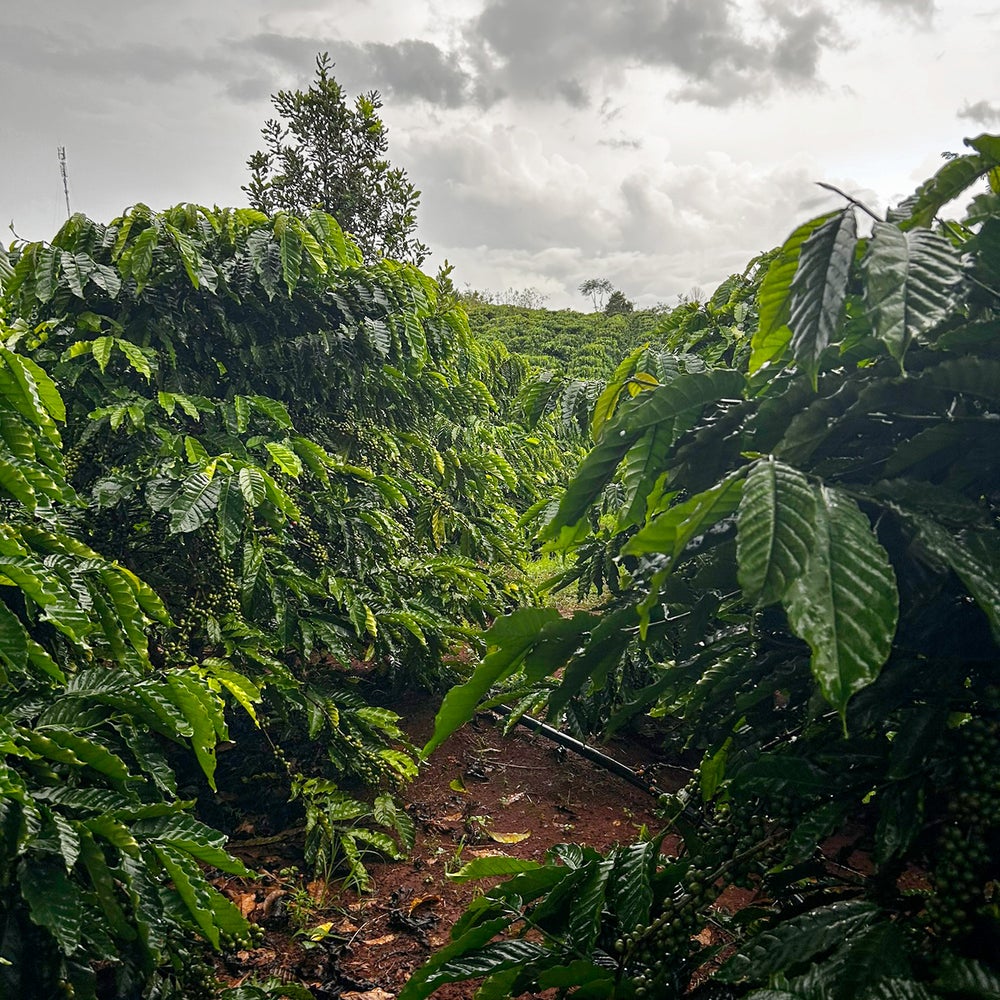
The 2024/25 coffee harvest season has begun in Vietnam, with initial estimates predicting a 2% decrease in production compared to the previous year. Total output for the season is expected to reach approximately 27.2 million bags, reflecting challenges related to dry weather conditions that impacted cherry maturation.

Reports from the field indicate that the Robusta harvest started later than usual, beginning in the second week of October and projected to continue until mid-January. Production is estimated at around 26.35 million bags, slightly lower than the 26.69 million bags recorded in the 2023/24 season. The delayed start is attributed to prolonged dry conditions affecting key growing regions.

The Arabica harvest, meanwhile, has progressed significantly in northern regions such as Son La, Dien Bien, and Quang Tri, with 78-85% of the harvest already completed. In contrast, the southern province of Lam Dong has seen a slower pace, with only 15-20% harvested. The northern harvest is expected to wrap up by mid-December, while the southern harvest will extend into mid-January. However, Arabica production is expected to drop sharply by 21% to approximately 890,000 bags due to its natural off-year cycle.

This season, farmers are exhibiting a more cautious approach. Despite higher prices at the start of the season, many are holding back on harvesting and selling, anticipating further price increases as the season progresses.

Weather conditions have been favorable overall, with key growing areas avoiding the heavy rains and storms initially forecasted. While reports of smaller bean sizes in the new crop have surfaced, it remains too early to determine the broader implications for production quality and volume.

On the sustainability front, Vietnam’s supply chain team is strengthening relationships with suppliers while aligning with new European Union regulations. Efforts this season include training farmers in regenerative agriculture and implementing carbon reduction initiatives, such as agroforestry and improved irrigation practices.

As the harvest continues, global markets are closely monitoring Vietnam’s production, which remains a critical contributor to the world’s coffee supply amid increasing demand for high-quality coffee.