“QahwaWorld” Launches Exclusive Survey to Crown Dubai’s Top 10 Cafés


In the heart of the bustling city of Dubai, renowned for its dynamic lifestyle and thriving business scene, “QahwaWorld” is embarking on a mission to unveil the list of the ten best cafes in the city. Recognizing Dubai’s position as a global hub, our quest for the finest coffee establishments took us on a journey that involved collaboration with industry experts and discerning coffee enthusiasts from across Dubai and the Emirates.

While some local café owners initially hesitated to participate, we received valuable insights from a select group of experts and connoisseurs who shared their lists of the top ten cafes in Dubai based on carefully defined criteria. In an effort to ensure a comprehensive and unbiased evaluation, our team decided to involve the public through a unique and inclusive approach.

To make this survey a true reflection of the public’s sentiments, we have opened the floor for nominations from residents and coffee enthusiasts alike. By allowing participants to suggest any café they believe deserves a spot among the top ten, we aim to capture the diverse and authentic opinions of Dubai’s vibrant community.

Criteria for Nominations:

Quality of Coffee: Participants are encouraged to consider the taste, aroma, and overall quality of the coffee served at their favorite cafes.

Ambiance: The survey takes into account the atmosphere, decor, and overall vibe of the coffee shops, providing a holistic view of the customer experience.

Service: Participants are asked to evaluate the friendliness and efficiency of the staff, as well as the staff’s knowledge about coffee, adding a crucial element to the assessment.

Menu Variety: The diversity of coffee options and other beverages available will be a key factor in determining the top cafes.

Location: Accessibility and the surrounding area are considered, recognizing the impact of location on the overall café experience.

This survey marks a significant milestone as the first list compiled on sound professional foundations

“We invite the public to actively participate in shaping this prestigious list and celebrating the rich coffee culture that Dubai has to offer.”

Join us in this exciting journey to identify and crown Dubai’s top 10 cafes. Your opinion matters, and together, we’ll create a list that truly reflects the best of the city’s coffee scene. Cast your votes and stay tuned as we unveil the final results, setting the standard for excellence in Dubai’s coffee culture.

The Rising Popularity of Yemeni Coffee Shops: What It Says About Third Places


CNN recently published a report highlighting a growing phenomenon in the United States: the rise of Yemeni coffee shops as popular social hubs in major cities. The report focuses on Yemeni coffee chains such as Qahwah House, which attract visitors late at night in Manhattan’s West Village, and Haraz, which recently opened in the upscale SoHo neighborhood.

Yemeni Coffee: A Blend of Tradition and Culture

These coffee shops offer a unique and rich experience, combining the aroma of cardamom and Arabic music with a welcoming social atmosphere. Chains like Qahwah House showcase Yemeni traditions by serving coffee in traditional pots that encourage communal sharing and storytelling, reviving the concept of coffeehouses as spaces for connection and interaction.

Rapid Expansion and Cultural Roots

According to the report, these coffee shops trace their origins to Dearborn, Michigan, home to one of the largest Arab-American communities in the U.S. Ibrahim Alhasbani, founder of Qahwah House, emphasized that his mission is to bring people together and share Yemeni history and culture.

Sally Howell, professor of Arab American Studies at the University of Michigan, highlighted that these coffeehouses are a continuation of a social tradition started by early Yemeni immigrants in the 20th century.

A Social Space for All

These coffee shops provide a haven for young people, particularly Muslims, seeking alcohol-free spaces for social gatherings. They have become hotspots for students, families, and even those looking to meet potential partners, offering a blend of cultural exchange and modern social interaction.

Ambitions and Challenges

The expansion of Yemeni coffee chains is significant. Qahwah House plans to open 20 to 30 new locations within the next year across the U.S. and Canada. Meanwhile, Haraz faces logistical challenges in sourcing coffee from Yemen but has overcome them by stockpiling beans to maintain quality and consistency.

Bridging Authenticity and Innovation

These coffeehouses focus on delivering an authentic experience, with coffee sourced from Yemeni farms and served in spaces inspired by Arab and Islamic heritage.

This phenomenon is more than a commercial expansion; it serves as a cultural bridge, reflecting Yemeni identity and strengthening social connections in diverse communities.

Preserving Yemeni Coffee: How Climate Resilience Initiatives Are Securing a National Legacy


In the heart of Yemen, coffee farming is more than an economic activity; it’s a cultural legacy that ties generations together. For Saeeda, a coffee farmer from Sabr Al-Mawadem, her family’s coffee trees symbolize resilience and heritage, nurtured through love and dedication despite the challenges posed by climate change. Saeeda’s story is a reflection of Yemen’s historic coffee culture and its battle for survival amidst worsening climate conditions.

Climate Resilience and Innovative Solutions

Yemen’s coffee farmers face an uphill battle against decreased rainfall, rising temperatures, and soil degradation. To combat these challenges, the United Nations Development Programme (UNDP), in collaboration with the Public Works Project (PWP) under the Food Security Response and Resilience Project (FSRRP), has introduced rainwater harvesting tanks funded by the World Bank’s International Development Association (IDA). These tanks provide a lifeline for farmers like Saeeda during Yemen’s increasingly dry seasons.

In Sabr Al-Mawadem, the installation of two 400-cubic-meter tanks has already shown tangible results. Farmers who had access to this water resource reported improved coffee yields this season. However, Saeeda highlights the need for more infrastructure to support the broader farming community, ensuring that all farmers in the valley can benefit.

The Community Spirit of Yemeni Coffee

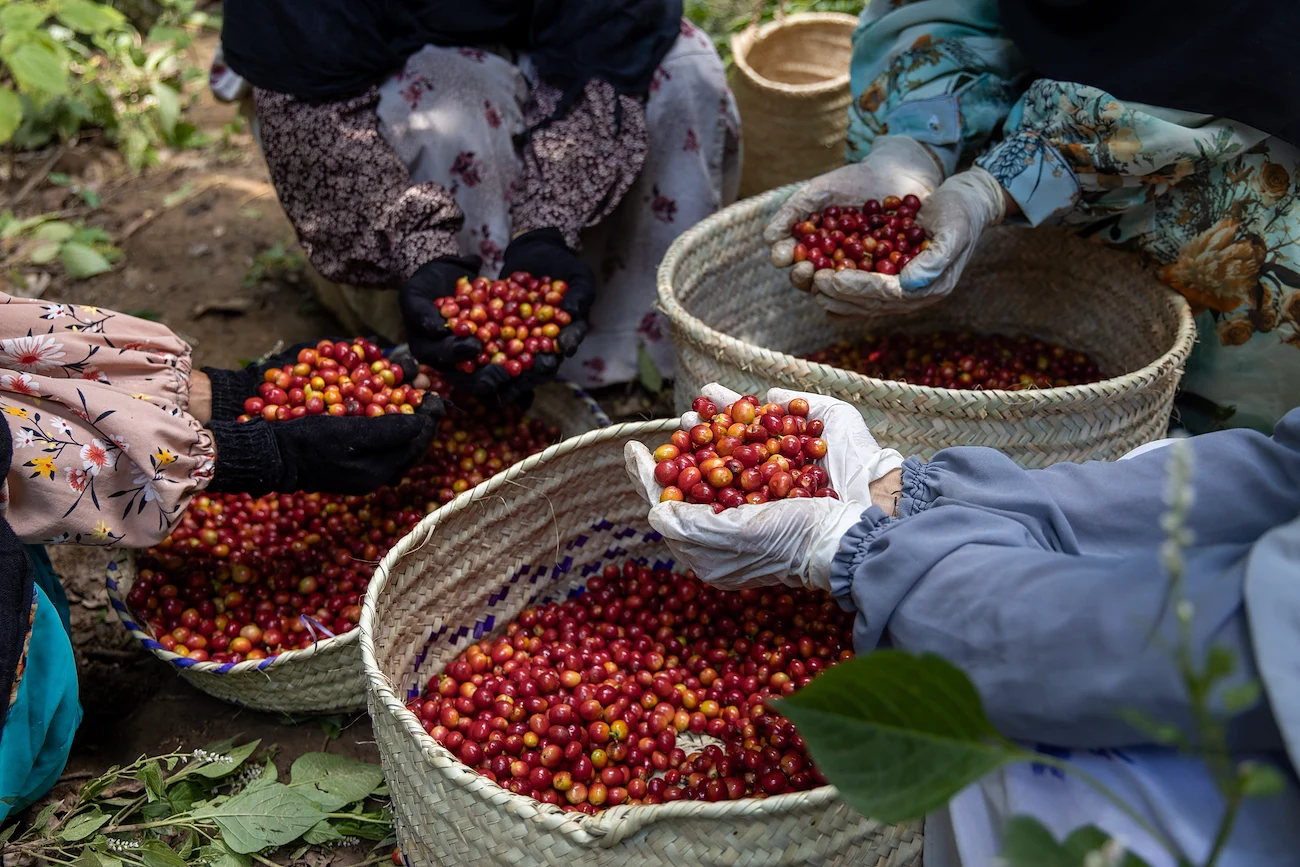
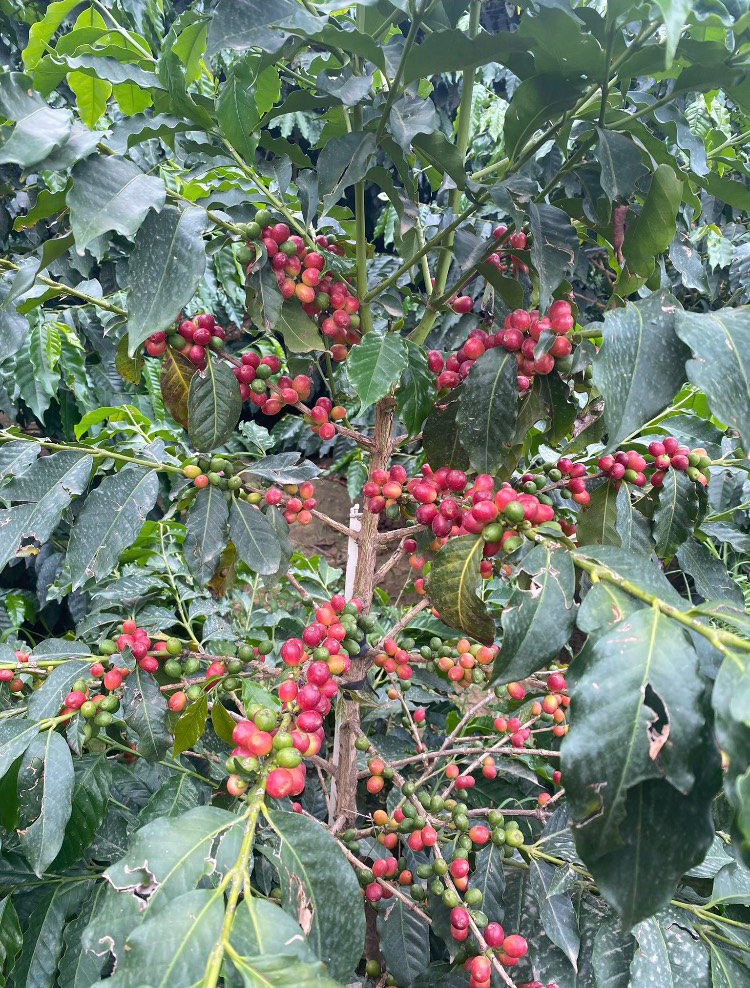
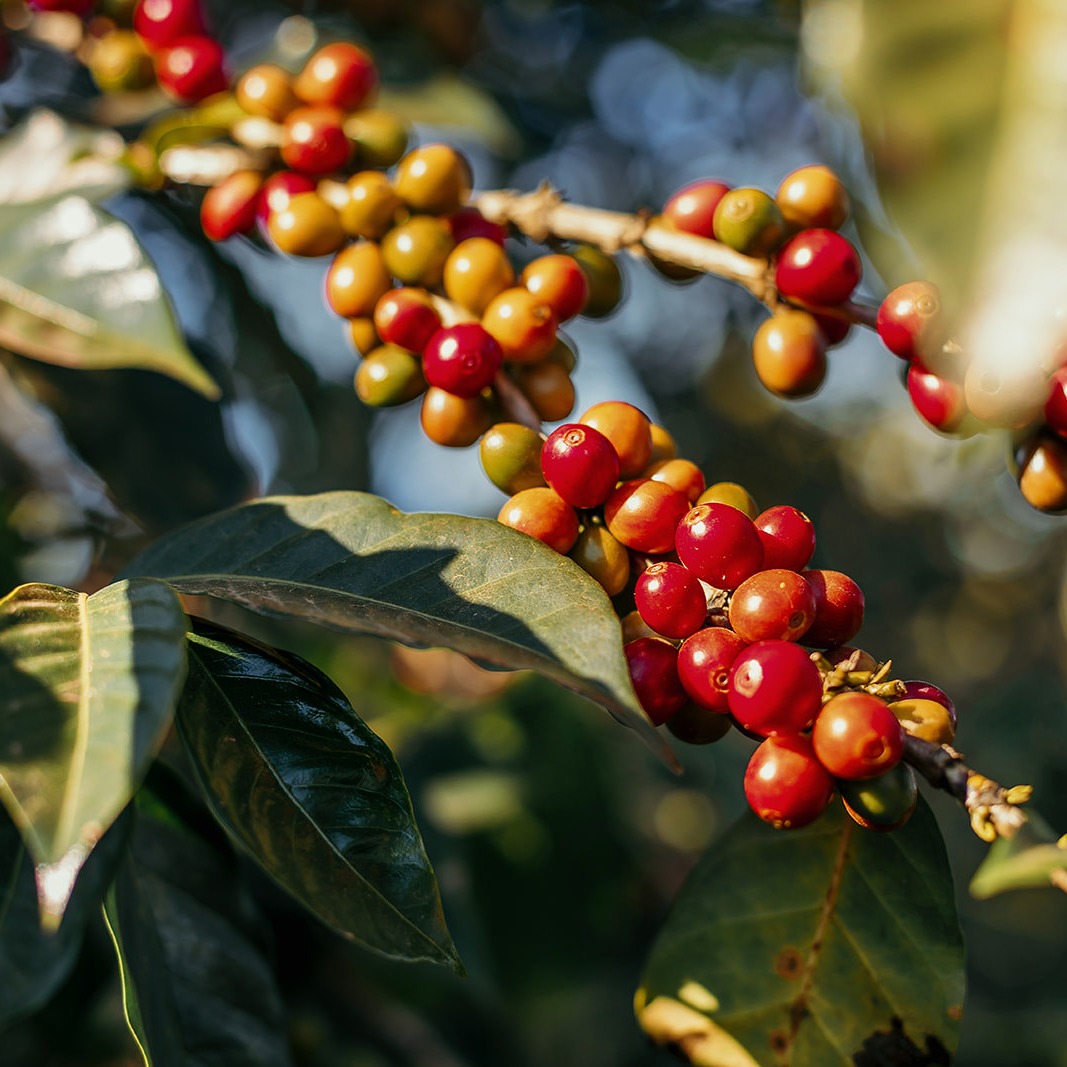
Harvesting coffee cherries in Yemen is a deeply communal activity, blending cultural traditions with labor. For Saeeda, the harvest season is a time for family and community to come together, share stories, and celebrate their connection to the land. Coffee cherries are meticulously dried on rooftops—a labor-intensive process that requires vigilance to maintain quality.

“This work is not just about income; it’s about preserving our ancestors’ culture and passing it on,” says Saeeda.

Challenges Beyond Climate: Pests and Knowledge Gaps

In addition to water scarcity, Yemeni coffee farmers struggle with agricultural pests and limited access to modern pest control methods. Relying on generational knowledge, farmers like Saeeda hope for increased support and training from organizations to tackle these persistent issues.

Inspiring the Next Generation

Despite the challenges, Saeeda is optimistic about the future of Yemeni coffee. She dreams of inspiring young farmers to see the economic and cultural value of coffee farming. “The youth can benefit from coffee’s returns while preserving our heritage,” she says, urging for more investment in agricultural tools and educational resources to secure the next generation of Yemeni coffee farmers.

A Legacy Worth Preserving

Saeeda’s unwavering dedication to her farm and her heritage embodies the resilience of Yemen’s coffee sector. Each cup of Yemeni coffee carries the story of a farmer’s struggle and triumph. Through initiatives like the FSRRP, Yemeni farmers are receiving the support they need to overcome adversity, sustain their communities, and preserve their cultural legacy.

As Saeeda aptly puts it, “Preserving this tree and our heritage is more important than just the economic value.” Her story is a reminder of the critical importance of supporting Yemen’s coffee farmers in safeguarding a legacy that has shaped the nation’s identity for centuries.


Read the Full Story:

Preserving coffee cultivation amidst climate change in Yemen: A legacy in every bean
How climate resilience and community support are helping Yemeni farmers to overcome challenges and sustain a cultural legacy

TAIZ, YEMEN – For Saeeda, coffee farming in Taiz, Yemen, is more than a livelihood; it’s a legacy. Growing up on her father’s farm in Sabr Al-Mawadem, Saeeda learned to care for coffee trees alongside her parents, who taught her to prune, harvest, and respect the land. Today, as she cultivates her family’s 8,400-square-metre plot, her love for the land and dedication to Yemen’s coffee heritage guide her through both the trials and triumphs that go into every cup.

“Agriculture is like a mother to her child,” she says, explaining the emotional connection she feels toward her work. “It improves our family’s income, but it also allows us to pass on our ancestors’ culture.”

Rainwater harvesting builds resilience
As climate change intensifies across Yemen, farmers like Saeeda face mounting challenges. Rainfall has decreased dramatically, leaving coffee trees – and the families who depend on them – vulnerable.

In response, the United Nations Development Programme (UNDP), in partnership with the Public Works Project (PWP), has constructed rainwater harvesting tanks across the region as part of the Food Security Response and Resilience Project (FSRRP), funded and supported by the World Bank. These tanks provide crucial water reserves for coffee farming during Yemen’s dry months.

In Sabr Al-Mawadem, two 400-cubic-metre tanks have already made a difference; they’ve allowed Saeeda and a handful of other farmers to maintain their crops through recent droughts. “Only the farmers who used water from the Public Works Project tanks saw their production improve this season,” Saeeda shares. Still, she notes the pressing need for more tanks to support the entire valley.

A tradition preserved through family and community
Harvest season is a time of unity and tradition in Sabr Al-Mawadem. Each morning, Saeeda gathers her family to pick the ripened cherries before sunrise. As they work, they share stories, sing folk songs, and reminisce about past seasons and elders who came before them. “It’s a time to come together, not just as a family, but as a community,” she says with pride.

The harvested cherries are carefully spread on rooftops to dry – a process that takes several months and requires constant attention to protect quality. “Getting to the point of having a cup of coffee to drink isn’t easy,” Saeeda explains. “It takes nearly nine months of dedication to grow coffee.”

Overcoming climate challenges
Beyond water scarcity, Saeeda and other farmers in Sabr Al-Mawadem face challenges including rising temperatures, soil degradation, and the spread of agricultural pests, like coffee and stem borers. Without clear guidance on pest control, Saeeda relies on traditional knowledge passed down through generations and hopes that support organizations will provide more training and resources.

Despite the challenges, Saeeda’s pride in her work and her heritage remains unwavering. “Our connection to the coffee tree runs deep. When we drink a cup of our coffee, we feel the value of our effort and the months we spent caring for the tree.”

Empowering the next generation
While Saeeda tends to her fields with dedication, she dreams of a future where Yemeni youth will carry forward the country’s coffee legacy. As the head of her family’s farm, she encourages younger farmers to value coffee for its economic potential and cultural importance. “The youth can benefit from coffee’s returns while preserving our heritage,” she says, urging local leaders to invest in agricultural tools and resources that will empower the next generation.

Saeeda’s farm isn’t the only one transformed by FSRRP’s interventions. Across Yemen, farmers who’ve been supported by the project are achieving improved yields and resilience. In the coming years, UNDP and its partners aim to expand these resources to reach thousands more, strengthening food security, and stabilizing livelihoods in Yemen’s agricultural communities.

A legacy in every cup
Saeeda’s story reflects the enduring strength of Yemen’s farmers, who continue to nurture the land despite formidable challenges. With each cup of coffee harvested, dried, and shared, she celebrates not only the fruits of her labor but also a legacy rooted in tradition and strengthened by a hope for the future.

Through projects like FSRRP, Yemeni farmers are gaining the support they need to overcome adversity and sustain their communities. Yet, as Saeeda reminds us, “Preserving this tree and our heritage is more important than just the economic value.” In a land where every drop of water counts, and every bean carries a story, Saeeda’s resilience is a testament to the promise that even in the face of hardship, traditions will endure.
Supply Concerns Drive Coffee Prices to New Highs

Coffee prices surged sharply on Friday, continuing a two-day rally driven by concerns over tight future supplies. March arabica coffee rose by 5.34%, while January robusta climbed 5.27%.

Vietnam, the world’s largest robusta producer, reported a steep drop in coffee exports, with November exports plunging 49.1% year-on-year to 60,000 MT and January-November shipments down 14.3% to 1.2 MMT. Heavy rains and flooding delayed Vietnam’s coffee harvest, compounding supply concerns.

Arabica coffee prices reached a 47-year high last Friday, while robusta hit a 2-1/2-month high, as adverse weather in Brazil and Vietnam—two leading coffee producers—heightened fears of production shortfalls. Dry El Niño conditions earlier this year have significantly impacted coffee crops in South and Central America. Brazil, facing its driest weather since 1981, recorded below-average rainfall during the critical flowering stage, raising doubts about its 2025/26 arabica crop. Colombia, the second-largest arabica producer, is recovering slowly from drought conditions earlier this year.

Robusta production has also been hit hard. Vietnam’s 2023/24 crop year output fell 20%, marking a four-year low. The USDA projects Vietnam’s 2024/25 robusta production at 27.9 million bags, down slightly from 28 million bags in the previous season. Meanwhile, Brazil’s 2024/25 coffee production forecast was revised down to 66.4 MMT by the USDA, with inventories expected to decline 26% year-on-year.

Mixed signals about global supply continue to shape market dynamics. The International Coffee Organization (ICO) reported a 15.1% year-on-year increase in October global coffee exports, while total exports for the 2023/24 season rose 11.7% to 137.27 million bags. However, ICE-monitored inventories show tightness, with robusta inventories hitting a 7-1/2-month low.

Brazilian coffee exports present a bearish factor, with October green coffee exports up 11% year-on-year and the 2023/24 season seeing a record 33% increase. Additionally, the ICO projects a 2023/24 global coffee production surplus of 1 million bags due to a record output of 178 million bags against consumption of 177 million bags.

Despite bearish forecasts, the impact of weather disruptions and tight inventory levels continue to drive volatility in the coffee market, with prices likely to remain sensitive to evolving supply-demand dynamics.

Specialty Coffee Enthusiasts, Get Ready: Amsterdam Coffee Festival Announces First Highlights

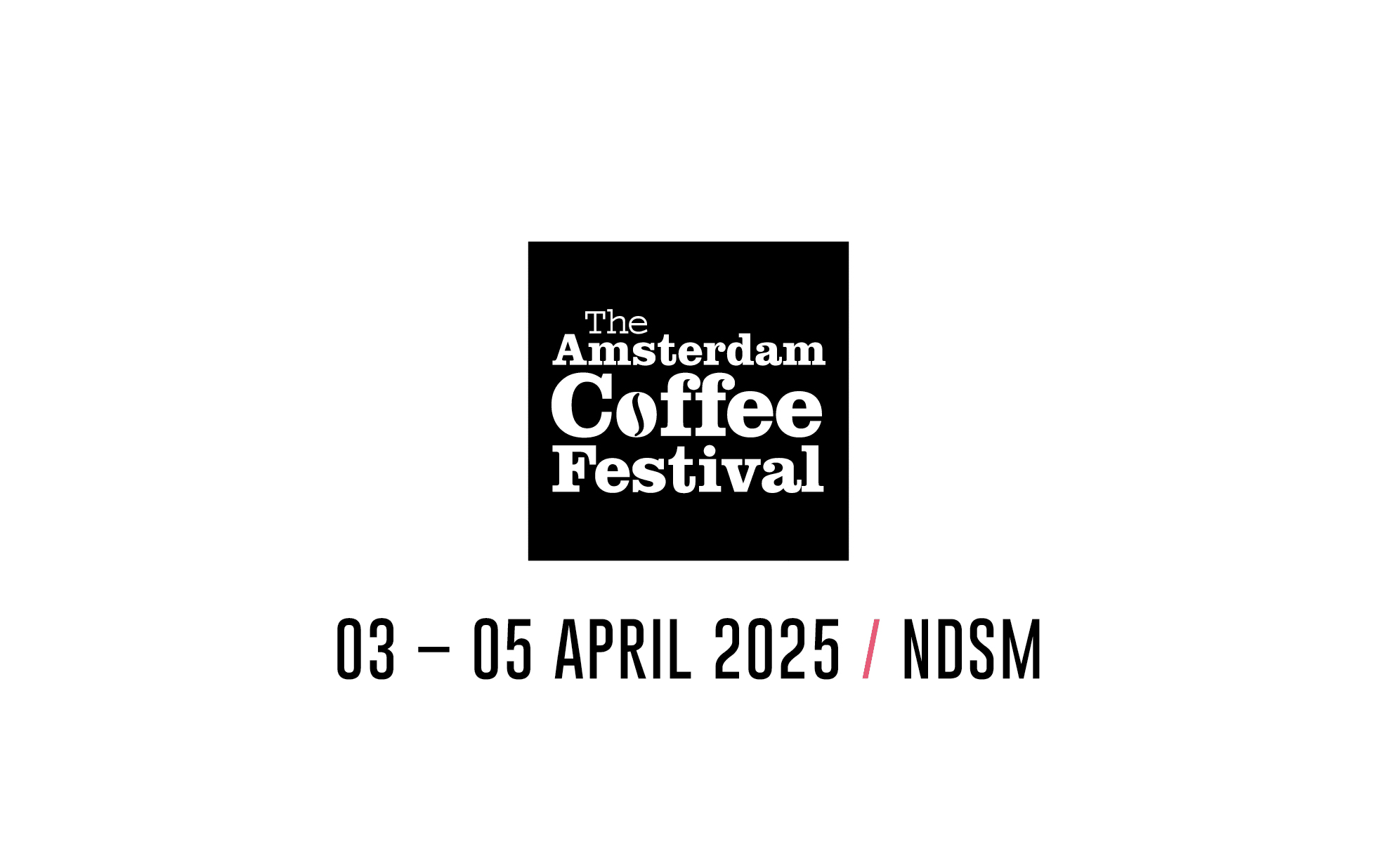
As the Amsterdam Coffee Festival gears up for its monumental 10th anniversary, the anticipation is brewing for what promises to be an unparalleled celebration of specialty coffee. With a stellar lineup of roasters, competitions, and interactive experiences, this year’s event is set to captivate coffee lovers and industry professionals alike.

First Confirmed Roasters: A Taste of Excellence

Among the first names unveiled, three standout roasters are leading the charge:

  • Wakuli, known for its mission to make specialty coffee accessible to everyone.
  • Blommers Coffee Roasters, celebrated for their innovation and meticulously crafted, balanced brews.
  • Sprout Coffee Roasters, acclaimed for their modern approach to roasting, emphasizing vibrant and distinct flavor profiles.

This initial announcement teases a much larger roster of top-tier coffee artisans who will showcase their craft at the festival.


The Roaster Village: A Hub of Coffee Culture

Powered by the renowned La Marzocco, the Roaster Village will once again be a focal point of the festival. Packed with some of Europe’s finest specialty coffee roasters, it’s a vibrant space for discovery, tasting, and connection. This fully booked village promises to be a paradise for coffee aficionados.


Roast Masters™️: The Ultimate Coffee Showdown

The highly anticipated Roast Masters™️ competition is back, offering a platform for the world’s top roasters to demonstrate their expertise. Over the course of three days, competitors will face rigorous rounds across eight disciplines, with the winner walking away with a €5,000 cash prize.

Applications are still open for those ready to test their skills and claim the title of Roast Masters champion.


Opportunities for Brands: Exhibit at the Festival

With an expected attendance of over 12,500 coffee lovers and professionals, the Amsterdam Coffee Festival remains a prime opportunity for brands to shine. Exhibitor spaces are still available, providing a chance to connect with a dynamic audience under one roof. Interested brands can explore the festival’s new floor plan and secure their spot by registering now.


Christmas Giveaway: A Special Brew for the Holidays

Adding to the excitement, ticket holders this week will enter a festive giveaway to win El Salvador Divisadero coffee from Single Estate. Known for its complex notes of papaya, tonka bean, and floral undertones, this exclusive coffee promises to bring warmth and cheer to your Christmas mornings. Winners will be announced via email before December 18.


A Decade of Coffee Celebration

The Amsterdam Coffee Festival has firmly established itself as a cornerstone of Europe’s specialty coffee scene, and this year’s 10th-anniversary edition is shaping up to be the best yet. Whether you’re a coffee enthusiast or an industry expert, this is an event you won’t want to miss.

For tickets, lineup details, and registration information, visit the official festival website.

Daily Coffee Consumption Could Extend Life by Nearly Two Years

For coffee enthusiasts, the latest scientific review offers promising news: drinking coffee daily could be linked to both a longer life and healthier aging.

A comprehensive analysis of over 50 studies, published in Ageing Research Reviews, revealed that regular coffee consumption correlates with an average increase of 1.8 years in lifespan. Beyond longevity, the findings also highlight coffee’s role in promoting a longer “health span,” meaning more years of good health.

Lead author Rodrigo Cunha, a researcher at the University of Coimbra in Portugal, emphasized the importance of exploring dietary strategies for aging populations. “The world is aging faster than ever, making it crucial to find ways to help people not just live longer but live healthier lives,” Cunha stated.

The study synthesized existing evidence on coffee’s impact on aging and age-related diseases, alongside its influence on the seven key mechanisms of aging. According to Cunha, “There is a consistent association between coffee intake and both extended lifespan and healthier aging.”

Beyond Caffeine: Coffee’s Hidden Health Boosters

While caffeine often takes center stage, coffee contains over 2,000 compounds, many of which contribute to its health benefits. Notably, polyphenols—antioxidant and anti-inflammatory plant chemicals—help combat oxidative stress, a biological process linked to aging and chronic diseases.

Polyphenols are also found in foods like leafy greens, berries, dark chocolate, olive oil, green tea, and red wine. However, coffee’s unique composition appears to offer distinct advantages in reducing risks for conditions such as heart disease, stroke, diabetes, dementia, and certain cancers.

Rethinking Coffee Guidelines

Traditionally, clinical advice has cautioned against excessive coffee consumption in older adults, primarily due to concerns about caffeine. However, this study suggests that such recommendations may need to be updated. “The strong evidence supporting coffee’s role in mitigating chronic diseases warrants a reevaluation of its place in dietary guidelines,” Cunha said.

The review concluded that moderate coffee consumption—defined as three to five cups per day—is associated with notable health benefits. Regular drinkers were found to have improved heart, muscular, immune, and mental health, alongside a reduced risk of frailty and depression.

A Note of Caution

Despite these findings, the study’s authors urge cautious optimism. The observed benefits were modest, and the research relied on observational studies, which cannot definitively establish causation. Factors like socioeconomic status could also play a role in the observed health outcomes.

Additionally, the study was funded by the Institute for Scientific Information on Coffee (ISIC), an organization supported by major coffee companies, raising the need for further independent research.

The Takeaway

While coffee alone won’t replace a balanced diet or healthy lifestyle, this study reinforces its potential role in promoting longevity and well-being. For now, coffee lovers can savor their daily brew with the knowledge that it might just add a little more time—and health—to their lives.

A Cell-Cultured Coffee Revolution Gains Momentum

For centuries, traditional coffee—grown, harvested, and processed on farms—has fueled our collective morning rituals and sustained a global industry. Yet as worldwide demand surges beyond what conventional farming can meet, the strain on resources, the climate, and the environment has become too great to ignore. Deforestation, carbon emissions, and the stark effects of climate change are already challenging the long-term viability of coffee production, and experts warn that the current model cannot keep pace indefinitely.

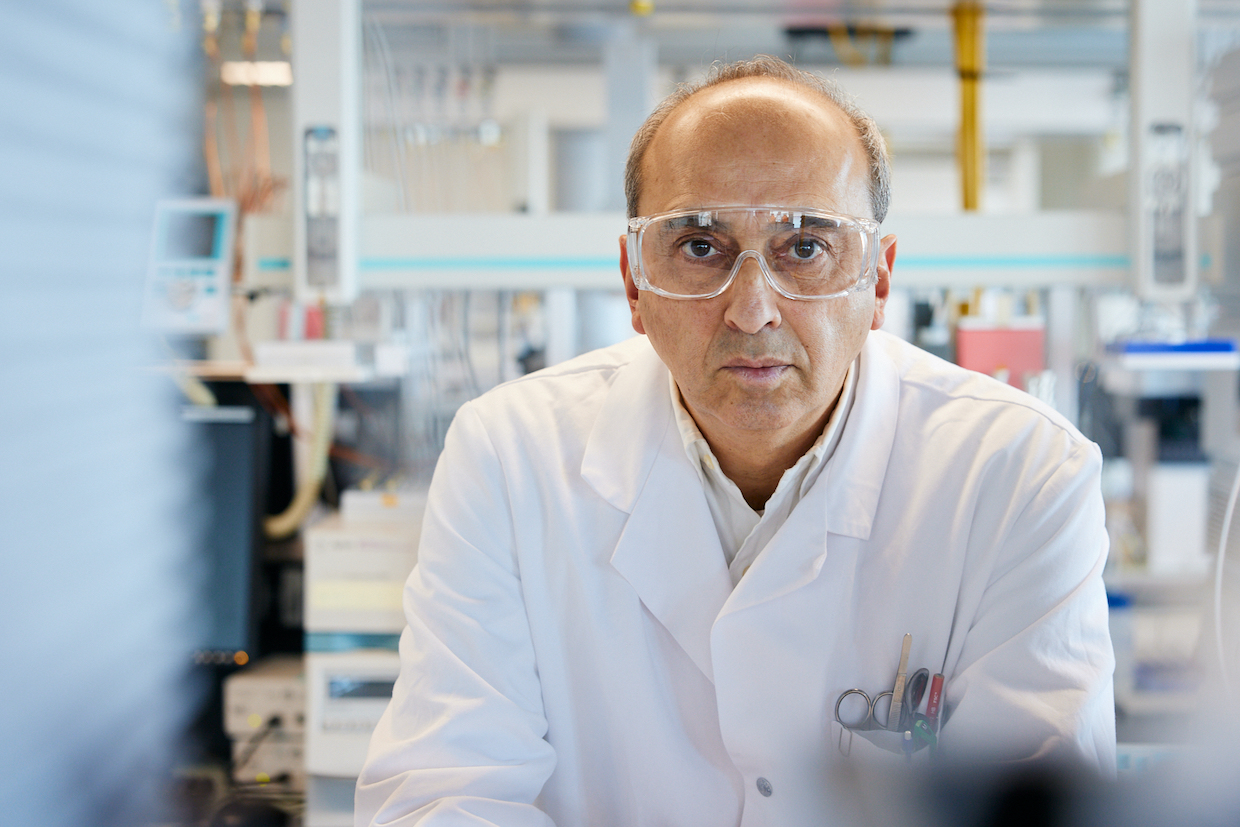
In response, innovators like Professor Chahan Yeretzian of the Zurich University of Applied Science are leading a new wave of research into cell-cultured coffee, a lab-grown alternative that aims not only to replicate coffee as we know it but also to redefine and expand what coffee can be. By growing coffee cells rather than beans, these scientists hope to create a more sustainable, stable, and customizable future for this beloved beverage.

What Is Cell-Cultured Coffee?
Cell-cultured coffee begins with coffee cell biomass derived from a small portion of a coffee plant. In the lab, these cells are carefully nurtured and processed—via techniques like lyophilization and roasting—to develop the characteristic aromas, flavors, and textures we associate with coffee. Unlike so-called “coffee surrogates” or “beanless” coffees, which use non-coffee ingredients to approximate the taste, cell-cultured coffee retains the molecular foundation of true coffee.

“Replicating a product means understanding it at a fundamental level,” Yeretzian says. “If you truly understand coffee, you can replicate it.” By working directly with coffee cells, scientists can preserve the complex chemistry that makes coffee unique, including the aroma precursors that emerge only after roasting.

Progress and Potential Benefits
While still in its infancy, cell-cultured coffee is showing remarkable promise. Early sensory evaluations suggest it can closely mimic the flavor and aroma of farm-grown beans. With further refinement, it may reduce the environmental toll of large-scale coffee cultivation, cut down on deforestation and emissions, and stabilize a supply chain increasingly vulnerable to climate fluctuations and market instability.

As Yeretzian points out, cell-cultured coffee can help ensure that we continue to enjoy coffee in the face of growing demand. “If we love coffee so much, can part of the supply come from sources that are less harmful to the environment and more efficient?” he asks. The controlled conditions of lab cultivation would make it possible to maintain a steady, reliable supply of coffee, less dependent on unpredictable weather and shifting ecological conditions.

Expanding the Possibilities of Coffee
Perhaps most intriguing is the notion that cell-cultured coffee need not simply duplicate traditional coffee. Freed from the constraints of the coffee bean, scientists can explore a vast range of new flavor profiles. By precisely adjusting the compounds and reactions that define coffee’s taste and aroma, it might soon be possible to craft entirely new sensory experiences—flavors tailored to individual preferences, or experimental blends that push the boundaries of what coffee can be.

“You can open the door to entirely new sensory dimensions,” says Yeretzian. “This isn’t just about replication; it’s about creativity.” In this way, cell-cultured coffee can transcend imitation and establish itself as a vibrant, evolving category within the coffee world.

Legal and Regulatory Pathways
Because cell-cultured coffee represents a completely new category—known as a “novel food”—its journey to market involves careful scrutiny and regulatory approvals. This means it may be a year or two before we see it on store shelves. In contrast, beanless “surrogate” coffees, which do not rely on coffee’s cellular material, have been able to reach consumers more quickly. Still, as the need for sustainable coffee solutions grows more urgent, many in the industry are optimistic that cell-cultured coffee’s robust scientific foundation and environmental promise will help it clear these hurdles.

A Future That Blends Tradition and Innovation
Even as cell-cultured coffee moves toward commercialization, Yeretzian envisions it as a complement, not a replacement, for traditional coffee. Instead of supplanting farm-grown beans, it could be blended with them to create hybrid products—options that retain the cultural resonance and familiar flavors of conventional coffee while reducing the environmental impact and enhancing the flavor palette.

By embracing both traditional and lab-grown coffee, we stand to preserve coffee’s cherished ritual while broadening its horizons. Understanding coffee at its most fundamental level is both an act of reverence for the bean and a roadmap to a more sustainable future. As technology continues to shape our world, it may also transform our morning cups, ensuring that coffee remains a pleasure and a possibility for generations to come.


Read the story at the original source 

Host Arabia: A Groundbreaking Hospitality Event Announced in Riyadh

In an unprecedented move for the Middle East, Fiera Milano, a leading global trade fair operator, and Semark, a prominent Saudi event organizer, have unveiled Host Arabia, a pioneering hospitality event set to debut in Riyadh in 2026. The announcement took place during the Saudi HORECA 2024 exhibition, marking a significant milestone for the region’s hospitality sector.

This collaboration aims to bring the successful HostMilano format to Saudi Arabia, introducing world-class expertise in professional hospitality, out-of-home services, and retail. This development aligns with Saudi Arabia’s ambitious Vision 2030, which focuses on transforming the Kingdom into a global tourism and hospitality hub.

Vision 2030: The Backbone of Host Arabia

Under Vision 2030, Saudi Arabia is poised for a hospitality revolution, with plans to build over 300,000 new hotel rooms and attract 150 million tourists by 2030. Francesco Conci, CEO and General Manager of Fiera Milano, emphasized the Kingdom’s unique potential, stating, “This project marks a new growth phase for our group, focusing on high-potential markets as outlined in our 2024-2027 Strategic Plan. Host Arabia will harness these opportunities, promoting innovation and extending our exhibitions to leading economic arenas worldwide.”

In 2023, Saudi Arabia imported 456 million euros worth of goods across key hospitality sectors, a figure projected to reach 600 million euros by 2027. This growth reinforces Saudi Arabia’s role as a critical market for international hospitality innovation.

Semark’s Role and Host Arabia’s Promise

Semark, part of the esteemed Al Rajhi Group, brings 15 years of experience through its leadership in organizing Saudi HORECA, the region’s largest food, beverage, and hospitality event. Semark CEO Jad Taktak remarked, “This partnership with Fiera Milano elevates hospitality exhibitions in Saudi Arabia, uniting global leaders to explore opportunities and trends while solidifying Saudi Arabia as a global hospitality hub.”

Building on HostMilano’s Legacy

The biennial HostMilano exhibition, celebrated for its cross-sector synergies, has set a global benchmark in hospitality innovation. Its 2023 edition hosted over 2,100 exhibitors from 50 countries, attracting more than 180,000 professional visitors, including major players from the GCC region. HostMilano’s legacy of fostering innovation, networking, and professional development will be central to Host Arabia’s success.

The Economic Impact of Host Arabia

Trade between the EU and GCC in HostMilano sectors reached 1.31 billion euros in 2023, with Saudi Arabia contributing 455.9 million euros. By 2027, this trade is expected to grow to 1.6 billion euros. Italy, the largest trade partner for Saudi Arabia in these sectors, is projected to see its trade volume rise from 167.9 million euros in 2023 to 190.7 million euros by 2027.

Moreover, Saudi Arabia leads the GCC in Food Service Equipment and Bakery and Pastry Equipment imports, while ranking second in Furniture and Tableware, and Coffee Machines and Vending.

Transforming Consumer Experiences

A survey by Fiera Milano and HostMilano reveals a shift in consumer preferences in Saudi Arabia and the UAE. Saudi consumers prioritize service quality (22%), ambiance (15.7%), and culinary processes (15.3%), driving the need for innovation and technological advancements in hospitality.

Conclusion

Host Arabia is not just an event; it is a strategic platform designed to elevate Saudi Arabia’s hospitality sector to new heights. By bridging global expertise with local ambitions, this collaboration between Fiera Milano and Semark promises to set new standards for the industry, aligning perfectly with the Kingdom’s Vision 2030 goals.

Specialty Coffee Expo 2025 Expands to Meet Growing Demand in the Industry

The Specialty Coffee Association (SCA) is gearing up to host the Specialty Coffee Expo 2025, a premier event set to take place from April 25–27, 2025, at the George R. Brown Convention Center in Houston, Texas. As the largest gathering for the specialty coffee industry in North America, the expo is expanding its exhibit space to accommodate the rising interest from businesses eager to showcase innovative products and services.

A Platform for Industry Leaders

The Specialty Coffee Expo offers unparalleled opportunities for networking and business development. With over 16,000 visitors from 85 countries, the event attracts a diverse range of attendees, including baristas, café owners, coffee growers, buyers, and executives. The expo also serves as a hub for showcasing cutting-edge brewing technologies, eco-friendly solutions, and artisanal coffee products.

Key Highlights for 2025

  • Expanded Exhibit Space: More companies can now join the expo to highlight their contributions to the coffee industry.
  • Wide Range of Categories: Exhibitors will feature products such as roasted coffee, brewing equipment, sustainable packaging, and allied food and beverages.
  • Engaged Audience: With 75% of attendees influencing purchasing decisions and 25% ready to invest over $1 million in coffee-related goods, the expo offers immense business potential.
  • Competitions and Awards: The event will host the prestigious Best New Product Awards and Coffee Design Awards, encouraging innovation across categories such as coffee accessories, branding, and packaging.

Networking Opportunities

Unlike coffee festivals, the Specialty Coffee Expo focuses on fostering relationships among industry professionals. Attendees can explore new business ventures, discover trends, and exchange ideas with leaders and innovators. Additionally, media coverage of events like the World Coffee Championships ensures significant exposure for participants.

Registration and Participation

Exhibitor registration is open, with various booth and tabletop options available. Pricing starts at $2,070 for SCA members. For those aiming for greater visibility, sponsorship opportunities and upgraded listings in the Expo Mobile App are also on offer.

For more details, visit coffeeexpo.org or contact the SCA directly at [email protected].

The Specialty Coffee Expo 2025 is more than an event; it’s a celebration of the specialty coffee industry’s vibrant growth and innovation. Don’t miss your chance to be part of this dynamic experience.

Why are coffee prices trading near half-century highs?

Global coffee prices have soared to their highest in nearly 50 years due to poor weather in Brazil and Vietnam, forcing roasters such as Nestle (NESN.S), opens new tab to raise prices and consumers to hunt for cheaper brews amid the cost of living crisis.

Spiking prices will benefit farmers with the crop this year, but challenge traders who face crippling hedging costs on exchanges and a scramble to receive the beans they pre-bought.

WHAT DRIVES PRICES?

Production problems linked to bad weather in Brazil and Vietnam have seen global supplies lagging demand for three years. That has left stocks depleted and driven benchmark ICE exchange prices to a peak of $3.36 per lb.

Last time coffee traded that high was in 1977 when snow destroyed swathes of Brazil’s plantations. However, the shock to consumers was much bigger back then. If adjusted for inflation, $3.36 per lb in 1977 would be equivalent to $17.68 today.

Experts are meanwhile predicting yet another year of lacklustre coffee output.

Brazil, which produces nearly half the world’s arabica – high-end beans used primarily in roast and ground blends – experienced one of its worst droughts on record this year.

Although rains finally arrived in October, soil moisture remains low and experts say the trees are producing too many leaves and too few of the flowers that turn into cherries.

In Vietnam, which produces some 40% of the robusta beans typically used to make instant coffee, a severe drought earlier this year was followed by excess rains since October.

Consultancy StoneX sees Brazil’s arabica output falling 10.5% to 40 million bags next year, offset somewhat by higher robusta output, thus cutting the country’s overall crop by 0.5%.

In Vietnam, the crop could shrink up to 10% in the year by the end of September 2025, adding to the global robusta shortage.

Brazil-based traders Atlantica and Cafebras are seeking court-supervised debt restructuring due to coffee price surges, crippling hedging costs and delivery delays.

Court-supervised debt restructuring precedes bankruptcy if the negotiation is not successful.

Traders who buy beans from local suppliers like Atlantica and Cafebras typically take short positions in the futures market to hedge their physical market exposure.

Fearing they might no longer get their physical coffee, many traders are closing out what have become loss-making short futures positions.

Closing out short positions involves buying or going long futures, which in turn drives prices even higher.

Higher futures prices then push up margin calls or downpayments that traders are required to pay to protect against trading losses, thereby creating more stress in the industry.

IMPACT ON ROASTERS AND CONSUMERS

Surging coffee prices are a problem for roasters. The boss of Nestle, the world’s biggest coffee firm, was ousted earlier this year after the board grew unhappy about weak sales and a loss of market share due to price rises, which prompted consumers to switch to cheaper brands.

Roasters tend to buy coffee many months in advance, which means consumers will likely see the price spike in 6 to 12 months.

Consumers who drink out will feel less of a pinch of today’s rising prices.

Roasters like Starbucks (SBUX.O), opens new tab that sell mostly to cafes should fare better as the global coffee price accounts for only about 1.4% of the total price of a typical $5 cup of coffee in a cafe.

Coffee Prices Surge Amid Global Challenges: Vietnam’s Rains and Brazil’s Dry Spell

Coffee lovers worldwide may soon feel the impact of surging coffee prices as a mix of economic and environmental challenges disrupt global coffee markets. From the rain-drenched fields of Vietnam to the drought-stricken farms in Brazil, the coffee supply chain is battling significant hurdles that are shaking up the industry.

This week, coffee prices saw a notable uptick, with March arabica futures climbing nearly 3% and January robusta futures rising over 2%. The primary drivers? A weaker U.S. dollar encouraging speculative buying and relentless rains delaying the crucial coffee harvest in Vietnam, the world’s largest producer of robusta beans.

A Stormy Season for Coffee Farmers

In Vietnam, heavy rains have left coffee farmers struggling to harvest their crops on time. These delays are amplifying concerns over robusta supply, a key ingredient in instant coffee. The recent downpours are not just a logistical headache—they’re a financial burden for farmers already dealing with tight margins.

Meanwhile, Brazil, the powerhouse of arabica coffee, is grappling with its driest weather in decades. Farmers in Minas Gerais, Brazil’s largest arabica-producing region, have reported rainfall at just 31% of the historical average last week, threatening the flowering stage of coffee trees. This stage is vital for next year’s crop, and the prolonged dryness could lead to reduced yields well into 2025.

Global Coffee Markets in Flux

As weather extremes hammer major coffee-producing regions, the financial markets are also adding to the turbulence. Earlier this week, coffee prices dropped sharply after a consulting firm suggested that higher margins on coffee futures were discouraging investors from holding large positions. This came alongside news from Vietnam raising its coffee production estimates, initially easing supply concerns.

However, Friday brought a fresh twist. Arabica prices hit a 47-year high, and robusta reached a two-and-a-half-month peak, reflecting renewed fears of tightening global supplies. Analysts from Sucden Financial noted that Brazilian exporters have been forced to buy back futures to cover their positions, inadvertently pushing prices higher.

A Bitter Brew for Farmers and Consumers

Beyond the immediate headlines, there’s a deeper story unfolding. El Niño, the climate phenomenon linked to extreme weather, has left a lasting mark on coffee farms across South and Central America. In Colombia, the world’s second-largest arabica producer, drought conditions earlier this year are still taking a toll.

In Vietnam, the previous crop year saw robusta production drop by 20%, marking the smallest harvest in four years. Farmers who depend on coffee as their main source of income are now bracing for another challenging season.

For consumers, these challenges mean coffee prices at cafes and supermarkets are unlikely to stay steady. Tight inventories and lower exports from key players like Brazil and Vietnam could soon translate into higher costs for that morning cup of coffee.

A Global Coffee Balancing Act

Despite these challenges, global coffee production is showing resilience. The International Coffee Organization (ICO) recently reported a 15% increase in October coffee exports, signaling a strong start to the new season. However, the long-term outlook remains clouded by volatile weather and economic pressures.

In Brazil, even as green coffee exports rose 11% year-over-year in October, Conab—the country’s crop forecasting agency—has revised its 2024 production estimate downward. Meanwhile, Vietnam’s coffee exports for October fell over 11% from the previous month, reflecting the ongoing harvest delays caused by flooding.

What Lies Ahead?

The coffee industry is at a crossroads. On one hand, expanding global production and robust export activity are helping to stabilize supplies. On the other, unpredictable weather patterns and shifting market dynamics continue to pose significant risks.

For farmers, these challenges highlight the growing need for sustainable farming practices and financial support. For consumers, the news serves as a reminder of the fragility of global supply chains and the unseen struggles behind every cup of coffee.

As the world sips its coffee, the farmers who make it possible are working tirelessly to overcome nature’s curveballs, ensuring that our beloved brew remains part of our daily lives.

Four New Sustainability Schemes Align with Global Coffee Sustainability Standards

  • Global Coffee Platform Expands Recognition of Sustainability Schemes to Promote Common Sustainability Practices

The Global Coffee Platform (GCP) has announced the recognition of four additional sustainability schemes as equivalent to its Coffee Sustainability Reference Code (Coffee SR Code), marking another milestone in unifying sustainability practices within the coffee sector.

The newly recognized schemes—Agri Evolve’s ACE, Coocacer’s Café Sustentável, Expocacer’s ECO, and Westrock Coffee Company’s RAÍZ Sustainability™—bring the total number of sustainability schemes acknowledged by GCP to 27. This includes 23 under 2nd party assurance and four under 3rd party assurance.

Annette Pensel, GCP Executive Director, emphasized the significance of this development:
“We’re delighted to welcome four more sustainability schemes to GCP’s growing list of companies aligning principles and practices to reach more coffee farmers with guidance on sustainability improvements and to expand market access.”

About the Coffee Sustainability Reference Code

The Coffee SR Code serves as a foundational framework for aligning sustainability principles across the coffee sector. Covering economic, social, and environmental dimensions, it provides a baseline for practices aimed at advancing sustainability.

Schemes that complete GCP’s rigorous Equivalence Mechanism Process are recognized as aligning with the Coffee SR Code’s principles and operational criteria. This process ensures credibility and effectiveness by evaluating governance, standard-setting, assurance, data management, and claims requirements. The International Trade Centre (ITC), a GCP implementation partner and creator of the Standards Map, rigorously assesses the schemes to ensure transparency and integrity.

Expanding Alignment Across the Coffee Sector

The addition of the new schemes demonstrates growing alignment among coffee growers, cooperatives, and private enterprises. The four newly recognized schemes represent a diverse mix of stakeholders:

  • Agri Evolve’s ACE (Uganda): A social enterprise supporting coffee farmers.
  • Coocacer’s Café Sustentável (Brazil): A sustainability program by a coffee growers’ cooperative.
  • Expocacer’s ECO (Brazil): Another initiative by Brazilian coffee growers.
  • Westrock Coffee Company’s RAÍZ Sustainability™ (USA): A private-label coffee roaster’s sustainability program.

By adhering to the Coffee SR Code, these schemes aim to improve market access for coffee farmers while driving greater transparency and efficiency in the coffee supply chain.

“Completing the Equivalence Mechanism process is a way companies demonstrate their commitment to coffee sustainability,” Pensel added. “Their alignment with the Coffee SR Code and operational criteria not only supports a common baseline of sustainability principles but also fosters increased transparency and efficiency across the value chain.”

The Growing Impact of GCP Tools

GCP’s tools, including the Equivalence Mechanism, the Coffee SR Code, and GCP Collective Reporting on Sustainable Coffee Purchases, have become essential assets for aligning sustainability efforts in the coffee industry. These tools promote collaboration among stakeholders to achieve sustainable practices as a new standard in the coffee sector.

Roasters and retailers are encouraged to use GCP’s recognition of equivalence as a starting point for due diligence and to contribute to the annual GCP Collective Reporting on Sustainable Coffee Purchases.

Recognized Sustainability Schemes

Below is the list of sustainability schemes acknowledged by GCP as equivalent to the Coffee SR Code:

3rd Party Assurance:

  • 4C
  • Fairtrade International, Small Producer Organization and Coffee Standard
  • Fair Trade USA’s Agriculture Production Standard
  • Rainforest Alliance Sustainable Agriculture Standard

2nd Party Assurance:

  • Agri Evolve’s ACE
  • Comexim’s Green Trace
  • Coocacer’s Café Sustentável
  • Cooxupé’s Gerações
  • ECOM’s SMS Verified
  • Enveritas’ Enveritas Green
  • Expocacer’s ECO
  • Exportadora de Café Guaxupé’s Guaxupé Planet
  • Louis Dreyfus Company’s Responsible Sourcing Program Advanced
  • Montesanto Tavares Group’s GMT Green
  • Nespresso AAA Sustainable Quality™ Program
  • Neumann Kaffee Gruppe’s NKG BLOOM, and NKG Verified
  • ofi’s AtSourceV, and AtSource+
  • Perhusa’s ARTS
  • Racafé’s CRECER
  • 3E® by RGC Coffee
  • Sucafina’s IMPACT
  • Touton’s PACT
  • Volcafe’s Volcafe Verified, and Volcafe Excellence
  • Westrock Coffee Company’s RAÍZ Sustainability™

This recognition highlights the global coffee sector’s commitment to advancing sustainability through collaboration and shared standards. As more companies adopt these frameworks, the industry moves closer to achieving its sustainability goals.

For more information on GCP’s Coffee Sustainability Reference Code and recognized schemes, visit GCP’s official website.