Coffee Quality Institute Welcomes T.J. Ryan as Director of Mission Engagement

Coffee Quality Institute (CQI) is thrilled to announce the appointment of T.J. Ryan as Director of Mission Engagement. Ryan, a seasoned professional in the coffee industry, brings decades of expertise in building partnerships and facilitating on-ground initiatives aimed at improving coffee quality and fostering sustainability.

“This is a new role at CQI, and I can’t think of anyone better to fill it,” said Michael Sheridan, CEO of CQI. “T.J. is a proven leader with decades of experience in coffee communities around the world. He knows the difference that quality can make in the lives of the people who produce coffee because he has seen it first-hand, working in the field with CQI to help connect quality-focused coffee producers to markets in ways that have lasting impact.”

Ryan’s extensive background includes his tenure at ACDI/VOCA, where he served as Chief of Party for the PhilCAFE project in the Philippines. The initiative successfully enhanced coffee quality and boosted competitiveness in the region. Additionally, Ryan held the role of Managing Director of Specialty Crops, overseeing the development and implementation of agribusiness strategies across Latin America, Africa, and Asia. He also holds an MBA from the Carey Business School at Johns Hopkins University.

Expressing his enthusiasm, Ryan shared, “Working with Coffee Quality Institute at this time is really exciting. I’m looking forward to using my experience in new ways and to utilize this global platform to serve coffee communities with greater impact.”

As Director of Mission Engagement, Ryan will spearhead CQI’s efforts in cross-sector collaboration, resource mobilization, and impact assessment. His responsibilities include cultivating relationships with diverse stakeholders such as private-sector investors, public-sector leaders, academic institutions, and allied organizations.

With Ryan at the helm of this pivotal new role, CQI is poised to expand its reach and deepen its impact, continuing its mission to advance coffee quality and support coffee-producing communities worldwide.

A New Study Reveals the Relationship Between Coffee Roasting Levels and Caffeine Content


A recent comprehensive study has unveiled the impact of coffee roasting levels on the extracted caffeine content and its concentration in the final brew, challenging some common beliefs in the coffee industry.
Titled “Caffeine Content in Filter Coffee Brews as a Function of Degree of Roast and Extraction Yield”, the study was conducted by researchers at Berry College and Drexel University. They analyzed 30 different combinations of green coffee types, roasting levels, and extraction times.

The researchers utilized advanced techniques such as refractometry, high-performance liquid chromatography (HPLC), and scanning electron microscopy to explore the complex dynamics governing caffeine extraction.

According to experts, the relationship between roasting levels and caffeine content has long been a subject of debate. However, this study provides significant insights by isolating the factors that have often confused previous results.

The researchers arrived at several important findings, including:

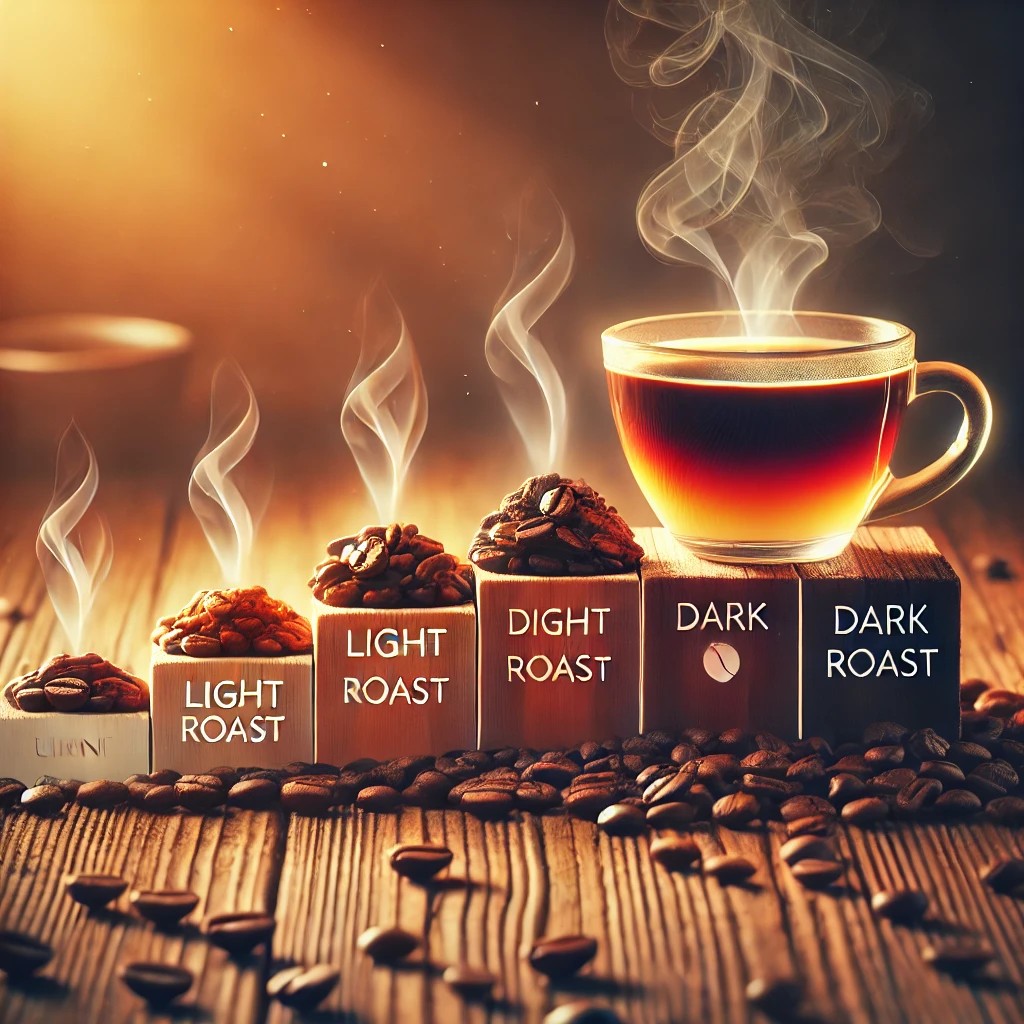
  1. Caffeine content peaked at roasting levels with mass losses ranging between 14–16%, which corresponds to light to medium roasts. Darker roasts, however, generally exhibited lower caffeine levels.
  2. When comparing brews with the same extraction yield, darker roasts demonstrated higher caffeine concentrations, challenging the common belief that light roasts always contain more caffeine.
  3. As roasting progresses, coffee beans become more porous, enhancing extraction efficiency. However, this effect diminishes due to caffeine losses caused by volatilization at high roasting temperatures.

The researchers adopted a rigorous methodology to ensure accuracy and repeatability. Ethiopian coffee varieties, including natural (dry-processed) and washed (wet-processed) types, were selected for their diverse characteristics. Five different roasting levels were prepared using an advanced electric drum roaster (Aillio Bullet v2). Each roasting level was characterized using precise parameters such as color, density, and mass loss percentage.

The coffee was brewed using the AeroPress device under standardized conditions, including a water-to-coffee ratio of 15:1. Different brewing times (1, 2, and 10 minutes) were tested to observe variations in extraction yield. External factors such as grind size were controlled using sieving, and filtered water with consistent chemical properties was used to minimize external influences.

The study demonstrated that extraction yield—the percentage of soluble compounds extracted from ground coffee—plays a critical role in determining caffeine levels. Results showed a decline in extraction yields with increasing roast darkness, attributed to the breakdown of soluble compounds during roasting.

Interestingly, darker roasted coffee exhibited higher caffeine concentrations at the same extraction yield compared to lighter roasts. This is due to the lower presence of other soluble compounds in darker roasts, allowing caffeine to represent a larger proportion of the extracted material.

The study also highlighted the role of porosity in extraction dynamics. Using scanning electron microscopy, changes in porosity across different roasting levels were measured. The researchers found that coffee beans become more porous as roasting progresses, enhancing the efficiency of extracting soluble compounds during brewing.

However, the results indicated that extremely dark roasting leads to reduced caffeine retention due to the collapse of the internal structure of the beans.

The research did not only focus on caffeine but also investigated chlorogenic acids, which are important antioxidants. The study revealed that these acids decreased significantly with darker roasting levels, making lighter roasts a better option for those seeking their health benefits.

This study provides valuable insights for coffee enthusiasts on how their brewing choices impact caffeine levels. While light and medium roasts typically deliver higher caffeine levels under standard conditions, similar levels can be achieved from dark roasts if extraction parameters are optimized. Furthermore, the findings suggest that lighter roasts may retain more beneficial compounds, such as chlorogenic acids.

The study also addresses the inconsistencies in previous research on roasting levels and caffeine content. Earlier studies produced contradictory results due to variations in brewing methods, grind sizes, and water properties. By standardizing these variables, this research offers a more reliable framework for understanding how roasting affects caffeine.

These findings hold significant value for coffee professionals, from roasters to baristas. Roasters can adjust their profiles to balance caffeine retention with flavor development, while baristas can optimize brewing methods to extract desired compounds.

Additionally, the study aligns with the growing demand for transparency in specialty coffee, enhancing consumer understanding of the scientific aspects of their favorite beverage.

Despite its considerable contributions, the study opens the door for further research. Can different brewing methods, such as espresso or cold brew, yield similar results? How do other factors, like the altitude of coffee cultivation and processing methods, influence caffeine dynamics?

This groundbreaking research underscores the remarkable complexity of coffee, where every variable—from bean origin to roasting level and brewing method—shapes the final outcome. By uncovering the intricate dynamics of caffeine extraction, the study advances coffee science and empowers both professionals and consumers to make informed decisions.

As specialty coffee continues to grow in popularity, this study reminds us that there is always more to discover about the world’s favorite beverage.

An Anonymous Donor Provides Free Coffee for Protesters in Seoul


An anonymous donor contributed 5 million won (approximately $3,800) in advance to purchase coffee at a café near the National Assembly in Seoul, in support of participants in the popular protests calling for the removal of President Yoon Suk Yeol following his declaration of martial law last week.

A post on the platform “X” stated: “A man in his fifties prepaid for about 1,200 cups of coffee worth 5 million won for the protesters. The participating café is ‘Paris Baguette’ near the KBS building in Yeouido, and the code to claim the coffee is ‘Kim Min-joo’.”

The post clarified that anyone could receive a free drink by providing the name used for payment at the café.

A receipt for the 5 million won prepayment for beverages at “Paris Baguette” near the National Assembly highlighted the donor’s support for protesters.

The café is located near the National Assembly Station on Seoul Metro Line 9, where protests are frequently held. This initiative, which expresses solidarity with citizens enduring the cold weather to participate in demonstrations, has become an increasingly popular trend in the area.

The Yeouido branch of “Paris Baguette” near the KBS building confirmed that an individual had contacted them to arrange the prepayment and transferred 5 million won to the café’s account.

A branch official stated: “We are currently discussing when to begin providing the prepaid beverages to citizens.”

While the donation amount was substantial, the name used for the prepayment — “Kim Min-joo” — sparked significant interest online. The Korean meaning of the name, “democracy,” was seen as symbolic in light of the ongoing protests. Many speculated whether the name was real or deliberately chosen to reference the current political situation.

One user commented on the significance of the name, saying: “When I was a student in Jeolla Province, there were three students in my class named ‘Min-joo.’ It feels as though the generation that lived through the 1980 Gwangju Uprising wants to pass on the spirit of democracy to the next generation.”

DE Peet’s recognised for Diversity Excellence with 2025 Catalyst Award

JDE Peet’s (EURONEXT: JDEP) is proud to have received the 2025 Catalyst Award, which recognises organisations that excel in advancing workplace inclusion and gender equity. This prestigious honour celebrates JDE Peet’s’ innovative approach to Diversity, Equity and Inclusion (DE&I), fostering a workplace where employees are empowered to thrive.

According to Catalyst, JDE Peet’s’ strategic approach, supported by innovative tools such as its DE&I Maturity Model and Activation Toolkit, has led to significant progress. This includes an increase from 25% to 36.4% in women’s representation on the Executive Committee, from 37.2% to 41.5% on the Global Leadership team, and from 23.1% to 38.5% on the Board of Directors since 2021. The Maturity Model provides structured guidance for embedding DE&I practices at all levels, while the Activation Toolkit offers actionable resources, including case studies and best practices, to equip local teams to implement and sustain meaningful DE&I initiatives. The Catalyst Award highlights JDE Peet’s’ overarching mission to unleash the possibilities of coffee and tea for a better future.

“At JDE Peet’s, we’re creating a future that authentically serves, reflects, and embraces everyone,” said Rafa Oliveira, CEO of JDE Peet’s. “Our commitment to diversity, equity and inclusion — guided by our value of Solidarity and belief in ‘standing together in our differences’ — has fostered a workplace where everyone can bring their true selves to work. We are honoured to see our progress recognised by Catalyst, and it is a powerful reminder that while we celebrate milestones, our journey continues, and when we unleash our full potential, we succeed as a team.”

Catalyst is a leading global nonprofit dedicated to building workplaces that work for women. Since 1962, Catalyst’s preeminent thought leadership – including unparalleled workplace expertise and actionable research – has accelerated progress for women through workplace inclusion. The organisation is supported by 500 leading companies.

What Makes Coffee Different from Other Beverages?


Coffee is more than just a drink—it’s a sensory experience, a cultural icon, and a global phenomenon that sets it apart from other beverages consumed by people daily. From its stimulating properties to its rich traditions, coffee has carved a unique place in the lives of billions. Here’s why coffee stands out as a truly exceptional beverage:

1. Caffeine Boost

At the heart of coffee’s appeal is its caffeine content—a natural stimulant that enhances alertness, improves concentration, and combats fatigue. Unlike other beverages, coffee delivers this boost in a way that has become an essential part of many people’s daily routines, from morning cups to midday pick-me-ups.

2. Rich Flavor Profile

Coffee offers a sensory explosion of flavors and aromas. Its complexity stems from over 800 aromatic compounds that create profiles ranging from nutty and chocolaty to fruity and floral. These flavors can vary significantly based on bean type, roast level, and brewing method, making every cup a potential new discovery.

3. Cultural Rituals

Coffee has a way of bringing people together. It plays a central role in rituals like morning routines, coffee breaks, and social gatherings. Across the globe, coffee shops have become spaces for connection, conversation, and creativity, reinforcing coffee’s cultural importance.

4. Health Benefits

Beyond its energizing effects, coffee is linked to several health benefits. Studies suggest moderate consumption may reduce the risk of certain diseases, improve cognitive function, and provide antioxidants that combat cellular damage. These health perks elevate coffee from a treat to a functional beverage.

5. Versatility

Few beverages offer the versatility of coffee. It can be enjoyed black, with milk or cream, iced, blended, or flavored, giving consumers the ability to tailor their experience. This adaptability has fueled its popularity across cultures and generations.

6. Aromatherapy and Comfort

The aroma of freshly brewed coffee is comforting and invigorating. The scent alone can evoke feelings of warmth, relaxation, and energy, adding to the sensory experience that coffee uniquely offers.

7. Tradition and Craft

For many, coffee is more than a drink; it’s a craft. From sourcing beans to roasting and brewing, the process is an art form. Whether prepared with the precision of a barista or the ritualistic methods of traditional cultures, the journey from bean to cup is an experience to savor.

8. Sensory Complexity and Terroir

Coffee’s flavor profile is deeply influenced by its terroir—the environmental factors of the region where it’s grown. Variables like altitude, soil composition, and climate shape the bean’s character, similar to wine. This makes coffee a sophisticated beverage that invites exploration.

9. Global Legacy

Coffee’s influence extends far beyond the cup. It has shaped economies, fueled trade routes, and even inspired revolutions. From its Ethiopian origins to its proliferation through the Arab world and beyond, coffee has played a pivotal role in history and continues to connect cultures today.

10. A Catalyst for Creativity and Focus

Historically, coffee has been the drink of thinkers and creators, fueling the works of writers, artists, and philosophers. Its role in fostering focus and creativity has made it a staple in intellectual circles and cultural movements.

11. Economic Impact and Sustainability

As one of the world’s most traded commodities, coffee supports millions of farmers and workers globally. Efforts to address sustainability challenges, such as fair trade practices and eco-friendly farming, highlight coffee’s potential for driving social and environmental change.

12. Social Equity and Empowerment

Coffee has become a symbol of empowerment in many regions. Women-led cooperatives in Africa and Latin America, for example, use coffee production as a means to achieve economic independence and social equity.

13. Accessibility Meets Luxury

Coffee straddles the line between accessibility and luxury. Whether enjoyed as an affordable instant blend or as a high-end single-origin brew, coffee caters to a broad spectrum of tastes, making it a universally beloved beverage.

14. Health Science Beyond Antioxidants

Research continues to uncover coffee’s benefits, such as its neuroprotective properties and potential in reducing the risks of diseases like Parkinson’s and Alzheimer’s. These discoveries add to its allure as a drink that supports well-being.

15. Ethical Connection

In an era of conscious consumption, coffee offers opportunities to engage with ethical practices. Direct trade and sustainable sourcing provide consumers with a deeper connection to the origins of their coffee, aligning their values with their purchases.

16. A Drink That Evolves

Coffee has remained relevant by evolving with societal trends. From the third-wave coffee movement that emphasizes transparency and craftsmanship to innovations like nitro cold brew and instant specialty coffee, coffee continually reinvents itself to meet the demands of a changing world.

Global Coffee Prices Expected to Drop by 20-30% After February 2025


The head of the “Roschaikofe” association, Ramaz Chanturia, told TASS News Agency that global coffee prices are expected to decrease by 20-30% after February 2025. This anticipated drop is linked to clearer results of coffee harvests in Vietnam and more accurate forecasts for production in Brazil, which could stabilize the volatile coffee markets currently impacted by challenging climatic conditions.

Bloomberg previously reported that coffee prices had reached unprecedented levels due to a potential global supply shortage. According to the report, futures contracts for Arabica coffee in New York are currently trading at $3.44 per pound, the highest level since 1977. This surge is attributed to severe drought in Brazil, which threatens to reduce supplies, as well as weather-related issues affecting Vietnam’s production of Robusta coffee, the less expensive variety.

Ramaz Chanturia highlighted that Brazil, which accounts for approximately 40% of global coffee production, and Vietnam, contributing around 20%, are the two largest coffee producers globally. Any changes in coffee production in these countries directly influence global market prices. He noted that by February 2025, the picture would become clearer regarding harvests in these key regions, enabling more precise projections for the upcoming season. Chanturia predicted that prices might begin to decline gradually after this period or stabilize at lower levels, with an expected drop of up to 30%.

He further emphasized that the simultaneous and significant increase in prices for both Arabica and Robusta coffee is unprecedented. Previously, price hikes in Arabica were often balanced by the affordability of Robusta. However, due to weak harvests in Vietnam, Robusta prices have more than doubled over the past year, reaching record highs. Chanturia pointed out that this situation poses challenges for both companies and consumers.

The expert also explained that companies with expiring fixed-price supply contracts are now facing the challenge of signing new contracts at significantly higher rates, inevitably leading to increased production costs and higher retail prices. However, Chanturia reassured that there would not be a significant global coffee shortage despite the ongoing pressures expected to persist until February.

He also highlighted potential changes in consumer behavior due to rising coffee prices. Consumers may shift toward more affordable alternatives, such as blended coffee or lower-quality beans, potentially impacting the demand for specialty coffee. Additionally, Chanturia stressed that companies might need to innovate and enhance production efficiency to mitigate the effects of rising costs on consumers. With climate conditions continuing to affect crops, he predicted increased investment in sustainable agricultural practices to improve crop resilience to environmental changes.

Despite these challenges, Chanturia emphasized that coffee demand in Russia would remain strong, with consumption levels staying high. He noted that the current year and the next may see either stagnation or a slight decline in coffee consumption, but it is expected to remain relatively robust despite price-related difficulties.

Mondrik Alpas Crowned Champion of the “Barista Brew Down” Year-End Competition in Dubai


In a night filled with excitement and creativity, barista extraordinaire Mondrik Alpas claimed the title of champion at the “Barista Brew Down” Year-End Competition, held in Dubai. The fierce competition, which lasted over seven hours, saw Shankar Nepal take second place, while Kevin Nduati secured third.

Organized by Nomads Roastery, in partnership with Victoria Arduino, the event was hosted at the Victoria Arduino Experience Lab in Al Quoz 3, Dubai. This state-of-the-art venue has become a hub for coffee competitions and events throughout the year, showcasing Dubai’s pivotal role in fostering a vibrant coffee community in the UAE and beyond.

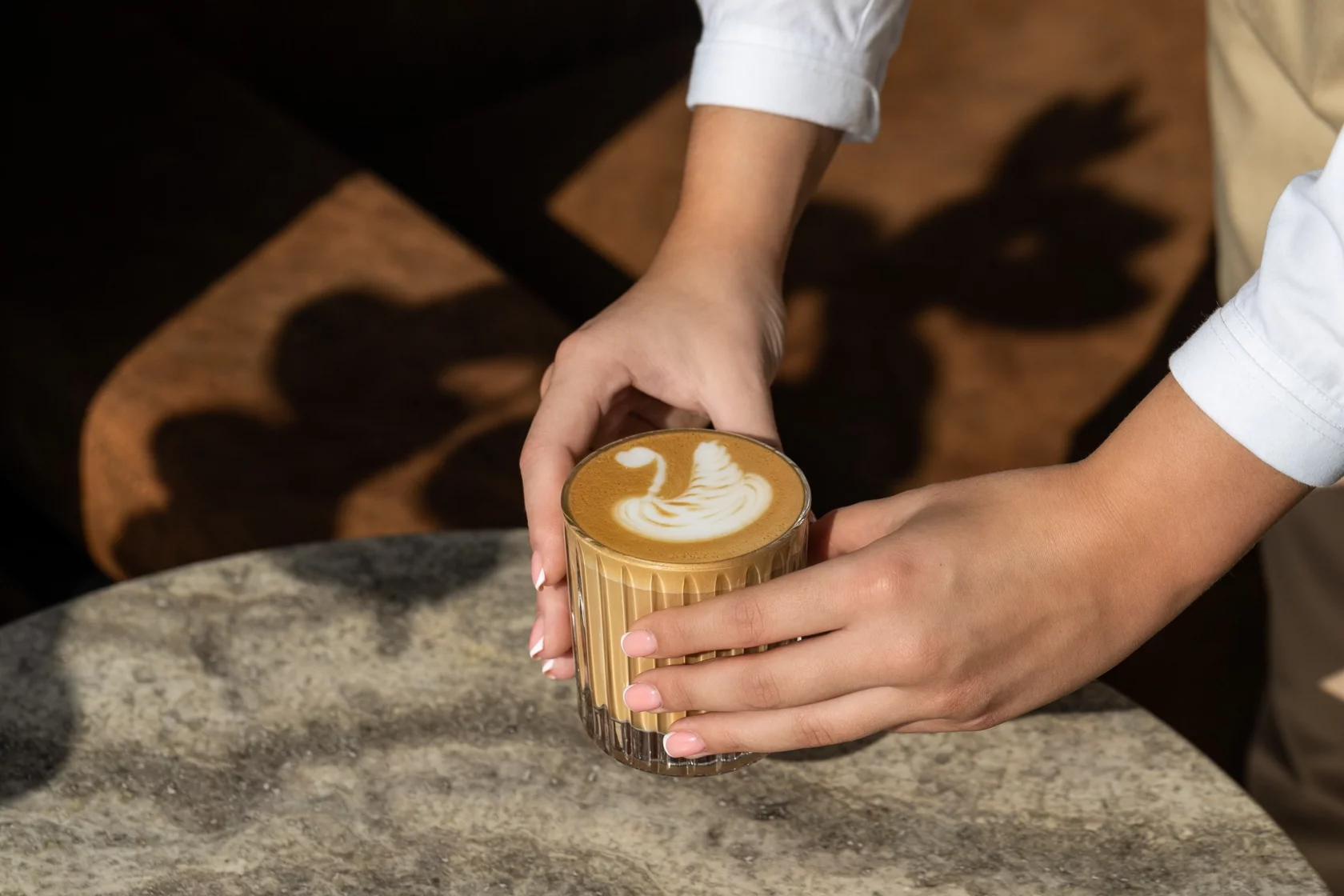
The competition featured three thrilling challenges, each designed to test the participants’ skill and creativity. The first challenge, The Espresso Battle, showcased precision and expertise in crafting the perfect espresso. Next came The Plant-Based Beverage Battle, which highlighted innovation in preparing coffee-based drinks with plant-based ingredients. Finally, the competition concluded with The Latte Art Battle, where participants displayed their artistry through intricate and captivating latte designs.

Despite the short preparation time for the competition, the event was a resounding success, attracting a large audience of coffee enthusiasts eager to witness the intensity and artistry on display. Abdullah Al Rasasi, CEO of Nomads Roastery, expressed his pride in the event’s success and promised that next year’s competition would be even grander, with enhanced activities, larger scale, and more valuable prizes. Meanwhile, Federico Orteli, General Manager of Simonelli Group Middle East, reaffirmed Victoria Arduino’s commitment to supporting initiatives that nurture the coffee community in Dubai, the UAE, and the region.

In a statement to Qahwa World after his victory, Mondrik Alpas expressed his joy at achieving this significant win, which adds to his illustrious record of achievements. His previous accolades include titles such as UAE National Latte Art Champion in 2024, 2021, and 2019, as well as the UAE National Latte Art Battle Champion in 2021. Albas emphasized his passion for continuing this rewarding journey in the coffee world and wished success to everyone in the field.

This event underscored Dubai’s status not only as a global economic hub but also as a center for innovation and excellence in the coffee industry. By attracting talent and expertise from around the world, Dubai continues to provide platforms that empower the coffee community and inspire creativity and passion.

Coffee Prices Hit Record Highs Amid Global Supply Crisis


Coffee prices surged to new peaks in 2024, reflecting a tumultuous year for the industry. On Tuesday, prices jumped by 5%, reaching $347 per contract—equivalent to 100 pounds—marking an all-time high. Over the course of the year, prices have soared by an astonishing 83%, surpassing the records set in 1975 during Brazil’s catastrophic “Black Frost” that decimated coffee plantations.

The current surge stems from mounting concerns over a global supply crisis, which could elevate coffee from an everyday staple to a luxury item. Global food prices have risen by over 25% since 2020, driven by inflation and recurring supply shocks, placing coffee among the hardest-hit commodities.

Severe drought in Brazil throughout 2024 has heightened fears about the country’s coffee production, while Vietnam—the world’s second-largest coffee producer—has faced its own challenges. A brutal dry spell in Vietnam’s main coffee-growing region exacerbated supply concerns, highlighting the fragility of global coffee production. Together, Brazil and Vietnam account for over half of the world’s coffee supply, making these disruptions particularly alarming.

The International Coffee Organization (ICO), an intergovernmental body supported by the United Nations, reported in July 2024 that its composite coffee price index hit its highest level in 13 years, averaging $2.27 per pound. The scarcity of robusta beans, a cost-effective option, has intensified demand for arabica coffee—a premium variety favored by specialty coffee chains.

Experts like Ryan Delaney, founder and chief analyst at the Coffee Trading Academy, have warned of an acute supply shortage. “There simply isn’t enough coffee in the world,” Delaney noted. Nestlé, the world’s largest coffee producer, announced price hikes in November 2024, along with smaller package sizes to mitigate the impact of soaring bean costs on its profit margins.

According to Ole Hansen, Head of Commodity Strategy at Saxo, coffee has emerged as one of 2024’s top-performing commodities, driven by extreme weather conditions and global reliance on a few key suppliers. Arabica coffee futures in New York soared to a 47-year high this year, rising 83% year-to-date. Brazil experienced its worst drought in 70 years during August and September, followed by heavy rains in October, raising fears that the flowering crops could fail.

In December, Volcafe—a leading global coffee trader—slashed its 2025/26 production forecast by nearly 25%, projecting global arabica coffee output at 34.4 million 60-kilogram bags, down 11 million from earlier estimates. This significant reduction could result in a global production deficit of 8.5 million bags in 2025/26, marking the fifth consecutive year of supply shortages.

Coffee remains one of the most traded commodities worldwide, often ranked second only to crude oil in terms of volume. Billions of people rely on it daily for energy and focus. However, climate change and economic challenges are transforming this essential beverage into a potential luxury. Increasing demand from emerging markets, particularly China, has further intensified pressure on global supply chains.

As the coffee industry braces for continued volatility, the question looms: will coffee remain accessible to the average consumer, or will it transform into an indulgence reserved for the few?

How Coffee Prices and Consumer Preferences Changed in Russia During the First 10 Months of 2024/2023?

The website “Kitch” recently published an article titled: “Coffee: How Prices and Consumer Preferences for Different Types Changed During the First 10 Months of 2024/2023.”

The article, written by Leonid Simakov, Director of the “Check Index” Analytics Center at “Platform OFD,” is based on data from the “Check Index” Center at “Platform OFD,” Russia’s largest operator of fiscal data, which relies on analytical models powered by artificial intelligence trained over eight years using a system containing 130 billion receipts from 1.25 million cash registers across the country:

According to the article, the analytics center compared data from January to October in both 2024 and 2023, with the following results:

• Coffee Overall: The average price was 468 rubles, up 12% compared to 2023. The number of purchases increased by 6% compared to 2023, and by 39% compared to 2019.

o Online Coffee: The average price was 714 rubles, up 13% compared to 2023. The number of purchases increased by 16% compared to 2023, and by 258% compared to 2019.

o Share of Online Sales: Accounted for 11% in 2024, compared to 9% in 2023, and less than 1% in 2019.

• Top Coffee Brands: Included MacCoffee, Nescafe, Jacobs, Bridge, Torabika, Jardin, Jockey, and Carte Noire.

Consumer interest in different types of coffee

Period: January to October 2024 compared to 2023:

• Instant Coffee:

o Average price: 379 rubles, up 11%.

o Number of purchases: Increased by 9%, but decreased online by 1%.

• Ground Coffee:

o Average price: 406 rubles, up 7%.

o Number of purchases: Decreased by 9%, and by 12% online.

• Whole Bean Coffee:

o Average price: 859 rubles, up 11%.

o Number of purchases: Increased by 7%, and by 19% online.

• Coffee Capsules:

o Average price: 634 rubles, up 12%.

o Number of purchases: Increased by 11%, and by 22% online.

Commenting on the analysis results, Dmitry Batyushenkov, General Director of “Platform OFD,” said: “For many Russians, drinking coffee has become a daily ritual. As a result, the habit of consumption often overrides the importance of price. Despite rising production costs due to higher raw material prices (such as Arabica and Robusta), coffee continues to expand its reach to households and retail outlets. Sales of home coffee machines, for instance, grew by 26% during the first 10 months of 2024 compared to the previous year.”

He added: “While competition in the market is intensifying, sales in Moscow are stagnating, with growth primarily driven by regional distribution. Online channels now represent 11% of the market, compared to less than 1% five years ago.”

He also noted that whole bean and capsule coffee have shown the strongest growth rates over the past five years, supported by the convenience of online purchasing and the expansion of retail points across the country.

“Check Index” relies on aggregated and anonymized data from fiscal receipts processed by “Platform OFD.” The company processes approximately 65 million receipts daily from 1.25 million cash registers, leveraging eight years of expertise and a Big Data system containing 130 billion receipts.

Coffee from Date Seeds: A Sustainable Solution for the Future of Coffee?

Could coffee made from date seeds and other recycled ingredients be the alternative that saves the coffee industry from mounting environmental challenges by 2050?

Innovative Ingredients Redefining Coffee

Date seeds, fenugreek, ramon seeds, lemon, guava, carob, and millet—these aren’t just natural ingredients, but the foundation of an ambitious American project aiming to create “the most sustainable coffee on the planet.”

With two billion cups of coffee consumed globally every day, the industry faces a dire challenge: agricultural land suitable for coffee cultivation is expected to shrink by half by 2050. Meanwhile, extreme weather conditions have already disrupted supply chains, causing a sharp rise in coffee prices in 2024.

A New Model Changing Standards

While many in the coffee sector focus on improving farming and processing to make them more eco-friendly, a company based in Seattle has chosen a radically different path. The COO explains:
“Our project wasn’t established to replace coffee but to offer a better, more sustainable option for the planet. Using scientific research, we’ve developed a product that reduces carbon emissions and requires less land compared to traditional coffee.”

Challenges of Innovation and Research

Building on their expertise in microbiology, the company’s team analyzed the 28 essential compounds found in traditional coffee and successfully extracted them from natural, recycled ingredients, primarily date seeds. However, achieving the ideal formula was no easy task, requiring over 400 trials to perfect the taste and texture.

“Date seeds are an underutilized resource, with millions of pounds discarded annually. This prompted us to establish a facility in California’s Coachella Valley to process approximately 10,000 pounds daily into usable product,” the COO explains.

How is Coffee Made from Date Seeds?

In their roasting facility, date seeds are soaked and mixed with other natural ingredients, such as fenugreek, ramon seeds, fruit peels, and carob. They are then roasted using traditional coffee equipment, producing a product that resembles ground coffee in appearance and color.

“Our goal was not only to create a coffee-like product but to ensure it works seamlessly with existing preparation and manufacturing processes,” says the COO.

Market Reception

Randomized blind taste tests showed that the alternative coffee outperformed major traditional brands, with participants favoring it three to one. Since its initial launch in late 2023, the product range has expanded to cater to a variety of tastes.

“We aim to be partners in this industry’s evolution by offering sustainable alternatives to ensure coffee’s future,” adds the COO.

Environmental Impact

The new product boasts an impressive environmental footprint:

  • 83% reduction in carbon emissions compared to traditional coffee.
  • 70% less land usage, saving the equivalent of 2,700 football fields of agricultural land.

A Vision for the Future

The company plans to expand its offerings to include components that allow for more creativity in coffee production, such as “alternative green beans” that roasters can customize to develop unique flavors.

“Our goal is to support the sustainability of coffee while respecting its traditions. This innovation holds great potential, and we aspire for it to become a mainstream option in the future,” concludes the COO.

Ali Thahlek: A Passion for Coffee Produces 4 Tons Monthly

In May 2020, Emirati entrepreneur Ali Thahlek launched his ambitious project “Falcon Coffee Roasters” from the heart of Dubai, aiming to establish a distinctive brand in the field of specialty coffee and deliver it to homes and cafes. Thahlek, who holds a bachelor’s degree in business administration, explained that his passion for coffee and his experiences traveling around the world were the main drivers behind the launch of this project, which aligns with the rapid growth of the specialty coffee market in the UAE.

In an interview with “Al Bayan,” Thahlek noted that his passion for different types of coffee and his growing expertise in the field led him to establish a project that meets the increasing demand for “Arabica” specialty coffee, which has gained significant popularity in the local market. He confirmed that the project received support from the Mohammed Bin Rashid Establishment for SME Development, which provided him with several facilities, including issuing a commercial license at reduced costs, guidance, training courses, and a database of local suppliers.

Thahlek chose Nad Al Hamar in Dubai as the location for the company’s headquarters and its primary roastery, which currently produces between 3 and 4 tons of roasted coffee monthly. He also plans to expand production through a larger roastery in the future while continuing to focus on product quality to meet growing demand.

Thahlek pointed out that the company offers more than 16 different types of coffee with various flavors and styles, in addition to accessories and equipment for coffee preparation, such as manual roasters, coffee scales, and heating tools. The company’s services reach all Emirates, with demand split equally between homes and cafes.

Despite the challenges of launching the project during the exceptional circumstances of the COVID-19 pandemic, Thahlek succeeded in turning these challenges into growth opportunities. The increased interest in high-quality coffee for home preparation during the lockdown fueled the company’s growth. He now aims to expand within the UAE and into Gulf countries, focusing on delivering high-quality products that meet the expectations of increasingly knowledgeable coffee enthusiasts.

In conclusion, Thahlek encouraged new entrepreneurs to be bold in transforming their ideas into real-world projects, highlighting the importance of learning from experiences and mistakes to achieve growth and success.

Mariam Erin: Where Art Meets Coffee in a Tale of Endless Passion and Creativity

In a world brimming with creativity and challenges, Mariam Erin shines as a star who seamlessly blends art and coffee in a captivating harmony. From a young age, Mariam was immersed in an artistic environment that inspired her to become a visual artist, shaping colors and canvases with unmatched elegance. But her journey didn’t stop at the boundaries of brushstrokes and paintings; she discovered a new realm of creativity in coffee.

Today, Mariam is not only a visual artist but also the UAE Brewers Champion, a certified Q-Grader, and a Food Technology expert. She masterfully balances these diverse roles with a passion for life and an unwavering drive for excellence. What sets her apart is not only her accomplishments but also her cheerful, loving personality and her constant support for the community she belongs to.

In this inspiring interview, we invite you to explore Mariam’s story—how her journey began, and how she weaves the threads of art and coffee into a creative tapestry that reflects her spirit and passion. Her words are an open invitation to embrace learning, growth, and the beauty found in every detail of life.

Could you share the story behind your journey into coffee and visual arts? How did these two passions come together in your life?

My love for art, specifically painting, began in my childhood. I grew up surrounded by my older brothers, who were deeply passionate about art and even professionally. Watching them, I naturally dove into the same craft. Over time, my understanding of coffee grew, and I realized it was another form of art or perhaps something even more deeper.

Before stepping into the coffee industry, I worked in food manufacturing laboratories, which taught me to see things differently. When I discovered coffee, I realized it has a good amount of science and art. I approached it with curiosity and care while finding joy in its complexity. It’s a craft that invites you to keep learning, experimenting, and creating something meaningful not only in the cup but to all the people behind it.

What inspired you to start competing in coffee championships, and how has your approach evolved over the years?

Eight years ago, like many aspiring baristas, I looked up to people who inspired me—those who had achieved success in their careers and lives. My journey wasn’t so different. As I was learning about coffee, I had the chance to watch championship performances and even worked for a company that encouraged its team to be involved in the competition scene.

Over the years, coffee has evolved, and so has the competition. To keep up, I’ve had to push myself to learn, grow, and become a better version of myself. The best guidance has come from experience, and every competition has taught me something new.

Winning the UAE Brewers Championship is a remarkable achievement. What was your preparation process like, and what unique elements did you bring to the competition this year?

Preparation was a team effort—definitely not a one-person show. Each person involved played a valuable role. From selecting the coffee to endless roasting and brewing sessions, it was all about collaboration and shared passion.

The unique elements this year came from the heart of our team’s work. Every detail, every brew, every decision was made with intention. That collective energy and dedication made all the difference.

Using the Binocular Dripper on stage was a significant achievement for me and my team. Winning with it made it even more special. We designed this device to allow me to brew my blend components separately in creating new flavor experience.

You mentioned learning from past defeats. How did those experiences shape your strategy for this championship?

Feedback was the most valuable tool we had. We took the comments from judges and the scoresheets from previous competitions to heart, analyzing every word to understand where we could improve.

This year, we focused on the areas we missed in the past, refining and perfecting them. Every critique became a stepping stone toward success.

In your recent post, you highlighted the importance of the community and team support. Can you share more about the role of your team in this success?

Competitions are never a solo act. Whenever I see someone competing, I always remind myself to appreciate the team behind them.

This year, my situation was no different. While I represented a brewing gadgets company, the people who stood with me came from various backgrounds and companies. My coach, Bagus (from White Mantis), was a guiding force and a coach, and our practice sessions were supported by Raka, Pratama, and Rangga (from Encounter and White Mantis), Yogi (from Specialty Batch), and Mario (Charlie and Friends).

Even beyond brewing, so many people offered their support, from the Scarab and ROR teams to Stella and even a local café owner. Their encouragement and belief in me kept me motivated and inspired. I’m deeply thankful for every single one of them.

How do you see the UAE coffee community evolving, and what excites you the most about being a part of it?

The UAE coffee community is becoming more collaborative, especially in the competition space. While competition is still competition, it’s inspiring to see how people come together to help each other achieve a common goal.

At the end of the day, we either win or we learn—and we gain new connections with people who share our vision. That’s what makes this community so exciting and rewarding to be part of.

As someone who wears many hats—champion, visual artist, Q-Grader, and FoodTech expert—how do you balance these roles, and how do they complement each other?

Honestly, I don’t see these roles as separate. For me, it’s all part of one package. I work in coffee, I work for coffee, and I love every aspect of it. Each role contributes to what I do and who I am, and together, they drive me to keep growing.

You’ve worked with several innovative tools and techniques, such as the Binocular dripper and Niware cups. How do you select and integrate new technologies into your brewing process?

My team and I developed the Binocular Dripper three years ago, driven by a desire to achieve better results—both in competition and in brewing.

When it comes to other tools, I always let the coffee guide me. I choose equipment based on what will elevate the coffee experience for the judges, whether it’s amplifying specific characteristics or simply enhancing comfort and enjoyment.

Who or what inspires you most in your journey, and how do you stay motivated through challenges?

The coffee evolution and the people—it’s a limitless, ever-evolving industry that excites me every day.

Of course, we’re all human, and there are moments when exhaustion creeps in. When that happens, I take a step back, pause, and reflect. It’s in those quiet moments that I find renewed energy and perspective.

What message would you like to share with aspiring coffee professionals and competitors who look up to you?

The only time you truly lose is when you stop trying—whether in life or competition.

But trying doesn’t always mean competing. It can mean elevating the coffee experience for consumers, sharing valuable insights with the community, or simply respecting the incredible network of people who make this industry what it is.

Keep learning, keep growing, and always find joy in what you do.