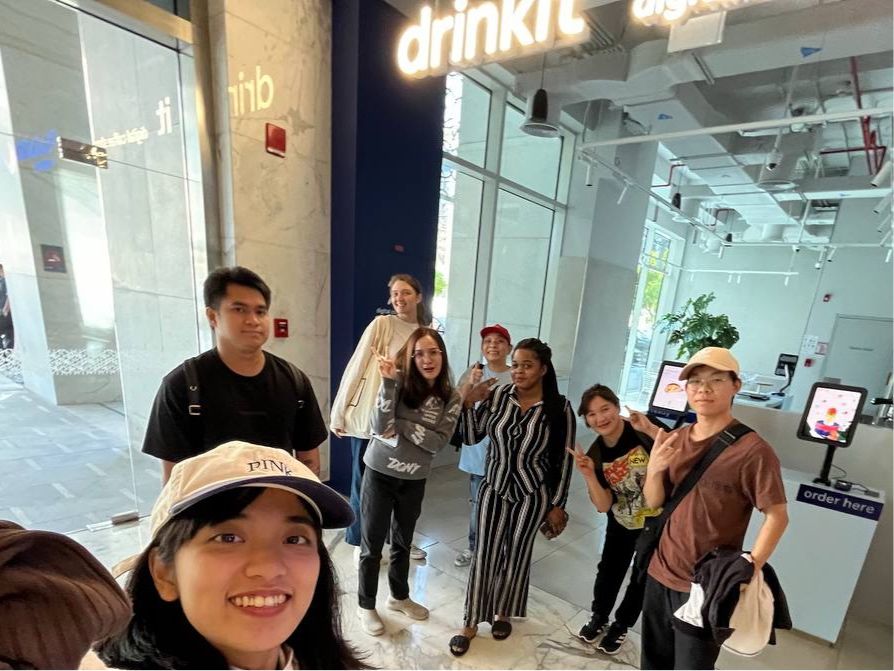
Drinkit Team Elevates Service Standards Through Calibration

In a strategic move to enhance customer experience and elevate operational standards, the Drinkit training team, led by Learning and Development Manager Elena Gess, visited several coffee shops across Dubai. This service calibration initiative provided valuable insights into industry practices while fostering team development and growth.

The Key Goals of Service Calibration

1. Strengthening Team Bonds
The initiative offered team members the chance to step outside their daily work environment and engage in collaborative learning. “Exploring new spaces together allowed us to bond and gain fresh perspectives,” said Elena Gess.

2. Enhancing Observational Skills
Using a structured checklist, the team evaluated critical elements such as cleanliness, barista behavior, and guest interactions. This process sharpened their attention to detail, enabling them to identify the small yet impactful factors that influence guest satisfaction.

3. Competitor Analysis in a Competitive Market
Dubai’s dynamic coffee industry demands continuous adaptability. Observing the operations of other coffee shops allowed the team to analyze emerging trends and best practices, helping Drinkit remain competitive and innovative.

4. Highlighting Standards of Excellence
The visits underscored the importance of consistency and quality. From bar organization to drink presentation, the initiative reaffirmed Drinkit’s commitment to delivering exceptional service.

Core Evaluation Focus Areas

During their visits, the team assessed the following aspects:

  • Cleanliness: In guest areas and behind-the-bar operations.
  • Bar Equipment: Organization, maintenance, and functionality.
  • Team Dynamics: Speed, interaction, and friendliness of staff.
  • Hygiene Standards: Compliance with safety and cleanliness protocols.
  • Drink Quality: Balance of flavors, milk texture, and artistic presentation.
  • Guest Farewell: Ensuring a positive and lasting impression.

Valuable Insights and Next Steps

Following the visits, team discussions focused on standout practices, areas of inspiration, and opportunities for improvement within Drinkit. Gess emphasized the importance of these sessions in aligning the team with Drinkit’s service philosophy.

“Stepping into the guest’s shoes and learning from others helps us stay competitive and adaptable in a fast-evolving industry,” said Gess. “This process will remain a cornerstone of our strategy moving forward.”

Raising the Bar in Dubai’s Coffee Scene

As the hospitality sector evolves, initiatives like service calibration are essential to maintaining a competitive edge. By analyzing competitor practices and reconnecting with the guest perspective, Drinkit continues to set the standard for exceptional coffee experiences in Dubai.

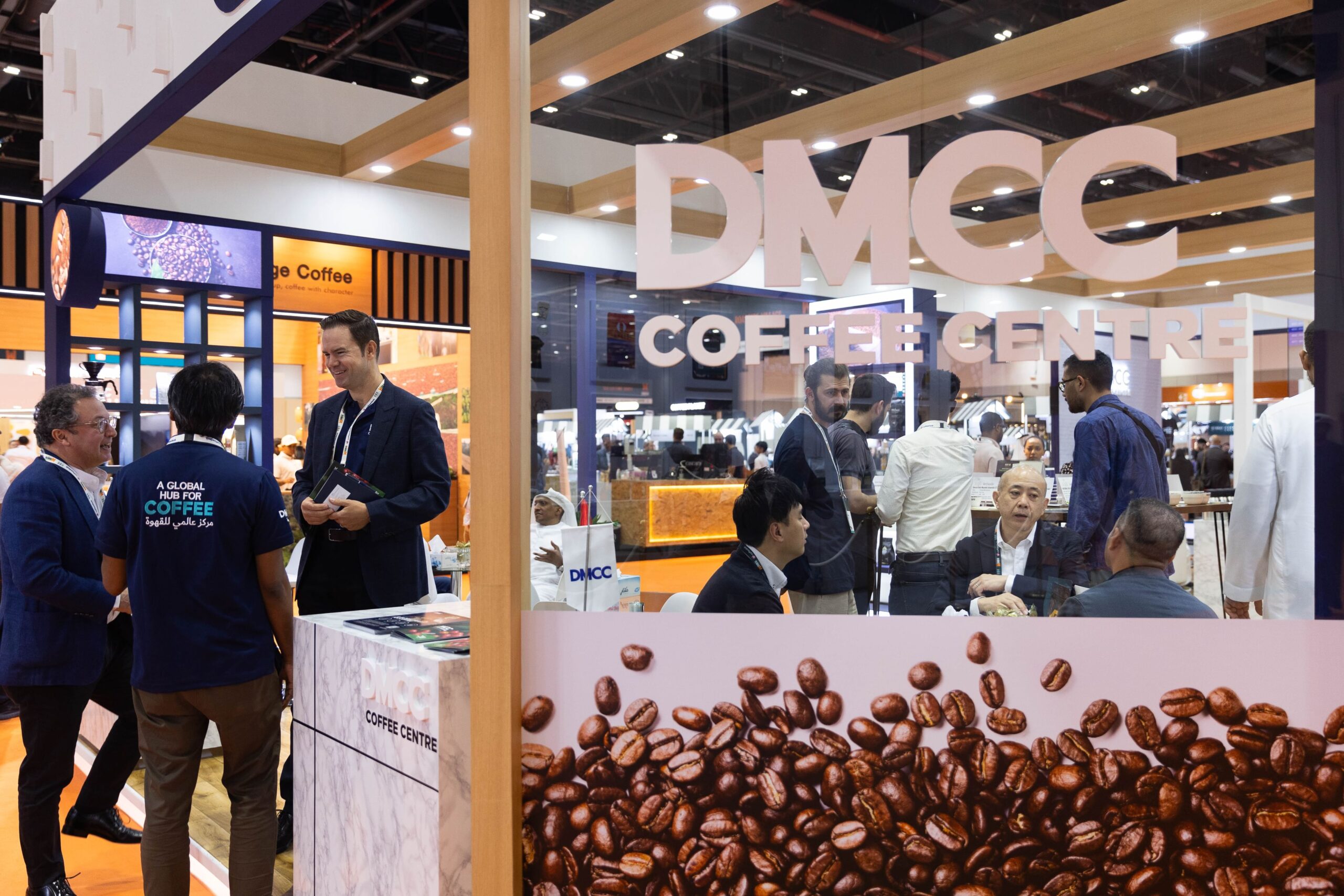
World of Coffee Dubai 2025 Now Accepting Entries for the Best New Product Competition!


The organizers of World of Coffee Dubai 2025, the largest and most influential event in the coffee industry, have officially announced the opening of submissions for the Best New Product Competition. This competition provides a unique opportunity for innovators to present groundbreaking ideas that aim to transform the coffee experience and shape its future.

If you have a pioneering product that could revolutionize the coffee industry, this competition, held as part of the World of Coffee Dubai 2025 event from February 10 to 12, is your chance to showcase your idea to the world.

Competition Categories:

  • Coffee Accessories: Innovations related to coffee equipment and serving.
    Commercial Coffee Preparation & Serving: Tools and solutions designed to support the professional coffee sector.
    Consumer Coffee Preparation & Serving: Devices or solutions that enhance home coffee brewing.
    Open Class: Creative ideas that go beyond traditional classifications.
    Specialty Coffee Beverage Additive: Ingredients or enhancements that elevate the flavor of coffee beverages.
    Specialty Non-Coffee Beverages: Unique beverages presented as innovative alternatives to coffee.

Submission Deadline:

The organizers invite innovators and interested companies to submit their applications before December 31, 2025. Don’t miss the opportunity to showcase your innovations at one of the largest global gatherings for coffee enthusiasts.

The Best New Product Competition is an integral part of World of Coffee Dubai 2025. The event provides a global platform that brings together coffee industry leaders and innovators, offering them the chance to present their products to a broad audience, including coffee professionals, investors, and enthusiasts.

The World of Coffee Dubai 2025 exhibition will take place over three exciting days, gathering coffee experts, global brands, and coffee lovers under one roof. The event will feature educational workshops, stimulating competitions, and exclusive tasting sessions, alongside opportunities to explore the latest trends and advancements in the coffee world.

This event is an ideal platform for participants to strengthen their market presence, expand their brand reach, and celebrate their passion for coffee in one of the most influential destinations for hospitality and innovation.

How to Register:

For more information about the competition and to submit your application, visit the official website of World of Coffee Dubai or follow its social media accounts.

Get ready to showcase your innovations and compete for the title that could transform your journey in the coffee industry!

Dubai to Host First Auction of the World’s Most Exclusive Coffees at World of Coffee 2025

Dubai is set to become the center of attention for coffee enthusiasts and industry leaders as it hosts the first-ever DMCC Specialty Coffee Auction during World of Coffee (WOC) Dubai 2025. This groundbreaking event, scheduled for February, will see some of the rarest and finest coffee beans globally go under the hammer for eager buyers.

The auction is the result of a strategic collaboration between WOC Dubai and the Dubai Multi Commodities Centre (DMCC). It will feature around 20 exclusive lots of rare, specialty-grade coffee beans. Buyers worldwide, including top global producers, will participate either in person or remotely via a state-of-the-art digital auction platform.

Specialty coffee is defined as coffee scoring 80 points or above on the Specialty Coffee Association’s 100-point scale. However, the beans featured in this auction boast scores of 92 and above. Coffee prices for high-quality lots have skyrocketed, with records continuously being broken. Earlier this year, the Elida Geisha Natural Torre from the Lamastus Family Estate set a new record, selling for $10,013 per kilogram.

Among the rarest coffees in the world are Thailand’s Black Ivory, which sells for about $1,500 per kilogram, and Indonesia’s Kopi Luwak, which can reach prices of up to $1,200 per kilogram.

Ahmed Bin Sulayem, Executive Chairman and CEO of DMCC, stated:
“The launch of the inaugural DMCC Coffee Auction at World of Coffee Dubai 2025 reflects our commitment to shaping the future of one of the world’s most valued commodities. By presenting these exceptional coffees, this event could establish new benchmarks for specialty coffee pricing while cementing Dubai’s role as a global coffee trade hub. We are proud to bring together producers, traders, and coffee lovers from across the globe to foster growth, sustainability, and innovation in the industry.”

This highly anticipated auction will serve as a key feature of World of Coffee Dubai 2025, the region’s largest coffee trade show. Returning for its fourth edition from February 10–12, 2025, at the Dubai World Trade Centre, WOC Dubai is expected to welcome over 13,500 visitors and 400 international exhibitors.

With the coffee market in the MENA region projected to reach a value of $11.5 billion by 2025, WOC Dubai comes at a critical time, reflecting the region’s rapid growth and influence within the coffee industry.

Khalid Al Hammadi, Senior Vice President of DXB LIVE, commented:
“World of Coffee Dubai has become a vital platform for uniting coffee professionals, enthusiasts, and businesses worldwide. Hosting this auction highlights Dubai’s increasingly pivotal role in the global coffee trade and its reputation as a hub for innovation, opportunity, and collaboration within the industry.”

The coffee industry has seen a remarkable increase in value, with prices reaching their highest levels in 47 years. This surge is driven by rising global demand—particularly in Asia—and challenges in supply, including adverse weather conditions affecting key coffee-producing nations like Brazil and Vietnam. These factors make events like the DMCC Specialty Coffee Auction essential, as they connect industry leaders while providing insight into emerging trends and opportunities.

A Cup of Coffee Propels a Qatari Student to Entrepreneurship

The official website of Georgetown University in Qatar (GU-Q) recently highlighted a success story in the world of coffee, featuring Khalid Al-Kawari, a Qatari student from the Class of 2024. Khalid exemplifies the entrepreneurial spirit of the university through his innovative journey. Faced with the closure of a popular campus café, he seized the opportunity to unite students, faculty, and staff with the launch of his own coffee venture, Casual Coffee.

Khalid opened the café in 2023 during his third year of study. “I knew I’d have the support of the university community, which made the decision much easier,” he said. The name Casual Coffee was not a random choice. Khalid explained, “The name was originally my father’s idea for a café he had planned to open. When I decided to start my own venture, he suggested I use it. It felt like I was continuing a family legacy.”

Overcoming Challenges

Launching a business on campus was not without its challenges. With the support of Dean Safwan Masri, Khalid successfully secured permission to open Casual Coffee at GU-Q.

Another hurdle was balancing quality with affordability. Khalid, who is studying international politics, said: “As a small business, managing high operational costs while maintaining high-quality coffee was a significant challenge.” He added, “Fortunately, the university has a variety of coffee suppliers, which allows us to offer options that cater to different segments of the community.”

Building a Team and a Thriving Business

From sourcing suppliers to building a loyal customer base, Khalid attributes the success of Casual Coffee to his dedicated team.

“The experience of our baristas, Karyl Pasco and Haldane Alfonso, has been crucial in maintaining the high standards of the café,” he said. Additionally, Mohammed Ashraf and Jomaa Mohammed manage logistics and procurement. “Their expertise has been essential to ensuring the quality that defines Casual Coffee.”

Feedback from friends and students has also played a pivotal role. “Their input helped us refine our services and create a welcoming environment for everyone,” Khalid noted. To foster a sense of community, Khalid even introduced special drinks named after faculty members and students who requested them.

Balancing Studies and Business

Balancing academics with running a business has been a challenging yet rewarding experience for Khalid. “I follow a strict schedule that allocates time for my studies and business tasks. I also use digital tools to stay organized,” he explained. “Trusting my team with daily operations allows me to focus on my studies when necessary.” Khalid revealed that he is also working on launching new ventures in the real estate and food and beverage sectors, applying the same principles of time management.

“The biggest lesson I’ve learned is resilience,” Khalid shared. “From rejections to operational challenges, every obstacle has been a learning experience. It’s all about adaptability and finding creative solutions.”

Advice for Aspiring Entrepreneurs

For students considering entrepreneurship, Khalid offers the following advice:

  • Focus on effective time management and remain flexible, understanding that every business has its unique nature.
  • Create a structured schedule that balances academic commitments with business operations, starting with a simple, scalable concept.
  • Leverage university resources by connecting with professors, peers, and mentors for valuable guidance and support.
  • Listen to customer feedback to improve your services and ensure they meet market needs.
  • Stay resilient in the face of challenges, as every obstacle provides valuable lessons.
  • Don’t forget to prioritize self-care and allocate time for relaxation to maintain balance.

Future Plans

With plans to expand Casual Coffee beyond its current locations at GU-Q and Sidra Hospital, Khalid envisions the brand becoming a prominent name in Qatar. But his ambitions don’t stop there. Khalid shared, “I’m working on two other businesses in different sectors to build a diverse portfolio. It’s important for me to keep Casual Coffee at Georgetown as a source of inspiration for any student looking to start their own business. I want to show them that with determination and the right support, they can turn their entrepreneurial dreams into reality.”

Automatic Coffee Machine Market Set to Reach $7.5 Billion by 2032

The global automatic coffee machine market is expected to witness a compound annual growth rate (CAGR) of 6.1% from 2024 to 2032, driven by rising disposable incomes and increased consumer spending.

According to a report by Global Market Insights Inc., the market size for automatic coffee machines was valued at $4.4 billion in 2023, with projections to reach $7.5 billion by 2032. This growth is fueled by an expanding café culture and a growing preference for specialty coffee, boosting demand for high-performance and user-friendly machines.

Convenience and Customization Drive Market Demand

Modern consumers value the speed and convenience offered by automatic coffee machines, which come equipped with customizable features such as adjustable coffee strength, temperature, and brewing styles. These innovations elevate the overall coffee experience, making these machines a popular choice for households and businesses alike.

However, the market faces challenges such as the high upfront cost of premium models and the ongoing need for maintenance, including cleaning and descaling, which can limit adoption, particularly in developing regions with lower disposable incomes.

Drip Filter Machines Lead the Market

The market is segmented by machine types, including drip filter coffee machines, espresso machines, and others. Drip filter machines dominated the market in 2023 with a valuation of $2.5 billion and are expected to grow at a CAGR of 5.7% through 2032. These machines are favored for their eco-friendly design, reusable components, and continuous technological advancements, appealing to a broad consumer base.

Offline Sales Remain Strong

Offline distribution channels accounted for 51.4% of the market share in 2023 and are projected to grow at a 4.5% CAGR through 2032. Physical stores, such as electronics retailers and department stores, play a significant role in influencing consumer purchasing decisions by allowing customers to experience products firsthand before committing to a purchase.

North America Leads Regional Growth

North America held a substantial share of the market, valued at $1.2 billion in 2023, with an anticipated growth rate of 6.3% CAGR through 2032. The region’s strong coffee culture, high consumer purchasing power, and demand for convenience in daily routines drive this growth. Additionally, the trend of brewing specialty coffee at home continues to push demand for advanced machines capable of delivering café-quality results.

Key Players in the Market

Leading companies in the automatic coffee machine market include Bosch, Breville, De’Longhi, Electrolux, Hamilton Beach, Jura, Keurig Dr. Pepper, Melitta, Miele, Morphy Richards, Nestlé, Newell Brands, Panasonic, Philips, and Smeg, among others.

A Promising Future for Automatic Coffee Machines

With increasing consumer interest in specialty coffee and continued technological advancements, the automatic coffee machine market is poised for steady growth. As the industry evolves, manufacturers are likely to focus on sustainability and efficiency, further enhancing the appeal of these machines to a global audience.

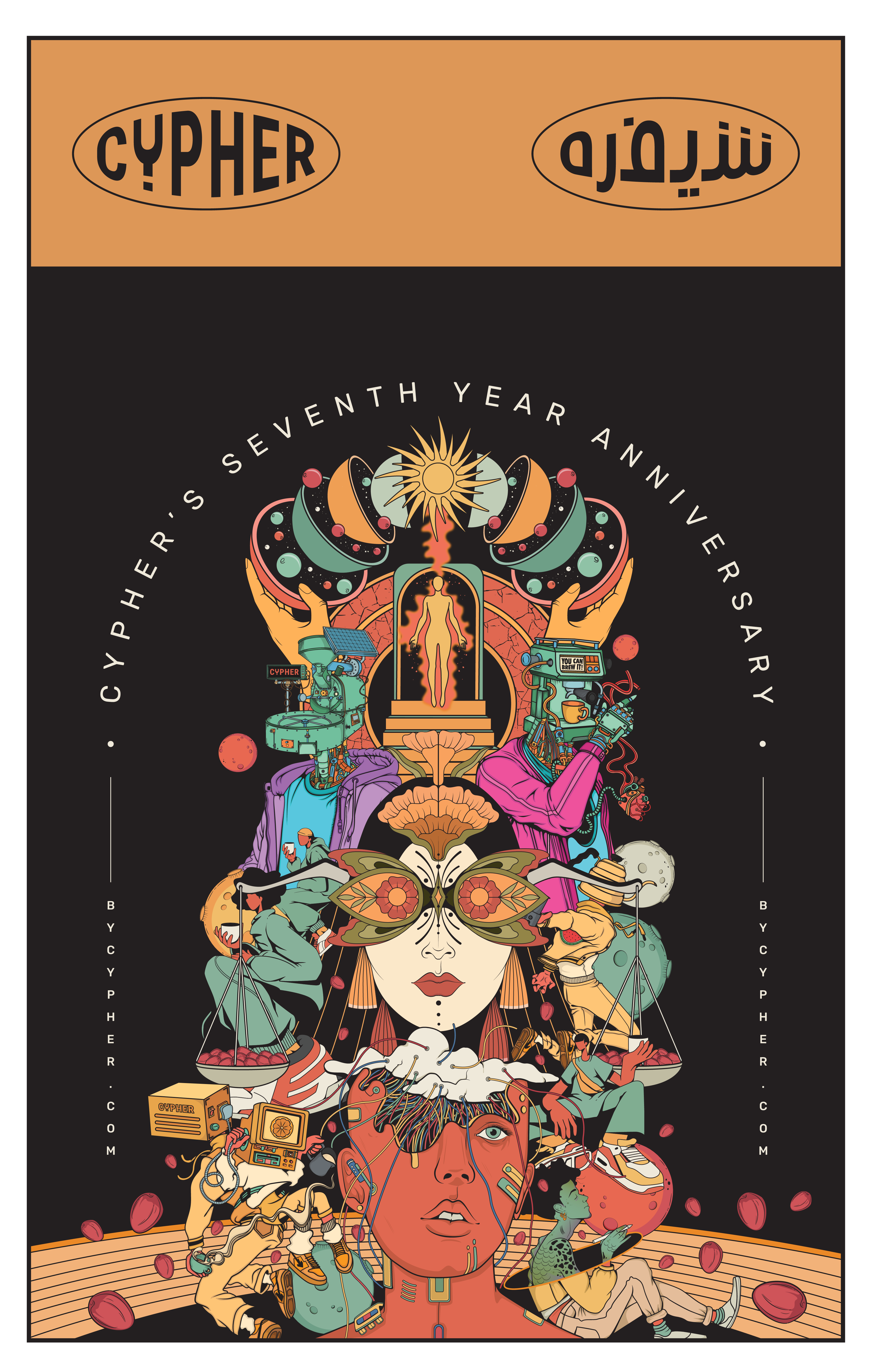
Cypher Urban Roastery Celebrates 7 Years of Coffee Excellence


Cypher Urban Roastery is marking a significant milestone this year, celebrating seven years of passion, growth, and dedication to the art of coffee roasting. As a small, independent business, Cypher Urban Roastery has become a trusted name in the specialty coffee scene, earning the loyalty of coffee enthusiasts locally and globally.

Founded with a mission to craft exceptional coffee and nurture meaningful connections across the coffee supply chain, Cypher Urban Roastery has remained steadfast in its commitment to authenticity, innovation, and quality. Over the past seven years, the roastery has built a strong reputation for its dedication to supporting coffee farmers, educating partners, and delivering top-tier service.

In a heartfelt message, Managing Partner Mohamad Merhi expressed gratitude to customers who have been pivotal in the roastery’s journey. “Every purchase you make helps us do more than just run a business; it allows us to create opportunities for all stakeholders across the coffee industry ecosystem,” said Merhi. “Your support fuels our passion and allows us to focus on what matters most: serving you.”

Unlike large conglomerates, Cypher Urban Roastery takes pride in its hands-on approach, working directly with farmers, brewers, and other partners in the coffee community. The business places a strong emphasis on education and empowerment, equipping stakeholders with the knowledge and tools needed to thrive and contribute meaningfully to the value chain.

As part of its anniversary celebration, Cypher Urban Roastery encourages its community to continue supporting small businesses that are making a difference in their communities. “Every order matters,” the message reads, highlighting the impact of conscious consumer choices during the holiday season.

Looking ahead, Cypher Urban Roastery is committed to expanding its reach and influence within the coffee industry while staying true to its core values. As the roastery celebrates this milestone, it remains focused on fostering sustainability, innovation, and excellence in every cup.

To learn more about Cypher Urban Roastery’s journey and offerings, visit their website or drop by their roastery to experience their passion for coffee firsthand. Here’s to many more years of coffee excellence and community partnership!

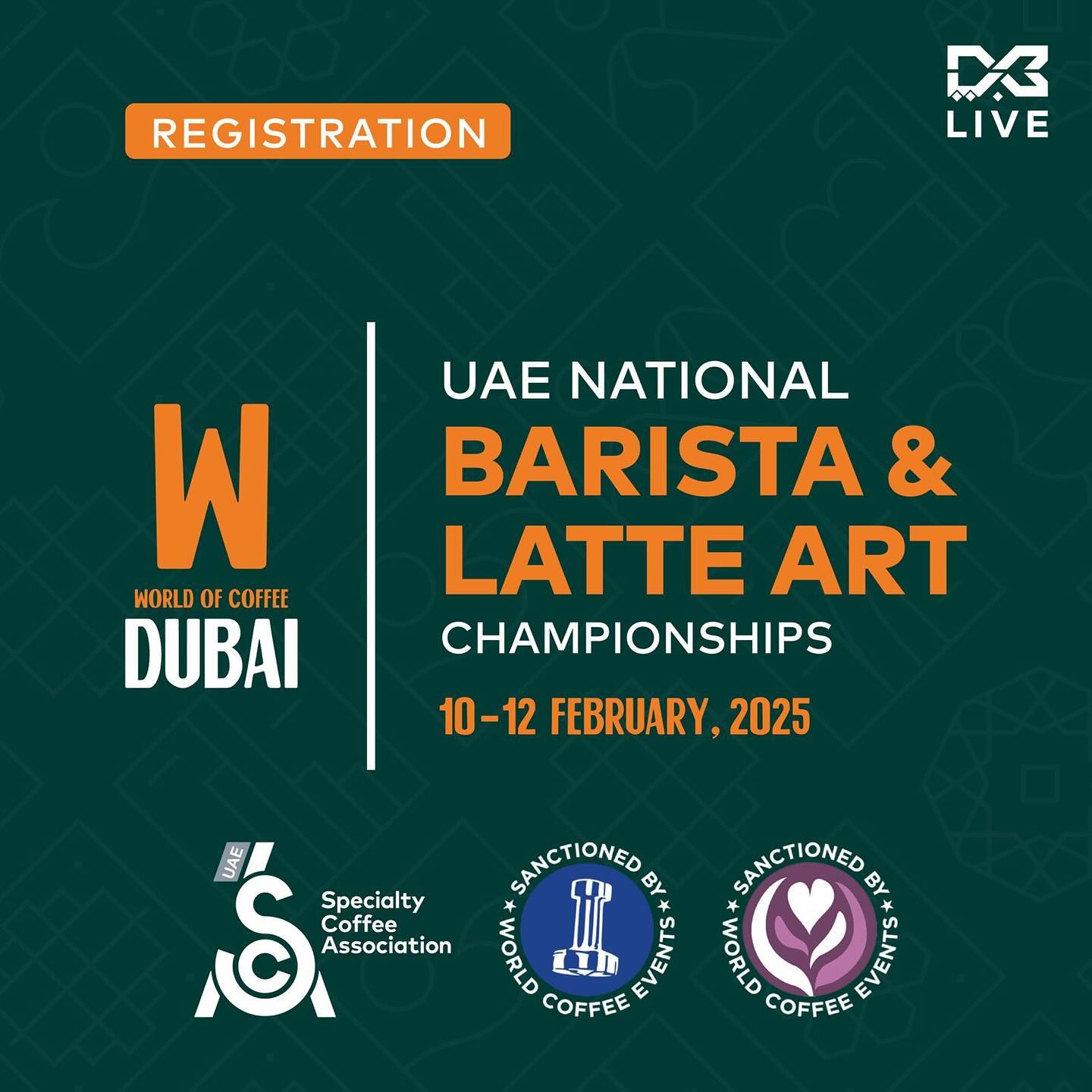
Registration Opens for the UAE National Coffee and Latte Art Championship 2025


The organizing committee has announced the opening of registration for the UAE National Coffee and Latte Art Championship 2025, which will take place as part of the World of Coffee Dubai 2025 exhibition at the Dubai World Trade Centre from February 10 to 12, 2025. This championship is one of the most prominent events highlighting the creativity and excellence of coffee professionals in the UAE.

Registration Requirements and Conditions

The organizing committee invites all those interested in participating to submit their applications through the link provided in the bio, adhering to the following conditions:

Participation Conditions:

  • Applicants must have been residing in the UAE for no less than two years.
  • Applicants must hold a valid UAE residency visa.
  • Obtain an individual membership with the Specialty Coffee Association (SCA), which can be completed through the dedicated membership link.
  • Pay the participation fee of AED 1,500.

Required Documents:

For UAE Nationals:

  • A copy of the passport.
  • Membership with the Specialty Coffee Association.

For Residents:

  • A copy of the passport.
  • Copies of current and previous residency visas to prove a minimum two-year residency in the UAE.
  • Membership with the Specialty Coffee Association.

All submitted documents will be reviewed, and participants will be selected based on the fulfillment of the conditions and the validity of the documents. Official confirmation will be sent to approved participants via email.

Championship Equipment and Regulations

The championship will adhere to the standards of the World Coffee Championships to ensure performance quality and competition fairness. The following equipment will be used:

  • Official Espresso Machine: Victoria Arduino “Eagle One” with two groups and a 58mm portafilter basket.
  • Official Grinder: Victoria Arduino “Mythos,” model MY 75.

An Invitation to the UAE Coffee Community

The organizing committee extends an open invitation to members of the UAE coffee community to participate in various ways to support the event, including:

  • Volunteering: An opportunity to work behind the scenes and contribute to the success of the championship.
  • Sponsorship: An opportunity to highlight brands to the local and international coffee community.

For More Details:

For additional information, please contact us via email at [email protected].

Don’t miss the opportunity to take part in the UAE National Coffee and Latte Art Championship 2025, an event that celebrates coffee culture and showcases the finest talents in the UAE.

Arabica Coffee Prices Hit Record High: What’s Happening in the Coffee Market?

Arabica, the world’s most popular coffee variety, has reached an unprecedented price level, driven by severe weather conditions in Brazil, the largest producer of Arabica. Consumers are expected to feel the impact of this price surge by early 2025.

A Historic Price Surge

On December 10, March futures for Arabica reached a record-breaking $3.34 per pound (approximately 0.45 kg). This represents the highest price ever recorded in trading history and an 80% increase compared to last year. Robusta, another popular coffee variety, also hit its own record high in September.

So far, coffee roasters have been holding off on raising retail prices to maintain market share. However, according to Tuan Loc Commodities’ CEO, the situation is likely to change in the first quarter of 2025, as companies will no longer be able to avoid passing on these costs to consumers.

Several major companies have already announced plans to adjust their prices. A representative from Lavazza indicated that price adjustments are necessary to maintain product quality and consumer trust. Reports suggest that another major company plans to increase its coffee prices by up to 30%, citing the high costs of Brazilian raw materials.

Coffee Prices in Russia

In Russia, reports indicate that price increases in coffee shops are unlikely before March or summer 2025. However, prices have already risen by 15–30% in cafes over the past year, outpacing official inflation rates.

In supermarkets, coffee prices have risen by no more than 10%, despite a 20% increase in procurement costs. Retailers have reportedly worked to minimize the impact on consumers.

What’s Happening in the Coffee Market?

The historic price hike for Arabica is primarily attributed to extreme weather in Brazil. In August and September 2024, Brazil experienced its worst drought in 70 years, followed by heavy rains in October. These weather conditions disrupted the harvest season and preparation of seedlings for the next season.

Vietnam, the largest producer of Robusta, also faced unstable weather, including droughts and heavy rains, further impacting global supply.

At the same time, global demand for coffee continues to rise. Even in countries like China, traditionally known for tea consumption, coffee consumption has doubled over the past decade.

Speculation and Market Uncertainty

In addition to climate-related challenges, economic speculation plays a significant role in the price surge. According to industry experts, the coffee market remains highly speculative as it awaits the next harvest season.

A Silver Lining for Small Farmers

While high prices may concern consumers, they offer a glimmer of hope for small-scale farmers. According to industry reports, 80% of global coffee production comes from small farms, and rising prices provide an opportunity for increased income.

One coffee industry expert noted: “Higher prices finally allow farmers to earn a fair wage for their hard work.”

Climate Change and the Future of Coffee

Arabica coffee plants are highly sensitive to climate changes. They require temperatures between 15 and 24 degrees Celsius, as well as adequate shade and rainfall. As climate change accelerates, the areas suitable for growing Arabica are shrinking.

A 2022 study predicts that by 2050, the regions suitable for Arabica cultivation in Latin America, Africa, and Asia will significantly decline. In contrast, Robusta is more resilient to hot climates, making it a more sustainable option for the future.

Conclusion

The coffee market is facing significant challenges, with rising prices reflecting both climate-related disruptions and growing demand. While consumers may bear the brunt of these changes, small farmers stand to benefit from fairer earnings. The key question remains: how will the coffee industry adapt to climate change and evolving market demands?

Collaboration to Advance Regenerative Agriculture in Mexico’s Coffee Sector


An innovative partnership has been established to promote regenerative agricultural practices within Mexico’s coffee sector. This initiative, developed by a prominent global agricultural trading company and an international organization focused on sustainable value chains, aims to foster low-carbon coffee production while improving the livelihoods of coffee-growing communities.

Over the next three years, the partnership will engage approximately 3,500 coffee farmers across 6,700 hectares in the states of Chiapas, Veracruz, and Puebla. Farmers will be equipped with tools and training to enhance soil health and coffee plant quality through methods such as cover cropping, crop diversification, the establishment of new coffee nurseries, and the adoption of resource optimization technologies. The initiative also seeks to improve traceability across participating farms, promoting greater transparency within the coffee supply chain.

A senior representative from the sustainability-focused organization emphasized the importance of scaling regenerative models in Mexico, highlighting the value of collaboration with a leading coffee trading company. This partnership combines expertise to bring sustainable solutions to coffee farmers, contributing to global efforts for climate resilience and sustainability.

This effort aligns with the agricultural company’s broader initiative to address climate challenges in coffee-growing regions by reducing environmental impact and enhancing community resilience. Similarly, the organization’s program is focused on promoting climate-smart agricultural practices that economically benefit smallholder farmers while advancing global climate goals.

“Regenerative agriculture offers a transformative approach to meeting the dual challenges of sustainability and productivity in the coffee sector,” remarked the company’s Regional Coffee Sustainability Manager. “Collaboration between key stakeholders is vital for fostering practices that benefit both the environment and farming communities.”

About the Agricultural Trading Company
This leading global company specializes in trading and processing agricultural commodities and operates in over 100 countries, employing approximately 18,000 people worldwide. Its mission is to deliver essential goods responsibly and reliably, supporting food and clothing needs for millions.

About the Sustainable Development Organization
The international organization, with over five decades of experience, works to build sustainable value chains by collaborating with stakeholders across supply chains. It focuses on innovative solutions to enhance farmers’ livelihoods, protect the environment, and create resilient communities.

For additional details on the project, please contact the respective organizations through their official channels.

Major Coffee Roasters in Brazil Prepare to Raise Prices


Major coffee roasters in Brazil are preparing to increase prices following a period of unfavorable weather conditions that negatively impacted crop forecasts and led to rising costs.

According to reports from Reuters, the Dutch coffee roasting company JDE Peet’s plans to raise coffee prices in Brazil by up to 30% in 2025.

Two traders confirmed the news, referencing documents sent to the company’s clients. JDE Peet’s stated that “climate issues” are the primary reason behind the price increase, which will affect a range of products, including roasted and ground coffee, instant coffee, and capsules.

At the same time, the Brazilian roaster 3 Corações, a joint venture between São Miguel and Strauss, announced plans to raise its prices by 11% starting January 1, according to documents sent to clients and reviewed by Reuters.

The German coffee company Melitta has already raised its prices by 25% as of December 3.

All three companies cited climate-related factors as the reason for the price hikes. Additionally, 3 Corações mentioned rising demand and economic volatility as contributing factors, stating that the continuous rise in green coffee prices has forced the company to gradually transfer these costs to consumers.

In a note to analysts earlier this week, Barclays pointed out that rising prices for Arabica and Robusta could impact coffee volumes in Europe. They predicted organic sales growth of 2%, a 3.5% increase in pricing, and a 1.5% decline in volumes during the second half of the 2024 fiscal year.

For JDE Peet’s market in Latin America and Russia, Barclays forecasted even higher price increases, noting that Brazil and Russia account for approximately 85% of sales in the region.

Meanwhile, the company’s Asia-Pacific market is also under pressure due to price increases in Australia and New Zealand, which have impacted sales volumes.

This week, coffee prices reached new highs. Arabica beans, the most widely consumed variety, reached $3.34 per pound on December 10 on the Intercontinental Exchange before retreating to $3.21. Robusta beans peaked at $5,565 per metric ton at the end of November but have since fallen to $5,192.

Analyst Jon Cox commented that rising green coffee costs are forcing manufacturers to increase prices. Depending on the type of coffee, these increases are likely to reach double digits. However, such hikes could lead to lower sales volumes as consumers opt for cheaper alternatives or private-label brands.

“Qima Coffee” and “The Gentlemen Baristas” collaborate to reshape the Yemeni coffee industry

A groundbreaking collaboration between Qima Coffee and The Gentlemen Baristas is transforming the specialty coffee landscape, bringing Yemen’s prized coffee heritage to global prominence. This partnership builds on Qima Coffee’s innovative approach to direct trade and sustainable practices, alongside The Gentlemen Baristas’ celebrated legacy of London’s coffee culture.

Founded in 2016 by Faris Sheibani, Qima Coffee has worked tirelessly to reframe Yemen’s narrative from a war-torn country to a producer of some of the world’s most sought-after coffees. Known for their earthy, fruity flavors and balanced acidity, Yemeni coffees fetch premium prices, with the top lot at the Best of Yemen 2024 auction reaching $1,159 per kilogram. Despite this success, Yemen’s coffee industry continues to face significant challenges, including smuggling, outdated infrastructure, and economic instability exacerbated by years of conflict.

Qima Coffee has made substantial strides to support Yemeni farmers, working with non-profits to develop infrastructure such as the country’s first major coffee nursery and a 43,000 sq ft processing center. These initiatives have benefited over 1,500 smallholder farmers, who, on average, earn 400% above standard market rates for their crops.

The partnership with The Gentlemen Baristas represents another milestone for Qima Coffee’s mission. The London-based specialty coffee group, which faced financial challenges earlier in 2024, has been revitalized under Qima’s parent company, Origins 1450. The acquisition includes a state-of-the-art 12,000 sq ft roastery in Stratford, equipped with training facilities, a UK Barista Championship practice area, and an SCA-specification school. The Gentlemen Baristas’ iconic café near Borough Market also continues to operate, preserving its role as a hub for coffee enthusiasts.

This collaboration strengthens the fully integrated “seed-to-cup” supply chain model, reducing intermediaries and enhancing transparency while ensuring higher payments for farmers. According to World Coffee Portal, this model underscores the potential of equitable trade to reshape the specialty coffee industry.

Yemen’s coffee heritage dates back to the 15th century when it became the first country to cultivate coffee for consumption. Although it now accounts for less than 0.5% of global coffee production, Yemen’s unique soil and traditional farming methods produce some of the world’s most exceptional coffee. Qima Coffee has also expanded its operations to Colombia and Ecuador, showcasing rare and exclusive coffees globally through partnerships with over 800 specialty roasters in 40 countries.

The Gentlemen Baristas, known for their nod to London’s historic coffee houses, maintain their distinct identity while embracing the future through this collaboration. Their wholesale business has been rebranded as The Jampot Coffee Company, paying homage to London’s first coffeehouse, The Jamaica Winehouse, which opened in 1652.

This partnership exemplifies how a shared vision can create meaningful change in the coffee industry. By blending Yemen’s rich history with cutting-edge trade practices, Qima Coffee and The Gentlemen Baristas are not only preserving traditions but also setting new standards for quality, transparency, and sustainability.

Q Grader Certification: Questions and Answers on the New Coffee Evaluation Updates


The Specialty Coffee Association has announced a new coffee evaluation system based on the Coffee Value Assessment model. This announcement has raised numerous questions about its impact on the Q Grader certification and the role of the Coffee Quality Institute (CQI) in supporting coffee communities.

In this article, we provide clear answers to the most frequently asked questions, as outlined by the Coffee Quality Institute.

With the Specialty Coffee Association recently announcing its transition to a new coffee evaluation system based on the Coffee Value Assessment model, the Coffee Quality Institute has received many inquiries about how this new system will affect its operations and community. Here are the answers to the most commonly asked questions:

1. What does this mean for CQI’s educational programs?
CQI is a globally recognized leader in training and certifying coffee professionals, but cupping training is only one part of its mission. The institute offers a variety of programs, including Quality Evaluation and Post-Harvest Processing, with plans to launch new courses next year. CQI remains committed to improving coffee quality and enhancing the livelihoods of coffee producers.

2. Does the new system affect the Q Grader certification?
The new system does not impact the Q Grader certification. The certification remains valid and continues to demonstrate the skills of a professional coffee cupper. CQI will carry on offering training, testing, and certifications as it has done for the past 20 years.

3. What cupping form will be used in courses?
CQI will continue to use the cupping form introduced in 2004 for its Quality Evaluation programs, including the Q Grader courses, in the foreseeable future.

4. Are there plans to change the cupping form in the future?
There are currently no plans to change the cupping form. CQI views cupping forms as tools that serve the broader goal of supporting the success of coffee cuppers. The institute aims to prepare participants to effectively use various forms utilized across the coffee sector.

5. What changes can be expected in the Q Grader program?
CQI continually works on enhancing its educational offerings and has introduced incremental updates to the Q Grader program over the years. Currently, the institute is conducting a comprehensive study to identify the skills coffee cuppers need in light of industry developments. Any future updates will be announced with sufficient time for adaptation.

6. What is CQI’s view on the new coffee evaluation system?
CQI welcomes any system that contributes to improving coffee evaluation and supports the interests of coffee producers worldwide.

The Coffee Quality Institute reaffirms its commitment to supporting coffee communities, enhancing coffee quality, and equipping professionals with the skills they need to thrive in this dynamic industry.