Master in Coffee Economics and Science – Ernesto Illy: The Fourteenth Edition Begins

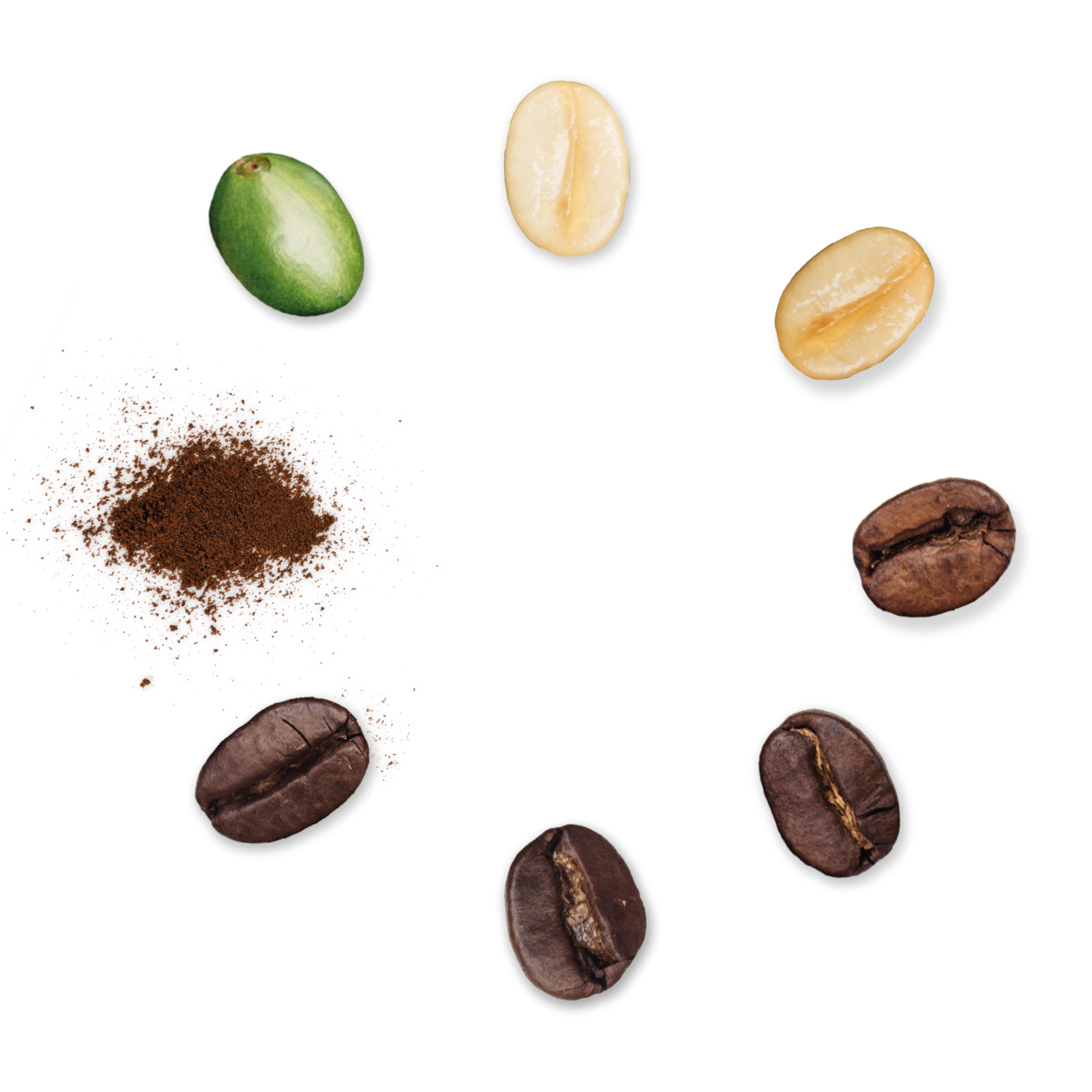
The highly anticipated fourteenth edition of the inter-university Master in Coffee Economics and Science – Ernesto Illy, an initiative by illycaffè and the Ernesto Illy Foundation, officially commences today. This pioneering program provides an all-encompassing educational journey, encompassing the biological, agronomic, technological, and economic facets of coffee, charting the path from coffee cultivation to the final cup.

This year, 25 students representing 18 countries—spanning continents from Argentina and Tanzania to India and Mexico—will participate. The program targets young graduates in fields like economics, engineering, and agricultural sciences, offering a robust academic foundation.

The curriculum features over 430 hours of instruction delivered by 60 distinguished instructors in a hybrid format. Remote classes initiate the program, transitioning to in-person sessions in Trieste by May 2025. A practical project work assignment culminates the course, enabling students to apply their learnings effectively.

Collaborative Support
The program thrives on the collaboration of illycaffè, the Ernesto Illy Foundation, the University of Trieste, the University of Udine, SISSA, and the Area Science Park. This year, additional support comes from the Fondazione Friuli and Fondazione CRTrieste. Sixteen participants benefit from financial aid, including 10 full scholarships and 6 partial ones, provided by the Ernesto Illy Foundation.

Anna Illy, President of the Fondazione Ernesto Illy, highlighted the Foundation’s dedication:
“We are proud to support 16 aspiring professionals in their educational journey. This master’s program epitomizes our commitment to scientific research, education, and sustainability, nurturing talent that will uphold illycaffè’s legacy of quality and innovation. We wish our students great success and envision them as future ambassadors of sustainable coffee.”

Legacy of Excellence
Since its inception, the Master in Coffee Economics and Science has equipped over 272 graduates from more than 30 countries with specialized knowledge, enabling them to contribute to ethical and sustainable coffee practices. These professionals continue to uphold the values of illycaffè, safeguarding the brand’s commitment to sustainable quality coffee.
Coffee Board of India to Introduce National Certifications for Coffee Producers

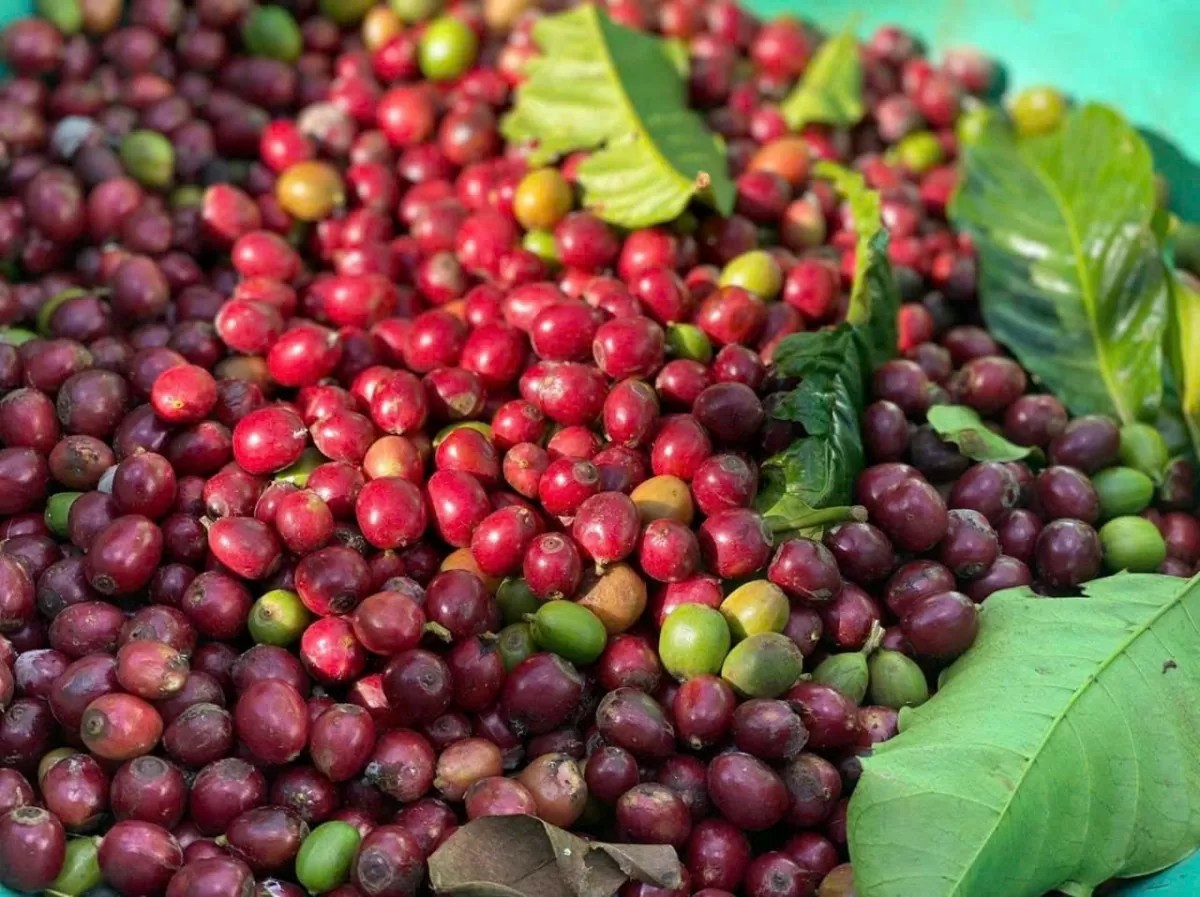
The Coffee Board of India is set to revolutionize the nation’s coffee industry with the launch of new national coffee standards and certification processes. This initiative is designed to help Indian coffee farmers embrace state-backed quality and sustainability standards, positioning Indian coffee as a distinct global brand in international markets.

Addressing Certification Challenges

Currently, approximately 85% of Indian coffee lacks certification due to the prohibitive costs associated with international accreditations like Fair Trade, USDA Organic, and Rainforest Alliance. The absence of such certifications has hindered the global competitiveness of Indian coffee. To address this, the Coffee Board will provide a new quality certification seal free of charge, making it accessible to all Indian coffee farmers.

“Until now, most coffee varieties were certified under international standards that fail to account for the unique growing conditions of Indian coffee,” said Dr. K.G. Jagadeesha, Secretary and CEO of the Coffee Board of India. “Our new certification process will highlight these unique conditions, helping Indian coffee stand out and achieve global recognition.”

Recognizing India’s Unique Coffee Identity

Indian coffee is primarily grown under dense tree shade, a practice that preserves biodiversity and enhances coffee quality. The new certification standards will reflect these unique growing practices, allowing Indian coffee to carve a niche in international markets. The move is also expected to provide Indian farmers with better access to global opportunities, elevating the profile of Indian-grown coffee.

Coffee Production in India

India is the eighth-largest coffee producer globally, with robusta accounting for 72% of the country’s production. Over 70% of this coffee is grown in Karnataka, followed by Kerala at 20%. While up to 80% of Indian coffee is typically exported as a commodity, domestic specialty brands like Blue Tokai Coffee Roasters, abCoffee, and Subko Coffee Roasters are championing single estate and specialty Indian arabica coffee, both domestically and abroad.

Boosting Export Potential

The Coffee Board of India’s new standards aim to increase the export potential of Indian coffee, especially in niche markets where specialty and high-quality coffees are in demand. The certification will not only enhance consistency but also ensure that Indian coffee is grown, processed, and sold to meet international expectations.

Timeline and Next Steps

The Coffee Board has announced that the implementation modules for the new certification processes will be completed by June 2025. Following this, consultations with stakeholders will be held to ensure the procedures are feasible and beneficial for farmers.

The Role of the Coffee Board of India

Established in 1942 under the Ministry of Commerce and Industry, the Coffee Board of India has long been a key player in promoting Indian coffee both domestically and internationally. In addition to its promotional activities, the board conducts research and provides financial assistance to small coffee growers, supporting the industry’s growth and sustainability.

This ambitious initiative by the Coffee Board of India is expected to significantly enhance the global recognition of Indian coffee. By introducing a unique certification process that emphasizes India’s distinctive coffee-growing conditions, the country aims to elevate its coffee industry, empowering farmers to compete in lucrative global markets while preserving the rich heritage and biodiversity of Indian coffee farming.

The Forgotten Element in Specialty Coffee: Rethinking Milk’s Role

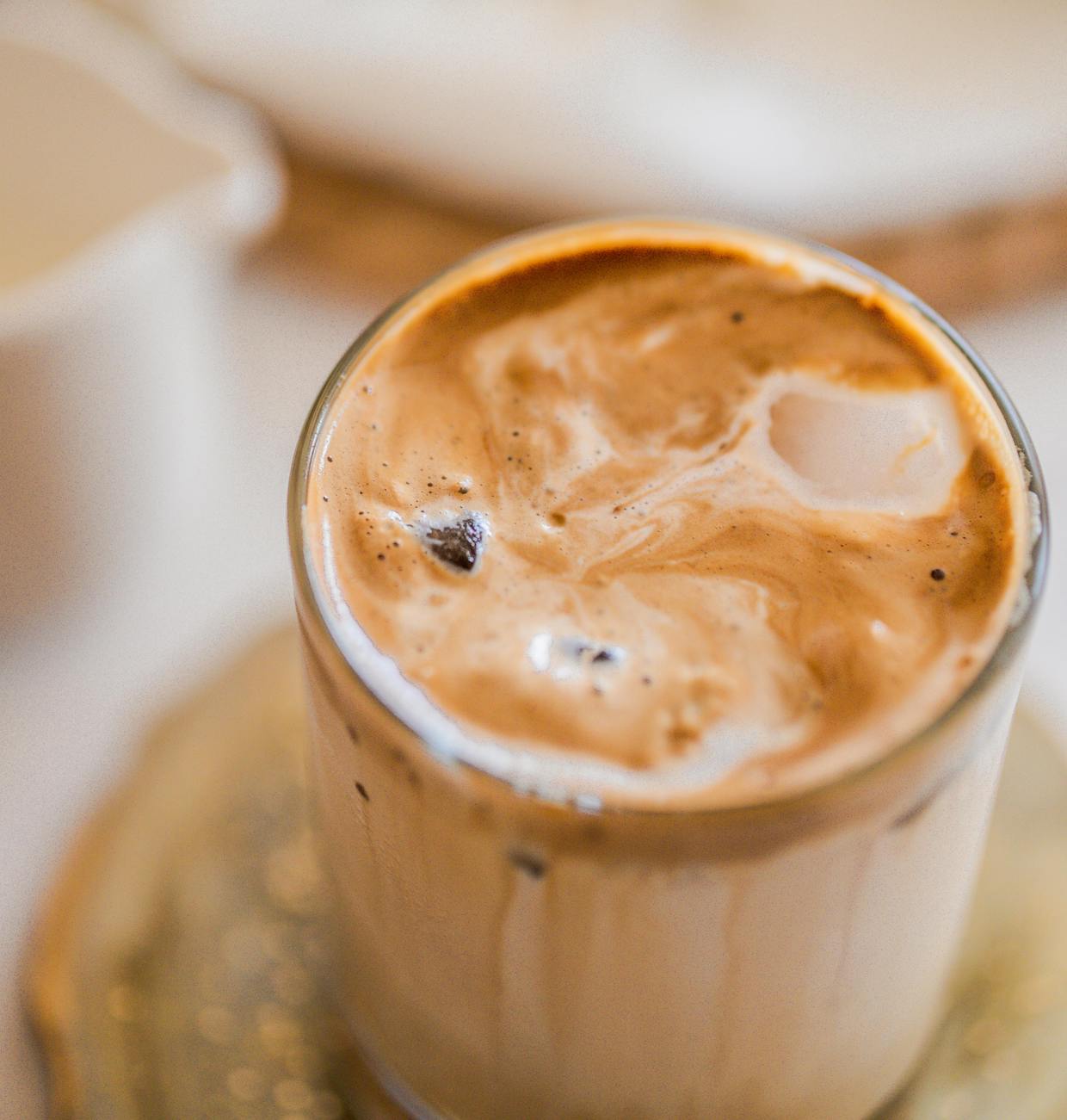
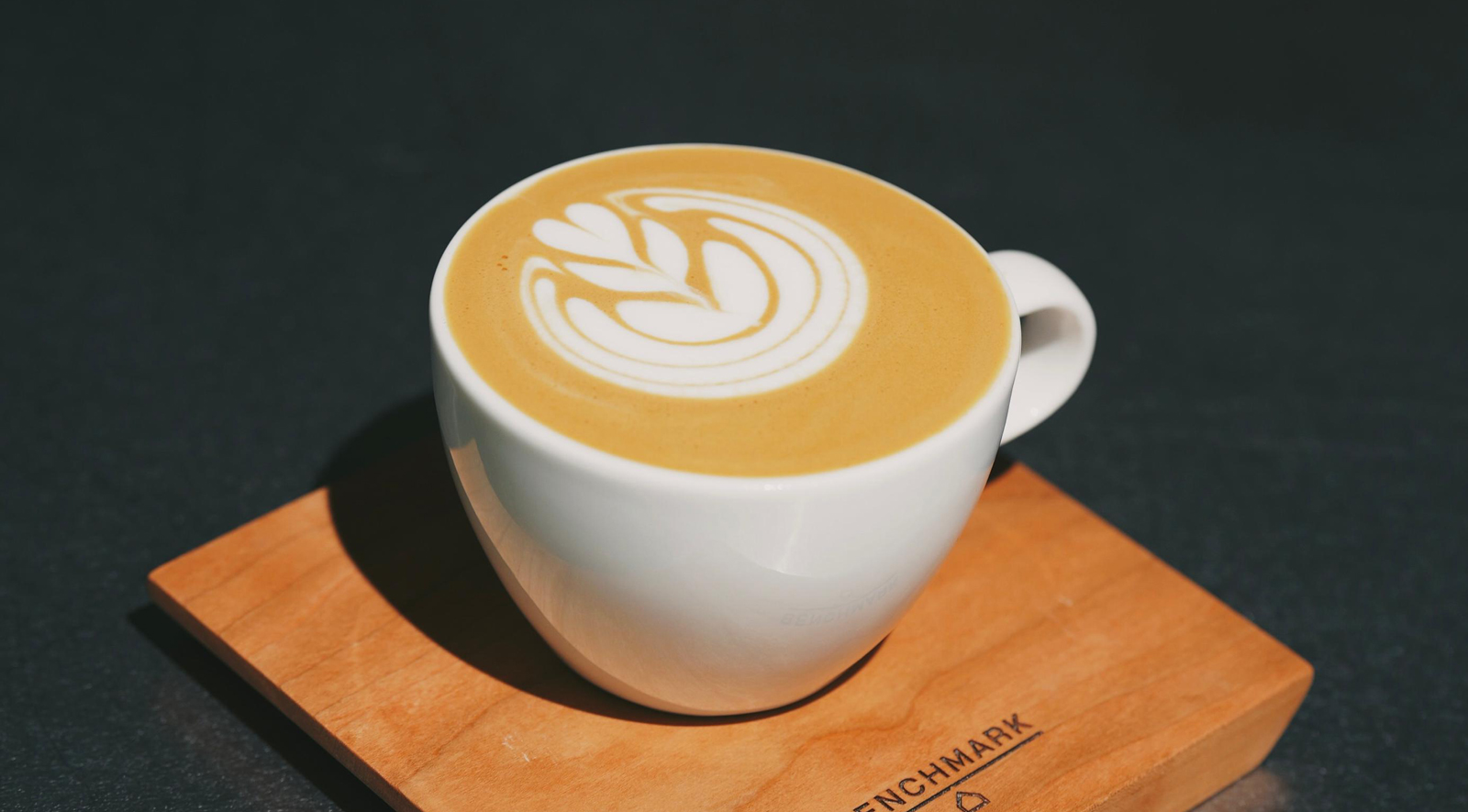
In the intricate world of specialty coffee, where every detail matters, one critical component remains consistently overlooked: milk. Despite its integral role in countless coffee beverages, milk rarely receives the same scrutiny as beans, origins, or brewing methods. This oversight, highlighted by coffee expert and entrepreneur Enea Muskaj, has sparked a crucial conversation about the standards surrounding milk in specialty coffee.

Muskaj’s thought-provoking Instagram post addressed this gap in the industry, arguing that milk should be treated with the same care and precision as single-origin coffee beans. “The Forgotten Element of Specialty Coffee: Milk,” Muskaj wrote. “Having spent a year in the UAE, I’ve noticed an important conversation missing from the specialty coffee scene: milk. Locally sourced, farm-fresh milk isn’t just a nice addition—it’s essential.” His call to action urged coffee professionals to prioritize milk quality, not as an afterthought, but as a defining feature of an exceptional cup.

This sentiment struck a chord, drawing responses from experts and enthusiasts alike, all of whom contributed nuanced perspectives to the discussion.

A Shift in Cultural Perception

Claudia, from Keep Calm and Drink Coffee in Italy, shared her personal evolution in coffee preferences, moving from milk-based drinks to black coffee. Yet, she acknowledged the significant impact milk quality has on beverages like cappuccinos, underscoring the importance of this often-ignored element.

Milk in the UAE: Quality and Awareness

Coffee expert Sayed Naveed provided a deeper look at milk quality in the UAE, where standardized products dominate the market. “For years, I never gave much thought to the quality of milk,” he admitted. However, a recent conversation with Muskaj led him to reflect on factors that influence milk’s taste and nutritional value, from the breed and care of cows to the processes of homogenization and pasteurization. He also raised concerns about how industrial treatments might exacerbate lactose intolerance, emphasizing the need for greater awareness about the milk we consume.

Crafting the Perfect Texture

From Al Ain, UAE, coffee expert Khaled Al Dhaheri shifted the focus to how milk is handled in cafés. “The issue isn’t just about milk quality,” he argued. “It’s about steaming it correctly.” According to Al Dhaheri, improper steaming often results in textures that fail to meet the standards of specialty coffee. “The froth process for cappuccinos, lattes, and flat whites is frequently mishandled, even in high-end cafés,” he noted, calling for a renewed emphasis on technique to ensure each drink achieves its intended texture and flavor profile.

The Larger Problem: A Need for Standards

Al Dhaheri’s observations resonated with Naveed, sparking a candid exchange about the lack of consistency in milk preparation across the industry. “Many cafés, especially in the West, prioritize speed over quality,” Al Dhaheri lamented. “This is not Starbucks. Specialty coffee deserves better.” Both experts agreed that the industry must uphold higher standards, not only in milk sourcing but also in preparation techniques.

The Chemistry of Milk: Insights from Rony Baz

SCA-certified coffee expert Rony Baz added a scientific dimension to the conversation, emphasizing the role milk plays in achieving a balanced cup. With over 60% of a cappuccino’s composition consisting of milk, Baz explained how its fat content, proteins, and lactose contribute to the drink’s texture, foam, and sweetness. He criticized the use of UHT milk in specialty coffee, calling it “pure laziness” and stressing the importance of fresh, whole milk to enhance the coffee experience. Baz also acknowledged the growing demand for alternative milks, such as oat and soy, while noting that they often fail to replicate the results achieved with fresh dairy milk.

Elevating Milk: A New Standard for Specialty Coffee

This dialogue has underscored a fundamental truth: milk is far more than a complement to coffee—it is a key ingredient that shapes the overall experience. The conversation revealed several critical insights:

  1. Milk Quality is Non-Negotiable: Locally sourced, farm-fresh milk enhances flavor and texture, while industrial processes may compromise both.
  2. Steaming Techniques Matter: Proper handling of milk is crucial to achieving the desired consistency and flavor balance in milk-based beverages.
  3. Awareness is Essential: Just as specialty coffee educates consumers about beans, it must also highlight the importance of milk in creating exceptional coffee experiences.

At QahwaWorld, we recognize the need to redefine standards in specialty coffee by giving milk the attention it deserves. This conversation is only the beginning of a broader movement to ensure that every element of coffee, from bean to cup, reflects the highest quality and care.

We invite you, our readers, to contribute to this vital dialogue. Share your thoughts with us at [email protected], and join us in reshaping the future of specialty coffee. Together, let’s elevate every cup.

Morning Coffee: A Key to Longevity and Heart Health

Timing Matters for Coffee’s Health Benefits, Study Reveals

A groundbreaking study suggests that drinking coffee at specific times of the day may significantly impact its health benefits. Researchers from Tulane University in the United States found that enjoying your coffee in the morning could lower your risk of death and heart disease compared to consuming coffee throughout the day.

Key Findings from the Study

The research analyzed data from over 40,000 adults in the U.S. who participated in long-term studies on health, nutrition, and lifestyle. Participants fell into two main groups: morning coffee drinkers and all-day coffee drinkers. The results revealed that:

  • Morning coffee drinkers (36% of participants) had a 16% lower risk of death compared to non-coffee drinkers and were 31% less likely to die from heart disease.
  • All-day coffee drinkers (14% of participants) did not exhibit a reduced risk of death compared to non-coffee drinkers.

The study spanned nearly a decade, during which 4,295 participants passed away. Researchers concluded that higher coffee intake was associated with a lower risk of mortality, but only among those who consumed their coffee in the morning.

Why Morning Coffee?

Lead author Dr. Lu Qi explained the potential mechanisms behind the findings. Drinking coffee later in the day may disrupt circadian rhythms and alter hormone levels, such as melatonin, potentially increasing cardiovascular risk factors like inflammation and high blood pressure.

“Given caffeine’s effects on the body, we wanted to explore whether the timing of coffee consumption influences heart health,” said Dr. Qi. “Our findings suggest that not only does drinking coffee matter, but the time of day you consume it is equally important. Future dietary guidance might need to consider timing.”

Supporting Perspectives

In an editorial accompanying the study, Professor Thomas Luuscher of Royal Brompton and Harefield Hospitals in London noted that many all-day coffee drinkers experience sleep disturbances. He affirmed, “The growing evidence supports the idea that morning coffee is likely to be healthier. Drink your coffee, but stick to morning hours.”

Caffeinated or Decaffeinated: Does It Matter?

The study also found that both caffeinated and decaffeinated coffee offered similar benefits when consumed in the morning. Interestingly, morning coffee drinkers tended to consume less coffee overall but were more likely to drink tea and caffeinated soda compared to all-day coffee drinkers.

Future Directions

While the findings highlight the health advantages of morning coffee, researchers emphasized the need for further studies to validate the results across different populations. Clinical trials are also necessary to explore the potential health impacts of changing coffee consumption patterns.

For now, experts agree: your morning coffee ritual may be more beneficial than you think. So, brew your cup early, and drink to your health!

FDA Approves Coffee with Less Than Five Calories as ‘Healthy’

The United States Food and Drug Administration (FDA) has announced updates to its guidelines on the use of the term “healthy” in food product labeling and marketing claims. According to the FDA, coffee beverages — including those mixed with certain other ingredients — can now be labeled as “healthy” if they contain fewer than five calories per serving.

This change, effective February 25, 2025, reflects the FDA’s effort to align food labeling with the latest Dietary Guidelines for Americans. The revised rules are aimed at helping consumers make informed decisions about foods and beverages that promote a nutritious diet.

Coffee’s Role in the New Definition of ‘Healthy’

The FDA’s five-calorie threshold is particularly significant for the coffee industry, as coffee drinks are among the top contributors to added sugars in the average American diet. Beverages exceeding this calorie limit, especially those with added sugars, fats, or high sodium, will not qualify for the “healthy” label under the updated guidelines.

The Associated Press mentioned that the new FDA regulations also broaden the “healthy” label criteria to include certain foods that were previously excluded, such as nuts, seeds, higher-fat fish like salmon, and certain oils. This marks a significant shift towards modern nutrition science.

Industry Response

U.S. National Coffee Association President Bill Murray applauded the FDA’s decision, stating:
“Decades of robust, independent scientific evidence show that coffee drinkers live longer, healthier, happier lives. The FDA is absolutely right that including coffee in the definition of ‘healthy’ can help consumers choose beverages that support a nutritious diet.”

Broader Implications

The FDA’s updated guidelines are part of a larger initiative to combat diet-related chronic diseases, which remain leading causes of death and disability in the United States. The Associated Press further highlighted that manufacturers will have until February 2028 to fully comply with the new labeling rules, though they may begin implementing the updated “healthy” criteria sooner.


Drinkit Brings It’s Digital Coffee Experience to Mirdif City Centre

Drinkit, the innovative digital-first coffee shop chain, is thrilled to announce the opening of its fifth location in Dubai at Mirdif City Centre. Scheduled to welcome guests from the 16th January 2025, this marks an exciting step in Drinkit’s mission to disrupt the coffee industry by blending technology, exceptional beverages, and personalized service.

Located on the ground floor near Centrepoint and Carrefour, the new store brings Drinkit closer to the local community while reinforcing its presence in one of Dubai’s largest and most popular malls. Spanning 72.56 square meters, the Mirdif store introduces a refreshed design featuring spacious seating areas, comfortable couches, and a prominent LED screen, creating a welcoming and vibrant space for guests to enjoy.

The new store features Drinkit’s innovative digital tools, including smart pick-up counters and ordering kiosks, ensuring a quick and efficient experience for customers. Guests can customize their beverages to their liking, with options for selecting coffee beans, milk types, syrups, and even drink temperature and sweetness, all through the app or kiosks. Guests new to the Drinkit app will enjoy 50% off their first three drinks, making it an ideal time to explore the diverse menu and innovative service. As part of Drinkit’s sustainability commitment, all consumables used in the store are recyclable, and options such as paper straws and incentives for bringing reusable cups are readily available.

Katerina Borodich, CEO of Drinkit UAE, expressed her enthusiasm about the expansion: “At Drinkit, we aim to redefine the coffee experience by seamlessly blending handcrafted beverages with advanced digital solutions. The opening of our Mirdif City Centre location is an exciting opportunity to connect with a predominantly local audience, bringing our phygital concept to one of the most vibrant communities in Dubai. Whether stopping by for a perfectly brewed coffee or exploring our customisable drink options, we look forward to delighting our guests with a seamless and engaging service.”

The opening of the Mirdif City Centre store is part of Drinkit’s broader growth strategy. With existing locations in Emaar Square, Marina Gate Residences, Bay Avenue Mall, and Palm Jumeirah, Drinkit is focused on expanding its presence in prominent malls, community hubs, and business centres. By mid-2025, the brand aims to reach its 10th store in Dubai, with three additional locations already under construction.

Drinkit, founded in 2020, has established itself as a leader in the coffee industry by combining high-quality, handcrafted beverages with advanced digital technology. Its mission is to make exceptional coffee accessible to everyone while minimising waste and promoting sustainable practices.


Saudi Coffee Company Celebrates Southern Farmers by Launching the Second Edition of the “Saudi Excellence Crop” Competition

The Saudi Coffee Company, owned by the Public Investment Fund, announced the launch of the second edition of the “Saudi Excellence Crop“ competition in partnership with the Alliance for Coffee Excellence. This competition aims to educate and empower coffee farmers in the southern region of the Kingdom and celebrate their exceptional crops.

Goals of the Competition

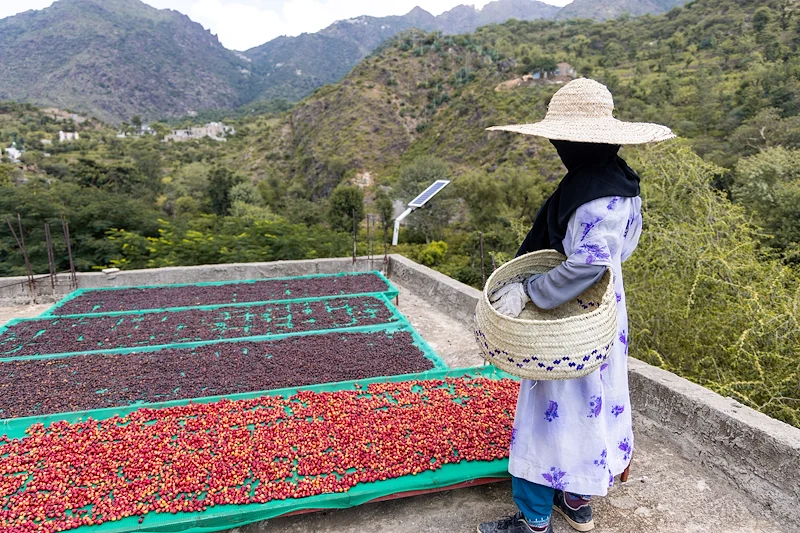
The competition seeks to support coffee farmers in Jazan, Al-Baha, Muhayil Asir, and Rijal Alma, by providing them with a platform to showcase their crops to a specialized judging panel that includes experts from leading coffee-producing markets such as Brazil, Nicaragua, the United Kingdom, Canada, Belgium, the United States, Australia, and Japan.

It also aims to enhance the quality of Saudi coffee by offering farmers guidance on improving crop quality through better soil and water management, using appropriate fertilizers, and adopting modern harvesting and pruning practices.

Participation and Evaluation Process

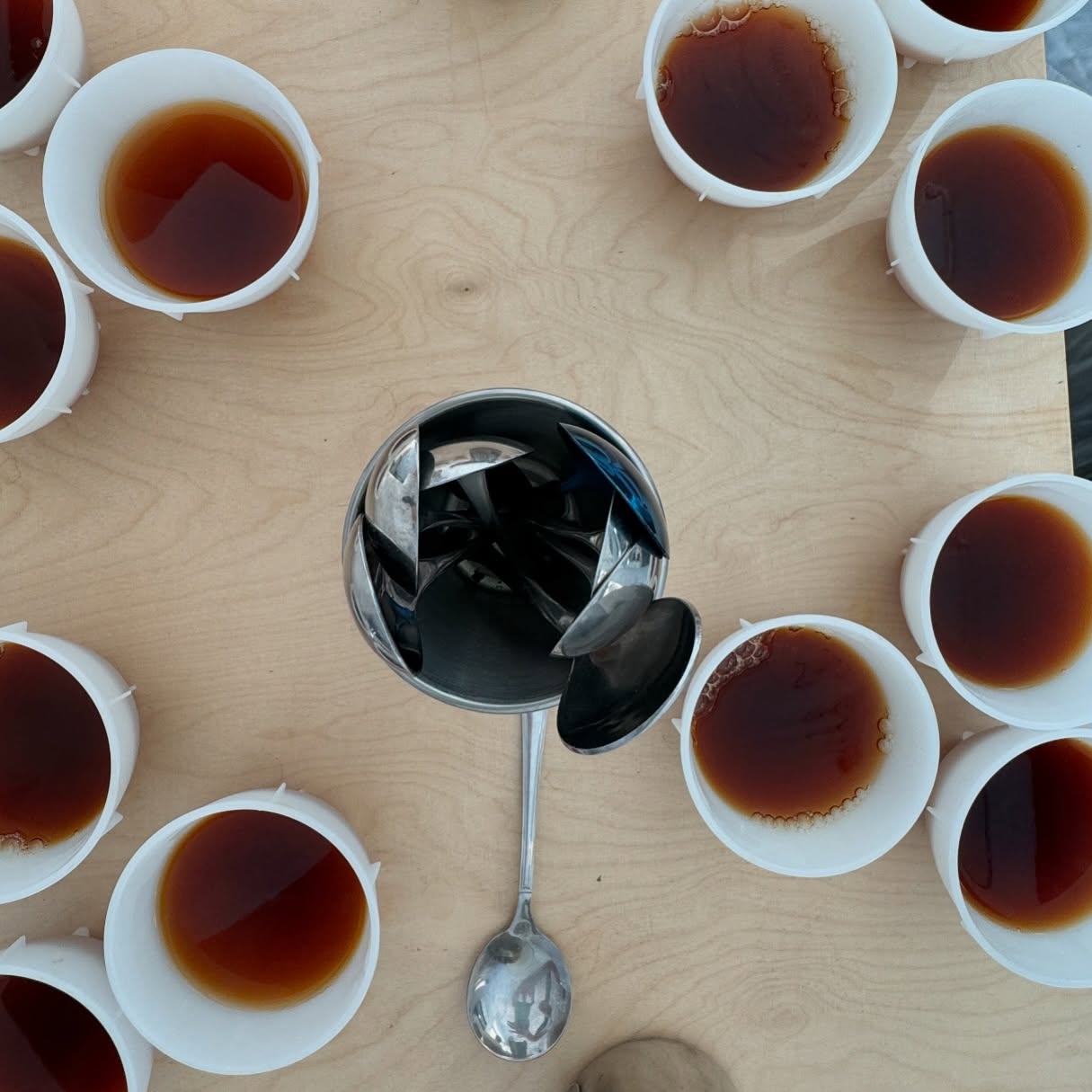
The competition will span a full month, during which farmers are required to submit coffee samples weighing 25 kilograms each. The evaluation process will consist of three main rounds:

  1. First Round: Evaluation of participants’ samples on January 25, 2025, with 40 participants advancing to the next round.
  2. Second Round: Assessment of 20 samples on January 29, 2025.
  3. Final Round: Evaluation of 12 samples on January 30, 2025.

The winners will be announced during the Saudi Coffee International Exhibition.

Prizes and Rewards

The judging panel will select 12 winners from the participating cities, with total cash prizes amounting to SAR 240,000. Additionally, the competition will provide winners with the opportunity to access new markets by connecting them to a network of importers, exporters, auctions, and trade exhibitions, thereby promoting the global reputation of Saudi coffee.

Advancing the Saudi Coffee Industry

Engineer Khalid Abu Dhaib, CEO of the Saudi Coffee Company, stated that this year’s competition will see broader participation in terms of the number of farmers and cities involved, with a stronger focus on improving every stage of coffee production. He highlighted the importance of enhancing the global standing of Saudi coffee and developing the coffee industry in the Kingdom by enabling Saudi farmers to meet global standards for high-quality coffee.

He added that the competition will also offer professional guidance, including how to obtain commercial records and licenses, promote products through packaging, and utilize online platforms to highlight their brands.

Registration and Sample Submission Dates

The company invited farmers interested in participating to submit entry forms and coffee samples weighing 1 kilogram between January 5–9, 2025. Participants qualifying for the first round will be required to submit samples weighing 25 kilograms by January 18, 2025.

This initiative is part of broader efforts to strengthen Saudi coffee production and support local farmers, contributing to positioning the Kingdom as a leading producer of high-quality coffee on the global stage.

Espresso Prices in Ukraine: Where Is Coffee Most Expensive in 2024?

In Ukraine, the average cost of a cup of coffee in 2024 reached 31 UAH, which is 11% higher compared to the previous year. Research conducted by Poster POS and published by Opendatabot reveals that coffee prices continue to rise, with noticeable regional differences.

The most expensive espresso remains in the Odesa region, where a cup costs 40 UAH, reflecting a 20% increase over the year. Following closely are the Lviv region, where a cup costs 39 UAH, and the Volyn region at 37 UAH.

However, not all regions show such high prices. The most affordable coffee can be found in the Khmelnytskyi and Sumy regions, where a cup costs just 28 UAH.

Price Increases and Regional Differences

Since 2021, the price of espresso in Ukraine has nearly doubled, rising from 19 UAH to 33 UAH by the end of 2024. The highest price growth in 2024 was recorded in the Vinnytsia region, where the cost increased by 29%, reaching 31 UAH. The only region where espresso prices remained unchanged was the Kharkiv region, at 34 UAH per cup.

Reasons for Price Hikes

Experts attribute the rise in coffee prices in Ukraine to several factors. Firstly, the increase in raw material costs on the global market. In December 2024, arabica coffee futures on the New York Stock Exchange rose by 4.9%, reaching a record $3434 per pound. The causes included poor harvests and supply chain disruptions. Overall, arabica prices rose by 80% in 2024.

Secondly, domestic inflation, rising logistics costs, and energy prices also play a significant role in price formation.

Why It Matters

Espresso is a key ingredient in most coffee beverages, and its cost directly impacts the prices of drinks in cafes and restaurants. The Espresso Index, which tracks changes in the price of this beverage, is also used to evaluate living standards and consumer spending in various regions.

As coffee prices continue to rise, Ukrainian coffee lovers should prepare for the possibility of further increases in the cost of their favorite beverage.

The Forgotten Element in Specialty Coffee: A Call to Recognize Milk’s Role

In a thought-provoking Instagram post, coffee expert and entrepreneur Mr. Enea Muskaj sparked an important conversation about a commonly overlooked component of specialty coffee: milk. Highlighting insights from a discussion with fellow coffee expert Mr. Sayed Naveed, Muskaj questioned why the industry often neglects milk’s role and its significant impact on the specialty coffee experience.

Muskaj stated, “The Forgotten Element of Specialty Coffee: Milk. Having spent a year in the UAE, I’ve noticed an important conversation missing from the specialty coffee scene: milk. The other day, Naveed and I were discussing this in the office, and it struck me how little attention is given to something so vital. Much like single-origin coffee, milk should be treated with the same level of care and consideration. Locally sourced, farm-fresh milk isn’t just a nice addition—it’s essential.”

He emphasized how poor-quality milk can compromise even the finest coffee, diminishing the “specialty” in specialty coffee. Muskaj urged the coffee industry to prioritize milk quality and give it the recognition it deserves, concluding his post with a call to action: “What’s your take on milk in specialty coffee? Let’s start the conversation.”

The post resonated deeply, shedding light on an often-neglected yet integral element of coffee culture. Milk, like coffee beans, requires thoughtful selection and sourcing to enhance the quality of the final cup. Locally sourced, farm-fresh milk could be the missing link to elevating the specialty coffee experience.

Recognizing the importance of this topic, we at QahwaWorld are supporting Muskaj’s insightful invitation and encouraging our readers to participate in this vital discussion. Milk’s role in specialty coffee deserves a larger platform, and we aim to facilitate an open exchange of ideas among coffee enthusiasts, experts, and industry professionals.

To contribute, we invite you to share your thoughts via email [email protected].

Your opinions will be compiled into a comprehensive report, potentially serving as a foundation for an intellectual symposium on this critical subject in the near future.

Let’s redefine the standards of specialty coffee by giving milk the attention it deserves. Join the conversation today and be part of a movement that could shape the future of coffee culture.


Unlocking the Potential of Coffee Circular Economy: A Path to Global Sustainability

The coffee industry, an essential thread in the fabric of daily life for billions worldwide, has reached a crossroads. With over 10 million tons of coffee produced annually across 12 million farms spread over 10.6 million hectares, coffee is not just a beverage but a cultural and economic powerhouse. Yet, behind the 3+ billion cups enjoyed every day lies a sobering statistic: only 1-5% of the original coffee cherry ends up in the cup, leaving nearly 40 million tons of biomass as waste annually.

This mountain of biowaste represents both a challenge and an opportunity. It highlights the pressing need for more sustainable practices in coffee production and consumption—practices that can unlock hidden value, reduce waste, and create new income streams, particularly in coffee-producing regions.

The Promise of Circular Solutions

The concept of the circular economy is gaining traction across industries, and coffee is no exception. By rethinking how resources are used and reused, circular approaches in coffee can:

  • Generate income and job opportunities, especially in producing countries.
  • Address critical environmental concerns like waste management and carbon emissions.
  • Drive innovation in bio-based products derived from coffee biomass.

In regions like Europe, where 24% of global coffee consumption occurs, or Brazil, a leader in coffee production, adopting circular solutions can have a transformative impact on both local and global scales.

Challenges to Overcome

Despite its promise, implementing a circular economy in coffee is not without hurdles. These include:

  • Knowledge gaps: A lack of widespread understanding of circular practices limits adoption.
  • Regulatory weaknesses: Inadequate policies and frameworks hinder large-scale implementation.
  • Low investment levels: Public-private collaboration and funding remain insufficient to drive systemic change.

These barriers call for coordinated global action, robust investments, and innovative partnerships.

A Global Hub for Change

In response, the newly established Center for Circular Economy in Coffee aims to bridge these gaps. Backed by leading organizations such as the Lavazza Foundation, Politecnico di Torino, the University of Gastronomic Sciences – Pollenzo, the International Coffee Organization (ICO), the International Trade Centre (ITC), and UNIDO, this initiative is creating a global network dedicated to research, innovation, and practical solutions.

The center envisions a world where coffee is not just a product but a sustainable system that benefits everyone involved, from farmers to consumers. Through partnerships, it seeks to implement circular solutions and inspire industries to rethink their approach to coffee waste.

The Road Ahead

With coffee demand growing steadily, the industry has an unprecedented opportunity to lead by example in sustainability. By transforming waste into resources and integrating circular practices, the sector can become a beacon for global sustainability efforts.

As the coffee community rallies behind this movement, it’s clear that the future of coffee lies not just in the cup but in the innovative and sustainable systems built around it. Through collaboration and commitment, we can reimagine coffee as a force for environmental stewardship, economic prosperity, and social inclusion—one cup at a time.

Coffee Prices Decline as Weather Conditions Improve in Key Regions

Global coffee prices experienced notable declines as favorable weather conditions eased supply concerns. On Friday, March arabica coffee contracts closed down 2.51%, while robusta coffee contracts dropped 1.74%.

Rainfall Brings Relief in Brazil

Brazil’s key arabica coffee-growing region, Minas Gerais, recently received 102.8 mm of rain, amounting to 182% of the historical average, according to Somar Meteorologia. This above-average rainfall alleviated fears of prolonged drought, which had previously driven coffee prices higher.

Earlier in December, the consultancy Volcafe projected a significant reduction in Brazil’s arabica output for the 2025/26 season, forecasting a 34.4 million bag harvest, 11 million bags lower than its earlier estimate due to drought. However, the recent rainfall provides much-needed hope for improved crop conditions.

Vietnam’s Robusta Harvest Faces Delays

In contrast, Vietnam, the world’s largest robusta producer, is grappling with heavy rains that have disrupted its coffee harvest. Flooded fields and ongoing downpours have delayed the process, following a 47% year-over-year plunge in November exports. The Vietnam General Department of Customs reported year-to-date exports down 14% at 1.22 million metric tons. Despite these challenges, robusta prices had risen earlier in the week, reflecting concerns over supply constraints.

Rising Coffee Inventories Add Pressure

Increased global coffee inventories have added downward pressure on prices. ICE-monitored arabica stocks rose to a 2.5-year high of 991,080 bags, while robusta inventories hit a 2.5-month high. Additionally, a weaker Brazilian real incentivized export activity, further contributing to bearish market sentiment.

Mixed Global Coffee Production Outlook

The USDA’s December report projected a 4% increase in global coffee production for 2024/25, reaching 174.855 million bags. This includes a 1.5% rise in arabica production and a 7.5% uptick in robusta output. Despite these gains, ending stocks are expected to fall by 6.6% to a 24-year low of 20.867 million bags, reflecting robust consumption growth. The International Coffee Organization (ICO) also noted a 2023/24 coffee production increase of 5.8%, creating a modest surplus of 1 million bags.

Long-Term Concerns Persist

While recent rains have alleviated immediate drought concerns, the long-term impact of El Niño weather patterns remains a concern. Brazil, experiencing its driest conditions since 1981, has seen coffee trees damaged during the flowering stage. Similarly, Colombia is recovering from earlier drought impacts on its arabica production.

In Vietnam, robusta production for the 2023/24 season declined 20%, marking the smallest crop in four years. Projections for the upcoming season remain mixed, with estimates ranging from 27.9 to 28 million bags.

Export Trends Highlight Bearish Signals

Global coffee exports surged by 15.1% in October, the ICO reported, with Brazil’s exports alone climbing 33% year-over-year to a record 47.3 million bags. This increase in supply has contributed to bearish sentiment in the market, despite localized weather challenges in major coffee-producing regions.

The interplay of improved weather conditions in Brazil, disruptions in Vietnam, and growing inventories continues to shape the global coffee market. Traders and stakeholders will closely monitor developments in the coming months as supply-demand dynamics evolve.

India’s Coffee Boom: How Divesh Khushalani Sees the Billion-Dollar Surge as a Game-Changer

India’s coffee industry has reached an extraordinary milestone, with exports surpassing the $1 billion mark for the first time. Between April and November FY24, coffee exports surged to $1.15 billion, a 29% increase compared to $803.8 million during the same period last year. This remarkable achievement highlights India’s evolution into a formidable global coffee exporter, challenging its traditional tea-dominated narrative.

Driving this growth is the sharp rise in Robusta coffee prices. Robusta beans, accounting for over 40% of global coffee production, saw prices soar by 63% this year due to supply constraints in countries like Brazil and Vietnam. By June, Robusta prices hit $4,667 per metric ton on the London-based ICE Futures Europe market, presenting Indian coffee exporters with a unique opportunity.

Insights from Divesh Khushalani on India’s Coffee Transformation

To explore the significance of this milestone, QahwaWorld.com spoke with Mr. Divesh Khushalani, Co-Founder and Managing Director of Kranti Coffee. Sharing his insights, Khushalani described this moment as transformative for Indian coffee.

“This is one of the most challenging questions when you serve a cup of coffee from India,” said Khushalani. “Imagine the possibilities. With an open system, minimal bureaucracy, and progressive producers leading the way, the sky is truly the limit. India’s coffee story is no longer bound by traditional expectations—it’s a revolution in the making.”

Khushalani highlighted a key shift in perceptions: “Gone are the days when better-quality coffees were reserved solely for exports. India has shattered the myth that premium spices, tea, and specialty coffees were confined to being export commodities. Brewing Indian coffees today not only surprises drinkers but also satisfies coffee lovers worldwide.”

He also praised the leadership of the Coffee Board of India, led by Secretary Dr. K.G. Jagadeesha IAS. “Through rigorous training programs and streamlined export facilitation, India has achieved remarkable milestones in the global coffee trade. The dedication of our producers is extraordinary and deserves recognition.”

Resilient Production Amid Global Challenges

India’s coffee-growing regions—Karnataka, Kerala, and Tamil Nadu—have demonstrated remarkable resilience, maintaining stable production levels despite global challenges. Karnataka, the backbone of Indian coffee production, contributed over 248,000 metric tons in 2022-23, ensuring steady supply amidst rising global demand.

European buyers, preparing for the European Union’s Deforestation Regulation (EUDR) set to take effect in December, also boosted demand for Indian coffee. The EUDR aims to curb imports linked to deforestation, presenting both challenges and opportunities for Indian exporters.

Opportunities and Challenges in the Domestic and Global Markets

Khushalani acknowledged the dual challenges of meeting growing domestic and global demand. “The rapidly growing local appetite for coffee within India—rising at double-digit rates annually—poses supply constraints,” he explained.

“But let’s accept the fact: Indian coffees are making a mark globally. With a progressive producer mindset and an unwavering commitment to quality, India is poised to serve the global coffee market like never before,” Khushalani added.

Looking Ahead: A Promising Future for Indian Coffee

India’s diverse coffee regions and versatile cup profiles are increasingly filling gaps traditionally dominated by Brazil, Ethiopia, and Colombia. With its commitment to excellence and innovation, the country is carving a space for itself in both specialty and commercial coffee production.

Khushalani concluded with optimism: “India is here to serve and supply. With its diversity, innovation, and commitment to quality, the future of Indian coffee on the global stage is incredibly bright.”

India’s coffee boom, coupled with strategic leadership and resilient producers, signals a promising future for the nation’s coffee industry. As it continues to redefine global trade dynamics, Indian coffee is well on its way to becoming a cornerstone of the international market.