Innovation in the World of Coffee: Swiss Create a Paste for Brewing Coffee Outdoors

A unique product for travel and outdoor enthusiasts has emerged in Switzerland — coffee in tubes. No Normal Coffee is a revolutionary paste that allows you to brew up to 20 cups of aromatic coffee from a single compact tube. This innovation has already gained popularity among campers and hikers, offering convenience and consistently high quality.

An Idea Born on a Mountain Trail

The creators of the product, Alexander Heberlin and Philipp Greinacher, came up with the concept of coffee in tubes during a hiking trip in Sweden. Alexander carried bulky equipment to brew coffee outdoors, while Philipp relied on instant coffee and sugar sachets. Neither approach met their expectations: the first was too cumbersome and labor-intensive, while the second failed to meet taste standards.

This experience inspired them to think about creating a simple, compact, and high-quality coffee product. Back in Switzerland, the friends recalled their country’s tradition of packaging food in tubes — from mayonnaise to desserts. This sparked the idea of coffee in a similar format.

How to Use Coffee in Tubes?

The paste is made from 100% Colombian Arabica coffee and is suitable for preparing a drink in any conditions. Simply mix 5 grams of the paste with 100 ml of hot water to make a cup of coffee. Those who prefer a stronger taste can adjust the proportions. The finished drink offers a rich aroma with notes of chocolate, caramel, and nuts.

Eco-Friendly and Convenient

The coffee paste is packed in compact, eco-friendly tubes that are easy to carry. The product has a long shelf life of up to one year without refrigeration, making it ideal for long journeys.

Ingredients and Unique Features

The paste contains:

  • Coffee extract and ground coffee (Arabica, Colombia);
  • Swiss beet sugar;
  • Water;
  • Natural thickeners (xanthan gum and acacia gum).

This innovative product is already winning the hearts of coffee enthusiasts worldwide, offering a fresh perspective on preparing a favorite beverage.

2024.. A Year of Challenges and Triumphs for the Global Coffee Market

The coffee market in 2024 proved to be a rollercoaster of unprecedented highs and dramatic turns, leaving an indelible mark on producers, traders, and consumers alike. Starting the year at 177 c/lb, Arabica coffee prices surged to a historic high of 348.35 c/lb on December 9, an astonishing increase of 171.50 c/lb. The market eventually closed the year at 319.75 c/lb, reflecting an impressive 80% rise from January.

Arabica: The Perfect Storm of Supply and Demand

The meteoric rise in Arabica prices can be attributed to a classic case of supply and demand dynamics. Key producing countries like Honduras and Peru reported output declines of around 15%, while projections for Brazil’s pivotal 2025 crop fell short of expectations. Early indicators from Brazilian fields, compounded by Volcafe’s December forecast of an 11-million-bag deficit due to drought, confirmed fears of a supply crunch. If realized, this shortfall could lead to a fifth consecutive year of global coffee deficits.

Volcafe’s projection of just 34.4 million bags of Arabica from Brazil highlights the gravity of the situation, setting the stage for a supply-demand gap of 8.5 million bags in the 2025-26 season.

Robusta: A Parallel Story of Tight Supply

Robusta prices outpaced Arabica in percentage terms, starting 2024 at $2,570/mt and closing at $4,875/mt, marking an 89.5% increase. Vietnam’s 2022/23 harvest underperformed, and hopes are pinned on improved figures for the current season. With Robusta maintaining its elevated price levels, Arabica remains under additional upward pressure, limiting the likelihood of a significant price drop in the near term.

Speculators and the Coffee Market Surge

While supply shortages fueled the initial rally, speculators added significant momentum to the bull market. Coffee emerged as one of 2024’s best-performing commodities, drawing investors eager to capitalize on its growth. Speculators’ strong Net Long Positions suggest continued optimism, though predicting the peak remains elusive.

The Dollar Effect: A Double-Edged Sword

Adding complexity to 2024’s coffee market was the US Dollar’s extraordinary strength. This surge, driven by economic resilience, tempered Federal Reserve policies, and geopolitical factors, amplified the pain for British and European roasters. For instance, a comparison between the 2011 and 2024 spikes reveals that currency dynamics have exacerbated pricing challenges:

  • 2011: 300 c/lb at GBP/USD 1.60 = £4,133/MT
  • 2024: 320 c/lb at GBP/USD 1.25 = £5,643/MT

Such disparities underscore the compounding effects of currency fluctuations on coffee pricing, particularly for international buyers.

The Road Ahead: Navigating Challenges

As 2024 demonstrated, high coffee prices have a cascading impact across the supply chain. From producers and exporters to roasters and consumers, the financial strain requires adaptation and resilience. Many roasters have already implemented price increases, and further adjustments may be inevitable to ensure sustainability.

While 2025 brings uncertainty, the lessons of 2024 are clear: the coffee industry must prepare for continued volatility. Stay informed with our weekly market updates as we navigate the dynamic coffee landscape together.

Strap in—2025 promises to be another unforgettable chapter in the story of coffee.

India Brews Historic Milestone: Coffee Exports Surpass $1 Billion Mark in Record Surge

India’s coffee industry has achieved a groundbreaking milestone, with exports soaring past the $1 billion mark for the first time in history. Between April and November of FY24, coffee exports reached a record $1.15 billion, a 29% increase compared to $803.8 million during the same period last year. This remarkable growth underscores India’s growing prominence in the global coffee market, traditionally overshadowed by its tea exports.

The sharp increase in India’s coffee exports is attributed to a dramatic surge in Robusta coffee prices. Robusta beans, which account for over 40% of global coffee production, saw prices spike by 63% this year, driven by supply constraints in major coffee-producing nations like Brazil and Vietnam. In June, Robusta prices reached $4,667 per metric ton on the London-based ICE Futures Europe market.

India’s premium-quality coffee has successfully captured a significant segment of the global market. While Indian tea struggles to gain similar traction, coffee exports have thrived, driven by the demand for high-grade beans and favorable market dynamics.

Production setbacks in Brazil and Vietnam have further amplified India’s coffee export success. Brazil, the world’s largest coffee producer, has faced reduced yields due to drought and high temperatures, causing its coffee exports to drop significantly. Vietnam, the second-largest producer, also reported lower forecasts, though output is expected to recover partially. In contrast, Indian coffee producers in Karnataka, Kerala, and Tamil Nadu have maintained stable production levels, despite global challenges. Karnataka alone, home to major coffee-producing districts like Chikkamagaluru and Kodagu, contributed over 248,000 metric tons of coffee in 2022-23.

India’s coffee exports have benefited from strategic stockpiling by European buyers preparing for the European Union’s Deforestation Regulation (EUDR), set to take effect in December. This regulation aims to prevent the import of products linked to deforestation, creating market uncertainties for agricultural exports, including coffee. While the EUDR presents compliance challenges for Indian exporters, it has also spurred demand as European buyers secure supplies ahead of potential disruptions. India, with its higher deforestation rates, faces heightened scrutiny, but exporters are adapting to navigate these new regulatory landscapes.

India’s coffee export growth reflects its resilience and ability to capitalize on global market opportunities. With rising prices, strategic positioning, and increasing demand in Europe, India is solidifying its reputation as a key player in the global coffee industry. This historic achievement marks not only a financial milestone but also highlights India’s potential to become a powerhouse in coffee exports, standing tall among the world’s leading producers.

World of Coffee Dubai 2025: SCA UAE Announces Exciting Competitions for Coffee Enthusiasts

The Specialty Coffee Association UAE (SCA UAE) has unveiled an exciting lineup of events for World of Coffee Dubai 2025, set to take place at the Dubai World Trade Centre (DWTC) from 10–12 February 2025. This year’s event promises to be a landmark occasion for the UAE coffee community, featuring both the first-ever UAE National Roasting Championship in the MENA region and the much-anticipated UAE National Barista & Latte Art Championships.

Introducing the UAE National Roasting Championship

In a groundbreaking move, SCA UAE has announced the debut of the UAE National Roasting Championship, the first competition of its kind in the MENA region. This event will shine a spotlight on the skill and precision of coffee roasting, bringing roasters from across the UAE together to compete on a national stage.

Key Details for Competitors:

  • Eligibility: Competitors must be UAE residents for at least two years and hold a valid UAE residence visa.
  • Membership Requirement: Individual SCA Membership is mandatory (register at sca.coffee/membership/become-a-member).
  • Registration Fee: AED 1500.
  • Registration will open soon—stay tuned for further updates!

For additional information, participants can contact [email protected].

UAE National Barista & Latte Art Championships

Adding to the excitement, SCA UAE has officially announced the competitors for the 2025 UAE National Barista Championship, which will be held alongside the Latte Art Championship at World of Coffee Dubai. This year’s lineup features nine talented baristas, each representing the finest coffee establishments in the UAE:

  1. Hibatul Wafi – Settle Down
  2. Hootan Salemi – The QC
  3. Hadjia Kulaba – Meowtropolis Cat Café
  4. Kemal Risyad – Archers Coffee
  5. Aldy Nugroho – The Espresso Lab
  6. Nooran Albannay – Coffee Architecture
  7. Lablilell Bajarias – Heirloom
  8. Sunny Kumar – Individual
  9. Hasanga Lakshan – L’Eto

The UAE National Barista and Latte Art Championships will provide a thrilling showcase of technical expertise, creativity, and passion, as competitors vie for the coveted titles.

Join the Celebration

SCA UAE invites coffee professionals and enthusiasts from across the region to be part of these exciting events. World of Coffee Dubai 2025 will not only feature these competitions but also serve as a hub for coffee innovation, networking, and industry growth. Visitors can register and secure their badges by visiting the official World of Coffee Dubai website.

Whether you’re a competitor, a coffee lover, or a professional in the industry, World of Coffee Dubai 2025 is set to be an unmissable celebration of coffee culture and excellence. Mark your calendars for 10–12 February 2025 and get ready to experience the best of what the UAE coffee community has to offer!

Sweetened Caffeine Disrupts Biological Rhythms: A New Frontier in Circadian Science

What if your favorite sugary coffee drink could do more than just keep you awake? A groundbreaking study by researchers at Hiroshima University, published in npj Science of Food, suggests that sweetened caffeine might fundamentally alter your biological rhythms, shifting your internal clock in ways never observed before.

The study examined the behavior of male mice consuming caffeine paired with sweeteners like sucrose. The results were striking: mice shifted from their natural nocturnal habits to being active during the day, with some showing extended activity cycles lasting 26–30 hours—far beyond the standard 24-hour circadian rhythm. Surprisingly, this effect occurred regardless of whether the central circadian clock, located in the brain’s suprachiasmatic nucleus (SCN), was functional.

The key finding? Sweetened caffeine didn’t just disrupt the central clock—it also desynchronized peripheral clocks in the kidneys, liver, and other organs. Using advanced imaging techniques, researchers observed reduced amplitude and misaligned phases in these clocks, signaling a broader biological disruption.

Why Does This Matter?

Unlike plain caffeine, sweetened caffeine interacts with the brain’s reward system, potentially boosting dopamine production. Dopamine, often called the “feel-good” neurotransmitter, plays a critical role in motivation and pleasure but may interfere with the body’s natural sleep-wake cycle. This could explain why sugary caffeinated beverages, so beloved for their flavor, might also be uniquely disruptive to biological rhythms.

The findings could have profound implications for human health. Sweetened caffeine products—like energy drinks and sugar-laden coffees—are staples in many diets. If similar effects occur in humans, this raises concerns about how these beverages may contribute to sleep disorders, metabolic dysfunction, and even long-term health risks.

The Bigger Picture

Caffeine has long been studied for its effects on alertness and performance. However, this study sheds new light on the interplay between caffeine, sweeteners, and circadian biology. While plain caffeine has been shown to extend activity cycles in previous research, the addition of sugar creates a unique impact, indicating that dietary habits might shape our internal clocks in unexpected ways.

As the researchers point out, much remains unknown about the mechanisms driving these effects. Are they specific to mice, or could humans experience similar disruptions? Could the dopamine boost from sweetened caffeine contribute to addiction-like behaviors, further compounding its impact on health? These are questions the research team hopes to explore in future studies.

What Does This Mean for Your Morning Cup?

While caffeine is often celebrated as a productivity booster, this study suggests that pairing it with sugar might come at a cost. Sweetened caffeinated beverages could desynchronize your internal rhythms, potentially affecting sleep quality, mood, and overall health.

This research is a wake-up call for those who rely on sugary energy drinks or lattes to power through their day. It highlights the need to reconsider how our favorite drinks influence not just our energy levels but our bodies’ fundamental biological processes.

As science delves deeper into the relationship between diet and circadian biology, one thing is clear: the seemingly harmless combination of caffeine and sugar might be far more complex—and impactful—than we ever imagined.

Russia Increases Import Duties on Coffee and Other Goods from Unfriendly Countries

Starting January 1, 2025, Russia will implement increased import duties on goods imported from countries deemed unfriendly. The updated list includes roasted and instant coffee, meat and fish products, confectionery, pasta, sauces, non-alcoholic beverages, and other processed foods. The duty increase on coffee is particularly significant, with rates rising from the current 8% and 7.5% to 13% and 17.5%, respectively, which could substantially affect coffee prices in Russian stores.

Among other categories, beer and cider see the most dramatic changes, with import duties increasing from a symbolic €0.1 to €1 per liter—a tenfold rise. Additionally, canned vegetables, fruits, nuts, perfumery and cosmetic products, and household chemicals are also subject to higher duties. On average, duty rates will increase by 10 percentage points, reaching between 20% and 50%, depending on the product category.

The Russian Ministry of Economic Development stated that this decision was made as part of a systematic response to sanctions imposed on Russia. The increased duties aim to encourage import substitution, attract investment, and stimulate the development of domestic production. Ministry officials emphasized that imports from friendly and neutral countries would continue under standard tariffs, ensuring market competition and a wide range of products.

Higher import duties were first introduced under Government Resolution No. 2240 in 2022. Initially, the list included weapons, perfumery, wine, beer, and construction materials. Over time, the list expanded to include batteries and confectionery. In December 2024, the resolution was extended until the end of 2025, with additional products added to the list of goods subject to increased duties.

The decision to increase coffee duties is particularly significant for the Russian market. While coffee is not grown domestically, the country has significant potential to develop local roasting and processing industries. In recent years, the number of specialized coffee roasting facilities has grown, creating opportunities for high-quality production. However, the sector remains dependent on imported raw materials from countries like Brazil, Vietnam, and Colombia.

Experts note that the impact of the new duties on coffee prices will largely depend on global price trends. In recent years, coffee bean prices have shown significant fluctuations, already affecting beverage costs. If global prices decrease, retailers may offset the increased duties with more favorable procurement costs. However, if raw material prices remain high or rise further, an increase in coffee prices in Russia will be inevitable, especially for premium varieties.

The higher duties raise questions about whether Russian businesses can effectively substitute imports and create competitive products. The successful development of local brands and high-quality coffee production could help minimize the impact on consumers. At the same time, the sharp rise in the cost of imported goods, particularly in the premium segment, may present new challenges for both retailers and consumers. While the government’s decision aims to support the domestic market, it represents a critical test for the Russian economy as a whole.

Yemen: Coffee Cultivation Replacing Qat – A Dream Amid Challenges

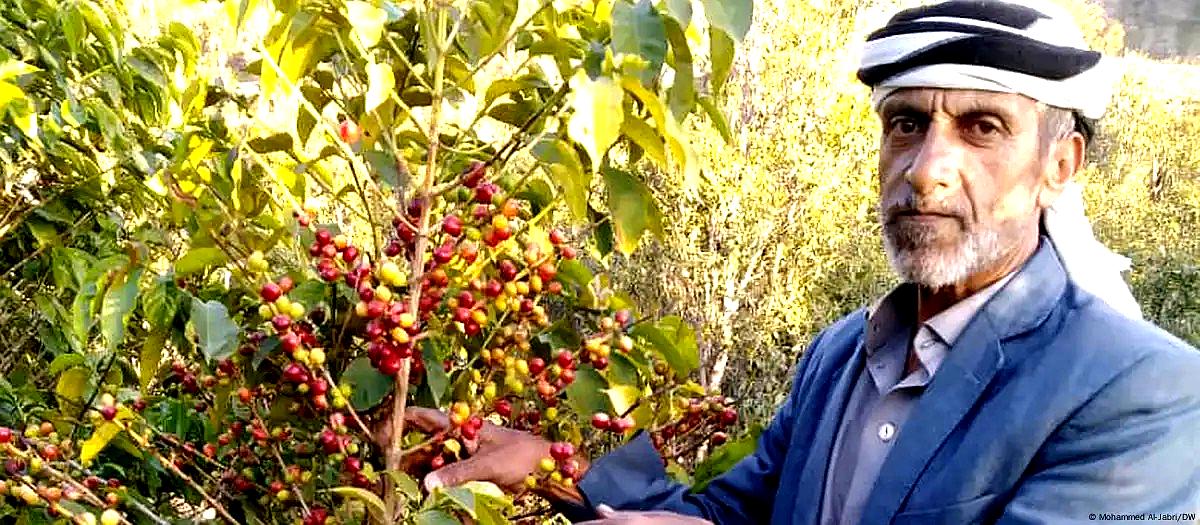
Under the title “Yemen: Coffee Cultivation Replacing Qat – A Dream Amid Challenges”, the renowned German platform Deutsche Welle published an in-depth report by journalist Qanaf Al-Saqatari. The report explores the notable shift in Yemen, where farmers are increasingly transitioning from cultivating qat to growing coffee. This transformation, while promising, faces numerous challenges.

The report highlights inspiring stories of Yemeni farmers who have undertaken the bold step of uprooting qat plants to replace them with coffee trees. Among these is Ahmed Abdullah, a farmer from Amran Governorate, who shares his journey: “My father and I uprooted more than 2,000 qat trees and replaced them with coffee plants.” Ahmed describes the decision not only as economically beneficial but also as an effort to preserve what he calls “the blessed tree.” Despite the absence of governmental support, Ahmed asserts that their experiment has been a 100% success, achieving self-sufficiency through perseverance and determination.

Reviving Yemen’s Coffee Legacy

Yemen holds a historically significant position in the coffee world, being one of the oldest producers of high-quality coffee. The famous Mocha coffee owes its name to the Yemeni port of Al-Mokha, which once served as a central hub for global coffee exports. However, over the past decades, qat cultivation has overshadowed coffee farming, consuming vast agricultural lands. Today, many Yemeni farmers are revisiting this legacy, driven by cultural pride and the desire to restore Yemen’s coffee heritage.

Limited Support Amid Significant Challenges

Despite the growing interest in coffee farming, numerous obstacles hinder progress. Water scarcity remains the most pressing issue, exacerbated by the lack of infrastructure such as rainwater storage tanks. Ahmed Abdullah highlights another challenge: imported coffee being re-exported under the label of Yemeni coffee, which harms both local farmers and the national economy.

Nevertheless, coffee cultivation is increasingly seen as a viable alternative to qat farming. Yemen’s Ministry of Agriculture and Irrigation has distributed millions of coffee seedlings in recent years to expand the cultivation area. Additionally, the United Nations Development Programme (UNDP) launched a project to support the shift “from qat to coffee,” emphasizing that coffee requires less water compared to qat, making it a sustainable choice amid Yemen’s water crisis.

Inspiring Farmer Stories and Agricultural Renewal

The experiences of Yemeni farmers reflect a strong determination to make this vision a reality. Taha Ahmed, a 50-year-old farmer from Ibb Governorate, renewed his coffee plantation by replacing aging coffee trees with improved seedlings. He notes that coffee farming requires fertile soil and sufficient water, making careful planning essential for its expansion.

Ahmed Abdullah, meanwhile, urges other farmers to embrace coffee cultivation, stating: “This tree is our pride. By cultivating it, we can safeguard ourselves from poverty, revive the glory of our ancestors, and achieve self-sufficiency.”

International Efforts Toward Sustainability

The UNDP has been analyzing the value chain of qat and coffee farming to provide recommendations for enhancing the coffee value chain and offering alternative livelihoods to Yemeni farmers. According to the program’s studies, qat farming consumes 40% of Yemen’s water resources and occupies 15% of its agricultural land, severely impacting sustainable farming. In contrast, coffee farming uses fewer resources and offers a more sustainable economic alternative.

A Dream on the Horizon

Despite the difficulties, experts and farmers alike agree that coffee cultivation has the potential to become a sustainable economic alternative in Yemen. Greater governmental support and the introduction of modern agricultural tools and techniques are essential to overcoming the challenges. As efforts persist, Yemenis are steadily advancing toward reviving their agricultural legacy, with hopes of restoring Yemen’s prominence as a global coffee producer.

Baristas’ Earnings Worldwide: Global Insights into Hospitality Sector Salaries

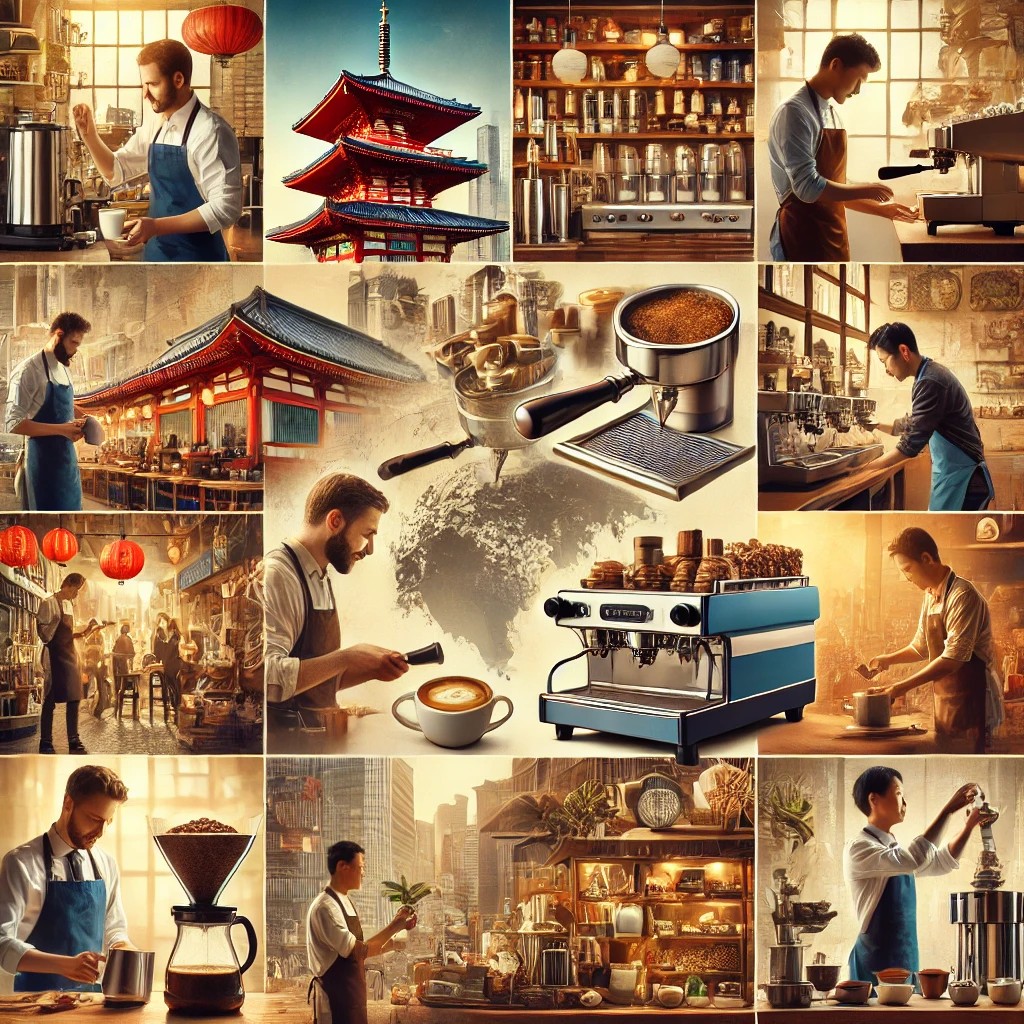
The global coffee industry continues to flourish, and baristas remain at the heart of this dynamic sector. As 2024 draws to a close, new data reveals fascinating insights into the earnings of baristas worldwide, showcasing regional disparities and industry trends that reflect the diverse nature of coffee culture across the globe.

Average Barista Salaries Across Regions

Baristas’ salaries vary widely depending on geographic location, cost of living, and the maturity of the specialty coffee market in each country. Here is an overview of average earnings in key regions:

  • North America: In the United States, baristas earn an average of $28,000 to $35,000 annually depending on experience, with cities like Seattle and San Francisco offering higher wages due to the prominence of specialty coffee. In Canada, the annual average ranges from CAD 25,000 to CAD 35,000.
  • Europe: Countries with a well-established café culture, such as Sweden and the UK, report average earnings of €20,000 to €30,000 annually, with tips providing an additional income boost. In countries like Italy, where coffee culture leans heavily toward traditional espresso bars, wages are often lower, averaging €12,000 to €18,000.
  • Asia: Salaries in rapidly growing specialty coffee markets like South Korea and Japan are competitive, with baristas earning between ₩20 million and ₩30 million (South Korea) and ¥2.5 million and ¥4 million (Japan) annually. Emerging markets such as India and Vietnam show lower averages, ranging from $6,000 to $12,000 per year.
  • Australia and New Zealand: Baristas in Australia earn AUD 58,556 annually, one of the highest global averages, reflecting a strong café culture and competitive job market. New Zealand salaries range from NZD 40,000 to NZD 50,000.
  • Africa: In countries like Ethiopia and Kenya, where coffee production dominates, barista salaries are typically lower, averaging $4,000 to $8,000 annually, with most baristas employed in urban areas or international hotel chains.
  • South America: In coffee-producing nations like Brazil and Colombia, baristas earn between $5,000 and $10,000 annually, reflecting lower labor costs and the focus on coffee production over café culture.

Gender Pay Disparities in the Industry

Across the globe, gender pay gaps persist in the hospitality sector. In many countries, female baristas earn slightly less than their male counterparts due to systemic issues such as unequal access to senior positions or full-time roles. For example:

  • In the UK, female baristas earn on average £1,500 less per year than men.
  • In the U.S., women in the hospitality industry make 82 cents for every dollar earned by men.

Challenges Impacting Baristas’ Incomes

Despite the global popularity of coffee, baristas face several challenges:

  • Tipping culture: In regions like North America, tipping significantly supplements baristas’ incomes. However, economic pressures and changes in consumer behavior have led to declines in tipping, as observed in the U.S. and Canada in 2024.
  • Staffing shortages: The hospitality industry worldwide has struggled with staffing issues post-pandemic, driving wages up in some markets but also leading to burnout among workers.
  • Cost of living: In regions with high costs of living, such as major European cities or Japan, baristas often struggle to meet expenses despite earning higher wages than their counterparts in less expensive regions.

The Rise of Certifications and Specialty Coffee Roles

The growth of the specialty coffee industry has created opportunities for baristas to enhance their skills and earn higher wages. Certifications like the Specialty Coffee Association’s (SCA) Barista Skills modules and Q-Grader credentials are increasingly recognized as pathways to better pay and career advancement. In markets like Dubai, Singapore, and Melbourne, skilled baristas can earn premium salaries, often exceeding $50,000 annually.

The Missing Data: Independent Café Owners

While baristas’ earnings are well-documented in many regions, the incomes of independent café owners remain elusive. These vary significantly based on business location, operational costs, and local coffee culture. Owners in high-demand cities such as New York, London, and Sydney often report higher earnings but also face steep overhead costs.

A Global Perspective on Barista Earnings

As the coffee industry continues to evolve, the role of the barista becomes more prominent worldwide. However, wages remain influenced by regional economic factors, gender dynamics, and the structure of local hospitality markets. With certifications, skill development, and industry advocacy, there is potential for baristas to achieve more equitable and competitive earnings in the coming years.

From bustling metropolitan cafés to cozy rural coffeehouses, the global barista workforce embodies the passion and diversity of coffee culture, making them essential contributors to the world’s most beloved beverage industry.

The Art, Science, and Future of Coffee Roasting: Tradition Meets Innovation

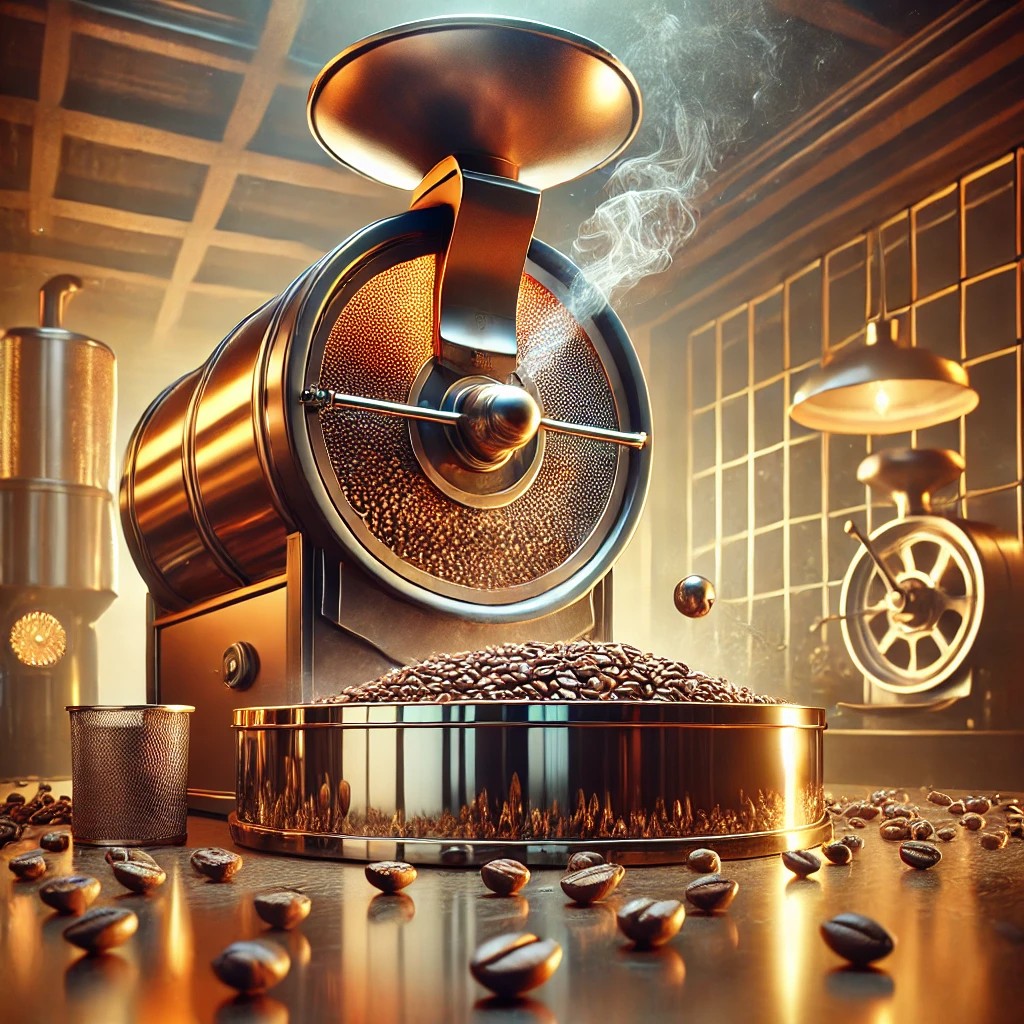
Coffee roasting is more than a craft; it’s a symphony of science, art, and intuition. It transforms raw, green coffee beans into the aromatic treasures we savor in every cup. For centuries, roasting has been a sensory-driven process, guided by sight, sound, and smell. But today, the story of coffee roasting is evolving—technology and artificial intelligence (AI) are adding new dimensions to this ancient practice.

This is the story of how time-honored techniques blend with cutting-edge innovation to shape the flavors and emotions we associate with coffee.

The Journey from Green Bean to Perfection

Roasting is a thermal process that triggers chemical reactions—such as the Maillard reaction and caramelization—to develop the beans’ flavor, aroma, and texture. At its core, roasting is a balance of time, temperature, and sensory skill. Each stage, from the first crack to the final cooling, determines whether the coffee will be bright and fruity or bold and smoky.

But roasting is not a one-size-fits-all process. It is influenced by multiple factors, including the beans’ origin, processing method, drying technique, and storage conditions.

Factors That Shape the Roasting Process

Processing Methods and Their Impact

The post-harvest treatment of coffee beans plays a critical role in how they respond to heat during roasting:

  • Washed Process: Produces clean, uniform beans with bright, acidic flavors. Ideal for light roasts to highlight clarity.
  • Natural Process: Beans dried inside the fruit develop fruity, wine-like notes. These beans benefit from slower roasting to manage moisture variability.
  • Honey Process: A hybrid method that combines sweetness with complexity but requires precision to avoid over-caramelization.

Drying Techniques

The drying phase determines moisture content and consistency:

  • Sun-Dried Beans: Slightly uneven moisture levels require careful roasting to achieve uniform results.
  • Mechanical Drying: Provides consistency, ensuring predictable roasting behavior.

Origin and Bean Density

  • Beans from higher altitudes are denser and require more energy to roast, often producing vibrant and complex flavors.
  • The terroir—soil, climate, and region—imparts unique characteristics that the roaster works to enhance.

Coffee Roasting Levels: An Artistic Spectrum

From light and bright to dark and bold, roast levels reflect the roaster’s skill and the bean’s potential:

  • Light Roast: Retains the bean’s original characteristics with high acidity and fruity notes. Perfect for single-origin coffees.
  • Medium Roast: Balances acidity, sweetness, and body, appealing to a wide range of palates.
  • Medium-Dark Roast: Rich and full-bodied with caramel and chocolate tones. Often chosen for espresso.
  • Dark Roast: Bold and smoky, with a dominant roasted flavor, ideal for strong brews.

The Role of Technology and AI in Modern Roasting

Preserving the Artistry

Despite the introduction of AI and automation, technology doesn’t replace the roaster—it empowers them. AI acts as a co-pilot, enhancing consistency while allowing roasters to focus on the creative aspects of their craft.

Precision and Consistency

AI-driven roasting machines monitor variables like temperature, airflow, and time in real-time, adjusting them dynamically to ensure perfection. This precision eliminates guesswork and delivers consistent results across batches.

Unlocking New Possibilities

  • Data-Driven Experimentation: AI analyzes historical data to predict optimal roasting profiles for new beans, reducing trial and error.
  • Energy Efficiency: By optimizing energy use, AI systems make the roasting process more sustainable, aligning with the coffee industry’s environmental goals.

Case Study: The AI Roaster

Imagine a roaster named Sarah, who used to rely solely on sensory cues. After adopting an AI-powered roaster, Sarah was able to perfect complex profiles for natural-processed Ethiopian beans. The AI’s real-time adjustments allowed her to focus on blending and exploring innovative profiles, elevating her craft to new heights.

The Emotional Connection: Why Roasting Matters

Roasting is where the coffee’s story comes to life. It’s a bridge between the farmer’s hard work and the consumer’s experience. Each crack, aroma, and color change is a testament to the roaster’s dedication to honoring the bean’s journey.

With technology as a partner, roasters can now preserve the artistry while pushing boundaries. It’s not just about creating flavors; it’s about crafting memories in every cup.

The Future of Coffee Roasting: What Lies Ahead?

The future of coffee roasting is one of collaboration between human intuition and technological innovation:

  • Personalized Coffee: AI could enable tailored roast profiles for individual preferences, creating bespoke coffee experiences.
  • Global Sustainability: Advanced systems will minimize waste and energy use, contributing to a greener planet.
  • Enhanced Storytelling: Roasters may leverage AI to trace and share the unique journey of every batch, connecting consumers more deeply with their coffee.

A Perfect Blend of Tradition and Technology

Coffee roasting has come a long way—from ancient open flames to modern AI-powered roasters. Yet, at its heart, it remains an act of transformation and creativity. The future of roasting is bright, blending tradition, innovation, and sustainability to ensure that every cup tells a story worth savoring.

Coffee Enters the Blockchain: Agridex Completes Its First Transaction on Solana

A groundbreaking milestone in agricultural trade has been achieved with Agridex, a real-world asset tokenization platform built on the Solana blockchain, completing its first coffee transaction. The deal was executed by the UK-based coffee brand Tiki Tonga Coffee, which exported premium coffee to South Africa. Payments were made in South African Rand, with settlements completed in British Pounds using the blockchain. According to the company, transaction fees were as low as 0.5%, significantly lower than the conventional rates of 5% to 7%, and the settlement was instantaneous, compared to the traditional timeframe of 5 to 12 days.

Brad Barrett, the founder of Tiki Tonga Coffee, highlighted that the transaction not only reduced costs substantially but also simplified the administrative burden associated with documentation and compliance, showcasing the efficiency of blockchain-powered trade. This breakthrough marks a significant step forward in modernizing agricultural transactions.

Beyond coffee, Agridex provides instant settlement solutions for a variety of agricultural commodities, including livestock, wine, and olive oil. The platform reported managing transactions valued at $4.5 billion in collaboration with global agricultural partners. Recently, Agridex raised $9 million in a funding round supported by prominent firms such as Citadel, Goldman Sachs, and Palantir, bolstering its presence in the growing market of agricultural asset tokenization.

Experts regard real-world asset tokenization as a revolutionary application of blockchain technology. By converting assets like crops, farmland, and carbon credits into digital tokens, the process makes these assets more accessible to a broader audience, reduces investment barriers, and enables more cost-effective transactions. John Trask, CEO of agricultural technology company Dimitra, emphasized that this approach addresses key challenges in agriculture, such as inefficiencies, supply chain opacity, and environmental degradation, while driving sustainability and operational improvements.

Henry Duckworth, co-founder of Agridex, further noted that blockchain empowers farmers to sell their products directly to buyers without relying on costly intermediaries, unlocking new opportunities for growth and profitability.

From an economic perspective, agriculture contributes 5.5% to the United States GDP, with the total value of U.S. farmland surpassing $3 trillion, according to the Bureau of Economic Analysis. As market analysts predict the tokenized asset market to reach trillions of dollars by 2030, blockchain technology is set to play a pivotal role in reshaping global trade, providing unprecedented investment opportunities and operational efficiencies for the agricultural sector.

150% Growth in Coffee Consumption in China Over the Past Decade


The annual report released by the United States Department of Agriculture on global coffee markets revealed a significant increase in coffee consumption in China, which grew by 150% over the past decade. Consumption is expected to reach 6.3 million bags (weighing 60 kilograms each) in the 2024/2025 season.

The report noted that domestic coffee production in China is estimated at only 1.9 million bags during the same season, making the country heavily reliant on imports to meet the growing demand. High-quality green coffee now accounts for more than 60% of total imports.

This shift reflects a major change in consumption patterns among young professionals in major cities such as Beijing, Shanghai, Guangzhou, and Shenzhen. Additionally, markets have expanded into smaller cities like Chengdu, Hangzhou, Suzhou, and Chongqing, supported by local companies offering online shopping and delivery services.

Globally, the report projected that production will rise to 174.9 million bags in the 2024/2025 season, an increase of 6.9 million bags compared to the previous season, driven by production recovery in Vietnam and Indonesia. Global consumption is expected to reach 168.1 million bags, with the highest growth rates recorded in the European Union, the United States, and China.

Regarding coffee-producing countries, the report highlighted that Brazil remains the largest producer and exporter of coffee, with an expected production of 66.4 million bags, followed by Vietnam at 30.1 million bags as it recovers from drought impacts over the past two seasons.

Despite the growth in production, the report pointed to a decline in global coffee stocks by 1.5 million bags, reducing total stocks to 20.9 million bags, reflecting continued strong demand.

China stands out as an example of integrating coffee into a new consumption culture in a country historically associated with tea as the primary beverage. Coffee is cultivated in China, primarily the Arabica variety, in Yunnan Province at altitudes ranging between 1,000 and 2,000 meters above sea level, with growing interest in planting varieties like Bourbon and Typica to enhance the quality of local production.

China’s coffee imports have risen significantly over the past decade, reaching 5.5 million bags in the current season, with expectations of an increase to 5.6 million bags in the 2024/2025 season. This growth is largely driven by the rise in green coffee imports, which surged from 900,000 bags in the 2014/2015 season to a projected 3.6 million bags. While Vietnam and Indonesia were initially the main suppliers, Brazil and Colombia have since taken the lead.

Although demand for instant coffee has remained relatively stable at around 1.8 million bags, overall consumption is expected to continue its upward trajectory, solidifying China’s position as a key driver of global coffee demand.

Chinese Coffee Equipment Competes with Established Global Brands

The global coffee equipment market is undergoing a significant transformation as Chinese manufacturers emerge as strong competitors to long-established Western and Japanese brands. Thanks to advanced technologies, competitive pricing, and highly developed manufacturing processes, Chinese companies are reshaping the perception of “Made in China” in the coffee equipment industry.

For years, “Made in China” was often associated with low-cost production and modest quality. However, it now stands as a symbol of innovation and high standards.

Leading brands like Timemore and Anysort are spearheading this transformation in the coffee equipment sector, offering a variety of advanced products. These include elegant manual grinders and AI-powered optical sorting machines, all at prices significantly lower than their Western counterparts. For instance, high-tech optical devices that typically sell for over $60,000 from European companies are now available for around $10,000 from Chinese manufacturers. This price difference, achieved through China’s efficient manufacturing systems, does not come at the expense of performance or reliability.

European, American, and Japanese brands have historically dominated the coffee equipment market, recognized for their premium quality and high prices. Brands like Mahlkönig, La Marzocco, and Diedrich are synonymous with craftsmanship and customer loyalty.

In contrast, Chinese products were traditionally seen as lower-quality alternatives. However, this perception is rapidly changing. Chinese manufacturers have invested heavily in research and development, innovative design, and meticulous production techniques. As a result, they now produce equipment that matches—and sometimes exceeds—the quality of established brands. For example, Timemore’s sleek grinders and precision kettles have garnered global recognition, while Anysort has made advanced technology accessible to a broader audience with its affordable pricing.

A Revolution in Coffee Technology

China’s rise in the coffee equipment market is part of a broader trend of its brands excelling in industries like electronics, automobiles, and now coffee. These brands consistently demonstrate their ability to deliver innovative, high-quality products at competitive prices.

In 2023 alone, China exported 95.5 million coffee machines worth $2.1 billion, according to the General Administration of Customs of China. These exports covered a wide range of equipment, from drip coffee makers to advanced espresso systems, reflecting China’s growing impact on the industry.

The competitive pricing of Chinese coffee equipment has expanded access to advanced technologies, benefiting a wider range of users. Specialty cafes, small-scale farmers, and emerging markets can now afford tools that were previously out of reach financially.

For instance, affordable optical sorting devices help producers in regions like Africa and Latin America enhance the quality of their beans, allowing them to fetch higher prices and compete in premium markets. Similarly, small cafes can now invest in reliable grinders and brewing equipment without exceeding their budgets, enabling them to focus on other aspects of their operations.

The rise of Chinese coffee equipment poses a significant challenge to traditional brands. With comparable quality at lower prices, Chinese manufacturers are compelling established companies to innovate, reduce costs, and enhance their offerings.

Although traditional brands still hold a prestigious reputation, Chinese companies are rapidly closing the gap. They are doing so by improving their designs, adopting cutting-edge technologies, and strategically expanding into new markets. This shift highlights China’s ability to penetrate and reshape niche markets historically dominated by well-established players.

The success of Chinese coffee equipment represents more than just a change in manufacturing trends; it marks a new chapter for the global coffee industry. By combining quality, innovation, and affordability, Chinese brands are redefining the market.

As competition grows, coffee professionals and businesses worldwide will benefit from a broader range of options and more competitive pricing. For traditional manufacturers, this evolution underscores the necessity of adapting to the rapidly changing landscape—or risking obsolescence.

Ultimately, the rise of Chinese coffee equipment symbolizes a pivotal moment for the coffee world, where excellence, innovation, and accessibility converge to reshape the industry.