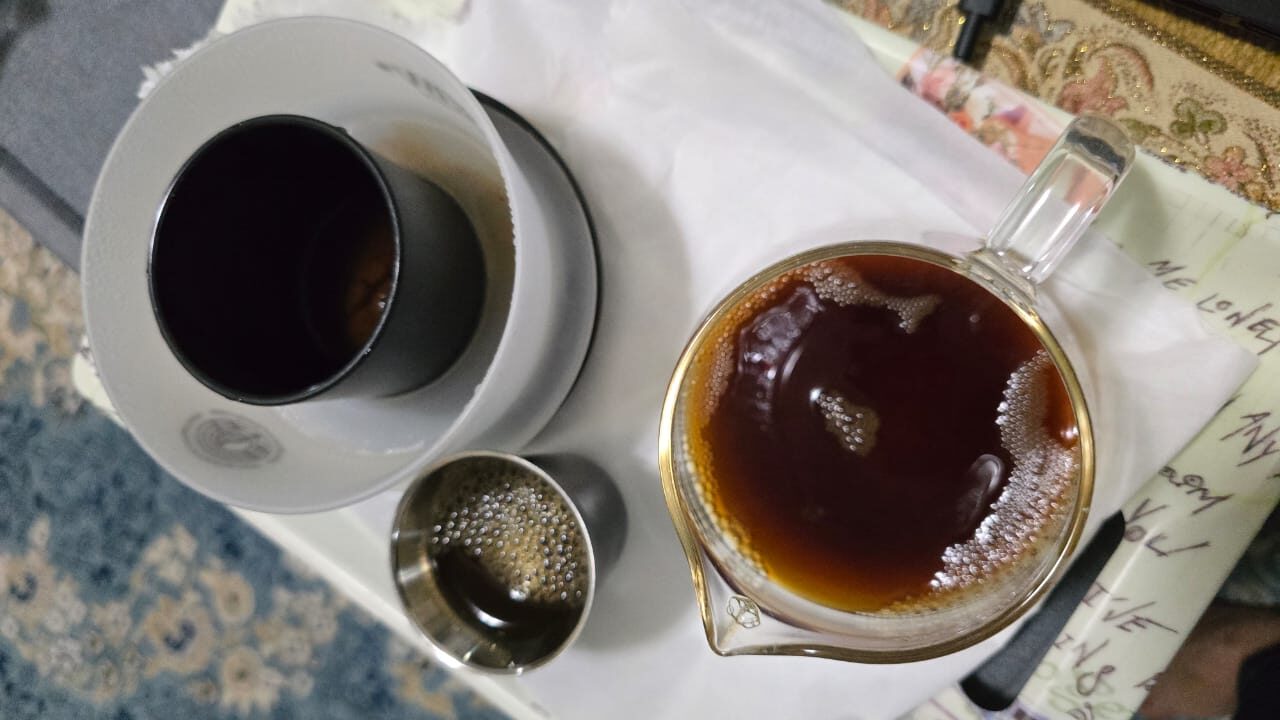
Arabica Coffee Hits 2-Week High Amid Crop Concerns in Brazil

Arabica coffee prices climbed to a two-week high on Thursday, supported by mounting concerns over weather conditions in Brazil that could hurt the country’s upcoming harvest. The May arabica futures contract rose by 0.28% to close at +1.10 points, while May robusta coffee futures fell by 0.55%, down 30 points.

Weather remains a key factor. Brazil’s main arabica-growing region, Minas Gerais, received just 30.8 mm of rain during the week ending March 15—only 71% of the historical average, according to Somar Meteorologia. Cooxupé, Brazil’s largest arabica cooperative, also warned that high temperatures and below-average rainfall in February could negatively affect this year’s yields.

While arabica prices gained, robusta coffee reversed early gains and declined following a build-up in exchange-monitored inventories, which rose to a 1.5-week high of 4,336 lots on Wednesday. In contrast, ICE-monitored arabica inventories dropped to a one-month low of 782,489 bags.

Ongoing supply concerns are keeping arabica prices elevated. Brazil’s green coffee exports in February dropped by 12% year-on-year to 3 million bags, according to Cecafé. Additionally, Brazil’s crop agency Conab projects the 2025/26 coffee harvest to fall by 4.4% year-on-year to 51.81 million bags — the lowest level in three years. Conab also trimmed its estimate for the 2024 crop to 54.2 million bags, down from 54.8 million in September.

Meanwhile, global supply dynamics remain mixed. Marex Solutions projected earlier this month that the global coffee surplus will grow to 1.2 million bags in 2025/26, up from 200,000 bags in 2024/25 — a bearish outlook for prices.

Vietnam, the world’s top robusta producer, reported a 6.6% year-on-year rise in February coffee exports to 169,000 metric tons, according to its General Statistics Office. However, the country continues to face production setbacks. Due to drought conditions, Vietnam’s 2023/24 coffee output dropped 20% to a four-year low of 1.472 million metric tons. The USDA expects 2024/25 production to decline slightly to 27.9 million bags. In addition, the Vietnam Coffee and Cocoa Association revised down its 2024/25 production estimate to 26.5 million bags from the earlier forecast of 28 million.

Despite a record 28.8% increase in Brazil’s 2024 coffee exports to 50.5 million bags, global figures show mixed trends. The International Coffee Organization (ICO) reported that global coffee exports fell 12.4% year-on-year in December to 10.73 million bags, with total exports for October–December 2024 down 0.8% year-on-year to 32.25 million bags.

The USDA’s December 2024 report presented a mixed outlook. Global coffee production is expected to rise by 4% to 174.855 million bags in 2024/25, with arabica output increasing by 1.5% and robusta by 7.5%. However, global ending stocks are forecast to fall by 6.6% to 20.867 million bags — the lowest level in 25 years.

Looking ahead, Volcafe recently slashed its 2025/26 forecast for Brazil’s arabica crop to 34.4 million bags, citing extended drought damage — down by 11 million bags from earlier estimates. The firm projects a global arabica deficit of 8.5 million bags for the 2025/26 season, widening from the 5.5 million deficit in 2024/25 and marking the fifth consecutive year of supply shortfalls.

Arada Launches ‘The Reformatory Lab’ Coffee Brand in the UAE

Arada has introduced a fresh brew to the UAE’s coffee scene with the launch of the renowned Australian concept The Reformatory Lab, expanding its growing portfolio of consumer-focused brands and bringing a globally inspired specialty coffee experience to local audiences.

Founded in Sydney by fourth-generation Colombian coffee farmer and comic book enthusiast Simon Jaramillo, The Reformatory Lab began as a bold vision to transform a former garage into the iconic “Bat Cave” café. It quickly became a hub in Surry Hills, offering coffee lovers a unique lab-style experience that showcased innovative brewing methods and the freshest beans — from farm to cup.

Now debuting in Dubai, The Reformatory Lab has opened its first UAE outlet at the W Residences Sales Center in Dubai Harbour, near the Dubai Harbour Yacht Club. Arada plans to open 10 additional locations across Dubai, Sharjah, and Abu Dhabi over the next three years, alongside a central roasting facility in Dubai.

Ahmed Alkhoshaibi, Group CEO of Arada, stated:
“The Reformatory Lab meets the growing demand for elevated coffee experiences in the UAE. Through this launch, we aim to offer our customers something truly distinctive.”

Simon Jaramillo, General Manager of The Reformatory Lab, added:
“We want to bring something different to the UAE’s coffee culture and show how a great cup of coffee can brighten anyone’s day.”

The brand offers a diverse range of premium coffee blends sourced from Colombia, India, Indonesia, Costa Rica, Panama, Ethiopia, Kenya, Burundi, El Salvador, Java Island, and Brazil — each crafted through five distinct processing methods to ensure a rich, multi-layered flavor profile.

Coffee Prices Rise in Russia, Leading to Drop in Demand

The rising cost of coffee in Russia is starting to impact consumer demand, according to data from the analytics center Check Index. In January–February 2025, the median price of coffee increased by 15% compared to the same period in 2024, reaching 767 rubles.

Sales of whole-bean and capsule coffee have particularly declined. Whole-bean coffee purchases dropped by 5%, while its median price surged by 26% to 1,419 rubles. Capsule coffee sales fell by 12%, with prices rising 7% to 789 rubles.

In contrast, soluble and ground coffee remain more resilient. The median price of instant coffee rose by 15% to 384 rubles, with a 1% increase in the number of purchases. Ground coffee saw a 16% price rise to 548 rubles and a 6% increase in sales volume.

The shift toward online shopping is also becoming more pronounced. The median price of coffee purchased online rose by 13% to 1,062 rubles, while the number of purchases increased by 8%. This trend is largely driven by the growth of the e-grocery segment, particularly in regional markets.

At the same time, the number of retail outlets selling coffee declined by 6% year-on-year. Analysts attribute this to intense competition and the growing prevalence of home coffee machines and brewers. The spread of vending machines has also contributed to this change in consumer behavior.

The data was compiled by Check Index, the analytics division of Platforma OFD, Russia’s largest fiscal data operator. The company processes around 65 million receipts daily from more than 1.25 million online cash registers across the country.

Syed Naveed Joins WAWE Coffee as Brand Ambassador

WAWE Coffee has announced the appointment of Syed Naveed, founder of The Need for Coffee, as its new brand ambassador. Naveed is widely recognized for his deep passion for specialty coffee and his extensive expertise in the industry, making this collaboration a strategic step toward strengthening WAWE Coffee‘s presence in the UAE coffee market and beyond.

From the first meeting with Naveed, I knew that with his honesty, knowledge, and hard work, he would become something big in the coffee industry. I think this announcement is just the beginning of a long and exciting journey.

Naveed’s journey into the world of specialty coffee began unexpectedly in 2019 when he won a Coffee Master Class competition at LDC Kitchen + Coffee. With little prior knowledge of the industry at the time, this event sparked his curiosity and led him to explore the complexities of coffee sourcing, brewing, and sustainability. He later founded The Need for Coffee, a blog dedicated to sharing insights and industry developments, and became a contributor to FLTR Magazine and Coffee t&i Magazine.

His ability to translate complex coffee concepts into engaging narratives has earned him a strong reputation within the global coffee community. Through his work, he has explored critical topics such as climate change’s impact on coffee production, supply chain transparency, and emerging trends in specialty coffee.

WAWE Coffee, a specialty coffee brand with 12 locations in Russia, recently opened its first branch in Dubai. Inspired by the concept of a mirage, WAWE Coffee believes that every coffee experience is subjective, shaped by individual perceptions and tastes. The brand’s focus on quality, innovation, and customer engagement aligns seamlessly with Naveed’s approach to specialty coffee.

As a brand ambassador, Naveed will provide exclusive behind-the-scenes content, expert brewing tips, and insights from WAWE Coffee baristas. He will also showcase signature drinks, including specialty coffee and matcha, while fostering a stronger connection between WAWE Coffee and specialty coffee enthusiasts.

Expressing his excitement about this role, Naveed stated: “I have always admired WAWE Coffee—their philosophy, their commitment to quality, and their willingness to push boundaries in the coffee industry. I am thrilled to take you on this journey with me. As a brand ambassador, I’ll be sharing exclusive insights, brewing guides, and must-try drinks. I can’t wait to explore this journey with you all.”

With his extensive knowledge in specialty coffee, sustainability, and ethical sourcing, Naveed will play a key role in shaping WAWE Coffee‘s future. His ability to engage with audiences and highlight industry innovations will help the brand expand its influence in the UAE and beyond.

As WAWE Coffee continues to grow, Naveed’s role will be instrumental in bridging the gap between coffee consumers and the latest developments in the industry. His storytelling, educational approach, and industry connections will ensure that Wave Coffee remains at the forefront of specialty coffee culture in Dubai and beyond.

For coffee enthusiasts eager to gain deeper insights into specialty coffee, this collaboration marks the beginning of an exciting new chapter.

SCA Launches Digital Workshop on Leadership and Business Growth for Coffee Professionals

The Specialty Coffee Association (SCA) has announced an upcoming digital workshop titled “Management & Leadership: Building a Better Business”, designed for café owners, managers, and retail professionals looking to enhance leadership skills and drive business growth. This highly anticipated session will take place on March 27 at 9 AM PDT and will be led by renowned coffee consultant and industry leader Laila Ghambari.

Building on the success of her sold-out workshop at last year’s Specialty Coffee Expo, Ghambari will share proven strategies for fostering effective team management, strengthening communication, and creating a positive workplace culture. The workshop will also address business growth strategies, employee benefits, and performance reviews—key areas that contribute to a thriving coffee enterprise.

Participants will gain exclusive insights into leadership techniques that empower teams, improve operational efficiency, and boost customer satisfaction. The interactive, three-hour session is part of SCA’s Business Education Program, which provides valuable learning opportunities for coffee professionals seeking to scale and refine their business models.

A Unique Opportunity for Business Owners and Leaders

For those who missed the in-person event last year, this revised digital edition offers an accessible way to engage with Ghambari’s expertise from anywhere in the world. With over 20 years of experience in specialty coffee, she brings a wealth of knowledge in retail operations, multi-unit management, and employee engagement. As a business owner and mentor, her insights have helped countless coffee businesses optimize performance and drive long-term success.

The workshop is presented in collaboration with Coffee Knowledge Hub, a leading digital learning platform that provides vocational courses for coffee professionals. Participants who register will also gain access to on-demand learning resources from SCA’s Business Education Program, further enriching their knowledge beyond the live session.

Registration Details

The cost of the workshop is $55 USD, providing attendees with expert-led instruction, real-world case studies, and actionable tools to implement in their coffee businesses. Those interested in securing a spot can register via the Coffee Knowledge Hub website.

As the specialty coffee industry continues to evolve, investing in leadership and operational excellence has never been more critical. This workshop offers a practical roadmap for professionals seeking to create motivated teams, enhance customer experiences, and achieve sustainable business growth.

For more details and to register, visit coffeeknowledgehub.com.

Long Black… A New Experience for Lovers of Intense Coffee

For years, the flat white and cortado have dominated coffee menus, but a new contender is gaining attention: the long black. While popular in Australia and New Zealand for decades, this espresso-based drink is now making waves in the UK, attracting a growing number of enthusiasts.

What is a Long Black?

A long black is made by pouring a double shot of espresso over hot water, preserving the espresso’s crema—the rich, golden foam on top. This distinguishes it from an Americano, where hot water is added after the espresso, often dissipating the crema and diluting the flavor.

According to Edwin Harrison, co-founder of Artisan coffee shops in London, the long black offers a smoother, silkier texture compared to the more diluted Americano. “It maintains the integrity of the espresso, allowing for a fuller flavor and better mouthfeel,” he explains.

How to Make a Long Black

A well-made long black requires careful preparation. Baristas typically pull a double espresso shot into a separate glass before gently pouring it over 150ml to 200ml of hot water in the serving cup. This technique helps preserve the crema and ensures a balanced flavor profile. In contrast, an Americano is often made with a higher water ratio, creating a much longer drink with a milder taste.

Why the Sudden Popularity?

The rising interest in the long black may stem from a broader shift in consumer preferences. As coffee prices continue to rise, many drinkers are becoming more discerning about quality. “People are looking for better coffee experiences, not just larger drinks,” says Laura Smith, director of Flat White in Soho, London.

The appeal also extends beyond taste. Black coffee is often more affordable than milk-based options, making it an attractive choice amid cost-of-living concerns. Additionally, the long black provides a more leisurely drinking experience than a quick espresso shot, allowing for greater appreciation of a coffee’s unique flavors.

Exploring Other Black Coffee Variations

For those looking to refine their black coffee experience further, variations like the “quart black” and ristretto are gaining traction. The quart black—a double shot of espresso with an equal measure of hot water—offers a more concentrated taste, while a ristretto is a shorter, more intense espresso with a bold flavor.

Where to Find a Great Long Black

Curious to try a long black? These coffee shops are known for serving expertly crafted versions:

  • Artisan (London)
  • Flat White (Soho, London)
  • Kaffeine (London)
  • Black Sheep Coffee (Nationwide)
  • Laynes (Leeds)
  • Little Perth (Bournemouth)
  • Tamp Coffee (Chiswick, London)
  • The Scandinavian Coffee Pod (Cheltenham)
  • Algerian Coffee Stores (Soho, London)

As black coffee continues to evolve, the long black stands out as a refined, flavorful alternative to the traditional Americano. Whether you’re a seasoned coffee enthusiast or exploring new brewing styles, this rising favorite is well worth a try.

Eagle One Espresso Machine Recognized for Sustainability on Ongreening

Victoria Arduino’s Eagle One espresso machine has been officially listed on Ongreening, a platform dedicated to sustainable building materials and products. This recognition places Eagle One among products that align with major global sustainability rating systems, including LEED, BREEAM, WELL, and Estidama, contributing to Green Building Certification efforts.

Ongreening, a web portal serving architects, designers, and engineers, provides detailed insights into environmentally compliant products. The addition of Eagle One highlights its capability to reduce energy consumption and emissions in the spaces where it is installed. The machine’s energy-efficient design aligns with key sustainability metrics in modern construction, promoting a lower carbon footprint and improved resource efficiency.

A significant feature of the Eagle One is its New Engine Optimization (NEO) technology, which reduces energy consumption by 35% compared to similar espresso machines. Unlike traditional heating methods, the NEO system utilizes instant heating, requiring smaller boilers and heating only the necessary amount of water, thus improving efficiency while maintaining performance. The insulated boiler system further prevents heat loss, ensuring stable temperature control during operation.

A Life Cycle Assessment (LCA) study on Eagle One has shown that its innovative engine, components, and materials contribute to a 23% reduction in environmental impact, measured in CO2 emissions, compared to machines in the same category. The LCA methodology provides a standardized framework to assess the environmental footprint of products across their entire lifecycle.

Eagle One also features the Thermal Energy Recovery System (T.E.R.S.), a patented technology that recovers waste heat from used water to preheat incoming water. This system results in an additional 8% reduction in overall energy consumption. Another addition is the Virtual Intelligent Scale (V.I.S.), an AI-driven system that ensures precise dosing, reducing waste without requiring additional hardware.

With these advancements, Victoria Arduino’s Eagle One is positioning itself as a solution for businesses looking to align with sustainable practices in the hospitality and food service industry. Its inclusion in Ongreening’s database underscores the growing focus on energy-efficient and environmentally responsible equipment in commercial settings.

New Research Unlocks the Chemical Secrets of Stenophylla Coffee and Its Potential to Reshape the Coffee Industry

A groundbreaking study published in npj Science of Food has provided deeper insights into Coffea stenophylla, a rare West African coffee species that exhibits an Arabica-like flavor profile while demonstrating high heat tolerance. This discovery could be a game-changer for the coffee industry, offering a climate-resilient alternative as global temperatures continue to rise.

Coffee is one of the world’s most traded commodities, with over 10 billion kilograms exported annually. However, the industry is under threat as climate change increasingly limits the viability of Coffea arabica, which accounts for more than 60% of global coffee production. Arabica coffee thrives in cool tropical regions at 1,000–2,200 meters above sea level, with an optimal annual temperature of 18.7°C. However, rising global temperatures, extreme weather events, and shifting rainfall patterns are expected to drastically reduce its cultivation areas.

The study, led by researchers from the Royal Botanic Gardens, Kew, and other institutions, highlights that Coffea stenophylla thrives in significantly hotter climates—6.5°C warmer than Arabica’s comfort range—while still maintaining a high-quality cup profile. This makes it a compelling candidate for climate adaptation strategies in coffee production.

Understanding the Chemical Basis of Stenophylla’s Unique Flavor

To determine why Stenophylla coffee has an Arabica-like taste, researchers conducted a metabolomic analysis using liquid chromatography–mass spectrometry (LC-MS), comparing unroasted coffee bean samples of Stenophylla, Arabica, and Robusta. The study focused on key compounds influencing flavor, aroma, and mouthfeel.

Key Chemical Similarities to Arabica

The analysis revealed that Stenophylla shares many essential flavor compounds with Arabica, including:

  • Caffeine – A major stimulant, found in nearly identical levels in both species.
  • Trigonelline – A precursor to nicotinic acid, contributing to bitterness and aroma.
  • Sucrose – The primary sugar in coffee, influencing sweetness and caramelization during roasting.
  • Citric acid – A crucial organic acid linked to the bright, fruity acidity of high-quality Arabica coffees.
  • Chlorogenic acids – A group of hydroxycinnamic acids that impact bitterness and astringency.

The presence of these compounds explains why sensory assessments have often found Stenophylla’s flavor profile indistinguishable from certain Arabica varieties, such as Rwandan Bourbon.

Distinct Chemical Differences Set Stenophylla Apart

While Stenophylla shares a strong chemical resemblance to Arabica, the study also identified unique differences:

  • Theacrine – One of the most significant discoveries was the detection of theacrine in Stenophylla—the first time this alkaloid has been recorded in coffee beans. Theacrine is chemically related to caffeine but is believed to enhance mood and focus without the same stimulating effects. This could offer exciting new possibilities for coffee consumers looking for an alternative energy boost.
  • Absence of Mozambioside – Unlike Arabica, Stenophylla does not contain mozambioside, a bitter diterpenoid. This could influence its bitterness perception compared to Arabica coffee.
  • Higher Levels of Certain Hydroxycinnamic Acids – Stenophylla contains distinct compounds not present in Arabica or Robusta, which may influence acidity and mouthfeel.
  • Unique Diterpenoid Profile – The study found several diterpenoid glycosides present in Stenophylla that were either absent or found at different levels in Arabica and Robusta.

Sensory and Market Implications

Stenophylla’s ability to replicate Arabica’s flavor profile in warmer climates could be revolutionary for coffee farmers. The findings suggest that farmers facing rising temperatures and declining yields may soon have a viable alternative crop that does not compromise on flavor quality.

Moreover, the discovery of theacrine introduces new possibilities for coffee product innovation, potentially creating a new category of functional coffee beverages with different stimulant effects.

The study also underscores the importance of chemical markers for coffee quality control and authenticity. If Stenophylla enters the specialty coffee market, chemical profiling (such as detecting theacrine levels) could be a useful tool to distinguish it from Arabica and Robusta, preventing fraud and adulteration.

What’s Next? The Road to Commercialization

Despite its potential, Stenophylla coffee remains wild and largely uncultivated. The next steps for its adoption include:

  • Scaling up cultivation – Currently, Stenophylla exists mostly in small wild populations. Efforts are needed to establish commercial plantations.
  • Refining post-harvest processing – How Stenophylla’s beans are processed could significantly impact its cup profile, requiring further research.
  • Market testing and consumer acceptance – While research suggests it tastes like Arabica, broader sensory trials will be crucial for market adoption.

The researchers emphasize that integrating Stenophylla into coffee production could play a key role in diversifying global coffee supply chains, improving climate resilience, and reducing dependency on Arabica and Robusta.

The discovery of Stenophylla’s Arabica-like flavor and its chemical uniqueness marks a significant milestone in coffee science. As climate change continues to threaten coffee production, Stenophylla’s resilience and high cup quality offer hope for the future. If successfully commercialized, it could

Vietnam’s Coffee Harvest Hit by Climate Challenges

Vietnam, the world’s second-largest coffee producer, is bracing for a sharp decline in its 2024-2025 coffee harvest due to extreme weather conditions. Prolonged droughts, heatwaves, and erratic rainfall have significantly impacted the Central Highlands, the country’s primary coffee-growing region.

Experts estimate that coffee yields will drop by 10 to 20 percent compared to the previous season, with some farms reporting losses as high as 50 percent. Farmers in key producing provinces, including Dak Lak and Gia Lai, cite poor flowering and fruit development caused by back-to-back droughts and high temperatures.

“The drought severely affected flowering, leaving many trees with significantly less fruit,” said Ho Quoc Huy, a coffee grower near Buon Ma Thuot. Similarly, farmer Tina Trinh from Dak Lak noted that trees weakened by last year’s drought struggled to recover, leading to widespread crop failure.

Meteorologists attribute these extreme conditions to the recurring El Niño phenomenon, which has caused prolonged dry spells and rising temperatures across Vietnam’s coffee belt. Growers report that trees suffered severe defoliation, further reducing productivity.

Although most coffee trees survived, industry experts warn that full recovery could take multiple harvest cycles. “Even if weather conditions improve, a full rebound may not happen until at least the 2026-27 season,” said Le Dinh Tu of Aeroco Specialty Coffee Farm.

Field reports indicate that many coffee farms have low fruit-bearing rates, particularly on the upper and middle branches of trees, reinforcing concerns over declining yields.

According to Vietnam’s Coffee and Cocoa Association (VICOFA), the 2023-24 coffee crop fell by 20 percent to 24.5 million bags, marking one of the smallest harvests in a decade. With continued drought conditions, the upcoming harvest is projected to drop further to around 22 million bags.

Vietnam’s General Department of Customs data shows that coffee exports from January to October 2024 fell by 11.2 percent compared to the same period in 2023, highlighting tightening supply in global markets.

As global coffee stocks dwindle, international coffee prices have surged, with Robusta reaching record highs. Meanwhile, domestic coffee consumption in Vietnam is growing, with demand expected to rise 12.5 percent to 3.6 million bags in the 2024-25 cycle, according to the U.S. Department of Agriculture.

Farmers, benefiting from diversified income sources such as durian and black pepper cultivation, are holding onto their coffee stocks longer, further limiting supply. “With lower yields and multiple income streams, many growers are not rushing to sell their coffee,” Trinh explained.

As Vietnam navigates these challenges, balancing local consumption, export commitments, and climate-related risks remains a critical issue for the country’s coffee industry.


A Ramadan Evening Celebrating Mexican Coffee at the Coffee Museum in Dubai

On a serene Ramadan night, when the aroma of coffee blended with the spirit of the holy month, the Coffee Museum in Dubai opened its doors for a special evening uniting history and culture. In collaboration with the Mexican Business Council, a unique Suhoor gathering was held, featuring authentic Mexican coffee and cacao—fragrant beverages that go beyond a simple drink to become symbols of deep-rooted heritage.

It is no surprise that a cup of coffee can be the starting point for deep conversations connecting people across different cultures. This ancient beverage has always been a companion of reflection and gatherings. In this context, the Mexican Business Council emphasized the importance of cultural exchange and strengthening ties between nations, stating that coffee and cacao are more than just drinks; they are means of opening new opportunities for communication and business. As part of the event, the Council also presented authentic Mexican cacao, including the endemic variety of white Criollo Mexican cacao, which captured the audience’s interest. This rare and valuable variety highlights Mexico’s rich agricultural heritage and its unique flavor combinations with coffee.

The event brought together numerous coffee enthusiasts and entrepreneurs eager to immerse themselves in the world of Mexican coffee and cacao—treasures that many may not have been familiar with. Guests enjoyed tastings of beverages made from the finest coffee beans grown in the highlands of Chiapas and Veracruz, where generous nature meets the expertise of farmers to create flavors that carry the warmth of the sun and the essence of the soil.

Melisa Urtuzuastegui warmly welcomed the guests, expressing her joy at this unique gathering and inviting everyone to indulge in the experience of Mexican coffee and cacao, each sip carrying centuries of history.

Khalid Al Mulla, founder of the Coffee Museum in Dubai and president of the UAE Specialty Coffee Association, led the guests on an enchanting tour through the museum. Among rare artifacts and historical tools, Al Mulla narrated the story of coffee from its discovery by a Yemeni Sufi in the 15th century to its journey across continents, becoming an integral part of human life.

The tour was not just a display of exhibits but a journey through time, where Al Mulla infused his storytelling with passion and knowledge, using scientific evidence and historical anecdotes that immersed the attendees in the world of coffee as if they were witnessing its birth themselves.

A special part of the evening was dedicated to showcasing Mexican coffee and cacao in all their glory—from rare varieties to traditional preparation methods. Guests were served beverages inspired by the traditions of the Maya and Aztecs, some of the earliest civilizations to use coffee beans and cacao in their sacred rituals.

Mexico has long been one of the world’s leading producers of both coffee and cacao, thanks to its diverse climate that gives its beans unique flavor profiles ranging from dark chocolate notes to aromatic spices. A particularly popular preparation method is “Café de Olla”, where coffee is slowly brewed in a clay pot with cinnamon and brown sugar, creating a warm and captivating taste. Meanwhile, Mexican cacao, especially the white Criollo variety, boasts a refined taste and historical significance, complementing the rich coffee experience.

During the event, the guests’ deep enthusiasm for exploring coffee and cacao culture was remarkable. Khalid Al Mulla remarked that these beverages have never been just refreshments—they have always served as ancient social platforms, akin to the “social media” of past centuries.

By the end of the night, guests departed with more than just rich flavors and empty cups; they carried stories of the past and a deeper understanding of Mexican coffee and cacao—a culture that is told not only in words but in every sip, revealing centuries of passion and tradition.

Located in the historic Al Fahidi district, the Coffee Museum tells the story of coffee through the ages, blending heritage and modernity. Visitors can explore roasting and brewing methods from different cultures, including Arabic, Ethiopian, and Japanese traditions. The museum also houses a collection of antique tools used throughout history, along with a literary library filled with rare books on coffee.

More than just a museum, it serves as a gateway to the world of coffee in all its details. Visitors can stroll through its exhibits and discover how this beverage has become an inseparable part of cultures worldwide.

In the end, coffee and cacao remain more than just warm drinks—they are stories to be told, a heritage to be celebrated, and a bridge connecting people. This Ramadan evening perfectly embodied that spirit, bringing together the essence of Mexico and the pulse of Dubai under one roof—in the presence of coffee and cacao.


The Rise of Yemeni Coffee Culture in the U.S… A Phenomenon Worth Noting

In recent years, the discussion surrounding the spread and popularity of Yemeni coffee culture in the United States has gained remarkable traction. Once a niche aspect of Middle Eastern tradition, Yemeni coffeehouses have become a growing phenomenon, catching the attention of major American media outlets, including The New York Times and other influential publications. These cafés, with their unique brewing methods, rich history, and deeply rooted social traditions, are transforming the coffee scene across the country.

Most recently, Bon Appétit published an in-depth report highlighting this trend, detailing how Yemeni coffeehouses are reshaping American café culture. From Michigan to California, these establishments are not just places to grab a cup of coffee but vibrant cultural spaces that bring communities together. Their late-night ambiance, traditional drinks, and authentic Yemeni aesthetics have contributed to their rapid expansion. Given the significance of this evolving movement, we at Qahwa World have chosen to republish the report, offering our readers insight into the growing influence of Yemeni coffee in the American market.

A Flourishing Presence Across the U.S.

On a late Saturday night in Memphis, a group of young customers gathers at a Yemeni café, sipping fragrant coffee infused with cardamom and cream. Over 400 miles away in Richardson, Texas, baristas pour teapot after teapot of aromatic Adeni chai in a bustling 3,000-square-foot coffee shop. Further north in Dearborn, Michigan, families search for seats in a packed coffeehouse, eager to enjoy traditional honeycomb bread alongside steaming cups of qishr—a drink made from dried coffee cherry husks.

Scenes like these are becoming increasingly common as Yemeni coffeehouses establish themselves as essential third spaces in American cities. More than just cafés, they serve as community hubs where diaspora and immigrant communities come together, preserving cultural traditions while attracting a wider audience of coffee enthusiasts.

A Market on the Rise

The expansion of Yemeni coffeehouses is driven by a combination of cultural preservation, a growing demand for unique coffee experiences, and the increasing popularity of Yemeni coffee itself. According to Amr Abozaid, director of the merchants’ enrollment program at the Yemeni American Merchants Association (YAMA), these factors have fueled the rapid spread of Yemeni cafés across the U.S.

Today, there are approximately 30 Yemeni-owned coffeehouse brands with active locations and franchises in states such as Michigan, New York, California, and Texas. Some cafés, like Aldar Cafe in Tennessee, remain independent, while others, such as Qahwah House, have expanded into national chains. Many of these entrepreneurs maintain direct connections to coffee farms in Yemen, ensuring that their offerings remain authentic and high quality.

For these businesses, the mission extends beyond selling premium coffee. They aim to provide alcohol-free social spaces, particularly appealing to young Muslim patrons, and support Yemeni coffee farmers, reinforcing a deep-rooted cultural legacy.

“Yemeni coffee is our identity,” said Mohamed Algushaa, who co-founded Aldar Cafe with his father in early 2024.

A Unique Coffeehouse Experience

Although these cafés operate similarly to Western-style coffee shops, they differ in key aspects. Many stay open late into the night, serve an extensive menu of traditional Yemeni beverages, and integrate cultural elements into their design and service. Over time, they have become lively social spaces with a loyal customer base.

“The U.S. market for Yemeni coffee shops is still in its infancy, but there’s plenty of room for growth,” said Faris Almatrahi, co-founder of Arwa, the first Yemeni coffeehouse in North Texas.

Most Yemeni cafés share common characteristics: spacious, beautifully designed interiors with traditional décor, comfortable seating, and intricate mosaic walls. They emphasize traditional presentation, serving roasted Yemeni coffee beans in glass or ceramic cups, often accompanied by honeycomb bread and other pastries.

Their menus highlight distinctive Yemeni drinks, including:

  • Jubani – A coffee beverage made with the husk of coffee cherries, cardamom, ginger, and cinnamon.
  • Mofawar – Coffee brewed with cardamom and cream.
  • Qishr – A lightly spiced infusion made from steeped coffee cherry husks, ginger, and cinnamon.
  • Adeni Chai – A rich Yemeni black tea with cardamom, nutmeg, and milk.

Beyond the drinks, Yemeni cafés prioritize ambiance. Many feature earthy tones, gold-accented décor, and geometric patterns inspired by Yemeni architecture. Arwa Yemeni Coffee in Texas, for example, includes design elements reflecting Queen Arwa Mosque, one of Yemen’s oldest mosques.

“Our coffeehouses are not just cafés; they are elegant, immersive spaces designed to showcase Yemeni culture while providing a family-friendly, alcohol-free environment,” Almatrahi said.

Bringing Yemeni Coffee Back to Its Historical Significance

One of the major drivers behind the rise of Yemeni coffeehouses is the desire to reintroduce Yemen’s historical role in coffee cultivation. Ibrahim Alhasbani, founder of Qahwah House, immigrated from Yemen to New York in 2011 and opened the first Yemeni coffee shop in Dearborn, Michigan, in 2017. Coming from a long lineage of coffee farmers, he felt compelled to highlight the overlooked history of Yemeni coffee.

“Many people don’t even know where Yemen is, let alone its role in coffee history,” Alhasbani said.

While Ethiopia is often credited as the birthplace of coffee, historical records indicate that Yemen was the first country to cultivate coffee commercially. The famous port of Mokha, which inspired the term “mocha,” was once the heart of the global coffee trade.

Determined to reclaim this legacy, Alhasbani rapidly expanded Qahwah House, which now operates 26 locations nationwide, with plans to reach 100 by 2027.

A New Model of Coffee Culture

Unlike major coffee chains such as Starbucks and Tim Hortons, Yemeni coffeehouses offer a more personalized experience, emphasizing hospitality and tradition.

“When you walk into a Starbucks, no one welcomes you. You order, grab your coffee, and leave,” said Hamzah Nasser, founder of Haraz Coffee House. “But in a Yemeni coffeehouse, the atmosphere is completely different. You have Arabic music playing, a welcoming ambiance, and a space to truly relax.”

Nasser, a third-generation Yemeni immigrant, has witnessed a shift in customer demographics. Initially, Haraz Coffee House catered to predominantly Muslim communities, but expansion into cities like Charlotte, North Carolina, has attracted a diverse clientele.

“There’s a growing demand for alternative social spaces—places where young professionals can gather without alcohol,” Nasser said.

With 27 locations already operating and 167 additional locations in development, he believes that Yemeni coffeehouses are on track to become a major part of the U.S. coffee scene.

“By 2030, people will be able to drive just a few miles and find a Yemeni coffee shop, just like Starbucks,” he said.

Almatrahi agrees that the future is bright. “As more people discover what we have to offer, the growth of Yemeni coffeehouses will only accelerate,” he said.

Three Notable Yemeni Coffeehouses in the U.S.

Aldar Cafe (Memphis, Tennessee)
A family-run café offering an extensive menu of Yemeni coffee and pastries. The café also hosts coffee-tasting classes.
Address: 4514 Summer Ave #1, Memphis, TN 38122

Bab Al-Yemen Cafe (Fresno, California)
Known for its fresh, spice-infused Yemeni coffee and a warm, welcoming atmosphere.
Address: 3173 W Shaw Ave, Suite 102A, Fresno, CA 93711

Arwa Yemeni Coffee (Richardson, Texas)
A coffeehouse featuring intricate Yemeni-inspired designs and a menu rich in cultural flavors.
Address: 888 S Greenville Ave, Suite 223, Richardson, TX 75081

The Yemeni coffee movement in America is growing rapidly, and its influence is only beginning to be fully realized. As these coffeehouses continue to expand, they bring with them a legacy of tradition, craftsmanship, and community that is reshaping the café culture across the country.

The Best Time to Drink Coffee for Heart Health, According to a New Study

A new study published in the European Heart Journal reveals that the timing of coffee consumption plays a crucial role in its health benefits. Researchers from Tulane University and Harvard T.H. Chan School of Public Health found that drinking coffee in the morning is linked to a significantly lower risk of cardiovascular disease and all-cause mortality compared to consuming coffee throughout the day.

The study analyzed data from over 40,000 U.S. adults and identified two distinct coffee-drinking patterns. The first group, labeled as morning coffee drinkers, primarily consumed their coffee between 4 a.m. and 11:59 a.m. The second group, described as all-day coffee drinkers, consumed coffee continuously throughout the day.

According to the findings, morning coffee drinkers had a 31 percent lower risk of dying from heart disease and a 16 percent lower risk of all-cause mortality compared to those who drank coffee at different times throughout the day. Researchers suggest that drinking coffee later may disrupt circadian rhythms, leading to negative effects on blood pressure, inflammation, and overall cardiovascular health.

Cardiovascular disease remains the leading cause of death in the United States, making insights into dietary habits and their impact on longevity particularly relevant.

The Impact of Coffee on Blood Pressure

Caffeine affects individuals differently, with some experiencing a temporary rise in blood pressure and heart rate. However, the Mayo Clinic states that regular coffee consumption does not cause a long-term increase in blood pressure or an elevated risk of heart disease. Habitual coffee drinkers develop a tolerance to caffeine, reducing its short-term stimulatory effects.

Studies confirm that moderate coffee intake does not contribute to hypertension. However, those who rarely consume coffee may notice an initial, brief spike in blood pressure after drinking caffeinated beverages.

Coffee’s Role in Reducing Inflammation and Disease Risk

Beyond caffeine, coffee is rich in polyphenols, which are antioxidant and anti-inflammatory compounds that contribute to overall health. Research suggests that diets high in polyphenols can help protect against conditions such as type 2 diabetes, high blood pressure, obesity, and metabolic syndrome.

By reducing inflammation, polyphenols support cardiovascular function and enhance the body’s ability to regulate metabolic processes. Since coffee is one of the richest dietary sources of these compounds, daily consumption may provide long-term health benefits.

Recommended Coffee Intake for Health Benefits

The U.S. Food and Drug Administration advises that up to 400 milligrams of caffeine per day—approximately two to three cups of brewed coffee—is considered safe for most adults. The study also found that the health benefits of coffee peak between two and three cups per day. While higher consumption does not necessarily cause harm, it may not offer additional advantages, especially for individuals sensitive to caffeine.

Researchers also caution that added sugars, syrups, and high-calorie creamers can reduce the health benefits of coffee. Experts recommend consuming coffee with minimal additives or opting for healthier alternatives such as plant-based milk or cinnamon.

Key Takeaways from the Study

This latest research highlights that the timing of coffee consumption is as important as the amount consumed. Drinking coffee in the morning is associated with a lower risk of heart disease and longer lifespan, while consuming coffee throughout the day may interfere with sleep, circadian rhythms, and cardiovascular health.

For those looking to maximize coffee’s health benefits, limiting consumption to the morning hours and maintaining a moderate intake of two to three cups per day may be the most effective approach.

Explore more insights on coffee and health here.