Coffee Reclaims Top Spot as America’s Most Consumed Beverage in 2025

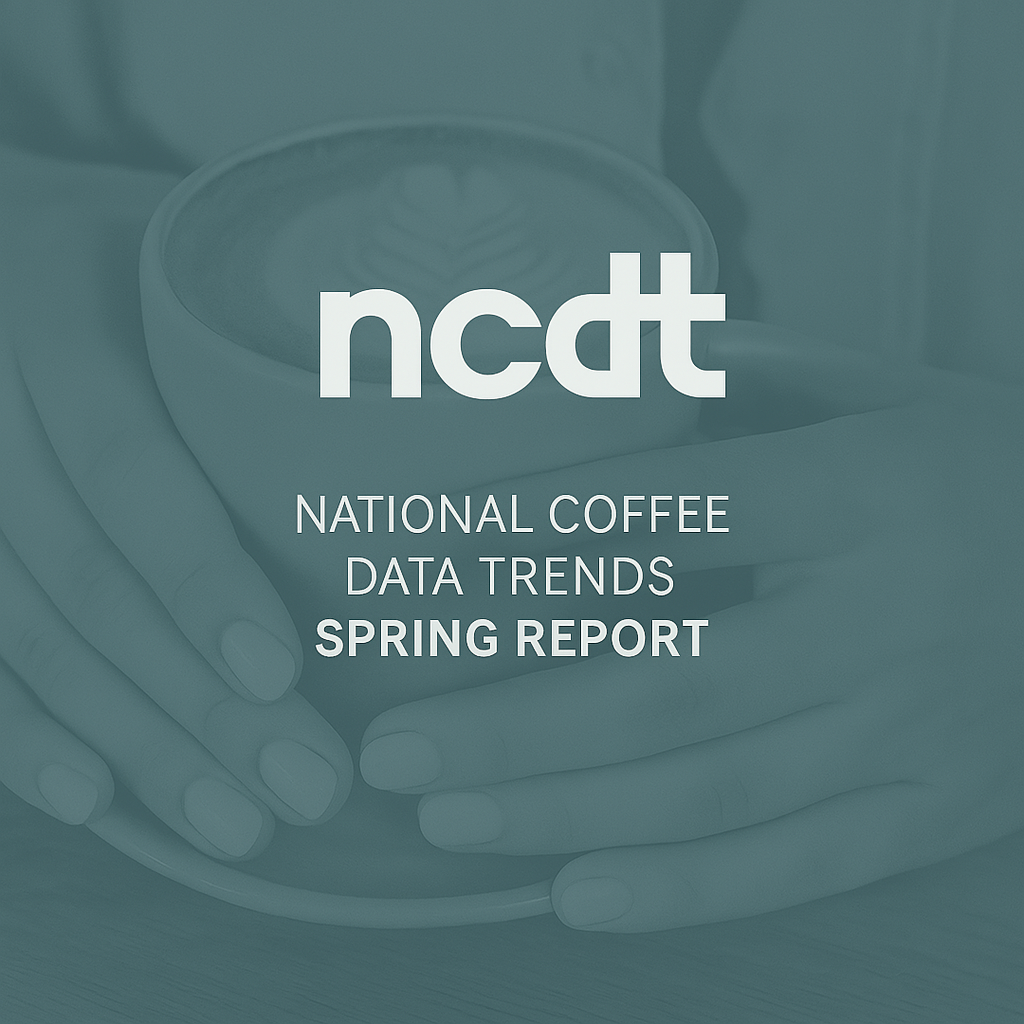
Coffee has once again emerged as the most consumed beverage in the United States, surpassing bottled water. According to the Spring 2025 National Coffee Data Trends (NCDT) report released by the National Coffee Association (NCA), two-thirds of American adults (66%) reported drinking coffee daily—outpacing tea, juice, soda, and bottled water. This marks a nearly 7% increase in daily coffee consumption compared to 2020.

The report, conducted in January 2025 by Dig Insights on behalf of the NCA, underscores coffee’s enduring popularity and its deep integration into the American lifestyle. On average, every U.S. coffee drinker consumes about three cups per day.

Specialty Coffee Fuels Growth

Specialty coffee has been the main driver of this five-year growth trend. In January 2025, 46% of American adults reported consuming specialty coffee the previous day—up from 39% in 2020, an 18% increase. Meanwhile, traditional coffee consumption has remained stable, with 42% of adults consuming it daily in 2025, compared to 43% in 2020.

Espresso-based beverages—such as lattes, cappuccinos, flat whites, and Americanos—saw a 17% jump in past-day consumption (from 24% in 2020 to 28% in 2025). Non-espresso-based specialty drinks—such as cold brew, nitro, and frozen blended coffees—rose even more sharply by 42% (from 12% in 2020 to 17% in 2025).

Despite the rise in specialty coffee, the ratio between specialty and traditional consumption has remained consistent. For every 100 cups of coffee consumed, 59 are specialty and 41 are traditional.

“Coffee holds a unique place in Americans’ daily lives—no other beverage is such a beloved and prominent touchstone,” said Bill Murray, President and CEO of the NCA. “Coffee’s popularity brews big benefits for American coffee drinkers and the entire U.S. economy.”

Home Brewing Dominates

Home remains the preferred place for coffee preparation. In 2025, 71% of daily coffee drinkers reported preparing their coffee exclusively at home, compared to 63% in 2020. Only 16% had coffee exclusively prepared outside the home, and 13% prepared it both at home and out—down from 19% in 2020.

Shifts in Purchasing Habits

Grocery stores continue to be the top location for purchasing coffee, with 40% of past-day coffee drinkers buying coffee there. However, online purchases have doubled—rising from 7% in 2020 to 14% in 2025. Meanwhile, purchases at mass merchandisers rose from 25% to 29%, club stores declined slightly to 10%, and purchases at coffee shops remained steady at 5%.

Evolving Brewing Methods

Drip coffee makers remain the most common household brewing method (62% in 2025 vs. 58% in 2020), but other methods are gaining popularity:

  • Single-cup brewers: 42% (up from 40%)

  • Instant coffee: 35% (up from 27%)

  • Bean-to-cup machines: 15% (up from 10%)

  • Espresso machines: 12% (up from 8%)

  • Slow-drip cold brew setups: 11% (up from 7%)

  • French presses: 12% (down from 14%)

  • Pour-over makers: 6% (up from 5%)

The NCDT continues to serve as a vital indicator of evolving coffee trends in the U.S. For access to the full report, visit ncausa.org/ncdt.

About the National Coffee Association (NCA):
Founded in 1911, the NCA is the United States’ oldest and largest trade association for the coffee industry, representing companies responsible for 90% of U.S. coffee commerce. Coffee supports 2.2 million U.S. jobs and contributes nearly $350 billion annually to the American economy.

Robusta Coffee Prices Surge Amid Supply Concerns and U.S. Tariff Exemptions

Robusta coffee futures surged on Monday as investor focus shifted back to tightening global supplies, following the United States’ temporary exemption of tariffs on certain imported goods.

The benchmark robusta futures contract on the ICE exchange jumped $190, or 3.8%, to settle at $5,239 per metric ton. The rally comes after a 1.5% loss last week, driven by renewed fears over a global supply squeeze.

Recent trade data revealed a sharp 84% year-on-year drop in Brazil’s robusta coffee exports in March. Certified stocks at ICE warehouses have also fallen to their lowest levels in a month and a half.

“The trade is expecting lower Brazilian production this year due to the extended drought last year, the ‘off-year’ in their biennial production cycle, and disappointing rainfall over the past few months,” said brokerage ADMISI.

Arabica coffee futures also advanced, gaining 1.4% to $3.585 per pound after a 2.7% decline last week. Arabica is primarily used in premium roast and ground blends.

According to consultancy Safras & Mercado, Brazilian growers have sold 95% of their 2024/25 crop, slightly above the five-year average of 90%. However, sales for the upcoming 2025/26 crop remain sluggish, with only 14% sold compared to the historical average of 25% for this time of year. The hesitation is largely attributed to production uncertainty.

The market also reacted to the latest U.S. trade policy developments. President Donald Trump announced tariff exemptions on electronics such as smartphones and computers, most of which are imported from China. While this offered a brief reprieve, Trump warned that additional levies could still be imposed.

Despite lingering concerns about the impact of trade tensions on global economic growth and consumer demand, equity markets in Europe and Asia rose on Monday.

Other Soft Commodities

Cocoa:
London cocoa futures dropped 234 pounds, or 3.8%, to settle at £5,973 per ton, while New York cocoa declined 3.3% to $8,159 per ton. The market has been under pressure from record-high prices and expectations of weakened demand. Traders anticipate a 5–7% decline in Q1 cocoa grind data, a key indicator of chocolate consumption. Brazil’s cocoa grind fell 13% year-on-year, according to the country’s AIPC industry group.

Despite the demand outlook, cocoa supplies remain tight. Farmers in Ivory Coast, the world’s largest cocoa producer, reported potential mid-crop shortages due to ongoing dry weather.

Sugar:
Raw sugar futures fell 0.13 cents, or 0.7%, to settle at 17.87 cents per pound after hitting a 2.5-month low. Conversely, white sugar rose 0.8% to $527.40 per ton.

Simonelli Group flies to Specialty Coffee Expo, Houston.

Discover all the latest from Nuova Simonelli, Victoria Arduino, and 3Temp at booth 1307

Simonelli Group—a leader in the professional coffee machine and grinder industry—will be at the Specialty Coffee Expo, booth 1307, to showcase the latest innovations from its brands: Nuova Simonelli, Victoria Arduino, and 3Temp, a well-known brand of high-performance, sustainable brewers with innovative technology and design.

Simonelli Group and the team from its U.S. branch, Simonelli Group USA, will be ready to welcome coffee professionals and present all the solutions designed to speed up workflow, ensure maximum consistency, and enhance performance and energy efficiency.

Nuova Simonelli, a world-renowned brand for its technologically advanced and easy-to-use professional espresso machines, is set to present at SCA Expo the NUOVA Aurelia and its innovative C-Automation technology able to connect the machine and grinder in a single system to ensure speed of preparation, high performance and ease of use for coffee extraction. C-Automation (Coffee-Automation) connects the machine and grinder, allowing them to share the same recipes via the portafilter. In addition, this technology, developed using Artificial Intelligence, analyses the flow of the dispensed coffee and automatically adjusts the grinder to ensure consistent results. C-Automation enables workflow speed to increase by up to 20% and guarantees beverage quality by limiting human error and reducing coffee waste during recipe setup. C-Automation also reduces staff training time and costs thanks to the system’s automatic features.

Victoria Arduino, Victoria Arduino, a leading Italian manufacturer of professional espresso machines with its distinctive design and high performance, awaits you at SCA Expo in stand 1307 to present to chains, baristas, roasters and coffee lovers new solution capable of opening up new business possibilities.

By visiting booth 1307, you’ll be able to discover the innovative technologies of the Black Eagle Maverick, Victoria Arduino’s top-of-the-line espresso machine.
Black Eagle Maverick combines high performance with sustainability, offering total control over temperature, brewing, and steam thanks to the T3 Genius, PBtech, and Advanced Steam-by-Wire technologies.

Next to the Black Eagle Maverick, the professional grinder Mythos helps achieve the best result in the cup. Specifically designed for the specialty coffee world, Mythos ensures consistent, high-quality grinding thanks to Clima Pro and Gravitech technologies, all housed in a distinctive and recognizable design.

Also on display at booth 1307 is the Eagle One, the innovative espresso machine that stands out for its design and technology. Its clean, contemporary lines invite customization, while the NEO engine ensures excellent performance and improved energy efficiency. Eagle One also incorporates the cutting-edge V.I.S. (Virtual Intelligent Scale) technology, a virtual scale powered by AI that ensures faster workflow and perfectly consistent dosing.

At SCA Expo, don’t miss Eagle Tempo, the professional coffee machine designed for cafés, restaurants, roasteries, chains, pastry shops, and bakeries. With a distinctive design and high production capacity, Eagle Tempo delivers excellent results in the cup while reducing energy consumption and waste.

Be sure to try the PureBrewCoffee, a filter coffee with a completely new aromatic profile, brewed with PureBrew+, the new single brewer by Victoria Arduino. PureBrew+ offers a unique beverage experience, blending premium quality with innovative extraction technology. Its flexibility allows you to brew not only coffee, but also tea and infusions without risk of cross-contamination. The display allows up to 12 personalized recipes to be set, ensuring speed, automation, and full customization of the desired result—up to 500 ml.

Among the products on display are also the new addition to the E1 Prima family: E1 Prima EXP. E1 Prima EXP is the single group that unleashes creativity and enhances every ingredient, creating countless recipes based on espresso, Pure Brew and milk thanks to high-performance technologies that are extremely easy to use. For this reason, it is dedicated to the curious, the explorers, the lovers of beauty, to all those who inhabit every territory of taste and dream of tomorrow’s trends today.

At SCA Houston, Simonelli Group offers a full coffee experience, also featuring the 3TEMP brand at their booth.
Developed in close collaboration with modern café owners, award-winning baristas, and quality-driven roasters, 3TEMP brewers have set a new standard. Featuring a patented, tankless brewing system, they use only fresh water for every brew — ensuring purity, precision, and consistency in every cup.
This not only preserves the water’s natural minerals and oxygen, but also ensures a cleaner, brighter cup — hot or cold. Nothing is left to chance. With no heaters running when the brewers aren’t brewing, energy use is optimized without compromising performance. You’ll be able to taste this firsthand with the 3Temp PULS and KOBRA brewers in action. Both are designed to give baristas total control over recipes, with precise temperature profiles and adjustable timings that make it easy to dial in the perfect extraction — whether you’re brewing a single cup or up to a full gallon.
What makes 3TEMP unique is the consistency across the entire system: all machines are built using the same core components and brewing logic. That means streamlined maintenance, simplified training, and repeatable results — regardless of who’s on shift.

3Temp products brew up to one gallon cold coffee too — not just cold brew, but truly high-end cold filter coffee that’s will be ready in just 20–25 minutes depending on your chosen profile. It’s quick, clean, and absolutely next level. 3Temp will also be previewing some exciting new brewing profiles we believe could reshape how filter coffee is used in cafés and hospitality going forward. If you’re thinking beyond the basics and looking to evolve your coffee offering, this is a stop you don’t want to miss.

Switzerland, US, and UK Emerge as Top Buyers of Rwandan Coffee

Rwanda’s coffee export revenues dropped by 32.1% in the 2023/2024 fiscal year, falling to $78.7 million (approximately Rwf110 billion), down from over $115.9 million recorded in the previous year, according to the Ministry of Agriculture and Animal Resources (MINAGRI).

The decline in revenues was largely attributed to a 17.9% reduction in export volumes, which dropped from over 20,000 tonnes in 2022/2023 to just above 16,400 tonnes in 2023/2024. The ministry’s annual report cited climate change and volatile global coffee prices as the primary causes of this downturn.

Data from the National Agricultural Export Development Board (NAEB) also indicated a decline in the average international price for Rwandan coffee, which fell by 17.3% — from $5.78 per kilogram in 2022/2023 to $4.78 in 2023/2024.

Leading Importers of Rwandan Coffee in 2023/2024

Despite the overall downturn, several international markets maintained strong demand for Rwandan coffee. According to NAEB:

  • Switzerland topped the list, importing over 3,710 tonnes worth $18.4 million — accounting for 23% of Rwanda’s total coffee export revenue.

  • United States followed, purchasing more than 1,915 tonnes valued at nearly $11 million (14% of the total).

  • United Kingdom ranked third, with imports of over 1,254 tonnes worth more than $6.6 million (8%).

Other notable importers included:

  • Sweden: 856 tonnes, nearly $4 million

  • Italy: 898 tonnes, over $3.4 million

  • Germany: 655 tonnes, $3.4 million

  • Japan: 529 tonnes, $3.3 million

  • Finland: 730 tonnes, $3.1 million

  • Russia: 753 tonnes, $2.51 million

  • Belgium: 585 tonnes, $2.5 million

  • China: 400 tonnes, $2 million

  • Netherlands: 421 tonnes, $1.8 million

Outlook: Recovery on the Horizon

Despite the recent slump, exporters are optimistic that rising international coffee prices could boost Rwanda’s performance in the current fiscal year, 2024/2025.

According to the fifth edition of the Strategic Plan for Agriculture Transformation (PSTA 5), Rwanda aims to generate $85 million in coffee export revenue in 2024/2025, with a longer-term goal of reaching $115.5 million by 2028/2029.

To achieve this, the government plans to increase export volumes to more than 21,300 tonnes in 2024/2025 and 32,000 tonnes by 2028/2029. The area under coffee cultivation is also set to expand from 42,229 hectares in 2023 to 44,729 hectares by the end of the plan.

Brankovan Milos Secures Second Place at the Lavazza Barista Challenge 2025 in Turin

In a spirited display of creativity and talent, Brankovan Milos proudly represented the United Arab Emirates at the Lavazza Barista Challenge 2025 finals in Turin, Italy — taking home second place among 17 top baristas from 17 different countries. In addition to this individual achievement, Milos and his team clinched first place in the highly anticipated “Mystery Box Challenge,” one of the standout segments of this year’s event.

Held from April 8 to 10 at La Centrale within the Nuvola Lavazza headquarters, the international competition brought together elite baristas who had qualified through national and regional rounds. The finals served as a global celebration of technical skill, storytelling, and innovation in coffee preparation.

George Nikolopoulos from Greece was crowned first place after beginning his journey by winning the national championship in his country and continuing to shine until securing a spot on the podium in Turin. George expressed his gratitude to his team and coach for their constant support, emphasizing that this experience marks the beginning of a new chapter of excellence in his professional journey.

Third place went to Ștefan Manole, who represented Romania and impressed the judges with his creativity, technical skill, and positive spirit. He also received the Audience Choice Award as the most beloved barista among attendees, earning the highest number of votes — blending professional recognition with public admiration.

In the Mystery Box Challenge, baristas teamed up with a trainer and two Lavazza team members to create a unique beverage using surprise ingredients revealed only at the moment of the challenge. The drink had to be built around Lavazza coffee, requiring teams to think fast, collaborate effectively, and showcase their creativity under pressure. The UAE team impressed the judges with a harmonious and inventive composition that stood out for its balance and originality.

This year’s edition of the Lavazza Barista Challenge introduced new dimensions to the competition. Beyond traditional espresso-based performances, finalists were tasked with presenting signature drinks that reflected their personalities, techniques, and cultural backgrounds. A key innovation was the Cold Coffee Challenge, which required competitors to create original cold brew recipes using Lavazza’s Tales of Italy blends — a nod to both Italy’s coffee heritage and modern preferences.

An esteemed international judging panel evaluated the entries based on creativity, technical execution, flavor balance, and the narrative behind each drink. The panel included:

  • Fabrizio Fiorani – Pastry Chef, Zucchero x Fabrizio Fiorani (Rome)

  • Lauro Fioretti – Coffee Expert, Simonelli Group

  • Dario Tortorella – Mixologist, L’Antiquario (Naples)

  • Federico Zanasi – Chef, Condividere (Turin)

Reflecting on the experience, Brankovan Milos shared:

“It was a great honor to stand alongside such inspiring talents and represent the UAE. Winning second place and sharing the top spot in the Mystery Box Challenge felt like a collective victory. The diversity of stories, techniques, and creativity on stage reminded us that while we may come from different parts of the world, we are united by one passion — coffee.”

Lavazza emphasized that the Barista Challenge is “more than a competition; it’s a platform to honor creativity, commitment, and the passion baristas bring to every cup.” The 2025 finals reaffirmed the company’s mission to support the next generation of coffee professionals and nurture a vibrant global coffee culture.

You’ve Been Brewing Coffee Wrong This Whole Time

New research reveals how pour height, grind, and roast could transform your daily cup.

Coffee lovers may want to reconsider their morning routine. New scientific findings released this week suggest that the height and speed at which hot water is poured over coffee grounds can significantly influence the flavor and quality of the brew—adding yet another dimension to the already complex world of coffee preparation.

While the perfect cup is ultimately a matter of personal preference, there’s no denying that bad coffee exists. Think overboiled diner sludge or a watery brew served with indifference. Fortunately, research continues to help coffee enthusiasts refine their techniques to bring out the best in every bean.

Experts agree that multiple variables—from the bean’s origin to water temperature—play a vital role. But recent focus has turned to pour height, a factor many overlook. Researchers have found that the distance from which water is poured affects how evenly coffee grounds are saturated, which in turn influences extraction, body, and aroma.

The Bean

At the heart of every cup is the bean. Coffee connoisseurs know that variety, altitude, and country of origin all influence flavor. Arabica beans are often favored for their complexity, while robusta—higher in caffeine—adds creaminess and strength, making it ideal for espresso.

There’s growing interest in developing new coffee varieties that not only taste better but also withstand climate change and meet rising demand. This scientific approach to coffee breeding is shaping the future of the industry.

The Roast

Roasting is another critical stage. Dark roasts are typically used in espresso, while lighter roasts highlight acidity and floral notes, especially in pour-over brewing. But it’s not just about taste—roasting also affects consistency in large-scale production.

More than any espresso machine, it’s the grinder that experts say makes the biggest difference. Coffee blogger and roaster Kev Lewis insists:

“If you spend £400 on a grinder and £100 on a machine, you’ll get better espresso than flipping those numbers.”

Uniform grind size leads to even extraction. Blade grinders can result in uneven bits that brew inconsistently, while burr grinders offer a controlled, precise grind. Scientific studies even provide formulas for optimal grind coarseness, showing that consistency yields a better, more balanced cup.

The Brew

The way you brew—whether French press, AeroPress, espresso, or stovetop moka—shapes the experience. But it’s not just the device. Water temperature, composition, and even time of day can affect taste perception.

According to Tom Saxon, founder of UK-based coffee subscription service Batch:

“The wrong grind size, water temperature, or coffee ratio can ruin great coffee. Over-extraction or under-extraction—both happen easily if you’re not careful.”

And now, pour height joins the list of subtle but impactful details. Pouring from higher up can influence turbulence, saturation, and extraction, creating a cup with better clarity or body depending on your method.

Taste is Personal

Despite all the science, preferences vary. Some drinkers are content with their daily caramel latte from a high-street chain. Others fine-tune every variable, chasing that elusive, perfect cup.

For many, making coffee is as much a ritual as it is a routine. One coffee lover shares their approach:

“I start with ground Brazilian Santos from a local roaster or a Fairtrade blend from the supermarket. I brew using a French press—boil the kettle, let it cool for a minute, pour it over the grounds, stir, wait four minutes, stir again, and plunge. Sometimes, I switch to a moka pot for a stronger hit. Either way, I drink it black—no fuss, just flavor.”

Whether you’re refining the grind or experimenting with brew methods, the journey to your ideal cup is filled with discovery. And thanks to ongoing research, the path to perfection just got even more precise.

Thailand Faces Coffee Shock as Court Halts Nescafé Production Nationwide

Thailand is bracing for a potential coffee crisis after a court injunction forced Nestlé to suspend the production, sale, and import of its flagship Nescafé products across the country. The Minburi Civil Court issued the ruling on April 3, 2025, halting all business activities related to Nescafé amid a legal dispute with a former local manufacturing partner.

The order follows a lawsuit filed by Chalermchai Mahagitsiri, a shareholder in Quality Coffee Products (QCP), the company that previously produced Nescafé in Thailand. The decision has triggered widespread concern among retailers—from major supermarket chains to small street vendors—who now fear an imminent shortage of one of the country’s most popular coffee brands.

Milin Veerarattanaroj, chairman and managing director of Tang Ngee Soon Superstore in Udon Thani, warned that even a brief disruption in supply could have serious financial consequences. “Just three days without the product causes massive losses,” he said, noting that the store generates between 300 to 400 million baht annually from Nescafé sales.

The sudden halt has already prompted panic buying, with retailers in neighboring provinces rushing to secure remaining stock. “It will be like the scenes we see during floods, where people scramble to buy whatever they can,” Milin added.

Despite the growing concern, the Ministry of Commerce has attempted to calm fears, stating that a nationwide shortage is not yet expected.

At the heart of the issue is Nestlé’s termination of its agreement with QCP, which had produced Nescafé locally since 1990. The agreement ended on December 31, 2024, with Nestlé asserting that the move was legally supported by a ruling from the International Court of Arbitration.

Founded in 1989, QCP was a 50/50 joint venture between Nestlé and the powerful Mahagitsiri family. Nestlé controlled the brand’s production, marketing, and distribution, while also owning the technology used in manufacturing.

After the partnership ended, the two sides failed to reach an agreement on the company’s future, prompting Nestlé to file a petition in March 2025 seeking QCP’s dissolution. In response, Chalermchai filed two lawsuits against Nestlé’s subsidiaries and executives, leading to the court’s temporary injunction.

Nestlé has since voiced concerns over not being given the chance to defend its case before the court order was issued. Nonetheless, the company is complying with the ruling while filing a formal objection and presenting supporting evidence to the Minburi Civil Court.

In a statement released on April 4, Nestlé announced it would no longer accept new orders for Nescafé products until further notice. Retailers with existing stock are permitted to continue selling.

The company has also warned of the far-reaching consequences of the ban, including:

  • Major income loss for small retailers and independent coffee sellers

  • Disruption to the livelihoods of Thai Robusta farmers, as Nescafé purchases over half of Thailand’s Robusta crop annually

  • Economic strain on Nestlé’s local employees, suppliers, and partners

According to Thailand’s Department of Business Development, QCP generated more than 17.1 billion baht in revenue in 2023, with net profits surpassing 3.4 billion baht—despite an 8.14% decline from the previous year.

Nestlé emphasized its 130-year legacy in Thailand and reaffirmed its commitment to investing in the country, having poured over 22.8 billion baht into the local economy between 2018 and 2024. The company says it remains dedicated to resolving the dispute and resuming normal operations as soon as possible.

Sustainable Coffee by 2030.. World Coffee Research Report

The World Coffee Research (WCR) 2024 Annual Report unveils an ambitious, science-driven strategy to combat climate challenges threatening coffee production. With $10 million in renewed commitments, global breeding networks expanding in 11 producing nations, and a pioneering seed system strategy addressing coffee’s “missing middle,” WCR is accelerating efforts to secure a sustainable and diverse supply of quality coffee. The report highlights breakthroughs in breeding timelines, genetic purity enforcement, and robusta development, signaling a transformative shift for the global coffee industry.

In an era of climate uncertainty, World Coffee Research (WCR) is spearheading a scientific revolution in coffee agriculture, according to its recently released 2024 Annual Report. This global, industry-driven initiative—supported by over 200 companies in 29 countries—is reshaping how coffee is grown, distributed, and sustained for future generations.

$10 Million in Renewed Commitments Amid Industry Volatility

Amid historic price volatility and supply chain disruptions, WCR member companies doubled down on their support in 2024 with multi-year funding commitments totaling $10 million, alongside significant in-kind contributions. These funds are enabling a coordinated global effort to fast-track the development of climate-resilient varieties for both Arabica and Robusta, while also reinforcing the long-neglected foundation of global coffee cultivation: seed systems.

Breeding Innovation: Slashing Development Time from 20 Years to 8

The report spotlights a major scientific breakthrough—the launch of WCR’s speed breeding program. Traditionally requiring 20–30 years to develop new Arabica varieties, WCR’s program now promises to deliver commercial-ready trees in just 8 years, powered by genomics tools and controlled growing environments.

Through the Innovea Global Breeding Network, countries such as Peru, Costa Rica, Rwanda, and Uganda now host genetically diverse, high-performing Arabica trees that will undergo performance trials through 2030, with 100 improved Arabica varieties expected by that year.

Robusta Joins the Revolution

For the first time, Robusta coffee has been brought into the global breeding fold, with Vietnam, Uganda, and Ghana joining the new robusta network. These countries, which produce nearly half the world’s Robusta, received 1,000 new genotypes in 2024. The goal: combat disease, improve quality, and tailor trees to national markets.

This Robusta effort mirrors the successful Innovea model and underscores the increasing importance of this variety amid Arabica’s vulnerability to climate threats.

The “Missing Middle”: Seed Systems Take Center Stage

A central concern raised by the report is the inadequate seed system infrastructure in coffee-producing countries—a weak link in delivering innovation to farms. WCR calls this gap the “missing middle,” emphasizing that half of the world’s coffee trees need replacing by 2030, yet farmers lack access to the right plants.

In 2024, WCR worked across Peru, Uganda, Honduras, and Guatemala to:

  • Establish verified, high-quality seed lots

  • Eliminate genetic contamination using DNA testing

  • Train over 100 nursery operators and seed producers

  • Scale up 90,000 disease-resistant trees in Uganda alone

By 2028, Peru’s new seed lots could produce 4 million seedlings annually, dramatically increasing the availability of high-performance varieties like IPR107 and Paraneima.

Global Trials and Genomic Traceability

WCR continues to operate the world’s largest multilocation coffee variety trial (IMLVT), extended through 2029 in countries like India, Indonesia, Rwanda, and Kenya. These trials gather critical long-term data on yield, disease resistance, and sensory quality to inform future breeding.

In parallel, the CheckCAFE quality assurance program in Latin America delivered 4.7 million genetically verified seedlings, further advancing WCR’s mission of traceability and varietal integrity.

Policy Advocacy: Elevating Coffee on the Global Agenda

WCR’s 2024 report also marks a turning point in coffee policy advocacy. Through persistent engagement, WCR helped influence:

  • USDA’s commitment to a joint national R&D strategy with the American coffee industry

  • G7 nations naming coffee as a priority value chain, emphasizing R&D in genetics and sustainability

  • Growing collaboration with multilateral institutions such as the ICO and UNIDO

These developments reflect an emerging consensus: coffee, as a global commodity, deserves systemic agricultural investment to stabilize rural livelihoods and ensure long-term supply.

Financial Overview: Strong Growth, Sustainable Vision

WCR closed 2024 with $6.06 million in income, up from previous years, with $5 million sourced directly from the coffee industry. Their total financial position now stands at $12.57 million, including pledges receivable, showing robust institutional health and commitment.

Industry Voices Call for Urgent Action

The report features endorsements from industry leaders such as:

  • Matt Saurage (Community Coffee): “Investing in agricultural innovation is essential to protect our business and farmers.”

  • Monique Oxender (Keurig Dr Pepper): “We can’t afford to compete over the future of coffee.”

  • Pablo von Waldenfels (Tchibo): “Roasters know we can’t wait another day.”

These voices echo a shared understanding that scientific collaboration, not competition, is the key to coffee’s future.

Final Thoughts:

WCR’s 2024 Annual Report is not just a document—it’s a manifesto for the future of coffee. Through science, global cooperation, and a deepening investment in farmers’ access to better trees, WCR is catalyzing a transformation that could redefine coffee agriculture. As climate risks rise and supply chains remain fragile, the industry’s proactive investment in research, breeding, and seed system reform is no longer optional—it’s existential.

Vietnam Signs the International Coffee Agreement 2022, Reaffirming Commitment to Global Coffee Sector Cooperation

The Socialist Republic of Vietnam has officially signed the International Coffee Agreement 2022, marking a significant step in strengthening its role in the global coffee community. His Excellency Do Minh Hung, Ambassador of Vietnam to the United Kingdom, signed the Agreement today on behalf of the Vietnamese Government at the headquarters of the International Coffee Organization (ICO) in London.

The signing ceremony was attended by representatives of ICO Member States and the ICO Secretariat. In his remarks, Ambassador Hung underlined Vietnam’s strong commitment to multilateral cooperation in the coffee sector and emphasized the strategic importance of coffee to his country, which ranks as the second-largest coffee producer in the world.

“Vietnam recognizes the vital economic and social role that coffee plays in our national development,” said Ambassador Hung. “By signing the International Coffee Agreement 2022, we affirm our willingness to work closely with all ICO Members to promote sustainability, equity, and resilience across the global coffee value chain.”

Vietnam’s accession to the ICA 2022 reinforces its position as a key player in global coffee dialogues—ranging from sustainable development and farmer livelihoods to value addition in producing countries.

The International Coffee Organization (ICO) warmly welcomes Vietnam’s formal adherence to the ICA 2022 and looks forward to deepening collaboration with the Vietnamese government and its dynamic coffee sector. Vietnam’s active participation will be essential to advancing the objectives of the Agreement, which include promoting a more sustainable, inclusive, and prosperous global coffee industry.

The International Coffee Agreement 2022 represents a modernized framework for international cooperation, focusing on sustainability, market transparency, innovation, and value creation throughout the coffee supply chain—from crop to cup.

Trump Imposes 125% Tariffs on Chinese Coffee Imports, Pauses Tariffs on Other Countries for 90 Days

Former U.S. President Donald Trump has announced a 90-day suspension of newly imposed “reciprocal” tariffs on all trading countries except China, introducing a 10% baseline tariff rate for them while drastically increasing import tariffs on Chinese goods.

The announcement, made late Tuesday on Trump’s social media platform Truth Social, came just hours after the new tariffs officially went into effect on April 2. In a direct message targeting Beijing, Trump declared that Chinese imports will now face a 125% tariff, effective immediately.

“Based on the lack of respect China has shown to the World’s markets, I am hereby raising the Tariff charged to China by the United States of America to 125%, effective immediately,” Trump wrote.

According to data from the USDA Foreign Agricultural Service, the U.S. imported $22.47 million worth of coffee, coffee husks, and coffee substitutes from China in 2023. The sudden and steep tariff hike is expected to have a significant impact on this niche but growing segment of the coffee trade.

Earlier this month, the U.S. administration introduced new tariff rates targeting coffee and related imports from several major suppliers—including a 46% tariff on Vietnamese coffee, 32% on Indonesian coffee, and 26% on Indian coffee. These announcements triggered a drop in global coffee prices, as market analysts feared reduced demand in the world’s largest coffee-consuming nation.

However, news of the temporary pause on tariffs (excluding China) sparked optimism in financial markets. U.S. stock markets rebounded sharply, recovering some of the losses from the previous week amid concerns over global trade instability.

While investors and the coffee industry breathe a sigh of relief—at least temporarily—the sharp increase in Chinese tariffs signals ongoing trade tensions between the U.S. and China that could continue to disrupt international commodity markets, including coffee.

U.S. Tariffs and Their Impact on Yemeni Coffee

The United States has imposed a 10% tariff on all goods imported from Yemen, including coffee, as part of a wider realignment of trade policy. The move has drawn concern from specialty coffee importers and Yemeni producers who depend heavily on access to the U.S. market.

In response, U.S.-based specialty coffee importer Al Mokha announced that it will absorb the full cost of the tariff, ensuring no price increases or supply disruptions for its American consumers.

“Customers will see no price increase and no interruption in supply,” the company said in an official statement. “We’re absorbing the cost to preserve market stability and continue supporting Yemeni farmers.”

The company noted that the first sign of the new tariff came in a recent purchase contract, which included a clause obligating the buyer to cover any future tariff charges—a first in Al Mokha’s history.

A Sudden Shift, Amid Ongoing Challenges

While the tariff presents a new financial burden, Al Mokha emphasized that it is not the only challenge in the supply chain. Other significant costs—often invisible to consumers—include credit card processing fees of up to 8.5% and domestic shipping rates, which have more than doubled over the past decade.

Despite broader inflation and rising global coffee prices, Al Mokha reports that prices paid to Yemeni suppliers have remained relatively stable in recent years, increasing by no more than 3% annually due to improved efficiency among local producers.

Prices Hold Steady, Shipping Fees Adjusted

To manage rising operational costs, Al Mokha has implemented a minor change to its shipping policy. A flat rate of $5 now applies to orders of 1 to 3 coffee bags, while shipping for 2 oz sample bags remains at $2.95.

The company reiterated its commitment to shielding consumers from price volatility and maintaining strong relationships with Yemeni farmers through direct, long-term trade partnerships.

Background: Yemeni Coffee Exports by the Numbers

Coffee is one of Yemen’s most important agricultural exports, renowned for its unique flavor profiles and deep historical roots. Despite years of political instability, economic hardship, and logistical constraints, Yemen’s coffee continues to reach global specialty markets—albeit in limited quantities.

Production:
In 2019, Yemen cultivated coffee on approximately 34,981 hectares, producing around 20,812 metric tons, according to the Food and Agriculture Organization (FAO). However, projections by ReportLinker indicate that production may fall to 77,000 bags (60 kg each) by 2028, down from 96,000 bags in 2023, reflecting an average annual decline of 3.5%.

Export Value:
Yemen’s coffee exports were valued at approximately $20.2 million in 2019, an 11% increase over the previous year—signaling growing global demand for high-quality Yemeni coffee.

Top Importing Countries (2023 – Unroasted, Non-decaffeinated Coffee):

  • Saudi Arabia: 685,129 kg | $3.19 million

  • United States: 151,767 kg | $2.07 million

  • Japan: 126,717 kg | $1.64 million

  • South Korea: 66,216 kg | $978,000

  • United Arab Emirates: 116,503 kg | $543,000

In 2024, total U.S. imports of coffee, tea, and spices from Yemen reached $3.97 million, according to data from TradingEconomics.

Sector Outlook: Pressure and Potential

Despite ongoing challenges such as weak infrastructure, rising shipping costs, climate risks, and conflict, Yemen’s coffee sector continues to demonstrate resilience. The consistent demand for specialty coffee worldwide presents an opportunity for growth—if supported by sustainable investment, trade access, and logistical improvements.

Al Mokha’s decision to absorb the new U.S. tariff may offer short-term relief to consumers and help preserve Yemen’s presence in the American coffee market. But broader questions remain about the long-term impact of such trade policies on vulnerable agricultural economies—and on the producers who rely on them.

Global Coffee Prices Slip as Markets Brace for Economic and Geopolitical Turbulence

ICO Report Reveals High Volatility, Rising Tariffs, and Regional Export Shifts Impacting the Industry

Global coffee prices saw a slight retreat in March 2025, signaling a shift in market momentum after months of elevated price levels. The International Coffee Organization (ICO), in its latest monthly report, confirmed that the industry is entering a phase of increased uncertainty—driven by economic concerns, production surges, and new trade barriers.

The ICO Composite Indicator Price (I-CIP) averaged 347.85 US cents/lb, down 1.8% from February. While still significantly higher than a year ago—up 86.6% compared to March 2024—the price drop marks the fourth short-term downturn since early 2024. Market volatility also climbed sharply, with intra-day fluctuations averaging 12.3%, underscoring growing nervousness among traders.

Economic Pressures Deepen

The report points to global macroeconomic challenges as key drivers of the price drop. Consumer confidence in the United States has declined to a 12-year low, while major central banks—including the U.S. Federal Reserve and Bank of England—have paused rate cuts amid economic uncertainty.

Additionally, U.S. authorities have triggered a new wave of reciprocal tariffs on coffee imports from dozens of exporting countries. Nations such as Vietnam, Indonesia, Colombia, and India now face duties of up to 47%, a move expected to disrupt trade flows and inflate retail prices in the U.S. and beyond.

Supply Up, Stocks Down

On the supply side, the market saw a strong rebound in production. Colombia recorded a 29-year high in coffee output in February, while global green coffee exports rose 6.6% year-on-year. Robusta exports grew 10.7%, largely due to sharp recoveries in Indonesia and Vietnam.

Despite these figures, inventories remain tight. Consumer stocks in importing countries fell to 15.9 million bags, their lowest since the last major drawdown, raising concerns about long-term availability. Meanwhile, certified Arabica stocks dropped 4.6% month-over-month, even as Robusta stocks in London edged higher.

Regional Trade Dynamics Shift

The report reveals shifting momentum in global export trends:

  • Asia & Oceania surged ahead with a 21.7% rise in exports, led by Vietnam’s renewed shipments and Indonesia’s robust recovery.

  • Africa posted 20.6% growth, thanks to strong performances from Ethiopia and Uganda.

  • South America, however, saw exports fall 6.9%, largely due to reduced volumes from Brazil.

  • Mexico and Central America posted a 10.6% increase, but Mexico’s green coffee shipments fell as the country continues to shift toward soluble coffee production.

Arabica Leads, Robusta Rises

Arabicas maintained dominance in the export market, representing 63.6% of green coffee exports during the first five months of the coffee year. Yet, Robustas are steadily gaining ground, driven by strong demand and favorable production cycles in Southeast Asia.

Price differentials between Arabicas and Robustas remain wide. The arbitrage between the New York and London futures markets reached 135.11 US cents/lb, its highest in over three years, reflecting market divergence between the two major varieties.

Outlook: Stability at Risk

While the ICO projects a global coffee surplus of 1 million bags for the 2023/24 season, this balance is fragile. Concerns over Brazil’s 2025/26 crop, ongoing logistical disruptions in the Red Sea, and rising geopolitical tensions suggest that the market could face renewed pressure in the coming months.

The report concludes that although prices remain historically high, the coffee sector is now caught in a tug-of-war between improving supply and softening demand. Industry stakeholders should brace for a period of continued market volatility, policy uncertainty, and climate-related risks.