SCA and CQI Collaborate to Evolve the Q-Grader Program

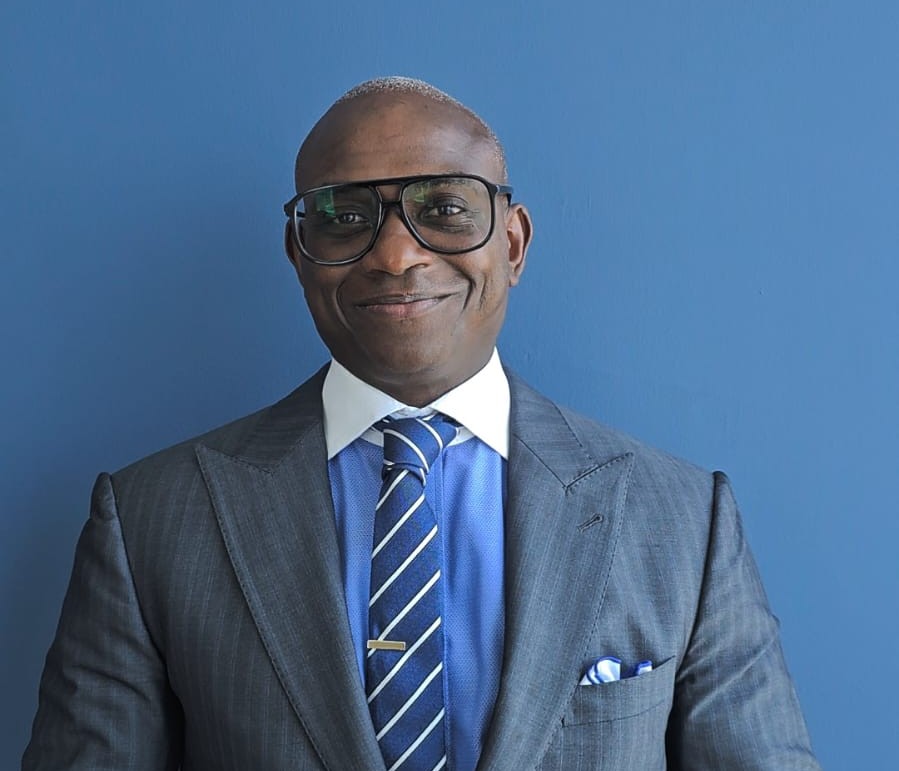
Just days after reaffirming the scientific foundation of the Coffee Value Assessment (CVA) in an interview with Qahwa World, Garfield Kerr, President of the Specialty Coffee Association (SCA), has announced a new collaboration with the Coffee Quality Institute (CQI) to evolve the Q-Grader program.

In the April 6th interview, Kerr described the CVA as a “great leap forward,” grounded in scientific research and developed to bring greater clarity and fairness to how coffee is evaluated across the value chain. “I am very much excited about the CVA, as I am driven by data and empirical hard evidence,” Kerr said, adding that it separates and assigns value to both objective and subjective criteria—an approach he believes serves everyone from producers to consumers.

Speaking directly to potential alignment with CQI’s protocols, Kerr stated, “The global industry is best served by everyone adopting this new approach… I think CQI will be a valuable partner and will eventually adopt the CVA.” That vision now appears to be moving forward, with Kerr confirming the partnership via a public statement:

“I’m excited to announce that we’re working with the Coffee Quality Institute to evolve the Q-Grader program. Come visit us at Coffee Expo in Houston next week to find out more.”

The Q-Grader program, long recognized as a benchmark in assessing Arabica quality, may now be entering a new chapter—infused with the CVA’s data-driven structure, rooted in contemporary sensory science, and more adaptable to different cultures, markets, and quality expressions.

Kerr has previously emphasized the importance of speaking with “one voice” across the industry, and this collaboration may be the first concrete step in bringing greater unity to global coffee evaluation systems. With both organizations at the forefront of specialty coffee development, the move signals a shared commitment to innovation, transparency, and equitable value distribution throughout the supply chain.

Doctor Issues Warning Over Your Morning Coffee – Even Just One Cup Could Trigger Health Problems

For millions, the day doesn’t properly begin without a cup of coffee. But enjoying your morning brew on an empty stomach could be doing more harm than good, health experts warn.

Dr Masarat Jilani, an NHS GP based in London, told the Daily Mail that drinking coffee first thing in the morning without having food can stimulate excess acid production in the stomach, potentially leading to acid reflux and a host of uncomfortable symptoms.

“As we get older, our gut can become more sensitive,” Dr Jilani explained. “Having coffee before breakfast can irritate the gut lining and ramp up acid production.”

How Your Morning Coffee May Be Triggering Reflux

Acid reflux occurs when stomach acid flows back into the oesophagus, the muscular tube connecting the mouth and stomach. This backflow can cause a burning sensation in the chest, bloating, nausea, bad breath, sore throat, and a chronic cough.

Research has shown that caffeine triggers the release of gastrin, a hormone responsible for increasing gastric acid. While this process aids digestion, consuming coffee on an empty stomach can overwhelm the system, especially in sensitive individuals.

Coffee also contains naturally occurring phenols, which can heighten the stomach’s acidity. A 2022 French study further found that coffee may relax the lower oesophageal sphincter—the muscle that prevents stomach acid from rising—making reflux more likely.

What Doctors Recommend Instead

To avoid these problems, Dr Jilani recommends waiting at least an hour after waking before drinking coffee, and eating something beforehand to buffer the stomach.

“This delay allows hormone levels that regulate digestion to rebalance and gives you a chance to line your stomach,” she said. “Plus, spacing out caffeine intake can promote more stable energy levels throughout the day, rather than triggering early highs and crashes.”

The Hidden Danger of ‘Silent’ Reflux

Reflux symptoms are more common than many realise. It’s estimated that around a quarter of UK adults experience acid reflux. But not all cases are obvious.

Long-term sufferers may have what’s called ‘silent reflux’, where symptoms such as throat clearing, hoarseness, or coughing are mistakenly attributed to other causes. In such cases, the oesophagus may already be desensitised after repeated acid exposure, masking the underlying issue.

Left untreated, chronic acid reflux can lead to more serious complications, including oesophageal cancer—an increasingly diagnosed condition linked to persistent acid damage.

Public Reactions Are Mixed

The warning has prompted varied responses. One reader from Los Angeles commented: “I drink one latte each morning. The milk helps buffer the acid, and it provides nutrients like calcium and protein.”

Another said: “I start with green tea, then switch to coffee until noon. Works for me and has done for years.”

In Summary

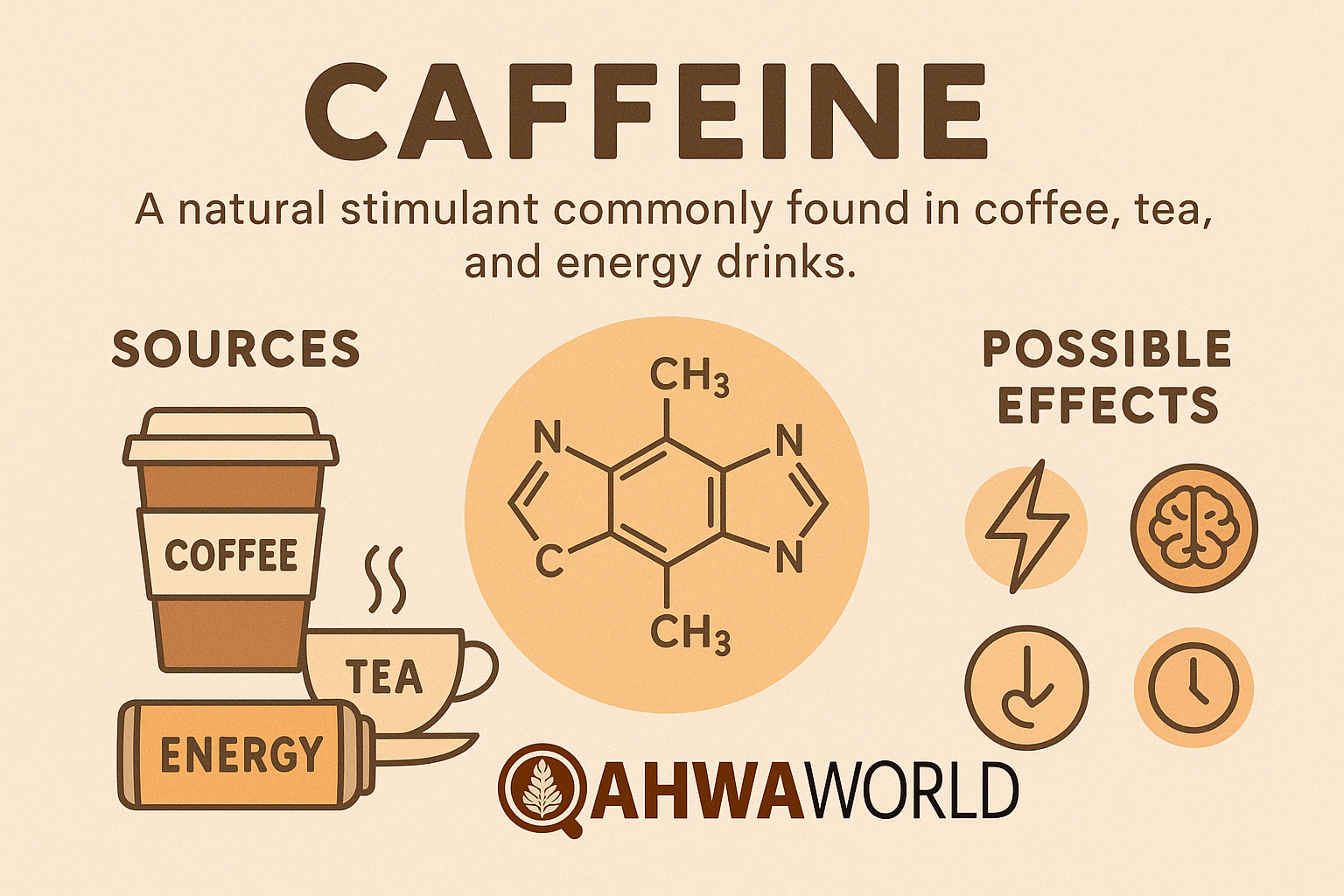
Caffeine—whether from coffee, tea, or energy drinks—can improve focus and mood, but timing and individual sensitivity matter. While experts aren’t calling for people to give up coffee altogether, they advise mindful consumption: wait a little, eat something first, and pay attention to how your body reacts.

Your morning brew may still be on the menu—just with a few adjustments to make it easier on your stomach.

Amid Economic Anxiety, Coffee Becomes a Symbol of Small Acts of Control

As recession warnings grow louder and the cost of living continues to climb, many people are making financial adjustments, big and small, in response to economic uncertainty. From delaying large purchases to reconsidering travel and lifestyle habits, the pressure of a looming downturn is reshaping consumer behavior across the board.

Yet beyond the rational choices lies another phenomenon: emotionally driven, symbolic gestures of self-denial. These small acts, while economically negligible, provide a psychological sense of control in an increasingly unpredictable financial climate.

For columnist Emma Brockes, that gesture centers around takeaway coffee.

“I’ve always used coffee as a personal barometer,” she writes. “Skipping my usual flat white — now nearing £4 — doesn’t drastically affect my finances. At one cup a week, I’m saving about £200 a year. But emotionally, the impact feels far greater.”

This sense of moral accomplishment echoes broader conversations about personal responsibility in financial planning. Brockes points to past critiques of millennial spending habits — such as viral remarks about avocado toast and cafe coffees impeding home ownership — as examples of misplaced blame. In her view, real financial security isn’t achieved by giving up coffee, but by overhauling nearly every aspect of one’s spending.

She recalls the example of her late aunt, a single mother and bookkeeper who paid off her mortgage within a decade through extreme frugality. Her lifestyle, built around sacrifice and minimalism, became less about necessity and more a personal philosophy of self-restraint — one Brockes views with a mix of admiration and unease.

“For many of us, the real challenge is gauging how serious the downturn is and what kind of sacrifices are actually necessary,” Brockes reflects. “History shows markets can rebound. So do we respond with panic or with patience?”

Economic history offers a sobering perspective: the 2008 financial crisis wiped 57% off the S&P 500 index, and during the pandemic, U.S. stocks plunged by 37%. The Great Depression saw a staggering 90% decline in Wall Street’s value. Each crisis brought lasting lessons — both in market strategy and in how people psychologically brace for loss.

Now, with tariffs on luxury goods expected to rise in the U.S., a quiet shift may be underway. As during past downturns, conspicuous consumption may again give way to understated choices — not necessarily out of necessity, but out of changing social norms.

In the end, Brockes concludes, the occasional takeaway coffee might be a worthwhile indulgence — not for its financial value, but for its emotional return.

“I’ve done the maths,” she writes. “And £200 a year is worth it for that small ping of happiness. Let’s not be miserable. Buy the coffee.”

Victoria Arduino Launches North America Tour to Celebrate Coffee and Innovation

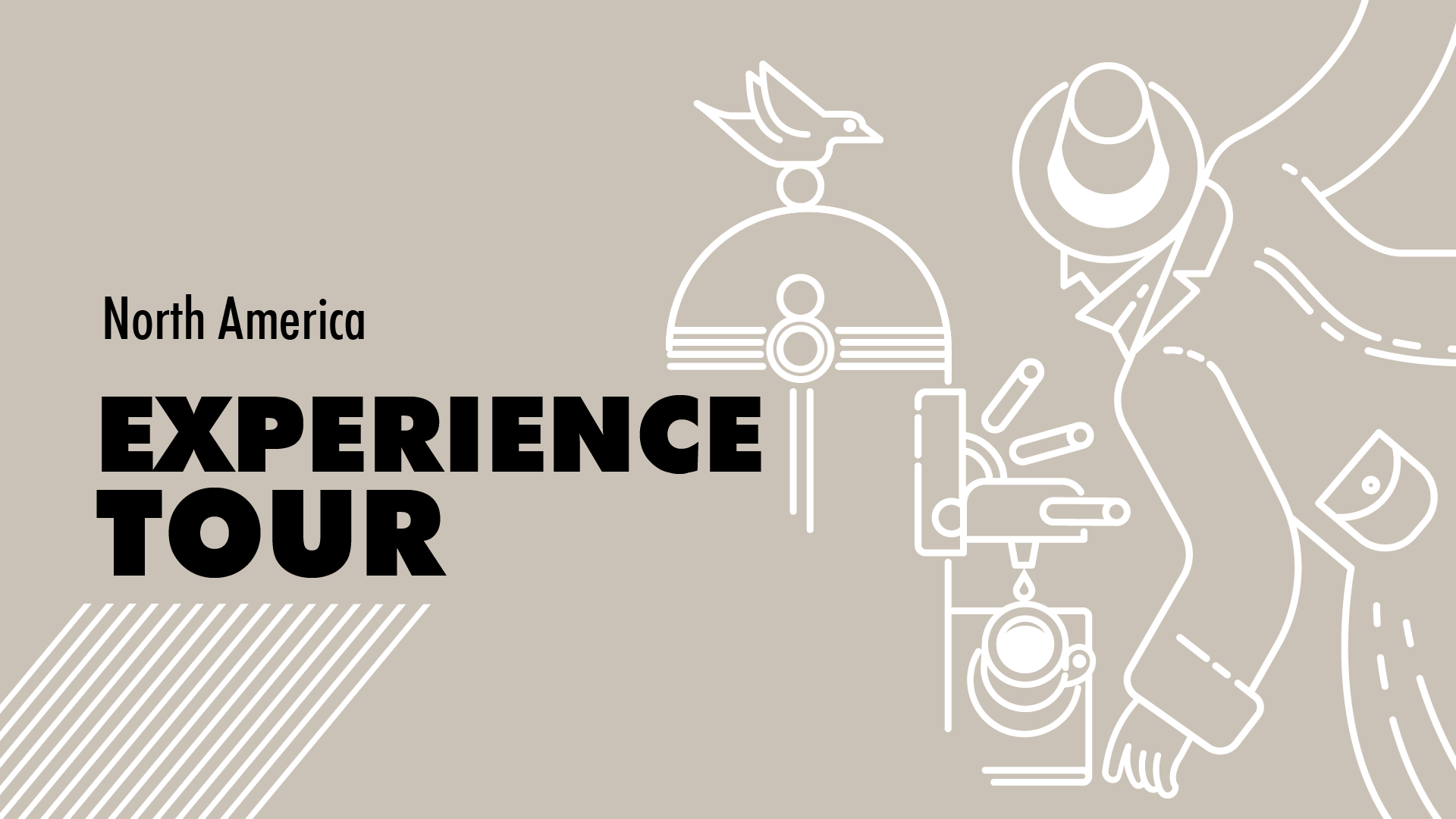
Victoria Arduino is embarking on a dedicated North America Experience Tour starting April 29, offering a series of exclusive events designed for coffee professionals and enthusiasts alike. The tour promises an immersive journey into the brand’s latest innovations in espresso machine technology, design, and energy efficiency.

At each stop, participants will have the opportunity to explore the exceptional performance of the Eagle Tempo and E1 Prima EXP espresso machines, the PureBrew+ single brewer, and the full Mythos grinder range. Known for their precision and consistency, these machines embody the core values that have long defined the Victoria Arduino brand: quality, innovation, and elegance.

Each event will feature:

  • Brand & Product Introduction – A comprehensive overview of the philosophy and innovation behind Victoria Arduino’s machines.

  • Coffee Industry Trends – Insights into emerging trends shaping the future of the coffee industry.

  • Hands-On Workshop – An opportunity to work directly with Victoria Arduino machines and learn techniques to optimize extraction.

  • Networking Moment – A chance to connect with other professionals in a collaborative and inspiring environment.

Tour Dates & Locations:

  • April 29 – New York, Coffee Project

  • May 3 – Montreal, Espresso Mali

  • May 5 – Chicago, Victoria Arduino Showroom

  • May 7 – Pittsburgh, Commonplace Coffee

  • May 8 – Charlotte, Trail Blaze Coffee Academy

This tour offers a rare opportunity to experience the heart of Victoria Arduino’s craftsmanship firsthand. Whether you’re a seasoned barista or an aspiring coffee entrepreneur, the North America Experience Tour is a chance to be inspired by technology, driven by design, and connected through coffee.

CBS News: Tariffs Could Brew Trouble for South Florida Coffee Lovers

CBS News has reported that South Florida’s beloved coffee culture may soon be facing higher prices, as proposed tariffs on imported coffee beans threaten to impact both local coffee shops and everyday consumers.

According to CBS Miami’s report, coffee beans sourced from countries like Honduras, Ethiopia, and Nicaragua could be hit with steep tariffs, which would likely result in a rise in costs for businesses and customers alike.

CBS News spoke with Emily Videl, a local coffee drinker who shared her concern about the potential impact: “I drink maybe three cups of coffee a day. I think prices are going to go up, and it’s not going to be good.”

The report highlights the case of Cali Coffee, a rapidly growing chain in South Florida with 11 locations and more on the way. Owner Craig Avera told CBS Miami that his team is closely monitoring the situation and trying to shield customers from higher prices.

“Right now, we haven’t seen any increase,” Avera said. “We’re kind of waiting for the call that we don’t want to hear.”

Avera explained that Cali Coffee is currently sourcing beans from countries that may be affected by the new tariffs. He noted that if tariffs make those imports too expensive, the company might shift to alternative suppliers. “Maybe we can get something equal from Ecuador or another country where the tariffs are lower,” he said.

CBS News also pointed out that coffee isn’t the only concern. Avera mentioned that his business is expecting a shipment of 20 stainless steel prep tables from China, each priced at $3,000. If the tariffs go into effect before the shipment clears customs, those costs could increase significantly.

CBS Miami also interviewed Dr. Albert Williams, head of finance and economics at Nova Southeastern University, who commented on the broader implications of the proposed tariffs.

“Planning is very difficult at this time for small businesses, big businesses, and consumers,” Dr. Williams said, adding that a 90-day pause on the tariffs could offer a chance for the U.S. to negotiate better trade deals.

“If both countries find a win-win solution, the tariff war could ease quickly,” he explained. “But if it turns into a zero-sum game, both sides risk losing.”

Anthology Honey Brings The Sacred Elixirs Of Greece To The UAE

Anthology Honey, a premium brand dedicated to the purest and rarest Greek honeys, is officially launching in the UAE, bringing a unique selection of medicinal and gourmet-quality honeys, artisan skincare products enriched with honey as well as ultra-gentle handmade organic olive oil soaps, to the region.

Anthology Honey embodies a deep respect for nature, offering a precious and rare collection sourced from pristine mountain villages and sun-kissed islands. With an ethos rooted in authenticity and sustainability, Anthology Honey is a gift from Gaia and a celebration of the ancient art of harmonious beekeeping.

Alexandra Timotheadi, CEO and Founder of Anthology Honey, explains: “With Anthology Honey, my mission is to introduce to the UAE some of the most exquisite Greek honey varieties, while, in parallel, fostering awareness about the fragility and vital role of the sacred honeybee. After two decades in the corporate world, this is more than a business—it is a passion project that allows me to combine appreciation, education and one of nature’s most precious gifts in a truly meaningful way. In Anthology we believe that our Sacred Elixirs are a true Gift from Gaia”.

Anthology Honey’s exquisite honey collection features four rare varieties, each boasting distinct medicinal properties and gourmet flavours including Evergreen Oak and Sidr Honey (the Elixir of Strength), Mediterranean Blossoms (the Elixir of Beauty), Silver Fir (the Elixir of Rejuvenation) and Vanilla Fir (the Golden Elixir) an exceptionally rare and precious honey with a spectacular, pearlescent and golden hues. It has been awarded a Protected Designation of Origin Status (PDO) because it is only produced in the Grecian Fir (Abies cephalonica) forests of southern Greece.

Each honey is raw, bioactive and unheated, and has undergone rigorous organoleptic and as well as laboratory testing to ensure the highest purity. Sourced from remote Greek regions untouched by urbanization, these honeys reflect a commitment to quality, sustainability, and honest craftsmanship.

“Our honeys are carefully selected not only for their remarkable medicinal properties but also for their exquisite gourmet flavours. We source them exclusively from remote, untouched regions, reflecting Greece’s pristine nature and ancient beekeeping traditions. The unique microclimate and rich biodiversity of the Eastern Mediterranean create some magnificent honey varieties—which is why we have named them the Sacred Elixirs of Greece,” adds Alexandra.

Anthology Honey also introduces a range of ethical beauty products including the Sacred Balms and handmade Organic Olive Oil Soaps. Crafted with authentic and the finest local ingredients, these luxurious products are free from artificial preservatives, chemicals, and skin irritants. They are crafted by artisans on the Greek island of Mytilene, the island of eleven million olive trees.

The sacred balms—enriched with honey, propolis, and botanical extracts—work as versatile beauty and skin nourishment treatments for men and women, while the cold-extraction soaps feature organic extra virgin olive oil, honey, goat milk, and herbal infusions, making them gentle for all skin types from infants to adults. We have also developed a very effective, natural balm to soothe and alleviate skin conditions, such as eczema and very dry skin.

Anthology Honey’s UAE launch will shortly include an exclusive e-shop and pop up collaborations with select premium retailers in Dubai and Abu Dhabi, and to introduce the region to the experience of rare Greek honey, the brand will host a series of honey-tasting events at high-end venues. These immersive experiences will allow guests to savour the nuances of each variety while learning about the rich heritage of beekeeping and the benefits of pure honey. Anthology Honey is not just about indulgence—it is a rare and authentic tribute to nature’s finest treasures for all honey connoisseurs and people, who can appreciate the finer things in life.

Experience the magic of pure, rare and indulgent honeys and ethical beauty rituals of Anthology Honey. Customers can order Anthology Honey via their Instagram @anthologyhoney, and will shortly be able to order through the official e-shop or at selected premium retailers.

For more information and upcoming event details, please follow the buzz on their Instagram @anthologyhoney.

About Anthology Honey:
Anthology Honey is a premium brand offering rare, medicinal-grade Greek honeys, ethical and pure skincare products as well as artisanal olive oil and honey soaps. Sourced from pristine Greek landscapes and handcrafted with sustainable ingredients, Anthology is dedicated to purity and authenticity. Each jar of honey is a gift from Gaia, embodying the magic of nature and the richness of ancient beekeeping traditions. With a commitment to sustainability and ethical sourcing, Anthology Honey seeks to bring an unparalleled experience of wellness, indulgence and mindfulness to honey lovers around the world.
 

Southwest Airlines Faces Lawsuit After Hot Coffee Burns 4-Year-Old Boy Mid-Flight

Southwest Airlines has been sued by a Utah couple after their 4-year-old son suffered second-degree burns when a flight attendant allegedly spilled boiling coffee on him during a flight from Orlando to Salt Lake City in September 2024.

The parents, Ryan and Kamrie Wong, filed the lawsuit in the U.S. District Court for the Northern District of Illinois, alleging negligence and emotional distress. According to the complaint, a flight attendant carrying a drink tray extended a cup of hot coffee over the child and spilled it onto his body, causing the boy to cry out in pain, screaming, “It’s so hot!”

The Wongs claim the airline staff failed to offer an apology or provide proper medical attention during the flight. Although paramedics met the family during a layover in Chicago, the complaint states that a Southwest gate agent exacerbated the boy’s injuries by forcing him to sit directly on the burn area. The family further alleged that crew members on their return flight to Salt Lake City offered no assistance.

As a result of the incident, the child reportedly suffers from ongoing pain, scarring, and psychological effects, including embarrassment at school and difficulty sitting for extended periods.

The Wongs’ attorney, Mark Lindquist, criticized the airline’s response, stating, “Airlines need to do better.”

The lawsuit seeks unspecified damages for negligence. Southwest Airlines has not yet issued a comment on the case.

This incident is not isolated. Lindquist is also representing a Washington state woman in a separate case against Delta Air Lines, claiming similar injuries from a coffee spill. That lawsuit, filed last September, is still pending.

The Southwest case is filed under Wong et al v. Southwest Airlines Co, Case No. 25-04116.

Dubai to Host First-Ever Nuova Simonelli Technicians Competition

Nuova Simonelli is set to launch the first edition of its Technicians Competition on April 29 in Dubai, bringing a unique spotlight to the professionals who keep espresso machines running at their best. Organized in collaboration with REPA, Cafetto, the Specialty Coffee Association (SCA) UAE Chapter, and BWT, the event will take place at the Nuova Simonelli Experience Lab in Al Quoz Industrial Area 3.

This inaugural edition celebrates the vital yet often overlooked role of technicians in the coffee industry. Participants will compete in real-world scenarios that challenge their ability to diagnose issues, perform repairs, and fine-tune machines for optimal performance. Designed as a dynamic, skills-based event, the competition aims to showcase the precision, passion, and professionalism of those who ensure the reliability and consistency of specialty coffee equipment.

The competition adopts a single-elimination format with eight technicians selected via an online technical quiz. Each match will last 30 minutes and feature the NUOVA Aurelia Volumetric XT, with pairs of technicians tasked with identifying and solving simulated malfunctions or executing technical adjustments. Their performance will be judged on criteria including safety, efficiency, machine knowledge, and the ability to deliver a perfect espresso.

The judging panel includes seasoned professionals from the technical field, ensuring a rigorous and insightful evaluation of each competitor’s skillset.

“Technicians are the backbone of cup quality,” said a spokesperson from Nuova Simonelli. “Their work ensures baristas can rely on their equipment day after day. With this competition, we’re giving them the recognition they deserve and creating a platform to celebrate their expertise.”

The event will run from 9:00 AM to 5:00 PM, offering not just a competition, but also an opportunity for the coffee community to learn, network, and engage with cutting-edge espresso technology.

To stay informed about future editions of the Nuova Simonelli Technicians Competition, visit www.nuovasimonelli.com or follow @nuovasimonelliofficial on Instagram.

NUO Capital Acquires Renowned Italian Coffee Maker Bialetti

NUO Capital, a Luxembourg-based company affiliated with Hong Kong’s Pao Cheng family, has announced the acquisition of Italy’s famed Bialetti, the creator of the iconic octagonal Moka coffee pot, a deal that will result in the company being delisted from financial markets.

Founded in 1933, Bialetti gained international acclaim for its Moka pot, considered a hallmark of Italian industrial design and featured in New York’s Museum of Modern Art. Despite its illustrious history, the company has faced economic challenges in recent years due to competition from capsule coffee machines, the COVID-19 pandemic, and unsuccessful expansions into kitchen utensils and retail stores. In 2024, Bialetti reported losses of €1.1 million, with adjusted financial debts totaling approximately €81.9 million.

Under the new agreement, NUO Capital will purchase 78.6% of Bialetti’s shares for €53 million, with the deal expected to finalize by the end of June. NUO Capital will also subsequently offer to buy the remaining shares at a minimum price of €0.467 per share, significantly above the recent closing price of €0.279.

The acquisition is subject to approval by Italian regulatory authorities, which have the power to impose conditions or reject foreign takeovers under national protection regulations.

Additionally, the agreement includes a comprehensive debt refinancing plan for Bialetti through joint loans, including a junior loan of up to €30 million provided by Illimity and AMCO, and a senior loan of up to €45 million from Banco BPM, BPER Banca, and Banca Ifis. NUO Capital will also inject at least €49.5 million in equity capital.

Egidio Cozzi will continue as CEO of Bialetti following the acquisition, ensuring managerial stability amid the ownership transition.

The name “Moka” associated with Bialetti’s famous pot is derived from the Yemeni city of Mokha, historically a major global coffee trading hub from the 16th to the 19th century.

Specialty Coffee Expo Rebrands as World of Coffee in 2026

The Specialty Coffee Association (SCA) has announced a major transformation of its flagship North American trade event. Beginning in 2026, the Specialty Coffee Expo will officially rebrand as World of Coffee, aligning the event with the SCA’s globally recognized series of specialty coffee exhibitions.

The final edition under the current name will be held in Houston, Texas, from April 25 to 27, 2025. The newly branded World of Coffee San Diego will debut the following year from April 10 to 12, 2026, at the San Diego Convention Center in California.

Despite the name change, the event will maintain its core strengths: a thriving community atmosphere, leading-edge workshops, high-level coffee competitions, and innovative technology showcases. World of Coffee San Diego is expected to usher in a new era of global collaboration and opportunity within the coffee industry.

With more than three decades of consistent growth, the Specialty Coffee Expo was recently recognized by Trade Show Executive as one of the Fastest 50 events in 2024 based on total attendance. The shift to the World of Coffee branding reflects the SCA’s ambition to strengthen North America’s position in the global specialty coffee sector.

World of Coffee San Diego will join a global network of events under the World of Coffee brand, already established in Europe, Asia, Central America, and the Middle East. Since its founding in 2010, World of Coffee has grown into the largest and most influential specialty coffee trade show series in the world, attracting thousands of professionals across the value chain.

The SCA views this rebranding as a strategic move to enhance the visibility of North American coffee businesses and create new pathways for international sourcing, partnership, and expansion. Through World of Coffee San Diego, the organization aims to deepen its mission of connecting coffee professionals, supporting innovation, and facilitating business growth in an evolving global market.

Exhibitor booking for World of Coffee San Diego 2026 is now open. Interested parties can contact [email protected] to reserve booth space. For sponsorship and partnership inquiries, contact [email protected].

Meanwhile, the upcoming 2025 Specialty Coffee Expo in Houston is set to welcome over 17,000 attendees from 85 countries, featuring 649 exhibiting companies. Educational sessions will highlight the latest developments in sustainability, business, science, and coffee culture. Registration is currently open at www.coffeeexpo.org, with discounts available for SCA members. For general inquiries, email [email protected].

International Coffee Organization Launches Global Campaign to Promote Circular Economy in Coffee

The International Coffee Organization (ICO) has launched a global awareness campaign aimed at highlighting the untapped potential of coffee waste and promoting circular economy practices across the coffee sector.

According to the ICO, between 95% and 99% of the coffee cherry is discarded after processing, posing significant environmental and economic challenges. However, the campaign emphasizes that this reality is beginning to change, as more businesses, cooperatives, and producers find innovative ways to transform this so-called “waste” into valuable resources.

The campaign showcases a variety of applications for coffee by-products — such as pulp, husk, and mucilage — which are rich in nutrients and bioactive compounds. These materials can be repurposed to produce biofuels, organic fertilizers, animal feed, cosmetics, and even bioplastics. In some cases, coffee residues are being turned into household items, sustainable design objects, and even jewellery, reflecting the growing creativity and sustainability focus within the industry.

Recent studies estimate that the global coffee industry generates between 34 to 39 million tonnes of biological waste annually. In addition, 7 to 8 million tonnes of spent coffee grounds are produced each year, much of which ends up in landfills — contributing to greenhouse gas emissions.

Circular economy practices present a real opportunity to reverse that trend. For example, Bio-bean, a UK-based company, processes up to 50,000 tonnes of spent coffee grounds per year, helping reduce 6.8 tonnes of CO₂ emissions per tonne of waste processed — a significant environmental benefit.

In parallel with the campaign, the Center for Circular Economy in Coffee (C4CEC) was established with support from the ICO and over 35 global partners. This hub promotes knowledge-sharing, research, and collaboration between stakeholders to advance circular practices in the coffee value chain.

The ICO is calling on stakeholders — from farmers and cooperatives to large corporations and consumers — to embrace circular economy initiatives and support the transformation of coffee waste into sustainable solutions.

“By supporting sustainable coffee practices, you’re also investing in a more circular and equitable future.” — International Coffee Organization

The organization also encourages the public to share inspiring projects and good practices that exemplify how coffee waste can be repurposed to create new economic and environmental value. As the campaign message makes clear: embracing circularity in coffee is no longer a luxury — it is a necessity.

Baked Coffee: The Scientific Explanation Behind a Dull Flavor

Have you ever tasted coffee that seemed flat, dull, or lifeless? The culprit may be a roasting defect known as “baked coffee”—a condition not of poor bean quality, but of poor heat management. In this report, Ennio Cantergiani, Owner and Managing Director of l’Académie du Café – Switzerland, unpacks the science behind this phenomenon and offers precise, practical recommendations to help roasters avoid this common but often misunderstood flaw.

You may sip a cup of coffee and find it strangely muted—lacking sweetness, brightness, or depth. While such characteristics might be attributed to origin or processing, the real cause often lies in a little-known roasting flaw called “baked coffee.” Though the term is familiar among seasoned roasters, the scientific rationale behind it is less widely understood.

Ennio Cantergiani, Owner and Managing Director of l’Académie du Café – Switzerland, explains that baked coffee arises not from defective beans, but from a mismanaged roast. Specifically, it results from insufficient heat transfer over an extended period, which inhibits the formation of key aromatic compounds. The outcome is a cup devoid of vibrancy—flat, dull, and lifeless.

At the heart of this defect lies a thermodynamic concept known as the glass transition temperature (Tg). During roasting, coffee beans pass through this physical threshold, shifting from a rigid, glassy structure to a more flexible, rubbery state. This change enables the molecular mobility required for crucial chemical reactions—most notably the Maillard reaction and caramelization—which build the sweetness, complexity, and aromatic richness expected in quality coffee.

However, when beans linger too close to the Tg zone for too long—due to slow or underpowered roasting—these molecular reactions are stifled. With insufficient energy to drive flavor-producing chemistry, the beans fail to develop their full potential. The resulting coffee tastes dull and one-dimensional, lacking clarity or body.

Slow roasting near the glass transition point also affects bean structure. Porosity is reduced, which impairs extraction during brewing. The water struggles to penetrate the bean evenly, producing a thin cup with weak tactile and sensory expression.

To prevent baked coffee, Cantergiani emphasizes the need for controlled, effective heat transfer throughout the roast. Roasters should avoid extending the roast near the glass transition range and tailor roast profiles according to the specific density and moisture content of each batch. These adjustments, though subtle, are essential for unlocking the full flavor locked inside the green bean.

Ultimately, baked coffee is more than a subjective tasting flaw—it is a scientifically explainable result of physical and chemical dynamics. In the age of precision roasting, understanding this phenomenon empowers roasters to create consistently bright, sweet, and balanced coffee, free from the muted signature of a baked profile.