“Coffee People for Palestine”: A New Initiative to Support Gaza

In an effort to confront the coffee industry’s ongoing silence over the humanitarian crisis in Gaza, a new fundraiser, Coffee People for Palestine, has been launched, calling on coffee businesses and professionals to take a stand and offer tangible support.

David Lalonde, co-founder of Canadian coffee company Rabbit Hole Roasters, initiated the fundraiser on April 14, aiming not only to raise money for humanitarian relief but also to challenge the industry’s ethical posturing. The campaign supports The Sameer Project, a Palestinian-led mutual aid organization providing critical assistance on the ground in Gaza. As of now, the initiative has raised over $2,500, with donations open until May 15.

“The coffee industry often claims a moral high ground,” Lalonde said. “We advocate for sustainability, fair pay, and better sourcing practices, yet remain silent on one of the greatest humanitarian crises of our time. This fundraiser is a wake-up call.”

The Sameer Project, based in London and founded by four Palestinians in the diaspora, works closely with teams in Gaza to deliver food, water, medical supplies, and direct financial support to displaced families. Their work has been vital as Gaza faces catastrophic conditions, with severe restrictions on aid and widespread famine warnings issued by international organizations.

Collaborating with coffee companies such as Heart Roasters, Tabeeb Roasters, and community-driven groups like Getchusomegear and Stay Bloomin, Lalonde emphasized the importance of collective action. “I wanted to show that it’s not just me—that there are many in the coffee community who care deeply,” he said.

The fundraiser also features a cultural raffle for donors, offering Palestinian olive oil, keffiyehs, embroidery art, and copies of Ilan Pappe’s A Very Short History of the Israel-Palestine Conflict. Lalonde hopes that celebrating Palestinian culture will encourage deeper engagement with the cause.

For many, the industry’s current response contrasts sharply with its previous mobilization for Ukraine in 2022, when major coffee organizations such as the Specialty Coffee Association (SCA) openly supported Ukrainian communities and barred Russian participation from global events. In the case of Gaza, however, the industry’s silence has been conspicuous.

“The discrepancy is staggering,” Lalonde noted. “We know the coffee community can come together. We’ve seen it before. So what’s the excuse now?”

Tahani Hassan, co-owner of Tabeeb Roasters, expressed cautious optimism about the impact of the fundraiser. “While the response has been encouraging, there’s still a broader reluctance to take decisive action,” she said. “We hope this effort empowers more people to use their voices.”

Running through May 15, which marks Nakba Day—the commemoration of the mass displacement of Palestinians in 1948—the fundraiser underscores the enduring nature of the conflict and the urgent need for international solidarity.

As Gaza faces extreme shortages of food, water, and medical supplies, and as hospitals continue to be destroyed or rendered inoperable, projects like the Sameer Project have become essential lifelines for those trapped in the besieged territory.

Lalonde and his collaborators stress that meaningful change requires sustained action beyond social media posts and public statements. “True solidarity costs something,” Lalonde said, quoting activist and author Cole Arthur Riley. “We have to move beyond talking a good game. It’s time to match our words with deeds.”

Through initiatives like Coffee People for Palestine, organizers hope to set a precedent for how the specialty coffee community—and other industries—can mobilize in times of global crisis, not only for Gaza but for any community in need.

Mokha 1450 Launches World’s First Interactive Specialty Café at Emirates Towers, Blending Coffee and AI Innovation

At the Heart of Emirates Towers in Dubai, Mokha 1450 Opens the World’s First Interactive Café, Once Again Elevating the Specialty Coffee Experience

Mokha 1450, a pioneer in the specialty coffee scene, has officially opened its latest showroom—Mokha 1450 Specialty Coffee Priorists—in Area 2071 at Emirates Towers. The launch coincides with the first day of Dubai’s Artificial Intelligence Week, held at the Museum of the Future and the Boulevard area of the Towers.

The showroom offers a world-first experience, where the menu becomes secondary, and each guest drives their own coffee journey based on mood and curiosity—whether to enjoy a bespoke brew, deepen their knowledge of coffee, or explore the boundaries of what’s possible. For example, a guest interested in mastering the art of espresso can learn and try making one themselves. The coffee bar offers a 360-degree interactive layout, allowing guests to position themselves wherever they wish, depending on the experience they seek—limited only by their imagination.

This strategic launch, aligned with a globally significant tech event, reinforces Mokha 1450’s pivotal role in promoting specialty coffee culture in Dubai. It also highlights the brand’s ongoing commitment to innovation and emerging technologies—especially artificial intelligence—in advancing the coffee industry.

Mokha 1450 is among the first specialty coffee brands to integrate AI into its operations. As the official sponsor of the UAE AeroPress Championship since its inception, Mokha 1450 made AI the central theme of the 2023 edition of the competition, held at Dubai Multi Commodities Centre in October 2023.

During Artificial Intelligence Week, attendees and office workers at Emirates Towers experienced a unique, once-in-a-lifetime coffee moment. The Mokha 1450 Specialty Coffee Priorists team crafted coffee using a bespoke AeroPress device inspired by the Museum of the Future’s architecture—featuring a recipe 100% created by AI using the prompt: “Create an AeroPress World Championship Competition-winning recipe.”

This latest expansion is part of Mokha 1450’s strategy to deliver exceptional coffee experiences in iconic locations, catering to a clientele that includes innovators, entrepreneurs, and coffee connoisseurs. The new showroom embraces a modern, minimalist design that reflects the brand’s identity, while offering diverse brewing methods, innovative beverages like the globally renowned Smoke and Diamonds Zero Proof Cocktail, and curated experiences such as Coffee & Canapés Discourse, Coffee & Chocolate Discourse, and Zero Proof Cocktail Masterclasses, with additional customized options available upon request.

The name “Coffee Priorists” honors the brand’s discerning clientele, defined as “experts or enthusiasts who seek coffee experiences that are exceptional, authentic, and intrinsically valuable”—a definition that perfectly encapsulates the Mokha 1450 philosophy.

Rooted in the belief that it is “The Heart of Coffee,” Mokha 1450 offers a curated selection of the finest beans sourced from Ethiopia, Yemen, Colombia, and Jamaica. Its luxury offerings include the exclusive Jamaica Blue Mountain and Yemeni Sabri coffees, alongside elegant gift boxes designed for true Coffee Priorists.

Founded in 2013, Mokha 1450 was the first brand to introduce the “boutique specialty coffee” concept to Dubai. Since then, it has played a vital role in positioning the UAE as a world-leading destination for rare coffee varieties and exceptional sensory experiences.

SCA and CQI Announce New Q Grader Program Based on Coffee Value Assessment

The Specialty Coffee Association (SCA) and the Coffee Quality Institute (CQI) have announced a historic partnership that will transform coffee education and support for professionals across the industry. As part of this strategic collaboration, the globally recognized Q Grader Program will be evolved and managed solely by the SCA starting October 1, 2025, with CQI stepping away from program operations.

The newly evolved Q Grader license will become the first and only qualification based on the SCA’s Coffee Value Assessment (CVA)—a groundbreaking evaluation system introduced in 2023 that expands coffee quality assessment beyond flavor to encompass the full range of attributes that contribute to a coffee’s value.

This updated program will provide coffee professionals with a globally recognized credential for evaluating and communicating quality and value in specialty coffee. The transition will also create more inclusive pathways for those seeking Q certification. Holders of the SCA Sensory Skills Professional Certificate, and current or former Arabica or Robusta Q Graders, Instructors, or Assistant Instructors, may fast-track their updated certification by completing the SCA’s CVA for Cuppers Course by December 31, 2025.

Research-Informed, Skills-Based Curriculum

The evolved Q Grader Program, built on the Coffee Value Assessment, will feature a robust curriculum focused on practical sensory evaluation techniques, defect identification in green coffee, and quality control. Graduates of the program will earn the evolved Q Grader license, reflecting a modern and scientifically informed approach to assessing coffee.

“Coffee is more than a score,” said Yannis Apostolopoulos, CEO of the Specialty Coffee Association. “This partnership marks a major milestone in our mission to make coffee better. Graduates of the evolved Q Program will lead the way in redefining coffee evaluation with a holistic approach rooted in value.”

Michael Sheridan, CEO of the Coffee Quality Institute, added: “We’re proud of the Q Program’s impact over the past 20 years and honored by the industry’s trust. Now, we’re excited to partner with the SCA to evolve the Q in a way that meets the coffee sector’s changing needs.”

Attendees of the Specialty Coffee Expo in Houston can learn more about the evolved program by joining daily info sessions or visiting the SCA Community Lounge.

Nuova Simonelli Announces Finalists for Dubai Technicians Competition

Nuova Simonelli has unveiled the eight finalists for its inaugural Technicians Competition, set to take place on April 29 at the Nuova Simonelli Experience Lab in Al Quoz Industrial Area 3, Dubai. This event, organized in collaboration with REPA, Cafetto, the Specialty Coffee Association (SCA) UAE Chapter, and BWT, aims to spotlight the expertise and dedication of espresso machine technicians across the Middle East.

The competition will feature a single-elimination format, where technicians will engage in real-world challenges, including diagnosing malfunctions and fine-tuning machines for optimal performance. Each match will last 30 minutes and utilize the NUOVA Aurelia Volumetric XT machine. Participants were selected through an online technical quiz conducted between March 14 and March 31, ensuring a diverse representation from leading companies in the region.nuovasimonelli.it

Judging will be conducted by a panel of seasoned professionals from the technical field, evaluating contestants on safety, efficiency, machine knowledge, and the ability to deliver a perfect espresso.Qahwa World

The event will run from 9:00 AM to 5:00 PM, offering attendees not only the thrill of competition but also opportunities to engage with cutting-edge espresso technology and network with industry professionals.

For more information and updates on future editions of the Nuova Simonelli Technicians Competition, visit www.nuovasimonelli.com or follow @nuovasimonelliofficial on Instagram.

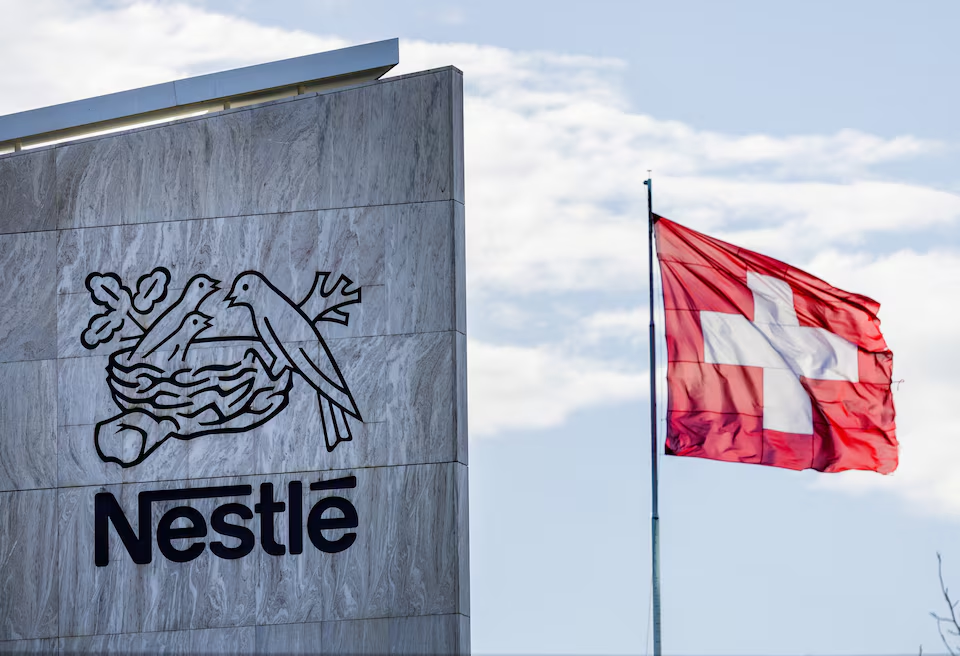
Nestlé and Rivals Ease U.S. Price Hikes as Shoppers Turn to Cheaper Alternatives

Major global consumer goods companies, including Nestlé and Unilever, are slowing down price increases in the United States to avoid losing market share to more affordable private-label brands, as rising tariffs and economic uncertainty strain American household budgets.

Nestlé, the world’s largest food and beverage company and maker of Nescafé and KitKat, announced it had cut prices by 1% in its largest market — the U.S. — citing weakened consumer confidence. “Political and economic decisions have undermined already soft consumer sentiment,” said Laurent Freixe, Nestlé CEO, during an earnings call on Thursday.

Unilever, the producer of Dove soap and Ben & Jerry’s ice cream, also reported restrained price increases in North America — raising prices by just 2.1%, compared to more aggressive hikes in other regions.

Retailers like Walmart and Target are rapidly expanding their private-label offerings, which are generally priced lower than national brands. According to data from NielsenIQ, prices for private-label products rose by around 4% in Q1 2025, compared to just 2% for big-brand goods — yet private labels remained at least $1 cheaper on average across categories such as coffee, soap, and baby food.

This shift is worrying investors, as private-label brands are now growing four times faster than their branded counterparts in the U.S., according to consulting firm McKinsey. A recent survey found that 60% of consumers plan to adjust their shopping habits by switching to cheaper products or shopping at wholesale clubs and online retailers.

“There’s a large percentage of people who will just move to private label,” said Rob Holston, Global Consumer Products Leader at EY. “Many of our clients say they’re on a ‘war-footing’ with private brands now.”

Adding to the pressure, recent tariff increases imposed by President Donald Trump on several trading partners have raised concerns about a potential recession. Rising commodity prices and utility costs are further squeezing household spending.

Trump met with executives from Walmart and Target earlier this week to discuss the impact of tariffs on their imports, while analysts warned that the pricing power of big brands may be approaching its limit.

Consumer goods giants have responded cautiously. Reckitt, the maker of Durex condoms, increased prices by just 0.9% in North America in Q1, compared to 3% in Europe and 3.9% in emerging markets.

Despite their global scale, Nestlé and Unilever are seeing continued market share losses in the U.S.. Nestlé has seen declining store share for 18 consecutive quarters, particularly in frozen foods and coffee creamers. Unilever has similarly lost share in all but two of those quarters, according to data analyzed by Barclays.

Retailers are also stepping up innovation, with some private brands outperforming major labels in product development. “Retailers are now matching or even surpassing multinationals in terms of brand capabilities,” said Aftab Hussain, senior partner at BCG.

As pricing wars intensify and consumer loyalty wanes, companies like Nestlé and Unilever face growing challenges to defend their U.S. market presence. “There are fewer and fewer hiding places for investors,” said Tom Lemaigre, portfolio manager at Janus Henderson. “Consumer companies need to rethink their strategies to keep up.”

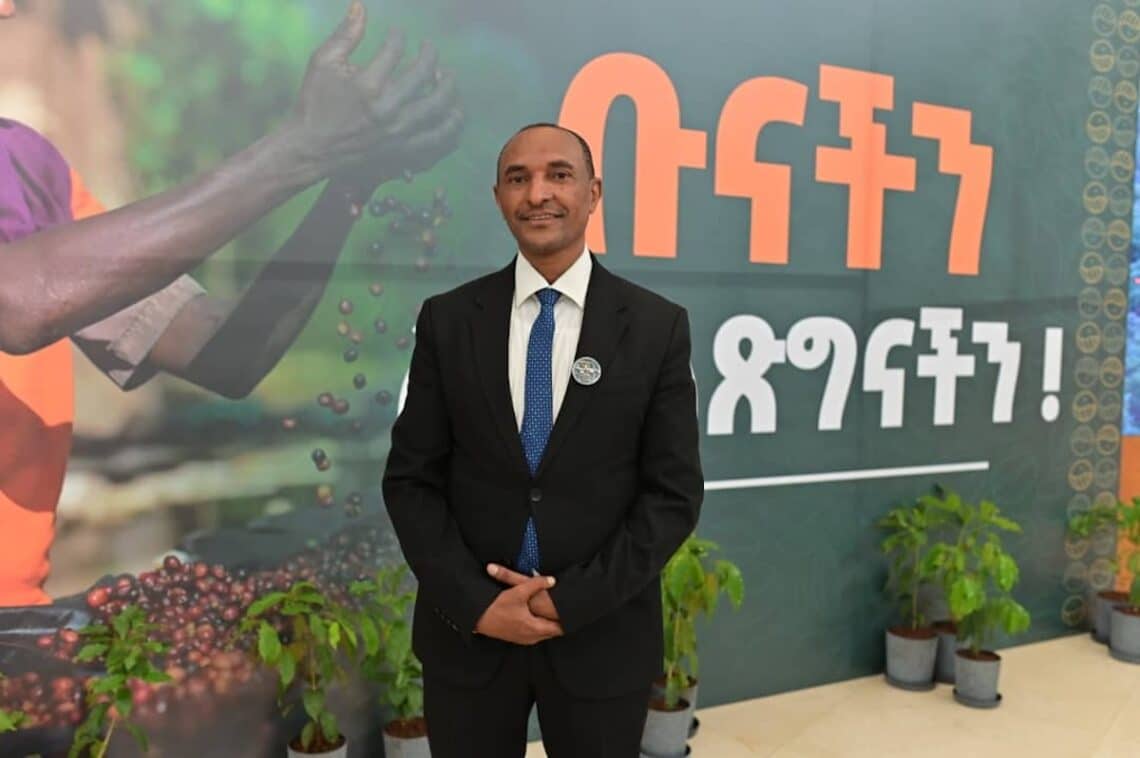
Ethiopia’s Coffee Exports Reach Record $1.5 Billion in Just Nine Months

Ethiopia has set a new benchmark in its coffee industry, earning over $1.5 billion in export revenue within the first nine months of the current Ethiopian fiscal year — a record-breaking performance that exceeds all previous annual figures.

The announcement was made by H.E. Dr. Adugna Debela, Director General of the Ethiopian Coffee and Tea Authority, during a press conference on April 15. According to Dr. Debela, Ethiopia exported 299,607 tons of coffee between July and March, achieving 148% of its planned export target of 201,959 tons.

In revenue terms, the country generated $1.508 billion, surpassing its projected income of $1.094 billion by 38%. This marks a 72% increase in volume and an 81% increase in revenue compared to the same period in the previous fiscal year.

Leading Export Markets

Dr. Debela revealed the top destinations for Ethiopian coffee exports during this period:

  • Saudi Arabia imported 53,844 tons (18%) and contributed $250 million (21%) in revenue.

  • Germany followed with 51,107 tons (17%), generating $232.5 million (20%).

  • The United States received 23,344 tons (8%), valued at $152.2 million (13%).

Other key markets included Belgium, China, South Korea, the United Arab Emirates, Japan, Italy, and Jordan.

Strategic Reforms Behind the Growth

The surge in export performance is attributed to a combination of strategic government reforms, improved productivity, and a strong focus on quality control and market diversification. The Ethiopian Coffee and Tea Authority has implemented measures to support farmers, modernize processing facilities, and promote Ethiopian coffee globally.

“Ethiopia is not just meeting targets — we are redefining them,” Dr. Debela stated. “Our reforms are producing tangible results, and Ethiopian coffee is gaining greater recognition and market share worldwide.”

Looking Ahead: $2 Billion Target

Building on this momentum, Ethiopia has set its sights on reaching $2 billion in coffee export revenue by the end of the fiscal year. This goal involves exporting more than 400,000 tons of coffee — an increase of over 100,000 tons in the final three months of the year.

Ethiopia, widely recognized as the birthplace of Arabica coffee, currently exports to 84 countries, reinforcing its status as a global coffee powerhouse.

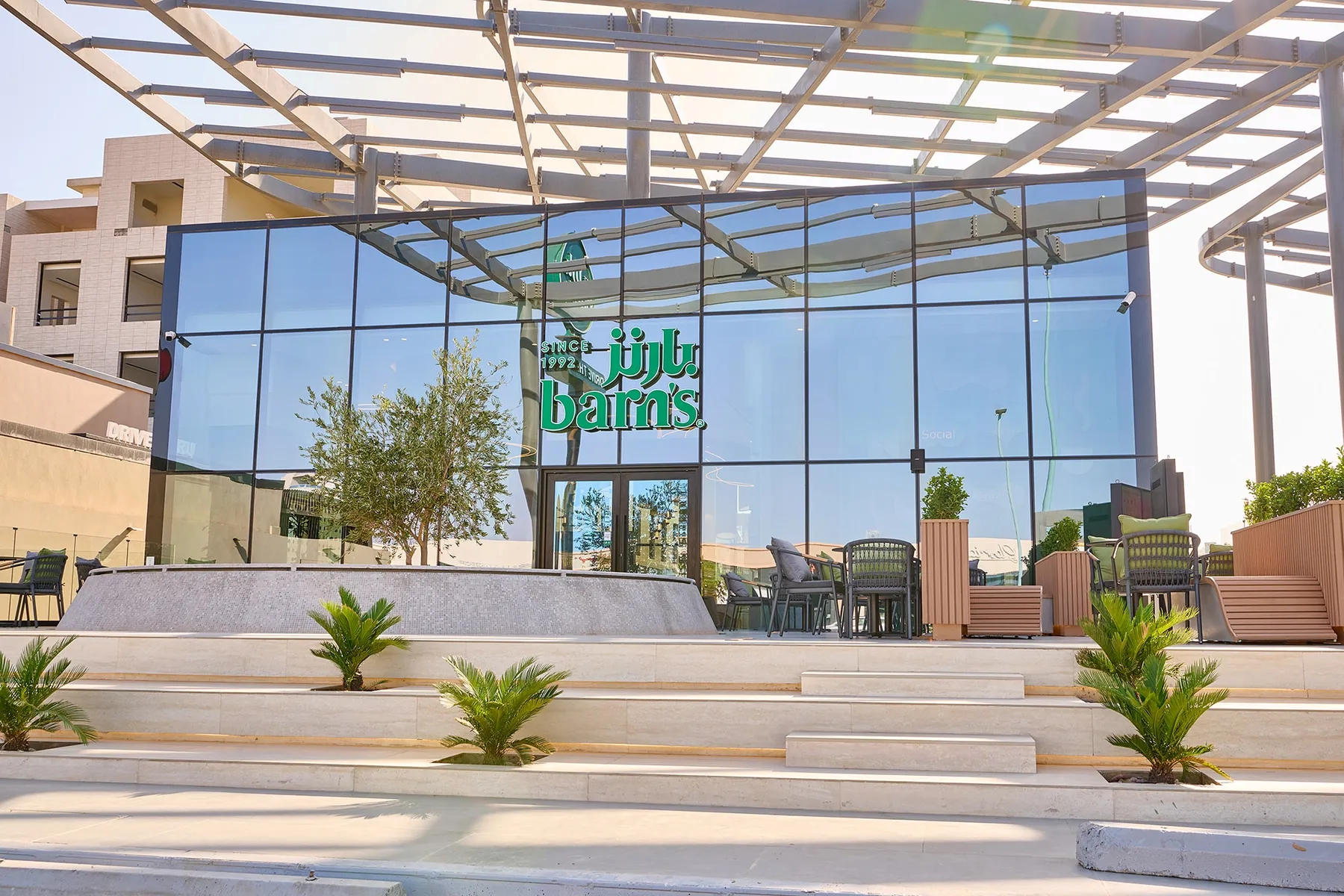
Saudi Coffee Chain Barn’s Advances IPO Plans Amid Market Shifts

Barn’s, the Saudi Arabian coffee chain owned by Al Amjaad Trading & Manufacturing, is moving forward with its long-anticipated initial public offering (IPO) on the Tadawul Stock Exchange. The company has secured mandates from Goldman Sachs, HSBC, and Saudi Fransi Capital to act as joint financial advisors, according to sources familiar with the matter.

The IPO, slated for the first quarter of 2026, is expected to raise up to $500 million and could value the Jeddah-based brand at approximately $2.5 billion. Proceeds from the offering will be directed toward expanding Barn’s footprint to 1,000 stores by 2030, up from the current count of 900. The company has recently launched new outlets in Dubai, Muscat, and Casablanca, with further expansion planned in Qatar and Jordan by mid-2026.

The announcement comes as Saudi Arabia’s equity markets show signs of recovery. The Tadawul Index has rebounded by 8% since June 2025, buoyed by oil prices stabilizing around $72 per barrel. However, economic headwinds persist, with the International Monetary Fund revising the kingdom’s 2025 GDP growth forecast downward to 2.1%, citing delays in fiscal reforms.

Barn’s IPO would join a mixed lineup of listings on the Saudi market this year. Shares of gym operator Sports Club Co. have gained 15% since their debut, while hospital chain Specialized Medical Co. is trading 9% below its offering price. Analysts note that consumer-facing companies with regional growth potential are attracting stronger investor interest.

“Barn’s regional dominance in the specialty coffee sector, coupled with its clear scalability, makes it an attractive candidate,” said Amal Al-Rashid, equity strategist at Riyad Capital.

In a recent interview, CEO Mohammed Alzain outlined strategic shifts aimed at sustaining post-IPO growth. The company is investing in premium at-home coffee products and AI-powered loyalty programs, which have driven a 40% year-on-year increase in app-based orders. “We’re not just a café chain; we’re building a lifestyle ecosystem,” Alzain said.

Yet the road ahead may not be without obstacles. UAE-based Caribou Coffee is preparing to enter the Saudi market in 2026, while Malaysia’s ZUS Coffee—backed by Kuwait’s Alshaya Group—plans to double its MENA footprint. Global coffee bean prices have also surged by 18% in 2025, adding pressure to profit margins amid ongoing supply chain disruptions.

Investor roadshows are expected to begin in November. As the company prepares to pitch its vision to the market, Barn’s must demonstrate that its blend of Saudi heritage and modern retail strategy can deliver sustainable long-term value.

Coffee Market: Arabica Prices Surge as Brazil Production Falls and U.S. Consumption Hits Historic Peak

Coffee markets showed mixed performance Tuesday as arabica prices posted moderate gains while robusta prices declined slightly, amid forecasts of reduced Brazilian production and news that coffee has become America’s most consumed daily beverage.

Arabica Gains on Brazilian Currency Strength

May arabica coffee futures (KCK25) closed up +10.85 cents (+2.96%) to 377.00¢ per pound on Tuesday, supported primarily by strength in the Brazilian real, which rose to a two-week high against the US dollar. The stronger currency discourages export selling from Brazil’s coffee producers, as they receive fewer reals for dollar-denominated sales.

“The currency effect is creating a significant tailwind for arabica prices right now,” said a senior commodities analyst at a major trading firm. “When the real strengthens, Brazilian farmers tend to hold back inventory, tightening available supply.”

Meanwhile, May ICE robusta coffee (RMK25) closed down -22 points (-0.42%), showing divergent performance from its arabica counterpart.

Brazil’s 2025/26 Coffee Output Forecast to Decline

Adding support to arabica prices, two major financial institutions released forecasts Tuesday predicting a significant decline in Brazil’s coffee production for the upcoming crop year.

Following a comprehensive crop tour, Dutch bank Rabobank forecast that Brazil’s coffee output in the 2025/26 cycle would drop 6.4% to 62.8 million 60-kilogram bags, down from 67.1 million bags in the 2024/25 crop.

The decline is not uniform across coffee varieties. Arabica coffee production is expected to fall significantly by 13.6% to around 38 million bags, while robusta coffee is projected to partially offset arabica’s underperformance by growing 7.3% to reach a record 24.7 million bags.

“The dry weather in 2024 significantly affected flowering and, consequently, arabica coffee production,” Rabobank stated in its report. “However, excellent yields are estimated for robusta coffee, despite a pessimistic outlook for the state of Rondonia.”

Bank Itau BBA maintained its coffee production forecast at 64.4 million bags for the 2025/26 cycle, still 3% lower than the Brazilian coffee output of 66.4 million bags for the 2024/25 cycle as reported by the U.S. Department of Agriculture.

The harvesting of conilon coffee beans (a variety of robusta) for the 2025/26 crop has already begun in some areas of Brazil’s Espirito Santo and Bahia states, according to the Cooabriel cooperative.

Weather Concerns Persist

Weather conditions continue to be a significant factor affecting coffee yields. Somar Meteorologia reported that Brazil’s biggest arabica coffee growing area of Minas Gerais received 17.9 mm of rain in the week ended April 12, or 89% of the historical average.

Brazil has been facing the driest weather since 1981, according to the natural disaster monitoring center Cemaden, raising concerns about long-term damage to coffee trees during the critical flowering stage.

Vietnam Production Issues Support Robusta

Despite the day’s price decline, robusta coffee has found support from reduced production in Vietnam, the world’s largest robusta producer. Vietnam’s coffee production in the 2023/24 crop year dropped by 20% to 1.472 million metric tons, the smallest crop in four years.

Vietnam’s General Statistics Office reported that 2024 Vietnam coffee exports fell 17.1% year-over-year to 1.35 million metric tons. Additionally, the Vietnam Coffee and Cocoa Association recently cut its 2024/25 Vietnam coffee production estimate to 26.5 million bags from a December estimate of 28 million bags.

The country’s January-March coffee exports were down 15.3% year-over-year to 495,780 metric tons, further tightening global robusta supplies.

Coffee Becomes America’s Top Daily Beverage

In a significant development for coffee demand, a new report from the National Coffee Association (NCA) released Tuesday shows that coffee has officially become America’s most consumed daily beverage, surpassing bottled water, tea, juice, and soda.

According to the Spring 2025 National Coffee Data Trends (NCDT) study, 66% of American adults now drink coffee every day, up nearly 7% since 2020. The average coffee drinker in the United States consumes three cups each day.

“Coffee holds a unique place in Americans’ daily lives – no other beverage is such a beloved and prominent touchstone,” said Bill Murray, NCA’s president and CEO. “Coffee’s popularity brews big benefits for American coffee drinkers and the entire US economy, and we expect America’s love affair with coffee to continue for many decades to come.”

Specialty coffee is driving much of the growth, with 46% of adults reporting consumption of a specialty brew in the past day, an 18% increase from five years ago. Within the specialty segment, espresso-based beverages rose from 24% of adults in 2020 to 28% in 2025, while non-espresso formats jumped from 12% to 17%.

Traditional coffee consumption remained relatively steady at 42% of adults, compared to 43% in 2020. Overall, specialty drinks now account for 59 of every 100 cups poured, with traditional coffee making up the remaining 41 cups.

Home Brewing Trend Continues

The COVID-19 pandemic appears to have had a lasting impact on coffee consumption habits, with 71% of daily coffee drinkers preparing their brew solely at home in 2025, up from 63% in 2020. Only 16% relied exclusively on out-of-home preparation, while 13% combined home and away consumption.

Grocery stores remain the top retail channel for coffee purchases (40% of daily drinkers), though online buying has doubled over five years, from 7% in 2020 to 14% in 2025. Mass merchandisers (29%) and club stores (10%) also play significant roles, while coffee shops account for 5% of daily purchases.

American households are increasingly investing in coffee equipment. Drip coffee makers remain the most common appliance (62% of households, up from 58% in 2020), followed by single-cup brewers at 42%. Higher-end machines are gaining popularity, with 15% of homes now featuring bean-to-cup systems (versus 10% in 2020) and 12% owning espresso machines.

Market Outlook

The current market dynamics suggest continued price volatility in the short term, with arabica likely to maintain its premium over robusta due to supply concerns. The strengthening Brazilian real could further support arabica prices if the currency trend continues.

The divergence between arabica and robusta production forecasts highlights the growing impact of climate change on coffee cultivation. Arabica, being more sensitive to weather conditions, is showing greater vulnerability to the dry conditions in Brazil. This trend may accelerate the shift toward more robust varieties in some growing regions.

The strong growth in coffee consumption, particularly in the specialty segment, suggests continued robust demand that could support prices despite some supply increases in certain varieties. The shift toward higher-quality coffee consumption may particularly benefit arabica producers in the long term, despite current production challenges.

Luckin Coffee to Announce Q1 2025 Financial Results on April 29

Luckin Coffee Inc. (OTC: LKNCY), one of China’s fastest-growing coffee chains, has announced it will release its financial results for the first quarter of 2025 ahead of the U.S. market opening on Tuesday, April 29, 2025.

The company will also host a conference call on the same day at 8:00 a.m. Eastern Time (8:00 p.m. Beijing Time) to discuss the results and engage with investors.

Details on how to join the call, as well as the full earnings release, presentation slides, and an archived webcast, will be available on Luckin Coffee’s Investor Relations website: investor.lkcoffee.com.

About Luckin Coffee

Founded in 2017, Luckin Coffee (OTC: LKNCY) has built a technology-powered retail network aimed at delivering high-quality, convenient, and affordable coffee to customers across China. Through its proprietary digital platforms and rapid expansion, the company continues to shape the future of coffee consumption in one of the world’s largest markets.

JDE Peet’s starts EUR 250 million share buyback programme

JDEP), the world’s leading pure-play coffee and tea company by revenue, today announced the start of its share buyback programme to return up to EUR 250 million to shareholders in 2025, as announced on February 26, 2025.

The programme will start on March 3, 2025 and the maximum duration of the programme is up to the end of 2025, barring unforeseen circumstances.

The main purpose of the programme is to reduce the capital of JDE Peet’s, by cancelling virtually all the ordinary shares acquired through the programme.

A small portion will be used to cover share-based remuneration obligations.

At the current share price, the programme represents a maximum of approximately 13.9 million shares, or 2.8% of total shares outstanding.

The programme will be executed within the limits of relevant laws and regulations, the existing authority granted at JDE Peet’s 2024 Annual General Meeting of Shareholders (AGM) on May 30, 2024 and the authority (if granted) by the AGM on June 19, 2025.

The share buyback programme will be executed by an intermediary to allow for share buybacks at its discretion during open and closed periods in compliance with the EU Market Abuse Regulation and within pre-defined execution parameters.

JDE Peet’s will provide regular updates on the progress of the share buyback programme by means of press releases and a dedicated section on JDE Peet’s website for the duration of the programme as appropriate.

Bacha Coffee Opens Flagship Store on the Champs-Élysées, Marking Its European Debut

Bacha Coffee, the historic Moroccan coffee brand founded in Marrakech in 1910, has inaugurated its first flagship store in Europe on the iconic Champs-Élysées in Paris. This three-story destination, spanning 1,500 square meters, marks a significant step in the brand’s international expansion and brings its signature offering of 100% Arabica coffees to the heart of the French capital.

Located at 26 Avenue des Champs-Élysées, the new store introduces Parisians to Bacha Coffee’s celebrated selection of over 200 single origin, blended, and flavoured coffees from 35 countries. The boutique combines refined aesthetics with Moroccan heritage, drawing inspiration from the brand’s birthplace, the Dar el Bacha palace, through red ochre tones, cedar wood, and geometric trellises.

On the ground floor, Coffee Masters present a wide array of hand-roasted Arabica beans available as whole, ground, or in elegantly packaged gift boxes. Customers can also purchase coffee accessories and enjoy takeaway options where any of the 200 coffees can be brewed to order, hot or iced, and served with Chantilly cream, raw sugar sticks, and reusable glass straws. A daily selection of sweet and savoury croissants completes the offering.

Above, the flagship houses an elegant coffee room concept across two floors with seating for 100 guests. Five distinct spaces offer all-day dining with coffee-infused cuisine, pastries, and viennoiseries, served with precision and grace using traditional golden gooseneck pots. The setting pays tribute to the ritual of coffee appreciation and the brand’s heritage of service excellence.

This Paris opening follows Bacha Coffee’s rapid growth across Asia and the Middle East, where it currently operates 31 stores in 12 cities including Dubai, Singapore, and Hong Kong. The Paris location reflects the brand’s ambition to establish a presence in all major world capitals by 2030.

“Europe is a cornerstone of our global expansion strategy,” said Taha Bouqdib, President and CEO of Bacha Coffee. “Opening in Paris marks a milestone that blends our heritage with our vision for the future.”

“This is more than a store—it’s a showcase of craftsmanship, culture, and passion,” added Maranda Barnes, Chief Commercial Officer. “We’re proud to bring our Moroccan roots to such an emblematic address in Paris.”

To mark the occasion, Bacha Coffee has partnered with renowned French-Moroccan artist Mehdi Qotbi to release a special edition of its “I Love Paris Coffee.” Only 2,000 numbered pieces are available exclusively at the Paris boutique. The medium roast blend features notes of forest berries and wild nuts, housed in a limited-edition box featuring Qotbi’s calligraphy-inspired art.

The Signature Nomad collection box is both a design and sensory statement, featuring a jewel-like clasp and airtight double-lid. Each piece includes a matching tote bag featuring Qotbi’s artwork, celebrating the harmony of fine coffee and artistic expression.

Founded in 1910 at Dar el Bacha, Bacha Coffee has long been synonymous with tradition and quality. Today, the brand continues to evolve, offering boutique experiences, takeaway concepts, and an online platform serving over 60 countries worldwide.

Artists of Coffee Shops: When Art and Aroma Intertwine

As the global craving for quality coffee continues to rise, a parallel trend has quietly but powerfully emerged: the integration of modern art into the very spaces where coffee is consumed. In cafés across the world—and especially in Dubai—coffee shops are evolving into galleries, their walls adorned with bold, expressive, and thought-provoking works.

Curious about this growing connection between art and coffee, I visited World Art Dubai 2025. There, I spoke to several artists who helped unpack the reasons behind this cultural blend. The consensus was clear: as appreciation for fine coffee grows, so too does the desire for meaningful and aesthetic environments in which to enjoy it.

Simply put, the deeper our appreciation for the taste and aroma of coffee becomes, the more natural it feels to pair that experience with visual and emotional stimulation through art. And when the two come together, they elevate one another—flavor enhances feeling, and art enhances ambiance.

Pop Art, Coffee, and Culture

One of the standout voices was Chocherko, known in the art world as PopArtQuinn. I asked him how art and coffee have found such a strong synergy in Dubai, a city now recognized for both its cutting-edge art scene and world-class cafés.

“Actually, I designed one of my own pieces specifically for a Dubai coffee shop,” he shared. “It featured Lady Gaga drinking coffee from a large cup. The artwork captured this idea of Obsessive Coffee Disorder. Coffee has become a lifestyle—part of our identity. There’s even an existential element here, especially in empowering women through culture and visibility.”

The Geometry of Flavor and Feeling

Ukrainian artist Yana Rusnak also offered a poetic perspective. Known for using geometric shapes to explore spiritual and emotional growth, Rusnak sees direct parallels between the structure of her art and the ritual of coffee.

“The triangle symbolizes manifestation, enlightenment, and growth. Coffee beans, to me, are like circles—eternal, complete. In a spiritual sense, both represent connection and creativity. Coffee shops bring people together, just like art does. They’re spaces of harmony, contrast, and expression. A good coffee blend mirrors the balance in my artistic vision.”

Shades of Thought in Black and White

Barcelona-based artist Carla Gia explores duality in her black-and-white pieces, using contrast as a metaphor—much like a cup of coffee balancing the richness of espresso with the softness of milk.

“Black represents resilience and strength. White stands for purity and authenticity. Together, they reflect the inner contradictions we all carry. Like coffee, art helps us pause and reflect. A coffee shop becomes a space not just for conversation but contemplation.”

Industrial Beauty and Italian Influence

Finally, I met Tigi Mezzanzanica, a young photographer from Milan, whose industrial-meets-artistic style is shaped by her background in fashion photography.

“I’ve shot for Prada and Gucci, and I’ve noticed how often coffee cups and cafés are used as global symbols in branding. Coffee shops, especially in Dubai, are designed like photo sets—they’re visually perfect. They speak a universal language.”

From Milan to Kyiv, from Barcelona to Dubai, a new movement is brewing—one where coffee is more than a beverage and art is more than decoration. In Dubai, especially, where the city pulses with both innovation and artistry, coffee shops are emerging as creative hubs that stimulate not only the senses but also the soul.

We are witnessing the evolution of the modern café—not just as a place to drink coffee, but as a canvas where the worlds of art and aroma merge. And as lovers of both, we couldn’t be more delighted.

By: Serkan Oral