Vietnam’s Boldest Brew Cafely Introduces BanMe – A Powerful Contender for the World’s Strongest Coffee

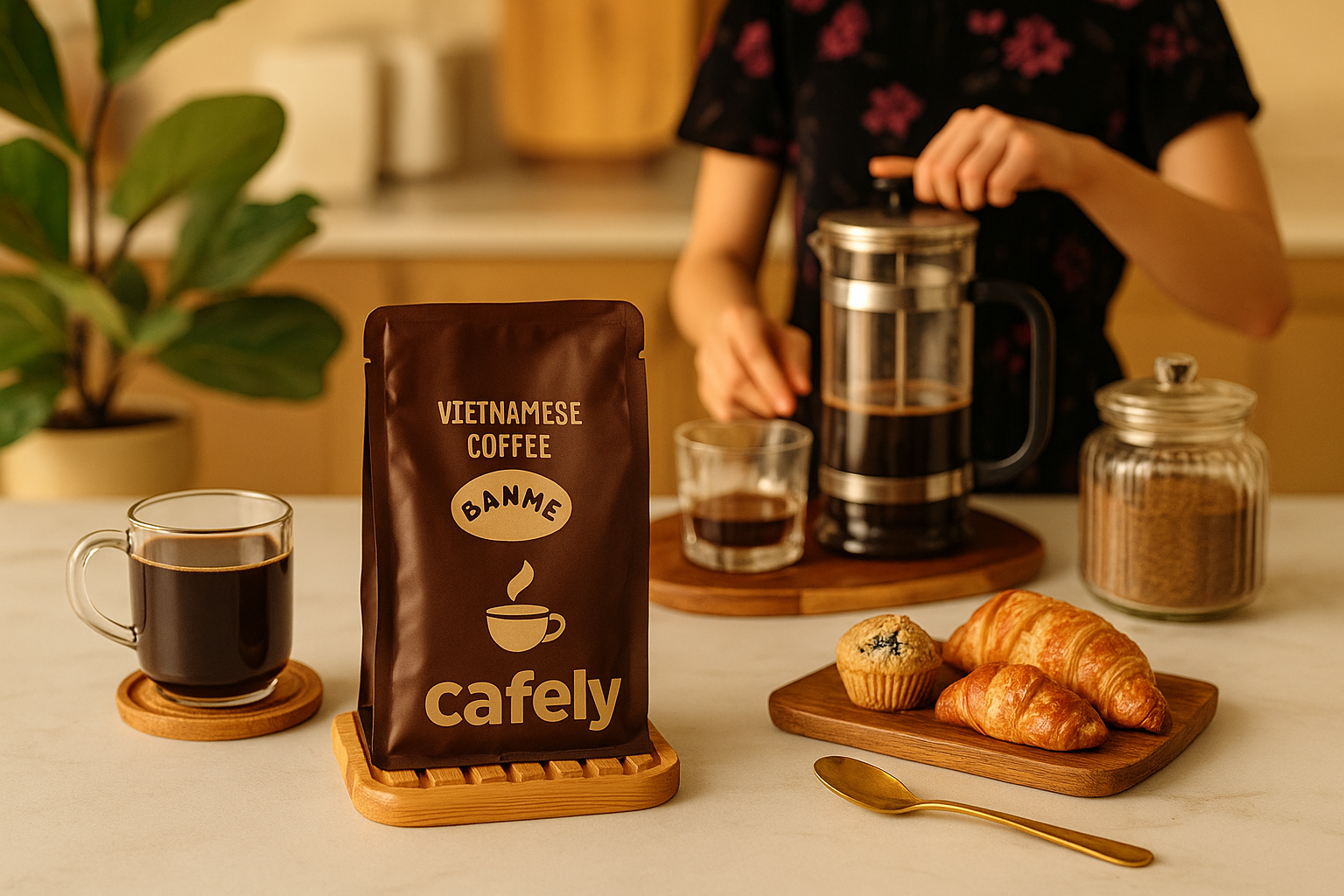
A new player is entering the race for the world’s strongest coffee. The Vietnamese specialty coffee company Cafely has officially introduced BanMe, a dark roast blend that’s turning heads for its intense caffeine content and complex flavor profile. Harvested from the high-altitude farms of Buon Ma Thuot—Vietnam’s most celebrated coffee-growing region—this brew pushes the boundaries of both strength and sophistication.

What makes BanMe so powerful? It’s crafted exclusively from robusta peaberries, a rare and highly caffeinated variant of the coffee bean that occurs in only about 5% of annual harvests. These beans, grown at 800 meters above sea level in the country’s Central Highlands, are celebrated not only for their boldness but also for the depth of their flavor.

Unlike many high-caffeine coffees that sacrifice taste for intensity, BanMe is naturally dry-processed, preserving the bean’s rich flavor layers. Tasting notes include dark chocolate, roasted almond, and a subtle black cherry finish—a combination that challenges assumptions about what ultra-strong coffee should taste like.

“BanMe is not just about the caffeine,” noted the Cafely development team. “It’s about delivering a balanced, full-bodied experience for those who want energy and excellence in the same cup.”

Coffee enthusiasts who’ve tried BanMe have praised its impact. Based on early reviews from over 250 verified buyers, the blend currently holds a 4.78/5 rating, with many highlighting both its invigorating kick and surprising smoothness. One review described it as “a thunderbolt of flavor and focus.”

Cafely continues its practice of direct trade by working closely with farming communities in Vietnam to ensure fair compensation and sustainable growing methods. The company also allocates a portion of its profits toward environmental conservation, partnering with Rainforest Trust to support forest protection efforts across biodiversity hotspots.

BanMe is available in whole bean and ground formats. To mark its launch, the coffee is being offered at an introductory price of $21.95 (regularly $25.95). Each order is backed by Cafely’s 60-day satisfaction guarantee—giving customers time to experience the strength and flavor without risk.

How Millennials Transformed the Coffee World: 9 Lasting Trends Redefining the Global Coffee Culture

Millennials—those born between the early 1980s and mid-1990s—did more than just embrace coffee; they reshaped the entire culture around it. Their influence turned a morning beverage into a symbol of lifestyle, identity, and even activism. Here’s how this generation brewed up a coffee revolution—one trend at a time.

Coffee Shops Became Cultural Ecosystems

Millennials helped reimagine cafés as more than just places to get a caffeine fix. Today’s coffee shops function as creative spaces, co-working hubs, and community centers. Whether it’s laptop workers typing away in minimalist espresso bars or book clubs meeting in cozy lounges, cafés have become integral to modern urban life. Events like latte art throwdowns, cupping workshops, and coffee tastings are now common, fostering learning and connection.

Coffee Turned Visual and Instagram-Ready

A new visual aesthetic around coffee emerged in the hands of millennials. From glass cups that showcase layered cold brews to handcrafted ceramic mugs and photogenic latte art, presentation became just as important as flavor. This visual transformation, driven by social media culture, propelled baristas to become artisans and coffee shops to become lifestyle destinations.

Coffee Vocabulary Expanded

Before millennials, most consumers were content with ordering a cappuccino or espresso. Today, coffee menus read like a glossary of innovation. Cold brew, nitro coffee, oat milk lattes, and signature drinks like the Moscow-born “raf” have become staples. New brewing methods—Chemex, Aeropress, siphon, and cold drip—have taken center stage, each unlocking new flavor profiles and brewing rituals.

Coffee Embedded in Professional Life

No longer just a break-time beverage, coffee has become central to networking and deal-making. Conferences and corporate events now often invest in high-end coffee setups, understanding that meaningful conversations happen over great brews. For millennials, a coffee bar is as essential as a meeting room.

The Rise of Plant-Based Milks

Millennials were among the first to push for dairy alternatives not only due to dietary preferences but also sustainability concerns. Oat, almond, coconut, and soy milk are now essential café staples, not alternatives. Each type offers unique pairing opportunities that enhance specific coffee origins or roast profiles.

Coffee To-Go Culture Redefined

On-the-go coffee became synonymous with the pace of modern urban life. But unlike the disposable culture of the past, millennials brought a new eco-conscious mindset. Reusable cups, biodegradable lids, and discounts for bringing your own mug reflect their drive for sustainable solutions. The rise of mobile coffee carts and grab-and-go espresso bars further accelerated this shift.

Demand for Transparency and Education

Millennials helped drive a shift toward informed consumption. Today’s coffee bags include detailed information about origin, variety, processing method, and roast level. Cafés meet this demand by offering guided tastings, coffee education, and sourcing transparency. Traceability and ethics are no longer niche concerns—they’re expected.

Subscription Models for Specialty Coffee

Monthly coffee subscriptions have exploded in popularity. Brands like Good Coffee Box and others curate rotating selections of freshly roasted beans, introducing consumers to rare origins and experimental processing methods. It’s a model that supports roasters with steady income and offers subscribers a sense of discovery.

Baristas as Respected Professionals

The status of the barista has evolved dramatically. Once seen as entry-level service roles, baristas today are regarded as skilled professionals, competitors, and even micro-entrepreneurs. Global competitions like the World Barista Championship and Brewers Cup showcase elite talent and bring global recognition. Many baristas go on to launch their own brands, write books, or consult on café openings.

Why These Trends Matter
Millennials didn’t just drink coffee—they redefined its role in society. Their influence stretches across how we prepare, serve, talk about, and engage with coffee. And while trends evolve, the foundational changes brought by this generation have set a new standard that continues to inspire Gen Z and reshape the future of coffee worldwide

Global Coffee Prices Mixed as Supply Outlook Improves

Global coffee prices showed mixed movement on Friday, May 10, as market optimism over improving supply tempered earlier gains fueled by weather-related concerns and tariff-driven demand pressure.

Arabica and Robusta Prices Diverge

July Arabica coffee futures (KCN25) ended the day slightly higher, gaining +0.40 points (+0.10%), while July Robusta futures (RMN25) declined -39 points (-0.74%). This divergence reflects a shifting supply-demand balance in major producing countries.

Improved Supply Forecasts Weigh on Market

The U.S. Department of Agriculture (USDA) recently forecasted a +5.1% year-over-year increase in Honduras’ coffee production for the 2025/26 season, reaching 5.8 million bags, reinforcing the perception of ample future supply.

Brazil’s outlook continues to drive headlines. Consultancy firm Safras & Mercado upgraded its 2025/26 Brazil coffee crop estimate from 62.45 million to 65.51 million bags, citing better-than-expected conditions. Similarly, Conab, Brazil’s crop agency, raised its 2025 output forecast to 55.7 million bags, up from 51.81 million in January.

Inventory Builds Pressure Prices

Coffee stockpiles continue to grow. As of Friday:

  • ICE-monitored Robusta coffee inventories reached a 3-month high of 4,418 lots.

  • Arabica inventories climbed to a 2¾-month high of 844,473 bags midweek.

These rising inventories are placing downward pressure on futures prices.

Demand Outlook Uncertain Amid Tariffs

Demand-side sentiment remains cautious. Major global importers like Starbucks, Mondelez International, and Hershey have warned that the U.S. baseline 10% tariff on imports will likely push prices higher for consumers and reduce sales volumes.

Weather Concerns Provide Some Price Support

Despite stronger supply projections, adverse weather in Brazil continues to support market prices. Somar Meteorologia reported that Minas Gerais, Brazil’s largest Arabica-producing region, received only 1.5 mm of rain during the week ending April 26—just 21% of its historical average. This could negatively impact flowering and yields in upcoming seasons.

Robusta Market Faces Ongoing Constraints

Robusta prices remain supported by tighter supplies in Vietnam, the world’s largest Robusta exporter. Key stats:

  • Jan–Apr 2025 exports fell -9.8% y/y to 663,000 metric tons.

  • 2023/24 crop was down -20% to 1.472 million metric tons, the lowest in four years.

  • 2024 exports declined -17.1% y/y to 1.35 million metric tons.

  • The Vietnam Coffee and Cocoa Association cut its 2024/25 output forecast to 26.5 million bags, down from 28 million.

However, Brazil’s Robusta output may offset some of these losses. Rabobank estimates Brazil’s 2025/26 Robusta harvest will rise +7.3% y/y to a record 24.7 million bags.

Global Trade Fluctuations Add to Volatility

Brazil’s 2024 coffee exports surged +28.8% y/y to a record 50.5 million bags, per Conab. However, the International Coffee Organization (ICO) reported a -2.1% y/y drop in Oct–Mar 2024/25 global exports, totaling 67.73 million bags, pointing to trade volatility.

USDA Projects Higher Output But Falling Stocks

The USDA Foreign Agriculture Service (FAS) projected:

  • Global coffee production to rise +4.0% y/y to 174.86 million bags in 2024/25.

    • Arabica: up +1.5% to 97.85 million bags

    • Robusta: up +7.5% to 77.01 million bags

  • Ending stocks to fall -6.6% to 20.87 million bags, a 25-year low.

Brazil’s stockpile at the end of the 2024/25 season is expected to shrink -26% y/y, to 1.2 million bags.

Deficit Outlook for 2025/26

Looking ahead, Volcafe projects a global arabica coffee deficit of -8.5 million bags for the 2025/26 marketing year, up from a -5.5 million bag shortfall in 2024/25. The downgrade is attributed to drought-affected crop conditions in Brazil, where arabica production is now forecast at 34.4 million bags, a steep drop from previous estimates.

Conclusion

Coffee prices are navigating a complex landscape shaped by improving production forecasts, growing inventories, tariff impacts, and climate-related uncertainties. While robusta remains constrained due to Vietnamese drought, Arabica faces mixed signals from Brazil. Traders and industry stakeholders will continue to monitor weather developments, policy changes, and global stock levels closely.

Uganda Brews Growth: Coffee Production, Exports, and Prices Reach New Heights

Uganda’s coffee industry is on an upward trajectory, fueled by rising production, export volumes, and surging global prices. As one of Africa’s top coffee producers, Uganda is now set to consolidate its position in the global coffee trade, with new government initiatives, expanded cultivation, and a maturing coffee culture driving the momentum.

According to the latest USDA Coffee Annual Report, Uganda’s total coffee production for the 2025/2026 marketing year is forecast to rise to 6,875,000 60-kg bags, a 2.61% increase from the previous season. The majority of this output will come from Robusta, which continues to dominate with an 85% share, while Arabica accounts for the remaining 15%.

The 2024/2025 season already showed a healthy jump to 6,700,000 bags, up 4.69% from the previous year, thanks to improved agricultural practices, favorable weather, and the maturing of high-yielding coffee seedlings planted in recent years.

Uganda’s coffee-growing regions — including Central, Eastern, Western, and now increasingly Northern Uganda — are benefitting from favorable climates for both Robusta and Arabica varieties. Districts like Mukono, Luwero, Mount Elgon, Mbale, Kasese, and Zombo are leading production zones, with the latter rapidly emerging as a promising hub for high-altitude Arabica.

The growth in production is also backed by financial support under the Parish Development Model, which offers farmers access to low-interest loans at 6% annually with a two-year grace period. This policy has enabled smallholder farmers — who account for 85–90% of Uganda’s total coffee output — to invest in fertilizers, spraying equipment, and better crop management. In 2024, increased government funding allowed agronomists to conduct nationwide visits to offer direct field support.

Coffee farming in Uganda remains predominantly a smallholder activity, with farms ranging between 0.5 and 2.5 hectares. Intercropping coffee with bananas, beans, and shade trees helps preserve soil fertility, retain moisture, and diversify farmers’ income streams. Medium-sized estates contribute about 8–10% of national output, while large estates, mostly in central Uganda, account for 2–5%, focusing on export-grade beans.

On the trade front, Uganda’s green coffee exports are projected to rise from 6,350,000 bags in 2024/2025 to 6,530,000 bags in 2025/2026, as demand continues to grow in Europe, the United States, and new Asian markets. Europe remains Uganda’s top destination, accounting for 72% of exports in 2024, followed by the United States (7%), Morocco (6%), and growing importers like China, India, and Japan.

A significant development boosting Uganda’s coffee sector is the construction of the Inspire Africa Coffee Industrial Park in Ntungamo District. Slated to become fully operational by May 2025, the facility will process up to 10,000 metric tons of coffee annually. It aims to add value to Ugandan coffee by producing instant, drip, malt, and even coffee-based cosmetics, creating jobs and supporting the national strategy to increase coffee export revenues from 1 billion USD to 4 billion USD.

Domestic coffee consumption, while still modest compared to exports, is slowly growing. It is expected to rise from 325,000 bags in 2024/2025 to 330,000 bags in 2025/2026, driven by increasing disposable incomes, urbanization, and the spread of coffee shops in cities like Kampala. Nevertheless, producers continue to favor exports due to high international prices and stronger returns.

Uganda’s domestic coffee prices have experienced sharp increases in recent years. In 2020/2021, the average farmgate price was $1.61 per kilogram, rising steadily to $2.63 in 2023/2024. In 2024/2025, prices jumped further to $4.64 per kilogram, representing a 7.4% year-on-year increase and a 63% jump since 2020. This surge is attributed to global demand growth and supply constraints caused by droughts in Brazil and Vietnam.

However, not all developments have been smooth. In November 2024, the Ugandan government dissolved the Uganda Coffee Development Authority (UCDA) through the National Coffee Bill, transferring its responsibilities to the Ministry of Agriculture. While the restructuring is intended to improve efficiency and reduce costs, many stakeholders fear the loss of UCDA’s specialized support for farmers and exporters could affect quality control and market access. The long-term effects of this move are still unfolding.

Export dynamics are also shifting. In 2024, shipments to the United States rebounded to 19,142 metric tons, after a previous dip, while exports to China more than doubled, reaching 6,900 metric tons. These figures underscore Uganda’s expanding footprint in non-traditional markets and reflect the global appeal of its coffee, particularly in the specialty segment.

Meanwhile, ending stocks for 2024/2025 are estimated at just 269,000 bags, a relatively low level due to attractive prices that have encouraged more sales and reduced storage. Most of these stocks are held by traders and exporters rather than farmers.

As global markets continue to favor sustainably sourced, traceable coffee — and prices remain high — Uganda stands at a strategic crossroads. With a growing domestic culture, robust government backing, and emerging industrial-scale value addition, the country is poised to not only grow more coffee, but to earn more from it, too.

Honduran Coffee Sector Rebounds as Production and Exports Surge Amid Global Price Boom

Honduras is witnessing a major revival in its coffee sector, with production and exports projected to rise significantly during the 2024/25 and 2025/26 marketing years. Backed by improved weather, reduced outbreaks of coffee leaf rust, and surging international coffee prices, the country is poised to reclaim its place as one of the top Arabica coffee exporters globally.

According to the latest USDA Coffee Annual Report, Honduran coffee production is forecast to reach 5.52 million 60-kilogram bags in MY 2024/25 — a 9.3% increase over the previous year. Production is expected to continue its upward trajectory, reaching 5.8 million bags in MY 2025/26. This is the strongest performance since the 2021/22 season and reflects the sector’s increasing resilience and recovery capacity.

This rebound is largely attributed to improved on-farm conditions, the adoption of disease-resistant coffee varieties like Parainema, and a significant reduction in coffee leaf rust (Hemileia vastatrix), which has historically hampered yields. In April 2024, a national survey by IHCAFE showed that 76% of sampled farms had low levels of rust, a result of persistent dry weather and proactive farm management.

Honduras’ high-altitude geography plays a crucial role in coffee quality. Around 61% of farms are located between 3,900 and 5,200 feet above sea level. Production is spread across 15 of the country’s 18 departments, with top regions including Copán, Montecillos, Comayagua, El Paraíso, and Agalta. These areas cultivate high-quality Arabica varieties such as Bourbon, Catuai, and Typica.

Alongside the production boost, coffee exports from Honduras are expected to reach 5.36 million bags in MY 2024/25, increasing to 5.5 million bags in MY 2025/26. The rise in exports has been bolstered by global supply constraints, particularly in Brazil, where climate-related issues such as drought and heatwaves have disrupted output.

This disruption in global supply, combined with stronger demand, has driven prices to new highs. As of April 2025, the average export price of Honduran coffee reached $345.82 per 60-kg bag, marking an astonishing 81% increase from the $191.34 recorded the previous year. Consequently, total export earnings surged to $1.02 billion, doubling from $507 million the year before.

The volume of export contracts also rose to 3.33 million bags, a 19% increase from the same period last year. The United States, Germany, Belgium, Italy, and Canada remained top buyers, while South Korea emerged as a growing destination thanks to a free trade agreement with Honduras.

Despite strong export momentum, domestic coffee consumption in Honduras fell by 13%, dropping from 385,000 bags in MY 2023/24 to 335,000 in MY 2024/25. The decline is attributed to inflationary pressure and a shift in consumer preference from roasted to soluble coffee, which is more affordable. However, there is growing demand from younger consumers for specialty drinks, with Keurig-style pods and machines becoming increasingly popular in supermarkets and retail stores.

Honduras is also making significant progress in the specialty and certified coffee segment. In MY 2023/24, 52% of total exports — or 2.6 million bags — were classified as differentiated coffees. These include coffees certified by Rainforest Alliance, Organic, Fair Trade, UTZ, and 4C, which cater to the rising global demand for ethical and sustainable sourcing.

Leading the specialty coffee certification share is Rainforest Alliance (43.4%), followed by Organic (24.3%) and Fair Trade/Organic (13.2%). Such coffees command premium prices and are increasingly sought after by roasters who value traceability, environmental responsibility, and social impact in addition to flavor.

The country’s dedication to specialty coffee is further reinforced through its active participation in the Cup of Excellence (COE) competition, which celebrates the finest micro-lots in the country. Honduras also maintains a Geographical Indication (GI) for Marcala Coffee, and promotes its regional identity through the collective label “Honduran Western Coffees.”

Institutional support plays a key role in the sector’s resilience. The Honduran Coffee Institute (IHCAFE) operates six research and training centers across the country, providing farmers with guidance on improved production techniques, post-harvest processing, pest management, and sustainable practices.

The government has also enacted major policy measures to support the coffee sector. In 2022, Executive Decree 352-2022 exempted all coffee products — roasted and green — from the 12% sales tax, reducing production costs and enhancing export competitiveness. IHCAFE also launched the “Renew Without Stopping Production” program, targeting the renovation of aging farms while maintaining output and supporting over 33,000 producers.

In addition, the government is implementing a long-term climate change strategy, divided into six five-year phases stretching until 2050. This plan includes climate-resilient varietals, infrastructure investments, and new harvesting technologies to mitigate the impact of extreme weather and labor shortages.

With global recognition growing and international prices reaching record levels, Honduras is well-positioned to capitalize on its natural advantages, institutional support, and commitment to quality. As global demand shifts toward traceable, sustainable, and specialty coffees, the country stands ready to strengthen its place among the world’s top Arabica exporters.

From Palm Sugar Lattes to a Billion-Dollar Brand: How Kopi Kenangan Is Redefining Coffee in Southeast Asia

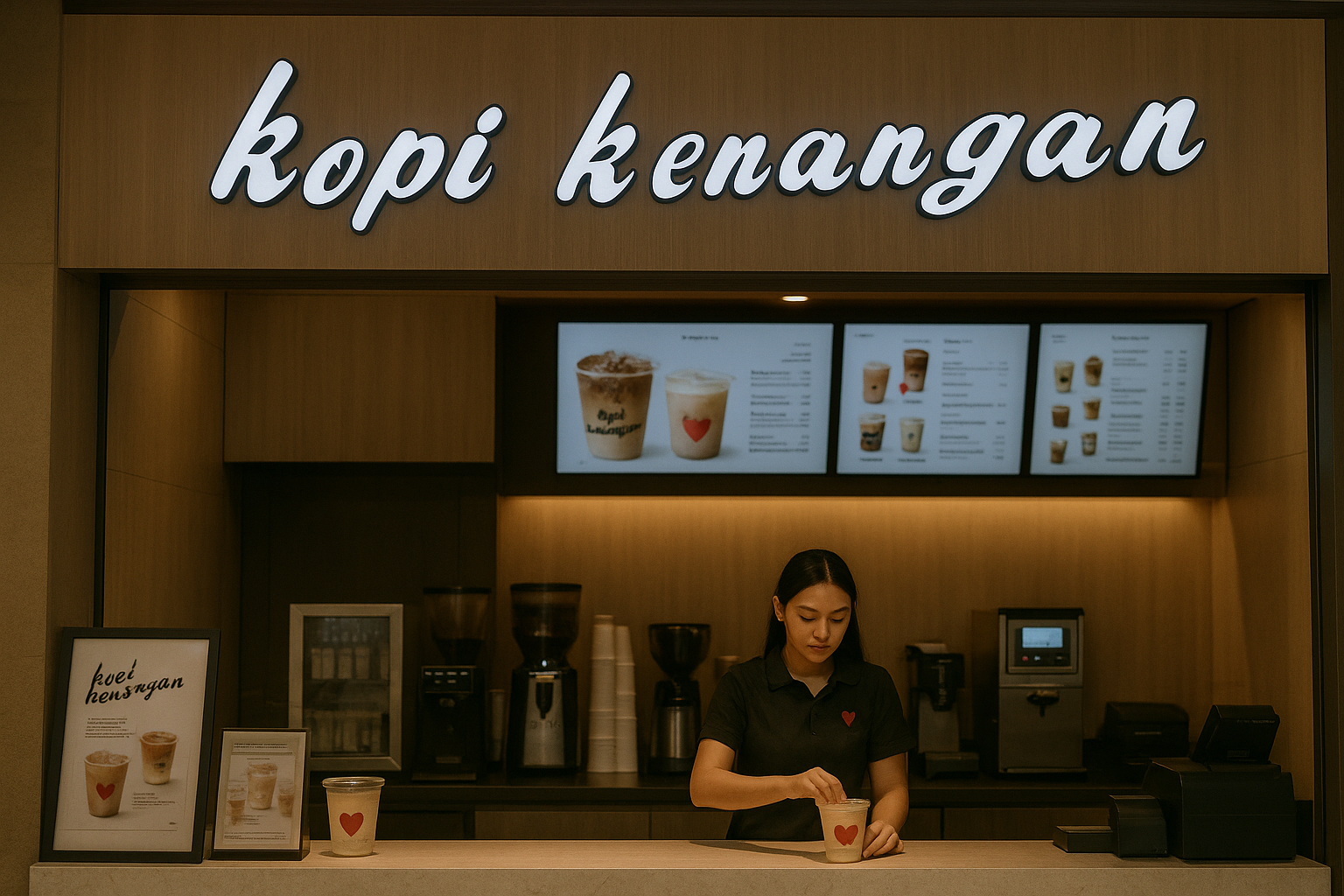
In Jakarta’s buzzing streets, 2017, two friends stood at a coffee counter with a shared idea and just $15,000 to their name. “Let’s not invest in fancy storefronts,” said Edward Tirtanata to James Prananto. “Let’s invest in the product.” That moment of clarity gave birth to Kopi Kenangan — a name meaning “Coffee of Memories” — and launched what would become one of Southeast Asia’s most remarkable startup stories.

Today, Kopi Kenangan is no longer just a kiosk. It’s a billion-dollar coffee empire, a lifestyle brand, and a symbol of Indonesia’s thriving entrepreneurial spirit.

A Disruptive Beginning
Tirtanata was no stranger to business or failure. His first venture, a tea chain named Lewis & Carroll, didn’t survive. But it taught him one thing: success lies in timing, product-market fit, and pricing.

The idea behind Kopi Kenangan was born out of necessity and insight. In Indonesia, global coffee chains like Starbucks were out of reach for many — with a single cup costing nearly 30% of a day’s average income. Edward and James saw an opportunity to bridge that gap: provide affordable, high-quality, locally inspired coffee through small, efficient kiosks.

And so, the first Kopi Kenangan opened — built on hustle, instinct, and the belief that great coffee shouldn’t break the bank.

Smart Model, Fast Growth
The brand’s growth came from a meticulously designed model centered around three pillars:

Grab-and-Go: Quick, no-frills service for mobile urbanites.

Tech-First Approach: Cashless payments, loyalty points, and mobile ordering via a dedicated app.

Local Flavors with Global Quality: From Kenangan Latte with palm sugar to Avocado Kopi, the menu balances nostalgia with novelty.

Strategic pricing was key. The bestselling drink — palm sugar iced coffee — is priced at just 22,000 rupiah ($1.40), roughly half the cost of a similar drink at international chains. Combined with low rental costs, this allowed fast expansion without sacrificing profitability.

By 2023, Kopi Kenangan had more than 800 outlets across Indonesia. By 2024, it had surpassed 1,000 outlets in over 60 cities.

Becoming a Unicorn
In 2021, the company officially reached unicorn status — surpassing a $1 billion valuation — after a $239 million Series C funding round led by Sequoia Capital India, Alpha JWC Ventures, and Horizons Ventures.

Sales skyrocketed to over 6 million cups per month, generating $140 million in revenue in 2024, up 23% from the previous year. Forecasts suggest that revenue could triple to $430 million by 2028.

A Regional Giant in the Making
Kopi Kenangan has also gone global. The brand expanded into Malaysia, Singapore, and the Philippines, with future plans for Thailand. Each market receives tailored flavor profiles based on local preferences — an approach that balances consistency with cultural nuance.

For example, Singapore’s branch offerings differ in sweetness and roast intensity compared to their Indonesian counterparts, based on consumer data gathered before launching.

Rumors swirl about a potential IPO, though the company remains tight-lipped. What’s clear is the ambition: 3,000 outlets by 2028, and recognition as Southeast Asia’s most beloved coffee brand.

Digital, Sustainable, and Culturally Sharp
The brand excels not only in coffee but also in digital strategy and marketing. Sleek, Instagrammable stores, influencer campaigns, and a highly active social media presence have fueled viral growth — especially among millennials and Gen Z.

On the sustainability front, Kopi Kenangan is transitioning to recyclable packaging and reducing plastic usage. It also prioritizes sourcing local ingredients, ensuring both freshness and economic contribution to local communities.

Facing Giants, Staying Grounded
In a competitive landscape that includes global players like Starbucks and % Arabica, as well as local upstarts like Fore Coffee and Janji Jiwa, Kopi Kenangan has carved out a unique niche — between premium and street-level, modern and traditional.

Challenges lie ahead: maintaining quality amid rapid expansion, adapting to diverse markets, and navigating rising expectations. But the brand’s philosophy — value, taste, and emotional connection — remains its guiding compass.

Brewing More Than Coffee
Edward Tirtanata’s story is a lesson in resilience, agility, and understanding your customer. Failure didn’t define him — it refined him. Today, Kopi Kenangan is more than a coffee chain. It’s a memory-maker, a disruptor, and proof that in even the most saturated markets, there’s always room for innovation.

“If you serve a better cup at a better price, people will come,” Edward once said. “That’s where memories begin.”

From Jakarta’s sidewalks to Southeast Asia’s cities, Kopi Kenangan isn’t just serving coffee — it’s brewing a movement.


Global Coffee Market Shaken by Tariff Shock and Climate Concerns, But Demand Keeps Prices Resilient

April 2025 proved to be a turbulent month for the global coffee market, as new tariff policies, shifting weather patterns, and evolving regional dynamics jolted prices and disrupted export trends. The latest Coffee Market Report from the International Coffee Organization (ICO) reveals a complex and fluctuating landscape marked by geopolitical developments, volatile price movements, and a delicate balance between bullish and bearish market forces.

The ICO Composite Indicator Price (I-CIP) averaged 335.76 US cents/lb in April 2025—a 3.5% decline from March, despite remaining 54.8% higher than its level a year ago. The market experienced a sharp dip early in the month, reaching a four-month low of 308.93 US cents/lb on April 8. This drop was triggered by the U.S. government’s unexpected announcement of new tariffs, which caused an immediate 32.59 cents/lb plunge in the index. However, markets quickly rebounded after the tariff decision was temporarily suspended for 90 days, reflecting the current volatility and sensitivity of the global coffee trade.

While prices recovered by mid-April, the market has yet to find a definitive direction. The 12-month rolling average stands at 278.20 US cents/lb, but daily price volatility and mixed futures signals suggest continued uncertainty.

Green bean exports totaled 11.64 million bags in March 2025, down 0.9% year-on-year. This marks the third consecutive month of export decline in the 2024/25 coffee year, with total green exports down 3.2% compared to the same period in 2023/24.

Arabica varieties now account for 63% of global green coffee exports, up from 59.7% a year ago. Notably, Colombian Milds surged by 25.3% to 1.33 million bags, largely driven by Colombia’s own 25.2% export increase. Other Milds also rose by 5.9%, supported by strong performances from Costa Rica, Ethiopia, and Honduras.

In contrast, exports of Brazilian Naturals fell 2.4% year-on-year, with Brazil’s output down 9.4%. Despite a 65.4% rise in Ethiopian exports mitigating some losses, the overall downturn highlights Brazil’s return to typical cyclical output levels following an exceptional harvest in 2023/24.

Robusta exports experienced a sharper 8.4% year-on-year drop to 4.55 million bags, with Brazil’s shipments plunging 83.6%—a correction after extended periods of unusually high exports in previous months.

Regional data underscores shifting dynamics in global supply:

  • Africa recorded an exceptional 36.3% rise in exports to 1.58 million bags, marking the 16th straight month of growth. Ethiopia and Uganda led the expansion, supported by strong harvests and high international prices.

  • Asia & Oceania posted a 6.1% rise to 4.84 million bags, with Indonesia’s exports jumping 125.4% due to base effects and favorable production cycles. Vietnam, however, saw a 4.0% decline.

  • Mexico & Central America rebounded with a 15.3% increase in exports, following a prolonged downturn. Honduras and Mexico were the primary contributors.

  • South America, led by Brazil, declined by 15.9%, registering its fourth consecutive month of falling exports. This marked the region’s lowest share of global exports since June 2023, now standing at just 35.7%.

The global coffee market in April was shaped by a tug-of-war between bullish and bearish pressures:

Bullish factors include:

  • Adverse weather in Brazil, where Cooxupé reported high temperatures and below-average rainfall, could impact upcoming yields.

  • Optimism over falling global inflation—from 5.7% in 2024 to a projected 3.6% by 2026—points to improving purchasing power and rising coffee demand.

  • Coffee’s low elasticity, with a wide range of price-accessible products, continues to support steady consumption despite price shifts.

  • A futures market inversion suggests short-term supply tightness, while the shrinking price gap between Colombian Milds and Other Milds points to a potential undersupply of quality beans.

Bearish factors:

  • Retail price hikes linked to higher customs duties could eventually suppress demand.

  • The inclusion of Vietnamese washed Arabica as a deliverable origin in the Coffee “C” futures contract may ease supply concerns, potentially pressuring prices downward.

Arabica certified stocks in New York rose 6.4% in April to 0.85 million bags, while Robusta stocks in London dropped 3.1% to 0.71 million bags. Price volatility also moderated overall, particularly in Arabicas, with the I-CIP’s volatility falling to 11.2% from 12.3% in March. However, Robusta volatility increased, highlighting continued uncertainty in that segment.

March also witnessed significant growth in value-added coffee forms:

  • Soluble coffee exports rose 15.6% to 1.28 million bags, driven largely by Brazil.

  • Roasted coffee exports increased by 27.3% to 82,684 bags, indicating rising demand for finished coffee products in global markets.

Despite the April turbulence, the coffee market remains robust and resilient. With global inflation expected to continue its downward trend and demand projected to rise steadily, especially in emerging economies, the long-term outlook appears cautiously optimistic. However, much hinges on weather developments in Brazil, the duration of tariff suspensions, and shifts in the futures market.

As of now, Arabicas continue to lead the market while Robustas face pressure. With the 2024/25 coffee year nearing its midpoint, the coming months will be critical in determining whether the bullish forces can overcome the headwinds of global trade politics and climate volatility.

John Paul Alcantara Triumphs at Inaugural Nuova Simonelli Technicians Competition in Dubai

In a dynamic celebration of craftsmanship and technical excellence, John Paul Alcantara has been crowned the winner of the first-ever Nuova Simonelli Technicians Competition, held in Dubai. The event marked a milestone in recognizing the essential—yet often unsung—role that technicians play in maintaining the integrity and performance of espresso machines across the industry.

Hosted on April 29, the competition brought together skilled professionals who tested their abilities on the Nuova Aurelia Volumetrica XT, navigating complex, real-world challenges under the scrutiny of expert judges. With speed, accuracy, and problem-solving at the forefront, Alcantara stood out among his peers, securing the top spot through a display of remarkable technical aptitude.

“I decided to participate to test myself,” Alcantara shared after his win. “Our work is often solitary, but events like this foster a sense of community. It was inspiring to engage with other professionals, push my limits, and share my passion for this craft.”

With over a decade of hands-on experience in the field, Alcantara used the opportunity to send a powerful message to up-and-coming technicians: “Be curious and stay updated. Coffee technology is constantly evolving, and we must evolve with it to maintain quality in the cup.”

He also expressed his appreciation for working with Nuova Simonelli machines: “They are intuitive and easy to maintain, which really makes a difference in our daily routines.”

The Dubai competition was held in collaboration with key partners including REPA, Cafetto, the Specialty Coffee Association (SCA), and BWT, underscoring the event’s professional stature and industry support.

“I encourage technicians worldwide to take part in this competition. It’s a meaningful way to highlight our profession and connect with the global coffee community,” Alcantara added.

The next stage of the Nuova Simonelli Technicians Competition is set to take place in France during the Paris Coffee Show, scheduled for September 13–14, 2025.

To stay informed about future competitions and updates, visit www.nuovasimonelli.com or follow @nuovasimonelliofficial on Instagram.

Brazil and SCA Announce Strategic Partnership to Advance Specialty Coffee Standards

In a landmark move for the global specialty coffee industry, the Brazil Specialty Coffee Association (BSCA) and the Specialty Coffee Association (SCA) have signed a Memorandum of Understanding (MoU) to officially adopt the Coffee Value Assessment (CVA) as the national protocol for evaluating Brazilian specialty coffee. This decision marks a major step toward enhancing quality standards, transparency, and educational access across Brazil—the world’s largest coffee producer.

Following in the footsteps of Colombia, Brazil becomes the second country to formally integrate the CVA into its national evaluation framework. The CVA, developed by the SCA, redefines how coffee is assessed by incorporating not only flavor but also physical, emotional, descriptive, and contextual attributes—offering a more holistic and equitable system for determining coffee value.

As part of the agreement, the BSCA will lead the nationwide implementation of CVA protocols, in close collaboration with the SCA. This includes training coffee graders, cuppers, and quality control professionals in CVA methodologies. The SCA will provide technical support, assist in data analysis, and contribute to BSCA-led events with content and international promotion.

The MoU also emphasizes the expansion of SCA Education in Brazil, making internationally recognized training and certifications more accessible to Brazilian coffee professionals—from producers and cuppers to roasters and exporters. This initiative aims to elevate professional skills and empower coffee workers across Brazil’s diverse growing regions.

“This MoU reflects our shared vision of Brazil as a global leader in specialty coffee,” said Vinicius Estrela, Executive Director of BSCA. “By adopting the Coffee Value Assessment and expanding access to quality education, we are creating meaningful opportunities for our producers while driving innovation in how the world evaluates coffee.”

Yannis Apostolopoulos, CEO of the SCA, echoed this sentiment: “Brazil’s endorsement of the Coffee Value Assessment sends a powerful message to the global coffee sector. This partnership with BSCA helps lay the groundwork for a more transparent, inclusive, and data-informed coffee industry.”

Brazil’s decision to adopt the CVA underscores its leadership in specialty coffee innovation. With its vast range of terroirs and microclimates, Brazil is uniquely positioned to benefit from CVA’s multidimensional approach to coffee evaluation. This framework not only improves quality grading and market communication but also empowers producers to better showcase the value of their coffee to global buyers.

The partnership builds on a longstanding relationship between BSCA and SCA, further aligning Brazil’s coffee practices with internationally recognized standards and positioning Brazilian coffee for even greater success on the world stage.

To learn more about the implementation of the Coffee Value Assessment in Brazil, visit www.sca.coffee and www.bsca.com.br.

JDE Peet’s Maintains Strong Momentum in Q1 2025 and Reaffirms Full-Year Outlook

Strategic divestments, U.S. market shift, and strong recovery in European sales position the global coffee giant for continued success

Amsterdam, May 8, 2025 — JDE Peet’s (EURONEXT: JDEP), the world’s leading pure-play coffee and tea company, announced a strong start to 2025, reaffirming its confidence in achieving its full-year outlook. The update includes key business, strategic, and financial highlights, showcasing progress in performance, transformation initiatives, and corporate governance.

In a clear move to streamline operations and sharpen focus, JDE Peet’s confirmed the successful divestment of its tea business in Turkey. The business, which had generated approximately EUR 60 million in annual sales but negatively impacted adjusted EBIT, was sold to Efor Holding.

In the U.S. market, the company is recalibrating its approach by discontinuing the rollout of its L’OR Barista machines. Management of the L’OR capsules business in the U.S. will be transferred to Peet’s Coffee, aiming to leverage stronger local positioning and tap into the robust growth potential of the American coffee sector.

Additional transformation efforts are underway to simplify operations and drive sustainable growth. More details on the company’s strategy and value creation roadmap will be unveiled during its Capital Markets Day scheduled for July 1, 2025.

Despite a slow start to the year, particularly in Europe where volumes dipped in January and February, JDE Peet’s reported a significant rebound beginning in March. This bounce-back underlines the strength and resilience of the company’s brand portfolio, which includes household names such as Jacobs, Douwe Egberts, L’OR, Peet’s, and Moccona.

As green coffee prices surged by an average of 28% during the first four months of 2025 compared to the second half of 2024, JDE Peet’s is evaluating further pricing actions to manage cost pressures while maintaining value for consumers.

Financially, JDE Peet’s performance in the first quarter of 2025 was in line with expectations. The company credited disciplined pricing strategies and tight cost controls for sustaining gross profit and supporting adjusted EBIT.

Notably, 28% of the EUR 250 million share buyback program planned for 2025 has already been completed as of May 2, underscoring management’s confidence in long-term value generation. Furthermore, the recently introduced U.S. trade tariffs are not anticipated to have a material impact on financial performance at this stage.

JDE Peet’s also announced the upcoming appointment of Yang Xu as Chief Financial Officer, effective May 19, 2025.

In a further step to strengthen its governance, the Board of Directors has proposed Mr. Rob de Groot as a non-executive member. De Groot brings over three decades of experience in the FMCG sector, including leadership roles at Reckitt Benckiser. He is also the co-founder of NXT Equity Ltd. and a significant stakeholder in CRU Kafe, an organic and fair-trade coffee company in the U.K. His nomination is pending shareholder approval at the Annual General Meeting on June 19, 2025, but he has already been appointed as a stand-in member of the board.

In addition to its commercial and financial achievements, JDE Peet’s was honored with the 2025 Catalyst Award, which acknowledges excellence in advancing workplace inclusion and gender equity. This prestigious recognition highlights the company’s ongoing efforts to build a more diverse and inclusive organizational culture.

About JDE Peet’s:

JDE Peet’s serves over 4,400 cups of coffee or tea per second across more than 100 countries, with a brand portfolio that includes L’OR, Peet’s, Jacobs, Senseo, Tassimo, Douwe Egberts, OldTown, Pickwick, and others. The company reported EUR 8.8 billion in total sales for 2024 and employs over 21,000 people globally. Learn more at www.jdepeets.com.

How the Coffee Sector is Embracing Circular Economy: From Waste to Resource

  • The Circular Economy Working Group mobilizes over 60 experts, launches global initiatives, and pioneers the reuse of spent coffee grounds and husks across the coffee industry.

As the global coffee industry grapples with mounting sustainability challenges—from waste generation to climate-related risks—one initiative is redefining the conversation: the Circular Economy Working Group. Backed by engagement from over 62 professionals across 44 global organizations, this cross-sectoral effort is positioning circular economy principles at the core of the coffee value chain.

In an industry that produces vast quantities of byproducts like coffee husks, pulp, and spent grounds, the potential to reuse, repurpose, and regenerate materials is immense. The Circular Economy Working Group has made this vision tangible through key collaborations, including the Spent Coffee Grounds Working Group and the creation of the Center for Circular Economy and Coffee in Turin, Italy—a new hub designed to centralize innovation and knowledge on waste valorization.

A Global Movement Toward Regenerative Coffee Practices

During a recent series of virtual meetings, the Working Group laid out its accomplishments and future roadmap. Among the highlights was the release of multiple strategic documents, including a white paper and contributions to the International Coffee Organization’s Coffee Development Report, which provide actionable insights and policy recommendations for circularity in the sector.

At the heart of the discussion was the valorization of spent coffee grounds (SCG) and coffee husks. These materials—typically discarded as waste—have shown enormous potential for reuse across several sectors.

Madhu Bopanna, a group participant, highlighted how coffee husks are already being used as organic fertilizer and suggested that with the right technologies, they could be transformed into alternative products. He also referenced a case in India where spent coffee grounds are being turned into eco-friendly paper goods, showing the growing entrepreneurial interest in waste conversion.

Meanwhile, Ruwawa shed light on the agronomic benefits of SCG, particularly in soil enrichment, pest control, and overall soil health improvement. She emphasized the need for more widespread adoption of soil amendment practices that use spent grounds—especially in regions where synthetic fertilizers pose environmental risks.

Driving Innovation, Research, and Systemic Change

Katherine Oglietti, the group’s facilitator, steered discussions on how innovation and systemic design are essential for mainstreaming circular economy solutions. She introduced an evolving learning agenda focused on:

  • Innovation in circular product development

  • Market access for reused coffee materials

  • Carbon insetting strategies

  • Regenerative agriculture practices

Future plans include a webinar series aimed at knowledge-sharing among producers, researchers, and companies. Topics will range from packaging waste reduction to biomass-to-energy models, featuring findings from university research teams in Italy.

Oglietti also encouraged members to contribute to the upcoming review of the Spent Coffee Grounds White Paper, signaling an inclusive and collaborative path forward.

Overcoming Policy Barriers and Scaling Solutions

Yet despite the promising momentum, the group recognizes that policy and logistical barriers continue to hinder progress. Kassa Mariamawit Solomon, a leading contributor, presented a comprehensive update on these challenges, particularly focusing on:

  • The EU Waste Framework Directive

  • The EU Food Contact Regulation

  • Classification of SCG as bio-waste, which limits reuse in packaging and food products

Solomon explained that a lack of harmonized regulations makes it difficult to scale SCG valorization across borders. To address this, she has launched industry surveys aimed at mapping SCG management practices and identifying the support mechanisms most needed by stakeholders.

She also revealed that the group has introduced a new research database in the members area, featuring over 200 studies and circular economy initiatives, with an emphasis on low-barrier entry points for industry newcomers.

Additionally, a blog series has been launched to demystify circular economy concepts for small-scale farmers, processors, and youth groups—especially in developing coffee-producing regions.

Pilot Projects and the Road Ahead

Among the most promising developments are pilot collaborations with UNIDO in Kenya and an ongoing feasibility study for a project in Ethiopia, where SCG could be transformed into clean energy or textile materials using biorefinery technologies.

Solomon stressed the need for direct collection models from industrial operations and called for a secondary raw materials market to stimulate demand for coffee-based circular products.

Despite logistical difficulties—such as inconsistent SCG collection methods and variable quality due to brewing processes—the group remains optimistic. The circular economy, they argue, is not just a sustainability trend, but an economic opportunity waiting to be unlocked.

High Aspirations for the Coffee Sector: SCA Updates Sustainability Awards to Inspire Action and Equity

For over two decades, the Specialty Coffee Association (SCA) has celebrated those at the forefront of sustainability in the coffee world. Now, in a powerful new chapter, the SCA is reshaping its Sustainability Awards to reflect the growing complexity, urgency, and promise of the global coffee sector’s sustainability journey.

In an article titled “High Aspirations for the Coffee Sector,” Andrés Montenegro, the SCA’s Sustainability Director, introduces a set of bold changes that aim to transform how sustainability is recognized and shared across the coffee value chain. The underlying vision: that the greatest barrier to sustainability isn’t climate change or inequality, but the belief that change is out of reach.

“We believe it’s important to see sustainability as a continuous improvement process,” Montenegro writes. “By honoring those who lead, we aim to inspire the entire sector to evolve with them.”

From Recognition to Transformation

Since 2004, the SCA’s Sustainability Awards have honored organizations, projects, and individuals tackling systemic issues—from gender inequity and climate change to financing gaps in coffee production. Past winners have ranged from Uganda’s Bukonzo Joint Cooperative for its gender-focused “GALS” initiative, to Sancoffee in Brazil and Thanksgiving Coffee Company in the United States.

What connects these diverse winners is not only their impact, but their commitment to collaboration. The 2024 awardee Root Capital, for instance, was recognized for its work bridging the “missing middle” of coffee financing by working with institutions and supply chain actors to train and empower coffee producers.

Major Updates to the Awards Program

In response to sector-wide feedback, the SCA introduced three key changes to the program in 2024:

  1. Category Refinement: The awards are now split into “for-profit” and “non-profit” categories to better reflect the varied landscape of sustainability work in coffee.

  2. A New Scoring System: Developed in collaboration with the Doughnut Economics Action Lab (DEAL), the revised system incorporates criteria such as purpose, governance, and stakeholder networks to assess systemic impact more holistically.

  3. Inclusive Evaluation Panel: The judging panel has been expanded to include a broader set of voices, especially from producing countries and academic institutions, with logistical improvements like deadline extensions to ensure deeper participation.

These changes aim to honor not just outcomes, but the processes, values, and coalitions that drive meaningful change.

Amplifying Impact and Learning

Beyond the ceremony, the SCA is investing in new platforms to amplify the work of awardees:

  • Dedicated sessions at SCA trade shows in North America and Europe

  • Webinars exploring winners’ business models and practices

  • Written profiles and articles capturing stories and strategies

  • A forthcoming case study library to document and share replicable sustainability innovations

“Sustainability isn’t static. It’s about mindsets, systems, and long-term resilience,” Montenegro explains. “Our goal is to support the spread of these ideas throughout the industry.”

Looking Ahead: A Sector-Wide Call to Action

At its core, the updated SCA Sustainability Awards reflect a belief that coffee can be a model for a regenerative, equitable global economy. They recognize that the road to sustainability is complex—but filled with examples of hope, leadership, and progress.

Montenegro closes with a message to the sector: change is not only possible—it’s already happening. The job now is to share, adapt, and build on that momentum together.