CQI to Launch Global Skills Survey to Enhance Coffee Industry Standards

The Coffee Quality Institute (CQI), renowned for its Q Grader certification, is undertaking a global evaluation of the skills essential for coffee cuppers. This initiative is part of CQI’s effort to ensure its training programs meet the evolving needs of the coffee industry.

Michael Sheridan, CEO of CQI, emphasized the significance of this effort, saying, “As we celebrate 20 years of the Q program, it’s vital to look ahead and ensure we are preparing cuppers with the skills required for the future of coffee quality evaluation.”

The skills survey, open to Q Graders and other coffee quality professionals worldwide, aims to gather insights into the current practices and competencies of cuppers. Emma Sage, Director of Education Services at CQI, highlighted how the role of cuppers has transformed over time. “We want to ensure our curriculum reflects what the industry requires today, and this survey will help guide future improvements to our training programs.”

Merrill van der Walt, CQI’s Curriculum Manager, joined the organization to strengthen its educational services and support this assessment. The survey will be brief, accessible in multiple languages, and available for completion by coffee professionals globally. The findings will help shape future updates to CQI’s curriculum, aligning it with the demands of modern coffee quality evaluation.

CQI plans to release the survey in early October through its social media channels and other platforms, marking the first step in an extensive review of the skills needed to advance coffee quality standards in the industry.

By participating, coffee professionals can ensure that future certifications and training programs are closely aligned with the actual skills used in the workplace, contributing to the continuous improvement of the coffee industry.

This rewrite retains the core details while ensuring a fresh expression, aligned with SEO best practices.

The International Coffee Organization Seeks an Assistant to the Executive Director

The International Coffee Organization (ICO) has announced a recruitment drive for the position of Assistant to the Executive Director. The position, classified as P-01 under the United Nations salary scale, is based in London and offers a fixed-term contract with the possibility of permanent employment following a probationary consultancy period.

The ICO is renowned for its pivotal role in uniting coffee producers and consumers worldwide, addressing challenges within the coffee sector, and promoting sustainable practices. This new position aims to support the Executive Director in managing the organization’s growing portfolio of initiatives and strategic programs.

Job Responsibilities

As outlined in the job description, the Assistant will play a key role in ensuring the smooth functioning of the Executive Director’s office. Responsibilities include screening calls and visitors, prioritizing communications, maintaining the Executive Director’s schedule, and providing administrative and logistical support for key meetings and international engagements. The assistant will also draft correspondence and official documents, liaise with stakeholders and representatives from ICO member states, and ensure compliance with organizational protocols.

Moreover, the role involves the preparation of lectures, presentations, and meeting documents, often in multiple languages, including English, French, Spanish, and Portuguese. A command of these languages is critical, as the ICO interacts with a diverse range of international partners.

Qualifications and Skills

The ideal candidate should possess at least five years of secretarial experience, supplemented by a relevant degree in administration or a related field. Proficiency in IT systems such as MS365, Excel, Word, and PowerPoint is required, alongside excellent communication skills in English and working knowledge of at least one other official ICO language. A demonstrated ability to handle confidential matters, work under pressure, and maintain flexibility in working hours is also essential.

Application Process

Interested candidates are encouraged to submit a motivation letter, along with a curriculum vitae in the Europass format, and two references. Applications will be accepted until 31 October 2024, and only shortlisted candidates will be contacted for further stages of the recruitment process.

For more details on the application process and the role, candidates can visit the ICO’s official website.

About the ICO

The International Coffee Organization, established in 1963 under the auspices of the United Nations, brings together coffee exporting and importing nations to address the challenges of the global coffee sector. With a membership that represents 98% of the world’s coffee production, the ICO fosters dialogue and cooperation on matters such as sustainability, fair trade, and economic development.

For more information about the organization and its current initiatives, visit http://www.icocoffee.org.

5 Expert Tips for Brewing the Perfect Pour-Over Coffee

Brewing the perfect cup of pour-over coffee may seem challenging at first, but with a few expert tips, you can elevate your home brewing game and achieve a cup that’s rich in flavor and aroma. Whether you’re new to pour-over or a seasoned barista, mastering these essential tips will help you bring out the best in your coffee beans.

1. Use the Right Water

Water quality plays a crucial role in the final taste of your coffee. Filtered water with a neutral pH of around 7 is ideal, as it provides a balanced base for brewing. It’s also important to ensure your water is free of chlorine and odors, as these can negatively impact flavor. The presence of minerals like Magnesium and Calcium can enhance the coffee’s acidity and overall flavor profile, so be mindful of the mineral content. Controlling carbonate hardness (KH) helps maintain balanced acidity, further enhancing the taste of your brew.

Pro Tip: If your coffee tastes off or lacks clarity, check your water quality—it could be the key to improving your brew.

2. Perfect Your Grind Size

Grind size is one of the most important factors in achieving the right extraction. If the grind is too fine, your brew may over-extract, resulting in bitterness. Conversely, if the grind is too coarse, your coffee may under-extract, leaving it tasting weak or sour. Aim to adjust your grind based on how long your coffee takes to brew. If it’s brewing too slowly, try a coarser grind. If it’s brewing too quickly, switch to a finer grind.

Pro Tip: For pour-over methods like V60, starting with a medium-fine grind size often provides a good balance between flavor and brewing time.

3. Timing is Everything

Timing is essential when brewing pour-over coffee. A proper pour structure ensures even saturation of the coffee grounds and promotes a balanced extraction. Start by quickly pouring 40-50 grams of water within 20 seconds to fully wet the grounds. Allow the coffee to bloom for 30 seconds, then continue your pour in stages. For instance, finish pouring 100 grams of water within 20 seconds, ensuring the entire process is smooth and consistent.

Pro Tip: Stick to the recommended times and amounts in your recipe, as they are designed to optimize flavor extraction. A good rule of thumb is to complete the entire brew within 2:30-2:45 minutes.

4. Control Your Pour

Pouring technique can make or break your brew. The key is to pour slowly and evenly, maintaining control over the water flow. Make sure the water line stays just above the coffee grounds without flooding them, which can result in uneven extraction. It’s all about finding a rhythm—too fast, and you’ll risk bypassing the coffee; too slow, and you might over-extract certain areas while under-extracting others.

Pro Tip: Practice makes perfect when it comes to pouring. Take your time and focus on keeping your pours consistent to maximize the quality of your brew.

5. Watch the Temperature

Water temperature has a huge impact on extraction. For most pour-over methods, 91°C is the ideal water temperature. Too hot, and you’ll extract bitter compounds; too cool, and you won’t extract enough of the coffee’s natural flavors. Investing in a kettle with temperature control can be a game-changer for achieving precise brewing temperatures.

Pro Tip: Always preheat your brewing equipment, including your pour-over device and mug, to ensure temperature stability throughout the brewing process.

By following these expert tips, you’ll be well on your way to brewing the perfect pour-over coffee at home. Remember, coffee brewing is both an art and a science, so don’t be afraid to experiment and adjust your technique until you find what works best for you. Whether it’s adjusting the grind size, perfecting your pouring technique, or fine-tuning water temperature, every small tweak brings you one step closer to coffee perfection.

What is Pour-over coffee?

Pour-over coffee is a manual brewing method where hot water is poured over ground coffee in a filter, allowing the water to pass through the grounds and extract their flavors into a carafe or cup below. It’s a method that emphasizes control over the brewing process, allowing you to adjust variables like water temperature, grind size, and pouring technique to create a precise and customizable cup of coffee.

Key components of pour-over brewing include:

  1. Brewing Equipment: A dripper (like a V60, Chemex, or Kalita Wave), filter paper, and a kettle.
  2. Coffee and Water: Freshly ground coffee and hot water at a specific temperature (usually between 90-96°C).
  3. Technique: The water is poured in a controlled, circular motion over the coffee grounds to ensure even extraction. The goal is to evenly saturate the grounds, allowing the water to extract soluble compounds (flavors and oils) as it filters through.

This method produces a clean, flavorful cup with well-defined characteristics, making it popular among coffee enthusiasts who appreciate control over the brewing process.

The Lamastus Family Reigns Supreme at the Best of Panama 2024 and Global Auctions

The Lamastus family, a powerhouse in the specialty coffee industry, has once again proven their unmatched excellence, setting new records in 2024 and winning the highly coveted Best of Panama (BoP) title in the Geisha Natural category. Their long-standing legacy of producing some of the world’s most sought-after coffees continues to flourish as they break auction records and solidify their place as leaders in the coffee world.

A Legacy of Success and Excellence

The Lamastus family’s deep roots in coffee date back to the early 1900s when the family’s patriarch, Robert Lamastus, planted coffee in Panama’s Boquete region. Over the decades, the family has become synonymous with quality coffee production, particularly excelling with the Geisha variety—a coffee known for its complex and refined flavors.

With their win in 2024, the Lamastus family has secured their seventh Best of Panama title, the second-highest number of wins in the competition’s history. This latest victory comes in the Geisha Natural category, reaffirming their expertise in producing exceptional Geisha coffee. Their success doesn’t stop there; they have also won the prestigious Panama Cup, awarded to the overall best coffee producer, four times—the most any producer has achieved.

Record-Breaking Auction Achievements

In addition to their competition victories, the Lamastus family shattered two major auction records in 2024. They set a new Best of Panama auction record with a staggering $10,013 per kilogram paid for their coffee lot, demonstrating the growing demand and appreciation for their exceptional beans. But that wasn’t all—this same lot also broke the world record for the most paid for a single lot of coffee in the family’s own private auction.

The Lamastus Family Estates Private Auction, now in its fourth edition, has become a highly anticipated event in the specialty coffee world. Buyers from across the globe compete for the chance to acquire some of the rarest and finest coffees produced on their estates. Their innovative approach to direct auctions has helped establish new benchmarks for coffee pricing and brought global attention to Panama’s specialty coffee scene.

This year’s auction will feature another exclusive lot from their famous Elida Geisha Aguacatillo Honey, grown in the Aguacatillo area of Elida Estate, which sits at over 2,000 meters above sea level. This particular lot, processed using the honey method, offers a unique and complex flavor profile that reflects the terroir of the high-altitude region. In 2022, the same lot set the highest price ever paid for coffee, fetching an astonishing $13,286 per kilogram ($6,034 per pound).

Coffee Pioneers in Panama’s High-Altitude Farms

The Lamastus Family Estates consists of three highly regarded coffee farms in Boquete, Panama: El Burro Estate, Luito Geisha Estates, and Elida Estate. These farms, nestled on the slopes of Volcan Baru, one of Central America’s highest volcanoes, benefit from a unique microclimate, volcanic soil, and high elevations, which all contribute to the distinctive qualities of their coffees.

The family’s farms are located at altitudes ranging from 1,700 to 2,000 meters above sea level, making them some of the highest coffee farms in Panama. This altitude allows for slow coffee cherry maturation, which produces beans with intense and complex flavors. The Geisha variety, in particular, thrives in these conditions, producing floral and fruity notes that are revered by coffee aficionados around the world.

Innovation and Global Recognition

Beyond their mastery of coffee cultivation, the Lamastus family has embraced innovative approaches to coffee processing and marketing. Their private auctions, which allow buyers to bid directly on exclusive lots, have transformed the way high-end coffee is sold, setting new standards for transparency and premium pricing. Their influence extends beyond Panama, with their coffees being sought after by top roasters, baristas, and specialty coffee shops across the U.S., Europe, Asia, and beyond.

The Lamastus family’s dedication to sustainability also plays a key role in their success. They practice environmentally friendly farming methods, including organic farming, water conservation, and reforestation efforts, ensuring that their coffee production remains both sustainable and socially responsible. They are committed to the well-being of their workers and local communities, supporting education, healthcare, and fair wages for farmworkers.

Looking Forward to 2024’s Auction

As the 2024 Lamastus Family Estates Private Auction approaches, anticipation is high for the results. With their record-breaking prices and global recognition, the family is expected to achieve even greater heights this year.

Reflecting on their recent success, the family shared, “It has been a great few years for us, achieving the highest price ever paid for coffee and recently setting the BoP record price. We are eager and excited for the results of the 2024 Lamastus Family Estates Auction.”

The Lamastus family’s achievements are a testament to their enduring passion, commitment to excellence, and innovative spirit. As they continue to push the boundaries of what’s possible in the coffee industry, they inspire coffee producers and enthusiasts worldwide. Their story is not just about winning awards or setting records, but about a deep love for coffee and a desire to share its finest expressions with the world.

The Future of Lamastus Family Estates

As leaders in the specialty coffee industry, the Lamastus family’s influence will undoubtedly continue to grow. With each new generation, they bring fresh ideas, greater innovation, and a deeper understanding of the land they cultivate. Their success in 2024 is a clear indicator that the Lamastus Family Estates will remain at the forefront of the global coffee scene for years to come.

From their record-breaking auction prices to their unmatched quality in Geisha coffee, the Lamastus family has set the standard for excellence. As they look ahead to the results of this year’s private auction, one thing is certain: the world will be watching.

The Coffee Club Celebrates 10 Remarkable Years in the UAE

The Coffee Club is proud to announce its 10th Anniversary in the UAE with a month-long celebration throughout October, filled with exciting offers, prizes, and community events. For the past decade, The Coffee Club has become more than just a dining destination; it has evolved into a community hub where cherished moments are shared over every cup of coffee.

From October 1st to 31st, The Coffee Club invites customers to join in celebrating “10 ‘Bean’ Years” in the UAE. This special campaign is dedicated to thanking the community that has grown with The Coffee Club over the years.

One of the highlights of the celebration is the interactive “Spin the Bean” in-app game, where customers who spend a minimum of 150 AED in-store will have the chance to win exciting prizes. Every spin gives participants the opportunity to win instant gifts, while also entering them into a grand raffle to win a luxurious 10-day trip to Bali, including flights and accommodation at the Anantara Vacation Club Legian resort. The lucky winners will be announced on October 31, 2024.

In addition to prizes, The Coffee Club will be hosting unique in-store workshops throughout October at select locations, including the Succulent Plant Station and the Coffee Scrub Making Station. These hands-on activities are designed to foster a sense of growth and appreciation. Adding to the excitement, the beloved coffee cup character, Cuppa, will make appearances in stores across the UAE, inviting customers to take part in the “Find Cuppa Challenge” on social media.

To further engage the community, The Coffee Club is launching a Social Media Competition under the hashtag #10BeanYears. Customers can share their experiences in-store and tag @thecoffeeclubme for a chance to win weekly flights to exciting destinations.

In celebration of its deep-rooted presence in the UAE, The Coffee Club is also launching the exclusive “Bean Here” Collection. This special anniversary collection includes beautifully crafted ceramic mugs and tote bags designed by Emirati artist Khaled Al Jaberi. Each item is a tribute to the local culture, blending artistic craftsmanship with an appreciation for coffee.

In a meaningful addition to the celebrations, The Coffee Club is also marking Breast Cancer Awareness Month by launching a limited-edition Pink Beet Latte, with 10 AED from every sale donated to the Al Jalila Foundation. This initiative reflects the brand’s ongoing commitment to social responsibility and its dedication to supporting community wellbeing.

“The past 10 years have been an incredible journey, and we owe it all to our loyal customers and passionate team,” said Charl Badenhorst, CEO of Liwa Minor Food & Beverages LLC. “This month-long celebration is our way of expressing gratitude for the love and support that has made The Coffee Club a success in the UAE. We’re excited to celebrate this milestone with everyone who has been part of our journey.”

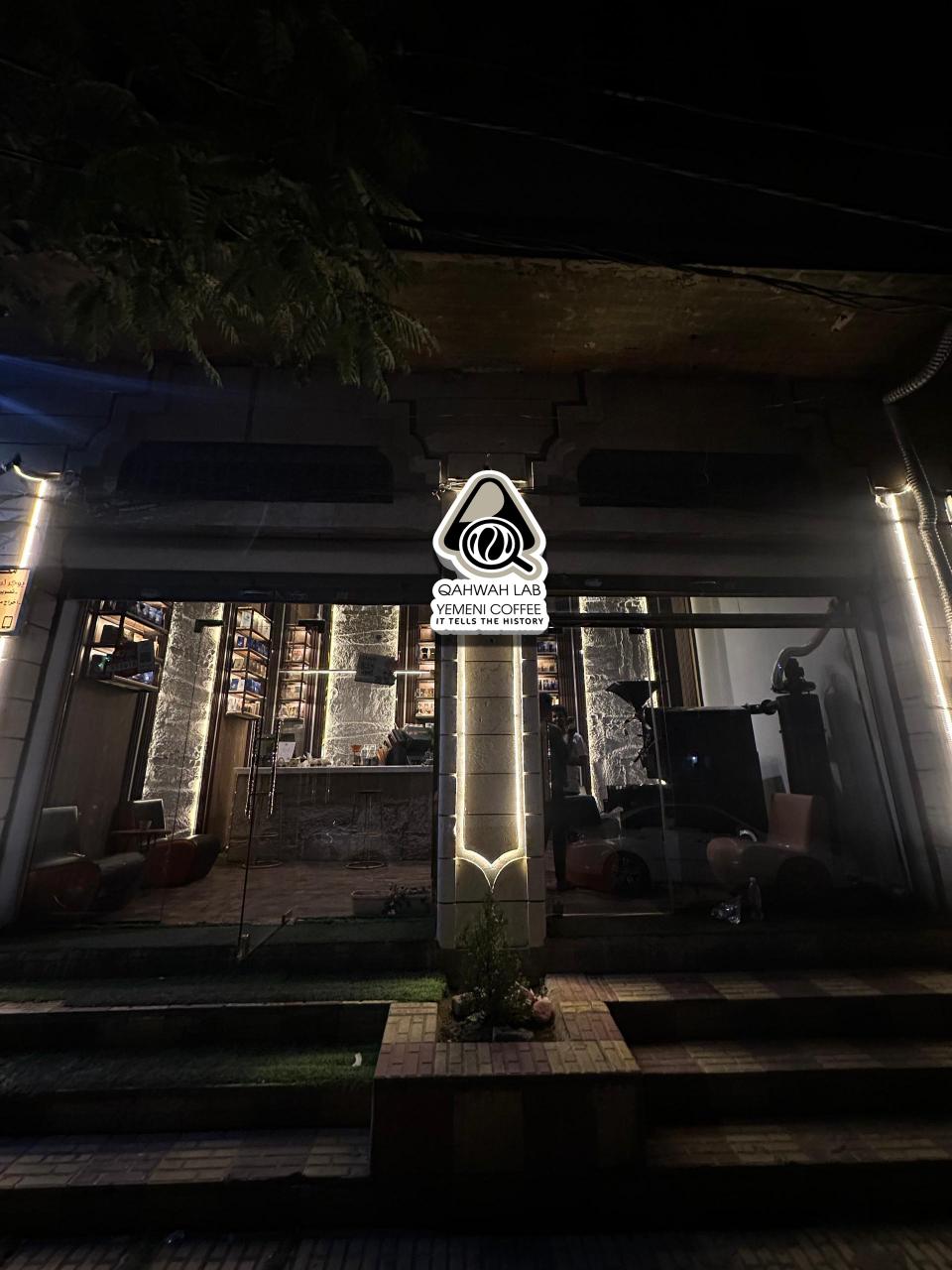
Opening of “Qahwa Lab” Roastery in Sana’a to Boost Yemeni Coffee’s Global Presence

Yemeni entrepreneur and coffee industry specialist Abdul Latif Al-Jaradi has opened a new specialty coffee roastery and tasting room in the capital city of Sana’a. This new venture, named “Qahwa Lab,” aims to strengthen the presence of Yemeni coffee in both local and global markets.

The project focuses on producing innovative blends and unique processing techniques for Yemeni coffee, all while adhering to scientific standards during the processing phase. Al-Jaradi explained that the roastery measures sugar content and pH levels for each processing method to achieve optimal quality and cost efficiency.

The project is set to pioneer new experiments in processing non-dried Yemeni coffee and features the creation of special blends for espresso and drip coffee using advanced processing techniques, including natural drying and the innovative “Mocha Story” method. This initiative is part of Al-Jaradi’s broader effort to introduce innovation in the Yemeni specialty coffee sector by offering high-quality products that reflect Yemen’s long-standing reputation as one of the oldest and most important coffee-producing countries in the world.

One of the standout features of “Qahwa Lab” is the direct partnership with Yemeni farmers. They are not only suppliers but are also integrated as true partners in the production process, sharing profits with the business. This model strengthens the relationship between producers and entrepreneurs and lays the foundation for a sustainable business that supports farmers and enhances the quality of Yemeni coffee.

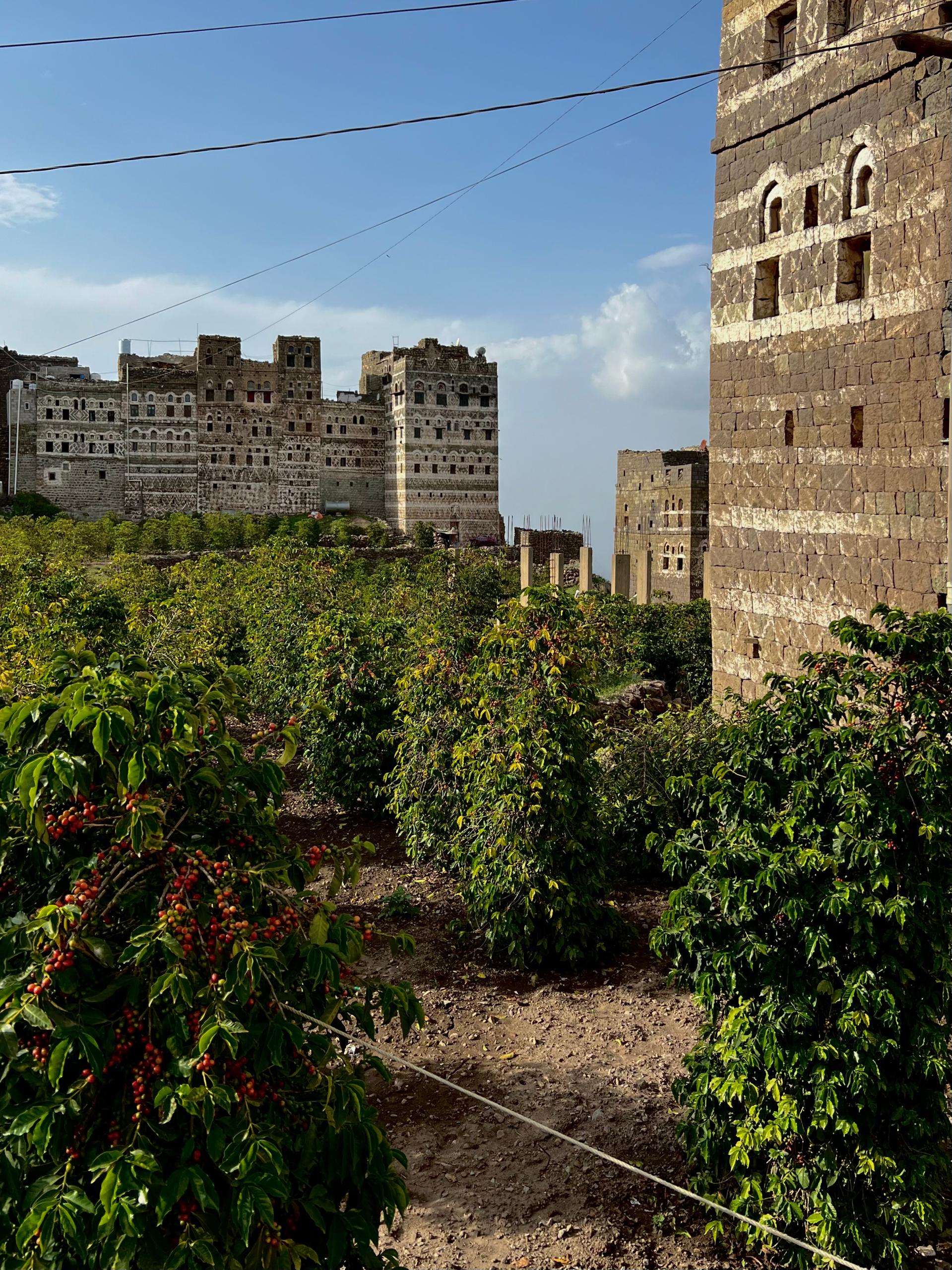
Yemeni coffee boasts a rich history that dates back to the 15th century when Yemen was one of the first countries to export coffee to the world through the port of Mocha. This rich legacy made Yemeni coffee, particularly “Mocha,” famous globally for its high quality and unique flavors. Despite Yemen’s current economic and political challenges, Yemeni coffee maintains its status in global markets thanks to the hard work of local farmers who use traditional farming techniques to ensure high-quality beans, as well as entrepreneurial initiatives like Al-Jaradi’s that aim to modernize the sector.

Al-Jaradi emphasized that his primary goal is to market Yemeni roasted coffee, ready for use, starting in Gulf countries and eventually expanding to global markets. The “Qahwa Lab” project is just the beginning of this ambitious vision, with the ultimate aim of making Yemeni coffee a well-recognized brand worldwide.

This project enhances Yemen’s position as a major player in the specialty coffee industry, highlighting ongoing efforts to support farmers and improve the coffee sector in the country. “Qahwa Lab” represents a key step toward a larger vision of making Yemeni coffee a strong competitor in the global specialty coffee market—a vision fueled by sustainable practices and direct collaboration with local farmers.

With this endeavor, Yemen continues to write new chapters in the history of global coffee, supported by its rich heritage and a forward-looking vision that strives for global excellence.

European Commission Proposes Extension to EUDR Compliance Deadline

In response to growing concerns within the coffee industry, the European Commission has proposed a 12-month extension to the EU Deforestation Regulation (EUDR) compliance deadline, initially set for 30 December 2024. This extension is intended to provide coffee farmers and businesses more time to adapt to the law’s requirements, which seek to mitigate the EU’s contribution to global deforestation.

The EUDR was introduced as a legislative effort to tackle the deforestation crisis caused by the production of goods such as coffee, cocoa, palm oil, paper, and wood. Under the regulation, businesses importing these products into the EU must provide a due diligence statement confirming that their supply chains have not contributed to forest degradation or deforestation after 31 December 2020.

While this legislation reflects the EU’s commitment to sustainable development, many in the coffee sector have expressed concern about the time needed to meet the new requirements. Major industry groups, including the European Coffee Federation (ECF), International Coffee Partners (ICP), and the International Coffee Organization (ICO), have voiced opposition, citing the challenges faced by farmers and coffee supply chains in aligning with the EUDR’s provisions.

If approved by the European Parliament, the extension would move the enforcement date to 30 December 2025 for large businesses and 30 June 2026 for micro and small enterprises. The Commission acknowledged that this additional time would allow for better preparedness, helping stakeholders across the coffee industry adjust to the new regulations.

EUDR’s Impact on the Coffee Industry

For coffee producers, particularly in regions like Latin America and Africa, the EUDR presents both challenges and opportunities. The coffee industry is a vital economic sector for many countries that are also significant contributors to deforestation due to agricultural expansion. The EUDR aims to reshape this landscape by encouraging sustainable farming practices and traceability in supply chains.

However, the financial burden of compliance, particularly for smallholder farmers who form the backbone of coffee production in many regions, has raised concerns. Many farmers face difficulties in meeting the stringent traceability and legality requirements imposed by the EUDR. The cost of certification, data collection, and other legal processes could threaten their access to the lucrative European market, which is one of the largest consumers of coffee globally.

To address these issues, the European Commission has released additional guidelines covering important topics such as traceability, legality requirements, and penalties for non-compliance. Clarifications on key terms like ‘forest degradation,’ and the role of ‘operators’ under the law have also been provided to ensure transparency. Additionally, the Commission has outlined the principles it will use for its country benchmarking exercise, which will classify nations as low, standard, or high-risk based on their deforestation levels. This classification system is expected to be finalized by July 2025.

Despite the extension, the European Commission has been clear that the EUDR’s objectives remain critical to the EU’s long-term sustainability goals. The legislation is designed to drive change in supply chain practices, reduce deforestation, and promote more responsible agricultural production. For the coffee industry, this regulation represents a significant shift toward sustainability, but it also presents considerable challenges, particularly for producers who lack the infrastructure or resources to comply with these new standards.

The coming months will be crucial for the coffee sector as it works to align with the EUDR and ensure that the industry remains both environmentally sustainable and economically viable.

2024 Sustainable Coffee Challenge Report Warns of Coffee’s Carbon Footprint Threatening Climate Goals

In a critical finding that could reshape the future of the coffee industry, the 2024 Sustainable Coffee Challenge Annual Report has issued a stark warning about the sector’s carbon footprint and its potentially dangerous impact on global climate goals. Despite numerous commitments from industry stakeholders, the report reveals that the coffee sector is significantly behind in meeting key sustainability targets set for 2025, particularly in terms of carbon sequestration and reducing deforestation.

The report emphasizes that while coffee producers and industry leaders have pledged to restore 1.5 million hectares of tree cover and sequester 100 million tons of carbon by 2025, progress has been painfully slow. Based on current efforts, the coffee sector will need more than 260 years to meet its carbon sequestration goal. This stark shortfall highlights the urgent need for intensified climate action within the coffee value chain, as the sector continues to face the far-reaching effects of climate change, deforestation, and biodiversity loss.

The report underscores that the industry’s primary strategy for reducing its environmental impact—planting non-coffee trees—has proven inadequate. While tree planting can sequester carbon, the current rate of progress is far too slow to offset the emissions generated by coffee production. Collectively, industry partners have planted millions of trees, which are expected to remove roughly 350,000 tons of CO2 annually. However, this amount represents only a fraction of what is needed to reach the 2025 target of 100 million tons.

The report also highlights a critical issue: many companies are focusing more on activities rather than the impact of those activities. This misalignment is contributing to the lag in meeting environmental goals. With looming regulatory pressures, particularly the European Union’s Deforestation-free Regulation (EUDR) and the Corporate Sustainability Due Diligence Directive (CSDDD), companies are expected to face increased scrutiny and must take more aggressive measures to reduce deforestation and environmental degradation within their supply chains.

The 2024 Sustainable Coffee Challenge calls on industry leaders to adopt holistic strategies that move beyond incremental improvements and focus on creating a transformative impact. It stresses the importance of involving smallholder coffee producers in these efforts, ensuring they contribute to climate resilience and forest conservation. With the 2025 sustainability targets fast approaching, the report serves as a reminder that without swift and significant action, the coffee industry could jeopardize both the environment and the livelihoods of millions of people who depend on coffee farming.

In the wake of this report, the coffee industry is at a critical crossroads. If immediate action is not taken to scale up efforts in curbing carbon emissions and protecting vital ecosystems, the consequences could be severe—not only for the future of coffee but for the planet as a whole. Industry stakeholders are urged to invest in innovative climate finance mechanisms, prioritize reducing their carbon footprint, and collaborate more effectively to scale up impactful environmental interventions.

This report is a wake-up call. Without urgent action, the coffee sector risks exacerbating the very environmental crises it aims to mitigate. For an industry that depends heavily on the natural world, the future of coffee sustainability hinges on a unified and aggressive response to climate change and environmental degradation.

Grounds for Action Report 2024: Analyzing Progress in Coffee Sustainability

The “Grounds for Action” report from the 2024 Sustainable Coffee Challenge presents significant strides and ongoing challenges in the global coffee sector’s journey toward sustainability. This year’s report reveals both encouraging advancements and areas that require greater focus, as the coffee industry pushes toward its collective 2025 goals.

The Sustainable Coffee Challenge is a vibrant coalition of 122 partners from across the coffee sector, aiming to make coffee the world’s first fully sustainable agricultural product. By aligning strategies with environmental and social sustainability goals, the challenge tracks commitments from key industry players to monitor progress and stimulate collective action.

Major Findings from the 2024 Report

65% of Stakeholders Report Annual Progress

One of the standout findings of the report is that 65% of stakeholders reported progress on their commitments for the year. This marks a significant increase, more than a quarter, from last year’s report. This progress showcases growing momentum as stakeholders accelerate efforts in sustainability, driven by both industry pressure and emerging regulations.

The upward trajectory reflects that more companies and organizations are embedding sustainability into their core operations. However, it also serves as a reminder that the industry needs to pick up the pace if it wants to meet the 2025 goals.

Focus on Nature: 50% of Public Commitments

Half of the public commitments made by stakeholders focus on nature, highlighting an increasing awareness of the vital role environmental sustainability plays in the coffee sector. This is a 40% year-over-year increase in commitments naming the environment as their primary focus, demonstrating a growing alignment between industry practices and global efforts to tackle climate change.

These commitments often include practices like forest conservation, biodiversity protection, and climate resilience initiatives. In fact, forest conservation and restoration interventions are the most popular among stakeholders, accounting for 41% of all commitments made, closely followed by climate change initiatives, which represent 37%. The focus on nature reflects not only a response to industry-wide concerns but also a reaction to new legislation, such as the European Union’s deforestation-free regulations.

New Commitments Focus on Biodiversity and Fresh Water

Since 2023, five new commitments have been introduced with a direct focus on biodiversity or freshwater resources. These commitments illustrate a broader understanding of the multifaceted environmental issues that affect the coffee sector. Freshwater conservation, in particular, has gained prominence as the coffee belt countries—those producing the majority of the world’s coffee—are often located in regions facing water scarcity or pollution challenges.

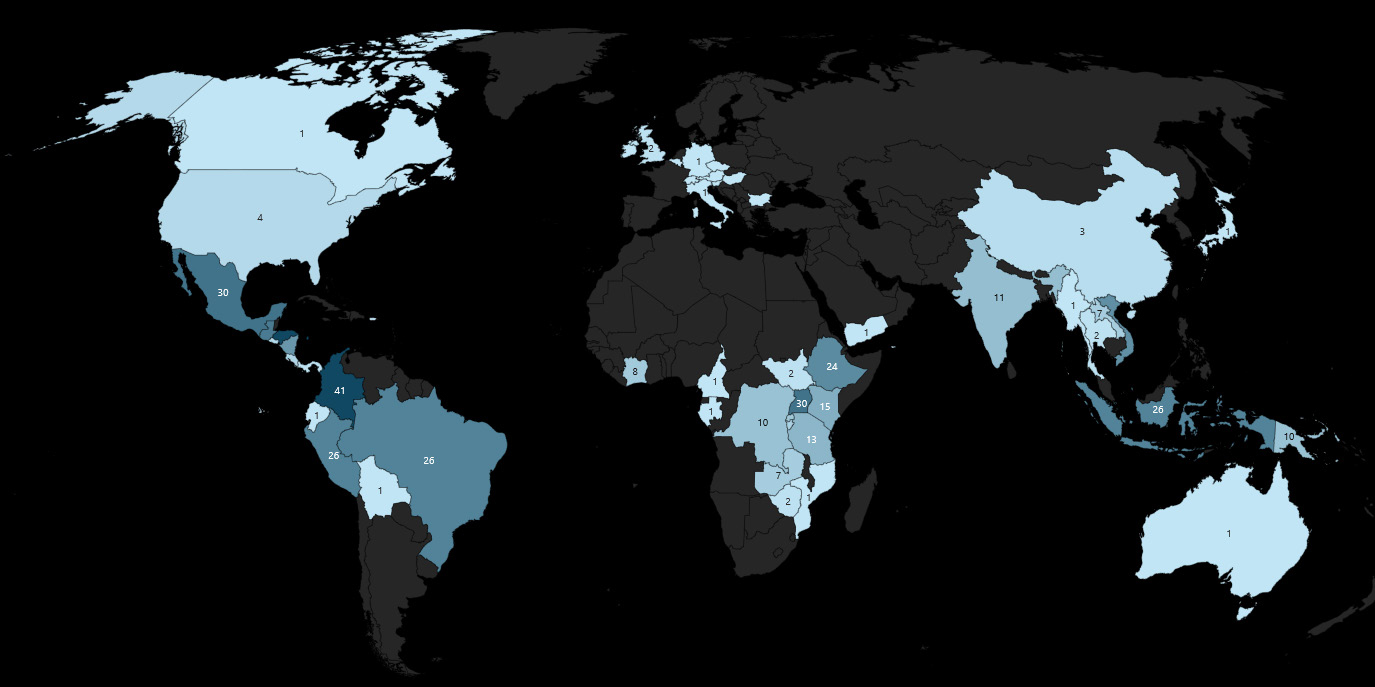
Impact Spanning 51 Countries

The commitments tracked in the report cover 51 countries across the coffee belt, from Latin America to Africa and Southeast Asia. This global footprint demonstrates the extensive reach of the Sustainable Coffee Challenge’s influence, with actions taken to address sustainability concerns in diverse geographical contexts.

The Need for Increased Guidance and Transparency

However, the report also highlights a critical area for improvement. Nearly 48% of commitments are self-reported, relying on internal (first-party) sources to track progress. This raises questions about the consistency and reliability of the data, pointing to a need for more robust third-party verification and guidance. As the industry grows more complex, there is an increasing demand for transparent and standardized reporting systems to ensure that sustainability claims are credible and verifiable.

Contribution to 2025 Targets and Progress Status

Eighty-one percent of the commitments contribute directly to the collective 2025 targets set by the Sustainable Coffee Challenge. While this is a positive figure, there is still much work to be done. On average, the 2025 targets are only 38.5% complete, reflecting the need for greater effort in the coming years to meet the ambitious goals laid out in 2020.

The 2025 targets, which cover four key areas—People, Planet, Coffee, and Markets—are designed to transform the coffee sector into one that not only sustains itself but also supports the environment and the people who depend on it.

Challenges in Meeting Forest Conservation Goals

One of the report’s key environmental metrics is the restoration of tree cover and the conservation of forests. The Sustainable Coffee Challenge set a target to restore 1.5 million hectares of tree cover and conserve an additional 500,000 hectares of forest by 2025. So far, progress has been slow, with just 24% of the tree restoration goal and 24% of the forest conservation target met. While there has been significant activity—particularly through tree-planting initiatives—many stakeholders are struggling to quantify the long-term environmental impacts of these actions.

The Role of Climate Change

Climate change remains one of the most pressing issues for the coffee industry. With nearly 37% of commitments focusing on climate-related initiatives, stakeholders are increasingly recognizing the importance of mitigating climate risks. The effects of climate change are already being felt across the coffee belt, where erratic weather patterns and extreme climate events such as droughts and floods are reducing yields and threatening the livelihoods of coffee farmers.

Innovative approaches such as climate-resilient coffee varietals, agroforestry, and regenerative agriculture are being promoted to combat these challenges. However, the report stresses that more needs to be done to scale these efforts, particularly in vulnerable regions.

The Coffee Industry’s Regulatory Response

The coffee industry is under growing regulatory pressure to address its environmental and social impact. Key legislation, such as the European Union’s deforestation-free regulation, is pushing companies to adopt stricter sourcing standards and report on their environmental impact. Many commitments made in the report align with these new regulations, reflecting the growing influence of external factors on corporate sustainability strategies.

The introduction of groundbreaking regulations and industry standards is leveling the playing field and providing clearer expectations for how coffee companies should mitigate their environmental and social footprints. This regulatory pressure has catalyzed the shift from voluntary sustainability commitments to mandatory compliance, with the added scrutiny pushing companies to be more transparent about their practices.

Opportunities for the Future

Looking forward, the report emphasizes the need for collective action and increased investment to reach the 2025 goals. While progress has been made, the report calls for a shift from merely “doing less harm” to “doing more good” by embracing innovative climate finance mechanisms and nature-based solutions.

The Challenge encourages stakeholders to ramp up efforts to meet their commitments, broaden their focus, and lead the industry toward more ambitious sustainability outcomes. By leveraging partnerships, increasing transparency, and investing in on-the-ground initiatives, the coffee sector can unlock significant opportunities for long-term environmental and social resilience.

Conclusion: A Pivotal Moment for the Coffee Sector

The “Grounds for Action” report paints a picture of an industry at a crossroads. While there is clear evidence of progress, the pace must accelerate if the coffee sector is to achieve its 2025 sustainability targets. With growing regulatory demands, heightened consumer awareness, and the tangible impacts of climate change, the coffee industry has a unique opportunity to transform itself into a force for environmental stewardship and social good.

The Sustainable Coffee Challenge remains optimistic, underscoring the power of collaboration and the role that the coffee sector can play in addressing some of the world’s most pressing sustainability challenges. The journey toward 2025 will not be easy, but with continued commitment and innovation, the coffee industry can indeed make a significant contribution to a more sustainable and equitable future.

Mohammed bin Rashid Library Celebrates International Coffee Day in an Artistic and Unconventional Way

The Mohammed bin Rashid Library celebrated International Coffee Day in a unique atmosphere filled with the delightful aroma of coffee. Colors blended with melodies to offer attendees an extraordinary experience that embodied the magic of this authentic beverage.

The event began with an exhibition of coffee tools, organized in collaboration with the Coffee Museum, where visitors had the opportunity to explore the diversity of coffee cultures from around the world. Guests could taste Arabic, Saudi, and Ethiopian coffee while also browsing a collection of books, newspapers, and magazines that explored the culture of coffee cultivation, preparation, and consumption, highlighting the rich heritage associated with this beverage.

The event also featured a workshop titled “How to Become a Barista,” where participants learned how to prepare Rwandan and Colombian coffee, immersing themselves in new worlds of flavors and techniques. The joy was not limited to the taste; the artistic horizons expanded to include a coffee painting session led by artist Majda Nasr El-Din, who lit up the venue with her creativity. This was followed by a special coffee bean painting workshop by artist George Sobhi, completing the artistic scene with exceptional touches.

Additionally, an art exhibition featuring more than fifty artworks was inaugurated, where artists created pieces using coffee materials. These works were dedicated to celebrating International Coffee Day at the Mohammed bin Rashid Library. The piano performance by Fadi Fawzi and flutist Jessica Diaz added a magical ambiance, allowing the audience to enjoy delightful moments combining art and joy.

As part of the “A World Reads” initiative, the library offered visitors the opportunity to receive a free copy of their favorite book, adding another cultural dimension to the event. At the conclusion of the event, certificates of appreciation were presented to the artists and participating entities.

This celebration highlighted the importance of coffee not only as a beverage but as a fundamental part of societal culture. It also emphasized the role of the Mohammed bin Rashid Library in promoting knowledge and art, making this day an unforgettable moment in the visitors’ memory.

International Coffee Day: A Beverage’s Journey from Yemen to the World

Every year on October 1st, the world celebrates International Coffee Day. This occasion is not just an opportunity to enjoy a cup of coffee, but a global event that brings together different cultures and generations. It highlights coffee’s role as a unifying element and celebrates its long journey from its mysterious origins to becoming a beloved drink enjoyed by millions worldwide.

The Origins of Coffee – A Debate and a New Perspective

There is much debate about the origins of the coffee tree, but experts agree that this tree has coexisted with humans on Earth for millennia. It is difficult to pinpoint whether the oldest coffee tree was in Ethiopia or Yemen. The beginnings of coffee trace back to ages long before it was first discovered in Yemen by the Yemeni mystic and alchemist Jamal al-Din al-Shadhili. Coffee wasn’t cultivated by humans in its early days, but it grew naturally by divine creation.

Yemen is regarded as the birthplace of coffee, where its global recognition began. The country still nurtures some of the oldest coffee trees in the world, which continue to produce beans of historical value, shaped by the passage of time. The port of Mocha in Yemen played a key role in the global spread of coffee. Thanks to the high quality and unique flavors of Yemeni coffee, it became a sought-after commodity worldwide, especially the famous “Mocha” variety.

International Coffee Day – Honoring the Coffee Industry and its Farmers

International Coffee Day was officially established by the International Coffee Organization (ICO) in 2015 during the Milan Expo. This event highlights the challenges facing coffee farmers, including economic and environmental difficulties, and calls for the promotion of fair trade practices to ensure farmers receive fair compensation for their efforts.

Coffee is not just a beverage; it is a livelihood for millions of people around the world, from farmers in the fields to baristas in coffee shops. This day reflects recognition of the significant contributions made by these individuals to make coffee an essential part of our daily lives.

Between Tradition and Modernity 

In the UAE and the Gulf countries, coffee symbolizes hospitality and tradition. Arabic coffee is an integral part of daily life and social gatherings, carefully prepared and often infused with spices such as cardamom and saffron. In recent years, the UAE, particularly Dubai, has become a hub for modern coffee culture through workshops, tasting sessions, and celebrations that blend tradition with innovation.

In Saudi Arabia, coffee holds a special place in the national identity. It is an essential part of Saudi hospitality, and the country has recently launched efforts to enhance local coffee farming, particularly in regions like Jazan, further promoting the global presence of Arabic coffee.

Yemen: The True Homeland of Coffee

Although there is debate about the origin of the coffee tree, Yemen is the land where coffee was first introduced to the world. In the 17th century, the export of coffee began from the port of Mocha, spreading across the globe and becoming part of global culture. Yemeni coffee is celebrated for its unique quality and flavor, and despite the economic and political challenges facing the country, coffee remains a symbol of authenticity and resilience.

Coffee Around the World  

International Coffee Day is celebrated differently across countries. In Brazil, local festivals honor coffee farmers and their contributions to the industry, while in Europe, coffee shops host tasting events and workshops. In the Netherlands, known for having the highest coffee consumption per capita, coffee enthusiasts gather for tasting events, while in Indonesia and Vietnam, where coffee plays a key economic role, events focus on supporting farmers and promoting sustainable agriculture.

In the United States, International Coffee Day is often linked to supporting fair trade initiatives to ensure farmers are paid fairly. Coffee shops draw consumers’ attention to the importance of sustainability and ethical production, linking the love of coffee to responsible consumption.

Challenges and the Future  

While the world celebrates coffee, the industry faces significant challenges such as climate change, which is expected to reduce the land suitable for coffee cultivation by mid-century. This pushes the industry to develop new practices to maintain quality production under changing environmental conditions.

In addition to climate change, the coffee industry suffers from economic fluctuations that directly impact farmers’ income, especially in developing countries. International Coffee Day emphasizes the importance of promoting fair trade practices and supporting small farmers to ensure the sustainability of coffee in a competitive global market.

 A Beverage That Unites the World

As the world celebrates International Coffee Day, it becomes clear that coffee is more than just a drink—it is a cultural bridge, an economic driver, and a symbol of global unity. Whether you’re enjoying a traditional Arabic coffee in a majlis or sipping a cold brew in a trendy café, coffee remains a beverage that brings together people from diverse cultures and backgrounds.

On this special day, we celebrate coffee not only for its rich flavors and rituals but also for the people and stories behind every cup. From the farmers who grow the beans to the baristas who serve our favorite drinks, coffee is the result of collaboration, passion, and hard work. As we raise our cups in celebration, we must also commit to ensuring the sustainability of the coffee industry so that future generations can continue to enjoy this beloved beverage for many years to come.

Coffee Industry on International Coffee Day: Production, Consumption, and Future Challenges

As International Coffee Day approaches on October 1, 2024, coffee remains one of the most important global agricultural commodities. Coffee plays a vital role in the lives of millions of people, both in terms of production and consumption. It provides livelihoods for millions of farmers in many developing countries and plays a significant role in the global economy. In this report, we will examine the latest data on coffee production, the top producing and consuming countries, as well as the global production value and future projections.

First: Global Coffee Production (September 2024)

Global Coffee Production

  • Quantity: According to the latest reports, global coffee production in 2024 reached approximately 10.5 million tons, equivalent to about 175 million bags (each bag weighing 60 kg).
  • Value: The global coffee industry’s total value is estimated at approximately $102 billion USD in 2024, with prices continuing to rise due to climate changes and agricultural challenges in some key production regions.

Factors Affecting Production

  1. Climate Change: Climate change has significantly impacted coffee production in recent years. Rising temperatures and unpredictable weather patterns have reduced arable land in key growing areas, leading to reduced yields and higher prices.
  2. Technology and Sustainable Farming: Innovations in smart agriculture are improving productivity despite challenges. Technologies like smart irrigation and the use of disease-resistant coffee strains are becoming increasingly common in countries such as Brazil and Colombia.

Second: Top Ten Coffee Producing Countries (2024)

Here is a list of the top ten coffee-producing countries in the world for 2024, based on production quantities (in tons):

  1. Brazil: 3.7 million tons – Brazil remains the world’s leading coffee producer, primarily producing Arabica coffee.
  2. Vietnam: 1.9 million tons – Vietnam focuses on producing Robusta coffee and is the second-largest exporter globally.
  3. Colombia: 900,000 tons – Known for producing high-quality Arabica coffee.
  4. Indonesia: 740,000 tons – Primarily produces Robusta, along with some Arabica production.
  5. India: 375,000 tons – Produces both Arabica and Robusta coffee.
  6. Ethiopia: 360,000 tons – The birthplace of coffee, primarily producing Arabica.
  7. Honduras: 355,000 tons – The largest coffee producer in Central America.
  8. Uganda: 345,000 tons – Grows both Robusta and Arabica coffee.
  9. Peru: 280,000 tons – Known for its high-quality organic coffee production.
  10. Mexico: 270,000 tons – Primarily produces Arabica coffee.

Third: Top Ten Coffee Consuming Countries (2024)

Below is a list of the top ten coffee-consuming countries for 2024:

  1. United States: 25 million bags – The largest coffee-consuming market globally.
  2. Brazil: 23 million bags – Domestic demand for coffee is high, fueled by a deep-rooted coffee culture.
  3. Germany: 9.5 million bags – Coffee is an integral part of German culture.
  4. Japan: 8.5 million bags – Coffee consumption is growing rapidly in Japan.
  5. Italy: 7.9 million bags – Italy is famous for its specialized coffee culture, especially espresso.
  6. France: 7.8 million bags – Coffee is a key part of daily life in France.
  7. Russia: 7.3 million bags – Coffee is gaining increasing popularity, especially specialty coffee.
  8. Canada: 6.5 million bags – Among the largest coffee consumers in the world.
  9. United Kingdom: 6.3 million bags – Despite a strong tea tradition, coffee consumption is on the rise.
  10. Spain: 5.9 million bags – Coffee is a fundamental part of Spanish culture.

Fourth: Future Projections for the Coffee Industry

Global Demand Growth

Global coffee demand is expected to continue growing at an average rate of 3-4% annually until 2030, driven by the increasing consumption of specialty coffee and the entry of new markets in developing countries, particularly in Asia and Africa.

Future Challenges

  1. Climate Change: Climate change remains one of the biggest challenges facing the coffee industry. It is projected that coffee-growing areas will shrink by 2050, leading to higher prices due to reduced supply.
  2. Sustainability and Innovation: The future of the coffee industry depends on innovations in sustainable farming practices. Technology will help tackle climate challenges and improve productivity.

Global Prices

Coffee prices are expected to remain volatile due to climate and market fluctuations. In 2024, the average price of a pound of coffee reached approximately $2.25 USD, and prices are likely to remain high in the coming years due to supply pressures.

Conclusion

The coffee industry remains a significant global economic force and a source of livelihood for millions of people. Despite challenges such as climate change and economic fluctuations, innovations in sustainability and smart agriculture can support the future of coffee and ensure its sustainability. With increasing demand for specialty coffee and emerging markets, the coffee industry is poised to continue growing and evolving in the coming years.