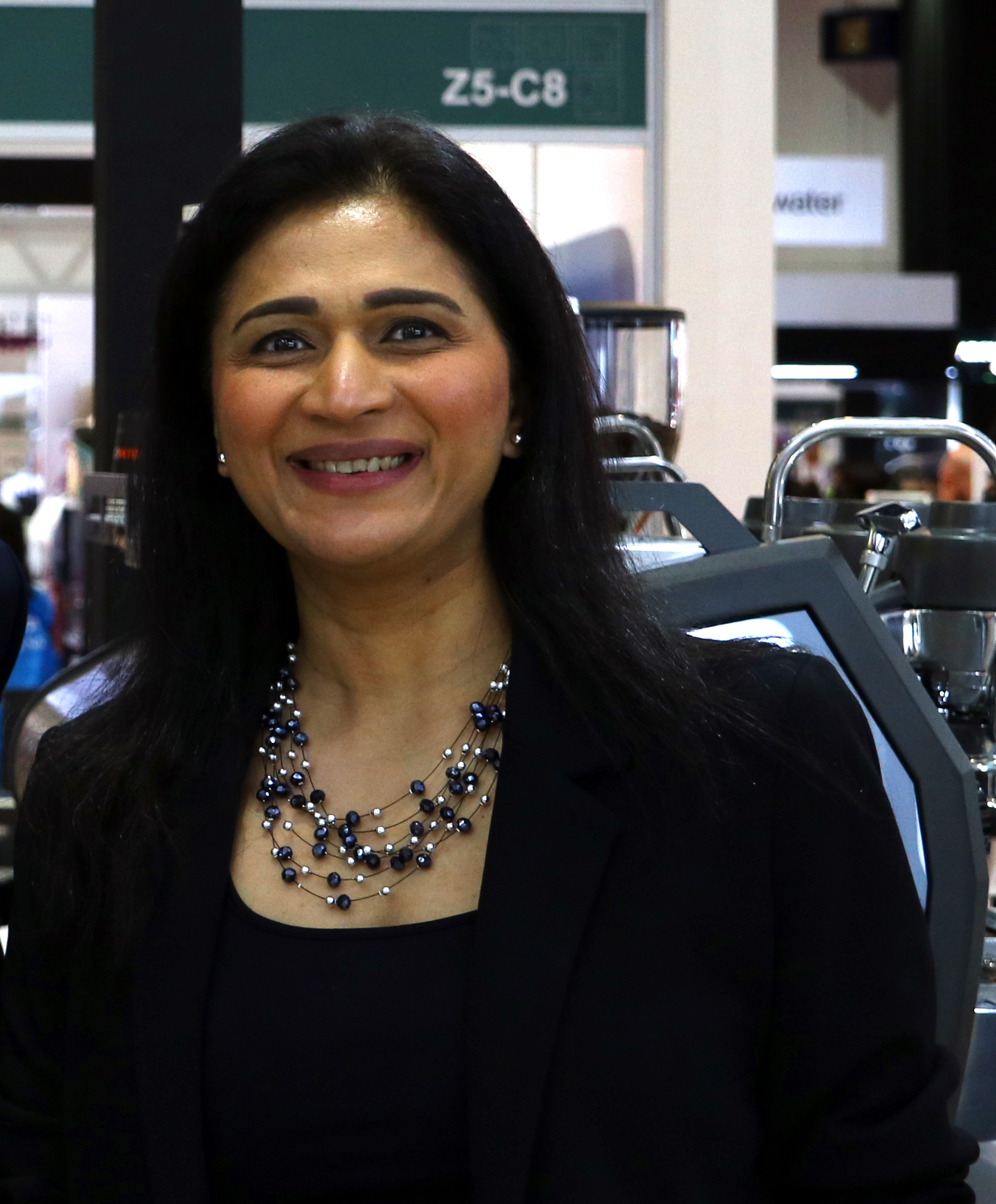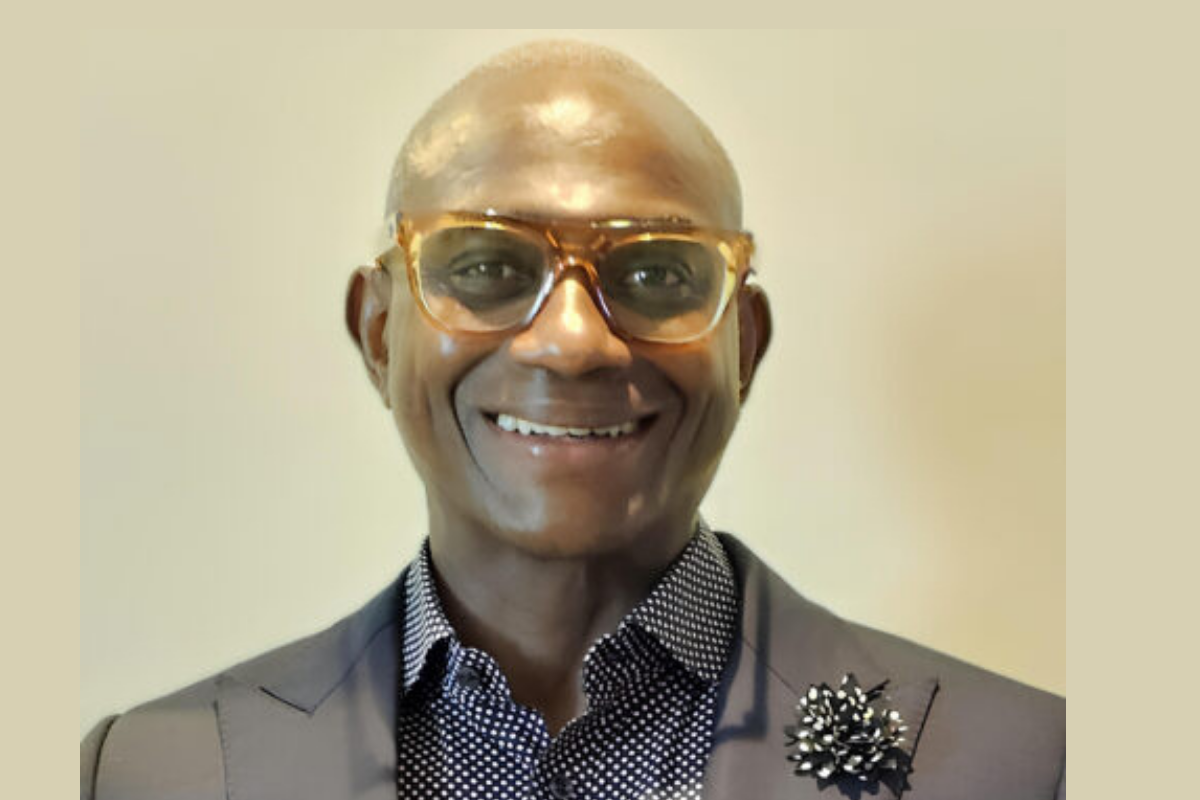
Reimagining Coffee’s Future – Exclusive with Garfield Kerr, President of the SCA

Dubai – Ali Alzakary

From the vibrant coffee farms of Jamaica to the heart of Dubai’s specialty coffee revolution, Garfield Kerr  has charted a remarkable path — one defined by vision, professionalism, and a profound respect for coffee as both craft and culture. As the founder of Mokha1450, the café that first introduced the boutique specialty coffee concept to Dubai, Kerr became a key force in transforming the UAE into a global destination for rare brews, refined brewing methods, and world-class coffee experiences.

Now, as President of the Specialty Coffee Association SCA, his journey reaches a new chapter. In this exclusive interview with QahwaWorld, Garfield Kerr opens up about his mission to elevate the role of farmers, the future of the Coffee Value Assessment protocol CVA, and the delicate balance between science, tradition, and storytelling in assigning value to every cup. He discusses the SCA’s evolving role in shaping fairer supply chains, navigating global challenges like climate change and deforestation regulations, and harnessing technology to build a more sustainable, equitable coffee industry — one where excellence is measured not only by quality, but by the fairness of its impact.

You became President of the SCA at a pivotal moment for the industry. What is your personal vision for this role?
I am personally driven by a need to work hard and a strong desire to succeed at whatever I attempt, with the full understanding that success is never guaranteed. During my presidency, I hope to achieve the stated goal of the organization to make coffee better, and to help with the SCA’s first ever pivot towards farmers at origin, the SCA pivot towards consumers, seeing the Coffee Value Assessment (CVA) protocol being the sole language of the coffee industry for the evaluation of coffee and discovering value in coffee, in addition to the continued growth of the SCA as the standard bearer in the global coffee industry that leads through education, research, and its unique ability to bring industry participants along the entire value chain together via trade shows and other events.

The industry is undergoing rapid transformation. What challenges are you most focused on addressing?
There are significant geopolitical challenges, in addition to myriad of other challenges facing the coffee industry, chief among them right now are tariffs, exceptionally high prices facing the  coffee market, continued strong demand outstripping future projected supply, global warming issues, and inflation, just to name a few. The SCA has facilitated research on most of these challenges with groundbreaking work, such as the Price Crisis Response Initiative, and we are continuously working to improve industry understanding and response to critical social, environmental, and economic issues through education, events, our work with NGOs and awards that provide incentives to tackle many of these issues.

Let’s talk about the Coffee Value Assessment (CVA). How will this reshape the way coffee is evaluated?
I am very much excited about the CVA, as I am driven by data and empirical hard evidence over an anecdotal or merely socially acceptable approaches to doing anything. However, social norms and personal preferences are also exceptionally important as they often define perception and values for discrete groups, geographic regions, to entire peoples. The CVA adds hard science to the evaluation of coffee by integrating the latest advances in sensory and coffee science, making coffee evaluation compatible with scientific research for the very first time. Most importantly, the CVA approach separates and assigns value to both the objective and subjective criteria of evaluating coffee, and also exponentially drives forward the SCA’s sustainability agenda, which emphasizes equitable value distribution throughout the supply chain.

How does the CVA align or conflict with existing protocols like those from CQI?
The CVA is a science-based approach with years of hard work and research behind it. The CVA also represents a great leap forward, and as such I think the global industry is best served by everyone adopting this new approach, as it unequivocally best serves everyone involved, and as such I think CQI will be a valuable partner and will eventually adopt the CVA. It is also very important that all leading organizations within the coffee industry are aligned in serving the community and speaks with one voice.

How has the community responded so far?
The feedback on the CVA has been overwhelmingly positive, with some renowned industry experts exclaiming that the advancement that the CVA represents is long overdue. Of course, there are those that will need more time to adopt, because it is not easy to give up a way of doing things that has become entrenched in your everyday life. I have also had passionate discussions, one just last week where a good friend and also well-known coffee professional said somewhat sarcastically that the CVA scores a coffee higher that is from a farmer that has some “story” or “peculiarity” that has become well known for whatever reason. Much to his surprise, I agreed with that assessment and noted that if the story of that fictitious farmer resonates with individuals and makes people more likely to buy and pay a higher price for that farmer’s coffee, then that value creation should be shared directly with that farmer and the CVA is designed to do just that.

Take the example of the Fix chocolate brand and Sarah Hamouda who created the famous Dubai Chocolate that has become an international sensation. Can you imagine a world wherein Ms. Hamouda, as the creator of that unique and exceptional dessert, is disconnected from the value created by the intense demand and would be the lowest compensated person along the value chain for her product? That is somewhat the current state of the coffee industry. Imagine that Ms. Hamouda would make the same much lower amount whether or not the chocolate becomes famous, and only retailers are allowed to profit from the upside of the product’s popularity — is this fair?

Let’s address perceptions of the SCA becoming more commercial. How do you respond to this, and how can the association stay grounded in its core mission?
I have heard some of these discussions and criticism, and I understand them to a degree because change seems scary for some, and when an organization grows, becomes more inclusive instead of exclusive, and even becomes more organized, it seems further away from its early years and how it once operated. You see this for example in music where a few people will instinctively turn away from obscure artists once they become a global sensation and will often say those artists have “sold out” even if the music remains true to the vision of that artist. I think there is a similar dynamic here. The SCA has grown and has definitely become more organized and more professional with each successive year. For example, this year’s board of directors is the most impressive board that has ever served, and is comprised of some of the industry’s brightest minds. This growth and increased professionalism are nothing to be feared or denigrated but should be lauded, as I know from personal experience, and fervently believe that most people that have interacted with the SCA’s staff, the executive team, and board members would agree. This is true because every single individual within the SCA gets up every day with only one mission in mind, and that is how do we make coffee better for all involved.

Looking ahead, what major trends do you foresee shaping the industry in 2025?
The current high Coffee prices  may likely affect the industry in negative and positive ways that are very hard to predict. However, we may find big players trying to reduce cost and exposure by investing more aggressively in coffee alternatives, but I think that the love affair with coffee may prove far too strong to overcome with manufactured alternatives. The high price and current crisis could also usher in a new age of discovery for coffee farming and best agronomy practices to stave off diseases and increase yield.

We will likely see a continued shift towards cold drinks, ready-to-drink coffees, and also investments in how to produce quality specialty coffee in instant products — be it powdered or liquid concentrates. However, the most salient shift will be towards experiential activities related to the way brands present coffee. I often say that coffee is the simplest most complicated subject, and brands that can shake up the simplicity of our morning routine of grab-and-go coffee and allow customers to experience coffee on a deeper level without making it too complicated will likely lead the way.

What are your thoughts on the new European deforestation regulations and their impact on coffee producers?
I think the goals of the new European deforestation regulations are very good and very laudable, however the execution can be vastly improved. As it stands, the current regulations may produce winners and losers, with countries that have mostly smallholder farmers losing out. Even if they meet the EUDR requirements, the problem lies in proving that through the cumbersome documentation process expected by customs at EU destinations.

In addition to that, the penalty in the event that the lots are found non-compliant upon arrival at destination falls on import companies. As they do not have the direct involvement in the production nor export of these coffees, it makes it difficult to assume the risk for such importers. This may result in shifting away from smallholder-based producing countries… which is counterproductive.

As such, I believe a more thoughtful deep dive into the unintended impacts of the regulations in the various coffee-producing and importing countries should be reconsidered.

The SCA’s leadership has held many discussions on the topic and is leading through facilitation and making the voices and views of all involved very clear — for the mutual benefit of every stakeholder involved along the value chain.

Let’s talk about the Middle East. What’s your perspective on the specialty coffee scene in the UAE and GCC region?
It was once controversial to exclaim that the UAE is a leading market in the global Specialty Coffee arena, and that statement no longer is. You can get any Cup of Excellence coffee and rare coffees that most people will spend a lifetime without having the ability to try here in the UAE. Furthermore, it is common practice that coffee shops in the UAE and especially Dubai are specialized in offering all brewing methods, whether it is a Syphon, Cezve/Ibrik, V60, Chemex, etc., and that practice is not commonly available anywhere else in the world.

There are many opportunities in the UAE and GCC to continue to innovate and offer more experiential activations that continue to elevate coffee beyond a caffeine fix, and as for business opportunities, while the UAE is somewhat saturated, companies and brands that innovate will definitely stand out more and produce a race to the top. Also, there are many international brands that are locating in the UAE and then using the location here as a springboard into other Middle East and GCC countries where the markets are still growing and this proves there are still great business opportunities here in the region.

How can the SCA help support historical coffee origins like Yemen?
Currently because of the politics and the current situation in Yemen, it is very hard for the SCA to lend support directly and on the ground. However, with the new CVA protocols, countries like Yemen that have a long history of producing exceptional coffee will benefit in value discovery. The SCA will also be more focused on farmers at origin in the near term and as such when Yemen fully opens up again, Yemen stands to benefit immensely. Yemen also has expertise that could serve the entire coffee world as they have produced excellent coffees by way of ingenious agronomy and methods that require the least amount of water anywhere in the world. Yemeni farmers are the world’s foremost experts on best sustainability practices with respect to water preservation, a vital skill as global warming becomes more prevalent. The Yemeni coffee varieties are also quite drought resistant and have been studied for quite some time now, and those studies will have to produce best practices that will then be translated into action once a critical tipping point is reached and the current negative trends in our environment become even more pronounced. As such Yemen’s importance to the coffee world is not only historical — it will only become more important over time.

How will the SCA ensure farmers receive fair value and support?
The CVA is designed to do just that and one critical change to the SCA’s approach is that of ensuring there is a developmental portion of the CVA that will work at origin and make sure that farmers are an integral part of the CVA and use it as a practical tool in running their enterprise so as to understand the perception and language of importers and roasters so as to get the maximum return on their hard work in bringing coffee to the world.

What role do you see for innovation and technology in solving industry challenges?
Technology and innovation are very important and will be leveraged to solve most of the aforementioned problems currently facing the coffee industry. With the importance of data to understanding and making things better, especially with the use of Artificial Intelligence, the ability to collate and share data on best regions for farmers to sell coffees, the best technology-driven agronomy practices such as drone technology currently being used to assist farmers — instant analysis of soil quality and when and where to plant — the latest company and consumer-driven trends being available to everyone in real time, the sharing of knowledge and advances in coffee scientific research and the instantaneous identification of real-world applications, all of this becomes possible and the SCA stands ready to lead the way to leverage technology and innovate to improve the way things are done.

Any final thoughts or messages you’d like to share with our readers?
Imagine a world without coffee. Not for one day, a week or a few months, but no coffee forever. I don’t think anyone wants to live in this type of dystopian nightmare, and as such, it is incumbent on all of us from consumers to industry players to do our very best to make coffee equitable for all involved, and that has to start first and foremost with the farmer. The coffee industry can be very opaque for consumers, especially with respect to pricing, and most consumers are very much price sensitive and unwilling to pay a price for coffee over an individually perceived maximum price threshold. Consumers must be able to understand the hard work that farmers endure to bring coffee to them and be willing to pay a fair price for this work and craft.

I would like to challenge everyone to think about how we can change the current system with respect to the C coffee market as well as the specialty coffee market to start with the farmer and make sure that they are first in being compensated fairly and be made to feel valued and appreciated for doing the hard work, without which my first sentence becomes a reality. We should all think critically as to how we can change our current ways of doing business to ensure there is a fair and comfortable margin for everyone so that the market becomes exceptionally efficient and free of arbitrage so that everyone can make a living in this endeavor we love so dearly and that there are no stark realities of big winners and perpetual losers. After all, we all want to make coffee better.
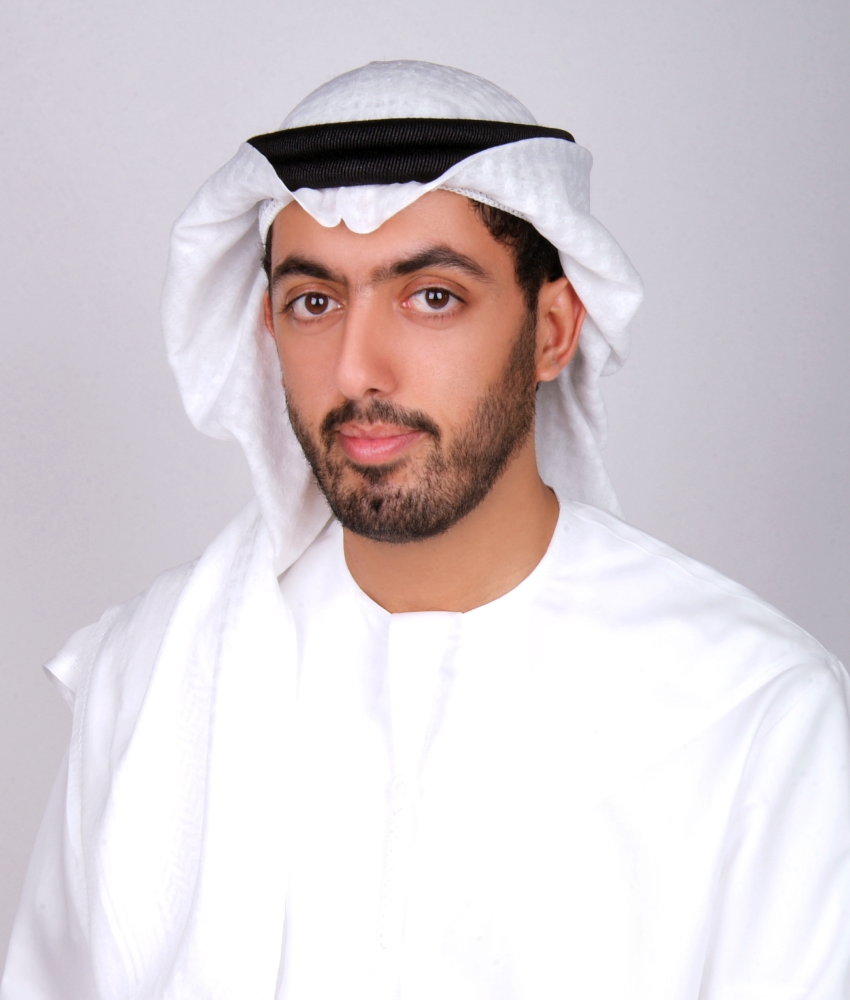
 

Mohammed Issa Al Ghurair: Karam Coffee is an Emirati story we share with the world in every cup

Karam Coffee has emerged as one of the most prominent Emirati brands achieving notable success in the coffee market, benefiting from the rapid development of e-commerce in the UAE and its collaboration with major platforms such as Amazon UAE—an experience that marked a significant shift in the company’s journey.

Mohammed Issa Al Ghurair, CEO of Karam Food Industries, explained that Karam Coffee, founded in 2013 with a vision of offering world-class coffee inspired by the Emirati hospitality culture, has succeeded in combining authenticity with quality and sharing this spirit with a growing audience both inside and outside the country.

“In our culture, coffee is more than just a beverage—it is a way to connect and bring people together,” Al Ghurair said. “We were committed from the beginning to blending traditional practices with modern techniques to create an exceptional coffee experience.” Today, Karam Coffee proudly operates one of the largest roasteries in the Middle East, with a daily capacity of 16 tonnes. Its offerings include whole and ground specialty coffee, high-end coffee equipment, and gluten-free food products.

Al Ghurair noted that the company faced challenges early on in convincing major retailers to stock their products, which led them to pivot towards e-commerce. “Our collaboration with Amazon UAE opened doors we couldn’t access through traditional retail. It allowed us to reach a broader customer base, especially in markets like Saudi Arabia.”

He added that during the holy month of Ramadan—a peak season for coffee consumption—fast delivery becomes a top customer expectation. That’s where Amazon’s Fulfillment program plays a vital role, handling storage, packaging, and delivery while the company focuses on maintaining supply and product quality.

Karam Coffee’s success on Amazon.ae, according to Al Ghurair, is the result of strategic decisions, effective use of Amazon’s sales tools, and a strong commitment to quality and innovation. Participating in major sales events such as Ramadan promotions, Prime Day, and White Friday helped increase visibility. Coupled with targeted ads and discount coupons, these efforts significantly boosted sales.

The brand also benefited from customer behavior insights on Amazon, allowing it to better understand market demand and fine-tune its product offerings accordingly.

Al Ghurair concluded with advice to Emirati entrepreneurs: “Take full advantage of the vast opportunities available in the UAE’s e-commerce sector. The country has made great strides in building a digital economy that supports entrepreneurs. Our experience with Amazon gave us access to global tools and services that helped us expand and connect our brand with millions of customers online.”

Karam Coffee stands today as a shining example of how Emirati brands can thrive and grow through digital platforms. With Amazon UAE’s commitment to hosting products from 100,000 companies by 2026, the road is wide open for more Emirati entrepreneurs to share their stories and products with the world.


View this post on Instagram


A post shared by عالم القهوة (@qahwaworld)

Ethiopian Coffee Revolution: The Inspiring Journey of Ansha Yassin

The International Trade Center published an important report on the journey of Ethiopian entrepreneur Ansha Yassin, who, as it was said, is leading a quiet revolution in the Ethiopian coffee industry. Given the importance of Ansha Yassin’s experience and journey, we at Qahwa World are republishing it because of the aspects it contains that may inspire and motivate other women, not only in Ethiopia but also in the world. Elevating Ethiopian coffee through knowledge and quality

In the bustling heart of Addis Ababa, Ansha Yassin is quietly transforming the coffee industry. As the Managing Director and co-owner of COQUA Trading, she has dedicated her career to uplifting Ethiopian coffee by combining expertise, comprehensive training, and improved market access.

Her passion for coffee was kindled far from the capital—in Ethiopia’s rural regions—where she worked side-by-side with local farmers. “I studied agriculture in Jimma and was sent to a remote area after graduating,” Ansha recalls. “There was no electricity, no drinking water—it was a harsh environment. But I quickly learned that coffee was much more than just a crop; it was a lifeline for these families.”

Driven by those early experiences, Ansha resolved to reform the industry from its roots. Her mission has been to empower coffee farmers by helping them achieve higher quality production and secure direct connections with international markets.

From Field to Market: A Vision for Coffee Excellence
Ethiopia, renowned as the birthplace of Arabica coffee, is famous for its rich and varied flavor profiles. However, many smallholder farmers face the challenges of inconsistent quality and limited global reach. As a certified top grader and expert in coffee processing, Ansha has made it her mission to bridge this divide.

COQUA Trading stands out as one of the few Ethiopian labs to earn the prestigious Q-certification. Through this facility, Ansha offers consulting services that connect local producers with global buyers. Collaborating with cooperatives, NGOs, exporters, and government agencies, she works to enhance coffee quality, ensure traceability, and meet international standards. “Our coffee is beautiful,” she insists, “but without proper agronomy, processing, and harvesting techniques, its quality can quickly diminish. That’s why our training is hands-on—we cup the coffee, provide feedback, and empower farmers with the knowledge they need to boost both yield and price.”

Her commitment to education extends to her work with the International Trade Centre (ITC) under the Netherlands Trust Fund V programme in Ethiopia. Through ITC’s Alliances for Action initiative, Ansha trains coffee producers in sustainable farming practices, post-harvest processing, and quality improvement, all aimed at securing better market prices. “Better coffee quality means better incomes,” she explains. “When farmers earn more, they can invest in their families’ futures, send their children to school, and improve their living conditions. That is my true motivation.”

Breaking Barriers and Building Networks
Despite her extensive expertise, Ansha has encountered obstacles in a traditionally male-dominated industry. “When I visit farms, men sometimes trust my assistant more than me simply because he is a man,” she observes. “It takes time to earn their confidence, but once they witness tangible results, their attitudes shift.”

Her efforts to uplift women extend beyond her immediate work. As a leader in the International Women’s Coffee Alliance (IWCA) Ethiopia Chapter, she champions the cause of female workers, who, despite performing most of the processing—from harvesting to sorting—often earn significantly less than their male counterparts. “We need to support one another, enhance our skills, and ensure that women in the coffee industry receive the recognition and opportunities they deserve,” she affirms.

Looking forward, Ansha envisions COQUA Trading not only as a consulting firm but also as a hub for excellence in coffee education. With her lab now Q-certified, she is laying the groundwork for training the next generation of coffee professionals, exporters, and quality experts. “The investment in expensive lab equipment was challenging, but it’s an investment in the future because knowledge is the key to unlocking Ethiopia’s full coffee potential.”

As Ethiopia continues to adapt to the evolving global coffee market, leaders like Ansha are ensuring that local producers are not merely participants, but strong competitors on the world stage. Through dedicated training, persistent advocacy, and an unwavering pursuit of quality, she is shaping a more sustainable and prosperous future for Ethiopian coffee.

Boncafé’s Growth and Future: Aparna Barretto on Leadership and Innovation

For nearly two decades, Aparna Barretto has been at the helm of Boncafé Middle East, shaping its growth from a modest operation into a key player in the region’s coffee industry. As Managing Director of Boncafé Middle East, part of the globally renowned Massimo Zanetti Beverage Group (MZBG), she has overseen significant transformations in sourcing, sustainability, and consumer engagement. In this interview, Barretto shares insights on the evolving coffee landscape in the MENA region, the company’s commitment to innovation and sustainability, and her vision for the future of the industry.

When I finally visited her office, a visit I had been waiting for for a long time, and during our brief conversation about coffee, business, and community, I realized that I had to interview her to share her inspiring experience. Follow this wonderful conversation.

You have been leading Boncafé Middle East for nearly 20 years. What have been the key milestones in the company’s journey under your leadership?
Boncafé Middle East began its journey in 2003, and I joined the company in a finance role in 2004. We started with just five staff members, and today, we are part of Massimo Zanetti Beverage Group, a global leader that owns brands like Boncafé and Segafredo. The journey has been nothing short of remarkable, fueled by a strong team and invaluable mentorship. Growth, for me, is more than just numbers—it is about people, innovation, and taking bold initiatives.

The coffee industry in MENA has evolved rapidly. How has Boncafé adapted to these changes?

The past decade has witnessed significant shifts in the coffee sector, particularly in MENA. To stay relevant, we continuously reinvent ourselves, adapting to global trends and evolving consumer preferences.

What are the biggest challenges facing the coffee sector in this region today, and how do you navigate them?

Sourcing high-quality coffee has become increasingly challenging due to surging demand, climate change, procurement issues, and rising logistics costs. Navigating these challenges requires agility, innovation, and strong industry partnerships.

How have consumer preferences in the Middle East shifted in recent years? Are you seeing a stronger demand for specialty coffee or traditional blends?

Consumer preferences are evolving rapidly. While traditional blends continue to hold their place, there is a noticeable surge in demand for specialty coffee. People are becoming more discerning, seeking quality, traceability, and unique flavors.

With the rise of home brewing and specialty coffee culture, how is Boncafé positioning itself to cater to this trend?

The home brewing culture has expanded significantly, particularly post-pandemic. Boncafé is aligning itself with this shift by offering a diverse range of products that cater to both casual home brewers and specialty coffee enthusiasts.

What role does sustainability play in Boncafé’s sourcing and product strategy?

Sustainability is at the core of our operations. As part of MZBG, we conduct annual CSR audits and implement sustainable practices at both local and global levels. Our goals range from small-scale sustainable initiatives to measurable long-term environmental strategies.

Boncafé has been actively supporting the coffee community in various ways. Could you share some of the key initiatives you’ve led to uplift the industry?

We actively engage with local coffee communities, collaborating with roasters, manufacturers, and industry peers. We also support young professionals entering the coffee world, fostering knowledge-sharing and collaboration.

On International Women’s Day, Boncafé organizes events to highlight women’s contributions to the coffee sector. Why is this an important cause for the company, and how do you see women shaping the future of coffee?

Women play a crucial role in both the home and the workplace. I have been fortunate to have a strong support system throughout my career, from my father to my husband and mentors who encouraged me to take on leadership roles. I firmly believe in equal opportunities, and I am proud that many managerial positions at Boncafé are occupied by deserving women. Gender should never define capability.

What strategies have been most effective in expanding Boncafé’s footprint across MENA?

Expanding in MENA requires a balance between innovation and maintaining brand heritage. We focus on quality, consistency, and understanding local market dynamics while continuously introducing new offerings to meet evolving consumer expectations.

How do you balance innovation while maintaining the brand’s heritage and consistency in quality?

It’s a delicate balance, but we achieve it by staying true to our core values while integrating cutting-edge advancements. We embrace modern trends without compromising on our legacy of quality.

What new product developments or trends do you see shaping the future of the coffee industry?

he MENA coffee scene is evolving rapidly, with more local entrepreneurs and roasters entering the market. In the next five years, we expect increased competition, greater consumer choices, and a stronger emphasis on price, quality, and specialization.

How do you see the MENA coffee market evolving in the next five years?

The market is expanding, and competition is becoming more intense. Companies that focus on quality, sustainability, and innovation will thrive. Consumers will have more options tailored to their preferences, making it an exciting time for the industry.

What are your future goals for Boncafé in this region? Are there any expansion plans or new markets you’re eyeing?

Yes, something is definitely brewing! Stay tuned for exciting announcements in the near future.

If you could change one thing about the coffee industry today, what would it be?

I would advocate for more fair and transparent pricing, stronger sustainability practices, increased climate resilience efforts, and greater support for coffee farmers. Additionally, I would encourage more unity and collaboration among industry players to create a stronger and more sustainable coffee ecosystem.

Tracon Coffee : Preserving Ethiopia’s Legacy in the Global Coffee Market

For over 35 years, Tracon Coffee Export has been at the forefront of Ethiopia’s coffee industry, championing the country’s rich heritage while innovating to meet the evolving demands of the global market. As a third-generation coffee trading business, Tracon Coffee has not only set export records but has also remained deeply committed to sustainability, quality, and fair trade practices. In this exclusive interview, Iman Elias Oumer, Third Generation Coffee Trader and Marketing Manager at Tracon Coffee, shares insights into the company’s journey, its role in showcasing Ethiopian coffee on the world stage, and its vision for the future.

Can you introduce Tracon Coffee Export to our readers? What is the story behind the company?

Tracon Coffee Export has been in the green bean trading business for over 35 years, achieving several local export records. As a third-generation coffee trading business, my brother and I continue the family legacy of promoting Ethiopia’s exceptional coffee culture.

Based in Ethiopia—the birthplace of coffee—our mission has always been to deliver the finest Ethiopian beans to the global market. We work closely with local farmers, ensuring they receive fair compensation and support, while maintaining the highest quality standards. Over the years, we have built strong partnerships with coffee trading houses and roasteries of various sizes worldwide. Our role goes beyond exporting coffee; we take pride in preserving and promoting Ethiopia’s rich coffee heritage.

Tracon Trading P.L.C was founded more than three decades ago by Omer Ali Shifaw and Leila Mohammed Hussen. Since then, the company has experienced rapid growth and expanded its operations into coffee trading, farming, real estate, construction, import and merchandising, aluminum assembly, and food manufacturing.

Ethiopia is known as the birthplace of coffee. How does Tracon Coffee uphold and showcase Ethiopia’s rich coffee heritage?

Ethiopia’s coffee culture is an integral part of our identity, and we are committed to maintaining this legacy. At Tracon Coffee Export, we source beans from over 30 washing stations that we own and operate, as well as from vertically integrated partners we finance. These washing stations are located in well-known coffee-growing regions such as Sidamo, Yirgacheffe, and Guji.

To ensure the highest quality, we invest in our own washing stations and employ modern processing methods that highlight the distinct flavors of Ethiopian coffee. Our commitment to quality allows us to showcase the diverse and rich profiles that have made Ethiopian coffee famous worldwide.

What are the key values and mission of Tracon Coffee in the global coffee industry?

Our mission at Tracon Coffee is to connect the world to the finest Ethiopian coffee while emphasizing sustainability, quality, and community. Our core values include:

  • Commitment to Quality: We prioritize offering premium beans that reflect Ethiopia’s coffee heritage.
  • Sustainability: We integrate environmentally and socially responsible practices at every level.
  • Innovation: We continuously seek improvements in processing techniques and quality control.
  • Integrity: We believe in transparency and fostering long-term relationships with farmers and clients.

How do you ensure quality and sustainability in your sourcing and processing methods?

We have a specialized Farmers Direct Traceability (FDT) program where we collect red cherries directly from farmers and process them individually. Each batch is traceable from the farm to the buyer via unique codes. These micro-lots often score above 87, highlighting their superior quality.

Additionally, our sensory analysis department, equipped with certified cuppers and the latest roasting technology, rigorously evaluates every batch to ensure quality consistency. Our processing methods combine traditional Ethiopian techniques with innovative approaches, enabling us to preserve the unique characteristics of Ethiopian coffee while maintaining sustainability.

What did Tracon Coffee present at World of Coffee Dubai 2025?

At World of Coffee Dubai 2025, we showcased a range of premium Ethiopian coffees, including selections from renowned regions such as Yirgacheffe and Sidamo. Additionally, we introduced experimental lots processed using innovative methods, which highlighted unique and complex flavor profiles. Visitors particularly appreciated the intricate aromas, diverse taste notes, and high quality of our offerings.

How was the response from visitors and coffee professionals?

The response was overwhelmingly positive! We had meaningful conversations with coffee professionals, buyers, and producers from Colombia to Vietnam who appreciated our coffee’s quality and rich history. Our experimental lots, in particular, generated excitement due to their distinctive flavors. The feedback we received at the event will help us refine our offerings and continue innovating.

What are your expectations from participating in this event?

Our main goal was to establish new partnerships and expand into new markets. World of Coffee Dubai provided the perfect platform to connect with buyers who value high-quality, sustainable coffee. We also engaged with industry professionals who share our vision for promoting Ethiopian coffee on the global stage.

What are your expectations from participating in this event?

Our main goal is to establish new partnerships and expand into new markets. World of Coffee Dubai provides the perfect platform to connect with buyers who value high-quality, sustainable coffee. We also look forward to engaging with industry professionals who share our vision for promoting Ethiopian coffee on the global stage.

How does Tracon Coffee contribute to promoting Ethiopian coffee internationally?

We position Ethiopian coffee as a premium product in the specialty coffee market by emphasizing quality, sustainability, and traceability. By showcasing Ethiopia’s diverse coffee regions and their unique flavor profiles, we help raise awareness and demand for Ethiopian coffee globally.

What makes your experimental lots unique?

Our experimental lots feature innovative processing methods such as anaerobic fermentation, resulting in complex flavor profiles with fruity, floral, and spicy notes. These coffees push the boundaries of what Ethiopian coffee can offer while preserving its traditional essence.

What challenges do Ethiopian coffee exporters face today, and how do you overcome them?

Ethiopian coffee exporters encounter challenges such as fluctuating market prices, climate change, and logistical hurdles. We address these issues by maintaining strong relationships with farmers, offering fair prices, and implementing sustainable farming practices that help mitigate environmental impacts.

What is the future of Ethiopian coffee in the international market?

The future is promising. As demand for specialty coffee continues to grow, Ethiopian coffee’s unique heritage and flavor diversity will ensure its position as a leader in the industry. By prioritizing quality, sustainability, and innovation, Ethiopia will remain at the forefront of global coffee trends.

What sustainability initiatives does Tracon Coffee implement?

We are committed to ethical sourcing and environmental responsibility. Many of our wet and dry mills are Rainforest Alliance (RA) and Organic Certified, and we are working to obtain more certifications. These certifications ensure that our coffee farms follow sustainable practices that protect the environment and support fair labor conditions.

What can we expect from Tracon Coffee in the coming years?

We plan to continue experimenting with innovative coffee processing methods and expanding our sustainability initiatives. Our focus is on enhancing traceability technology to provide greater transparency in the supply chain. We are also committed to empowering farmers through training and improved working conditions.

Any final message for coffee lovers and industry professionals?

We invite coffee lovers and professionals to explore the unique flavors of Ethiopia through Tracon Coffee Export. Our commitment to quality and sustainability ensures that every cup tells a story of tradition, dedication, and excellence. When you choose Ethiopian coffee, you support a rich heritage and a community of passionate farmers.


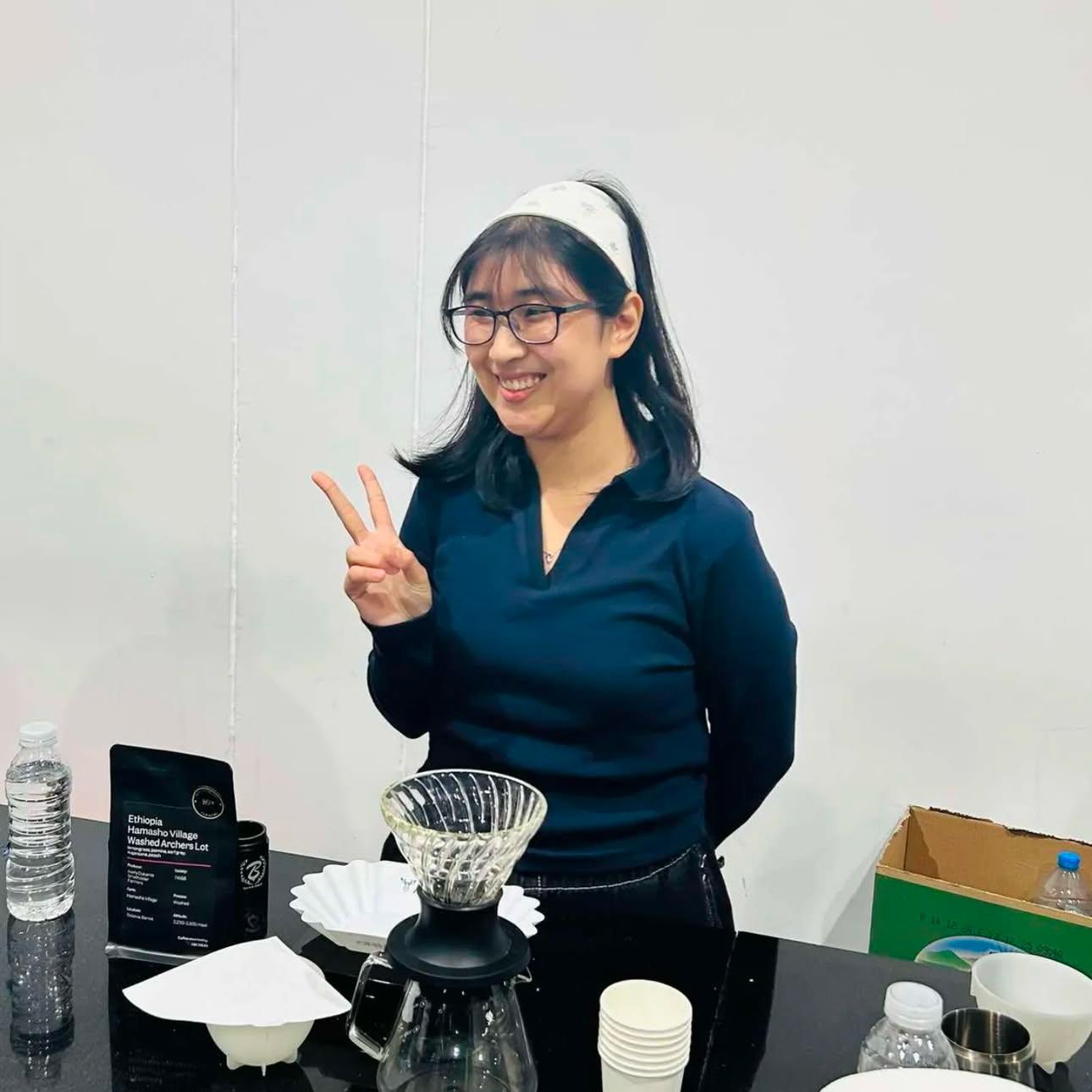
Elody Yimon: The Barista Who Paints with Coffee—A Journey of Art, Passion, and Espresso

Few baristas blur the lines between coffee and art as beautifully as Elody Yimon. More than just a skilled barista, she transforms her love for coffee into stunning works of art—using espresso as her paint. With a deep appreciation for Middle Eastern coffee culture and a unique approach to creativity, Elody’s journey is an inspiring blend of passion, skill, and dedication. In this exclusive interview, she shares how her artistic journey began, how she balances introversion and extroversion behind the bar, and her dreams of creating large-scale coffee art.

You describe yourself as an ambivert barista—someone who balances between introversion and extroversion. How does that influence your work behind the bar?

Making coffee for people is an absolute pleasure. As an ambivert, I can easily adapt—switching to an extroverted mode when discussing coffee. I love sharing knowledge about the best coffees we offer, and when it comes to telling the story of Mokha1450, I’m always eager to engage.

What first inspired you to start drawing with coffee? Was it an artistic passion or a spontaneous discovery?

I grew up surrounded by my cousin sisters, who are professional artists, and their talent inspired me. I always had a desire to sketch, and although I experimented with acrylic painting, I never pursued it professionally. I’ve always been drawn to handmade crafts, from crochet to beanies, so when I discovered I could paint with coffee, it felt like a natural extension of my creativity.

Being a barista is an art in itself. Do you see a connection between preparing coffee and creating your artwork?

Absolutely. I love art, I love drawing, and I love coffee. Being a barista allows me to merge all these passions into one—creating a perfect harmony between craft and creativity.

How do you choose what to paint with coffee? Do you take inspiration from café culture, emotions, or personal experiences?

My inspiration comes from my experiences as a barista. Whenever I visit a café and have an espresso, I want to remember it. So, I sketch the coffee shop or the bar and use the same espresso I drank that day as the background color. Even after it dries, I can still smell the aroma of the coffee, and every time I look back at my drawings, I remember the flavors and experiences tied to them. One of my favorites is a sketch of the Mokha1450 bar, painted with Colombia Geisha espresso.

Your energy and positivity are contagious! What keeps you motivated in both your barista work and your artistic journey?

Moving to the Middle East as a barista was one of the best decisions I’ve made. The coffee culture here is incredible, and the community is welcoming and inspiring. Every day brings new learning opportunities, and that constant growth keeps me motivated to improve both my barista skills and my coffee art.

What has been your most memorable experience as a barista so far?

Recently, the cupping event hosted by Mokha1450 and Lohas Coffee was an unforgettable experience. I tasted some of the most remarkable coffees in my career, and the Pacamara variety stood out—it was truly amazing.

Where do you see your coffee art going in the future? Any exciting projects or dreams you’d love to achieve?

My dream is to create large-scale coffee art on canvas, showcasing it at an event like World of Coffee. Right now, I’m still refining my ability to draw portraits, but once I master that, bringing my vision to life on a grand scale will be my next big goal.

If you could have coffee with anyone in the world, who would it be and why?

Without a doubt, my mom. She loves coffee, but in our home country, specialty coffee isn’t widely known. I want to brew a great cup for her and share my passion when I visit home again.

Elody Yimon’s journey is a testament to the endless possibilities of creativity in coffee. Whether she’s pulling the perfect shot of espresso or painting with it, she brings a level of artistry that transcends the everyday café experience. Keep an eye on her work—you might just see her coffee-painted masterpieces displayed at the world’s biggest coffee events one day.


Masra Coffee: A Bold Journey Blending Tradition and Innovation in Specialty Coffee

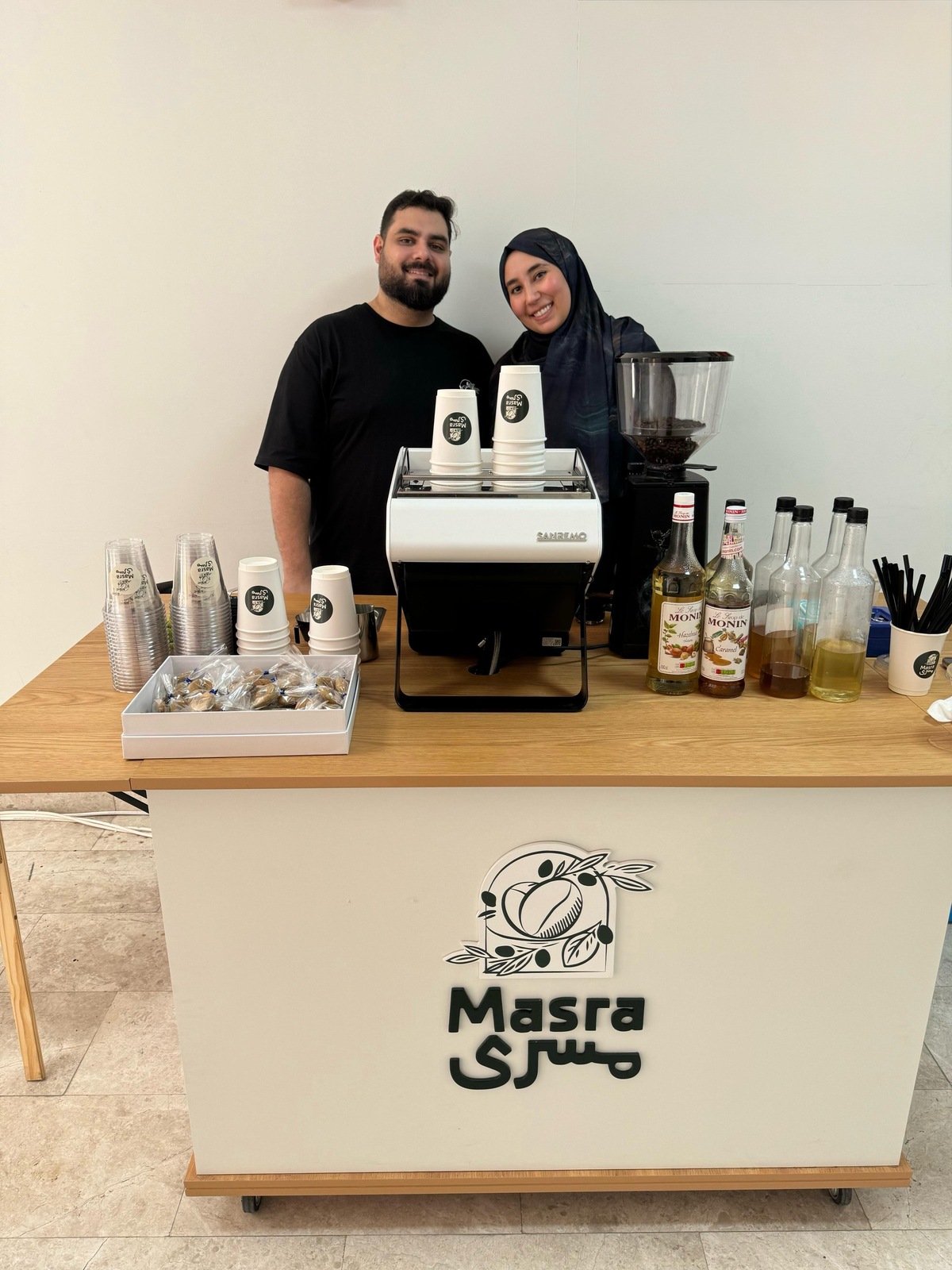
In a landscape where specialty coffee is thriving, Masra Coffee emerges as a brand that blends cultural heritage with innovation. Founded by husband and wife Khalid Dweik (Palestinian American) and Tasnim AlGergawi (Emirati Palestinian), Masra Coffee is more than just a coffee brand—it’s a journey inspired by tradition, a deep-rooted passion for coffee, and a vision to create something truly unique.

The UAE’s bustling coffee scene is no stranger to specialty offerings, but Masra Coffee stands out by infusing Palestinian flavors with high-quality beans, creating an experience that resonates with coffee lovers seeking something extraordinary.

In this exclusive interview, Khalid Dweik, the CEO and founder of Masra Coffee, shares his inspiring journey—from his early days of experimenting with coffee to launching a brand that merges Arab flavors with specialty brews. He also opens up about the challenges of balancing entrepreneurship with parenthood, his vision for the future, and what makes Masra Coffee a brand to watch in the evolving coffee industry.

The Birth of Masra Coffee

How did your journey into specialty coffee begin, and what inspired you to launch Masra Coffee?

My love for specialty coffee started in 2018 when I became obsessed with the craft—from pulling the perfect espresso shot to precisely timing my beans during roasting. But it wasn’t until I got married in 2022 that my wife encouraged me to turn my passion into a business. She asked, “What’s the worst that can happen?” That simple question changed everything.

Masra is deeply personal to me. The name originates from “Israa,” symbolizing the Prophet Mohamed’s (PBUH) night journey from Mecca to Jerusalem. It not only holds a sacred connection to Palestine but also represents the bright journey Masra Coffee is on—to bring exceptional coffee to people while staying true to our cultural roots.

Heritage and Innovation

In a saturated coffee market, what makes Masra Coffee unique?

The UAE is filled with incredible specialty coffee shops, but Masra brings something different. We merge the essence of high-quality specialty coffee with unique, house-made syrups inspired by traditional Arab flavors. Our syrups—such as Za’atar, Sage (Merimeyah), Cardamom, and Mint—offer a new experience to coffee lovers. They don’t overpower the coffee but instead complement the flavors in a way that surprises and delights.

We also take pride in roasting our beans in-house, ensuring every batch meets our meticulous quality standards. But beyond the coffee itself, Masra represents an identity—a brand deeply connected to its roots yet constantly innovating. We want to create an experience that makes customers feel entertained, curious, and excited for their next cup.

Signature Flavors

Can you share some of your most unique coffee flavors and their inspirations?

Our Za’atar latte is our biggest hit! It catches people off guard at first, but once they try it, they’re hooked. The Merimeyah (Sage) and Cardamom Honey Cinnamon flavors also have a strong following. Even black coffee purists have been surprised by how well flavors like Mint and Za’atar complement their brews.

How do you source your coffee beans, and what makes your selection process special?

Right now, we source our green beans through local distributors that work with ethically certified farms. But in the future, we aim to establish direct relationships with coffee farmers to ensure the highest quality and ethical sourcing practices. Sustainability and ethical farming are at the core of our long-term vision.

Challenges, Growth, and Parenthood

What were the biggest challenges in launching Masra Coffee?

Juggling a full-time job, starting a business, and raising a newborn has been one of the most challenging yet rewarding experiences. We launched Masra while learning how to be first-time parents—talk about timing! Managing orders, roasting beans, and building our brand, all while caring for a five-month-old, has been exhausting but fulfilling.

How did you navigate the UAE’s business landscape?

As an Emirati Palestinian, I’ve always known about the UAE’s incredible support for entrepreneurs,” says Tasnim AlGergawi. “From business resources to government initiatives, the opportunities are endless. We did our research, sought advice from friends who launched businesses, and ultimately took a leap of faith. There’s never a ‘perfect’ time to start—you just have to go for it.

What key lessons have you learned since launching Masra?

Exposure, branding, and social media are crucial. Pop-ups have been game-changers for us, allowing us to engage with customers, introduce them to Palestinian and Arab flavors, and stand out in the specialty coffee market. Social media also plays a major role. Thanks to Tasnim’s communications background, she’s made sure Masra’s online presence is relatable, fun, and engaging. We don’t just post “order now” content—we build a community of coffee lovers.

What are your expansion plans? Are new locations or collaborations in the works?

Right now, we’re focused on establishing ourselves and growing our community. Eventually, we’d love to open a physical coffee shop—a space that feels like a second home. Expansion to different locations and international markets is also on our radar. I grew up in Dallas, and my friends there are already begging me to bring Masra to the U.S.! We’ll take it one step at a time and expand when the time feels right.

What’s your long-term vision for Masra Coffee?

We want Masra to be people’s go-to coffee—something they crave, whether hot or iced. We’re also committed to expanding our syrup lineup, experimenting with new flavors, and making Masra a household name in specialty coffee.

What are your thoughts on the coffee culture and trends in the UAE?

The UAE’s coffee culture is massive. Specialty coffee shops are thriving, and trends like minimalism and aesthetics dominate the industry. Interestingly, matcha is becoming a new favorite among non-coffee drinkers, but at Masra, we also cater to them with babyccinos in various flavors. Our goal is to create a space where customers feel at home—a “third place” where they can relax, work, and connect.

What advice would you give to young entrepreneurs wanting to start a coffee business?

Do your research, find your niche, and be ready for long nights. Passion is essential, but so is commitment. And maybe don’t start a business with a newborn—it’s an adventure, but it’s not for the faint of heart!

 If you could change one thing in the coffee industry, what would it be?

I wish people were more open to experimenting. Specialty coffee is incredible on its own, but why not add a twist? A touch of mint or Za’atar might just change the way you experience coffee forever.

Conclusion

Masra Coffee is not just another specialty coffee brand—it’s a story of passion, heritage, and innovation. With a commitment to unique flavors, ethical sourcing, and a strong community-driven approach, Masra is set to leave a lasting impact on the UAE’s coffee scene and beyond. As Khalid and his team continue their journey, one thing is clear—Masra Coffee is more than a drink; it’s an experience worth savoring.

Abdul Latif Al-Jaradi: From a Childhood Dream to Reviving Yemeni Coffee on the Global Stage

In the historic streets of Old Sana’a, where the aroma of roasted coffee beans mingles with the early morning breeze, Abdul Latif Al-Jaradi grew up in an environment steeped in history and perseverance. His childhood was filled with tales of a thriving Yemen, bustling markets, and morning gatherings that were incomplete without a cup of authentic Yemeni coffee.

Unlike other children who dreamed of traditional office jobs, Abdul Latif was always searching for his identity in books and historical narratives. Coffee was an integral part of Yemen’s story, yet it had not received the recognition it deserved. Despite studying English literature at university, the call of Yemeni coffee was too strong to ignore, leading him to develop a deep passion for its history and unique characteristics that had made it one of Yemen’s most valuable exports.

Family Values

From a young age, Abdul Latif learned that hard work was the gateway to independence. His father—may he rest in peace—instilled these values in his children, rewarding them for completing daily tasks. This experience helped him realize that effort and perseverance were essential for success.

He regularly assisted his family in their daily business activities, viewing it as an opportunity to refine his skills and gain hands-on experience. Being surrounded by commerce, witnessing transactions firsthand, and understanding market dynamics all contributed to his economic awareness long before he embarked on his professional journey.

A Turning Point 

In 2016, Abdul Latif delved deeper into the coffee industry, joining the SMEPS organization’s programs. Through these initiatives, he gained valuable insights into coffee cultivation, processing, and trade. This experience was a pivotal moment in his career, providing him with a more profound understanding of coffee quality and the importance of supporting Yemeni farmers to preserve this rich heritage.

In 2017, an unexpected event changed his course—he lost his job as a school employee. Rather than seeing it as a setback, he embraced it as an opportunity. He decided to fully dedicate himself to the coffee industry and founded “Mocha Root,” a name that would later become synonymous with premium Yemeni coffee exports.

With the enthusiasm of an adventurer, he gathered $3,500 and invested in 60 kilograms of the finest Yemeni coffee beans, sending them abroad with the help of his friend Dr. Nader, with whom he co-founded the first company specializing in Yemeni coffee exports.

However, the initial shipment did not sell as expected. This was a harsh realization—success in the coffee industry required more than just high-quality beans. Packaging, marketing, and international trade standards were just as crucial. Instead of letting this discourage him, he treated it as a learning experience, refining his approach to entering global markets.

Abdul Latif refused to give up. The following season, he secured his first customer in the United States. When he sent them a sample, the feedback was astonishing: “We have received many samples from Yemen, but yours is the best in terms of quality and moisture retention.” That was the moment he knew that persistence and patience were the true keys to success.

Determined to improve, he studied various processing and fermentation techniques and refined his roasting methods. His goal was not just to export coffee but to tell Yemen’s story through every cup brewed with his beans.

Yemeni Coffee: More Than Just a Commodity

Today, Abdul Latif sees his business as more than just a trade—it is a mission to restore Yemen’s rightful place in the global coffee industry. He recognizes that Yemen’s historic Mocha port was the gateway through which coffee was introduced to the world. Reviving this legacy is a responsibility he takes seriously.

To achieve this, he has built partnerships with local farmers, ensuring they receive the knowledge and resources needed to enhance their production while preserving traditional methods that give Yemeni coffee its unique flavor. He also established coffee tasting laboratories and participated in international auctions to present Yemeni coffee as a premium product capable of competing in global markets.

Bigger Dreams for the Future of Yemeni Coffee

But Abdul Latif’s aspirations go beyond coffee. He envisions contributing to sustainable development projects that restore Yemen’s vibrancy. Inspired by cities like Alexandria, he dreams of similar advancements in his homeland.

He understands that supporting Yemeni coffee is not just about production and export—it involves fostering a local coffee culture that appreciates its quality and heritage. To this end, he has organized training workshops for coffee enthusiasts and helped establish specialty coffee roasteries within Yemen, creating a vital link between farmers and international markets.

Final Words

“Success requires perseverance. Do not stop at the first obstacle, and do not fear failure—it is merely a stepping stone toward success. Keep striving and working hard because sincere efforts always bear fruit.” With these words, Abdul Latif concludes his story, knowing that his journey with coffee is far from over—it is just beginning.

Every time a cup of Yemeni coffee is poured anywhere in the world, it stands as a testament to a long journey of perseverance, led by individuals like Abdul Latif Al-Jaradi, who believe that coffee is more than just a beverage—it is an identity and a heritage that must be preserved and passed on to future generations.

Crafting Coffee, Sustainability, and Stories: Inside Ginza Coffee Collective with Fabricio Scocco Fioravante

Fabricio Scocco Fioravante, solo founder of the Ginza coffee collective, is not just an entrepreneur but a passionate advocate for quality, sustainability, and meaningful coffee experiences. From his childhood fascination with coffee to his efforts to redefine coffee culture in workplaces and homes, Fabricio shares how his journey combines innovation, sustainability, and a love for craftsmanship. In this exclusive interview, he delves into his inspiration, the values driving his business, and his vision for the future of specialty coffee.

Can you introduce yourself to the World of Coffee audience?
From a young age, coffee captivated me. It wasn’t just a drink; it was a ritual that brought my family and friends together. This connection sparked a passion that has stayed with me my entire life. My professional journey spans industries like real estate and animal nutrition, but coffee was always a constant companion and source of inspiration.

I began as a barista, immersing myself in the craft from the ground up. Later, I worked in quality control for two global coffee retailers, gaining invaluable insights into sourcing, roasting, and delivering exceptional coffee. These experiences laid the foundation for Ginza Coffee Collective, where I now combine my entrepreneurial spirit with a mission to create sustainable, high-quality coffee experiences.

What inspired you to establish Ginza Coffee Collective?
The idea for Ginza Coffee Collective arose from observing a gap in the market. Many workplaces lacked access to great coffee, and I saw an opportunity to blend convenience, sustainability, and exceptional taste.

Ginza is more than a coffee company; it’s a platform to connect people with the values and stories behind every cup. We prioritize micro-batch roasting, ethical sourcing, and environmentally conscious practices, ensuring our coffee isn’t just flavorful but also meaningful.

How did your career shift from real estate and animal nutrition to specialty coffee?
Coffee has always been my passion, even as I explored other industries. Over time, I recognized a consistent issue: a lack of quality coffee options in many settings. This realization inspired me to merge my love for coffee with my entrepreneurial skills.

At Ginza, we focus on bringing premium coffee to workplaces and homes, with an emphasis on sustainability. My commitment to providing high-quality Geisha coffee stems from my childhood love for it, and I wanted to make such exceptional beans more accessible.

What does coffee mean to you, personally and professionally?
Coffee is a companion and a passion. Personally, it connects me to diverse cultures and experiences. Professionally, it’s a craft that drives me to create memorable coffee experiences.

At Ginza, every cup tells a story. Whether sourcing unique beans or perfecting roasts, our goal is to honor the artistry and care that goes into every step of the coffee journey.

What sets Ginza Coffee Collective apart in the specialty coffee market?
Our commitment to quality, sustainability, and personalized service distinguishes us. Through micro-batch roasting, we highlight each bean’s unique profile. We also integrate technology, such as app-connected machines and QR codes on packaging, to enhance the customer experience.

Sustainability is a cornerstone of Ginza. From recyclable packaging to ethically sourced beans, every decision reflects our values. By tailoring solutions for offices and individuals, we deliver more than coffee—we create connections and unforgettable moments.

Could you elaborate on your sourcing strategy, especially for Geisha coffee?
Geisha coffee holds a special place in our hearts for its unparalleled flavor and aroma. We build long-term relationships with farmers who share our values, ensuring ethical practices and consistent quality.

Sourcing Geisha directly from trusted partners allows us to celebrate the dedication and expertise of the farmers, delivering an exceptional experience with every cup.

How does Ginza Coffee Collective prioritize sustainability?
Sustainability is embedded in every aspect of our operations. We work with farmers who uphold ethical practices, use recyclable packaging, and educate customers about eco-friendly habits.

By minimizing waste through micro-batch roasting and adopting circular economy principles, we aim to inspire a more responsible coffee culture.

How does technology enhance your Coffee Corners solutions?
Technology plays a pivotal role in creating smarter coffee experiences. Our machines use advanced calibration systems for consistent quality and connect to apps for tracking stock and maintenance.

QR codes on our packaging provide customers with brewing tips, flavor notes, and sustainability insights, deepening their connection to the coffee.

What is the state of the specialty coffee market in The Netherlands?
The Netherlands is embracing specialty coffee, though it remains in its developmental phase compared to global hubs. The market faces challenges, such as a preference for cost over quality and limited awareness of specialty coffee’s value.

However, there’s growing interest in premium, ethically sourced coffee, particularly in cities like Rotterdam. By focusing on sustainability and education, Ginza is poised to lead this transformation.

How does Ginza Coffee Collective contribute to the global specialty coffee market?
Ginza leads by example through sustainable practices, ethical sourcing, and innovative solutions. We collaborate with eco-conscious companies, promote circular economy initiatives, and educate customers about sustainability.

Our mission is to create a thriving coffee industry that benefits everyone, from producers to consumers.

What are your plans for Ginza Coffee Collective’s future?
We’re focused on international expansion and innovation. Recent success in Spain motivates us to explore other European markets. We’re also integrating advanced technologies, such as app-connected machines and educational QR codes, to enhance our offerings.

By fostering collaborations and community connections, we aim to redefine sustainable coffee culture globally.

How do you tailor your products to meet the needs of offices and individuals?
For offices, we design Coffee Corners that combine technology and premium coffee for a seamless experience. For individuals, we offer micro-batch roasted coffee with detailed brewing tips and flavor notes.

Both approaches emphasize sustainability and a connection to the origins of the coffee.

How does Ginza Coffee Collective engage with the local and international coffee community?
Locally, we host workshops and cupping sessions to educate and connect. Internationally, we build partnerships with producers and showcase our innovations.

Our storytelling bridges the gap between farmers and consumers, celebrating quality and authenticity.

What are your plans for innovation and collaboration?
We’re integrating more advanced technology, like app-connected machines, and collaborating with eco-conscious brands to amplify our sustainability efforts.

By connecting with like-minded businesses, we’re fostering a shared commitment to exceptional coffee and environmental responsibility.

How do you envision the specialty coffee industry evolving in five years?
The industry will prioritize sustainability and transparency. Consumers will demand accountability from brands, seeking quality and ethical sourcing.

Ginza will lead by example, blending innovation and sustainability to shape the future of specialty coffee.

What’s your ideal coffee experience?
My ideal coffee experience begins at the source—building relationships with farmers and ensuring quality and sustainability. The joy lies in perfecting each micro-batch and sharing it with customers, knowing every cup carries a story.

What advice do you have for aspiring specialty coffee entrepreneurs?
Prioritize sustainability in every aspect of your business. Protect the environment, understand your coffee’s origins, and make decisions that create long-term value.

With growth comes responsibility. By focusing on ethical practices, you can build a thriving and impactful coffee business.

Nordic Coffee Fest Returns: An Exclusive Interview with Founder Steven Moloney

Get Ready for the Nordics’ Biggest Coffee Celebration!

The wait is over! The Nordic Coffee Fest is making a grand return for its second edition on March 1-2, 2025, at the iconic Bananpiren in Gothenburg. After a highly successful debut in 2024, the event promises to be even bigger and more exciting, bringing coffee enthusiasts and industry professionals together under one roof.

We sat down with Steven Moloney, the founder of Nordic Coffee Fest, to dive into the inspiration behind the festival, what’s new in 2025, and how it continues to shape the Nordic and global coffee communities. Join us in this exclusive conversation to uncover the highlights of the upcoming event and what makes it a must-attend experience for coffee lovers worldwide.

What inspired you to create the Nordic Coffee Fest, and how has the journey been since its debut in 2024?

The idea behind NCF actually started back in 2021. Coming out of the pandemic, we wanted to reconnect with the coffee community in Sweden. We had been organizing events all over the world, but not in Sweden for years. Through our research and conversations, it became evident that while the industry was growing, there was no unifying event like the old Nordic Barista Cup—no space where coffee professionals and consumers could gather, share knowledge, and engage with the industry.

The response to the first event in 2024 was incredible! It became clear that such an event was much needed. We were also surprised by the strong interest from outside the Nordics—so many people want to visit, exhibit, and participate. That kind of attention to Nordic coffee culture has been incredibly meaningful to us.

With the festival doubling in size this year, what are the most exciting additions attendees can look forward to in 2025?

This year, we’re introducing some major highlights:

  1. Barista School: A hands-on workshop where attendees can brew coffee with professional baristas, ask questions, and refine their coffee-making skills.
  2. Expanded Content Program: Our main stage will be more accessible and fun for consumers, while our industry stage, produced with Simonelli Group, will host in-depth discussions on the future of coffee. The industry talks will also be available later on via their coffee knowledge hub.
  3. Nordic’s Best Roaster Competition: We’ve refined the structure of this prestigious competition to focus on what truly defines a great roaster. Attendees will have the chance to taste competition coffees and vote in the Public Choice Award, in collaboration with Victoria Arduino and Ceado.

How do you see the festival contributing to the growth of Nordic coffee culture and the global coffee community?

The Nordic coffee scene has historically played a major role in shaping the global specialty coffee industry. The influence of Tim Wendelboe, Coffee Collective, and the Nordic light roast style put the region on the map. However, over the years, the cohesiveness of the Nordic coffee scene has faded.

By bringing together top industry professionals, roasters, and enthusiasts in one place, we hope to revive that sense of connection and innovation. The level of expertise and talent at this festival is unparalleled, and we want to continue making this a place where ideas and collaborations flourish.

Sustainability is a key focus for the festival. What specific steps have been taken this year to reduce waste and make the event more eco-friendly?

We approach sustainability with three key pillars:

  1. Reduce – We are eliminating single-use items, adhering to a carbon budget, tracking our footprint, and making sustainability a core part of our planning process.
  2. Challenge – We challenge our partners and suppliers to be more sustainable. For example, Adapt, our production company, is developing a tool to track electricity usage per exhibitor—an industry-first initiative.
  3. Inspire – Beyond our direct impact, we want to influence change. If an exhibitor or attendee leaves the festival questioning the norm (like why other events still use paper cups), we’ve already made a difference.

How do you balance sustainability while hosting a large-scale event with international participation?

We can’t avoid the fact that the most sustainable thing for us to do is to not host events, but we know there is a need for connection, a need for events.
. Instead, we strive to be a model of how coffee events can reduce their environmental impact while still thriving. We publish our sustainability data openly—the good and the bad—and we invite everyone to challenge us. Transparency and progress are what matter most.

Can you tell us more about the new Barista School and how it aims to engage both professionals and enthusiasts?

The Barista School is designed to bridge the gap between professionals and consumers. It has four interactive stations:

  • Espresso
  • Latte Art
  • Pour Over
  • Brewing

Visitors get hands-on experience, guided by expert baristas. They can ask anything—from basic storage tips to complex extraction techniques. Home brewers often struggle without direct access to professional advice, so this initiative aims to provide that missing link.

The Nordics’ Best Roaster Competition is a major highlight. What can we expect from this year’s event?

This year, 27 roasters applied, with 10 finalists set to compete in Gothenburg. The competition evaluates not just roasting but sourcing, consistency, and technique. Attendees can taste all competition coffees and vote for the Public Choice Award. Our partners at ROEST are also introducing advanced data tracking, providing deeper insights into the roasting process.

Where do you see the Nordic Coffee Fest in the next five years, and what is your ultimate vision for its impact on the coffee industry?

Our goal is clear: NCF should be the top coffee event in the Nordics. If you want to understand the future of coffee, this is the event to attend.

By 2027, we will be moving the festival to another Nordic city—though that’s still a secret for now!

What has been the most rewarding part of organizing this festival for you personally?

Seeing some of the world’s most respected coffee professionals at the festival has been deeply rewarding. But the most meaningful part? Watching my team rise to the challenge of organizing such an ambitious event.

I started as a barista with a dream to create great coffee events. Today, we have an agency of incredibly talented people making the best coffee events possible. That’s humbling, and it’s what keeps me inspired to push forward.

Join Nordic Coffee Fest 2025!

Mark your calendars for March 1-2, 2025, and get ready for an unforgettable coffee experience in Gothenburg! Whether you’re a coffee lover, an industry professional, or simply curious about Nordic coffee culture, this is the place to be.

See you at Bananpiren for two days of coffee, connection, and innovation!

From Russia to Dubai: Albina Khamidullina’s Journey into the World of Coffee

In the ever-evolving world of coffee, where tradition intertwines with innovation, we meet Albina Khamidullina—a dynamic force bridging the art of marketing with the soulful essence of coffee. As the Head of Marketing at Drinkit Dubai, part of the renowned DODO Brands, Albina brings a fresh perspective to an industry steeped in culture and complexity. Her journey from the bustling world of FMCG and retail to the intricate, aromatic realm of coffee is nothing short of inspiring.

Through this dialogue, Albina invites us into her world—a world where technology enhances the coffee experience, sustainability is more than a buzzword, and specialty coffee becomes accessible to all. Let’s embark on a captivating journey with a professional who is not only reshaping the coffee industry but also redefining what it means to savor every cup.

You’ve transitioned from industries like FMCG and retail to the coffee world. What inspired you to explore the coffee industry, and how has this journey been so far?
Before entering FMCG and retail, I worked in the second-largest telecom company in Russia, managing the creation of new online sales channels. When I moved to Dubai, Drinkit (DODO Brands) reached out. Initially, I hadn’t considered the coffee industry but was drawn to DODO Brands for their corporate culture and innovation. Joining the Drinkit team revealed a rich and multifaceted coffee world I hadn’t imagined. Over the past 1.5 years, I’ve experienced a journey of constant learning, from understanding the complexities of coffee to appreciating how service plays an equally vital role.

Working with Drinkit, a digital coffee company, must be a unique experience. How has this role deepened your understanding of coffee and its industry dynamics?
At Drinkit, I oversee marketing, branding, and customer experience. Customer experience encompasses everything our guests interact with—from the ambiance and barista uniforms to the warmth of a coffee cup and the quality of the drink. The complexity of delivering excellent coffee alongside an exceptional experience has taught me the importance of staying attuned to industry trends and guest expectations, which are ever-evolving.

Drinkit operates at the intersection of coffee and technology. How does the company aim to redefine the coffee experience for its customers?
Our goal is to make the coffee experience seamless, so guests can focus on enjoying their drinks. Using technology like self-service kiosks, a dedicated app, and barista tracking systems, we eliminate order errors and reduce waiting times. These innovations allow guests to customize their drinks and preorder effortlessly while also lowering labor costs—enabling us to provide affordable, high-quality coffee.

What insights have you gained about customer preferences through Drinkit’s digital approach, and how do they reflect broader coffee industry trends?
Our app offers incredible insights into customer preferences. For example, over 45% of our drinks are customized, and healthier options are gaining popularity. Yet, classic drinks like cappuccinos remain the top choice, highlighting that while people enjoy creative options, quality classics are irreplaceable—a trend mirrored across the specialty coffee industry.

Specialty coffee has gained significant momentum worldwide. How do you see its growth evolving globally in the coming years?
I believe consumers are increasingly seeking quality coffee, and specialty coffee is becoming more accessible. To grow, specialty coffee shops need to appeal to a broader audience while maintaining high standards—something Drinkit embodies by offering premium coffee at affordable prices. As specialty coffee becomes more mainstream, commercial chains will also have to adapt, elevating their quality to stay competitive.

The UAE and GCC countries have become hubs for specialty coffee. What do you think makes this region so receptive to premium coffee experiences?
The GCC region values hospitality and a slower, more mindful way of living. This lifestyle aligns perfectly with the appreciation of high-quality coffee, enjoyed in moments shared with loved ones. The region’s culture fosters a deep respect for traditions, such as the ritualistic serving of Arabic coffee, which emphasizes quality and connection.

Russia, your home country, has been emerging as a player in the specialty coffee scene. How would you compare Russia’s coffee culture to what you’ve observed in the GCC or other regions?
In Russia’s major cities, specialty coffee has become the norm, replacing global chains with local specialty coffee brands. Consumers are highly educated about coffee, and I foresee a similar shift in the GCC, where accessible specialty coffee will gradually replace commercial alternatives.

Technology is transforming the coffee industry, from digital platforms to supply chain innovations. How do you think these advancements are shaping the future of coffee?
Technology simplifies coffee shop operations, enabling baristas to focus on crafting drinks and connecting with guests. At Drinkit, our systems optimize stock management, predict peak hours, and track preparation times, ultimately benefiting the guest with better quality and pricing. These innovations will make high-quality coffee more accessible, fueling competition and driving up industry standards.

How can companies like Drinkit and others use digital tools to strengthen the connection between producers and consumers, promoting sustainability and transparency?
Transparency is crucial, and our app communicates not only product descriptions but also details about ingredient sourcing and preparation. While we’ve taken steps like using recycled packaging and offering eco-friendly options, there’s much more to be done. Initiatives like Dubai’s plastic ban inspire us to contribute further to sustainability.

Coffee production is increasingly affected by climate change and other challenges. How do you think the industry can work together to address these issues?
Supporting small, ethical producers is key. While this may come at a higher cost, a collective industry shift toward ethical sourcing could significantly impact sustainability.

How important is it for companies in the coffee space—like Drinkit and others—to promote ethical sourcing and sustainability practices?
Education is pivotal. We inform guests about coffee quality, origins, and sustainable practices, earning their trust and loyalty. Normalizing sustainability within the industry and among consumers is essential for lasting change.

Coffee has become more than just a drink—it’s now part of people’s lifestyle. How do you see consumer trends shaping the coffee industry’s future?
Coffee’s versatility allows it to adapt to various lifestyles. Consumers increasingly seek personalized experiences, whether through drink customization or the ambiance of coffee shops. The industry is evolving to accommodate these preferences while remaining inclusive for all.

In regions like Dubai and Moscow, coffee culture is thriving. What unique trends or consumer preferences have you noticed in these markets?
Both markets show a growing preference for specialty coffee and customization. Coffee has become a form of self-expression, with trends like “coffee raves” illustrating its integration into diverse lifestyles.

As someone deeply involved in the coffee industry now, what excites you the most about its future?
The sense of community in the coffee industry is unparalleled. In Dubai, I’ve experienced immense support from peers, and I’m thrilled to contribute to its rapid growth and evolution.

If you could change one thing about how the global coffee industry operates, what would it be and why?
I wish ethical sourcing and sustainable practices were industry standards rather than marketing strategies. Fair labor conditions and environmentally friendly methods should be universal practices.


Exclusive- No Normal Coffee: Transforming Coffee Enjoyment for Adventurers

Born out of a hiking adventure in Switzerland  and brought to life in Switzerland, No Normal Coffee is revolutionizing the way coffee enthusiasts savor their brew in the great outdoors. Co-founders Alexander Häberlin and Philipp Greinacher created a game-changing product: coffee paste in a tube. Combining innovation, sustainability, and Swiss expertise, this product offers a simple, high-quality, and practical coffee solution for adventurers.

The Idea Behind No Normal Coffee

The concept was inspired by the challenges Häberlin and Greinacher faced during a hiking trip. Häberlin carried heavy, cumbersome coffee-making equipment, while Greinacher relied on instant coffee sachets that failed to meet his taste expectations. Back in Switzerland, the duo reimagined their coffee experience, drawing from the country’s tradition of packaging food in tubes, and developed a unique product designed for convenience without compromising on flavor.

The Product: Coffee in a Tube

No Normal Coffee is made from 100% Fairtrade Colombian Arabica beans and comes in a concentrated paste form. To brew a cup, users only need 5 grams of paste mixed with 100 ml of hot water. Each compact tube yields up to 20 servings and has a shelf life of up to one year without refrigeration, making it perfect for outdoor enthusiasts. The result is a flavorful cup of coffee with rich notes of chocolate, caramel, and nuts.

Exclusive Interview with Alexander Häberlin

In this exclusive interview with Alexander Häberlin, co-founder and CMO of No Normal Coffee, we take you on a journey through this innovative product that promises to rewrite many rules and challenge taboos surrounding the traditions and rituals associated with our beloved beverage while adapting to diverse tastes.

What sets No Normal Coffee’s coffee paste apart from other portable coffee solutions?
“Unlike other portable coffee solutions such as the AeroPress, Cafflano, or Wacaco, No Normal Coffee uses a coffee concentrate in the form of a paste, so there’s no need to grind beans or carry any gear. A teaspoon of the paste, poured over hot water or milk, and the coffee is ready. You don’t need coffee beans or a grinder, making No Normal Coffee a very simple option for portable coffee. Thanks to the aluminum tube, the concentrate can also be kept unrefrigerated and easily taken on any trip.”

How do you ensure the taste and quality of the coffee paste remain consistent with traditional brewing methods?
“We attach great importance to the quality of our coffee and use 100% Fairtrade Arabica beans from Colombia. Our coffee concentrate is produced in Switzerland, where leading experts ensure that the coffee’s valuable flavors are optimally preserved. Our aim is not to replace the flavor or ritual of traditionally brewed coffee. Rather, we offer an alternative that creates a new understanding of coffee enjoyment, especially in the outdoor setting. Therefore, we do not see ourselves as a competitor to traditional brewing methods or more elaborate preparation methods. Rather, when using coffee concentrate, other values take center stage for the individuals whose needs No Normal Coffee serves.”

Are there plans to expand the product line with additional flavors, coffee origins, or formats?
“We are planning to launch more flavors on the market, as we have noticed that there is a need to easily create personalized and individual coffee variations for yourself. For more flexibility, we are considering smaller tube formats. We are constantly taking feedback from our customers in order to adapt the product and our range to our customers and their needs in the best possible way.”

How does the eco-friendly and compact packaging align with the company’s vision for sustainability?
“Today, sustainability is a key aspect that every company must take seriously—and the coffee industry is no exception. For us too, it is an important part of our values and decisions. The choice to package our coffee concentrate in aluminum tubes has some clear advantages: aluminum offers great potential for systematic recycling and is easier to recycle than a lot of other materials. In addition, no waste is produced during the preparation of the coffee—a further step towards environmentally friendly consumption. At the same time, the aluminum tube ensures that our coffee concentrate has a long shelf life without the need for additional cooling.

However, we are constantly working to make our production processes more sustainable and to make environmentally conscious decisions. Sustainability is not an end goal for us, but a path that we are consistently pursuing.”

What feedback have you received from customers, and how has it influenced your product development?
“The response to our product was huge—we were definitely a hot topic of discussion on social media and in the press. Our unconventional packaging, which is more reminiscent of toothpaste or paint, attracted just as much attention as the fact that our coffee paste is edible. Opinions on this are divided: some love No Normal Coffee, while others prefer other coffee alternatives over it, but it definitely gets people engaged, and that is what you want as a young brand.

But as with so many things, it’s ultimately a matter of taste. What we are particularly pleased about, however, is the growing recognition among outdoor enthusiasts who appreciate the practical benefits of coffee from a tube. This encourages us that we are on the right track—and motivates us to continue developing in this direction.”

Do you have plans to expand the distribution of No Normal Coffee beyond outdoor enthusiasts, perhaps into urban or office markets?
“Our product is designed for outdoor usage and therefore can perform in the most extreme environments. That, however, doesn’t mean it cannot be used in more urban or office environments. We always like to use the Patagonia jacket as an analogy—designed for the outdoors but used and loved in any environment.”

Are there any new innovations or products in development that you’re excited to share?
“We are working on an unsweetened version of our current dark roast, and all signs are showing that it’s going to be amazing!”

What are your long-term goals for No Normal Coffee in terms of market growth and brand recognition?
“Our long-term vision for No Normal Coffee is to establish a strong global presence and be the outdoor coffee. While we already have a diverse international customer base, we aim to simplify availability in different countries by addressing logistical challenges and potentially expanding with localized hubs. Additionally, we aspire to be recognized in Switzerland—and beyond—as a high-quality, go-to option for outdoor coffee enthusiasts. By continuously building trust, maintaining quality, and staying true to our innovative approach and values, we hope to secure a permanent place in the market and further define what makes No Normal Coffee unique as a brand.”

Redefining Coffee Culture

No Normal Coffee is more than a convenient product; it’s a bold reimagination of coffee culture, bringing sustainability and innovation to the forefront. From adventurers seeking practicality to coffee enthusiasts eager for quality, the brand offers a new way to enjoy coffee—one that reflects the evolving needs of a modern, on-the-go lifestyle. As Häberlin and his team continue to innovate, No Normal Coffee is poised to become the ultimate choice for outdoor coffee enthusiasts and beyond.