Types of coffee reduce the risk of death.. know them

Caffeinated coffee may have more power to help you wake up in the morning. A new study, published in the Annals of Internal Medicine, showed that drinking sweetened or bitter coffee is associated with a lower risk of death compared to non-drinkers.

The researchers surveyed 171,616 study participants from the United Kingdom about five times within a year about their lifestyle, which includes coffee habits. Then the scientists looked for death certificates to find out who died, after seven years on average.

Participants ranged in age from 37 to 73, and reported that they had no cardiovascular disease or cancer during the survey.
Not involved in the study, Dr. Kristina Wei, assistant professor of medicine at Harvard Medical School, who is also deputy editor of the Annals of Internal Medicine, said the results showed that the risk of death for those who drank a moderate amount of coffee ranged between 1.5 and 3.5 cup per day, was about 30% lower in people who sweetened their coffee compared to non-coffee drinkers.

She added that those who drink unsweetened coffee have a 16-29% lower risk of death compared to those who do not drink it.

The results were adjusted for social, demographic, lifestyle, and clinical factors, with the aim of excluding their impact on the results. For example, Wei noted, the research team asked questions about smoking level, amount of physical activity, education level, and dietary habits.

She noted that the researchers’ adjustments were limited because they did not ask about other factors that could influence the results, such as income level and occupation.

Watch out for added sugar

And if you drink a latte rich in sugar and caramel, you won’t be out of luck, as the study showed that the average amount of sugar a participant reported sweetening their coffee with, assumed to be a teaspoon.

“If you add about a teaspoon of sugar to your coffee, it doesn’t completely negate the benefits of coffee that we think are there,” Wei said.
The results for people who used an artificial sweetener in their coffee drink were less clear, so the researchers couldn’t draw any conclusions from those who used sugar substitutes.

“Based on this study, clinicians can tell their patients that the majority of coffee drinkers do not need to eliminate this drink from their diet,” said lead study author Dr. Dan Liu, from the Department of Epidemiology at Southern Medical University in Guangzhou, China. Be careful about high-calorie coffees.”

How does coffee affect the body?

Previous research has shown that coffee can protect the heart and help treat other diseases, Liu said. A 2021 study found that coffee consumption may also reduce the risk of liver disease.
Gunter Konleh, professor of nutrition and food sciences at the University of Reading in the UK, who was not involved in the study, notes that coffee has different health profiles, depending on how it is produced.

He said some types contain phenolic compounds that he believes are beneficial.

These chemical compounds affect the flavor and aroma of coffee, and are valuable because they can act as antioxidants, and have anti-inflammatory and anti-aging properties.

The two most common types of coffee are Arabica and Robusta, and research has shown that Robusta coffee has a higher phenolic component than Arabica coffee.

Unroasted green coffee beans contain high levels of phenolic compounds, but the weak aroma when brewed leads people to roast them. Accordingly, some phenolic compounds degrade depending on the level of roasting.
The way coffee is brewed also can contain high levels of diterpene, which are chemical compounds that may increase the risk of cardiovascular disease, according to Conley.

Both boiled coffee and French press contain diterpene amounts that are among the highest, according to findings from a 2016 study.

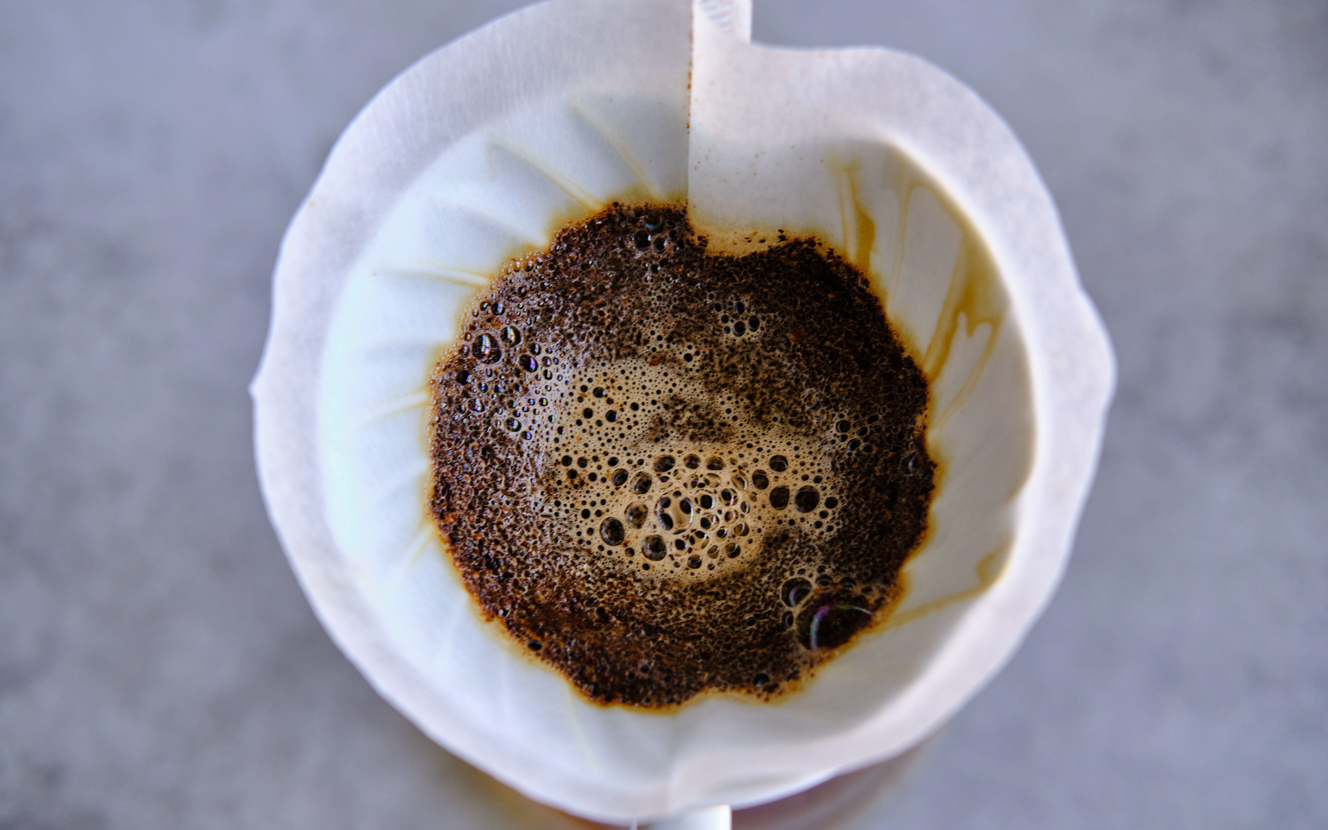
Mocha and espresso coffees contain a moderate amount of diterpene, while the lowest amount of these compounds we soak in instant coffee or filter coffee.

Is Coffee Good For You?

Men who drink espressos could have higher cholesterol levels than women, a new study suggests.

Previous studies have linked naturally occurring chemicals in coffee with higher levels of cholesterol in the blood, an issue which is linked to heart problems including stroke.

To examine the link between brewing method and cholesterol, a team of academics from Norway set out to look at the way people drink their coffee and also assess the levels of cholesterol in their blood.
Their study, published in the journal Open Heart, examined information from more than 21,000 people over the age of 40 who live in Tromso, Norway.

Analysis of the data showed that the association between coffee and cholesterol varied depending on brewing method, with significant differences seen across the sexes.

Coffee drinkers who consumed three to five espressos a day were significantly more likely to have higher levels of cholesterol in the blood compared with those who did not drink espressos.
Men who drank this many espressos appeared to have higher concentrations compared with women.

Those who had six or more cups of cafetiere coffee – also known as boiled/plunger coffee – also had raised levels compared with those who did not.

Drinking six or more cups of filtered coffee was linked to higher levels of cholesterol in the blood among women, but not men.

The researchers did not find a significant link between instant coffee and cholesterol levels.

“The most important finding was that espresso coffee consumption was significantly associated with increased S-TC (serum total cholesterol),” the authors wrote.

They added: “Espresso coffee consumption was associated with increased S-TC with significantly stronger association for men compared with women.

“Boiled/plunger coffee was associated with increased S-TC in both sexes.

“Filtered coffee was associated with a small increase in S-TC in women.”

They added: “Coffee is the most frequently consumed central stimulant worldwide.

“Because of the high consumption of coffee, even small health effects can have considerable health consequences.

“Increased knowledge on espresso coffee’s association with serum cholesterol will improve the recommendations regarding coffee consumption.”

Commenting on the study, Dr Dipender Gill from St George’s, University of London, urged caution when interpreting conclusions from the data, adding: “The observed differences could instead be explained by confounding factors giving rise to spurious associations.

“Specifically, men and individuals with a preference for a certain type of coffee may happen to also have other lifestyle factors that affect their cholesterol levels.”

List of 10 countries with a unique coffee culture

Coffee is a favourite drink around the world, but each country has a unique take. Find out what to order in these countries for a taste of local life.

Coffee is a popular drink around the world with each country serving its own version. In many places, the local way of serving or consuming coffee is steeped in rich culture and tradition. Therefore, learning about the coffee culture of a country teaches visitors about the country itself.

These 10 countries have unique coffee cultures that are sure to excite travelers’ taste buds. Find out what makes them different and what drink to order when visiting for an authentic experience.

1 Turkey

Turkish coffee bears many similarities to Greek coffee in how it’s made and the small serving size. However, the role of coffee in Turkish culture is more ritualistic and centers around friendship and hospitality. Freshly roasted, high-quality beans are ground to a fine powder and then added to a pot with cold water and sometimes sugar. The pot is placed on heat and brewed slowly, so a layer of foam develops on top of the coffee. The coffee is served with a glass of water and a piece of Turkish delight.

The ritual of brewing coffee properly is passed down through families, as are the etiquettes associated with this practice. For example, guests should drink from more elaborate cups than the host to honor them. Sitting down for an authentic cup of Turkish coffee when visiting Turkey will provide travelers with a whole new appreciation for the cultural and spiritual properties of the beverage.

2 Costa Rica

Costa Rica is famous for its coffee beans, but that’s not the only advantage the country has in the coffee department. Costa Ricans enjoy a traditional method of brewing coffee called a chorreador. The chorreador consists of a sock-like bag that hangs on a wooden stand and allows hot water to pour through to a cup while filtering out the grounds. The classic method of brewing Costa Rican coffee is reminiscent of the North American “pour-over” coffee that has become popular in recent years.

Ordering a café chorreador while visiting Costa Rica is the best way to get a taste of what the local coffee culture is all about.

3 France

France might not be on many people’s radars as a country with exceptional coffee culture, but it should be. The French are responsible for the delightful drink known as Café au lait, and every traveller should order this once while visiting Paris.

Café au lait is coffee with hot milk, which is different than coffee with regular milk. In France, they call that “white coffee”. Café au lait also differs from a latte because the ratio of coffee to milk isn’t the same. A latte has a 2 to 1 ratio of milk to coffee while Café au lait has a 1 to 1 ratio.

4 Italy

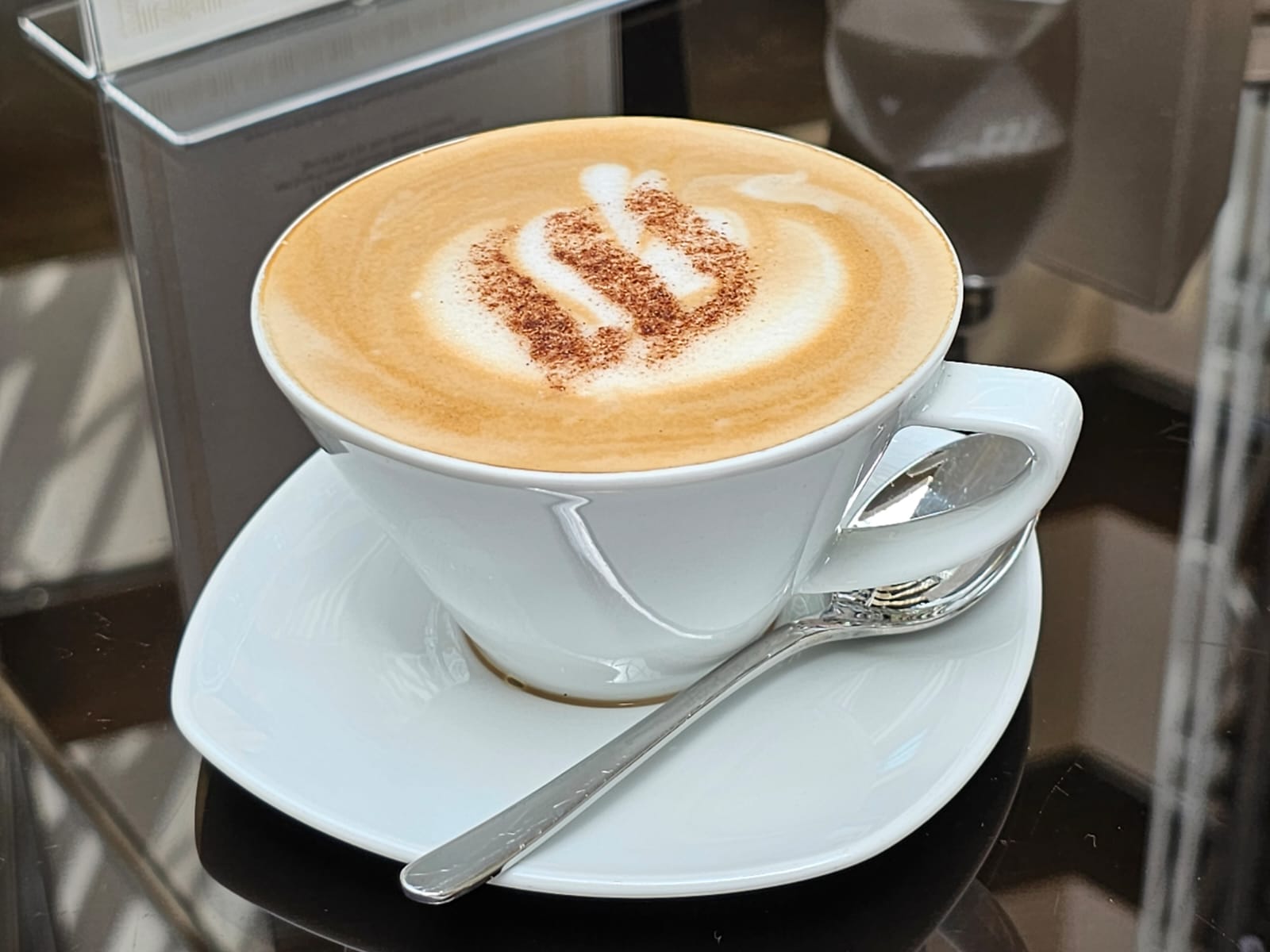
Italy is integral to the world coffee scene. It’s the birthplace of the cappuccino and the world-famous espresso came from Milan. In many ways, Italy is the coffee capital of the world so coffee connoisseurs visiting this beautiful country should get a taste of these beverages in their homeland.

When ordering a coffee in Italy, espresso is the default. If you ask for a cup of coffee, you’ll receive an espresso shot. People typically drink this right at the counter, like a bar, rather than taking a table. For breakfast in Italy, order a cappuccino and a croissant for an authentic experience.

5 Australia

The land down under has high standards for a cup of coffee, so travelers must see what the fuss is about when visiting. Australians have an abundance of locally-owned coffee shops to choose from rather than flocking to massive chains like Starbucks, as Americans commonly do. Instead, Australians enjoy specialty roasts in smaller sizes and are typically stronger than coffee in America. They also add fewer sweeteners.

When in Australia, order a flat white for an authentic taste of the local coffee culture. This drink contains two espresso shots with foam and steamed milk on top.

6 Indonesia

Indonesia has a true one-of-a-kind coffee experience for travelers to try when visiting Southeast Asia. Kopi Luwak refers to coffee made from partially digested beans that are passed by a civet cat. Among tourists, it has earned the nickname “poop coffee”.

The civet cat eats the coffee cherries and doesn’t eat the bean, so it poops the bean back out with an enhanced flavor.

7 Mexico

Mexican coffee culture is not as widely known as some other nations’ traditions, but the taste is unlike any other coffee in the world. Mexicans enjoy the traditional beverage called Café de Olla, which is spiced coffee. It’s prepared in a clay pot, which is where the name comes from.

The coffee is sweetened with piloncillo, and then it’s spiced with cloves, star anise, and cinnamon. The cinnamon flavor comes through strongly when sipping a cup of a Café de Olla, making it perfect for a cool morning.

8 Sweden

Sweden is an excellent destination for coffee enthusiasts, especially since Swedes have one of the highest levels of coffee consumption per capita in the world. Swedish people enjoy a practice called Fika, which refers to a coffee break where people gather and socialize over a drink and a bite to eat.

Swedish Lapland also has a unique coffee tradition known as Kaffeost. In northern Scandinavia, Kaffeost means “coffee cheese”. The name may seem strange to some, but it’s common in northern Sweden to dip cheese into a cup of coffee before eating it.

9 Greece

Greece has incredible coffee culture and offers a unique taste for those who like to drink their caffeinated beverages hot or cold. Traditional Greek coffee is made with a strong brew using finely ground beans. The drink is unfiltered, so the grounds are at the bottom of the cup and there is a nice layer of foam on top.

For those who prefer an iced drink, the Greek frappé (also called a Nescafé frappé) is a must-try. This cold drink contains milk, sugar, ice, and instant coffee

10 Vietnam

In Vietnam, coffee isn’t just a drink to start the day; it’s something people enjoy morning, at noon, and even at night. Vietnam has some of the best coffee in the world and offers two unique beverages every traveler should try while visiting. Vietnamese iced coffee consists of medium or dark roast coffee over ice, combined with condensed milk. It’s the perfect refreshment for a hot day.

Another unique coffee order that shouldn’t be overlooked when visiting Vietnam is egg coffee. This delicious, creamy hot drink is made by combining egg yolk with condensed milk to create a frothy addition to a cup of coffee.

Coffee reduces the risk of Prostate Cancer

A morning routine is not complete for many without drinking a cup of cappuccino, espresso or other type of coffee, but this routine is actually not just a daily habit, it can bring a lot of health benefits, and may even play a role in saving the lives of some.

A Chinese study published by the website “Daily Express” suggests that coffee consumption can play a role in reducing the risk of prostate cancer.

The study found that “high coffee consumption was significantly associated with a lower risk of prostate cancer” after reviewing 16 different studies conducted between 1989 and 2019, involving more than one million people, more than 57 thousand of whom developed prostate cancer.

According to the aggregated data analysis of the available evidence, published in the Electronic Journal BMJ OPEN, the results indicate that each additional cup of daily drink is associated with a reduction in relative risk of approximately 1%.

Compared to the lowest coffee consumption category, those considered the most consumed appeared to have a 9% lower risk of prostate cancer, and further analysis found that the highest consumption was associated with a 7% lower risk of prostate cancer compared to the lowest coffee intake.

The researchers found that there was a 12% reduction in the risk of developing advanced prostate cancer, and a 16% reduction in the risk of dying from prostate cancer among those who drank more coffee.

Chinese researchers suggest that coffee improves glucose metabolism, has anti-inflammatory and antioxidant effects, and affects levels of sex hormones, all of which may affect preventing the development of prostate cancer.

Prostate cancer is the second most common cancer and the sixth leading cause of cancer death in men, and what makes it difficult to deal with prostate cancer is that it is not clearly linked to any preventable risk factors, and this is not the first time that studies have shown that coffee has some health benefits.

In previous studies, coffee has been shown to reduce the risk of cardiovascular disease and Type II diabetes.

The drink may also help reduce the incidence of the most common types of dementia, such as Alzheimer’s disease, and other diseases such as Parkinson’s disease, liver cancer and colorectal cancer.

Moreover, thanks to the caffeine in the drink, coffee also reduces fatigue and increases energy. However, not all the news is good, for our favorite brown drink, as drinking too much coffee can trigger cardiac arrhythmias, in addition, drinking it late can severely disrupt sleep.

As for prostate cancer, if you’re worried about having this condition, there are some symptoms to look out for.

These include the need to urinate frequently during the night, stress or a long time to urinate, poor urine flow, and a feeling that the bladder has not fully emptied.

What do Birds and Bees have to do with Coffee Taste?

Researchers from the Center for higher education and Tropical Agriculture Research in Central America and the Caribbean recently revealed the secret behind the finest coffee, and found that birds and bees are key contributors to making the grain larger and richer in taste, especially when animals meet in pollination and plant protection.

The researchers relied, according to a report for the site “Daily Mail”, on real-world experiments in 30 farms to produce coffee.

They conducted the tests on four comparison scenarios, where only the activity of birds was adopted in the first, the activity of bees in the second, the absence of activity of both animals in the third, and the natural environment, where birds and bees work together in the fourth.

In each of the scenarios, the research teams experimented with the quality, weight and homogeneity of the resulting fruit set. The three elements turn out to be better when birds and bees work together.

Alejandra Martinez Salinas, who led the study, pointed out that until now, researchers have typically calculated the benefits of nature individually, and then simply collected them, but nature is an interactive system full of synergies and exchanges.

“We are demonstrating the environmental and economic importance of these interactions, in one of the first experiments, to real-life scales within an actual farm,” she said.

Coffee Without Coffee

The coffee world is an industry worth a hundred billion dollars, but it is the most fragile due to climate change, not to mention the rise in prices in future decades to the highest level in 10 years, “according to the Financial Times. In the recent period, there have been many attempts to invent “coffee without coffee beans”, similar to the varieties of meat, eggs and milk vegetarian. In a move led by the US Food Technology Startup “Atomo coffee” with a team of scientists and chemists to produce coffee from recycled ingredients.

The emerging American food technology company “Atomo coffee” with a team of scientists and chemists took over the work to produce coffee from recycled ingredients for the better than the husks of sunflower and watermelon seeds and subjected to a certain chemical process to acquire the flavor and sensation of real coffee with a dose of caffeine.

Speaking to Bloomberg, Andy Klitsch, CEO of Atomo Coffee, said he believed he would have faced a” counterattack”when announcing that he was producing alternatives to traditional coffee, but he received unexpected support and encouragement. He pointed out that three years ago when the company was founded, his team conducted a lot of studies and research that showed the existence of a real problem. “The areas where coffee trees grow today are exposed to the effects of climate change, prompting farmers to move their crops to higher land areas, which could lead to desertification within the next 30 years,”he said. Andy points out that they hope to meet increased demand around the world without causing desertification. The company “Atomo” produces good-flavored coffee that is friendly to the planet.

“To reinvent coffee, we need to identify the elements that are actually inside the coffee cup. We were able to identify 28 compounds necessary to reproduce an actual cup of coffee. “In order to make coffee without coffee beans, we had to find the equivalent of a coffee bean.

Nucleus dates

The product is made from the best recycled materials produced by American farms and is made entirely from plant-based materials. “Atomo” coffee differs from traditional coffee, of course. The main reason for this is its reliance on the principle of sustainability. The process is mostly based on the date kernel as a first ingredient that is generally discarded by farmers. “There is enough date kernel in the world to make billions of cups of coffee,”says Riley Erickson, research and development scientist at Atomo. “When people ask us if this is really coffee, we answer that it certainly is.

Andy says, adding that coffee is weather, habit and experience, so we want to enjoy the flavor and aroma as with caffeine, and “Atomo” coffee provides the same experience, the same result and the same texture. And the journey of the product begins with a can of cold brewed drink. And soon we will produce ready-made coffee to prepare a hot drink as ground coffee.

The researchers say: very soon we will be able to put that coffee in the refrigerator and taste it the next day and enjoy its taste. So the company decided to share its first product in the form of cold coffee cans, as an optimal way to show how we control things. Andy believes that every coffee lover wants to do what’s best for the planet every day. He says, as long as we produce coffee in a very similar way, we believe that coffee connoisseurs have a chance to have a new experience.

When Drinking Coffee Doesn’t Affect Your Heart?

Andrey Ardashev, an arrhythmologist, professor of the Medical Scientific and Educational Center of Lomonosov Moscow State University, called a useful dose of coffee.

The Russian specialist said:” In reasonable amounts, coffee does not affect the rhythm of the heart. It is known that the development of arrhythmia is caused by factors affecting the myocardium at the cellular level, impairing the interaction of cardiomyocytes with each other, and as a consequence, impairing the electrical conductivity of the heart tissue. Among such risk factors for arrhythmias: hypertension, atherosclerosis, coronary heart disease,myocardial infarction, inflammation of the heart muscle (myocarditis), surgery, but not coffee”.

For twelve years, scientists from the Karolinska Institute (Sweden) conducted a study involving about 80 thousand people, as a result of which it was found that coffee and products containing caffeine do not lead to an increase in the number of newly arisen arrhythmias.

According to the expert, even large doses of caffeine did not affect the health of both those study participants who already suffered from arrhythmia and those who were diagnosed with it during the 12-year follow-up period.

Coffee is a complex mixture of more than 150 chemicals. It contains alkaloids, organic acids, tannins, amino acids and many other substances, each of which affects the body.

For example, antioxidants and phenols reduce inflammation, and as a result, they can prevent the development of cancer, as well as reduce insulin resistance, which means they have an antidiabetic effect, explains Ardashev.

But the main positive effect of coffee is that it “helps to cheer up and concentrate”, this is due to the fact that the molecular structure of caffeine resembles the neurotransmitter adenosine. Therefore, caffeine binds to adenosine receptors in the brain and, as a result, reduces the effects of this mediator.

This confirms the well-known scientific fact that “the point of application of the action of caffeine, the target organ is the brain, but not the heart,” says the doctor.

“In moderate doses (from 40 to 300 mg), caffeine can counteract the effects of adenosine, that is, reduce fatigue and increase alertness. At the same time, as in the case of other products, the main thing is to know the measure and not exceed the daily norm,” the arrhythmologist notes.

According to WHO, the permissible amount of caffeine (not coffee) is 300-400 ml per day, which corresponds to about two cups of coffee beans. It should be remembered that caffeine is found not only in coffee, but also in other products, the doctor points out.

“The well-known cardiac effects of coffee, familiar to everyone— are an increase in heart rate, and in rare cases a change in blood pressure or even a feeling of an irregular heartbeat, frightening some fans of this drink, are rather mediated and realized on the heart through exposure to the central nervous system.

Such effects are rather a reflection of the quality of the drink consumed, which may consist in different proportions of different varieties, including grains of low-quality weed origin,” the agency interlocutor believes. The direct effect on the heart cells of the above-mentioned chemical components of coffee is not proven, Ardashev summarizes.

source :

https://1prime.ru/exclusive/20220201/835942416.html

A New Study Warns Of The Impact Of Climate Change On Coffee

A recent study warned of the dangers of climate change on coffee production, stressing that with moderate climate change, the world may lose half of the land suitable for growing coffee in Brazil, which is currently the largest coffee producer in the world, as the area of ​​land suitable for growing coffee will decrease by 79 percent.

During the study, conducted by scientists from Switzerland, the potential impact of climate change on coffee, cashews and avocados was evaluated, as the scientists concluded that climate change will affect the growing areas of all these crops. This, in turn, can affect both producers and consumers around the world.

Fortunately, scientists say, because of climate change, some other regions may, on the contrary, become more suitable for coffee cultivation. Those regions, for example, are some parts of China, Argentina and the USA.

Below is the full text of the study published by the THE CONVERSATION

Coffee May Become More Scarce and Expensive Thanks To Climate Change – New Research

The world could lose half of its best coffee-growing land under a moderate climate change scenario. Brazil, which is the currently world’s largest coffee producer, will see its most suitable coffee-growing land decline by 79%.

That’s one key finding of a new study by scientists in Switzerland, who assessed the potential impacts of climate change on coffee, cashews and avocados. All three are important globally traded crops that are mainly produced by small-scale farmers in the tropics.

Coffee is by far the most important with an expected revenue of US$460 billion (£344 billion) in 2022, while the figures for avocado and cashew are respectively $13 billion and $6 billion. While coffee mainly serves as a stimulatory beverage, avocados and cashews are widely consumed food crops that are rich in monounsaturated plant oils and other beneficial nutrients.

The major take-home message from the new study is that predicted climatic changes are likely to result in significant declines in the amount of land suitable for growing these crops in some of the main regions where they are currently cultivated. In turn this could impact both growers and consumers around the world.

To date, most research into the future impacts of climate change on food has focused on principal staple crops such as wheat, maize, potatoes and oilseeds that are grown in temperate regions. This has mirrored the tendency of climate scientists to focus on the potentially severe impacts of climate change on temperate ecosystems, especially due to altered temperature and rainfall patterns.
In contrast, there has been less work on the tropical ecosystems that constitute about 40% of global land area where more than 3 billion people make their living, with as many as 1 billion more people expected to do so by the 2050s.

The tropics also sustain vast reservoirs of biodiversity, as well as areas to grow many important crops that provide income and food for their huge human populations. The new research confirms and significantly extends findings from the relatively small number of existing studies on coffee, cashew and avocado crops.
An important innovation in the study is to examine land and soil parameters in addition to purely climatic factors such as temperature and rainfall patterns. This enables them to provide a more nuanced view of future impacts that might significantly change the suitability of some tropical regions for growing certain crops due to changes in factors such as soil pH or texture.

The new study complements other recent research into oil palm. Though controversial and often linked to deforestation, oil palm is still one of the most important tropical crops in terms of human nutrition, helping feed more than 3 billion people.
Colleagues and I recently reviewed several modelling analyses of how climate change could impact the incidence of disease and overall mortality in oil palm. The stark conclusion was that tree mortality is likely to increase significantly after 2050, possibly wiping out much of the crop in the Americas. In addition, incidence of the major stem rot disease was predicted to increase drastically across south-east Asia.
Surprising extent and complexity
Collectively, these studies are beginning to reveal the surprising extent and complexity of the impacts of climate change and associated factors on some of the most grown crops in the tropics. Importantly, the impacts will not be distributed evenly and some regions might even benefit from climate change.
For instance, parts of China, Argentina and the US are likely to become more suitable for coffee growing just as the likes of Brazil and Colombia see their land become less suitable. It is likely that many of these changes are now “locked in” at least for the rest of this century, irrespective of the disappointingly sluggish response of global leaders in terms of reducing greenhouse gas emissions.
Therefore, it will be necessary for us to adapt to the ongoing changes in the tropics, for example by shifting cultivation of specific crops to different regions where climate impacts will be more benign. However, it seems likely that, whatever mitigation measures are adopted, many tropical crops will become scarcer and hence more expensive in the future. In terms of coffee, it might even move from a cheap everyday beverage to a prized treat to be sampled on special occasions, rather like a fine wine.


Coffee Protects Women From Uterine Cancer

Scientists are still researching the benefits and harms of coffee, one of the most widely consumed stimulants in the world, containing a complex mix of more than 1,000 chemicals.

In this regard, scientists have revealed in a new study, published in the journal “research of Obstetrics and gynecology”, that coffee has the ability to reduce the risk of endometrial cancer.

According to the study, caffeinated coffee may provide better protection than decaffeinated coffee, to protect against uterine cancer.

Most uterine cancer begins in the layer of cells that make up the lining of the uterus, and there are other types of cancer that can form in the uterus, including uterine sarcoma, but they are much less common than endometrial cancer, according to Sky News Arabia.

Endometrial cancer is often detected at an early stage; it causes abnormal vaginal bleeding, and if detected early, it is often surgical removal of the uterus is the cure for endometrial cancer, according to the site “Mayo Clinic” medical.

Scientists say coffee is one of the most widely consumed stimulants globally, and contains a complex blend of more than 1,000 chemicals such as phenolic compounds (including chlorogenic acid), which produce catechins, caffeine, Ferulic, and comaric acids.

These substances may have beneficial and harmful effects on health, as a negative statistical association between coffee consumption and the incidence of certain cancers has been reported.

Previously, the relationship between coffee consumption and endometrial cancer was unclear, and it was common for coffee consumption to have the potential to reduce the risk of endometrial cancer.

The new study removed this mystery surrounding the relationship of coffee to cancer of the uterus, as the efforts of researchers included the analysis of 24 studies on coffee intake included about 10 thousand new cases of endometrial cancer.

The scientists found that people who consumed the most coffee had a 29 percent lower relative risk of developing endometrial cancer than those who consumed the least.

According to the study, endometrial cancer is one of the most common gynecological malignant tumors worldwide, with an incidence rate of 12.9 per 100 thousand women, and an estimated mortality rate of 2.4 per 100 thousand women.

In developing countries, it is the second most common gynecological malignant neoplasm, with an incidence rate of 5.9 cases per 100 thousand women, while the mortality rate is 1.7 cases per 100 thousand women.

Causes of endometrial cancer include long-term exposure to excess estrogen, obesity, diabetes and high blood pressure, while the most important protective factors include physical activity, aspirin intake and healthy eating habits.

The researchers believe that more studies are needed that expand the sample size (the patients being studied), to get more information about the benefits of drinking coffee in relation to the risk of endometrial cancer.

7 Informations You Probably Didn’t Know About Coffee

If you’re a coffee drinker, you probably know everything about the difference between Arabica and Robusta beans, dark and light roast, and caffeinated vs. decaf.

You have likely noticed that just smelling coffee can give you a boost of energy before you take your first sip – not that it’s enough to make you skip that cup of joe.

Coffee is clearly an extremely popular and widely consumed beverage, so it might not surprise you to hear that coffee is the second most traded product in the world (after oil), with 25 million farmers in over 50 countries involved in its production.

But how much do you know about the history and the science of coffee? Get ready for a fascinating look behind the curtain of your morning pick-me-up.

7. The world’s most expensive coffee costs up to $600 a pound

For that much money, it’s got to be something truly special. We guess that’s one word for it – this particular coffee is extracted from the feces of a Sumatran wildcat called a civet. The animals love the berries but are unable to digest the beans.

The beans are therefore fermented in the stomach of the animal before being excreted. This apparently produces a smooth and chocolaty coffee with no bitterness once the beans are collected from the feces (and, we assume, washed). To each their own, we guess.

6. It only grows well near the equator

Today, the majority of coffee is grown in Brazil, which produces a full 40% of the world’s supply. That’s twice as much as 2nd and 3rd place producers, Colombia and Vietnam. The only state in the U.S. that grows coffee commercially is Hawaii, with its distinctive Kona beans.

Each of these locations enjoys the year-round warmth and humidity associated with equatorial regions, a climate that is much preferred by coffee berries. In fact, the area between latitudes 25 degrees North and 30 degrees South has been nicknamed the “Bean Belt” for this reason.

5. Coffee has been banned many times throughout history

As world governments became more advanced, so did efforts to harsh everyone’s buzz. Coffee was banned in Mecca in 1511 because officials were sure that it caused radical thinking.

Italian clergymen took it a step further in the later 16th century by labeling coffee satanic. By 1623, Ottoman leader Murad IV decided to institute punishments for drinking coffee, such as being beaten or thrown into the sea.

The Swedish government made owning coffee paraphernalia illegal in 1746, and that included mugs and dishes that could theoretically be used for other things.

Another attempt to ban coffee occurred in 1777, when Frederick the Great of Prussia banned coffee because he was worried about beer sales. But as we know, nothing could stop the runaway train that is coffee consumption. (And beer is doing just fine, too.)

4. Shepherds discovered coffee in Ethiopia around 800 A.D.

The legend goes that goat herders in the early 9th century noticed that their goats seemed to dance after eating coffee berries. A local monk got the idea to make a beverage with the berries, and after drinking it, he predictably stayed up all night. That event marks the birth of the original cup of coffee, but in the earliest use of coffee overall, the berries were mixed with fat to create an energy-rich snack.

If you prefer your history codified, the first written record of the coffee plant comes from Yemen at the end of the 15th century. After discovery of the plant, coffee was very quickly exported to the rest of the world. Cultivation began in the 1600s.

3. Coffee stays hotter when cream is added

And now for a little something about the science of coffee. Adding cream to your brew actually keeps it warmer longer, even though the initial addition of cold cream cools it somewhat.

Overall, coffee with cream cools 20% slower than black. That’s true for a couple of reasons. First, the darker the beverage, the faster it gives off heat. And second, the more viscous the beverage (coffee with cream is thicker than black coffee), the slower it gives off heat.

There is also some evidence that the caffeine in coffee with a dairy additive (milk or cream) is absorbed more slowly by the body. That can decrease the zing you get from it. However, it’s not decreased by much, and other things play a greater role in how quickly caffeine is metabolized, including how much fiber you also have in your stomach.

2. Coffee is a fruit

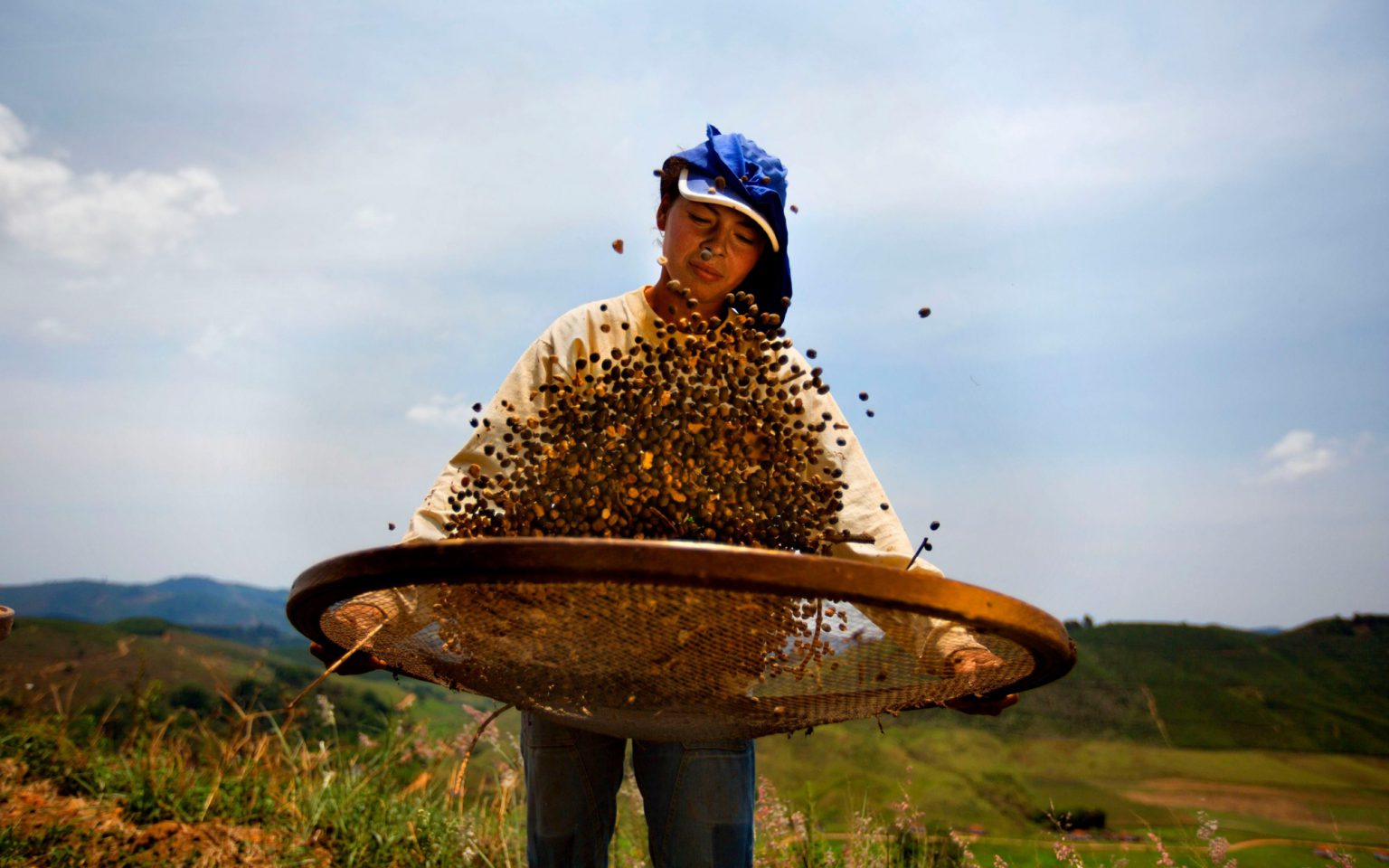
The coffee “beans” that we use are actually seeds. More accurately, they are the pits of a stone fruit that resembles a cherry. Grown on bushes, coffee cherries contain two seeds, positioned with the flat sides together. About 10-15% of coffee cherries have only one seed, which is called a peaberry. It’s commonly believed that peaberry seeds have more flavor, though there’s no real proof of this claim.

But what happens to the cherry when its seed is extracted? Unfortunately, up to 46 billion pounds of them are simply thrown away.

Concerned about the waste, some companies are starting to produce a product called coffee flour, made from dried coffee fruit. It is said to taste nutty and slightly bitter, with as much caffeine as dark chocolate. But the nutritional benefits are the real surprise. Coffee flour is a rich source of fiber, antioxidants, iron, protein, and potassium.

1. Coffee is healthy

And finally, you don’t need to feel bad about drinking so much of it. Many regular coffee drinkers harbor some guilt about their habit, but that shouldn’t come from the quality of the beverage itself. Sure, if you spend half your food budget on Starbucks or dump a full day’s worth of sugar into each cup, that’s not great.

But coffee drinkers get health benefits from the habit, too. The coffee itself has high levels of antioxidants as well as potassium, manganese, and B vitamins.

And research shows that the caffeine in coffee offers protection against Alzheimer’s, type 2 diabetes, and Parkinson’s disease. Women also seem to have a lower risk of skin cancer when they consume caffeine regularly.

So the next time you are sharing a cup of coffee with a new friend, or an uncomfortable silence falls over the breakfast table, you’ll have lots of interesting tidbits about coffee to share.

And don’t let anyone hassle you about your little habit – coffee is one addiction that’s okay to lean into. In fact, if you want to help save the planet, buy coffee flour, too.

Did you know that drinking coffee reduces the risk of liver cancer?

Coffee consumption reduces risk of hepatocellular carcinoma (HCC), the most common type of liver cancer, by about 40 percent, according to an up-to-date meta-analysis published in Clinical Gastroenterology and Hepatology, the official clinical practice journal of the American Gastroenterological Association. Further, some data indicate that three cups of coffee per day reduce liver cancer risk by more than 50 percent.

“Our research confirms past claims that coffee is good for your health, and particularly the liver,” said Carlo La Vecchia, MD, study author from the department of epidemiology, Istituto di Ricerche Farmacologiche “Mario Negri,” and department of clinical sciences and community health, Università degli Studi di Milan, Italy. “The favorable effect of coffee on liver cancer might be mediated by coffee’s proven prevention of diabetes, a known risk factor for the disease, or for its beneficial effects on cirrhosis and liver enzymes.”

Researchers performed a meta-analysis of articles published from 1996 through September 2012, ultimately studying 16 high-quality studies and a total of 3,153 cases. This research fills an important gap as the last meta-analysis was published in 2007, and since then there has been data published on more than 900 cases of HCC.

Despite the consistency of results across studies, time periods and populations, it is difficult to establish whether the association between coffee drinking and HCC is causal, or if this relationship may be partially attributable to the fact that patients with liver and digestive diseases often voluntarily reduce their coffee intake.

“It remains unclear whether coffee drinking has an additional role in liver cancer prevention,” added Dr. La Vecchia. “But, in any case, such a role would be limited as compared to what is achievable through the current measures.”

Primary liver cancers are largely avoidable through hepatitis B virus vaccination, control of hepatitis C virus transmission and reduction of alcohol drinking. These three measures can, in principle, avoid more than 90 percent of primary liver cancer worldwide.

Liver cancer is the sixth most common cancer in the world, and the third most common cause of cancer death. HCC is the main type of liver cancer, accounting for more than 90 percent of cases worldwide. Chronic infections with hepatitis B and C viruses are the main causes of liver cancer; other relevant risk factors include alcohol, tobacco, obesity and diabetes.

Do you know what a coffee nap is ?

A coffee nap? Yes, you read this correctly. Drinking up to 12 ounces of coffee before settling in for a maximum 20-minute power nap will keep you alert, refreshed, and fatigue-free.

While this may sound counter-intuitive, studies conducted in the United Kingdom and Japan confirmed the effectiveness of this unlikely pairing. To understand how a coffee nap works, we first need to review how coffee interacts with your body.

Coffee and your body

While simply smelling the aroma of coffee may wake you up, there is a gap of approximately 20 minutes between your first sip of coffee and caffeine-induced alertness. Once consumed, coffee travels from your stomach, through your bloodstream, and up to your brain.

This process takes between 15 and 20 minutes.

Once in your brain, coffee stimulates the nervous system by blocking the adenosine receptors. Adenosine is a nervous system depressant or something that makes you sleepy.

During sleep, your adenosine levels drop. This natural drop in adenosine, coupled with caffeine’s receptor blocking skills, create a dual attack on the sensation of fatigue.

According to research out of Japan, this dual attack, or coffee nap, is more effective than a nap or a coffee alone.

If you find it difficult to nap, a coffee nap can still work for you. Keep reading to learn more.

Perfecting the coffee nap

Timing and precision. Perfecting the coffee nap is not challenging but does demand attention to detail.

First, brew a cup of coffee no larger than 12 ounces (studies found that coffee consumption greater than 400 milligrams or 12 ounces negatively impacts sleep and cognition — it is also more likely to disrupt your evening sleep).

It is essential to drink your coffee quickly — sipping your cup for 10-15 minutes will near assure you that your nervous system will be stimulated before you’ve had the chance to nap.

If you find it difficult to drink an entire cup of coffee quickly, go for a single shot of espresso. Next, set an alarm for 20 minutes and nap. Try to get to sleep as quickly as possible after finishing your coffee.

If you can’t fall asleep, rest your head and shut your eyes. Researchers in the UK* found that “half-sleep” was nearly as effective as full sleep in the coffee nap.

Avoiding the coffee nap pitfalls

Before committing to a coffee nap, do a quick assessment to ensure you aren’t succumbing to one of these napping pitfalls. Check the time.

While everyone metabolizes coffee at a different rate, on average, coffee remains in your system for 4 to 6 hours post consumption.

If you nap too late in the day, you may find it difficult to sleep at night.

Avoid processed sugar. If you enjoy a sweet cup, try adding a natural sweetener like honey or molasses to your pre-nap coffee.

Having a sugary drink increases the difficulty of napping and may lead to a sugar crash just as your caffeine is at its peak. Work with your natural biorhythm.

Most of us tend to experience an afternoon lull at some point between 2pm and 4pm. Optimize your afternoon by timing your coffee nap to avoid the lull.