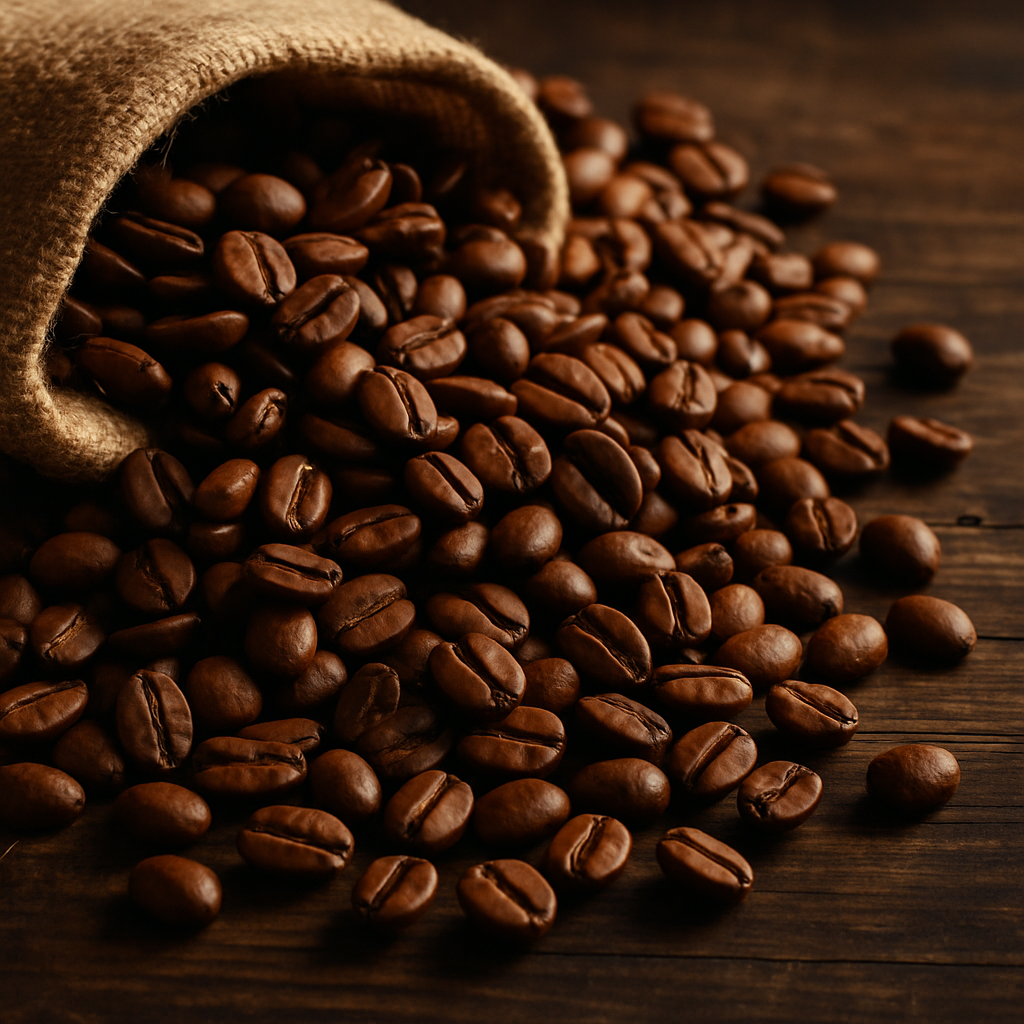
New Study: Drinking Up to 25 Cups of Coffee Daily is Safe for Heart Health

A recent study from Queen Mary University of London brings good news for coffee lovers, finding that drinking up to 25 cups of coffee a day does not harm heart health. Funded by the British Heart Foundation, the study’s results were presented at the British Cardiovascular Society Conference, offering a fresh perspective on the relationship between coffee consumption and cardiovascular health.

Study Design and Methodology The study involved over 8,000 participants, divided into three groups based on their daily coffee intake: less than one cup, one to three cups, and more than three cups up to 25 cups daily. Researchers used advanced imaging techniques such as MRI and pulse wave tests to measure arterial stiffness, a crucial indicator of heart health.

Study Results The results showed no significant difference in arterial stiffness between participants who drank large amounts of coffee and those who drank less than one cup daily. This suggests that consuming large amounts of coffee does not necessarily lead to arterial stiffness, contradicting previous studies that linked high coffee consumption to heart risks.

Expert Opinions Dr. Kenneth Fung, who led the data analysis, stated, “The main message for people to take away from this study is that coffee can be enjoyed as part of a healthy lifestyle, and coffee lovers can be reassured by this result regarding arterial stiffness outcomes.”

Professor Steffen Petersen, the lead researcher, added, “While coffee might keep us up at night, this study gives us a reason to sleep easy, knowing that the popular drink isn’t as bad for our arteries as some previous studies suggested.”

Recommendations Despite these encouraging results, experts advise moderation. The study did not address other potential health issues related to high caffeine intake, such as increased blood pressure and sleep disturbances. Health organizations recommend limiting caffeine intake to about 400 mg per day, roughly equivalent to four cups of coffee.

Conclusion This study represents a significant step towards understanding the relationship between coffee consumption and heart health. It debunks previous beliefs about the negative impact of high coffee intake on heart health, providing reassurance to coffee enthusiasts that their favorite beverage can be part of a healthy lifestyle when consumed in moderation.

The Impact of Artificial Intelligence on the Coffee Industry

Artificial Intelligence (AI) is revolutionizing industries across the globe, and the coffee sector is no exception. The coffee industry, with its rich history and complex supply chain, is ripe for transformation through AI. This report explores how AI is poised to transform various aspects of the coffee industry, from bean selection to customer experience.

Key Areas of AI Application in Coffee:

a) Bean Selection and Quality Control

AI-powered computer vision systems, such as those developed by Demetria, are revolutionizing the bean selection process. These systems use high-resolution cameras and advanced image processing algorithms to analyze beans for defects, size, and color consistency, processing thousands of beans per minute, far outpacing human inspectors.

Machine learning models are being trained on vast datasets of bean characteristics, including origin, altitude, soil type, and processing method. These models can predict bean quality and flavor profiles with increasing accuracy. This not only ensures higher quality but also allows for more precise blending to achieve desired taste profiles. For instance, companies like IBM have developed AI systems that predict the quality and yield of coffee crops, helping farmers make informed decisions to improve productivity and quality.

b) Roasting and Brewing Optimization

In roasting, AI systems like Cropster Roast integrate with sensors that monitor temperature, time, air flow, and even the sound of beans cracking. By analyzing this data in real-time and comparing it with ideal roasting profiles, AI can make micro-adjustments throughout the roasting process, leading to more consistent results and the development of new roasting profiles for unique flavor outcomes. Companies like Roest have developed AI-powered coffee roasters that offer precise control over the roasting process.

For brewing, AI is being incorporated into both commercial and high-end consumer machines. These systems can adjust variables like water temperature, pressure, and flow rate based on the specific beans being used. Some advanced systems, such as those by Nespresso, are even beginning to incorporate user feedback to fine-tune brewing parameters to individual tastes over time. AI-driven brewing systems like the ones used by Atomo Coffee can mimic the taste profiles of traditional coffee by analyzing the molecular composition of beans and adjusting brewing methods accordingly.

c) Personalized Customer Experiences

AI-driven recommendation systems, such as those used by Nespresso, are becoming increasingly sophisticated. By analyzing a customer’s purchase history, flavor preferences, and even factors like the time of day or weather, these systems can suggest coffee blends or brewing methods tailored to individual tastes.

Natural language processing enables advanced chatbots and virtual assistants, like Starbucks’ My Starbucks Barista, to handle complex orders, answer detailed questions about coffee origins and flavor profiles, and provide brewing tips. As these systems improve, they are able to provide more nuanced and helpful interactions, enhancing the overall customer experience. For example, AI-powered chatbots can engage customers in real-time, offering personalized recommendations and support.

Benefits and Challenges

Benefits:

  • Improved Consistency: AI’s ability to maintain precise control over roasting and brewing parameters ensures a more consistent product, which is particularly valuable for large chains like Starbucks, where consistency across locations is crucial.
  • Enhanced Efficiency: Beyond just sorting beans and managing inventory, AI can optimize supply chains, predict demand to reduce waste, and assist in staff scheduling based on predicted busy periods.
  • Data-Driven Insights: AI can analyze data from across the entire coffee production and sales process, uncovering insights into consumer preferences, helping identify emerging trends, and assisting in developing new products. For instance, AI can identify seasonal preferences for certain coffee blends and help companies tailor their offerings accordingly.
  • Sustainability: AI can help reduce waste, optimize resource use, and support more sustainable farming practices through precision agriculture techniques. AI can monitor soil health, weather patterns, and crop conditions to provide actionable insights for sustainable farming practices.

Challenges:

  • Implementation Costs: The initial investment can be substantial, especially for smaller businesses. This includes the cost of AI systems themselves and the infrastructure needed to support them, such as sensors, data storage, and high-speed internet connections.
  • Technical Expertise: Coffee businesses may need to hire data scientists and AI specialists, roles traditionally not associated with the industry. Training existing staff to work alongside AI systems effectively is also necessary.
  • Balancing Automation with Craft: There is a risk of losing the ‘human touch’ that many coffee enthusiasts value. Businesses need to find ways to use AI to enhance rather than replace the artisanal aspects of coffee making.
  • Data Privacy Concerns: As AI systems collect more customer data to personalize experiences, businesses must ensure compliance with data protection regulations and maintain customer trust. Implementing robust data protection measures and transparency in data usage are essential to address these concerns.

Real-World Examples:

Starbucks

Starbucks’ “Deep Brew” AI initiative goes beyond just personalized marketing and inventory management. It’s being used to optimize store layouts based on customer flow analysis, predict equipment maintenance needs to prevent unexpected breakdowns, automate administrative tasks to free up staff for customer interactions, and analyze sales patterns to inform new product development. Deep Brew also helps in workforce management by predicting peak hours and scheduling staff accordingly.

Driftaway Coffee

Driftaway Coffee’s use of AI for personalization is particularly innovative. Customers receive tasting kits and provide feedback via an app. AI analyzes this feedback along with data on bean origins and processing methods, creating a unique “taste profile” for each customer. This profile is used to select and create custom blends for each subscriber, with the AI continuously learning and refining its recommendations based on ongoing feedback. This approach not only enhances customer satisfaction but also fosters a deeper connection between consumers and their coffee choices.

Future Outlook

AI is likely to play a crucial role in addressing climate change impacts on coffee farming. Predictive models could help farmers adapt to changing conditions and maintain crop quality. We may see the emergence of fully automated “coffee kiosks” in high-traffic areas, using AI to brew personalized cups of coffee without human intervention. AI could enable more direct relationships between consumers and coffee farmers, with systems providing detailed information about the exact origin of each cup, down to the specific plot of land. In home brewing, AI-enabled machines might replicate the exact taste of a coffee enjoyed at a café by analyzing the bean type and adjusting brewing parameters.

Additionally, AI could facilitate the development of new coffee products by analyzing market trends and consumer preferences. This could lead to the creation of unique blends and brewing methods that cater to evolving tastes. AI might also support initiatives for fair trade and ethical sourcing by ensuring transparency and traceability throughout the supply chain.

Conclusion

While AI promises significant advancements in efficiency, consistency, and personalization within the coffee industry, the challenge lies in balancing these technological innovations with the art and craft of coffee making. As the industry evolves, finding this balance will be crucial to satisfying both the demand for convenience and the appreciation for the human touch in coffee culture. The successful integration of AI in the coffee industry has the potential to enhance the consumer experience and create more sustainable and efficient practices throughout the supply chain. As AI technology advances, we can expect to see even more innovative applications that will reshape how we produce, prepare, and enjoy coffee.

Exploring the Truth About Bulletproof Coffee

ALESSANDRA SIGNORELLI published a story on Vogue saying that if you follow wellness trends, you’ve probably noticed there’s something going on with coffee. No longer is it enough to drink a simple fair trade brew with organic non-dairy milk or sip a single-origin pour-over espresso; these days, it’s all about adding body-benefitting extras. A tablespoon of collagen, for example. Or, adaptogenic mushrooms like lion’s mane or chaga.

In that vein, there’s one coffee concoction that many health enthusiasts (including Shailene Woodley) swear by: “bulletproof coffee,” also known as “butter coffee.” It’s been around for several years and shows no sign of going anywhere soon. For the uninitiated, it’s essentially coffee that’s been mixed with organic, grass-fed butter, ghee, and/or MCT oil instead of your favorite milk. According to devotees—especially followers of ketogenic and paleo diets or intermittent fasting—this intriguing combo boosts energy and concentration. They also say it contributes to maintaining a healthy weight.

What is Bulletproof Coffee?

Bulletproof coffee is coffee enriched with fats such as unsalted, grass-fed butter or ghee and MCT oil (medium chain triglycerides) extracted from coconut oil. These fats are metabolized by the body into ketones, which are said to increase satiety and provide rapid energy to the brain.

Bulletproof coffee is actually a trademarked recipe—it’s the invention of entrepreneur, author, and biohacker Dave Asprey, who is also the creator of the “Bulletproof Diet,” a keto-like diet that is high in protein and fat. Asprey came across this coffee idea during a trip to Tibet, where he tasted a traditional tea enriched with yak butter that locals consume before trekking at high altitudes to experience renewed energy and mental clarity. Asprey’s experience with yak butter-enriched tea inspired him to create his own version. The result? Bulletproof coffee. (Asprey also sells his own brand of toxin-free coffee beans under the brand name Bulletproof; for the purpose of this article, we’ll use the term bulletproof coffee to refer to the general butter-and-MCT-oil concoction Asprey popularized in 2009.)

The Benefits of Bulletproof Coffee

According to fans, fat-infused coffee provides a quick source of energy that does not create glycemic peaks—unlike breakfasts rich in carbohydrates and simple sugars, which can leave us exhausted and longing for a sweet mid-morning snack. It also provides a sense of satiety that makes it easier to skip carb-heavy morning classics (croissants, bagels, granola, etc). While the drink isn’t calorie-free, it is carbohydrate-free and can therefore replace breakfast without taking you out of ketosis (a state in which the body burns fat for energy instead of glucose), so that you can continue intermittent fasting. For these reasons, it’s a go-to for those following a ketogenic or low-carb diet who say it provides plenty of energy to get them through the morning. They also say it increases clarity, focus, and mental performance.

Does Bulletproof Coffee Work?

While it is true that coffee, grass-fed butter, ghee, and MCT oil derived from coconut each have their own health benefits—including vitamins, minerals, and omega-3 fatty acids—there actually isn’t a ton of research that supports the claims surrounding bulletproof coffee. In fact, most of the health claims are anecdotal and the scientific research that does exist is pretty mixed. One recent study that investigated the effects of high-fat coffee beverages containing MCT oil and ghee on cognitive function and satiety found that “there may be no benefit of bulletproof coffee over black coffee for improving cognitive performance,” but did note that bulletproof coffee “does appear to increase feelings of fullness and result in a reduction in perceived prospective food consumption after three hours.”

A scientific review that looked at multiple studies on bulletproof coffee published between 2021-2023 had similar findings: “Although bulletproof coffee remains a popular choice for many, current scientific evidence does not support the claimed benefits…we found no significant improvements in cognition, alertness, or energy levels in studies when bulletproof coffee was compared with regular coffee,” it stated. “The alleged effects of bulletproof coffee on hunger, satiety, resting energy expenditure, and fat oxidation remain equivocal, primarily due to the additional calorie intake associated with the beverage offsetting any potential benefits.”

Does Drinking Bulletproof Coffee Have Any Risks?

While it’s probably fine for healthy individuals to drink bulletproof coffee occasionally, it’s important to note that the drink is pretty high in calories (about 230 per cup) and saturated fat (about 21 grams). Therefore, it’s not a great option for those who are concerned about their cholesterol levels or have other health concerns. This was also noted in the scientific review mentioned above, which stated that there was “some evidence” of possible elevation in serum cholesterol reported following the consumption of bulletproof coffee” as well as “gastrointestinal intolerance.”

In short, it seems that further research is needed to support most of the health claims for bulletproof coffee and to determine if there are any long-term health risks associated with regular consumption. “Exploring the impact of regular bulletproof coffee consumption on hydration status, kidney stones, reflux, gallstones, blood pressure, sleep quality, gastrointestinal motility, and hyperlipidemia is also required. Such research would significantly contribute to our understanding of the impacts of this beverage, informing public health recommendations and individual dietary choices,” the review found.

Regardless, it is also entirely possible to consume too much caffeine—whether it’s enriched with butter or not—and even a little bit of caffeine can have adverse effects on some people.

How Does Bulletproof Coffee Impact Body Weight?

Because this coffee concoction improves satiety and reduces appetite, it might be helpful for those who are looking to maintain their weight. And, because it could keep your body in ketosis (fat-burning instead of glucose-burning), it is a favorite hack among those who are following an intermittent fasting plan.

But keep in mind that this mix is high in calories; something to consider if you’re looking to reduce your overall daily caloric intake.

Should I Drink Bulletproof Coffee?

If you’re following a ketogenic or paleo diet and/or experimenting with intermittent fasting (all of which have their own risks), you might enjoy drinking bulletproof coffee—just make sure you’re well aware of (and feel okay with) the downsides and the lack of scientific research that supports its claims. If you have high cholesterol, are pregnant, or have other health concerns, you should definitely speak to your doctor to determine what’s best for you.

All that said, it might be better to just eat a nutritious, high-protein breakfast instead. A meal such as Greek yogurt with berries, eggs with vegetables, or unsweetened oats with fruit, almonds, seeds, and nuts—allows you to fill up on a variety of vital nutrients and all-important fiber right at the start of the day.

How to Prepare Bulletproof Coffee

Still want to try bulletproof coffee? Here’s the recipe:

  1. Prepare a cup (about 8 oz) of quality coffee, using whichever method you prefer.
  2. Add 1-2 teaspoons of unsalted grass-fed butter or ghee.
  3. Add 1-2 teaspoons of MCT oil, or possibly organic coconut oil.
  4. Mix everything in a blender until you obtain a creamy consistency, or combine the ingredients in a shaker.

You can also replace the coffee with matcha, decaf coffee, or make it vegan by skipping the butter or ghee and sticking to MCT oil only.

If you want to make your bulletproof drink even creamier, mix it with the electric whisk you’d use to froth the milk to obtain a foam similar to that of a cappuccino.

When to Drink Bulletproof Coffee

Fans of bulletproof coffee recommend consuming it in the morning to replenish energy and prevent breaking an intermittent fast, but it can also be enjoyed mid-afternoon to avoid the classic afternoon slump—that is, if you are not too sensitive to caffeine and don’t mind the potential of a sleepless night.

Regardless of the time of day you drink it, keep in mind the risks listed above and make the choice that is right for you.

Brushing Your Teeth After Drinking Coffee: A Common Mistake, Experts Say

If you’re among those who brush their teeth immediately after enjoying a cup of coffee, you might want to rethink your routine. Dental experts warn that this habit can do more harm than good to your teeth.

The Acidic Impact

Coffee is known for its acidic properties. According to dental health specialists, consuming coffee creates an acidic environment in your mouth, which can temporarily soften the enamel on your teeth. Brushing immediately afterward can lead to erosion of this softened enamel, causing permanent damage and increased sensitivity.

Why Waiting Matters

Experts recommend waiting at least 30 minutes to an hour before brushing your teeth after drinking coffee. This allows time for your saliva to neutralize the acids and for the enamel to re-harden, reducing the risk of erosion. “Rinsing your mouth with water after drinking coffee can help wash away some of the acids and is a good interim measure,” suggests Dr. John Smith, a prominent dentist at the Dubai Dental Clinic.

Protective Measures

  • Use a Straw: To minimize contact between the coffee and your teeth, consider using a straw.
  • Drink Water: Following your coffee with a glass of water can help rinse away acids.
  • Chew Sugar-Free Gum: Chewing gum can stimulate saliva production, aiding in acid neutralization.

Maintaining Oral Health

Regular oral hygiene practices remain crucial. Brush your teeth twice a day with fluoride toothpaste, floss daily, and schedule regular dental check-ups. By following these guidelines, you can enjoy your coffee while protecting your dental health.

This advice is supported by findings from the American Dental Association (ADA), which highlights the risks of brushing teeth immediately after consuming acidic beverages.

For more information on maintaining oral health, visit the ADA website at www.ada.org.

Source: American Dental Association (ADA).

Coffee Prolongs Office Workers’ Lives: A Chinese Study Supported by Global Research

A recent study conducted by scientists at Suzhou University in China has confirmed that drinking 2-3 cups of coffee daily can reduce the risk of death from serious diseases among office workers by up to 33%. The study involved over 10,000 volunteers who were monitored over a period of ten years. Participants provided information about their sitting habits, exercise routines, and the number of cups of coffee they consumed daily.

Health Benefits of Coffee

The study showed that office workers who spent at least 6 hours daily sitting and drank 2-3 cups of coffee daily had a reduced risk of death from sedentary lifestyle-related diseases such as diabetes, heart disease, and cancer. This is attributed to the antioxidant and anti-inflammatory properties of coffee.

Support from Global Research

These findings are supported by numerous other studies conducted in the United States and Europe. For instance, a study involving half a million people in Britain found that coffee consumption was associated with a 14% lower risk of death for those who drank up to eight cups daily​ (Harvard School of Public Health)​. Additionally, research conducted in ten European countries confirmed that coffee improves liver function and helps control blood glucose levels​ (Imperial College London)​.

Expert Recommendations

Renowned Russian physician Dr. Alexander Myasnikov praised the health benefits of coffee, noting that it is part of the cancer chemoprevention program and helps prevent the development of liver cancer. He also highlighted its role in reducing the risks of arthritis, diabetes, and heart rhythm disorders​ (livescience.com)​​ (ScienceDaily)​.

Conclusion

These combined findings suggest that moderate coffee consumption can have significant positive health effects, especially in mitigating the negative impacts of a sedentary lifestyle. However, researchers emphasize the importance of consuming coffee in moderation as part of a balanced diet and healthy lifestyle.

For more details on the study, you can visit the Biomedcentral website.

Genetic Factors Influence Coffee Consumption, Study Finds

A recent study published in the American Journal of Clinical Nutrition reveals that genetic factors significantly influence coffee consumption habits. Conducted by a team of Australian scientists, the study examined nearly 400,000 individuals aged between 39 and 73. The researchers concluded that people instinctively regulate their coffee intake, independently of medical guidelines about its potential harms.

The study suggests that human genes actively help in understanding the required amount of coffee, thereby protecting against excessive consumption. Additionally, multiple studies have shown that caffeine improves mental performance, alertness, general motor skills, learning, and memory. Previous research also indicated that coffee consumption could induce genetic changes within DNA, potentially passing these changes to future generations.

A related report from Harvard T.H. Chan School of Public Health highlights that genetic variants linked to coffee drinking may increase caffeine metabolism, helping people modulate their intake to experience optimal effects​ (Harvard Public Health)​.

This groundbreaking research highlights how genetics can influence habitual behaviors, providing a deeper understanding of individual differences in coffee consumption. For more details, you can refer to the original study in the American Journal of Clinical Nutrition and related reports from the Harvard T.H. Chan School of Public Health​ (Harvard Public Health)​.

Warning Signs on Your Tongue: When to Stop Drinking Coffee According to Experts

For many, drinking a cup of coffee daily is a cherished habit. However, a doctor has recently cautioned that certain symptoms may signal the need to stop drinking coffee altogether.

Anis Khalaf, a doctor specializing in Chinese medicine, shared with his 457,000 followers on TikTok a simple test to check if coffee consumption might be harming their health: “Look in the mirror and examine your tongue. If you notice a lot of cracks and a thick yellow layer, it may be a sign that you should avoid coffee.”

Dr. Khalaf attributes this condition to a “potential imbalance in the body,” which caffeine intake can exacerbate. He refers to this imbalance as “yin deficiency,” a concept in Chinese medicine where the body’s yin (cooling and nourishing aspects) is depleted, leading to increased body temperature, heightened anxiety, and dryness of the mouth and throat.

Dr. Lawrence Cunningham, a general practitioner with the UK Care Guide, provided additional insights, stating that “yin deficiency” indicates a physical imbalance where the body’s nourishing aspects are depleted. This condition can lead to symptoms such as insomnia, heart disturbances, and other discomforts. His comments were reported by the British newspaper “Mirror.”

Digestive System Dysfunction

Dr. Cunningham also explained the significance of a thick yellow layer on the tongue: “In my experience, a thick yellow layer generally points to a dysfunction in the body’s digestive system rather than a specific aversion to coffee. Factors such as poor oral hygiene, dehydration, or the presence of bacteria and yeast can contribute to this condition.”

While coffee itself is not usually the direct cause, it can worsen conditions that lead to the formation of this layer. “Coffee is acidic and can alter the hydrogen balance in the mouth, which may promote the proliferation of bacteria and yeast, leading to a yellow layer on the tongue,” Dr. Cunningham added.

Other Warning Signs

There are several other signs that indicate coffee might be negatively affecting your health. Stomach pain and acid reflux are common symptoms, as coffee is known to increase the production of stomach acid. Dr. Cunningham pointed out that “frequent headaches or migraines can sometimes be associated with excessive coffee consumption, especially if one drinks large amounts throughout the day.”

Expert Recommendations

Medical experts generally advise moderation in caffeine consumption due to its potential health risks. Excessive intake of caffeine, particularly from coffee, can lead to various health issues, including:

  • Increased heart rate: High caffeine levels can cause palpitations and elevate heart rate.
  • Sleep disturbances: Caffeine can interfere with sleep patterns, leading to insomnia or poor quality sleep.
  • Anxiety and restlessness: High caffeine intake can increase anxiety and induce feelings of restlessness.
  • Digestive issues: Coffee can irritate the stomach lining and lead to digestive discomfort.

To maintain good health, it is essential to monitor your body’s reactions to coffee and adjust your intake accordingly. Incorporating other healthy habits, such as maintaining proper hydration, practicing good oral hygiene, and following a balanced diet, can help mitigate some of the adverse effects associated with coffee consumption.

For those experiencing the symptoms described by Dr. Khalaf, it may be wise to reduce or eliminate coffee intake and consult with a healthcare professional to address any underlying health concerns.

5 Reasons to Drink Coffee with Butter: Benefits and Advantages for the Body

Bulletproof Coffee, or butter coffee, is a type of coffee that includes butter, popularized by Silicon Valley entrepreneur Dave Asprey in 2011. This unique beverage has gained significant popularity among athletes and individuals following specific dietary regimens.

Coffee with butter can provide additional fats and energy, help the body absorb caffeine more effectively, and improve concentration. Here’s what you need to know about this beverage and its benefits, according to OBOZ.UA.

Reduces Hunger

Bulletproof coffee often contains coconut oil or butter, making it calorically dense enough to maintain a sense of fullness. Its properties can speed up metabolism, making it ideal for breakfast, after which you can engage in physical activities.

Ideal for Keto Diet Followers

For those adhering to a ketogenic diet, butter coffee helps sustain the ketosis process. Additionally, it can prevent keto flu symptoms, which can occur when transitioning to a ketogenic diet.

Aids in Weight Loss

This type of coffee helps convert dietary and stored body fats into ketones, known as ketosis. Moreover, caffeine significantly reduces the feeling of hunger and stimulates the burning of excess fats by boosting energy levels in the body. Butter, which contains glutathione and omega-3 fatty acids, also aids in reducing excess fat.

Provides Energy

Caffeine helps maintain blood sugar levels, providing energy for several hours and being absorbed slowly to increase energy levels. Additionally, the oils are quickly metabolized and used by the body, supplying it with energy.

Enhances Mental Abilities

Butter coffee significantly improves concentration, productivity, and alertness. The ketones produced in the body from this coffee provide the brain with the necessary energy, enhancing cognitive functions.

Latest Insights and Trends

Recent studies and health trends have further highlighted the benefits of incorporating butter coffee into your daily routine:

  1. Enhanced Metabolic Health: New research suggests that butter coffee can help improve metabolic health markers, such as blood sugar control and lipid profiles.
  2. Mental Clarity and Focus: A 2023 study published in the Journal of Nutrition found that individuals who consumed butter coffee reported higher levels of mental clarity and focus compared to those who drank regular coffee.
  3. Sustainable Energy Source: As intermittent fasting gains popularity, butter coffee is becoming a favored choice for those looking to maintain energy levels during fasting periods without breaking their fast.
  4. Gut Health: The medium-chain triglycerides (MCTs) in coconut oil, often used in butter coffee, have been linked to improved gut health and microbiome balance.
  5. Holistic Wellness: Butter coffee is increasingly seen as part of a holistic wellness approach, combining the benefits of mindful eating, balanced nutrition, and cognitive health.

Incorporating butter coffee into your diet can offer numerous health benefits, making it a valuable addition for those looking to optimize their health and wellness routines.

ChatGPT List: 10 Best Specialty Coffee Shops in Dubai to Kickstart Your Day

Looking for a superb cup of coffee that highlights both quality and sustainability? Dubai’s vibrant coffee scene offers you the perfect blend of flavor and ethical sourcing. These coffee shops not only serve exceptional brews but also emphasize fair-trade practices and community support. Join us as we explore the top coffee spots in Dubai that promise a guilt-free and delightful coffee experience. Let’s dive in and discover the best specialty coffee shops that Dubai has to offer, according to expert reviews.

1. Mokha 1450

Reputation and Heritage: Known for its rich heritage and premium Yemeni coffee, Mokha 1450 is a must-visit for any coffee aficionado. They offer a variety of specialty brews sourced from small farmers, ensuring both quality and fair-trade practices.

2. Nightjar Coffee Roasters

Commitment to Fair Trade and Sustainability: Located in Alserkal Avenue, Nightjar Coffee Roasters is celebrated for its in-house roasted beans and commitment to sustainable sourcing. Their extensive selection of single-origin coffees and innovative brewing methods make them a favorite among coffee enthusiasts.

3. RAW Coffee Company

Reputation and Heritage: As a pioneer in Dubai’s specialty coffee scene, RAW Coffee Company is dedicated to ethical sourcing and direct trade with farmers. Their transparent supply chain and commitment to sustainability ensure every cup supports fair practices.

4. The Espresso Lab

Innovation and Quality: Known for its innovative approach to coffee, The Espresso Lab emphasizes precision and sustainability. They source their beans from ethical farms, ensuring each cup is both delicious and responsibly produced.

5. Stomping Grounds

Community and Cultural Impact: This specialty café in Jumeirah focuses on direct trade and sustainability, offering a cozy space to enjoy high-quality coffee. Their commitment to supporting coffee farmers ensures every cup contributes to a fair-trade ecosystem.

6. Farmers Coffee

Geographical Location and Accessibility: Located in the Dubai International Financial Centre (DIFC), Farmers Coffee stands out for its focus on direct trade and relationships with coffee growers. They are known for their sustainable practices and excellent coffee quality.

7. Common Grounds

Customer Experience: Situated in Mall of the Emirates, Common Grounds is known for its specialty coffee and fresh, locally sourced ingredients. Their dedication to quality and sustainability makes them a standout in Dubai’s coffee scene.

8. One Life Kitchen and Café

Customer Experience: Located in Dubai Design District, One Life Kitchen and Café offers a blend of specialty coffee and wholesome food. They prioritize sustainable sourcing and maintain close relationships with coffee growers.

9. % Arabica

Innovation and Quality: With its sleek design and focus on high-quality beans, % Arabica offers a modern coffee experience. They source their beans from around the world, ensuring sustainability and fair-trade practices in their supply chain.

10. Juan Valdez Café

International Presence: This globally recognized brand brings the rich flavors of Colombian coffee to Dubai. Juan Valdez Café is known for its premium beans, ethical sourcing, and support for coffee-growing communities in Colombia, providing a taste of Latin American coffee culture.

These coffee shops not only provide exceptional coffee but also emphasize fair-trade and sustainable practices. Whether you’re a local or a visitor, these spots offer a perfect blend of taste and ethics.

Coffee Market Sees Turbulent May as ICO Reports Price Fluctuations and Export Volumes

The International Coffee Organization (ICO) released its Coffee Market Report for May 2024, revealing a month marked by significant price fluctuations, increased market volatility, and notable shifts in export volumes across various coffee-producing regions. The comprehensive report sheds light on the current dynamics of the global coffee market, influenced by weather conditions, production concerns, and currency fluctuations.

Price Trends and Volatility

The ICO Composite Indicator Price (I-CIP) for May 2024 averaged 208.38 US cents per pound, reflecting a 3.9% decrease from April 2024. Despite this decline, the I-CIP remains 18.7% higher than the same period last year, underscoring the continued high value of coffee amidst ongoing market uncertainties. The I-CIP fluctuated between 195.13 and 230.61 US cents per pound throughout May, with a median value of 204.11 US cents per pound.

The report attributes the price fluctuations to several factors, including weather conditions in key coffee-producing countries. Early in the month, prices retracted by 10.3%, driven by news of rainfall in Vietnam, alleviating fears of drought and potential damage to the 2024/25 crop. Similarly, favorable weather conditions in Brazil supported smooth harvesting and drying operations, reducing pressure on Brazilian Naturals’ differentials. However, from mid-May onwards, renewed uncertainties over the supply of the 2024/25 crop in Central America and major producers like Brazil and Vietnam caused the I-CIP to climb back up to 220.67 US cents per pound.

Market volatility also saw a notable increase in May. The intra-day volatility of the I-CIP rose by 4.3 percentage points to 12.3%, indicating heightened market sensitivity to changing conditions. Robustas exhibited the highest volatility among coffee groups, reaching an average of 14.3%, while the London and New York futures markets also experienced significant volatility increases.

Export Volumes and Regional Dynamics

Global green bean exports in April 2024 totaled 10.77 million bags, marking a 15.3% increase compared to April 2023. The Brazilian Naturals and Robustas were the primary drivers of this growth, with exports rising by 44.9% and 13.4%, respectively. Conversely, shipments of Other Milds decreased by 9.1% to 2.07 million bags.

The report highlights contrasting performances across different regions:

  • Asia & Oceania: Exports decreased by 0.3% to 3.78 million bags. Vietnam, the region’s largest producer, saw a 6.9% decline in exports, contributing to the overall downturn. However, Indonesia’s exports increased by 43.1%, mitigating some of the region’s losses.
  • Africa: Exports surged by 39.4% to 1.37 million bags. Côte d’Ivoire and Ethiopia were the main contributors to this growth, with their exports increasing by 202.5% and 103.6%, respectively.
  • South America: Exports rose by 44.5% to 5.15 million bags, driven by a 54.8% increase in Brazilian exports, which reached a record 4.24 million bags in April 2024.
  • Mexico & Central America: Exports declined by 12.6% to 1.66 million bags. Guatemala, Honduras, and Nicaragua experienced significant decreases, attributed to their biennial production cycles and other local factors such as the bankruptcy of a major coffee exporter in Nicaragua.

Supply and Demand Balance

The report projects global coffee production for the 2023/24 coffee year at 178.0 million bags, a 5.8% increase from the previous year. Arabica production is expected to rise by 8.8% to 102.2 million bags, while Robusta production is projected to increase by 2.1% to 75.8 million bags. In terms of consumption, the ICO estimates a 2.2% increase, bringing global consumption to 177.0 million bags.

The supply and demand dynamics reveal a slight surplus, with production outpacing consumption by 1.0 million bags. This balance suggests that while the market remains robust, there are regional disparities that could affect future trends.

Certified Stocks and Arbitrage

Certified stocks of Arabica coffee on the New York futures market increased by 30.3% to 0.84 million 60-kg bags, while London certified stocks expanded by 24.9% to 0.78 million bags. Despite this increase, stock levels remain below the average of the 2022/23 coffee year.

Arbitrage, measured between the London and New York futures markets, increased by 4.3% to 43.74 US cents per pound in May 2024. This rise reflects the differing market conditions and price movements between the two major coffee trading hubs.

Conclusion

The ICO’s May 2024 Coffee Market Report provides valuable insights into the global coffee market’s current state. The significant price fluctuations, increased market volatility, and shifts in export volumes underscore the complexities and challenges faced by the coffee industry. As weather conditions, production concerns, and currency fluctuations continue to impact the market, stakeholders must remain vigilant and adaptable to navigate these dynamics effectively.

For coffee producers, traders, and consumers, understanding these trends is crucial for making informed decisions and ensuring the sustainability and stability of the global coffee market. The ICO’s comprehensive analysis serves as a critical resource for those looking to stay ahead in this ever-evolving industry.

Specialty Coffee in the UAE: From Tradition to Innovation

Although the United Arab Emirates boasts a rich coffee culture deeply rooted in its traditions and cultural heritage, the country has witnessed a significant shift towards specialty coffee over the past decade. This blend of ancient customs with advanced innovation has transformed the UAE, especially Dubai, into a thriving hub for coffee enthusiasts and connoisseurs. Let’s explore how this evolution has unfolded and what it means for the future of coffee in the region.

Coffee holds a special place in the history and culture of the Arab world. Yemen, the cradle of coffee cultivation, played a pivotal role in spreading coffee throughout the Arabian Peninsula. In the UAE, Arabic coffee has long been a symbol of hospitality and tradition and remains so to this day. This spiced coffee, often served with dates, is a staple at social gatherings and reflects the deeply rooted customs of the country.

In recent years, the UAE has witnessed a remarkable transformation in its coffee scene. The rise of specialty coffee marks a shift from traditional practices to a more sophisticated, quality-focused approach. This movement has been influenced by global coffee trends and the UAE’s unique ability to adapt and innovate. Specialty coffee shops have sprouted across Dubai and other emirates, offering meticulously brewed cups that cater to discerning customers.

The specialty coffee landscape in the UAE is rich with diversity and talent. Prominent cafés such as Archers, The Espresso Lab, Grandmother Coffee Roastery, Mokha1450, RoR Coffee Solutions, and Three Coffee, among others, have set the standards for excellence. These establishments not only serve exceptional coffee but also create spaces for community and culture. Conversations with local baristas, roasters, and café owners reveal their passion for coffee and their vision for the future. Each cup served is a testament to their dedication to quality and innovation. Notably, there is a significant rise in home roasters and micro roasters emerging in the market.

The Coffee Vial, LMTD Specialty Coffee Roasters, Gram Specialty Coffee Roasters, Kam Kam Coffee, The QC, among many others

The UAE hosts several major coffee events and competitions that play a crucial role in shaping the coffee scene, not only locally but also regionally and globally. Events like the World of Coffee Dubai, and UAE National Coffee Championships, among others, serve as important platforms for showcasing talent and fostering a sense of community among coffee professionals. These events highlight the skills of baristas and roasters and educate the public about the nuances of specialty coffee.

Innovation is at the heart of the UAE’s coffee industry. From the use of advanced brewing and roasting technologies to sustainable practices and unique flavor profiles, the specialty coffee scene is constantly evolving. Trends such as cold brew, nitro coffee, and specialty coffee subscriptions are captivating the market, meeting the growing demand for unique and high-quality coffee experiences.

The specialty coffee industry has a significant economic impact on the UAE. It has created numerous job opportunities and supported the growth of local businesses. Furthermore, the UAE’s coffee sector has the potential for exporting and re-exporting locally branded coffee, enhancing its economic contribution. The rise of specialty coffee shops has also boosted related industries, including food service, equipment supply, and training services.

According to recent statistics, the coffee market in Dubai and the UAE has experienced substantial growth, driven by increasing consumer demand and a robust café culture. The UAE’s coffee market is projected to grow at a CAGR of 8.3% from 2021 to 2026, reflecting the rising popularity of specialty coffee and the expanding number of coffee shops.

The government in Dubai strongly supports the coffee industry, with leadership exemplified by His Highness Sheikh Mohammed bin Rashid Al Maktoum, Vice President and Prime Minister of the UAE and Ruler of Dubai, attending major coffee events. His visit to the World of Coffee Dubai 2024 served as a strong boost for the industry and a significant message of support for this vital sector.

Dubai’s government has recognized the importance of supporting the coffee sector. In this context, the Dubai Multi Commodities Centre (DMCC) has played a pivotal role in shaping the coffee industry in the UAE by establishing the Dubai Coffee Center (DCC). The DCC provides world-class infrastructure and services for the coffee industry, supporting the entire coffee supply chain, from crop to cup, and enhancing Dubai’s position as a key global coffee trading hub. The DCC offers facilities for coffee storage, processing, and quality control, significantly impacting the industry by ensuring high standards and facilitating international trade.

Looking ahead, the future of specialty coffee in the UAE appears promising. However, the industry faces challenges such as climate change, which affects coffee sourcing, and the need for ethically sourced coffee. Opportunities abound in the form of continued innovation, increased consumer education, and the expansion of coffee-related events and competitions. The UAE’s specialty coffee scene is set to grow, driven by a passion for quality and a commitment to sustainability.

In conclusion, the specialty coffee movement in the UAE represents a fascinating blend of tradition and modernity. As the industry continues to evolve, it offers new and exciting opportunities for coffee lovers and entrepreneurs alike. By exploring the diverse coffee offerings and participating in the vibrant coffee culture, readers can experience firsthand the evolution of coffee in the UAE.


Why Do We Feel the Urge to Use the Bathroom Immediately After Drinking Coffee?

Many people believe that the caffeine in coffee is the main reason for the urge to use the bathroom after drinking it. However, even decaffeinated coffee can stimulate bowel movements, indicating that the cause is not solely caffeine, according to reports from Business Insider and The New York Times.

Complexities of Coffee

Coffee is a complex beverage containing over 1,000 chemical compounds, many of which possess antioxidant and anti-inflammatory properties, making it challenging to pinpoint its exact effects on the intestines. Coffee contains a variety of compounds that interact in different ways within the body. For instance, compounds like polyphenols have antioxidant properties that can affect digestion. Additionally, coffee contains compounds such as chlorogenic acids that can influence stomach acidity and contribute to bowel stimulation.

The Effect of Caffeine

When caffeine enters the body, it stimulates the intestinal muscles, leading to the movement of intestinal contents through the digestive system. Caffeine is a well-known stimulant that affects the central nervous system and increases the activity of smooth muscles in the intestines. Additionally, the heat of the coffee helps stimulate the digestive system, as warm liquids generally act as stimulants for bowel movements. This means that drinking hot coffee can have a greater impact on bowel movements compared to drinking cold liquids.

Other Effects

Apart from caffeine, the general digestive effects of coffee, as well as milk and the timing of consumption, can play a role in its laxative effect. Jill Deutsch, Director of the Functional Gastrointestinal Disorders Program at Yale University, states: “It’s about the coffee as a whole, not just the caffeine. The overall composition of coffee is what helps us have a bowel movement.”

There are other factors that may affect how coffee influences the intestines. For example, coffee may contain oils and fats that increase bile secretion, which aids in fat digestion and promotes bowel movements. Additionally, components such as milk or sweeteners used in coffee can affect digestion, as some artificial sweeteners or dairy products can cause diarrhea or increase bowel movements in some individuals.

Variability of Effects Among Individuals

There is no specific amount of coffee that can stimulate bowel movements, as the effect varies from person to person. Deutsch explains: “Not everyone experiences the same laxative benefits from drinking coffee. In fact, some people are not affected by coffee at all.” This variability in response reflects the unique nature of each individual, where genetic factors, lifestyle, and diet can play a role in how coffee affects the body.

Dr. Robert Martindale, Professor of Surgery and Medical Director of Hospital Nutrition Services at Oregon Health & Science University, indicates that drinking a cup of coffee can stimulate the digestive system within minutes. He explains that when coffee reaches the stomach, it sends a signal to the brain, which in turn stimulates the colon and the need to defecate.

Experts believe that coffee’s signals to the brain may be due to one or more of the many chemicals present in coffee, possibly mediated by hormones such as gastrin or cholecystokinin, which can increase in level after drinking coffee. These hormones play a role in stimulating the digestive system and enhancing the secretion of digestive juices, which helps move the intestines.

Coffee as a Laxative

While the exact mechanism remains unclear, the effects of coffee on the intestines may be beneficial for some people, including those recovering from certain types of surgery. If the laxative effect of coffee is suitable for you, it may be healthy to drink it for this purpose.

The U.S. Food and Drug Administration (FDA) states that it is safe for most people to consume 400 mg of caffeine per day, which is roughly equivalent to 4 or 5 cups of coffee. However, this threshold may vary from person to person, and caution should be taken by consulting a doctor if necessary. It is important for individuals to understand their body’s personal response to caffeine and coffee in general and adjust accordingly.

Conclusion

In conclusion, coffee is a complex beverage that interacts with the body in multiple ways. Its effect on the intestines is not solely due to caffeine but involves a wide range of chemical properties and compounds it contains. Whether you drink coffee for its flavor or to benefit from its laxative effects, it is essential to understand how it affects your body individually.