Coffee Classified as Healthy: What’s Behind the FDA’s New Rules?

Coffee lovers have a new reason to celebrate. In late 2024, the U.S. Food and Drug Administration (FDA) updated its criteria for labeling foods and beverages as “healthy,” officially including coffee in the list. But what does this really mean for the beverage we’ve cherished for centuries? And in an industry already filled with bold health and ethical claims, how might this new designation reshape the way we view coffee?

What’s Behind the FDA’s Decision?

The FDA’s updated guidelines aim to reflect current nutritional science, which has evolved significantly since the previous standards were set in 1994. Foods like salmon, eggs, and now coffee have been added to the “healthy” category, provided they meet certain criteria. For coffee, this means it must contain fewer than five calories per serving, aligning it with other calorie-free beverages like water and tea.

This move by the FDA acknowledges the growing body of research exploring coffee’s potential health benefits. Numerous studies suggest that coffee drinkers may enjoy longer, healthier lives. However, the science behind these claims is complex, and the conversation about coffee’s health implications has been ongoing for decades.

Coffee’s Longstanding Dance with Health and Ethics

Coffee has always existed at the crossroads of health, culture, and commerce. For years, brands have marketed coffee with terms like “organic,” “mold-free,” or “direct-trade,” words often left undefined and unregulated. The same ambiguity extends to health claims, where buzzwords like “clean energy” and “bulletproof” tap into trends but don’t always hold up to scrutiny.

Now, with the FDA’s “healthy” label in play, the question arises: will this term be yet another marketing tool in the coffee industry’s already vast lexicon? Will we see more packaging touting health benefits without addressing the deeper issues that plague the coffee supply chain, such as fair wages for farmers or environmental sustainability?

The Complexities of Labeling Coffee as “Healthy”

The term “healthy” is federally regulated in the U.S., requiring products to meet specific nutritional standards. While this might seem straightforward, the process of defining such terms is often influenced by powerful industry players. Reports have shown that experts shaping dietary guidelines may have financial ties to food and beverage companies, raising concerns about objectivity.

Although the FDA’s updated guidelines aim to focus on nutrient-dense foods, the coffee industry has been quick to embrace this change. Organizations like the National Coffee Association, representing some of the largest players in the market, have celebrated the move, seeing it as a win for one of the nation’s favorite beverages.

But the debate doesn’t stop there. Beyond health, the coffee industry frequently leans on moral claims to market its products. Words like “ethical,” “fair trade,” and “sustainable” are often used without clear definitions or accountability. Even certifications like Fair Trade are subject to interpretation, making it challenging for consumers to discern the real impact behind these labels.

What Does the Future Hold?

The FDA’s new labeling rules could set the stage for a wave of marketing campaigns positioning coffee as a health-conscious choice. While this might make consumers feel better about their daily cup, it risks overshadowing critical issues like climate change, farmer exploitation, and supply chain inequalities.

Additionally, the FDA plans to introduce a symbol for products that meet the “healthy” criteria. This could spark competition among coffee brands to claim their products as superior health options, adding yet another layer of complexity for consumers navigating the coffee aisle.

Why It Matters

Coffee’s newfound “healthy” status might seem like a win for fans of the beverage, but it also highlights the broader challenges of labeling and marketing. Terms like “healthy,” “ethical,” and “sustainable” can often feel hollow without transparency and accountability. To truly support a better coffee industry, it’s essential to look beyond the buzzwords and ask tough questions: Where is this coffee sourced? How does it impact farmers and the environment? Is the health claim grounded in evidence, or is it just another marketing gimmick?

As the industry continues to evolve, consumers must remain vigilant. Labels can be powerful tools, but they’re only as meaningful as the practices behind them. Coffee has the potential to be more than just a healthy beverage—it can also be a force for good in the world. Let’s ensure we keep that in focus.

Mexican Coffee: A Tale of Rich Heritage and Unique Flavors

The history of Mexican coffee is deeply interwoven with the country’s cultural and economic evolution. Introduced in the late 18th century, coffee initially faced challenges due to land being prioritized for mineral mining. However, once cultivation began, coffee quickly became a beloved beverage, with cafés emerging as social hubs for intellectual and revolutionary discussions. These cafés likely played a pivotal role in shaping Mexico’s fight for independence.

In 1973, the Mexican government took significant steps to boost coffee production by establishing the Mexican Coffee Institute (INMECAFE). This organization provided technical assistance, expanded coffee cultivation, and managed export quotas, ensuring stable prices and a fair market for small-scale farmers. By the 1980s, Mexico’s coffee exports peaked, contributing significantly to the national economy. However, the dissolution of INMECAFE in 1989 caused a steep decline in the industry, as farmers lost critical support.

The collapse of INMECAFE coincided with the end of the International Coffee Agreement (ICA), which regulated global coffee quotas. The resulting overproduction led to plummeting prices and diminished coffee quality. Additionally, the North American Free Trade Agreement (NAFTA) allowed foreign corporations to dominate Mexico’s coffee market, exacerbating the challenges faced by local farmers. This period, marked by economic instability, became known as the Mexican Coffee Crisis.

Despite setbacks, Mexico’s coffee industry demonstrated remarkable resilience. Farmers formed cooperatives to share resources, improve yields, and secure better prices. The growing global demand for single-origin specialty coffee also helped revitalize the market. However, a new challenge emerged in 2012 when a leaf rust outbreak devastated 75% of the coffee crop. Through innovative agricultural practices and the adoption of fungus-resistant coffee plants, the industry rebounded, and Mexico reclaimed its position as a leading coffee producer.

Fair Trade initiatives have been instrumental in supporting Mexico’s coffee farmers. These cooperatives ensure ethical practices, protect small-scale producers, and promote environmentally sustainable farming methods. Certifications such as Fair Trade have allowed Mexican coffee to gain international recognition, providing consumers with ethical and high-quality options.

Mexican coffee is renowned for its diverse flavors, often compared to fine wines. Influenced by regional climates and soil conditions, these beans offer unique characteristics. Generally, Mexican coffee features a light body, bright acidity, and notes of chocolate, nuts, and fruits. Some varieties showcase floral or citrus undertones, while others offer a caramel-like sweetness, making them highly sought after in specialty markets.

Prominent Coffee-Growing Regions

  • Veracruz: Known as the birthplace of Mexican coffee, Veracruz benefits from a tropical climate and volcanic soil. Coffee from this region is smooth and balanced, with chocolatey and nutty flavors and occasional vanilla or spice notes.
  • Chiapas: Responsible for 40% of Mexico’s coffee production, Chiapas produces light- to medium-bodied coffee with bright acidity, floral elements, and caramel sweetness. Its proximity to Guatemala influences its unique flavor profile.
  • Oaxaca: Famous for its “Pluma” coffee, Oaxaca offers high-altitude beans with medium acidity and a light body. These coffees are nutty, citrusy, and caramel-like, with a smooth finish.

High-altitude coffee, labeled “altura,” is a hallmark of premium Mexican beans. Grown at elevations above 4,000 feet, these Arabica beans develop complex flavors due to slower maturation in cooler temperatures. Altura beans are celebrated for their smooth texture and nuanced taste, making them a favorite among coffee enthusiasts.

Oaxaca Pluma beans are grown in the Pluma Hidalgo region, where high elevations and rich volcanic soil create ideal conditions for cultivation. Hand-picked and produced using sustainable methods, these beans yield a well-balanced coffee with medium acidity, a light body, and notes of nuts, citrus, and caramel. The result is a highly refined cup that highlights the region’s exceptional terroir.

For coffee lovers, Mexico offers a unique travel experience. Many coffee-producing regions provide guided tours of farms, where visitors can learn about cultivation, harvesting, and roasting. These eco-friendly tours often include opportunities to participate in coffee picking and tastings. Staying at local farms or green accommodations allows visitors to immerse themselves in the culture while supporting sustainable practices.

Mexican coffee is a testament to the resilience and innovation of its producers. From its historic roots in Veracruz to its global reputation for quality, Mexican coffee continues to captivate with its flavors, sustainability, and cultural significance. Whether enjoyed at home or explored firsthand in Mexico, these beans offer a rich and rewarding experience for coffee enthusiasts worldwide.

Navigating Brexit’s Impact on the UK Coffee and Hospitality Industry

The UK’s decision to leave the European Union (EU) marked a significant turning point for many industries, including coffee and hospitality. Years after Brexit, businesses in these sectors continue to adapt to new trade realities, workforce challenges, and economic shifts brought on by this historic change. For some, Brexit symbolized a reclaiming of sovereignty and control. For others, it has been seen as a step backward economically. While opinions remain divided, the practical effects of Brexit are now clearer: businesses face increased bureaucracy, trade barriers, and staffing shortages due to the end of free movement and single-market access. These changes came alongside global challenges such as the Covid-19 pandemic and inflationary pressures, complicating the landscape further. Industry experts note that the overlapping crises have made it difficult to pinpoint the unique impacts of Brexit on the economy.

The departure from the EU has placed added strain on consumer spending power, with rising costs and limited disposable income affecting businesses across the board. Analysts have reported that economic growth in the UK has been slower than expected, and some studies suggest households are bearing the financial burden of this shift. The coffee and hospitality sectors, in particular, have been forced to adjust pricing strategies to account for higher operational costs, including imports and energy.

The coffee and hospitality industries have long relied on a diverse workforce, including many employees from EU countries. Since Brexit, staffing shortages have become a pressing issue. The reduction in EU workers has been especially pronounced in urban centers like London, where they once formed a significant portion of the hospitality workforce. Although businesses initially faced challenges replacing these workers, some industry leaders believe the broader decline in interest in hospitality jobs has also contributed to ongoing recruitment struggles.

New trade regulations have introduced complexities for businesses importing coffee, equipment, and supplies. Customs paperwork, tariffs, and compliance measures have driven up costs and increased the risk of delays. Some companies report needing to hold larger stock inventories to avoid disruptions. Exports to the EU have also become more complicated, with smaller businesses struggling to navigate the added administrative burdens. Many have shifted their focus to domestic markets or non-EU trading partners.

Despite these obstacles, UK coffee and hospitality businesses have demonstrated resilience and adaptability. Companies have streamlined operations, invested in training programs, and explored new strategies to remain competitive. Initiatives such as community-focused training academies and partnerships with local talent have helped address staffing challenges while fostering innovation.

While the UK has signed new trade agreements with countries like Australia and New Zealand, the EU remains its most significant trade partner. Businesses must now navigate a more complex and regulated trading environment, making efficiency and planning more critical than ever. Some industry voices are calling for simplified customs processes to mitigate delays and reduce costs. Others emphasize the importance of reducing bureaucratic hurdles to allow businesses to thrive in a global market.

Brexit’s full impact on the coffee and hospitality industries continues to unfold. While external factors such as global conflicts and pandemics have amplified challenges, Brexit-specific issues like trade barriers and workforce shortages remain key concerns. Still, the resilience of UK businesses is evident. With a focus on innovation, community engagement, and adaptability, the coffee and hospitality sectors are finding ways to navigate these turbulent times and lay the groundwork for future growth.

Morning Coffee: A Key to Longevity and Heart Health

Timing Matters for Coffee’s Health Benefits, Study Reveals

A groundbreaking study suggests that drinking coffee at specific times of the day may significantly impact its health benefits. Researchers from Tulane University in the United States found that enjoying your coffee in the morning could lower your risk of death and heart disease compared to consuming coffee throughout the day.

Key Findings from the Study

The research analyzed data from over 40,000 adults in the U.S. who participated in long-term studies on health, nutrition, and lifestyle. Participants fell into two main groups: morning coffee drinkers and all-day coffee drinkers. The results revealed that:

  • Morning coffee drinkers (36% of participants) had a 16% lower risk of death compared to non-coffee drinkers and were 31% less likely to die from heart disease.
  • All-day coffee drinkers (14% of participants) did not exhibit a reduced risk of death compared to non-coffee drinkers.

The study spanned nearly a decade, during which 4,295 participants passed away. Researchers concluded that higher coffee intake was associated with a lower risk of mortality, but only among those who consumed their coffee in the morning.

Why Morning Coffee?

Lead author Dr. Lu Qi explained the potential mechanisms behind the findings. Drinking coffee later in the day may disrupt circadian rhythms and alter hormone levels, such as melatonin, potentially increasing cardiovascular risk factors like inflammation and high blood pressure.

“Given caffeine’s effects on the body, we wanted to explore whether the timing of coffee consumption influences heart health,” said Dr. Qi. “Our findings suggest that not only does drinking coffee matter, but the time of day you consume it is equally important. Future dietary guidance might need to consider timing.”

Supporting Perspectives

In an editorial accompanying the study, Professor Thomas Luuscher of Royal Brompton and Harefield Hospitals in London noted that many all-day coffee drinkers experience sleep disturbances. He affirmed, “The growing evidence supports the idea that morning coffee is likely to be healthier. Drink your coffee, but stick to morning hours.”

Caffeinated or Decaffeinated: Does It Matter?

The study also found that both caffeinated and decaffeinated coffee offered similar benefits when consumed in the morning. Interestingly, morning coffee drinkers tended to consume less coffee overall but were more likely to drink tea and caffeinated soda compared to all-day coffee drinkers.

Future Directions

While the findings highlight the health advantages of morning coffee, researchers emphasized the need for further studies to validate the results across different populations. Clinical trials are also necessary to explore the potential health impacts of changing coffee consumption patterns.

For now, experts agree: your morning coffee ritual may be more beneficial than you think. So, brew your cup early, and drink to your health!

Unlocking the Potential of Coffee Circular Economy: A Path to Global Sustainability

The coffee industry, an essential thread in the fabric of daily life for billions worldwide, has reached a crossroads. With over 10 million tons of coffee produced annually across 12 million farms spread over 10.6 million hectares, coffee is not just a beverage but a cultural and economic powerhouse. Yet, behind the 3+ billion cups enjoyed every day lies a sobering statistic: only 1-5% of the original coffee cherry ends up in the cup, leaving nearly 40 million tons of biomass as waste annually.

This mountain of biowaste represents both a challenge and an opportunity. It highlights the pressing need for more sustainable practices in coffee production and consumption—practices that can unlock hidden value, reduce waste, and create new income streams, particularly in coffee-producing regions.

The Promise of Circular Solutions

The concept of the circular economy is gaining traction across industries, and coffee is no exception. By rethinking how resources are used and reused, circular approaches in coffee can:

  • Generate income and job opportunities, especially in producing countries.
  • Address critical environmental concerns like waste management and carbon emissions.
  • Drive innovation in bio-based products derived from coffee biomass.

In regions like Europe, where 24% of global coffee consumption occurs, or Brazil, a leader in coffee production, adopting circular solutions can have a transformative impact on both local and global scales.

Challenges to Overcome

Despite its promise, implementing a circular economy in coffee is not without hurdles. These include:

  • Knowledge gaps: A lack of widespread understanding of circular practices limits adoption.
  • Regulatory weaknesses: Inadequate policies and frameworks hinder large-scale implementation.
  • Low investment levels: Public-private collaboration and funding remain insufficient to drive systemic change.

These barriers call for coordinated global action, robust investments, and innovative partnerships.

A Global Hub for Change

In response, the newly established Center for Circular Economy in Coffee aims to bridge these gaps. Backed by leading organizations such as the Lavazza Foundation, Politecnico di Torino, the University of Gastronomic Sciences – Pollenzo, the International Coffee Organization (ICO), the International Trade Centre (ITC), and UNIDO, this initiative is creating a global network dedicated to research, innovation, and practical solutions.

The center envisions a world where coffee is not just a product but a sustainable system that benefits everyone involved, from farmers to consumers. Through partnerships, it seeks to implement circular solutions and inspire industries to rethink their approach to coffee waste.

The Road Ahead

With coffee demand growing steadily, the industry has an unprecedented opportunity to lead by example in sustainability. By transforming waste into resources and integrating circular practices, the sector can become a beacon for global sustainability efforts.

As the coffee community rallies behind this movement, it’s clear that the future of coffee lies not just in the cup but in the innovative and sustainable systems built around it. Through collaboration and commitment, we can reimagine coffee as a force for environmental stewardship, economic prosperity, and social inclusion—one cup at a time.

2024.. A Year of Challenges and Triumphs for the Global Coffee Market

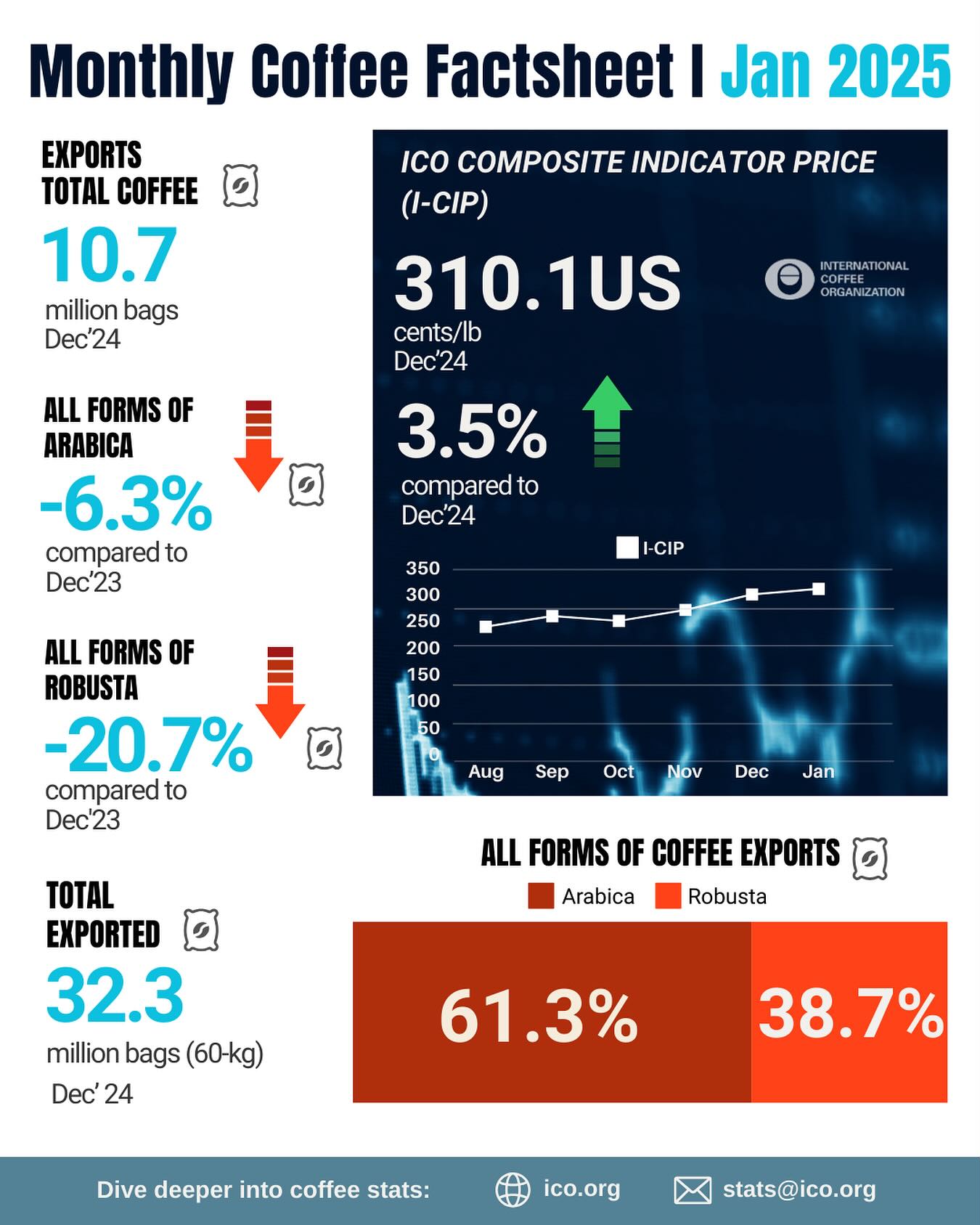
The coffee market in 2024 proved to be a rollercoaster of unprecedented highs and dramatic turns, leaving an indelible mark on producers, traders, and consumers alike. Starting the year at 177 c/lb, Arabica coffee prices surged to a historic high of 348.35 c/lb on December 9, an astonishing increase of 171.50 c/lb. The market eventually closed the year at 319.75 c/lb, reflecting an impressive 80% rise from January.

Arabica: The Perfect Storm of Supply and Demand

The meteoric rise in Arabica prices can be attributed to a classic case of supply and demand dynamics. Key producing countries like Honduras and Peru reported output declines of around 15%, while projections for Brazil’s pivotal 2025 crop fell short of expectations. Early indicators from Brazilian fields, compounded by Volcafe’s December forecast of an 11-million-bag deficit due to drought, confirmed fears of a supply crunch. If realized, this shortfall could lead to a fifth consecutive year of global coffee deficits.

Volcafe’s projection of just 34.4 million bags of Arabica from Brazil highlights the gravity of the situation, setting the stage for a supply-demand gap of 8.5 million bags in the 2025-26 season.

Robusta: A Parallel Story of Tight Supply

Robusta prices outpaced Arabica in percentage terms, starting 2024 at $2,570/mt and closing at $4,875/mt, marking an 89.5% increase. Vietnam’s 2022/23 harvest underperformed, and hopes are pinned on improved figures for the current season. With Robusta maintaining its elevated price levels, Arabica remains under additional upward pressure, limiting the likelihood of a significant price drop in the near term.

Speculators and the Coffee Market Surge

While supply shortages fueled the initial rally, speculators added significant momentum to the bull market. Coffee emerged as one of 2024’s best-performing commodities, drawing investors eager to capitalize on its growth. Speculators’ strong Net Long Positions suggest continued optimism, though predicting the peak remains elusive.

The Dollar Effect: A Double-Edged Sword

Adding complexity to 2024’s coffee market was the US Dollar’s extraordinary strength. This surge, driven by economic resilience, tempered Federal Reserve policies, and geopolitical factors, amplified the pain for British and European roasters. For instance, a comparison between the 2011 and 2024 spikes reveals that currency dynamics have exacerbated pricing challenges:

  • 2011: 300 c/lb at GBP/USD 1.60 = £4,133/MT
  • 2024: 320 c/lb at GBP/USD 1.25 = £5,643/MT

Such disparities underscore the compounding effects of currency fluctuations on coffee pricing, particularly for international buyers.

The Road Ahead: Navigating Challenges

As 2024 demonstrated, high coffee prices have a cascading impact across the supply chain. From producers and exporters to roasters and consumers, the financial strain requires adaptation and resilience. Many roasters have already implemented price increases, and further adjustments may be inevitable to ensure sustainability.

While 2025 brings uncertainty, the lessons of 2024 are clear: the coffee industry must prepare for continued volatility. Stay informed with our weekly market updates as we navigate the dynamic coffee landscape together.

Strap in—2025 promises to be another unforgettable chapter in the story of coffee.

Sweetened Caffeine Disrupts Biological Rhythms: A New Frontier in Circadian Science

What if your favorite sugary coffee drink could do more than just keep you awake? A groundbreaking study by researchers at Hiroshima University, published in npj Science of Food, suggests that sweetened caffeine might fundamentally alter your biological rhythms, shifting your internal clock in ways never observed before.

The study examined the behavior of male mice consuming caffeine paired with sweeteners like sucrose. The results were striking: mice shifted from their natural nocturnal habits to being active during the day, with some showing extended activity cycles lasting 26–30 hours—far beyond the standard 24-hour circadian rhythm. Surprisingly, this effect occurred regardless of whether the central circadian clock, located in the brain’s suprachiasmatic nucleus (SCN), was functional.

The key finding? Sweetened caffeine didn’t just disrupt the central clock—it also desynchronized peripheral clocks in the kidneys, liver, and other organs. Using advanced imaging techniques, researchers observed reduced amplitude and misaligned phases in these clocks, signaling a broader biological disruption.

Why Does This Matter?

Unlike plain caffeine, sweetened caffeine interacts with the brain’s reward system, potentially boosting dopamine production. Dopamine, often called the “feel-good” neurotransmitter, plays a critical role in motivation and pleasure but may interfere with the body’s natural sleep-wake cycle. This could explain why sugary caffeinated beverages, so beloved for their flavor, might also be uniquely disruptive to biological rhythms.

The findings could have profound implications for human health. Sweetened caffeine products—like energy drinks and sugar-laden coffees—are staples in many diets. If similar effects occur in humans, this raises concerns about how these beverages may contribute to sleep disorders, metabolic dysfunction, and even long-term health risks.

The Bigger Picture

Caffeine has long been studied for its effects on alertness and performance. However, this study sheds new light on the interplay between caffeine, sweeteners, and circadian biology. While plain caffeine has been shown to extend activity cycles in previous research, the addition of sugar creates a unique impact, indicating that dietary habits might shape our internal clocks in unexpected ways.

As the researchers point out, much remains unknown about the mechanisms driving these effects. Are they specific to mice, or could humans experience similar disruptions? Could the dopamine boost from sweetened caffeine contribute to addiction-like behaviors, further compounding its impact on health? These are questions the research team hopes to explore in future studies.

What Does This Mean for Your Morning Cup?

While caffeine is often celebrated as a productivity booster, this study suggests that pairing it with sugar might come at a cost. Sweetened caffeinated beverages could desynchronize your internal rhythms, potentially affecting sleep quality, mood, and overall health.

This research is a wake-up call for those who rely on sugary energy drinks or lattes to power through their day. It highlights the need to reconsider how our favorite drinks influence not just our energy levels but our bodies’ fundamental biological processes.

As science delves deeper into the relationship between diet and circadian biology, one thing is clear: the seemingly harmless combination of caffeine and sugar might be far more complex—and impactful—than we ever imagined.

The Art, Science, and Future of Coffee Roasting: Tradition Meets Innovation

Coffee roasting is more than a craft; it’s a symphony of science, art, and intuition. It transforms raw, green coffee beans into the aromatic treasures we savor in every cup. For centuries, roasting has been a sensory-driven process, guided by sight, sound, and smell. But today, the story of coffee roasting is evolving—technology and artificial intelligence (AI) are adding new dimensions to this ancient practice.

This is the story of how time-honored techniques blend with cutting-edge innovation to shape the flavors and emotions we associate with coffee.

The Journey from Green Bean to Perfection

Roasting is a thermal process that triggers chemical reactions—such as the Maillard reaction and caramelization—to develop the beans’ flavor, aroma, and texture. At its core, roasting is a balance of time, temperature, and sensory skill. Each stage, from the first crack to the final cooling, determines whether the coffee will be bright and fruity or bold and smoky.

But roasting is not a one-size-fits-all process. It is influenced by multiple factors, including the beans’ origin, processing method, drying technique, and storage conditions.

Factors That Shape the Roasting Process

Processing Methods and Their Impact

The post-harvest treatment of coffee beans plays a critical role in how they respond to heat during roasting:

  • Washed Process: Produces clean, uniform beans with bright, acidic flavors. Ideal for light roasts to highlight clarity.
  • Natural Process: Beans dried inside the fruit develop fruity, wine-like notes. These beans benefit from slower roasting to manage moisture variability.
  • Honey Process: A hybrid method that combines sweetness with complexity but requires precision to avoid over-caramelization.

Drying Techniques

The drying phase determines moisture content and consistency:

  • Sun-Dried Beans: Slightly uneven moisture levels require careful roasting to achieve uniform results.
  • Mechanical Drying: Provides consistency, ensuring predictable roasting behavior.

Origin and Bean Density

  • Beans from higher altitudes are denser and require more energy to roast, often producing vibrant and complex flavors.
  • The terroir—soil, climate, and region—imparts unique characteristics that the roaster works to enhance.

Coffee Roasting Levels: An Artistic Spectrum

From light and bright to dark and bold, roast levels reflect the roaster’s skill and the bean’s potential:

  • Light Roast: Retains the bean’s original characteristics with high acidity and fruity notes. Perfect for single-origin coffees.
  • Medium Roast: Balances acidity, sweetness, and body, appealing to a wide range of palates.
  • Medium-Dark Roast: Rich and full-bodied with caramel and chocolate tones. Often chosen for espresso.
  • Dark Roast: Bold and smoky, with a dominant roasted flavor, ideal for strong brews.

The Role of Technology and AI in Modern Roasting

Preserving the Artistry

Despite the introduction of AI and automation, technology doesn’t replace the roaster—it empowers them. AI acts as a co-pilot, enhancing consistency while allowing roasters to focus on the creative aspects of their craft.

Precision and Consistency

AI-driven roasting machines monitor variables like temperature, airflow, and time in real-time, adjusting them dynamically to ensure perfection. This precision eliminates guesswork and delivers consistent results across batches.

Unlocking New Possibilities

  • Data-Driven Experimentation: AI analyzes historical data to predict optimal roasting profiles for new beans, reducing trial and error.
  • Energy Efficiency: By optimizing energy use, AI systems make the roasting process more sustainable, aligning with the coffee industry’s environmental goals.

Case Study: The AI Roaster

Imagine a roaster named Sarah, who used to rely solely on sensory cues. After adopting an AI-powered roaster, Sarah was able to perfect complex profiles for natural-processed Ethiopian beans. The AI’s real-time adjustments allowed her to focus on blending and exploring innovative profiles, elevating her craft to new heights.

The Emotional Connection: Why Roasting Matters

Roasting is where the coffee’s story comes to life. It’s a bridge between the farmer’s hard work and the consumer’s experience. Each crack, aroma, and color change is a testament to the roaster’s dedication to honoring the bean’s journey.

With technology as a partner, roasters can now preserve the artistry while pushing boundaries. It’s not just about creating flavors; it’s about crafting memories in every cup.

The Future of Coffee Roasting: What Lies Ahead?

The future of coffee roasting is one of collaboration between human intuition and technological innovation:

  • Personalized Coffee: AI could enable tailored roast profiles for individual preferences, creating bespoke coffee experiences.
  • Global Sustainability: Advanced systems will minimize waste and energy use, contributing to a greener planet.
  • Enhanced Storytelling: Roasters may leverage AI to trace and share the unique journey of every batch, connecting consumers more deeply with their coffee.

A Perfect Blend of Tradition and Technology

Coffee roasting has come a long way—from ancient open flames to modern AI-powered roasters. Yet, at its heart, it remains an act of transformation and creativity. The future of roasting is bright, blending tradition, innovation, and sustainability to ensure that every cup tells a story worth savoring.

20 Facts About Coffee: A Journey from Myth to Reality

Coffee is more than just a beverage; it’s a story that spans centuries, cultures, and continents. From the Ethiopian legend to the cultural centers of the Islamic world, from Yemen’s coffee trade to the vast plantations of Latin America, coffee has influenced civilizations and economies. In this article, we’ll explore 20 fascinating facts about coffee, combining myths with scientific and cultural realities, highlighting its unique place in the world.

1. Kaldi and the Discovery of Coffee: Myth and Reality

The journey of coffee begins with the famous legend of the Ethiopian goat herder Kaldi in the 9th century AD. Kaldi observed that his goats became unusually energetic after eating red cherries from a certain shrub in the Kaffa region. He took the cherries to a monastery, but a monk deemed them “the work of the devil” and threw them into the fire. The fragrant aroma that emerged caught everyone’s attention, prompting the monk to retrieve the roasted beans and pour hot water over them, creating the first invigorating cup of coffee.

  • Scientific Reality: Ethiopia is the original home of wild Arabica coffee plants, which thrive in mountainous regions. Scientific studies confirm Ethiopia’s role as the primary genetic reservoir for coffee plants.

2. Coffee as a Fruit

Coffee beans are not ordinary seeds; they are the seeds of a fruit resembling cherries, known as “coffee cherries.” This fruit is rich in vitamins and antioxidants, and its byproducts are now used to create sustainable and health-focused products.

3. Yemen: The First Gateway for Coffee to the World

In the 15th century, coffee cultivation and processing began in Yemen, particularly in the coastal city of Mocha, which became a global hub for the coffee trade.

  • Yemeni Contributions: The book Inas Al-Safwa fi Anfas Al-Qahwa documented Yemen’s pivotal role in developing coffee as a global commodity, highlighting the Yemeni figures who facilitated its spread.

4. Sufis and Coffee

Yemeni Sufis were the first to use coffee as a stimulant to help them stay awake during night prayers. They carried coffee during their trade and religious travels, spreading it across the Arabian Peninsula and the Islamic world.

5. Ali bin Umar Al-Shadhili

Al-Shadhili, a Sufi scholar, is credited with promoting coffee among his followers. Some accounts suggest he brought coffee from Ethiopia and used it to enhance focus during worship.

6. Muhammad Al-Dhabhani

Al-Dhabhani was one of the first to transport coffee from Ethiopia to Yemen. This Sufi scholar played a significant role in spreading coffee throughout the Islamic world.

7. Abu Bakr Al-Aydarus

One of the earliest figures to recognize coffee’s stimulating properties, Al-Aydarus helped document and promote its use, earning him the title “Patron of Coffee.”

8. The Dutch and Coffee

In the 17th century, the Dutch introduced coffee plants from Yemen to their colonies in Java and Ceylon.

  • Trade Impact: The Dutch broke the Arab monopoly on the coffee trade, facilitating its spread throughout Europe.

9. Baba Budan and India

According to legend, Baba Budan smuggled seven coffee beans from Yemen and planted them in the hills of Chikmagalur in India, marking the beginning of coffee cultivation in the region. Today, this area is known as the Baba Budan Hills.

10. Coffee in France and Latin America

The French introduced coffee cultivation to the Caribbean and Latin America. A single coffee plant brought to Martinique in the 18th century became the ancestor of millions of coffee trees in the Americas.

11. Coffee in the Islamic World

Coffeehouses emerged in Mecca, Cairo, and Damascus as centers of intellectual and social gatherings. Coffee became known as the “drink of thought” for its role in stimulating mental activity.

12. Coffee and the Global Economy

Today, coffee is the second most traded commodity in the world after oil, with approximately 10 million tons produced annually. Over 25 million people worldwide depend on coffee as their primary source of income.

13. The Name ‘Mocha’

The famous Mocha coffee derives its name from the Yemeni port of Mocha, which served as a key coffee-exporting hub during the golden age of trade.

14. Coffee in Literature and Culture

Coffee has been a symbol of creativity in European and Arab literature. Writers like Honoré de Balzac and Voltaire credited coffee for its influence on their work, while Johann Sebastian Bach composed the “Coffee Cantata” inspired by his love for the beverage.

15. The Oldest Coffeehouse in the World

The first coffeehouse opened in Istanbul in 1554, quickly becoming a cultural hub for intellectual discussions and social interactions.

16. Coffee and the Development of Varieties

Yemen, India, and the Dutch were pioneers in developing new coffee varieties, contributing to the flavor diversity and quality we enjoy today.

17. Coffee as a Source of Inspiration

Many writers and artists, including Balzac, who consumed dozens of cups daily, found coffee to be a source of inspiration during their creative processes.

18. Climate Change and Coffee

Climate change poses a significant threat to coffee production. Initiatives like the “Global Coffee Platform” focus on sustainable practices to protect coffee crops from global warming.

19. Coffee and Clean Energy

Several companies have started using coffee waste as biofuel to power vehicles and generators, promoting circular economy practices.

20. The Future of Coffee

With advancements in technology, artificial intelligence is now used to analyze soil and optimize coffee cultivation, ensuring the sustainable production of this beloved beverage for future generations.

The Specialty Coffee Association Launches a New Tasting Protocol: The Coffee Value Assessment (CVA)

The Specialty Coffee Association (SCA) has unveiled a groundbreaking new framework for evaluating coffee—the Coffee Value Assessment (CVA). This innovative system is poised to redefine the way the industry assesses and communicates coffee’s value, moving beyond traditional sensory attributes to offer a holistic perspective. This is a major evolution of the widely used 2004 SCA Cupping System, a globally recognized standard that has served the coffee industry for two decades.

The Need for a New System

The 2004 SCA Cupping Form has long been the backbone of coffee evaluation, focusing primarily on intrinsic sensory attributes such as aroma, flavor, and body. However, the traditional system reduced these complexities into a single numerical score, often overlooking vital elements like a coffee’s story, certifications, and sustainability practices. These factors have grown increasingly important in the specialty coffee market. Recognizing these limitations, the SCA embarked on a multi-year research project to create a more comprehensive and transparent protocol that reflects the evolving needs of the industry.

What is the Coffee Value Assessment?

The CVA is a multi-dimensional system designed to assess coffee holistically across four distinct dimensions:

  1. Physical Assessment:
    • Focuses on intrinsic attributes such as bean size, color, moisture content, and defects.
    • Incorporates modern tools like moisture meters calibrated to ISO standards.
    • Ensures unbiased sensory evaluations by separating physical assessments from sensory tests.
  2. Descriptive Sensory Assessment:
    • Captures objective sensory attributes, including fragrance, aroma, flavor, aftertaste, acidity, sweetness, and mouthfeel.
    • Introduces innovative techniques like “check-all-that-apply” (CATA) sensory tests.
    • Employs tools like the World Coffee Research Sensory Lexicon and the Coffee Taster’s Flavor Wheel.
  3. Affective Assessment:
    • Records subjective impressions of quality using a nine-point scale.
    • Reflects market preferences and individual tastes.
    • Addresses the evolving market demand for unconventional flavors and sensory defects now seen as desirable in certain contexts.
  4. Extrinsic Attribute Assessment:
    • Evaluates external attributes such as origin, processing methods, certifications, and storytelling elements.
    • Highlights transparency and traceability, which are increasingly valued by consumers.

The Journey to Development

The development of the CVA system began with a thorough evaluation of the 2004 Cupping System. This included an extensive three-year research phase involving literature reviews, user surveys, and qualitative interviews. Feedback from more than 1,500 cupping system users and insights from nearly 800 participants in the Early Adopter program played a critical role in shaping the new protocol.

Key findings highlighted the need to separate descriptive and affective assessments to reduce bias and increase clarity. The research also revealed the importance of integrating extrinsic attributes into the evaluation process, recognizing their growing influence on consumer behavior.

Enhancements in Testing and Mechanics

The CVA retains the traditional cupping mechanics (often referred to as the “hardware” of the process) while introducing significant advancements in assessment methodology (the “software”). The updated mechanics include:

  • Sample Preparation:
    • Enhanced roasting and grinding protocols to minimize variability.
    • Use of precise tools and techniques to ensure uniformity across samples.
  • Cupping Steps and Sections:
    • Structured steps for fragrance, aroma, and liquoring assessments.
    • Inclusion of detailed sensory categories, such as acidity and mouthfeel.

The system also provides flexibility, allowing users to choose between separate or combined assessments. While separate assessments are recommended for accuracy, combined forms are available for practical scenarios, such as limited time or resources.

Scientific Foundations and Challenges

The CVA is deeply rooted in sensory science, distinguishing between objective analytical measurements and subjective value judgments. For instance, taste intensity and body level are evaluated objectively, while preferences and impressions of quality remain subjective. This dual approach reflects the nuanced nature of coffee evaluation and addresses long-standing debates about the objectivity of cupping.

To ensure scientific rigor, the SCA collaborated with organizations like World Coffee Research and the Coffee Science Foundation. These partnerships helped refine the CVA’s methodology, including sensory references for descriptors and improved tools for measuring physical attributes.

Voices from the Industry

The CVA’s development was guided by extensive industry feedback. Users appreciated the new system’s potential to provide a “high-resolution” picture of coffee quality. However, concerns were raised about the complexity of implementation and the potential impact on producers. To address these issues, the SCA emphasized transparency and inclusivity throughout the process.

Respondents also highlighted the importance of aligning the CVA with market needs. By incorporating attributes like sustainability and certification, the system ensures that specialty coffee’s unique qualities are recognized and rewarded in the marketplace.

Transition and Future Implications

The CVA is being introduced gradually, with the descriptive and affective assessments expected to become industry standards by 2025. During this transition period, the SCA is providing training and resources to help stakeholders adapt to the new protocol. The CVA’s long-term goal is to replace the single-dimensional cupping score with a multi-faceted evaluation framework that better serves the entire coffee value chain.

A Holistic Perspective on Coffee Value

The Coffee Value Assessment represents a paradigm shift in how the specialty coffee industry evaluates and communicates value. By combining physical, sensory, affective, and extrinsic assessments, the CVA offers a comprehensive and transparent approach to understanding coffee. It empowers producers, traders, and consumers to make more informed decisions and fosters a deeper appreciation for the complexity of coffee.

As the specialty coffee industry continues to evolve, the CVA positions itself as a vital tool for discovering, documenting, and celebrating the unique attributes that make coffee one of the world’s most cherished beverages.

Researchers Develop Groundbreaking AI Algorithm for Coffee Defect Detection

International researchers have developed an advanced artificial intelligence (AI) algorithm capable of detecting and classifying defects in green coffee beans with unprecedented accuracy. This significant achievement for the global coffee industry was revealed in a study titled Comparative Analysis of YOLO Models for Green Coffee Bean Detection and Defect Classification”, published in Scientific Reports, Volume 14, 2024.

The research team, from Sylhet Agricultural University in Bangladesh and Gifu University in Japan, led this project, focusing on applying YOLO (You Only Look Once) models to detect defects. The study aims to enhance coffee production efficiency by providing an automated system that ensures consistent quality and reduces labor costs.

The quality of green coffee beans plays a critical role in determining the flavor and commercial value of the final product. Traditionally, inspecting the quality of green coffee beans has relied on manual labor—a time-consuming, labor-intensive process prone to human error. These challenges highlight the urgent need for automated solutions to ensure quick and accurate inspections.

The study demonstrates how AI models can replace manual inspection by offering an automated system capable of detecting and classifying defects, such as black, broken, faded, and sour beans.

The research team comprised Hira Lal Gope, Hidekazu Fukai, Fahim Mahafuz Ruhad, and Shohag Barman. They utilized a dataset of more than 4,500 annotated images to evaluate the performance of six YOLO models, including YOLOv3, YOLOv4, YOLOv5, YOLOv7, YOLOv8, and the custom YOLOv8n model developed specifically for this study.

Green coffee bean samples were collected from farmers in Timor-Leste and photographed using a standardized setup to ensure consistency. Preprocessing techniques, such as enhanced lighting, brightness adjustments, and rotations, were also applied to improve model accuracy.

The custom YOLOv8n model demonstrated outstanding performance, achieving a precision of 0.977, recall of 0.990, and an f1-score of 0.983. Additionally, it recorded a mean Average Precision (mAP) of 0.995, highlighting its ability to detect even subtle defects with exceptional accuracy.

The model’s innovations included:

  • Improved Feature Extraction: Adjustments to the model’s internal architecture allowed it to detect detailed features of defects.
  • Multi-Scale Detection: Design modifications enabled the model to detect defects of varying sizes and characteristics.
  • Customized Bounding Boxes: Tailored to match the unique dimensions of green coffee beans.
  • Parameter Optimization: Enhanced learning rates and other settings to improve overall performance.

The study highlighted several practical advantages of using AI in coffee production:

  • Enhanced Efficiency: Faster image processing compared to manual inspection, reducing operational costs.
  • Consistency: Eliminating human error ensures uniform quality.
  • Scalability: The model can adapt to multiple bean types and defect categories across different coffee-producing regions.

The researchers noted that this system could also be applied to other agricultural products, such as detecting crop diseases or assessing the quality of fruits and vegetables.

The study classified defects into four main categories:

  1. Black Beans: Resulting from unripe or damaged cherries.
  2. Broken Beans: Damaged during the pulping process.
  3. Faded Beans: Losing color due to rapid drying or aging.
  4. Sour Beans: Caused by overripe cherries or improper fermentation.

The model was trained using the Stochastic Gradient Descent (SGD) optimization technique on an NVIDIA Tesla T4 GPU. This approach achieved optimal performance after 150 training epochs.

Despite the success of the custom model, the researchers acknowledged some challenges, including:

  • Long Training Times: Addressing this requires additional optimizations.
  • Dataset Diversity: Collecting more diverse samples could enhance the model’s generalizability.
  • Integration with IoT Technologies: Combining the model with IoT sensors could enable real-time quality monitoring.

Future research aims to address these challenges to develop more comprehensive and scalable solutions.

Developing this AI algorithm marks a significant step toward improving quality standards in the coffee industry. With the unprecedented accuracy provided by the custom YOLOv8n model, producers can achieve excellence in a global market that demands the highest levels of efficiency and consistency.

As this technology continues to evolve, it promises a new era in coffee quality assurance, where producers and consumers alike can look forward to unprecedented levels of efficiency and innovation.

A New Study Reveals the Relationship Between Coffee Roasting Levels and Caffeine Content


A recent comprehensive study has unveiled the impact of coffee roasting levels on the extracted caffeine content and its concentration in the final brew, challenging some common beliefs in the coffee industry.
Titled “Caffeine Content in Filter Coffee Brews as a Function of Degree of Roast and Extraction Yield”, the study was conducted by researchers at Berry College and Drexel University. They analyzed 30 different combinations of green coffee types, roasting levels, and extraction times.

The researchers utilized advanced techniques such as refractometry, high-performance liquid chromatography (HPLC), and scanning electron microscopy to explore the complex dynamics governing caffeine extraction.

According to experts, the relationship between roasting levels and caffeine content has long been a subject of debate. However, this study provides significant insights by isolating the factors that have often confused previous results.

The researchers arrived at several important findings, including:

  1. Caffeine content peaked at roasting levels with mass losses ranging between 14–16%, which corresponds to light to medium roasts. Darker roasts, however, generally exhibited lower caffeine levels.
  2. When comparing brews with the same extraction yield, darker roasts demonstrated higher caffeine concentrations, challenging the common belief that light roasts always contain more caffeine.
  3. As roasting progresses, coffee beans become more porous, enhancing extraction efficiency. However, this effect diminishes due to caffeine losses caused by volatilization at high roasting temperatures.

The researchers adopted a rigorous methodology to ensure accuracy and repeatability. Ethiopian coffee varieties, including natural (dry-processed) and washed (wet-processed) types, were selected for their diverse characteristics. Five different roasting levels were prepared using an advanced electric drum roaster (Aillio Bullet v2). Each roasting level was characterized using precise parameters such as color, density, and mass loss percentage.

The coffee was brewed using the AeroPress device under standardized conditions, including a water-to-coffee ratio of 15:1. Different brewing times (1, 2, and 10 minutes) were tested to observe variations in extraction yield. External factors such as grind size were controlled using sieving, and filtered water with consistent chemical properties was used to minimize external influences.

The study demonstrated that extraction yield—the percentage of soluble compounds extracted from ground coffee—plays a critical role in determining caffeine levels. Results showed a decline in extraction yields with increasing roast darkness, attributed to the breakdown of soluble compounds during roasting.

Interestingly, darker roasted coffee exhibited higher caffeine concentrations at the same extraction yield compared to lighter roasts. This is due to the lower presence of other soluble compounds in darker roasts, allowing caffeine to represent a larger proportion of the extracted material.

The study also highlighted the role of porosity in extraction dynamics. Using scanning electron microscopy, changes in porosity across different roasting levels were measured. The researchers found that coffee beans become more porous as roasting progresses, enhancing the efficiency of extracting soluble compounds during brewing.

However, the results indicated that extremely dark roasting leads to reduced caffeine retention due to the collapse of the internal structure of the beans.

The research did not only focus on caffeine but also investigated chlorogenic acids, which are important antioxidants. The study revealed that these acids decreased significantly with darker roasting levels, making lighter roasts a better option for those seeking their health benefits.

This study provides valuable insights for coffee enthusiasts on how their brewing choices impact caffeine levels. While light and medium roasts typically deliver higher caffeine levels under standard conditions, similar levels can be achieved from dark roasts if extraction parameters are optimized. Furthermore, the findings suggest that lighter roasts may retain more beneficial compounds, such as chlorogenic acids.

The study also addresses the inconsistencies in previous research on roasting levels and caffeine content. Earlier studies produced contradictory results due to variations in brewing methods, grind sizes, and water properties. By standardizing these variables, this research offers a more reliable framework for understanding how roasting affects caffeine.

These findings hold significant value for coffee professionals, from roasters to baristas. Roasters can adjust their profiles to balance caffeine retention with flavor development, while baristas can optimize brewing methods to extract desired compounds.

Additionally, the study aligns with the growing demand for transparency in specialty coffee, enhancing consumer understanding of the scientific aspects of their favorite beverage.

Despite its considerable contributions, the study opens the door for further research. Can different brewing methods, such as espresso or cold brew, yield similar results? How do other factors, like the altitude of coffee cultivation and processing methods, influence caffeine dynamics?

This groundbreaking research underscores the remarkable complexity of coffee, where every variable—from bean origin to roasting level and brewing method—shapes the final outcome. By uncovering the intricate dynamics of caffeine extraction, the study advances coffee science and empowers both professionals and consumers to make informed decisions.

As specialty coffee continues to grow in popularity, this study reminds us that there is always more to discover about the world’s favorite beverage.