What Makes Coffee Different from Other Beverages?


Coffee is more than just a drink—it’s a sensory experience, a cultural icon, and a global phenomenon that sets it apart from other beverages consumed by people daily. From its stimulating properties to its rich traditions, coffee has carved a unique place in the lives of billions. Here’s why coffee stands out as a truly exceptional beverage:

1. Caffeine Boost

At the heart of coffee’s appeal is its caffeine content—a natural stimulant that enhances alertness, improves concentration, and combats fatigue. Unlike other beverages, coffee delivers this boost in a way that has become an essential part of many people’s daily routines, from morning cups to midday pick-me-ups.

2. Rich Flavor Profile

Coffee offers a sensory explosion of flavors and aromas. Its complexity stems from over 800 aromatic compounds that create profiles ranging from nutty and chocolaty to fruity and floral. These flavors can vary significantly based on bean type, roast level, and brewing method, making every cup a potential new discovery.

3. Cultural Rituals

Coffee has a way of bringing people together. It plays a central role in rituals like morning routines, coffee breaks, and social gatherings. Across the globe, coffee shops have become spaces for connection, conversation, and creativity, reinforcing coffee’s cultural importance.

4. Health Benefits

Beyond its energizing effects, coffee is linked to several health benefits. Studies suggest moderate consumption may reduce the risk of certain diseases, improve cognitive function, and provide antioxidants that combat cellular damage. These health perks elevate coffee from a treat to a functional beverage.

5. Versatility

Few beverages offer the versatility of coffee. It can be enjoyed black, with milk or cream, iced, blended, or flavored, giving consumers the ability to tailor their experience. This adaptability has fueled its popularity across cultures and generations.

6. Aromatherapy and Comfort

The aroma of freshly brewed coffee is comforting and invigorating. The scent alone can evoke feelings of warmth, relaxation, and energy, adding to the sensory experience that coffee uniquely offers.

7. Tradition and Craft

For many, coffee is more than a drink; it’s a craft. From sourcing beans to roasting and brewing, the process is an art form. Whether prepared with the precision of a barista or the ritualistic methods of traditional cultures, the journey from bean to cup is an experience to savor.

8. Sensory Complexity and Terroir

Coffee’s flavor profile is deeply influenced by its terroir—the environmental factors of the region where it’s grown. Variables like altitude, soil composition, and climate shape the bean’s character, similar to wine. This makes coffee a sophisticated beverage that invites exploration.

9. Global Legacy

Coffee’s influence extends far beyond the cup. It has shaped economies, fueled trade routes, and even inspired revolutions. From its Ethiopian origins to its proliferation through the Arab world and beyond, coffee has played a pivotal role in history and continues to connect cultures today.

10. A Catalyst for Creativity and Focus

Historically, coffee has been the drink of thinkers and creators, fueling the works of writers, artists, and philosophers. Its role in fostering focus and creativity has made it a staple in intellectual circles and cultural movements.

11. Economic Impact and Sustainability

As one of the world’s most traded commodities, coffee supports millions of farmers and workers globally. Efforts to address sustainability challenges, such as fair trade practices and eco-friendly farming, highlight coffee’s potential for driving social and environmental change.

12. Social Equity and Empowerment

Coffee has become a symbol of empowerment in many regions. Women-led cooperatives in Africa and Latin America, for example, use coffee production as a means to achieve economic independence and social equity.

13. Accessibility Meets Luxury

Coffee straddles the line between accessibility and luxury. Whether enjoyed as an affordable instant blend or as a high-end single-origin brew, coffee caters to a broad spectrum of tastes, making it a universally beloved beverage.

14. Health Science Beyond Antioxidants

Research continues to uncover coffee’s benefits, such as its neuroprotective properties and potential in reducing the risks of diseases like Parkinson’s and Alzheimer’s. These discoveries add to its allure as a drink that supports well-being.

15. Ethical Connection

In an era of conscious consumption, coffee offers opportunities to engage with ethical practices. Direct trade and sustainable sourcing provide consumers with a deeper connection to the origins of their coffee, aligning their values with their purchases.

16. A Drink That Evolves

Coffee has remained relevant by evolving with societal trends. From the third-wave coffee movement that emphasizes transparency and craftsmanship to innovations like nitro cold brew and instant specialty coffee, coffee continually reinvents itself to meet the demands of a changing world.

Coffee from Date Seeds: A Sustainable Solution for the Future of Coffee?

Could coffee made from date seeds and other recycled ingredients be the alternative that saves the coffee industry from mounting environmental challenges by 2050?

Innovative Ingredients Redefining Coffee

Date seeds, fenugreek, ramon seeds, lemon, guava, carob, and millet—these aren’t just natural ingredients, but the foundation of an ambitious American project aiming to create “the most sustainable coffee on the planet.”

With two billion cups of coffee consumed globally every day, the industry faces a dire challenge: agricultural land suitable for coffee cultivation is expected to shrink by half by 2050. Meanwhile, extreme weather conditions have already disrupted supply chains, causing a sharp rise in coffee prices in 2024.

A New Model Changing Standards

While many in the coffee sector focus on improving farming and processing to make them more eco-friendly, a company based in Seattle has chosen a radically different path. The COO explains:
“Our project wasn’t established to replace coffee but to offer a better, more sustainable option for the planet. Using scientific research, we’ve developed a product that reduces carbon emissions and requires less land compared to traditional coffee.”

Challenges of Innovation and Research

Building on their expertise in microbiology, the company’s team analyzed the 28 essential compounds found in traditional coffee and successfully extracted them from natural, recycled ingredients, primarily date seeds. However, achieving the ideal formula was no easy task, requiring over 400 trials to perfect the taste and texture.

“Date seeds are an underutilized resource, with millions of pounds discarded annually. This prompted us to establish a facility in California’s Coachella Valley to process approximately 10,000 pounds daily into usable product,” the COO explains.

How is Coffee Made from Date Seeds?

In their roasting facility, date seeds are soaked and mixed with other natural ingredients, such as fenugreek, ramon seeds, fruit peels, and carob. They are then roasted using traditional coffee equipment, producing a product that resembles ground coffee in appearance and color.

“Our goal was not only to create a coffee-like product but to ensure it works seamlessly with existing preparation and manufacturing processes,” says the COO.

Market Reception

Randomized blind taste tests showed that the alternative coffee outperformed major traditional brands, with participants favoring it three to one. Since its initial launch in late 2023, the product range has expanded to cater to a variety of tastes.

“We aim to be partners in this industry’s evolution by offering sustainable alternatives to ensure coffee’s future,” adds the COO.

Environmental Impact

The new product boasts an impressive environmental footprint:

  • 83% reduction in carbon emissions compared to traditional coffee.
  • 70% less land usage, saving the equivalent of 2,700 football fields of agricultural land.

A Vision for the Future

The company plans to expand its offerings to include components that allow for more creativity in coffee production, such as “alternative green beans” that roasters can customize to develop unique flavors.

“Our goal is to support the sustainability of coffee while respecting its traditions. This innovation holds great potential, and we aspire for it to become a mainstream option in the future,” concludes the COO.

Preserving Yemeni Coffee: How Climate Resilience Initiatives Are Securing a National Legacy


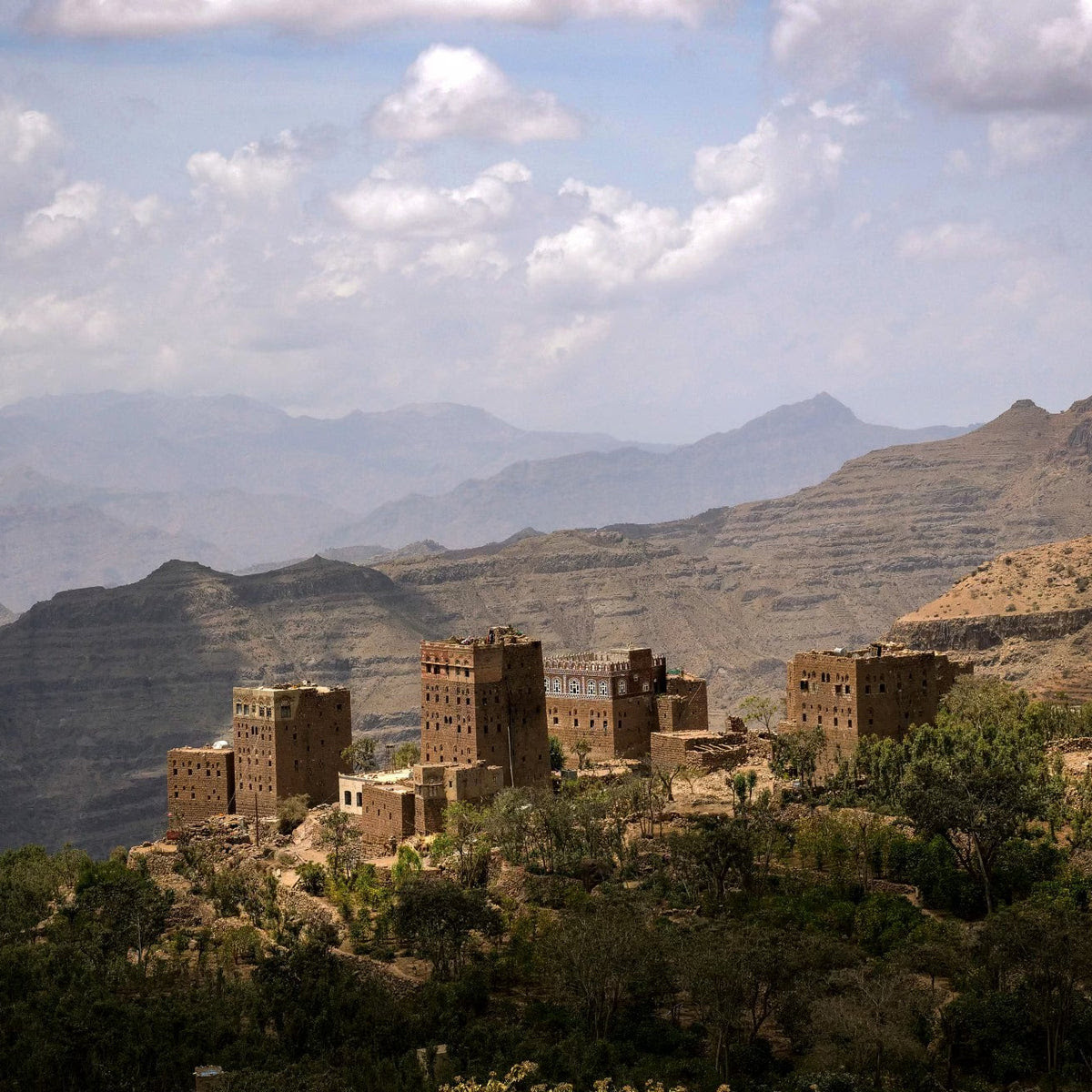
In the heart of Yemen, coffee farming is more than an economic activity; it’s a cultural legacy that ties generations together. For Saeeda, a coffee farmer from Sabr Al-Mawadem, her family’s coffee trees symbolize resilience and heritage, nurtured through love and dedication despite the challenges posed by climate change. Saeeda’s story is a reflection of Yemen’s historic coffee culture and its battle for survival amidst worsening climate conditions.

Climate Resilience and Innovative Solutions

Yemen’s coffee farmers face an uphill battle against decreased rainfall, rising temperatures, and soil degradation. To combat these challenges, the United Nations Development Programme (UNDP), in collaboration with the Public Works Project (PWP) under the Food Security Response and Resilience Project (FSRRP), has introduced rainwater harvesting tanks funded by the World Bank’s International Development Association (IDA). These tanks provide a lifeline for farmers like Saeeda during Yemen’s increasingly dry seasons.

In Sabr Al-Mawadem, the installation of two 400-cubic-meter tanks has already shown tangible results. Farmers who had access to this water resource reported improved coffee yields this season. However, Saeeda highlights the need for more infrastructure to support the broader farming community, ensuring that all farmers in the valley can benefit.

The Community Spirit of Yemeni Coffee

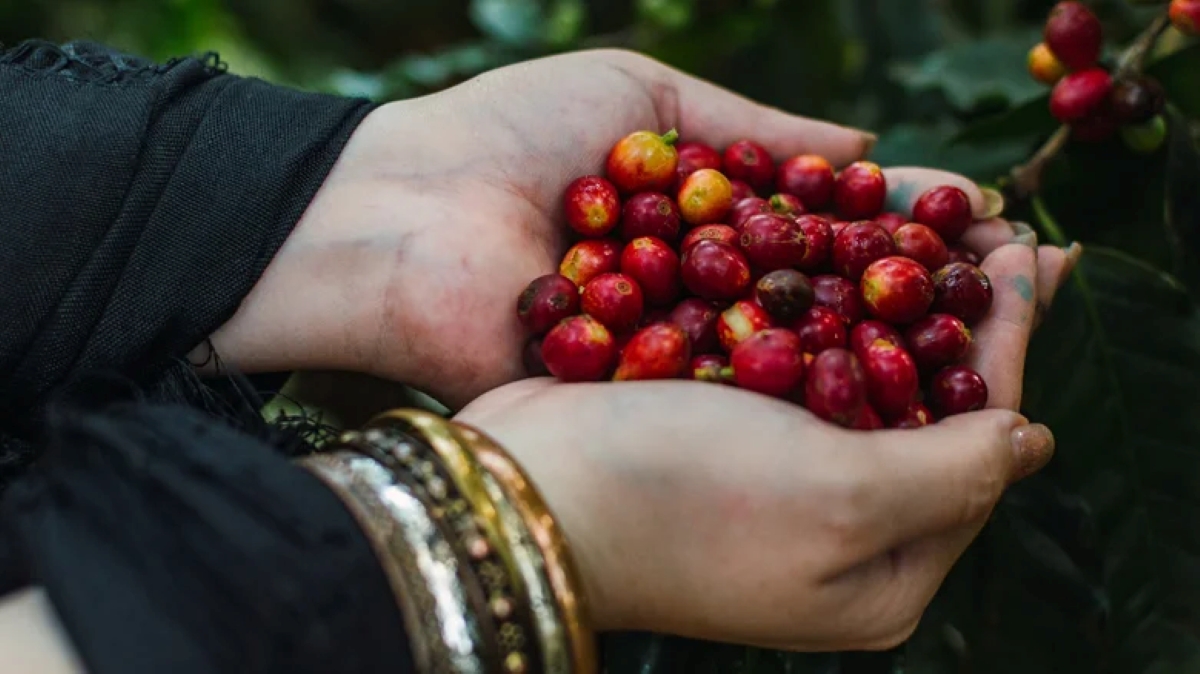
Harvesting coffee cherries in Yemen is a deeply communal activity, blending cultural traditions with labor. For Saeeda, the harvest season is a time for family and community to come together, share stories, and celebrate their connection to the land. Coffee cherries are meticulously dried on rooftops—a labor-intensive process that requires vigilance to maintain quality.

“This work is not just about income; it’s about preserving our ancestors’ culture and passing it on,” says Saeeda.

Challenges Beyond Climate: Pests and Knowledge Gaps

In addition to water scarcity, Yemeni coffee farmers struggle with agricultural pests and limited access to modern pest control methods. Relying on generational knowledge, farmers like Saeeda hope for increased support and training from organizations to tackle these persistent issues.

Inspiring the Next Generation

Despite the challenges, Saeeda is optimistic about the future of Yemeni coffee. She dreams of inspiring young farmers to see the economic and cultural value of coffee farming. “The youth can benefit from coffee’s returns while preserving our heritage,” she says, urging for more investment in agricultural tools and educational resources to secure the next generation of Yemeni coffee farmers.

A Legacy Worth Preserving

Saeeda’s unwavering dedication to her farm and her heritage embodies the resilience of Yemen’s coffee sector. Each cup of Yemeni coffee carries the story of a farmer’s struggle and triumph. Through initiatives like the FSRRP, Yemeni farmers are receiving the support they need to overcome adversity, sustain their communities, and preserve their cultural legacy.

As Saeeda aptly puts it, “Preserving this tree and our heritage is more important than just the economic value.” Her story is a reminder of the critical importance of supporting Yemen’s coffee farmers in safeguarding a legacy that has shaped the nation’s identity for centuries.


Read the Full Story:

Preserving coffee cultivation amidst climate change in Yemen: A legacy in every bean
How climate resilience and community support are helping Yemeni farmers to overcome challenges and sustain a cultural legacy

TAIZ, YEMEN – For Saeeda, coffee farming in Taiz, Yemen, is more than a livelihood; it’s a legacy. Growing up on her father’s farm in Sabr Al-Mawadem, Saeeda learned to care for coffee trees alongside her parents, who taught her to prune, harvest, and respect the land. Today, as she cultivates her family’s 8,400-square-metre plot, her love for the land and dedication to Yemen’s coffee heritage guide her through both the trials and triumphs that go into every cup.

“Agriculture is like a mother to her child,” she says, explaining the emotional connection she feels toward her work. “It improves our family’s income, but it also allows us to pass on our ancestors’ culture.”

Rainwater harvesting builds resilience
As climate change intensifies across Yemen, farmers like Saeeda face mounting challenges. Rainfall has decreased dramatically, leaving coffee trees – and the families who depend on them – vulnerable.

In response, the United Nations Development Programme (UNDP), in partnership with the Public Works Project (PWP), has constructed rainwater harvesting tanks across the region as part of the Food Security Response and Resilience Project (FSRRP), funded and supported by the World Bank. These tanks provide crucial water reserves for coffee farming during Yemen’s dry months.

In Sabr Al-Mawadem, two 400-cubic-metre tanks have already made a difference; they’ve allowed Saeeda and a handful of other farmers to maintain their crops through recent droughts. “Only the farmers who used water from the Public Works Project tanks saw their production improve this season,” Saeeda shares. Still, she notes the pressing need for more tanks to support the entire valley.

A tradition preserved through family and community
Harvest season is a time of unity and tradition in Sabr Al-Mawadem. Each morning, Saeeda gathers her family to pick the ripened cherries before sunrise. As they work, they share stories, sing folk songs, and reminisce about past seasons and elders who came before them. “It’s a time to come together, not just as a family, but as a community,” she says with pride.

The harvested cherries are carefully spread on rooftops to dry – a process that takes several months and requires constant attention to protect quality. “Getting to the point of having a cup of coffee to drink isn’t easy,” Saeeda explains. “It takes nearly nine months of dedication to grow coffee.”

Overcoming climate challenges
Beyond water scarcity, Saeeda and other farmers in Sabr Al-Mawadem face challenges including rising temperatures, soil degradation, and the spread of agricultural pests, like coffee and stem borers. Without clear guidance on pest control, Saeeda relies on traditional knowledge passed down through generations and hopes that support organizations will provide more training and resources.

Despite the challenges, Saeeda’s pride in her work and her heritage remains unwavering. “Our connection to the coffee tree runs deep. When we drink a cup of our coffee, we feel the value of our effort and the months we spent caring for the tree.”

Empowering the next generation
While Saeeda tends to her fields with dedication, she dreams of a future where Yemeni youth will carry forward the country’s coffee legacy. As the head of her family’s farm, she encourages younger farmers to value coffee for its economic potential and cultural importance. “The youth can benefit from coffee’s returns while preserving our heritage,” she says, urging local leaders to invest in agricultural tools and resources that will empower the next generation.

Saeeda’s farm isn’t the only one transformed by FSRRP’s interventions. Across Yemen, farmers who’ve been supported by the project are achieving improved yields and resilience. In the coming years, UNDP and its partners aim to expand these resources to reach thousands more, strengthening food security, and stabilizing livelihoods in Yemen’s agricultural communities.

A legacy in every cup
Saeeda’s story reflects the enduring strength of Yemen’s farmers, who continue to nurture the land despite formidable challenges. With each cup of coffee harvested, dried, and shared, she celebrates not only the fruits of her labor but also a legacy rooted in tradition and strengthened by a hope for the future.

Through projects like FSRRP, Yemeni farmers are gaining the support they need to overcome adversity and sustain their communities. Yet, as Saeeda reminds us, “Preserving this tree and our heritage is more important than just the economic value.” In a land where every drop of water counts, and every bean carries a story, Saeeda’s resilience is a testament to the promise that even in the face of hardship, traditions will endure.

Daily Coffee Consumption Could Extend Life by Nearly Two Years

For coffee enthusiasts, the latest scientific review offers promising news: drinking coffee daily could be linked to both a longer life and healthier aging.

A comprehensive analysis of over 50 studies, published in Ageing Research Reviews, revealed that regular coffee consumption correlates with an average increase of 1.8 years in lifespan. Beyond longevity, the findings also highlight coffee’s role in promoting a longer “health span,” meaning more years of good health.

Lead author Rodrigo Cunha, a researcher at the University of Coimbra in Portugal, emphasized the importance of exploring dietary strategies for aging populations. “The world is aging faster than ever, making it crucial to find ways to help people not just live longer but live healthier lives,” Cunha stated.

The study synthesized existing evidence on coffee’s impact on aging and age-related diseases, alongside its influence on the seven key mechanisms of aging. According to Cunha, “There is a consistent association between coffee intake and both extended lifespan and healthier aging.”

Beyond Caffeine: Coffee’s Hidden Health Boosters

While caffeine often takes center stage, coffee contains over 2,000 compounds, many of which contribute to its health benefits. Notably, polyphenols—antioxidant and anti-inflammatory plant chemicals—help combat oxidative stress, a biological process linked to aging and chronic diseases.

Polyphenols are also found in foods like leafy greens, berries, dark chocolate, olive oil, green tea, and red wine. However, coffee’s unique composition appears to offer distinct advantages in reducing risks for conditions such as heart disease, stroke, diabetes, dementia, and certain cancers.

Rethinking Coffee Guidelines

Traditionally, clinical advice has cautioned against excessive coffee consumption in older adults, primarily due to concerns about caffeine. However, this study suggests that such recommendations may need to be updated. “The strong evidence supporting coffee’s role in mitigating chronic diseases warrants a reevaluation of its place in dietary guidelines,” Cunha said.

The review concluded that moderate coffee consumption—defined as three to five cups per day—is associated with notable health benefits. Regular drinkers were found to have improved heart, muscular, immune, and mental health, alongside a reduced risk of frailty and depression.

A Note of Caution

Despite these findings, the study’s authors urge cautious optimism. The observed benefits were modest, and the research relied on observational studies, which cannot definitively establish causation. Factors like socioeconomic status could also play a role in the observed health outcomes.

Additionally, the study was funded by the Institute for Scientific Information on Coffee (ISIC), an organization supported by major coffee companies, raising the need for further independent research.

The Takeaway

While coffee alone won’t replace a balanced diet or healthy lifestyle, this study reinforces its potential role in promoting longevity and well-being. For now, coffee lovers can savor their daily brew with the knowledge that it might just add a little more time—and health—to their lives.

A Cell-Cultured Coffee Revolution Gains Momentum

For centuries, traditional coffee—grown, harvested, and processed on farms—has fueled our collective morning rituals and sustained a global industry. Yet as worldwide demand surges beyond what conventional farming can meet, the strain on resources, the climate, and the environment has become too great to ignore. Deforestation, carbon emissions, and the stark effects of climate change are already challenging the long-term viability of coffee production, and experts warn that the current model cannot keep pace indefinitely.

In response, innovators like Professor Chahan Yeretzian of the Zurich University of Applied Science are leading a new wave of research into cell-cultured coffee, a lab-grown alternative that aims not only to replicate coffee as we know it but also to redefine and expand what coffee can be. By growing coffee cells rather than beans, these scientists hope to create a more sustainable, stable, and customizable future for this beloved beverage.

What Is Cell-Cultured Coffee?
Cell-cultured coffee begins with coffee cell biomass derived from a small portion of a coffee plant. In the lab, these cells are carefully nurtured and processed—via techniques like lyophilization and roasting—to develop the characteristic aromas, flavors, and textures we associate with coffee. Unlike so-called “coffee surrogates” or “beanless” coffees, which use non-coffee ingredients to approximate the taste, cell-cultured coffee retains the molecular foundation of true coffee.

“Replicating a product means understanding it at a fundamental level,” Yeretzian says. “If you truly understand coffee, you can replicate it.” By working directly with coffee cells, scientists can preserve the complex chemistry that makes coffee unique, including the aroma precursors that emerge only after roasting.

Progress and Potential Benefits
While still in its infancy, cell-cultured coffee is showing remarkable promise. Early sensory evaluations suggest it can closely mimic the flavor and aroma of farm-grown beans. With further refinement, it may reduce the environmental toll of large-scale coffee cultivation, cut down on deforestation and emissions, and stabilize a supply chain increasingly vulnerable to climate fluctuations and market instability.

As Yeretzian points out, cell-cultured coffee can help ensure that we continue to enjoy coffee in the face of growing demand. “If we love coffee so much, can part of the supply come from sources that are less harmful to the environment and more efficient?” he asks. The controlled conditions of lab cultivation would make it possible to maintain a steady, reliable supply of coffee, less dependent on unpredictable weather and shifting ecological conditions.

Expanding the Possibilities of Coffee
Perhaps most intriguing is the notion that cell-cultured coffee need not simply duplicate traditional coffee. Freed from the constraints of the coffee bean, scientists can explore a vast range of new flavor profiles. By precisely adjusting the compounds and reactions that define coffee’s taste and aroma, it might soon be possible to craft entirely new sensory experiences—flavors tailored to individual preferences, or experimental blends that push the boundaries of what coffee can be.

“You can open the door to entirely new sensory dimensions,” says Yeretzian. “This isn’t just about replication; it’s about creativity.” In this way, cell-cultured coffee can transcend imitation and establish itself as a vibrant, evolving category within the coffee world.

Legal and Regulatory Pathways
Because cell-cultured coffee represents a completely new category—known as a “novel food”—its journey to market involves careful scrutiny and regulatory approvals. This means it may be a year or two before we see it on store shelves. In contrast, beanless “surrogate” coffees, which do not rely on coffee’s cellular material, have been able to reach consumers more quickly. Still, as the need for sustainable coffee solutions grows more urgent, many in the industry are optimistic that cell-cultured coffee’s robust scientific foundation and environmental promise will help it clear these hurdles.

A Future That Blends Tradition and Innovation
Even as cell-cultured coffee moves toward commercialization, Yeretzian envisions it as a complement, not a replacement, for traditional coffee. Instead of supplanting farm-grown beans, it could be blended with them to create hybrid products—options that retain the cultural resonance and familiar flavors of conventional coffee while reducing the environmental impact and enhancing the flavor palette.

By embracing both traditional and lab-grown coffee, we stand to preserve coffee’s cherished ritual while broadening its horizons. Understanding coffee at its most fundamental level is both an act of reverence for the bean and a roadmap to a more sustainable future. As technology continues to shape our world, it may also transform our morning cups, ensuring that coffee remains a pleasure and a possibility for generations to come.


Read the story at the original source 

Top 10 States Paying the Most for Coffee: Is Your State on the List?

Coffee lovers know that a good cup of coffee comes at a price—but just how much depends on where you live. A recent study delved into the cost of cappuccinos across the United States, and the findings reveal which states are spending the most to fuel their caffeine habits.

At the top of the list is Oklahoma, where coffee drinkers are shelling out an average of $6.42 per cappuccino. Following close behind are Hawaii at $6.25 and Massachusetts at $5.71. Not far from the top, Idaho takes the fourth spot with an average of $5.68 per cup, proving that even in quieter corners of the country, coffee can cost a pretty penny.

The Top 10 States Paying the Most for Coffee:

  1. Oklahoma: $6.42
  2. Hawaii: $6.25
  3. Massachusetts: $5.71
  4. Idaho: $5.68
  5. North Carolina: $5.58
  6. Tennessee: $5.55
  7. Pennsylvania: $5.50
  8. Washington: $5.48
  9. California: $5.46
  10. New Hampshire: $5.43

Coffee for a Bargain

For those looking to save on their daily brew, West Virginia takes the crown as the most affordable state for coffee, with cappuccinos costing just $2.50 on average. Other budget-friendly states include Georgia at $3.01 and Alaska at $3.50, proving that great coffee doesn’t always come with a high price tag.

Where Coffee Culture Thrives

Beyond prices, the study also explored where coffee culture is most vibrant, ranking states by the number of coffee shops per 100,000 residents. Unsurprisingly, coffee hotspots like Alaska, Washington, and Oregon topped the list, showcasing their love for coffee in every corner. Meanwhile, states like Hawaii, Mississippi, and Kentucky have fewer coffee shops, making them less saturated with options.

What Does It All Mean?

Whether you’re paying top dollar for your cappuccino or enjoying a budget-friendly brew, coffee remains a beloved staple across the U.S. From the bustling coffee shops of Washington to the quiet cafes of Idaho, one thing is certain: coffee isn’t just a drink—it’s a way of life.

So, next time you take that first sip of your morning coffee, think about the journey it’s taken—not just from bean to cup, but also from coast to coast.

New Analysis Reveals Profit Disparities in Ground Coffee Supply Chain in Germany

A recent analysis sheds light on the detailed cost structure of ground coffee production in Germany under national brands, where the average cost per kilogram reaches €8.06. The data reveals that taxes claim the largest share of this cost at €2.19 per kilogram, followed by retail costs amounting to €1.39 per kilogram. Meanwhile, farmers, who are at the start of the supply chain, earn a net income of only €0.41 per kilogram, highlighting a significant disparity in profit distribution across various stages of production.

The analysis also shows that roasting costs amount to €0.89 per kilogram, trading costs through intermediaries stand at €0.26, and export costs reach €0.29 per kilogram. However, the report raises concerns about farmers, pointing out that family labor is not included in agricultural cost calculations, leaving farmers to bear additional unaccounted burdens that impact their actual income.

On the other hand, the net profit margin for each kilogram stands at only €0.19, while taxes alone consume approximately €0.13 per kilogram. These figures make it evident that most financial returns are concentrated in the final stages of the production chain, while farmers receive a fraction of the earnings despite being responsible for the initial and essential stages of coffee cultivation.

These findings raise serious questions about the fairness of profit distribution in Germany’s ground coffee industry. As the burden on farmers continues to grow, compared to the returns reaped by other stakeholders in the chain, there is an urgent need for a thorough review of the revenue distribution structure. Innovative solutions are required to ensure the sustainability and equity of this critical sector, so that all contributors, especially farmers, receive a fair share that reflects their efforts in delivering coffee to consumers.

Capsules Take the Lead in Germany’s Coffee Profits Despite Smaller Market Share

The way coffee is consumed has always shaped the dynamics of its industry, and in Germany, a closer look at the 2021 market reveals a surprising story. Among the various coffee formats—ground coffee, whole beans, soft pods, and capsules—profitability varies dramatically, painting a clear picture of the industry’s current trends and challenges.

While ground coffee remains a household staple with the largest market share at 41%, its profitability tells a different tale. The net profit margins for ground coffee are a modest €0.08 per kilogram, despite its widespread popularity. On the other hand, capsules, which make up only 12% of the market, command the highest net profit margin at €7.52 per kilogram. This disparity highlights how premium pricing and consumer demand for convenience are reshaping the coffee industry.

Whole bean coffee, often favored by enthusiasts seeking freshness and quality, holds a 36% share of the market with a margin of €0.39 per kilogram. Meanwhile, soft pods, occupying 11% of the market, offer a more balanced margin of €1.86 per kilogram. Yet, none of these formats come close to the profitability of capsules, which continue to dominate the high-end segment of the coffee market.

This trend raises important questions for those involved in the coffee value chain. Farmers, who are often at the beginning of this chain, face negligible profits compared to other stages of the process. Many costs, such as family labor and informal work, are excluded from the calculations, leaving farmers with a small fraction of the final retail price. At the same time, retailers and manufacturers increasingly focus on high-margin products like capsules to stay competitive in an evolving market.

Consumers also play a pivotal role in this dynamic. Capsules are seen as a convenient and high-quality option, but their higher price point reflects their premium nature. This raises questions about sustainability, as the popularity of capsules has brought concerns over their environmental impact, particularly regarding waste and recycling challenges.

Germany’s coffee market provides a snapshot of broader global trends in coffee consumption. The numbers reveal a growing disconnect between market share and profitability, with high-margin products like capsules becoming the centerpiece of industry focus. However, this shift must be balanced with efforts to address issues like equitable income distribution for farmers and environmental sustainability. The coffee industry stands at a crossroads, with profitability driving innovation but also prompting deeper reflections on its impact across the supply chain.

Revealing the Hidden Complexities of Coffee’s Value Chain: Insights from “The Grounds for Sharing” Report

The global coffee industry, a sector valued at billions of dollars and fueled by the consumption of over 2.25 billion cups daily, is rife with challenges. Among them is the unequal distribution of value along its intricate supply chain. To address these issues, the Global Coffee Platform (GCP), IDH, and Solidaridad commissioned a groundbreaking study, The Grounds for Sharing. This report, meticulously analyzed by Mette-Marie Hansen, Senior Program Manager for Coffee at IDH, delves into the creation and distribution of value in coffee chains linked to the German retail market.

A Groundbreaking Analysis

This comprehensive study examines over 40 coffee products from Brazil, Colombia, Ethiopia, and Vietnam, tracing their journey to Germany, Europe’s largest coffee consumer. Germany’s coffee market, characterized by competitive retail dynamics and significant roasting operations, provided the ideal backdrop for this analysis. Researchers investigated conventional and certified coffees (Rainforest Alliance and Fairtrade), offering insights into the challenges of equitable value distribution.

The study highlights that coffee’s value disproportionately accumulates in the retail and roasting stages, leaving farmers with minimal financial gains. For instance, while the average retail price of coffee in Germany stands at €8.06/kg, farmers receive only €0.41/kg. This stark contrast is compounded by the undervaluation of family labor on small farms, a critical issue affecting economic stability for many growers.

Key Findings: Value Concentration and Disparities

  1. Retail Dominance: Retailers capture the largest share of profits, benefiting from branding, marketing, and premium product formats like capsules, which command higher prices but offer limited returns to farmers.
  2. Stable Margins for Exporters and Importers: These intermediaries sustain low but steady profit margins through economies of scale, ensuring efficiency in global coffee trade.
  3. Undervalued Labor: Family labor on smallholder farms is often overlooked, skewing profitability assessments and leaving farmers vulnerable to market volatility.
  4. Market Inequalities: Larger farms, particularly in Brazil, achieve greater profitability due to economies of scale, whereas smaller farms face poverty and limited opportunities to capitalize on their produce’s quality.
  5. Limited Farmer Control: Small-scale farmers often lack influence over how their coffee is marketed or sold, leaving them at the mercy of global price fluctuations and differential trading practices.

Shaping the Future of Value Distribution

The study not only sheds light on the structural imbalances in the coffee supply chain but also offers practical tools and recommendations. BASIC, the research firm behind the report, developed an online tool to simulate value and cost distribution across supply chains. This enables stakeholders to identify vulnerabilities and explore equitable solutions.

Actionable Steps:

  • Fair Compensation: Transparent pricing mechanisms that account for production costs, including family labor, are essential.
  • Collaborative Efforts: Roasters and retailers can align sourcing practices with equitable value distribution principles to support vulnerable farmers.
  • Policy and Advocacy: Governments and organizations must champion sustainable economic models for coffee farming, ensuring long-term industry viability.

Moving Beyond Awareness

While the findings validate long-standing perceptions of inequity, they also challenge misconceptions, such as the overstated profit margins of importers. The study encourages stakeholders to move beyond acknowledging the problem to implementing actionable solutions.

As Hansen aptly states, “Identifying a problem is not solving it—action is required.” By fostering equitable practices, the coffee industry can create a sustainable future that benefits all players, from smallholder farmers to end consumers.

A Call for Change

The Grounds for Sharing report serves as a wake-up call for the global coffee sector. By reevaluating value distribution and addressing systemic inequalities, the industry has the opportunity to create a fairer, more sustainable value chain. This effort requires collective action, innovation, and a commitment to empowering those at the very foundation of coffee production.

Through initiatives like this, the coffee community can ensure that every cup reflects not just the flavor of the beans but also the value of the hands that cultivated them.

From Bean to Brew: Safeguarding Coffee Aromas in Storage and Transit

The journey of coffee from farm to cup is as delicate as it is critical. Within each green coffee bean lies a world of aromatic potential, a symphony of flavors waiting to be unlocked. Yet, this potential is remarkably fragile, sensitive to the slightest environmental changes during storage and transport. These stages, often underestimated, are where coffee’s quality can either be preserved or irreversibly compromised, making them a pivotal focus for anyone passionate about delivering the perfect cup.

Coffee is a living product, even after it has been harvested, processed, and dried. It continues to evolve, with biochemical changes influenced by factors like moisture, temperature, and oxygen. Among these, moisture content is perhaps the most critical. Coffee beans are hygroscopic, absorbing and releasing moisture depending on their surroundings. If the humidity is too high, the beans are at risk of mold and microbial growth; if it’s too low, they can lose delicate aromatic compounds that define their character. Maintaining an optimal moisture level of 10–12% is essential to ensure stability and preserve the beans’ flavor potential.

Temperature plays an equally significant role. Heat accelerates the degradation of lipids and organic acids—key components of coffee’s aromatic profile. At the same time, cold environments can cause condensation inside storage bags, leading to uneven aging and spoilage. Striking the right balance is crucial, as is protecting beans from light, which can degrade volatile oils and result in flat or stale flavors. Oxygen exposure, another silent destroyer, triggers oxidation that can lead to rancid or off-putting aromas. Modern solutions like vacuum-sealing and nitrogen flushing have proven effective in reducing oxidation, especially for high-value specialty coffees.

The material used for storage also makes a significant difference. Traditional jute sacks, while economical and breathable, offer minimal protection against moisture, odors, and contamination. Multi-layered solutions like GrainPro or Ecotact bags have become the industry standard, offering an effective barrier against environmental hazards while maintaining internal moisture levels. These materials are particularly valuable during transport, where coffee faces additional challenges.

The transport phase is critical, often exposing coffee to fluctuating temperatures, varying humidity levels, and contamination risks. Long-distance shipping can be particularly treacherous, with beans crossing climates that range from tropical heat to freezing cold. These changes can cause condensation within packaging, accelerating spoilage and diminishing quality. Coffee’s ability to absorb surrounding odors adds another layer of complexity. Without proper packaging, exposure to aromatic or pungent products such as spices, fuel, or chemicals can taint the beans’ aroma, rendering them unfit for the market. Time is also a factor; the longer coffee remains in transit, the greater the risk of aromatic degradation. Efficient logistics and shorter supply chains are therefore vital.

Preserving coffee’s aroma during these stages requires meticulous care and investment. For instance, refrigerated containers are becoming increasingly popular for premium coffees, as they provide a controlled environment that stabilizes temperature and protects volatile compounds. Hermetic packaging is another innovation, offering a sealed environment that minimizes exposure to oxygen, moisture, and external odors. These measures ensure that the beans retain their aromatic integrity, even over long journeys.

Different aroma profiles respond differently to environmental factors. Floral and fruity notes, prized for their vibrancy, are among the most fragile and the first to degrade under poor conditions. Nutty and chocolaty notes are more stable but can still lose intensity with prolonged exposure to heat. Spicy and earthy notes, although robust, are not immune to oxidation over time. This variability underscores the importance of tailored solutions for aroma preservation, particularly for specialty coffee producers who depend on consistent quality to maintain their reputation.

For coffee professionals—producers, roasters, and traders—understanding the impact of storage and transport is more than a logistical necessity; it’s a commitment to quality. Every step taken to protect coffee during its journey, from airtight, multi-layered packaging to efficient supply chain management, honors the immense effort of the farmers and ensures that the final cup delivers the full spectrum of flavors intended. Safeguarding coffee’s aromatic essence is both an art and a science, a testament to the industry’s dedication to excellence. In every sip, the story of care, precision, and craftsmanship resonates, connecting the drinker to the origins of their brew.

The Story of Coffee’s Aromas: A Dance Between Nature and Craftsmanship

Every cup of coffee holds a story, one that begins long before it reaches the roaster or the hands of a barista. It’s a tale written by nature itself—where mountains, soil, and climate come together with human care to create something truly remarkable. Coffee isn’t merely a product; it’s a partnership between the earth and those who nurture it.

Take altitude, for example. In the cool, crisp air of high mountains, coffee plants thrive at their own pace. Cherries ripen slowly in these cooler conditions, allowing time for complex sugars and acids to develop. This is why coffee grown in such places often has bright, floral notes and a clarity of flavour that’s unmistakable. The higher the altitude, the greater the care the environment takes in shaping the beans.

Climate plays its own quiet yet powerful role. The rhythm of rainfall and sunlight is like a symphony orchestrated for coffee plants. Rain nourishes the trees, while the sun’s warmth helps the cherries ripen just right. Even tiny differences in weather, like a patch of shade or a slight breeze, can create subtle changes in flavour. These microclimates, unique to every region, are nature’s way of adding character to each cup.

Beneath the surface lies another essential player: the soil. Rich, volcanic soils, abundant in nutrients like potassium and magnesium, are a coffee farmer’s dream. The earth feeds the plants, infusing them with the minerals that eventually influence the coffee’s taste. It’s no wonder that some of the most beloved coffees in the world come from regions where the soil itself tells a story of ancient volcanic activity.

Some farms take things a step further by growing coffee under the canopy of larger trees. This isn’t just good for the environment—it’s good for the coffee. The shade slows the plant’s growth, allowing the beans to develop a more balanced sugar profile and richer flavours. These shade-grown farms also support biodiversity, creating a natural harmony that benefits the coffee and the ecosystem around it.

The type of coffee plant, or varietal, also has a role to play. Each varietal has its own genetic fingerprint, capable of producing distinct flavours. Some, like the famous Gesha, bring out delicate floral and citrus notes, while others are known for their deep, chocolaty richness. Farmers carefully choose varietals that suit their land and reflect the flavours they wish to share with the world.

But producing extraordinary coffee isn’t just about nature—it’s also about respect. Sustainable farming practices like organic methods or agroforestry don’t just protect the land; they enhance it. Healthy soil and thriving ecosystems lead to better coffee and a more secure future for the farmers who grow it. Supporting these practices through fair prices and long-term partnerships ensures that coffee continues to be a source of pride, sustainability, and joy.

When you take a sip of truly great coffee, you’re tasting more than just beans. You’re tasting the cool mountain air, the rich soil, the life-giving rain, and the care of the people who brought it all together. Coffee is a story of connection—between nature, craftsmanship, and the human experience.

By honouring the environment, the coffee community isn’t just preserving a product; it’s safeguarding a legacy. With each cup, we celebrate the intricate dance between nature and humanity, ensuring that this rich tradition can be passed down to generations yet to come.

Written by Dr. Stephen Schwartz

The Journey of Coffee Aromas: From Soil to Cup

Coffee, more than a simple beverage, carries within it a symphony of aromas, a complexity that defines its character and captivates millions around the world. Yet, these aromas don’t appear by chance. They are the result of a meticulous journey—a combination of nature’s influence and human intervention—that transforms humble coffee cherries into a cup that delights. For those leading coffee businesses, understanding this journey isn’t just fascinating; it’s critical. It offers the tools to influence quality, enhance flavour, and create unforgettable coffee experiences.

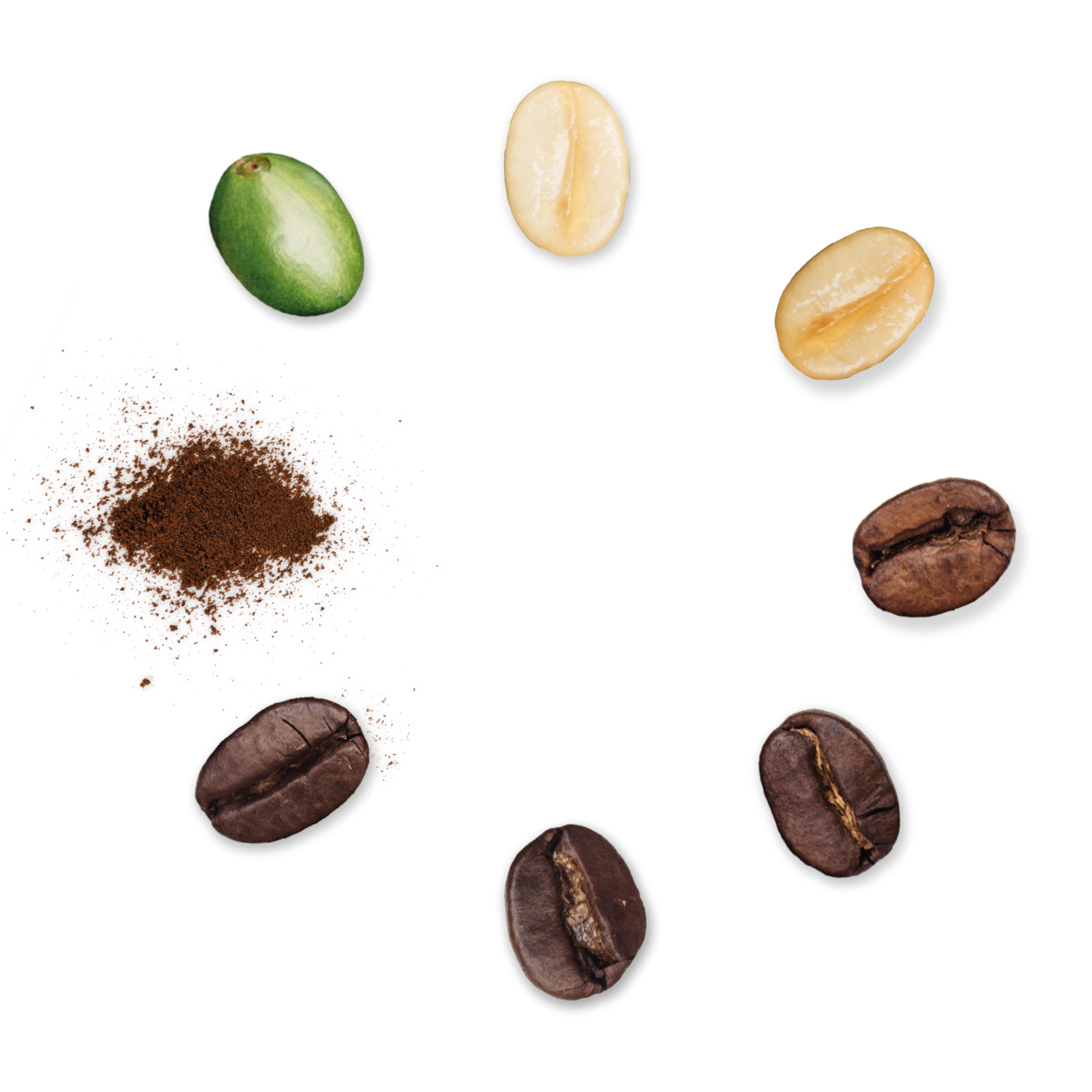
At the heart of coffee’s aromatic allure lies a hidden story of chemical precursors. These are the foundational compounds — amino acids, sugars, and lipids — present in green coffee beans. During roasting, these precursors undergo a dramatic transformation through processes like the Maillard reaction and caramelisation, resulting in the hundreds of volatile compounds that give coffee its distinctive aroma. This transformation, however, is the culmination of a long journey shaped by every decision made along the coffee supply chain.

It all begins with the soil. Coffee’s aromatic potential is deeply rooted in the environment where it is grown. Altitude, soil composition, and climate come together to determine the chemical composition of the beans. Arabica coffee, often cultivated in high-altitude regions, benefits from cooler temperatures that slow maturation, allowing sugars and acids to develop fully. These compounds become the precursors for complex and nuanced flavours. Shade-grown coffee further enriches this process. Reduced sunlight slows photosynthesis, creating a balanced sugar profile in the beans and fostering the formation of unique aromatic compounds.

Once the cherries are harvested, their aromatic potential hinges on the choices made during post-harvest processing. Natural processing, where the coffee is dried within the fruit, can produce beans with pronounced fruity and earthy notes, though it carries the risk of fermentation flaws. Washed processing, by contrast, removes the fruit and mucilage before drying, resulting in a cleaner cup that highlights floral and citrus aromas. Honey processing, a middle ground, retains some of the fruit’s mucilage during drying, contributing sweetness and a fuller body to the final flavour. Each method offers unique outcomes, and for those selecting beans, understanding these processes provides the key to achieving desired flavour profiles.

The journey doesn’t end at the farm. The conditions under which green coffee is stored and transported can make or break its quality. Temperature fluctuations, exposure to oxygen, or excessive moisture can degrade the precursors, resulting in off-flavours. For roasters and green coffee buyers, investing in robust logistics and demanding transparency in storage practices is non-negotiable.

When green coffee finally reaches the roaster, the grand reveal begins. Roasting is where the magic happens, where the precursors formed during growth and processing are unlocked and transformed into the aromas that define coffee’s character. The Maillard reaction, responsible for the nutty, chocolaty, and toasted notes, works alongside caramelisation to generate the complex bouquet of volatile compounds. The roast level — light, medium, or dark —further refines this expression. Light roasts preserve acidity and floral notes, medium roasts offer balance and body, while darker roasts enhance bittersweet flavours at the potential cost of subtler aromas. For roasters, understanding the chemical composition of their beans and tailoring the roast accordingly is both an art and a science.

Modern technologies are helping businesses refine this process even further. Gas chromatography-mass spectrometry (GC-MS) and electronic noses allow roasters and quality controllers to analyse aroma compounds with precision, offering insights that were once unavailable. These tools enable consistency and provide a scientific basis for decisions that once relied solely on experience. For forward-thinking coffee leaders, such technologies represent not just an edge in quality but an opportunity to innovate in an increasingly competitive market.

Ultimately, the journey of coffee aromas is a testament to collaboration—between farmers, processors, buyers, and roasters. Each stage, each decision, adds another layer to the final product. For those at the helm of coffee companies, recognising the importance of this journey offers more than just a pathway to better coffee; it’s a strategy for differentiation. By asking the right questions — about varietals, processing methods, and storage conditions — and prioritising quality over cost, coffee businesses can unlock new levels of flavour and create products that stand out.

Coffee’s aromatic story, from soil to cup, is a reminder of how interconnected the world of coffee truly is. It’s about understanding the science, respecting the craft, and embracing the responsibility of shaping an experience that customers will remember long after the last sip. For decision-makers in the coffee industry, this isn’t just an opportunity; it’s a call to action. The choices made today will define the aromas that consumers enjoy tomorrow.

Written by Dr. Stephen Schwartz