Barista Terminology | Episode 7: Water & Temperature Control

We’re excited to continue our “Barista Terminology” series on QahwaWorld.com—your guide to mastering essential coffee concepts. In Episode 7, we focus on water and temperature control, two often-overlooked factors that greatly impact flavor, clarity, and consistency. From water quality and filtration to ideal brewing temperatures, this episode covers the key terms every barista must know to brew with precision.

Water is the most overlooked yet most influential ingredient in coffee — it makes up over 98% of the final cup. Along with temperature, water quality and composition play a major role in extraction, flavor clarity, and consistency. In this episode, we explore the critical terms related to water and temperature control that every barista must understand.

1. Brew Water

The water used to brew coffee. It should be clean, odorless, and within specific mineral content guidelines to avoid negatively affecting flavor.

2. Water Quality

Refers to the chemical composition of water, including minerals, pH, and contaminants. Poor water quality can ruin coffee flavor, damage equipment, and affect consistency.

3. Hardness

The amount of calcium and magnesium in water. Moderate hardness helps extraction, but excessive hardness causes scale build-up and alters taste.

4. Total Dissolved Solids (TDS)

Measures how much material (minerals, salts, metals) is dissolved in water. Ideal brew water typically has TDS between 75–150 parts per million (ppm).

5. Alkalinity

The ability of water to resist changes in pH. Alkalinity affects the balance of acidity in the cup. Too high = flat taste, too low = sourness.

6. pH Level

A measure of how acidic or basic the water is. Ideal brewing water has a pH around 7 (neutral), slightly on the acidic side.

7. Chlorine

Often found in tap water, chlorine negatively affects flavor and should be removed via filtration or charcoal.

8. Water Filtration

The process of purifying water using filters to remove unwanted substances. Essential for consistent taste and equipment longevity.

9. Reverse Osmosis (RO)

A water purification method that removes nearly all minerals and contaminants. Often used with remineralization to restore optimal composition for brewing.

10. Water Temperature

The temperature of water during brewing — a key variable. Most coffee is brewed between 90°C and 96°C for optimal extraction.

11. Temperature Stability

The ability to maintain a consistent brew temperature throughout extraction. Fluctuations can lead to poor flavor development.

12. Cool Water / Underheated Water

Water below optimal temperature causes under-extraction, resulting in weak, sour coffee with muted flavor notes.

13. Overheated Water

Water above 96°C can over-extract bitter compounds and degrade flavor, especially in lighter roasts.

14. Boiler

The internal component in coffee machines that heats water. High-end machines often have multiple boilers to separate brew and steam temperature control.

15. PID Controller

A digital system in advanced machines that precisely regulates water temperature, helping maintain thermal stability and consistency.

Related Stories:

Barista Terminology | Episode 6: Grind & Extraction Variables

Barista Terminology | Episode 5: Milk Texturing & Latte Art

Barista Terminology | Episode 4: Brew Methods Explained

Barista Terminology | Episode 1: The Coffee Bean – From Seed to Roast

Barista Terminology | Episode 2: Barista Tools & Equipment

Barista Terminology | Episode 3: Espresso Basics

How to Drink Coffee Without Harming Your Health — And Why Some People Should Avoid Instant Coffee Entirely

Coffee is one of the most popular beverages in the world. It enhances mood, boosts focus, and, according to medical research, may reduce the risk of several chronic illnesses. But not all coffee is equally beneficial. Its health effects depend on how it’s consumed, what’s added to it, and the specific health conditions of the individual. Medical experts share their insights on how to enjoy coffee safely — and why certain people should steer clear of instant coffee altogether.

Black Coffee Without Additives: A Longevity Drink

U.S. studies have found that people who drink plain black coffee without sugar or cream tend to live longer than those who consume sweetened versions. Nutritionist Natalia Kruglova confirms that coffee can support cardiovascular and nervous system health, aid digestion, and promote liver function when consumed in moderation.

Dr. Mariyat Mukhina, a neurologist and clinical nutritionist, adds that milk doesn’t reduce the health benefits of coffee. However, individuals with lactose intolerance should consider switching to plant-based milk, which can even be richer in calcium. Those with acid reflux or sensitive stomachs should avoid drinking black coffee on an empty stomach and are advised to add milk or drink it after meals to reduce gastric irritation.

Coffee may also lower the risk of Parkinson’s and Alzheimer’s diseases, reduce morning swelling, and deliver a powerful dose of antioxidants. But even this beneficial drink has limits.

How Much Coffee Is Too Much?

According to Dr. Mukhina, up to three cups a day before 4:00 PM is considered safe for most healthy adults. After that, it may interfere with sleep and affect blood vessels. People with hypertension or high sensitivity to caffeine should monitor their reactions closely and adjust intake accordingly.

Instant Coffee: Popular Yet Potentially Risky

While instant coffee is convenient and widely consumed, health experts raise serious concerns. Due to heavy industrial processing, instant coffee often contains artificial flavors, preservatives, and stabilizers to enhance taste and shelf life — substances that may negatively impact long-term health.

More concerning is its high acidity, which poses a threat to those with digestive conditions such as gastritis, ulcers, or irritable bowel syndrome. After drinking instant coffee, many people experience heartburn, stomach discomfort, or bloating.

Another risk is acrylamide, a chemical compound formed during the roasting of coffee beans. Its concentration is often higher in instant coffee compared to freshly brewed options. Studies suggest that acrylamide may be neurotoxic and possibly carcinogenic at high levels.

Who Should Avoid Instant Coffee?

Medical professionals have identified three categories of people who should consider eliminating instant coffee from their diets:

1. People with Digestive Issues

Those suffering from gastritis, ulcers, or IBS may experience worsened symptoms due to instant coffee’s acidity and additives. Doctors recommend switching to natural coffee in limited amounts — or better yet, opting for herbal infusions or chicory root beverages.

2. People with Heart and Circulatory Conditions

Instant coffee may contain higher doses of caffeine, which can cause sudden spikes in blood pressure, increased heart rate, and added strain on the cardiovascular system. Individuals with hypertension, arrhythmias, or ischemic heart disease are advised to avoid it completely.

3. Pregnant and Breastfeeding Women

Caffeine from instant coffee can cross the placenta and be passed into breast milk, potentially affecting the baby’s developing nervous system. In addition, industrial residues in instant coffee make it less safe. During pregnancy and breastfeeding, safer alternatives such as rosehip tea or chicory are recommended.

Coffee and Weight: What You Should Know

Dr. Mukhina stresses that adding sugar or sweet syrups to coffee negates most of its health benefits. Drinks like cappuccinos and lattes may contain only a small amount of coffee but are rich in milk, cream, and sugar — making them as calorie-dense as a full snack or breakfast.

By contrast, black coffee without sugar can help suppress appetite and boost metabolism, which may aid weight loss — although it’s not a fat-burning solution by itself.


Conclusion
Coffee can be a healthy part of your daily routine if consumed mindfully. Choosing black, natural coffee in moderate amounts, avoiding added sugar and cream, and staying alert to how your body reacts are key. For people with specific health conditions — particularly gastrointestinal, cardiovascular, or during pregnancy — instant coffee may do more harm than good and should be replaced with safer alternatives.

Rising Prices Blur the Lines Between Specialty and Commercial Coffee

As global coffee prices remain elevated, the distinction between specialty and commercial-grade coffee is becoming less clear. While specialty coffee has traditionally operated in a different space from commodity coffee, current market dynamics are bringing the two closer than ever before—raising new questions for consumers, producers, and roasters alike.

A Market in Flux

Over the past two years, coffee prices have surged due to a combination of poor harvests in Brazil and Vietnam, low global stockpiles, and increased speculation in commodities markets. In February 2025, green coffee prices hit a record $4.41 per pound, before stabilizing below $3 following improved weather conditions and better-than-expected forecasts.

Despite this slight correction, volatility remains high. Factors such as Middle East tensions affecting shipping routes and potential frost risks in Brazil continue to influence price movements. According to the UN Food and Agriculture Organization (FAO), consumers in the European Union and United States will feel the full effects of these spikes within the next 8 to 11 months, with the impact expected to last several years.

Consumer Behavior Shifts

Coffee brands, including major players like JM Smucker and JDE Peet’s, have already raised retail prices multiple times since 2024. Supermarkets are pushing back, but as brands aim to protect margins, further increases are anticipated. In Brazil, supermarket coffee prices have already risen by 40% this year alone.

Such developments are affecting consumer behavior. As prices rise, some consumers switch to cheaper options, reduce consumption, or stop buying coffee altogether—echoing trends seen in other markets, such as eggs in the U.S., where prices quadrupled and over a third of consumers stopped purchasing.

Specialty Coffee in the Spotlight

Although specialty coffee operates outside the C market, it cannot escape the ripple effects. The costs of logistics, green coffee, and financing affect all actors. As Albert Scalla of StoneX Group explains, “When the C market rises, everything goes up—including specialty.”

With commercial coffee prices approaching those of specialty, the value proposition of the latter is being reevaluated. Specialty has long justified its higher price through quality, transparency, and sustainability. But now, in a high-cost environment, many consumers may question: Why not pay a little more for significantly better coffee?

Sam Klein of Partners Coffee notes that for roasters relying on low-cost beans, rising input costs leave few options. “If your only value proposition is that your coffee is cheap, you’re in trouble when cheap isn’t cheap anymore,” he says.

However, not all producing regions are equally affected. Friso Miguel Spoor of Koffie Lente points out that countries like Ethiopia have set cherry prices that provide some insulation. Elsewhere, the pricing flexibility depends on the internal dynamics of cooperatives and exporters.

The Opportunity—and the Challenge

The narrowing price gap presents an opportunity for specialty roasters to attract new customers. By offering smaller package sizes or cost-effective blends, they can introduce quality to consumers who are used to commercial products. A $0.25 to $0.50 increase per cup may be tolerable for many customers if the product quality is noticeably superior.

But this strategy has limits. To cover rising costs, many specialty brands are also increasing prices—potentially discouraging price-sensitive buyers. Additionally, high C prices reduce the incentive for farmers to invest in high-quality lots, as commodity sales may offer easier profits with less effort.

Cash flow becomes another concern. Exporters face challenges in paying producers upfront without confirmed buyers, particularly when prices fluctuate rapidly.

Looking Ahead

Will consumers abandon coffee as prices rise? Not necessarily. But behavior will change. Some may shift to instant or supermarket brands. Others may embrace private labels, which are gaining ground in many markets. Yet, a segment might indeed upgrade to specialty coffee—especially if brands can clearly communicate the added value and experience they offer.

The specialty coffee sector, built on transparency, ethics, and craftsmanship, is at a turning point. Sam Klein sums it up: “It’s an interesting moment. We’ve always told consumers that they can get better coffee while also doing right by farmers. But when cheap coffee is no longer cheap, do we still believe in that mission?”

Espresso vs. Coffee: Understanding the Difference, One Cup at a Time

While espresso and coffee both originate from the same beans, they are distinctly different in how they’re prepared, served, and consumed. Many cafés list them separately — and for good reason. The difference between espresso and regular coffee is not just in size or strength, but in history, craftsmanship, and culture.

A Shared Origin, Diverging Paths

All espresso is coffee, but not all coffee is espresso. Both are brewed from roasted coffee beans, yet they differ significantly in grind size, brewing technique, caffeine concentration, flavor profile, and serving tradition.

Espresso emerged in early 20th-century Italy, when inventor Luigi Bezzera patented a machine that forced hot water through coffee grounds under high pressure. This innovation shortened brewing time and gave birth to the “espresso” — meaning “pressed out” in Italian. It quickly became a symbol of Italian coffee culture, renowned for its intensity and speed.

Brewing: Pressure Makes the Difference

What truly defines espresso is the pressure applied during brewing. While drip or pour-over coffee is made using gravity, espresso machines use 9 bars of pressure (nine times the atmospheric pressure at sea level) to extract flavors in under 30 seconds. This high-pressure method produces a small but concentrated drink — complete with crema, the golden foam layer that signifies a well-pulled shot.

In contrast, drip or pour-over coffee uses a 1:18 coffee-to-water ratio, resulting in a gentler, longer extraction. Coffee beans are ground coarser than espresso and brewed more slowly, yielding a larger, more diluted cup.

Espresso uses a 1:2 ratio — much stronger — and is brewed with finely ground dark-roasted beans. This produces a dense, bold, and aromatic beverage in just 1 to 2 ounces, typically consumed in a few sips.

Comparing Caffeine and Serving Size

A common misconception is that espresso has more caffeine than regular coffee. While this is true per ounce, the overall caffeine content in a typical 6 to 10 oz cup of drip coffee can surpass that of a single 1 oz espresso shot.

According to Compass Coffee:

  • Drip coffee contains around 12 mg of caffeine per ounce

  • Espresso contains about 63 mg per ounce

Because of this, espresso is ideal for a quick energy boost, but can lead to overconsumption if consumed in large quantities. The FDA recommends no more than 400 mg of caffeine per day, meaning roughly 6 shots of espresso or 3 large cups of coffee.

Flavor Profiles and Experience

Espresso offers intensity. The short, pressurized brew pulls out oils and soluble compounds that drip coffee often leaves behind. Depending on the bean and roast, espresso can have notes of chocolate, spice, roasted nuts, or dried fruit.

Drip or pour-over coffee tends to be lighter and smoother, highlighting floral, fruity, or citrusy undertones. Its slower brew time allows for a more delicate extraction, offering a different kind of complexity.

Usage: Espresso as an Ingredient, Coffee as a Base

Because of its concentrated nature, espresso is often used as a foundation for other drinks:

  • Americano: espresso + hot water

  • Latte: espresso + steamed milk + light foam

  • Cappuccino: espresso + equal parts steamed milk + dense foam

  • Macchiato: espresso + dollop of milk foam

  • Flat white: espresso + velvety microfoam

  • Red eye: coffee + a shot of espresso

  • Affogato: espresso poured over vanilla ice cream

Drip coffee, on the other hand, is typically enjoyed on its own — black or with milk, cream, sugar, or syrups — and is often the go-to choice for cold brew, iced coffee, or batch brewing.

Third-Wave Coffee and the Rise of Precision Brewing

In the modern third-wave coffee movement, espresso and coffee are no longer just drinks — they are expressions of craftsmanship. Baristas and roasters treat coffee like wine: focusing on origin, altitude, processing, and brew parameters to highlight terroir — the “taste of place.”

Single-origin espressos are becoming more common, with precise control over grind size, water temperature, extraction time, and even TDS (Total Dissolved Solids) to create a balanced and personalized experience.

Health, Alternatives, and Decaf Options

For health-conscious drinkers, both espresso and coffee offer significant benefits. Coffee is rich in antioxidants and has been linked to improved cognitive function, metabolism, and heart health — provided it’s consumed in moderation and without excessive sugar or additives.

For those sensitive to caffeine, decaf options are now much more refined. Processes like the Swiss Water Process allow for caffeine removal without compromising flavor. You can now find decaf espresso or decaf pour-over offerings in most specialty cafés.

So Which One Should You Choose?

Here’s a quick guide:

  • Espresso: Best for bold flavor, quick energy, or espresso-based drinks.

  • Drip coffee: Ideal for slow sipping, long conversations, and exploring subtle flavors.

  • Iced variations: Great for hot weather and longer refreshment.

  • Cold brew: Smooth and lower-acid, brewed over hours for a mellow, caffeinated drink.

Final Word

Whether you enjoy the sharp, bold punch of a double espresso or the smooth, aromatic comfort of a pour-over, both drinks reflect the richness and diversity of the coffee world. Understanding their differences helps you not just choose what to drink — but appreciate what goes into each cup.

In the end, it’s not a battle between espresso and coffee. It’s a celebration of both.

Barista Terminology | Episode 6: Grind & Extraction Variables

We are proud to continue our educational series on QahwaWorld.com, designed to equip baristas and coffee enthusiasts with essential industry knowledge. Titled “Barista Terminology,” this comprehensive series delivers clear, concise insights into the foundational concepts shaping the world of coffee. Spanning more than 20 episodes, each installment explores a distinct element of coffee preparation and culture.

In Episode 6, we delve into one of the most critical aspects of brewing: the relationship between grind size, extraction variables, and brew quality. From grind consistency and water temperature to brew ratios and TDS, this episode defines the technical terms every barista must understand to master the art of extraction. Whether you’re fine-tuning an espresso shot or crafting a pour-over, this guide will help you unlock the full flavor potential of your beans through precision and control.

The perfect cup of coffee is not just about quality beans and good equipment — it’s about precision. Grind size, brewing time, and water contact all play vital roles in how flavors are extracted. In this episode, we define the essential variables that every barista must understand and control to achieve optimal extraction.

1. Grind Size

Refers to how fine or coarse the coffee is ground. Different brewing methods require different grind sizes. For example, espresso needs a fine grind, while cold brew requires a coarse one.

2. Grind Consistency

How uniform the particles are after grinding. Inconsistent grind leads to uneven extraction — some particles over-extract (bitter), others under-extract (sour).

3. Extraction

The process of dissolving soluble compounds from coffee into water. Proper extraction balances acidity, sweetness, and bitterness.

4. Under-Extraction

When too little is extracted from the coffee. Results in sour, acidic, or salty flavors. Common causes include too coarse a grind or too short brew time.

5. Over-Extraction

When too much is extracted. Leads to bitterness, dryness, and harsh flavors. Usually caused by too fine a grind or long brew time.

6. Brew Time

The total time water is in contact with coffee. Each brewing method has an ideal time range. Too fast = under-extraction. Too slow = over-extraction.

7. Brew Ratio

The proportion between the amount of coffee and water used. A common espresso ratio is 1:2. Adjusting this changes strength and flavor.

8. Dose

The amount of dry ground coffee used in a recipe, typically measured in grams. Key to consistency in taste and strength.

9. Yield

The amount of brewed coffee produced (in grams or milliliters). In espresso, it’s the liquid that ends up in the cup after extraction.

10. TDS (Total Dissolved Solids)

The measurement of how much soluble material has been extracted into the brew. Used to evaluate strength and extraction percentage.

11. Extraction Yield

A percentage that shows how much of the coffee’s soluble material was extracted. Ideal yield ranges between 18%–22% for most brews.

12. Distribution

The even spread of ground coffee in the filter basket before tamping. Prevents channeling and promotes uniform extraction.

13. Channeling

Occurs when water flows unevenly through the coffee bed, creating weak spots. Leads to both under- and over-extraction in the same shot.

14. Blooming

The initial stage of brewing (especially in pour-over), where hot water activates gases in fresh coffee, causing it to expand and release carbon dioxide. Improves flavor clarity.

15. Water Temperature

Ideal brewing temperature ranges from 90°C to 96°C. Too cool = under-extraction. Too hot = bitterness and over-extraction.

Related Stories:

Barista Terminology | Episode 5: Milk Texturing & Latte Art

Barista Terminology | Episode 4: Brew Methods Explained

Barista Terminology | Episode 1: The Coffee Bean – From Seed to Roast

Barista Terminology | Episode 2: Barista Tools & Equipment

Barista Terminology | Episode 3: Espresso Basics

University of Pennsylvania Scientists Discover a More Efficient Way to Brew Stronger Coffee Using Pour-Over Method

As global coffee prices rise and sustainability becomes a growing concern, scientists from the University of Pennsylvania have unveiled new research showing that a carefully controlled pour-over brewing technique can produce stronger coffee using fewer beans. Published in the journal Physics of Fluids, the study introduces a physics-based understanding of how water interacts with coffee grounds—offering both home brewers and industry professionals a smarter, more sustainable approach to coffee preparation.

Scientific Discovery in a Coffee Cup

Led by Dr. Arnold Mathijssen, the research team investigated the fluid dynamics involved in pour-over coffee brewing. Using high-speed cameras and laser imaging, the team replaced coffee grounds with transparent silica-gel beads inside a glass dripper to simulate and visualize what normally remains hidden in a cup of coffee. They discovered that when water is poured from a precise height in a controlled stream, it causes small “avalanches” within the coffee bed, promoting better mixing and extraction of flavor compounds.

“These miniature avalanches help water reach deeper layers of the coffee bed more evenly,” explained Dr. Mathijssen. “It’s not just a culinary trick—it’s physics in action.”

Stronger Coffee With Fewer Beans

The implications are significant. The researchers found that the enhanced extraction enabled by the pour-over technique allows brewers to use up to 10% fewer coffee grounds while still achieving a strong, flavorful cup. Tests using real coffee and measurements of total dissolved solids (TDS) confirmed that coffee brewed with these optimized conditions retained or even exceeded the strength of conventionally brewed coffee.

The study emphasizes three key variables for optimal results:

  • Pouring height: Approximately 30 centimeters (12 inches) to allow for sufficient jet force.

  • Flow control: A steady, laminar stream to avoid splashing or early jet breakup.

  • Brew time: Between 2.5 and 4 minutes to allow complete caffeine extraction without overheating.

Cleaner Coffee, Better Taste

The researchers’ findings also support the well-known advantage of paper filters in pour-over brewing: they retain oils and micro-particles that can make coffee bitter or muddy in flavor. The result is a cleaner, brighter cup with reduced lipid content—up to ten times lower than coffee made using a French press or metal filter.

Chef and nutrition expert Sergey Leonov, founder of the healthy eating academy “ZOZhigai,” agrees with the findings. “Pour-over coffee not only delivers on taste but also has health benefits due to its cleaner composition,” he said. “Lower lipid content means a more balanced drink with fewer compounds that may negatively affect cholesterol.”

A Response to Market and Climate Pressures

With Arabica coffee prices reaching multi-year highs and climate change threatening yields in key producing regions, the timing of this research is critical. By demonstrating that more efficient brewing can reduce waste without compromising quality, the study offers both economic and ecological benefits.

“This research isn’t just about making a better cup of coffee—it’s about making the industry more resilient,” said Dr. Mathijssen.

Beyond the Café

The study’s implications extend beyond the coffee world. The insights into fluid dynamics and granular mixing could inform various fields, including soil erosion modeling, filtration systems, and even industrial waste-water processing. “What we’ve learned about coffee might help solve much bigger problems,” Dr. Mathijssen added.

Practical Takeaways for Coffee Enthusiasts

For those brewing at home or in specialty cafés, the team recommends:

  • Using a gooseneck kettle to control the water stream precisely.

  • Pouring from a height of about 30 cm to induce the beneficial mixing.

  • Keeping the stream steady and continuous to maintain laminar flow.

  • Reducing coffee usage by 10% and adjusting only if the flavor profile demands it.

Final Word

As the world searches for ways to reduce consumption while maintaining quality, this study reminds us that even something as simple as pouring water can be reimagined through science. The pour-over method, long favored by specialty coffee enthusiasts for its elegance and clarity, now has the scientific backing to prove it’s not just better—but smarter.

The full study, “Pour-over coffee: Mixing by a water jet impinging on a granular bed with avalanche dynamics,” is available in Physics of Fluids, April 2025 edition.

Study Finds Coffee Compounds May Reduce Risk of Type 2 Diabetes

A new study published in the International Journal of Molecular Sciences suggests that drinking black coffee—whether caffeinated or decaffeinated—may help lower the risk of developing type 2 diabetes. The findings point to naturally occurring polyphenols in coffee, not caffeine, as the key compounds offering potential protection.

Researchers from universities in the Republic of Korea analyzed data from 149 scientific publications to evaluate coffee’s impact on metabolic factors linked to type 2 diabetes. The focus was on five hydroxycinnamic acids found in coffee and their influence on the intestines, pancreas, liver, muscles, and tissue.

Their analysis revealed that consuming 3 to 5 cups of black coffee daily may:

  • Regulate blood sugar levels

  • Reduce inflammation

  • Improve insulin sensitivity

  • Enhance antioxidant activity

  • Support healthier glucose metabolism

These benefits were observed regardless of whether the coffee contained caffeine. According to the study, regular coffee drinkers may experience a 20–30% lower risk of developing type 2 diabetes.

The researchers concluded that polyphenols—particularly chlorogenic acid and related hydroxycinnamic acid derivatives—could play a preventive role in diabetes management. However, they also emphasized the need for further clinical studies.

Dr. Zhaoping Li, professor of medicine and chief of clinical nutrition at UCLA, who was not involved in the study, endorsed the findings. “Drinking coffee provides natural benefits. You can make coffee part of your healthy lifestyle,” she said.

Dr. Marilyn Tan, a clinical associate professor of medicine at Stanford University, noted that while the findings are promising, some of the underlying data came from lab studies. She also cautioned that observational studies may not fully account for other health and lifestyle factors among coffee drinkers.

Still, Tan acknowledged the significance of the results: “A 20–30% risk reduction is very large and meaningful. The fact that both caffeinated and decaffeinated coffee showed similar effects suggests the benefits are due to other bioactive components in coffee, not caffeine.”

Dr. Li added that coffee beans contain more than 200 compounds, many of which have health-promoting properties—some similar to those found in medicinal spices. “The health benefits of black coffee seem to be obvious,” she said.

Previous studies have linked regular coffee consumption to reduced risks of cardiovascular disease, improved brain health, lower depression rates, and protection against certain liver conditions.

Experts recommend drinking coffee without added sugar or cream and avoiding pairing it with unhealthy foods to maximize its health benefits.

Barista Terminology | Episode 5: Milk Texturing & Latte Art

We are proud to continue our educational series on QahwaWorld.com, designed to equip baristas and coffee enthusiasts with essential industry knowledge. Titled “Barista Terminology,” this comprehensive series delivers clear, concise insights into the foundational concepts shaping the world of coffee. Spanning more than 20 episodes, each installment explores a distinct element of coffee preparation and culture.

In Episode 5, we turn our focus to the craft of milk texturing and latte art — an essential skillset for any aspiring barista. From mastering the steam wand to pouring intricate patterns, this episode unpacks the techniques, tools, and terminology behind beautifully balanced milk-based drinks. Whether you’re creating silky microfoam or perfecting your free pour, this guide will help you elevate every cup with texture, taste, and visual appeal.

In many coffee beverages, milk is not just an addition — it’s a craft. How milk is steamed and poured can transform the flavor, texture, and appearance of a drink. In this episode, we explore the essential terms every barista should know about milk texturing, steaming techniques, and the art of creating beautiful patterns in the cup.

1. Steaming

The process of heating milk using pressurized steam from the espresso machine. It combines heat with air to create microfoam and enhances the milk’s sweetness.

2. Milk Texturing

Refers to the process of incorporating air into milk while steaming to achieve the desired consistency. Proper texturing results in smooth, velvety milk suitable for latte art.

3. Microfoam

A fine, silky foam created when air is gently incorporated into milk during steaming. It has a glossy appearance and blends smoothly with espresso.

4. Froth (Foam)

A drier, thicker layer of milk bubbles usually found in cappuccinos. It sits on top of the drink and doesn’t blend into the espresso as microfoam does.

5. Stretching

The initial phase of steaming where air is introduced into the milk, causing it to expand in volume. Achieved by placing the steam wand near the surface.

6. Rolling

The second phase of steaming where the milk is spun in a whirlpool motion to break down large bubbles and create a uniform texture.

7. Milk Temperature

Ideal steamed milk temperature ranges between 55°C and 65°C. Overheating can scald the milk and ruin flavor and texture.

8. Aeration

The act of introducing air into milk. Controlled aeration creates microfoam; too much leads to dry foam and loss of sweetness.

9. Pitcher

The metal jug used to steam and pour milk. Its shape and spout design are crucial for precision in latte art.

10. Pouring Technique

The way milk is poured affects the integration with espresso and determines the success of latte art. It involves speed, height, and angle.

11. Latte Art

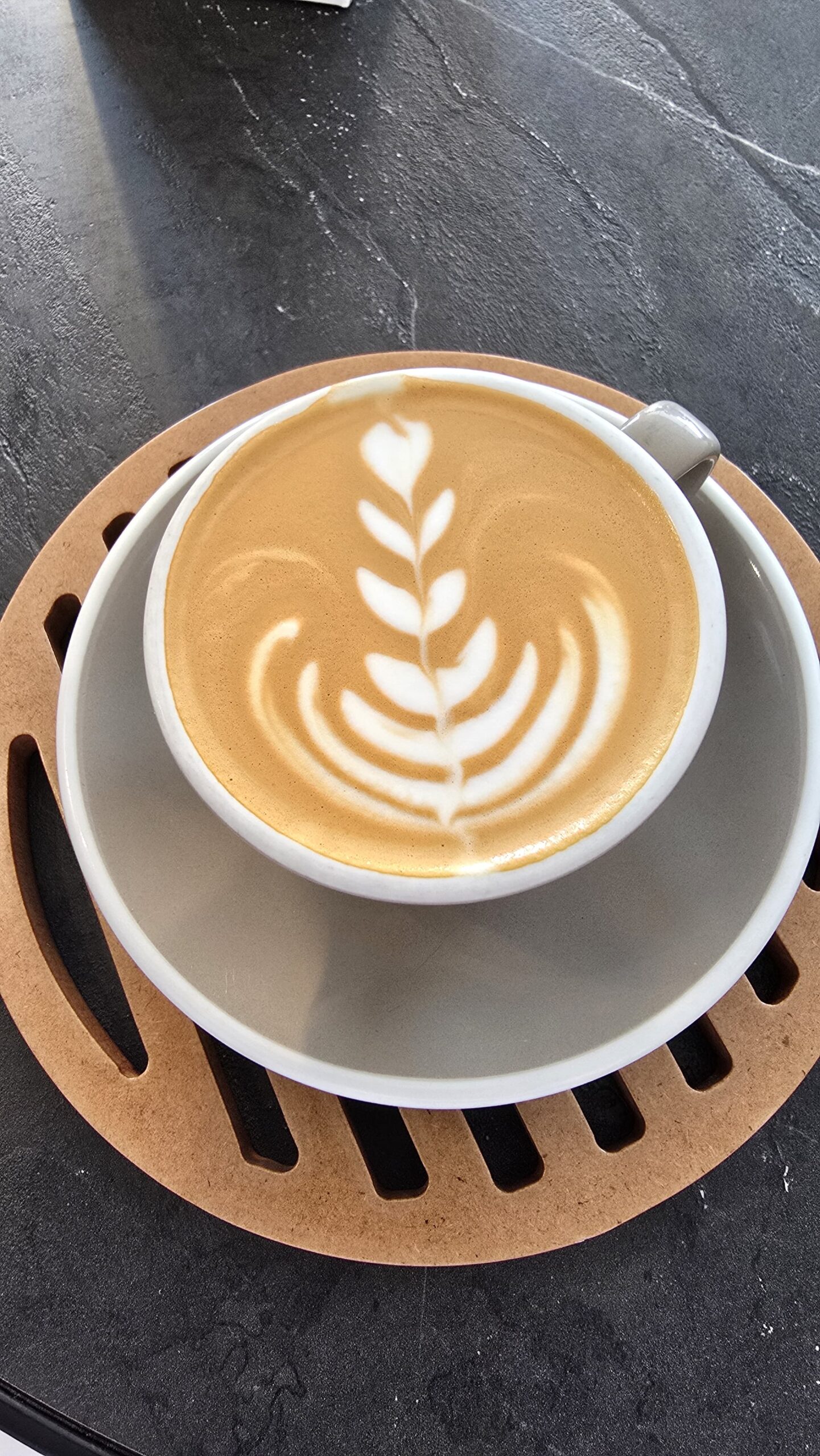
Decorative patterns or images made by skillfully pouring steamed milk into espresso. Common designs include the heart, tulip, and rosette.

12. Free Pour

Latte art created purely by pouring from the pitcher, without tools. It relies on control, timing, and fluid motion.

13. Etching

A latte art technique where designs are drawn on the milk foam using a thin tool. Allows for more intricate artwork.

14. Milk Splitting

Dividing steamed milk into multiple pitchers to create different textures for different drinks (e.g., latte vs. cappuccino).

15. Mouthfeel

The tactile sensation of milk in the mouth. Properly textured milk feels smooth, creamy, and dense — not watery or bubbly.


Related Stories

Barista Terminology | Episode 4: Brew Methods Explained

Barista Terminology | Episode 1: The Coffee Bean – From Seed to Roast

Barista Terminology | Episode 2: Barista Tools & Equipment

Barista Terminology | Episode 3: Espresso Basics

Is Coffee the Next Anti-Aging Elixir? New Research Suggests So

Emerging evidence links daily coffee consumption with reduced risk of age-related frailty.

Recent findings published in the European Journal of Nutrition reveal that regular coffee consumption may offer more than just a morning boost — it could also help stave off age-related decline. The study, conducted among adults aged 55 and older in the Netherlands, found that drinking two to four cups of coffee a day (European-sized cups, each approximately 125 mL or 4.2 fluid ounces) was associated with a significantly lower risk of developing frailty over time.

Researchers observed that even moderate coffee consumption helped reduce inflammation, support muscle health, and improve metabolic function — all factors known to protect against age-related frailty. Notably, the study also found that decaffeinated coffee offered similar benefits, suggesting that the protective effects may be due to the antioxidants and polyphenols in coffee, rather than caffeine alone.

“The more coffee people drink — within reason — the lower their chances of developing frailty in later life,” said Dr. Ehsan Ali, a geriatric care physician and founder of Beverly Hills Concierge Doctor.

What Makes Coffee Protective Against Frailty?

Experts highlight four key mechanisms through which coffee may support healthy aging:

  • Antioxidant Protection: Coffee is rich in antioxidants that combat oxidative stress, a major contributor to cellular aging and chronic disease.

  • Anti-Inflammatory Effects: Polyphenols and other bioactive compounds in coffee help reduce chronic inflammation, a known driver of frailty.

  • Muscle Mass Preservation: Bioactive compounds in coffee promote mitochondrial health and cellular repair, which are essential for maintaining muscle strength.

  • Metabolic Benefits: Coffee has been linked to improved insulin sensitivity and overall metabolic health, helping reduce the risk of muscle loss and systemic inflammation.

While the findings are observational and cannot establish causation, they add to growing evidence that coffee could play a meaningful role in promoting longevity and resilience in aging populations.

Beyond Frailty: Additional Health Benefits of Coffee

Coffee’s benefits extend far beyond anti-aging:

  • Cognitive Health: Caffeine stimulates the central nervous system and may help lower the risk of neurodegenerative diseases such as Alzheimer’s and Parkinson’s.

  • Physical Performance: Caffeine increases adrenaline levels, potentially enhancing endurance and reducing the perception of exertion during exercise.

  • Heart and Liver Protection: Regular coffee consumption has been linked to a reduced risk of cardiovascular disease, stroke, liver cirrhosis, and liver cancer.

  • Longevity: Several studies have shown a connection between moderate coffee intake and a lower risk of early death.

How Much Coffee Is Enough?

Experts suggest that one to two 8-ounce cups of coffee per day provide sufficient health benefits for most people. It’s worth noting that the “cups” referenced in the European study are smaller than the typical U.S. serving. Therefore, drinking one to two American-sized cups already aligns with the study’s beneficial range.

According to Dr. Ali, healthy adults can safely consume up to 400 milligrams of caffeine per day — roughly four 8-ounce cups of brewed coffee — though individual tolerance may vary. Exceeding this amount may lead to side effects such as jitteriness, insomnia, digestive issues, and elevated heart rate.

The Best Way to Drink Coffee for Health

The study focused on plain brewed black coffee and decaffeinated coffee. Experts caution that heavily sweetened beverages, whipped cream toppings, and flavored syrups can negate the health benefits.

“When you add artificial sweeteners, sugar, or syrups, you spike your blood sugar, promote inflammation, and essentially cancel out the anti-inflammatory effects of coffee,” says Jennifer Bianchini, a functional dietitian and founder of Body to Soul Health.

For optimal benefits, it’s best to enjoy coffee in its simplest form: black or with a small amount of unsweetened plant-based or dairy milk.

EU Deforestation Regulation Puts Peruvian Coffee Farmers at Risk of Market Exclusion

As Europe advances sustainability goals, smallholder farmers in remote coffee regions like Amazonas, Peru, face new challenges that threaten their place in global trade.

In a bid to combat global deforestation, the European Union has introduced the European Union Deforestation Regulation (EUDR), a landmark policy that aims to prevent the importation of commodities—such as coffee, cocoa, and soy—linked to forest degradation. While celebrated by environmental advocates, the regulation is already showing signs of creating unintended harm, particularly for smallholder coffee farmers in regions like Amazonas, Peru.

Amazonas is one of Peru’s leading coffee-producing zones, with 39% of its coffee exported to the European Union. Yet, the region is dominated by small-scale farmers who often operate on minimal income, lack access to digital infrastructure, and are disconnected from global policy discussions. According to interviews conducted by journalist María Paz Lobo, many farmers in the area are not even aware of the EUDR—let alone prepared to comply with its complex requirements for traceability and proof of deforestation-free supply chains.

A Regulation Misaligned with Local Realities

The EUDR mandates that exporters of coffee and other high-risk commodities provide geolocation data and evidence that their products do not contribute to deforestation. However, such requirements assume a level of technological access, administrative capacity, and institutional support that is out of reach for many rural farming communities.

In Amazonas, the causes of deforestation are deeply interwoven with issues such as poverty, insecure land tenure, and the need for subsistence farming. Some producers employ agroforestry systems that preserve tree cover, while others clear small plots for survival. The regulation’s broad-brush approach, critics argue, fails to account for these local complexities.

“The EUDR is a powerful tool, but it doesn’t reflect the diverse causes of deforestation on the ground,” said a local agronomist who works with farmer cooperatives. “In Amazonas, environmental degradation is often a symptom of economic desperation, not intentional destruction.”

A Growing Divide

With compliance expected by December 2024, many small-scale producers in Peru and across Latin America risk being excluded from European markets. This could lead to significant income losses for farming families and could push them further into poverty—or worse, incentivize them to shift toward crops with fewer international restrictions, some of which may be even more harmful to the environment.

The EUDR, while noble in its environmental mission, risks reinforcing a two-tiered trading system: one where large-scale, well-capitalized operations adapt with ease, while smallholders are left behind.

Rethinking Sustainability for Inclusion

Experts and advocates are calling for a more balanced implementation of the regulation. They suggest that traceability systems should be accompanied by robust technical and financial assistance, especially for marginalized groups. Others argue for differentiated compliance timelines, locally adapted frameworks, and formal recognition of traditional land-use systems like agroforestry, which are often overlooked in deforestation metrics.

“Without inclusive policies, the EUDR risks doing more harm than good,” said one representative from a regional coffee cooperative. “We need a transition plan that supports farmers, not penalizes them for circumstances beyond their control.”

Looking Ahead

The EUDR signals a critical shift in how sustainability is regulated globally. However, if the goal is to create a greener future that includes—not excludes—smallholder farmers, then more inclusive dialogue and flexible, region-specific policies are essential.

Ultimately, ensuring sustainability in coffee supply chains should not mean placing the heaviest burden on those with the fewest resources. As implementation begins, the international community will need to find ways to align environmental goals with economic justice—so that progress in one area does not come at the cost of another.

European Branded Coffee Shops Reach Record Growth Despite Soaring Costs

Specialty coffee, rising prices, and shifting consumer habits define Europe’s dynamic café landscape in 2025

Europe’s branded coffee shop sector has surged to its highest growth rate in five years, with the total number of outlets expanding by 4.7% to reach 51,042 locations across the continent, according to the latest Project Café Europe 2025 report published by World Coffee Portal.

Despite economic headwinds, the report paints a picture of a resilient and evolving industry that is embracing specialty coffee, digital transformation, and experience-driven customer engagement. Industry optimism remains strong, even as operational challenges mount.

United Kingdom, Germany, and Russia Lead Market Size

The United Kingdom continues to top the list as Europe’s largest branded coffee shop market with 11,456 outlets, followed by Germany (7,428), Russia (5,157), France (4,162), and Turkey (3,819). Notably, France added over 700 new outlets in a year, reaching 4,890 total locations and emphasizing experiential café formats.

Smaller markets such as Croatia, Lithuania, and Armenia also demonstrated significant momentum, alongside strong specialty-led growth in Czechia and urban-focused expansions in Romania.

Industry Faces Uneven Terrain: From Switzerland to Turkey

Among the fastest-growing markets were Switzerland (+21.3%) and Ukraine (+8%)—the latter showing remarkable resilience amid ongoing conflict. Conversely, Poland experienced its first contraction in five years, closing a net 26 outlets, while Sweden and Switzerland saw declines of 5.7% and 6.3%, respectively.

In a striking example of divergence, Turkey grew by 12.6% despite facing 44% CPI inflation, underscoring consumer appetite and adaptability in even the most volatile markets.

The Rise of Specialty Coffee and Value-Driven Consumers

The Project Café report highlights three key consumer trends shaping the European coffee scene:

  1. The growth of specialty coffee

  2. Increasing price sensitivity

  3. The powerful influence of social media

A regular 12oz cappuccino now averages €3.69, marking a 7.6% year-on-year increase. In Belgium, prices have soared to €4.67, and in the Netherlands to €4.55. The report warns that price hikes are starting to impact daily purchasing habits, with 38% of industry leaders reporting that some consumers are being priced out of daily coffee consumption.

Still, 75% of industry leaders believe there’s strong room for further branded coffee shop expansion. Meanwhile, 49% cited iced coffee as a key growth category in their markets.

Leading Chains and Market Forecasts

The top three branded chains in Europe continue to dominate:

  • McCafé – 3,983 outlets across 26 countries

  • Starbucks – 3,534 outlets across 31 countries

  • Costa Coffee – 3,097 outlets in 21 countries

Collectively, these chains account for nearly 21% of the total European market. World Coffee Portal forecasts that by March 2030, the branded coffee shop market will exceed 60,900 outlets, growing at an estimated 3.6% CAGR.

Navigating High Costs and Consumer Expectations

Despite expansion, industry leaders are grappling with sustained cost pressures—record-high green coffee prices, inflation, and rising operational expenses. Some operators report strong sales but see margins shrinking under escalating utility and ingredient costs.

“There is tremendous consumer appetite for coffee and café culture to support a thriving European market,” said Jeffrey Young, Founder & CEO of Allegra Group. “But operators must be smart to navigate these challenges.”

The report notes that operators are doubling down on loyalty programs, digital tools, and plant-based innovations to meet evolving expectations while maintaining profitability.

Outlook: Europe’s Coffee Culture Thrives Amid Uncertainty

From the specialty revolution in France and Germany to innovation in Nordic sustainability and the digital expansion in Greece and Portugal, the European coffee market is entering a period of rapid transformation.

Despite geopolitical tensions and economic pressures, the demand for quality coffee experiences continues to elevate cafés into cultural and economic hubs across the continent. For the foreseeable future, Europe’s coffee story appears to be one of resilience, reinvention, and robust consumer passion.

Does Coffee Raise Blood Pressure? What Science Really Says

With millions around the world starting their day with a cup of coffee, questions about its impact on heart health—particularly blood pressure—continue to draw attention. For coffee lovers and health-conscious readers alike, understanding the relationship between caffeine and blood pressure is essential. Here’s what recent scientific evidence reveals.

Temporary Spikes—Not Long-Term Damage

Coffee contains caffeine, a natural stimulant known for enhancing alertness. One of its side effects, however, is a temporary rise in blood pressure, spiceblocking adenosine receptors—which normally help blood vessels relax—and releasing adrenaline, a hormone that can cause blood vessel constriction.

But for regular coffee drinkers, this spike tends to diminish over time. Research shows that most healthy adults develop tolerance to caffeine, and moderate daily consumption does not appear to increase long-term blood pressure levels.

The Other Side of Coffee: Antioxidant Power

Beyond caffeine, coffee is rich in polyphenols and other antioxidants. These compounds can reduce inflammation and support vascular health by helping blood vessels function properly.

Studies suggest that these antioxidants might counterbalance the temporary rise in blood pressure caused by caffeine. In fact, some evidence shows that people who consume coffee regularly may experience better vascular function compared to non-coffee drinkers.

How Preparation Affects Heart Health

The way you prepare your coffee can also influence its health impact. Specifically, unfiltered coffee—like that made with a French press or Turkish pot—contains diterpene, compounds known to raise LDL (bad) cholesterol. While this doesn’t directly affect blood pressure, high cholesterol is another risk factor for heart disease.

On the other hand, filtered coffee—such as drip or pour-over—removes most of these diterpenes and is considered a safer daily option.

Safe Coffee Intake: What the Experts Recommend

Health authorities such as the U.S. Food and Drug Administration (FDA) suggest that consuming up to 400 mg of caffeine per day—roughly 4 to 5 cups of brewed coffee—is safe for healthy adults. However, this recommendation may change for people with hypertension or cardiovascular conditions.

For those managing high blood pressure, many cardiologists advise limiting intake to 1–2 cups daily and monitoring individual responses. Keep in mind that caffeine content can vary:

  • Brewed coffee (8 oz): ~95 mg caffeine

  • Espresso (1 shot): ~63 mg caffeine

  • Cold brew: Can exceed 200 mg depending on preparation

  • Decaf: ~3 mg caffeine per cup

If you’re sensitive to caffeine or on blood pressure medication, it’s best to consult a healthcare provider.

Practical Tips for Coffee Drinkers with Blood Pressure Concerns

  • Measure your blood pressure before and after drinking coffeeto and

  • Limit other sources of caffeine like tea, energy drinks, and chocolate to stay within safe daily limits.

  • Try half-caff or decaf blends to reduce caffeine intake without giving up your coffee ritual.

  • Opt for felt to minimize intake of compounds linked to cholesterol.

  • Stay hydrated, as caffeine

  • Consult your doctor, especially if you have existing heart or blood pressure conditions.

Bottom Line

For most people, moderate coffee consumption is safe and unlikely to cause long-term increases in blood pressure. While caffeine can cause a short-term rise, the body usually adapts—and the antioxidants in coffee may offer protective cardiovascular benefits. With the right balance, coffee can remain part of a healthy lifestyle—even for those managing blood pressure.