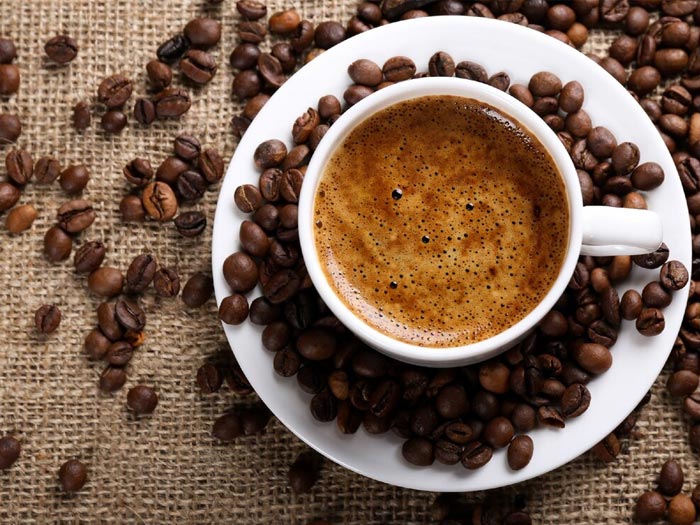
How much coffee You Should Drink in 2022?

study after study seems to suggest the coffe has significant long-term health benefits. Among a few of the highlights:

A 2018 study of 500,000 British adults over a full decade showed that coffee drinkers were 10 percent to 15 percent less likely to die from any cause than non-drinkers, possibly according to the study authors, because, “coffee contains more than 1,000 chemical compounds including antioxidants, which help protect cells from damage.”

In 2017, researchers funded by the American Heart Association and the University of Colorado School of Medicine found that every additional cup of coffee people drink each day drops their risk of heart failure or stroke by 8 percent.

A smaller study from Stanford University suggested that people who drink caffeinated coffee (but not decaf, sorry) live longer, perhaps because the caffeine counteracts naturally occurring inflammation, which is in turn associated with “90 percent of all noncommunicable diseases of aging,” according to the study’s author.

Another big study, from the Harvard School of Public Health, which 200,000 doctors and nurses over 30 years, found a correlation between increased coffee consumption and lower risk of death from heart disease, stroke, diabetes, neurological diseases—even suicide.

Finally, drinking “even more coffee” provides an incremental benefit over drinking “more coffee,” up to a surprisingly high count, according to a 10-year study of almost 20,000 people over 10 years. (“Our findings suggest that drinking four cups of coffee each day can be part of a healthy diet in healthy people,” said one of the study’s authors.)

Truly we could go on and on, but let’s be sure to add one of the newest studies, which also suggests a short-term benefit many coffee drinkers might be familiar with: better moods.

A study of 5,000 European adults suggested that drinking a cup of coffee (containing about 75 milligrams of caffeine) every four hours can result in feeling better moods during the day.

In our enthusiasm, we should add a caveat: Stop at five cups. Once you get past that, according to a study of nearly 350,000 coffee-drinkers from the University of South Australia, you might start to increase the risk of heart disease.

“Based on our data, six [cups] was the tipping point where caffeine started to negatively affect cardiovascular risk.

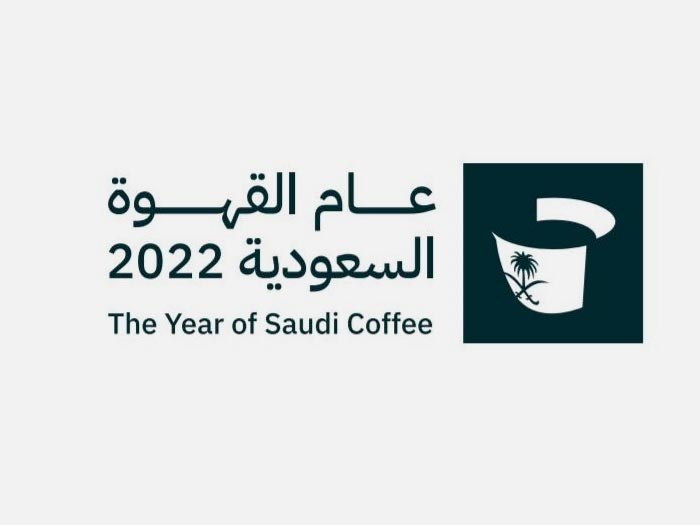
Ministry of Culture launches “Year of Saudi Coffee” logo and website

The Ministry of Culture unveiled the visual identity and website for its latest initiative, the ‘Year of Saudi Coffee’.

The logo was inspired by the “Finjal” or the small coffee cup used for drinking coffee in the Middle East, which is also considered a symbol for Saudi generosity and hospitality.

A range of initiatives and events will take place over the course of 2022, organized by the Ministry of Culture and the Culinary Arts Commission, in partnership with other government entities, the private sector, hotels, restaurants, coffee shops, and other stakeholders. Designed to raise awareness about its unique qualities, they will encourage the export of Saudi coffee to new international markets.

Saudi coffee is an essential part of Saudi culture, and by celebrating Saudi coffee year-round, the Ministry aims to share this aspect of Saudi culture with the whole world and invite them to learn about the unique way coffee is prepared in the Kingdom.

The branding and visuals for the campaign reflect the Kingdom’s renowned hospitality and signify an important component of Saudi identity. Those who are interested in learning more about the events and activities taking place throughout the course of the year are encouraged to visit the new website at https://engage.moc.gov.sa/year-of-saudi-coffee, which will be updated on a regular basis.

Saudi Arabia is known in the region for the production of a diverse range of coffee beans and the different ways coffee beans are roasted and brewed across its 13 regions.

One of its finest is the Saudi Khawlani coffee bean, which comes from the mountainous region of Jazan in the southwestern corner of the Kingdom. Other Saudi coffee beans come from Al Baha and Aseer regions, which are also known for their production of coffee.

The initiative was announced earlier this month by Prince Badr bin Abdullah bin Farhan Al Saud, the Minister of Culture. It comes as part of the Quality of Life program, one of Vision 2030’s realization programs.

coffee with lemon or vinegar saves from high pressure

The problem of high pressure is known to many. In Japan, they told about an unusual way to reduce it. This will require acetic acid and one very popular drink that is found in every home. The Japanese doctor assures: the result will not keep you waiting!

The doctor explains which ingredients should prevent the development of atherosclerosis and how many cups a day you need to drink

coffee is one of the drinks that can lower blood pressure. The book “50 tips for Lowering blood pressure without medication” explains why coffee is recommended for people with hypertension.

Director of the clinic “Sibaura” Hiroshige Hiroshige Itakura told us about the ways of drinking coffee, which will have a positive effect on the body. If you are concerned about your health, be sure to try them.

Recent studies have shown that coffee is a health drink. Add vinegar or lemon to it

Three to four cups of coffee a day to hold the action of polyphenols

There are many drinks that help lower blood pressure, coffee is one of them, and all thanks to the strong antioxidant effect of chlorogenic acid, a type of polyphenol.

Chlorogenic acid, which gives the bitterness and color of coffee, has a number of useful properties, including antibacterial action in the intestine, prevention of liver function decline, as well as myopia and presbyopia.

It also helps to burn more fat, which leads to an increase in energy consumption. In addition, this acid suppresses inflammation in the body, reduces the formation of plaques on the walls of blood vessels and protects endothelial cells in them, helping to maintain their elasticity.

It stabilizes blood pressure and also prevents the development of atherosclerosis, Dr. Itakura emphasizes. In the course of research conducted by the beverage manufacturer Nestlé among Tokyo housewives, it was found that coffee is the source of 47% of consumed polyphenols.

Although polyphenols can be obtained from other beverages and foods, coffee contains twice as much of them as green or black tea, and three times more than tomato juice, so it is recommended to drink three to four cups a day.

The action of polyphenols lasts only for a few hours after consumption, so it is recommended to drink coffee at certain intervals, for example, during a meal or snack.

Some consider caffeine to be the cause of poor health, but if taken in the right amounts and at the right time, it can have a number of positive effects, for example, eliminate drowsiness and provide a boost of energy. For those who are still in doubt, as well as for pregnant women, decaf coffee will be a good alternative.

It contains the same amount of polyphenols as regular coffee, so the effect will be similar, Itakura notes.

Add a teaspoon of vinegar to the coffee

If you want to enhance the effect of chlorogenic acid in coffee, we recommend drinking it with vinegar. The effect becomes stronger than from vinegar and coffee separately. Acetic acid also helps to lower blood pressure by gently stimulating its hormonal regulation in the body. Some may doubt the combination of coffee and vinegar, but a teaspoon of vinegar does not significantly affect the taste of an invigorating drink.

On the contrary, a slight sourness is combined with the bitterness of coffee, giving it a soft and deep taste, Dr. Itakura notes. Meanwhile, it is better to drink it warm, because in cold form it becomes more acidic. It is possible to brew coffee in a drip way, but even in a soluble product, chlorogenic acid does not lose its useful properties. If you are not used to drinking coffee, then start with instant, and then gradually switch to drip.

If you don’t like vinegar, then you can add thinly sliced lemon or lemon juice — you will get lemon coffee.

This fruit contains polyphenols – eriocitrin, which prevents the absorption of fats and prevents obesity, and narirutin, which helps prevent runny nose and sneezing. Together they are very good for health.

In addition, hesperidin strengthens capillaries and improves blood flow, so it is assumed that it prevents atherosclerosis.

Chlorogenic acid in coffee:

– Gives a strong antioxidant effect

– Suppresses inflammation in the body

– Protects endothelial cells of blood vessels and maintains their elasticity

– Reduces blood pressure

– And acetic acid and hesperidin from lemon further enhance the latter effect!

Features of coffee with vinegar

You can use instant or drip coffee. Add one teaspoon (five milliliters) of vinegar to one cup. Up to four cups a day, but it’s best to drink three cups a day. Choose vinegar to taste. You can also add a little brown sugar or honey to the drink.

Features of lemon coffee

Coffee can be instant or drip. Lemon can be cut (one or two slices), squeezed or bought in the store lemon juice. The recommended amount of juice is one teaspoon (five milliliters) per cup. It is worth noting that lemon is very useful together with the peel.

Profile 

Hiroshige Itakura is a doctor of medicine. Certified clinical nutritionist. Graduated from the Medical Faculty of the University of Tokyo. He took up his current post after working as a lecturer at the Department of Pediatrics at the University of Tokyo and Director of Clinical Nutrition Research at the National Institute of Health and Nutrition.

He has published several papers, among them – “Nutrition in terms of blood sugar, blood pressure and high cholesterol.”

Discoveries in a Cup: 10 Facts about Coffee from Café Mokha 1450 in Dubai

Café Mokha 1450 in Dubai shares intriguing facts about coffee that will broaden your perspective on this beverage:

Pressure Reduction with a Cup of Coffee: Moderate coffee consumption indeed contributes to lowering blood pressure due to its antioxidant properties.
Arabica and Robusta: Arabica coffee, known as the coffee bush of Arabia, offers a wide flavor spectrum and contains half the caffeine of Robusta coffee, commonly used in soluble coffee worldwide.
Exclusive Coffee Experience: Mokha 1450 is the first coffee boutique in Dubai, offering Ethiopian Geisha coffee, a predecessor to the renowned Panamanian Geisha, the world’s most expensive coffee usually sold at private auctions.
Coffee in History: In the 16th century, when coffeehouses were just opening in Europe, women were prohibited from entering, and the drink was considered a symbol of subversives and radicals.
Past Energy Bar: Ancient Ethiopians used green coffee beans coated in animal fat as an energy bar until they discovered the method of roasting them to make a drink.
Coffee Growing as Cherries: Coffee actually grows like cherries on trees and is harvested once a year. The taste quality depends on sunlight, rainfall, and other agronomic methods.
Coffee in the Beauty World: Freshly ground coffee is popular among beauty enthusiasts, used in stimulating scrubs with organic almond oil, sea salt, and organic brown sugar.
Pre-Workout Energy: Gym-goers regularly consume cold coffee before exercising as a means of boosting energy and burning fat.
Calorie-Free Breakfast: While coffee is often considered the first port of call for breakfast, it actually contains no calories.
Time of Freshness: Coffee oxidizes and loses its qualities within just two minutes after grinding.

Coffee reduces the risk of chronic liver disease

British scientists have found that coffee reduces the risk of chronic liver disease

Also during the study, experts found that those who consumed this drink had a 20% lower risk of steatosis. Drinking coffee has a positive effect on the functioning of the human liver. The Mirror writes about this, referring to scientists from the Universities of Southampton and Edinburgh.

Experts took the data of 495,585 people from the UK Biobank. 80% of them drank ground or instant coffee, and 20% did not use it at all. As a result, the researchers concluded that lovers of this drink had a 21% lower risk of chronic liver disease, and the probability of avoiding death increased by 40%.

The study also found that coffee drinkers had a 20% lower risk of steatosis. Scientists explained this effect by the substances contained in the drink – caveols and kafestols.

“We conclude that coffee has a preventive effect, protecting against chronic liver diseases. This is very valuable for low-income countries, where people have fewer opportunities to receive quality medical services and where the burden from chronic liver diseases is the highest,” said Oliver Kennedy, lead author of the study.

Earlier, neurophysiologist Tatiana Blokhina explained how to increase the invigorating effect of coffee. In particular, you can drink a cup of drink and take a nap in the afternoon, then after waking up there will be a double effect, she advises.

Starbucks projects $3bn gift card sales over the festive period

Starbucks is hoping to achieve another record year of sales for its Starbucks Cards gift programme during the festive period.

The coffee chain is projecting that nearly $3bn will be loaded on the cards in the US and Canada between October and December 2021, with 23 December anticipated to be the busiest day for card purchases.

In 2020, more than 46 million physical and digital Starbucks Cards were purchased over the festive period, with the coffee chain saying it was “on track” for another record year of sales.

“For more than 20 years, Starbucks Cards have made the perfect gift for loved ones during the holiday season, and we’re on track for another record performance of Starbucks Card sales. We are predicting that December 23 will be our busiest day of the year for Starbucks Card sales as customers finalise their holiday gifting,” said Starbucks Chief Marketing Officer Brady Brewer.

The coffee chain also highlighted data from the National Retail Federation, which indicates 46% of US consumers intend to purchase gift cards during the festive season, with total gift card sales expected to reach $28.1bn.

Starbucks introduced the most recent version of its gift cards in 2001 but has offered a gift card programme since 1994. The coffee chain was among the first major US retailers to introduce a reloadable gift card, with nearly 200,000 sold in the first week of sales in 2001.

Since then, the number of Starbucks Cards sold over the festive period has steadily sharply, with two million sold in 2012, growing to nearly 2.5 million in 2014 before reaching record levels of 46 million in 2020.

In 2020, more than 46 million physical and digital Starbucks Cards were purchased over the festive period, with the coffee chain saying it was “on track” for another record year of sales.

“For more than 20 years, Starbucks Cards have made the perfect gift for loved ones during the holiday season, and we’re on track for another record performance of Starbucks Card sales. We are predicting that December 23 will be our busiest day of the year for Starbucks Card sales as customers finalise their holiday gifting,” said Starbucks Chief Marketing Officer Brady Brewer.

The coffee chain also highlighted data from the National Retail Federation, which indicates 46% of US consumers intend to purchase gift cards during the festive season, with total gift card sales expected to reach $28.1bn.

Starbucks introduced the most recent version of its gift cards in 2001 but has offered a gift card programme since 1994. The coffee chain was among the first major US retailers to introduce a reloadable gift card, with nearly 200,000 sold in the first week of sales in 2001.

Since then, the number of Starbucks Cards sold over the festive period has steadily sharply, with two million sold in 2012, growing to nearly 2.5 million in 2014 before reaching record levels of 46 million in 2020.

Vietnamese coffee exports to decline 2,7% in calendar year 2021

The General Bureau of Statistics of Vietnam (Gso) expects that coffee exports will decrease in December by 6,5% compared to the same period last year and will amount to 130 tons, or 000 bags of 2 kg.

Thus, total exports in calendar year 166 will amount to 667 million tons, which is 60% less than a year earlier.

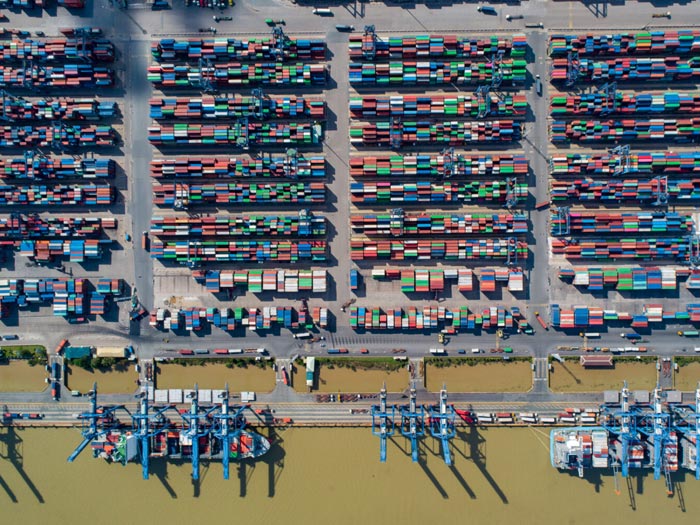
The sharp rise in transport costs and the limited availability of shipping containers have led to a decline in coffee exports from Vietnam.

The report also says that coffee exports are likely to grow 9,4% this season to about $ 3 billion.

Earlier this week, at its annual Congress, the Vietnam Coffee and Cocoa Association (VICOFA) set a goal to expand roasted instant coffee exports and increase export revenues to $ 5-6 billion by 2030 under the slogan “productivity, quality, added value.”

Russia.. Only 6.4% of consumers choose coffee without milk

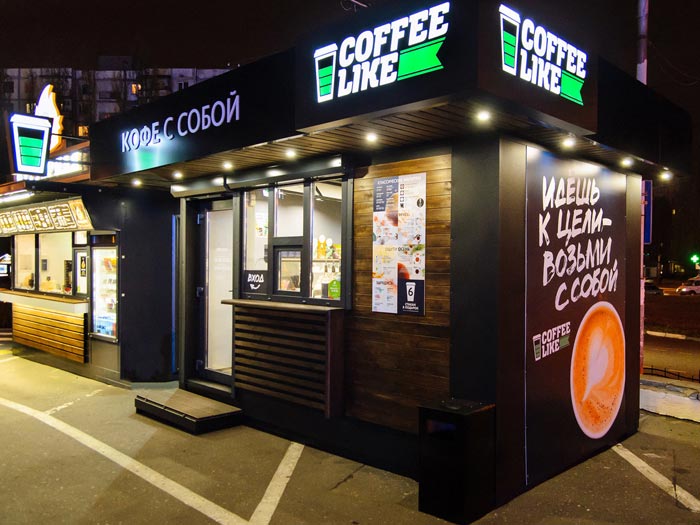
In the last decade, Russians have acquired a new habit – to buy takeaway coffee in a coffee shop and take it with them for a walk.

One of the largest coffee shops in Russia, COFFEE LIKE, shared with The DairyNews data on the taste preferences of customers, seasonality and cost of the most popular coffee drinks.

Russians prefer to take out cappuccino

The COFFEE LIKE coffee chain analyzed sales for 2019-2021 and identified the TOP 3 popular coffee drinks that Russians most often take away. All three leaders contain milk or cream.

The undisputed winner was cappuccino, which is preferred by 36.3% of Russians, latte (19.9%) and raf (17.9%) are in second and third place. Drinks without milk – espresso and Americano – account for only 6.4%. The most popular volume of coffee with you is 0.3 liters, it is chosen by 44.7% of buyers.

“Based on sales data for the last 2 years, we have identified the months when Russians buy coffee with them the most. They were September, August, April and May. Coffee consumption in these months increases from 10% to 16%, – says Tatiana Kuznetsova, executive director of the COFFEE LIKE chain of coffee shops.

Coffee is a seasonal drink

The growth of coffee sales in spring and early autumn is directly related to the temperature of the air outside. April is the first warm month after winter: Russians resume long walks, coffee sales increase by 10% during this period.

In August, September and May, the most comfortable weather is established in most regions of Russia in order to spend time outdoors, These months are leaders in the number of takeaway coffee purchased: sales increase by 16% compared to the monthly average. In addition, business activity increases at the beginning of autumn, this is especially noticeable in large cities. “More and more people started taking coffee to take away. This is due to its availability. Now a lot of coffee shops are opening and it is quite easy to find a quality drink according to your preferences. Espresso-based milk drinks are the most popular, they are more difficult to prepare at home, and they cope well with the role of a pleasant reward in between work,” says Tatiana Kuznetsova.

In the summer months – June and July – the number of purchases of coffee with you comes to an average monthly value, since in the heat, soft drinks are more relevant – water, lemonade, kvass. In addition, many people go on vacation or out of town, which also affects the volume of coffee sales. During the cold period (December-February), the number of sales decreases by 30% of the monthly average.

What affects the cost of coffee with you?

The cost of each drink consists of the cost of its components. The main ones are coffee beans, milk, packaging. For example, the structure of the cost of cappuccino is as follows: coffee 27%-38%, milk 42%-50%, packaging 17%-23% (depending on volume).

Over the past 4 months (September-December 2021), the purchase price of coffee has increased by 16%, glasses have risen in price by 12%. At the same time, the growth of the final cost of the takeaway coffee chain, for example, in the COFFEE LIKE network, was restrained in the range of 2-5% until the end of the year. From this it follows that the owners could afford not to raise product prices due to long-term contracts with suppliers, a short supply chain and a high level of vertical integration. However, at the beginning of the year, due to the increase in cost, we should expect an increase in prices for the finished drink. Indexing will vary depending on the price segment in which the coffee shop operates.

“There are two reasons for the increase in the price of raw materials: a lean year in Brazil and strikes in Colombia, which complicates supplies,” says Tatiana Kuznetsova. – In addition, the delayed demand for coffee outside the home also played a role – coffee shops had to buy more raw materials to meet demand. All this together creates a situation of coffee shortage, which leads to its rise in price.”

Nevertheless, despite fluctuations in the catering market due to the coronavirus pandemic, the expert does not expect a strong drop in demand for coffee products. According to the association of producers “Roschaikof”, the difference in consumption of coffee beans to instant coffee was 55% versus 45%. The popularity of coffee returned to Russia in 2000 and has increased significantly over the decade. If in the 2000s one person consumed about 0.5 kg of coffee per year, then in 2019 this figure increased to 1.5 kg per year. Largely due to the tradition of taking coffee for a walk with you in recent years, the dynamics of consumption of coffee beans among Russians is steadily growing.

“The value of a coffee drink for the consumer increases annually, and this increases the elasticity of demand with an increase in price. Good coffee will continue to be bought, even if it becomes a little more expensive. However, the mission of coffee shops in such a situation is still to provide a product at an affordable price,” concluded Tatiana Kuznetsova.

On average, the proportions of the ingredients of classic takeaway milk drinks are distributed as follows: coffee 13%-44%, milk/cream 17%-50%, packaging 13%-23%.

The increase in prices for each ingredient entails an increase in the final cost of the drink.

The high season is considered to be April, May, August and September, when, thanks to the warm weather, takeaway coffee sales volumes are growing.

What is the 5th Wave of coffee?

The 5th Wave™ reflects a powerful new era of scaled boutique hospitality and is the current ideology shaping business trends across the global coffee industry. Put simply, 5th Wave implies scaling up consistent high quality to achieve a highly successful, customer-centric and sustained business outcome.

The concept of 5th Wave was developed by Allegra Strategies consultancy and refined within Allegra World Coffee Portal following two decades of coffee industry research and analysis. 5th Wave is the culmination of all four previous ‘waves’ of industry development as laid out in the World Coffee Portal Stages of Coffee Industry Development Framework (above).

The 1st Wave describes traditional 20th century coffee drinking and reflects differing historical cultures and geographies. The 2nd Wave is typified by the early growth of lifestyle branded chains, such as Starbucks Coffee Company, 3rd Wave by craft or artisan coffee, and the 4th Wave by the ‘science of coffee’. Each era has its merits and has added significantly to the depth and growth of coffee enjoyment.

A reflection of the era in which we live, the 5th Wave represents a quantum leap in the calibre of vision and execution required to meet the desires, needs and aspirations of today’s highly savvy and technically engaged millennial audience and tomorrow’s Gen Z.

Today’s 5th Wave businesses create and consistently deliver highly engaging and aspirational experiences to clearly defined customer target audiences. These forward-thinking businesses are highly commercial and possess the mindset to constantly strive toward excellence, meticulously engineering and refining every process. They are typically run by ambitious, well-funded entrepreneurial professionals who understand the importance of people culture, of streamlined systems and process, of training and development and investment into seamless, enabling technology – not for ease, but because of their obsession with winning positive customer experience.

Quality and scale can be relative. 5th Wave does not necessarily mean an offering needs to be inordinately expensive, nor does it need to be expanded across hundreds of outlets.

Scaling quality for each and every customer interaction requires unflinching discipline, herculean stamina, authentic flair and relentless innovation. 5th Wave is not just limited to the coffee sector. Numerous other industries deeply identify with today’s need to ‘scale up’ quality and heighten client experience in order to maintain a competitive advantage.

These include sectors from retail to restaurants and hotels to fitness and technology. In the coffee sector, brands such as Blue Bottle, Bluestone Lane, Caravan, Department of Coffee, and many others, are examples of smart businesses setting new benchmarks for quality and customer engagement. Equally, the Starbucks Reserve concept creates a new dimension of customer experience within the world’s largest coffee operator.

Further detail will follow on the definition and characteristics of 5th Wave companies. No doubt this is only the beginning of the journey. In the meantime, keep your eye on the next big step in global coffee shop evolution – the 5th Wave, a new era for The Business of Coffee.

source : Allegra World Coffee Portal

Expo 2020 hosts coffee world Dubai 2022

From 12 to 14 January 2020, the city of Dubai in the United Arab Emirates will host the world of coffee Dubai in its first edition, which will be held at the Dubai Exhibition Centre at Expo 2020 Dubai.

To enhance communication between coffee producers, manufacturers, retailers, traders and industry professionals, coffee world Dubai is designed for coffee companies in the UAE and those who want to enter the emerging world of coffee in the Middle East. ⠀

Coffee world Dubai features a host of great features, most notably:

The roasting house⠀

Espresso and filtration stand

Coffee tasting rooms⠀

Training programs and educational lectures from the competent Coffee Association⠀

Coffee Association lounge and shop

Jug tournaments (r /r Br)

The exhibition will offer many dynamic creative presentations, cultural information, and opportunities to make several business deals.⠀

The event will provide an opportunity to meet many specialists and experts in the field of specialty coffee, get acquainted with new information and knowledge, as well as many other things.⠀

Each year, the Specialty Coffee Association’s flagship exhibition takes place in a different European city during June, and is now expanding into the Middle East, landing in Dubai .

The coffee World Expo is the premier event for coffee professionals and appeals to the loyal audience of the global coffee community.

The size and prestige of the event has more than tripled over the past six years, with the number of visitors to the event increasing from 3,000 visitors and 45 exhibitors to 10,945 visitors and over 240 exhibitors.

The Middle East and Africa region is experiencing a CAGR of 7.5% during the forecast period (2020-2025) and rising income has significantly helped the coffee market to grow in the region.

There is a growing demand for the culture of coffee shops and cafes in countries such as the United Arab Emirates, Saudi Arabia, Bahrain, Kuwait and others.

Moreover, the number of specialized cafes in this region continues to increase year by year to meet consumer demands.

More than 2.25 billion cups of coffee are consumed globally every day, while the global market value of the beverage is expected to experience an annual growth rate of 5.5 % .

Superbly located just 300m from the heart of the Expo 2020 Dubai site, the Dubai Exhibition Centre (DEC) is a state-of-the-art multipurpose venue.

Through world-class hospitality services and a transformative atmosphere DEC will support you in connecting and networking with Expo 2020’s exciting mix of world leaders, countries, educational institutes, businesses, innovators, thinkers and artists.

World of Coffee at a glance

VISITOR PROFILE

Café owners

Retailers

Roasters

Baristas

Green Coffee Importers & Exporters

Coffee & Tea Growers & Producers

Procurement from hospitality, restaurants & catering

Coffee Enthusiast

Exhibitor Profile

Coffee & Tea Accessories

Coffee & Tea Brewing Equipment

Espresso Machines

Roasting Equipment

Café Décor, Art & Furniture

Coffee Roasters and Roasted Bean suppliers

Coffee Traders, Suppliers and Exporters

Dairy & alternate milk manufactures & suppliers

Confectionery and Bakery Products

Flavours and Syrups

Franchising Opportunities

Beverage Packaging Equipment

Specialty Cafés

Industry Trade Publications

Shipping companies

Water Filtration Systems and Bottled Water Suppliers

AN ESTABLISHED BUSINESS COMMUNITY

The SCA is proud that World of Coffee has become such an important fixture in the coffee calendar each year.

Visitor Roles

29% Roastery

22% Coffee Bar/Cafe

19% Coffee Enthusiast

13% Trader

8% Grower NGO-Not for Profit Agency

Top Reasons for Attending

Network

Research New Products

Sense of Community

SCA Education

show features

Join us this January as World of Coffee comes to Dubai for the first time, packed with all the same features:

Trade Floor

Taking place at the brand new Dubai Exhibition Centre at Expo 2020, the show floor will be focused entirely on exhibitors and delegates from the Specialty Coffee & Tea industry.

UAE National Championships

The UAE National Championship competitions are set to take place at the World Of Coffee Dubai.

Roaster Village

The Roaster Village is the place where micro roasters meet customers, coffees are roasted, brewed and tasted. The Village offers visitors the opportunity to see the latest trends in coffee sourcing, handling, roasting, brewing, and distribution, not to mention coffee tasting!

Brew & Espresso Bar

Taste the world of coffee at the Brew Bar or the Espresso Bar! Beverages will be kindly prepared and served by skilled baristas.

Cupping Corner

The Tasting Rooms are a vibrant part of the World of Coffee. Made up of glass walls, businesses can hire the space to present their coffees to a select group of customers and tasters, both inside and outside of the room. Batch brewers and manual brew devices will be available. Tasting Room rentals are only available for exhibiting companies to rent.

Best New Product

The Best New Product (BNP) Competition and Display recognizes new products judged on their quality and value to the specialty coffee and tea industry. Awards are presented to the winners of exhibiting companies during World of Coffee.

SCA Lectures

Each year, World of Coffee welcomes industry respected experts who inspire, educate, and motivate near 7,000 coffee professionals to reach for their goals and expand their coffee knowledge.

SCA Lounge & Store

A unique opportunity to connect with leaders in the global coffee community, and stock up on the latest research and posters from the Specialty Coffee Association.

Specialty Coffee Association (SCA)

The Specialty Coffee Association (SCA) is a trade association built on foundations of openness, inclusivity, and the power of shared knowledge.

SCA’s purpose is to foster global coffee communities to support activities to make coffee a more sustainable, equitable, and thriving activity for the whole value chain.

From coffee farmers to baristas and roasters, our membership spans the globe, encompassing every element of the coffee value chain.

The SCA acts as a unifying force within the specialty coffee industry and works to make coffee better by raising standards worldwide through a collaborative and progressive approach. Dedicated to building an industry that is fair, sustainable, and nurturing for all, the SCA draws on years of insights and inspiration from the specialty coffee community.

Specialty Coffee Association Purpose

The SCA will foster a global coffee community and support activity to make specialty coffee a thriving, equitable, and sustainable activity for the entire value chain.

Specialty Coffee Association Vision

To create an effective, authentic and dynamic organization to give voice and substance to the possibilities for specialty coffee worldwide.

Specialty Coffee Association Mission

Engage, inspire, and expand a sustainable global specialty coffee community through leadership in events, education, and research.

Specialty Coffee Association Strategic Objectives

Make the specialty coffee industry more sustainable with an agenda focused on partnerships, education, research, and advocacy.

Create opportunities for professional engagement and individual growth through our network and programs.

Expand our global network and enhance the experience of our stakeholders by working with local communities.

Deliver outstanding service to members of the global specialty coffee community in everything we do.

Specialty Coffee Association Core Values

1 Relevant Member Value

We serve our members as a nonprofit global platform that: 1) provides world-class events, education, research, and standards; 2) promotes best practices and professionalism that are inclusive of and adaptive to context; and 3) amplifies voices within the specialty coffee value chain.

2 Sustainable Coffee Industry

We advocate for the sustainable growth of the coffee industry through collaborative partnerships that pursue equity, prioritize mutual benefits, and result in positive impact throughout the coffee supply chain. We work to improve understanding of critical social issues and inequities through proactive efforts, focused attention, education, and dedicated resources.

3 Community of Communities

We value diverse perspectives by listening, centering, and adapting to unique local characteristics while encouraging a sense of global community for cultural and economic exchange. We recognize local communities and facilitate development of infrastructure, communication, and sharing within and among coffee communities.

4 Best People

We recognize that diverse perspectives are needed to have a well-balanced and dynamic representation of and for membership. This includes (but is not exclusive to) race, gender, age, nationality, sexual orientation, member category and career, as well as in intersections of these identities. We develop, empower, and retain the best volunteer leaders and staff to engage our membership and external audiences by fostering an informative, inclusive, rewarding, and mutually-supportive environment.

5 Ethical Operation

We demonstrate integrity of business practice and nonprofit governance. We comply with local regulatory requirements and act with unyielding dedication to our self-defined commitments. We inspire trust through transparent communication and acknowledgement of accountability, and improve performance through aspiration, self-monitoring and member engagement.

6 Respect for the Individual

We create, produce, and support discrimination-free and harassment-free safe spaces for personal and professional collaboration, growth, and learning. We recognize that membership benefits and participation in activities differ depending on identity, background, privilege and access to resources, and we acknowledge that every member has a voice.

 The Specialty Coffee Association Policy on Indirect Overhead Costs in Research

It is the policy of the Specialty Coffee Association, a non-profit based in the state of California, that no indirect overhead costs are to be paid when sponsoring research.

History of the Specialty Coffee Association

Established in January 2017 as a result of the unification of the Specialty Coffee Association of America and the Speciality Coffee Association of Europe, the SCA combines rich histories on both sides of the Atlantic and around the world.

The former Specialty Coffee Association of America (SCAA) was established in 1982 by a small group of coffee professionals seeking a common forum to discuss issues and set quality standards for the specialty coffee trade.

The former Speciality Coffee Association of Europe (SCAE) was formed at a meeting of representatives of the European coffee community in London in 1998.

By 2016, both organizations had close to 10,000 members combined and supported a thriving network of volunteer-led chapters across Europe.

Producer & Roaster Forum: Colombia 2022

The past two years have radically changed the landscape for events in the coffee industry, and the shift to online trade shows and networking has been well-documented. Research from event organiser Eventbrite found that some 75 million people registered for over 1 million online events in 2020.

To adapt to these ever-changing circumstances, we announced an industry-first virtual coffee event earlier this year: Virtual Producer & Roaster Forum (Virtual PRF). This world-class digital event brought together over 1,500 attendees from over 50 countries for a unique 2-day digital experience.

However, as the demand for high-quality in-person events increases once more, we are proud to announce the 2022 edition of Producer & Roaster Forum (PRF), which will be held in Colombia. Read on to learn more.

PRODUCER & ROASTER FORUM: AN OVERVIEW

Every year, PRF brings together coffee professionals from across the globe – whether in-person or virtually.

Each PRF event focuses on one origin country, where it hosts the event: PRF Colombia 2022 will be the fifth of its kind. Previous host countries include El Salvador, Brazil, Guatemala, and Honduras.

Julio Guevara is the Director of PRF. He explains why it’s so vital that PRF is held in a coffee-producing country.

“Groundbreaking valuable events at origin have always been lacking in the coffee industry,” Julio says. “We need to take the conversation and platform to where they have more impact – a coffee-producing country.”

Henry Wilson is the founder of PDG Global. He tells me that PRF provides a platform for producers to cultivate long-term relationships with traders and roasters.

“We want to shift the narrative towards empowering the farmer,” Henry says. “PRF treats them as professionals and entrepreneurs, giving them the chance to network and display that expertise.

“We want to bring their voices to the table. They should be active in the important sector-wide discussions, and help lead the way for the coffee industry.”

The ultimate goal of PRF 2022 is to drive green coffee sales for the Colombian coffee sector. Last year, in Honduras, Virtual PRF facilitated more than US $10 million in sales.

With more than 5,000 people from over 50 countries expected to attend PRF Colombia 2022, this number is expected to increase even further.

Henry says: “PRF’s aim is to create the world’s best coffee event by bringing experts and roasters from around the world together with the people in the industry that deserve the most credit and attention: the producers.

“It’s simple: we want to drive meaningful industry-wide discussion with producers at the table.”

PRF Colombia Origin Trip Experience

Meanwhile, for roasters, PRF Colombia 2022 will offer something completely unique: the PRF Origin Trip Experience.

By traveling to Colombia, roasters from around the world will be supported to build long-lasting friendships and business relationships with the farmers who produce their coffees.

As with previous years, the PRF Origin Trip Experience takes place over three days:

Roasters will be placed in groups of 20 to stay with hosts on various coffee farms in different coffee-growing regions.

Roasters get the chance to meet farmers, as well as visit wet and dry mills.

Roasters can take part in a series of activities on the farms, including harvesting and processing.

Roasters can take part in cupping sessions and roundtable discussions with producers.

WHY COLOMBIA?

Colombia is the third-largest coffee producer in the world. This year, it exported some 14.1 million 60kg bags of coffee.

It is widely considered one of the most famous and prominent coffee producing countries in the world.

“PRF Colombia 2022 is set to create a huge amount of discussion around the Colombian coffee sector,” Julio says. “It will be a platform for business, networking, and the coffee industry as a whole.”

The event will consist of two parts: the three-day PRF Origin Trip Experience and the two-day forum. The forum will be held in Medellín, the capital of the Antioquia province and the second-largest city in the country.

After the Origin Trip, both roasters and producers will meet at the two-day PRF Colombia 2022 forum in Medellín. This will include an extensive programme of talks, educational workshops, cuppings, presentations from global industry leaders, and networking opportunities for both producers and roasters.

“More and more coffee-producing countries are investing in internal consumption and turning towards specialty coffee,” Julio explains. “PRF provides the opportunity for stakeholders across the industry to witness this transition first-hand.

“PRF also allows the host country to close the gap between commercial and specialty coffee by learning more about global trends in the coffee industry,” he adds.

However, the ultimate goal of PRF is to drive sales of green Colombian coffee, as Henry explains.

“Looking at an example from a PRF event a few years ago, one of the first-ever farm visit hosts from PRF El Salvador is now receiving orders for three containers of coffee,” he says. “Before PRF, his orders were for a few bags.

“This is an increase of millions of dollars from just one transaction with one exporter. The opportunity for producers to build multimillion dollar trade deals at PRF is clearly there.”

WHAT DOES THIS MEAN FOR THE COFFEE INDUSTRY?

The aim for PRF Colombia 2022, as with previous PRFs, is to allow coffee professionals to network and develop long-lasting relationships that drive green coffee sales.

“PRF is a truly global event,” Henry says. “Producers, roasters, and traders from Asia, Australasia, Europe, Africa, and the US will be attending.

“We want people to fully engage in one-on-one meetings to build long-term relationships which are mutually beneficial.”

Over 150 roasters are expected to attend PRF this year, as well as thousands of local Colombian coffee producers, traders, roasters, and café owners.

Henry concludes by saying: “We’re bringing a high-quality event to origin and putting it on the farmer’s doorstep.”

The expectation is that PRF Colombia 2022 will drive the Colombian coffee sector forward and empower producers across the nation – especially smallholder farmers, who have historically been more limited in their access to trade shows and events.

“We’re not looking to organise PRF like any other event in the coffee industry,” Julio concludes. “It’s going to be one of a kind – and an unmissable opportunity for global coffee professionals.”