The Secret of Turkish Coffee and Its Transformation into Modern Style

Turkish coffee, with its rich history and unique preparation methods, stands as a cultural icon and a symbol of hospitality. Over the years, it has transformed from a traditional beverage into a modern-day favorite, blending the essence of the past with the innovations of the present. This article explores the journey of Turkish coffee, its distinctive qualities, and the factors contributing to its resurgence and popularity both in Turkey and around the world.

Турецкий кофе как бренд

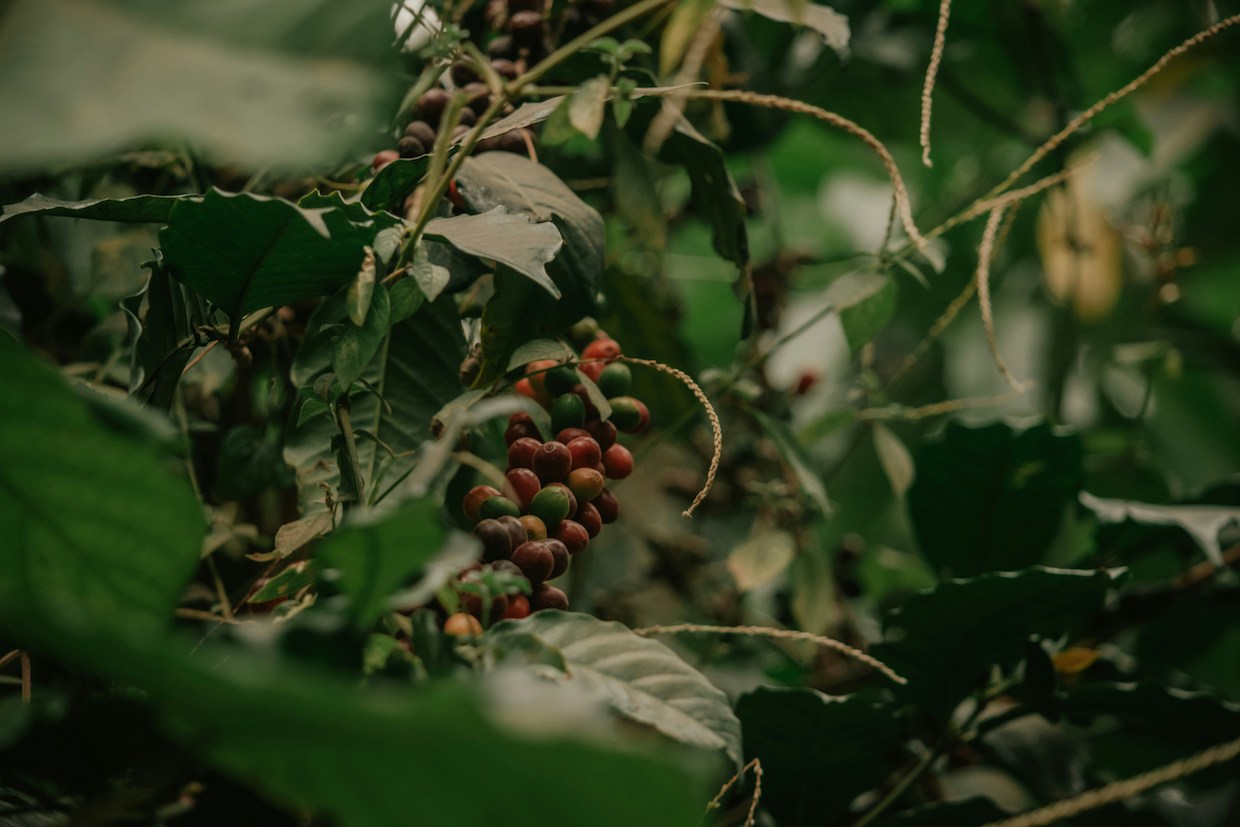
Turkish coffee must be made from the Coffee Arabica Lyn type. Coffee Arabica grows primarily on mountainous plateaus and volcanic slopes at altitudes between 800-2000 meters. The plant blooms after each rainy period, and the fruits take about nine months to ripen. It is made from oval Arabica beans of a greenish-yellow color. The coffee produced from these beans contains less caffeine than Robusta and has a more delicious and sweet aroma. The collection, fermentation time, and storage conditions of ripe raw coffee are crucial. More than 900 flavors contained in the beans are released during roasting, according to KuruKahveci Mehmet Efendi, a Turkish coffee manufacturer since 1871.

Growth and Expansion of Turkish Coffee

This year, Turkish coffee and coffee houses have gained more attention. The “Turquality support” provided by the Turkish state has also contributed to the aggressive growth of coffee companies. With government support, these companies increased their targets by 2-3 times, enabling the Turkish flag to fly in more locations abroad.

Success Stories: Espressolab and the Kocadağ Family

Turkish Espressolab has grown proactively both domestically and internationally. Since its opening in 2014, the company has reached 260 stores in 11 countries. The rich historical heritage of the 170-year-old Kocadağ family, along with their strong knowledge and talent, has played a significant role in this success.

Esat Kocadağ mentioned that to surpass their competitors, they collaborated and received training from the world’s best coffee and cheesecake masters, which facilitated their rapid growth. Emre Kocadağ stated that 70 percent of their customers are aged 18-23. This student demographic is more conscious and has started to prefer their brand. They believe that when these students graduate and enter the workforce, they will continue to patronize their stores. Thus, they are investing in the future.

The Secret of the Blend

When we asked Serkan Oral about their success, he revealed the “secret of the blend.” Turkish Espressolab’s biggest success, apart from offering fresh coffee beans, lies in its new mobile application, which allows customers to get their coffee quickly. The company’s successful rise is attributed to its focus on a wide range of products, from classic recipes to unique coffee blends. They carefully source the best and freshest coffee beans directly from farms and fields in Yemen, Rwanda, Ethiopia, and Colombia. Currently, coffee consumption in Turkey has reached up to 2 kg per person per year.

The Unique Aspects of Turkish Coffee

The uniqueness of Turkish coffee lies in its preparation and the social interactions it fosters. Turkish coffee can be prepared sade (plain), az şekerli (slightly sweet), orta şekerli (medium sweet), or şekerli (sweet). Each establishment typically has a standard-sized cup for their Turkish coffee, so forget about asking for a “grande,” decaf, takeaway, or milk. The new generation embraces both tradition and a vision for the future.

As the saying goes, “A cup of Turkish coffee has forty years of worthiness.”

New Study: Drinking Up to 25 Cups of Coffee Daily is Safe for Heart Health

A recent study from Queen Mary University of London brings good news for coffee lovers, finding that drinking up to 25 cups of coffee a day does not harm heart health. Funded by the British Heart Foundation, the study’s results were presented at the British Cardiovascular Society Conference, offering a fresh perspective on the relationship between coffee consumption and cardiovascular health.

Study Design and Methodology The study involved over 8,000 participants, divided into three groups based on their daily coffee intake: less than one cup, one to three cups, and more than three cups up to 25 cups daily. Researchers used advanced imaging techniques such as MRI and pulse wave tests to measure arterial stiffness, a crucial indicator of heart health.

Study Results The results showed no significant difference in arterial stiffness between participants who drank large amounts of coffee and those who drank less than one cup daily. This suggests that consuming large amounts of coffee does not necessarily lead to arterial stiffness, contradicting previous studies that linked high coffee consumption to heart risks.

Expert Opinions Dr. Kenneth Fung, who led the data analysis, stated, “The main message for people to take away from this study is that coffee can be enjoyed as part of a healthy lifestyle, and coffee lovers can be reassured by this result regarding arterial stiffness outcomes.”

Professor Steffen Petersen, the lead researcher, added, “While coffee might keep us up at night, this study gives us a reason to sleep easy, knowing that the popular drink isn’t as bad for our arteries as some previous studies suggested.”

Recommendations Despite these encouraging results, experts advise moderation. The study did not address other potential health issues related to high caffeine intake, such as increased blood pressure and sleep disturbances. Health organizations recommend limiting caffeine intake to about 400 mg per day, roughly equivalent to four cups of coffee.

Conclusion This study represents a significant step towards understanding the relationship between coffee consumption and heart health. It debunks previous beliefs about the negative impact of high coffee intake on heart health, providing reassurance to coffee enthusiasts that their favorite beverage can be part of a healthy lifestyle when consumed in moderation.

UAE AeroPress Championship 2024 Set for August 1-3

Coffee enthusiasts and baristas are preparing for a unique and exciting event, the UAE AeroPress Coffee Championship 2024, which will take place in Dubai from August 1 to 3. This special event is expected to attract coffee lovers from across the region to compete and showcase their skills in brewing coffee using the AeroPress.

Competition Format: The championship follows a multi-round elimination format. In each round, two or more participants will simultaneously brew coffee using the AeroPress. Competitors are given five minutes to complete the entire process, from preparation to presentation. The brewed coffee is served in identical cups to the judging panel, who will blind taste to determine the best cup. The winner of each round advances to the next stage, while others are eliminated.

Device Specifications and Preparation Rules: Participants must use an original or clear AeroPress. All components, including the chamber, plunger, and original filter cap, must be used. Other versions of the AeroPress, such as the small or large AeroPress or improved versions with the flow control filter cap, are not allowed. Custom-painted AeroPress devices are allowed, provided they are made from the original or clear AeroPress without modification. No other coffee brewing devices, such as French presses or pour-over methods, are permitted.

Filter Use and Guidelines: Any type of filter can be used, provided it does not replace the original filter cap. Filters can be made from paper, metal, cloth, or other neutral-tasting materials. The filter must fit inside the filter cap and be the primary mechanism for filtering the coffee.

Allowed Accessories: Participants may use various accessories, including grinders, kettles, scales, spoons, timers, thermometers, device stands, sieves, air blowers, Ross and Weiss technique tools, cooling stones, and water distribution tools. All accessories must comply with the specified competition rules.

Brewing Rules: Only ground coffee and water are permitted. If the organizers specify a particular coffee or water for the competition, participants must use only those. Up to 18 grams of ground coffee can be used, and participants must produce at least 150 grams of brewed coffee. Coffee must be presented within the allotted five minutes.

Water Rules: Participants can bring their own water, provided it tastes neutral. The head judge has the right to taste and approve the water. The use of ice and water of any temperature for dilution is permitted.

Judging Process: Each round is judged using a blind tasting technique. Participants’ names and countries are hidden, and there is no official score sheet. Judges independently determine their preferred coffee and simultaneously point to the selected cup. In case of a tie, the head judge makes the final decision.

Pre-Competition Preparation: Before the competition, participants can preheat water, sort coffee beans, weigh doses, assemble the device, and place the filter. On stage, participants have a few minutes to set up their equipment and heat the water but cannot rinse the filter, preheat or cool the devices and cups, or grind coffee until the competition starts.

Competition Time: During the five-minute competition time, participants must preheat or cool the devices and cups, grind the coffee, prepare the recipe, and pour the brewed coffee into the judging cup. Participants must bring their original AeroPress devices and are allowed to use their own scales and grinders. Water brought by participants will be reviewed by the head judge.

If the national champion is unable to travel or obtain a visa, the eligibility will pass to the second-place winner, and if necessary, to the third-place winner. Eligibility does not extend beyond the top three participants and cannot be transferred to future seasons.

The UAE AeroPress Coffee Championship 2024 promises to be an exciting event showcasing the skill and creativity in coffee brewing. Stay tuned for updates and results from this unique event

The Impact of Artificial Intelligence on the Coffee Industry

Artificial Intelligence (AI) is revolutionizing industries across the globe, and the coffee sector is no exception. The coffee industry, with its rich history and complex supply chain, is ripe for transformation through AI. This report explores how AI is poised to transform various aspects of the coffee industry, from bean selection to customer experience.

Key Areas of AI Application in Coffee:

a) Bean Selection and Quality Control

AI-powered computer vision systems, such as those developed by Demetria, are revolutionizing the bean selection process. These systems use high-resolution cameras and advanced image processing algorithms to analyze beans for defects, size, and color consistency, processing thousands of beans per minute, far outpacing human inspectors.

Machine learning models are being trained on vast datasets of bean characteristics, including origin, altitude, soil type, and processing method. These models can predict bean quality and flavor profiles with increasing accuracy. This not only ensures higher quality but also allows for more precise blending to achieve desired taste profiles. For instance, companies like IBM have developed AI systems that predict the quality and yield of coffee crops, helping farmers make informed decisions to improve productivity and quality.

b) Roasting and Brewing Optimization

In roasting, AI systems like Cropster Roast integrate with sensors that monitor temperature, time, air flow, and even the sound of beans cracking. By analyzing this data in real-time and comparing it with ideal roasting profiles, AI can make micro-adjustments throughout the roasting process, leading to more consistent results and the development of new roasting profiles for unique flavor outcomes. Companies like Roest have developed AI-powered coffee roasters that offer precise control over the roasting process.

For brewing, AI is being incorporated into both commercial and high-end consumer machines. These systems can adjust variables like water temperature, pressure, and flow rate based on the specific beans being used. Some advanced systems, such as those by Nespresso, are even beginning to incorporate user feedback to fine-tune brewing parameters to individual tastes over time. AI-driven brewing systems like the ones used by Atomo Coffee can mimic the taste profiles of traditional coffee by analyzing the molecular composition of beans and adjusting brewing methods accordingly.

c) Personalized Customer Experiences

AI-driven recommendation systems, such as those used by Nespresso, are becoming increasingly sophisticated. By analyzing a customer’s purchase history, flavor preferences, and even factors like the time of day or weather, these systems can suggest coffee blends or brewing methods tailored to individual tastes.

Natural language processing enables advanced chatbots and virtual assistants, like Starbucks’ My Starbucks Barista, to handle complex orders, answer detailed questions about coffee origins and flavor profiles, and provide brewing tips. As these systems improve, they are able to provide more nuanced and helpful interactions, enhancing the overall customer experience. For example, AI-powered chatbots can engage customers in real-time, offering personalized recommendations and support.

Benefits and Challenges

Benefits:

  • Improved Consistency: AI’s ability to maintain precise control over roasting and brewing parameters ensures a more consistent product, which is particularly valuable for large chains like Starbucks, where consistency across locations is crucial.
  • Enhanced Efficiency: Beyond just sorting beans and managing inventory, AI can optimize supply chains, predict demand to reduce waste, and assist in staff scheduling based on predicted busy periods.
  • Data-Driven Insights: AI can analyze data from across the entire coffee production and sales process, uncovering insights into consumer preferences, helping identify emerging trends, and assisting in developing new products. For instance, AI can identify seasonal preferences for certain coffee blends and help companies tailor their offerings accordingly.
  • Sustainability: AI can help reduce waste, optimize resource use, and support more sustainable farming practices through precision agriculture techniques. AI can monitor soil health, weather patterns, and crop conditions to provide actionable insights for sustainable farming practices.

Challenges:

  • Implementation Costs: The initial investment can be substantial, especially for smaller businesses. This includes the cost of AI systems themselves and the infrastructure needed to support them, such as sensors, data storage, and high-speed internet connections.
  • Technical Expertise: Coffee businesses may need to hire data scientists and AI specialists, roles traditionally not associated with the industry. Training existing staff to work alongside AI systems effectively is also necessary.
  • Balancing Automation with Craft: There is a risk of losing the ‘human touch’ that many coffee enthusiasts value. Businesses need to find ways to use AI to enhance rather than replace the artisanal aspects of coffee making.
  • Data Privacy Concerns: As AI systems collect more customer data to personalize experiences, businesses must ensure compliance with data protection regulations and maintain customer trust. Implementing robust data protection measures and transparency in data usage are essential to address these concerns.

Real-World Examples:

Starbucks

Starbucks’ “Deep Brew” AI initiative goes beyond just personalized marketing and inventory management. It’s being used to optimize store layouts based on customer flow analysis, predict equipment maintenance needs to prevent unexpected breakdowns, automate administrative tasks to free up staff for customer interactions, and analyze sales patterns to inform new product development. Deep Brew also helps in workforce management by predicting peak hours and scheduling staff accordingly.

Driftaway Coffee

Driftaway Coffee’s use of AI for personalization is particularly innovative. Customers receive tasting kits and provide feedback via an app. AI analyzes this feedback along with data on bean origins and processing methods, creating a unique “taste profile” for each customer. This profile is used to select and create custom blends for each subscriber, with the AI continuously learning and refining its recommendations based on ongoing feedback. This approach not only enhances customer satisfaction but also fosters a deeper connection between consumers and their coffee choices.

Future Outlook

AI is likely to play a crucial role in addressing climate change impacts on coffee farming. Predictive models could help farmers adapt to changing conditions and maintain crop quality. We may see the emergence of fully automated “coffee kiosks” in high-traffic areas, using AI to brew personalized cups of coffee without human intervention. AI could enable more direct relationships between consumers and coffee farmers, with systems providing detailed information about the exact origin of each cup, down to the specific plot of land. In home brewing, AI-enabled machines might replicate the exact taste of a coffee enjoyed at a café by analyzing the bean type and adjusting brewing parameters.

Additionally, AI could facilitate the development of new coffee products by analyzing market trends and consumer preferences. This could lead to the creation of unique blends and brewing methods that cater to evolving tastes. AI might also support initiatives for fair trade and ethical sourcing by ensuring transparency and traceability throughout the supply chain.

Conclusion

While AI promises significant advancements in efficiency, consistency, and personalization within the coffee industry, the challenge lies in balancing these technological innovations with the art and craft of coffee making. As the industry evolves, finding this balance will be crucial to satisfying both the demand for convenience and the appreciation for the human touch in coffee culture. The successful integration of AI in the coffee industry has the potential to enhance the consumer experience and create more sustainable and efficient practices throughout the supply chain. As AI technology advances, we can expect to see even more innovative applications that will reshape how we produce, prepare, and enjoy coffee.

Mexico Ratifies International Coffee Agreement

In a landmark move for global coffee diplomacy, Mexico has officially joined the International Coffee Agreement 2022 (ICA2022). The Mexican Ambassador to the United Kingdom, H.E. Josefa Gonzalez-Blanco, finalized the nation’s commitment by depositing the instrument of ratification at the headquarters of the International Coffee Organization (ICO) in London.

This significant step not only marks Mexico as the newest member of ICA2022 but also reaffirms its dedication to fostering international collaboration within the coffee industry. The agreement, aimed at strengthening the global coffee sector, supports sustainable growth and a market-based approach to benefit all stakeholders involved, from producers to exporters.

Mexico’s entry into the agreement is poised to bring substantial benefits to its coffee industry, which is among the top ten largest globally. By joining ICA2022, Mexico aims to leverage new opportunities for its coffee producers and exporters, enhancing their access to global markets and promoting sustainable production practices.

The ratification by Ambassador Gonzalez-Blanco is a pivotal moment in Mexico’s engagement with international coffee policies and trade regulations. It is anticipated that this new membership will not only provide Mexico with a stronger voice in global coffee affairs but also address ongoing challenges such as market volatility, climate change, and sustainability issues in the sector.


Coffee Prices Surge to 13-Year High Amidst Global Supply Concerns

The International Coffee Organization (ICO) has reported a significant surge in global coffee prices, reaching the highest levels seen in 13 years. The ICO Composite Indicator Price (I-CIP) averaged 226.83 US cents per pound in June 2024, marking an 8.9% increase from May 2024. This notable rise in prices is driven by various factors affecting coffee production and supply across key regions.

The ICO’s latest Coffee Market Report highlights that the I-CIP posted a median value of 225.70 US cents per pound, with fluctuations between 221.71 and 235.69 US cents per pound. This surge in prices is 32.5% higher than the same period in June 2023. The stability of prices around the 220 US cents per pound mark in June 2024 is attributed to adjustments made in the previous month and the anticipation of poor harvests in major coffee-producing countries.

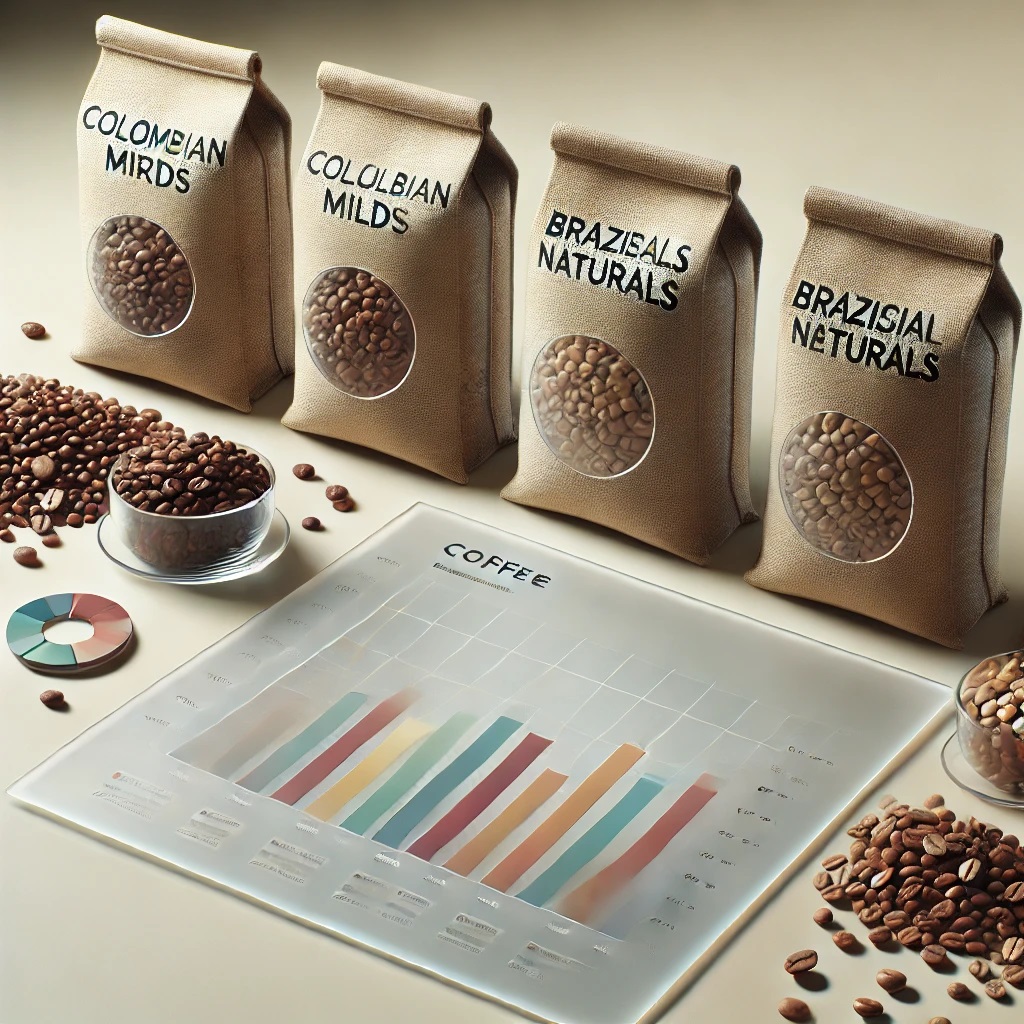
Colombian Milds increased by 7.2% to 250.39 US cents per pound, while Other Milds rose by 7.0% to 248.39 US cents per pound. The Brazilian Naturals group saw a significant increase of 9.3%, reaching 229.25 US cents per pound. Robustas experienced the strongest growth among coffee groups, rising by 10.5% to 204.30 US cents per pound.

The report shows a 12.0% increase in global green bean exports in May 2024, totaling 10.76 million bags, compared to 9.61 million bags in the same month of the previous year. Notably, exports of Brazilian Naturals surged by 56.1% to 3.8 million bags in May 2024 from 2.43 million bags in May 2023. Conversely, exports of Robustas declined by 13.4% to 3.39 million bags in May 2024 from 3.73 million bags in May 2023.

Exports from Asia & Oceania decreased by 39.3% to 2.42 million bags in May 2024, with Vietnam’s exports significantly declining due to low stock levels. Meanwhile, exports from Africa increased by 44.8% to 1.74 million bags in May 2024, driven by substantial growth in Côte d’Ivoire, Ethiopia, and Uganda. South America saw a robust increase of 59.6% in exports, totaling 5.54 million bags in May 2024. Brazil’s exports, in particular, increased by 79.1% to 4.42 million bags, marking the largest monthly exports on record.

The significant increase in coffee prices will have profound implications for coffee producers, traders, and consumers worldwide. Producers may benefit from higher prices, but those with lower yields due to poor harvests could face challenges. Traders will need to navigate the volatile market, and consumers may see higher prices for their favorite coffee products.

The surge in coffee prices and the dynamic shifts in regional exports reflect the complex interplay of supply challenges and market adjustments. As the coffee industry navigates these fluctuations, the ICO’s report underscores the importance of monitoring production trends and market responses to ensure stability and sustainability in the global coffee market.


RAW Coffee Company Celebrates 18 Years with Special Offers on Delivery Across the UAE and GCC

RAW Coffee Company, a trailblazer in the UAE’s specialty coffee scene, is marking its 18th anniversary with a heartfelt thank you to its customers, farmers, and industry colleagues for their unwavering support. To celebrate this significant milestone, RAW is offering free delivery services across the UAE and GCC from July 5th to September 30th.

Since its inception, RAW has been at the forefront of the specialty coffee movement in the Middle East. Operated daily by founders Kim Thompson and Matt Toogood, both of whom were the first in the MENA region to earn the International Specialty Coffee Association (SCA) Diploma, RAW has grown into a market leader known for its commitment to quality and sustainability.

Special Anniversary Offer Details:

  • Within the UAE: Customers can enjoy free delivery on orders with a minimum value of AED 115. This offer is valid for online purchases only.
  • To the GCC: Free delivery is available on orders starting from AED 895, applicable solely to coffee beans. For orders exceeding AED 1000, an additional AED 130 fee is charged to cover the customs export declaration certificate, as mandated by the UAE Federal Tax Authority.

Customers are advised to provide complete address details and a reliable contact number at checkout to avoid delivery delays. Please note that all international customs clearances, import duties, and related fees are the responsibility of the customer. RAW Coffee Company does not handle customs clearances for held orders.

A Look at RAW’s Journey:

Operating from a custom-built 13,500 sqft working roastery café in Al Quoz, RAW not only focuses on crafting premium coffee but also houses a SCA premier training campus. This facility is dedicated to educating both coffee professionals and enthusiasts, further solidifying RAW’s commitment to enriching the coffee culture.

Under the leadership of Thompson and Toogood, RAW has achieved numerous accolades, including the 2023 Mastercard Female F&B Leader MENA and the BBC Good Foods Award for Best Homegrown Coffee Roastery in 2022.

Congratulations from backend.qahwaworld.com:

As RAW celebrates 18 remarkable years in the coffee industry, we at backend.qahwaworld.com extend our warmest congratulations. Your dedication to quality, education, and sustainability resonates deeply with us and our readers. We are excited to see what the next chapter holds for a company that continues to inspire and lead in the coffee community.

Looking Ahead:

As RAW turns the page on another chapter, the company is excited to continue its journey of innovation and excellence in the coffee industry. By leveraging strong direct relationships and a deep understanding of the market, RAW aims to enhance the lives of its coffee partners at origin and connect consumers to the world of premium coffee.

June 2024 Coffee Market Report: Detailed Review

The June 2024 Coffee Market Report, issued by the International Coffee Organization, highlights significant trends and developments in the global coffee market. Key metrics such as the ICO Composite Indicator Price (I-CIP), export statistics, and regional performance provide a comprehensive view of the market dynamics.

Overview

The June 2024 Coffee Market Report highlights significant trends and developments in the global coffee market. Key metrics such as the ICO Composite Indicator Price (I-CIP), export statistics, and regional performance provide a comprehensive view of the market dynamics.

Price Trends

The ICO Composite Indicator Price (I-CIP) reached a 13-year high in June 2024:

  • Averaged 226.83 US cents/lb, an 8.9% increase from May 2024
  • Fluctuated between 221.71 and 235.69 US cents/lb
  • 32.5% higher than June 2023
  • 12-month rolling average at 179.39 US cents/lb

Group Indicator Prices:

  • Colombian Milds: Increased 7.2% to 250.39 US cents/lb
  • Other Milds: Rose 7.0% to 248.39 US cents/lb
  • Brazilian Naturals: Grew 9.3% to 229.25 US cents/lb
  • Robustas: Strongest growth at 10.5%, reaching 204.30 US cents/lb

Futures Markets:

  • New York: Increased 8.4% to 226.42 US cents/lb
  • London: Rose 10.7% to 182.82 US cents/lb

Price Differentials:

  • Colombian Milds–Other Milds: Expanded from 1.39 to 2.00 US cents/lb
  • Colombian Milds–Brazilian Naturals: Contracted 10.9% to 21.13 US cents/lb
  • Colombian Milds–Robustas: Shrank 5.0% to 46.08 US cents/lb

Export Analysis

Overall Exports:

  • Global green bean exports in May 2024: 10.76 million bags, up 12.0% year-on-year
  • Cumulative total for coffee year 2023/24 (Oct-May): 84.02 million bags, up 11.6%

By Coffee Group (Green Beans):

  • Colombian Milds: Up 10.0% to 1.01 million bags
  • Other Milds: Increased 1.2% to 2.57 million bags
  • Brazilian Naturals: Rose 56.1% to 3.8 million bags
  • Robustas: Decreased 13.4% to 3.39 million bags

Regional Performance:

  • Asia & Oceania: Decreased 39.3% to 2.42 million bags
    • Vietnam: Down 46.9% to 1.36 million bags
    • Indonesia: Decreased 67.1% to 0.2 million bags
  • Africa: Increased 44.8% to 1.74 million bags
    • Côte d’Ivoire: Up 119.4% to 0.21 million bags
    • Ethiopia: Rose 97.1% to 0.69 million bags
    • Uganda: Increased 22.1% to 0.55 million bags
  • South America: Up 59.6% to 5.54 million bags
    • Brazil: Increased 79.1% to 4.42 million bags (record high)
  • Mexico & Central America: Slight increase of 0.2% to 2.074 million bags

Production and Consumption

Production (2023/24 estimates):

  • Total: 178.0 million bags, up 5.8% from 2022/23
  • Arabica: 102.2 million bags, up 8.8%
  • Robusta: 75.8 million bags, up 2.1%

Regional Production:

  • Africa: 20.1 million bags, up 12.1%
  • South America: 89.3 million bags, up 9.8%
  • Asia & Oceania: 49.9 million bags, up 0.3%
  • Caribbean, Central America & Mexico: 18.7 million bags, down 2.5%

Consumption (2023/24 projections):

  • Global: 177.0 million bags, up 2.2%
  • Exporting countries: 56.5 million bags, up 2.6%
  • Importing countries: 120.5 million bags, up 2.1%

Market Dynamics and Factors

Supply Concerns:

  • Potential poor harvests in Vietnam and Indonesia for 2024/25
  • Brazil’s 2024/25 crop may be lower than initially expected

Currency Impact:

  • Brazilian real strengthened from 5.2320 to 5.5544 BRL/USD in June

Stock Levels:

  • London certified stocks: Increased 24.3% to 0.97 million bags
  • New York certified stocks: Rose 2.8% to 0.86 million bags

Shipping and Logistics:

  • Ethiopia faced challenges due to reduced ship availability in Djibouti
  • Maersk lifted its suspension of bookings to/from Djibouti on March 28, 2024

Soluble and Roasted Coffee Exports

Soluble Coffee:

  • Decreased 11.3% in May 2024 to 0.95 million bags
  • Year-to-date exports up 5.1% to 8.24 million bags
  • Share in total exports: 8.9%, down from 9.4% year-on-year
  • Brazil: Largest exporter at 0.38 million bags in May 2024

Roasted Beans:

  • Increased 29.8% in May 2024 to 68,167 bags
  • Cumulative total for 2023/24 (Oct-May): 0.48 million bags

This comprehensive review of the June 2024 Coffee Market Report underscores significant trends in prices, exports, production, and consumption across different regions and coffee types. The report highlights the complex interplay of factors affecting the market, including weather conditions, stock levels, currency fluctuations, and logistical challenges.

AFCA and IWCA Forge New Partnership to Empower African Women in Coffee

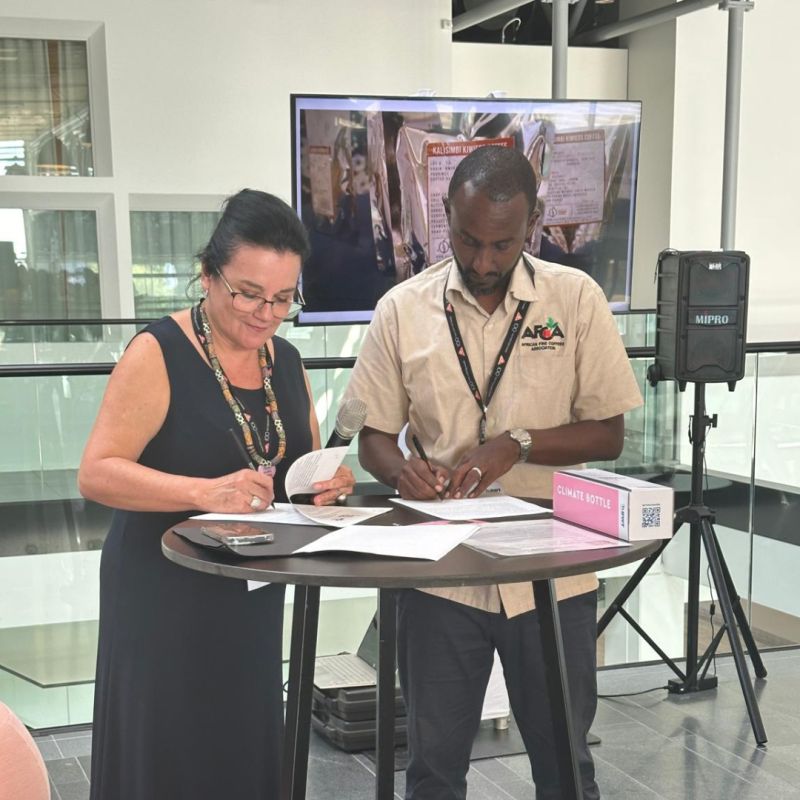
The African Fine Coffees Association (AFCA) and the International Women’s Coffee Alliance (IWCA) have taken a significant step toward strengthening their collaboration by signing a Memorandum of Understanding (MOU) at the prestigious World of Coffee Copenhagen event. This landmark agreement formalizes their long-standing friendship and paves the way for impactful initiatives aimed at empowering women in the African coffee industry.

The partnership promises a range of collaborative efforts designed to benefit members of both organizations. Key initiatives outlined in the MOU include:

  1. Event Collaboration: AFCA and IWCA will work together on various events, including the African Fine Coffees Conference & Exhibition and the IWCA Convention. These events will serve as platforms to showcase the talents and contributions of African women in coffee.
  2. Co-funding Projects and Training: The two organizations will co-fund projects and programs, offering exclusive training opportunities to their members. This initiative aims to provide members with the necessary skills and knowledge to excel in the coffee industry.
  3. Leadership Development and Market Access: A significant focus of the partnership is to elevate African women in coffee by providing leadership development programs and improving market access. This will empower women to take on leadership roles and succeed in the competitive coffee market.

This partnership marks a crucial milestone in the journey to create more opportunities for women in the coffee sector. By combining resources and expertise, AFCA and IWCA aim to foster a supportive environment that encourages growth, innovation, and sustainability within the industry.

AFCA and IWCA members across Africa can look forward to a future filled with greater opportunities and a stronger sense of community. Together, they will work towards making a meaningful difference in the lives of African women in coffee.

About AFCA: The African Fine Coffees Association is dedicated to promoting and enhancing the production and marketing of African fine coffees.

About IWCA: The International Women’s Coffee Alliance is committed to empowering women in the international coffee community to achieve meaningful and sustainable lives.

Tanzania Coffee Report: Production Rising as Old Farms Get New Life

Tanzania is set to see a rise in green coffee production by approximately 7% in the 2024/25 market year, reaching an estimated 1.5 million bags. This increase is attributed to the successful rehabilitation of aging plantations and steady demand from key buyers such as the European Union.

These insights are detailed in the new annual report from the USDA Foreign Agriculture Service on the Tanzanian coffee sector.

Production The USDA FAS office in Dar es Salaam predicts a slight increase in Tanzania’s coffee production for the 2024/25 market year compared to 2023/24, thanks to favorable weather and the maturation of rehabilitated plantations. To enhance future production, the Tanzania Coffee Board (TCB) distributed 13 million improved seedlings to farmers by November 2023, with plans to distribute a total of 25 million by the end of 2025. The government has focused on rehabilitating existing coffee farms rather than establishing new ones, with the harvested area expected to remain at 265,000 hectares.

Production Dynamics Arabica coffee dominates Tanzania’s production, accounting for approximately 60.9%, with key growing regions including Kilimanjaro, Arusha, and Tanga. Robusta coffee is primarily grown in the regions of Kagera, Mwanza, and Morogoro. Most of Tanzania’s coffee is produced by around 320,000 smallholder farmers, with a smaller portion coming from about 100 large farms.

Marketing and Sales Channels According to the FAS report, the majority of Tanzanian coffee is initially sold at the farmgate, traded in parchment or dry cherries to private buyers or cooperatives. Direct export sales enable farmers to trade directly with international buyers, with contracts needing registration with the Tanzania Coffee Board (TCB). Online auctions are another key marketing channel for Tanzanian coffees, featuring six government-approved auction sites and a centralized auction site in Moshi.

Trade The FAS office estimates that Tanzania’s green coffee exports will reach the equivalent of 1.31 million 60-kilo bags in 2024/25, up from 1.27 million bags in 2023/24 due to increased supplies. The main export destinations include the EU, Japan, the United States, Morocco, Russia, South Korea, India, Australia, and South Africa. The EU remains the top export destination for Tanzanian green coffee, with an estimated 752,000 bags in 2023/24, representing approximately 59% of exports.

Barista Jobs at Risk… Robot Brews 5 Cups of Coffee in 50 Seconds

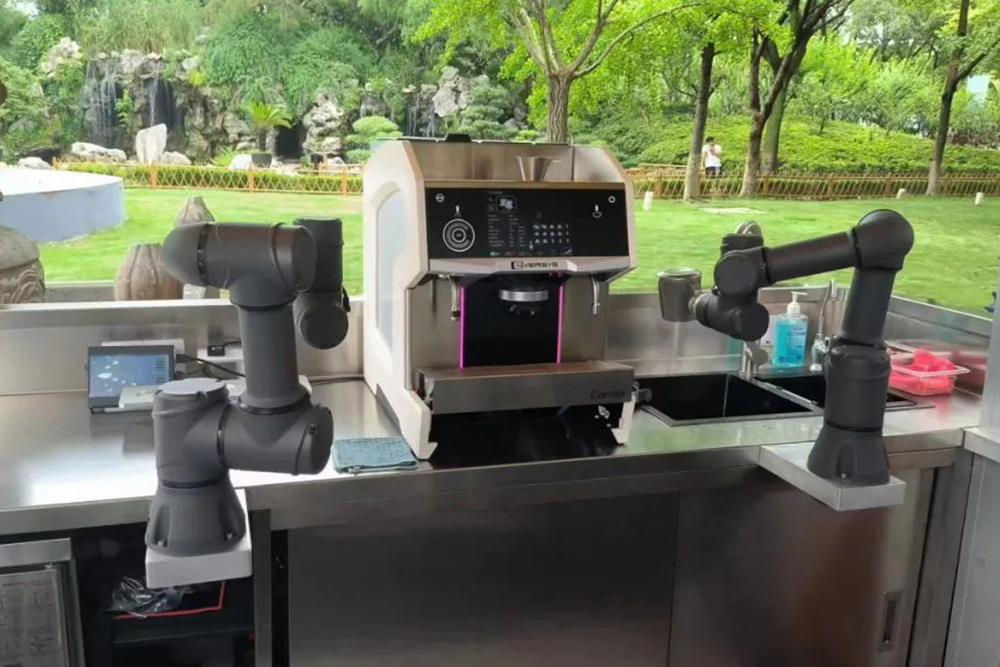
The development of coffee-making robots has significantly improved with advancements in technologies like artificial intelligence. The “COFE+ Robot” developed by Shanghai HI-DOLPHIN Robotics can prepare a cup of coffee in 50 seconds and make up to 5 cups simultaneously. It can create various specialized coffees, including lattes, cappuccinos, and other specialty coffees from different countries.

The AI-powered coffee maker by Migo can independently complete processes like grinding, steaming, brewing, and cleaning, producing a hand-brewed cup in 4 minutes and up to 300 cups for 1,000 people. Han Fei Zi, the founder of HI-DOLPHIN Robotics, attributes the progress to rapid advancements in AI, automation, IoT, and sensor technology in China.

A Migo employee highlighted the extensive training the AI coffee maker has undergone, including millions of visual data training, 30,000 hours of arm training, and 3,000 hours of AI learning to replicate the manual brewing movements of top baristas, ensuring stable production.

The Migo employee pointed out that traditional manual cafes have high costs (such as labor and rent) and it is difficult to guarantee time and quality, whereas unmanned cafes have significant advantages in lower costs, reduced energy consumption, and high-quality service.

Han Fei Zi said that compared to humans, coffee robots have many advantages. For example, the robot can remember thousands of coffee recipes, which is difficult for a human barista. It can also achieve personalized customization and precise control of caffeine in the coffee cup to prevent customers from feeling unwell due to excessive caffeine intake. Additionally, it can remember the customer’s appearance through a camera to recall their taste and preferences.

The development of humanoid robots is accelerating. Will there be a humanoid robot to prepare coffee in the future? Han Fei Zi believes that humanoid robots are still in the early stages of development. Therefore, in the next 10 years, there may be small-scale demonstrations of humanoid robots making coffee, but for humanoid robots to serve people like human waiters, it should be after 10 years from a safety perspective.

Looking to the future, Han Fei Zi believes that robots can completely replace humans in making coffee, allowing humans to reduce repetitive work and engage in more valuable and fulfilling activities.

However, Zhou Danpeng, a Chinese food industry analyst, said that when we drink coffee, we actually enjoy the process of others making coffee for us. In this process, we can feel the professionalism of the baristas and get satisfaction not only from the product itself but also emotionally. The coffee made by robots may not be able to provide such emotional satisfaction.

From Zhou Danpeng’s perspective, coffee production is relatively simplified and standardized, so coffee-making robots have certain operational capabilities. However, from a comprehensive perspective of capital, industry, and consumption, the operational feasibility of coffee-making robots is not high.

“Made in China” coffee machines are widely welcomed in overseas markets. In 2023, China’s total exports of pump-type coffee machines reached 7.57 billion yuan. Following the footsteps of “Made in China” coffee machines, “Made in China” coffee robots have also spread abroad.

Han Fei Zi explained that “COFE+ Robot” coffee kiosks have been operated in more than 100 locations such as government offices, universities, airports, and tourist attractions and have been exported to more than 30 countries including the United States, Russia, France, Germany, and Italy. The AI-powered coffee maker from Migo is also sold in Southeast Asia, including many cities in Thailand.

A report by Grand View Research in November 2023 predicted that the global coffee market would reach 690.09 billion US dollars by 2030, with a compound annual growth rate of 5.2% during the forecast period. Among them, the Asia-Pacific region will achieve the fastest growth rate between 2023 and 2030, driven by the rapid development of coffee culture in the region.

Nominations Open for the Specialty Coffee Association 2025-2027 Board of Directors

The Specialty Coffee Association (SCA) has officially opened nominations for its Board of Directors for the 2025-2027 term. This is a prime opportunity for members to play a crucial role in shaping the future of the specialty coffee industry. Nominations will close at 9:00 am PDT / 5:00 pm BST on Monday, July 15. Interested candidates can submit their nominations via the SCA website at sca.coffee/board/elections.

Board Structure and Election Details:

The SCA Board of Directors is composed of 15 volunteer members, supported by the CEO and SCA staff. This election cycle will see the implementation of a newly staggered board structure as outlined in the recently amended Bylaws. For the 2025-2027 term, seven seats are up for election:

  • 2 seats for current board directors seeking a second three-year term from January 1, 2025, to December 31, 2027.
  • 2 seats for new board directors serving a first three-year term from January 1, 2025, to December 31, 2027.
  • 2 seats for new board directors serving a first two-year term from January 1, 2025, to December 31, 2026.
  • 1 seat for a new board director joining the Finance Class for a first three-year term from January 1, 2025, to December 31, 2027.

Nominating Committee:

The nomination process this year is overseen by a committee of both past and current board members to ensure a fair and transparent selection:

  • Pamela Chng, Board President
  • Garfield Kerr, Board Vice President
  • Andrew Tolley, Board 2nd Vice President
  • Cosimo Libardo, Board Treasurer
  • Konstantinos Konstantinopoulos, Emeritus Director
  • Juan Luis Barrios, Emeritus Director
  • Yannis Apostolopoulos, Chief Executive Officer

Election Timeline:

  • Nominations Open: July 1
  • Nominations Close: July 15
  • Interview Period: Late July/Early August
  • Slate Announcement: August 30
  • Nominations by Petition Open: September 1
  • Nominations by Petition Close: September 30
  • Final Ballot Announcement: October 13
  • Voting Period: November 1 – November 30
  • Results Announcement: December 15

How to Participate:

SCA members who meet the qualifications are encouraged to submit nominations. Those not selected through the initial process can collect at least 100 signatures from professional members or the primary contact for a company member to be added to the final ballot by petition. Detailed information on the petition candidacy process is available on the SCA elections page.

Voting and Results:

SCA members will receive an email ballot from eBallot on November 1. Members who prefer a paper ballot should request it by September 30. The election results will be announced on December 15 to all SCA members and the wider coffee community.

For more details on the election process, eligibility, or to check your membership status, visit the SCA elections page or contact the Member Services Team through the SCA portal.

Seize this opportunity to influence the future of specialty coffee by participating in the 2025-2027 SCA Board of Directors election.