Map It Forward Launches Online Mastermind Groups for Coffee Industry Business Growth

Map It Forward is now offering three exclusive online mastermind groups for coffee business professionals, designed to foster growth, strategic planning, and increased coffee sales. Starting the week of October 7, 2024, these groups will provide participants with valuable tools and insights to navigate the complexities of the coffee industry, especially during times of market challenges.

1. Coffee Business Growth Mastermind Group

This group is aimed at coffee producers, roasters, consultants, and café owners who are focused on expanding their businesses. Participants will engage in live sessions, exchange ideas, and tackle challenges in a supportive group setting, led by Lee Safar.

Key topics include:

  • Defining and reassessing business fundamentals
  • Understanding financials
  • Risk management
  • Realistic goal setting
  • Using ChatGPT to grow your business

Sessions will be held every two weeks via Zoom, lasting two hours each, for three months. Participants will also receive recordings, transcripts, and coursework to deepen their learning experience.

  • Cost: $189 per month for 3 months or $169 per month if paid in advance.

2. Strategic Business Planning Mastermind Group

For business owners looking to create and execute strategic plans for 2025, this mastermind group provides targeted support. Whether you’re planning for the upcoming year or working on specific goals, this group will help you navigate the coffee industry’s evolving landscape.

Key topics include:

  • Defining your 2025 business strategy
  • Identifying earning potential
  • Navigating the impacts of the coffee crisis
  • Developing strategic plans
  • Creative uses of ChatGPT for business planning

Like the Coffee Business Growth Group, sessions will be held biweekly for three months and include resources such as video and audio recordings, transcripts, and coursework.

  • Cost: $189 per month for 3 months or $169 per month if paid in advance.

3. Sell More Coffee Mastermind Group

Designed for those selling green, roasted, or brewed coffee, this group focuses on helping participants increase their sales through strategic planning and customer acquisition. Whether you’re working in B2B or B2C, this mastermind group will offer actionable insights to help you boost your coffee sales.

Key topics include:

  • Customer acquisition and retargeting
  • Product pricing strategies
  • Messaging for customer engagement
  • Adapting to market changes
  • Using ChatGPT to improve sales

Sessions will run for three months, with biweekly two-hour Zoom meetings.

  • Cost: $189 per month for 3 months or $169 per month if paid in advance.

Why Join a Map It Forward Mastermind Group?

Participants will benefit from the collective knowledge of like-minded business owners, while receiving personalized coaching from Lee Safar. All mastermind groups come with a money-back guarantee if participants aren’t fully satisfied.

Testimonials:

  • “This has not only benefited my business decisions but also the way I now approach my personal life.” – Matteo Giordano, Pane e Latte, Australia
  • “I’ve met incredible entrepreneurs and visionaries, and the mastermind has helped me become an independent entrepreneur with a problem-solving mindset.” – Sara Al Ali, THAT Boutique Cafe, Saudi Arabia

Don’t miss this opportunity to grow your coffee business and navigate the current coffee crisis. Register for a group before spots fill up, and join a community of passionate professionals committed to excellence in the coffee industry.

For inquiries, email Lee Safar or visit the Map It Forward website for more information.

Global Coffee Beauty Products Market to Reach USD 969.3 Million by 2033 with a CAGR of 5.69%

According to a recent report by Spherical Insights & Consulting, the global coffee beauty products market is expected to grow from USD 557.5 million in 2023 to USD 969.3 million by 2033, registering a compound annual growth rate (CAGR) of 5.69% over the forecast period. The market’s expansion is driven by increasing consumer demand for natural and organic skincare products, particularly those utilizing the antioxidant and anti-inflammatory properties of coffee.

Market Drivers

Coffee-based beauty products, including oils, balms, lotions, and creams, are gaining traction for their ability to protect and rejuvenate the skin. The active ingredient in coffee, caffeine, is known for its antibacterial and anti-aging benefits, making it a popular choice for skincare and haircare products. The growing consumer awareness of the harmful effects of synthetic compounds has further spurred interest in natural and sustainable beauty solutions, contributing to the rise of coffee-based beauty products.

However, the availability of coffee beans is increasingly impacted by climate-related factors, which could pose a challenge to market growth.

Market Segmentation

By Product Type:

  • Skincare: Expected to hold the largest market share during the forecast period due to rising demand for natural and personalized skincare products.
  • Haircare
  • Perfumes & Fragrances
  • Color Cosmetics

By Distribution Channel:

  • Supermarkets/Hypermarkets: Projected to dominate the distribution channel segment, driven by high foot traffic, accessibility, and attractive discounts.
  • Specialty Stores
  • Convenience Stores
  • Online

Regional Insights

North America is anticipated to hold the largest market share due to heightened consumer awareness of natural ingredients and the growing popularity of coffee-based beauty products for their skin-protecting properties.

The Asia Pacific region is expected to experience the highest CAGR growth, fueled by increasing knowledge of organic components in skincare products. Europe is also set to witness significant growth as consumers become more environmentally conscious and shift toward natural skincare alternatives.

Key Players

Major companies in the coffee beauty products market include L’Oréal Paris, Ogx Vogue International LLC, mcaffeine, The Estée Lauder Companies Inc., Avon Products, The Beauty Co. India, Java Skin Care, Bean Body, BioCare Ltd, Laura Mercier US Buyer LLC, Mr. Bean Body Care, Sephora USA, Inc., and more. These key players are focusing on innovations, partnerships, and strategic alliances to maintain their market presence and meet evolving consumer needs.

In 2023, L’Oréal announced plans to launch a coffee-infused skincare serum under its La Roche-Posay brand, further highlighting the growing trend of coffee-based beauty products.

For detailed insights, including market data tables, figures, and an in-depth analysis of COVID-19’s impact on the market, refer to the full report by Spherical Insights & Consulting.

illycaffè Celebrates 25 Years of Coffee Excellence with Università del Caffè

illycaffè proudly celebrates the 25th anniversary of its Università del Caffè, a global hub dedicated to promoting the culture of quality coffee. Since its founding in 1999, the Università del Caffè has been a key player in coffee education, reaching 23 countries and training over 350,000 people, including coffee producers, baristas, restaurateurs, and enthusiasts.

With its headquarters in Trieste, the Università del Caffè offers comprehensive educational programs that span the entire coffee supply chain, from cultivation to preparation. Its mission is to elevate every aspect of the coffee experience through rigorous and innovative education, led by a team of 50 highly qualified instructors certified by ACS Italia, a skills certification authority.

“Training is a strategic lever for the success of a company, an industry, and for the development of individuals,” said Cristina Scocchia, CEO of illycaffè. “It embodies passion, curiosity, and a desire to expand one’s knowledge. The Università del Caffè demonstrates how a commitment to quality and sustainability can be shared through engaging, top-tier education.”

The institution offers specialized courses across three core areas:

  • For Coffee Producers: In-depth agronomic training tailored to different growing regions, helping farmers optimize production and maintain high-quality standards.
  • For Hospitality Professionals: Baristas and restaurateurs receive expert guidance on coffee preparation, business management, and marketing strategies to enhance their operations.
  • For Coffee Enthusiasts: Informational courses and tasting sessions allow participants to explore coffee’s rich flavors and aromas, fostering a deeper appreciation of coffee as both an art and a science.

As it marks this milestone, the Università del Caffè remains committed to spreading the culture of quality coffee, ensuring that everyone in the coffee community, from producers to consumers, can benefit from its wealth of expertise.

Exciting Week of Coffee Diplomacy Begins with the 138th Session of the International Coffee Council

The global coffee industry is abuzz as the 138th Session of the International Coffee Council (ICC) and the 6th CEOs & Global Leaders Forum kick off this week. For the first time since the pandemic, exporting and importing members of the International Coffee Organization (ICO) have gathered in London to address pivotal issues shaping the future of the coffee sector.

Starting from September 9, 2024, through September 12, ICO members, industry leaders, and key stakeholders will engage in a series of important discussions and decision-making sessions aimed at fostering sustainability, enhancing market access, and supporting the livelihoods of coffee farmers worldwide. This gathering offers a unique opportunity to shape the trajectory of the coffee sector amidst ongoing economic, environmental, and social challenges.

Key Highlights of the Week:

  • 9th Meeting of the Working Group on ICA 2022: A crucial session focused on the implementation of the International Coffee Agreement (ICA) 2022, laying the foundation for enhanced international collaboration within the coffee sector.
  • 61st Finance and Administration Committee Meeting: Held online, this session will review the financial health and operational structure of the ICO, ensuring transparency and accountability within the organization.
  • Coffee Sustainability Event (Side Event): Taking place on September 10 at the Swiss Embassy in London, this gathering will spotlight initiatives that aim to make coffee farming more sustainable, with invited participants from leading sustainability-focused organizations.
  • 6th CEOs & Global Leaders Forum (CGLF): Set for September 11, the forum will bring together top executives and key decision-makers from across the global coffee industry to discuss pressing issues such as climate change, innovation, and equitable practices. This year’s CGLF promises to delve deep into strategies for aligning the coffee sector with international sustainability goals.
  • Living and Prosperous Income Sessions: As part of the week’s activities, the ICO will host in-depth discussions on income improvement for coffee farmers, aimed at securing a living and prosperous wage for those working at the heart of the industry.
  • International Coffee Council Plenary: The core of the week’s events, running from September 12, will focus on global coffee policies, with discussions ranging from trade regulations to strategies for boosting global consumption.

The ICO has made the full agenda and details of the events available on their website. These meetings, held in hybrid formats and closed sessions, demonstrate the organization’s dedication to fostering collaboration between exporting and importing countries, ensuring a sustainable future for coffee.

For more information about the programme, visit the ICO website. The global coffee community eagerly awaits the outcomes of these high-level meetings as they are set to influence the coffee sector for years to come.

Announcement of Finalists for the 2024 UAE National Coffee in Good Spirits Championship

The Specialty Coffee Association in the UAE has announced the names of the finalists for the 2024 UAE National Coffee in Good Spirits Championship, which will take place from September 18 to 20 at Salon du Chocolat & Sweets in Madinat Jumeirah, Dubai.

The six finalists for the 2024 UAE National Coffee in Good Spirits Championship, are:

  1. Jane Cabusas Espante – Behind the Cup
  2. Jason Rey Galinea – UBEC Coffee Roasters
  3. Shait Hingmang – Mokha 1450
  4. Gibson Abdiel Theodorus – Benchmark Coffee
  5. Romario Syahri Yunior – Charlie & Friends
  6. Wilden Dean Pretorius – Archers Coffee

According to the Specialty Coffee Association in the UAE, this year’s championship will showcase the talents of six finalists, each competing for the championship title by demonstrating exceptional coffee brewing skills combined with creative additions.

It is worth noting that the finalists were selected after rigorous preliminary rounds, representing the best of the thriving coffee community in the United Arab Emirates.

The Specialty Coffee Association in the UAE extended its heartfelt thanks to the sponsors, whose generous support made this event possible. This year’s list of sponsors includes prominent names in the coffee industry such as Diageo Middle East & North Africa, Alpro, Giffard Arabia, Andros Chef, Victoria Arduino Middle East, Gadgets Coffee, BWT International, and Flava Coffee UAE.

Additionally, the Specialty Coffee Association in the UAE has called on volunteers to register and contribute to the success of this prestigious event, highlighting that it offers an excellent opportunity for coffee enthusiasts to engage with the community and gain valuable experience.

The association also encouraged the UAE’s growing coffee community to participate and attend the event, noting that interested individuals can register and obtain their badges through the Salon du Chocolat & Sweets Dubai website.

Further details and updates can be found by following the association’s official social media channels.

For more information, inquiries can be sent via email to: [email protected].

Don’t miss this exciting opportunity to witness the art of coffee in good spirits at one of Dubai’s most iconic venues!

Armenian Coffee: A Traditional Ritual and Cultural Experience


Coffee is not just a daily beverage; it represents a key part of many cultures around the world. In Armenia, coffee goes beyond being a drink to become a rich experience deeply rooted in history and tradition. Armenian coffee, known as soorj, is prepared in a special way passed down through generations. It stands out for its unique flavor and the traditional method of preparation that gives it cultural depth.

What Makes Armenian Coffee Unique?

Armenian coffee differs from other types of coffee due to its distinctive preparation process. The coffee beans are ground to a very fine consistency, then brewed in a long-necked metal pot called a jazzve, over low heat. The mixture is stirred constantly until it begins to bubble. This process results in a rich, concentrated coffee with a thick texture. The coffee is then poured into small cups, similar to espresso cups, and served hot for a flavorful experience in every sip.

The Traditional Preparation of Armenian Coffee

Preparing Armenian coffee involves simple yet precise steps to ensure the perfect flavor. First, finely ground coffee beans are used. A specific amount of water is placed in the jazzve, and coffee and sugar are added according to taste. The mixture is slowly brought to a boil over medium heat, stirring constantly until it begins to bubble. The jazzve is then removed from the heat and returned two or three more times to boil, ensuring a rich flavor and desired thickness.

When and Where Can You Enjoy Armenian Coffee?

Armenian coffee is not tied to a specific time of day. It can be enjoyed in the morning or after a hearty lunch, as its balanced flavor makes it suitable for any time. Unlike some stronger types of coffee, like espresso, Armenian coffee is lighter, making it an ideal choice to enjoy at any time without worrying about the jittery effects of caffeine.

What Goes Well with Armenian Coffee?

Armenian coffee is often served with traditional sweets, such as pistachio-filled baklava or other pastries. The balance between the sweetness of the dessert and the concentrated flavor of the coffee creates a complete experience that satisfies both coffee and dessert lovers alike.

Why Should You Try Armenian Coffee?

Armenian coffee is not just a drink; it’s a cultural experience in itself. Its preparation and serving methods reflect a rich heritage passed down through generations, making it an integral part of daily life in Armenia. Whether you’re a coffee enthusiast or looking to explore a new flavor, Armenian coffee offers a journey into a world of distinct tastes and traditions.

Specialty Coffee Trends in America: A Review of the 2024 Report

The 2024 National Coffee Data Trends (NCDT) Specialty Coffee Report by the National Coffee Association (NCA) provides an in-depth look at the evolving landscape of coffee consumption in the United States, with a particular focus on specialty coffee. The report sheds light on significant trends, consumer demographics, and coffee consumption behaviors, providing a snapshot of how specialty coffee has continued to gain prominence despite economic challenges.

Rising Specialty Coffee Consumption

In January 2024, 45% of American adults reported consuming a specialty coffee in the past day—an all-time high. This represents a 4 percentage point (pp) increase compared to 2023 and an 80% surge since 2011​(SRC_2024)​(2024 SCR Highlights). This growth is largely driven by the increasing popularity of espresso-based beverages (26%) and non-espresso beverages such as cold brews and frozen blended coffee, which continue to appeal to younger consumers even in winter months​(SRC_2024).

Key Consumer Demographics

The report highlights that the strongest penetration of specialty coffee consumption is among individuals aged 25-39, with 66% of this age group consuming specialty coffee in the past week. This demographic is less affected by financial concerns, allowing them to continue indulging in premium coffee beverages​(SRC_2024). The next highest consumption rate is seen in the 18-24 age group, with frozen blended coffee being particularly popular with 25% of individuals in this cohort choosing it as their preferred drink​(SRC_2024).

Hispanic-Americans stand out as a key ethnic group driving specialty coffee consumption. In January 2024, 69% of Hispanic-American adults consumed specialty coffee in the past week, with a particular preference for espresso-based beverages like café mocha and Caffè Americano​(SRC_2024).

The Role of Cultural Trends

The report underscores the influence of cultural and social factors on the rising popularity of specialty coffee, especially among younger consumers. Approximately 75% of past-week specialty coffee drinkers agree that drinking cold brew is perceived as “cool or trendy,” highlighting the role of coffee in contemporary social trends​(SRC_2024)​(2024 SCR Highlights).

Preparation Methods and In-Home Brewing

In-home coffee preparation remains the dominant method of consumption for most Americans, with 75% of specialty coffee drinkers preparing at least one cup of coffee at home in the past day​(SRC_2024). While drip coffee makers (32%) and single-cup brewers (25%) remain the most popular methods, there has been a notable increase in the use of ready-to-drink (RTD) options, which grew by 10 percentage points compared to 2023​(SRC_2024).

Interestingly, specialty coffee drinkers are more likely to engage with out-of-home coffee preparation than traditional coffee drinkers. In the past week, 55% of specialty coffee drinkers enjoyed a coffee made outside the home, whether from coffee shops, restaurants, or cafes​(SRC_2024).

Specialty Coffee Versus Traditional Coffee

Specialty coffee drinkers, on average, consume more coffee per day than traditional coffee drinkers. In January 2024, past-day specialty coffee drinkers consumed an average of 2.8 cups per day compared to the 1.8 cups per day consumed by traditional coffee drinkers​(SRC_2024). This trend points to the stronger engagement of specialty coffee drinkers with premium coffee experiences, even in times of rising inflation​(2024 SCR Highlights).

Moreover, 83% of the coffee consumed by specialty coffee drinkers is specialty coffee, reinforcing their loyalty to high-quality, premium beverages​(SRC_2024).

Challenges and Resilience Amid Financial Pressures

Despite heightened financial anxieties due to inflation, specialty coffee consumption has remained resilient. Many consumers have shifted their coffee habits to more cost-effective in-home brewing solutions, using espresso machines and slow-drip cold brew makers. However, the increasing demand for premium coffee experiences suggests that consumers are finding ways to balance financial challenges with their passion for coffee​(SRC_2024)​(2024 SCR Highlights).

Global Influence and Beverage Preferences

The report also touches on Americans’ experiences with global coffee beverages. Specialty coffee drinkers show more adventurous tendencies compared to traditional coffee drinkers, trying a wide range of global coffee drinks such as Arabic coffee, Turkish coffee, and Vietnamese coffee. However, about 40% of specialty coffee drinkers have not yet tried these global options, suggesting an opportunity for further exploration of international coffee culture in the U.S.​(SRC_2024)​(2024 SCR Highlights).

Conclusion

The 2024 NCDT Specialty Coffee Report provides a comprehensive overview of the growing specialty coffee segment in the United States. The data illustrates how cultural and social factors, driven largely by younger demographics, are shaping the coffee industry. As specialty coffee continues to gain traction, its influence on consumer habits, preparation methods, and beverage choices is poised to keep evolving, solidifying its place as a key driver in the broader coffee market.

Despite the financial challenges many Americans face, the continued demand for specialty coffee signals a deep-rooted connection to the premium coffee experience, making this segment one to watch in the years ahead.

Coffee Prices Hit 47-Year Highs as Global Exports Surge

The International Coffee Organization (ICO) has released its latest Coffee Market Report for August 2024, revealing significant developments in coffee prices and exports. For the second consecutive month, Robusta prices have reached a 47-year high, a notable trend driven by constrained supply and ongoing geopolitical challenges.

Green Coffee Prices Surge

In August 2024, the ICO Composite Indicator Price (I-CIP) averaged 238.92 US cents/lb, reflecting a 1.0% increase from July and a staggering 54.6% rise year-on-year. The continued upward pressure on prices has been attributed to tight global supply chains and heightened demand.

All major coffee types saw price increases:

  • Colombian Milds rose by 2.3% to 263.76 US cents/lb.
  • Other Milds increased by 1.7% to 261.44 US cents/lb.
  • Brazilian Naturals edged up by 1.0% to 242.19 US cents/lb.
  • Robustas remained stable at 214.68 US cents/lb, maintaining their elevated levels.

The report highlights that tight supply conditions, combined with geopolitical tensions, continue to disrupt shipping logistics, pushing prices higher. Shipping routes have been diverted due to Middle East instability, further complicating supply chain operations.

Global Exports Increase

Coffee exports showed robust growth, with total green coffee exports reaching 10.03 million bags in July 2024, a 9.6% increase compared to July 2023. The coffee year-to-date total for 2023/24 has now reached 103.08 million bags, up 10.6% from the previous year.

Key growth drivers in exports were:

  • Colombian Milds surged by 17.7%, reaching 1.05 million bags, with Colombia leading the way.
  • Brazilian Naturals increased by 18.0%, thanks to strong contributions from Brazil and Ethiopia, recovering from logistical challenges earlier in the year.
  • Robustas saw modest growth of 3.3%, with gains in Uganda and Brazil offsetting a sharp decline in Vietnam, the world’s largest Robusta exporter.

Regional Export Trends

The report highlighted diverse regional trends:

  • Asia & Oceania experienced an 8.1% decline in exports due to tight supplies in Vietnam, awaiting the next harvest. However, Indonesia’s exports grew by 57.3%, partly balancing the region’s overall downturn.
  • Africa emerged as a strong performer, with exports rising by 34.7%, driven by significant growth in Ethiopia and Uganda. Ethiopia’s exports jumped by 63.6%, while Uganda’s were up 27.2%, boosted by a larger Robusta crop.
  • South America saw a substantial 26.0% increase in exports, with Brazil contributing to this surge with its 26.2% growth in shipments.

Soluble Coffee Leads Growth in Forms of Coffee

Soluble coffee exports saw the most dramatic rise, increasing by 38.8% in July 2024, reaching 1.2 million bags compared to 0.86 million bags the previous year. Brazil continued to dominate as the largest exporter of soluble coffee. Additionally, roasted bean exports were up 13.0%, totaling 60,651 bags.

Supply and Demand Outlook

Looking ahead, the ICO report forecasts global coffee production for the 2023/24 coffee year at 178.0 million bags, a 5.8% increase from the previous year. Arabica production is expected to rise by 8.8%, while Robusta production will see a more modest 2.1% increase.

On the demand side, global coffee consumption is projected to grow by 2.2%, reaching 177.0 million bags. This reflects continued strong demand in both exporting and importing countries, particularly in regions such as Asia & Oceania and North America, where consumption is expected to rise by 2.7% and 3.8%, respectively.

Market Dynamics and Future Outlook

The ICO report also touches on broader economic factors influencing the coffee market. Rising interest rates have constrained stockholding, making large-scale purchases financially unfeasible. However, recent signals from central bankers, particularly at the Jackson Hole symposium, suggest a potential shift toward lower interest rates. This could alleviate financing constraints and reduce reliance on just-in-time buying, potentially softening price pressures in the near future.

Certified coffee stocks saw modest increases, with Robusta stocks in London growing by 2.3%, reaching 1.01 million bags, and Arabica stocks in New York rising by 4.5% to 0.91 million bags.

Conclusion

The August 2024 Coffee Market Report presents a dynamic picture of the global coffee industry, with prices continuing to rise due to supply chain disruptions and strong demand. While some regions, such as Africa and South America, have seen robust export growth, others, like Asia & Oceania, face challenges, particularly Vietnam.

As the coffee industry navigates these evolving conditions, potential monetary policy shifts and improved logistics could offer relief to a market currently under strain from elevated prices and supply limitations.

This report underscores the complexity and volatility of the coffee market, with geopolitical factors, economic policies, and supply-demand balances all playing pivotal roles in shaping the future of global coffee trade.

International Coffee Day 2024: A Celebration of Collaboration for Collective Action in the Global Coffee Sector

  • ICO Unveils the Theme and Message for This Year’s Celebration: “Coffee: Your Daily Ritual, Our Shared Journey”

As International Coffee Day (ICD) approaches on 1 October 2024, the International Coffee Organization (ICO) invites the global coffee community to unite in celebrating this cherished beverage and the collaboration behind every cup. This year’s theme, “Collaboration,” underscores the essential role of collective action in achieving sustainability within the coffee industry. Under the campaign message, “Coffee: your daily ritual, our shared journey,” the ICO aims to highlight the often unseen partnerships that shape the global coffee value chain, from farm to cup.

With 2025 designated by the United Nations as the International Year of Cooperatives, the ICO’s campaign draws inspiration from this milestone, emphasizing collaboration as the key to a more sustainable and equitable coffee sector. The ICD 2024 campaign will showcase how collaboration drives progress in the coffee industry, utilizing diverse media assets—videos, posters, and postcards, available in multiple languages—that visually portray the power of partnerships within the coffee value chain.

The Story Behind International Coffee Day

Launched on 1 October 2015 by the ICO, International Coffee Day highlights coffee as one of the most consumed beverages globally. It serves as a tribute to the millions of people who make the coffee industry possible—from farmers to consumers—while raising awareness about the challenges facing the coffee sector, such as economic inequalities, environmental concerns, and sustainability.

The day also provides a platform for celebrating coffee’s diverse traditions and varieties from around the world, exploring the intricacies of cultivation, roasting, and tasting. Through global events and discussions, International Coffee Day advocates for sustainable agricultural practices and fair trade, promoting the long-term health of the coffee industry.

Objectives of International Coffee Day

Over the years, International Coffee Day has centered around several key objectives, each aimed at fostering a stronger, more resilient coffee sector:

  • Supporting Coffee Farmers: Many coffee farmers continue to face economic challenges due to fluctuating global market prices. International Coffee Day seeks to shine a light on these issues and mobilize support for farmers through various sustainability campaigns.
  • Promoting Sustainability: The celebration emphasizes sustainable agricultural practices, encouraging the coffee industry to adopt methods that protect the environment and ensure the long-term viability of coffee production.
  • Raising Awareness of High-Quality Coffee: ICD serves as an opportunity to highlight the importance of high-quality coffee, encouraging a culture of coffee appreciation, tasting, and education.

The 2024 Campaign: Collaboration for the Future

The 2024 International Coffee Day campaign embraces the theme of Collaboration. As the world prepares for 2025’s International Year of Cooperatives, the ICO is placing a spotlight on the importance of collective action across the coffee value chain. Whether at the farming, roasting, or retail level, collaboration is seen as critical to addressing the challenges that face the coffee sector and to driving meaningful progress.

Vanúsia Nogueira, Executive Director of the ICO, shared her thoughts on this year’s theme, saying, “The ICO’s campaign for ICD 2024 advocates for a united approach to fostering a more sustainable and equitable coffee sector. From farm to cup, collaboration is essential in promoting sustainability, supporting coffee farmers, nurturing a balanced market, and ensuring the satisfaction of conscientious consumers.”

The campaign message, “Coffee: your daily ritual, our shared journey,” encapsulates the role of partnerships in delivering that perfect cup of coffee enjoyed by millions each day. The ICO invites stakeholders from across the coffee sector—farmers, traders, roasters, and consumers—to participate in this collective effort by sharing the campaign’s resources, using the hashtags #ICD2024 and #EmbraceCollaboration, and participating in local and global activities.

Engaging the Global Community

To make this year’s celebration even more interactive, the ICD 2024 campaign offers a wide range of resources to inspire participation. Fourteen unique posters, available in multiple languages, depict examples of collaboration in the coffee sector. Participants can personalize these materials through the campaign’s redesigned website and share their stories of collaboration on social media. By doing so, the ICO hopes to spark a wider conversation about how partnerships are essential for building a more sustainable coffee industry.

In addition to digital assets, the ICO encourages the organization of local events, such as coffee tastings, community activities, and educational seminars. The ICD 2024 website features an interactive map highlighting coffee-related events around the world, and a dedicated section allows event organizers to submit their activities, which will be shared with a global network of coffee enthusiasts.

A Call to Action for All Coffee Lovers

The ICO calls on everyone involved in the coffee sector—from coffee growers to casual consumers—to embrace the spirit of collaboration this International Coffee Day. By sharing the campaign’s resources, participating in events, and spreading the message of #ICD2024 and #EmbraceCollaboration, individuals and organizations can help strengthen the global coffee sector.

In doing so, you are contributing to a larger, collective effort that supports sustainability, improves the livelihoods of coffee farmers, and promotes a fairer and more equitable coffee market. Whether you’re hosting an event, joining a community coffee tasting, or simply enjoying your daily brew, your participation in ICD 2024 helps to celebrate the shared journey that coffee represents.

For more information, event registration, and campaign assets, visit the ICO’s website at www.icocoffee.org.

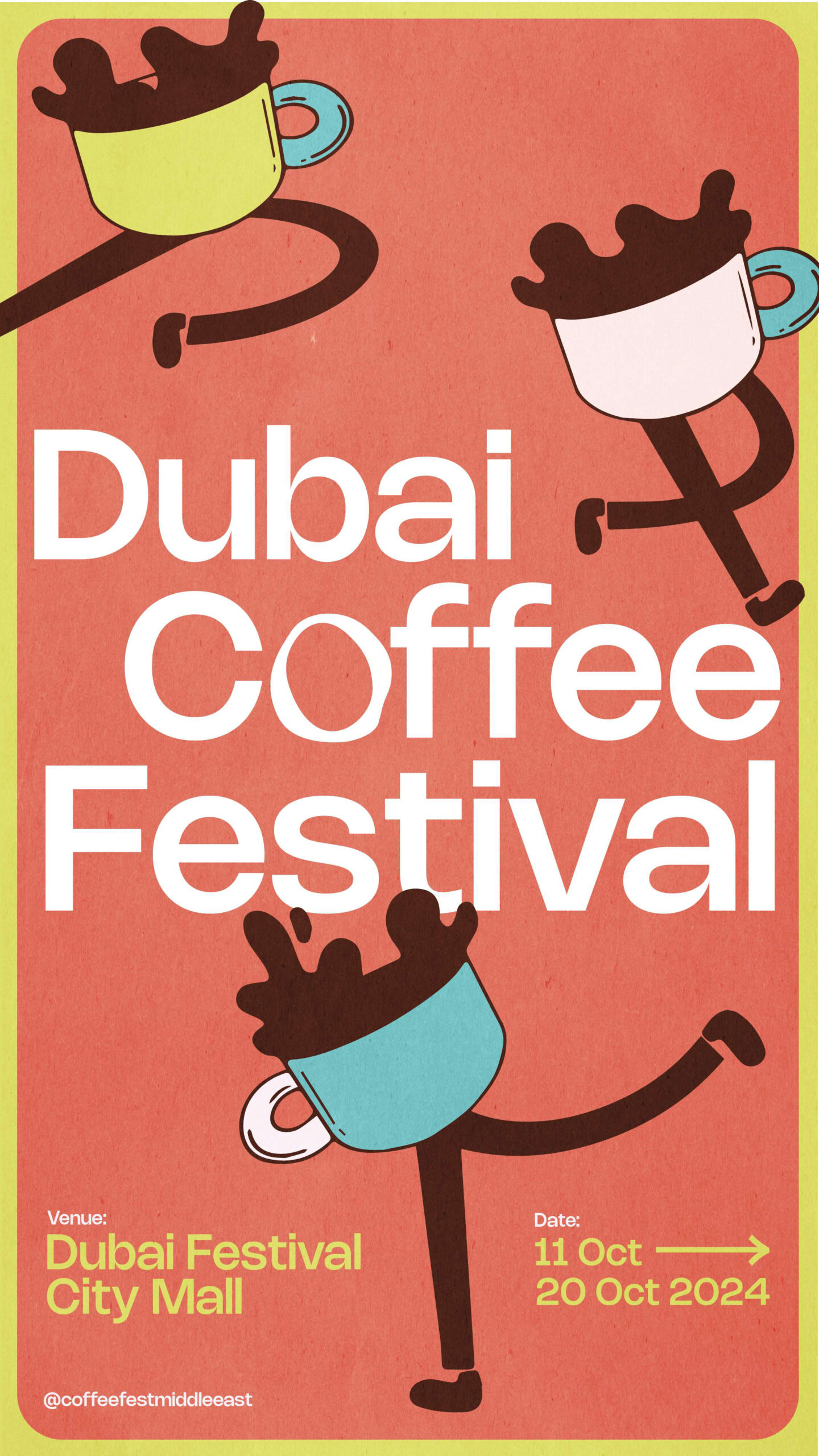
Under the slogan “A Salute to the Coffee Scene,” “DXB Live” organizes the Dubai Coffee Festival

Coffee lovers in Dubai are gearing up for an extraordinary experience in the world of coffee through the Dubai Coffee Festival, organized by “DXB Live” under the slogan “A Salute to the Coffee Scene,” which will take place at Festival City Mall over ten days.

The festival, combining the passion for specialty coffee and cultural creativity, is a unique platform that attracts all ages and interests.

Immersive events at the heart of the festival range from workshops and coffee tasting in the “Roasters Circle” to exciting barista competitions. The festival offers visitors a chance to dive into the ever-evolving world of coffee through innovative, educational, and interactive experiences, with a stamp system encouraging participants to collect points and receive special rewards.

A spokesperson for “DXB Live” confirmed that the festival strengthens connections between consumers and specialty coffee through an interactive experience that embodies both learning and enjoyment.

More than just coffee: A comprehensive experience

The festival’s activities extend beyond coffee; it includes a wide variety of food and beverage offerings and Instagram-worthy moments. Highlights include experiences like “DIY” tea blends, along with specially curated food menus that showcase creativity and innovation in the worlds of coffee and cuisine.

Special experiences for coffee enthusiasts

For experts and enthusiasts, the “Roasters Circle” will offer workshops led by global baristas, with exclusive tasting sessions featuring single-origin coffee, in addition to coffee competitions that allow baristas to showcase their unique skills in front of an audience.

Participation and partnership opportunities

The festival opens its doors to companies and brands wishing to participate in this anticipated coffee scene event. Various sponsorship packages are available, from primary sponsorships to more flexible options.

These partnerships offer an ideal opportunity for brands to connect with coffee lovers and showcase their presence at the largest coffee gathering in the region.

Opportunities to book booth spaces and food trucks are also available for participants, with early booking encouraged due to limited space availability.

Event details

The festival will be held at multiple locations across Dubai over ten days and is expected to attract local and international coffee lovers, offering them an exploratory journey into the rich world of coffee while celebrating its deep-rooted culture.

Kim Thompson: Turning Challenges into a Cup of Success — An Inspiring Interview with QahwaWorld

In a world brimming with challenges, Mrs. Kim Thompson stands out as an inspiring leader who has turned every obstacle into a stepping stone toward success. Her journey, which began with moving to Dubai with her family and led to the founding of RAW Coffee Company, showcases the spirit of entrepreneurship and perseverance that defines her. Despite facing significant hurdles early on, including wrong decisions, technical difficulties, and legal issues, she never backed down. Instead, she transformed those experiences into opportunities for growth and learning, driven by an unwavering determination.

Mrs. Kim is not just a leader who built a successful business; she is also committed to making a positive impact on the communities around her. By establishing direct relationships with farmers in Ethiopia and Yemen, she ensured that RAW Coffee Company became more than just a coffee brand—it became a model of sustainability and respect for the cultures and traditions of the farming communities she works with. Her story is one of pioneering change in the coffee industry, setting new standards for quality grounded in the values she holds dear.

In this deep and insightful interview, we explore the details of her journey, the challenges she overcame, and how she succeeded in creating a brand that is now one of the most recognized in the specialty coffee industry in the Middle East. Mrs. Kim’s journey is a tale of courage, turning dreams into reality, and a relentless will that knows no bounds.

Personal Journey

Q: What initially brought you to Dubai, and how did you find your way into the coffee industry here?

Kim Thompson: I moved to Dubai in 2007 with my family. My ex-husband had taken a job flying for Emirates Airlines. My family has always been passionate about sailing, and we became members of the Jebel Ali Sailing Club. Eventually, I took over and operated the café there at JASC, which was a bustling expatriate sailing club. When the sailing club was demolished to make way for the Dubai Marina, the café was closed. That’s when the idea of starting a coffee business came to me. While running the café, I struggled to find high-quality coffee—everything available was stale and imported. I noticed a gap in the market, and that’s where my journey into the coffee industry began.

Q: What were some of the biggest challenges you faced when starting RAW Coffee Company, and how did you overcome them?

Kim Thompson: In the early years, I made countless mistakes. I often felt like I was going in circles. For instance, I chose the wrong warehouse for our first location. I also purchased my first roaster from a well-known German company, Probat, which was embroiled in an internal legal battle at the time. My roaster, which had been manufactured and paid for, was held along with their other assets until the dispute was resolved. I had to travel to Germany, hire a lawyer, and get the roaster released. Once it arrived, we wired it incorrectly—cross polarity caused the drum to work in reverse, filling the warehouse with smoke and burning the first batch of coffee.

Another challenging situation arose when the consultant I had hired, who was staying with us at my family home, was poached by another roasting company that was just starting up in Dubai. He left for a bit more money before teaching me anything about roasting. I also spent three months trying to get the first environmental emissions approval, and I’m sure the men at the DM counter just wanted to get rid of me. One day, I broke down in tears, and miraculously, they stamped and approved the report. There were many more hurdles, but each taught me valuable lessons.

Q: How has your personal experience and background influenced your approach to business and the coffee industry as a whole?

Kim Thompson: I come from a very middle-class background in New Zealand. I left home at 15 to train as a registered nurse, which was a wonderful career that allowed me to travel and be independent. I’ve always wanted to see the world, experience different cultures, try new foods, and learn by exploring rather than just reading.

The highlight of my journey with RAW has been the people I’ve had the privilege to work with, especially the incredible producers at origin. I love being the “connector” between both ends of the supply chain, weaving the stories that help people appreciate our coffee and the process it undergoes to reach the final cup.

I often tell people that I’m an unhealthy mix of brave and naïve. If I had known how long it would take and the numerous challenges we would face, I’m not sure I would have done it all over again. The interesting thing is that RAW has grown very slowly and organically. While that has been excruciatingly painful at times, particularly due to cash flow challenges, it has resulted in an incredibly strong foundation. We are very much in control of our direction now.

Q: What motivates you every day to continue innovating and pushing the boundaries in the coffee industry?

Kim Thompson: After nearly 18 years, I am driven by a strong desire to succeed—failure is just not an option. I’m incredibly proud of the brand that Matt and I have built, and I’m excited to see it continue to grow. Personally, my key motivation comes from the people who rely on me—the producers and farmers in all the origin countries we work with, who grow our amazing coffee and depend on us for their livelihood. I also feel a deep responsibility towards the amazing team at RAW, ensuring they can support themselves, grow professionally, and find job satisfaction. I’ve realized that my role connects these two ends of our supply chain, and I must articulate our stories well to foster respect for coffee at the consumer end.

Business Philosophy

Q: You emphasize a strong connection with coffee producers and ensuring fair trade. Can you share a specific example where this philosophy made a significant impact on a farming community?

Kim Thompson: Absolutely. One clear example is our work with the Buddhist community in the southern Shan State of Myanmar (formerly known as Burma). Coffee has been grown in the country since it was introduced by British colonists in 1885. Our first visit was in March 2018, when we managed to purchase the entire harvest from a small, isolated region called the Ga Naing Yar community (a total of 14 sacks). We quickly committed to purchasing all of their next year’s 2019 crop if they could guarantee the same high quality. This allowed the community to plan how they would spend their income for the year.

We returned to film and document the harvest, capturing the process and the journey of what our involvement means to these people. We also shared images of our roastery so they could see their coffee being delivered to the end customer. We brought some of their own roasted coffee and brewing equipment so they could taste their coffee for the first time. Many in the community had never drunk their own coffee or understood the implications of the improvements they had made to harvesting and processing. Since improving their production processes and being introduced to international buyers, they now earn three times the value per kilo of green beans, instead of selling it as a cash crop at the local market.

This relationship has had a symbiotic benefit—both for the farmers and for us as roasters. We’ve seen communities collectively decide to build access roads into their isolated regions, bring power lines in, buy chickens, or build schools. The financial security to plan for their future opens so many doors, leading to a higher standard of living for them and better quality coffee for us year after year.

This village formed a coffee cooperative representing the 51 families that make up the entire community. The success of this group has had a tangible flow-on effect, with neighboring communities seeing the increased income and wanting to adopt the new farming practices. Before this, the farmers, often the women, grew their coffee near their homes and sold it as commodity-grade coffee at the local market. They would individually pick, process, and travel to markets, earning a third of what they’re achieving now.

Q: RAW Coffee Company is known for its sustainability efforts. Can you explain some of the key sustainable practices you’ve implemented and how they align with your long-term vision?

Kim Thompson: RAW started as a Dubai-based startup, but both Matt and I are originally from New Zealand, where we were raised with a deep respect for nature, clean water, fresh air, and recycling. So, from the beginning, RAW was focused on genuine sustainability.

We implemented a zero-plastic business model as soon as replacement products were available, even if we had to source them from outside the UAE. We’ve been doing this for at least 10 years. We replaced hot coffee disposable cups and lids with biodegradable options and cold coffee disposable cups and lids with cellulose. As new innovations are developed, we are early adopters. We’re now using recycled bamboo straws, and our beautiful new RAW coffee bags are made from recycled plastic milk bottles.

Water is a key ingredient in good coffee, and without correct water chemistry, we cannot consistently deliver a great coffee experience. We also sell and maintain espresso equipment, so we’ve seen first-hand how quickly poor water quality can damage or corrode valuable coffee equipment. We developed our own water treatment systems to support our B2B customers and offer complimentary still and sparkling water in our café to our B2C customers.

When we roast our coffee, there are only three waste products generated: the husk as a by-product of the coffee roasting process, the hessian coffee sacks our green coffee arrives in, and a small amount of carbon created during the roasting process. However, we do not roast our coffee to a dark level or anywhere near second crack, so the carbon is minimal. We now have a grade A emission test through the DM.

Our used coffee grounds from the espresso bar and the coffee husk from roasting are collected by a local startup that grows oyster mushrooms and produces compost. We then purchase the mushrooms to make some of our vegan dishes in the RAW café.

We’ve also removed all chemicals from the warehouse and café space, eliminating volatile oils and compounds from our cleaning products.

Q: Your company offers extensive training for staff and external baristas. What drove you to invest in education, and how do you see it shaping the future of the coffee industry?

Kim Thompson: For the first five years of RAW, we focused entirely on gaining knowledge and learning as much as we could about our industry. When we started in 2007, we didn’t have a website or social media account, and we were in isolation without access to shared knowledge on the internet or through applications. So we learned how to roast by hand, constantly cupping and evaluating the coffee, figuring out what we liked, and developing our own “style.” We also spent years experimenting with espresso equipment and learning how to consistently deliver quality espresso. We knew the importance of knowledge and realized that as a roaster and supplier, we would need to pass this knowledge on to our customers if we wanted them to consistently deliver the same quality. This understanding evolved into recognizing that divisions within our business, like servicing and training, while not generating huge revenue, are crucial to providing a total solution to our customers.

We are a registered premier SCA training center, meaning we’ve been audited and approved by the global Specialty Coffee Association. We offer a diverse range of barista training courses, starting with a home barista course for budding enthusiasts to certified courses in barista, brewing, and sensory for professionals.

Empowering and training your team is crucial to a business’s success, ensuring consistency and quality delivery. This, in turn, helps with customer loyalty and satisfaction and positions you positively against the competition.

Q: What innovations in the coffee industry are you most excited about, and how is RAW Coffee Company positioning itself to be at the forefront of these changes?

Kim Thompson: We believe that our focus on providing a total solution will continue to strengthen our position in the region. It’s not just about our beautiful coffee; it’s about our understanding of all the variables that must be taken into consideration to deliver an amazing coffee experience.

One innovation we’re particularly excited about is a new coffee brewing tool called the HOOP. It’s manufactured in Italy by a grinder company named Creado. It’s a very clever, simple design, using two pieces of recycled non-PBA plastic with a paper filter that uses radial infusion. It delivers very high-quality extraction and brews coffee consistently. We think this is a better coffee brewer than the famous V60, and literally, a child could make an excellent cup repeatedly. The HOOP won the Best New Product Award in 2023 at the SCA event in Athens.

Q: RAW Coffee Company has received numerous awards and accolades. Which of these achievements holds the most meaning for you, and why?

Kim Thompson: We’re incredibly proud to be recognized as a Dubai startup business. Our 2022 Award “Proudly Dubai” by DTCM for our contribution to advancing the F&B sector sits proudly on the front counter of RAW, beside our espresso machine. Even though both Matt and I come from New Zealand, our families are long-term UAE residents, and we feel this country is our home. We take pride in being at the forefront of the local coffee industry.

Q: Looking ahead, what are your aspirations for RAW Coffee Company in the next five to ten years? How do you plan to continue evolving while staying true to your core values?

Kim Thompson: When asked for a five-year plan, we usually shrug and admit that this is too far out for us to predict accurately. So many unexpected things happen—who would have predicted a global pandemic? But we do know the importance of maintaining our relevance, particularly in a competitive, saturated market.

We are focused on providing a total beverage solution, addressing all our customers’ needs on their beverage menu. We aim to be more than a supplier—we want to be a partner in the success of their business.

This year, we’re advertising on the radio, and we’re looking forward to reaching a new demographic. While we have a very loyal following, we know some of our customers have left the UAE over the years, so we want to make sure we reach new people who enjoy coffee.

We now have a really good automatic coffee solution, which is a first for us, allowing us to offer great coffee to offices and smaller commercial spaces. We sourced some special coffees for this project, and we’re thrilled with how they turned out—delivering convenient, consistent quality without needing a dedicated or qualified barista to make the coffee.

Leadership and Impact

Q: How would you describe your leadership style, and how do you ensure that your team remains aligned with the company’s values and goals?

Kim Thompson: I’m very much people-oriented, often relying on gut instinct, and I’m not great at handling conflict. When asked, I tell people there are two main reasons why RAW is doing so well: our strong, independent supply chain, and our amazing team. It’s very important to us that our company core values are genuine and shared throughout how we conduct ourselves and communicate as a business—with our suppliers, B2B customers, and B2C customers. I’m also fortunate to have a business partner whose strengths complement mine and who supports me in my areas of “challenge,” as I fully believe you can’t be good at everything.

I’m so proud of the people who work with us—they are customer-facing, and we often receive positive feedback praising them. We hire based on personality, not just knowledge, and believe in investing time and energy in training and empowering individuals. We now have a team of 56 people, representing 20 nationalities, speaking multiple languages. In the early days, we learned how to do the majority of the roles within the company ourselves, but now, thankfully, we have the resources to recruit key senior positions with specific skill sets.

Q: As a female leader in the coffee industry, how do you see the role of women evolving, and what initiatives are you most passionate about supporting?

Kim Thompson: I believe in equality and want to be treated as an equal, but gender doesn’t play a factor in the way we recruit or in our commercial relationships. The UAE has been a fantastic country to open a company—it’s safe, I’ve had equal access to information and opportunities, and I’ve never felt discrimination because I’m a female.

I don’t believe our industry is particularly friendly, partly due to many coffee businesses fighting for the same customers. We also have a lot of greenwashing in specialty coffee, exacerbated by some of the larger franchises and chains, using our terminology and grossly misleading marketing, which confuses customers.

As a female owner, I believe it’s important to act with credibility and integrity and to lead by example. Although one of my key roles in the company is to source, evaluate, and roast the coffee, I would never call myself a roast master. We should constantly strive to learn and never feel complacent. We follow the 1% rule—where we’re constantly striving to gain 1% increments, always looking at how to improve.

Since 2018, both Matt and I have been part of the Endeavor group, a network of high-impact entrepreneurs who dream bigger, scale faster, and pay it forward. We have an amazing advisory board with very successful business mentors, both male and female. It’s very encouraging to be among other entrepreneurs, to continue learning, and to be exposed to individuals who challenge and push you.

Our coffee industry faces real challenges, and supporting our farming partners is key to our continued growth. A very high percentage of people working in coffee at origin are women, so working towards gender equity, ensuring they have a voice, access to microfinance, schools for their children, and the opportunity to earn a sustainable livelihood are all top priorities.

Q: Beyond the coffee industry, what other community or global initiatives are you involved in, and how do they tie into your work at RAW?

Kim Thompson: I traveled to Palestine for the first time in 2018 on a Gulf for Good hike. We flew to Amman and crossed into Palestine via the Allenby Bridge. We hiked the heritage trail from Nablus to Jerusalem, staying with local families and learning about the regional issues there. Since that trip, I’ve joined Lisa Dale to found Artisans of Palestine.

Artisans of Palestine connects Palestinian artists with the market, and we tell their story. There are many comparisons to my role in coffee. We try to partner each business or artist with a mentor who can help give guidance or find solutions to their main challenges, whether that’s help with their website, tweaking their designs, sourcing materials, or helping them update their branding. We’ve visited many times and now have many wonderful products, with a number of artisans generating a good income from the products we sell here in the UAE.

In coffee, we source and supply beautiful freshly roasted coffee to the local market, but we also tell the story of the producers and attempt to educate consumers, not just about the benefits of buying local but also about ethical sourcing and the sensory attributes of buying our coffee. So there are similarities between coffee and Artisans of Palestine—we’re connecting the supplier with the end consumer or market and doing our best to add value throughout the chain.

Specialty Coffee Market in Dubai and UAE

Q: The specialty coffee market in Dubai and the UAE has seen tremendous growth in recent years. How have you witnessed this evolution, and what role do you believe RAW Coffee Company has played in shaping the market?

Kim Thompson: Since we opened RAW in 2007, there has been fabulous growth. I remember the early days when we would attend the Ripe Market in Zabeel Park and make cups of coffee from our coffee truck. That was our only marketing, and customers used to ask if the coffee was Italian—they didn’t understand quality over quantity, as we only offered a smaller 8oz cup (not a Vente size). We didn’t include syrups or any other kind of additives. There was a lot of pushback initially.

We roasted fresh what we needed for one week, so the coffee was always fresh, and we had to educate people on the importance of freshness, grinding to order, and many factors we now take for granted. But nothing we were experiencing was particularly unusual or “reinventing the wheel”—we were following global trends in the specialty coffee world. There are stages as the market matures, and the market here has well and truly caught up to the global coffee scene.

We aren’t being asked any more “what is your TDS?” which is something we went through for a number of years, as people started learning about total dissolved solids and water chemistry.

I’ve heard many companies claim they are the authority in specialty coffee or the first in the Middle East, but I can confidently state that RAW is the first coffee roastery in the MENA region to source specialty green beans, roast them, and supply them to the local market. It’s important to us to be part of the industry here, to continually drive improvement, knowledge, and quality, but it’s equally important to conduct yourself with integrity.

Q: How do you perceive the level of consumer awareness and appreciation for specialty coffee in the UAE? What steps have you taken to educate and engage consumers in this market?

Kim Thompson: We’re enjoying a greater appreciation for our industry, with a growing consumer base and a new generation of conscious consumers who spend time selecting brands and products that align with their values. It’s fantastic for us because they get what we’re trying to do, and they appreciate the care we take in selecting our coffees, our packaging, and ensuring everything aligns with our core values.

We know that our hand-brewed single-origin sales have increased, and with our bag sales, while our two main blends remain the best sellers, the percentages of premium and Rare & Experimental coffees we sell continue to grow.

Education and knowledge are key to a successful B2B operation, and it’s a constant work in progress.

Q: What are some of the unique challenges and opportunities you see in the specialty coffee market in Dubai and the wider UAE? How do you navigate these to maintain RAW’s leading position?

Kim Thompson: I don’t believe our industry is particularly friendly, partly because many coffee businesses are fighting for the same customers. We also have a lot of greenwashing in specialty coffee, exacerbated by some of the larger franchises and chains using our terminology and grossly misleading marketing, which confuses customers.

It’s not particularly exciting, but we believe consistency is completely underrated. To offer consistent quality, you have to have all the variables correctly positioned: the quality of your green coffee, your people, your water, your equipment, your technical support, your communication, and your business acumen. We’ve concentrated on all these details and not so much on what our competitors are doing.

Q: With the rise of specialty coffee shops in the region, how do you differentiate RAW Coffee Company from others? What sets your brand apart in this competitive landscape?

Kim Thompson: We’ve kept our heads down but our ears open. We’ve focused on our own trajectory and haven’t been too influenced by trends or what the rest of the market is doing. We like being in control of our supply chain, having our own direct relationships with our equipment partners and suppliers. We select these partners based on quality, service, and shared values.

We believe in constant innovation and tweaking of our brand and marketing collateral—remaining relevant and topical and investing in the future growth of the brand. Many new, younger, hipper brands have joined the market, but many of these brands are mimicking a brand from Melbourne or replicating something that already exists.

Q: Where do you see the future of specialty coffee in Dubai and the UAE heading? What trends or innovations do you believe will shape the next wave of coffee culture here?

Kim Thompson: The market here in the UAE is saturated, and while globally, coffee consumption continues to grow, the market for growers is extremely volatile. We expect to see an adjustment, with brands and companies that have more business acumen surviving, and others that are more “passion projects” facing financial challenges to continue.

Consumers are moving more towards buying and supporting local brands, many are more consciously driven, and they will differentiate between brands that are authentic and align with their values. It won’t be enough to just have a lovely interior or be part of an internationally recognized brand.

Support for Yemeni, Ethiopian, and Other Farmers

Q: You’ve established strong relationships with coffee farmers in Yemen, Ethiopia, and other regions. Can you share how these partnerships began and what impact they’ve had on both the farmers and RAW Coffee Company?

Kim Thompson: As Matt and I are the owners and investors in RAW, we have to be clever about how we use our money and how we grow our business. We believe our strength comes from our strong direct supply chain, so we’ve invested time and energy into our origin trips. These trips are also the best perk of the job, and I’ve had the luxury of exploring many origin countries. We know these relationships are key to our success, and we see the quality of the coffee we purchase improving year after year. We understand the challenges our growers face and work with them to mitigate these challenges, often financial, so we provide forward forecasting and contracts with pre-payments.

We’ve visited Yemen twice, attended a coffee “naturals” seminar, and traveled with groups of roasters and buyers around many of the coffee-growing regions. We enjoyed amazing hospitality and great food. It was one of the highlights of my life to see Yemen, experience its dramatic scenery, and witness the heritage of such an important coffee region.

We’ve traveled many times to Ethiopia, to Harrar in the north and to the southern more tropical areas of Yirgacheffe, Guji, and Sidamo. We’ve camped in tents on the actual farms, eaten Injera and raw meat, and once we even purchased a goat to make a large stew, which we shared with the village to thank them for having us.

Q: Yemeni coffee is renowned for its unique flavor profile but also faces significant challenges. How have you worked to support Yemeni farmers, and what makes Yemeni coffee special in your opinion?

Kim Thompson: Yemen has many geopolitical challenges, and sadly, we’ve seen a drastic decline in production coming out of the country. While farmers face challenges with weather and environmental issues, the actual processing of the coffee has also been difficult due to old technology and equipment. The coffee we purchase from Yemen is welcomed lovingly by our Emirati client base, who have a strong emotional connection to Yemen and its heritage. Many have grown up with a grandmother or mother roasting, grinding, and preparing the coffee in their homes—it’s synonymous with hospitality and evokes strong memories for them. We always sell out of our Yemeni coffee. The flavor notes most synonymous with Yemeni coffee are wine-like, dried fruit notes with a chocolate finish. The seaport that Yemeni coffee originally left from is called Mokha, but now many consumers believe that the coffee description “Mocca” means chocolate has been added to the drink. This wasn’t always the case. Good quality Yemeni coffee has distinguishable chocolate notes.

Q: Ethiopia is often considered the birthplace of coffee. How does RAW Coffee Company support Ethiopian coffee farmers, and how do you ensure their traditions and heritage are honored in your operations?

Kim Thompson: While Ethiopia might be genetic ground zero for Arabica coffee varietals, we also know that Yemen was the first to commercially cultivate and export coffee. Both of these countries are globally important to the coffee world. Both have strong traditions around how they drink coffee, with Ethiopia heavily influenced by its Italian history. But it would be so good to see both Ethiopia and Yemen not just rely on their cultural and historical heritage but translate that into sustainable and viable farming practices today. It’s very concerning to see both these countries refocus their farming practices on growing Eucalyptus and Ghat, in some cases removing their coffee trees. It seems short-sighted not to appreciate the damage this short-term ability to sell Eucalyptus wood will have on the soil, weather, and food security. I’m very worried about this.

Q: Fair trade and sustainability are core to your business model. Can you provide examples of specific initiatives or projects where RAW has made a tangible difference in the lives of coffee farmers in these regions?

Kim Thompson: In 2007, when I first started RAW, my three core pillars were Local, Ethical, and Fair Trade. But as I learned more about our industry, I realized that Fair Trade was broken. We moved to Direct Trade, which we’ve defined as direct, sustainable, and authentic, as we realized having personal connections and real relationships directly with the farmers and producing communities adds more value to them and us. We are currently purchasing forty unique coffees from twelve different countries, where we have strong relationships with all our growers.

A recent example of an initiative we’ve worked on involves a producer we work with in Ethiopia. They reached out to us for advice on dealing with a serious issue—entire regions were removing their coffee trees and planting Eucalyptus trees. Heleanna is a third-generation coffee producer who owns her own washing stations and coffee farms, as well as a large production facility in Addis Ababa. In December, Matt traveled to meet her, revisiting the areas and witnessing firsthand the absence of coffee. Main roads that used to be lined with hundreds of washing stations are now closed. The topsoil is eroded, the land is dry, and there’s no vegetation growing under the Eucalyptus trees. There are obvious signs of natural deforestation, and the land has been replanted with Eucalyptus, damaging the ecosystem—no bees or birds to pollinate the trees. Biodiversity has been disrupted, and the long-term effects are devastating.

We introduced Heleanna to Ms. Lee Safar, who has an internationally acclaimed podcast called MAP IT FORWARD. Heleanna was a guest on the show and has since been able to bring this issue to light to the global community. We’re hearing similar stories coming out of Brazil, Colombia, and Yemen.

Q: You’ve shown a strong commitment to supporting women farmers, particularly in poor countries. What initiatives have you undertaken to empower these women, and what success stories can you share?

Kim Thompson: As I mentioned earlier, women make up a large percentage of the workforce in coffee, ranging from 70 to 90%. We know that the empowerment of women has a direct correlation with the health of the community, the health of children, and the family’s sustainable livelihood, as well as the quality of coffee. If we visit a farming area where the women and children look unhealthy, where the washing stations are messy and disorganized, we can generalize and predict that the coffee will not be of good quality.

While men are in charge of coffee production activities and making decisions over these activities, women contribute to cleaning and management activities and are heavily involved in coffee harvesting, which requires hard physical labor to pick and carry baskets of ripened cherries.

We were founding members of Gender Equity, but now we focus more on the actual relationship with the community or farmers we purchase from. As roasters, it’s not our job to tell the farmers how to do their job or the processing team how to do theirs. Honest dialogue and clear communication, taking the time to understand their unique challenges, and coming up with solutions that benefit both of us strengthen the relationships we have. We want to be the first buyer they think of and the first to be offered their best coffee. For this, we pay a good price, and we pay on time.

Q: Looking to the future, how do you envision your continued support for farmers in Yemen, Ethiopia, and other regions? What are your goals for deepening these partnerships and ensuring their sustainability?

Kim Thompson: It all comes down to relationship building, communication, and trust. We desperately want to work with the farmers to ensure they continue growing our beautiful coffee, so they don’t pull out their coffee trees. We understand they need to have a viable income to support their families, and if they can’t, they’ll grow something else. That would be devastating.

illycaffè announces the finalists for the Ernesto Illy International Coffee Award 2024

  • 27 producers from 9 countries compete in New York to win the award for the best sustainable coffee of the year


illycaffè is proud to announce the 27 finalists for the ninth edition of the Ernesto Illy International Coffee Award. This award, named in memory of Ernesto Illy, the son of the company’s founder, celebrates over three decades of virtuous collaboration with coffee producers. Two awards will be presented on November 12 in New York: the ‘Best of the Best,’ chosen by a jury of nine coffee experts, and the ‘Coffee Lovers’ Choice,’ selected by consumers who participate in a week-long blind tasting in illy stores around the world.

Throughout the year, illycaffè’s quality laboratories analyzed samples from the 2023/2024 harvest, selecting the best batches and producers based on both qualitative and sustainability criteria. The finalists for this edition come from Brazil, Costa Rica, El Salvador, Ethiopia, Guatemala, Honduras, India, Nicaragua, and Rwanda.

“Sustainable quality is the result of a process that begins in the coffee plantations and requires constant innovation, research, and training. It means producing high-quality coffee with respect for the environment, biodiversity, human rights, and social well-being. The Ernesto Illy International Coffee Award has become an annual appointment with our best producers worldwide, with whom we have worked hand in hand for decades to ensure a prosperous future for people and the planet,” comments Andrea Illy, Chairman of illycaffè.

The 27 finalists for the Ernesto Illy International Award 2024, listed alphabetically by country, are:

Brazil:

  • Fazenda São João – Décio Bruxel e Outros
  • Fazenda Serra do Boné – Matheus Lopes Sanglard
  • Fazenda Vila Oscarlina – Flávio da Costa Figueredo

Costa Rica:

  • Coopelibertad R.L.
  • CoopeSabalito R.L.
  • Finca San Carlos de Marespi S.A.

El Salvador:

  • Finca Agua Caliente – J.J. Borja Nathan S.A.
  • Finca Bolívar – Matorral de S.A. de C.V.
  • Finca San Rafael – Comercial Larin S.A. DE C.V.

Ethiopia:

  • Darimo Washing Station Plc – Asma International Business Pvt Ltd
  • Gera Tracon Washing Station Plc – Tracon Trading P.L.C.
  • Jemila Amdela Washing Station Plc – Legesse Sherefa Pvt Ltd Co.

Guatemala:

  • Finca Danilandia – Luis Arimany Monzón
  • Finca Santa Leonarda – Plantaciones Agropecuarias S.A.
  • Pequeños Productores Santa Cruz Naranjo

Honduras:

  • Finca Diego Paz – Diego Paz Paz
  • Finca Don Miguel – Miguel Angel Pérez Guevara
  • Finca El Carmen – Jorge Aníbal Peña Maldonado

India:

  • Coovercolly Estate – Tata Consumer Products Ltd.
  • Kajjehally Estate – S. Vasudevan
  • Margolly Estate – Tata Consumer Products Ltd.

Nicaragua:

  • Finca Santa Ana – Aida Lila Zeledón Palacios
  • Grupo productores – Olam Nicaragua
  • SMS Cluster ECOM Nicaragua

Rwanda:

  • Karenge Coffee Washing Station
  • Kibirizi Coffee Washing Station
  • Rwinyoni Coffee Washing Station

The ranking of each of the nine finalist countries will be announced on November 12th at the United Nations in New York during an event where coffee producers will learn who has won the Ernesto Illy International Coffee Award 2024.

The previous edition of the Ernesto Illy International Coffee Award was won for the first time by Brazil, with the São Mateus Agropecuaria farm. This achievement is particularly significant as the coffee was produced using regenerative agricultural practices, which benefit the environment and health while producing exceptionally high-quality coffee.