JDE Peet’s Continues Share Buyback Programme, Reaches €63.2 Million in Repurchases

JDE Peet’s (EURONEXT: JDEP), the world’s largest pure-play coffee and tea company, has repurchased an additional 39,679 shares between March 24 and March 28, 2025, as part of its ongoing €250 million share buyback programme. The shares were bought at an average price of €19.80 per share, representing a total consideration of €0.8 million.

With this latest tranche, the total number of shares repurchased under the programme, launched on March 3, 2025, has reached 3,416,760 ordinary shares, amounting to a cumulative value of €63.2 million.

This move reflects JDE Peet’s continued efforts to enhance shareholder value and demonstrates the company’s robust financial health. The buyback programme is part of the company’s broader capital allocation strategy, aligning with its long-term commitment to sustainable growth and responsible corporate governance.

The announcement follows recent recognition of JDE Peet’s commitment to workplace equity, having earned the Fair Pay Leader certification for gender pay equity earlier in March. As the company continues to advance both financial and social responsibility initiatives, it remains a benchmark for industry leadership.

Further updates and detailed progress on the buyback programme are made publicly available in accordance with Article 2(3) of the EU Regulation 2016/1052, which governs technical standards for such programmes.

Explore the full update and past announcements on JDE Peet’s initiatives here.

A New Chapter in Coffee Processing: Are Additives Redefining Post-Harvest Identity?

As innovation surges in the specialty coffee sector, a critical debate is emerging around the use of additives and ingredients in post-harvest processes (PHP). What once was a straightforward path from cherry to green bean has become a complex web of microbial interventions, fermentation styles, and flavor engineering—raising questions about transparency, classification, and consumer expectations.

Ennio Cantergiani, Owner and Managing Director of l’Académie du Café – Switzerland, sheds light on this transformation, revealing that a dedicated meeting by the Specialty Coffee Association (SCA) is scheduled to take place in Houston at the end of April. The topic on the table: the evolving identity of green coffee and the role additives play in shaping its future.

Processing Aids or Flavor Modifiers?

At the heart of the discussion is the distinction between “processing aids” and “intentional flavor modifiers.” Processing aids are substances used to enhance efficiency and consistency in production—yet they are not meant to remain in the final product. Examples include yeasts and bacteria used to break down mucilage, enzymes that support fermentation, or antifoaming agents that prevent mechanical clogging during washing.

“If the primary intent behind using yeasts or bacteria is to increase batch consistency or improve machine performance, then these remain classified as processing aids,” Cantergiani explains. “But the moment the goal shifts toward influencing flavor, the nature of the process—and its classification—must change.”

This distinction is more than semantic. It affects traceability, labeling, and the ethical standards of the specialty coffee industry.

Fermentation Without Additives: Still a Grey Zone?

Processes like anaerobic fermentation and carbonic maceration add further complexity. Though they do not rely on external ingredients (except the controlled use of CO₂ in carbonic maceration), their primary goal is flavor modulation.

“These methods cannot be categorized under processing aids,” notes Cantergiani. “They represent deliberate fermentation strategies and must be clearly identified as such—whether anaerobic or carbonic.”

In essence, what defines the process is not the presence of microorganisms alone, but the intention behind their use.

A Need for Clearer Standards

As producers experiment with infused coffees, co-fermentation, and gas-solid interactions to create distinct flavor profiles, the need for a unified industry lexicon has become urgent. The SCA’s upcoming meeting is expected to address these ambiguities and push toward clearer definitions that separate traditional PHPs from modern, ingredient-based innovations.

Cantergiani emphasizes that further categories—such as “infused coffees,” “mosto-infused,” “co-fermented,” and “flavored coffees”—require their own criteria and discussions, which he plans to explore in future publications.

What’s at Stake?

With the specialty coffee sector striving to uphold transparency, traceability, and ethical standards, the increasing use of additives in PHPs may challenge the very identity of “natural” or “clean” coffee. At the same time, the potential to enhance flavor, value, and consistency remains an attractive prospect for producers navigating climate change, market volatility, and shifting consumer demands.

The path forward, it seems, lies not in restricting innovation—but in clarifying it.

NASA Astronaut Enjoys Coffee in Space With His Own Zero-Gravity Cup Design

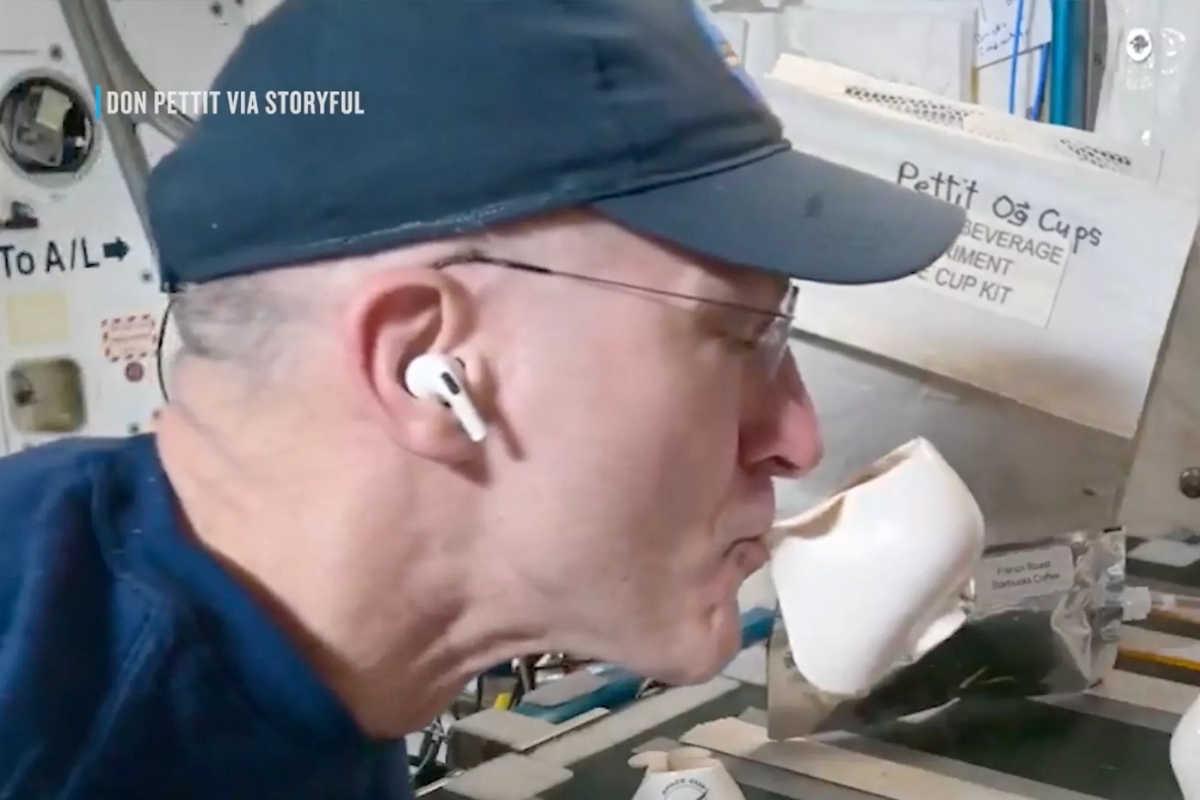
NASA astronaut Don Pettit missed the familiar aroma of his morning coffee so much while aboard the International Space Station (ISS) that he designed a solution: the Capillary Cup, a zero-gravity cup that allows astronauts to sip coffee more naturally—no bag, no straw required.

Developed to work in microgravity conditions, the Capillary Cup uses fluid dynamics to guide liquid to the mouth, mimicking how one would drink on Earth. According to the Rochester Institute of Technology, the cup also enables astronauts to experience one of the most essential aspects of coffee—its smell.

“The zero-g cup allows one to smell your coffee, something you can’t do when sipping through [a] straw from a bag,” Pettit wrote on X (formerly Twitter), responding to a follower curious about how coffee tastes and smells in space. “Smell is probably 70% of the coffee pleasure,” he added.

Pettit demonstrated the invention in a video, casually sipping from the floating cup as it hovered midair—an everyday ritual made extraordinary in orbit. “Having a sip o’ joe in the morning; nothing beats the zero-g cup for morning coffee,” he captioned the clip.

The invention not only reintroduces comfort and routine to astronauts’ lives in space but also provides a glimpse into the playful side of science. Responding to a comment that astronauts shouldn’t “play with their food,” Pettit quipped: “In space, you can play with your food and call it science.”

Despite the innovation, space coffee still faces its limitations. On March 22, Pettit noted on X that the ISS espresso machine had been returned to Earth. Until a replacement arrives, astronauts are back to drinking instant coffee.

Don Pettit continues to share insights from the ISS and updates on his space-brewed coffee experiences with his followers, blending curiosity, creativity, and caffeine—one zero-gravity sip at a time.


View this post on Instagram


A post shared by عالم القهوة (@qahwaworld)

Coffee Prices: Dollar Pushes Arabica Up, Robusta Under Pressure

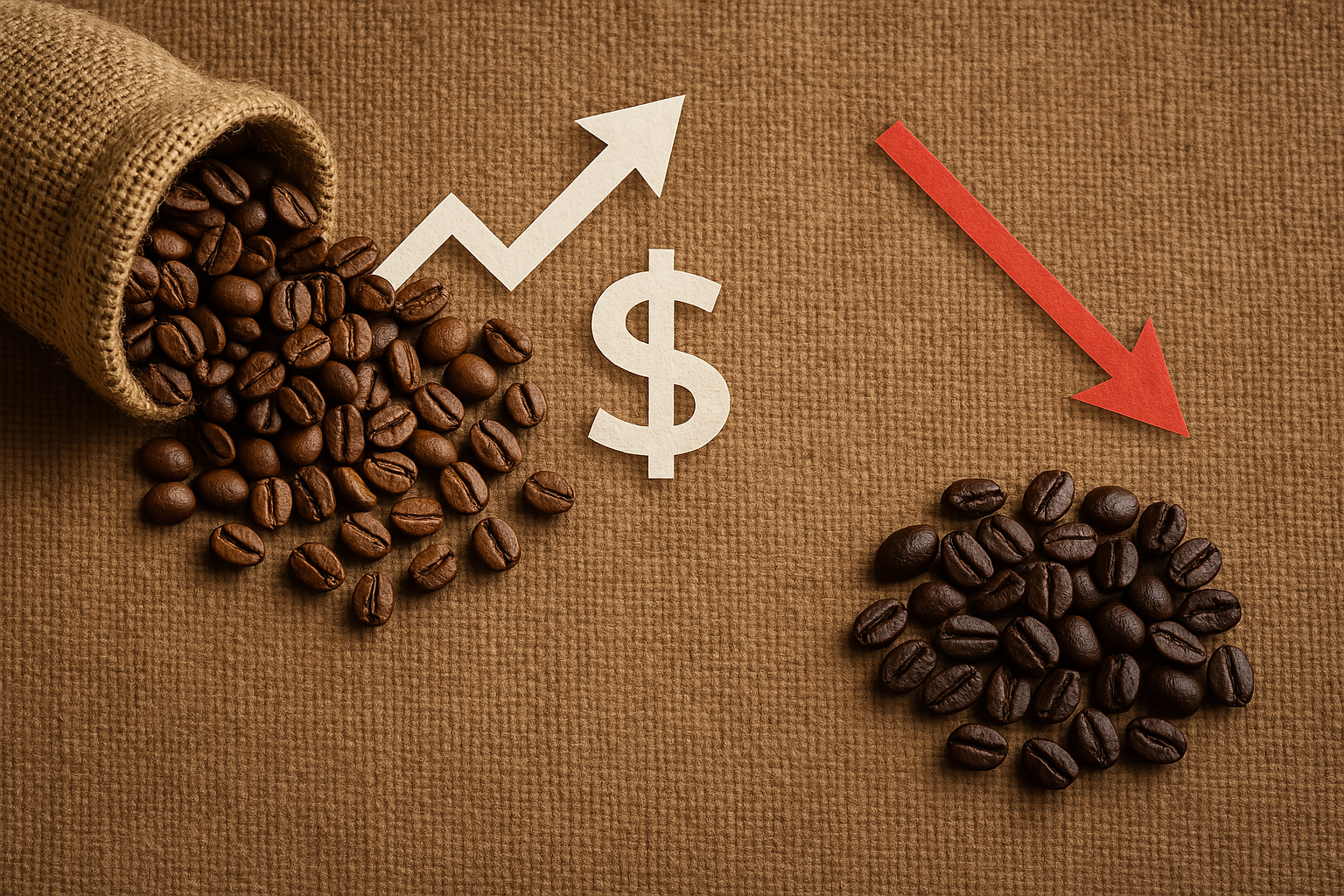
Arabica coffee prices closed higher on Friday, supported by a weaker U.S. dollar, while robusta coffee dipped on expectations of rising production from key origins. According to a market update published by Nasdaq, May arabica coffee futures (KCK25) rose by 0.30% (+1.15), while May ICE robusta coffee (RMK25) slipped 0.26% (-14).

The dollar’s decline provided momentum for arabica, making commodities priced in dollars more attractive to global buyers. In contrast, robusta faced downward pressure after Marex Solutions projected a significant increase in 2025/26 crop volumes: Vietnam’s robusta production is expected to reach 28.8 million bags, up 7.9% year-over-year, while Brazil’s output is forecast to grow by 13.6% to 25 million bags.

Mixed Signals from Weather and Inventory Data

Earlier in the week, both coffee types came under pressure. Arabica touched a one-month low, while robusta fell to a two-month low amid forecasts for widespread rain in Brazil, easing previous dryness concerns. Meteorologists at Climatempo and Somar noted that Minas Gerais, Brazil’s top arabica region, received 31.2 mm of rain last week, or 102% of the historical average.

Yet, weather-driven price support emerged mid-week, as arabica hit a three-week high. Cooxupé, Brazil’s largest arabica cooperative, warned that recent high temperatures and scarce rainfall could negatively impact yields in 2025. Similar concerns were reported in Vietnam’s Central Highlands, where the local weather office warned of hotter, drier conditions through late March.

Inventories & Exports Paint a Complex Picture

Inventory data remains mixed. ICE-monitored arabica stocks fell to a five-week low of 771,576 bags, while robusta inventories climbed to a seven-week high of 4,414 lots, according to Nasdaq.

Brazil’s February green coffee exports declined 12% year-over-year to 3 million bags, as reported by Cecafe. Conab, Brazil’s crop forecasting agency, expects the country’s 2025/26 coffee output to fall 4.4% to 51.81 million bags, its lowest level in three years. Meanwhile, Vietnam’s 2024 coffee exports fell 17.1% y/y to 1.35 million metric tons, and production dropped by 20% in 2023/24 due to drought, marking the smallest harvest in four years.

However, recent increases in global exports are seen as bearish. Brazil’s coffee exports in 2024 rose 28.8% y/y to a record 50.5 million bags, and Vietnam’s February shipments rose 6.6% y/y.

Supply Outlook: Surpluses and Deficits Clash

Marex Solutions recently projected a global surplus of 1.2 million bags for 2025/26, compared to just 200,000 bags in 2024/25. Yet, long-term supply risks remain due to lingering effects of last year’s El Niño, which caused widespread drought in South and Central America. Brazil, in particular, is experiencing its driest weather since 1981, according to Cemaden, affecting the flowering phase of arabica trees.

The USDA’s December report highlighted that global coffee production for 2024/25 is expected to rise 4% to 174.86 million bags, with arabica and robusta up by 1.5% and 7.5%, respectively. Yet, ending stocks are projected to fall 6.6% to a 25-year low of 20.87 million bags.

The USDA also revised Brazil’s 2024/25 production forecast down to 66.4 million metric tons, and projected a 26% decline in ending stocks to 1.2 million bags.

Additionally, Volcafe sharply reduced its forecast for Brazil’s 2025/26 arabica crop to 34.4 million bags, citing prolonged drought. The firm expects a global arabica deficit of 8.5 million bags, compared to a 5.5 million bag shortfall in 2024/25—marking the fifth consecutive year of arabica deficits.

All You Need to Know About the Paris Coffee Festival 2025

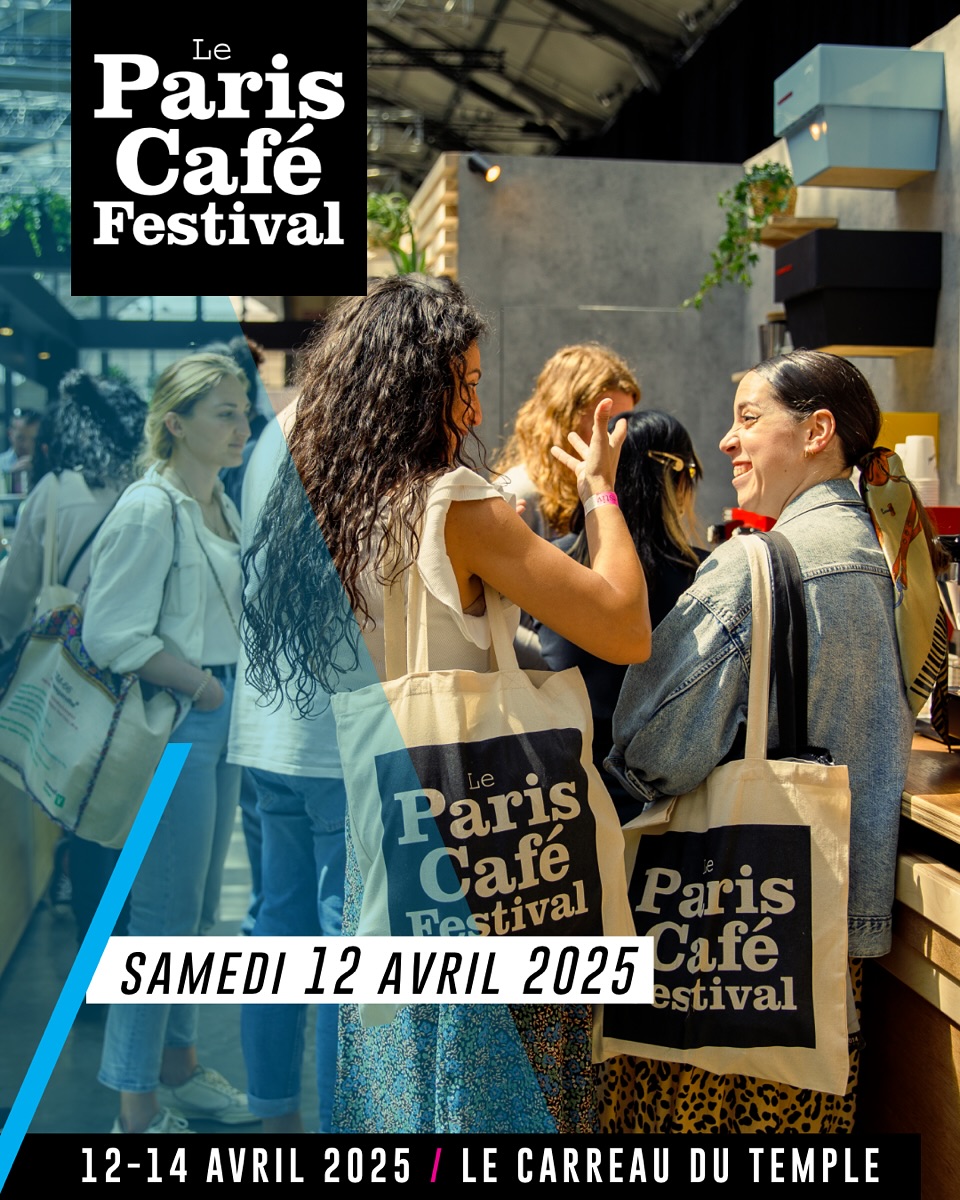
The Paris Coffee Festival is back for its sixth edition, transforming the Carreau du Temple into a buzzing hub of specialty coffee culture from April 12 to 14, 2025.

This annual event, which has quickly become France’s leading celebration of coffee, invites thousands of enthusiasts, professionals, and curious newcomers to immerse themselves in the rich and dynamic world of specialty coffee — through tastings, competitions, workshops, music, and more.

What to Expect in 2025

Venue: Carreau du Temple, 4 Rue Eugène Spuller, 75003 Paris
Dates:

  • April 12–13: Open to the general public

  • April 14: Reserved for industry professionals

Opening Hours: 9 AM to 6 PM daily

Tickets: Early Bird tickets available on pariscafefestival.com, with up to 30% discount until March 1, 2025. No on-site ticket sales.

Festival Features and Highlights

  • Over 100 Exhibitors: Discover top-tier roasters, brewing equipment manufacturers, and artisan coffee brands from across Europe and beyond.

  • Coffee Tasting Galore: Unlimited samples of specialty brews — including rare origins and experimental lots.

  • Roasters Village by La Marzocco: Meet the top French roasters and experience their best brews.

  • True Artisan Café: Watch baristas collaborate with coffee brands to craft signature drinks in real time.

The Coffee Trail Experience

New for 2025, the Coffee Trail offers a curated journey through various sensory experiences, including:

  • De’Longhi’s Home Barista Workshop – Learn how to master espresso and milk techniques at home.

  • Brita Comparative Tasting – Explore the influence of water quality on flavor profiles.

  • Panama Baru Experience by Brûlerie des Gobelins – Discover the aromas of one of the world’s most sought-after coffee origins.

Competitions and Live Shows

  • Roast Masters Tournament: A thrilling head-to-head roasting contest featuring the best in the game.

  • Latte Art Live: A crowd favorite where latte artists battle it out for foam supremacy.

  • Coffee Mixology: Sip espresso martinis and coffee cocktails from some of Paris’s trendiest bartenders.

Masterclasses & Experts

Attendees can participate in exclusive masterclasses led by champions and certified trainers. Sessions will focus on:

  • Advanced brewing techniques

  • Flavor mapping and sensory science

  • Sustainability in coffee production

  • Café entrepreneurship and innovation

More Than Just Coffee

The event also offers:

  • Food court and cocktail bars: Enjoy pastries, brunch bites, and café-inspired cocktails

  • DJ Lounge – “La Symphonie du Café”: A vinyl-only set creating an atmospheric blend of music and aroma

  • Sustainability Initiatives: A portion of proceeds goes to Project Waterfall, supporting clean water projects in coffee-producing regions.

A Word from the Organizers

“We’re not just celebrating coffee; we’re celebrating the people, cultures, and craftsmanship behind it,” said the organizers at Paris Coffee Ventures. “This festival reflects a fast-growing specialty coffee scene in France that is deeply rooted in passion, innovation, and community.”

Final Notes

From seasoned baristas to coffee newcomers, the Paris Coffee Festival promises something for everyone — from sipping exquisite brews to learning from world champions. As the event continues to grow, it reinforces Paris’s status as a rising capital of café culture.

For tickets, schedules, and more details, visit the official website.

Exploring Oman, One Coffee Shop at a Time

Every time my friend Syed Naveed publishes a new post on his blog “The Need for Coffee,” I’m struck by how effortlessly he turns personal journeys into stories worth sharing. His choice of words, his eye for detail, and the emotions he captures in his writing always leave an impression. He doesn’t just write about coffee — he tells stories that make you feel like you’re right there, cup in hand.

In this piece, he takes us on a journey through Oman, visiting specialty coffee shops during multiple work trips. But this isn’t just about the cafés — it’s about the people, the spaces, and the experiences that define a growing coffee scene.

Here is the story, as told by Syed Naveed:

“This year,” says Naveed, “I’ve traveled to Oman several times for work, and with every trip, it’s become harder to leave. In the evenings, I’d wander the city, visiting different coffee shops and soaking in a culture that reminded me of Dubai, yet had its own quiet charm.”

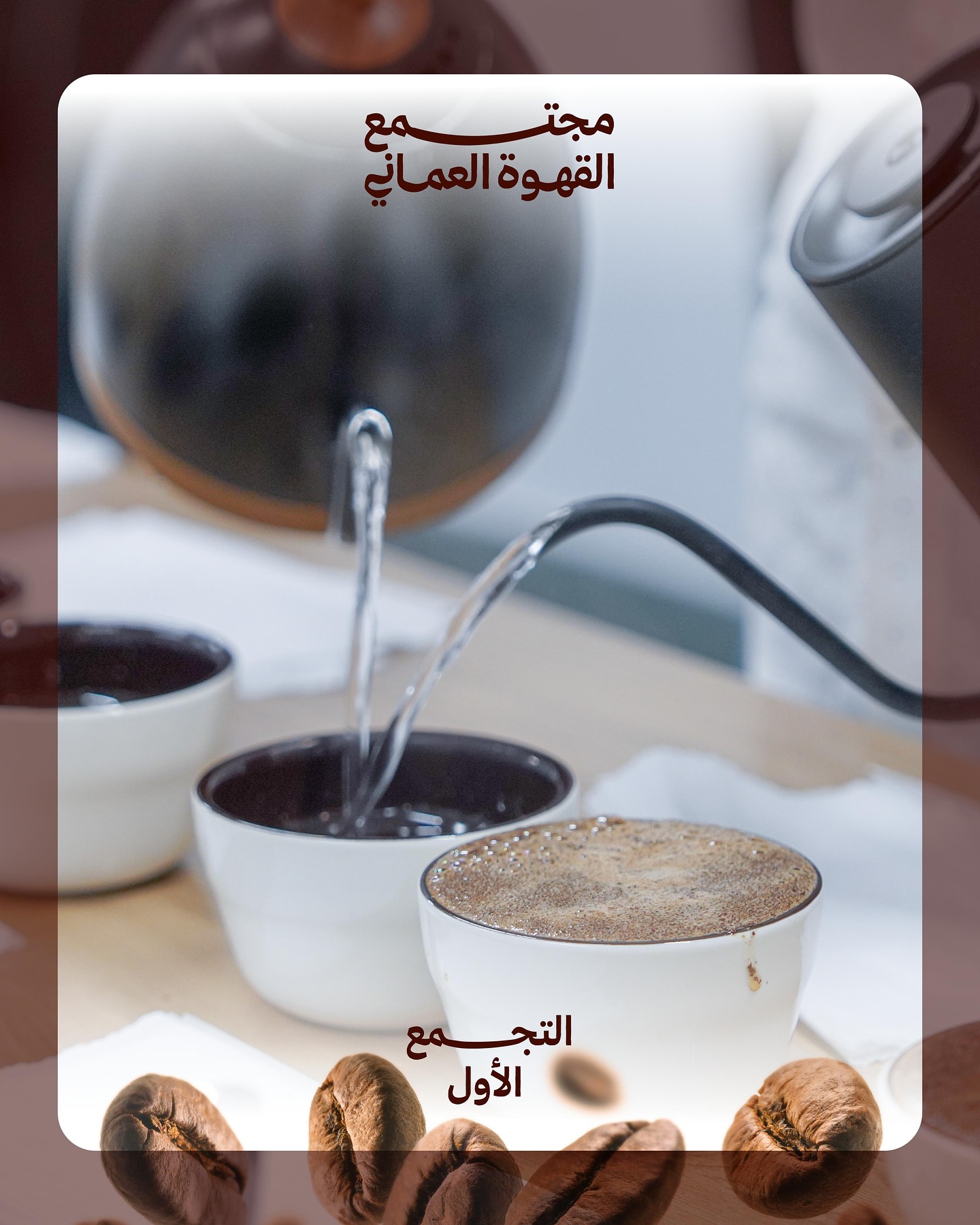
“My most recent visit — just before Ramadan — lined up with a special moment. Thanks to Andrew, I was invited to attend the very first gathering of the Oman Coffee Community.”

“It brought together baristas, roasters, coffee lovers, and industry professionals to taste coffees from various roasteries. Even more significant, the event also marked the election of the country’s first official board for the specialty coffee community — a major step toward a more organized and promising coffee future in Oman.”

Azura Coffee

“When asking around for recommendations, one name always came up — Azura, The Coffee Company. Naturally, it became my first stop.”

“Shoutout to Leo for brewing me a beautiful Rwandan coffee from Rwacof growers. With its floral notes, passion fruit brightness, and a touch of citrus, it went beyond anything I expected.”

La Cabra

“My last experience with La Cabra was in House of Wisdom — though without their signature bakery items, something felt incomplete.”

“So when someone recommended their location in Oman, my expectations were sky-high — maybe unfairly so. But this time, the experience not only met but exceeded them.”

“The olive lemon cake paired with the Cerro Azul filter coffee created the perfect harmony. Add to that the minimalist interior and elegantly understated exterior — every detail contributed to a well-rounded and memorable experience.”

Sector Seventeen

“One café in particular really stood out — Sector Seventeen. It’s a space born from childhood memories.”

“The founders grew up in Sector 17 of Chandigarh, India — once a visionary urban hub designed by Le Corbusier. The café reflects that legacy through design: clean lines, rounded corners, and a logo inspired by the number 17 in Punjabi.”

“Subtle grid patterns are integrated into the furniture, walls, and even the manhole cover at the entrance — a quiet tribute to the city’s architectural soul.”

“And the coffee? I had The Secretariat, their take on an espresso martini, using washed Ethiopian beans. Balanced, floral, fruity — an excellent cup.”

“Even the food menu had a story. Everything was curated under Simran’s Kitchen, led by a local culinary expert known for food blogging and workshops. And what amazed me most was that everything — the design, branding, menu, and social media — is managed by the Dhanju family. A complete family-run concept executed with passion.”

Black Haze

“For something different, I turned to Reddit, where one café came up repeatedly — Black Haze. Its moody atmosphere intrigued me.”

“The space felt more like a nightclub — dim lighting, neon yellow around the bar, a bold ambiance.”

“Behind the bar was Ahyad — a modest but skilled coffee mixologist. He served me the Black Pearl, a dark and creamy coffee mocktail that looked as mysterious as it tasted.”

“Then came a washed coffee from Los Pirineos, roasted by Tim Wendelboe. A perfect finale to what had been an otherwise ordinary day.”

Kaleem

“Kaleem was another name that kept surfacing in local recommendations. From the outside, it looked like a concrete block on the edge of a park. But once inside, I discovered a beautiful blend of nature and modernism.”

“The triangular entrance, asymmetrical pathways, and perfectly arranged brewing station all pointed to thoughtful design.”

“Although I usually lean toward washed coffees, I couldn’t ignore their natural anaerobic offerings. I ended up with a Guatemalan — tropical, clean, with a hint of unripe berries and a candy-like sweetness that lingered.”

“Brewed by @donquixotedudeee and @_lvcifxr, who also gave me a quick tip on coffee-to-water ratios — the kind of exchange you’d expect in a café in Dubai. A true coffee conversation.”

La Cava

“La Cava was the perfect place to unwind after a long workday. Thanks again to Andrew for the tip — this one delivered.”

“Minimalist interiors made the space easy on the eyes, while quirky wall accents gave it personality. It’s the kind of café you unintentionally spend more time in than planned.”

“Oman’s specialty scene keeps impressing me. The quality is consistent, and each new spot feels like a win.”

Aram

“Walking into Aram reminded me of my favorite local cafés back in Dubai. Nestled in a vibrant, artsy neighborhood, the café overlooks the House of Musical Arts — so beautiful that it kept stealing my attention away from the people I was with.”

“Inside, the calm and cozy interiors perfectly matched the peaceful exterior.”

“I ordered a Panama Geisha on filter — superb. The Yemeni coffee, however, cost twice as much and didn’t quite live up to the price.”

“But the Tiramisu? Probably the best I’ve ever had. Especially alongside the Geisha.”

“This is the kind of café I’ll keep coming back to every time I’m in Muscat.”

What’s Next?

Naveed concludes: “My visits to Oman aren’t over, and I’m already looking forward to the next one. I know there are so many amazing cafés — both in and outside Muscat — that I haven’t yet explored.”

“So I need your help. Which specialty coffee shops should I visit next? Whose story deserves to be told in a follow-up post? Send me your suggestions — I’ll be sure to check them out on my next trip.”

Specialty Coffee Expo 2025: The Ultimate Gathering for the Global Coffee Community Returns to Houston

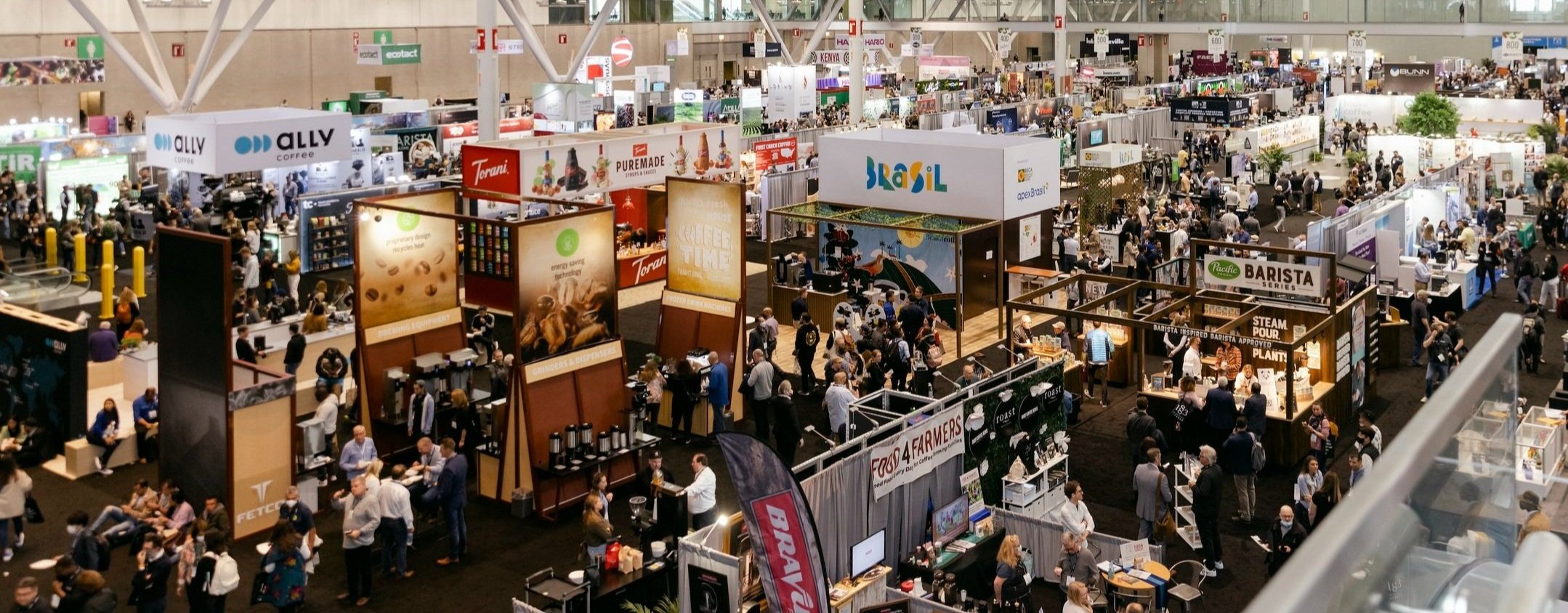
The Specialty Coffee Expo 2025, the most influential B2B event in North America’s specialty coffee industry, is set to take place this April in Houston, Texas. Organized by the Specialty Coffee Association (SCA), the event has become the premier global destination for coffee professionals, food and beverage innovators, and passionate enthusiasts from across the world.

Billed as “the ultimate event for the global coffee community,” this year’s Expo promises unparalleled opportunities for connection, growth, and inspiration across every link in the coffee value chain. From the vibrant show floor to immersive workshops and thrilling coffee competitions, the event is a comprehensive platform for those who make coffee their business, career, or calling.

A One-Stop Shop for Coffee Professionals

For roasters and retailers, the Expo offers access to the latest equipment, top-tier beans, and groundbreaking innovations. It’s a space to refine techniques, discover tools to scale operations, and stay ahead in an industry that’s constantly evolving. The event’s expert-led lectures and hands-on workshops provide actionable insights to sharpen expertise and unlock business-transforming opportunities.

For food and beverage professionals, the Expo is the ideal place to integrate specialty coffee into existing operations. Through face-to-face interactions with suppliers and innovators, decision-makers can discover cutting-edge solutions that align with market trends and customer expectations. Whether you’re enhancing a café menu, revamping hotel offerings, or launching a new coffee concept, this is where ideas turn into execution.

A Celebration for Enthusiasts and Experts Alike

More than just a trade show, the Expo is a celebration of coffee culture, welcoming attendees from all walks of life. From professional baristas and sensory judges to curious consumers, the event fosters a deep appreciation for coffee’s craft, science, and community. Visitors can immerse themselves in the art of cupping, brewing, and roasting through dynamic educational experiences tailored to every skill level.

A central highlight of the Expo is the World Coffee Championships, where top competitors in barista, roasting, and brewing categories showcase the height of coffee craftsmanship. These competitions are not just a spectacle—they’re a testament to the global talent and creativity that fuel the specialty coffee movement.

What to Expect at the 2025 Edition

This year’s event brings together an unmatched lineup of experiences, making it a must-attend for anyone in the coffee world. Key features include:

  • Expert-Led Lectures: Actionable strategies and insights from leaders shaping the future of coffee.

  • Hands-On Workshops: Deep dives into roasting, brewing, tasting, and more—designed to elevate skills and knowledge.

  • World Coffee Championships: A thrilling showcase of the best in global coffee competition.

  • Networking Opportunities: Connect with suppliers, buyers, and peers in a collaborative and inspiring atmosphere.

  • Cutting-Edge Solutions: Explore innovations in equipment, brewing technology, and sustainable practices.

  • Research and Trends: Stay ahead with access to data, insights, and thought leadership on coffee’s evolving landscape.

  • Interactive Panel Discussions: Engage directly with experts tackling the industry’s most critical challenges and opportunities.

  • Product & Design Awards: Celebrate excellence and innovation in coffee-related products and packaging.

  • Coffee Cupping Sessions: Refine sensory skills with guided tastings led by top professionals.

  • Career-Boosting Insights: Gain practical tools and ideas to grow your role or business in the coffee sector.

A Global Moment for Specialty Coffee

As the specialty coffee industry continues to grow and diversify, the 2025 Expo stands out as a crucial moment for reflection, collaboration, and progress. Whether you’re a seasoned business owner, a startup founder, a coffee farmer, or simply someone passionate about the drink in your cup, this is where new ideas flourish and lasting connections are made.

The Specialty Coffee Expo 2025 isn’t just an event—it’s the beating heart of a global movement.

Honduras Signs the International Coffee Agreement 2022 and to Host the 140th Session of the International Coffee Council

The Republic of Honduras has reaffirmed its leadership in the global coffee sector by signing the International Coffee Agreement 2022 (ICA 2022) at the headquarters of the International Coffee Organization (ICO) in London.

As a founding Member of the ICO, Honduras has played a pivotal role in shaping the global coffee landscape over the past six decades. The signing ceremony was led by His Excellency Eduardo Enrique Reina, Secretary of Foreign Affairs and International Cooperation of Honduras, accompanied by His Excellency Ambassador Iván Romero-Martínez, Permanent Representative of Honduras to the ICO. Ambassador Romero, who served as Chair of the International Coffee Council during 2021–2022, played a central role in the negotiations that resulted in the adoption of the ICA 2022.

By signing the Agreement, Honduras joins other Member countries in reaffirming their commitment to inclusive dialogue between coffee-exporting and importing nations, as well as with private-sector partners. This united effort aims to build a more sustainable, resilient, and equitable coffee value chain that benefits producers, consumers, and all stakeholders.

The ICA 2022 is particularly significant for Honduras, where coffee is a cornerstone of cultural identity, rural development, and economic progress. Through forward-looking policies and public-private investment, Honduras has emerged as the fourth-largest Arabica coffee producer in the world and the top exporter in the Central American and Mexican region. In 2023, the country exported more than $1.5 billion worth of coffee to over 65 destinations, accounting for nearly 12% of its total merchandise exports.

In a further demonstration of its active role in the international coffee community, Honduras also announced its intention to host the 140th Session of the International Coffee Council, to be held in San Pedro Sula from 22 to 26 September 2025. The event will bring together global coffee leaders, policymakers, and industry stakeholders to discuss pressing issues and opportunities for the sector. Attendees will also have the chance to experience Honduran hospitality, explore the country’s rich natural and cultural heritage, and visit world-class coffee farms.

Gerardo Patacconi, Head of Operations at the ICO, welcomed the announcement, stating:

“We are deeply privileged to welcome Honduras as a signatory of the ICA 2022. In the spirit of international cooperation, we celebrate the diversity of coffee traditions and commit ourselves to safeguarding and promoting the sector’s sustainability. We are confident that collaboration through the ICO will help mobilize resources, support Honduran producers, and engage global consumers in recognizing the quality, environmental stewardship, and innovation of Honduran coffee.”

In his official remarks, Secretary Eduardo Enrique Reina emphasized the importance of Honduras’s participation in the new Agreement and its upcoming role as host of the 140th ICC Session:

“I am profoundly honoured to be in London today, personally signing this historic agreement at the ICO headquarters. This milestone reaffirms Honduras’s place in the global coffee community and our dedication to advancing coffee diplomacy. We are equally proud to confirm our intention to host the 140th Session of the International Coffee Council. We warmly invite ICO Member governments, industry leaders, and development partners to join us in Honduras for this important gathering. We view the ICO and the ICA 2022 as essential frameworks for achieving our vision for the coffee industry—both nationally and globally—and we look forward to building a bright, inclusive future for coffee together.”

Coffee Price Crisis Deepens as Margin Calls Hit Exporters and Cooperatives

As global coffee prices soar to historic levels, another silent yet powerful force is putting unprecedented pressure on exporters and cooperatives in producing countries: margin calls.

While consumers celebrate favorable prices for roasters and retailers, many producers and ethical traders are facing financial distress due to the impact of financial mechanisms tied to futures contracts. The situation threatens to destabilize fragile coffee supply chains and erode years of progress in sustainable and fair trade.

Financial Shock Behind the Scenes

A margin call occurs when traders who hedge future coffee sales using commodity exchanges are asked to deposit additional funds after market prices move against their positions. These calls must be met within a short timeframe—typically 24 hours—or positions are liquidated at a loss.

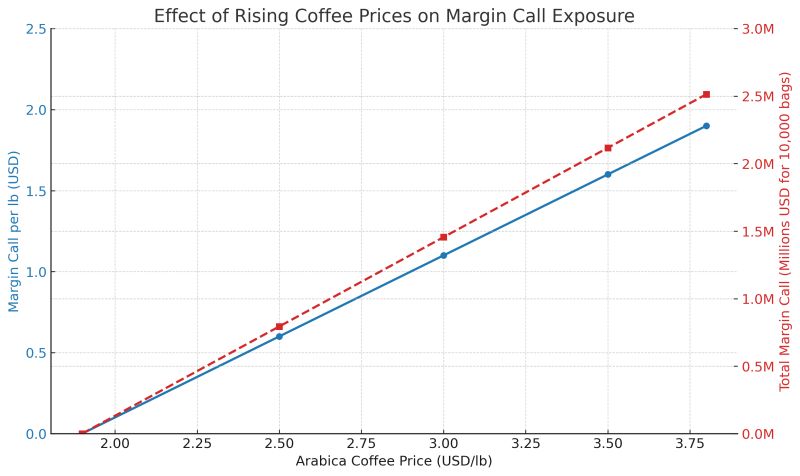
In 2024, Arabica prices on the Intercontinental Exchange (ICE) rose sharply, from $1.90 per pound to over $3.80 within 12 months. For many hedgers, this triggered massive cash demands.

One cooperative in Honduras, for example, had locked in export prices at $2.00/lb to secure predictable income for its producers. But as market prices doubled, its short futures positions became unsustainable. The cooperative received a margin call of $1.80/lb—amounting to over $2 million USD in immediate payments for 10,000 bags, or around 600 metric tons of coffee.

Lacking access to liquidity or emergency credit, the cooperative was forced to close its position at a loss and default on physical delivery contracts.

Small Players Bear the Brunt

The unfolding crisis is hitting smaller exporters, cooperatives, and ethically focused supply chains hardest:

  • Small and medium exporters face margin calls that exceed their cash reserves.

  • Producer cooperatives struggle to respond quickly to fast-moving financial obligations.

  • Ethical supply chains risk breakdowns in traceability and delivery commitments.

  • Local banks are growing increasingly reluctant to finance hedged contracts, citing volatility.

Despite record prices, many producers are not benefiting—either because they sold forward at lower prices, or because intermediaries have exited the market due to financial stress.

Winners in a Shifting Market

While small players falter, some market actors are gaining ground:

  • Large trading houses can absorb margin calls and expand their market share.

  • Speculators with long positions profit as prices rise.

  • Roasters holding pre-crisis forward contracts enjoy cost advantages.

  • Unhedged smallholders may see higher returns—if buyers agree to pay spot prices at origin. However, this is often inconsistent and unreliable.

A Broken Safety Net?

Hedging has traditionally served as a tool to manage price risk. But in the current climate, it’s becoming a double-edged sword. For many coffee sector actors in the Global South, hedging is no longer viable without strong financial backing.

“In today’s volatile market, the question is no longer how to hedge,” says Cantergiani, “but who can afford to hedge?”

Without reforms or new financial safety nets, the coffee trade could see a wave of defaults and consolidation—threatening diversity, sustainability, and the livelihoods of producers worldwide.

By Ennio Cantergiani, Owner and Managing Director of l’Académie du Café – Switzerland

Brewed to Perfection: 5 Classic Ways to Enjoy Espresso Coffee

Espresso is more than just a shot of coffee — it’s the heartbeat of coffee culture worldwide. For the true connoisseur, espresso offers a gateway into a world of aroma, body, and complexity, where every milliliter counts. Whether you’re a café regular or a home brewer with a portable espresso machine, like those from Aroama Coffee, mastering the five foundational ways to enjoy espresso can elevate your daily ritual into an art form.

This story was inspired by a recent post from Lauren O’Brien, Owner & Director of Aroama Coffee, whose passion for coffee and innovation continues to shape how we experience espresso today. Through her advocacy for portable brewing and love for tradition, Lauren celebrates both modern convenience and timeless methods — a balance that perfectly mirrors these five ways to enjoy espresso.

1. Espresso (30ml – Single Shot)

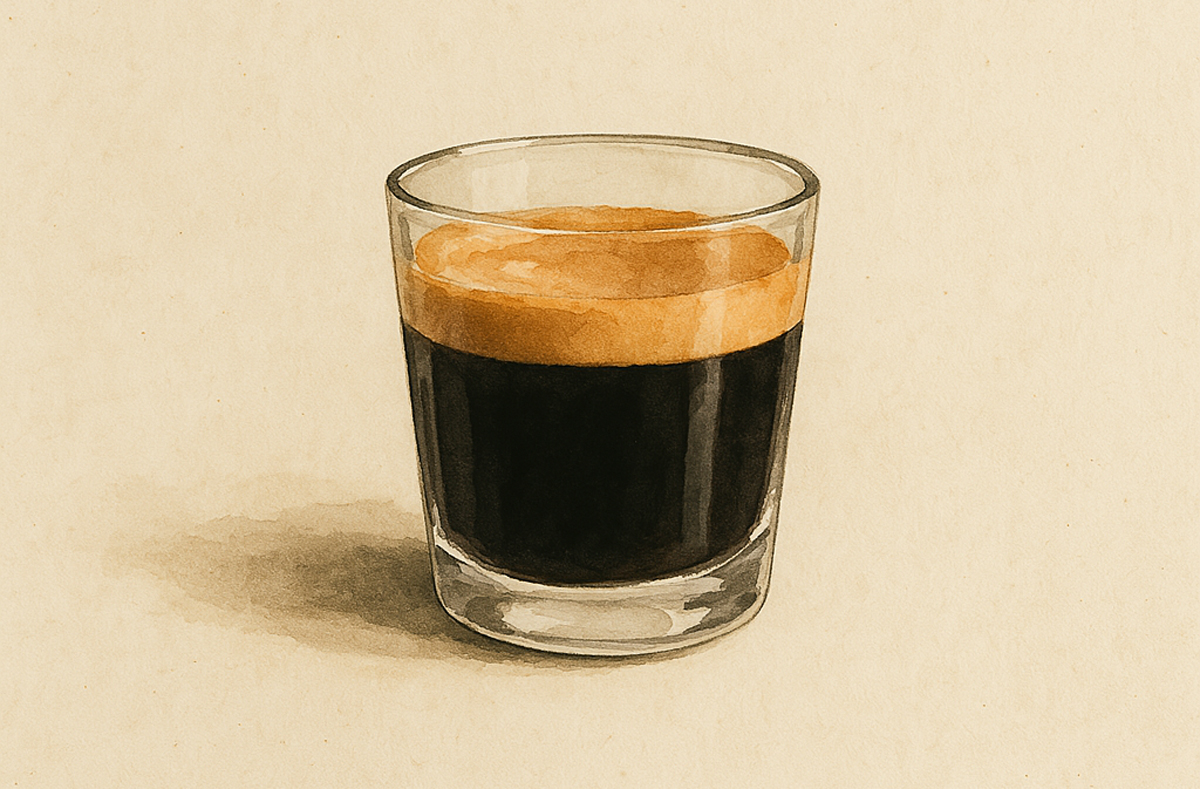
The cornerstone of modern coffee culture, the espresso shot is a 30ml pour of pure intensity. Brewed under high pressure using finely ground coffee, it delivers a bold, concentrated flavor with a balanced profile of acidity, sweetness, and bitterness. It’s topped with a silky layer of crema — a sign of a well-extracted shot. Whether enjoyed solo or as a base for other drinks, espresso embodies the essence of the bean.

Expert Tip: Use freshly ground beans with a precise grind size to ensure optimal extraction — around 25–30 seconds for a classic shot.

2. Espresso Doppio (60ml – Double Shot)

A “doppio” is simply double the espresso, offering twice the intensity. With 60ml of liquid gold, this is the go-to for those who crave a bolder caffeine kick without compromising on flavor. It’s also the standard shot used in most café beverages.

Did You Know? The term “doppio” is Italian for “double,” and it’s the standard in specialty coffee shops, replacing the single shot in most espresso-based drinks.

3. Ristretto (22ml – Concentrated Shot)

Italian for “restricted,” a ristretto is a shorter, more concentrated shot of espresso — typically only 22ml. Brewed with the same amount of coffee but less water, it produces a syrupy, sweeter profile with reduced bitterness. It’s the drink of choice for those seeking depth and complexity in a smaller sip.

Tasting Notes: Expect fruit-forward brightness and chocolate undertones, with a rich mouthfeel and lower perceived acidity.

4. Short Macchiato (30ml or 60ml Espresso with Foamed Milk)

“Macchiato” means “stained” or “marked” in Italian — in this case, espresso marked with a dollop of foamed milk. A short macchiato tempers the intensity of espresso without diluting its character, making it ideal for those who appreciate both strength and softness.

Variants: Use a single or double shot as the base. The milk is usually textured, not steamed flat, adding a luxurious touch to the finish.

5. Espresso Con Panna (30ml or 60ml Espresso with Cream)

A decadent twist on the classic shot, Espresso con Panna is topped with a generous layer of whipped cream. The contrast between the bitter espresso and the sweet, velvety cream creates a dessert-like indulgence, popular across Europe and the U.S.

Perfect For: Afternoon pick-me-ups or those exploring espresso but not quite ready for the full punch of a straight shot.

The Modern Espresso Movement

Today’s espresso experience goes beyond cafés and baristas. As Lauren O’Brien highlights, the coffee world is evolving through tech-driven brewing solutions — with portable espresso machines redefining how and where we enjoy our daily shots. Aroama Coffee’s commitment to making espresso accessible anywhere speaks to a growing global love affair with quality coffee and convenience.

From sustainably sourced beans to smart brewing tools, coffee lovers are now more empowered than ever to recreate café-quality espresso wherever their journey takes them.

Conclusion
Espresso is the foundation of coffee culture — versatile, expressive, and deeply personal. These five classic preparations offer something for every palate, whether you’re chasing complexity, intensity, balance, or indulgence. And with portable innovations like those from Aroama Coffee, that perfect shot is never out of reach.

Which style is your favorite — bold ristretto, creamy con panna, or the classic espresso? Explore them all, and let your taste buds lead the way.

JDE Peet’s Earns Fair Pay Leader Certification for Gender Pay Equity

DE Peet’s (EURONEXT: JDEP), the world’s leading pure-play coffee and tea company, has received the prestigious Fair Pay Leader certification from the Fair Pay Innovation Lab (FPI), marking a significant milestone in the company’s commitment to pay equity and workplace inclusion.

This gold standard certification is awarded to companies demonstrating no significant gender pay disparities across their global workforce. A comprehensive 2024 gender pay equity study, which analysed anonymised remuneration data from around 19,000 JDE Peet’s employees, revealed a minimal gender pay gap of just 0.52%. This figure falls well below the upcoming EU directive threshold of 5%, and is widely regarded as statistically insignificant.

JDE Peet’s CEO Rafael Oliveira emphasized the company’s ongoing commitment to equity, stating:
“At JDE Peet’s, we want to create a workplace where a diversity of ideas, perspectives, cultures and backgrounds are welcome. Our workforce reflects the people we serve—our consumers. The Fair Pay Leader certification is a wonderful recognition, but it’s not our endpoint. We will continue to assess and address equity gaps to ensure talent is fairly recognised and rewarded.”

The certification follows JDE Peet’s recent receipt of the 2025 Catalyst Award, further highlighting the company’s dedication to fostering an inclusive and equitable workplace culture.

Since launching its first pay equity study in 2022, JDE Peet’s has proactively monitored and refined its policies and practices to close equity gaps and promote equal opportunities across its global operations.

With a presence in over 100 markets and a portfolio of more than 50 brands—including L’OR, Peet’s, Jacobs, Senseo, Tassimo, Douwe Egberts, OldTown, Super, Pickwick and Moccona—JDE Peet’s serves approximately 4,400 cups of coffee or tea every second. In 2024, the company reported total sales of EUR 8.8 billion and employed over 21,000 people worldwide.

Explore JDE Peet’s commitment to equity and inclusion at www.jdepeets.com.

All You Need to Know About the London Coffee Festival 2025

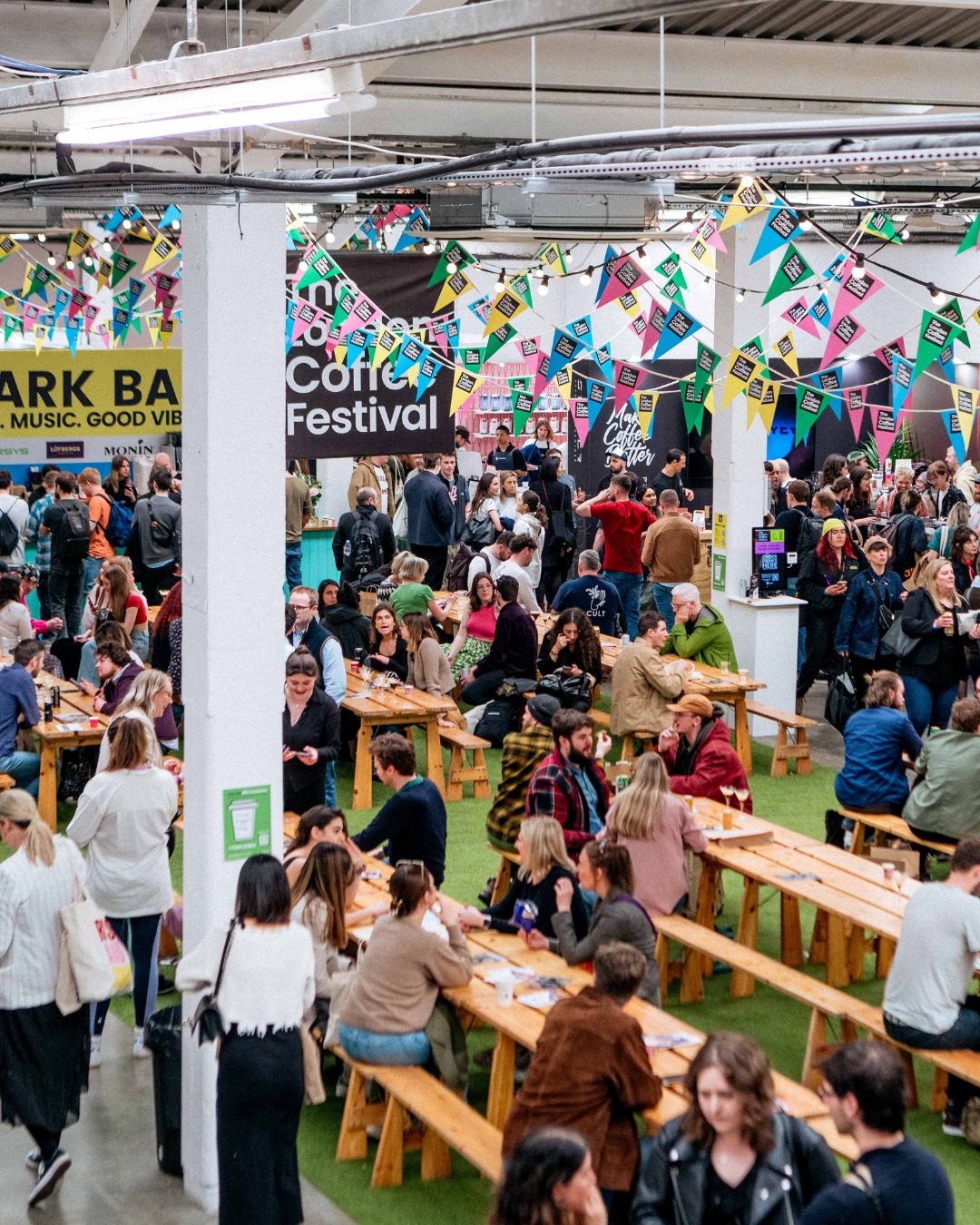
The London Coffee Festival 2025 returns to its iconic venue — The Truman Brewery on Brick Lane. Scheduled to take place from 15 to 18 May 2025, the event brings together coffee lovers and professionals from across the globe for a celebration of taste, innovation, and culture in the heart of the British capital.

Dates and Venue

  • Venue: The Truman Brewery, 91 Brick Lane, London, E1 6QR

  • Industry Days:

    • Thursday 15 May & Friday 16 May, from 10:00 AM to 5:00 PM (last entry at 4:00 PM)

  • Public Sessions:

    • Saturday 17 May:

      • Morning Session: 09:00 AM – 1:15 PM

      • Afternoon Session: 1:30 PM – 6:00 PM (last entry at 5:00 PM)

    • Sunday 18 May:

      • All-day Session: 09:30 AM – 3:30 PM (last entry at 2:30 PM)

Main Zones and Activities

The festival offers a rich and diverse program, appealing to professionals and casual visitors alike:

  • The Lab:
    Educational talks, discussions, and workshops on current topics in the coffee industry.

  • Latte Art Live:
    Dazzling live performances by top baristas, plus interactive training sessions for visitors.

  • Coffee Masters:
    A thrilling competition where 16 elite baristas battle it out across multiple coffee disciplines.

  • Hyde Park Bar:
    A stylish bar serving signature coffee cocktails, with live DJ sets enhancing the atmosphere.

  • Brew School:
    A 45-minute educational session ideal for those looking to deepen their coffee knowledge.

  • True Artisan Café:
    A rotating café presented by La Marzocco, featuring unique creations by independent coffee shops.

  • Roasters Village:
    A marketplace where Europe’s best roasters present their coffee and connect with enthusiasts.

What’s New in 2025

  • Meet China Zone:
    A new dedicated area showcasing the rapidly growing coffee culture in China.

  • London Coffee Festival Awards:
    A new award system celebrating excellence across categories such as:

    • Best Independent Coffee Shop

    • Best Sustainable Initiative

    • Best Coffee Shop Design

    • Best Coffee Startup

Tickets and Access

Tickets are available through the festival’s official website, with various options tailored to different audiences:

  • Standard Tickets

  • Ultimate Access Tickets

  • Industry Passes

Early booking is strongly recommended, as the event attracts a large audience and regularly sells out.

Getting There

The venue is centrally located and easily accessible by public transport:

  • Tube and Rail Stations:

    • Shoreditch High Street – 5-minute walk

    • Liverpool Street – 10-minute walk

    • Aldgate East – 10-minute walk

  • Bus Routes:
    8, 26, 35, 47, 48, 55, 57, 78, 149, 242, 243, 388

Additional Information

  • The festival supports Farm Africa, a charity working to improve the livelihoods of farming communities across Africa.

  • The official website provides guidance for visitors from outside London, including accommodation and travel tips.

Conclusion

The London Coffee Festival 2025 is a unique opportunity to explore the global world of coffee, discover new tastes, and connect with key players in the industry. Whether you’re a professional seeking innovation or a passionate coffee drinker, the event promises inspiration, education, and enjoyment.

Ready for a coffee adventure?
🔗 Visit the official festival website here