Rethinking Coffee Waste: Unlocking the Untapped Value of the Cherry

As the global coffee sector seeks innovative ways to boost sustainability and profitability, fresh attention is turning to one of its most overlooked resources: the by-products of the coffee cherry. In a recent expert essay titled “The Hidden Wealth of the Cherry — Rethinking Waste in the Coffee Economy,” Dr. Steffen Schwarz of Coffee Consulate outlines a transformative vision that challenges traditional approaches to waste in coffee production.

For every kilogram of green coffee exported, nearly six kilograms of organic matter — including pulp, mucilage, parchment, silverskin, and spent grounds — are left behind. These materials, often discarded or burned, have long been considered waste. Yet, as Dr. Schwarz emphasizes, they are rich in chemical, nutritional, and energetic potential.

The Coffee Development Report 2022–2023 supports this viewpoint, identifying over 40 million tonnes of organic by-products generated by the coffee industry annually. Rather than being externalities, these materials are now viewed as key assets within a circular economy framework.

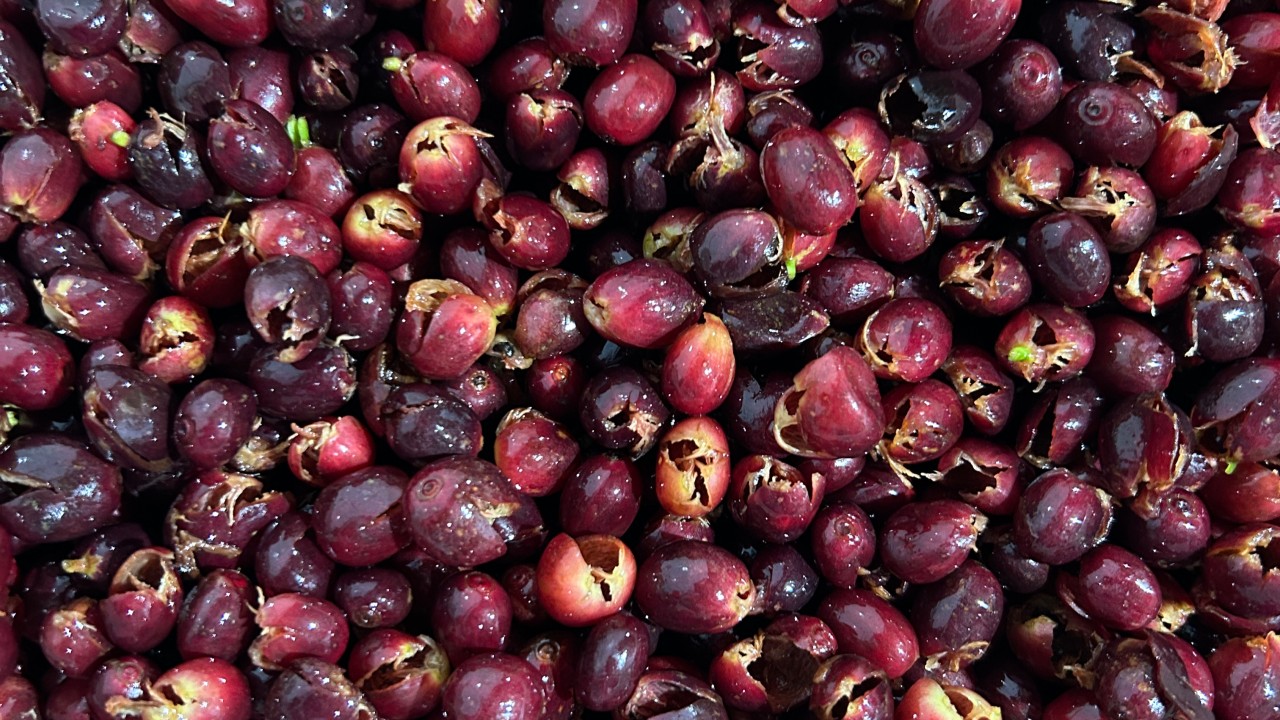
Pulp, for example, accounts for nearly half the cherry’s mass and is rich in polyphenols, sugars, and fiber. It can be transformed into cascara tea, flour, pectin, or even biogas. Mucilage, once an obstacle in wet processing, can yield natural gums and serve as a fermentation base. Silverskin, released during roasting, is now used in biodegradable packaging, while spent coffee grounds are being upcycled into cosmetics, textiles, and building materials.

Around the world, these ideas are already in motion. In Costa Rica, cascara is being exported as a premium infusion product. In Uganda, coffee pulp powers biogas systems for depulping machines. In countries like Germany and South Korea, spent grounds are repurposed into eco-friendly materials for furniture and packaging.

What marks this shift as revolutionary is not only the technology but the mindset. “A circular coffee economy does not begin with recycling,” Dr. Schwarz notes. “It begins with recognition — that the by-product is also the product.” This change redefines the coffee value chain, expanding its scope beyond the green bean to include all parts of the cherry.

Achieving this transformation will require systemic change. Processing infrastructure must be updated to preserve and repurpose by-products. Farmers must be equipped and incentivized to process cascara or manage spent pulp. Distribution systems must evolve to support new product categories derived from what was once considered waste.

There are also clear environmental benefits. Left unmanaged, coffee waste emits methane, contaminates water, and degrades soil. When reintegrated into farming systems, however, it becomes a regenerative force — sequestering carbon, enriching soils, and reducing dependence on synthetic fertilizers.

Ultimately, the future of sustainable coffee may not lie solely in how we grow beans, but in how we rethink and reuse every part of the cherry. As Dr. Schwarz concludes, “What if the richest part of the cherry was the part we never exported?”
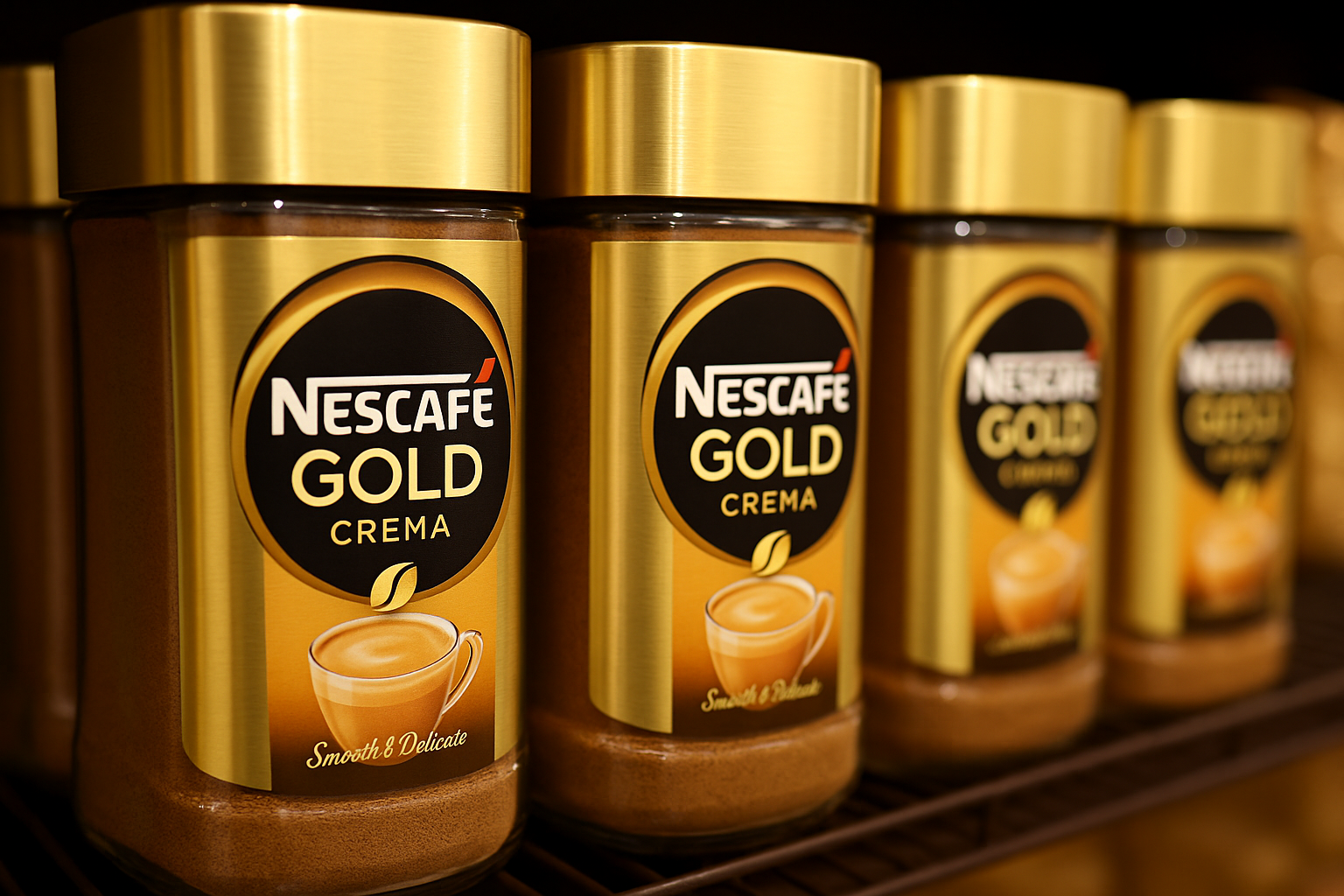

Nestlé’s Nescafé to Invest Additional $89 Million in Brazil by 2028

Nestlé has announced plans to invest an additional 500 million reais (approximately $88.7 million) in its Nescafé operations in Brazil by 2028, further reinforcing the country’s strategic importance in its global coffee portfolio.

This new investment comes on top of the 1 billion reais Nestlé committed to Brazil last year, bringing its total investment in Latin America’s largest economy to 1.5 billion reais. The company highlighted that Brazil, the world’s second-largest coffee consumer and the largest producer and exporter, plays a crucial role in its growth strategy.

The investment will primarily focus on the expansion of Nestlé’s Montes Claros factory in the state of Minas Gerais, and on growing the presence of Nestlé Professional coffee machines across the country. These machines cater to foodservice businesses and are part of the company’s broader strategy to expand its out-of-home coffee consumption channels.

According to Valeria Pardal, Business Executive Officer for Coffee Beverages at Nestlé Brazil, a significant portion of this investment will go toward the “portion coffee” segment—Nestlé’s term for capsule-based coffee products. “In the past five years, our ‘portion coffee’ category has grown around 20%. We expect this pace of growth to continue,” she said during a presentation to journalists.

Nescafé, originally launched in Brazil to market instant coffee, has since evolved into a diverse coffee brand offering a wide range of products. With the additional funding, Nestlé aims to strengthen its position in the rapidly evolving Brazilian coffee market, where demand for convenient, high-quality coffee continues to rise.

This expansion signals Nestlé’s confidence in the long-term potential of Brazil’s coffee industry and aligns with its global commitment to innovation and market responsiveness in the coffee sector.

Debunking 4 Common Coffee Myths, According to Popular Science

Popular Science highlights how research is rewriting what we thought we knew about coffee—debunking myths about roast strength, dehydration, heart health, and more.

Coffee is one of the most widely consumed beverages in the world, yet it remains surrounded by misconceptions. From the idea that dark roast has more caffeine to the belief that coffee causes dehydration or heart issues, myths persist despite scientific evidence to the contrary.

In a recent feature published by Popular Science, journalist Justin Pot examined four of the most common coffee myths and presented what the science really says. Here’s a breakdown of those myths—and the research that dispels them.

1. Dark Roast Doesn’t Mean More Caffeine

Contrary to popular belief, dark roast coffee isn’t stronger in caffeine content than light or medium roast. While the taste of a dark roast is more intense, it doesn’t correlate with higher caffeine levels.

According to a 2017 study cited by Popular Science and published in Nature, researchers Megan Fuller and Niny Z. Rao from Thomas Jefferson University found that medium roast Arabica beans actually had higher caffeine concentrations than dark roast when measured by mass. The longer roasting process reduces caffeine slightly, meaning that the darker the roast, the less caffeine it may contain.

2. Coffee Doesn’t Stunt Growth in Children

Another widespread myth is that drinking coffee can stunt a child’s growth. However, no scientific research supports this claim.

Popular Science references Dr. Roy Kim of the Cleveland Clinic, who clarified that “caffeine doesn’t impact growth.” While caffeine may slightly suppress appetite, this does not translate into any significant effect on child development or height. However, excessive caffeine consumption in children may cause sleep issues, moodiness, or heart palpitations—reasons why moderation is still advised for young coffee drinkers.

3. Coffee Does Not Dehydrate You

Because caffeine is known as a diuretic, many assume that drinking coffee leads to dehydration. This idea, though popular, has been largely debunked.

A 2014 study by researchers at the University of Birmingham, published in PLOS ONE and highlighted in Popular Science, compared hydration markers in men who consumed either coffee or water. The findings revealed no significant difference in hydration between the two beverages, showing that coffee contributes to fluid intake similarly to water. This is because coffee is mostly water—offsetting any mild diuretic effect from the caffeine.

4. Coffee Doesn’t Cause Heart Disease—It May Even Help

Many people worry that regular coffee consumption might increase the risk of heart problems due to its stimulating effects. However, research paints a very different picture.

As noted by Popular Science, a major 2022 study by the European Society of Cardiology found that drinking two to three cups of coffee per day—whether instant, ground, or decaf—was linked to a reduced risk of cardiovascular disease and lower overall mortality. The study involved more than 500,000 participants and supports the idea that moderate coffee consumption is not only safe but potentially beneficial for heart health.

Bottom Line: Science Supports Your Morning Cup

Coffee has long been misunderstood, but studies continue to show that many of the concerns associated with it are unfounded. Whether it’s fears about caffeine levels, dehydration, or long-term health effects, Popular Science makes it clear: coffee in moderation can be part of a healthy lifestyle.

Before making any significant changes to your caffeine intake, it’s always best to consult with a healthcare professional—especially if you have existing conditions. But for most people, that daily cup of coffee is not just safe—it may even be doing you good.

Peru’s Coffee Sector Grows 8% in 2025/2026 Amid Rising Prices and Global Organic Demand

Peru’s coffee production is forecast to reach 4.2 million bags in 2025/2026, an 8% increase driven by better prices, fertilizer use, and organic market leadership. Challenges persist with pests, infrastructure, and EU regulations.

Peru’s coffee industry is set for a modest rebound in the 2025/2026 marketing year, with total production forecast to reach 4.2 million 60-kg bags, marking an 8% year-on-year increase, according to the Coffee Annual Report released by the U.S. Department of Agriculture (USDA) on May 21, 2025. This improvement is largely attributed to stronger international prices and increased fertilizer use, despite ongoing pressures from pests and structural limitations.

Coffee in Peru is primarily cultivated along the eastern slopes of the Andes, with the key producing regions being Cajamarca (22%), San Martín (20%), Junín (19%), and Amazonas (15%). Production remains almost entirely Arabica, with Typica (70%) and Caturra (20%) as the dominant varieties. The majority of cultivation takes place at elevations between 1,000 and 1,800 meters, where coffee is shade-grown, hand-picked, and sun-dried. Yields vary widely based on farm management practices, with the national average reaching 721 kg/ha in 2024/2025.

Despite better weather conditions and modest yield gains, Peruvian coffee farmers continue to face economic hardship. Labor represents 58% of production costs, followed by fertilizers (24%) and agrochemicals (12%). Most farms are smaller than 5 hectares and rely on traditional methods. Financial challenges persist due to limited access to credit, especially where land titles are not formalized, pushing many farmers toward cooperatives or informal lenders.

The harvest area remains stable at 335,000 hectares, with harvests typically running from April to September, peaking in June and July. However, coffee leaf rust (Hemileia vastatrix) and coffee borer beetle (Hypothenemus hampei) continue to affect up to 40% of production. These threats are particularly problematic at lower elevations and have led to increased use of phytosanitary treatments and tree replacement programs.

Peru’s domestic coffee consumption is forecast to rise slightly to 300,000 bags, although it still accounts for only 6% of total production. Per capita consumption remains low at 950 grams, far behind Colombia (2.5 kg) and Brazil (6 kg). Soluble coffee dominates the local market (75%), but preferences are shifting among younger urban consumers who increasingly opt for roasted and ground coffee.

On the trade front, Peru’s coffee exports are projected to rebound to 4.2 million bags in 2025/2026. In the previous year, the United States remained the top destination, taking in 27% of exports, followed by Germany (19%) and Belgium (11%). Export prices rose by 28% to an average of $229 per bag, with U.S.-bound coffee fetching slightly more at $236 per bag. Peru remains globally competitive, in part due to its status as the world’s leading exporter of organic coffee, with 90,000 hectares certified organic and many more effectively organic due to limited input use.

Peruvian producers actively pursue certifications like Fair Trade, Organic (USDA NOP, JAS, OCIA), Rainforest Alliance, and Café Practices, and the country is a frequent contender at international specialty coffee competitions. However, infrastructure issues—particularly poor roads and limited storage—continue to hamper access to global markets.

New policy developments are shaping the sector. Through the USDA-backed MOCCA initiative, Peru has trained over 27,000 producers, established 515 nurseries, and facilitated nearly $17 million in credit. The government also launched a national coffee promotion plan (through the National Executive Coffee Council) extending through 2030, aiming to improve production, boost consumption, and elevate Peruvian coffee on the world stage.

Yet looming regulatory concerns threaten smallholders. The EU Regulation on Deforestation-Free Products (EUDR) mandates traceability for imported coffee. Peru’s National Coffee Board warns that most small producers lack proper land-use certifications and face regulatory complexity that may limit access to EU markets. Although Peru’s Congress amended forestry laws in January 2024 to simplify compliance, producers insist more support is required.

Coffee continues to play a pivotal role in Peru’s rural economy, generating over 855,000 jobs, especially in remote regions. Through agencies like DEVIDA, the government promotes coffee as a sustainable alternative to coca leaf cultivation, reinforcing its significance as both an economic and social development tool.

Everything You Need to Know About World of Coffee Geneva 2025

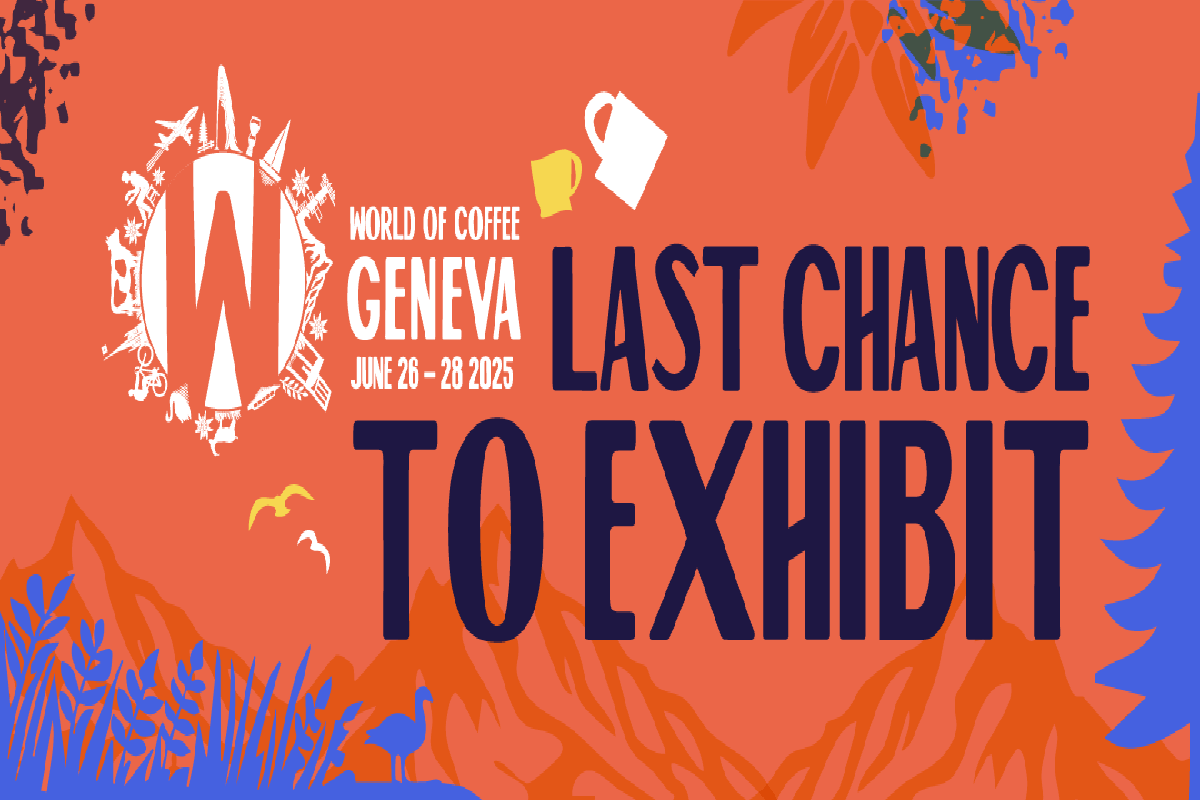
The countdown has begun for World of Coffee Geneva 2025, one of the most anticipated events in the global specialty coffee calendar. Organized by the Specialty Coffee Association (SCA), this premier trade show will take place in Geneva at Palexpo, from June 26 to 28, 2025, gathering the industry’s leading innovators, producers, baristas, roasters, buyers, and media.

Why Geneva?

Geneva’s strategic location and international character make it an ideal host city. With direct flights from 145 destinations and a venue just seven minutes’ walk from the airport, accessibility is one of its biggest advantages. The city is also committed to sustainability, offering free public transport and aiming for net-zero emissions by 2050.

In addition, Geneva boasts a diverse population—40% of its residents come from over 190 nationalities—offering unmatched global networking opportunities.

A Platform for Global Coffee Leadership

World of Coffee Geneva is more than an exhibition—it’s a stage for global coffee leadership. The event provides exhibitors the opportunity to:

  • Launch new products with maximum visibility

  • Forge strategic partnerships

  • Drive sales and brand recognition

  • Showcase innovations in sustainability and design

The show will also host the World Coffee Championships, including:

  • World Latte Art Championship

  • World Coffee in Good Spirits Championship

  • World Cup Tasters Championship

  • Cezve/Ibrik Championship

Other key features include:

  • Best New Product Competition

  • Coffee Design Awards

  • Over 30 cupping sessions

  • Two Roaster Villages

  • SCA Lecture Series & Workshops

  • Green Coffee Connect

  • A dedicated Retail Buyers Lounge

Who Will Be There?

The event attracts a wide range of professionals, including:

  • Baristas and café owners

  • Coffee buyers and green coffee importers/exporters

  • Coffee producers and quality control experts

  • Educators, trainers, and consultants

  • Business development executives

  • Press and media

  • Engineers and equipment specialists

In 2024, the event in Copenhagen welcomed more than 13,000 visitors from 150 countries, with over 430 exhibitors and 120 roasters participating.

What’s on Display?

Visitors will find a dynamic exhibition floor featuring:

  • Green and roasted coffee (wholesale)

  • Commercial brewing and grinding equipment

  • Packaging materials and retail accessories

  • Flavorings, syrups, additives, and allied food products

  • Water treatment solutions

  • Carts, kiosks, and professional services

According to statistics from the previous edition:

  • 93% of attendees said products and services were well represented

  • 98% of past attendees plan to return for Geneva 2025

High-Value Buyers and Global Media

World of Coffee Geneva is a magnet for serious business. A full 25% of buyers are prepared to invest over $1 million in the coming year. Exhibitors can expect direct engagement with decision-makers, brand exposure through global media, and opportunities to build lasting industry connections.

The event’s atmosphere fosters both trust and business momentum, driven by one-on-one product experiences and live demonstrations.

Booth Options and Pricing

Two types of booths are available:

1. Space Only Booth:
For custom setups with complete flexibility. Exhibitor handles design, structure, and power.

2. Shell Scheme Booth:
A ready-to-use framework ideal for smaller or perimeter booths, includes walls, basic lighting, name panel, flooring, and electrical socket. Mandatory for booths up to 15 m².

Booth Costs (per m²):

Booking Date SCA Member Rate Non-Member Rate
Before February 28, 2025 €350 €440
From March 1, 2025 €370 €460
  • 50% deposit due within one month of invoice

  • Full payment required by April 15, 2025

  • A €150 media pack fee applies per exhibiting company

Roaster Village Participation

The Roaster Village package is priced at €1,750 and includes:

  • 2×1 meter counter

  • Electrical socket (1 kW)

  • Name card

  • Access to water and cleaning facilities

Eligibility is limited to specialty coffee roasters or green importers with annual revenue under $5 million. Tastings and/or cuppings must be offered.

Advertising and Sponsorship Opportunities

Exhibitors and sponsors can maximize their visibility through digital channels including:

  • Website homepage ads (€6,500)

  • Subpage placements (€4,000)

  • Interest list newsletter (€3,000)

  • Attendee email blasts (€2,500)

  • World of Coffee app banners (€2,000)

  • Push notifications via app (€1,500)

Limited slots are available. Contact: [email protected]

Award Competitions

Best New Product Awards:
Categories include coffee accessories, preparation tools, additives, and specialty beverages. Open to exhibitors in April 2025.

Coffee Design Awards:
Open to the broader coffee community with categories in branding, packaging, and space design.

Details: worldofcoffee.org

Travel and Accommodation

SCA’s official housing partner, BNetwork, provides streamlined hotel booking with competitive rates and proximity to the event venue. More information is available at: wochotels.bnetwork.com

Organizers and Contact

World of Coffee is organized by the Specialty Coffee Association (SCA), the world’s largest coffee trade organization, focused on education, sustainability, standards, and industry advancement.

Secure your space, showcase your coffee innovations, and connect with the most dynamic players in specialty coffee at World of Coffee Geneva 2025.

Explore more at www.worldofcoffee.org

Victoria Arduino Shines at HORECA Oman 2025: Eagle Tempo Takes Center Stage at the National Barista Competition

Victoria Arduino, the iconic Italian manufacturer of professional espresso machines, is set to make a prominent appearance at HORECA Oman 2025, taking place from May 27 to 29. The brand’s Eagle Tempo machine will serve as the official equipment for the highly anticipated Oman Barista Competition, supporting skilled baristas from across the country as they compete for national recognition.

Organized as part of the annual HORECA Oman exhibition, the barista competition is one of several dynamic events aimed at elevating the region’s hospitality sector. The expo will bring together key players from the foodservice and hotel industries, offering a platform for product showcases, live culinary demonstrations, bar and hospitality challenges, networking opportunities, and discussions led by leading experts.

The Eagle Tempo, one of Victoria Arduino’s latest innovations, embodies the company’s core philosophy: the fusion of cutting-edge performance with sophisticated design. Known for its energy-saving capabilities, user-centric features, and high-volume output, the machine delivers efficiency without compromising on quality—making it ideal for fast-paced hospitality environments.

By equipping the Oman Barista Competition with the Eagle Tempo, Victoria Arduino not only reaffirms its commitment to supporting barista talent but also showcases how its technology meets the evolving needs of specialty coffee professionals.

To stay updated on Victoria Arduino’s latest innovations, events, and regional highlights, visit www.victoriaarduino.com or follow the official Instagram accounts: @victoriaarduinoofficial and @victoriaarduino_middleeast.

Coffee Prices Rebound as Dollar Weakens, but Surplus Fears Persist

Coffee futures recover amid dollar weakness, but forecasts for larger crops in Brazil and Vietnam, rising inventories, and demand concerns weigh on market sentiment.

Coffee prices staged a modest recovery on Wednesday, May 21, 2025, supported by a weakening U.S. dollar that prompted short covering in the futures market. July arabica coffee (KCN25) settled up by +1.00 (+0.27%), while July ICE robusta coffee (RMN25) closed unchanged. Earlier in the day, both contracts had been under pressure, but a drop in the U.S. Dollar Index (DXY00) to a two-week low helped turn sentiment around.

The temporary price rebound followed a turbulent three-week period of bearish momentum for coffee futures. The primary downward driver has been an increasingly optimistic global production outlook. The U.S. Department of Agriculture (USDA) recently projected that Brazil’s 2025/26 coffee production would rise by +0.5% year-on-year to 65 million bags, while Vietnam’s output is expected to increase by +6.9% to 31 million bags. Brazil remains the world’s largest arabica coffee producer, and Vietnam is the top supplier of robusta.

Further bearish pressure came from ICE-monitored inventory increases. Robusta stocks rose to an 8-month high of 5,341 lots, while arabica inventories reached a 3.5-month high of 876,019 bags. These growing reserves reflect faster-than-expected shipments and subdued demand across several key markets.

In recent weeks, additional forecasts have pointed to stronger supply fundamentals. Honduras, Central America’s leading coffee producer, is expected to produce 5.8 million bags in 2025/26, a +5.1% year-on-year increase. Brazilian production estimates have also been revised upward by both Safras & Mercado and Brazil’s national crop agency, Conab. Safras now sees Brazil’s total 2025/26 coffee output at 65.51 million bags, up from a prior estimate of 62.45 million. Conab raised its 2025 forecast to 55.7 million bags, compared to 51.81 million in January.

Sales data is adding to the sense of oversupply. Safras reported that 97% of Brazil’s 2024/25 crop had been sold as of May 13, ahead of the 94% pace at the same time last year. Meanwhile, export data continues to show weakness. Cecafe reported that Brazil’s green coffee exports fell by -28% year-on-year in April to 3.05 million bags, and exports from January through April declined -15.5% to 13.186 million bags.

While production is on the rise, the demand outlook remains fragile. Major commodity buyers such as Starbucks, Hershey, and Mondelez International have warned that the U.S. government’s 10% baseline import tariff could raise retail prices and reduce coffee consumption, adding pressure on sales volumes.

Despite this broadly bearish outlook, several factors may help to limit further downside in the near term. Brazil’s weather remains a critical variable. Somar Meteorologia reported that Minas Gerais, Brazil’s primary arabica-growing region, received only 2.5 mm of rainfall in the week ending May 17—just 12% of the historical average. Extended drought conditions have already prompted downward revisions of Brazil’s arabica outlook.

In its December 2024 report, Volcafe revised its estimate for Brazil’s 2025/26 arabica crop to 34.4 million bags, down by 11 million from its September forecast, citing severe drought damage. Volcafe now projects a global arabica deficit of -8.5 million bags in 2025/26, widening from the -5.5 million bag deficit estimated for 2024/25. If confirmed, this would mark the fifth consecutive annual arabica supply shortfall.

The robusta market is also showing signs of tightening. Vietnam’s robusta output in 2023/24 dropped -20% to 1.472 million metric tons (MMT), its lowest level in four years, due to drought. The Vietnam General Statistics Office reported that 2024 coffee exports fell -17.1% to 1.35 MMT. In the first four months of 2025, Vietnam’s coffee exports were down -9.8% year-on-year to 663,000 MT. The Vietnam Coffee and Cocoa Association revised its 2024/25 output forecast down to 26.5 million bags from an earlier estimate of 28 million.

While Rabobank remains optimistic on Brazil’s 2025/26 robusta crop, projecting a record 24.7 million bags (+7.3%), this may not fully offset Vietnamese losses. Meanwhile, the USDA’s global coffee outlook, issued in December, forecast 2024/25 world production to rise +4.0% to 174.855 million bags. However, global ending stocks are expected to decline -6.6% to 20.867 million bags, the lowest in 25 years, raising concerns about longer-term supply security.

The USDA’s own estimate for Brazil’s coffee inventories projects a decline to 1.2 million bags by the end of the 2024/25 season, down -26% year-on-year. These tight inventory projections contrast with rising short-term supply and may support prices if weather concerns in Brazil intensify.

With futures prices reacting to every shift in weather, inventories, and global trade policy, the coffee market remains volatile. While dollar weakness and export concerns have supported prices in the short term, the broader trend remains fragile as the world braces for another complex, weather-sensitive, and trade-influenced coffee cycle.

Tanzania Projects 1.45 Million Coffee Bags in 2025/2026 as Robusta Expands and EU Demand Leads Exports

Tanzania forecasts 1.45 million bags of coffee in 2025/2026. Robusta gains strength, exports grow to 1.37 million bags, while domestic consumption and EU trade shape future strategies.

The Coffee Annual Report – Tanzania 2025/2026, published by the U.S. Department of Agriculture on May 20, 2025, forecasts Tanzania’s total coffee production to reach 1.45 million 60-kg bags, up from 1.35 million the previous year. The increase is driven by favorable weather, ongoing farm rehabilitation, and strong international prices that continue to incentivize investment. Robusta production leads the growth, particularly in the northwest Kagera region, where new farms are emerging in districts like Ngara.

Tanzania’s cultivated coffee area is set to expand to 270,000 hectares in 2025/2026, though the harvested area remains stable at 265,000 hectares due to the maturity timeline of new plantings. While over 40% of Tanzanian farmers grow coffee—mostly on small plots averaging 0.63 hectares—the majority of trees are over 25 years old, highlighting the importance of replanting initiatives.

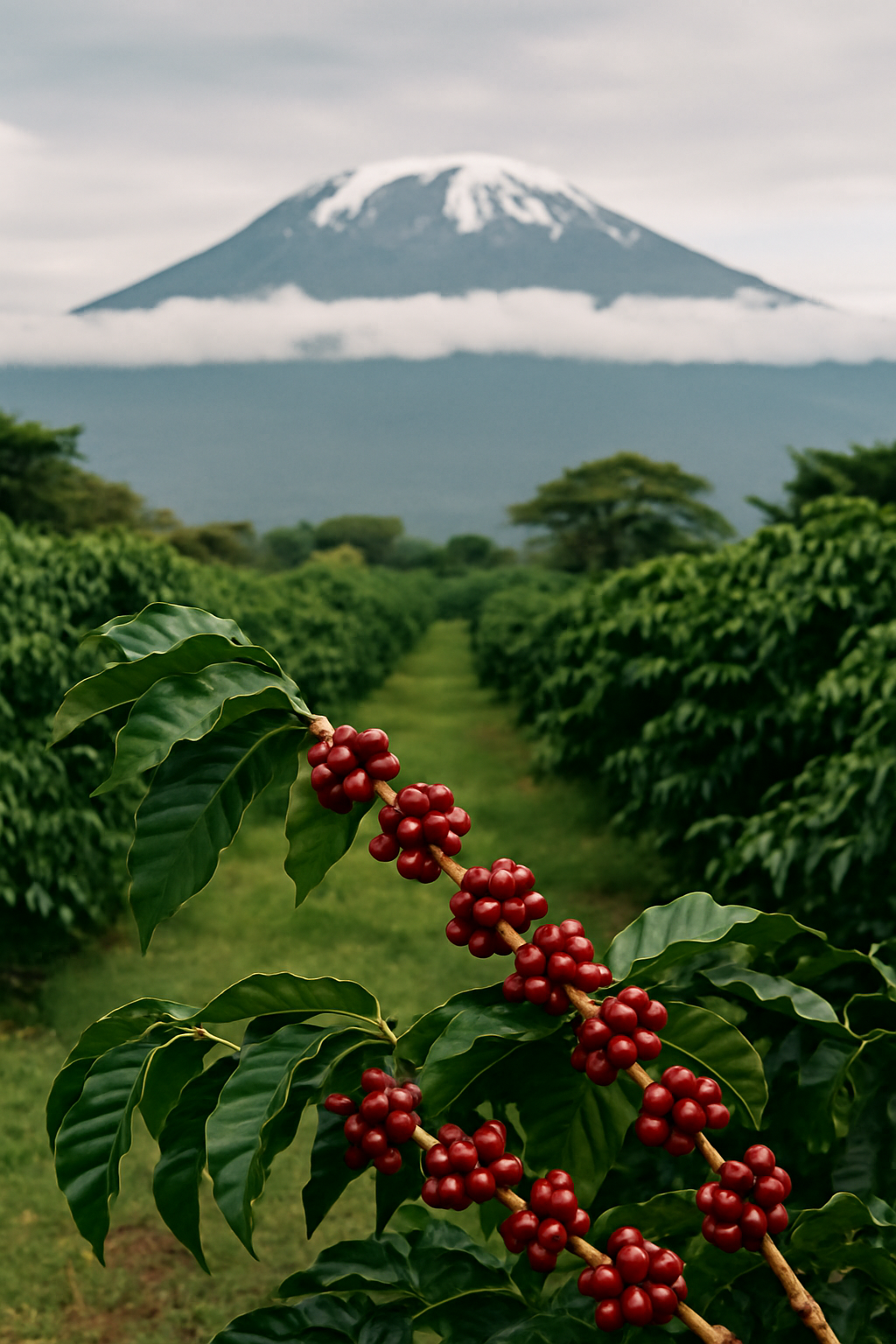
The country grows both arabica (60.9%) and robusta (39.1%). Arabica thrives in the northern highlands and southern regions such as Kilimanjaro, Mbeya, and Njombe, while robusta is cultivated mainly in Kagera, near Lake Victoria. The harvest season runs from July to October, with about 90% of total production generated by 320,000 smallholder farmers.

Increased rainfall, stable temperatures, and ongoing government-supported seedling distribution (25 million seedlings by end-2025) are helping rejuvenate aging farms. Additionally, robusta prices and market demand have encouraged farmers to expand and invest in fertilizers, tools, and better agricultural practices. Nonetheless, fertilizer use remains limited—only 40% of farmers in the north and south apply synthetic fertilizers, and just 2% in the west.

Fertilizer costs are high, with subsidized prices ranging from $23 to $28 per 50-kg bag as of September 2024. Since Tanzania imports 95% of its fertilizer, price volatility remains a constraint, especially for smallholders with limited capital. On average, farmers apply just one bag per hectare—far below recommended levels.

Coffee exports are forecast to grow to 1.37 million bags in 2025/2026, up from 1.26 million the prior year. Export momentum remains strong, supported by premium Tanzanian arabica, global price incentives, and improved capacity in production and marketing. The European Union continues to dominate as Tanzania’s largest export market, purchasing six times more green beans than the United States. Despite a decline from 749,000 bags in 2023 to 653,000 in 2024, the EU remains critical. Japan is the second-largest importer, followed by the United States, which has more than doubled its purchases over the past three years. China and India also show rising interest.

Tanzania’s soluble coffee exports—centered in Bukoba—are projected to remain stable at 10,000 bags, with destinations like Kenya, Turkey, and the EU showing varied but consistent demand. The export season peaks between December and February, with January 2025 seeing a high of 169,638 bags shipped.

On the domestic front, consumption is projected to grow to 85,000 bags, up from 77,000 the previous year. Urbanization, rising incomes, and government-led coffee promotion in cities like Dar es Salaam and Arusha are boosting demand. Low-cost coffee stalls and awareness campaigns aim to shift local preference away from tea, which remains the dominant beverage.

However, local consumption still lags significantly behind production due to high roasting costs, limited infrastructure, and cultural preferences. The government continues to encourage local roasting and brewing, but strong export demand keeps most production headed abroad.

Stocks are forecast to rise slightly to 51,000 bags, held primarily by cooperatives, exporters, and larger growers. Government policy efforts—guided by the Tanzania Coffee Industry Development Strategy (2020–2025)—focus on improving quality, expanding cultivation, and strengthening market access. In April 2025, a major Memorandum of Understanding with Corus International secured $30 million in funding to improve coffee quality, marketing, and farmer income.

Tanzania’s position as one of only three global producers of Colombian Mild Arabica—alongside Colombia and Kenya—remains a major asset. The country’s coffee sector has shown resilience amid climate challenges and market fluctuations. With rising production, expanding exports, and ongoing replanting initiatives, Tanzania’s coffee industry is poised to grow—provided it can address persistent input, infrastructure, and quality bottlenecks.

Mexico Targets 3.9 Million Bags of Coffee in 2025/2026 Amid Rising Prices and Domestic Demand Growth

  • Mexico’s coffee output is forecast to reach 3.9 million bags in 2025/2026, driven by high prices and renewed investment. Exports and consumption rise, but challenges remain in labor and farm renovation.

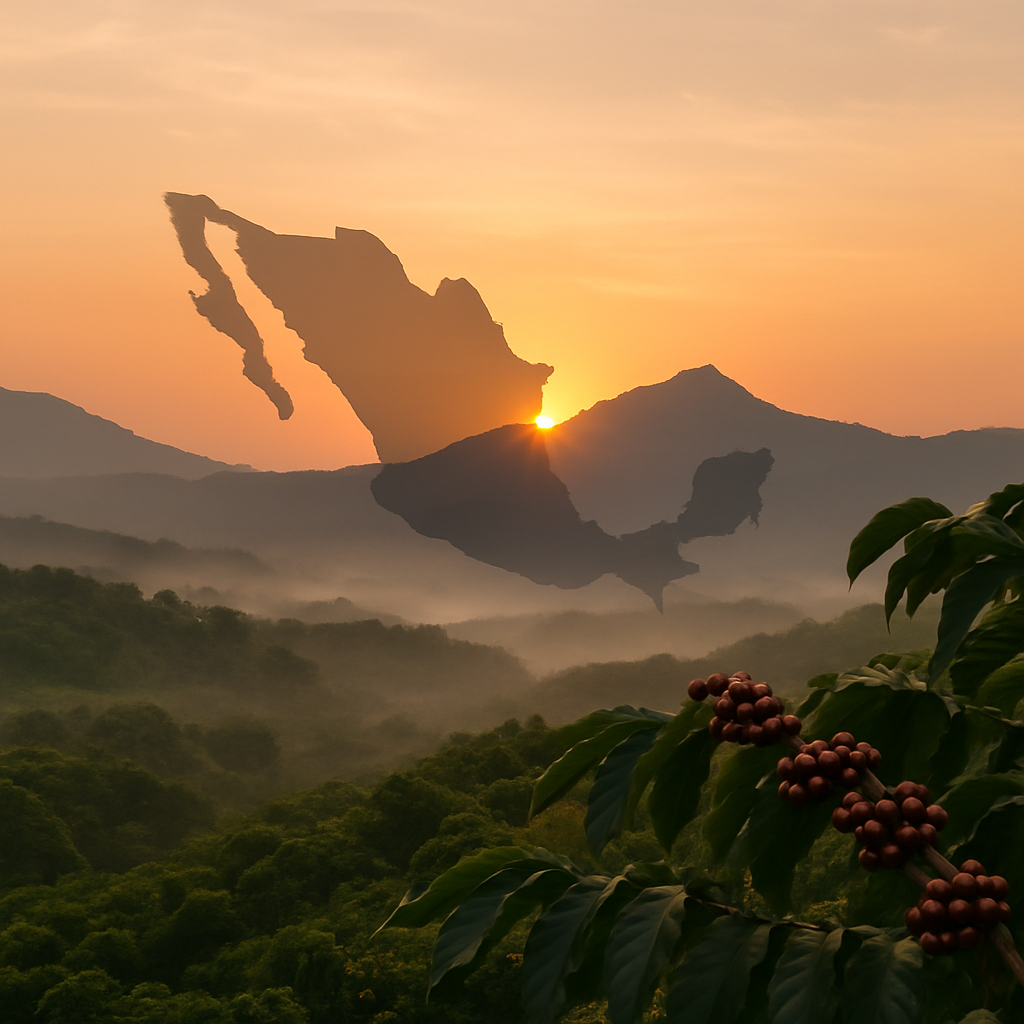
According to the Coffee Annual Report – Mexico 2025/2026, published by the U.S. Department of Agriculture on May 20, 2025, Mexico’s coffee production is projected to reach 3.9 million bags (green bean equivalent) in the upcoming season. This slight increase over the previous year is fueled by strong international prices, targeted government support, and sustained efforts to renovate plantations and promote coffee quality.

Production is concentrated in four states—Chiapas, Veracruz, Puebla, and Oaxaca—which together account for over 91% of the national output. Chiapas remains the leading state by volume, while Puebla continues to post the highest productivity levels, thanks to favorable agro-climatic conditions, investment in disease-resistant varieties, and proximity to urban infrastructure.

Arabica coffee dominates production with 3.5 million bags, while robusta output is forecast to decline slightly, especially in lowland Veracruz, which was hit by heatwaves between June and October 2024. The national average yield stands at 5.89 GBE/ha, with Veracruz and Puebla reporting much higher averages of 7.04 and 12.22 GBE/ha, respectively.

Although planted and harvested areas remain relatively stable across Mexico’s 14 coffee-growing states, factors like labor shortages, input costs, climate variability, and pests continue to affect year-to-year output. Labor challenges are particularly acute in Chiapas, where restrictions on migrant workers—especially from Guatemala—and competition from higher-paying industries like tourism have limited workforce availability. Rising costs across transportation, fertilizer, and fuel further strain profitability.

Despite these obstacles, Mexico’s domestic consumption is expected to grow modestly to 3.15 million bags, a 1.6% increase from the previous year. The demand for roasted coffee is driving this growth, with urban areas showing increased interest in single-origin and premium varieties. Soluble coffee still dominates the market, accounting for 57% of total consumption, but the specialty segment is expanding steadily.

A notable development in 2024 was the launch of Café Bienestar, a government-backed instant coffee brand distributed through over 24,000 Bienestar stores across Mexico. The program aims to provide affordable coffee while supporting small producers, especially in northern Veracruz. Though the brand currently represents a small share of the soluble market, it plays a key social role by increasing access to coffee in underserved communities.

Mexico’s coffee exports are projected to rise to 3.05 million bags in 2025/2026, including 1.6 million bags of soluble coffee. The United States remains the top buyer of Mexican coffee in all forms—green, roasted, and soluble. Export volumes are seasonally highest between April and May, and recent revisions have shown stronger-than-expected shipments of soluble products.

At the same time, coffee imports are expected to increase to 2.39 million bags, mostly driven by robusta imports used in blending and soluble manufacturing. Brazil remains the leading supplier of green and soluble imports, while the United States dominates roasted coffee imports.

Regulatory dynamics are shaping consumption trends. In March 2025, Mexico enacted the Healthy Life in Schools Law, which bans the sale of caffeinated beverages in primary and middle schools. While this may reduce early-age exposure to coffee, the law allows unsweetened coffee consumption in higher education institutions, potentially strengthening coffee habits among university students.

Meanwhile, the government continues to promote domestic coffee through programs such as “Ask for a Mexican Coffee,” encouraging agrotourism in Chiapas, Veracruz, and Puebla. Competitions like Expo Café, Cup of Excellence, and regional events like Expo Orgullo de Puebla play a critical role in boosting national appreciation for Mexican-grown coffee and connecting producers with buyers and consumers.

Private and NGO partnerships are also revitalizing the sector. Programs by Nestlé, Starbucks, Sabormex, BASF, and Solidaridad focus on distributing rust-resistant plants, offering agronomic training, soil analysis, and creating new business models through youth engagement. Starbucks alone has donated over 4.8 million seedlings and operates a Farmer Support Center in Chiapas. These efforts are complemented by partnerships with universities, co-ops, and international donors.

Policy-wise, Mexico is consolidating coffee support programs under the Cosechando Soberanía en Café initiative. In 2024, over 205,000 producers received direct support payments totaling nearly US $75 million. Fertilizer subsidies and certified seed distribution are also part of a broader 2026–2030 strategic plan aimed at stabilizing productivity, improving plant health, and expanding exports to Eastern Europe and Asia.

At the global level, price volatility remains a central factor. In April 2025, coffee prices fluctuated between 308 and 340 US cents per pound, driven by supply disruptions in Brazil, rising global demand, and potential tariffs. The tight global supply, combined with increased investment by Mexican farmers, has temporarily boosted margins, but the long-term outlook depends on whether global supply growth corrects prices in the coming seasons.

As Mexico enters the 2025/2026 marketing year, the coffee sector finds itself in a cautiously optimistic position. Strong prices, rising demand, and quality-driven initiatives are supporting producers and exporters alike, but risks tied to climate, regulation, and cost must be carefully managed to maintain momentum.

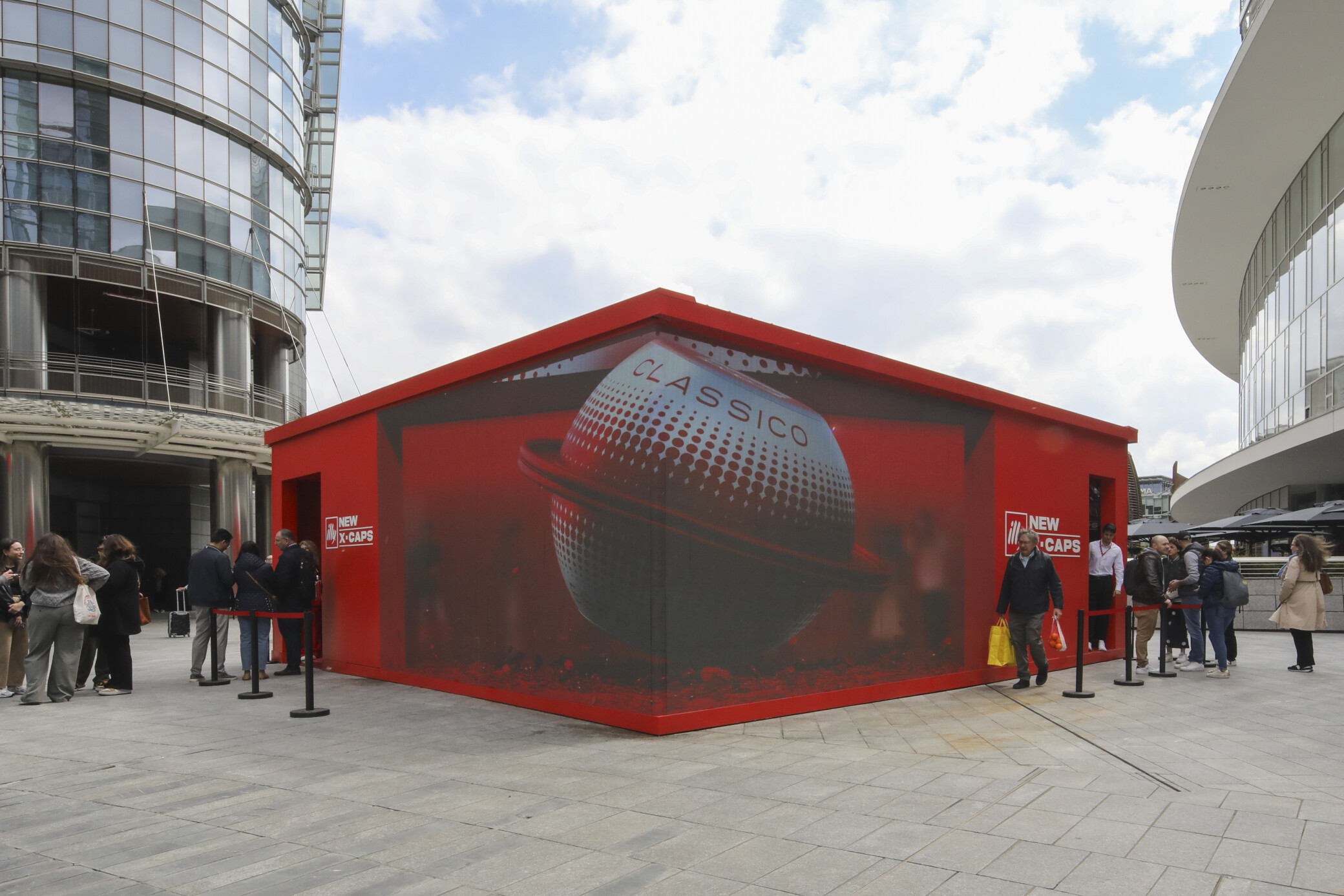
illycaffè Named Official Coffee Partner of the Italian Pavilion at Expo 2025 Osaka

illycaffè, a global symbol of Italian coffee excellence, has been announced as the official coffee partner of the Italian Pavilion at Expo 2025 Osaka. The pavilion, themed “Art Regenerates Life,” will serve as a vibrant showcase of Italy’s creativity, craftsmanship, and cultural heritage. As a key contributor to this experience, illycaffè will represent the harmony between tradition and innovation, offering visitors a taste of its finest blends while highlighting its commitment to sustainability and regenerative practices.

Cristina Scocchia, CEO of illycaffè, expressed pride in the partnership, stating that illy embodies the balance of art and science, quality and environmental responsibility—values that define both the brand and the Italian identity. Mario Vattani, Commissioner General for Italy at Expo 2025 Osaka, echoed this sentiment, describing illy as a representative of Italy’s culture of taste, which integrates excellence, sustainability, and social consciousness. At the heart of the experience will be illy’s Arabica Selection Brasile Cerrado Mineiro, a coffee certified by regenagri® and grown using regenerative agriculture techniques in Brazil’s Cerrado Mineiro region. This coffee, with its distinctive caramel and nut notes, exemplifies illycaffè’s efforts to support farmers and restore soil health while addressing the global challenges of climate change.

Expo visitors will also enjoy illy’s signature blend, crafted from the top 1% of Arabica beans sourced from over 20 countries. Served in the Pavilion’s VIP Lounge, this blend reflects illy’s global pursuit of excellence. In addition to coffee tastings, illycaffè will present a series of educational masterclasses through its Università del Caffè, an international initiative designed to promote a global culture of quality coffee. These sessions will cover sustainable farming methods, coffee aroma complexity, and the art of tasting, allowing guests to engage deeply with the science and passion behind every cup.

Founded in 1933 in Trieste, illycaffè is a family-owned company known for its unique 100% Arabica blend and its dedication to sourcing only the best beans. Today, more than 10 million cups of illy coffee are consumed daily across more than 140 countries, from cafés and hotels to homes and offices. The company’s long-standing commitment to sustainability was formalized in 2019 when it adopted Benefit Corporation status, followed by B Corp certification in 2021, making it the first Italian coffee company to achieve this recognition. Beyond coffee, illy is also renowned for its ties to art and design, from its James Rosenquist-designed logo to its collectible illy Art Collection cups created by over 135 artists.

With a 2024 revenue of €630 million and a retail network of 157 stores across 28 countries, illycaffè continues to lead the coffee industry by example. Through its role at Expo 2025 Osaka, illy invites the world to experience not only its exceptional coffee but also its enduring vision for a more beautiful, sustainable, and regenerative future.

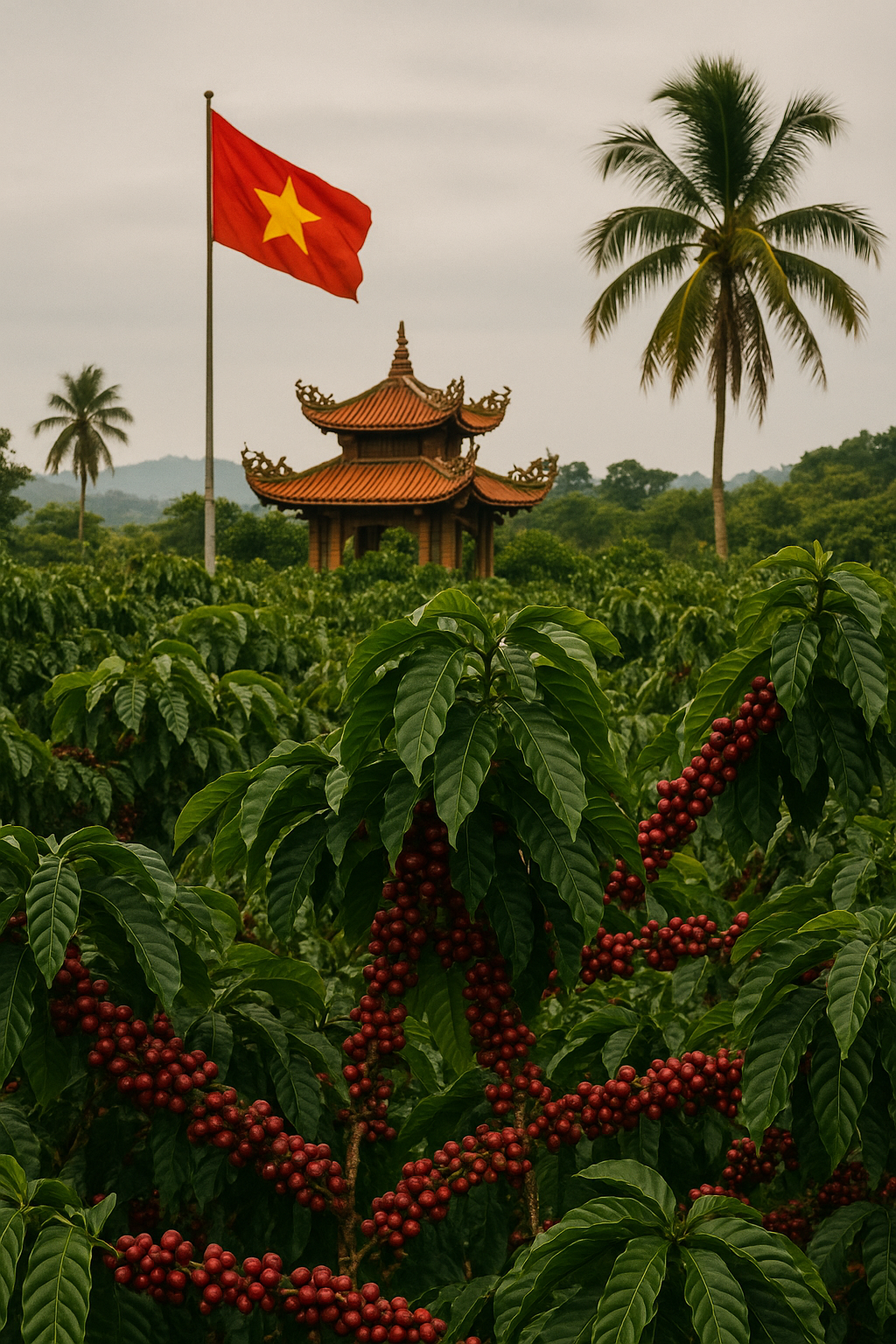
Vietnam Targets 31 Million Coffee Bags in 2025/2026 as Farmers Expand Output and Processing Surges

Vietnam forecasts a record 31 million coffee bags in 2025/2026, with robusta dominating production. Exports and domestic consumption rise, while prices and processing investment reshape the sector.

The Vietnam Coffee Annual Report 2025/2026, published by the U.S. Department of Agriculture on May 19, 2025, projects a notable recovery in Vietnam’s coffee sector, with total production expected to reach 31 million 60-kg bags of green bean equivalent. This marks a strong rebound from the previous year’s 29 million bags and reflects both improved weather and stronger farmer investment driven by record prices. Robusta continues to account for the vast majority of production, at an estimated 30 million bags, while arabica holds steady at 1 million bags.

The Central Highlands — including Dak Lak, Lam Dong, Dak Nong, Gia Lai, and Kon Tum — remain the core of Vietnam’s coffee industry, producing over 90% of the country’s output. The combination of volcanic soil, high elevation, and distinct wet-dry seasons creates optimal conditions for robusta cultivation. Despite some local media reports about farmers switching to higher-value crops like durian, official data shows the coffee area expanding, with 730,000 hectares planted in 2024, 92% of which is harvestable.

Farmer investments have been bolstered by global coffee prices that more than doubled over the past year. Domestic robusta prices reached approximately VND 125,000 per kilogram in early 2025 — a 130% increase over 2024 — while average export prices hit $5,630 per ton, up 143% year-on-year. Many producers, anticipating further gains, have been withholding stocks, which caused a 23% drop in exports during the first half of 2024/2025 despite strong global demand. Exporters have shifted toward a just-in-time model, moving away from large-scale stockpiling as capital costs rise.

Vietnam’s coffee exports are expected to rebound to 27 million bags in 2025/2026, up from an estimated 25.8 million in the current year. This includes 23.7 million bags of green coffee and 3.3 million bags of processed products, such as roasted and soluble coffee. Processed coffee continues to gain market share, rising from 8.8% of exports in 2022 to 9.6% in 2024, fueled by growing demand in Asia. Countries like the Philippines, China, and Indonesia are paying higher prices than Europe, with the Philippines paying $4,424/ton, compared to Germany’s $3,390 or Italy’s $3,260.

Soluble and roasted coffee exports are gaining momentum, supported by major factory investments. Nestlé recently invested nearly $75 million to expand its Dong Nai facility — producing for over 35 global markets — bringing its total Vietnam investment to nearly $1 billion. Local companies are also scaling up: Trung Nguyen is building a $75 million processing plant in Dak Lak, and Highlands Coffee opened a new $20 million facility with a processing capacity of 75,000 tons per year.

Domestic consumption is also growing fast. Forecasts for 2025/2026 suggest 4.9 million bags will be consumed locally, up from 4 million this year. This growth is driven by a rising middle class, recovering tourism, and a boom in café culture. Vietnam now has over 500,000 cafés, from traditional street vendors to modern coffee chains. Takeaway and home-brewed coffee are also gaining popularity among younger consumers.

Meanwhile, Vietnam is preparing for the EU Deforestation Regulation (EUDR), which takes effect in 2026. With 41% of exports destined for the EU, compliance is critical. Two Vietnamese companies have already met the requirements — including Simexco Daklak with its traceability system. The Ministry of Agriculture and Environment is building regional monitoring systems covering 136,000 hectares, developing a national coffee database to support certifications like Rainforest Alliance, 4C, and Fair Trade.

While weather conditions in early 2025 were favorable — with higher rainfall than 2024 — concerns remain about drought risks in April and May. Nonetheless, the overall forecast suggests stable and improving growing conditions. Vietnam’s top research institution, WASI, continues to supply 4–5 million coffee seedlings per year for new and replanted farms, aiming to raise productivity and climate resilience.

Despite the high prices, coffee yield improvements remain critical. Robusta yields are forecast at 2.90 metric tons per hectare, slightly up from 2.73 in 2024. Arabica yields remain modest and will require stronger investment and varietal development. The Ministry’s specialty coffee development plan aims to expand specialty coffee to 19,000 hectares by 2030, signaling future diversification in quality segments.

Vietnam’s coffee imports are projected to decline slightly to 800,000 bags in 2025/2026 due to higher domestic supply, but sustained demand for arabica beans and processing inputs will keep import levels stable.

As Vietnam enters the 2025/2026 marketing year, it does so with strong fundamentals: record prices, recovering export flows, fast-growing domestic demand, and a strategic shift toward higher-value products and traceable supply chains. However, exporters must remain agile amid price volatility and regulatory pressure, especially as Europe and Asia demand more than just beans — they want quality, transparency, and resilience.

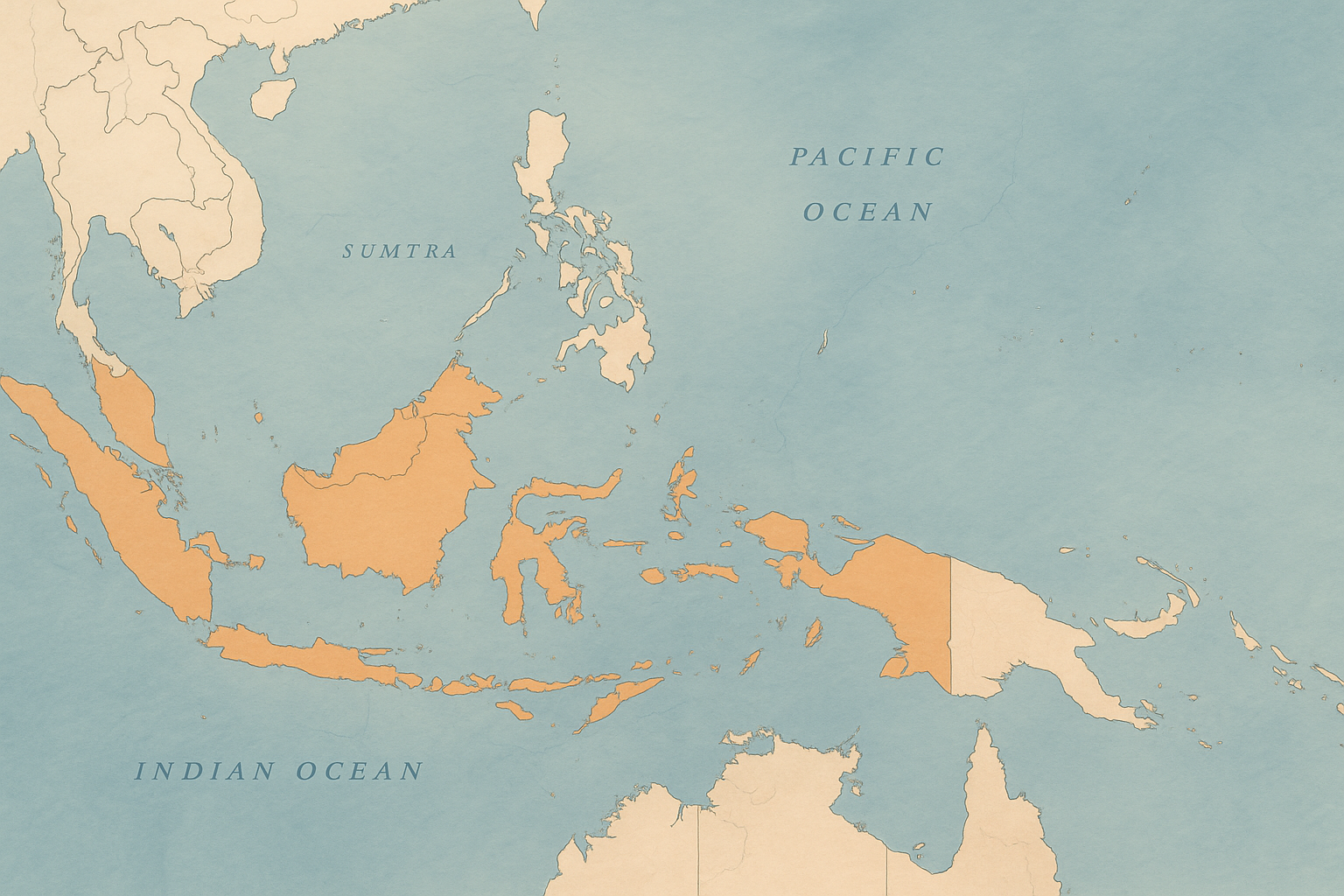
Indonesia’s Coffee Sector Eyes Modest Growth in 2025/2026 as Weather Improves and Inputs Rise

Indonesia projects 5% growth in coffee production for 2025/2026, reaching 11.3 million bags. Robusta dominates output, exports rise 7%, but domestic consumption slows amid weak spending.

According to the Coffee Annual Report – Indonesia 2025/2026, published by the U.S. Department of Agriculture on May 19, 2025, Indonesia’s coffee production is forecast to reach 11.3 million 60-kg bags, marking a 5% increase over the previous year. This growth is attributed to favorable weather during the flowering season and improved farm inputs. However, despite higher production and a 7% rise in exports, domestic consumption remains sluggish due to weak middle-class spending.

Indonesia’s total planted area remains unchanged at 1.2 million hectares, as no major expansion or replanting initiatives have been introduced in recent years. Smallholder plantations—typically between one and two hectares—continue to dominate the sector, accounting for 98% of total area. Larger estates, managed by private and state-owned companies, are located primarily in Sulawesi, Sumatra, and East Java.

The island of Sumatra remains the heart of Indonesia’s coffee belt, producing 70–75% of the country’s total output, with the majority being robusta from provinces like South Sumatra, Lampung, and Bengkulu. Arabica production is centered in North Sumatra, as well as high-altitude zones in Java, Sulawesi, and Papua.

In 2025/2026, robusta production is expected to increase by 500,000 bags, reaching 9.8 million bags, driven by improved rainfall and increased fertilizer use. Farmers in Jambi and South Sumatra began harvesting in late April 2025, with peak harvest expected between June and July. Meanwhile, arabica production is projected to reach 1.45 million bags, showing a slight increase. Arabica is harvested twice annually—in April/May and again in September/October.

Improved margins from rising prices over the past two years have motivated smallholders to rejuvenate neglected plots and adopt better farm practices. In regions like Lampung, fertilizers and pesticides are often accessed on credit through village-level aggregators. Family labor is commonly used, with rotational harvesting labor helping reduce overall costs.

Despite this, yields—especially for robusta—remain below one ton per hectare, constrained by inconsistent seed quality and a limited supply of improved planting material. Local government support for better seedlings and training programs remains geographically limited.

Domestic consumption in 2025/2026 is forecast at 4.81 million bags, up slightly by just 10,000 bags. While roasteries and processors continue to show demand, many were pressured by rising input costs and subdued consumer purchasing power during 2024/2025. Lower- to mid-grade coffee products are expected to perform better, particularly among working-class and Gen Z consumers in urban areas. Street vendors and hawkers selling affordable coffee maintain steady sales, while high-end cafés remain popular with younger and higher-income demographics.

Ready-to-drink (RTD) coffee sales continue to grow—albeit at a slower pace. In 2025, RTD volume is projected to increase by 3%, the slowest rate since the pandemic. These products, often priced more accessibly than those at branded coffee chains, have become increasingly popular in convenience stores and vending machines.

On the trade front, green bean exports are forecast to increase to 6.5 million bags, up from 6.1 million last year. The growth comes from improved availability following the production rebound. However, uncertainty surrounds shipments to the United States, which had resumed during a temporary tariff pause but may face disruption after July 2025. Exporters are bracing for the expiration of a 90-day suspension on a reciprocal 32% tariff, and are actively redirecting shipments to alternative destinations such as ASEAN countries, Japan, the EU, and the Middle East.

In 2024/2025, exports to the U.S. reached 726,000 bags, a 23% increase over the prior year. The EU remained the top buyer, driven by demand from Belgium and Germany, with over 1.4 million bags shipped between March 2024 and February 2025—double the volume from the previous year. However, the upcoming EU Deforestation Regulation (EUDR) poses new compliance challenges. Exporters are now preparing to meet stricter traceability and sustainability requirements, including the need to provide due diligence statements certifying that coffee is deforestation-free.

Green bean imports, mostly of robusta from Vietnam and arabica from Brazil, are projected to fall to 400,000 bags in 2025/2026 as local availability improves. During the 2024 period, imports from Vietnam dropped to 490,000 bags, while Brazilian imports stood at 180,000 bags.

As for pricing, domestic bean prices have soared. Robusta spot prices in Lampung exceeded IDR 222,000/kg in early 2025, up sharply from IDR 55,000–70,000/kg the year before. Arabica spot prices in Medan surpassed IDR 213,000/kg in April and May. This price spike is tied to global market trends and lower stocks in late 2024, when many farmers held back supplies in anticipation of continued increases.

Despite these high prices, the use of high-yield, disease-resistant seedlings remains limited, and yield gaps persist across regions. Heavy rains and strong winds during cherry development continue to pose risks, especially for arabica grown in highland areas. However, weather during the flowering season was favorable, particularly from October to November 2024, boosting optimism for the current cycle.

As the Indonesian coffee sector moves into the 2025/2026 cycle, modest production gains, a resilient robusta base, and improved inputs set a stable foundation. But policy uncertainty, export redirection, price volatility, and looming EU regulations demand adaptive strategies. Strengthening farmer support programs, modernizing planting systems, and expanding traceability infrastructure will be key to sustaining momentum in the seasons ahead.