Ethiopia Maintains Strong Coffee Output of 4.5 Million Bags in 2024/25 Despite Climate Challenges

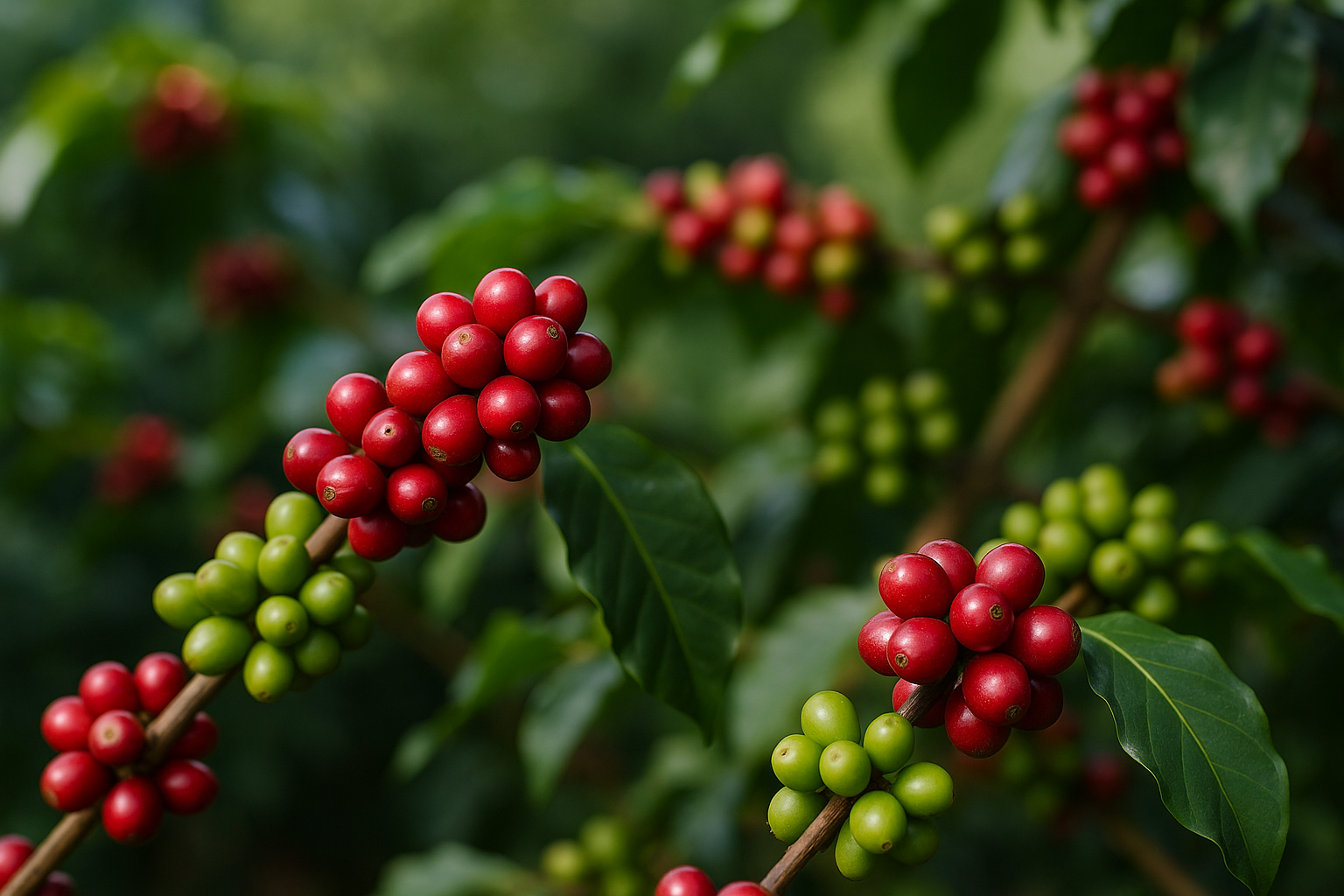
Ethiopia, the birthplace of Arabica coffee and one of the world’s most iconic producing countries, is expected to maintain a steady output of 4.5 million 60-kg bags in the 2024/25 marketing year, according to the latest report from the USDA Foreign Agricultural Service. This consistent level of production underscores the resilience of Ethiopia’s coffee sector in the face of prolonged drought and changing climate patterns.

Coffee remains the backbone of Ethiopia’s rural economy, providing livelihoods for over 15 million people, mostly smallholder farmers. Despite mounting production challenges, including erratic rainfall and limited irrigation infrastructure, the country has shown remarkable adaptability in sustaining its output at near-record levels. The forecast for 2024/25 matches the previous season’s production, reaffirming Ethiopia’s position as the fifth-largest Arabica producer globally.

Although Ethiopia experienced below-average rainfall during the last growing season, particularly in southern coffee-growing areas like Sidama and Yirgacheffe, production was largely preserved due to the enduring strength of its traditional agroforestry systems. The use of shade trees, minimal chemical inputs, and intercropping techniques not only sustains the environment but also helps maintain coffee yields even under climatic stress.

Additionally, while high global coffee prices in early 2024 initially encouraged expansion, smallholders were later discouraged by input costs and unstable weather. However, there is growing interest in drought-resistant coffee varieties, and government-led agricultural extension programs are helping producers cope with environmental stressors.

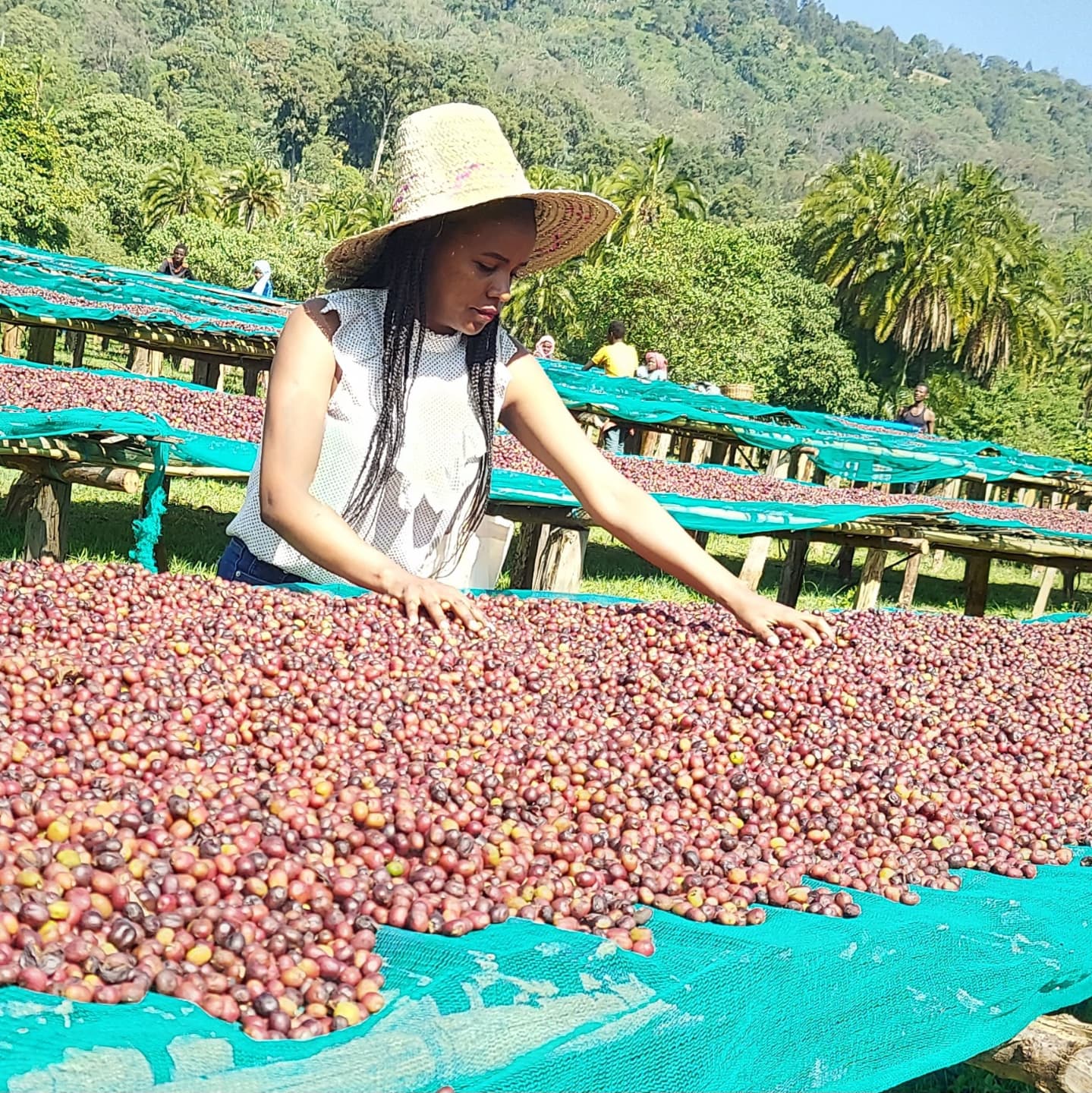
Ethiopia’s coffee exports are projected to reach 4.0 million bags in 2024/25, slightly up from 3.98 million bags in the previous season. The country remains one of the few major producers that exports both washed (wet-processed) and unwashed (natural) coffee at scale. In value terms, coffee exports continue to be the largest foreign exchange earner for the country, with Germany, Saudi Arabia, the United States, Japan, and South Korea among the top destinations.

Ethiopian coffee is internationally prized for its unique cup profiles — ranging from floral and citrusy to fruity and wine-like — especially from regions like Guji, Limu, and Harrar. These differentiated flavor profiles allow Ethiopian exporters to target both premium specialty markets and volume-based buyers.

Despite volatile international prices and recent currency fluctuations, the Ethiopian Coffee and Tea Authority (ECTA) is working with local cooperatives to improve traceability, quality control, and market access for smallholder producers. The country has also expanded its participation in international coffee fairs, with positive reception at events like the Specialty Coffee Expo in Chicago.

While exports dominate the coffee sector, domestic consumption is also rising steadily, estimated at 534,000 bags in 2024/25. Coffee drinking is deeply woven into Ethiopian social and cultural life, with the traditional coffee ceremony remaining a vital ritual across urban and rural households.

Urban demand for roasted and ground coffee is also growing, fueled by the expansion of modern retail outlets, local roasteries, and coffee chains in Addis Ababa and other major cities. This growing internal market provides some insulation for farmers from international price shocks.

Looking ahead, Ethiopia’s coffee sector faces several critical challenges. The continued depreciation of the Ethiopian birr, high transportation costs, and limited access to finance for smallholders and exporters are among the top concerns.

Moreover, climate volatility remains a long-term threat. While Ethiopia’s traditional production systems have helped mitigate recent drought impacts, more investment is needed in research, extension services, and infrastructure to prepare for future climate events.

There are also increasing concerns about regulatory fragmentation and the pace of implementation of the country’s coffee reform agenda. Some private exporters have expressed frustration over bureaucratic hurdles and a lack of transparency in the Ethiopian Commodity Exchange (ECX), although the government is gradually allowing direct export channels for specialty coffee under the new vertical integration model.

Despite its challenges, Ethiopia’s coffee sector stands on a strong foundation of tradition, biodiversity, and quality. The country’s ability to maintain stable production and exports under environmental and economic pressure reflects a deep-rooted resilience that few producing countries can match.

As demand for high-quality, traceable coffee continues to grow globally, Ethiopia is well-positioned to capitalize on its unique heritage — provided it continues to invest in climate adaptation, value chain transparency, and market reforms.
Center for Circular Economy in Coffee Launches Global Survey on Spent Coffee Grounds Valorization

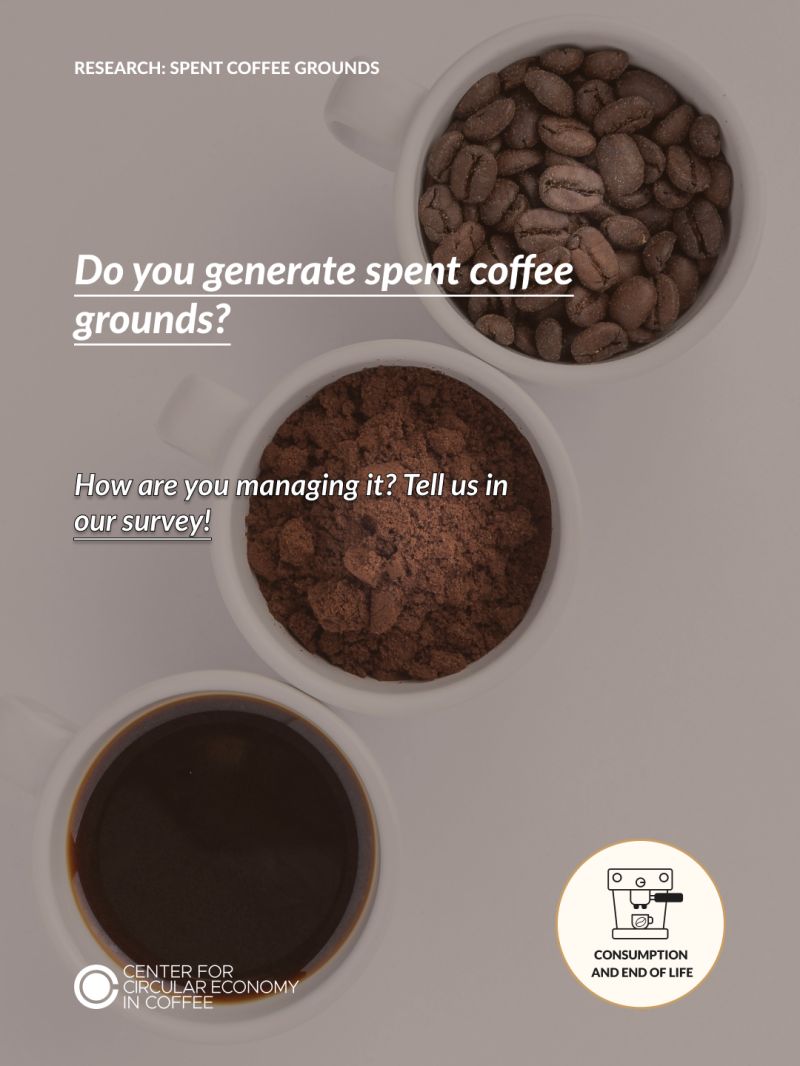
The Center for Circular Economy in Coffee (C4CEC), a collaborative initiative founded by the Lavazza Foundation, Politecnico di Torino, and the University of Gastronomic Sciences, has launched a global survey aimed at understanding how the coffee industry manages spent coffee grounds (SCGs). This effort seeks to gather insights from coffee professionals worldwide to inform a forthcoming white paper on sustainable practices in the sector.slowfood.com

Transforming Waste into Resource

The global coffee industry generates approximately 40 million tons of biomass waste annually, including SCGs, coffee cherry skins, and husks. Traditionally discarded, these by-products hold significant potential for upcycling into valuable products through circular and regenerative agricultural practices. Recognizing this opportunity, C4CEC aims to centralize innovation and knowledge on waste valorization, promoting sustainability across the coffee supply chain .researchgate.net+5slowfood.com+5cinea.ec.europa.eu+5backend.qahwaworld.com+1slowfood.com+1

Survey Objectives

The survey targets individuals and organizations involved in brewing, roasting, or selling coffee. It seeks to understand:

  • Current methods of SCG management

  • Challenges faced in valorizing SCGs

  • Innovative practices and success stories

  • Support and resources needed to enhance sustainability effortsmdpi.com

Insights gathered will contribute to a white paper developed by C4CEC, aiming to provide actionable recommendations for the industry.slowfood.com

Global Movement Towards Circular Economy

C4CEC’s initiative aligns with a broader global movement embracing circular economy principles in the coffee sector. Organizations worldwide are exploring innovative uses for SCGs, such as transforming them into biofuels, bioplastics, and even construction materials . These efforts not only reduce environmental impact but also open new economic opportunities within the industry.biochartoday.com

Participation and Impact

Coffee professionals are encouraged to participate in the survey, which takes approximately 5–7 minutes to complete. By sharing experiences and insights, participants will contribute to shaping a more sustainable and circular future for the coffee industry.

To participate in the survey, visit: https://form.jotform.com/251032520271340

New 32-Year Study Finds Daily Coffee May Help Women Age Healthier

Women who drink caffeinated coffee regularly in midlife may have a better chance of aging in good physical, mental, and cognitive health, according to a major long-term study presented on Monday at the Nutrition 2025 annual meeting of the American Society for Nutrition in Orlando.

The study, led by Dr. Sara Mahdavi during her postdoctoral fellowship at Harvard University’s T.H. Chan School of Public Health, tracked the health and dietary habits of 47,513 women over a 32-year period from 1984 to 2016. The findings suggest that women who consumed coffee regularly—especially in their 50s—were more likely to live beyond the age of 70 with minimal chronic diseases, strong physical function, and sound mental health.

“The findings suggest that caffeinated coffee — not tea, not decaf — may uniquely support aging trajectories that preserve both mental and physical function,” said Dr. Mahdavi.

Coffee’s Role in Healthy Aging

Participants were part of the Nurses’ Health Study, a large-scale, ongoing health survey in the United States. The women, aged between 45 and 60 at enrollment, provided detailed responses every four years about their dietary patterns and lifestyle, including their caffeine consumption from sources such as coffee, tea, cola, and decaffeinated coffee.

Researchers defined “healthy aging” as living to 70 or older without any of 11 major chronic illnesses, maintaining physical mobility, and having no signs of cognitive impairment or memory complaints.

By 2016, 3,706 women met these healthy aging criteria.

On average, these women consumed 315 mg of caffeine per day, equal to three small cups of coffee or 1.5 large cups by modern standards. Over 80% of their caffeine intake came from regular coffee, not other beverages.

Each additional cup of coffee per day was linked to a 2% to 5% increase in the likelihood of healthy aging—up to five cups daily, or roughly 2.5 modern-sized cups. Notably, this association held firm even after accounting for other lifestyle variables like diet quality, exercise, and smoking.

“These results, while preliminary, suggest that small, consistent habits can shape long-term health,” said Dr. Mahdavi.

Coffee vs. Other Caffeine Sources

While coffee appeared to offer positive effects, the study did not find similar benefits from other common sources of caffeine. Tea, decaffeinated coffee, and caffeinated soft drinks showed no significant association with healthy aging.

In fact, the study found that each additional small glass of caffeinated soda or cola was tied to a 20–26% lower chance of healthy aging.

“The health benefits appear specific to coffee. We didn’t observe the same associations with decaf, tea, or soda — suggesting that coffee’s unique combination of bioactive compounds plays a key role,” Dr. Mahdavi explained.

Moderation and Future Research

According to the researchers, up to two cups of coffee daily may be beneficial for most people, but moderate to higher intakes may offer additional advantages depending on individual tolerance.

Still, Dr. Mahdavi cautioned that coffee is no magic bullet and should be viewed as part of a holistic health strategy. “While this study adds to prior evidence suggesting coffee intake may be linked with healthy aging, the benefits are modest compared to overall healthy lifestyle habits,” she said.

Future research will explore how specific compounds in coffee interact with genetic and metabolic markers, particularly in women, to uncover the mechanisms driving these outcomes.

Important Notes and Limitations

Dr. Mahdavi noted that the participants in the study were primarily white, educated, and health professionals, which may limit the broader applicability of the results. “Further work is needed to confirm generalizability to more diverse populations,” she told Fox News Digital.

The study was presented as an abstract and has not yet undergone full peer-reviewed publication, though a detailed manuscript is expected to be submitted soon.

Meanwhile, health authorities like the Mayo Clinic continue to state that up to 400 mg of caffeine daily is safe for most healthy adults.


Bottom line: For women already enjoying their daily brew, this study offers promising evidence that coffee—when consumed in moderation—may do more than just wake you up. It might also help you age with strength, clarity, and resilience.

World of Coffee Geneva 2025 to Host Four Global Championships with Over 100 Elite Coffee Professionals

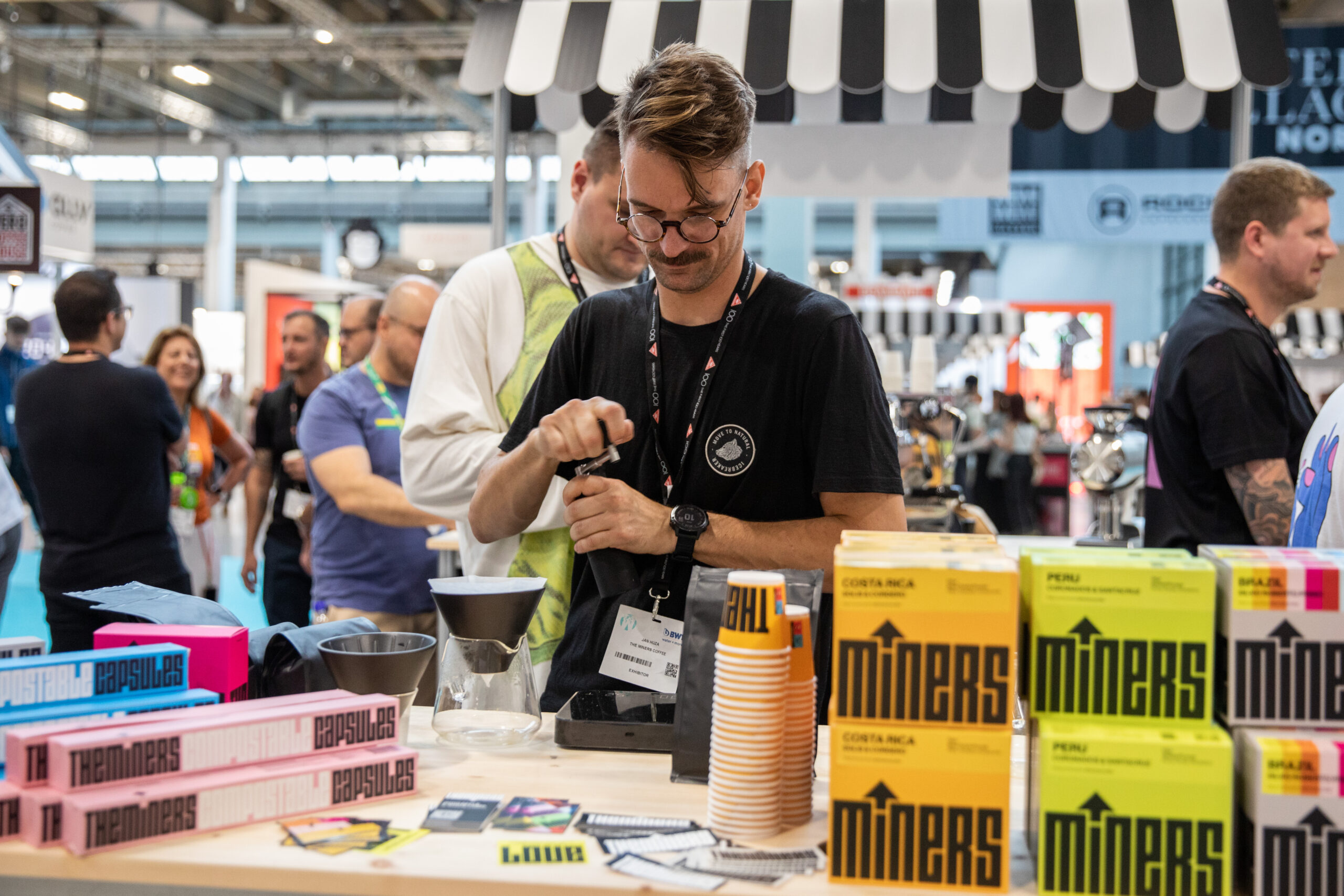
More than 100 elite coffee professionals from around the globe will compete for world titles as the World Coffee Championships return to Europe, taking center stage at World of Coffee Geneva 2025, from June 26 to 28 at the Palexpo Exhibition and Convention Center. Organized by the Specialty Coffee Association (SCA), this flagship event will spotlight four international competitions alongside the Coffee Design Awards and Best New Product Awards, celebrating creativity, skill, and innovation in specialty coffee.

Four Prestigious World Coffee Competitions

The event will feature the following global championships:

  • World Latte Art Championship (WLAC): Baristas demonstrate mastery of milk and espresso to craft stunning latte designs. A new semi-final format adds an Art Bar segment to the main stage performance, challenging finalists to push the boundaries of visual creativity.

  • World Coffee in Good Spirits Championship (WCIGS): Merging the worlds of coffee and cocktail culture, this competition showcases the craft of coffee mixology—from randomized Spirit Bar challenges to on-stage presentations of Irish Coffees and signature beverages.

  • World Cup Tasters Championship (WCTC): Speed and sensory accuracy define this competition, where participants must identify the odd cup out in a series of blind tastings. The top four cuppers will face off in a final round to claim the title.

  • Cezve/Ibrik Championship (CIC): Honoring one of the oldest coffee traditions, this competition focuses on the art of brewing with the cezve/ibrik. Competitors bring cultural heritage and brewing technique to the global stage.

Spotlight on Design and Innovation

In addition to live competitions, the event will also host the Coffee Design Awards and Best New Product Awards:

  • Coffee Design Awards recognize excellence in:

    • Branding: Visual identity and narrative

    • Packaging: Creative and functional design

    • Spaces: Innovative environments for brewing, teaching, or serving coffee

  • Best New Product Awards highlight breakthrough innovations in:

    • Brewing equipment (consumer & commercial)

    • Coffee accessories

    • Specialty beverage additives

    • Standalone non-coffee drinks

    • Open class innovations

Powered by Leading Industry Sponsors

The 2025 World Coffee Championships are supported by key sponsors, including:

  • Rocket Espresso – WCIGS Qualified Espresso Machine & Grinder Sponsor

  • Femobook – WCIGS Qualified Filter Grinder Sponsor

  • Brita – WCTC Qualified Water Sponsor

  • Porland – WCTC Title Sponsor

  • 3TEMP and InterAmerican – WCTC Diamond Sponsors

  • Club House – WLAC Diamond Sponsor

  • Thermoplan – WLAC Qualified Espresso Machine Sponsor

About World of Coffee Geneva 2025

Recognized as Europe’s largest specialty coffee trade show, World of Coffee Geneva attracts more than 13,000 professionals from over 160 countries, including buyers, roasters, baristas, and equipment manufacturers. With 450+ exhibitors, the event offers unmatched opportunities for networking, product showcases, and global business development—25% of attending buyers report investment capacities exceeding $1 million.

2025 Sponsors Include:

  • Host Sponsor: BWT water+more

  • Platinum Sponsor: Barista Attitude

  • Diamond Sponsor: Nestlé Professional

  • Gold Sponsor: Alpro

  • Portrait Country: Café de Colombia, featuring cultural experiences and a dedicated pop-up café

Register Now

Registration is open at www.worldofcoffee.org. SCA members enjoy exclusive discounts.

Interested in exhibiting or sponsoring? Space is limited. Contact Margaret Andreucetti at [email protected] or email [email protected] for inquiries. Access the live floor plan here.


About the Specialty Coffee Association (SCA)
The SCA is the world’s leading coffee trade association, dedicated to making coffee better by fostering global collaboration, education, research, and events. Learn more at www.sca.coffee or follow @specialtycoffeeassociation on social media.

Dubai to Host SCA-Certified Coffee Value Assessment Course This June

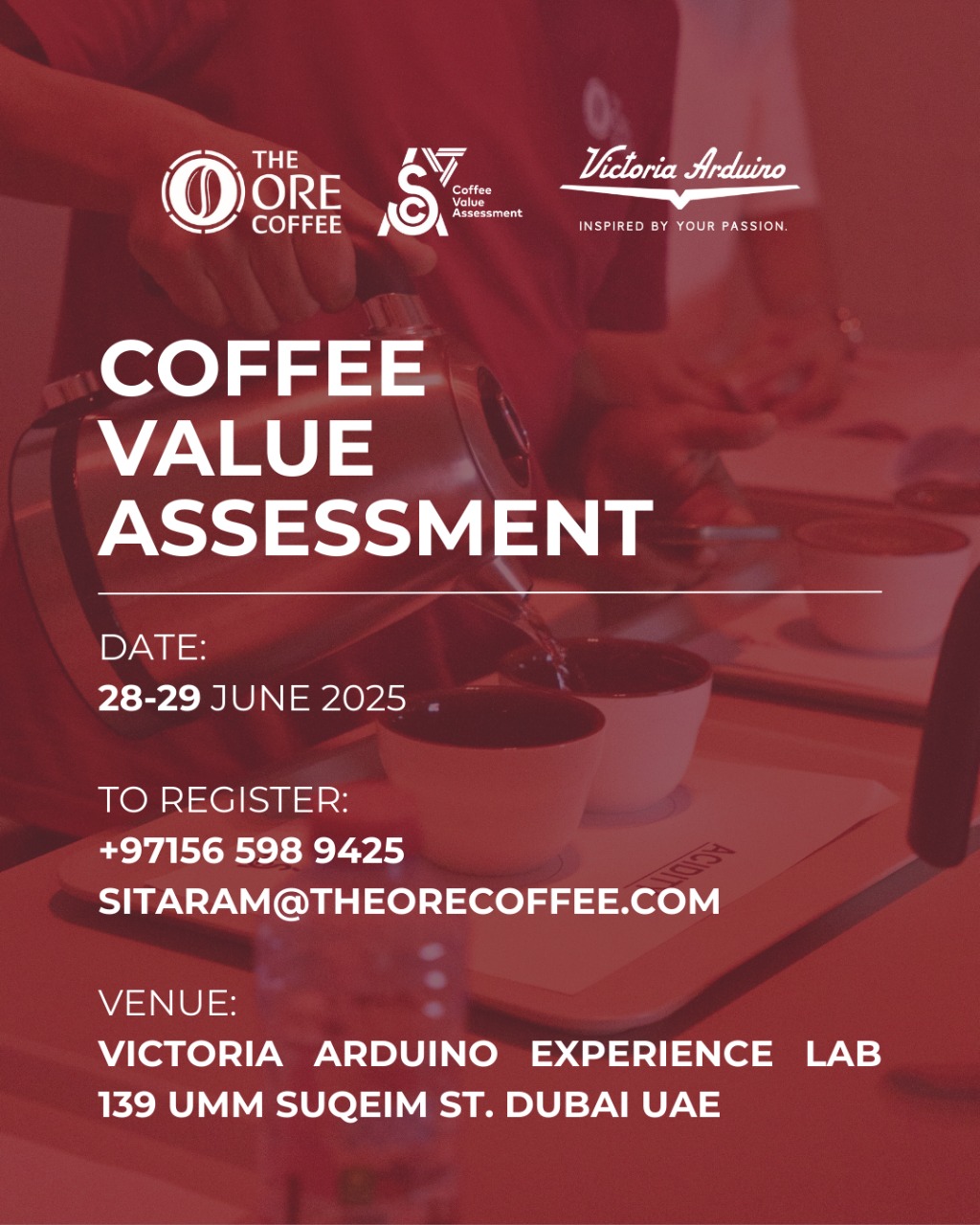
In a significant step toward redefining how specialty coffee is evaluated, Dubai will welcome an official Coffee Value Assessment (CVA) course on 28–29 June 2025 at the Victoria Arduino Experience Lab, located on Umm Suqeim Street.

Organized by The Ore Coffee in collaboration with the Specialty Coffee Association (SCA) and Victoria Arduino, this exclusive two-day course will be led by Sitaram, a seasoned coffee expert and certified instructor. It is designed specifically for professional cuppers, Q-graders, sensory analysts, roasters, and green buyers aiming to stay ahead of the curve in coffee evaluation.

The course offers a deep dive into the new CVA system, the SCA’s evolving protocol that shifts focus from traditional scoring methods to a more holistic value-based approach. Participants will engage in hands-on cupping sessions, learn to apply advanced sensory tools, and take part in expert-led discussions that explore the latest in sensory science and value mapping.

By the end of the training, attendees will receive official SCA certification, recognizing their mastery of one of the most forward-thinking frameworks in today’s specialty coffee industry.

Limited seats are available, and early registration is strongly advised.

📍 Venue: Victoria Arduino Experience Lab, 139 Umm Suqeim St., Dubai, UAE
📅 Date: 28–29 June 2025
📩 Register at: Click here
📞 Contact: +971 56 598 9425
📧 Email: [email protected]

How Coffee Can Affect Your Medications – What Science and Experts Say

Coffee is a beloved daily ritual for millions, but few realize it may interfere with medications ranging from thyroid pills to antidepressants. According to a detailed report by Dipa Kamdar, Senior Lecturer in Pharmacy Practice at Kingston University and published by The Conversation UK on May 30, 2025, caffeine can alter how drugs are absorbed and metabolized in the body—potentially reducing effectiveness or increasing side-effects. Here’s what every coffee drinker should know to stay safe while on medication.

For many people, the day doesn’t officially begin until that first sip of coffee. It’s energizing, comforting, and consumed by billions worldwide. However, new insights from Dipa Kamdar, Senior Lecturer in Pharmacy Practice at Kingston University, highlight a critical but often overlooked concern: coffee may interfere with the way certain medications work in the body.

The report, published by The Conversation UK, underscores that while caffeine boosts energy, it can also amplify side-effects, reduce drug absorption, and affect how long medications stay active in the system. Here’s a closer look at the main interactions and what you can do to avoid complications.

1. Cold and Flu Medications

Many cold remedies, such as those containing pseudoephedrine (e.g., Sudafed), are stimulants—just like caffeine. When taken together, these stimulants may cause restlessness, insomnia, headaches, rapid heartbeat, and even increased blood sugar and body temperature, especially for people with diabetes.

Caffeine can also intensify the side effects of asthma medications like theophylline and ADHD treatments such as amphetamines, potentially leading to jitteriness or disrupted sleep.

2. Thyroid Medications

If you’re taking levothyroxine for hypothyroidism, coffee timing matters. Studies show that drinking coffee within an hour of taking the pill can reduce its absorption by up to 50%, leading to decreased effectiveness and the return of symptoms such as fatigue or weight gain.

This interaction is mainly seen with tablet forms of the drug. To ensure maximum effectiveness, levothyroxine should be taken on an empty stomach with water, followed by a 30–60 minute wait before consuming coffee or food.

This rule also applies to osteoporosis medications like alendronate and risedronate (bisphosphonates), which also require an empty stomach to be absorbed properly.

3. Antidepressants and Antipsychotics

The interaction between caffeine and mental health medications is complex. For example:

  • SSRIs (sertraline, citalopram): Lab studies suggest that caffeine may bind to these drugs in the stomach, potentially reducing their absorption and effectiveness.

  • Tricyclic antidepressants (TCAs) like amitriptyline and imipramine: These drugs and caffeine are metabolized by the same liver enzyme (CYP1A2), which can lead to slower drug breakdown and increased side-effects or prolonged caffeine stimulation.

  • Clozapine, a powerful antipsychotic, is also broken down by CYP1A2. Studies reveal that drinking just 2–3 cups of coffee can raise clozapine levels by up to 97%, increasing risks of drowsiness, confusion, or even more serious health issues.

4. Painkillers

Some over-the-counter pain medications (e.g., aspirin, paracetamol) include added caffeine to speed up absorption. Coffee may enhance this effect by increasing stomach acidity and emptying speed.

While this might help the drug work faster, it could also increase the risk of stomach irritation or bleeding, especially when multiple sources of caffeine are consumed.

5. Heart Medications

Caffeine can raise blood pressure and heart rate for several hours after consumption. This could counteract the benefits of medications prescribed for hypertension or arrhythmia. While patients with heart conditions don’t necessarily need to give up coffee entirely, monitoring intake and opting for decaffeinated coffee may be advisable in some cases.

Practical Tips to Stay Safe

To enjoy coffee while staying safe on your medications, consider the following expert recommendations:

  • Take levothyroxine and bisphosphonates on an empty stomach with water, and wait at least 30–60 minutes before consuming coffee or food.

  • Be mindful when using cold/flu medications, ADHD drugs, and asthma treatments alongside caffeine, as stimulant effects may be amplified.

  • If you are on antidepressants, antipsychotics, or heart medications, discuss your caffeine habits with your doctor to adjust dosages or timing if needed.

  • Watch for signs like insomnia, jitteriness, or heart palpitations — these could be clues that caffeine is affecting your medication.

  • Metabolism varies: some people handle caffeine better than others. If you feel off after your coffee, consult your doctor or pharmacist.

Final Thoughts

Coffee is a powerful beverage that goes beyond flavor and energy—it’s a bioactive compound capable of altering the effects of several medications. While most people can still enjoy their daily brew, timing, dosage, and personal sensitivity matter.

As Dipa Kamdar emphasizes in her article for The Conversation UK, “A short conversation with your pharmacist or doctor might save you weeks of side-effects or reduced treatment effectiveness – and help you enjoy your brew with peace of mind.”


Dubai Hosts Peruvian Coffee Day Celebrating Flavors and Heritage

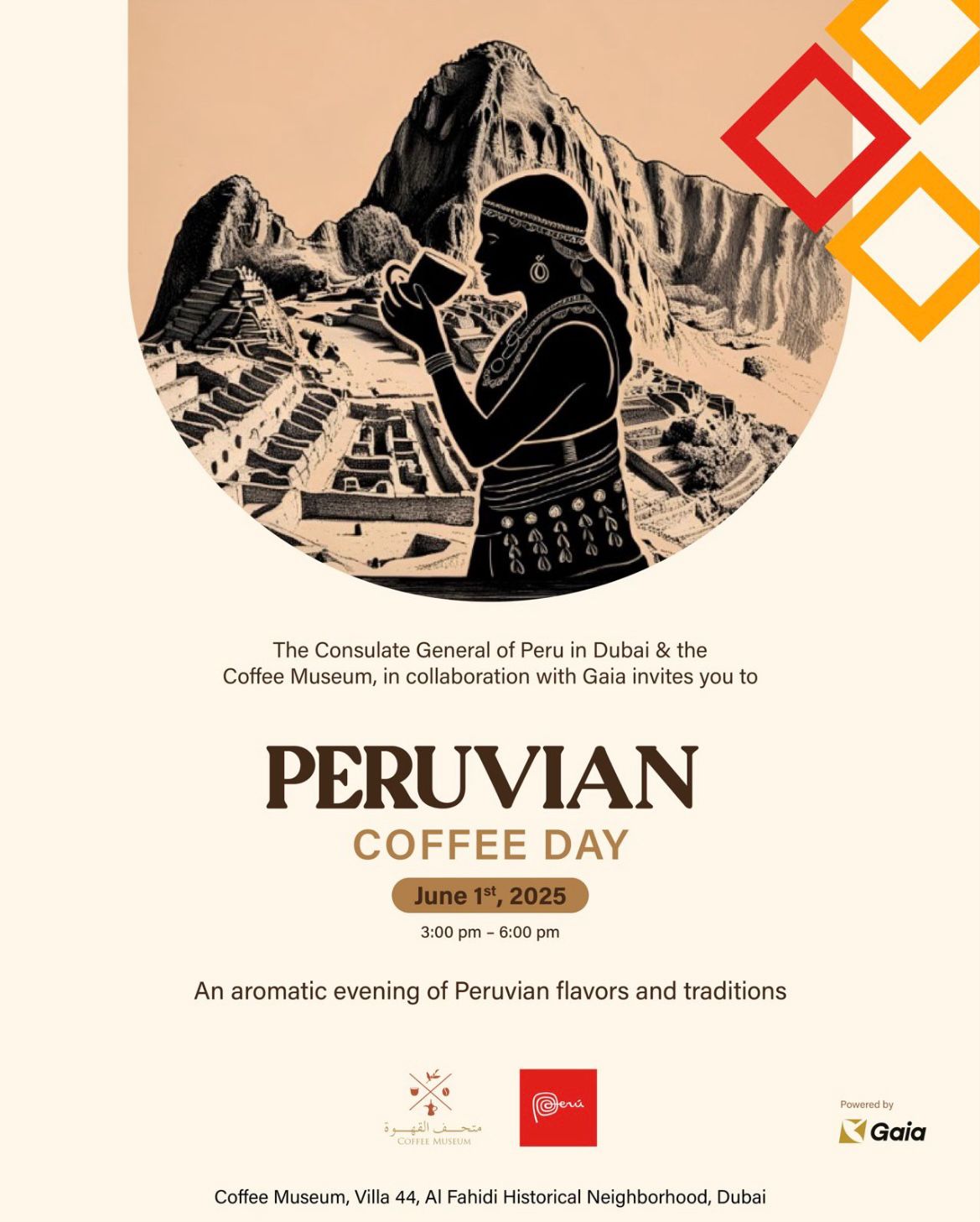
Coffee enthusiasts in Dubai are in for a sensory treat as the Consulate General of Peru in Dubai and the Coffee Museum announce “Peruvian Coffee Day”, an exclusive event set to take place on June 1, 2025, from 3:00 pm to 6:00 pm at the Coffee Museum, Villa 44, Al Fahidi Historical Neighborhood.

Organized in collaboration with Gaia, the event promises an aromatic evening celebrating Peruvian coffee culture, spotlighting the country’s rich traditions, unique coffee flavors, and centuries-old heritage.

Discover the rich aromas and deep traditions of Peruvian coffee—grown in the highlands of the Andes and the Amazon rainforest, and renowned for its smooth body, bright acidity, and floral and fruity notes. Attendees will experience a curated tasting journey featuring coffee pairings that highlight the distinctive profiles of Peruvian beans, alongside sweet treats and savory bites inspired by the country’s culinary diversity.

More than just a coffee experience, Peruvian Coffee Day is also a celebration of Peru’s globally celebrated gastronomy. Guests can expect a flavorful exploration of iconic dishes, native ingredients, and a cuisine that skillfully blends heritage and innovation, positioning Peru among the world’s top culinary destinations.

This initiative not only showcases the excellence of Peruvian coffee but also aims to strengthen cultural exchange between Peru and the UAE, offering a moment of connection through taste, tradition, and storytelling—all set in the atmospheric heart of old Dubai.

Whether you’re a coffee lover, a food enthusiast, or someone seeking cultural discovery, Peruvian Coffee Day offers a warm invitation into the soul of Peru.

And for those yet to plan their summer getaway, the event also offers inspiration: with breathtaking landscapes, rich history, vibrant traditions, and, of course, exceptional coffee, Peru is waiting for you.

Coffee Steals the Spotlight at Arab Media Summit 2025

By Serkan Oral

The Arab Media Summit 2025 in Dubai brought together leaders, creators, and media innovators from across the region — but while discussions centered on the future of content and communication, it was the aroma of specialty coffee that quietly united the event’s energy.

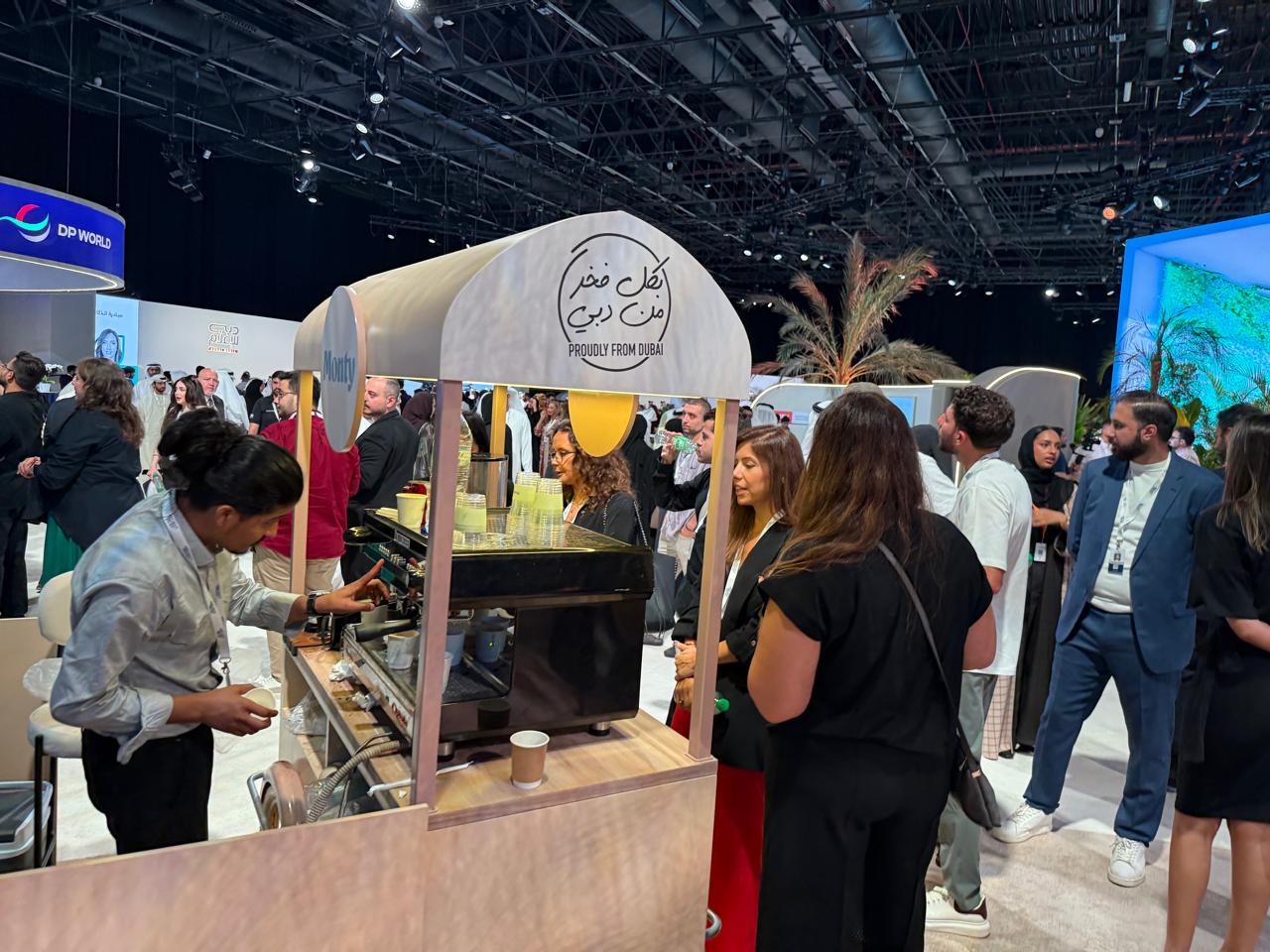
Everywhere you looked, cameras and microphones were in one hand, while the other held a cup of freshly brewed coffee. Local cafés and roasters proudly offered complimentary cups, turning media conversations into moments of shared flavor and culture. Branded with the phrase “Proudly from Dubai,” this presence wasn’t just hospitality — it was a cultural statement.

At the opening ceremony, I had the chance to meet Her Excellency Mona Ghanem Al Marri, Vice Chairperson and Managing Director of the Dubai Media Council, and President of the Dubai Press Club. With her deep experience in strategic media and public communication, she spoke about the region’s evolving role in shaping narratives that reflect Arab identity and aspirations.

Later, I spoke with Jamal Al Sharif, Chairman of the Dubai Media Council and Managing Director of Dubai Studio City. He shared insight into a new strategy aimed at stimulating local media production. With global platforms like Netflix now involved in regional content, one wonders if we might soon see films shot in Dubai where qahwa plays a starring role. Pelin Mavili from Netflix also expressed the company’s excitement about new productions and ongoing efforts to empower women across the MENA region.

Behind the scenes, the summit was buzzing with coffee stands. Mohammad Alzarooni, owner of Pinewraps, shared how his team served about 25 kg of coffee beans each day. Guests raved about the creamy texture and smooth taste. “Every celebration deserves something special,” he told me, “and we deliver that with every cup.”

At the Esprso Lounge stand, Head Barista Dipesh Maharjan introduced visitors to 100% Arabica and manual brewing methods. “People love coffee — not just drinking it, but learning about it,” he said. With branches in Al Meydan and Nad Al Sheba, the café used the summit as a platform to connect with new audiences and share their story.

Barista Arnel from Backyard said their team gave away over 1,000 cups per day, offering a full menu of flat whites, iced lattes, and their hit Matcha Cloud. “This wasn’t just an event — it was a human connection,” he reflected. Backyard now boasts nine branches in Dubai, and their presence at the summit helped deepen those community ties.

In the end, while the summit focused on immersive technologies and artificial intelligence, it was coffee that reminded everyone of something real — something grounding. Between fast-paced media sessions and big digital ideas, the familiar warmth of a coffee cup offered a pause, a connection, a moment of reflection. It proved that even in a hyper-connected world, authentic experiences still matter — and sometimes, they’re best shared over coffee.


Poor Rainfall in Brazil Lifts Arabica Coffee Prices Amid Mixed Market Signals

Arabica coffee futures climbed on May 28, 2025, as concerns about weak rainfall in Brazil’s top coffee-growing region threaten the upcoming harvest. While robusta prices plunged to a 7-week low, Arabica gained 0.19% due to weather-related supply fears. Despite overall rising inventories and global production forecasts, drought conditions in Brazil and falling exports support arabica prices in the short term.

May 28, 2025 — Arabica coffee futures saw modest gains on Tuesday, supported by dry weather in Brazil’s key growing region, Minas Gerais. July arabica coffee (KCN25) closed up by +0.70 points (+0.19%), while July robusta (RMN25) dropped -94 points (-1.96%) to hit a 7-week low.

According to Somar Meteorologia, rainfall in Minas Gerais totaled just 0.3 mm for the week ending May 24—only 4% of the historical average. This dryness has raised concerns about yield losses in Brazil, the world’s largest arabica producer.

Although weather concerns lifted arabica, coffee prices remain under pressure due to ample global supplies. On May 20, the USDA’s Foreign Agricultural Service (FAS) projected Brazil’s 2025/26 coffee output will rise by 0.5% year-over-year (y/y) to 65 million bags. Vietnam’s output is expected to jump 6.9% y/y to 31 million bags, reinforcing a surplus outlook for robusta.

Inventories have also grown. ICE-monitored arabica coffee stocks climbed to a 3.75-month high of 892,468 bags on Tuesday, while robusta inventories reached an 8-month high last Friday at 5,438 lots. These inventory levels have contributed to a bearish sentiment, particularly for robusta.

The USDA has also forecast a 5.1% increase in Honduras’ 2025/26 coffee production, reaching 5.8 million bags. Brazilian estimates have been revised upwards as well. Safras & Mercado now projects 65.51 million bags for 2025/26, up from 62.45 million. Similarly, Brazil’s crop agency Conab lifted its estimate to 55.7 million bags, up from 51.81 million in January.

Demand-side concerns are weighing on prices. Major buyers including Starbucks, Hershey, and Mondelez International have indicated that new U.S. import tariffs could increase prices and lower sales volumes.

However, declining exports from Brazil could help stabilize prices. Cecafe reported a 28% y/y drop in green coffee exports for April, totaling 3.05 million bags. Year-to-date (January–April) exports were down 15.5% y/y at 13.186 million bags, tightening global supply.

Vietnam’s robusta sector is grappling with significant weather-related challenges. The 2023/24 crop fell 20% to 1.472 MMT—the smallest in four years—due to drought. For 2024, Vietnam’s coffee exports are down 17.1% y/y to 1.35 MMT. From January to April 2025, exports fell another 9.8% y/y. The Vietnam Coffee and Cocoa Association recently revised its 2024/25 production forecast down to 26.5 million bags from 28 million.

Still, Rabobank forecasts that Brazil’s 2025/26 robusta crop will reach a record 24.7 million bags, up 7.3% y/y, signaling mixed signals in the robusta segment.

The USDA’s December report projected that 2024/25 global coffee production will rise by 4% to 174.855 million bags. Arabica output is expected to increase 1.5% to 97.845 million bags, while robusta will jump 7.5% to 77.01 million bags. Yet, global ending stocks are forecast to fall by 6.6% to a 25-year low of 20.867 million bags, down from 22.347 million in 2023/24.

Additionally, Brazil’s 2024/25 production is now projected at 66.4 MMT, down from an earlier estimate of 69.9 MMT. End-of-season inventories are estimated at just 1.2 million bags, a 26% y/y decline.

Volcafe expects Brazil’s 2025/26 arabica production to drop to 34.4 million bags due to prolonged drought. This marks an 11 million bag decrease from previous forecasts. As a result, Volcafe projects a global arabica deficit of 8.5 million bags—larger than the 5.5 million bag deficit in 2024/25 and the fifth consecutive year of arabica shortages.The arabica coffee market is facing mixed signals as poor weather in Brazil supports prices, while global production forecasts and rising inventories exert downward pressure. The robusta segment, meanwhile, is struggling with both oversupply in inventories and underperformance in Vietnam. Traders and stakeholders will be watching Brazilian rainfall patterns and export data closely as they influence the trajectory of global coffee prices.

A Century-Old New Orleans Coffee Roaster Begins a New Chapter with Local Ownership

In the heart of New Orleans’ Bywater neighborhood, a 100-year-old coffee roaster is embracing a new era. Try-Me Coffee Mills, a long-standing yet quietly operating brand, is now under the ownership of local couple Lauren “Mermaid” McCabe and Abby King, who plan to carry forward its rich legacy while growing its public profile — according to a report by Chelsea Brasted, published on Axios.

While not widely recognized outside industry circles, Try-Me Coffee has long fueled some of the city’s most iconic tastes. Its beans have been served in places like Slim Goodies and in desserts like the affogato at Brocato’s. Yet, despite this strong presence in local kitchens, the brand has remained relatively unknown to the broader public.

The story of Try-Me Coffee dates back to founder Henry Kepler, a former bank teller who began roasting beans in the Bywater and selling them door-to-door. The roastery still operates in the same spirit, preparing custom one-pound batches by hand, maintaining a loyal customer base among nearby residents and local restaurants.

As Brasted notes, New Orleans’ deep connection to coffee — rooted in its history as a major port city and hub for international trade — makes it a fitting home for such a legacy business. Today, local roasters like Mojo, Congregation, PJ’s Coffee, and Cherry dominate the modern café scene. However, few carry the historical weight of a century-old operation like Try-Me.

Despite its longevity, the brand has struggled with name recognition, especially compared to newer, more marketing-driven competitors. McCabe and King hope to change that.

“It’s a very different landscape now,” McCabe told Axios. “We can continue the legacy of this business that has had a real strong hand in shaping the coffee culture of New Orleans.”

To mark its 100th anniversary, Try-Me Coffee is offering a sampler pack for sale online, along with free delivery across Orleans and Jefferson Parishes until the end of the year — a gesture that reflects the company’s renewed commitment to its local roots.

As the brand enters its second century, the new owners are focused on honoring its artisanal past while positioning it for a more visible future. With a growing appreciation for craft and heritage in the coffee world, Try-Me Coffee may finally be ready to step out of the shadows and into the spotlight — one hand-roasted batch at a time.

Unexpected Benefits of Coffee: How This Beverage Protects the Liver and May Extend Lifespan

Good news for coffee lovers around the world. A recent scientific study, supported by expert commentary from a leading Egyptian cardiologist, reveals that coffee is far more than just a morning pick-me-up—it holds remarkable health benefits, including protection against liver and heart diseases and even contributing to a longer life.

Scientific Study: Coffee Shields the Liver

A collaborative study conducted by researchers from the University of Southampton and the University of Edinburgh analyzed data from nearly half a million participants and produced striking findings:

  • A 35% reduction in the risk of developing liver cirrhosis

  • A 34% lower likelihood of liver cancer

  • A 61% decrease in the risk of death from liver-related diseases

What’s even more surprising is that these health benefits apply across all types of coffee—including instant, ground, and even decaffeinated varieties. The protective effect is attributed to coffee’s rich content of polyphenols and bioactive compounds, which offer strong antioxidant and anti-inflammatory properties. These elements help reduce inflammation, shield liver cells from damage, and mitigate oxidative stress, thus enhancing liver function and preventing chronic illnesses.

Dr. Gamal Shaaban: Coffee Is “The Alcohol of the Intelligent” and Promotes Longevity

In a related statement, renowned Egyptian cardiologist Dr. Gamal Shaaban spoke to Al-Dostor newspaper about coffee’s benefits for both the body and heart. He described coffee as “the alcohol of the intelligent,” emphasizing that it improves mood, boosts concentration, and supports longevity—provided it’s consumed in moderation.

Dr. Shaaban recommended three cups of coffee per day as the optimal amount, with a maximum of five. He highlighted that coffee helps prevent atherosclerosis, is rich in antioxidants, and plays a role in preventing fat accumulation in the liver, thus lowering the risk of fatty liver disease and cancer.

Timing and Consumption Guidelines

Dr. Shaaban stressed the importance of drinking coffee after breakfast and before 6:00 PM, cautioning against late consumption as it may cause insomnia and restlessness, which negatively impact heart health and increase the risk of clots.

He also advised drinking coffee without sugar or milk, explaining that sugar diminishes its positive effects, while milk may interfere with the absorption of its beneficial compounds.

In his concluding remarks, Dr. Shaaban stated:

“Coffee is the alcohol of the intelligent—one of life’s useful secrets, if consumed wisely.”

Map It Forward Launches Middle East Podcast to Spotlight Coffee Industry Growth and Opportunity Across MENA

A new regional series from Map It Forward will feature business leaders, innovators, and changemakers shaping the future of coffee in the Middle East.

Map It Forward, the global platform for coffee business education and industry insights, is proud to announce the launch of the Map It Forward Middle East Podcast, a regionally focused series designed to explore the realities of building coffee businesses across the Middle East and North Africa (MENA).

Hosted by Map It Forward founder Lee Safar, the podcast will follow the same format as the globally recognized The Daily Coffee Pro Podcast by Map It Forward, with five 20-minute episodes per series, released Monday to Friday. Each week features a new guest operating in the coffee supply chain in the Middle East region.

“The coffee industry in the Middle East is having a full circle moment of sorts,” says Safar. “The Arabs were the first to roast and brew coffee. The coffee boom in this region today is creating a powerful intersection between coffee as a cultural drink and as a commercial endeavor. This new direction we’re taking with the podcast is about documenting the history that’s unfolding in the world’s oldest coffee-drinking regions while also supporting the industry here with conversations that inspire success and don’t shy away from the obvious challenges the region is facing.

The series will maintain the same values-driven, unfiltered, and insightful tone as its global counterpart, addressing real challenges and strategies, with a clear eye on transparency, community, and supply chain sustainability. The only distinction is that this podcast will focus exclusively on the dynamics of the Middle East coffee economy, creating a structured platform for dialogue in a region that’s rapidly gaining global attention.

This is the first step in a broader global expansion of the Map It Forward brand, which will roll out new region-specific initiatives over the next 12 months.

Launch Details:

  • Podcast Title: Map It Forward Middle East Podcast

  • Host: Lee Safar

  • First Series Guests: Shireen Muhaisen and James Lynes (Bunni Coffee – Amman, Jordan)

  • Second Series Guests: Kim Thompson and Matt Toogood (Raw Coffee Company – Dubai, UAE)

  • Launch Date: June 2, 2025

  • Available On: All major podcast platforms and Map It Forward’s YouTube channel

For more information, visit: https://www.mapitforward.coffee/middleeastpodcast