Coffee Retains Its Crown as America’s Favorite Beverage in 2025, Surging Past Bottled Water

Coffee continues to reign as the most consumed beverage in the United States, with two-thirds of American adults (66%) drinking coffee on any given day, surpassing bottled water, tea, juice, and soda. This finding, released in the Spring 2025 National Coffee Data Trends (NCDT) report, highlights a significant 7% increase in daily coffee consumption since 2020.

According to the report—conducted in January 2025 by Dig Insights on behalf of the National Coffee Association (NCA)—coffee is more deeply embedded in American routines than ever. On average, American coffee drinkers consume three cups per day, contributing to a staggering total of 516 million cups daily, enough to fill an Olympic-size swimming pool 48 times.

Specialty Coffee on the Rise

The 2025 data shows a notable shift toward specialty coffee, which now accounts for 59 out of every 100 cups consumed. Consumption of specialty beverages has jumped nearly 18% in five years, with 46% of adults reporting past-day consumption, up from 39% in 2020. In contrast, traditional coffee has held steady, consumed by 42% of adults in 2025, compared to 43% in 2020.

Among specialty coffee drinkers, preferences have evolved:

  • Espresso-based beverages (such as cappuccinos, espressos, lattes, mochas, macchiatos, flat whites, and Americanos) are consumed by 28% of adults daily—up 17% from 2020.

  • Non-espresso-based beverages (including cold brew, nitro coffee, and frozen blends) have experienced the largest growth, increasing nearly 42% from 12% in 2020 to 17% in 2025.

NCA President and CEO Bill Murray stated:

“Coffee holds a unique place in Americans’ daily lives—no other beverage is such a beloved and prominent touchstone. Coffee’s popularity brews big benefits for American coffee drinkers and the entire U.S. economy, and we expect America’s love affair with coffee to continue for many decades to come.”

Regional and Daily Patterns

Regionally, the Northeast leads the nation in daily coffee consumption at 69%, followed by the Midwest (67%), South (66%), and West (62%). Most coffee is consumed in the morning, with 83% of Americans pairing coffee with breakfast.

Hot coffee remains dominant, particularly in winter. In January 2025, 78% of coffee consumed was served hot—up 13% from the summer—while 16% was iced and 7% frozen blended. Still, cold coffee remains popular in winter, reflecting the growing year-round appeal of chilled formats.

At-Home and On-the-Go Brewing

The majority of Americans (82%) still enjoy their coffee at home, while 38% consume it on the go. Drip coffee makers remain the most common home brewing equipment (62% ownership), followed by single-cup machines (42%), instant coffee (35%), bean-to-cup machines (15%), and espresso machines (12%). Ownership of slow-drip cold brew systems has climbed to 11%, reflecting a surge in at-home cold brew preparation.

Coffee brewed at home has also increased in prevalence. In 2025, 71% of daily coffee drinkers reported preparing coffee only at home—up from 63% in 2020—while 16% consumed coffee only outside the home, and 13% did both.

Purchasing Trends

Grocery stores continue to dominate coffee purchases, with 40% of coffee drinkers buying there. However, online purchases have doubled, from 7% in 2020 to 14% in 2025, illustrating a growing shift toward digital convenience. Mass merchandisers (big box stores) accounted for 29% of purchases, while club stores dropped slightly to 10%, and coffee shops remained steady at 5%.

Conclusion

The Spring 2025 NCDT underscores coffee’s enduring appeal and its evolving presence in the lives of American consumers. From the increasing popularity of specialty formats to the growing trend of at-home and online coffee consumption, the beverage continues to adapt to new habits while maintaining its central place in American culture.

For more insights and to purchase the full NCDT 2025 report, visit ncausa.org/ncdt.

Global Coffee Market in June 2025: Falling Stocks, Weather Worries, and Macroeconomic Tensions Shape Volatile Trading

As coffee prices continue to react to global supply pressures, DRWakefield’s June 2025 market report highlights a turbulent period for Arabica and Robusta futures. With low certified stocks, unpredictable weather in producing countries, and shifting macroeconomic indicators, the global coffee market is once again showing signs of stress and uncertainty.

Volatility Returns to Arabica as Frost Fears Collide with Macro Pressure

The week of June 9–13, 2025, opened with bullish sentiment for Arabica, following a significant drop in certified stock levels—down by 61,500 bags the previous week. European Coffee Federation (ECF) stocks remain at just 7.07 million bags, a worrying 5 million bags below the 5-year average. Japan Coffee Association (JCA) inventories are also tight, reported at 2.21 million bags, around 500,000 bags below the average.

Despite this backdrop, the market moved erratically. Arabica futures opened Monday at 357.85 c/lb, closing only slightly higher at 361.55 c/lb. But by Tuesday, frost warnings in Minas Gerais (Guaxupé and Poços) ignited a rally into the 370 c/lb range, before collapsing to a close of 355.05 c/lb. As frost concerns eased midweek and key technical levels failed to hold, Arabica resumed its descent. It hit a low of 338 c/lb on Friday before ending the week at 349.70 c/lb, partially buoyed by opportunistic roaster buying.

Robusta Shows Brief Strength Before Retreating Again

The London Robusta market saw a short-lived recovery midweek after breaking a six-day bearish streak. Prices reached a low of $4,315/MT, the weakest since November 2024, before rebounding and then declining again to close the week at $4,440/MT. Although up temporarily, the market remains well below this year’s high of $5,800/MT, reflecting strong export pressure from Vietnam and Brazil’s progressing harvest.

Production Outlook: Mixed Signals from Key Origins

In Brazil, Arabica production is forecast to fall 11%, down to 40.46 million bags, while Robusta is expected to increase 20% to 25 million bags, pushing total output to 65.51 million bags. Experts say Robusta yields may even surpass forecasts, contributing to falling Robusta prices.

Meanwhile, in Central America, recent rainfall has helped development, but the USDA’s Foreign Agricultural Service predicts an overall increase in 2025/26 harvest volumes—except Costa Rica, where output is expected to decline by 10% to 1.17 million bags, reversing last year’s growth cycle. Excessive rainfall in November and December hampered previous harvests, and though 2025 is expected to have “neutral” weather, uncertainty remains.

Colombia, on the other hand, faces a potential 5.3% decline in coffee production for the upcoming season, with an output estimated at 12.5 million bags. While the country is recovering from the El Niño-driven climate disruption, current heavy rains are now threatening flowering and cherry development, particularly in the south. High prices are also discouraging farm investment in replanting, raising concerns over long-term yield.

Certified Stocks & Commitment of Traders (COT)

  • Arabica Certified Stock: ↑ 846,291 bags

  • Pending Grading: ↓ 77,961 bags (down 45,425 from last week)

  • Non-commercial net long: ↓ 21,712 futures lots

  • Commercial net short: ↓ 53,686 futures lots

Organic Coffee Faces Delays Amid EU Compliance Challenges

Organic-certified exports from Central and South America continue to face bottlenecks. Residue from glyphosate—a commonly used herbicide—has been detected in containers entering the European Union, often traced to cross-contamination from nearby non-organic farms. Exporters are cautious about offering forward contracts until physical stocks are secured, forcing organic buyers to wait several months to cover supply gaps.

Currency Movements & Macro Conditions

U.S. Dollar Index (DXY): The World Bank has revised its 2025 global growth forecast down to 2.3%, the lowest since the 1960s, as post-pandemic and geopolitical challenges linger. The OECD echoed the downgrade, citing growth of 2.9% in 2025–2026. Despite momentary support from positive U.S. payroll data, the USD fell to a 3-year low midweek due to concerns over U.S.–China trade uncertainty. However, a late-week rebound followed renewed cooperation between the two countries.

GBP/USD: The British pound opened the week under pressure, triggered by April unemployment rising to 4.6%, the highest since August 2021, and slowing wage growth (5.2%). UK GDP shrank by 0.3% in April, marking the sharpest monthly decline since October 2023.

Middle East Tensions Surge Oil Prices

Heightened conflict between Israel and Iran—marked by Israeli airstrikes on Tehran on Friday, June 13—fueled a 10% jump in oil prices, raising fears of disruption to global crude supply. Iran’s strategic exports to India and China and its critical shipping lanes are now viewed as potential flashpoints that could rattle global trade and inflation.

Qahwa World Insight

June 2025 underscores the fragility of the global coffee supply chain—from frost alerts in Brazil and production cuts in Colombia and Costa Rica to certification hurdles affecting organic exports. The market remains on edge as traders weigh short-term weather shifts against long-term macroeconomic and geopolitical risks. With prices volatile and supply chains constrained, the second half of the year could test the resilience of roasters, exporters, and coffee producers alike.

High-impact workshops and lecture series announced for World of Coffee Geneva 2025

Actionable learning opportunities focus on the specialty coffee value chain

The Specialty Coffee Association (SCA) is proud to unveil the education program at World of Coffee Geneva, taking place June 26–28, 2025, at Palexpo SA. This year’s program features more than 60 free lectures and 25 hands-on workshops, designed to empower professionals across the specialty coffee value chain with the tools, skills, and knowledge they need to innovate, adapt, and lead in a rapidly evolving industry.

“This year’s education program is all about practical, forward-thinking learning that meets the moment,” said Kim Elena Ionescu, Chief Strategy & Insights Officer at the SCA. “Our Lecture Series, which is free of charge to attendees, is designed to inform, inspire, and connect the global coffee community, while our fee-based workshops offer a deeper dive into key topics and skills that complement SCA’s certificate programs.”

Workshops: actionable skills in every session

Early registration is strongly encouraged for the workshops, which are limited in capacity and cover a wide range of industry-relevant topics. Each workshop lasts between 2.5 and 3.5 hours.

Thursday, June 26, 2025

  • Crafting Connections: A market-readiness workshop for green coffee producers & exporters

  • Regenerative Thinking: A design thinking toolkit for specialty coffee

  • Crafting Exceptional and Sustainable Coffee Blends

  • Hiring and Training: Building strong foundations for a growing team

  • Your Coffee Data Made Easy: Build your business intelligence dashboard for better decisions

  • Beyond the Beans: How to craft stories to connect with your buyer

  • Boost Your Social Ventures: Sustainable project funding through crowdfunding

  • Sensory Training: Unlocking coffee’s full potential

Friday, June 27, 2025

  • Mastering Sensory Skills: A hands-on approach to specialty coffee evaluation

  • Taste with Your Eyes: How color impacts flavor (and willingness to pay?)

  • The Evolution of Coffee Brewing: Geography, flavor, and culture

  • Taste, Describe, Create: Applying the CVA descriptive form to coffee blend creation

  • Coffee Business Growth Masterclass: Navigating consolidation with strategic action

  • Savoring Diversity: A workshop on coffee species genetics and flavor exploration

  • Building Your Own Pricing Impact Assessment: Supporting smallholder livelihoods

  • Where Did That Charge Come From?: A roaster’s guide to coffee costs

Saturday, June 28, 2025

  • Fundamentals of Green Coffee Buying

  • Level Up Your Leadership: Management for multi-site operators

  • Infused at Origin: Understanding and experiencing infused coffees

Lecture Series: free access, rich insights

The World of Coffee Geneva Lecture Series will explore urgent and emerging issues across three thematic tracks: Science, Business, and Sustainability. All lectures are free to attend.

Science

Sessions in the Science track will dive into chemistry, sensory research, and brewing behavior:

  • Unraveling Cup Quality of wild varieties and hybrids at Brazil’s coffee genebank

  • Electrochemical Measurement and Modification of Coffee

  • The Past, Present, and Future of Cupping

  • Impact of Decaffeination on Coffee Quality

  • Sensory and Chemical Effects of Black and Sour Physical Defects

  • Hot & Cold Value Assessment: Comparing hot, cold, and gentle brews using descriptive techniques

  • Brewing Habits Through Netnography and Means-End Chain Analysis

  • Nitrogen Injection and Cold Brew: Effects on extraction, caffeine, and chlorogenic acids

  • Exploring Coffee Acidity: A flavoromics approach

Business

The Business track offers tools and strategies for navigating the evolving global coffee landscape:

  • What is Specialty Coffee?

  • Coffee Consolidations: Smart strategies for scaling up

  • Staying Ahead of the Curve: Leveraging coffee industry trends

  • The Great Coffee Price Breakaway

  • Building Customer Loyalty: Insights from Nairobi’s first specialty coffee subscription service

  • Overcoming Logistics Disruptions in the global supply chain

  • Trends in Consumer Experience: Global shop designs and communication strategies

  • Coffee Culture in Ukraine: Adaptation, challenges, and future directions

Sustainability

The Sustainability track will spotlight initiatives supporting environmental and social responsibility:

  • Latin America Coffee Carbon Footprint Baseline Study: Collaborative industry outcomes

  • Circular Economy & Regenerative Agriculture: Toward living incomes

  • The Role of Women in Sustainability: A case from Rebuild Women’s Hope Cooperative (DR Congo)

  • Carbon Footprint in Brazilian Coffee: Measurement and mitigation strategies

  • Toward Equitable Compliance: Navigating human rights and environmental due diligence

  • Closing the Living Income Gap: Price and value distribution in Honduras

  • Agroforestry and Participatory Guarantee Systems: The work of the Slow Food Coffee Coalition

Europe’s largest specialty coffee trade show

World of Coffee Geneva 2025 is Europe’s premier specialty coffee trade event, expected to draw 13,000+ professionals from over 160 countries. With more than 450 exhibitors, the show offers unmatched opportunities to connect with qualified buyers—25% of whom plan to invest over $1 million this year.

Sponsors and partners for this year’s edition include:

  • Host Sponsor: BWT water+more

  • Platinum Sponsor: Barista Attitude

  • Diamond Sponsor: Nestlé Professional

  • Gold Sponsor: Alpro

  • Portrait Country: Café de Colombia, featuring cultural activations and a pop-up café experience

Registration now open

Registration for World of Coffee Geneva 2025 is now open at www.worldofcoffee.org.
SCA members receive exclusive discounts.
To inquire about exhibiting or sponsoring, contact:
📧 [email protected] or [email protected]

About the Specialty Coffee Association

The Specialty Coffee Association (SCA) is the world’s largest trade association dedicated to promoting excellence and equity in the global coffee community. Through collaboration, research, standards, and education, the SCA supports the development of a thriving and sustainable coffee industry. Learn more at www.sca.coffee or follow @specialtycoffeeassociation on social media.

UAE Coffee Innovation Summit to Brew Global Industry Dialogue on June 23

This June, the UAE will host a groundbreaking event that brings together leading voices from across the coffee sector—locally and globally—to shape the future of the coffee industry. The UAE Coffee Innovation Summit, taking place on June 23 at Victoria Arduino’s Experience Center in Dubai, aims to spark strategic dialogue, collaboration, and innovation in one of the world’s most dynamic and fast-growing industries.

On June 23, Dubai will welcome a pivotal moment for the coffee world: the UAE Coffee Innovation Summit, a first-of-its-kind gathering designed to bring together coffee professionals, thought leaders, and entrepreneurs to address the future of the global coffee industry.

Held at Victoria Arduino’s Experience Center in Al Quoz, the summit will run from 3:00 PM to 6:00 PM, welcoming café owners, roasters, trainers, baristas, importers, and innovators from across the UAE and beyond.

More than just another industry event, this summit serves as a strategic platform for deep dialogue and collaborative planning. It seeks to explore how innovation, education, and sustainability can be integrated into the global coffee value chain—and how the UAE can contribute meaningfully to that evolution.

“As coffee continues to evolve into a global cultural and economic force, this summit comes at a crucial time to rethink the direction we are all heading,” say the event’s organizers. “The UAE, with its diversity, openness, and ambition, is the perfect location to host this critical conversation.”

Key themes include:

  • Addressing global challenges in sourcing, sustainability, and climate

  • Elevating barista training and professional development

  • Strengthening connections between café culture, technology, and education

  • Creating collaborative ecosystems between local and international coffee actors

  • Positioning the UAE as a hub for innovation, not just consumption

The timing of the summit reflects the rapid momentum building in the coffee space—not just within the UAE, but globally. From rising consumer awareness and specialty growth to new roasting techniques and sustainability demands, the landscape is shifting fast.

Why this summit matters:
The UAE Coffee Innovation Summit offers a rare opportunity to pause and reimagine the industry’s future—by bringing together those who live and lead coffee every day. It’s a chance to listen, share, and shape what’s next for one of the world’s most beloved and impactful beverages.

Event Details:

location: Victoria Arduino’s Experience Center

Address: 39 Umm Suqeim Street, Al Quoz, Dubai

Date: Monday, June 23, 2025 | 3:00 PM – 6:00 PM

Final Word:
Whether you’re a café founder, a roaster, a barista, or an entrepreneur invested in the future of coffee—this summit is your space. Join the dialogue. Shape the future. Let’s reimagine coffee together.

How Coffee Helps You Lose Weight: 9 Science-Backed Benefits

Coffee isn’t just a morning ritual—it may also play a meaningful role in supporting your weight loss journey. In an article published by Health.com, authored by Lauren O’Connor, MS, RDN, and medically reviewed by Melissa Nieves, LND, the potential benefits of coffee—including metabolism support, fat burning, appetite suppression, and exercise enhancement—are explored in depth. This guide summarizes the key findings and offers practical tips for getting the most from your daily brew.

1. Boosts Metabolism

Caffeine stimulates your central nervous system by:

  • Blocking adenosine, a compound that induces tiredness.

  • Activating chlorogenic acid (CGA), which aids in fat breakdown and reduces inflammation.

  • Delivering trigonelline, a B-vitamin that supports blood sugar and lipid regulation.

2. Helps Burn Calories

Caffeine promotes thermogenesis, the production of heat in muscles, which can modestly increase calorie burn by activating proteins like SERCA.

3. Enhances Energy & Focus

Caffeine increases heart rate, blood flow, and alertness—helping you stay active and motivated for physical movement.

4. Provides Antioxidants

Coffee is a major dietary source of antioxidants, especially CGA, which is linked to weight management. Green coffee contains higher CGA levels than roasted beans and is available in brew, powder, or capsule form.

5. Mobilizes Fat for Energy

Drinking coffee about an hour before exercise (about 3 mg caffeine per kg of body weight) can increase the fat your body uses for energy—especially during high-intensity workouts.

6. Improves Exercise Performance

Caffeine quickly crosses the blood-brain barrier, boosting alertness, muscle activation, and focus—leading to more effective workouts.

7. Naturally Low in Calories

Black coffee contains only 6–8 calories per 8‑oz cup. But adding sugar, cream, or syrups increases calorie intake and may reduce coffee’s natural antioxidant benefits.

8. Suppresses Appetite

Coffee may lower ghrelin (the hunger hormone) and raise serotonin, leading to reduced appetite—especially when consumed as green coffee.

9. Reduces Sugar Cravings

The bitterness of black coffee may curb sweet cravings by desensitizing sweet taste receptors and increasing the hormone CCK, which signals fullness.

Cautions and Considerations

  • Avoid overconsumption: More than 500 mg of caffeine per day (about 5 cups) can cause anxiety, insomnia, dehydration, and bone health concerns.

  • Watch your add-ins: Flavored creamers, syrups, sugar, and bulletproof-style fats can drastically raise calories and offset benefits.

Smart Coffee Tips for Weight Loss

  • Keep it black, or use minimal low-fat milk.

  • Avoid sugar and flavor syrups—opt for stevia, vanilla, or cinnamon.

  • Drink coffee in the morning or 1 hour before workouts for best effect.

  • Avoid late-night coffee to protect your sleep cycle and metabolism.

Summary

Used wisely, coffee can support weight management by boosting fat burn, enhancing workouts, and curbing appetite. To gain the most benefits, enjoy it black or with minimal add-ins—and time your coffee around your metabolism and activity levels.

Frequently Asked Questions

1. How much coffee is safe to drink daily?
Up to 400 mg of caffeine (around 4–5 cups of coffee) is considered safe for most healthy adults, according to the FDA.

2. Are there any downsides to drinking coffee daily?
Moderation is key. Too much caffeine may increase anxiety, interfere with sleep, and affect bone density over time.

3. What is Bulletproof Coffee?
It’s coffee blended with butter, ghee, or MCT oil—marketed for energy and satiety. However, it’s high in saturated fats and calories, and may cause digestive discomfort or raise cholesterol.

Giving Technicians the Stage They Deserve: The Story Behind the Nuova Simonelli Technicians Competition

“Technicians are a vital link in the coffee value chain but too often, they go unrecognized.” This observation by Nicolas Poirot Crouvezier, General Manager of Nuova Distribution France (Simonelli Group’s Lyon branch) and the main promoter of the initiative, sparked a mission: to finally shine a spotlight on the essential professionals who ensure espresso machines deliver perfection, cup after cup.

While baristas command competition stages and applause, the skilled technicians maintaining the complex machinery remained largely behind the scenes. Recognizing this gap, the Nuova Distribution France team developed an idea: a dedicated platform to celebrate technicians’ vital contribution. “Creating a competition dedicated to technicians was a natural decision,” Poirot explains. “They have the expertise and pressure-handling skills that deserve a spotlight. We chose this format because we truly want to crown a legitimate French Champion, through a serious and meaningful competition.”

Thus, the Championnat de France des Techniciens was born – a live, head-to-head challenge demanding not only deep technical mastery, but also pinpoint precision, sharp problem-solving, and unflappable calm under pressure. The response was immediate and emphatic. “Overwhelmingly positive,” says Poirot. “From early interest by partners like Collectif Café to growing support from leading French coffee companies… It even sparked local and regional initiatives interested in hosting qualifiers.”

But the vision extended far beyond France. Nuova Simonelli aimed to take this powerful format global, influencing technical training approaches worldwide. This ambition crystallized into the internationally branded Nuova Simonelli Technicians Competition.

A Global Stage and the “Culture of Service”
The competition’s global debut took place in April 2025 at the Experience Lab in Dubai, marking a significant milestone. Federico Ortile, Simonelli Group Middle East General Manager who hosted the event, highlighted its deeper purpose: “This event was more than just a competition. It was about creating awareness about the ‘culture of service’, where great service means not just fixing problems, but preventing them; understanding the full machine ecosystem, from water quality and cleaning to preventive maintenance and spare parts management.”

Defining the Champion
The competition seeks the complete technician. The ideal winner blends deep technical skills with interpersonal abilities, meticulous precision, and the proven capacity to perform flawlessly under intense pressure – live on stage, often with colleagues, employers, and peers watching.

Why the Spotlight Belongs Here
For Nuova Simonelli, technicians are fundamental to daily cup quality. Their behind-the-scenes work ensures equipment operates at its peak, providing baristas with reliable tools. This dedication is the critical first step toward achieving long-lasting equipment, consistent coffee excellence, and ultimate customer satisfaction. The Nuova Simonelli Technicians Competition is a direct investment in showcasing and rewarding this indispensable know-how and strategic role.

The Stage Expands
Having successfully launched globally in Dubai, the format conceived in France is now firmly on the world stage. The next major event is set for France during the upcoming Paris Coffee Show, promising another exciting chapter in recognizing the technicians who keep the coffee flowing perfectly.

Answer the Call
Technicians worldwide inspired to test their skills and gain the recognition they deserve are invited to follow www.nuovasimonelli.com and the Instagram page @nuovasimonelliofficial for updates on upcoming challenges and qualifiers for the Nuova Simonelli Technicians Competition. The stage, finally dedicated to them, awaits.

Top 10 Whole Bean Coffees for 2025: From Italian Icons to Brazilian Elegance

In 2025, whole bean coffee continues to be more than just a beverage — it is a ritual of taste, aroma, and craftsmanship. Coffee lovers are seeking out high-quality beans, from iconic Italian blends to single-origin varieties from Latin America. In this curated list, we present the top 10 whole bean coffees of the year, offering detailed flavor profiles, pros and cons, and expert insights to help you discover your ideal cup.

How to Choose the Right Whole Bean Coffee

Before purchasing, consider these key factors:

  1. Type and Composition: 100% Arabica offers smoothness and complexity, while blends with Robusta bring intensity and body.

  2. Roast Level: Medium roasts highlight fruity and floral notes; dark roasts emphasize caramel and chocolate.

  3. Grinding and Brewing Method: Turkish coffee requires a fine grind, while espresso demands a uniform and precise grind.

  4. Packaging: Airtight packaging with a valve preserves freshness and aroma.

  5. Sustainability and Origin: Look for ethical certifications like Fair Trade or Rainforest Alliance.

  6. Flavor Preferences: Choose based on your taste — from bright and citrusy to bold and chocolatey.

The Top 10 Whole Bean Coffees of 2025

1. Lavazza Qualità Oro – Italy

 100% Arabica from Latin America
A floral and fruity aroma with a smooth, velvety body. Ideal for espresso and filter coffee.
Pros: Balanced flavor, consistent quality
Cons: Pricey, freshness fades after opening

2. Illy Monoarabica Nicaragua

Single-origin Arabica
Subtle notes of chocolate and fruit, mild acidity, and a clean aftertaste.
Pros: Pure taste, premium packaging
Cons: Expensive, sensitive to brewing conditions

3. Jockey “Classic” – Russia

Blend of Arabica and Robusta
Strong, rich flavor with notable bitterness, perfect for fans of traditional coffee.
Pros: Affordable, versatile brewing
Cons: Quality may vary between batches

4. DeLonghi Signature Espresso

 Specially designed for espresso machines
Deep flavor with nutty and chocolate tones, stable crema.
Pros: Well-balanced, great machine compatibility
Cons: Milder than some expect, relatively high price

5. Dallmayr Crema d’Oro – Germany

100% Arabica
Golden roast, notes of caramel and chocolate, with a soft and creamy texture.
Pros: Neutral taste, ideal for beginners
Cons: May lack intensity for seasoned drinkers

6. Segafredo Espresso Casa – Italy

Arabica and Robusta blend
Classic Italian-style espresso with bold flavor and long-lasting crema.
Pros: Strong taste, reliable for espresso lovers
Cons: Little fruitiness, can be harsh

7. Must Puro Arabica – Latin America

100% Arabica
Citrus, berry, and chocolate notes in a light, refreshing cup.
Pros: Smooth with no bitterness, great aroma
Cons: Flavor may be too simple, limited availability

8. Brazil Cerrado

Single-origin from Cerrado region
Nutty, chocolatey, and slightly fruity with medium strength.
Pros: Natural flavor, suitable for various brews
Cons: May not appeal to acidity lovers

9. Blend 8

Arabica and Robusta blend
Balanced mix with chocolate and spice tones, rich crema.
Pros: Easy to brew, pleasant aftertaste
Cons: Quality may vary, lesser-known brand

10. Monarch Brazilian Selection

 100% Arabica from top Brazilian farms
Nutty, caramel, and chocolate notes, with mild acidity and smooth balance.
Pros: Excellent in milk-based drinks, consistent quality
Cons: Expensive, limited availability

Final Thoughts

🔹 For classic taste lovers: Lavazza and Illy are elegant, reliable choices
🔹 For everyday use: Jockey and Dallmayr offer quality with value
🔹 For bold espresso fans: Segafredo and DeLonghi deliver strength
🔹 For softer, nuanced profiles: Monarch and Cerrado stand out

Choosing the right beans is the first step in your daily coffee journey — and any of these ten could become your next favorite.

Sushiyaki Dubai Marks Sushi Day with Exclusive Sharing Platters and Lunch Specials

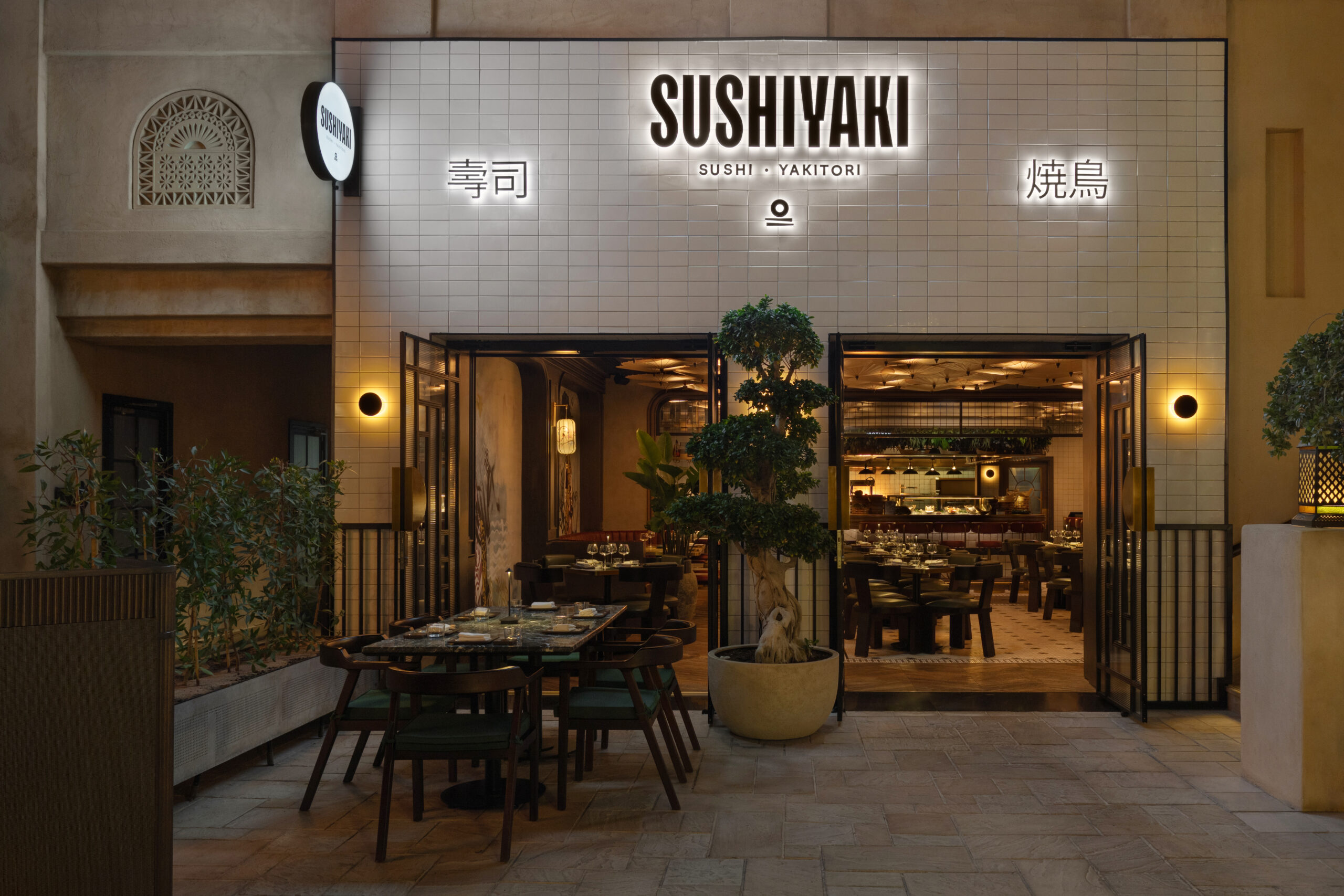
In celebration of International Sushi Day, Sushiyaki Dubai, the contemporary Japanese hotspot nestled in Souk Madinat Jumeirah, is inviting diners to indulge in its specially crafted signature sharing platters. Designed for those who appreciate bold flavors, convivial moments, and the freshest high-quality ingredients, these platters offer a vibrant tour through Japanese culinary favorites.

From meticulously rolled makis to delicate sashimi slices and flame-grilled yakitori skewers, Sushiyaki’s offerings are curated to showcase the best of its menu. Guests can gather and savor these communal experiences throughout the day.

Sushi Day Highlights:

  1. All-Day Sharing Platters:

    • Combo Yakirolls (AED 360): A diverse selection of Sushiyaki’s signature maki rolls.

    • Combo Moriawase (AED 490): The ultimate sushi experience, featuring a chef-curated mix of makis, sashimi, and nigiri.

  2. Lunchtime Specials (Available 12pm – 5pm):

    • Lunch Moriawase (AED 250): A refined midday spread including makis and nigiri.

    • Lunch Yakitori (AED 240): A selection of grilled skewers prepared robata-style.

“International Sushi Day is the perfect occasion to share the essence of our culinary philosophy,” says a representative for Sushiyaki. “Our sharing platters embody the spirit of togetherness and highlight the quality and vibrancy of Japanese cuisine we bring to Dubai.”

About Sushiyaki:
Sushiyaki, the latest venture by Food Fund International (FFI), opened its doors in December 2023 in the heart of Souk Madinat Jumeirah. It aims to redefine Japanese dining by seamlessly blending traditional flavors with cutting-edge innovation. From exquisite sushi to irresistible yakitori, Sushiyaki offers an unparalleled experience in an ambiance of modern elegance – where culinary excellence meets an Eastern state of mind.

About Food Fund International (FFI):
Developed over 14 years ago by Chairman Costa Tomazos, whose F&B journey began in the 1970s in South Africa, FFI is a family-owned business. It has built a global portfolio of home-grown restaurant brands focused on recruiting the best talent to deliver high-quality and inspirational food concepts.

Download images HERE

Plan Your Visit:

  • Address: Souk Madinat Jumeirah, Waterfront, Dubai, UAE

  • Phone: +971 4 451 9170

  • Email: [email protected]

  • Operating Hours: Monday – Sunday, 12:00 PM – 12:00 AM

  • Website: www.sushiyaki.ae

  • Instagram: @sushiyaki.dxb

Celebrate Sushi Day at Sushiyaki Dubai and discover the art of shared Japanese dining.

HEALTH BREAKTHROUGH: Daily 4-Cup Coffee Habit Cuts Alzheimer’s Risk by 27%

A landmark study in The New England Journal of Medicine reveals drinking 4 cups of coffee daily slashes Alzheimer’s risk by 27% in adults over 50. The decade-long Harvard Medical School and National Institute on Aging research tracked 12,000 participants, providing the strongest clinical proof of coffee’s brain-protective effects.

Key Findings

  • Optimal Dose: 4-5 cups/day delivers maximum neuroprotection; no added benefit beyond 6 cups.

  • Active CompoundsChlorogenic acid and trigonelline inhibit Alzheimer’s-linked amyloid plaque formation.

  • Critical Warning: Coffee hotter than 65°C (149°F) increases esophageal cancer risk by 42% (validating WHO’s 2024 advisory).

Science-Backed Tips

Maximize Benefits:

  • Choose unfiltered brews (French press)

  • Select light/medium roast beans

  • Limit added sugar to ≤2 tsp per cup

Important Exceptions:

  • Reduced efficacy for hypertension patients

  • Not recommended for chronic acid reflux sufferers

Global Impact

With Alzheimer’s cases projected to hit 152 million by 2050 (WHO), lead researcher Dr. Elena Rodriguez states:

“This isn’t correlation – it’s an actionable prevention strategy.”

Industry Response

Starbucks and Illy will launch specialty “NeuroProtect” blends (Q3-2025) preserving 90% of key neuroprotective compounds during roasting.

Quick Answers

How much coffee prevents Alzheimer’s?
4 cups daily (≈400mg caffeine) brewed below 65°C.

Does decaf work?
Yes, but with reduced efficacy (18% risk reduction).

Global Coffee Prices Hit All-Time High as Brazil’s Drought Worsens Supply Crisis

Global coffee prices surged to a record $3.45 per pound—the highest since trading began in 1973—as Brazil’s unprecedented drought devastates crops for the second straight year. The crisis has triggered coffee shortages, forced brands to downsize packages, and pushed retail costs up by over 20% in major markets.

Why Are Coffee Prices Rising So Sharply?

  • Brazil’s “Double Drought” Disaster: The Minas Gerais region, which produces 40% of Brazil’s arabica coffee, has seen 40% lower yields due to extreme heat and water shortages (Brazilian Coffee Exporters Council).

  • Vietnam’s Robusta Freeze: Vietnam, the world’s biggest robusta coffee supplier, has halted exports after depleting reserves, worsening the global coffee supply crunch.

  • Climate Chaos Worsens Shortages: El Niño has disrupted harvests in Colombia, Honduras, and Guatemala, where excessive rains and disease have cut output by 10-15%.

How Coffee Shortages Are Affecting Consumers

  • Shrinkflation Hits Coffee Aisles: Major brands like Folgers, Lavazza, and Nestlé are selling 15-20% less coffee per bag while keeping prices the same.

  • U.S. Coffee Prices Jump 22%: Ground coffee now averages $10.99 per pound, up from $8.99 last year (U.S. Bureau of Labor Statistics).

  • Specialty Coffee at Risk: Independent cafes warn of 30-40% higher wholesale costs, forcing price hikes or smaller servings.

Will Coffee Prices Keep Rising? Experts Weigh In

  • “This is not temporary—it’s a new reality.” — Vanusia Nogueira, International Coffee Organization (ICO)

  • Rabobank predicts high coffee prices for 5+ years due to slow farm recovery and climate risks.

  • Starbucks warns investors of “sustained cost pressures” in latest earnings report.

The Bigger Picture: Climate Change & Coffee’s Future

With Brazil’s drought expected to continue through 2026 (World Weather Inc.), analysts say coffee inflation could persist until 2027-2028, when new drought-resistant crops may ease shortages.

Coffee Holding Co. Posts Strong Earnings and Resumes Dividends Despite Market Pressures

In a quarter marked by volatility in global coffee markets, Coffee Holding Co., Inc. (NASDAQ: JVA) has reported strong financial performance for the second quarter of fiscal year 2025. The company achieved a 22% year-over-year revenue increase and returned to profitability, posting earnings of $0.11 per share—up from a slight loss in the same quarter last year.

Despite headwinds such as surging green coffee prices, delayed margin recovery, and contractual losses on a key wholesale account, Coffee Holding maintained a stable gross margin of 19%. The company also succeeded in reducing its selling and administrative expenses, a move that signals improved operational efficiency and potential for sustained margin growth in future quarters.

“Our ability to grow revenue while improving cost efficiency demonstrates the strength of our business model,” said Andrew Gordon, CEO of Coffee Holding Co. “Even with pricing pressures and a challenging macro environment, we’ve positioned ourselves for long-term profitability.”

A key contributor to the company’s growth was the implementation of strategic price adjustments in response to early 2025’s rapid rise in arabica coffee prices, which surged over 25% in just three weeks. Although these increases took time to reflect in financial results, the full impact is now materializing and is expected to support margins moving forward.

Another factor shaping the company’s strategy was speculation in April about potential tariffs on imported coffee. While the market reacted with a sharp price decline, Coffee Holding used the opportunity to expand its inventory at lower prices, gaining cost advantages that are expected to provide a competitive edge in the months ahead.

In addition, the company’s acquisition of Empire Coffee Company—rebranded as Second Empire—is already exceeding expectations. Losses from this unit were halved compared to the previous quarter, and sales have rebounded to pre-decline levels. Coffee Holding now anticipates that the acquisition will become earnings-accretive by the end of the next quarter.

In a milestone decision, the company announced the reinstatement of its annual dividend—33% of net earnings—marking the first dividend issuance in years. The move reflects growing confidence in free cash flow and overall financial stability.

Founded in 1971, Coffee Holding Co. is one of the few vertically integrated coffee companies in the United States, serving retailers and wholesalers through a portfolio of eight proprietary brands and a diversified range of coffee products. The company also imports green coffee from major producing countries, supplying small roasters and specialty cafés across the U.S. and Canada.

As the global coffee industry continues to navigate fluctuating prices, trade policies, and evolving consumer behavior, Coffee Holding Co.’s latest results offer a compelling case of resilience and adaptability—qualities that many industry stakeholders are closely watching.

Coffee Prices Edge Higher After Hitting Fresh Lows Amid Mixed Market Signals

Global coffee prices saw a modest rebound on Friday following new multi-week lows, as traders engaged in pre-weekend short covering while market fundamentals presented a complex mix of bearish and bullish signals.

Market Snapshot

July arabica coffee (KCN25) rose by +1.50 cents (+0.43%) and July robusta coffee (RMN25) gained +34 points (+0.77%), reversing earlier losses. Arabica futures touched a two-week low, while robusta prices dipped to a seven-month low before staging a mild recovery.

Despite Friday’s gains, coffee prices have remained under pressure over the past five weeks due to favorable harvest conditions and expectations of increased output from key producers.

Brazilian Harvest Update

Brazil’s ongoing harvest continues to weigh on prices. According to Cooxupe, the country’s largest coffee cooperative and exporter, 13.7% of the 2025/26 harvest is complete, nearly identical to last year’s 13.6% at this time. Meanwhile, Safras & Mercado reported that 35% of the national harvest is finished as of June 11, including 49% of the robusta crop and 26% of the arabica. Persistent rainfall in arabica-growing regions, particularly in Minas Gerais, has slowed progress. Somar Meteorologia reported 23.4 mm of rain in Minas Gerais during the week ending June 7—207% above the historical average.

Inventory and Export Dynamics

On the inventory front, ICE-monitored arabica stocks stood at 846,291 bags as of Friday, down slightly from a recent 4.25-month high of 892,468 bags recorded on May 27. Robusta inventories fell to a three-week low of 5,184 lots on Thursday, providing limited support for robusta prices.

Meanwhile, export data from Brazil offered a bullish counterpoint. Cecafe reported that green coffee exports in May fell 36% year-over-year to 2.8 million bags, driven by logistical delays and tighter supply.

Vietnam’s Volatile Outlook

Vietnam’s robusta sector remains under stress. The 2023/24 crop dropped 20% due to drought, yielding just 1.472 million metric tons—the lowest in four years. Exports have also declined sharply, with 2024 volumes down 17.1% y/y and January–May 2025 exports falling 1.8% to 813,000 MT. The Vietnam Coffee and Cocoa Association recently cut its 2024/25 production estimate from 28 million to 26.5 million bags. However, USDA projections for 2025/26 forecast a 7% rebound to 30 million bags.

Global Production and Deficit Projections

According to the USDA’s December biannual report, global coffee production in 2024/25 is expected to rise by 4.0% year-over-year to 174.86 million bags, including 97.85 million bags of arabica and 77.01 million of robusta. Despite this increase, global ending stocks are projected to fall by 6.6% to a 25-year low of 20.87 million bags.

Looking further ahead, commodities trader Volcafe anticipates a global arabica deficit of 8.5 million bags in 2025/26—wider than the 5.5 million bag shortfall in 2024/25—marking the fifth consecutive year of global supply shortages.

Conclusion

While near-term market sentiment remains pressured by ample supply and favorable weather in Brazil, structural deficits in arabica and declining robusta output in Vietnam could provide longer-term support. Investors continue to monitor weather patterns, harvest pace, inventory levels, and export flows for signs of volatility in the months ahead.