Victoria Arduino Unveils Innovations and Hosts Coffee Champions at World of Coffee Geneva 2025

From June 26 to 28, Italian espresso machine pioneer Victoria Arduino will take center stage at World of Coffee Geneva 2025, Europe’s premier specialty coffee trade show. The brand invites coffee professionals and enthusiasts to Stand #1739 for a first look at exclusive new products, immersive experiences, and appearances by world-renowned coffee champions.

Innovation and Sustainability in Focus

Victoria Arduino, celebrated for its high-performance equipment and iconic Italian design, is set to reveal two major innovations tailored for the specialty coffee sector. These cutting-edge solutions aim to elevate both extraction quality and the customer experience, with sustainability and aesthetics at their core.

A key highlight will be the debut of the Eagle One Special Edition, a unique espresso machine featuring sustainable fabric elements and a reimagined design. At the Eagle One station, visitors will experience not only exceptional espresso but also the brand’s PureBrew Coffee innovation. This is enabled by the integrated PureBrew+ single brewer and specialty beans sourced from top-tier international roasters.

Meet the Champions

The Victoria Arduino booth will also be a meeting point for global coffee talent. Visitors will have the opportunity to meet Mikael Jasin, the 2024 World Barista Champion, and Michael Portanniers, the 2025 World Coffee Roasting Champion. In addition, partner roasters will be on hand to brew and share their finest selections throughout the event.

The Listening Booth: A Quiet Revolution in Coffee Culture

Breaking away from the typical exhibition hustle, Victoria Arduino introduces The Listening Booth, a calm and intimate sensory space designed in collaboration with Coffee Foundation — an organisation that supports mental well-being through the culture of coffee and community.

Hosted every afternoon at Stand #1739, this experience invites visitors to slow down and reconnect with coffee through mindful moments. Enjoy espresso and cold brew cocktails in a tranquil setting enhanced by curated ambient music and a live vinyl DJ set. It’s an invitation to embrace coffee with presence and intentionality.

Also on Display at Stand #1739

  • Eagle Tempo – A high-productivity espresso machine that blends performance with timeless design.

  • E1 Prima PRO – A compact, single-group machine offering professional-grade results with customizable style.

  • Mythos Grinder Range – Including the Mythos MY75, the official grinder of the World Barista Championship, known for consistency and precision.

Connect with Victoria Arduino

To stay updated on product launches, champion appearances, and behind-the-scenes moments from Geneva, follow @victoriaarduinoofficial on Instagram.
Nescafé Surpasses 2025 Regenerative Agriculture Goal One Year Ahead of Schedule

Nescafé, Nestlé’s leading coffee brand, announced that it sourced 32% of its coffee in 2024 from farmers implementing regenerative agriculture practices—exceeding its 2025 goal of 20%.

The achievement is part of the company’s long-term sustainability roadmap, the “Nescafé Plan 2030,” launched in 2022 to support farmers transitioning to environmentally friendly methods that boost productivity, lower costs, and reduce greenhouse gas emissions. According to Nestlé’s June 12, 2025 statement, these practices helped reduce emissions by 20% to 40% per kilogram of green coffee beans in 2024.

The company now aims to source 50% of its coffee from regenerative agriculture by 2030, as part of broader efforts to cut its overall carbon footprint.

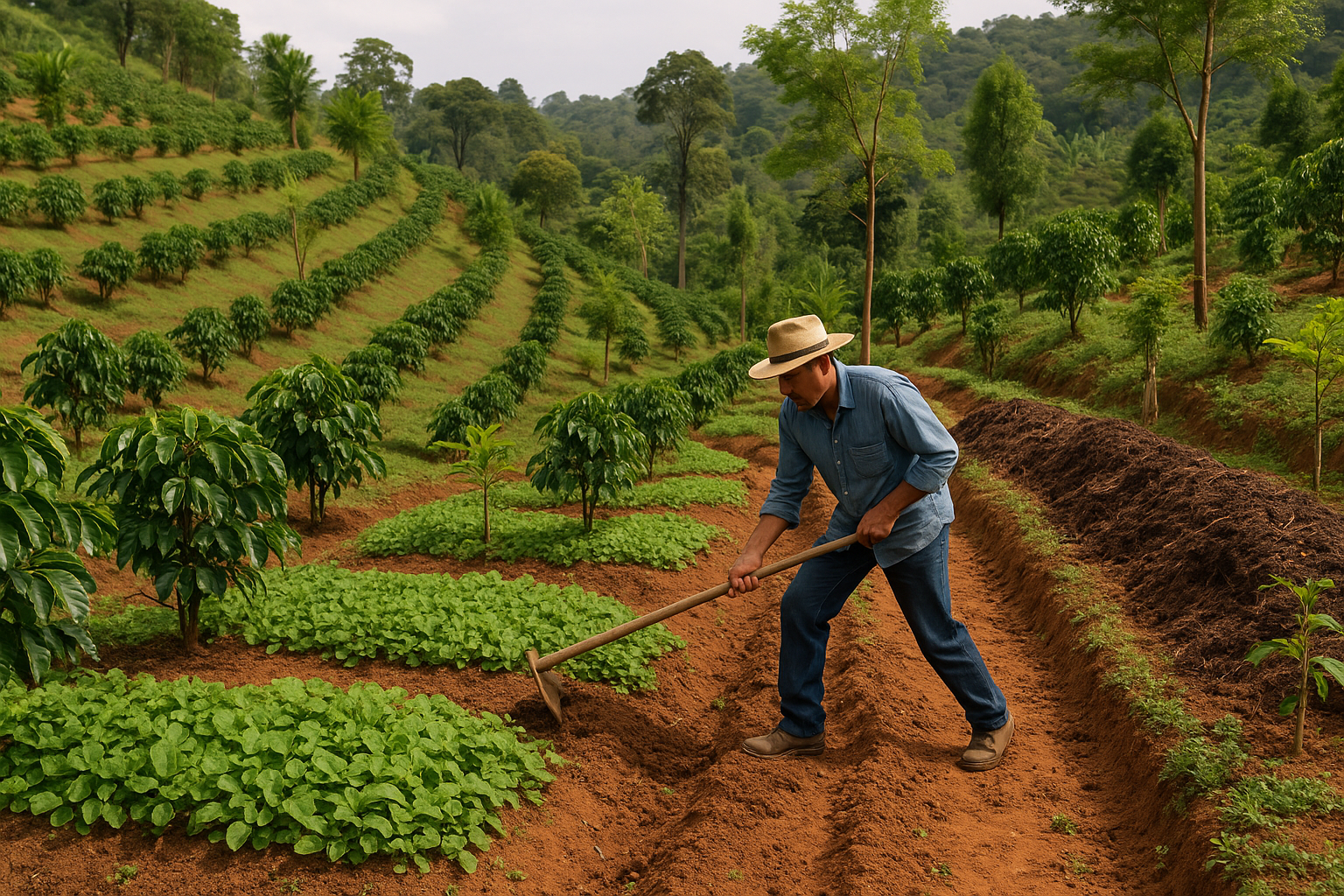
Regenerative practices promoted by the program include optimizing fertilizer use to improve soil health and reduce carbon emissions, planting cover crops to boost biodiversity and minimize agrochemical reliance, and restoring farmland through native tree planting to enhance carbon capture and water management.

Nescafé emphasized that the program not only supports climate goals but also improves farmer livelihoods and strengthens communities. Social initiatives such as child protection and human rights monitoring are integral parts of the brand’s supply chain responsibility.

Coffee remains one of the world’s most widely traded agricultural commodities. However, climate change poses a growing threat to its future. A study by the Carbon Disclosure Project (CDP) warns that by 2050, up to 97% of currently viable coffee-growing land in key regions may become unsuitable. The bulk of coffee’s carbon footprint—estimated at 75% to 91%—originates before the beans leave the farm, driven by land use, deforestation, fertilizer application, and processing methods.

“Farmers are becoming increasingly aware of the benefits of these regenerative practices, as shown by the rising adoption rates,” said Axel Touzet, Head of Nestlé’s Coffee Strategic Business Unit. “This motivates us to continue working with our partners, suppliers, and farmers in our sourcing regions.”

Travel the World With Starbucks: New Content Creator Role Offers Up to $136,000 Salary

Starbucks is inviting coffee enthusiasts to apply for a new, globe-trotting position focused on storytelling, travel, and digital content—offering a salary of up to $136,000 per year.

The company is currently looking for two individuals—one current employee and one external applicant—to become what it calls “Global Coffee Creators.” These creators will spend a year visiting selected Starbucks locations worldwide, documenting the brand’s culture, coffee origins, and customer experiences through engaging social media content.

Why This Role Stands Out

As social media continues to shape consumer behavior, brands are investing more in influencer-style marketing. The global influencer industry, valued at over $32 billion in 2025, shows no signs of slowing down. Starbucks’ latest move aligns with this trend, targeting content-savvy individuals who can blend creativity with a love for coffee.

Position Highlights

The one-year contract offers a competitive annual salary ranging from $80,100 to $136,000. Although the job is remote, frequent international travel is a core requirement. Chosen candidates will be expected to visit at least 10 Starbucks destinations around the globe, capturing the local vibe, people, and unique stories behind each store.

According to the company, applicants must:

  • Be 18 years or older

  • Live in the United States

  • Have a valid passport

  • Hold a high school diploma or equivalent

  • Demonstrate strong skills in video creation, editing, and social media engagement

How to Apply

Interested individuals must submit a TikTok video using the hashtag #StarbucksGlobalCoffeeCreator, offering their personal perspective and showcasing their storytelling abilities. The application window is open until June 14, 2025, and selected candidates will begin their journey in August 2025.

Company Outlook

The announcement comes as Starbucks undergoes broader organizational changes. Earlier this year, the company restructured parts of its corporate workforce and introduced updates to employee uniforms, aiming to streamline operations and strengthen brand identity.

Looking Ahead

This creative role is part of Starbucks’ wider push to engage with younger, digitally connected audiences. The selected Global Coffee Creators will not only promote the brand but also serve as storytellers for its international community.

Global Coffee Prices Under Pressure as Brazil’s Harvest Gains Momentum

Coffee prices continued their downward trajectory this week as increased harvest activity in Brazil and shifting global dynamics applied pressure to both arabica and robusta futures. On Wednesday, July arabica coffee (KCN25) closed down by 4.40 cents (-1.24%), while July ICE robusta coffee (RMN25) dropped by $17 (-0.39%), with robusta hitting a one-week low.

The main driver of this price decline was the advancing coffee harvest in Brazil. Cooxupe, Brazil’s and the world’s largest coffee cooperative, announced that 13.7% of its members’ harvest was complete as of June 4—slightly ahead of last year’s 13.6% and above the five-year average of 27% for this point in the season, according to Safras & Mercado. This rapid harvest pace is increasing supply expectations in the market, adding downward pressure on prices.

Recent rainfall in Brazil’s main arabica-growing state of Minas Gerais further contributed to bearish sentiment. Somar Meteorologia reported that the region received 23.4 mm of rain in the week ending June 7—207% above the historical average. While good for crop development, the improved weather reduces fears of drought and raises the potential for higher output.

Coffee futures had already seen significant losses on Tuesday, with arabica down 6.50 cents (-1.80%) and robusta down $113 (-2.50%). Though prices initially rose due to the strength of the Brazilian real, which discourages export selling, market sentiment quickly turned bearish under the weight of supply news.

Production Expectations Fuel Market Volatility

The USDA’s Foreign Agricultural Service (FAS) forecasted in May that Brazil’s 2025/26 coffee production would rise 0.5% year-over-year (y/y) to 65 million bags, while Vietnam—global leader in robusta—is expected to increase its output by 6.9% to 31 million bags. Additional upward revisions include Safras & Mercado’s adjustment of Brazil’s crop forecast from 62.45 to 65.51 million bags, and Conab’s updated estimate of 55.7 million bags for 2025, up from 51.81 million in January.

ICE-monitored coffee inventories also reflect this supply-heavy environment. Arabica inventories reached a 4.25-month high of 892,468 bags by May 27, while robusta inventories hit an 8.75-month high of 5,438 lots by May 30—both figures suggesting oversupply and weakening price support.

Demand-Side Challenges and Trade Barriers

Compounding these supply factors are concerns about weakening global demand. Companies such as Starbucks, Hershey, and Mondelez have warned that the U.S.’s baseline 10% tariff on imports could raise costs and reduce consumption volumes. This has added a bearish tone to the market outlook.

Nevertheless, some elements are offering mild support to prices. Brazil’s green coffee exports in May fell by 36% y/y to 2.8 million bags, according to Cecafe, indicating that lower export volumes could tighten supply in global markets in the short term.

Vietnam’s Volatile Output and Mixed Forecasts

In the robusta segment, Vietnam remains a key player. The country’s coffee production for the 2023/24 season fell 20% to 1.472 million metric tons (MMT) due to drought—the lowest level in four years. Export data mirrors this downturn: Vietnam’s 2024 exports fell 17.1% y/y to 1.35 MMT, and exports for January–May 2025 are down 1.8% y/y.

Yet, looking ahead, the USDA projects a rebound. Vietnam’s 2025/26 crop is expected to climb 7% y/y to 30 million bags—marking a four-year high. Still, the Vietnam Coffee and Cocoa Association had earlier revised its 2024/25 estimate down to 26.5 million bags from 28 million, reflecting persistent weather-related concerns.

USDA and Volcafe Offer Conflicting Outlooks

The USDA’s December biannual report paints a complex picture. It forecasts global coffee production in 2024/25 to rise by 4% to 174.855 million bags. Arabica output is expected to increase by 1.5% to 97.845 million bags, and robusta by 7.5% to 77.01 million bags. Despite this, ending stocks are forecasted to drop 6.6% to 20.867 million bags—a 25-year low—suggesting that demand may still outpace supply in the long run.

Meanwhile, Volcafe’s analysis warns of deepening deficits. The Swiss coffee trader cut its Brazil 2025/26 arabica output forecast to 34.4 million bags after a drought-impact survey, down 11 million from a previous estimate. It now predicts a global arabica coffee deficit of 8.5 million bags—wider than the 5.5 million bag shortfall of 2024/25 and marking the fifth consecutive year of deficits.

Conclusion

Global coffee markets remain highly sensitive to harvest updates, weather developments, and shifting economic policies. While robust harvests and rising inventories are pressuring prices in the short term, long-term structural concerns—such as climate volatility, declining exports, and future deficits—continue to shape a complex and unpredictable landscape for both producers and traders.

Rwanda Teams Up with China’s Cotti Coffee to Boost Coffee Exports and Revive Sector

Rwanda is taking bold steps to revive its struggling coffee industry by forging a strategic partnership with China’s fast-growing coffee chain, Cotti Coffee International. A Memorandum of Understanding (MoU) was officially signed on June 6 between Rwanda’s Ministry of Agriculture and Cotti Coffee, marking a significant milestone in the country’s efforts to reassert itself in the global coffee market.

As part of the agreement, both parties will collaborate to establish a Sino-Rwandan International Coffee Demonstration Park in Kigali. The facility will serve as a comprehensive hub for coffee innovation, featuring a smart farming demonstration zone, a processing center, and an international coffee trading space. This initiative is expected to enhance Rwanda’s coffee value chain through technology transfer, skills development, and improved global branding.

In a move to further promote Rwandan coffee culture, Cotti Coffee has also committed to co-organizing the Global Rwanda Coffee Cultural Festival annually, bringing together producers, roasters, and coffee lovers from around the world to celebrate and elevate the country’s coffee heritage.

The partnership comes at a time when Rwanda’s coffee industry has been grappling with declining output and exports. According to the National Agriculture Export Development Board (NAEB), coffee production dropped from 20,459 tons in 2019/2020 to 17,038 tons in 2023/2024, reflecting a 4.47% annual decrease. Export volumes also fell by an average of 4.39% each year over the same period, reaching 16,479 tons last year.

Cotti Coffee, founded in 2022, has quickly emerged as a dominant player in the global coffee landscape. The company currently operates more than 14,000 stores across 28 countries, making it a significant force in the international café market. Its expansion into Rwanda signals growing interest from Chinese investors in African specialty coffee and aligns with Beijing’s broader engagement in African agribusiness.

This agreement also supports Rwanda’s continental ambitions. At the 3rd G25 Coffee Summit in Dar es Salaam, African nations, including Rwanda, committed to increasing the continent’s share of global coffee production from 11% to 20% by 2030. The partnership with Cotti Coffee is viewed as a tangible step toward achieving that goal by attracting investment, fostering innovation, and promoting sustainable growth.

With this new alliance, Rwanda is not only seeking to recover lost ground in coffee exports but also aiming to reposition itself as a center of excellence in coffee production on the African continent and beyond.

How Drying Shapes Coffee Quality: The Hidden Art Behind Every Cup

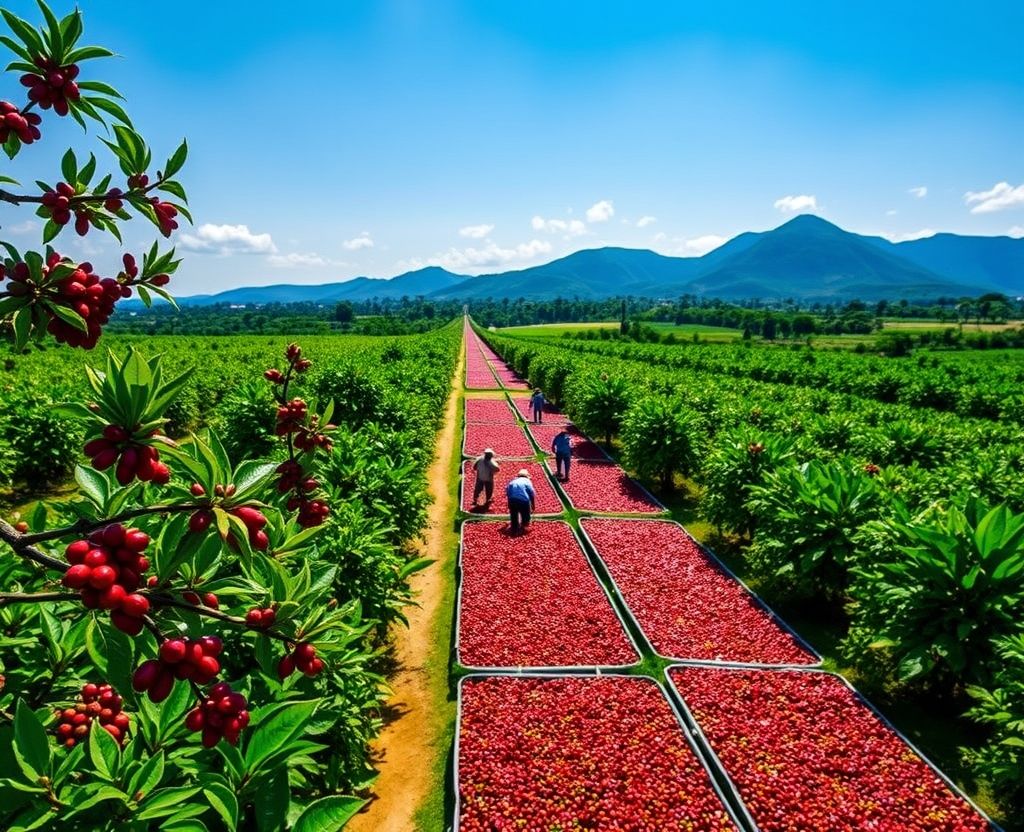
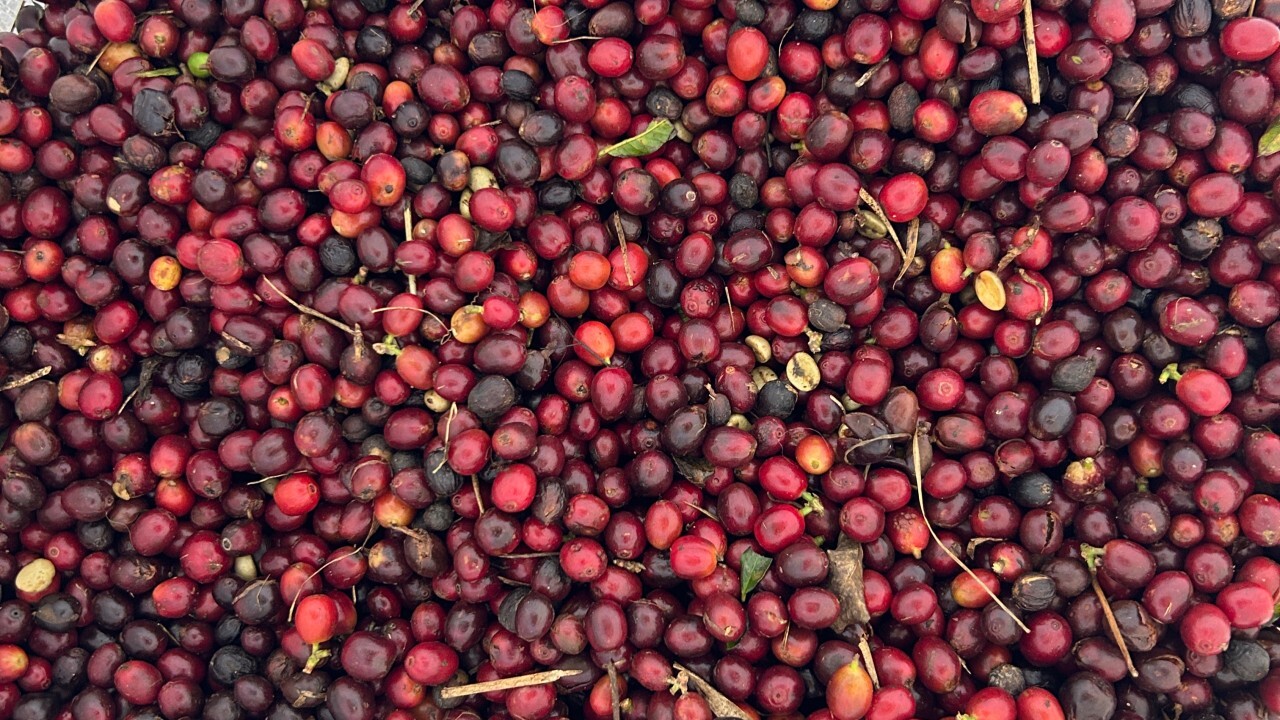
Coffee drying is a crucial part of post-harvest processing. After harvesting, coffee cherries contain a high moisture content—typically 50–60%. This must be reduced to a safe storage level of around 10–12% to prevent mold, bacterial growth, and premature spoilage. But drying does more than just reduce water—it preserves the cellular and chemical structure of the bean, allowing roasters to unlock its full sensory potential.

Improper drying leads to:
– Uneven roasting due to moisture inconsistency
– Loss of volatile aromatic compounds
– Increased risk of “quakers” (undeveloped beans)
– Shorter shelf life
– Muted or imbalanced cup profiles

Drying, therefore, plays a key role in green coffee stability, flavor development, and overall cup quality.

The Four Phases of Coffee Drying Explained

1. Initial Surface Drying

Immediately after depulping or washing (in washed and honey processes), beans are spread in thin layers under the sun to allow surface moisture to evaporate quickly. This phase is crucial to avoid fermentation-related defects.

Optimal Tools: Concrete patios, African beds, solar dryers
Ideal Conditions: Dry, sunny weather with moderate airflow
Duration: 1–2 days depending on climate and method

2. Gradual Internal Drying

Once surface moisture is removed, the beans are heaped into thicker layers. Turning becomes essential to ensure uniformity. Here, solar radiation must be controlled to avoid excessive temperatures above 40°C, which can kill living cells within the beans and lead to uneven drying.

Turning Schedule: Every 30–60 minutes during peak heat
Moisture Target: 20–16%
Risk: Beans become increasingly sensitive to heat and microbial imbalance

3. Resting or Stabilization

At around 16–17% moisture, coffee is rested—either in shaded heaps or designated storage areas. This resting stage is critical for internal moisture redistribution, allowing the entire batch to stabilize before final drying.

Scientific Insight: Research by Professor Flávio Borém shows that resting enhances uniformity and influences the formation of volatile aromatic compounds, especially in natural and honey-processed coffees.

Sensory Benefit: Reduces “green” or herbal notes often associated with excess moisture

4. Final Drying Phase

This is the slowest and most delicate part of the process. Beans are again spread thinly and dried slowly to reach a safe moisture content (10–12%). Methods like the “volcano” drying technique—where beans are mounded like a cone and carefully turned—help minimize sun exposure while allowing air circulation.

Best Practice: Dry under mild temperatures (<35°C)
Post-drying Rest: 15–30 days in storage to allow moisture equilibration

How Drying Affects Roasting and Cup Quality

Uniformly dried coffee beans roast evenly. Uneven drying, by contrast, causes some beans to roast faster than others—leading to underdeveloped flavors, bitterness, or even burnt notes.

Two moisture distribution profiles illustrate this clearly:
– Wide Spread: Same average moisture, but includes over-dried and under-dried beans. Results in inconsistent roasting.
– Narrow Spread: Uniform moisture content across the batch. Ensures even heat transfer and flavor clarity.

Key Insight: Single moisture readings can be misleading. Understanding the distribution is essential for quality control.

From Drying to Roasting: A Continuum of Quality

Dionathan emphasizes that post-harvest processes and roasting are inseparable. At Aracaçu and Caxambu farms, drying is treated not just as a technical task but as a craft rooted in care. Coffees rest for at least 20 days after drying—not only to stabilize but to pay respect to the bean’s life cycle.

This respectful approach leads to:
– Better flavor development
– Longer green coffee shelf life
– Higher scoring lots
– More transparency and traceability

Natural vs. Washed Coffee: Drying Makes the Difference

Drying methods differ by processing style:
– Natural Coffees: Dried with fruit skin intact, allowing fermentation to enhance sweetness and complexity
– Washed Coffees: Pulped and cleaned before drying, typically brighter and more acidic in profile
– Honey Processed: Partial mucilage retention, offering a balance of body and acidity

Each method requires its own drying curve and monitoring strategy. Understanding these differences is key to producing consistent, high-quality lots.

The Role of Infrastructure: Patios, Beds, and Climate

The drying environment—whether brick patios, raised beds, greenhouses, or mechanical dryers—directly impacts the rate and uniformity of drying. Microclimates, altitude, and air circulation all play a role.

Altitude Advantage: Higher altitudes with cooler temperatures enable slower, more controlled drying—ideal for premium specialty coffees.

Raised Beds: Promote airflow from above and below, reducing microbial buildup

Concrete vs. Brick Patios: Each retains heat differently, influencing drying speed and bean exposure

Final Thoughts: Drying as the Hidden Hero

Drying is not just a post-harvest step—it is a bridge between farming and roasting. It determines whether a coffee reaches its full potential or falls short. Understanding the science and philosophy behind drying helps producers, roasters, and buyers align expectations and improve outcomes.


China’s Coffee Giants Expand to the U.S. with Manhattan Launch: Can Luckin and Cotti Compete with Starbucks?

Summary: Luckin Coffee and Cotti Coffee — two of China’s fastest-growing coffee chains — are entering the U.S. market, starting with stores in Manhattan and Brooklyn. As they challenge established brands like Starbucks, analysts weigh in on whether their low-price, high-tech strategy can succeed in the world’s most competitive coffee market.

Why Are Chinese Coffee Chains Expanding to the U.S.?

China’s leading coffee brands, Luckin Coffee and Cotti Coffee, are launching in the U.S. as part of an aggressive international expansion strategy. Luckin will open its first American branch in Lower Manhattan, while Cotti has already launched outlets in Brooklyn and Manhattan.

This move is driven by saturation and fierce competition in the Chinese market, prompting these brands to explore overseas growth opportunities — particularly in urban U.S. centers.

“New York is culturally the best testing ground for a Chinese brand expanding internationally,” said Danilo Gargiulo, Senior Analyst at Bernstein.

Can Luckin Coffee Succeed in the U.S.?

1. Brand Background

Luckin Coffee is China’s largest coffee chain, with more than twice as many outlets as Starbucks in the country. It regained public trust after a 2020 Nasdaq delisting due to accounting fraud, thanks to steep discounts and viral product innovation.

2. Innovative Products

Luckin is known for its alcohol-infused latte with Moutai, which sold 5.4 million cups on launch day and generated over $13.7 million in sales. In 2024 alone, the brand launched 119 new menu items, blending coffee with flavors inspired by Chinese cuisine and bubble tea.

3. Technology-Driven Operations

In China, Luckin operates with a tech-first model, allowing customers to order and receive delivery via WeChat, streamlining the process and reducing the need for large storefronts. The company also owns roasting and supply chain operations to lower costs.

What Is Cotti Coffee and How Is It Competing?

Cotti Coffee was launched in 2022 by former Luckin executives. It has quickly expanded across Southeast Asia, the Middle East (including Dubai), and the U.S..

In New York, Cotti offers $0.99 drinks for first-time customers using its app, reflecting the same aggressive pricing strategy that fueled its domestic growth.

What Challenges Do Luckin and Cotti Face in the U.S.?

  • High labor and operational costs in cities like New York

  • Tariffs on Chinese businesses that may impact supply chain savings

  • Need for local payment methods and customization

  • Consumer perception of Chinese brands, particularly among older generations

“There’s a long list of things that could potentially drive the price up,” said Allison Malmsten, China Strategy Director at Daxue Consulting.

How Do These Chains Compare to Starbucks in the U.S.?

  • Pricing: Luckin and Cotti are expected to remain cheaper than Starbucks, but not as dramatically as in China.

  • Experience: Instead of traditional coffeehouse ambiance, the Chinese chains emphasize convenience, speed, and value.

  • Product Offerings: They bring innovative, culturally specific flavors that may appeal to Gen Z and younger millennial audiences.

Starbucks recently responded by cutting drink prices in China by an average of $0.70, signaling how seriously it takes the growing competition.

Will Chinese Coffee Brands Thrive in the U.S. Market?

The success of HeyTea, a Chinese bubble tea brand that entered the U.S. in 2023 and expanded to Boston, Seattle, and LA, indicates potential demand for innovative Asian beverage brands. However, analysts caution that success depends on whether Luckin and Cotti can become part of Americans’ daily routines, rather than being seen as novelty or tourist stops.

“If it’s just an exotic experience, it won’t integrate into the daily coffee habit,” Gargiulo noted.

Key Takeaways

  • Luckin Coffee is opening its first U.S. store in Lower Manhattan.

  • Cotti Coffee has already launched in Manhattan and Brooklyn.

  • Both brands offer tech-enabled service and unique flavors at lower prices.

  • Challenges include high U.S. costs, tariffs, and brand perception.

  • Success depends on long-term consumer adoption, not just curiosity.

Nestlé Develops New Freeze-Drying Technology to Eliminate Clumping in Cold Coffee

As global demand for cold coffee continues to rise, Nestlé has introduced an innovative freeze-drying process that significantly improves the solubility of instant coffee in cold liquids, solving one of the biggest challenges in the cold coffee segment: clumping.

This breakthrough comes as the global iced coffee market surges toward an estimated value of $16.8 billion by 2033, up from $9.8 billion in 2025, according to market research data. In the U.S. alone, 42% of consumers reported drinking cold coffee at least once a week in 2023—up from 30% in 2020—highlighting a major shift in consumer preferences.

What is Nestlé’s new cold coffee freeze-drying innovation?

Nestlé’s R&D team at the Nescafé Product Technology Center in Orbe, Switzerland, adapted traditional freeze-drying (lyophilization) methods—commonly used for hot instant coffee—to suit cold applications. The modified process involves brewing coffee, freezing it at –40°C, and using sublimation in a vacuum chamber to remove moisture without damaging flavor or aroma.

While conventional freeze-drying creates premium-quality coffee for hot use, it struggles with clumping and uneven taste in cold liquids. Nestlé’s optimized version solves this by:

  • Enhancing solubility in cold water

  • Preserving flavor profile consistency

  • Creating a smoother drinking experience

“Consumers of cold coffee expect great taste and convenience. This innovation allows us to deliver both,” said Siobhan Gaudino, Head of R&D for Coffee at Nestlé.

The improved process was first introduced in Japan in 2023 with the launch of Nescafé Iced Blend, marking a major milestone in Nestlé’s cold coffee strategy.

Why is this innovation important for the cold coffee market?

Cold coffee is one of the fastest-growing beverage segments globally. Consumers—especially younger generations—are looking for versatility, texture, and café-style experiences at home.

Nestlé’s innovation addresses several market needs:

  • Improved solubility for instant iced coffee

  • Scalability for business-to-business use

  • Compatibility with emerging trends in health, texture, and flavor customization

How does Nestlé ensure cold coffee quality?

Nestlé uses a bean-to-blend approach, optimizing every stage of coffee development:

  • Bean selection: High-yield varieties bred for climate resilience

  • Roasting & brewing: Tailored profiles from fruity blondes to smoky dark roasts

  • Freeze-drying enhancements: Customized for cold solubility and foam creation

  • Aroma protection: Proprietary steam treatments to preserve freshness

The company also focuses on sensory science, using consumer testing and quality assurance to ensure consistency across instant mixes, capsules, and ready-to-drink formats.

New product launches reflect growing consumer demand

To capture growing market share, Nestlé is expanding its cold coffee product lines, including:

  • Starbucks Crema Collection: Delivers a rich foam layer (crema) in instant coffee

  • Nespresso Boost range: High-caffeine blends (200 mg per cup) for health-conscious users

  • Nescafé Espresso Concentrate: A liquid base for barista-style iced coffee at home

Launched recently in Australia and China, the espresso concentrate allows consumers to create personalized cold coffee beverages and is one of Nestlé’s top six global innovation initiatives.

Key Takeaways :

  • What did Nestlé develop? A new freeze-drying method that prevents clumping in cold coffee.

  • Why is it important? It improves taste and solubility, addressing a major challenge in the iced coffee segment.

  • When was it launched? First released in Japan in 2023 with Nescafé Iced Blend.

  • How does it work? Through an optimized freeze-drying process that adapts to cold applications.

  • What’s next? Global expansion of cold coffee innovations, including espresso concentrates and functional blends.

Cold Coffee Market Forecast:

  • Global value in 2025: $9.8 billion

  • Expected value by 2033: $16.8 billion

  • U.S. cold coffee drinkers in 2023: 42% of the population

Coffee Grounds Can Strengthen Concrete by 30%: Australian Researchers Unlock Sustainable Building Breakthrough

In a groundbreaking discovery that could revolutionize both waste management and construction, Australian scientists have found that used coffee grounds can be transformed into an eco-friendly additive that strengthens concrete by up to 30%. The innovation, led by researchers at RMIT University, presents a dual solution to two global challenges: the management of organic waste and the environmental impact of the construction sector.

What Did Scientists Discover About Coffee Grounds?

The RMIT University research team revealed that coffee grounds, when subjected to a process called pyrolysis (heating in the absence of oxygen at over 350°C), produce a carbon-rich biochar. When this biochar is added to concrete, it improves its compressive strength by nearly a third — a surprising and highly beneficial outcome for the building industry.

The study, published in the Journal of Cleaner Production, marks the first time coffee waste has been scientifically proven to enhance concrete performance on this scale.

Why Is This Important?

Globally, over 10 billion kilograms of spent coffee grounds are discarded every year, most of it ending up in landfills. This contributes to methane and CO₂ emissions, accelerating climate change. At the same time, concrete production relies heavily on natural sand, the extraction of which is causing severe environmental degradation in riverbeds and coastal regions.

This innovation addresses both issues by:

  • Reducing coffee waste sent to landfills,

  • Replacing natural sand in concrete mixes, and

  • Enhancing the structural strength of concrete.

How Coffee Grounds Help Reduce Environmental Impact

According to Dr. Rajeev Roychand, lead researcher at RMIT, “Disposing of organic waste releases large volumes of greenhouse gases. Our work offers a circular approach that transforms this waste into a high-performance material.”

The solution supports two industries simultaneously:

Sector Challenge Solution
Coffee Industry Organic waste and landfill emissions Turn grounds into biochar for concrete
Construction Industry Overuse of natural sand and emissions Use biochar as an alternative strengthening additive

Dr. Jie Li, co-author of the study, highlighted the environmental cost of over-extracting sand: “The continued depletion of natural resources is unsustainable. Biochar helps reduce this pressure and contributes to green construction practices.”

Will Coffee-Based Concrete Be Used Widely?

Although promising, the research is still in its early stages. The RMIT team is now conducting long-term testing to evaluate:

  • Durability under various conditions (e.g., freeze-thaw cycles),

  • Water absorption and wear resistance, and

  • Applicability of other organic wastes in biochar production.

Engineer Shannon Kilmartin-Lynch noted: “We’re exploring how this technology can be scaled and adapted. Our early results show real potential to divert waste and strengthen infrastructure.”

A Step Toward Sustainable Cities

The findings also support Indigenous Australian principles of “Caring for Country,” which emphasize sustainability and the respectful use of natural resources. This innovation is not only a technical advancement but also a cultural alignment with practices that value regenerative, environmentally responsible development.

Key Takeaway

Can coffee grounds be used in concrete?
Yes. Australian researchers have proven that processed coffee waste (via pyrolysis) can improve concrete strength by up to 30% while reducing the environmental burden of organic waste and natural sand usage.

Coffee Prices Rebound as Brazilian Real Strengthens

Coffee prices recovered from early losses on Monday, buoyed by gains in the Brazilian real, which reached an eight-month high against the U.S. dollar. The stronger real discouraged export selling by Brazilian producers, lending support to global coffee markets.

As of midday trading, July arabica futures (KCN25) rose by 0.89% to +3.20 cents, while July robusta futures (RMN25) climbed 1.58% to +$70.

Earlier in the day, prices were under pressure following weather updates from Brazil. Meteorological agency Somar reported that the state of Minas Gerais, the country’s top arabica-producing region, received 23.4 mm of rainfall during the week ending June 7 — a significant 207% of the seasonal average. This alleviated some concerns about drought-related crop damage.

Adding further weight to the market, Brazil’s 2025/26 coffee harvest is progressing steadily. As of June 4, it was 28% complete, slightly above the five-year average of 27%, according to data from Safras & Mercado.

Despite today’s rebound, coffee prices have been under pressure in recent weeks. Arabica fell to a two-month low last Tuesday, while robusta dropped to its lowest level in over seven months. The declines followed USDA forecasts from May 19, which projected increased production for both Brazil and Vietnam — the world’s top arabica and robusta producers, respectively. Brazil’s output is expected to rise 0.5% year-over-year to 65 million bags, while Vietnam’s is projected to jump 6.9% to 31 million bags.

Inventory data has also weighed on prices. ICE-monitored robusta stocks rose to an 8.75-month high of 5,438 lots as of May 30. Arabica inventories climbed to a 4.25-month high of 892,468 bags on May 27.

On the supply side, production estimates continue to trend upward. On May 9, the USDA forecasted a 5.1% increase in Honduras’ 2025/26 output to 5.8 million bags. Safras & Mercado revised its estimate for Brazil’s crop upward to 65.51 million bags, from a previous 62.45 million. Conab, Brazil’s official crop forecasting agency, also raised its outlook to 55.7 million bags, up from January’s 51.81 million.

However, bullish factors persist. Brazil’s coffee exports have declined, providing some support for prices. Cecafe reported that April green coffee exports fell 28% year-over-year to 3.05 million bags, while total exports from January through April dropped 15.5% to 13.19 million bags.

Robusta prices are also finding support amid reduced output in Vietnam. The country’s 2023/24 crop fell 20% to 1.472 million metric tons (MMT), the smallest harvest in four years. According to the General Statistics Office, 2024 exports were down 17.1% year-over-year to 1.35 MMT. Between January and May 2025, exports declined 1.8% to 813,000 MT. In March, the Vietnam Coffee and Cocoa Association lowered its 2024/25 forecast to 26.5 million bags from a prior estimate of 28 million. Nonetheless, the USDA projects a rebound, forecasting 2025/26 output at 30 million bags — a four-year high.

Globally, the USDA’s December 18 biannual report predicted that world coffee production in 2024/25 would rise by 4% to 174.86 million bags. Arabica output is expected to increase by 1.5% to 97.85 million bags, while robusta is set to grow 7.5% to 77.01 million bags. Despite the production boost, ending stocks are forecasted to fall 6.6% to a 25-year low of 20.87 million bags.

In Brazil specifically, the USDA’s November 22 estimate for 2024/25 coffee production stands at 66.4 million bags, lower than the previous 69.9 million. Ending stocks are projected at just 1.2 million bags — a 26% year-over-year decline.

Looking ahead to the 2025/26 season, coffee trader Volcafe has revised its Brazilian arabica production estimate down to 34.4 million bags, citing the effects of prolonged drought. This is a reduction of 11 million bags compared to its earlier forecast. Volcafe also projects a global arabica deficit of 8.5 million bags for 2025/26, up from the 5.5 million bag shortfall expected in 2024/25 — marking the fifth consecutive year of supply deficits.

Starbucks Cuts Prices in China Amid Intensifying Competition

Starbucks announced on Monday that it will lower prices on several of its iced beverages in China by an average of 5 yuan ($0.70), in an effort to offer more affordable options as competition in the country’s coffee market continues to intensify.

In a statement on its official Weixin (WeChat) account, the U.S. coffee chain said the new pricing strategy—effective Tuesday—will apply to dozens of beverages, including non-coffee drinks and Frappuccinos. Some drinks will now be available for as low as 23 yuan.

China is Starbucks’ second-largest market after the United States. However, the country’s coffee sector has become increasingly competitive, particularly as domestic brands such as Luckin Coffee and Cotti aggressively undercut prices, offering beverages for as little as 8.8 yuan—or even 2.9 yuan with promotional vouchers. Meanwhile, major tech companies like JD.com and Alibaba have expanded into the food delivery space, further crowding the market.

Despite the price reduction, a source familiar with Starbucks’ strategy said the company is not reacting to the pricing war but is instead aiming to boost traffic during typically slower afternoon hours. “Starbucks likely has a longer-term strategy focused on non-coffee demand in the afternoons,” the source said, requesting anonymity as they were not authorized to speak publicly.

Starbucks has previously stated that it would not participate in a price war. Nevertheless, the company has rolled out smaller-sized drinks and digital coupons that effectively reduce costs for customers. The move to lower prices comes as the company explores other ways to revive its China business, including the potential sale of stakes.

The decision also reflects broader consumer behavior in China, where economic uncertainties and job security concerns are driving more cautious spending.

Exchange rate: $1 = 7.1870 Chinese yuan

The Molecules Between Worlds: How Sugars and Acids Travel Through Coffee Beans

By Dr. Steffen Schwarz | Coffee Consulate – Applied Coffee Science


Deep within Colombia’s lush coffee-growing regions—where humid air mingles with volcanic soil and the aroma of ripe coffee cherries—an invisible transformation unfolds inside each bean. It’s not just fermentation shaping the taste of your morning brew; it’s a microscopic migration of acids and sugars that redefines our understanding of flavor development in coffee.

Recent research led by scientists at Cenicafé and the University of Caldas has uncovered a crucial mechanism behind coffee’s flavor complexity: the diffusion of organic compounds from the mucilage (a sticky, sugar-rich layer surrounding the bean) into the bean’s endosperm during fermentation. This process goes far beyond surface interaction—it’s a journey of molecules, altering the coffee from the inside out.

The study focused on the Castillo variety of Coffea arabica grown in Chinchiná, in the Colombian Andes. Researchers exposed cherries at three stages of ripeness to extended fermentation under tightly controlled conditions. Using advanced carbon isotope tracing, they monitored how compounds such as citric, malic, quinic, tartaric, acetic, and lactic acids—along with sugars like glucose, fructose, and sucrose—moved from the mucilage into the beans.

The findings were striking. While citric, malic, and quinic acids remained relatively stable within the bean, the levels of tartaric and acetic acids increased significantly with time. This confirmed that these acids weren’t just produced externally—they diffused into the bean during fermentation.

This reveals a critical but often overlooked mechanism in coffee processing: mass transfer by diffusion. Unlike mixing or stirring, this is a silent chemical process, occurring under solid-state fermentation conditions—without agitation, without convection, but driven by gradients in chemical potential.

Understanding this migration could transform how producers manage fermentation. For instance, acetic acid adds brightness in small amounts but can overpower a cup if excessive. Tartaric acid, known for its sharp grape-like flavor, can similarly be used to modulate taste. Meanwhile, while most sugars are metabolized by microbes during fermentation, their byproducts leave flavor footprints in the bean.

Temperature and fermentation time are key to this delicate process. Lower temperatures slow down diffusion—much like syrup thickening in a cold room—while higher temperatures speed it up but can also accelerate microbial instability. This balance between physical chemistry and microbiology is crucial to refining cup quality.

These insights shift the narrative of coffee processing. Fermentation is no longer merely an external microbial event—it is a chemical conversation between the bean and its surrounding mucilage. For producers, roasters, and baristas, understanding this internal transformation offers new tools for controlling flavor development with precision.

Because every remarkable cup of coffee doesn’t begin at the roastery—it begins with thousands of invisible steps, many of which happen deep inside the bean.


Scientific References:

  • Osorio, V., Medina, R., Acuña, J.R., Pabón, J., Álvarez, C.I., Matallana, L.G., & Fernández-Alduenda, M.R. (2023). Transformation of organic acids and sugars in the mucilage and coffee beans during prolonged fermentation. Journal of Food Composition and Analysis, 123, 105551. https://doi.org/10.1016/j.jfca.2023.105551

  • Kregiel, D., Dziekonska-Kubczak, U., Czarnecka-Chrebelska, K., & Pielech-Przybylska, K. (2025). Chemical Fingerprints of Honey Fermented by Conventional and Non-Conventional Yeasts. Molecules, 30, 2319. https://doi.org/10.3390/molecules30112319